Every successful interview starts with knowing what to expect. In this blog, we’ll take you through the top Gross and microscopic examination of tissues interview questions, breaking them down with expert tips to help you deliver impactful answers. Step into your next interview fully prepared and ready to succeed.
Questions Asked in Gross and microscopic examination of tissues Interview
Q 1. Describe the process of tissue fixation and its importance.
Tissue fixation is the crucial first step in histological processing. It’s the process of preserving tissue structure and preventing degradation by enzymatic or bacterial action. Think of it like quickly taking a snapshot of the tissue’s architecture before it changes. We achieve this by using fixatives, which usually chemically crosslink proteins, preventing autolysis (self-digestion) and putrefaction.
The most common fixative is formalin (10% neutral buffered formaldehyde), which is readily available and effective for most tissues. However, the choice of fixative often depends on the specific tissue and the type of staining to be performed. For example, some specialized fixatives are necessary for electron microscopy. The importance of proper fixation cannot be overstated; inadequate fixation leads to artifacts and inaccurate diagnoses.
The process usually involves immersing the tissue sample in the fixative, ensuring complete penetration. The time required depends on the tissue size and the fixative used; larger samples require longer fixation times. After fixation, the tissue is ready for the next steps in processing.
Q 2. Explain the different types of tissue processing techniques.
Tissue processing involves preparing the fixed tissue for sectioning, a process that makes it possible to view it under a microscope. Several techniques are employed to achieve this.
- Dehydration: This removes the water from the tissue using a graded series of alcohols, typically starting with 70% ethanol and progressing to 100%. Think of this as gradually replacing water with alcohol to prevent tissue shrinkage and distortion.
- Clearing: After dehydration, the alcohol is replaced with a clearing agent, often xylene or a similar solvent. This makes the tissue transparent, preparing it to receive the paraffin wax.
- Infiltration: The tissue is then infiltrated with molten paraffin wax, which replaces the clearing agent and provides support for sectioning. It’s like embedding the tissue in a solid support that will keep its structure intact during cutting.
- Embedding: The paraffin wax-infiltrated tissue is embedded in a block of fresh paraffin wax for sectioning. This creates a stable block which is easier to handle and section.
Alternative processing techniques exist, such as freeze-substitution for electron microscopy, which bypasses the dehydration and clearing steps. This is particularly valuable when preserving lipids or other components sensitive to the processing.
Q 3. What are the common artifacts encountered during tissue processing, and how can they be minimized?
Several artifacts can occur during tissue processing, leading to misinterpretations.
- Shrinkage: This happens when the tissue loses volume during processing, often due to improper dehydration or excessive heat.
- Expansion: Conversely, inappropriate processing can lead to tissue expansion, altering the true size and shape of structures.
- Precipitation of fixatives: Crystals of fixative can appear in the tissue, obscuring the microscopic structures.
- Incomplete infiltration: If the paraffin wax doesn’t fully infiltrate the tissue, it can create gaps or irregularities in the sections.
Minimizing these artifacts requires careful attention to detail: proper fixation, appropriate dehydration schedule, using fresh reagents, optimizing processing times and temperatures are all crucial. Using quality reagents is also essential to minimize the risk of precipitates or other issues.
Q 4. Describe the principles of microtomy and the different types of microtomes.
Microtomy is the process of creating thin sections of embedded tissue, typically 3-5 µm thick, for microscopic examination. This requires a microtome, a precision instrument capable of slicing through the paraffin block with exceptional accuracy.
Several types of microtomes exist:
- Rotary microtome: This is the most common type, using a rotating wheel to advance the tissue block and create ribbons of sections.
- Cryostat: This microtome is used for frozen sections, allowing for rapid processing of tissue, ideal for intraoperative diagnosis. It maintains a low temperature to keep the tissue frozen during sectioning.
- Sliding microtome: The knife is stationary, and the block moves back and forth to obtain sections. This is often used for sectioning large or hard tissues.
- Ultramicrotome: This highly specialized microtome is used for electron microscopy, creating extremely thin sections (nanometers) for electron beam visualization.
The principles of microtomy involve using a very sharp blade (knife or diamond) to produce even and continuous sections without tears or compression. Proper orientation of the tissue block and careful adjustment of the microtome are critical to generating high-quality sections.
Q 5. What are the different types of stains used in histology, and what structures do they highlight?
Numerous stains are used in histology, each designed to highlight specific structures or components within the tissue.
- Hematoxylin and Eosin (H&E): The most common stain, H&E stains nuclei blue/purple (hematoxylin) and cytoplasm pink/red (eosin). This is a general stain that provides excellent contrast and is used for many applications.
- Periodic acid-Schiff (PAS): Highlights carbohydrates and glycoproteins, staining them magenta. It is useful in identifying structures like glycogen, basement membranes and fungal elements.
- Trichrome stains (Masson’s trichrome): These are special stains that differentiate different types of connective tissue, such as collagen and muscle fibers.
- Immunohistochemical (IHC) stains: These highly specialized stains use antibodies to detect specific proteins or antigens within the tissue, allowing for the identification of tumor markers or specific cell types.
- Oil Red O: This stain identifies lipids within cells.
The choice of stain depends on the specific structures of interest and the diagnostic question being addressed.
Q 6. Explain the principles of Hematoxylin and Eosin (H&E) staining.
H&E staining is the gold standard in histology, providing a general overview of tissue morphology. Hematoxylin is a basic dye that binds to negatively charged molecules like DNA and RNA in the nucleus, staining it a dark blue or purple. Eosin, on the other hand, is an acidic dye that stains positively charged components like cytoplasmic proteins, giving the cytoplasm a pink or red hue.
The process typically involves deparaffinizing and rehydrating the tissue sections, followed by staining with hematoxylin, rinsing, and then staining with eosin. After counterstaining, the sections are dehydrated, cleared, and mounted onto a glass slide for microscopic examination. The contrast between the blue nuclei and pink cytoplasm allows for easy differentiation of cellular components and overall tissue architecture.
Q 7. How would you identify a specific tissue type under a microscope?
Identifying a specific tissue type under the microscope relies on understanding the characteristic features of different tissues. This involves a systematic approach, taking into account several aspects:
- Cell Morphology: Examine the shape, size, arrangement, and features (e.g., presence of cilia, microvilli) of individual cells.
- Cell-to-Cell Relationships: Consider how cells are arranged relative to one another; are they closely packed, loosely connected, or organized in a specific pattern?
- Extracellular Matrix (ECM): The ECM, the material surrounding cells, varies significantly between tissues and provides vital clues. Consider the amount, composition, and arrangement of the ECM.
- Tissue Organization: Note the overall architecture of the tissue; is it stratified, columnar, glandular, or otherwise organized?
- Special Stains: Specific stains can highlight particular components, aiding in identification. For example, PAS staining can highlight glycogen in liver tissue.
For example, identifying cardiac muscle would involve looking for striations, branching cells, and intercalated discs. Similarly, identifying stratified squamous epithelium would require looking for layers of flattened cells, characteristic of skin or esophagus. A thorough understanding of tissue morphology and the use of appropriate stains are essential for accurate identification.
Q 8. Describe the characteristics of normal vs. abnormal tissue morphology.
Normal tissue morphology is characterized by a consistent architecture, cellular arrangement, and size. Cells exhibit their typical features, with normal nuclei and cytoplasm ratios. For example, in healthy liver tissue, hepatocytes are arranged in regular cords, separated by sinusoids. In contrast, abnormal tissue morphology displays deviations from this normalcy. This can manifest in various ways, including:
- Cellular atypia: Variations in cell size, shape, and nuclear features (e.g., pleomorphism, hyperchromasia). This is a hallmark of malignancy.
- Architectural disruption: Loss of the normal tissue organization, such as invasion into surrounding tissues. Think of a cancerous tumor disrupting the normal structure of the organ it occupies.
- Increased mitotic activity: Higher than normal number of cells undergoing division, often associated with rapidly growing tumors.
- Necrosis: Cell death, resulting in tissue degradation. This is visible as areas of amorphous debris.
- Inflammation: An immune response to injury or infection that causes an influx of inflammatory cells into the tissue.
Comparing a biopsy of normal colon mucosa with an adenocarcinomatous sample illustrates this strikingly. The normal tissue will show a well-organized epithelial lining with consistent crypt architecture, while the cancerous tissue will exhibit loss of architectural integrity, significant cellular atypia, and increased mitotic activity.
Q 9. Explain the importance of quality control in histology.
Quality control in histology is paramount for accurate diagnosis and treatment. It ensures the reliability and reproducibility of results. Without rigorous quality control, diagnostic errors can have serious clinical consequences. Key aspects include:
- Specimen handling: Proper fixation, processing, and embedding are crucial to preserve tissue morphology. Inadequate fixation, for instance, can lead to artifacts and misinterpretation.
- Reagent quality and standardization: Using high-quality reagents and standardizing staining protocols is essential for consistent results. Variations in staining can easily be misinterpreted.
- Equipment maintenance: Microtomes, staining machines, and other equipment need regular maintenance to ensure optimal performance and avoid artifacts.
- Microscope calibration: Regular calibration of microscopes is important to ensure accurate measurements and observations. A poorly calibrated microscope can significantly impact the accuracy of the assessment.
- Proficiency testing: Participation in proficiency testing programs helps assess the laboratory’s performance compared to other labs and identify areas for improvement.
- Internal quality control: Regular internal audits and checks using control samples help monitor and maintain quality within the laboratory.
For example, a consistently poor staining quality in a particular batch of slides might indicate a problem with the reagent or staining machine, which can be addressed through investigation and corrective action.
Q 10. How do you troubleshoot common problems encountered during staining procedures?
Troubleshooting staining problems involves systematic investigation. Here’s a common approach:
- Identify the problem: Is the staining too light, too dark, uneven, or are there precipitates? A detailed description is crucial.
- Check the reagents: Are the stains fresh and properly stored? Are the concentrations correct? Expired or contaminated reagents are frequent culprits.
- Review the staining procedure: Were all steps followed precisely? Were the timing and temperatures correct? Deviations from protocol can lead to inconsistent results.
- Assess the tissue section: Is the tissue section properly adhered to the slide? Are there areas of folding or detachment? These artifacts can affect staining.
- Examine the equipment: Is the staining machine working properly? Are the slide racks clean? Malfunctioning equipment or uncleanliness can compromise staining quality.
- Control slides: Include positive and negative control slides to verify the validity of the staining procedure. Discrepancies indicate the problem lies within the staining process itself.
For instance, if the hematoxylin staining is too light, this may be due to either insufficient staining time or a weakened hematoxylin solution.
Q 11. What is the significance of immunohistochemistry (IHC) in histopathology?
Immunohistochemistry (IHC) is a powerful technique that uses antibodies to detect specific proteins in tissue sections. It’s invaluable in histopathology because it provides detailed information about the cellular composition and the expression of specific proteins within a tissue sample. This information is crucial for:
- Cancer diagnosis: IHC can help identify the type of cancer, its grade, and its potential for metastasis. For example, detecting ER and PR receptors in breast cancer is critical for treatment planning.
- Prognosis prediction: Certain protein markers are associated with a better or worse prognosis, guiding treatment decisions.
- Infectious disease diagnosis: Detecting specific microbial antigens aids in confirming infections.
- Autoimmune disease diagnosis: Detecting autoantibodies or specific immune cell markers helps in diagnosis.
Essentially, IHC adds a layer of molecular specificity to the morphological examination, significantly enhancing diagnostic accuracy.
Q 12. Describe the steps involved in performing IHC.
The IHC process generally involves these steps:
- Tissue preparation: This includes fixation, processing, embedding, sectioning, and deparaffinization of the tissue sample.
- Antigen retrieval: This step unmasks the target antigen, often masked during fixation. Methods include heat-induced or enzymatic retrieval.
- Blocking: Blocking nonspecific antibody binding sites with serum or other blocking agents is crucial for minimizing background staining.
- Incubation with primary antibody: The primary antibody, which is specific to the target protein, is applied to the tissue section.
- Incubation with secondary antibody: The secondary antibody, labeled with an enzyme (e.g., horseradish peroxidase) or a fluorophore, binds to the primary antibody.
- Visualization: A chromogen or fluorescent substrate is added to produce a visible signal indicating the location of the target protein.
- Counter-staining: A counterstain (e.g., hematoxylin) is often used to provide nuclear detail.
- Mounting and analysis: The stained slide is mounted and analyzed under a microscope.
Each step needs careful optimization to achieve optimal staining and minimize artifacts.
Q 13. Explain the difference between in situ hybridization (ISH) and IHC.
Both in situ hybridization (ISH) and immunohistochemistry (IHC) are powerful techniques for visualizing specific molecules within tissue sections. The key difference lies in their targets:
- IHC: Detects proteins using antibodies.
- ISH: Detects nucleic acids (DNA or RNA) using labeled probes that are complementary to the target sequence.
In essence, IHC targets the protein product of a gene, while ISH targets the gene itself. For example, IHC can detect the presence of a specific cancer protein, whereas ISH can be used to identify the presence or absence of specific viral RNA sequences in a tissue sample.
Q 14. How do you interpret IHC results?
Interpreting IHC results requires careful consideration of several factors:
- Staining intensity: The intensity of staining (e.g., weak, moderate, strong) reflects the level of protein expression.
- Staining localization: The location of staining within the cells or tissue (e.g., cytoplasmic, nuclear, membranous) is crucial for interpretation.
- Percentage of positive cells: The percentage of cells expressing the target protein provides quantitative information.
- Controls: Positive and negative controls are essential to validate the results. Discrepancies in control staining indicate potential problems with the procedure.
- Clinical correlation: IHC results must be interpreted in the context of the patient’s clinical history and other diagnostic findings.
For example, strong nuclear staining for Ki-67 in a breast cancer sample suggests a high proliferation rate and often indicates a poorer prognosis, but this needs to be considered along with other clinical factors. Accurate interpretation requires a good understanding of the target antigen, its expression patterns, and its clinical significance.
Q 15. What are the different types of microscopy used in histopathology?
Histopathology relies on various microscopy techniques to visualize tissue structures at different magnifications and resolutions. The choice of microscopy depends on the specific information needed. Common types include:
- Brightfield Microscopy: The most basic type, using transmitted light.
- Phase Contrast Microscopy: Enhances contrast in unstained, transparent specimens.
- Fluorescence Microscopy: Uses fluorescent dyes to visualize specific cellular components.
- Electron Microscopy (TEM & SEM): Provides extremely high resolution images, revealing ultrastructural details.
- Polarized Light Microscopy: Useful for analyzing birefringent structures like crystals or fibers.
- Confocal Microscopy: Creates high-resolution optical sections of thick specimens.
These techniques offer a range of capabilities, allowing pathologists to comprehensively analyze tissue samples.
Career Expert Tips:
- Ace those interviews! Prepare effectively by reviewing the Top 50 Most Common Interview Questions on ResumeGemini.
- Navigate your job search with confidence! Explore a wide range of Career Tips on ResumeGemini. Learn about common challenges and recommendations to overcome them.
- Craft the perfect resume! Master the Art of Resume Writing with ResumeGemini’s guide. Showcase your unique qualifications and achievements effectively.
- Don’t miss out on holiday savings! Build your dream resume with ResumeGemini’s ATS optimized templates.
Q 16. Describe the principles of brightfield, phase contrast, and fluorescence microscopy.
Let’s explore the principles of three key microscopy types:
- Brightfield Microscopy: This is the simplest form. Light passes through the specimen, and the image is formed by differential absorption of light. Stained tissues absorb light more strongly, appearing darker against a brighter background. It’s like shining a flashlight through a stained-glass window – the colored glass absorbs certain wavelengths more than others.
- Phase Contrast Microscopy: Ideal for observing unstained living cells. It converts differences in refractive index (how much light bends as it passes through the specimen) into variations in brightness. This allows visualization of cellular components without the need for staining, preserving their natural state. Imagine looking at a clear glass of water – phase contrast would highlight subtle density differences you wouldn’t see with just brightfield.
- Fluorescence Microscopy: This technique relies on the use of fluorophores (fluorescent dyes) that emit light at a specific wavelength when excited by a light source. The emitted light is then captured, creating an image of the structures labeled with the fluorophore. It’s like using a highlighter – specific areas of interest ‘glow’ against a darker background.
Q 17. How would you prepare a tissue sample for electron microscopy?
Preparing a tissue sample for electron microscopy is a meticulous, multi-step process crucial for achieving high-resolution images. The goal is to preserve the tissue’s ultrastructure while ensuring it’s compatible with the electron beam.
- Fixation: The tissue is immersed in a fixative (e.g., glutaraldehyde) to preserve its structure and prevent degradation. This step is critical for maintaining the integrity of cellular components.
- Dehydration: The tissue is gradually dehydrated using a series of increasing ethanol concentrations, replacing water with ethanol to prepare it for embedding.
- Infiltration: The dehydrated tissue is infiltrated with a resin (e.g., epoxy resin), which will provide support during sectioning. This resin penetrates the tissue, replacing the alcohol.
- Embedding: The resin-infiltrated tissue is embedded in a fresh resin block, which is then polymerized (hardened) to create a solid block containing the tissue.
- Sectioning: Ultrathin sections (around 70-90 nm) are cut using an ultramicrotome, a specialized instrument with a diamond knife. These incredibly thin sections are essential for electron beam penetration.
- Staining: Sections are often stained with heavy metals (e.g., uranyl acetate, lead citrate) to enhance contrast for visualization under the electron microscope.
Each step requires precise control of parameters like temperature, time, and chemical concentrations to ensure optimal results. Failure at any stage can compromise the quality of the final images.
Q 18. What are the advantages and disadvantages of digital pathology?
Digital pathology, the use of digital images of tissue slides instead of glass slides, offers several advantages and disadvantages:
- Advantages:
- Improved Accessibility: Slides can be accessed remotely by multiple pathologists, improving collaboration and consultation.
- Enhanced Analysis: Image analysis software can assist in quantification, measurement, and automated diagnostics.
- Storage and Retrieval: Digital archives are more efficient and less prone to damage than traditional glass slide storage.
- Easier Sharing: Digital slides can be easily shared for teaching and research purposes.
- Disadvantages:
- High Initial Cost: Implementing digital pathology requires a significant investment in scanners, software, and infrastructure.
- Data Management Challenges: Managing large digital datasets requires robust storage and retrieval systems.
- Workflow Changes: Transitioning to digital pathology requires changes in workflows and training for staff.
- Resolution Limitations: While improving, digital resolution may not yet match the highest resolution achieved with traditional optical microscopy for all applications.
The decision to implement digital pathology should be based on a careful assessment of the institution’s needs and resources.
Q 19. Explain the role of quality assurance in a histology laboratory.
Quality assurance (QA) in a histology laboratory is paramount for ensuring accurate and reliable diagnostic results. It involves a multifaceted approach to monitor and control all aspects of the laboratory process.
- Reagent and Equipment Calibration and Maintenance: Regular calibration of instruments (e.g., microtomes, stains) and appropriate storage of reagents are essential for consistent performance.
- Proficiency Testing: Participating in external quality assurance programs ensures that the laboratory’s performance meets accepted standards.
- Internal Quality Control: Implementing internal quality controls, such as running control slides and tracking staining consistency, monitors performance within the laboratory.
- Staff Training and Competency: Regular training and competency assessments for histology technicians and pathologists are essential for ensuring accurate procedures and reliable results.
- Documentation and Record Keeping: Maintaining meticulous records of all procedures, equipment maintenance, and results is crucial for tracking performance and troubleshooting issues.
- Standardized Procedures: Adopting standardized operating procedures helps ensure consistency across all processes.
A robust QA program minimizes errors and ensures the laboratory’s output is reliable and trusted, which is crucial for patient care.
Q 20. Describe your experience with different types of tissue embedding media.
My experience encompasses various tissue embedding media, each with its strengths and weaknesses:
- Paraffin Wax: The most common medium, it’s relatively inexpensive and easy to use, offering good tissue support for routine histological procedures. However, it can be prone to tissue shrinkage and artifacts.
- Agar: A hydrophilic embedding medium suitable for tissues that are difficult to infiltrate with paraffin, such as those with high fat content. It’s useful for specific techniques, but less widely used than paraffin.
- Resins (Epoxy, Acrylic): These are used for electron microscopy and specialized light microscopy applications demanding high resolution. Resins provide superior support and reduce tissue shrinkage, but they require more specialized processing techniques.
The choice of embedding medium depends on the specific application. For instance, paraffin is suitable for routine diagnostic work, while resins are necessary for electron microscopy to reveal fine ultrastructural details. My experience has included troubleshooting issues related to inadequate infiltration, ensuring optimal cutting and staining results for each embedding method.
Q 21. How do you handle and process biopsies?
Handling and processing biopsies require meticulous attention to detail, beginning from the moment the sample arrives in the lab until the final stained slide is prepared:
- Accessioning: The biopsy is carefully logged, ensuring accurate tracking and association with patient information.
- Gross Examination: The pathologist examines the tissue, noting its size, shape, color, texture, and any relevant features, documenting these observations meticulously.
- Tissue Processing: This involves fixation, dehydration, clearing, and embedding in paraffin wax, as previously described.
- Sectioning: Thin sections (3-5 μm) are cut using a microtome and mounted onto glass slides.
- Staining: Slides are stained using various protocols (e.g., Hematoxylin and Eosin, special stains) to highlight specific cellular components and structures.
- Coverslipping: Finally, coverslips are applied to protect the stained tissue sections.
Throughout the entire process, strict adherence to quality control procedures and documentation ensures the accurate and reliable preparation of samples for pathological examination. Proper handling also minimizes the risk of damage or contamination, ensuring the integrity of the samples.
Q 22. How do you ensure proper specimen identification and tracking throughout the process?
Specimen identification and tracking are paramount in histology to ensure accurate diagnoses and prevent errors. We employ a multi-layered approach, starting with unique identification numbers assigned to each specimen upon accessioning. These numbers are meticulously documented on all associated paperwork, including request forms, cassettes, slides, and the final report. Barcoding systems are often used to automatically track the specimens, minimizing manual input and the risk of human error. Every step in the process, from gross examination and tissue processing to sectioning and staining, includes a verification step where the unique identifier is checked against the previous step’s documentation to maintain a continuous chain of custody. For instance, a mismatch at any point immediately triggers a quality control investigation. This rigorous tracking ensures that the final diagnosis is undeniably linked to the correct patient and the appropriate clinical information.
Imagine a situation where a biopsy is taken from a patient with a suspicious skin lesion. Accurate tracking ensures that the final diagnosis of, say, melanoma, is undeniably connected to that specific patient, and not mistakenly attributed to another. Our robust system ensures that this critical link remains unbroken.
Q 23. Describe your experience with different types of tissue sections (e.g., frozen sections, paraffin sections).
My experience encompasses a wide range of tissue sectioning techniques, crucial for different diagnostic needs. Paraffin sections, the most common type, involve embedding tissues in paraffin wax, sectioning them at micrometre thicknesses using a microtome, and then mounting them onto glass slides. This process allows for permanent preservation and detailed microscopic examination. Frozen sections, on the other hand, offer a rapid turnaround time, making them ideal for intraoperative consultations where immediate diagnostic information is critical. They are prepared by freezing the tissue, sectioning it using a cryostat, and mounting it onto slides. While frozen sections are convenient for speed, they’re not as well-preserved and may show ice crystal artifacts. I have extensive experience optimizing the sectioning parameters for both methods, including choosing appropriate embedding media and adjusting microtome settings to achieve optimal section quality and minimize artifacts. For example, adjusting the microtome’s clearance angle is crucial to minimizing compression artifacts in paraffin sections.
Q 24. What is your experience with special stains (e.g., PAS, silver stains)?
Special stains are essential for highlighting specific tissue components that may not be readily visible with routine hematoxylin and eosin (H&E) staining. I have extensive experience with various special stains, including Periodic acid-Schiff (PAS) stain, which highlights carbohydrates such as glycogen and fungi, and various silver stains, such as Grocott’s methenamine silver (GMS) stain for fungi and reticulin stains to visualize delicate connective tissue fibers. Understanding the principles behind each stain, such as the chemical reactions involved, is crucial for interpreting the results accurately. For example, PAS staining relies on the oxidation of carbohydrates followed by reaction with Schiff’s reagent, producing a magenta color. Proper control of the staining parameters is essential to prevent overstaining or understaining. I’m adept at troubleshooting issues arising from inadequate staining, like adjusting the incubation times or concentrations of reagents, to obtain optimal results.
For example, in diagnosing a suspected fungal infection, GMS silver stain will clearly show the fungal hyphae, even when the infection is subtle. The contrast provided by this special stain significantly enhances our diagnostic capabilities, compared to relying solely on standard H&E staining.
Q 25. How familiar are you with different types of artifacts and their causes?
Recognizing and understanding artifacts is crucial for accurate interpretation of histological sections. Artifacts are non-biological structures or alterations in tissue morphology introduced during the processing, sectioning, or staining steps. Common artifacts include knife marks (from microtomy), folding (during sectioning), shrinkage (during processing), and precipitate formation (during staining). Knowing the sources of these artifacts enables me to identify them under the microscope, distinguish them from genuine pathology, and, when possible, take steps to prevent their occurrence. For example, using sharp microtome blades minimizes knife marks, while careful handling of the tissue during processing reduces folding. In addition to the visual identification of artifacts, I always correlate the findings with the clinical history and other lab results. This multi-faceted approach ensures that any apparent abnormality is properly evaluated and prevents misdiagnosis.
Imagine seeing what looks like a small tumor under the microscope, only to realize after closer inspection that it’s a processing artifact – a small area of clumped tissue. My experience allows me to differentiate such anomalies from actual pathological findings, saving potentially unnecessary stress and intervention.
Q 26. Describe your experience with troubleshooting equipment malfunctions.
Troubleshooting equipment malfunctions is a regular part of working in a histology lab. My experience includes resolving issues with microtomes (blade alignment, section thickness inconsistencies), tissue processors (malfunctioning heating elements, fluid delivery problems), and stainers (clogged tubing, reagent delivery issues). I have a methodical approach to troubleshooting, starting with a visual inspection, followed by checking the machine’s error messages and troubleshooting guides. I’m familiar with preventative maintenance procedures, such as routine cleaning and calibration, to minimize the likelihood of malfunctions. When necessary, I can contact and collaborate with service engineers for complex repairs. A documented record of repairs and maintenance is essential for quality control and to comply with regulatory standards.
For instance, encountering a microtome producing inconsistent section thickness, I’d systematically check the blade angle, the feed mechanism, and the chuck alignment before seeking external assistance. This systematic approach, combined with a detailed understanding of the instruments, greatly minimizes downtime.
Q 27. Describe your experience working within a regulated laboratory environment.
I have extensive experience working in regulated laboratory environments, adhering to strict quality control protocols and regulatory guidelines such as CAP (College of American Pathologists) and CLIA (Clinical Laboratory Improvement Amendments). This includes maintaining detailed records, following standard operating procedures (SOPs), participating in proficiency testing, and understanding the importance of quality assurance metrics. I’m proficient in documenting all procedures, results, and any deviations from SOPs, ensuring complete traceability and compliance with regulatory requirements. Maintaining accurate and complete records is crucial for audit purposes and demonstrates our commitment to providing reliable and accurate diagnostic results. Proper documentation is a vital component of patient safety.
For instance, maintaining accurate temperature logs for tissue processing and carefully documenting the use and disposal of hazardous materials are crucial compliance aspects. My experience in managing these aspects ensures we adhere to the highest regulatory standards.
Q 28. Describe your experience with documentation and record-keeping in a histology lab.
Documentation and record-keeping are cornerstones of a histology lab’s operation, crucial for maintaining quality, accuracy, and regulatory compliance. I’m experienced in maintaining detailed logs for all aspects of the workflow, from specimen accessioning and gross examination findings to tissue processing parameters, staining protocols, microscopic examination reports, and quality control data. Our lab uses a combination of electronic and paper-based systems for record-keeping. Electronic systems allow for easier data management and retrieval, while paper-based records provide redundancy and prevent data loss due to system failure. The documentation is structured to allow for easy retrieval of information during audits or when resolving discrepancies. All records are clearly labeled, dated, and signed by the personnel performing the tasks. Proper documentation allows us to trace the path of every sample, ensuring the integrity of the results and facilitating communication with clinicians.
Imagine a situation where a pathologist needs to review the processing details of a specific case months after the initial diagnosis. Well-maintained records allow for this information to be retrieved quickly and efficiently, enhancing the quality of patient care.
Key Topics to Learn for Gross and Microscopic Examination of Tissues Interview
- Tissue Fixation and Processing: Understanding the principles and techniques involved in preparing tissue samples for microscopic examination, including fixation methods, embedding, sectioning, and staining.
- Gross Examination Techniques: Mastering the skills of visually assessing tissue samples for macroscopic abnormalities, such as size, shape, color, consistency, and the presence of lesions. Practical application includes accurately documenting findings and relating them to potential diagnoses.
- Microscopic Examination Techniques: Proficiency in using light microscopy to identify different tissue types, cellular structures, and pathological changes. This includes understanding staining methods (e.g., H&E, special stains) and their applications.
- Identifying Normal Tissue Architecture: A deep understanding of the normal histological features of various tissues (e.g., epithelial, connective, muscle, nervous) and their organization. This forms the basis for recognizing abnormalities.
- Recognizing Common Pathological Changes: Ability to identify and describe common pathological changes observed microscopically, such as inflammation, necrosis, neoplasia, and other disease processes. This requires correlating microscopic findings with clinical presentations.
- Artifact Identification and Mitigation: Understanding potential artifacts introduced during tissue processing and their impact on interpretation. Knowing how to identify and minimize these artifacts is crucial for accurate diagnosis.
- Reporting and Interpretation of Findings: The ability to clearly and concisely communicate microscopic findings in a formal report, incorporating both gross and microscopic observations to support a diagnosis.
- Correlation with Clinical Information: Understanding the importance of integrating microscopic findings with clinical history, physical examination, and other diagnostic tests for a comprehensive diagnosis.
Next Steps
Mastering gross and microscopic examination of tissues is crucial for a successful career in pathology, histology, or related fields. A strong understanding of these techniques significantly enhances your diagnostic capabilities and problem-solving skills. To increase your job prospects, focus on building an ATS-friendly resume that highlights your skills and experience effectively. ResumeGemini is a trusted resource that can help you create a professional and impactful resume tailored to the specific requirements of your target roles. Examples of resumes tailored to Gross and microscopic examination of tissues are available to help you get started.
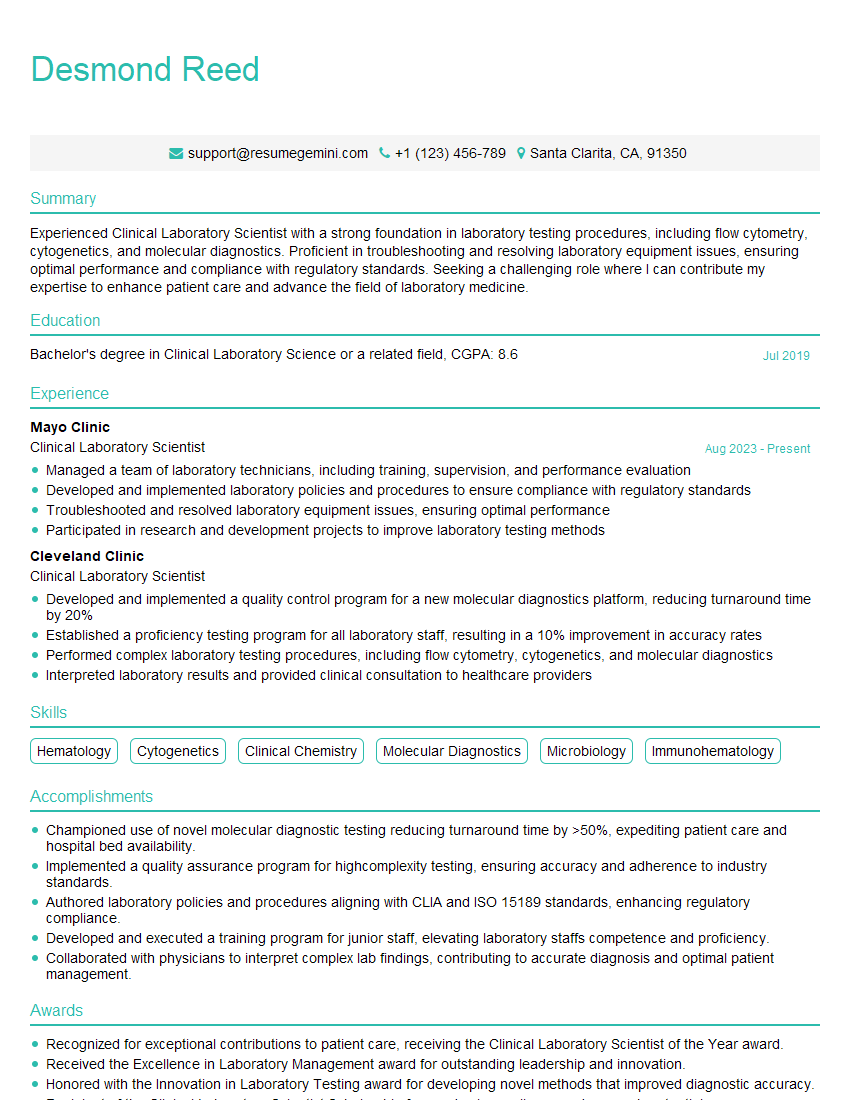
Clinical Laboratory Scientist Resume Sample
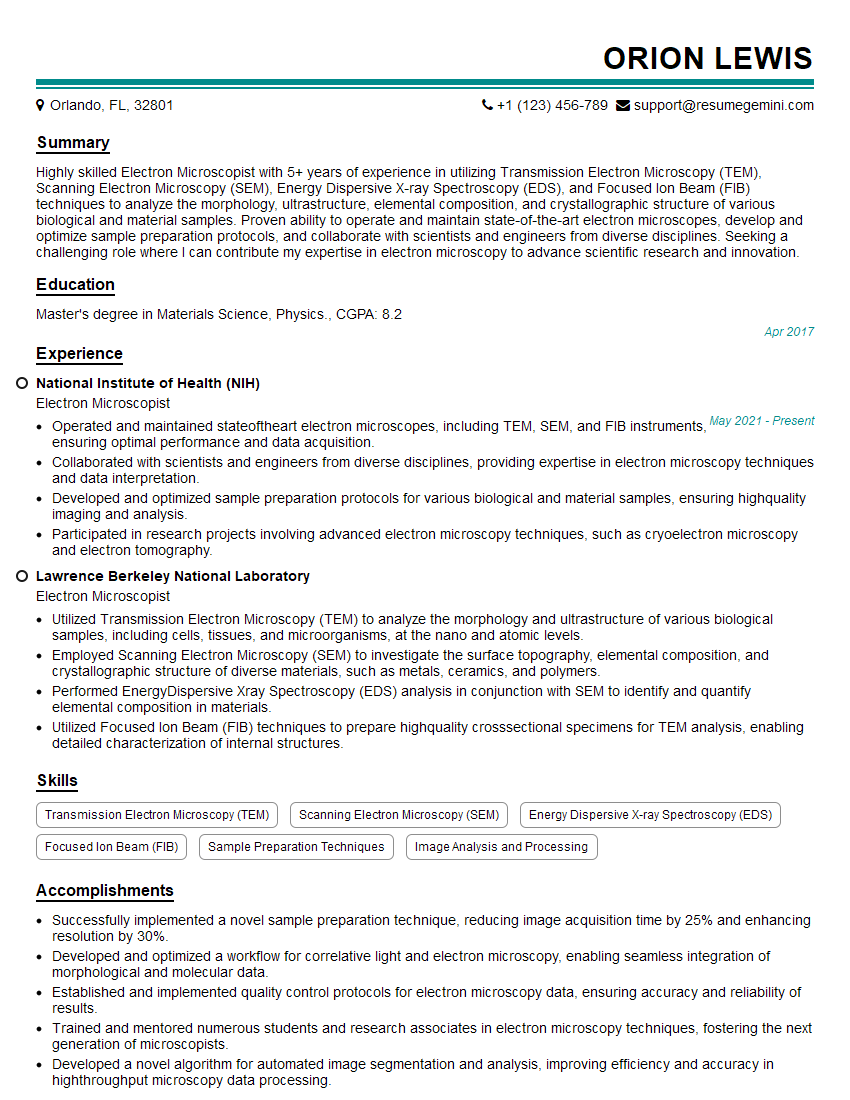
Electron Microscopist Resume Sample
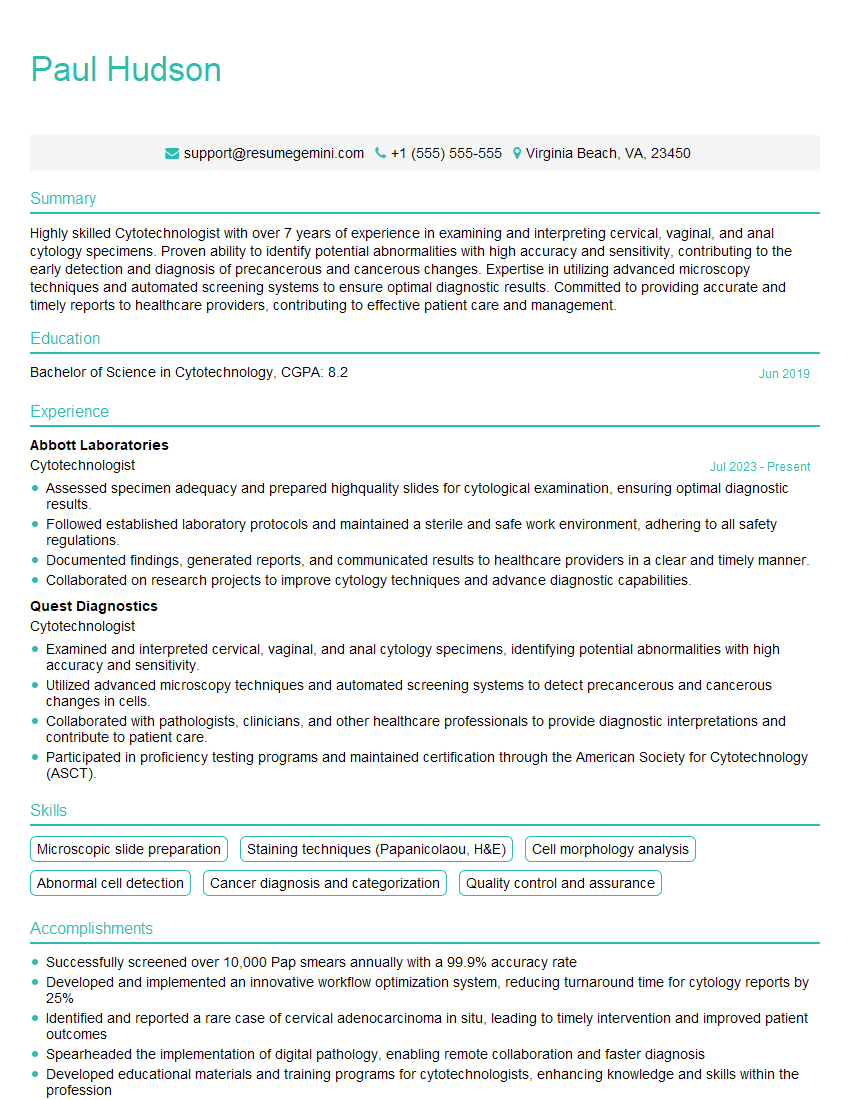
Cytotechnologist Resume Sample
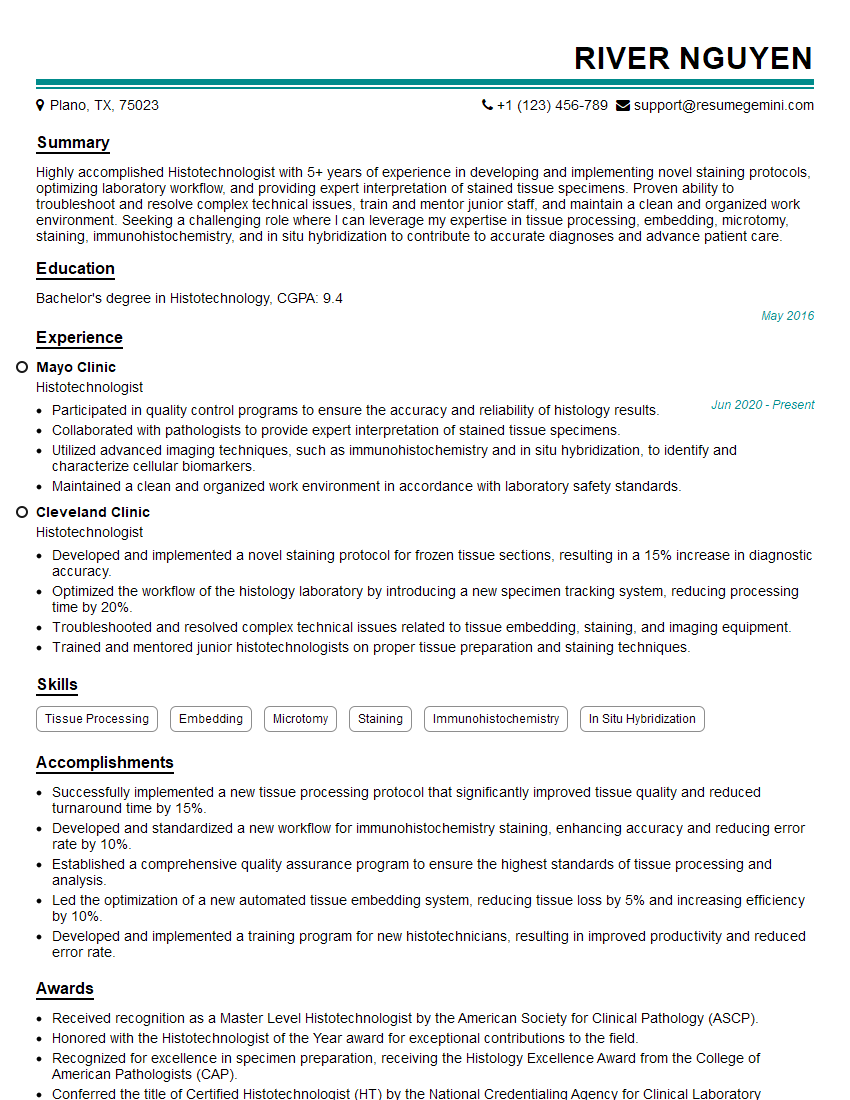
Histotechnologist Resume Sample
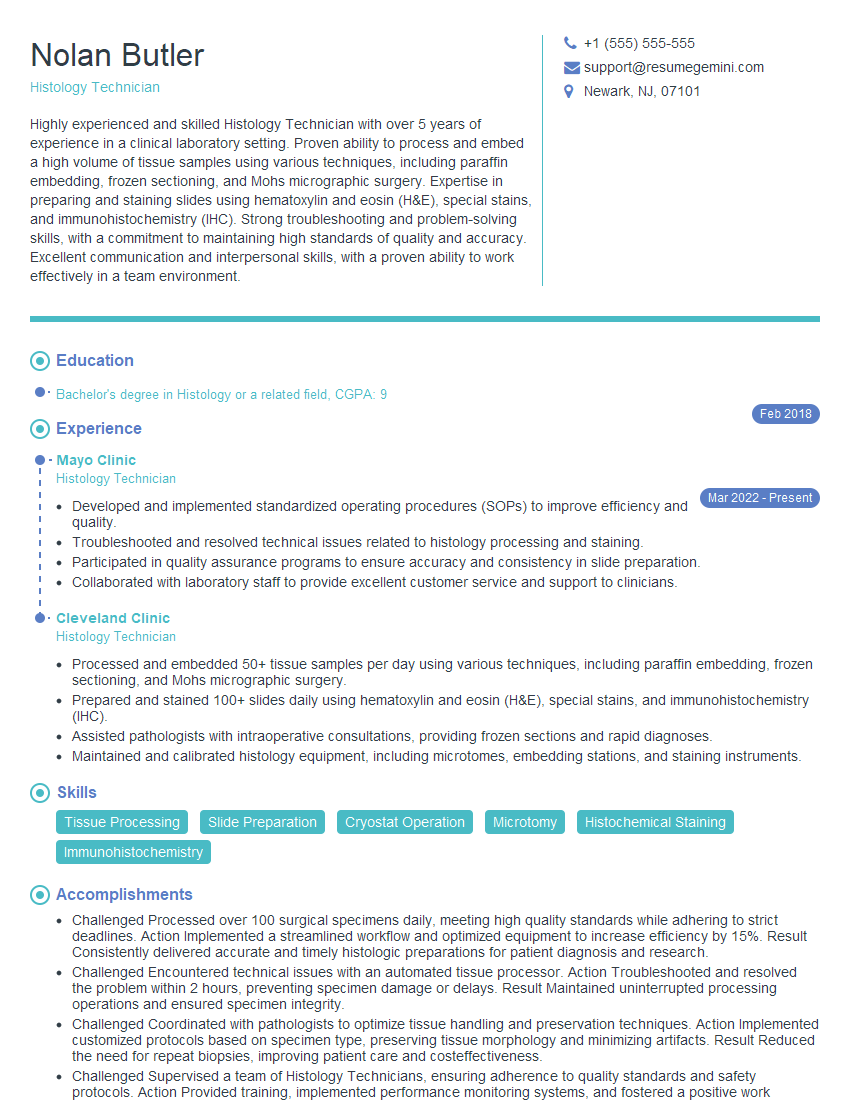
Histology Technician Resume Sample
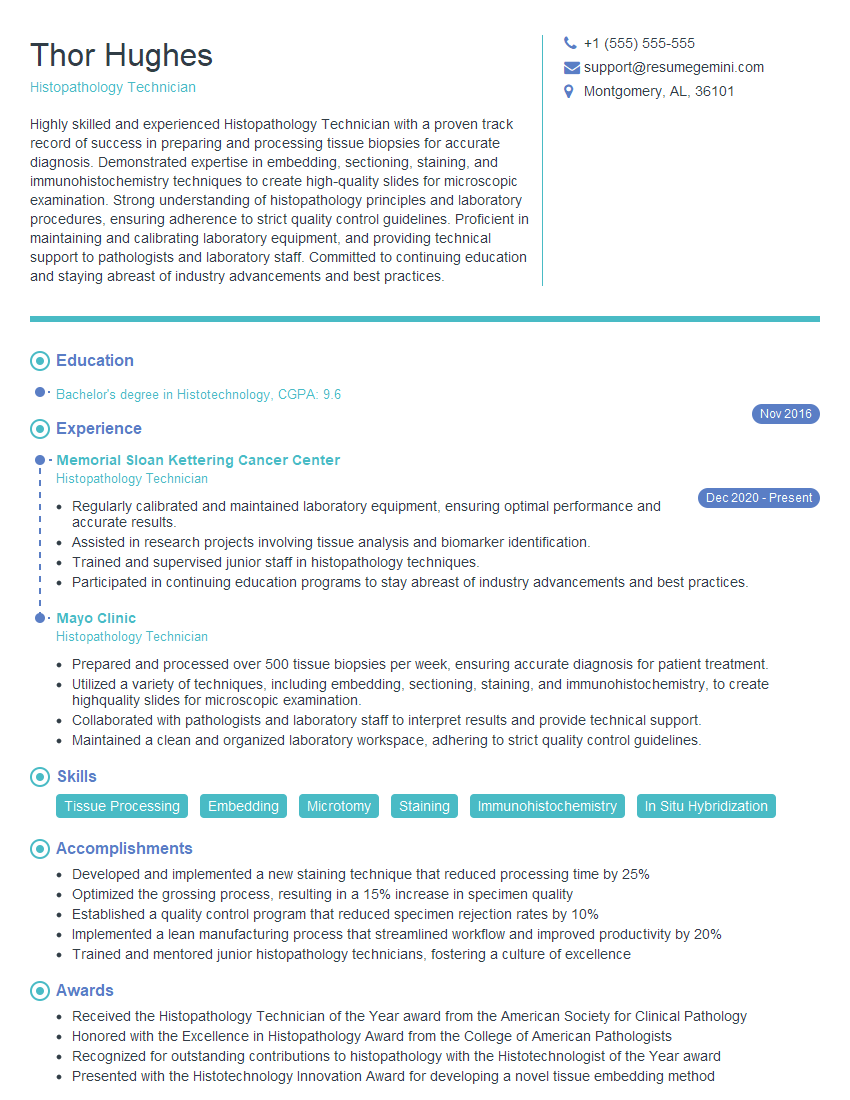
Histopathology Technician Resume Sample
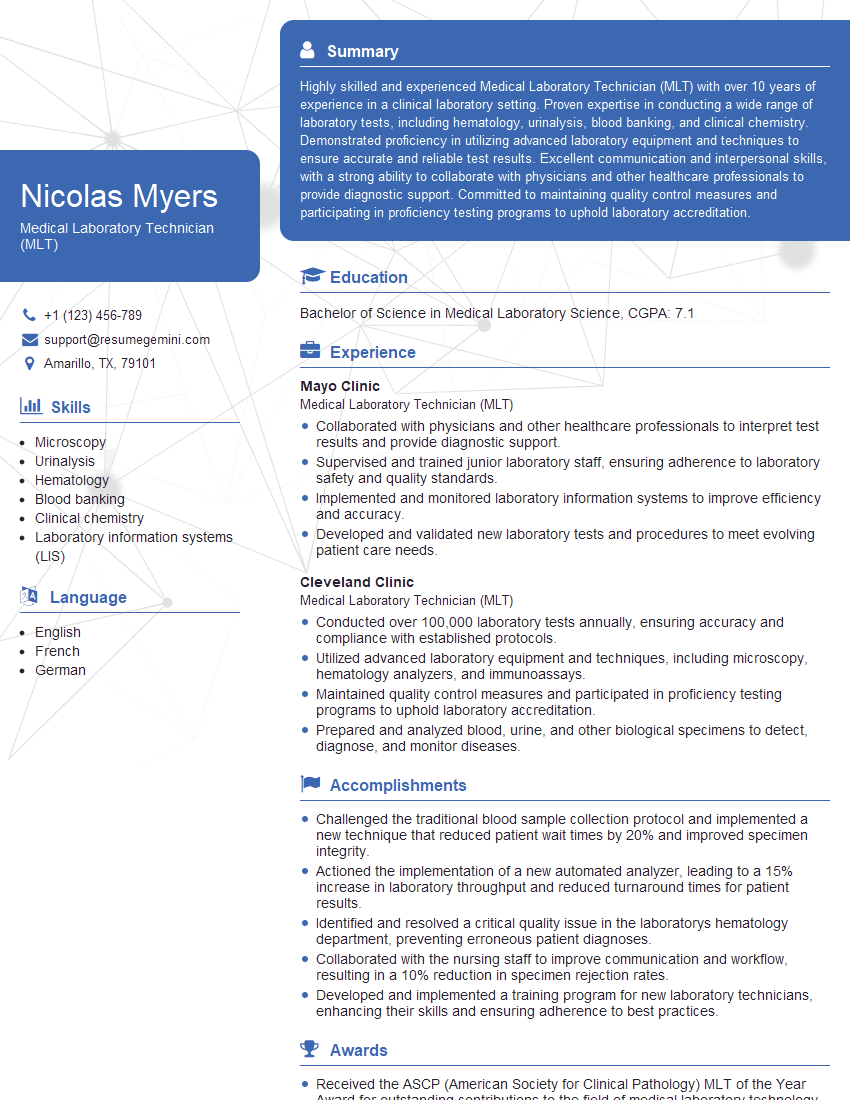
Medical Laboratory Technician (MLT) Resume Sample
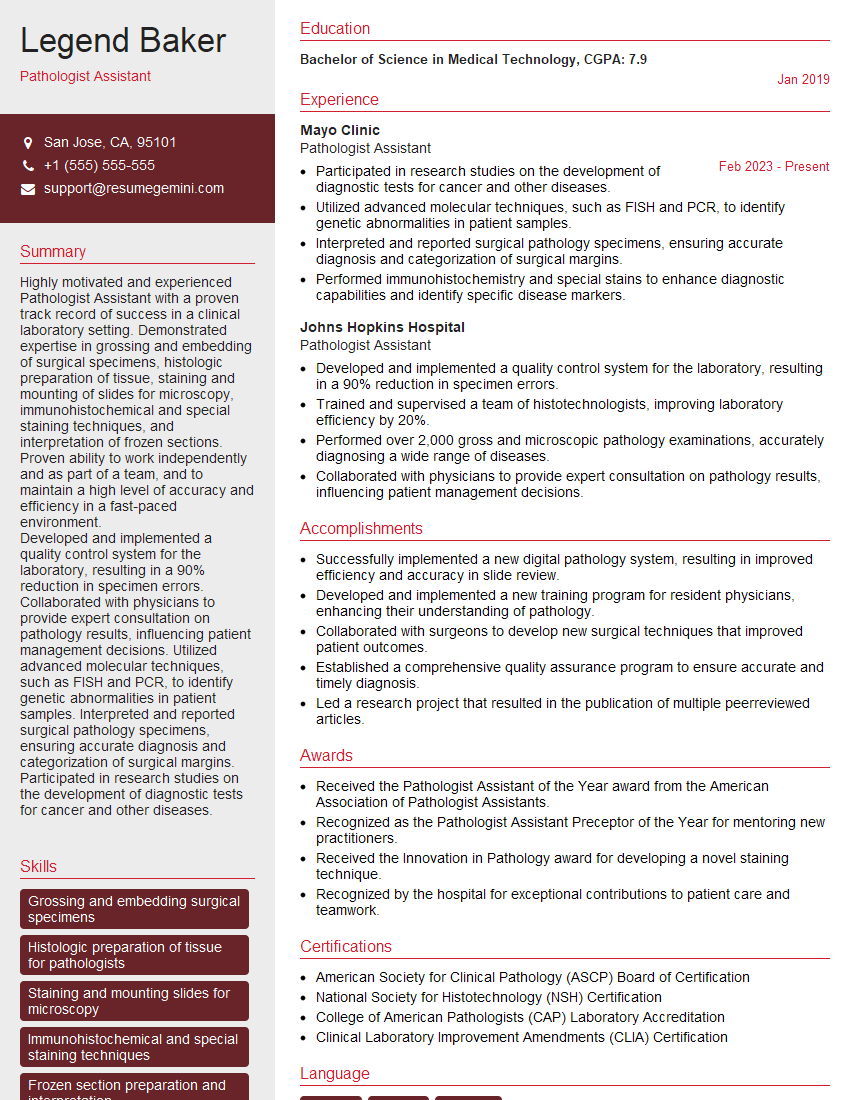
Pathologist Assistant Resume Sample
Explore more articles
Users Rating of Our Blogs
Share Your Experience
We value your feedback! Please rate our content and share your thoughts (optional).
What Readers Say About Our Blog
To the interviewgemini.com Webmaster.
Very helpful and content specific questions to help prepare me for my interview!
Thank you
To the interviewgemini.com Webmaster.
This was kind of a unique content I found around the specialized skills. Very helpful questions and good detailed answers.
Very Helpful blog, thank you Interviewgemini team.