Unlock your full potential by mastering the most common Emergency Response and Spill Control interview questions. This blog offers a deep dive into the critical topics, ensuring you’re not only prepared to answer but to excel. With these insights, you’ll approach your interview with clarity and confidence.
Questions Asked in Emergency Response and Spill Control Interview
Q 1. Describe your experience with developing and implementing SPCC plans.
Developing and implementing Spill Prevention, Control, and Countermeasure (SPCC) plans requires a thorough understanding of potential hazards, vulnerabilities, and regulatory requirements. My experience spans several years and various industries, including manufacturing and transportation. The process typically begins with a comprehensive facility assessment to identify potential sources of spills, such as storage tanks, pipelines, and loading/unloading areas. This involves evaluating the volume and type of hazardous materials handled, assessing the potential for spills, and identifying existing preventative measures.
Next, we develop the plan itself, detailing preventative measures (like regular inspections and maintenance), emergency response procedures (including personnel roles, equipment, and communication protocols), and spill cleanup procedures. I’ve been involved in designing plans that incorporate secondary containment, emergency shutdown systems, and specialized cleanup equipment based on the specific risks involved.
Finally, implementing the SPCC plan goes beyond simply creating a document; it involves training personnel, conducting drills, and performing regular inspections and updates to ensure the plan’s effectiveness and compliance with regulations. For example, in one project, we developed a plan for a chemical plant that included a detailed emergency response protocol, training exercises using virtual reality simulations, and the establishment of a dedicated emergency response team. The plan was instrumental in preventing a major environmental disaster during a significant storm.
Q 2. Explain the different types of spill containment booms and their applications.
Spill containment booms are crucial for preventing the spread of spilled liquids on water. They come in various types, each with its own strengths and weaknesses.
- Absorbent booms: These booms are made of absorbent materials like polypropylene or sorbent fibers and are effective for smaller spills, particularly in calm waters. They absorb the spilled liquid directly. Think of them as giant, floating sponges.
- Floating booms: These are typically made of durable materials like polyurethane or PVC, forming a barrier on the water’s surface to contain the spill. They are more suitable for larger spills and rougher water conditions. They are designed to be more robust and provide a physical barrier, preventing the spread more effectively than absorbent booms.
- Skirt booms: These booms have a skirt extending below the water’s surface, improving containment in deeper water and preventing the spill from slipping underneath the boom. They are crucial for preventing spills from sinking into the water column. Imagine them as a floating fence with a curtain hanging down.
- Current booms: These are specially designed to operate in flowing water, helping to direct the spill away from sensitive areas or towards recovery zones. They use their shape and design to effectively work against the current.
The choice of boom depends on factors such as the type and volume of spilled material, the water conditions (current, depth, wave action), and the environmental sensitivity of the area. For example, a small chemical spill in a calm lake might be effectively contained by absorbent booms, while a large oil spill in a river with strong currents would require the use of floating and current booms, possibly with skirt booms for improved effectiveness.
Q 3. What are the key components of an effective emergency response plan?
An effective emergency response plan is a crucial component of any organization’s safety program. It should be comprehensive, easily accessible, and regularly updated. Key components include:
- Incident Command System (ICS): A standardized organizational structure for managing emergencies. It provides a clear chain of command and ensures effective coordination among responders.
- Hazard identification and risk assessment: Identifying potential hazards and assessing their likelihood and consequences. This informs the development of prevention and response measures.
- Emergency response procedures: Detailed step-by-step instructions for handling various types of incidents, including procedures for evacuation, notification, containment, cleanup, and post-incident recovery.
- Communication plan: A clear plan for communication between responders, stakeholders, and the public. This should include communication channels, reporting procedures, and public information protocols.
- Resource allocation: Identification and planning for the resources (personnel, equipment, supplies) needed to respond to various emergencies. It includes securing appropriate equipment and establishing supply chains.
- Training and exercises: Regular training and drills to ensure personnel are prepared to respond effectively. This builds the team’s preparedness and provides valuable experience to face real emergencies.
- Post-incident analysis: A process for reviewing and evaluating the response to past incidents to identify areas for improvement in the plan and training.
A well-structured plan, like a well-rehearsed play, ensures everyone knows their role, and the response is efficient and effective.
Q 4. How do you prioritize incidents during a mass casualty event?
Prioritizing incidents during a mass casualty event (MCE) requires a systematic approach to ensure the most critically injured receive immediate attention. The START (Simple Triage and Rapid Treatment) method is often employed. It categorizes victims into four groups based on their respiratory status, perfusion (circulation), and mental status.
The process typically follows these steps:
- Rapid Assessment: Responders quickly assess each victim, checking for respiration, perfusion, and mental status.
- Categorization: Victims are categorized into:
- Immediate (Red): Those requiring immediate attention, such as those with compromised airway or severe bleeding.
- Delayed (Yellow): Those with injuries requiring treatment, but not immediately life-threatening. These include fractures or moderate burns.
- Minor (Green): Those with minor injuries who can wait for treatment. These include abrasions or minor lacerations.
- Deceased (Black): Those with fatal injuries and beyond medical assistance.
- Treatment and Evacuation: Victims are treated according to their category, with immediate-care patients prioritized for treatment and transportation.
This triage system allows resources to be focused on those who have the greatest chance of survival. It’s a crucial aspect of managing chaotic and high-pressure MCE situations. Ethical considerations, such as ensuring fairness and impartiality, are always factored into the process.
Q 5. Describe your experience with hazmat identification and response procedures.
My hazmat experience includes extensive training in identifying and responding to hazardous materials incidents. This involves both theoretical knowledge (knowing the properties of various hazardous materials) and practical skills (using detection equipment and personal protective equipment).
Hazmat identification typically involves:
- Visual inspection: Examining containers, labels, placards, and surrounding environment for clues about the material.
- Monitoring devices: Utilizing instruments like gas detectors, pH meters, and radiation detectors to identify specific substances and their concentrations.
- Technical information sources: Consulting safety data sheets (SDS) and emergency response guides for detailed information about hazardous materials.
Response procedures often follow this model:
- Initial assessment and scene control: Establishing a safe perimeter and evaluating the situation to determine the extent of the hazard.
- Hazard identification: Determining the specific hazardous materials involved and their potential risks.
- Containment and mitigation: Implementing measures to control the spread of the hazardous materials.
- Decontamination: Cleaning individuals and equipment that have been exposed to the hazardous materials.
- Cleanup: Removing the hazardous materials from the affected area.
For example, I was involved in a response to a chlorine gas leak. We used gas detectors to pinpoint the leak’s source, implemented evacuation procedures for nearby residents, contained the leak using specialized equipment, and then decontaminated affected areas using neutralizing agents. The experience emphasized the importance of teamwork and following established protocols.
Q 6. What are the legal and regulatory requirements for spill reporting in your region?
Spill reporting requirements vary by region and the type of spilled material. However, generally speaking, most jurisdictions require immediate reporting of spills exceeding a certain reportable quantity (RQ) of hazardous materials. These RQs are established by agencies like the Environmental Protection Agency (EPA) in the United States or similar organizations in other countries.
In many regions, legal and regulatory requirements for spill reporting include:
- Immediate notification: Reporting to the appropriate authorities (e.g., fire department, environmental agency) within a specific timeframe (often immediately or within a few hours).
- Detailed information: Providing a detailed report that includes the type and quantity of spilled material, location of the spill, potential environmental impacts, and steps taken to contain and remediate the spill. This ensures they have complete information to respond effectively.
- Follow-up reports: Submitting regular updates on the cleanup progress, and any ongoing environmental monitoring. This keeps track of the remediation and ensures it is done thoroughly.
- Penalties for non-compliance: Significant fines and other penalties for failure to report spills or for violating regulatory requirements. This provides a significant deterrent for ignoring the regulations.
Failure to report a spill can result in significant legal and financial repercussions. It’s essential to familiarize oneself with the specific regulations of one’s location and to have a clear plan for reporting spills quickly and accurately.
Q 7. Explain the process for assessing the environmental impact of a spill.
Assessing the environmental impact of a spill involves a systematic evaluation of the potential effects on various environmental compartments, including soil, water, air, and biota (plants and animals). This often starts with an initial site assessment to determine the extent of the spill and the affected area.
The assessment usually includes:
- Spill characteristics: Determining the type, quantity, and properties of the spilled material, as well as the weather conditions at the time of the incident.
- Environmental sampling: Collecting samples of soil, water, and air to determine the concentration of the spilled material and its potential for bioaccumulation.
- Ecological surveys: Conducting surveys to assess the impact of the spill on local flora and fauna, and the affected ecosystems.
- Modeling and simulation: Using computer models to predict the spread and fate of the spilled material and assess its potential long-term impacts. This provides predictions that are often used to guide decisions and optimize response.
- Risk assessment: Evaluating the potential risks to human health and the environment, such as drinking water contamination or harm to sensitive species.
The results of this assessment are then used to inform the development of a remediation plan to clean up the spill and mitigate its environmental impact. For instance, after an oil spill, we might use ecological assessments to identify affected bird populations, sample water for oil concentration, and model the spread of oil to nearby shorelines to design a remediation strategy that addresses both immediate and long-term concerns.
Q 8. What are the different methods for containing and cleaning up oil spills?
Containing and cleaning up oil spills requires a multifaceted approach, varying based on the spill’s size, location, and type of oil. The methods can be broadly categorized into containment and recovery.
Containment: This involves preventing the oil from spreading further. Methods include:
- Booms: Floating barriers used to encircle the spill, preventing its spread across water surfaces.
- Pumps: Used to transfer oil from contaminated areas to storage tanks.
- Sorbents: Materials like straw, pads, or booms that absorb the oil.
- Dispersants: Chemicals that break down the oil into smaller droplets, making it easier to biodegrade or skim.
- Beach barriers: Used to protect shorelines from oil reaching the beach.
Recovery: This involves physically removing the oil from the environment. Methods include:
- Skimming: Using specialized vessels to remove oil from the water’s surface.
- Vacuuming: Suctions up oil from various surfaces.
- Manual removal: Using shovels, mops or sorbents to remove smaller amounts of oil.
- Burning: Controlled burning of oil, a method used when other options are impractical, but it can release harmful pollutants.
Example: In a large offshore spill, booms would first be deployed to contain the oil, followed by skimming vessels to recover the oil, and dispersants may be used to break down smaller patches. On a smaller scale, absorbent pads might suffice for cleanup.
Q 9. How do you ensure the safety of personnel during an emergency response?
Ensuring personnel safety during emergency response is paramount. It requires a layered approach incorporating risk assessment, training, and the use of appropriate safety equipment.
- Pre-incident Planning: Detailed emergency response plans must be developed, including evacuation procedures, communication protocols, and the designation of roles and responsibilities.
- Risk Assessment: Identifying potential hazards, like exposure to toxic substances, fire, or equipment failure, allows for the implementation of control measures.
- Personal Protective Equipment (PPE): Providing and enforcing the use of appropriate PPE, such as respirators, gloves, protective clothing, and eye protection, is critical.
- Training and Drills: Regular training and drills familiarize personnel with procedures, equipment, and communication strategies, enhancing their response capabilities.
- Site Safety Monitoring: Ongoing supervision and monitoring of the response area ensure adherence to safety protocols.
- Communication: Clear, concise, and consistent communication between personnel is essential to coordinate efforts and avoid accidents.
- Emergency Medical Services: Ensuring readily available medical assistance in case of injuries is a crucial part of safety planning.
Example: In a chemical spill, personnel might be required to wear specialized hazmat suits, respirators, and boots before approaching the contaminated area, adhering to a pre-determined safety protocol.
Q 10. Describe your experience with using personal protective equipment (PPE).
My experience with PPE spans several years and includes various types of equipment used in diverse emergency situations. I’ve worked with a range of PPE, from basic gloves and safety glasses to fully encapsulating suits used during hazardous material incidents.
Types of PPE Used:
- Level A suits: Fully encapsulating suits providing maximum protection from a wide range of hazards. I’ve used these during chemical spills involving highly toxic substances.
- Level B suits: Similar to Level A but with less respiratory protection, appropriate for scenarios with less severe airborne hazards.
- Level C suits: Offer less protection, primarily used when the hazard is less severe.
- Respirators: Used extensively in scenarios where hazardous airborne substances are present. I have experience using both air-purifying respirators and supplied-air respirators, choosing the appropriate type based on the specific hazard.
- Gloves: Different types of gloves are used depending on the chemicals involved, ranging from nitrile to neoprene and even specialized chemical-resistant gloves.
Practical Application: I always ensure the correct PPE is selected based on a comprehensive risk assessment of the situation. Proper donning and doffing procedures are strictly followed to avoid contamination. Regular inspections and maintenance of the equipment are essential to ensure its effectiveness.
Q 11. What are the common causes of chemical spills in industrial settings?
Chemical spills in industrial settings are often caused by a combination of human error and equipment malfunction. Some of the common causes include:
- Equipment failure: Leaks in pipes, valves, or storage tanks. Corrosion, improper maintenance, and age can contribute to this.
- Human error: Mistakes during handling, transfer, or storage of chemicals, such as incorrect labeling, improper handling procedures, or insufficient training.
- Improper storage: Inadequate storage facilities, incorrect stacking, or failure to comply with storage regulations. This includes neglecting proper ventilation.
- Transportation accidents: Leaks or spills during the transport of chemicals, whether by road, rail, or sea.
- Natural disasters: Earthquakes, floods, or storms can damage storage facilities, leading to spills.
- Process upsets: Unexpected changes in process parameters that can lead to spills or leaks.
Example: A failure to properly secure a valve on a storage tank could lead to a chemical spill. Similarly, human error during the transfer of chemicals from one container to another could result in a spill due to carelessness or lack of proper training. Preventing these spills requires rigorous safety protocols, proper training, and regular equipment inspections.
Q 12. Explain the concept of risk assessment in emergency management.
Risk assessment in emergency management is a systematic process of identifying hazards, analyzing their potential consequences, and determining appropriate control measures. It’s like a pre-emptive strike against potential problems. The goal is to prevent incidents from happening or to minimize their impact if they do occur.
The process usually involves these steps:
- Hazard Identification: Identifying potential hazards, such as equipment malfunctions, human error, natural disasters, or chemical leaks.
- Risk Analysis: Determining the likelihood and severity of the potential consequences of each hazard. This might involve considering factors like the quantity of a hazardous material, its toxicity, and the vulnerability of people and property in the vicinity.
- Risk Evaluation: Evaluating the overall level of risk, often expressed as a combination of likelihood and severity.
- Risk Control: Developing and implementing control measures to mitigate the identified risks. These could include engineering controls (e.g., improved equipment, safety systems), administrative controls (e.g., training, procedures), or personal protective equipment (PPE).
- Monitoring and Review: Regularly monitoring the effectiveness of the control measures and reviewing the risk assessment to ensure it remains up-to-date and accurate.
Example: In a chemical plant, a risk assessment might identify the risk of a chlorine leak. The analysis would then consider the likelihood of such a leak and the potential consequences (e.g., injury, environmental damage). The risk evaluation would lead to control measures, such as installing redundant safety systems, implementing strict safety protocols, and providing appropriate PPE to workers.
Q 13. How do you communicate effectively during an emergency situation?
Effective communication during an emergency is critical for a coordinated and successful response. It’s about conveying information clearly, concisely, and efficiently, both internally and externally. This might include:
- Clear and Concise Messaging: Using plain language and avoiding jargon to ensure everyone understands the situation.
- Multiple Communication Channels: Employing various channels such as two-way radios, mobile phones, emergency alert systems, and public address systems. Redundancy is vital in case of system failure.
- Designated Communication Personnel: Assigning specific personnel to handle communication to ensure efficient dissemination of information.
- Regular Updates: Providing timely and frequent updates to all stakeholders, including responders, the public, and emergency services.
- Incident Command System (ICS): Utilizing ICS to establish a structured command and control system for effective communication and coordination.
- Pre-established Communication Plans: Having pre-determined communication plans that are practiced regularly during drills.
- Debriefing: Conducting a post-incident debrief to identify communication successes and areas needing improvement.
Example: During a large-scale oil spill, a designated spokesperson would regularly communicate updates to the press and the public, keeping them informed on the progress of the containment and cleanup efforts.
Q 14. What are the key elements of a post-incident investigation?
A post-incident investigation is crucial for learning from past mistakes and preventing future incidents. It’s a systematic process to determine the root causes of an emergency, identify areas for improvement, and enhance future preparedness. Key elements include:
- Fact-Finding: Gathering detailed information about the incident, including timelines, witness accounts, and physical evidence.
- Root Cause Analysis: Identifying the underlying reasons for the incident, often using techniques like fault tree analysis or the “five whys” method. This goes beyond identifying the immediate cause to find the underlying systemic issues.
- Corrective Actions: Developing and implementing actions to prevent similar incidents from occurring in the future. This might involve changes in procedures, equipment upgrades, or additional training.
- Documentation: Maintaining thorough documentation of the entire investigation process, including findings, corrective actions, and follow-up procedures.
- Lessons Learned: Sharing the findings and lessons learned with all relevant stakeholders to improve overall preparedness and response capabilities.
- Communication: Clearly communicating the findings and actions to both internal and external stakeholders.
Example: After a chemical spill, an investigation might reveal that inadequate training on handling procedures was a contributing factor. Corrective actions could then include enhanced employee training, development of updated procedures, and improved signage.
Q 15. Describe your experience with using emergency response software or systems.
My experience with emergency response software spans several systems, from basic incident tracking databases to sophisticated Geographic Information System (GIS) integrated platforms. I’ve worked extensively with systems like ICS-based software, which helps manage resources and personnel during an incident, and HazMat tracking systems, critical for monitoring the movement and containment of hazardous materials. In one instance, we used a GIS-integrated platform to map a large-scale chemical spill, allowing us to visualize the affected area, optimize resource deployment (firefighters, cleanup crews, medical personnel), and track the progression of the cleanup efforts in real-time. This significantly improved our response time and efficiency. Another system I’m familiar with provides real-time updates on weather patterns, which is invaluable for predicting the spread of airborne contaminants or flooding. The key to effective use of these systems lies in thorough training and understanding their functionalities to ensure seamless data input and analysis.
Career Expert Tips:
- Ace those interviews! Prepare effectively by reviewing the Top 50 Most Common Interview Questions on ResumeGemini.
- Navigate your job search with confidence! Explore a wide range of Career Tips on ResumeGemini. Learn about common challenges and recommendations to overcome them.
- Craft the perfect resume! Master the Art of Resume Writing with ResumeGemini’s guide. Showcase your unique qualifications and achievements effectively.
- Don’t miss out on holiday savings! Build your dream resume with ResumeGemini’s ATS optimized templates.
Q 16. How do you manage stress and fatigue during prolonged emergency situations?
Managing stress and fatigue during prolonged emergencies is crucial, both for personal well-being and for effective response. I employ a multi-pronged approach. Firstly, I prioritize adequate rest and hydration, even in high-pressure situations. This might involve strategic breaks, sharing workload effectively with my team, and leveraging the support of rotating personnel. Secondly, I practice mindfulness techniques like deep breathing exercises to manage immediate stress responses. Thirdly, I maintain open communication with my team, fostering a supportive environment where everyone feels comfortable expressing their concerns and accessing available support resources (e.g., peer support, counseling services). Finally, post-incident debriefing and critical incident stress management (CISM) are vital for processing the emotional impact of these events and preventing burnout. A real-world example was a hurricane response where we worked for over 72 hours; regular breaks, team encouragement, and a post-incident debriefing session were instrumental in ensuring both physical and mental well-being.
Q 17. Explain your understanding of the National Incident Management System (NIMS).
The National Incident Management System (NIMS) is a standardized approach to incident management that integrates best practices for coordinating emergency response among various jurisdictions and agencies. At its core, NIMS provides a flexible framework for managing all types of incidents, from natural disasters to terrorist attacks. Key components include the Incident Command System (ICS), which establishes a clear organizational structure and chain of command; resource management, which ensures efficient allocation of personnel, equipment, and supplies; and communications and information management, which facilitates effective coordination among responders. NIMS also emphasizes preparedness, through exercises and training, and recovery, promoting effective transition back to normalcy after the incident. The benefit of NIMS lies in its ability to foster interoperability, enabling a unified response from diverse agencies, reducing confusion and ensuring efficient use of resources. For example, during a wildfire, NIMS ensures seamless collaboration between local fire departments, state emergency management agencies, and federal agencies like FEMA.
Q 18. What are the different types of decontamination procedures?
Decontamination procedures vary depending on the type of contaminant and the level of exposure. Broadly, they can be categorized into:
- Emergency Decontamination: This is a rapid, initial process conducted at the scene to remove immediate threats. It might involve washing with water or removing contaminated clothing.
- Technical Decontamination: This is a more controlled and thorough process, typically performed at a designated decontamination site. It involves a series of steps using specialized equipment and chemicals tailored to the specific contaminant. For instance, a chemical spill might require different decontamination procedures than a biological hazard.
- Mass Decontamination: This is used in large-scale incidents involving numerous victims, prioritizing speed and efficiency over individual meticulous cleaning. It often uses water sprays and large-scale rinsing methods.
Choosing the right procedure requires a thorough understanding of the contaminant’s properties and the affected individuals’ level of exposure. Proper personal protective equipment (PPE) is essential for all personnel involved in decontamination procedures.
Q 19. How do you coordinate with different agencies during a large-scale emergency?
Coordinating with different agencies during a large-scale emergency requires clear communication, established protocols, and a unified command structure. This typically involves leveraging the Incident Command System (ICS) to establish roles and responsibilities. I establish and maintain open communication channels through regular briefings and updates, ensuring transparency and shared situational awareness among all participating agencies. Utilizing common communication platforms and protocols, such as those defined within NIMS, greatly facilitates this process. For example, I might use a dedicated radio frequency to communicate with other agencies, or establish a common operating picture through a shared digital map. Pre-event coordination and collaborative planning exercises are critical; these allow different agencies to become familiar with each other’s protocols, communication methods and capabilities, reducing confusion and facilitating swift, effective response during the actual event. A successful example was coordinating with the fire department, police, and medical teams during a multi-vehicle accident to ensure the effective triage, transport, and treatment of numerous casualties.
Q 20. Describe your experience with training and educating others on emergency response procedures.
I have extensive experience in training and educating others on emergency response procedures. My approach involves a blend of theoretical instruction and practical exercises, using a variety of methods including lectures, simulations, and hands-on training. I tailor my approach to the audience’s prior knowledge and experience level. For example, when training first responders, I focus on practical skills like using personal protective equipment (PPE), operating emergency equipment, and performing basic first aid. For management-level personnel, the training focuses on strategic planning, resource allocation, and effective communication. I often incorporate real-world case studies to illustrate key concepts and promote better understanding of decision-making under pressure. Post-training evaluations and feedback sessions ensure ongoing improvement and effectiveness. Recently, I developed and delivered a specialized training program on hazardous materials response for a local industrial facility, resulting in a significant improvement in their emergency preparedness capabilities.
Q 21. How do you handle conflicts or disagreements within an emergency response team?
Conflict resolution within an emergency response team is crucial for mission success. My approach prioritizes open communication and active listening. I encourage team members to express their perspectives respectfully and openly. I then facilitate a collaborative discussion to identify the root cause of the disagreement. Depending on the nature of the conflict, I might employ different conflict resolution techniques, such as mediation or negotiation. However, in time-critical situations, I may need to make a decisive decision based on my assessment of the situation and the available information, clearly communicating the rationale behind my decision to the team. The emphasis is always on achieving a common goal: the safety of the public and the successful resolution of the incident. For example, during a search and rescue operation, a disagreement on search strategy was resolved through collaborative discussion, leveraging the expertise of different team members and ultimately leading to a more efficient and effective search.
Q 22. Describe a challenging emergency response situation and how you overcame it.
One of the most challenging situations I faced involved a large-scale chemical spill at a manufacturing plant. A tanker truck carrying highly corrosive sulfuric acid overturned, resulting in a significant leak and immediate threat to both the environment and nearby residential areas. The initial chaos was immense: frantic calls, conflicting reports, and a rapidly expanding contamination zone. Overcoming this required a multi-pronged approach.
Firstly, we established a clear command structure, implementing the Incident Command System (ICS) to manage resources effectively. This helped us organize the response into manageable segments, assigning specific teams to containment, evacuation, decontamination, and public information. Secondly, we prioritized immediate actions: securing the area, initiating evacuation protocols for residents within the risk zone, and deploying specialized hazmat teams to contain the spill. Thirdly, we employed specialized equipment such as booms and absorbent pads to contain the spread of the acid and prevent further environmental damage. Finally, we worked closely with regulatory agencies, providing accurate and timely reports on the incident to ensure compliance and facilitate ongoing remediation efforts. This collaborative approach, focusing on clear communication, rapid action, and effective resource management, ultimately mitigated the environmental impact and ensured the safety of the affected community.
Q 23. What are the ethical considerations in emergency response and spill control?
Ethical considerations in emergency response and spill control are paramount. They involve balancing the need for rapid action with the obligation to protect human life, the environment, and property. Key ethical considerations include:
- Prioritizing human safety: This means making tough decisions about resource allocation, balancing the need to save lives with minimizing the overall impact of the incident.
- Environmental protection: Minimizing environmental damage through effective containment and remediation is crucial. We must act responsibly to protect ecosystems and avoid long-term consequences.
- Transparency and communication: Open and honest communication with affected communities is vital for building trust and ensuring their safety. This includes providing timely and accurate information about risks and mitigation efforts.
- Accountability and responsibility: Following established protocols and procedures, documenting actions thoroughly, and accepting responsibility for mistakes are essential for maintaining public trust and improving future responses.
- Conflict of interest: Avoiding any potential conflict of interest, particularly concerning financial incentives that may compromise response decisions is paramount.
For instance, a decision to prioritize containing a spill near a populated area over a less populated area, even though the environmental damage may be greater in the former, would be an ethical decision weighed against risks to human life.
Q 24. Explain your knowledge of different types of hazardous materials and their properties.
Hazardous materials encompass a vast range of substances with diverse properties that pose significant risks to human health and the environment. Understanding these properties is crucial for effective response. Materials are broadly categorized by their physical and chemical characteristics:
- Flammable materials: These substances ignite easily, posing fire hazards (e.g., gasoline, propane).
- Corrosive materials: These materials cause chemical burns to skin and other surfaces (e.g., acids, alkalis).
- Toxic materials: These materials cause harm through ingestion, inhalation, or skin contact (e.g., pesticides, heavy metals).
- Reactive materials: These materials readily undergo chemical reactions, often violently, posing explosion or fire hazards (e.g., alkali metals, oxidizing agents).
- Radioactive materials: These materials emit ionizing radiation, potentially causing serious health problems (e.g., uranium, plutonium).
- Biological materials: These materials include infectious agents like bacteria, viruses, or toxins that cause disease (e.g., anthrax, botulism).
Each hazardous material has a unique set of properties outlined in its Safety Data Sheet (SDS). Understanding this data is fundamental to selecting the appropriate response strategies. For example, the response to a gasoline spill (flammable) is vastly different from a response to a mercury spill (toxic).
Q 25. How do you ensure the accuracy of spill reporting and documentation?
Accuracy in spill reporting and documentation is critical for several reasons: it aids effective response, informs investigations, supports legal actions, and allows for improved future preparedness. We ensure accuracy through a multi-step process:
- Real-time data collection: Utilizing standardized forms and technologies like GIS mapping for precise location, time, and quantity of spilled material.
- Multiple data sources: Verifying information from various sources, including witnesses, sensors, and monitoring equipment to mitigate bias.
- Chain of custody: Maintaining a strict chain of custody for samples collected for analysis to ensure their integrity.
- Detailed documentation: Producing comprehensive reports including incident descriptions, response actions taken, and environmental monitoring results.
- Regular audits: Conducting regular internal and external audits of reporting procedures and documentation to identify weaknesses and areas for improvement.
For example, using GPS coordinates rather than imprecise descriptions ensures accurate location of spill sites. Cross-referencing reported quantities with independent measurements reinforces the accuracy of reported volumes.
Q 26. What are your strengths and weaknesses in emergency response situations?
My strengths lie in my ability to remain calm under pressure, make quick yet informed decisions, and effectively communicate with diverse teams during complex emergencies. I am adept at strategic thinking, resource allocation, and problem-solving. I also have extensive experience in coordinating responses across various agencies and stakeholders.
However, my weakness is occasionally being overly detail-oriented, which can potentially slow down decision-making in time-critical situations. I am actively working on delegating more effectively to improve speed and efficiency without compromising quality. I believe in continuous improvement, regularly seeking feedback and actively working to overcome my weaknesses.
Q 27. How do you stay up-to-date on the latest emergency response techniques and technologies?
Staying current in emergency response requires a multifaceted approach:
- Professional development: Attending conferences, workshops, and training courses on new technologies and techniques, like drone technology for aerial surveillance, advanced modeling software for predicting spill spread, and new decontamination methods.
- Industry publications: Reading relevant journals and industry publications to stay informed about the latest research and best practices.
- Networking: Engaging with colleagues and professionals in the field through networking events and online forums to exchange information and learn from their experiences.
- Regulatory updates: Monitoring changes in regulations and standards to ensure compliance and adopt best practices.
- Technology advancements: Staying informed about advancements in technologies such as AI-powered predictive modeling, remote sensing, and data analytics for improved situational awareness and response planning.
For example, I regularly participate in webinars and online courses that focus on innovative approaches to spill containment and environmental remediation.
Q 28. Describe your experience with emergency preparedness planning and exercises.
I have extensive experience in emergency preparedness planning and exercises, ranging from small-scale facility-level drills to large-scale multi-agency simulations. This involves:
- Developing emergency response plans: Collaborating with stakeholders to create comprehensive plans that address various potential scenarios, including spill response, evacuation procedures, and communication protocols.
- Conducting training exercises: Participating in and leading training exercises to test response plans, evaluate team performance, and identify areas for improvement. These exercises incorporate realistic scenarios and simulated challenges to test our preparedness.
- Post-exercise evaluations: Thoroughly analyzing the results of each exercise to pinpoint weaknesses and identify opportunities for enhanced preparedness. This includes documenting lessons learned, improving communication protocols and revising existing plans.
- Tabletop exercises: Participating in simulations focusing on discussion and strategy planning in a controlled environment for less costly testing of plans.
- Full-scale exercises: Participating in large-scale simulations that engage actual personnel and resources, mimicking a real-world emergency as closely as possible.
Through these exercises, we identify potential vulnerabilities, refine our response strategies, and improve overall preparedness to ensure we can effectively manage emergencies when they occur. These are crucial for efficient response and improved coordination during real events.
Key Topics to Learn for Emergency Response and Spill Control Interview
- Emergency Response Planning & Procedures: Understanding the development and implementation of comprehensive emergency response plans, including pre-incident planning, hazard identification, and risk assessment. Practical application: Describe your experience in developing or participating in emergency drills and exercises.
- Spill Containment & Control Techniques: Mastering various containment and control methods for different types of spills (e.g., oil, chemicals, hazardous materials). Practical application: Explain your knowledge of booms, sorbents, and other containment equipment and their appropriate selection based on spill type and environment.
- Hazardous Materials Identification & Handling: Knowledge of HAZMAT identification systems (e.g., NFPA 704, Globally Harmonized System of Classification and Labelling of Chemicals – GHS), safe handling procedures, and personal protective equipment (PPE) selection. Practical application: Describe a scenario where you correctly identified a hazardous material and took appropriate safety precautions.
- Incident Command System (ICS): Understanding the principles and structure of ICS, including roles, responsibilities, and communication protocols. Practical application: Explain your experience working within an ICS structure, including your role and responsibilities during an emergency response.
- Environmental Regulations & Compliance: Familiarity with relevant environmental regulations and reporting requirements related to spills and emergency response. Practical application: Describe your understanding of reporting procedures for various types of spills and the relevant regulatory agencies involved.
- Health & Safety Regulations: Comprehensive understanding of relevant occupational health and safety regulations and their application during emergency response. Practical application: Detail your understanding of worker safety procedures and risk mitigation strategies in emergency scenarios.
- Post-Incident Activities: Understanding the procedures for post-incident activities such as cleanup, investigation, and reporting. Practical application: Describe your role in post-incident activities, including damage assessment and remediation strategies.
- Problem-Solving & Decision-Making Under Pressure: Demonstrating the ability to think critically and make sound decisions in high-pressure situations. Practical application: Describe a situation where you had to make a quick decision under pressure during an emergency response.
Next Steps
Mastering Emergency Response and Spill Control is crucial for a successful and rewarding career, opening doors to diverse opportunities and showcasing your commitment to safety and environmental responsibility. A well-crafted, ATS-friendly resume is your key to unlocking these opportunities. ResumeGemini can help you create a compelling resume that highlights your skills and experience effectively. ResumeGemini provides examples of resumes tailored to the Emergency Response and Spill Control field to guide you in building your own professional document. Take the next step towards your dream career today!
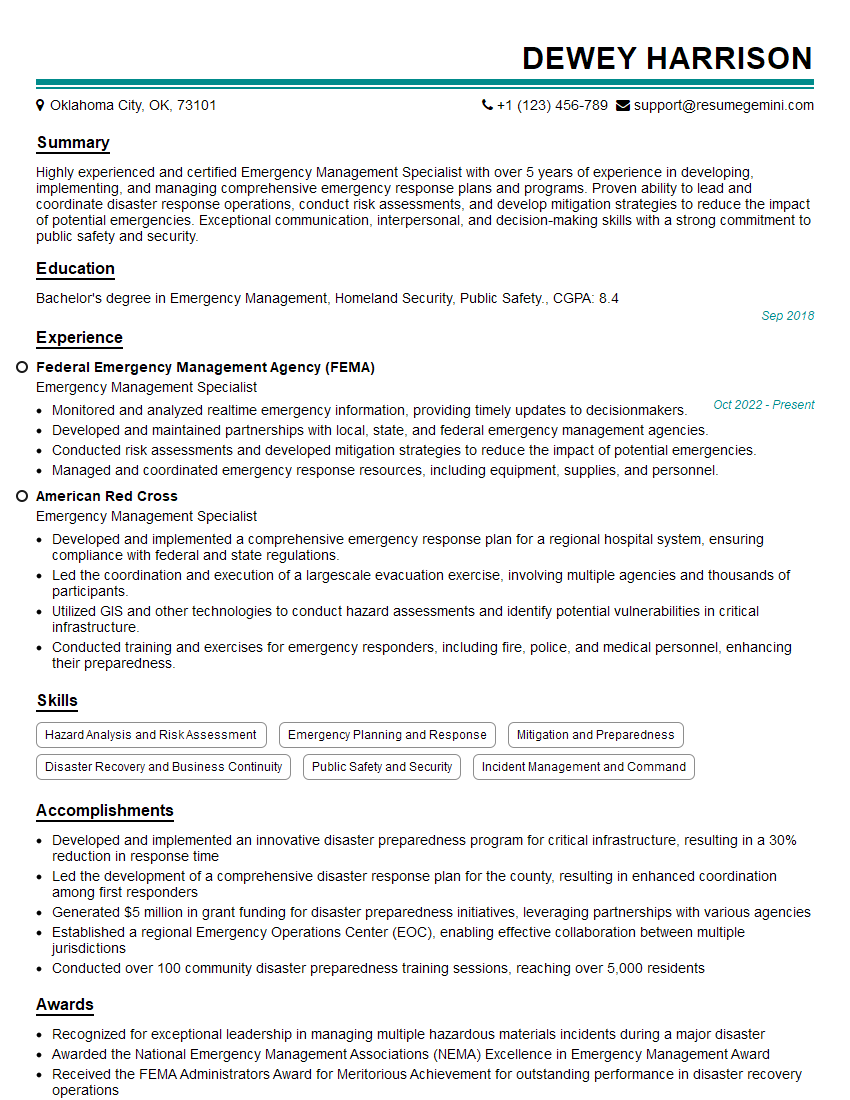
Emergency Management Specialist Resume Sample
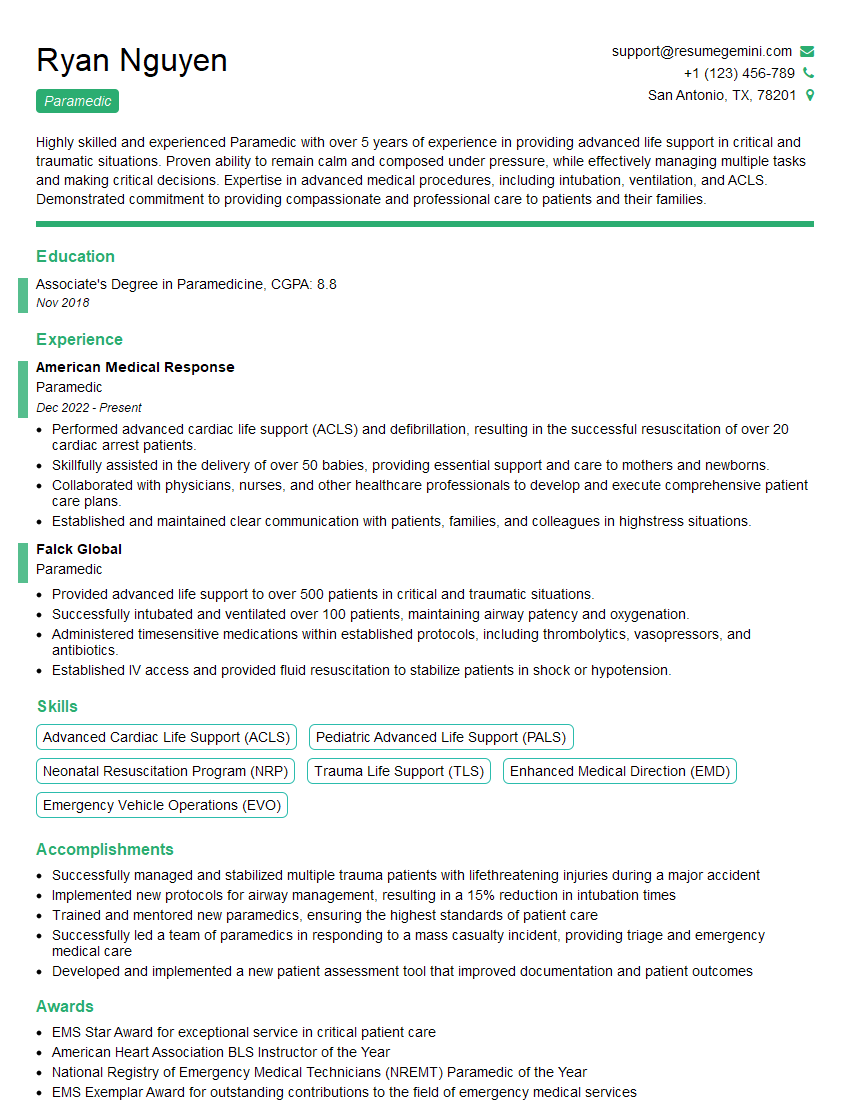
Paramedic Resume Sample
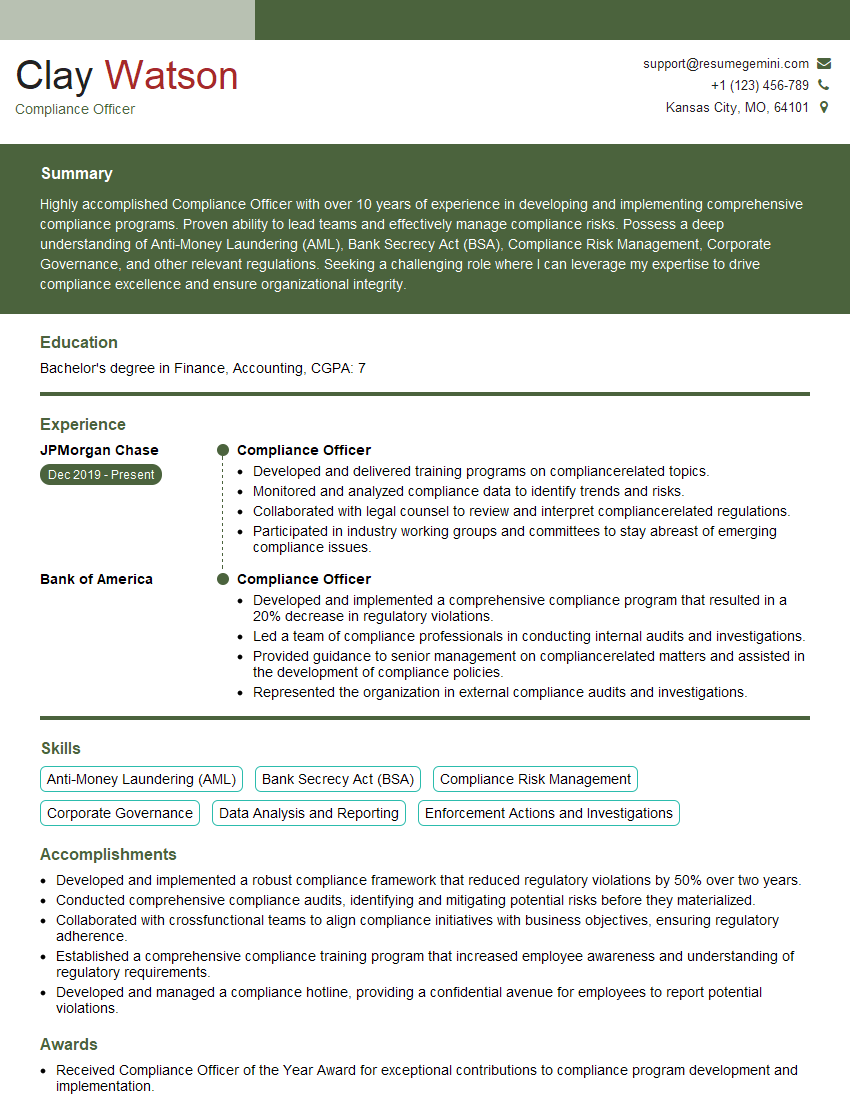
Compliance Officer Resume Sample
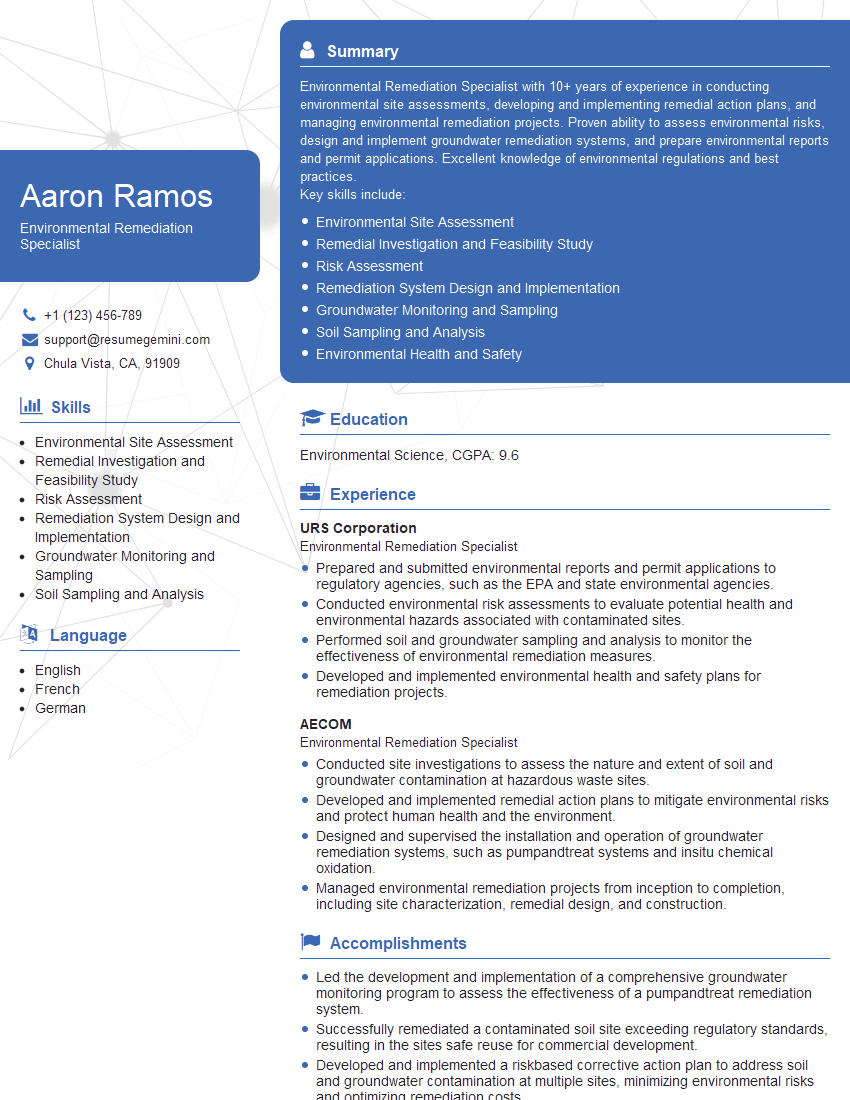
Environmental Remediation Specialist Resume Sample
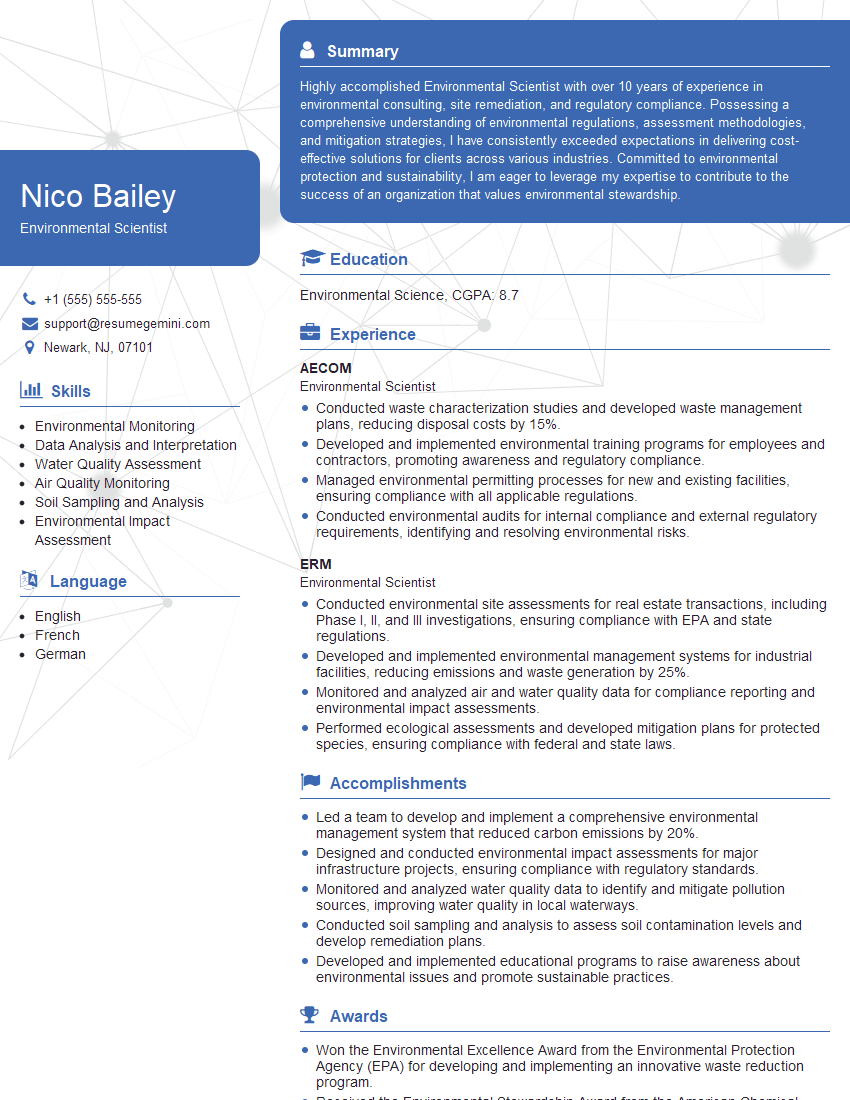
Environmental Scientist Resume Sample
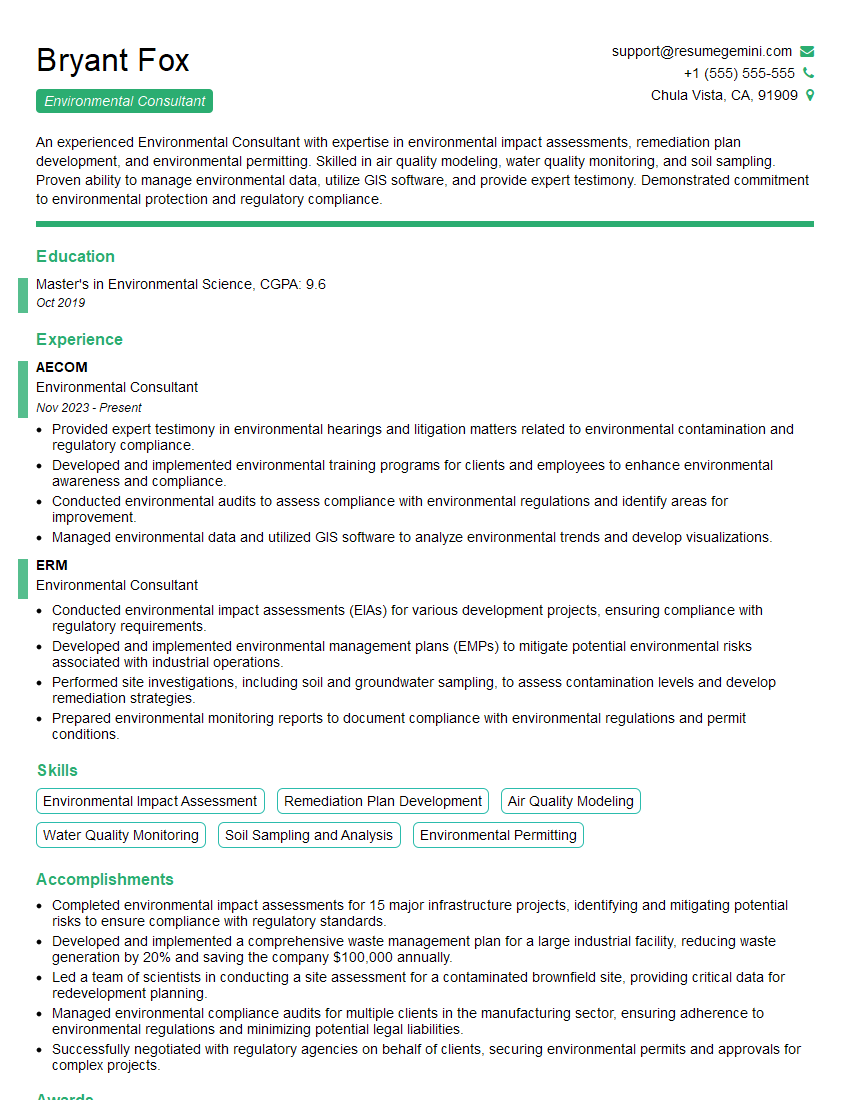
Environmental Consultant Resume Sample
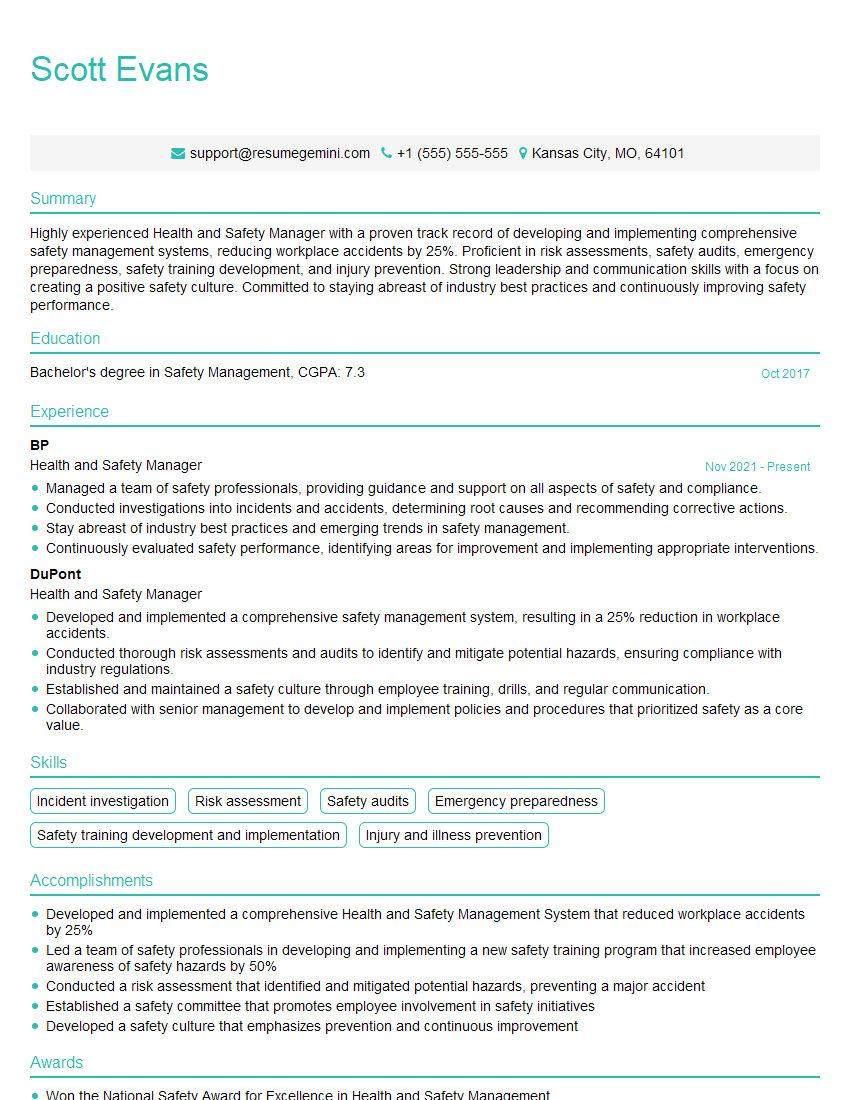
Health and Safety Manager Resume Sample
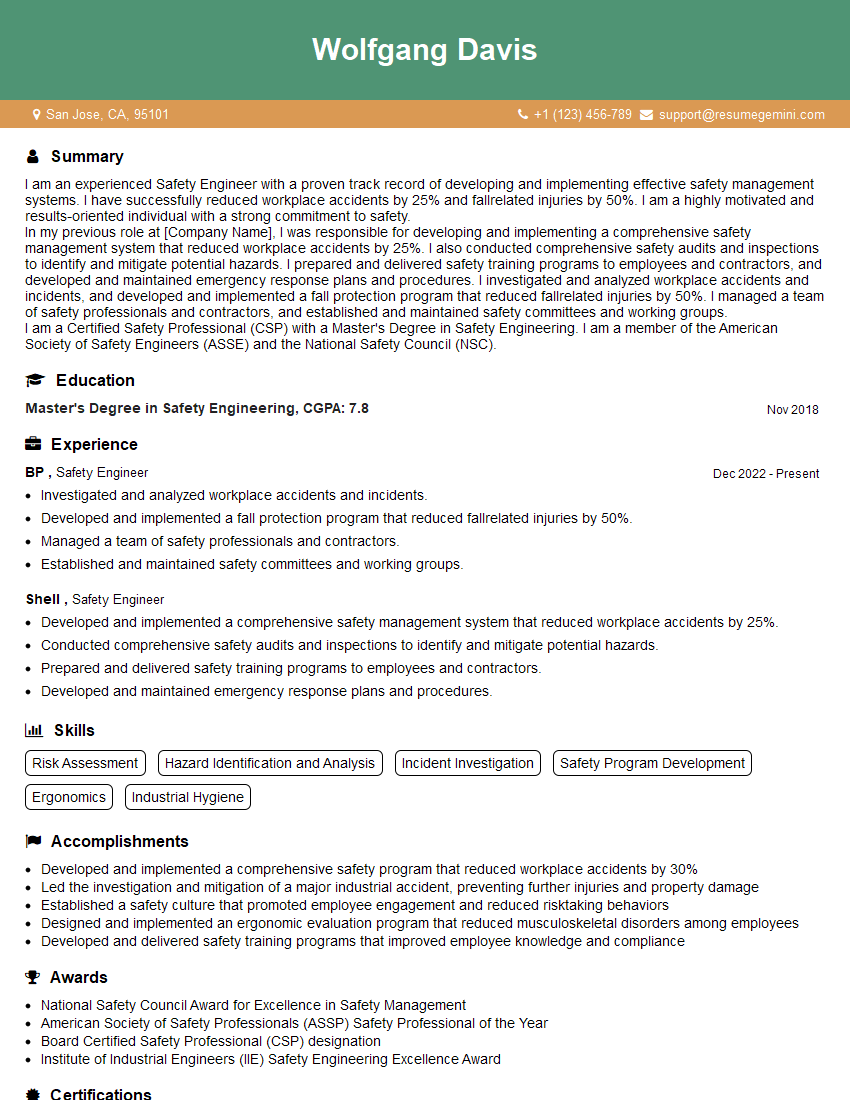
Safety Engineer Resume Sample
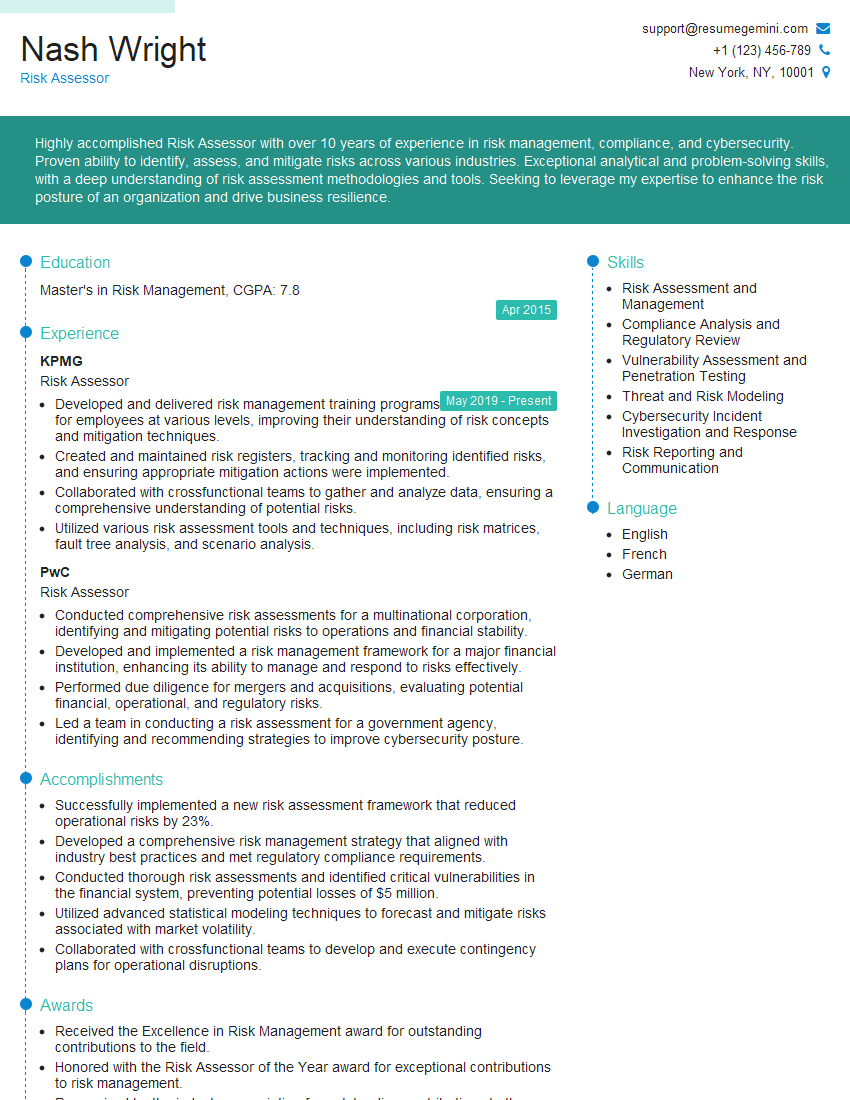
Risk Assessor Resume Sample
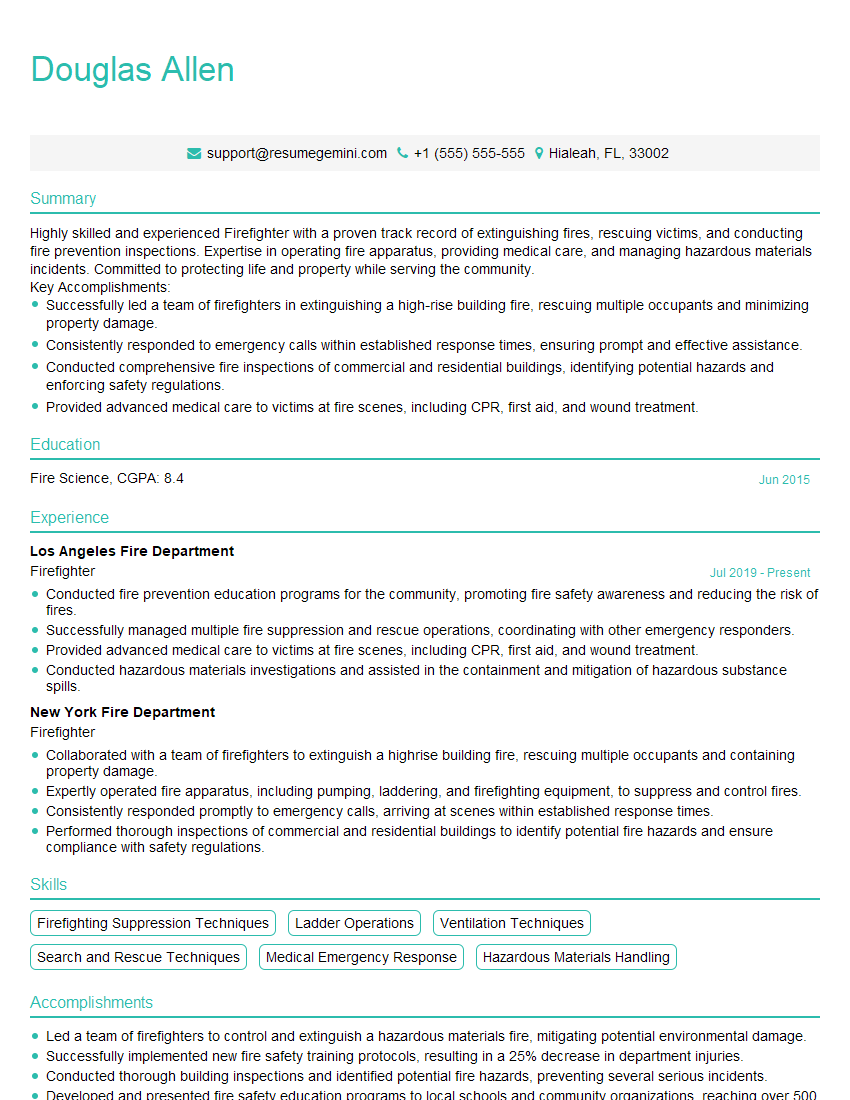
Firefighter Resume Sample
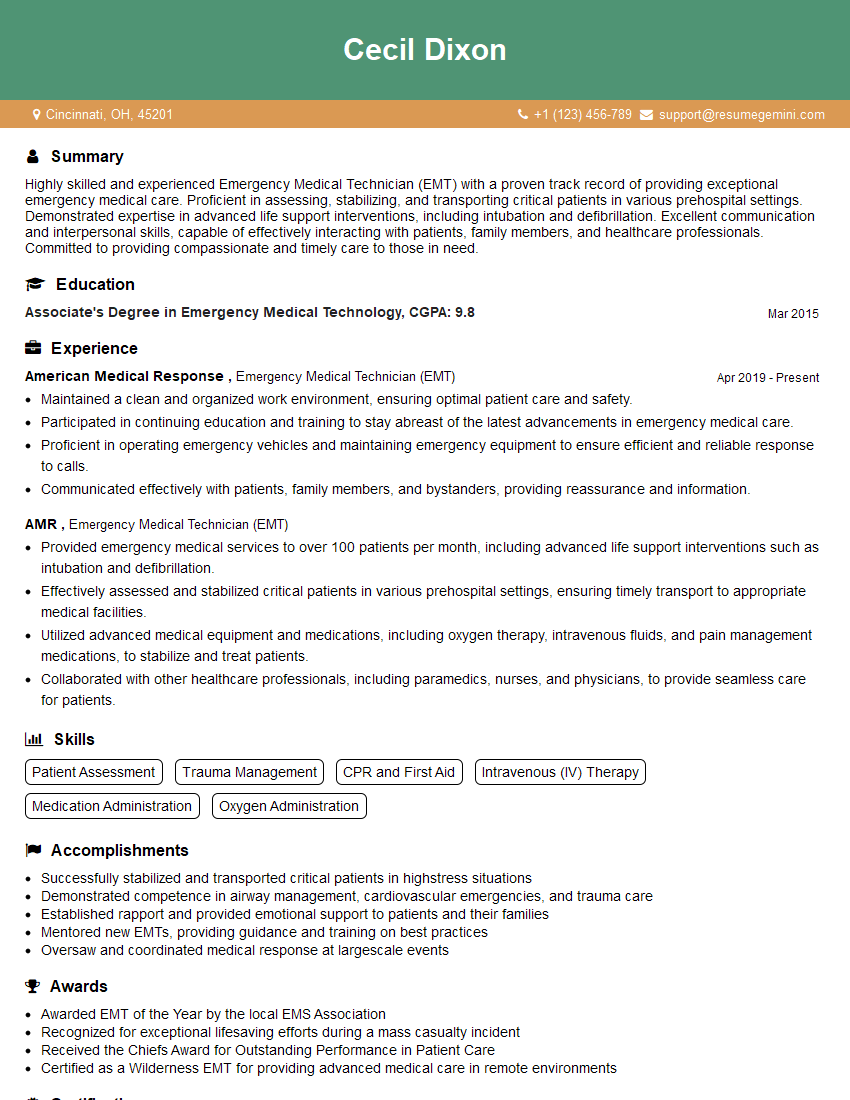
Emergency Medical Technician (EMT) Resume Sample
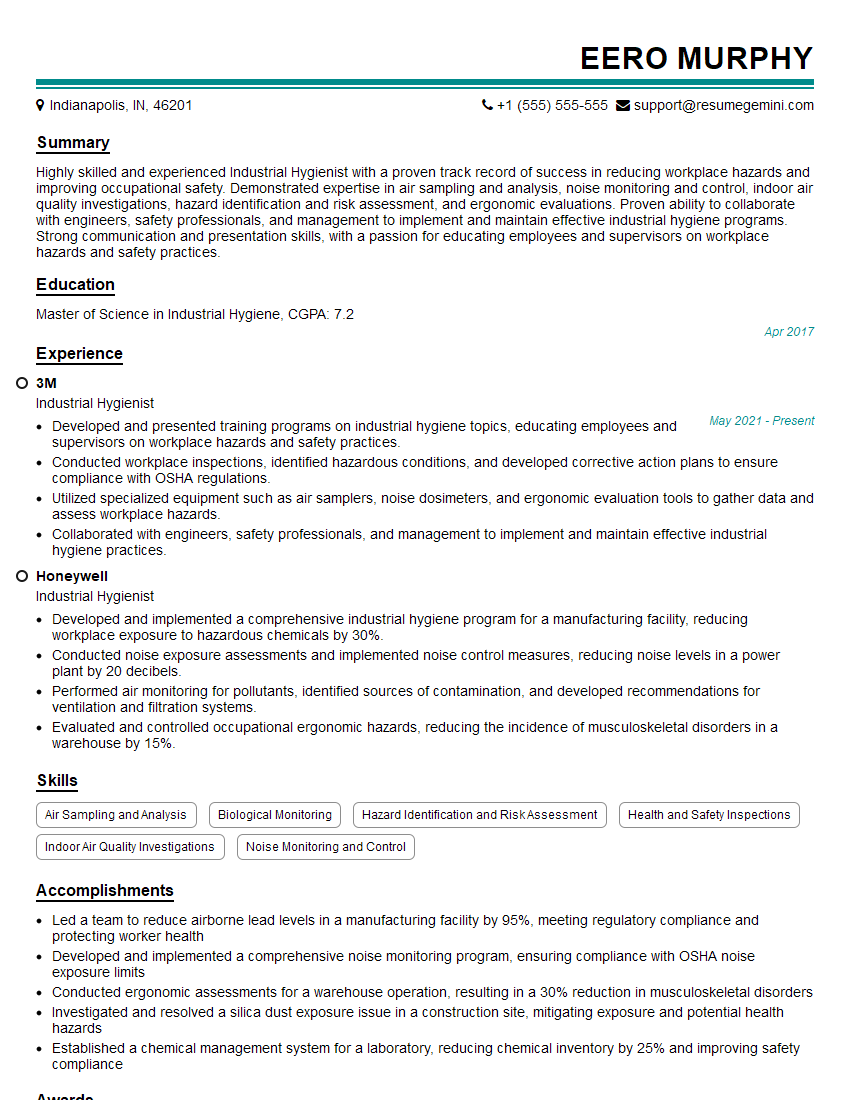
Industrial Hygienist Resume Sample
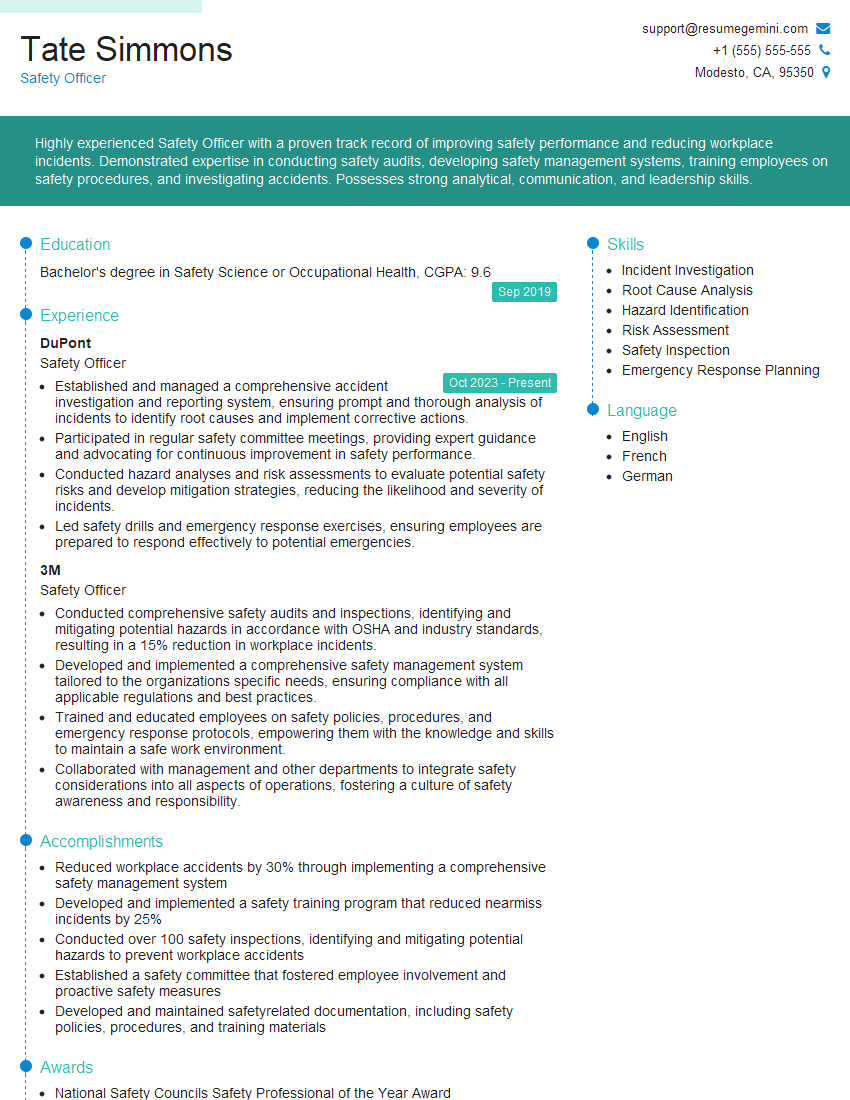
Safety Officer Resume Sample
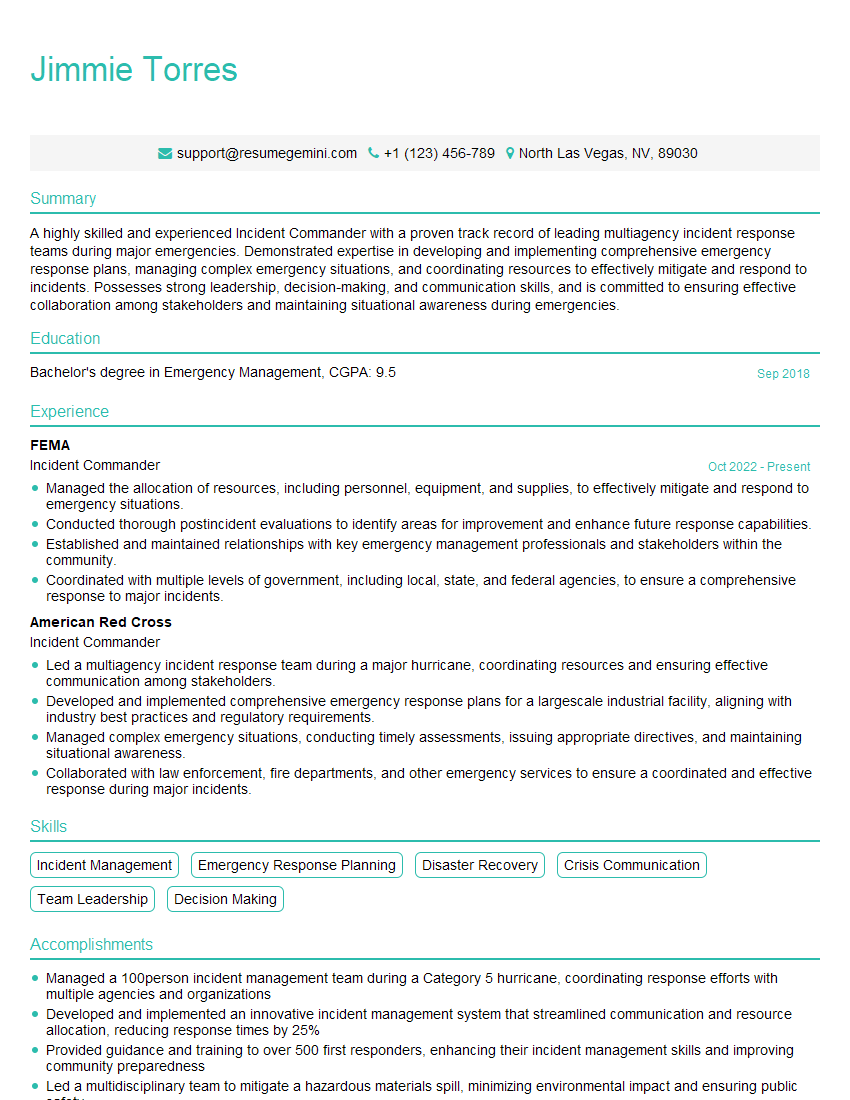
Incident Commander Resume Sample
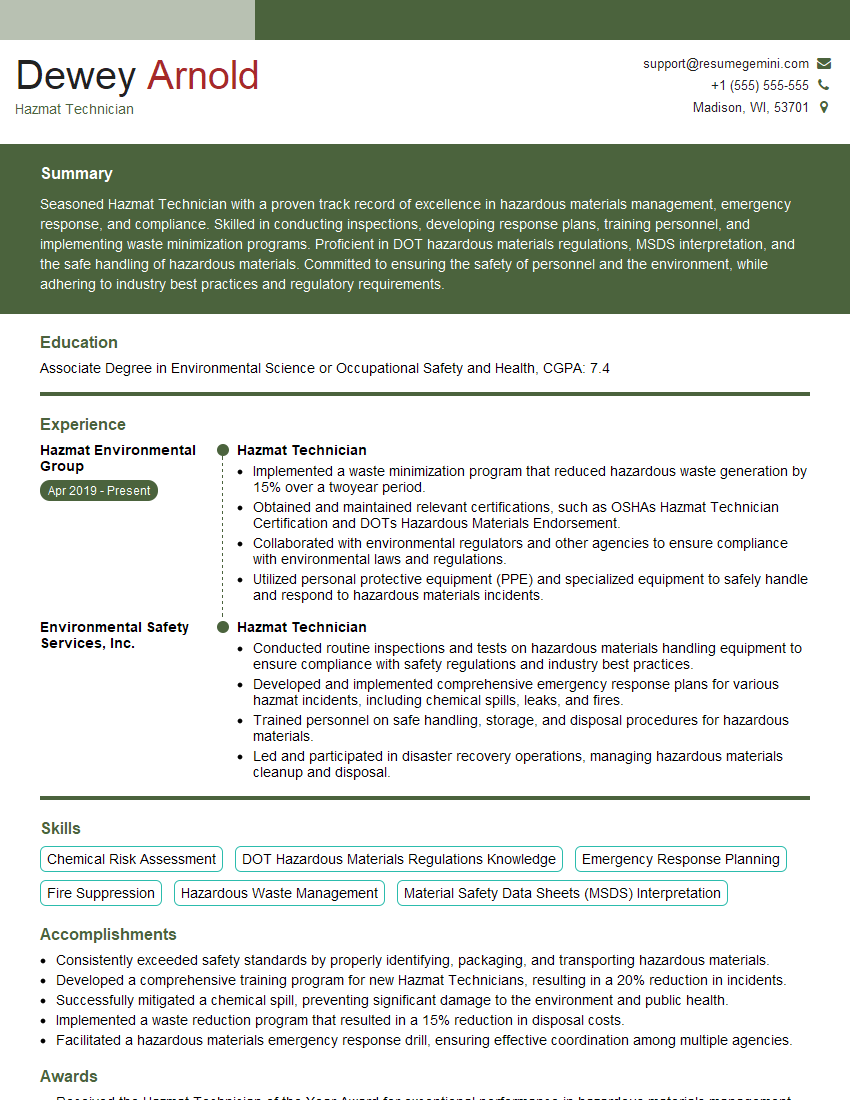
Hazmat Technician Resume Sample
- Emergency Management Specialist
- Paramedic
- Compliance Officer
- Environmental Remediation Specialist
- Environmental Scientist
- Environmental Consultant
- Health and Safety Manager
- Safety Engineer
- Risk Assessor
- Firefighter
- Emergency Medical Technician (EMT)
- Industrial Hygienist
- Safety Officer
- Incident Commander
- Hazmat Technician
Explore more articles
Users Rating of Our Blogs
Share Your Experience
We value your feedback! Please rate our content and share your thoughts (optional).
What Readers Say About Our Blog
To the interviewgemini.com Webmaster.
Very helpful and content specific questions to help prepare me for my interview!
Thank you
To the interviewgemini.com Webmaster.
This was kind of a unique content I found around the specialized skills. Very helpful questions and good detailed answers.
Very Helpful blog, thank you Interviewgemini team.