The thought of an interview can be nerve-wracking, but the right preparation can make all the difference. Explore this comprehensive guide to Jobsite Supervision interview questions and gain the confidence you need to showcase your abilities and secure the role.
Questions Asked in Jobsite Supervision Interview
Q 1. Describe your experience with daily jobsite safety inspections.
Daily jobsite safety inspections are crucial for proactive risk mitigation and ensuring a safe working environment. My approach involves a structured process, starting with a pre-defined checklist covering all critical areas. This checklist includes, but isn’t limited to, fall protection, proper use of PPE (Personal Protective Equipment), equipment operation safety, housekeeping (cleanliness and organization of the work area), and adherence to specific site-specific safety regulations.
I typically begin by visually inspecting the site, checking for any hazards like exposed wires, tripping hazards, or unstable scaffolding. I then verify that all workers are using the appropriate PPE – hard hats, safety glasses, high-visibility clothing, etc., according to the task. I also check that machinery is properly maintained, guarded, and operated following safety procedures. Finally, I document all findings – both positive and negative – in a detailed report, including photographs when necessary. Any identified hazards are immediately addressed with the relevant personnel to implement corrective actions. This ensures that all safety standards are consistently maintained throughout the project.
For example, during a recent project involving trench excavation, I noticed a worker wasn’t wearing the proper safety harness. I immediately halted the work, provided the correct harness, and gave a brief refresher training on its proper use. Documenting this in my inspection report ensures accountability and prevents similar incidents.
Q 2. How do you manage conflicts between subcontractors on a jobsite?
Managing conflicts between subcontractors requires strong communication, mediation skills, and a firm understanding of the project contracts. My approach prioritizes open dialogue and a collaborative problem-solving environment. I begin by listening to each party to understand their perspectives and the root cause of the conflict. This often involves separate conversations to avoid escalating tensions.
Once I have a clear understanding of the issues, I facilitate a joint meeting where each subcontractor can present their viewpoint in a controlled setting. I emphasize the importance of teamwork and shared goals, highlighting the project’s overall success as a common objective. I then work to identify common ground and potential solutions that address the concerns of all parties while maintaining adherence to the project timeline and budget. If necessary, I refer to the project contracts to clarify responsibilities and ensure that contractual obligations are met.
For instance, I once had a conflict between the electrical and plumbing subcontractors regarding space allocation in a tight area. By engaging in separate discussions initially, I uncovered that the electrical subcontractor hadn’t been fully aware of the plumbing plans. After a joint meeting, we adjusted the plans slightly, accommodating both needs without compromising safety or the project schedule. The key was open communication and proactive planning.
Q 3. Explain your process for tracking project progress and reporting to upper management.
Tracking project progress and reporting to upper management is crucial for ensuring the project stays on track and within budget. My process involves a combination of regular site visits, meticulous record-keeping, and the use of project management software. I utilize daily logs to document completed tasks, outstanding issues, and potential delays. This detailed logging is critical for generating accurate progress reports.
I use project management software to visually track progress against the planned schedule, highlighting potential schedule slips early on. I consolidate data from various sources – daily logs, subcontractor reports, and material delivery schedules – to create comprehensive weekly and monthly progress reports. These reports include progress updates on individual tasks, cost breakdowns, resource allocation, and any potential risks or challenges. I use clear and concise language, avoiding technical jargon whenever possible, to ensure that the reports are easily understood by upper management. The reports are distributed according to a pre-defined schedule and include a summary of actions taken to mitigate identified risks.
For example, if a certain task shows a delay, the report will highlight this, explain the reason for the delay, and outline the corrective actions being taken. This proactive approach allows for immediate identification and resolution of problems, keeping upper management informed and minimizing the impact on the project’s overall timeline.
Q 4. What strategies do you employ to ensure timely project completion?
Ensuring timely project completion involves careful planning, efficient resource allocation, and proactive risk management. This starts with a detailed project schedule created collaboratively with the project team. The schedule must be realistic and account for potential delays. Regular monitoring and updates of this schedule are essential to staying on track.
Effective communication is critical. I maintain open and clear communication with subcontractors, ensuring they understand their deadlines and responsibilities. Regular meetings are held to address any potential issues proactively. Another important aspect is efficient resource allocation, optimizing the use of materials, equipment, and labor to avoid unnecessary delays. This includes proactive procurement of materials, scheduling deliveries in advance, and ensuring that the right resources are available at the right time.
For example, in one project, we identified a potential delay due to a late delivery of specific materials. By proactively communicating with the supplier and exploring alternative sourcing options, we mitigated the delay, ensuring the project was completed on time. This proactive approach prevents minor issues from escalating into major setbacks.
Q 5. How do you handle unexpected delays or material shortages on a jobsite?
Unexpected delays and material shortages are inevitable on construction sites. My approach involves a multi-step process focusing on immediate action, communication, and mitigation strategies. First, I thoroughly investigate the root cause of the delay or shortage. Is it a supplier issue, a weather-related event, or an unforeseen site condition?
Second, I immediately inform all relevant parties – subcontractors, upper management, and the client – providing a transparent assessment of the situation and outlining the potential impact on the project. Third, I develop and implement a mitigation plan. This may involve finding alternative materials, adjusting the project schedule, negotiating with subcontractors to accommodate the delay, or seeking expedited delivery options. Detailed documentation of these actions is vital for maintaining transparency and facilitating claims management.
For example, when a severe storm delayed the delivery of critical materials, I immediately notified all parties, provided a revised timeline, and secured alternative transport to minimize the disruption. The key is to respond quickly, communicate effectively, and adapt proactively to ensure minimal impact on the overall project.
Q 6. Describe your experience with implementing and enforcing safety regulations.
Implementing and enforcing safety regulations is a paramount responsibility. My approach involves a three-pronged strategy: education, enforcement, and continuous improvement. Firstly, I ensure that all workers receive comprehensive safety training before starting any work. This training includes site-specific safety rules, proper use of PPE, and emergency procedures. Regular toolbox talks address specific hazards and reinforce safe work practices.
Secondly, I consistently enforce safety regulations, conducting regular safety inspections and promptly addressing any non-compliance. This includes issuing corrective actions, documenting violations, and, if necessary, taking disciplinary measures according to company policy. Finally, I continuously review and improve safety procedures based on lessons learned from near misses, incidents, and industry best practices. This cyclical approach ensures a proactive and ever-improving safety culture on the job site.
For example, after a near-miss incident involving a falling object, I reviewed the site’s fall protection procedures, implemented additional safety measures, and provided refresher training to all workers. This proactive approach prevents future accidents and demonstrates a commitment to a safe working environment.
Q 7. How do you maintain accurate records of materials, labor, and equipment usage?
Maintaining accurate records of materials, labor, and equipment usage is critical for cost control, project management, and efficient resource allocation. I utilize a combination of manual and digital methods to track this information. A digital project management system is used to track materials, with barcodes or QR codes used to track usage and inventory. Detailed timesheets are kept for labor hours, categorizing work according to specific tasks, and equipment logs track usage and maintenance. Regular reconciliation of these records is essential to ensure accuracy.
All data is entered into a centralized system, accessible to authorized personnel, ensuring transparency and consistency. Regular audits of these records are conducted to verify accuracy and to identify any discrepancies. This allows for accurate cost tracking, identification of potential overspending, and informed decision-making. The data also serves as crucial evidence for claims, progress reporting, and future project planning.
For instance, if a material shortage occurs, the detailed records allow me to quickly ascertain the quantity used and the quantity needed, facilitating efficient reordering and minimizing downtime. Similarly, labor records help optimize labor allocation, identifying areas needing more or less personnel.
Q 8. How do you motivate and manage a team of construction workers?
Motivating and managing a construction team requires a blend of strong leadership, clear communication, and fair treatment. I believe in fostering a collaborative environment where every team member feels valued and respected. This starts with clearly defining roles and responsibilities from the outset, ensuring everyone understands their contribution to the overall project goal. Regular team meetings are crucial, providing a platform for open dialogue, addressing concerns, and celebrating successes. I use a combination of positive reinforcement – recognizing and rewarding good work – alongside constructive feedback to improve performance. I also prioritize safety training and emphasize the importance of adhering to safety protocols. For example, on a recent high-rise project, I implemented a peer-to-peer safety observation program, where workers could identify and report potential hazards without fear of reprisal. This led to a significant reduction in workplace incidents.
- Clear communication: Daily briefings and toolbox talks to address immediate concerns.
- Positive reinforcement: Public acknowledgement of good work and individual achievements.
- Constructive feedback: Private meetings to address performance issues with a focus on improvement.
- Team building activities: Informal gatherings to foster camaraderie and improve teamwork.
Q 9. What is your experience with scheduling and coordinating work tasks?
Scheduling and coordinating work tasks efficiently is paramount to project success. My approach involves meticulous planning, starting with a detailed review of the project blueprints and specifications. I then use project management software to create a comprehensive schedule, breaking down the project into smaller, manageable tasks, assigning resources (labor, materials, equipment), and setting realistic deadlines. I regularly monitor progress, utilizing daily reports and progress meetings to identify and resolve potential scheduling conflicts. For instance, on a recent renovation project, I anticipated a potential delay in material delivery. By proactively communicating with the supplier and adjusting the schedule, I prevented a significant disruption to the project timeline. Critical Path Method (CPM) analysis is frequently used to identify critical tasks and prioritize resources accordingly.
Using software like Microsoft Project or Primavera P6, I can generate Gantt charts providing a visual representation of the schedule, allowing for easy monitoring of progress and identification of potential delays. These tools also facilitate resource allocation and cost tracking. I maintain close communication with subcontractors to ensure their schedules align with the overall project plan.
Q 10. Describe your experience with quality control on a construction project.
Quality control is an ongoing process that starts from the initial planning stages and continues until project completion. My approach involves establishing clear quality standards from the start, ensuring all team members understand and adhere to them. This includes regular inspections of materials upon delivery, verification of workmanship at each stage of construction, and detailed documentation of every step. I use checklists and standardized forms to ensure consistency and maintain a detailed record of inspections. For example, on a recent commercial building project, I instituted a rigorous quality control process for the installation of the exterior cladding, including regular inspections and photographic documentation. This proactive approach allowed us to catch and rectify minor defects early on, preventing costly rework later in the process. Furthermore, I regularly conduct quality audits to review performance against project specifications and identify areas for improvement.
Q 11. How do you ensure compliance with building codes and regulations?
Compliance with building codes and regulations is non-negotiable. My strategy involves staying updated on all relevant codes and regulations through continuous professional development and utilizing resources from regulatory bodies. I ensure all project documentation accurately reflects the approved plans and specifications, and that all work is performed in strict accordance with the approved drawings and specifications. Regular inspections by qualified personnel are crucial, and I work closely with inspectors to address any issues promptly and efficiently. I also maintain a thorough record of all inspections and approvals. For example, on a recent project, I identified a potential non-compliance issue during the electrical inspection. By working closely with the electrical contractor and the inspector, we were able to resolve the issue quickly and efficiently, avoiding potential project delays and penalties.
Q 12. What are your strategies for managing jobsite waste and environmental concerns?
Managing jobsite waste and minimizing environmental impact is a key responsibility. My approach focuses on implementing a comprehensive waste management plan from the outset, specifying procedures for sorting, storing, and disposing of different types of waste. This includes clear labeling of waste containers, regular waste removal, and using recycling bins whenever possible. We also focus on source reduction strategies, using materials efficiently and minimizing waste generation. For example, on a recent project, I implemented a program to track the amount of waste generated, allowing for regular evaluation and adjustments to the waste management plan. We were able to significantly reduce waste volume and improve our overall environmental performance. Furthermore, I ensure all contractors and subcontractors are aware of and adhere to all relevant environmental regulations.
Q 13. How do you handle communication with clients, architects, and engineers?
Effective communication is essential for successful project delivery. I maintain regular contact with clients, architects, and engineers through various channels, including regular meetings, email correspondence, and progress reports. I prioritize clear, concise, and timely communication, ensuring that all stakeholders are kept informed of project progress, potential issues, and any changes to the project plan. I actively encourage open dialogue and promptly address any concerns or questions. For example, during a recent project, a design change was required. I communicated the change promptly and transparently to all stakeholders, obtaining their input and approval before proceeding. This proactive approach prevented misunderstandings and potential delays.
Q 14. Describe your experience with budgeting and cost control on a construction project.
Budgeting and cost control are crucial for maintaining profitability. I begin by thoroughly reviewing the project estimates and identifying potential cost risks. Throughout the project, I meticulously track expenses against the budget, regularly reviewing progress and identifying any potential cost overruns. I use project management software to monitor costs in real-time, allowing for proactive adjustments and mitigation of potential issues. For example, on a previous project, we identified potential cost overruns due to material price increases. By negotiating with suppliers and implementing alternative solutions, we were able to maintain the project within budget. Regular cost reports are shared with the client to ensure transparency and mutual understanding.
Q 15. How do you resolve disputes regarding payment or change orders with subcontractors?
Resolving payment or change order disputes with subcontractors requires a proactive and organized approach. It starts with clear, concise, and legally sound contracts that detail payment schedules, change order procedures, and dispute resolution mechanisms. Before any work begins, I ensure all parties understand and agree to these terms.
When a dispute arises, my first step is always open communication. I schedule a meeting with the subcontractor to discuss the issue, aiming for a mutually agreeable solution. I carefully review the contract, the change order (if applicable), and any supporting documentation (invoices, progress reports, etc.) to understand the basis of the dispute.
If direct negotiation fails, I have a structured escalation process. This might involve mediation with a neutral third party, or, as a last resort, formal arbitration or litigation. For example, on a recent project, a subcontractor disputed the payment for extra work. By referencing detailed photos, time sheets, and the approved change order, I was able to demonstrate the validity of the request and reach a swift resolution.
Throughout the process, maintaining accurate records is crucial. This includes meticulous documentation of all communications, agreements, and supporting evidence. This documentation protects both the general contractor and the subcontractor and allows for a fair and transparent resolution.
Career Expert Tips:
- Ace those interviews! Prepare effectively by reviewing the Top 50 Most Common Interview Questions on ResumeGemini.
- Navigate your job search with confidence! Explore a wide range of Career Tips on ResumeGemini. Learn about common challenges and recommendations to overcome them.
- Craft the perfect resume! Master the Art of Resume Writing with ResumeGemini’s guide. Showcase your unique qualifications and achievements effectively.
- Don’t miss out on holiday savings! Build your dream resume with ResumeGemini’s ATS optimized templates.
Q 16. What are your methods for identifying and mitigating potential risks on a jobsite?
Identifying and mitigating risks on a jobsite is a continuous process that begins even before the first shovel hits the ground. My approach involves a multi-layered strategy combining proactive planning with ongoing monitoring.
- Pre-Construction Risk Assessment: I conduct a thorough review of the project plans, site conditions, and the surrounding environment. This includes identifying potential hazards like soil instability, underground utilities, and weather-related risks. For example, if the site has a history of flooding, I’d incorporate measures like improved drainage or temporary flood barriers into the plan.
- Regular Site Inspections: Daily inspections are crucial for identifying emerging risks. I look for potential safety hazards, material deficiencies, and any deviations from the plans. These inspections are documented and used to track progress and address potential issues early.
- Safety Meetings: Regular safety meetings with the entire team are essential for communication and reinforcing safety protocols. I encourage open dialogue and address any concerns immediately.
- Implementing Mitigation Strategies: Once a risk is identified, I develop and implement a mitigation plan. This could involve changes to the work schedule, additional safety precautions, or specialized equipment. For example, if a soil instability is detected, I would consult a geotechnical engineer and adjust the excavation methods accordingly.
By combining proactive planning with constant vigilance, I can significantly reduce the likelihood and impact of potential risks on the jobsite.
Q 17. How do you utilize technology (e.g., project management software) to improve efficiency?
Technology plays a vital role in improving efficiency on a construction site. I utilize various project management software solutions to streamline communication, track progress, manage documents, and enhance overall project visibility.
Specifically, I leverage software for tasks such as:
- Scheduling and Progress Tracking: Software like
Microsoft ProjectorPrimavera P6allows for creating detailed project schedules, tracking progress against the baseline schedule, and identifying potential delays early on. This helps me proactively address scheduling conflicts and maintain a productive workflow. - Document Management: Cloud-based platforms like
DropboxorSharePointenable efficient document sharing and collaboration among team members, subcontractors, and clients. This reduces the risk of miscommunication and ensures everyone has access to the most up-to-date information. - Communication & Collaboration: Tools like
SlackorMicrosoft Teamsfacilitate quick and easy communication within the team. Real-time messaging and video conferencing improve coordination and response times to issues that may arise on site. - Cost Management: Software specifically designed for cost management allows for tracking expenses, analyzing budgets, and generating detailed reports, which enables better financial control and project forecasting.
By integrating these technologies effectively, I enhance the overall efficiency of the project, improve communication, and facilitate better decision-making.
Q 18. Describe your experience with emergency procedures on a construction site.
Emergency procedures on a construction site are paramount. My experience includes developing and implementing comprehensive emergency response plans tailored to each specific project. These plans cover a wide range of potential emergencies, including fire, medical emergencies, hazardous material spills, and severe weather events.
Key components of my emergency plans include:
- Emergency Action Plans (EAP): Detailed, site-specific plans outlining procedures for various emergency scenarios, including evacuation routes, assembly points, and communication protocols.
- Emergency Contact Lists: Comprehensive lists including contact information for emergency services, site personnel, subcontractors, and relevant authorities.
- Regular Training and Drills: Conducting regular safety training and emergency drills ensures that all personnel are familiar with procedures and their roles in case of an emergency. Drills help identify weaknesses in the plan and improve team coordination.
- Safety Equipment and Procedures: Ensuring adequate safety equipment is available and properly maintained. This includes fire extinguishers, first-aid kits, and personal protective equipment (PPE).
For instance, on a previous high-rise project, we conducted a full-scale fire drill, which helped identify a bottleneck in our evacuation procedure. This allowed us to adjust the plan, ensuring faster and more efficient evacuation in a real emergency.
Q 19. How do you maintain a productive and positive working environment on a jobsite?
Maintaining a productive and positive work environment on a construction site is crucial for both safety and efficiency. My approach focuses on fostering a culture of respect, communication, and collaboration.
This involves:
- Clear Communication: Regular team meetings, clear instructions, and open communication channels help prevent misunderstandings and conflicts. I encourage all team members to voice their concerns and actively listen to their input.
- Fair and Consistent Treatment: Treating all workers with respect, regardless of their role or background, fosters a positive atmosphere. I ensure fair treatment and equal opportunities for all.
- Safety Focus: Prioritizing safety creates a culture of care and responsibility. Regular safety training and drills, along with visible safety measures, remind workers of the importance of their well-being.
- Team Building: Encouraging teamwork and camaraderie can enhance morale and productivity. This might involve informal social events or simply acknowledging achievements and milestones.
- Problem-solving approach: Addressing issues and conflicts promptly and fairly, with a focus on finding solutions rather than assigning blame.
By fostering a positive and collaborative environment, I create a team that is more motivated, safer, and more productive.
Q 20. What is your approach to problem-solving when confronted with unforeseen challenges?
My approach to problem-solving when confronted with unforeseen challenges involves a structured and methodical approach. I use a problem-solving framework that emphasizes careful analysis, creative solutions, and effective communication.
- Define the Problem: Clearly articulate the nature of the problem, including its scope, impact, and potential consequences.
- Gather Information: Collect all relevant information from various sources, including project documentation, team members, and relevant stakeholders.
- Brainstorm Solutions: Engage the team in brainstorming potential solutions. Encourage creativity and explore a range of options, even seemingly unconventional ones.
- Evaluate Solutions: Analyze the potential pros and cons of each solution, considering factors such as feasibility, cost, time constraints, and safety implications.
- Implement the Chosen Solution: Select the most appropriate solution based on the evaluation and implement it effectively. This may involve adjusting the project schedule, allocating resources, or coordinating with subcontractors.
- Monitor and Evaluate Results: Closely monitor the implemented solution’s effectiveness and make adjustments as needed. Document the entire process, including the problem, solutions, and outcomes.
For example, I once faced a significant delay due to an unexpected delivery of faulty materials. By quickly assessing the situation, contacting the supplier, arranging for replacements, and adjusting the schedule, we minimized the overall project impact.
Q 21. Describe a time you had to make a critical decision under pressure on a jobsite.
During a recent high-rise project, we encountered a critical issue with the structural steel installation. A crucial beam was delivered with a significant manufacturing defect, posing a significant safety risk and delaying the project. The pressure was immense, as the delay threatened to impact the entire project schedule and budget.
My decision-making process was based on a combination of quick analysis, risk assessment, and communication. First, I immediately halted the work in the affected area to ensure safety. Then, I contacted the steel supplier, the structural engineer, and the project’s safety officer. We reviewed the defect and considered various options, such as replacing the beam, repairing it on site, or making design changes. After careful evaluation of the costs, timelines, and safety implications, we decided to replace the faulty beam.
The decision involved communicating effectively with the entire team, ensuring transparency and support. This prompt action minimized the overall impact of the issue. The project was delayed slightly, but we managed to avoid more significant setbacks. This experience reinforced the importance of quick, informed decision-making, clear communication, and a commitment to safety under pressure.
Q 22. What is your experience with risk assessment and hazard identification?
Risk assessment and hazard identification are fundamental to safe jobsite management. My approach involves a proactive, multi-step process. First, I conduct a thorough site walk-through, meticulously observing potential hazards like exposed wiring, uneven terrain, or improperly stored materials. This visual inspection is complemented by reviewing project plans and specifications, identifying potential risks inherent in the design or methodology. I then utilize standardized risk assessment matrices, often employing a system like the one found in OSHA guidelines, to quantify the likelihood and severity of each identified hazard. This allows for prioritization of mitigation efforts. For instance, if we’re working with hazardous materials, I’ll ensure proper handling procedures are in place, including appropriate PPE (Personal Protective Equipment) and training for personnel. Finally, the assessment is documented, communicated to the team, and regularly reviewed and updated as the project progresses. This dynamic process ensures we stay ahead of emerging risks.
For example, on a recent high-rise construction project, initial risk assessment identified a high risk of falls from height. This led to the immediate implementation of fall protection measures, including the mandatory use of harnesses, safety nets, and rigorous inspections of scaffolding. This proactive approach prevented any accidents related to falls from height.
Q 23. Explain your understanding of different construction methods and techniques.
My experience encompasses a wide range of construction methods and techniques, including traditional methods like bricklaying and carpentry, as well as more modern approaches like prefabricated modular construction and the utilization of BIM (Building Information Modeling) software. I’m familiar with various foundation types – from traditional footings to more specialized techniques like pile driving – and different framing systems, including wood, steel, and concrete. I understand the nuances of different concrete pouring methods, including pump placement and formwork design, and am adept at managing the complexities of intricate structural steel erection. My experience also includes working with various finishing techniques, such as drywall installation, painting, and flooring. I also have experience with specialized techniques, such as those employed in green building initiatives, encompassing sustainable construction materials and practices.
For instance, on one project, we successfully integrated prefabricated modules for a large portion of the building’s structure, significantly reducing on-site construction time and improving overall project efficiency.
Q 24. How do you ensure the quality of workmanship by subcontractors?
Ensuring quality workmanship from subcontractors is a crucial aspect of jobsite supervision. My strategy is built on a foundation of clear communication, thorough pre-qualification, and rigorous quality control. Before commencing work, I meticulously review each subcontractor’s qualifications, insurance certificates, and past performance records. Detailed specifications and drawings are provided well in advance, ensuring complete clarity on expectations. Regular inspections are conducted throughout the subcontractor’s work process, focusing on adherence to plans, specifications, and safety regulations. This includes thorough inspections at various stages, such as after foundation work, framing, and the completion of each phase of the project. I document all observations and communicate findings to the subcontractors promptly, providing constructive feedback and addressing any deficiencies immediately. Any issues identified are documented with photographs and corrective actions are tracked until satisfactory completion. Ultimately, maintaining a strong collaborative relationship built on mutual respect and clear expectations is key to achieving high-quality results from subcontractors.
For example, on a recent project, a subcontractor experienced a minor delay in their work. Through proactive communication and collaboration, we identified the root cause – a slight misinterpretation of the drawings – and worked together to find a solution that minimized disruption and maintained high quality.
Q 25. Describe your experience with training and mentoring junior construction workers.
Training and mentoring junior construction workers is a rewarding aspect of my role. My approach combines practical, hands-on instruction with theoretical knowledge. I start by assessing each worker’s skill level and experience, tailoring my training to their individual needs. I demonstrate proper techniques and procedures, emphasizing safety protocols at every step. I encourage active participation, providing opportunities for hands-on practice and constructive feedback. I use real-world examples and case studies to illustrate important concepts, and I encourage questions and open communication. Mentoring extends beyond technical skills; I focus on building teamwork, problem-solving skills, and professional development. Regular check-ins and progress reviews ensure consistent learning and growth. I encourage continuous improvement through on-the-job training and participation in relevant workshops or courses. This commitment to developing the next generation of skilled workers has proven invaluable in fostering a safe, productive work environment.
For instance, I mentored a young carpenter who, initially, lacked confidence. Through patient guidance, practical demonstrations, and consistent positive feedback, I helped him develop his skills and self-assurance, transforming him into a valued member of the team.
Q 26. How do you handle disciplinary actions with team members who violate safety rules?
Addressing safety rule violations requires a fair and consistent approach. My first step is to understand the context of the violation. I conduct a thorough investigation, gathering information from all involved parties. I then meet with the offending team member to discuss the violation, emphasizing the potential consequences and the importance of adhering to safety regulations. The disciplinary action taken depends on the severity and frequency of the violation. Minor infractions may result in a verbal warning and retraining, while more serious violations may lead to written warnings, suspension, or, in extreme cases, termination, depending on company policy and the severity of the infraction. Throughout this process, I maintain a respectful and professional demeanor, aiming to correct the behavior and prevent future incidents. Documentation is meticulously maintained throughout the entire process.
I believe in a balanced approach that combines accountability with the opportunity for improvement and learning. The goal is not just to punish, but to foster a culture of safety and responsibility.
Q 27. What is your proficiency with reading and interpreting blueprints and construction drawings?
Proficiency in reading and interpreting blueprints and construction drawings is essential for effective jobsite supervision. I’m adept at understanding architectural, structural, mechanical, and electrical drawings. I can accurately interpret symbols, dimensions, specifications, and details. I use these drawings to verify the work of subcontractors, ensuring adherence to the design specifications. I can identify potential discrepancies or conflicts early on, preventing costly errors and delays. My experience extends to utilizing various software programs for viewing and manipulating these drawings, further enhancing my ability to interpret and utilize the information provided. I’m confident in my ability to communicate complex design aspects clearly to my team, preventing misunderstandings and ensuring everyone is working from a common understanding.
For example, I once identified a conflict between the structural and mechanical drawings, which if left unnoticed, could have resulted in a costly rework. My early detection allowed for proactive problem-solving and prevented significant project delays.
Q 28. How do you prioritize tasks and manage competing deadlines on a busy jobsite?
Managing competing deadlines and prioritizing tasks on a busy jobsite requires a structured approach. I typically employ a combination of project management techniques, including critical path analysis and task prioritization matrices, to effectively manage resources and meet deadlines. I start by breaking down the overall project into smaller, manageable tasks, assigning them realistic deadlines. I then use a prioritization matrix, considering factors such as urgency, importance, and dependencies, to determine the order in which tasks should be completed. Regular progress meetings with the team help to monitor progress, identify potential roadblocks, and adjust the schedule as needed. Utilizing project management software helps to visualize tasks, track progress, and communicate effectively. I’m also adept at adapting to unforeseen circumstances, using contingency plans and resource reallocation to minimize delays. Effective communication with all stakeholders is crucial in managing expectations and maintaining transparency.
For example, on a recent project with multiple conflicting deadlines, we used a Kanban board to visualize tasks, track progress, and identify bottlenecks. This allowed us to effectively re-allocate resources and successfully meet all deadlines.
Key Topics to Learn for Jobsite Supervision Interview
- Safety Regulations and Compliance: Understanding and enforcing OSHA regulations, site-specific safety plans, and incident reporting procedures. Practical application includes conducting daily safety briefings and identifying potential hazards.
- Project Scheduling and Management: Developing and maintaining project schedules, monitoring progress against deadlines, and effectively managing resources (materials, equipment, personnel). Practical application includes using project management software and resolving scheduling conflicts.
- Team Leadership and Communication: Motivating and managing a diverse workforce, fostering effective communication, resolving conflicts, and delegating tasks effectively. Practical application includes conducting regular team meetings and providing constructive feedback.
- Quality Control and Assurance: Implementing quality control measures, ensuring adherence to project specifications, and identifying and addressing quality issues. Practical application includes conducting regular inspections and documenting findings.
- Budgeting and Cost Control: Monitoring project expenses, tracking costs against the budget, and identifying cost-saving opportunities. Practical application includes preparing and managing project budgets and reporting on cost variances.
- Problem-solving and Decision-making: Identifying and resolving unexpected issues, making timely and informed decisions under pressure, and adapting to changing circumstances. Practical application includes troubleshooting equipment malfunctions and addressing unforeseen site challenges.
- Documentation and Reporting: Maintaining accurate and comprehensive project documentation, including daily reports, progress reports, and incident reports. Practical application involves using various reporting tools and ensuring timely submission of required documentation.
Next Steps
Mastering Jobsite Supervision opens doors to exciting career advancements, increased responsibilities, and higher earning potential. To significantly boost your job prospects, creating an ATS-friendly resume is crucial. A well-crafted resume highlights your skills and experience, making it easier for recruiters and hiring managers to identify you as a suitable candidate. We highly recommend using ResumeGemini to build a professional and effective resume. ResumeGemini provides valuable tools and resources, and we offer examples of resumes tailored specifically for Jobsite Supervision to help guide you.
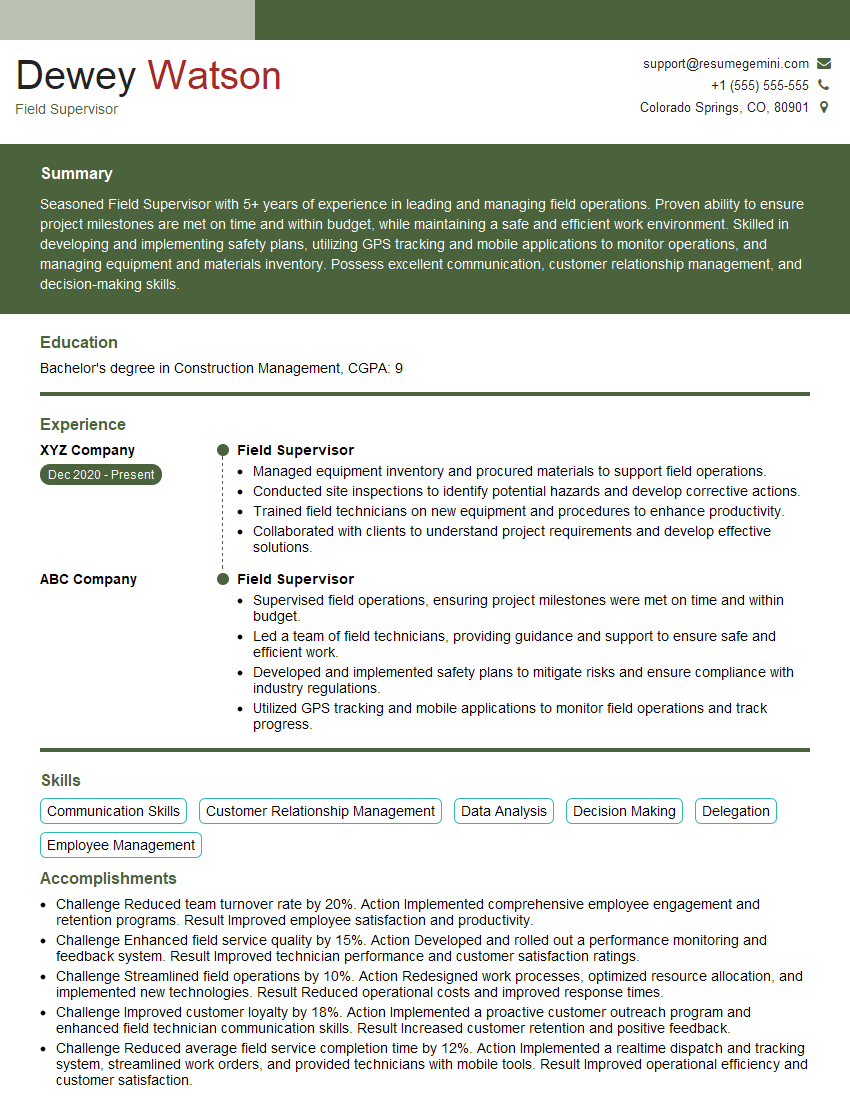
Field Supervisor Resume Sample
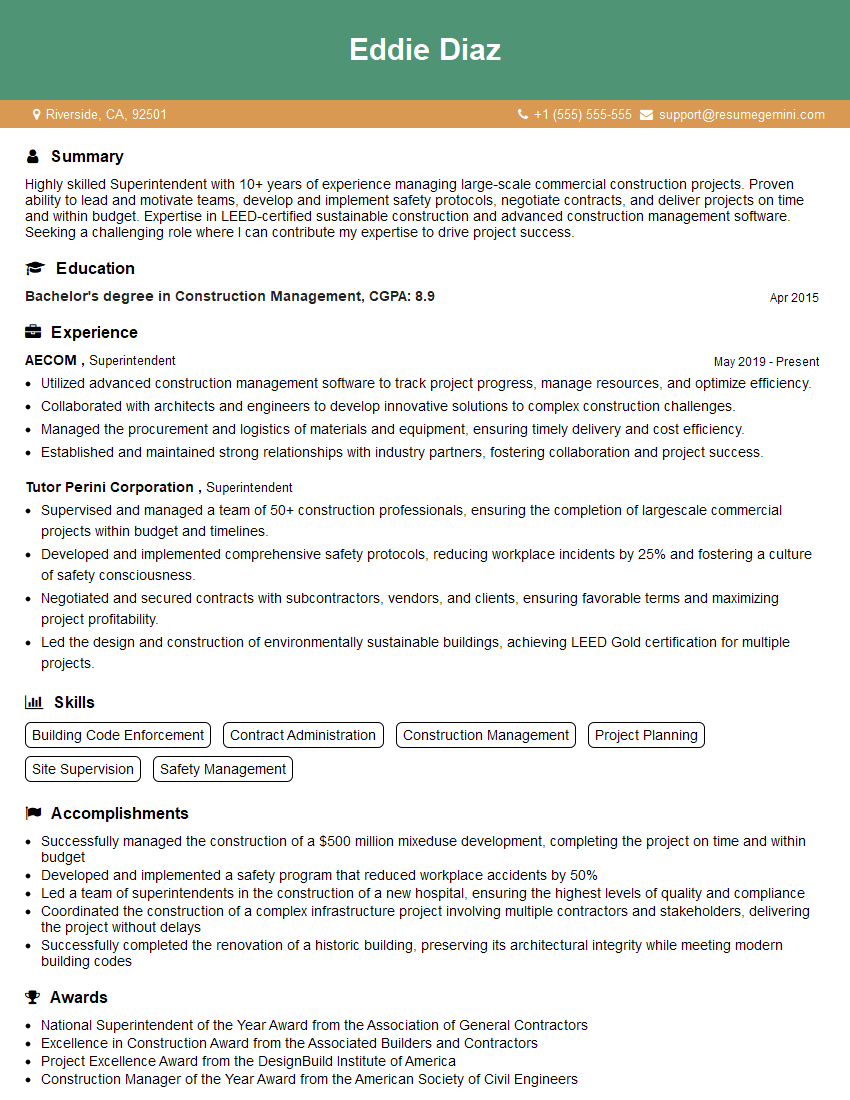
Superintendent Resume Sample
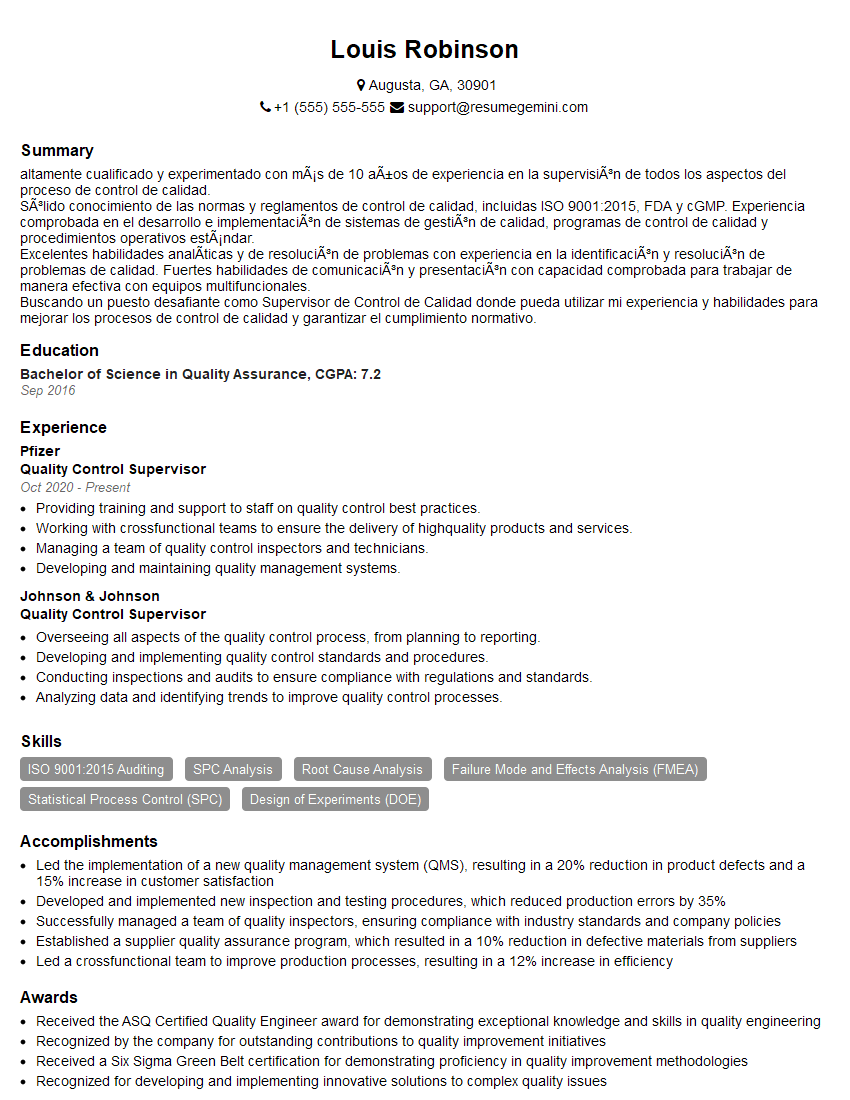
Quality Control Supervisor Resume Sample
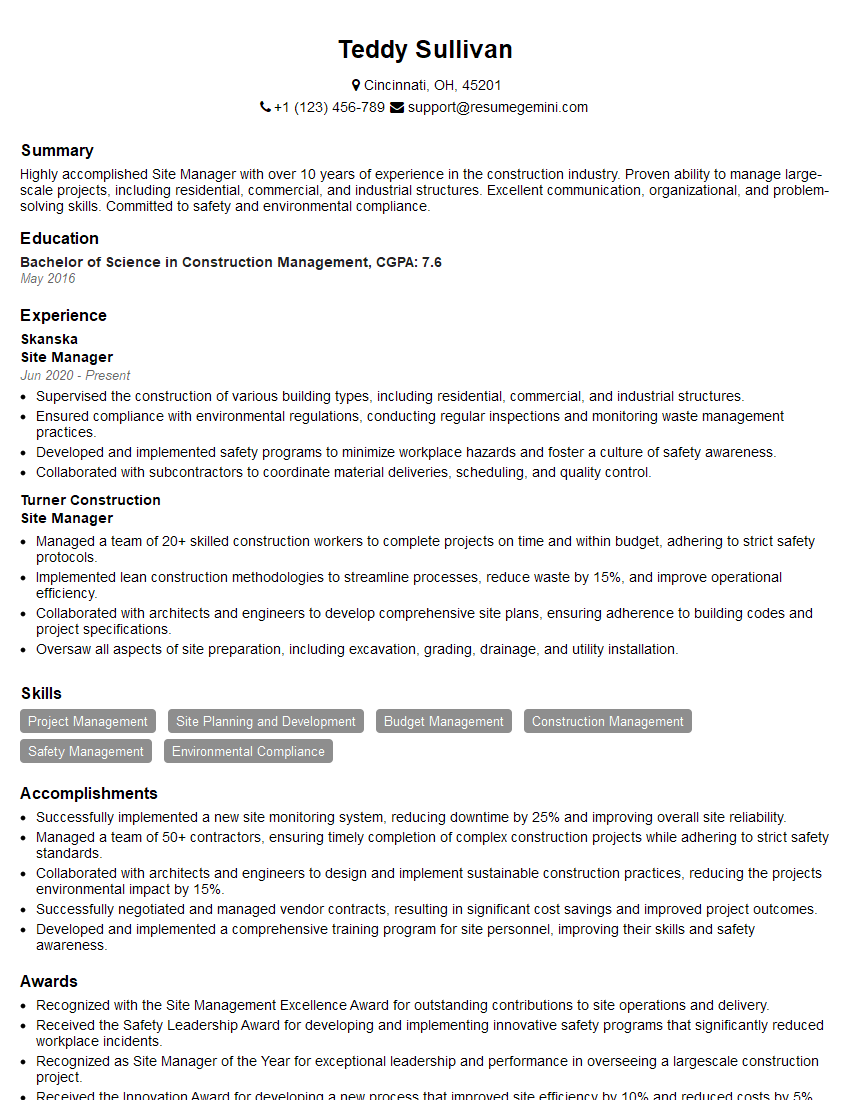
Site Manager Resume Sample
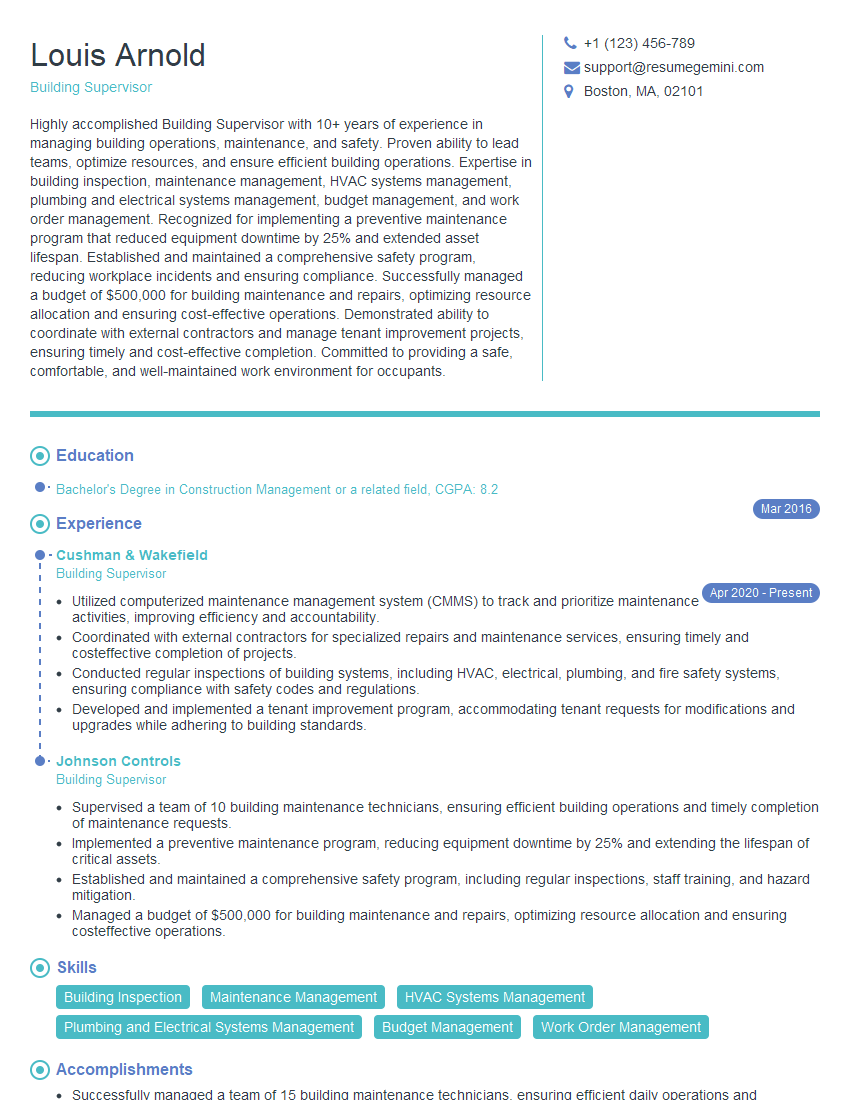
Building Supervisor Resume Sample
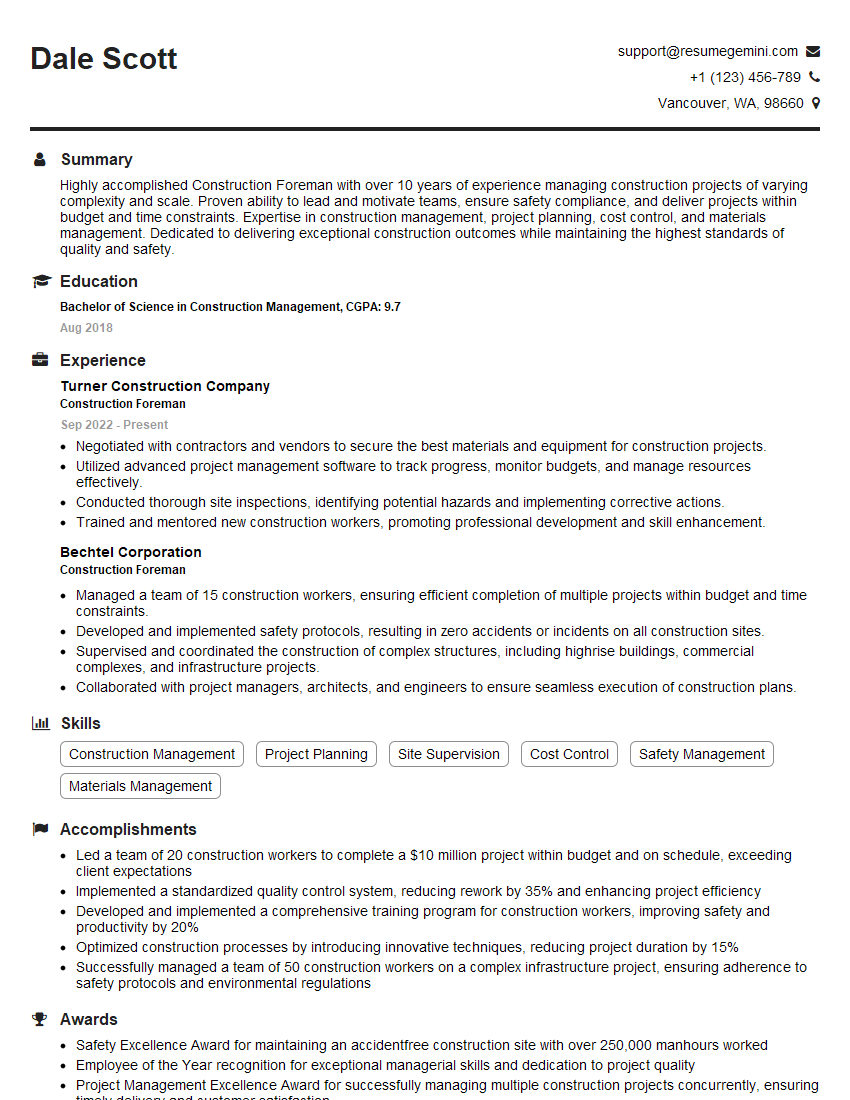
Construction Foreman Resume Sample
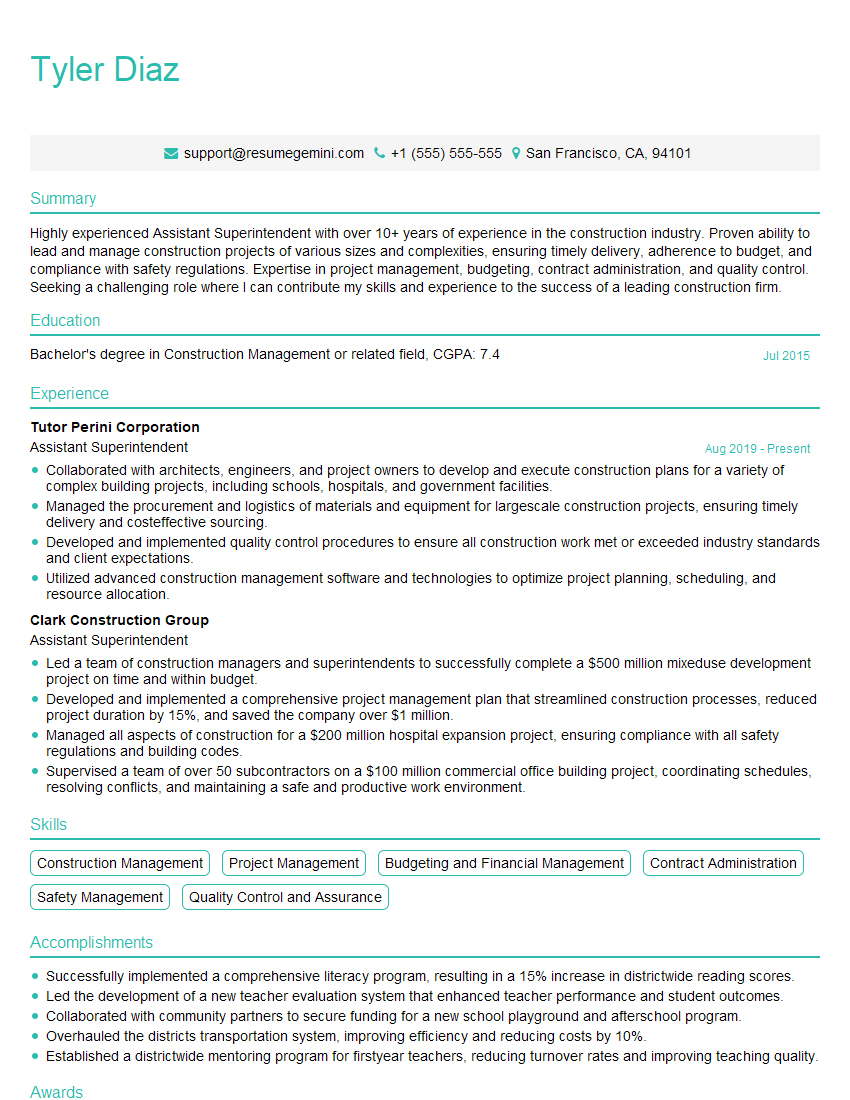
Assistant Superintendent Resume Sample
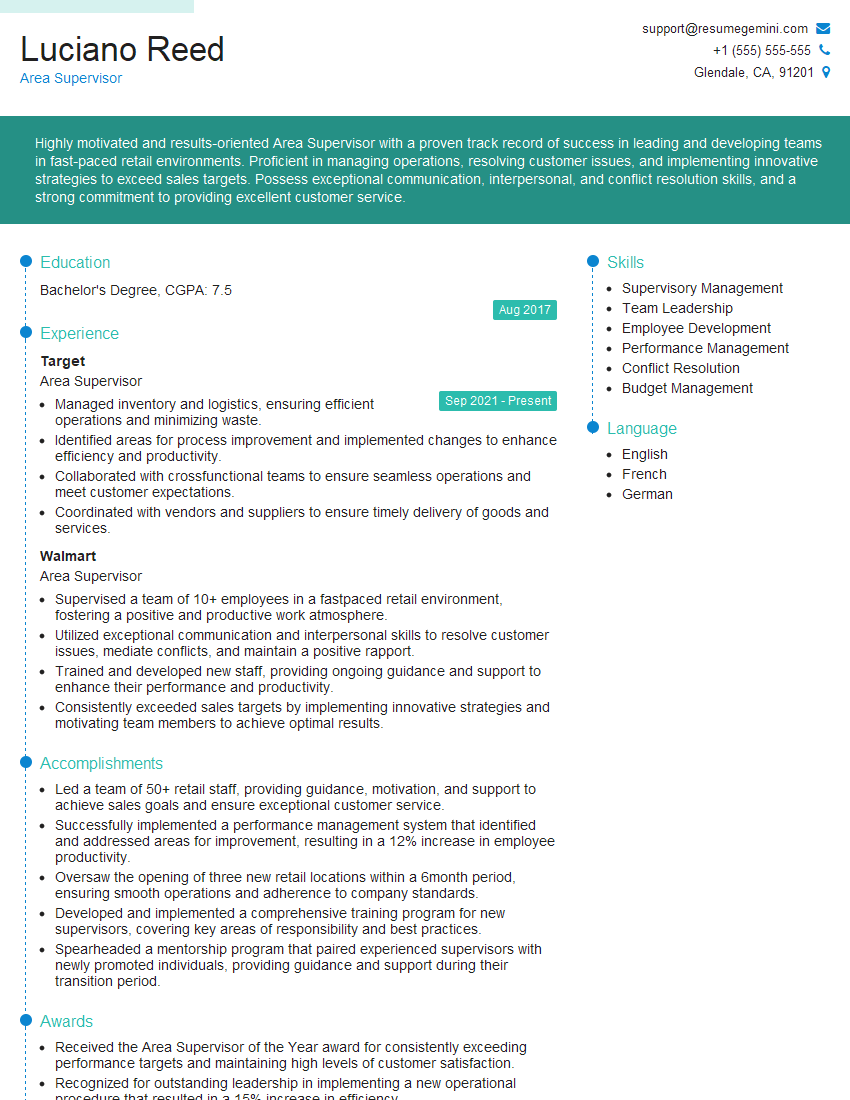
Area Supervisor Resume Sample
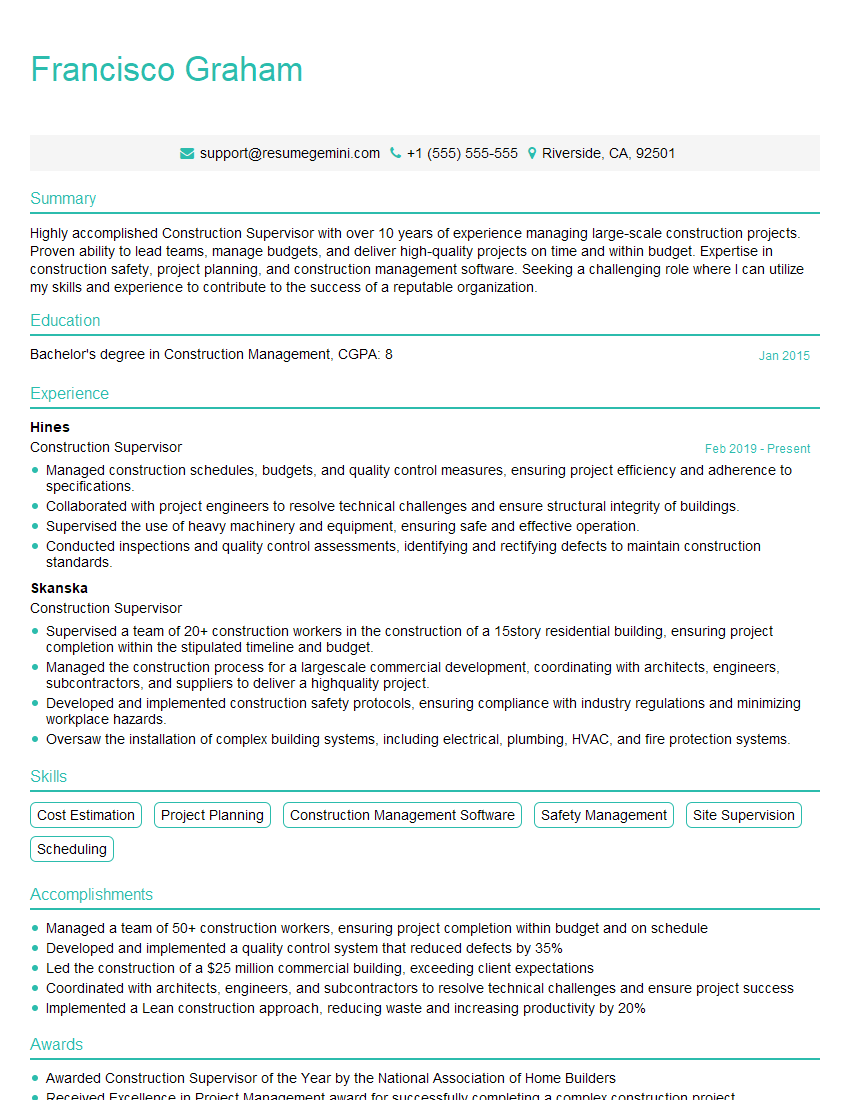
Construction Supervisor Resume Sample
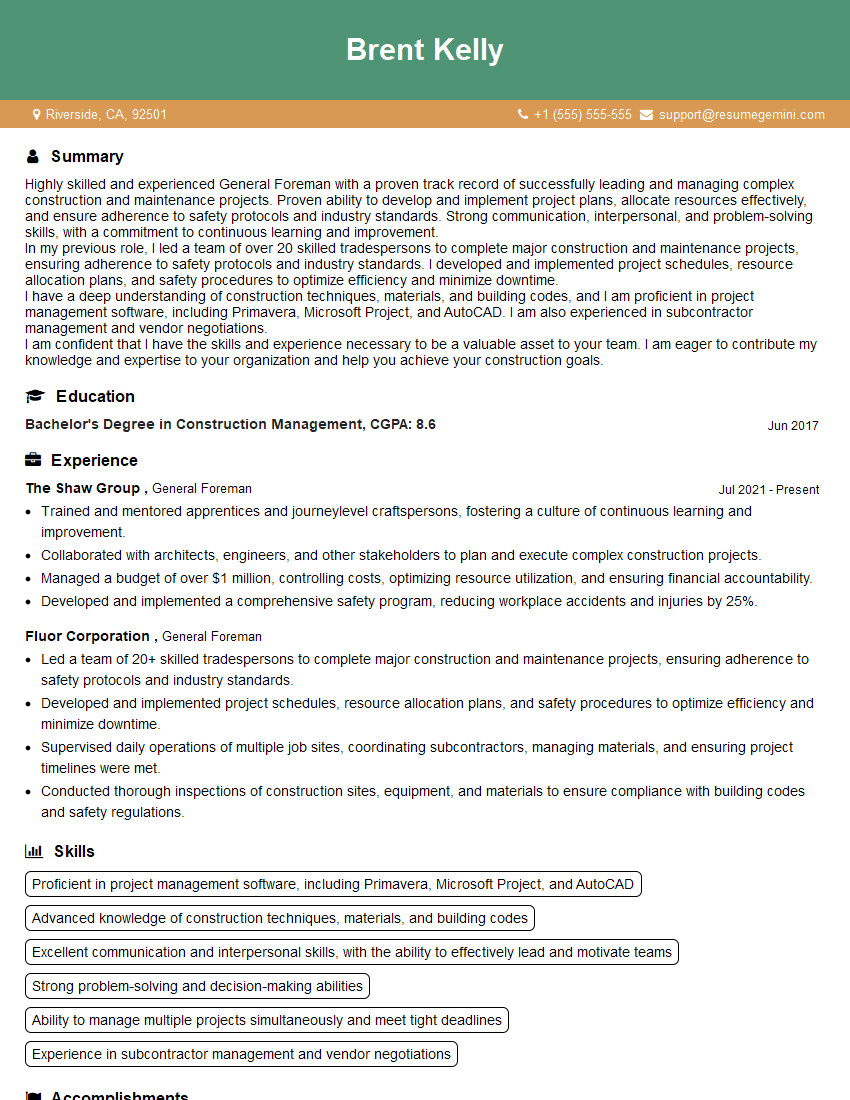
General Foreman Resume Sample
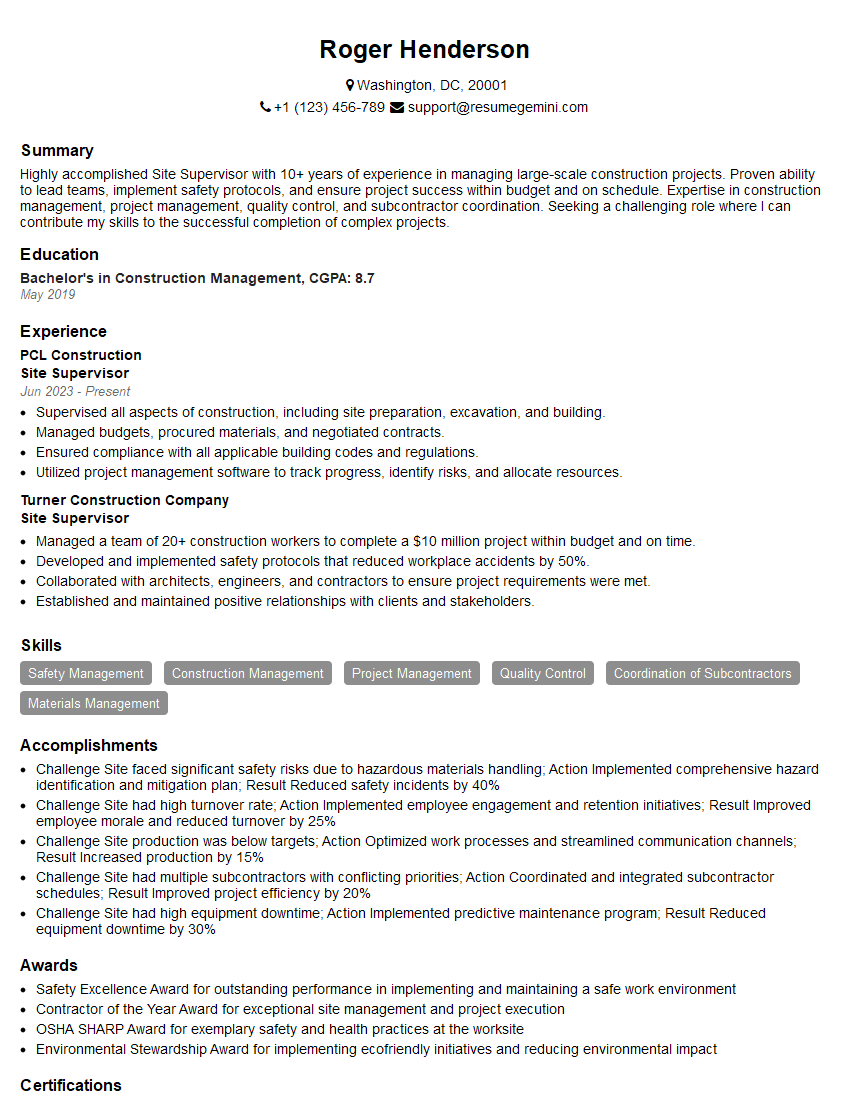
Site Supervisor Resume Sample
Explore more articles
Users Rating of Our Blogs
Share Your Experience
We value your feedback! Please rate our content and share your thoughts (optional).
What Readers Say About Our Blog
To the interviewgemini.com Webmaster.
Very helpful and content specific questions to help prepare me for my interview!
Thank you
To the interviewgemini.com Webmaster.
This was kind of a unique content I found around the specialized skills. Very helpful questions and good detailed answers.
Very Helpful blog, thank you Interviewgemini team.