Feeling uncertain about what to expect in your upcoming interview? We’ve got you covered! This blog highlights the most important Excellent Time Management and Project Coordination Skills interview questions and provides actionable advice to help you stand out as the ideal candidate. Let’s pave the way for your success.
Questions Asked in Excellent Time Management and Project Coordination Skills Interview
Q 1. Describe your process for prioritizing tasks in a demanding workload.
Prioritizing tasks in a demanding workload requires a strategic approach that balances urgency and importance. I use a combination of methods, primarily the Eisenhower Matrix (Urgent/Important), to effectively manage my workload.
- Urgent and Important: These tasks require immediate attention and are usually handled first. Think of a critical bug fix or an impending deadline for a major client presentation.
- Important but Not Urgent: These are crucial tasks that contribute to long-term goals but don’t have immediate deadlines. This could be strategic planning, professional development, or proactive client relationship building. I schedule these tasks proactively to prevent them from becoming urgent.
- Urgent but Not Important: These often involve interruptions or requests that pull you away from higher priority items. I learn to delegate these tasks whenever possible or batch them for efficient handling. Answering emails in dedicated blocks rather than sporadically is an example.
- Neither Urgent nor Important: These are often time-wasters and should be eliminated or minimized. This could include unnecessary meetings or unproductive social media browsing.
Beyond the Eisenhower Matrix, I also utilize a daily task list, broken down into smaller, manageable chunks. This allows me to track progress and maintain a sense of accomplishment, boosting motivation and reducing overwhelm. For example, instead of ‘Finish Project X’, my list might say ‘Complete Section A of Project X’, ‘Draft presentation slides for Project X’, etc.
Q 2. How do you handle multiple projects with overlapping deadlines?
Handling multiple projects with overlapping deadlines necessitates meticulous planning and efficient resource allocation. I rely heavily on project management methodologies like Agile, adapting the principles of iterative development and frequent communication to maintain momentum and clarity.
Firstly, I create a consolidated project overview, visualizing all deadlines and milestones on a shared calendar or project management tool (more on that later). This allows me to identify potential conflicts early on. Then, I break down each project into smaller, manageable tasks, assigning realistic timelines and resources.
Secondly, I prioritize tasks based on their urgency and impact, focusing my energy on the most critical activities that directly influence multiple projects. For example, if one deliverable is a prerequisite for another, it becomes a top priority across both projects. Thirdly, I hold regular team meetings to synchronize efforts and proactively address potential roadblocks. Open communication prevents misunderstandings and delays.
Finally, regular reassessment and adjustment are vital. Projects rarely go exactly as planned, so I use progress tracking tools to monitor deadlines and make necessary adjustments in real-time. This adaptive approach ensures I stay on track even with shifting priorities.
Q 3. What tools or techniques do you use for time management?
My time management arsenal includes a variety of tools and techniques, tailored to different needs. I use a combination of digital and analog methods to ensure comprehensive management.
- Time Blocking: I schedule specific blocks of time for particular tasks, minimizing context switching and maximizing focus. Think 9:00 AM – 10:30 AM: Respond to emails; 10:30 AM – 12:00 PM: Work on Project A.
- Pomodoro Technique: This involves working in focused bursts (typically 25 minutes) followed by short breaks, enhancing concentration and preventing burnout.
- Task Management Software: I utilize tools like Asana or Trello to track progress, assign tasks, and collaborate effectively with team members. This helps maintain transparency and accountability.
- Digital Calendars: Integrated calendars help visualize my schedule, ensuring I don’t overbook myself and allowing me to proactively manage my time.
- Prioritization Matrices: (as discussed in response 1) These are crucial for efficient decision making.
I also prioritize self-care to maintain long-term productivity. Adequate rest and breaks are vital to prevent burnout and ensure peak performance.
Q 4. Explain your experience with project scheduling software (e.g., MS Project, Asana).
I have extensive experience with project scheduling software, primarily Microsoft Project and Asana. My experience with MS Project involves creating detailed Gantt charts, defining task dependencies, and managing resources effectively for complex projects. I understand how to utilize critical path analysis to identify critical tasks impacting the project timeline and allocate resources accordingly.
Asana, on the other hand, has been instrumental in collaborative project management, particularly for smaller, Agile projects. I’m adept at setting up projects, assigning tasks, tracking progress using Kanban boards, and leveraging its communication features for efficient teamwork. Both tools allow for creating custom workflows to best suit the project’s needs.
For instance, I used MS Project to manage a large-scale software implementation project, meticulously defining dependencies between development, testing, and deployment phases. With Asana, I managed the ongoing marketing campaigns for a client, using Kanban boards to visualize the workflow and progress of various tasks, from content creation to social media posting.
Q 5. How do you create and maintain a project schedule?
Creating and maintaining a project schedule involves a systematic approach that incorporates several key steps:
- Project Scope Definition: Clearly define the project goals, deliverables, and key milestones. This forms the foundation for the schedule.
- Work Breakdown Structure (WBS): Decompose the project into smaller, manageable tasks. This ensures a clear understanding of the work involved.
- Task Sequencing & Dependencies: Identify the logical order of tasks and establish dependencies between them. Which task needs to be completed before another can begin?
- Time Estimation: Estimate the duration of each task, factoring in potential delays or uncertainties. This often involves collaborating with team members.
- Resource Allocation: Assign resources (people, equipment, budget) to each task. This ensures you have the necessary support to complete the project on time.
- Schedule Creation: Utilize project management software (like MS Project or Asana) to create a visual representation of the schedule, typically a Gantt chart. This allows for easy monitoring of progress.
- Regular Monitoring & Updates: Regularly monitor progress against the schedule and make necessary adjustments based on actual performance. This is crucial for staying on track.
Maintaining the schedule involves proactive communication, risk management (discussed in the next answer), and flexibility in adapting to unforeseen circumstances. Regular meetings and progress reports are instrumental in keeping everyone informed and aligned.
Q 6. How do you identify and mitigate potential project risks?
Identifying and mitigating potential project risks is a continuous process that demands proactive thinking and careful planning. I employ a risk management framework that involves several key steps:
- Risk Identification: Brainstorm potential risks that could impact the project. This involves considering various factors, from technical challenges to resource constraints and external factors.
- Risk Assessment: Analyze the likelihood and impact of each identified risk. This helps prioritize which risks require immediate attention.
- Risk Response Planning: Develop strategies to address each risk. This might involve risk avoidance (eliminating the risk), risk mitigation (reducing the probability or impact), risk transference (shifting the risk to another party), or risk acceptance (acknowledging the risk and accepting the potential consequences).
- Risk Monitoring & Control: Regularly monitor the identified risks and track the effectiveness of the implemented responses. Adjust strategies as needed.
For example, if a key team member is unexpectedly unavailable, the risk response might involve reassigning their tasks or bringing in temporary assistance. If there’s a risk of supply chain delays, the response might involve ordering materials earlier or sourcing alternative suppliers. Regular risk reviews and updates help prevent unexpected issues from derailing the project.
Q 7. Describe your approach to conflict resolution within a project team.
Conflict resolution within a project team requires a diplomatic and proactive approach. My strategy focuses on fostering open communication and understanding.
Firstly, I encourage open dialogue. When conflicts arise, I facilitate discussions where all parties can express their concerns and perspectives in a safe and respectful environment. Actively listening is key to understanding the root cause of the disagreement.
Secondly, I focus on finding common ground. Rather than focusing on blame, I work with the team to identify shared goals and find solutions that benefit everyone involved. This collaborative approach emphasizes teamwork and shared success.
Thirdly, I mediate and facilitate solutions, remaining neutral and objective. I encourage compromise and help find mutually agreeable solutions. This might involve brainstorming alternative approaches or adjusting project plans to accommodate differing needs.
Finally, I document agreements and follow-up. Once a solution is reached, I ensure it’s documented clearly and followed up on to ensure everyone is on the same page. This helps prevent recurring conflicts and builds trust within the team.
Q 8. How do you track project progress and report on key metrics?
Tracking project progress and reporting on key metrics is crucial for maintaining a project’s health and ensuring its successful completion. My approach involves a multi-pronged strategy combining robust project management tools with regular communication and proactive monitoring.
- Project Management Software: I leverage tools like Asana, Jira, or Monday.com to create visual representations of tasks, deadlines, and progress. These tools allow for easy tracking of individual task completion, overall project milestones, and the identification of potential bottlenecks. For example, using a Kanban board in Jira allows for a clear view of the workflow stages and the number of tasks in each stage.
- Key Performance Indicators (KPIs): I define specific, measurable, achievable, relevant, and time-bound (SMART) KPIs relevant to each project. These KPIs might include schedule adherence (percentage of tasks completed on time), budget adherence (variance between planned and actual spending), quality metrics (defect rate or customer satisfaction scores), and resource utilization (hours spent on tasks vs. allocated hours). Regular reporting on these KPIs provides a quantifiable measure of project progress.
- Regular Reporting and Meetings: I conduct regular progress meetings with team members and stakeholders. These meetings serve as a platform to discuss progress, highlight challenges, and make necessary adjustments. Reports summarizing progress against KPIs are shared regularly, typically weekly or bi-weekly, depending on the project’s complexity and criticality. For instance, a weekly email report with a summary of completed tasks, outstanding issues and a progress bar visualizing overall completion would be typical.
This comprehensive approach ensures transparency, facilitates proactive problem-solving, and provides stakeholders with a clear understanding of the project’s trajectory.
Q 9. How do you handle unexpected delays or changes in project scope?
Unexpected delays and scope changes are inevitable in project management. My approach focuses on proactive risk management and effective communication to minimize their impact.
- Risk Assessment: Before the project begins, I conduct a thorough risk assessment to identify potential roadblocks. This allows us to proactively develop contingency plans to mitigate these risks. For instance, if a key dependency is external, we might build buffer time into the schedule.
- Change Management Process: A formal change management process is vital. Any change request must be documented, assessed for impact (schedule, budget, resources), and approved by relevant stakeholders. This ensures that changes are considered systematically and don’t derail the entire project. A simple form to capture change requests, their impact assessment, and approval status is essential.
- Communication and Transparency: I ensure open and transparent communication with the team and stakeholders about the delay or scope change. This includes clearly explaining the reason for the change, its impact, and the proposed solutions. For example, if a delay occurs, I’ll immediately communicate the delay, its cause, and the revised timeline to all stakeholders.
- Reprioritization and Adjustment: Based on the impact assessment, I work with the team to re-prioritize tasks, adjust the schedule, and reallocate resources as necessary. This might involve using techniques like critical path analysis to identify the most impactful tasks and adjusting them first.
By combining proactive planning, a structured change management process, and transparent communication, I can effectively handle unexpected disruptions and minimize their negative impact on the project’s overall success.
Q 10. What is your experience with Agile methodologies (e.g., Scrum, Kanban)?
I have extensive experience with Agile methodologies, primarily Scrum and Kanban. I find these frameworks particularly effective for managing complex projects that require flexibility and adaptability.
- Scrum: I’ve successfully implemented Scrum in several projects, facilitating sprint planning, daily stand-up meetings, sprint reviews, and sprint retrospectives. This iterative approach allows for continuous improvement and adaptation based on feedback. For instance, using sprint burndown charts allowed for clear visibility of task completion progress during each sprint.
- Kanban: Kanban’s visual workflow management is beneficial for projects that require flexibility and continuous flow. I have used Kanban boards to manage tasks, track progress, and identify bottlenecks. This is especially useful for projects with evolving requirements.
- Agile Principles: Beyond specific methodologies, I strongly believe in the core Agile principles of collaboration, iterative development, and continuous improvement. I tailor my approach to each project’s specific needs, choosing the methodology that best suits its characteristics.
My experience with Agile methodologies enables me to deliver projects more efficiently, adapt to changing requirements, and foster a collaborative and productive team environment.
Q 11. How do you effectively delegate tasks and manage team members?
Effective delegation and team management are key to successful project completion. My approach focuses on matching tasks with individuals’ skills and strengths while fostering a collaborative and supportive environment.
- Understanding Team Members: I begin by understanding each team member’s skills, experience, and preferences. This allows me to assign tasks that align with their strengths, maximizing their productivity and job satisfaction. For example, I’ll assign a task requiring strong analytical skills to a team member with that expertise.
- Clear Communication: I provide clear instructions, expectations, and deadlines for each task. I ensure that team members understand their roles, responsibilities, and how their contributions contribute to the overall project goals. For example, I’ll create a detailed task description including the expected output, deadline, and any necessary dependencies.
- Empowerment and Support: I empower team members to take ownership of their tasks and provide them with the support they need to succeed. This includes regular check-ins, feedback, and mentoring. For example, I’ll offer constructive criticism and guidance during the process, rather than just reviewing the final output.
- Conflict Resolution: I proactively address any conflicts or issues that arise within the team, fostering a positive and collaborative working relationship. I believe in open communication and finding solutions that satisfy all parties involved.
By empowering my team, providing clear expectations and support, and addressing conflicts effectively, I create a productive and cohesive environment where everyone can contribute their best work.
Q 12. Describe your process for documenting project decisions and communications.
Documenting project decisions and communications is crucial for maintaining transparency, accountability, and a clear audit trail. My process involves leveraging a combination of digital and physical methods.
- Project Management Software: I utilize the project management software’s built-in features for documenting decisions and communications. This includes using task comments, meeting notes, and version control for documents. For example, I meticulously record all decisions made during sprint reviews and retrospectives within the project management system.
- Meeting Minutes: For all important meetings, I prepare detailed minutes documenting key decisions, action items, and assigned responsibilities. These minutes are distributed to all attendees and stakeholders. This creates a record of what was discussed and agreed upon.
- Email Communication: Important email communications related to project decisions or changes are saved and archived. This ensures that all relevant stakeholders have access to critical information.
- Centralized Repository: All project-related documents, including decisions and communications, are stored in a centralized repository, accessible to authorized personnel. This ensures easy access to information and version control.
This comprehensive documentation approach minimizes misunderstandings, ensures accountability, and provides a valuable reference point throughout the project lifecycle and beyond. It facilitates easy knowledge transfer and reduces the risk of errors due to missing or unclear information.
Q 13. How do you ensure projects stay within budget?
Keeping projects within budget requires careful planning, proactive monitoring, and effective cost control measures. My approach incorporates several key strategies.
- Detailed Budget Planning: I develop a detailed budget at the beginning of the project, breaking down costs into various categories (labor, materials, software, etc.). This budget is then regularly reviewed and updated as the project progresses.
- Regular Cost Tracking: I track actual expenses against the planned budget throughout the project lifecycle. This involves using time tracking software and regularly reviewing invoices and other expense reports. Regular variance analysis helps identify potential overspending early on.
- Value Engineering: Where possible, I explore opportunities to optimize costs without compromising quality or functionality. This might involve finding alternative suppliers, negotiating better rates, or streamlining processes.
- Contingency Planning: I include a contingency buffer in the budget to accommodate unexpected costs or delays. This helps prevent budget overruns in unforeseen circumstances. For instance, a 10% contingency budget is often included to account for unknown factors.
- Regular Reporting: I provide regular budget reports to stakeholders, highlighting any significant variances and proposed corrective actions. This ensures transparency and accountability.
By combining careful planning, proactive monitoring, and effective cost control measures, I strive to keep projects within budget while ensuring the delivery of high-quality results.
Q 14. How do you measure the success of a project?
Measuring project success goes beyond simply completing the project on time and within budget. It requires a comprehensive evaluation of whether the project achieved its intended objectives and delivered the expected value. My approach utilizes a multi-faceted evaluation process.
- Project Goals and Objectives: I start by clearly defining the project’s goals and objectives at the outset. This creates a benchmark against which to measure success.
- Key Performance Indicators (KPIs): I establish specific, measurable, achievable, relevant, and time-bound (SMART) KPIs aligned with the project’s objectives. This allows for a quantitative assessment of success.
- Stakeholder Satisfaction: I gather feedback from stakeholders (clients, users, team members) to assess their level of satisfaction with the project’s outcome and the overall process. This feedback can be gathered through surveys, interviews, or focus groups.
- Return on Investment (ROI): Where applicable, I measure the project’s ROI by comparing the benefits realized against the costs incurred. This provides a clear indication of the project’s financial success.
- Post-Project Review: After the project’s completion, I conduct a post-project review to identify lessons learned and areas for improvement. This feedback informs future projects and contributes to continuous improvement.
By combining quantitative and qualitative measures, I ensure a comprehensive and meaningful assessment of project success, providing valuable insights for future endeavors.
Q 15. What is your experience with resource allocation in projects?
Resource allocation is the strategic process of assigning and managing the available resources—people, budget, time, equipment, and materials—to project tasks efficiently and effectively. It’s crucial for staying on schedule and within budget. My approach involves a multi-step process. First, I create a detailed resource breakdown structure (RBS) that identifies all resources needed and their required quantity. Then, I analyze the project schedule, identifying task dependencies and durations. Next, I map resources to tasks, considering their skills, availability, and cost. Finally, I continuously monitor resource utilization, making adjustments as needed to optimize performance and address any potential over-allocation or under-allocation. For example, in a recent software development project, I used a resource leveling technique to smooth out resource demands, preventing peak workloads that could lead to burnout or delays. This involved re-sequencing tasks and adjusting schedules based on resource availability.
Career Expert Tips:
- Ace those interviews! Prepare effectively by reviewing the Top 50 Most Common Interview Questions on ResumeGemini.
- Navigate your job search with confidence! Explore a wide range of Career Tips on ResumeGemini. Learn about common challenges and recommendations to overcome them.
- Craft the perfect resume! Master the Art of Resume Writing with ResumeGemini’s guide. Showcase your unique qualifications and achievements effectively.
- Don’t miss out on holiday savings! Build your dream resume with ResumeGemini’s ATS optimized templates.
Q 16. How do you manage stakeholder expectations?
Managing stakeholder expectations is paramount to project success. It involves clear, proactive, and consistent communication. I begin by establishing a detailed communication plan, defining communication frequency, channels, and key stakeholders. I hold regular meetings, using a variety of methods—from formal presentations to informal check-ins—to provide updates and address concerns. I actively solicit feedback and ensure that expectations are realistic, achievable, and clearly aligned with the project goals. When challenges arise, I proactively communicate the situation, outline mitigation strategies, and explore alternative solutions together with the stakeholders. I also employ tools like project management software and shared documentation to keep all stakeholders informed. Transparency is key; stakeholders should always have access to relevant information and feel comfortable expressing their concerns. In a previous project, the client initially had unrealistic expectations about the project timeline. By openly discussing the constraints and suggesting alternative approaches, we reached a mutual agreement on a more realistic schedule, maintaining trust and ensuring project success.
Q 17. Describe a time you failed to meet a deadline. What did you learn?
In a past project involving the launch of a new product, we missed a critical deadline due to unforeseen technical challenges with integrating a third-party system. We underestimated the complexity of the integration process and failed to build sufficient buffer time into our schedule. The learning experience was invaluable. I learned the importance of thorough risk assessment and contingency planning. We now use a more robust risk management process that identifies potential problems early on and includes detailed mitigation strategies. We also incorporate buffer time into schedules to account for unexpected delays. Furthermore, we emphasized more frequent communication and progress updates throughout the project lifecycle. This early identification of problems allowed for proactive adjustments and avoided similar problems in future projects.
Q 18. How do you utilize project management software to track progress and collaborate?
I utilize project management software extensively for tracking progress and facilitating collaboration. My preferred tools include platforms like Asana, Jira, and Monday.com. I use these tools to create project plans, assign tasks, track progress against deadlines, manage risks, and facilitate communication. For example, using Jira’s Kanban boards helps visualize the workflow, identify bottlenecks, and monitor the progress of individual tasks. The reporting features in these platforms allow me to generate progress reports and share them with stakeholders. I also leverage these tools for document sharing and communication, ensuring everyone has access to the latest information and fostering a collaborative environment. The use of shared dashboards allows real-time visibility of project status, promoting accountability and efficient problem-solving.
Q 19. What is your preferred method for communicating project updates?
My preferred method for communicating project updates is a multi-pronged approach tailored to the audience and information. For quick updates and immediate issues, I use instant messaging platforms like Slack. For more formal updates, I utilize email and project management software notifications. For major milestones or concerns that require detailed explanations and discussion, I hold regular status meetings (both in-person and virtual) for stakeholders and team members. I also create comprehensive project reports that provide a detailed overview of the project’s progress, risks, and issues. This integrated approach ensures efficient, timely, and targeted communication to all involved parties.
Q 20. How do you ensure all team members are informed and updated on project progress?
Keeping all team members informed and updated on project progress is essential for maintaining momentum and collaboration. I use several methods to achieve this. Daily stand-up meetings facilitate quick status updates and immediate problem identification. Weekly team meetings delve deeper into progress, address roadblocks, and plan upcoming activities. Regular project updates via email and project management software keep everyone informed of milestones, deadlines, and key changes. I also encourage open communication channels, allowing team members to reach out with questions or concerns at any time. Finally, I promote a culture of transparency, where information is freely shared, and everyone feels empowered to contribute to the project’s success. This ensures everyone is on the same page, promoting teamwork and preventing misunderstandings.
Q 21. How do you proactively identify potential bottlenecks in a project?
Proactively identifying potential bottlenecks is critical for avoiding delays and ensuring timely project completion. I employ several strategies for this. First, I carefully review the project schedule, identifying critical paths and tasks with high dependencies. Second, I conduct regular risk assessments, evaluating potential issues and their impact on the project timeline and budget. Third, I hold regular team meetings to discuss potential roadblocks and brainstorm solutions. Fourth, I closely monitor resource utilization and identify areas where resources are over-allocated or under-utilized. Fifth, I regularly review progress against the planned schedule and identify any deviations that could signal a potential bottleneck. By combining these techniques, I can proactively identify and address potential bottlenecks before they significantly impact the project’s success. For example, in a recent project, by carefully examining the resource allocation, we identified a potential bottleneck in software testing. By allocating additional testers and adjusting the testing schedule, we successfully avoided significant delays.
Q 22. Explain your experience with creating and presenting project proposals.
Crafting compelling project proposals is a crucial skill. It involves not only outlining the project’s scope and objectives but also showcasing a clear understanding of the client’s needs and demonstrating the value proposition. My approach involves a structured process: first, thorough research and stakeholder analysis to identify pain points and desired outcomes. Next, I develop a detailed plan that addresses these points, outlining deliverables, timelines, and resources needed. Finally, I craft a proposal that is concise, persuasive, and visually appealing, using charts and graphs where appropriate to highlight key data. For instance, in a recent proposal for a website redesign, I not only detailed the technical aspects but also incorporated client testimonials and case studies showcasing successful past projects to build confidence and trust.
Presenting the proposal is equally important. I prioritize clear and concise communication, adapting my style to the audience. I always anticipate questions and concerns and prepare responses in advance. For the website redesign, the presentation incorporated interactive elements and live demonstrations to showcase the proposed design’s functionality and user experience.
Q 23. How do you handle competing priorities from multiple stakeholders?
Juggling competing priorities from multiple stakeholders requires a systematic approach. I begin by prioritizing tasks based on urgency and importance using methods such as the Eisenhower Matrix (urgent/important). Open communication is paramount; I schedule regular meetings with stakeholders to keep them informed of progress and any potential roadblocks. I utilize project management software to track tasks, deadlines, and resource allocation transparently, enabling stakeholders to see the overall project status and understand the rationale behind prioritization decisions. For instance, on a recent product launch, marketing wanted early feature announcements, while engineering prioritized bug fixes. Using the Eisenhower Matrix and transparent communication, I ensured both priorities were addressed without compromising the launch date.
Q 24. Describe a situation where you had to make a difficult decision regarding project resources.
Resource allocation can be challenging. In one project, we faced a critical shortage of developers just before the deadline. We had two options: either delay the launch, risking significant financial losses, or reallocate resources from a less critical module, potentially compromising its functionality. After careful consideration of the risks and benefits of each option, we chose to reallocate resources, prioritizing the core features that were essential for launch. We communicated this transparently to all stakeholders and implemented a mitigation plan to address the compromised module later. This required close collaboration with the engineering team to prioritize tasks, and rigorous testing to ensure the launch remained successful. Though a challenging decision, this approach minimized overall risk and ultimately proved successful.
Q 25. How do you ensure consistent quality throughout the project lifecycle?
Maintaining consistent quality requires a proactive approach throughout the project lifecycle. This starts with clearly defined quality standards and metrics, documented in a project quality plan. I use regular quality checks and testing at various stages – unit testing, integration testing, and user acceptance testing – to identify and resolve issues early. A crucial aspect is establishing a culture of quality within the team, fostering collaboration and open communication. For example, in a software development project, we implemented a code review process where every code change was reviewed by a peer before merging into the main branch. This process significantly improved code quality and reduced the number of bugs discovered later in the project.
Q 26. What is your experience with risk assessment and mitigation strategies?
Risk assessment and mitigation are integral to successful project management. I begin by identifying potential risks, considering factors like technical challenges, resource constraints, and stakeholder conflicts. I then assess the likelihood and impact of each risk, prioritizing those with the highest potential negative consequences. For each identified risk, I develop a mitigation plan, outlining proactive steps to minimize its impact. This might include contingency plans, alternative solutions, or buffer time in the schedule. For example, in a project with a tight deadline, I identified the risk of supplier delays. The mitigation strategy involved identifying alternative suppliers, negotiating early delivery, and incorporating buffer time into the schedule. Regular monitoring of risks is crucial, and the mitigation plan may need adjustments as the project progresses.
Q 27. How do you adapt your approach to time management and project coordination based on different project types and team dynamics?
Adaptability is key. My approach to time management and project coordination varies depending on project type and team dynamics. For instance, agile methodologies are ideal for projects requiring flexibility and iterative development, while waterfall approaches might be more suitable for projects with well-defined requirements. I tailor my communication style and meeting frequency to suit the team’s preferences, recognizing that some teams prefer frequent updates, while others appreciate a more independent working style. Tools and techniques also adapt: for smaller teams, simple spreadsheets might suffice, while larger projects benefit from sophisticated project management software. Understanding team dynamics – strengths, weaknesses, communication styles – is essential for effective coordination.
Q 28. Describe your experience with closing out a project and conducting a post-project review.
Project closure and post-project review are vital for learning and improvement. Project closure involves finalizing deliverables, obtaining client sign-off, and ensuring all documentation is complete and archived. The post-project review involves a thorough evaluation of the project’s success against its objectives. This includes analyzing key metrics, such as cost, schedule adherence, and quality. It’s also an opportunity to identify lessons learned, both successes and failures, to inform future projects. We use a structured review process, typically involving stakeholders and the project team, where we discuss key findings, identify areas for improvement, and document actionable recommendations. This ensures continuous improvement in our project management practices.
Key Topics to Learn for Excellent Time Management and Project Coordination Skills Interview
- Prioritization Techniques: Understanding methods like Eisenhower Matrix (urgent/important), MoSCoW method (must have/should have/could have/won’t have), and Pareto Principle (80/20 rule) to effectively allocate time and resources.
- Time Blocking and Scheduling: Practical application of scheduling tools and techniques to allocate specific time blocks for tasks, meetings, and personal time, maximizing productivity and minimizing conflicts.
- Project Planning & Execution: Mastering project management methodologies like Agile or Waterfall, including defining scope, creating Gantt charts, managing milestones, and tracking progress.
- Risk Management & Contingency Planning: Identifying potential project risks, developing mitigation strategies, and creating contingency plans to address unforeseen challenges and delays.
- Communication & Collaboration: Effective communication with team members, stakeholders, and clients, using appropriate tools and strategies for clear and consistent updates.
- Delegation & Teamwork: Understanding how to effectively delegate tasks based on team members’ strengths and capabilities, fostering collaboration and shared responsibility.
- Problem-Solving & Decision-Making: Developing strategies for identifying and resolving project issues promptly and efficiently, making informed decisions under pressure.
- Tools & Technologies: Familiarity with project management software (e.g., Asana, Trello, Jira) and other productivity tools to enhance efficiency.
- Performance Monitoring & Evaluation: Tracking key performance indicators (KPIs), analyzing project data, and identifying areas for improvement in future projects.
Next Steps
Mastering excellent time management and project coordination skills is crucial for career advancement. These skills demonstrate your ability to deliver results efficiently and effectively, qualities highly valued by employers across various industries. To significantly boost your job prospects, crafting a strong, ATS-friendly resume is essential. ResumeGemini is a trusted resource to help you build a professional resume that highlights your abilities. We provide examples of resumes tailored to showcase excellent time management and project coordination skills to help you present your capabilities effectively.
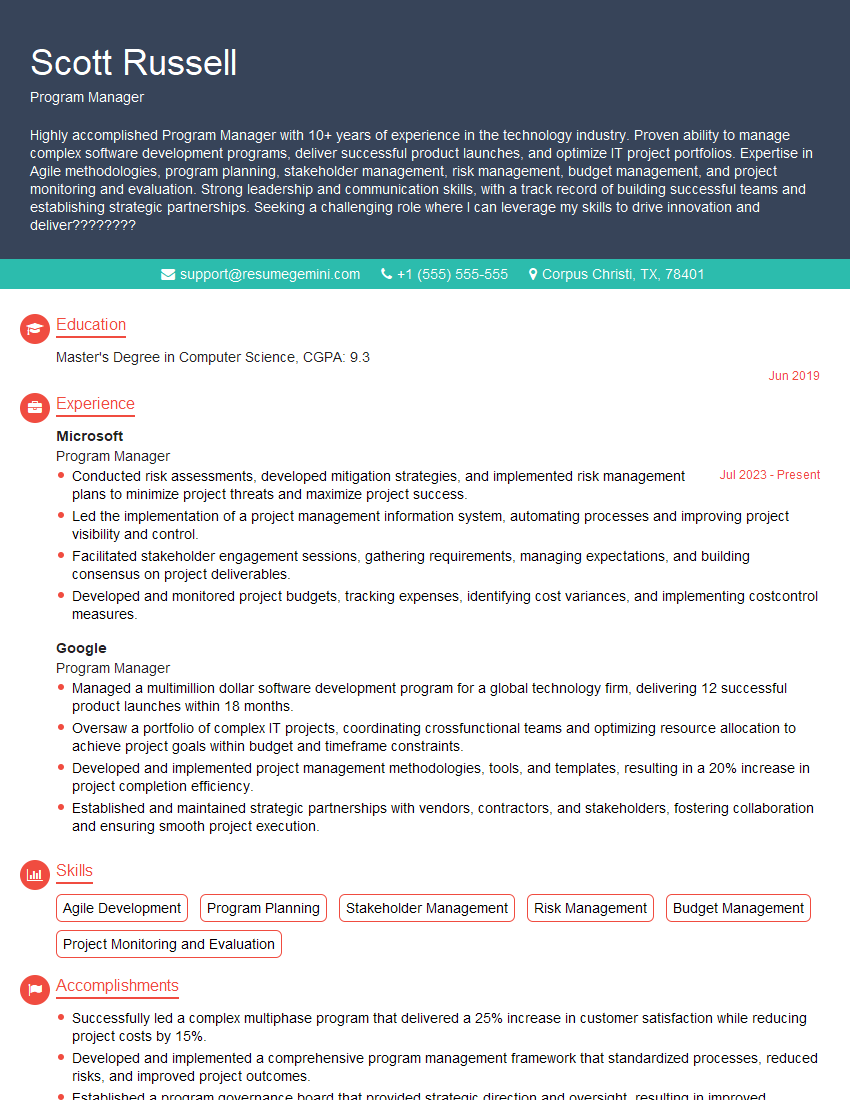
Program Manager Resume Sample
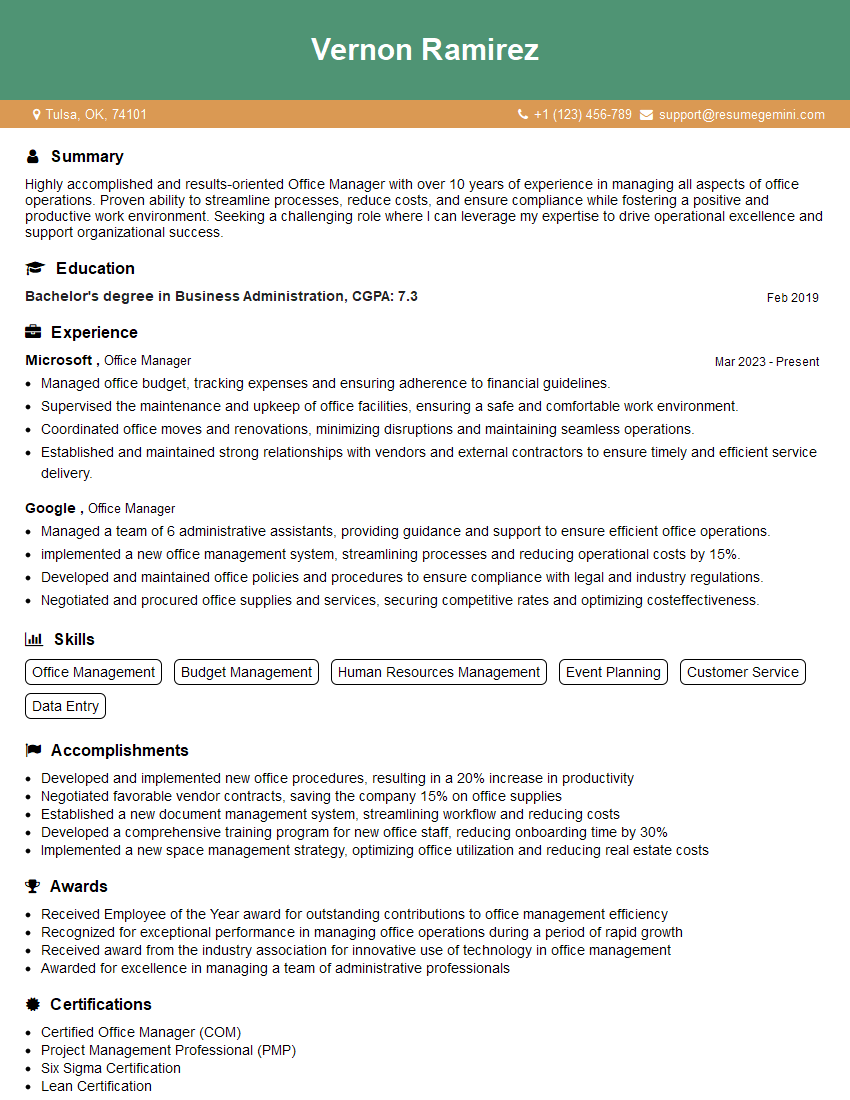
Office Manager Resume Sample

Operations Manager Resume Sample
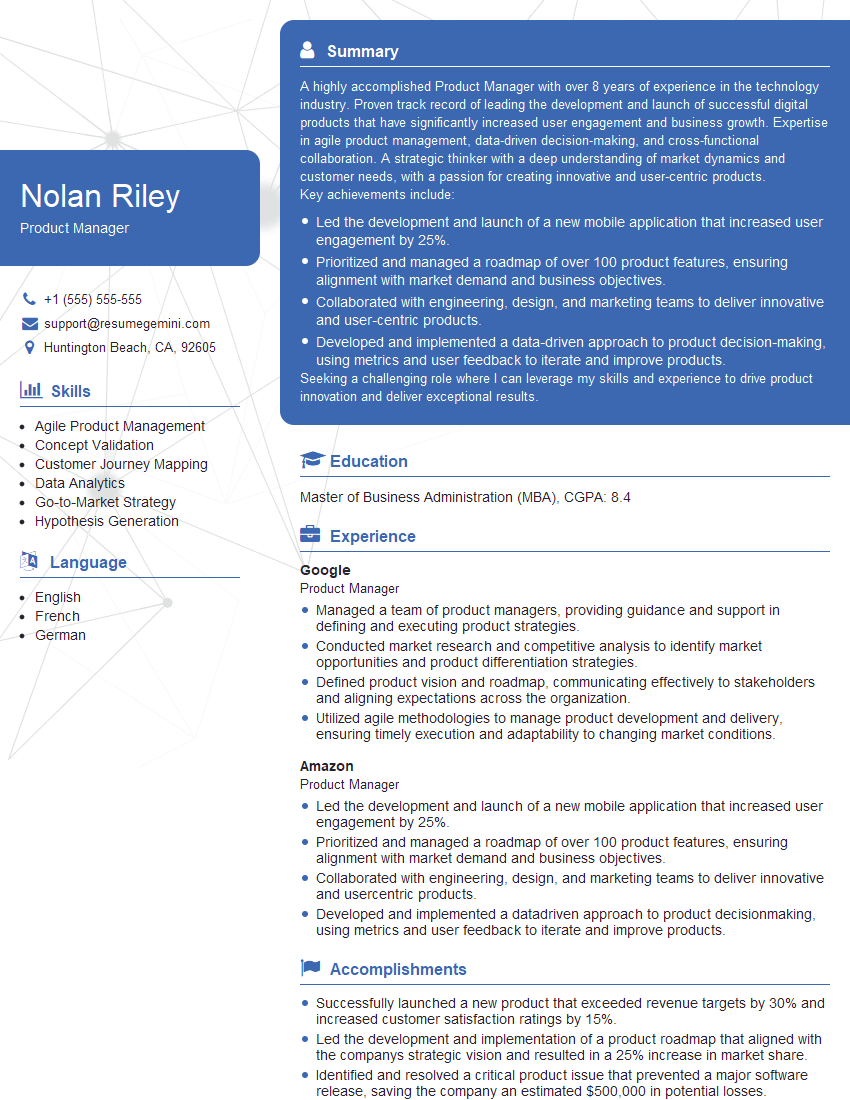
Product Manager Resume Sample
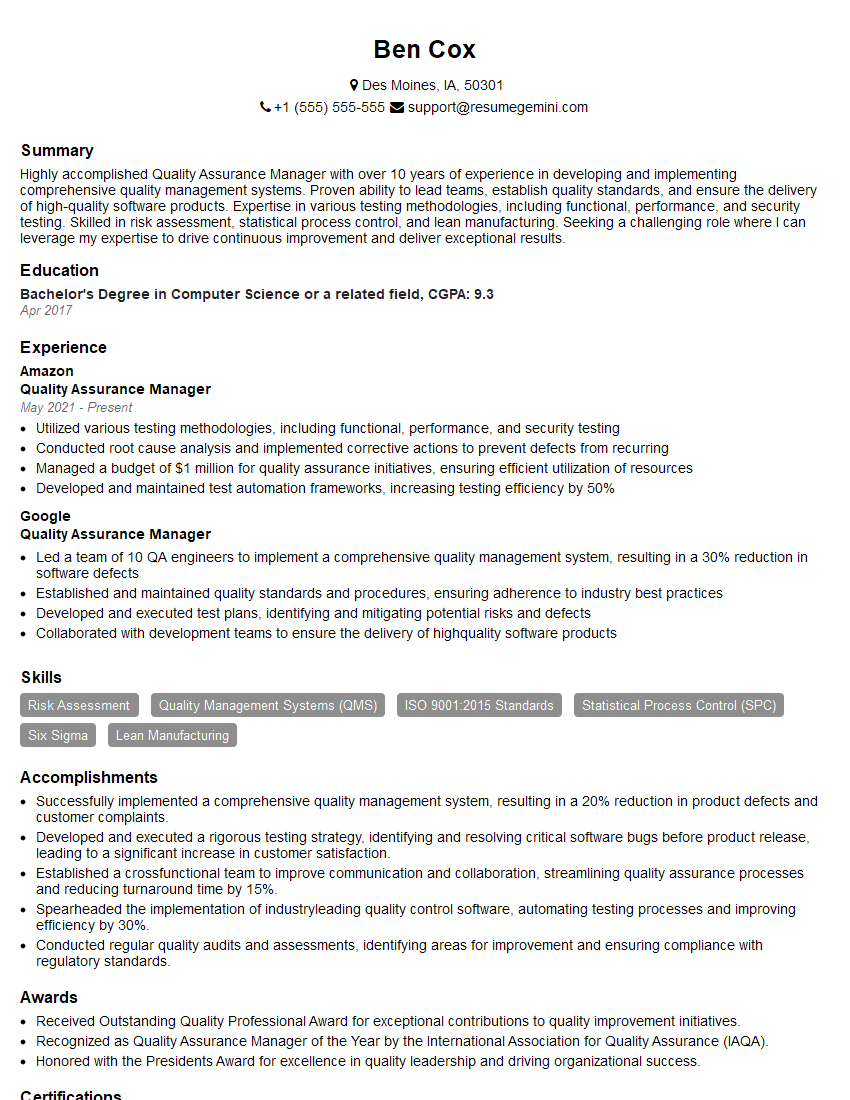
Quality Assurance Manager Resume Sample
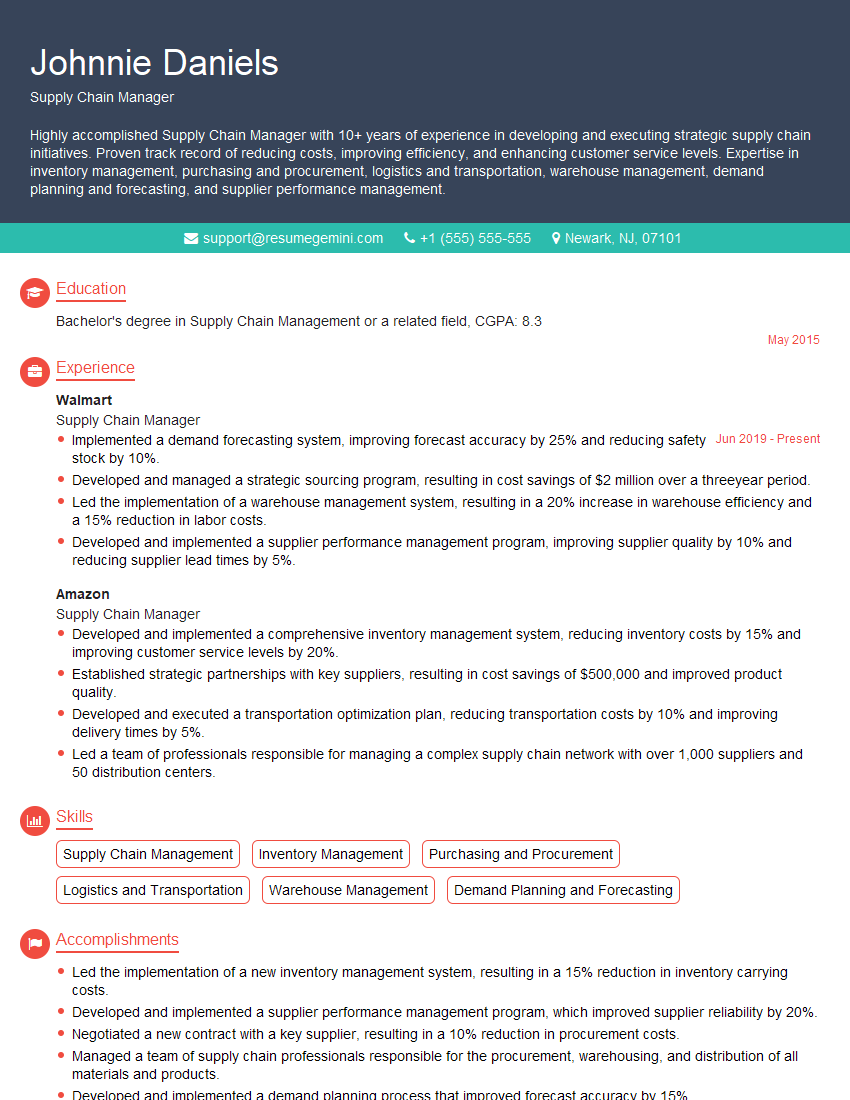
Supply Chain Manager Resume Sample
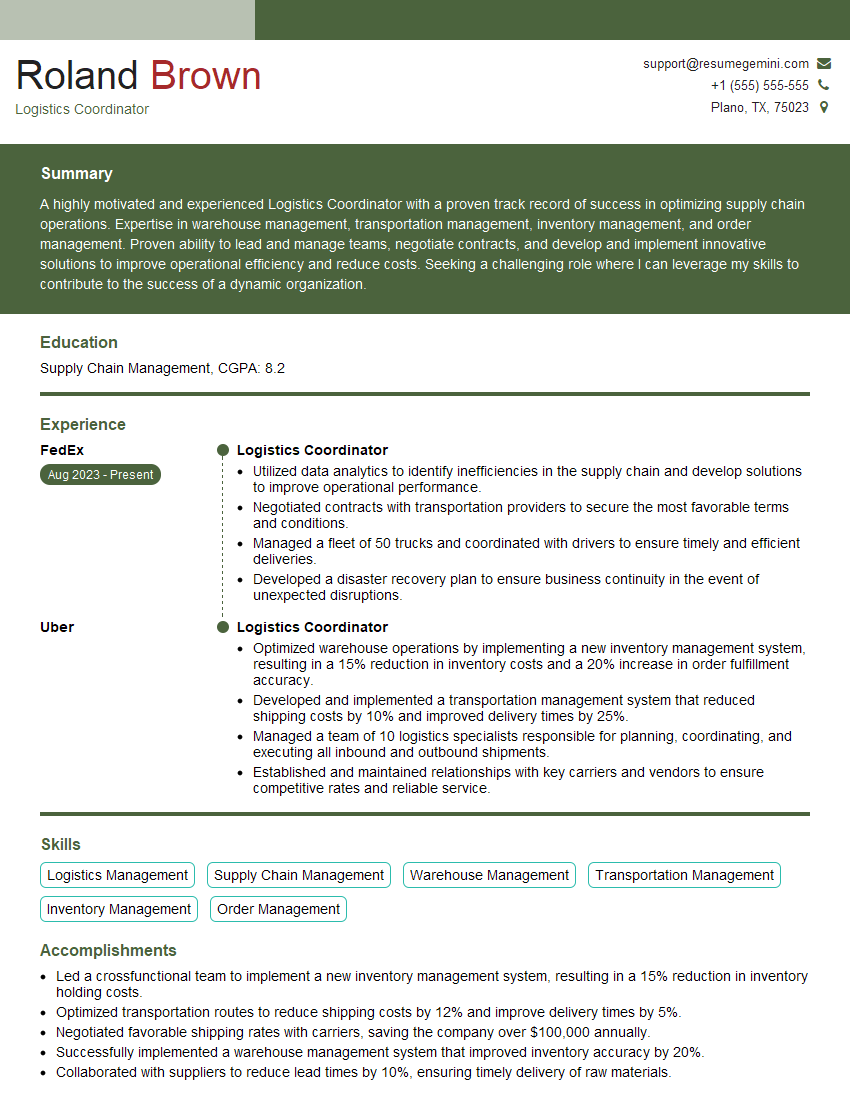
Logistics Coordinator Resume Sample
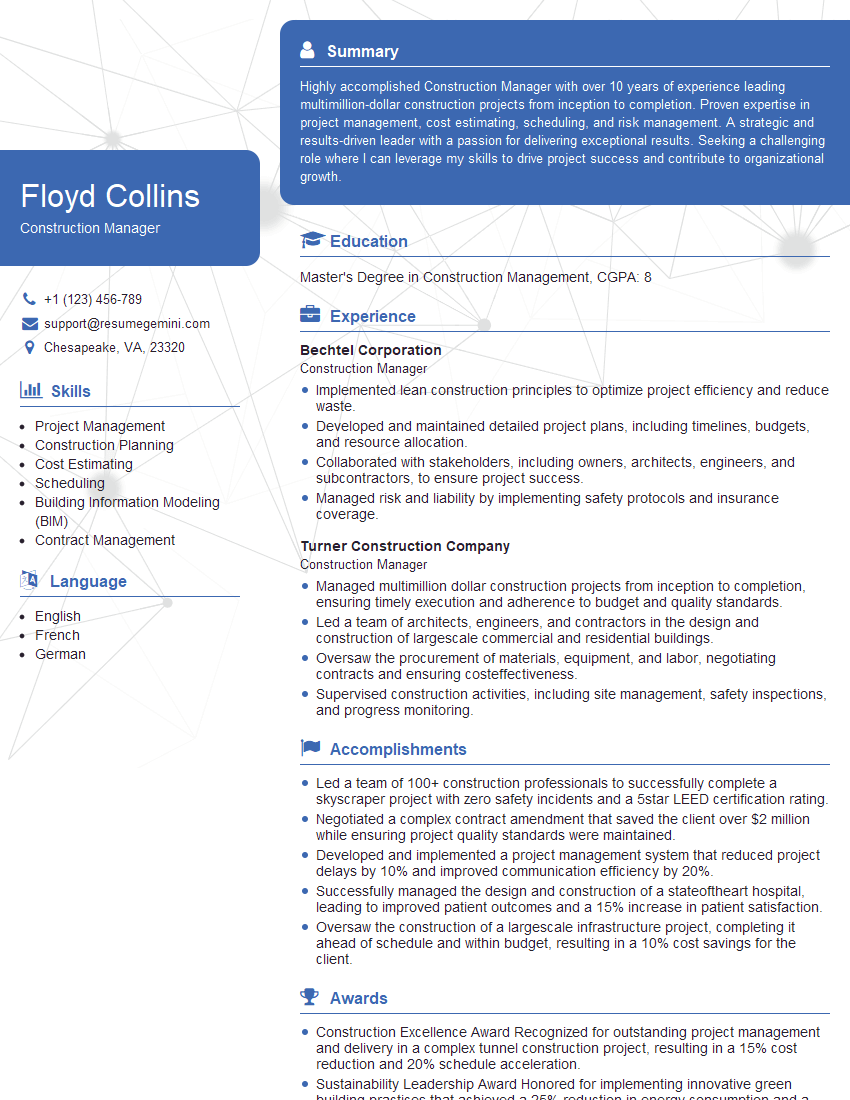
Construction Manager Resume Sample
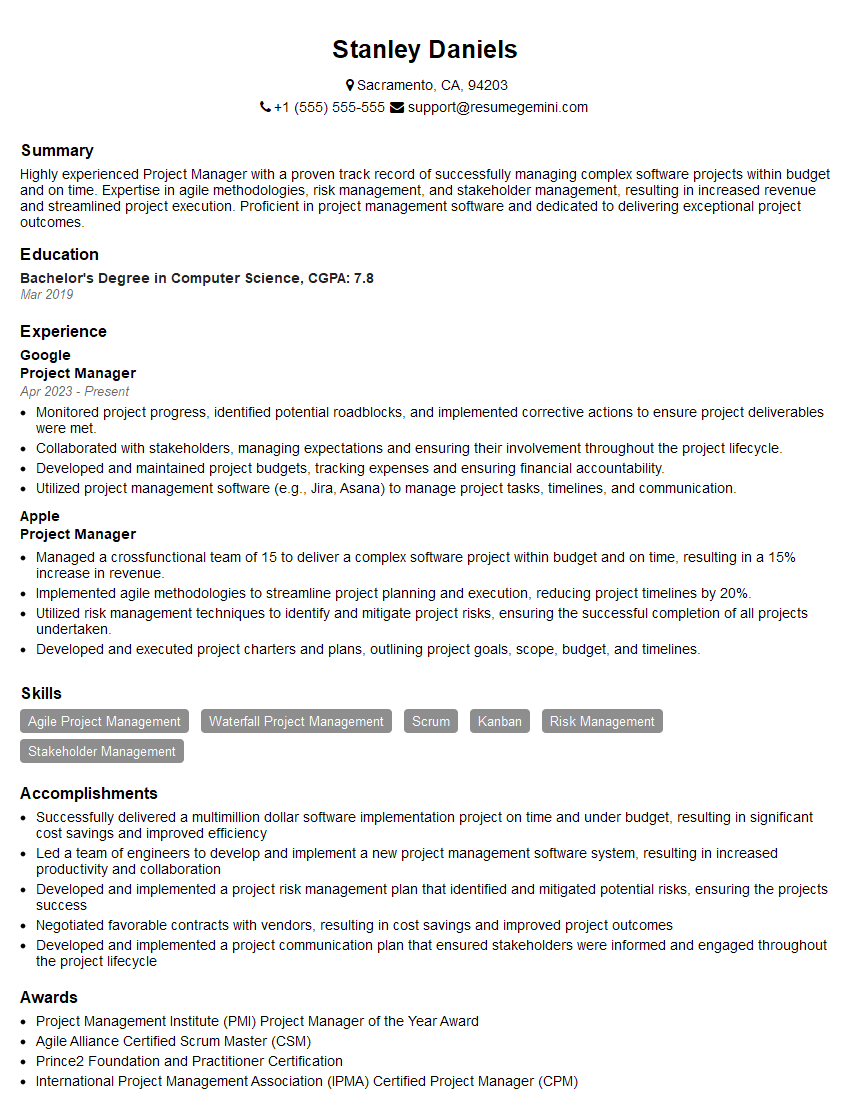
Project Manager Resume Sample
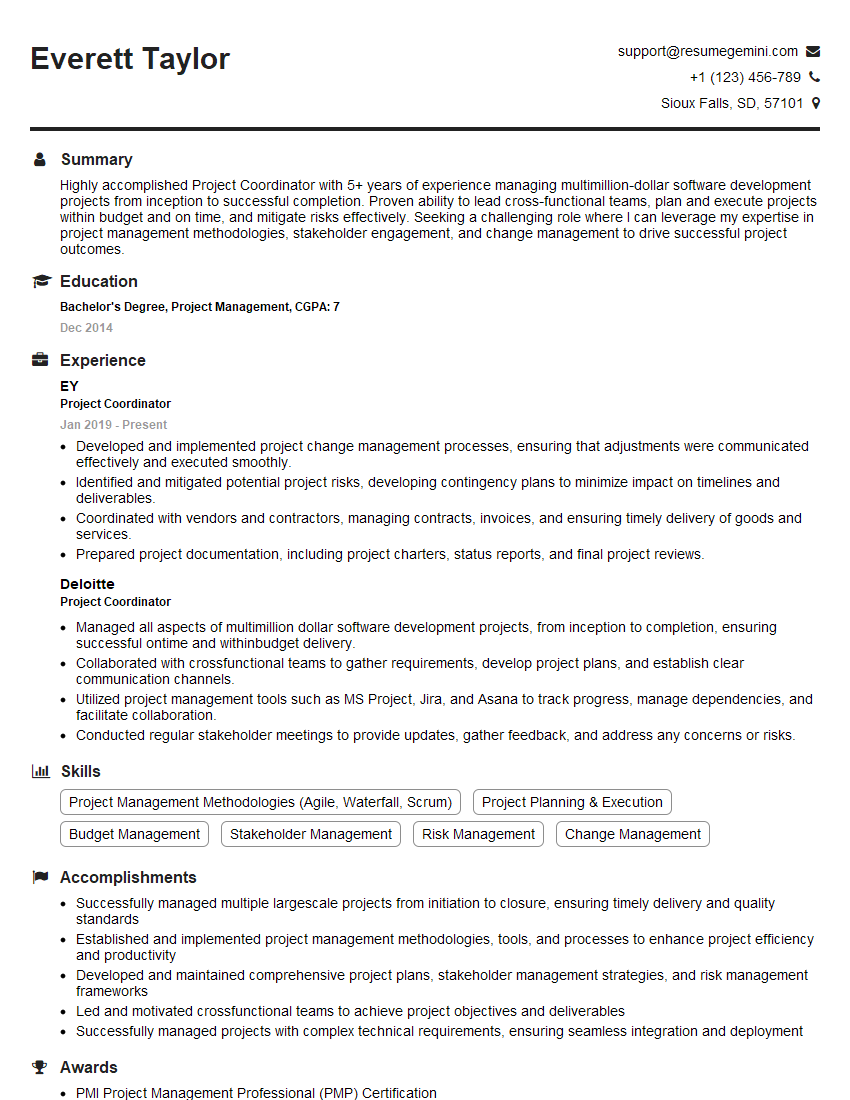
Project Coordinator Resume Sample
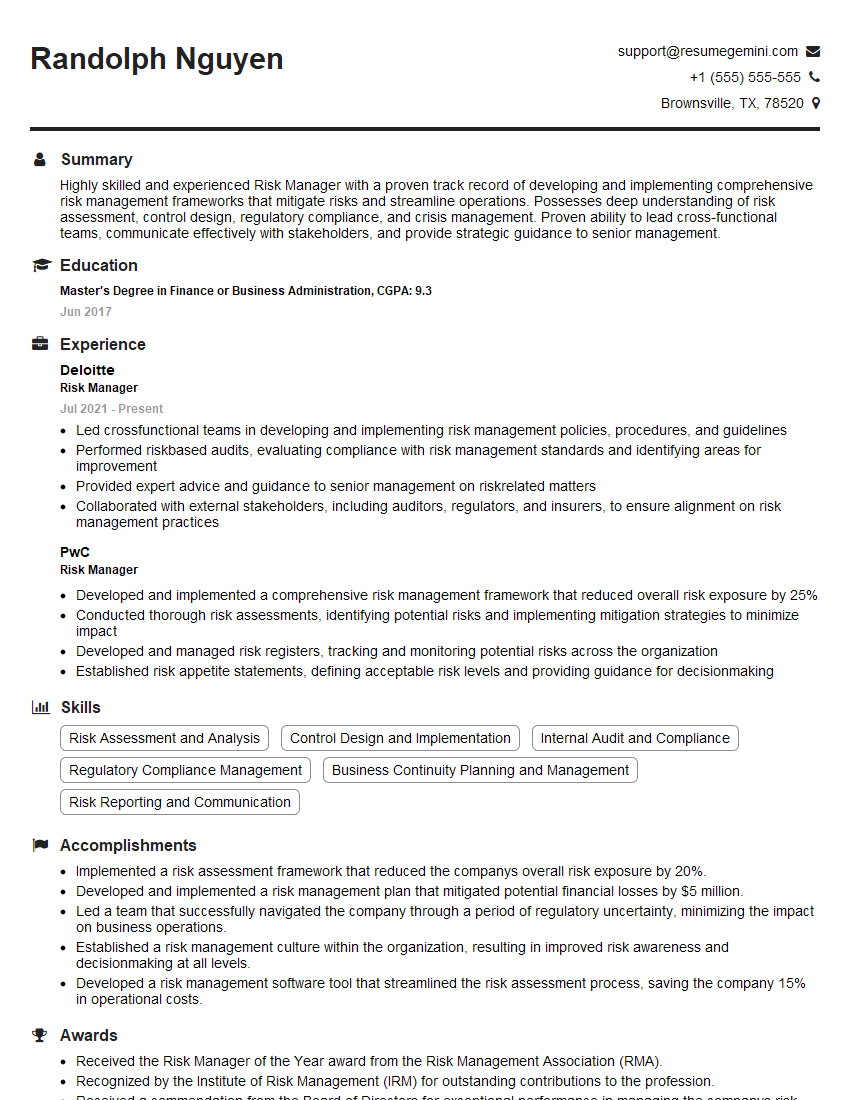
Risk Manager Resume Sample
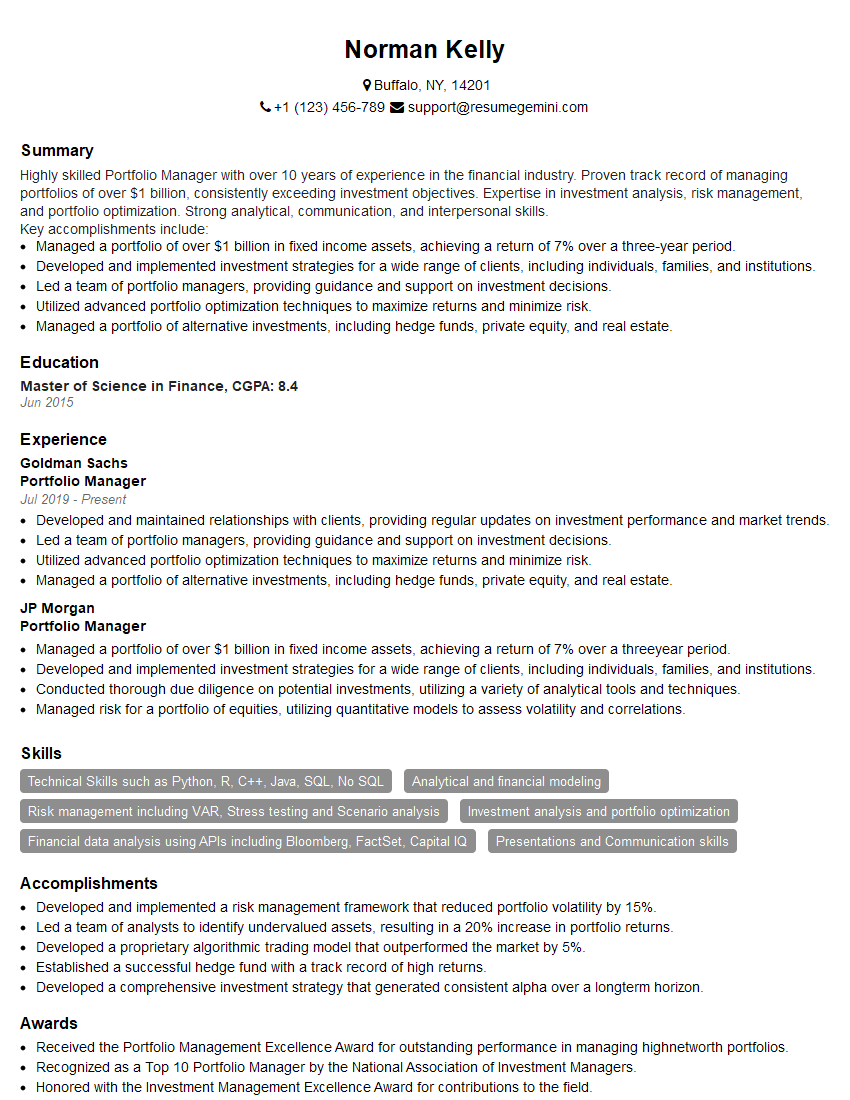
Portfolio Manager Resume Sample
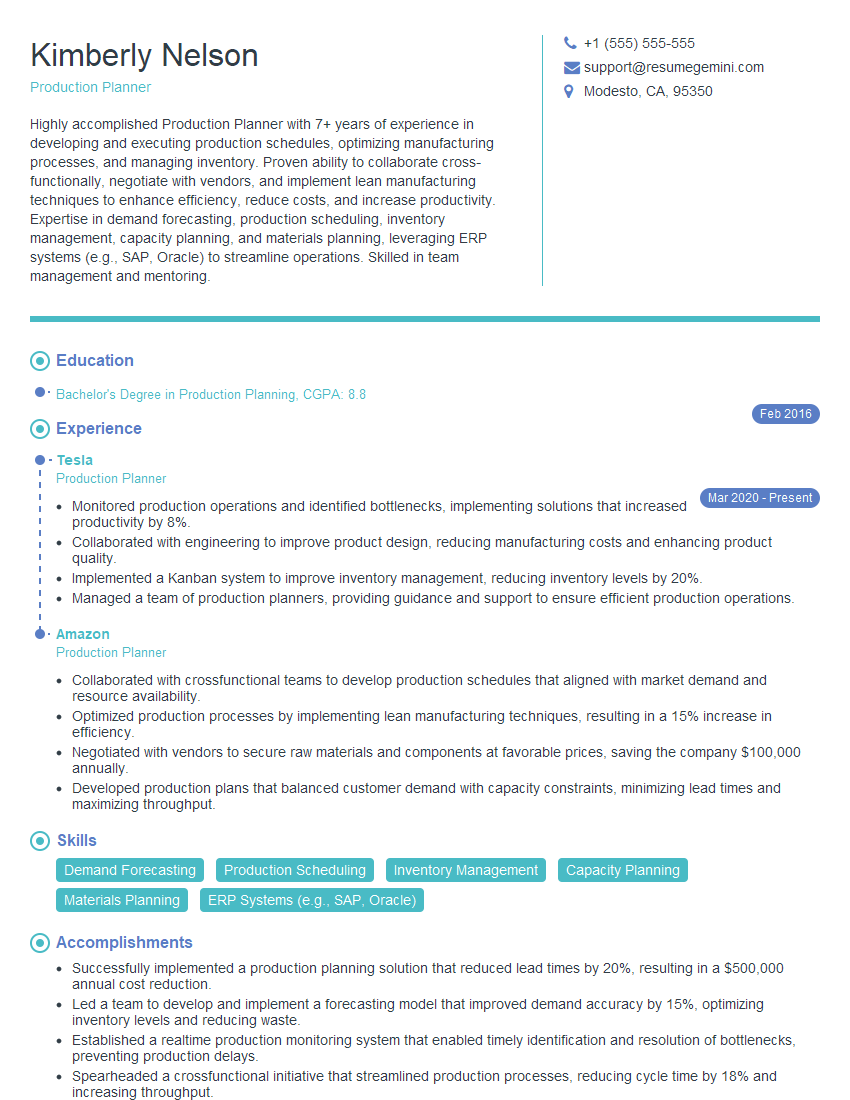
Production Planner Resume Sample
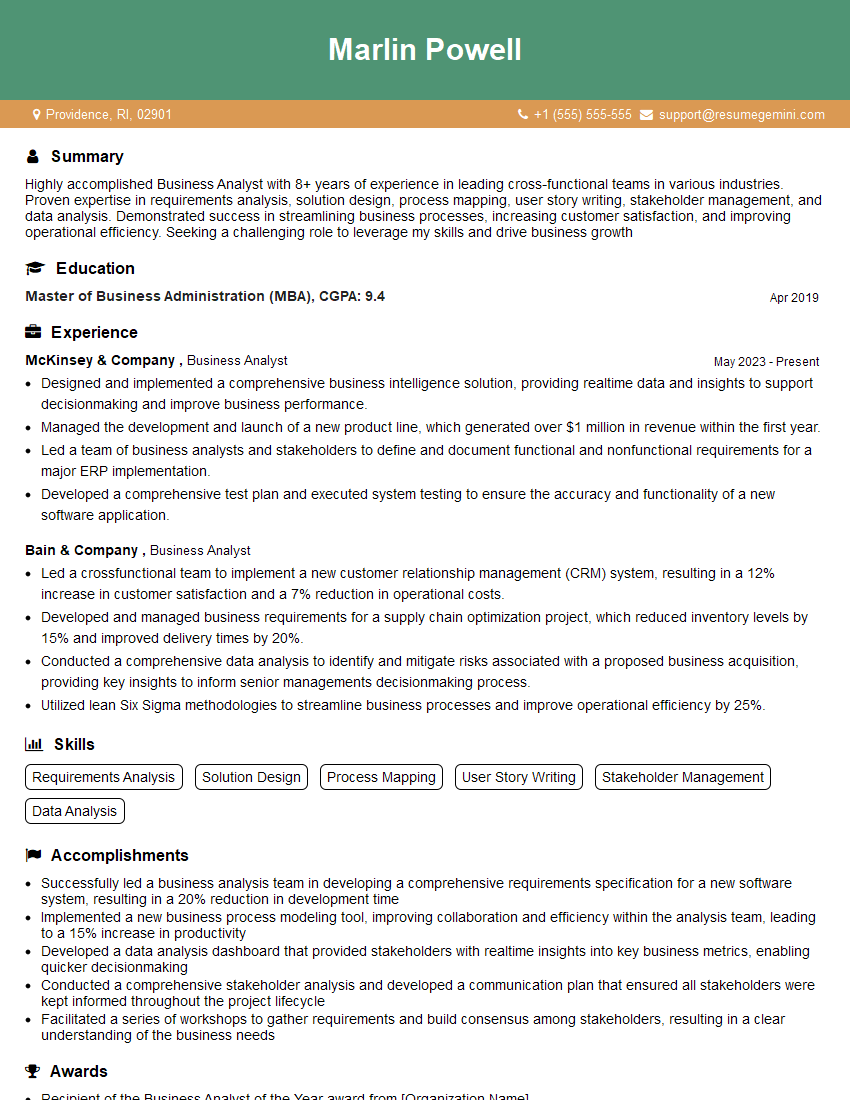
Business Analyst Resume Sample
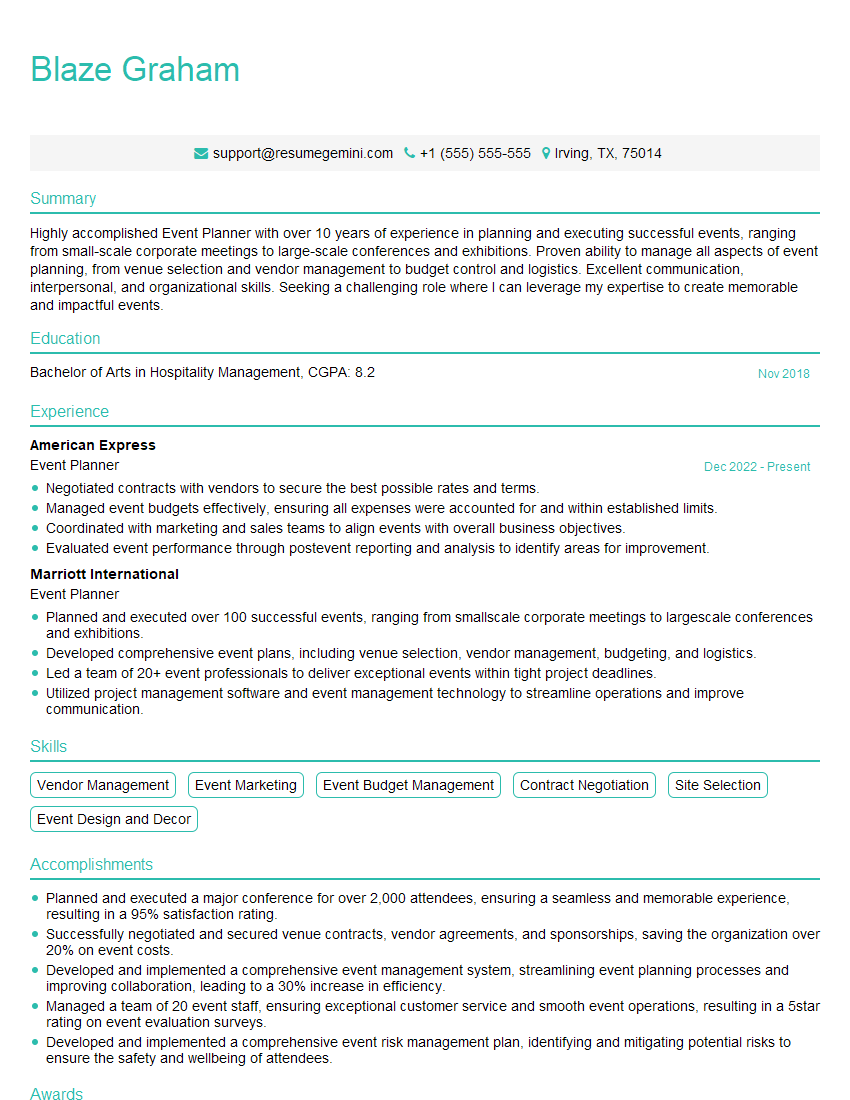
Event Planner Resume Sample

Scheduling Coordinator Resume Sample
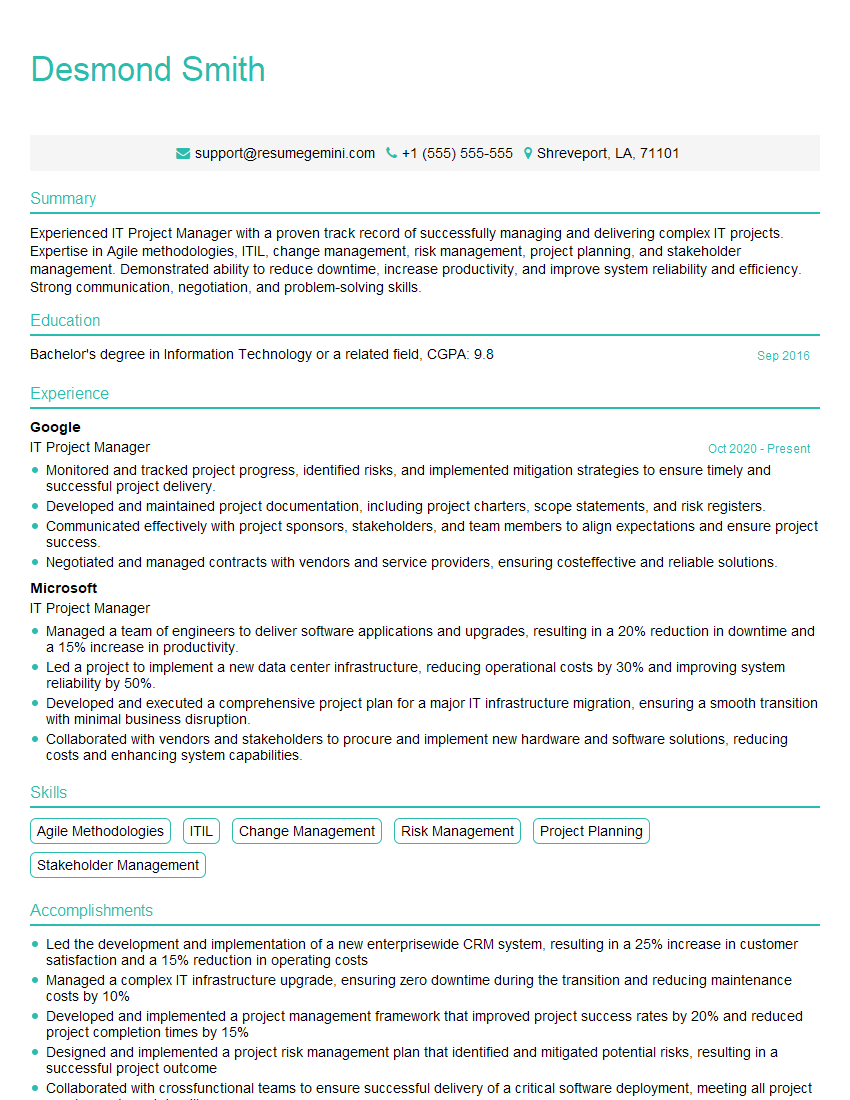
IT Project Manager Resume Sample
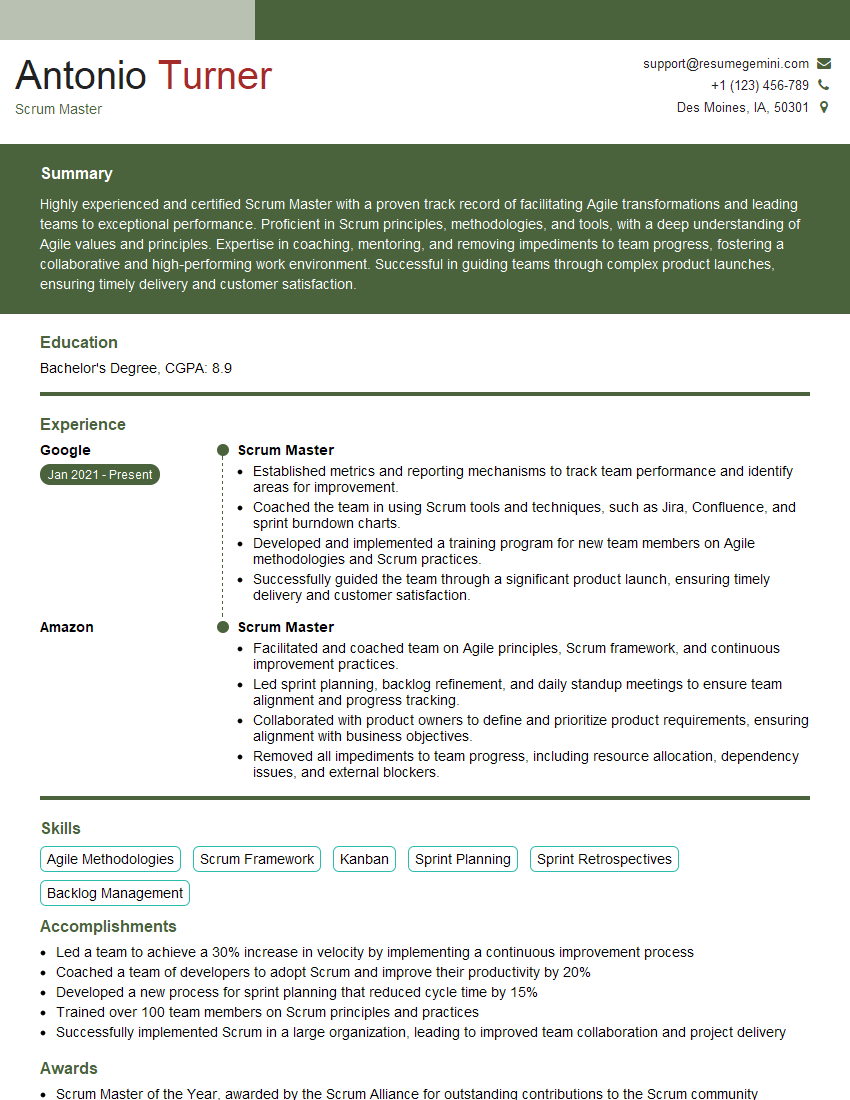
Scrum Master Resume Sample
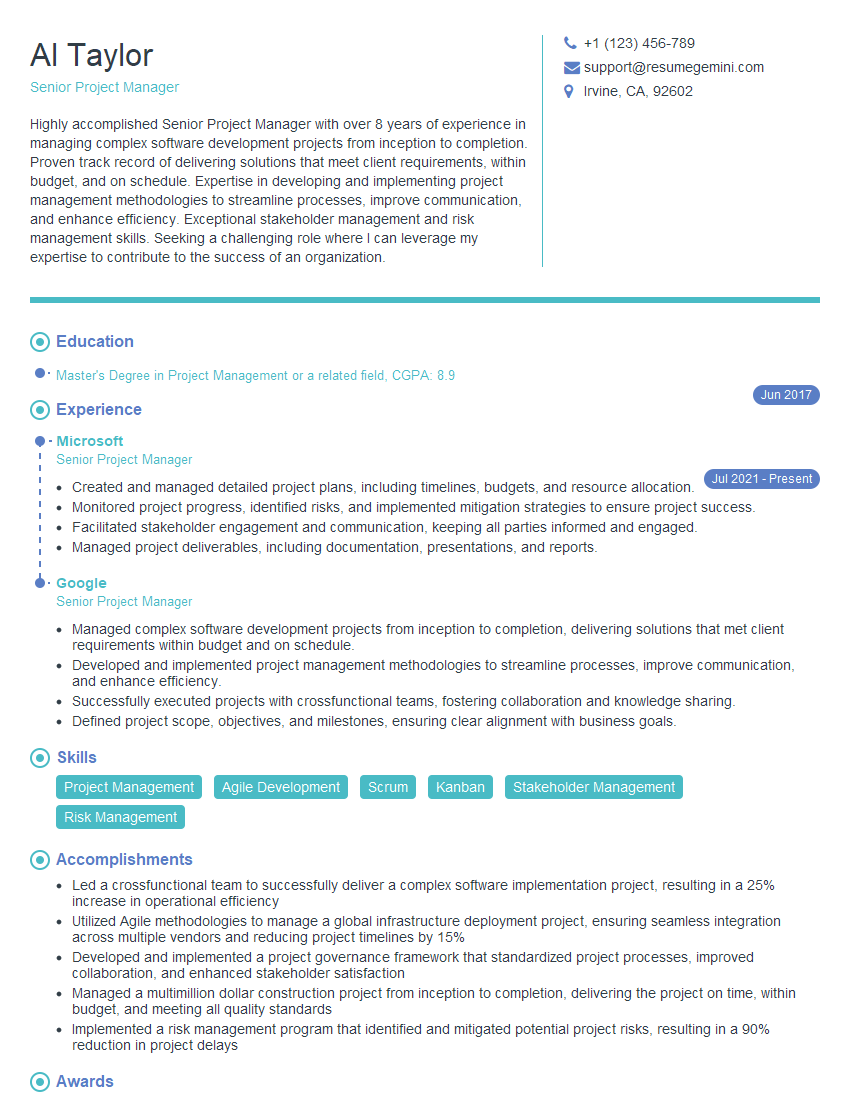
Senior Project Manager Resume Sample
- Program Manager
- Office Manager
- Operations Manager
- Product Manager
- Quality Assurance Manager
- Supply Chain Manager
- Logistics Coordinator
- Construction Manager
- Project Manager
- Project Coordinator
- Risk Manager
- Portfolio Manager
- Production Planner
- Business Analyst
- Event Planner
- Scheduling Coordinator
- IT Project Manager
- Scrum Master
- Senior Project Manager
Explore more articles
Users Rating of Our Blogs
Share Your Experience
We value your feedback! Please rate our content and share your thoughts (optional).
What Readers Say About Our Blog
To the interviewgemini.com Webmaster.
Very helpful and content specific questions to help prepare me for my interview!
Thank you
To the interviewgemini.com Webmaster.
This was kind of a unique content I found around the specialized skills. Very helpful questions and good detailed answers.
Very Helpful blog, thank you Interviewgemini team.