Unlock your full potential by mastering the most common Rehabilitation and Pain Management interview questions. This blog offers a deep dive into the critical topics, ensuring you’re not only prepared to answer but to excel. With these insights, you’ll approach your interview with clarity and confidence.
Questions Asked in Rehabilitation and Pain Management Interview
Q 1. Explain the difference between acute and chronic pain.
The key difference between acute and chronic pain lies in its duration and the body’s response. Acute pain is typically short-lived, lasting less than three months, and is often associated with a specific injury or illness, like a broken bone or surgery. Think of it as your body’s alarm system, signaling something is wrong. It usually resolves once the underlying cause is treated. Chronic pain, on the other hand, persists beyond three months, even after the initial injury or illness has healed. It’s a complex condition that can significantly impact a person’s daily life, often involving changes in the nervous system itself. Chronic pain may not have a clear cause and often coexists with emotional and psychological factors.
Example: A sprained ankle causing pain for a few weeks is acute pain. Pain in the lower back persisting for years, despite treatment, is chronic pain. This chronic pain might also involve nerve sensitization, resulting in heightened pain perception even to light touch.
Q 2. Describe the various modalities used in pain management.
Pain management utilizes a multimodal approach, combining various modalities tailored to the individual’s needs. These include:
- Pharmacological interventions: This involves medications like analgesics (e.g., NSAIDs, opioids), antidepressants, and anticonvulsants. The choice depends on the type and intensity of pain.
- Non-pharmacological interventions: These focus on reducing pain without medication. Examples include:
- Physical therapy: Exercises, manual therapy, and modalities like heat and ice to improve mobility and reduce pain.
- Occupational therapy: Adapting daily activities to reduce strain and improve function.
- Cognitive behavioral therapy (CBT): Addresses the psychological aspects of chronic pain, helping patients manage their thoughts, feelings, and behaviors related to their pain.
- Mindfulness and relaxation techniques: Meditation, yoga, and deep breathing exercises to reduce stress and improve pain coping mechanisms.
- Neuromodulation techniques: These are more invasive techniques involving electrical stimulation to modulate nerve signals, such as transcutaneous electrical nerve stimulation (TENS) or spinal cord stimulation (SCS).
The choice of modalities is always individualized, considering the patient’s pain type, severity, and overall health.
Q 3. What are the common goals of rehabilitation?
The goals of rehabilitation are multifaceted and patient-specific, aiming to improve the patient’s overall well-being. Common goals include:
- Restoration of function: Improving physical abilities, such as strength, range of motion, and endurance, lost due to injury or illness.
- Pain management: Reducing pain intensity and improving pain coping skills.
- Improved quality of life: Enhancing the patient’s ability to participate in daily activities and social interactions.
- Prevention of complications: Preventing secondary complications such as contractures (stiffening of joints), muscle atrophy (muscle wasting), and deconditioning.
- Return to work or previous roles: Helping individuals regain their independence and resume their pre-injury roles, when possible.
For example, a patient recovering from a stroke might focus on improving motor skills and mobility, while a patient with chronic back pain might concentrate on improving posture and reducing pain through strengthening exercises.
Q 4. How do you assess a patient’s functional limitations?
Assessing functional limitations involves a comprehensive evaluation of the patient’s abilities to perform activities of daily living (ADLs) and instrumental activities of daily living (IADLs). This assessment can utilize several methods:
- Observation: Observing the patient perform tasks like walking, dressing, and eating.
- Self-report measures: Questionnaires and scales that assess the patient’s perception of their abilities and limitations (e.g., the Oswestry Disability Index for back pain).
- Performance-based measures: Standardized tests that measure specific physical functions, such as strength, range of motion, and balance (e.g., timed up-and-go test).
- Functional assessments: Evaluating the patient’s ability to perform complex tasks relevant to their daily life, such as preparing a meal or managing personal hygiene.
For example, a patient with arthritis might have difficulty with fine motor skills, impacting their ability to button their clothes. This would be documented in the functional assessment alongside measurements of their range of motion in affected joints.
Q 5. Explain your experience with different types of rehabilitation programs.
Throughout my career, I’ve been involved in various rehabilitation programs, including:
- Neurological rehabilitation: Working with patients recovering from stroke, traumatic brain injury, and multiple sclerosis. This involves intense therapies focused on regaining motor function, cognitive skills, and speech.
- Musculoskeletal rehabilitation: Managing patients with orthopedic injuries, such as fractures, sprains, and arthritis. This often involves pain management, range of motion exercises, and strengthening programs.
- Cardiopulmonary rehabilitation: Assisting patients recovering from heart attacks, heart surgery, or chronic lung diseases. This commonly involves graded exercise programs and education on lifestyle modifications.
Example: In a neurological rehabilitation setting, I worked with a patient who had suffered a stroke. We developed a tailored program incorporating physiotherapy, occupational therapy, and speech therapy, resulting in significant improvements in their mobility, dexterity, and communication abilities.
Q 6. Describe your approach to patient education regarding pain management.
Patient education is central to effective pain management. My approach involves:
- Understanding the patient’s perspective: Actively listening to the patient’s concerns and understanding their experience of pain.
- Providing clear and concise information: Explaining the nature of their pain, the proposed treatment plan, and the potential benefits and risks involved.
- Empowering patients to actively participate in their care: Encouraging patients to ask questions, express their concerns, and participate in decision-making regarding their treatment.
- Teaching self-management strategies: Educating patients on techniques such as pacing activities, relaxation exercises, and strategies for managing pain flares.
- Providing resources and support: Connecting patients with support groups, online resources, and other professionals as needed.
I emphasize the biopsychosocial model of pain, acknowledging that pain is influenced by biological, psychological, and social factors. This holistic perspective helps patients understand the complexity of their pain and adopt a more proactive approach to their own management.
Q 7. How do you adapt treatment plans based on patient progress?
Adapting treatment plans based on patient progress is crucial for optimal outcomes. I regularly monitor patients’ progress through reassessments, including objective measures of functional ability and subjective reports of pain levels and overall well-being. If the initial plan isn’t yielding sufficient progress, I make adjustments based on this data.
Example: A patient might initially respond well to a certain exercise program but then plateau. We might then adjust the intensity or type of exercises, incorporate different modalities like manual therapy, or refer the patient for additional assessments to identify underlying issues. Conversely, if a patient experiences increased pain or discomfort with a particular treatment, it might be modified or even discontinued. Regular reassessment and communication allow for continuous improvement in the treatment plan and ensures that it remains tailored to the patient’s evolving needs.
Q 8. What are the ethical considerations in pain management?
Ethical considerations in pain management are multifaceted and crucial for providing responsible and patient-centered care. They center around the principles of beneficence (acting in the patient’s best interest), non-maleficence (avoiding harm), autonomy (respecting patient choices), and justice (fair and equitable distribution of resources).
- Balancing benefits and risks: Pain management often involves medications with potential side effects. Ethical practice requires a careful assessment of the risks and benefits of each treatment option, ensuring the potential benefits outweigh the risks for each individual patient. For example, choosing between a strong opioid with a high risk of addiction versus a weaker analgesic with fewer side effects needs careful consideration of the patient’s specific circumstances and pain levels.
- Informed consent: Patients must be fully informed about their treatment options, including potential benefits, risks, and alternatives. This includes understanding the nature of their pain, the proposed treatment plan, and the potential side effects. This requires clear, concise communication tailored to the patient’s understanding. For example, explaining the potential for addiction with opioid use in simple terms, avoiding overly technical jargon, is crucial for obtaining truly informed consent.
- Addressing addiction risk: The opioid crisis highlights the ethical imperative to responsibly manage opioid prescriptions. This includes careful monitoring of patients for signs of addiction, providing resources for addiction treatment, and considering alternative pain management strategies where appropriate. For example, a multidisciplinary approach involving pain specialists, psychologists, and social workers would be beneficial in mitigating this risk.
- Resource allocation: Ethical considerations arise when limited resources necessitate difficult decisions about access to pain management services. Prioritizing patients based on clinical need and ensuring equitable access to care are essential ethical responsibilities.
Q 9. Explain your experience with electronic health records (EHRs) in rehabilitation.
Electronic Health Records (EHRs) have become indispensable in rehabilitation. My experience with EHRs spans several years, involving various systems, from Epic to Cerner. I utilize them for patient intake, progress note documentation, treatment plan creation and revision, and communication with other healthcare professionals involved in the patient’s care.
Specifically, I leverage EHR functionalities such as:
- Secure Messaging: Efficiently communicating with physicians, therapists, and other healthcare team members about a patient’s progress or treatment adjustments.
- Progress Note Templates: Streamlining documentation by using pre-designed templates that ensure consistent and comprehensive recording of patient progress during therapy sessions. This saves time and reduces the risk of overlooking important details.
- Treatment Plan Modules: Creating and modifying patient-specific treatment plans, outlining goals, interventions, and expected outcomes. These plans can be easily accessed and updated by all members of the care team.
- Data Analytics: EHR data analysis provides insights into treatment effectiveness and helps track overall patient outcomes. This data is crucial for evaluating the efficacy of various rehabilitation strategies and improving future care.
While EHRs enhance efficiency and coordination of care, challenges exist. Maintaining data privacy and security, adapting to new system updates, and managing the time required for accurate documentation are all important considerations.
Q 10. Describe a situation where you had to modify a treatment plan due to unexpected challenges.
I once had a patient recovering from a stroke who was making good progress with physical therapy, regaining strength in their affected limb. However, they developed pneumonia, which led to a significant decline in their energy levels and overall ability to participate in therapy.
Initially, the treatment plan focused on strengthening exercises and improving mobility. Due to the unexpected pneumonia, we had to modify the plan immediately.
The modification involved:
- Reducing the intensity and duration of therapy sessions: Conserving the patient’s energy was paramount, as exertion could worsen their respiratory condition.
- Incorporating rest periods throughout sessions: This ensured the patient could manage the treatment without overexertion.
- Focusing on less strenuous exercises: We shifted from high-intensity strengthening to range-of-motion exercises and breathing exercises to support lung function.
- Collaborating with the pulmonologist: Close communication with the patient’s pulmonologist ensured the physical therapy was appropriately aligned with their medical treatment plan.
Once the pneumonia improved, we gradually reintroduced more intense exercises, carefully monitoring the patient’s response to avoid setbacks. This case highlighted the importance of flexibility and adaptability in rehabilitation, constantly adjusting the treatment plan according to the patient’s evolving condition.
Q 11. How do you manage patients with multiple co-morbidities?
Managing patients with multiple comorbidities requires a holistic and individualized approach. It’s essential to consider the interplay between different conditions and how they influence treatment decisions.
My strategy involves:
- Comprehensive assessment: A thorough evaluation of all the patient’s conditions and their impact on functional abilities is crucial. This involves reviewing medical records, conducting physical examinations, and assessing the patient’s functional status using standardized tools.
- Prioritization of goals: Working with the patient to establish realistic and prioritized goals is essential, often focusing on improving functional capacity and quality of life rather than solely addressing each condition independently. For example, a patient with diabetes, hypertension, and arthritis might prioritize improving mobility to manage their daily activities before focusing on specific strength training exercises.
- Interprofessional collaboration: Effective communication and collaboration with other healthcare professionals (physicians, nurses, specialists) are crucial. A multidisciplinary team meeting may be required to coordinate treatment plans and ensure medication safety and efficacy.
- Medication review: Carefully reviewing the patient’s medications to identify potential interactions and side effects, and adjust the plan accordingly. Understanding the impact of each medication on rehabilitation is essential.
- Patient education and empowerment: Educating the patient and family about their conditions, treatment plans, and self-management strategies is critical for successful outcomes.
This integrated and collaborative approach ensures that the treatment plan addresses all relevant conditions effectively and safely, maximizing the patient’s overall well-being and functional independence.
Q 12. How do you communicate effectively with patients and their families?
Effective communication is the cornerstone of successful rehabilitation. I strive to establish open and trusting relationships with patients and their families.
My approach involves:
- Active listening: I carefully listen to patients’ concerns, perspectives, and goals, ensuring they feel heard and understood. I use verbal and nonverbal cues to show empathy and build rapport.
- Clear and concise explanations: I explain medical terms and treatment plans in a way that is easy to understand, avoiding jargon. I use visual aids and analogies when appropriate.
- Shared decision-making: I involve patients and their families in the decision-making process, respecting their autonomy and preferences. This promotes patient adherence and fosters a sense of partnership.
- Regular communication updates: I provide regular updates on the patient’s progress, answering any questions and addressing concerns promptly. I use various methods of communication, including in-person meetings, phone calls, and email, to best suit the patient’s needs.
- Cultural sensitivity: I am mindful of cultural differences and adapt my communication style to respect individual preferences and beliefs.
For example, if a patient is struggling with a particular exercise, I actively listen to their concerns, modifying the exercise or offering alternative approaches to ensure they feel supported and encouraged. This collaborative approach fosters a positive therapeutic relationship and improves patient outcomes.
Q 13. Explain your experience with different types of therapeutic exercises.
My experience encompasses a wide range of therapeutic exercises, tailored to individual patient needs and goals. These exercises aim to improve strength, flexibility, balance, coordination, and functional mobility.
Examples of exercises I utilize include:
- Range of motion (ROM) exercises: Passive and active ROM exercises are used to maintain joint mobility and prevent contractures, particularly important for patients with limited mobility due to injury or illness.
- Strengthening exercises: These exercises utilize resistance bands, weights, or body weight to improve muscle strength and endurance, crucial for functional activities like walking and lifting objects. This can range from simple isometrics to more complex resistance training programs.
- Balance exercises: These exercises improve stability and reduce the risk of falls, particularly crucial for older adults or patients recovering from neurological conditions. These include single-leg stances, tandem walking, and use of balance boards.
- Coordination exercises: These exercises improve the ability to perform complex movements requiring precise muscle coordination, improving daily functional tasks. These may involve activities such as throwing and catching, or performing specific sequences of movements.
- Cardiovascular exercises: Low-impact cardiovascular exercises, such as walking, cycling, or swimming, help improve cardiovascular health and overall endurance. The intensity and duration are adjusted based on the individual’s tolerance.
The selection and progression of exercises are carefully planned and monitored, adapting to the patient’s response and overall progress. This ensures both safety and effectiveness in achieving therapeutic goals.
Q 14. Describe your knowledge of assistive devices and their application.
Assistive devices are critical in promoting independence and improving functional abilities for patients with various disabilities. My knowledge encompasses a wide array of devices, categorized by their function and application.
Examples include:
- Mobility aids: These include canes, walkers, crutches, wheelchairs, and rollators. The selection depends on the patient’s specific needs, level of mobility, and environmental factors. For instance, a patient with lower extremity weakness might benefit from a walker, while someone with severe mobility impairment might require a wheelchair.
- Adaptive equipment for daily living: This category includes devices designed to assist with activities of daily living (ADLs), such as dressing aids, reaching tools, button hooks, and adaptive eating utensils. For example, a person with limited hand function may use adaptive eating utensils to manage mealtimes independently.
- Orthotics and prosthetics: Orthotics are custom-made supports designed to improve joint alignment, stability, and function. Prosthetics are artificial limbs replacing missing limbs. These are critical for restoring function and improving mobility after amputation or severe limb injury.
- Communication aids: For patients with speech or communication impairments, various assistive technologies are available, such as augmentative and alternative communication (AAC) devices, including speech generating devices and picture exchange systems. These devices enhance communication and improve patient participation in therapy.
Prescribing and fitting assistive devices requires a thorough assessment of the patient’s needs, a detailed understanding of the device’s capabilities, and instruction on safe and effective use. Regular follow-up ensures the device continues to meet the patient’s evolving needs.
Q 15. How do you collaborate with other healthcare professionals?
Collaboration is fundamental in rehabilitation and pain management. I work closely with a multidisciplinary team, including physicians, nurses, physical therapists, occupational therapists, social workers, and psychologists. For example, if a patient is experiencing chronic back pain, I might collaborate with a physical therapist to develop an exercise program, a psychologist to address any emotional factors contributing to the pain, and a physician to manage any underlying medical conditions. We hold regular team meetings to discuss patient progress, adjust treatment plans, and ensure everyone is on the same page. Effective communication, shared goals, and mutual respect are key to successful collaboration.
I utilize a variety of communication methods: face-to-face meetings, electronic health records (EHRs) for shared documentation, and regular phone calls or emails to update team members on patient progress. This ensures a holistic approach to patient care, providing the best possible outcomes.
Career Expert Tips:
- Ace those interviews! Prepare effectively by reviewing the Top 50 Most Common Interview Questions on ResumeGemini.
- Navigate your job search with confidence! Explore a wide range of Career Tips on ResumeGemini. Learn about common challenges and recommendations to overcome them.
- Craft the perfect resume! Master the Art of Resume Writing with ResumeGemini’s guide. Showcase your unique qualifications and achievements effectively.
- Don’t miss out on holiday savings! Build your dream resume with ResumeGemini’s ATS optimized templates.
Q 16. Explain the importance of patient safety in rehabilitation.
Patient safety is paramount in rehabilitation. It’s not just about avoiding injuries; it’s about creating a safe and supportive environment where patients can heal and regain function. This involves meticulous attention to detail in several areas.
- Risk assessment: We regularly assess patients for fall risks, medication interactions, and other potential hazards, tailoring our interventions to minimize these risks.
- Proper equipment use: Ensuring all equipment, from wheelchairs to exercise machines, is correctly used and maintained is crucial. We provide thorough training to both patients and staff.
- Infection control: Strict adherence to infection control protocols is essential to prevent the spread of infections, particularly important in settings with multiple patients.
- Medication management: Careful monitoring of medications, especially opioids, and promptly addressing any adverse effects is critical. We always double-check medication orders and educate patients about their medications and potential side effects.
- Communication and documentation: Clear and concise communication amongst the team and accurate documentation of all procedures and patient progress are vital for maintaining patient safety.
For instance, I once identified a patient at high risk for falls due to medication side effects. By implementing strategies like bedside alarms and frequent checks, we successfully prevented a fall that could have resulted in serious injury.
Q 17. Describe your understanding of evidence-based practice in rehabilitation.
Evidence-based practice (EBP) is the cornerstone of effective rehabilitation. It means integrating the best available research evidence with clinical expertise and patient values to make informed decisions about patient care. It’s not about blindly following research; it’s about critically evaluating research findings and adapting them to individual patient needs and preferences.
In my practice, I regularly consult peer-reviewed journals, clinical guidelines, and reputable databases like PubMed and Cochrane Library to stay updated on the latest research. I then critically appraise the quality of this evidence, considering factors like study design, sample size, and the applicability of the findings to my patient population. For example, when developing an exercise program for a patient with osteoarthritis, I’ll consider randomized controlled trials that have evaluated the efficacy of different exercise modalities for this condition. However, I also consider the patient’s individual preferences, physical limitations, and overall health status when tailoring the program.
EBP ensures we’re using the most effective and safe approaches, continuously improving the quality of care we provide.
Q 18. How do you measure the effectiveness of your treatment plans?
Measuring the effectiveness of treatment plans requires a multifaceted approach. We use both subjective and objective measures to assess patient progress.
- Subjective measures: These include patient-reported outcome measures (PROMs) like pain scales (visual analog scale, numeric rating scale), questionnaires assessing function (e.g., Oswestry Disability Index for back pain), and quality of life measures. These provide valuable insight into the patient’s perception of improvement.
- Objective measures: These include range of motion assessments, strength testing, functional tests (e.g., timed up and go test), and gait analysis. These provide quantifiable data to track progress.
For instance, if treating a patient with knee osteoarthritis, I might track their pain levels using a numeric rating scale, measure their range of motion using a goniometer, and assess their ability to walk a certain distance using a timed walk test. Regular monitoring of these measures allows for adjustments to the treatment plan as needed. Significant improvements in these measures would demonstrate the effectiveness of the treatment plan.
Q 19. What are the common side effects of opioid analgesics?
Opioid analgesics can provide significant pain relief, but they also carry a risk of several side effects. These can range from mild to severe and vary depending on the individual, the dose, and the specific opioid used.
- Common side effects: Constipation, nausea, vomiting, drowsiness, dizziness, and lightheadedness are frequently encountered.
- More serious side effects: Respiratory depression, seizures, allergic reactions, and dependence/addiction are serious concerns that require close monitoring.
It’s crucial to carefully weigh the benefits of opioid pain relief against the potential risks. We monitor patients closely for these side effects, adjust dosages as needed, and educate patients about managing side effects (e.g., using stool softeners for constipation). We also discuss alternative pain management strategies to reduce opioid reliance whenever possible. The risk of addiction is a very serious consideration and should be assessed and addressed thoughtfully.
Q 20. How do you screen patients for substance abuse?
Screening for substance abuse is a vital component of comprehensive pain management. It’s not about judging patients; it’s about identifying individuals who may need additional support to manage their pain effectively and safely. We use various methods to screen patients:
- Structured interviews: These involve asking specific questions about substance use history, current use, and any related problems.
- Screening tools: Standardized questionnaires like the AUDIT (Alcohol Use Disorders Identification Test) or the DAST (Drug Abuse Screening Test) can provide objective information about substance use patterns.
- Urine toxicology testing: This can help confirm or refute the presence of specific substances.
If substance abuse is suspected or confirmed, we collaborate with substance abuse specialists to develop a comprehensive treatment plan that addresses both pain management and substance use disorders. This may involve referral to specialized treatment programs, counseling, and medication-assisted treatment.
It’s crucial to approach this conversation with empathy and non-judgmental support. Open communication is essential to building trust and ensuring the patient receives appropriate care.
Q 21. Describe your knowledge of different types of pain scales.
Several pain scales are used to assess the intensity and nature of a patient’s pain. The choice of scale depends on the patient’s cognitive abilities and the specific information needed.
- Numeric rating scale (NRS): Patients rate their pain on a scale of 0 to 10, with 0 representing no pain and 10 representing the worst imaginable pain. This is easy to understand and widely used.
- Visual analog scale (VAS): Patients mark a point on a 10-cm line representing their pain intensity. This allows for a more nuanced assessment than the NRS.
- Wong-Baker FACES Pain Rating Scale: This uses cartoon faces representing different levels of pain. It’s particularly useful for children or individuals with cognitive impairments.
- Verbal descriptor scale (VDS): This uses words to describe pain intensity (e.g., none, mild, moderate, severe, excruciating).
In addition to intensity, we also consider other aspects of pain, such as location, quality (e.g., sharp, burning, aching), duration, and associated symptoms. A comprehensive pain assessment uses a combination of scales and patient interviews to gain a thorough understanding of the patient’s experience.
Q 22. Explain your experience with different types of neuromuscular re-education techniques.
Neuromuscular re-education focuses on retraining the nervous system and muscles to improve movement and function. My experience encompasses various techniques, each tailored to the specific needs of the patient and their condition. For instance, proprioceptive neuromuscular facilitation (PNF) involves using diagonal patterns of movement and resistance to improve strength, flexibility, and coordination. I’ve successfully utilized PNF with patients recovering from stroke, improving their gait and upper extremity function. Another technique is facilitated stretching, which combines passive stretching with active muscle contractions to enhance flexibility and reduce muscle spasms, particularly beneficial for patients with cerebral palsy or spinal cord injuries. Finally, I frequently employ biofeedback (which I’ll detail further in another answer) to help patients regain conscious control over muscle activation and relaxation. In one case, a patient with chronic back pain benefitted significantly from biofeedback-guided exercises that improved their core stability and reduced muscle guarding.
Q 23. How do you handle patient non-compliance?
Patient non-compliance is a common challenge in rehabilitation. My approach is multifaceted and begins with building a strong therapeutic alliance based on trust and mutual respect. I start by collaboratively setting realistic and achievable goals with the patient, ensuring they understand the rationale behind each treatment. I actively listen to their concerns and address any barriers to compliance, whether they’re logistical (e.g., lack of transportation, childcare issues), psychological (e.g., fear of pain, lack of motivation), or related to the treatment plan itself (e.g., exercises are too difficult or time-consuming). If the barrier is logistical, I explore solutions like arranging home visits or recommending community resources. If the issue is psychological, I may incorporate motivational interviewing techniques or refer the patient to a psychologist or counselor. If the treatment plan needs adjustment, I reassess their progress and modify the plan as needed. For example, I may adapt exercises to make them less strenuous, or offer alternative methods to achieve the same goals. Regular check-ins and open communication are critical to addressing any emerging issues and keeping the patient engaged in their recovery.
Q 24. Explain your experience with wound care management.
Wound care management is crucial in preventing infection and promoting healing. My experience ranges from managing simple wounds like abrasions and lacerations to more complex cases involving pressure ulcers, diabetic foot ulcers, and surgical wounds. I am proficient in assessing wound characteristics (size, depth, exudate, presence of infection), selecting appropriate dressings (e.g., hydrocolloids, alginates, foams), and implementing wound bed preparation techniques like debridement (removal of dead tissue). I meticulously document wound progress, monitor for signs of infection (redness, swelling, pain, increased drainage), and adjust treatment accordingly. For example, a patient with a diabetic foot ulcer may require regular wound debridement, application of negative pressure wound therapy, and close monitoring of blood glucose levels to support healing. Patient education on proper wound care at home is also a critical aspect of my approach, ensuring successful wound management beyond the clinic setting.
Q 25. Describe your knowledge of different types of splinting and bracing.
Splinting and bracing play essential roles in supporting injured limbs, correcting deformities, and promoting healing. My knowledge encompasses various types, including static splints (immobilize a joint), dynamic splints (provide controlled movement), serial splints (gradually correct deformities), and orthoses (braces providing more substantial support). I select the appropriate type based on the patient’s specific needs and the nature of the injury. For instance, a patient with a wrist fracture might require a static splint for immobilization, while a patient with carpal tunnel syndrome might benefit from a wrist splint that allows for some movement but provides support to reduce pressure on the median nerve. Furthermore, I am experienced in fabricating custom splints, utilizing materials like plaster, fiberglass, and thermoplastic materials, to ensure a precise and comfortable fit. I’ll collaborate with the patient on determining their needs, the function they require, and how it must fit with their life.
Q 26. What is your experience with the use of biofeedback?
Biofeedback is a powerful tool that helps patients gain awareness of and control over their physiological responses, such as muscle tension, heart rate, and skin temperature. I use biofeedback in various rehabilitation settings to address muscle spasms, chronic pain, and stress-related conditions. The process involves using sensors to measure physiological signals, which are then displayed visually or auditorily to the patient. This allows them to observe the effects of their thoughts and behaviors on their body and learn techniques to modify these responses. For example, a patient with tension headaches might use biofeedback to learn how to relax their jaw and neck muscles, reducing headache intensity. Similarly, patients with incontinence can benefit from biofeedback to improve pelvic floor muscle control. My experience shows that biofeedback, when combined with other therapeutic interventions, is highly effective in promoting self-management and improving patient outcomes.
Q 27. How do you address the psychological aspects of chronic pain?
Chronic pain is a complex condition with significant psychological dimensions. Addressing the psychological aspects is integral to effective pain management. I use a biopsychosocial approach, recognizing the interplay between biological, psychological, and social factors. This includes assessing the patient’s emotional state, coping mechanisms, and social support systems. I might employ cognitive behavioral therapy (CBT) techniques to help patients identify and modify negative thought patterns and behaviors that contribute to pain. Relaxation techniques, such as progressive muscle relaxation and mindfulness meditation, can help reduce stress and improve pain tolerance. I also educate patients on the importance of self-care, including regular exercise, healthy eating, and adequate sleep. When needed, I refer patients to psychologists or psychiatrists specializing in chronic pain management for more comprehensive psychological support. For example, a patient with fibromyalgia might benefit from a combination of medication, physical therapy, CBT, and mindfulness practices to manage their pain and improve their overall quality of life.
Q 28. Describe your experience with telehealth in rehabilitation.
Telehealth has revolutionized rehabilitation delivery, expanding access to care and enhancing patient convenience. My experience with telehealth includes providing virtual consultations, remote monitoring of patient progress, and delivering virtual therapeutic exercises. I utilize secure video conferencing platforms to conduct virtual assessments, educate patients on their conditions and treatment plans, and monitor their exercise performance. Remote monitoring devices, like wearable sensors, can provide objective data on patient activity levels, sleep patterns, and pain levels, allowing for real-time adjustments to treatment plans. Telehealth has proven particularly beneficial for patients in rural areas or those with limited mobility. However, it’s crucial to address the limitations of telehealth, such as the inability to perform hands-on assessments and the potential for technological challenges. To mitigate these limitations, I ensure effective communication, utilize high-quality video conferencing, and provide clear instructions for patients using remote monitoring devices. My experiences show telehealth is a valuable tool in supplementing but not replacing direct patient contact.
Key Topics to Learn for Rehabilitation and Pain Management Interview
- Pain Mechanisms and Assessment: Understanding nociception, neuropathic pain, and the biopsychosocial model. Practical application: Developing comprehensive pain assessments and differentiating pain types.
- Rehabilitation Modalities: Exploring various therapeutic interventions like exercise therapy, manual therapy, modalities (e.g., heat, cold, ultrasound), and electrotherapy. Practical application: Selecting appropriate interventions based on patient diagnosis and goals.
- Neuromuscular Rehabilitation: Focusing on techniques to improve muscle strength, range of motion, and neuromuscular control. Practical application: Designing individualized exercise programs for specific conditions (e.g., stroke, spinal cord injury).
- Functional Restoration and Return to Work: Strategies for restoring functional abilities and facilitating a safe return to work or daily activities. Practical application: Developing and implementing functional training programs.
- Patient Education and Communication: The importance of clear and empathetic communication with patients and their families. Practical application: Effectively educating patients about their condition, treatment plan, and self-management strategies.
- Ethical Considerations and Professionalism: Understanding relevant ethical guidelines and maintaining professional boundaries. Practical application: Navigating challenging ethical dilemmas and ensuring patient-centered care.
- Evidence-Based Practice: Critically evaluating research and applying the latest evidence to clinical practice. Practical application: Staying updated on current research and incorporating new findings into treatment approaches.
- Interprofessional Collaboration: Working effectively with other healthcare professionals (physicians, nurses, physical therapists, etc.). Practical application: Participating in multidisciplinary care teams and effectively communicating with other team members.
Next Steps
Mastering Rehabilitation and Pain Management principles is crucial for career advancement in this rapidly growing field. A strong understanding of these concepts will significantly enhance your interview performance and open doors to exciting opportunities. To maximize your job prospects, create an ATS-friendly resume that showcases your skills and experience effectively. ResumeGemini is a trusted resource to help you build a professional and impactful resume. Examples of resumes tailored to Rehabilitation and Pain Management are available to guide you, helping you present your qualifications in the best possible light.
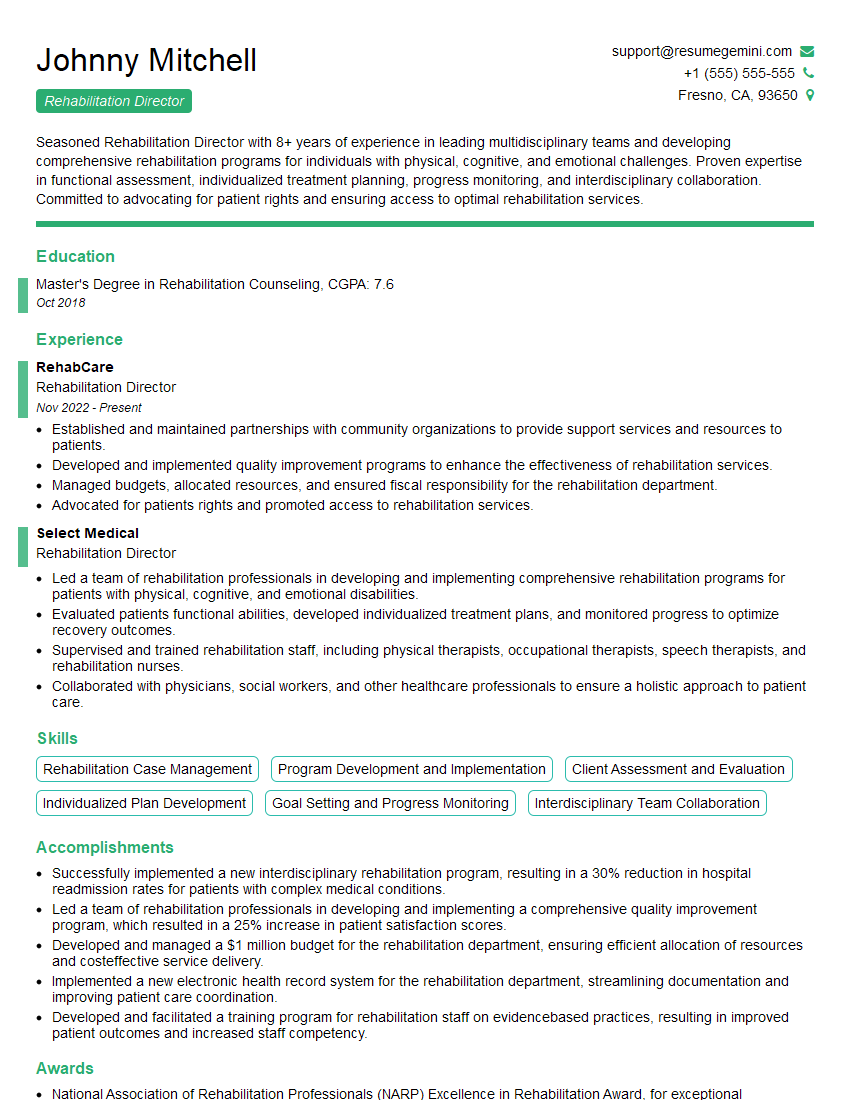
Rehabilitation Director Resume Sample
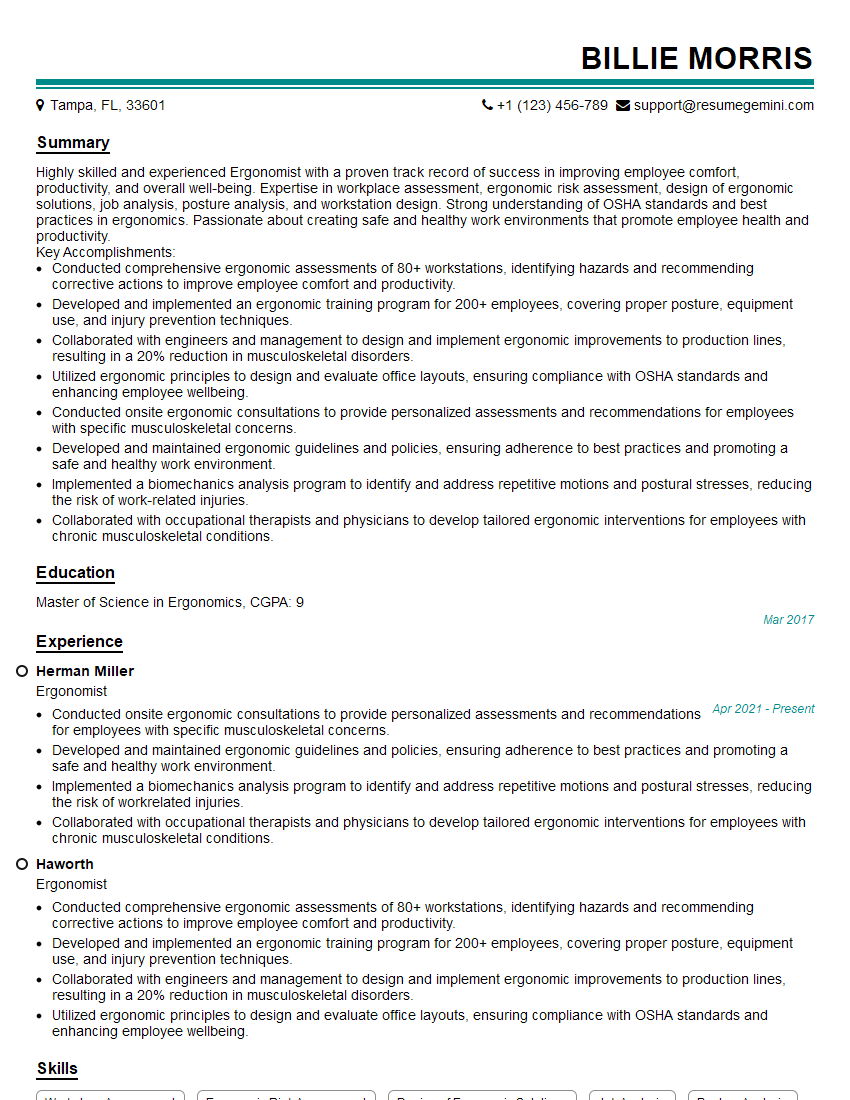
Ergonomist Resume Sample
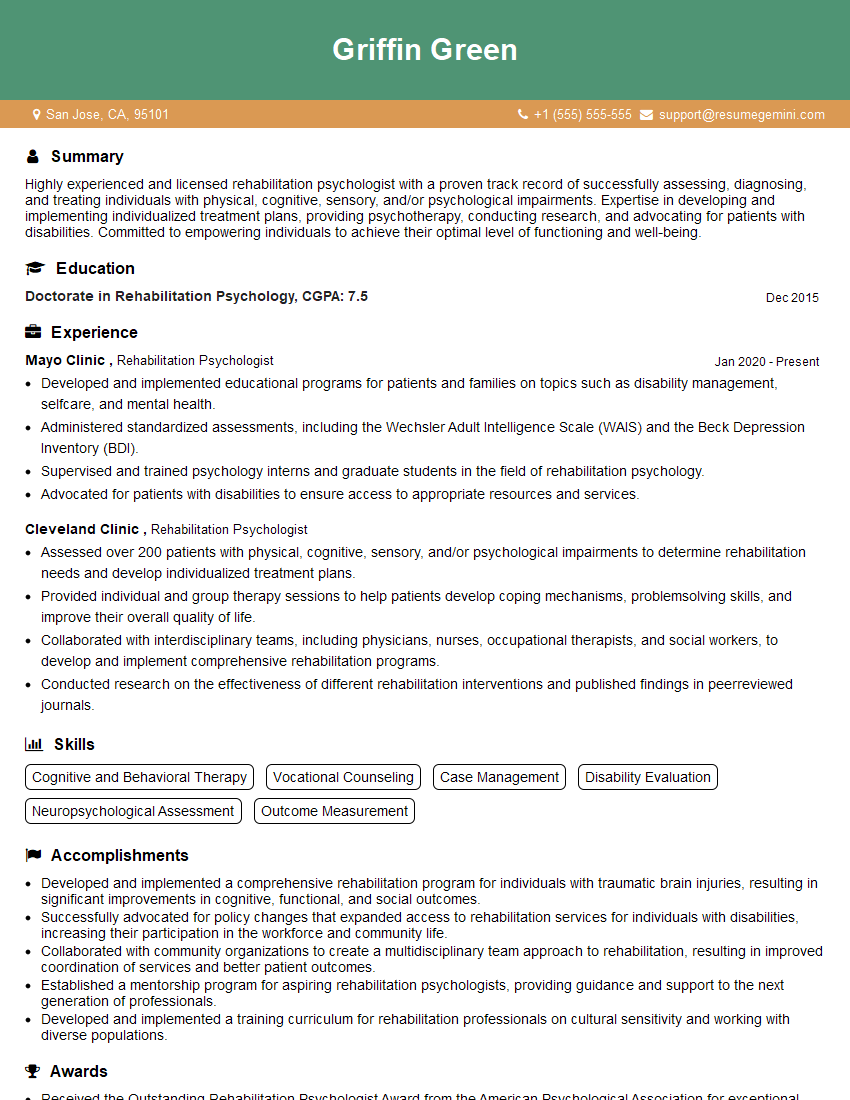
Rehabilitation Psychologist Resume Sample
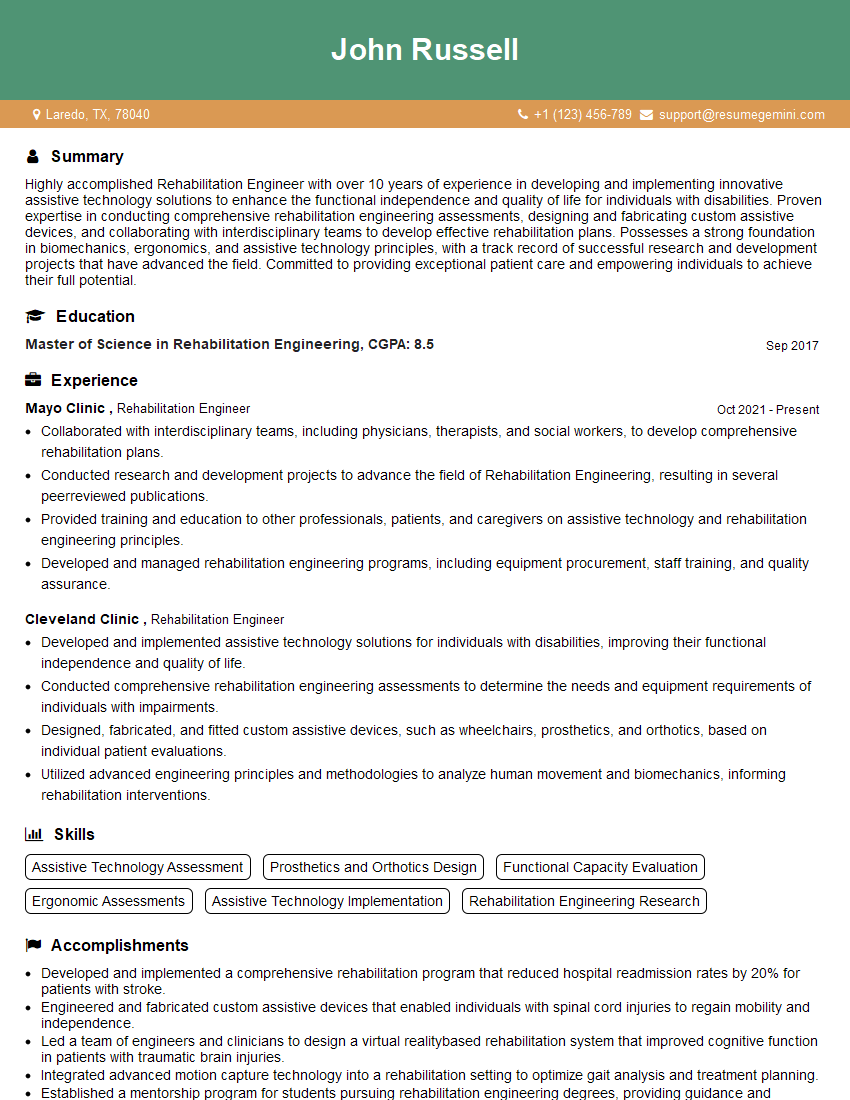
Rehabilitation Engineer Resume Sample
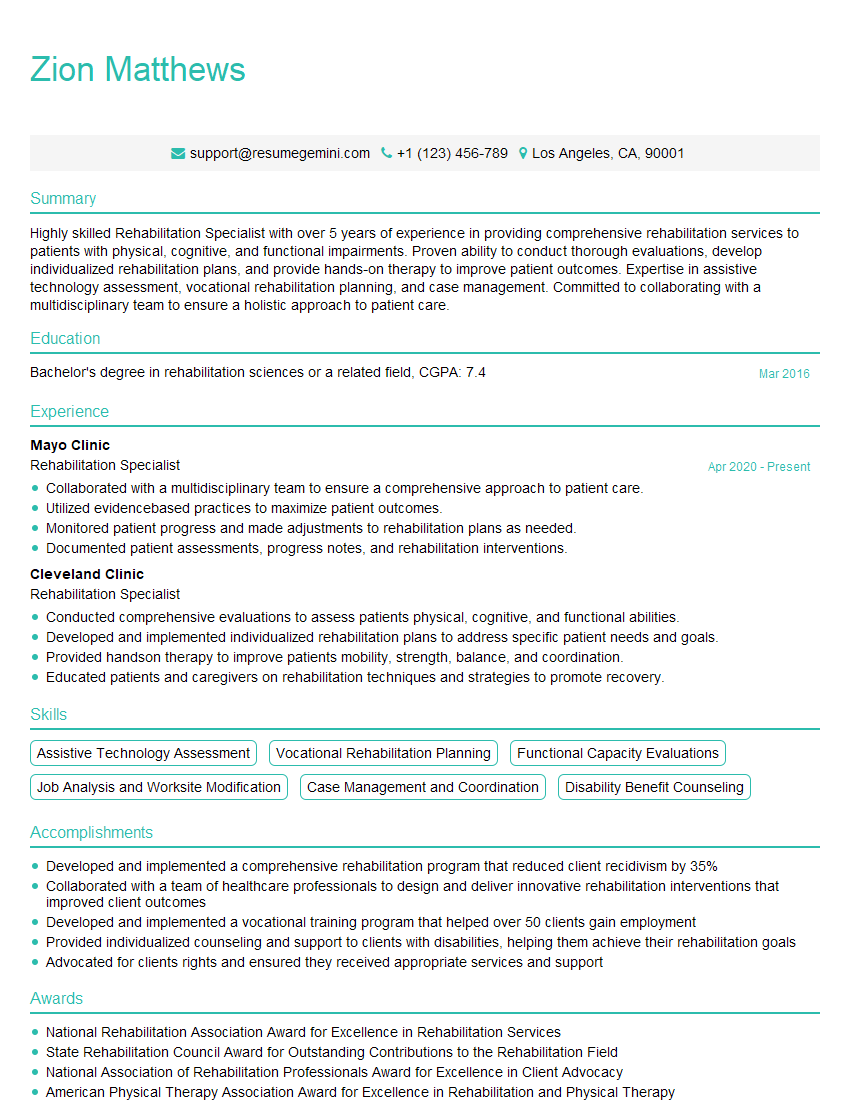
Rehabilitation Specialist Resume Sample
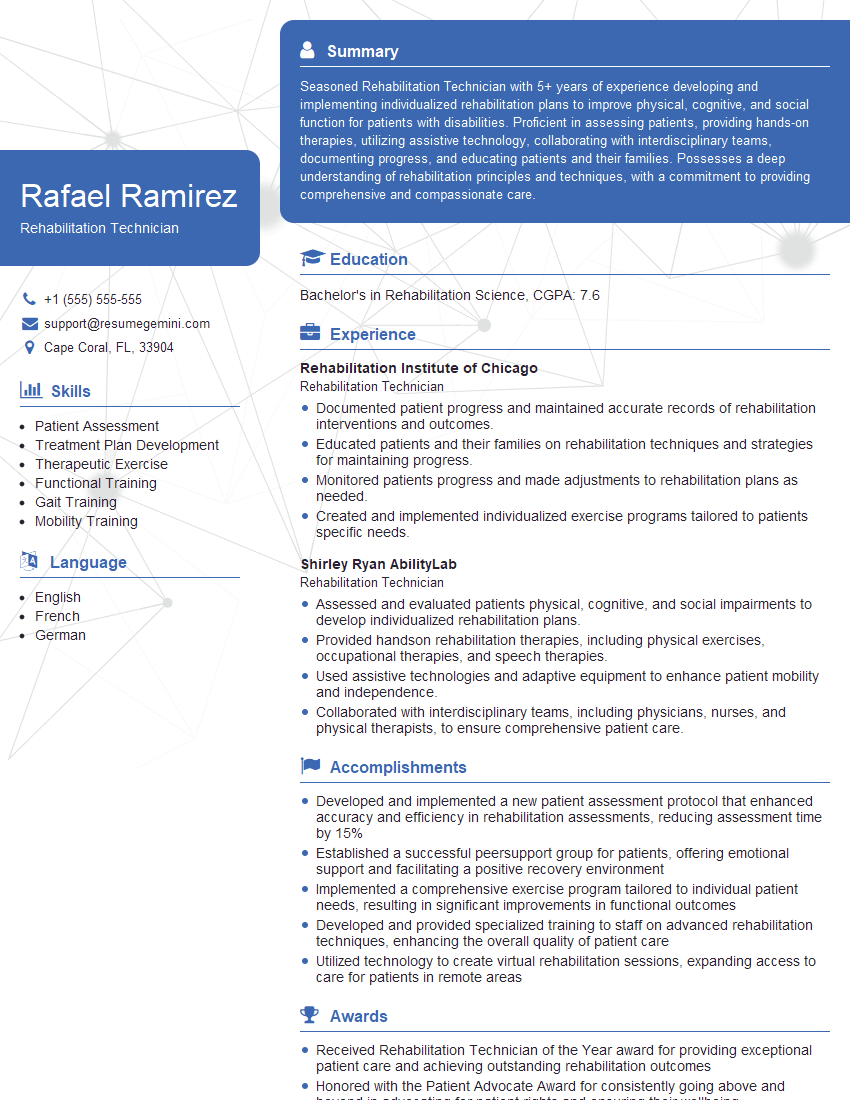
Rehabilitation Technician Resume Sample
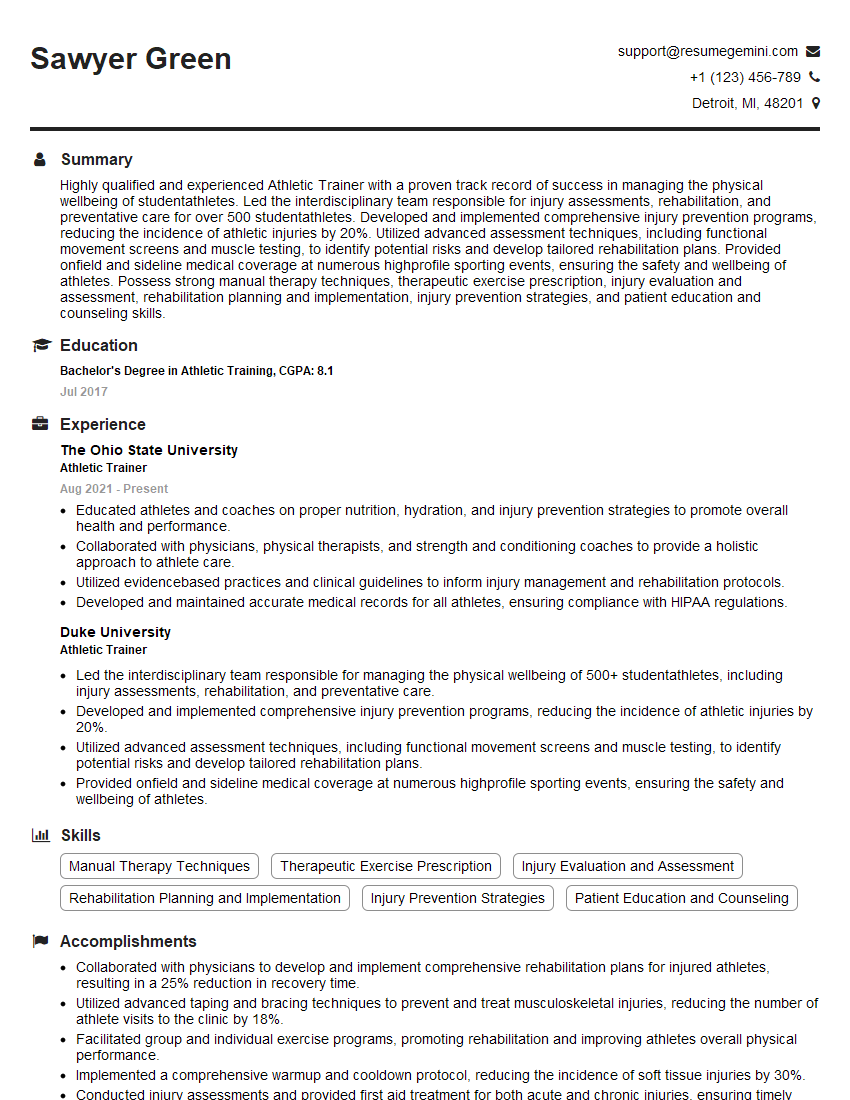
Athletic Trainer Resume Sample
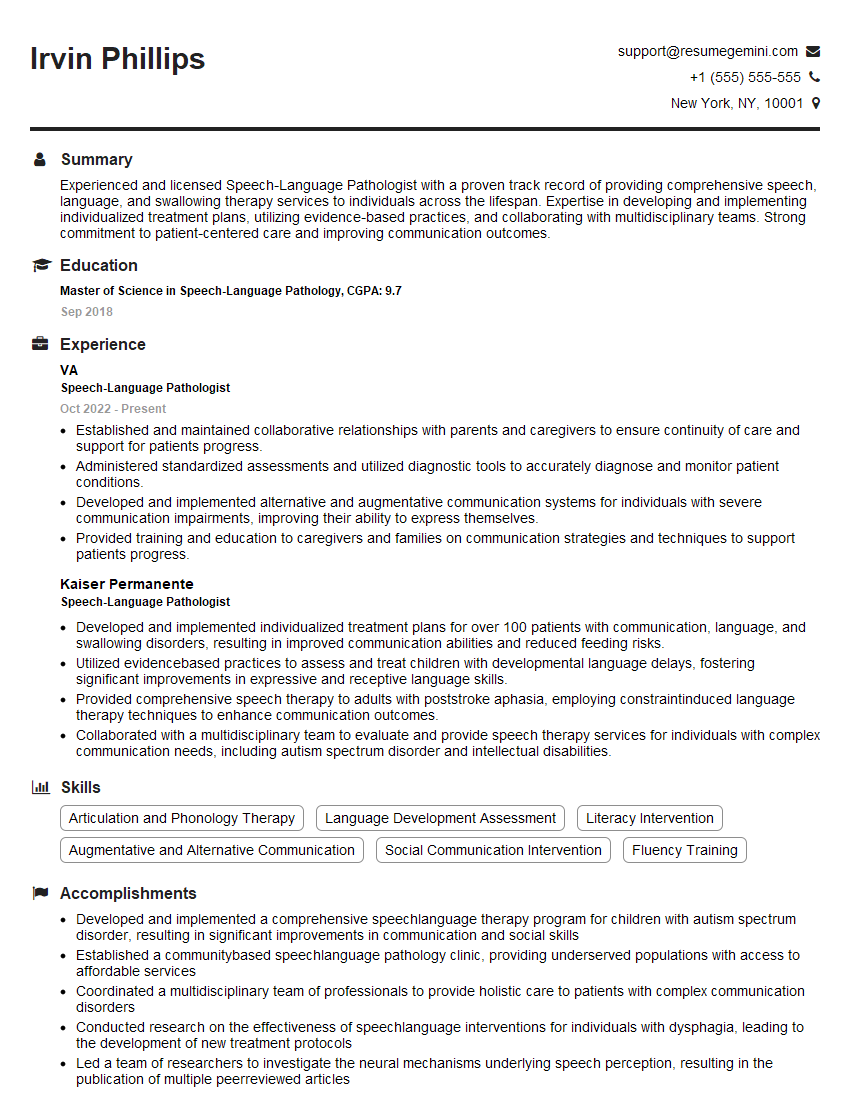
Speech-Language Pathologist Resume Sample
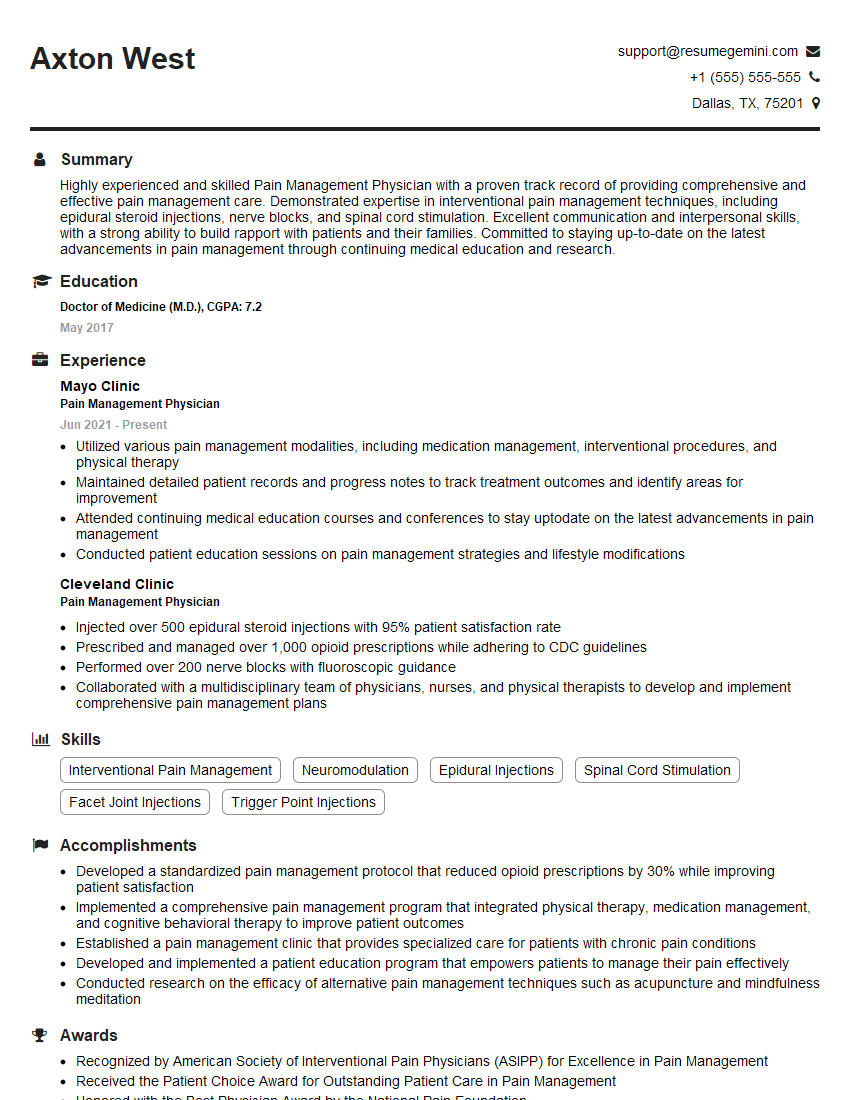
Pain Management Physician Resume Sample
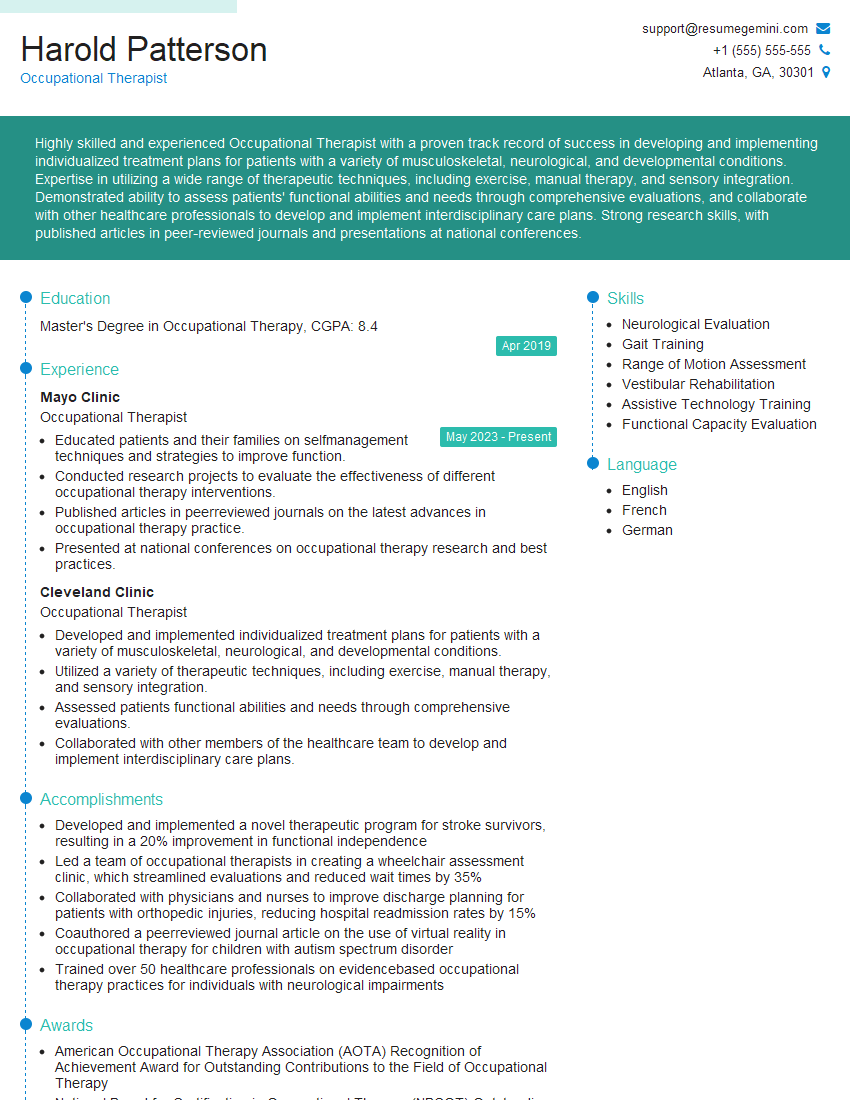
Occupational Therapist Resume Sample
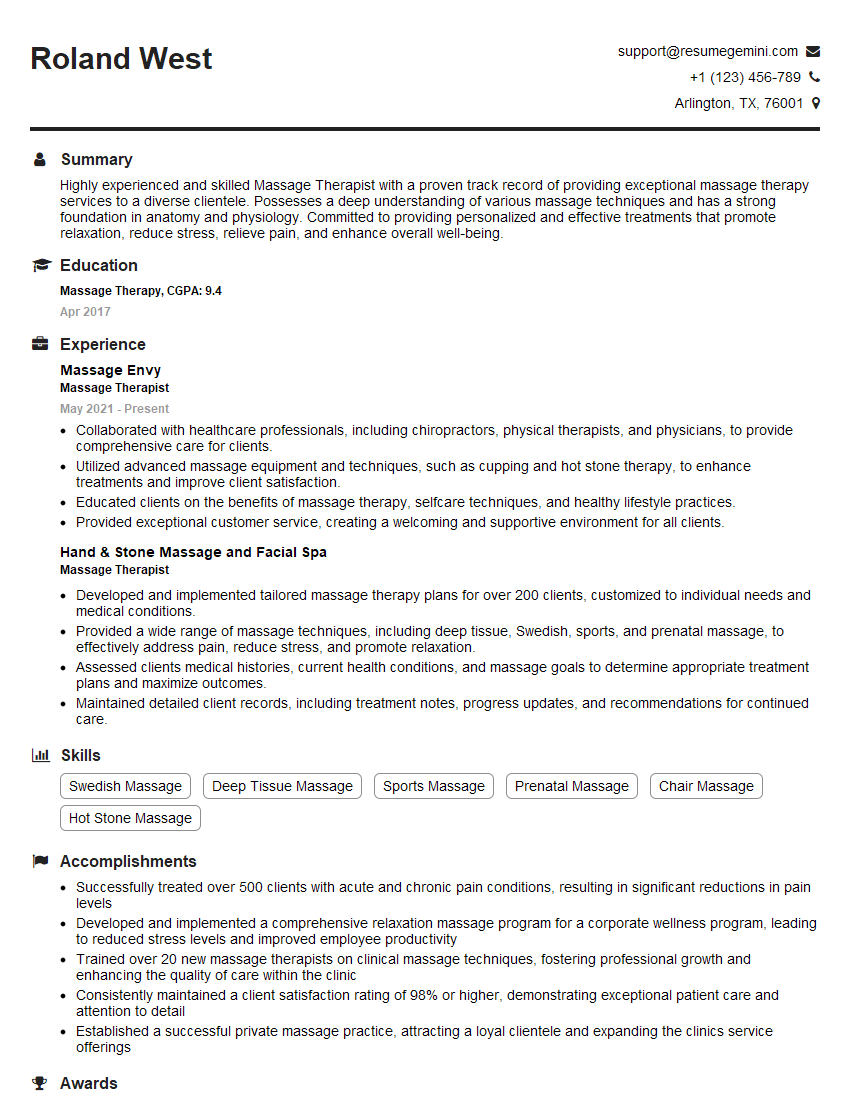
Massage Therapist Resume Sample
Explore more articles
Users Rating of Our Blogs
Share Your Experience
We value your feedback! Please rate our content and share your thoughts (optional).
What Readers Say About Our Blog
To the interviewgemini.com Webmaster.
Very helpful and content specific questions to help prepare me for my interview!
Thank you
To the interviewgemini.com Webmaster.
This was kind of a unique content I found around the specialized skills. Very helpful questions and good detailed answers.
Very Helpful blog, thank you Interviewgemini team.