Interviews are more than just a Q&A session—they’re a chance to prove your worth. This blog dives into essential Grant Writing and Research Management interview questions and expert tips to help you align your answers with what hiring managers are looking for. Start preparing to shine!
Questions Asked in Grant Writing and Research Management Interview
Q 1. Describe your experience with different grant funding agencies and their specific requirements.
My experience spans a wide range of grant funding agencies, from the National Institutes of Health (NIH) and the National Science Foundation (NSF) to private foundations like the Gates Foundation and the Wellcome Trust. Each agency has its unique priorities, application processes, and review criteria. For example, the NIH emphasizes rigorous scientific methodology and translational impact, often requiring detailed budget justifications and extensive preliminary data. The NSF, on the other hand, may prioritize broader impacts and educational outreach, requiring a strong emphasis on the societal benefits of the research. Private foundations often focus on specific thematic areas and may have more flexible application processes but equally stringent evaluation standards. I’ve adapted my grant writing strategies to match the specific requirements of each agency, meticulously researching their guidelines, reviewing past successful applications, and tailoring proposals to resonate with their mission and funding priorities.
For instance, when applying for an NIH grant, I meticulously craft a Specific Aims section, clearly defining the research questions and hypotheses. In contrast, when writing a proposal for a private foundation, I dedicate more space to outlining the project’s potential societal impact and its alignment with the foundation’s philanthropic goals.
Q 2. Explain your process for identifying and securing funding opportunities.
My process for identifying and securing funding opportunities is systematic and multi-faceted. It begins with a thorough understanding of the research landscape and the funding environment. I regularly scan funding opportunity databases such as Grants.gov, Pilot Projects at various institutions, and the websites of relevant funding agencies and foundations. I also leverage professional networks and attend conferences to learn about emerging funding opportunities and connect with potential collaborators.
Once I identify a potential funding opportunity, I carefully analyze the program guidelines, eligibility requirements, and review criteria. This includes understanding the agency’s priorities, the scope of the project, and the evaluation process. Then, I develop a strong pre-proposal to assess feasibility before investing significant time in a full application. This involves determining if the project aligns with my research goals and if I have the necessary resources and expertise to undertake it. This pre-proposal process acts as a quality control, saving time and resources in the long run.
Finally, I develop a compelling narrative that highlights the project’s significance, originality, feasibility, and potential impact. I utilize a collaborative approach, involving relevant stakeholders throughout the proposal writing process for feedback and refinement.
Q 3. How do you prioritize competing research projects and grant deadlines?
Prioritizing competing research projects and grant deadlines requires a strategic approach. I employ a project management framework, using tools like Gantt charts or project management software to visualize timelines, dependencies, and milestones. This helps me identify critical paths and allocate resources effectively.
I use a weighted scoring system to prioritize projects based on factors such as scientific merit, funding potential, and alignment with long-term research goals. Grant deadlines are treated as hard constraints in the schedule, ensuring that all necessary steps are completed well in advance. I also break down large projects into smaller, more manageable tasks to maintain focus and track progress.
For example, I might assign a higher priority to a grant application with a shorter deadline and higher funding potential, even if it involves a smaller-scale project compared to a longer-term, larger-scale project with a less favorable funding outlook. This involves carefully assessing the risk and reward associated with each project and prioritizing those with the highest potential for success.
Q 4. What strategies do you use to build strong relationships with grant reviewers?
Building strong relationships with grant reviewers is crucial for increasing the likelihood of a successful grant application. While I can’t directly interact with reviewers during the review process, I can enhance the clarity and persuasiveness of my application.
I achieve this by ensuring my proposal is well-written, clear, concise, and addresses all aspects of the review criteria. I also focus on aligning my research objectives with the agency’s mission and priorities. In addition, I ensure the proposal addresses any potential concerns or criticisms upfront, displaying a comprehensive understanding of the research area and potential challenges. For example, addressing potential limitations of my methods and acknowledging relevant competing research strengthens my proposal’s credibility.
Beyond the application, I strive to build relationships within the scientific community by presenting research at conferences, publishing in peer-reviewed journals, and actively engaging with colleagues. This builds credibility and showcases my expertise, which indirectly helps in getting the application positively reviewed. I present my work and make connections that may contribute to a better evaluation.
Q 5. Describe your experience with grant budget development and management.
Grant budget development and management requires meticulous attention to detail and a strong understanding of allowable costs. I start by creating a detailed budget narrative that justifies each expense item, linking it directly to the research plan. This narrative explains how each item contributes to achieving the project’s objectives. I meticulously track all expenses and revenues, ensuring compliance with the terms and conditions of the grant.
I utilize budget templates provided by the funding agency and adhere to their guidelines for allowable and unallowable costs. I also incorporate contingency plans for unexpected expenses. Regular budget monitoring is crucial, allowing for timely identification and resolution of any discrepancies or potential overruns. I make use of spreadsheet software or specialized grant management tools to track expenses against the budget and report progress regularly.
For example, if a piece of equipment malfunctions, I have a plan to either repair it, replace it, or potentially adjust the project timeline. This ensures the overall project stays within budget and within the time constraints.
Q 6. How do you ensure compliance with grant regulations and reporting requirements?
Ensuring compliance with grant regulations and reporting requirements is paramount. I maintain detailed records of all grant-related activities, including financial transactions, personnel records, and research progress. I familiarize myself with the specific regulations and reporting requirements of each funding agency, following them meticulously.
I utilize a system of regular progress monitoring and reporting to the funding agency, submitting reports in a timely manner and addressing any queries or concerns promptly. This may involve monthly or quarterly reports, along with a final report at the project’s conclusion. This system includes keeping precise records of all financial transactions, supporting documentation, and progress reports in a centralized, easily accessible system.
For instance, I regularly review the terms and conditions of the grant agreement, looking for specific compliance requirements, such as restrictions on the use of grant funds, reporting frequencies, and requirements for data sharing. By proactively monitoring compliance, I avoid potential penalties or delays in funding.
Q 7. Explain your experience with different grant writing software and tools.
My experience includes using a range of grant writing software and tools to enhance efficiency and effectiveness. I’m proficient with spreadsheet software like Microsoft Excel for budget management and data analysis. I utilize word processing software such as Microsoft Word or LaTeX for writing grant proposals, which aids in formatting, and citation management. I’ve also worked with specialized grant management software designed for tracking budgets, deadlines, and progress reports.
While specific software names vary, the key features I look for include features such as collaborative writing tools, budget management functionalities, and compliance tracking capabilities. I choose tools that best suit the needs of the project and the specific requirements of the funding agency. Selecting the appropriate tools is crucial for maximizing efficiency, minimizing errors, and ensuring the timely submission of high-quality proposals.
Q 8. What is your approach to conducting thorough literature reviews for grant proposals?
My approach to conducting literature reviews for grant proposals is systematic and rigorous, ensuring the proposal is grounded in existing knowledge and highlights the innovation of the proposed research. I begin by defining precise keywords related to the research question and using them to search multiple databases such as PubMed, Web of Science, Scopus, and Google Scholar. This multi-database approach maximizes the chance of finding relevant publications. I don’t limit myself to just the first page of results; I delve deep, exploring related articles and citation networks.
Next, I critically appraise each study, considering its methodology, sample size, limitations, and conclusions. I organize findings thematically, identifying key trends, gaps in knowledge, and areas of controversy. This allows me to demonstrate a comprehensive understanding of the field and identify the unique contribution of the proposed research. The final literature review is not just a summary; it’s a narrative that positions the proposed research as a crucial next step, addressing a significant gap or building upon existing findings. For example, if I’m writing a grant proposal about a novel cancer treatment, the literature review would demonstrate the limitations of current treatments, highlighting where the proposed research fills a critical gap.
- Keyword identification and multi-database search strategies
- Critical appraisal of individual studies
- Thematic organization and identification of knowledge gaps
- Narrative construction to position the proposed research
Q 9. How do you measure the success of a research project or grant initiative?
Measuring the success of a research project or grant initiative requires a multifaceted approach, going beyond simply achieving the stated goals. It involves establishing clear, measurable, achievable, relevant, and time-bound (SMART) objectives from the outset. These objectives should encompass both quantitative and qualitative measures.
Quantitative measures might include things like the number of publications produced, the number of participants enrolled, or the statistical significance of findings. Qualitative measures, on the other hand, might involve assessing the impact on patient care, the dissemination of research findings to relevant communities, or the training of new researchers. For instance, a successful grant focused on improving healthcare access might measure the number of patients receiving care, their satisfaction with the care received, and the cost-effectiveness of the intervention. It’s crucial to have pre-defined metrics in place to objectively track progress and demonstrate impact. Post-project evaluations that include feedback from stakeholders involved are also crucial in understanding broader successes and challenges.
Q 10. Describe your experience with data analysis and interpretation relevant to grant reporting.
My experience with data analysis and interpretation for grant reporting is extensive. I’m proficient in various statistical software packages such as SPSS and R, and I’m adept at choosing the appropriate statistical tests based on the research design and type of data collected. For example, I’ve used regression analysis to identify predictors of treatment outcomes, and ANOVA to compare the efficacy of different interventions. Beyond statistical analysis, I prioritize clear and concise data visualization techniques, using charts and graphs to present complex data in an easily understandable manner for grant reports.
Equally important is the contextualization of findings. I don’t just present the numbers; I interpret their meaning in the context of the research question, existing literature, and potential implications. For instance, if a clinical trial shows a statistically significant improvement in a patient outcome, I will discuss the clinical significance of the finding, alongside limitations and next steps for research. Transparent reporting of both positive and negative findings is essential for maintaining credibility.
Q 11. How do you adapt your grant writing style to different funding organizations and their priorities?
Adapting grant writing style to different funding organizations requires careful attention to their specific priorities and guidelines. Each funding body has a unique mission, a preferred style of writing, and specific requirements regarding the format and content of proposals. Therefore, I begin by thoroughly reviewing the funding opportunity announcement (FOA) to understand the organization’s priorities and expectations. This includes examining past successful grant applications to understand the tone, structure, and content favored by the reviewers.
For example, a grant proposal for the National Institutes of Health (NIH) will have a different focus and writing style compared to a proposal for a private foundation. The NIH emphasizes rigorous methodology and a strong scientific rationale, whereas a private foundation may prioritize the potential for community impact and the alignment of the project with their philanthropic goals. I tailor the language, framing, and emphasis of the proposal to best match each funder’s expectations, demonstrating a clear understanding of their priorities and how my project addresses them effectively.
Q 12. How do you handle unexpected challenges or setbacks during a research project or grant cycle?
Handling unexpected challenges or setbacks during a research project requires proactive planning and a flexible approach. My strategy starts with identifying potential risks early on in the project planning phase. This includes developing contingency plans to mitigate the impact of unforeseen events. For example, if there’s a risk of delays in data collection, I would build extra time into the project timeline.
When a challenge arises, I address it systematically. First, I assess the nature and severity of the issue. Then, I convene the research team to brainstorm potential solutions. This often involves adapting the research plan, seeking additional resources, or modifying methodologies. Open communication and transparency are crucial during these times, ensuring all stakeholders are informed and engaged in problem-solving. A recent example involved a sudden equipment malfunction in a laboratory experiment; by swiftly adapting our experimental design and procuring alternative equipment, we successfully recovered from the unexpected disruption.
Q 13. Describe a time you had to revise a grant proposal based on reviewer feedback.
In one instance, a grant proposal focused on developing a new educational intervention was rejected due to concerns about the feasibility of implementation and the lack of detailed cost analysis. The reviewers highlighted the need for stronger evidence of community engagement and a more comprehensive budget justification. Receiving this feedback was valuable, and it allowed for significant improvement.
The revision process involved several steps: we conducted additional pilot studies to bolster our feasibility argument; we engaged with community partners to gather support for our project; and we meticulously revised the budget, providing a detailed breakdown of all costs and justifying each expense. We also strengthened our narrative, directly addressing the reviewers’ comments and showcasing our responsiveness to their concerns. The revised proposal was ultimately successful, demonstrating the importance of incorporating constructive criticism in grant writing.
Q 14. What is your approach to team collaboration in grant writing and research projects?
Team collaboration is paramount in grant writing and research projects. I believe in fostering a collaborative environment characterized by open communication, mutual respect, and clear roles and responsibilities. I start by establishing clear goals and expectations for each team member, assigning tasks based on individual expertise and strengths. Regular meetings, using platforms like Zoom or Google Meet, help maintain momentum and facilitate problem-solving. These are not just updates, but collaborative brainstorming sessions.
Effective communication is crucial; I encourage regular feedback and knowledge sharing amongst team members. Document management systems are used to keep everyone informed and ensure consistent progress. For instance, using shared Google Docs allows for real-time collaboration on grant writing and easier tracking of progress. I always strive to create a supportive and inclusive team environment where everyone feels comfortable contributing their ideas and addressing concerns. This fosters a sense of shared ownership and ultimately results in a stronger and more cohesive research project.
Q 15. How do you stay updated on the latest grant opportunities and funding trends?
Staying abreast of grant opportunities and funding trends requires a multi-pronged approach. It’s not enough to passively wait for opportunities; you must actively seek them out.
- Grant Databases and Funding Portals: I regularly utilize platforms like Grants.gov (in the US), and similar national and international grant databases. These portals allow me to filter searches based on keywords, funding agencies, and research areas, ensuring I find relevant opportunities. I also subscribe to newsletters from these organizations to receive regular updates.
- Networking and Professional Organizations: I am an active member of several professional organizations related to my field, attending conferences, webinars, and workshops. These events provide invaluable networking opportunities, allowing me to learn about funding trends directly from grantmakers and other researchers.
- Funding Agency Websites: I directly monitor the websites of key funding agencies – both governmental and private – to remain updated on their priorities and funding announcements. This allows me to understand their strategic focus and tailor my proposals accordingly.
- Funding Alert Services: Several commercial services offer tailored grant opportunity alerts based on specified research areas and keywords. These services help filter out less relevant opportunities and save considerable time.
- Mentorship and Collaboration: I actively seek guidance from experienced grant writers and research administrators. This provides valuable insight into unspoken funding trends and successful proposal strategies.
For example, during a recent project focusing on sustainable agriculture, I used a combination of Grants.gov searches and direct engagement with the USDA to identify several relevant funding streams and secure a substantial grant.
Career Expert Tips:
- Ace those interviews! Prepare effectively by reviewing the Top 50 Most Common Interview Questions on ResumeGemini.
- Navigate your job search with confidence! Explore a wide range of Career Tips on ResumeGemini. Learn about common challenges and recommendations to overcome them.
- Craft the perfect resume! Master the Art of Resume Writing with ResumeGemini’s guide. Showcase your unique qualifications and achievements effectively.
- Don’t miss out on holiday savings! Build your dream resume with ResumeGemini’s ATS optimized templates.
Q 16. Explain your experience with grant reporting and communicating research findings to diverse audiences.
Grant reporting and communicating research findings are crucial for demonstrating impact and securing future funding. My approach emphasizes clarity, transparency, and audience-specific tailoring.
- Detailed Reporting: I meticulously document all research activities, budget expenditures, and outcomes according to the grant agency’s reporting requirements. This includes quantitative data analysis, qualitative insights, and clear narratives explaining both successes and challenges.
- Diverse Communication Strategies: I adapt my communication style to suit different audiences. For example, technical reports for peer-reviewed journals differ from concise summaries for grant agencies or engaging presentations for public audiences. I utilize various mediums such as scientific publications, conference presentations, lay summaries, and infographics.
- Data Visualization and Storytelling: I use data visualization tools to present complex research findings in an accessible and compelling manner. This enhances understanding and encourages engagement, especially with non-specialist audiences. Effective storytelling helps connect the research’s significance to broader societal implications.
- Impact Assessment: I incorporate a robust impact assessment process in all research projects. This involves establishing clear metrics for measuring the project’s success and communicating those outcomes clearly and convincingly in reports.
For instance, in a recent project on childhood literacy, we not only reported quantitative data on program participation and student test scores but also created a short documentary showcasing the program’s impact on families and the community, which significantly enhanced our communication and the project’s perceived value.
Q 17. Describe your understanding of different research methodologies and their applications.
Understanding diverse research methodologies is fundamental to designing and executing effective research projects. I have experience with a range of qualitative and quantitative approaches:
- Quantitative Methods: This includes experimental designs, surveys, statistical analysis (regression, ANOVA, etc.), and large-scale data analysis techniques. I am proficient in using statistical software packages like SPSS and R.
- Qualitative Methods: I am experienced in conducting interviews, focus groups, thematic analysis, and ethnographic studies. These methodologies are particularly valuable for exploring complex social phenomena and understanding individual perspectives.
- Mixed Methods: I frequently combine quantitative and qualitative methods to gain a more comprehensive understanding of the research problem. For instance, quantitative data might reveal overall trends, while qualitative data can provide deeper insights into the underlying reasons.
- Systematic Reviews and Meta-analyses: I am skilled in conducting systematic reviews and meta-analyses to synthesize existing research evidence on a particular topic, helping to inform future research directions.
Selecting the appropriate methodology depends on the research question, available resources, and ethical considerations. Each method has strengths and weaknesses, and it’s crucial to choose the approach best suited to the specific context.
Q 18. How do you ensure the ethical conduct of research and adherence to research integrity standards?
Ensuring ethical conduct and research integrity is paramount. My approach is guided by several key principles:
- Informed Consent: I rigorously obtain informed consent from all participants in research projects, ensuring they fully understand the study’s purpose, procedures, risks, and benefits. This involves clear and accessible communication, regardless of participants’ literacy levels or cultural backgrounds.
- Data Privacy and Confidentiality: I adhere to strict data protection protocols, employing secure data storage and anonymization techniques to protect participant privacy. This is crucial, especially when dealing with sensitive personal information.
- Conflict of Interest Management: I proactively identify and manage potential conflicts of interest, disclosing any financial or personal relationships that could compromise the objectivity of the research. This ensures transparency and trust in the research process.
- Data Integrity and Transparency: I maintain meticulous records of all research data, methods, and analysis. I ensure data is accurately collected, stored, and analyzed, and that the research process is transparent and replicable.
- Adherence to Institutional Review Board (IRB) Guidelines: I strictly adhere to the guidelines and regulations set by Institutional Review Boards (or equivalent ethical review committees) to ensure ethical approval for all research projects involving human participants or animals.
For example, in a study involving vulnerable populations, I worked closely with the IRB to develop an informed consent process that addressed cultural sensitivities and ensured participants’ autonomy and safety.
Q 19. Describe your experience with grant proposal submission processes and systems.
My experience with grant proposal submission processes spans a wide range of funding agencies and online systems. This includes:
- Understanding Funding Agency Requirements: I carefully review the specific guidelines and requirements of each funding agency, paying close attention to deadlines, formatting instructions, and submission procedures. This ensures that the proposal is compliant and avoids unnecessary delays or rejections.
- Online Submission Systems: I am proficient in navigating various online grant submission portals, including Grants.gov, agency-specific systems, and other online platforms. This includes uploading documents, managing revisions, and tracking submission status.
- Budget Development and Justification: I develop detailed and justified budgets that align with the proposed research activities and the funding agency’s requirements. This demonstrates fiscal responsibility and transparency.
- Proposal Writing and Editing: I have extensive experience in crafting compelling and persuasive grant proposals, using clear, concise language and strong evidence to support the project’s rationale and feasibility.
- Pre-submission Review: Before submission, I conduct a thorough review of the proposal to ensure accuracy, completeness, and compliance with all requirements. This may involve internal reviews within the research team and, in some cases, external peer review.
I have successfully managed the submission of numerous grant proposals across diverse fields, utilizing different online platforms and adhering strictly to all regulatory requirements. This includes proposals ranging from small pilot projects to large-scale multi-year initiatives.
Q 20. How do you manage intellectual property rights associated with grant-funded research?
Managing intellectual property (IP) rights in grant-funded research is crucial for protecting innovation and ensuring appropriate attribution. My approach involves:
- IP Ownership Clarification: Early in a project, I clarify IP ownership agreements with all collaborators, including researchers, institutions, and funding agencies. This usually involves reviewing existing contracts and establishing clear ownership rights for inventions, patents, copyrights, and other intellectual property generated during the project.
- IP Protection Strategies: I advise on appropriate strategies for protecting IP, including patent applications, copyright registrations, and trade secret protection. The choice of strategy depends on the nature of the IP and the potential commercial value.
- Disclosure and Reporting: I ensure timely disclosure of any inventions or discoveries to the relevant institutions and funding agencies as per contractual agreements. This often involves completing invention disclosure forms and participating in technology transfer processes.
- Licensing and Commercialization: When appropriate, I participate in discussions regarding the licensing and commercialization of research findings. This might involve negotiations with commercial partners or technology transfer offices to ensure fair compensation and appropriate dissemination of research outcomes.
- Compliance with Grant Agreements: I meticulously review grant agreements to understand the specific requirements related to IP rights and ensure full compliance throughout the project.
In one project, we successfully secured a patent for a novel technology developed with grant funding, resulting in a licensing agreement that provided revenue to support future research initiatives.
Q 21. Explain your proficiency with relevant data management software and tools.
Proficiency with relevant data management software and tools is essential for effective research management. I am adept at using a range of software, including:
- Statistical Software: SPSS, R, SAS – for data analysis, statistical modeling, and data visualization.
- Spreadsheet Software: Microsoft Excel, Google Sheets – for data organization, cleaning, and basic analysis.
- Database Management Systems: MySQL, SQL Server – for managing and querying large datasets.
- Data Management Platforms: REDCap, other secure data repositories – for managing sensitive research data ethically and securely.
- Cloud-based Storage and Collaboration Tools: Dropbox, Google Drive, OneDrive – for secure storage, data sharing, and collaboration among research team members.
- Bibliographic Management Software: Zotero, Mendeley – for organizing and managing research references efficiently.
I understand the importance of data security, version control, and data sharing protocols to maintain data integrity and transparency across the research project lifecycle. For instance, I have used REDCap to securely collect and manage sensitive health data in a recent clinical trial, adhering to all relevant data privacy regulations.
Q 22. How do you balance the demands of grant writing with the conduct of research activities?
Balancing grant writing and research demands requires meticulous planning and prioritization. Think of it like juggling – you need to keep multiple balls in the air simultaneously, but with careful timing and strategy. I employ several key strategies:
- Time Blocking: I dedicate specific time slots in my schedule for each activity. This might involve two hours for grant writing on Mondays and Wednesdays, and the remainder of the week dedicated primarily to research.
- Project Management Tools: Utilizing tools like Asana or Trello allows me to visualize deadlines, track progress on both grant applications and research projects, and efficiently manage tasks and sub-tasks.
- Delegation (where possible): I often work collaboratively with research assistants or administrative staff to delegate certain tasks, such as literature reviews or data entry, freeing up my time to focus on higher-level activities.
- Realistic Goal Setting: I avoid over-committing myself. Setting achievable milestones for both grant writing and research prevents burnout and ensures quality in both areas.
For instance, when working on a large research project with multiple grant applications, I might dedicate one month to a specific grant, focusing entirely on its development, followed by a period focusing exclusively on data analysis and manuscript preparation for the broader research project. This cyclical approach ensures both aspects receive adequate attention.
Q 23. Describe a time you had to negotiate with grant reviewers to secure funding.
In one instance, a grant application for a novel cancer immunotherapy was rejected due to concerns about the feasibility of our proposed clinical trial design. Instead of simply accepting the rejection, I carefully reviewed the reviewers’ comments, identifying specific areas of concern.
My response focused on addressing their doubts with concrete evidence. I provided additional data from pre-clinical studies supporting the feasibility of the trial, explained modifications to the design that mitigated the risks, and detailed my team’s extensive experience in conducting similar trials. I also highlighted the potential translational impact of the project, emphasizing its novelty and its benefit to society. This detailed and persuasive rebuttal successfully secured funding for the project in a subsequent round of review.
Q 24. How do you address potential conflicts of interest in grant-funded research projects?
Addressing conflicts of interest is crucial for maintaining the integrity of grant-funded research. We proactively implement several measures:
- Disclosure: All researchers involved in the project complete a comprehensive conflict of interest disclosure form. This includes any financial interests, consulting relationships, or other affiliations that could potentially bias the research.
- Review by Institutional Review Board (IRB): All research protocols undergo rigorous review by our IRB to ensure ethical conduct and to identify and mitigate potential conflicts of interest.
- Independent Oversight: We establish an independent oversight committee to monitor the project’s progress and ensure the absence of undue influence or bias.
- Transparency: We maintain transparent documentation of all financial transactions and relationships related to the project.
For instance, if a researcher has a financial stake in a company that produces a product related to the research, this needs to be explicitly disclosed. Steps can then be taken to ensure that this relationship doesn’t compromise the objectivity of the research, such as using a blinded study design or employing an independent data analysis team.
Q 25. What is your approach to developing a compelling narrative in grant proposals?
Developing a compelling narrative is paramount in grant writing. It’s about telling a story that captivates the reviewers and demonstrates the significance and feasibility of your research. I use a three-pronged approach:
- Clearly Define the Problem: Begin by highlighting the existing problem or gap in knowledge, using strong evidence and compelling statistics to illustrate its impact.
- Propose an Innovative Solution: Articulate your research plan as a unique solution to the problem, emphasizing its novelty and potential impact. Explain how your approach addresses the limitations of existing methods.
- Highlight the Expected Outcomes: Clearly outline the anticipated results, their implications, and how they will contribute to the broader field. Emphasize the potential societal benefits, and describe the plan for dissemination of findings.
I often use storytelling techniques, incorporating personal anecdotes or compelling case studies to connect with the reviewers on an emotional level, making the research more relatable and memorable.
Q 26. How do you evaluate the feasibility and sustainability of a proposed research project?
Evaluating feasibility and sustainability requires a thorough assessment of several key factors:
- Technical Feasibility: Does the proposed methodology have a proven track record or is it sufficiently innovative to warrant investigation? Are the necessary resources (equipment, personnel, expertise) available?
- Resource Availability: Is the proposed budget sufficient to cover all necessary costs? Are there realistic timelines for completing the project?
- Sustainability: Can the research be extended beyond the funding period? Are there opportunities for future funding or collaboration? Are there mechanisms in place to ensure the dissemination and translation of findings into practical applications?
For example, before submitting a grant proposal for a large-scale epidemiological study, I would conduct a pilot study to test the methodology and feasibility of data collection. This helps refine the study design and accurately assess the resources required for the full-scale project. I would also develop plans for long-term data management and the continued analysis of data, ensuring the project’s sustainability.
Q 27. Describe your experience with writing different types of grant proposals (e.g., research, program, equipment).
My experience encompasses a variety of grant proposals, including research grants (like R01s, K awards), program grants focused on community health interventions, and equipment grants for acquiring specialized research instrumentation. Each type requires a different approach:
- Research Grants: Emphasis is on the rigor of the research design, the significance of the problem, and the qualifications of the research team.
- Program Grants: Focus is on the effectiveness and impact of the proposed intervention, its sustainability, and the community involvement.
- Equipment Grants: Justification centers on the need for the equipment, its impact on research capabilities, and the cost-effectiveness of the purchase.
For instance, a research grant requires extensive literature review and a detailed methodology section, while a program grant may emphasize community needs assessment and evaluation plans. Understanding the specific requirements and target audience for each type of grant is crucial for success.
Q 28. How do you leverage your networking skills to identify and secure grant funding opportunities?
Networking is crucial for identifying and securing grant funding opportunities. I actively engage in several strategies:
- Professional Organizations: I’m a member of several relevant professional organizations, attending conferences, workshops, and webinars, which provide opportunities to learn about funding opportunities and connect with potential collaborators and funding agencies.
- Mentorship and Collaboration: I regularly seek advice from experienced grant writers and mentors, which provides valuable insights and support.
- Online Resources: I use online databases and grant search engines, such as Grants.gov, to identify relevant funding calls.
- Informational Interviews: I conduct informational interviews with program officers at funding agencies to understand their priorities and gain insights into the grant review process.
Building relationships with program officers and other researchers is vital; these connections often lead to valuable information about upcoming grant opportunities, and can even inspire potential collaborations, strengthening grant applications.
Key Topics to Learn for Grant Writing and Research Management Interview
- Understanding Funding Landscapes: Explore various funding agencies (government, private foundations, corporate), their priorities, and application processes. Learn to identify appropriate funding opportunities for research projects.
- Grant Proposal Development: Master the art of crafting compelling narratives, aligning research objectives with funder priorities, developing realistic budgets, and adhering to strict formatting guidelines. Practice developing strong project timelines and evaluation plans.
- Research Management Fundamentals: Understand the principles of project planning, execution, monitoring, and evaluation. Develop skills in budget management, risk assessment, and stakeholder communication within research projects.
- Data Management & Analysis: Learn effective strategies for data collection, organization, analysis, and interpretation relevant to grant reporting and research outcomes. Familiarize yourself with relevant software and tools.
- Compliance and Reporting: Understand regulations, ethical considerations, and reporting requirements associated with grant funding and research. Learn how to accurately track expenditures and prepare comprehensive reports.
- Effective Communication & Collaboration: Develop skills in concise and persuasive writing for proposals and reports, as well as effective communication with Principal Investigators, research teams, and funders.
- Problem-Solving in Research Management: Practice identifying and addressing potential challenges related to budget overruns, timelines, research setbacks, and ethical dilemmas within a research project context.
Next Steps
Mastering Grant Writing and Research Management opens doors to rewarding and impactful careers, offering opportunities for intellectual stimulation and tangible contributions to various fields. A strong understanding of these areas significantly enhances your employability and potential for career advancement.
To maximize your job prospects, it’s crucial to present your skills and experience effectively. Building an ATS-friendly resume is paramount. ResumeGemini is a trusted resource to help you craft a professional and compelling resume that showcases your qualifications in the best possible light. ResumeGemini provides examples of resumes tailored to Grant Writing and Research Management, allowing you to see how to best structure and highlight your achievements. Take advantage of this resource to elevate your job search and secure your ideal position.
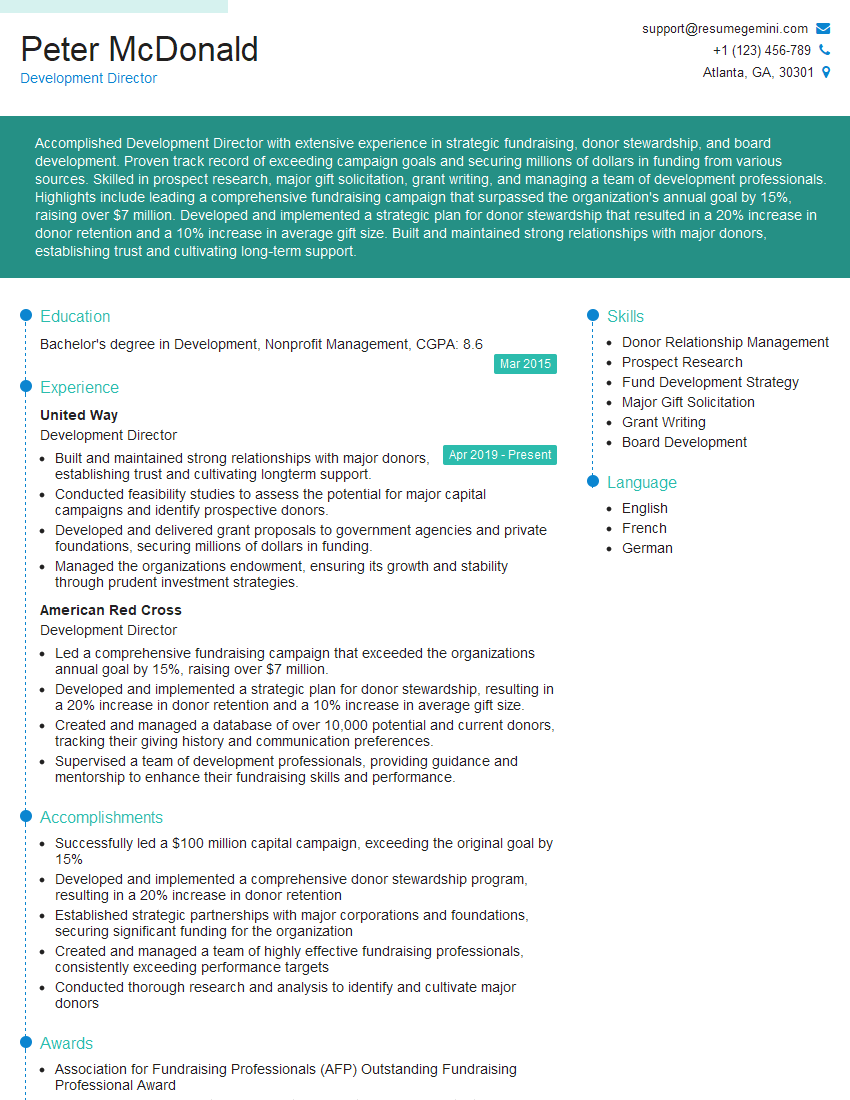
Development Director Resume Sample
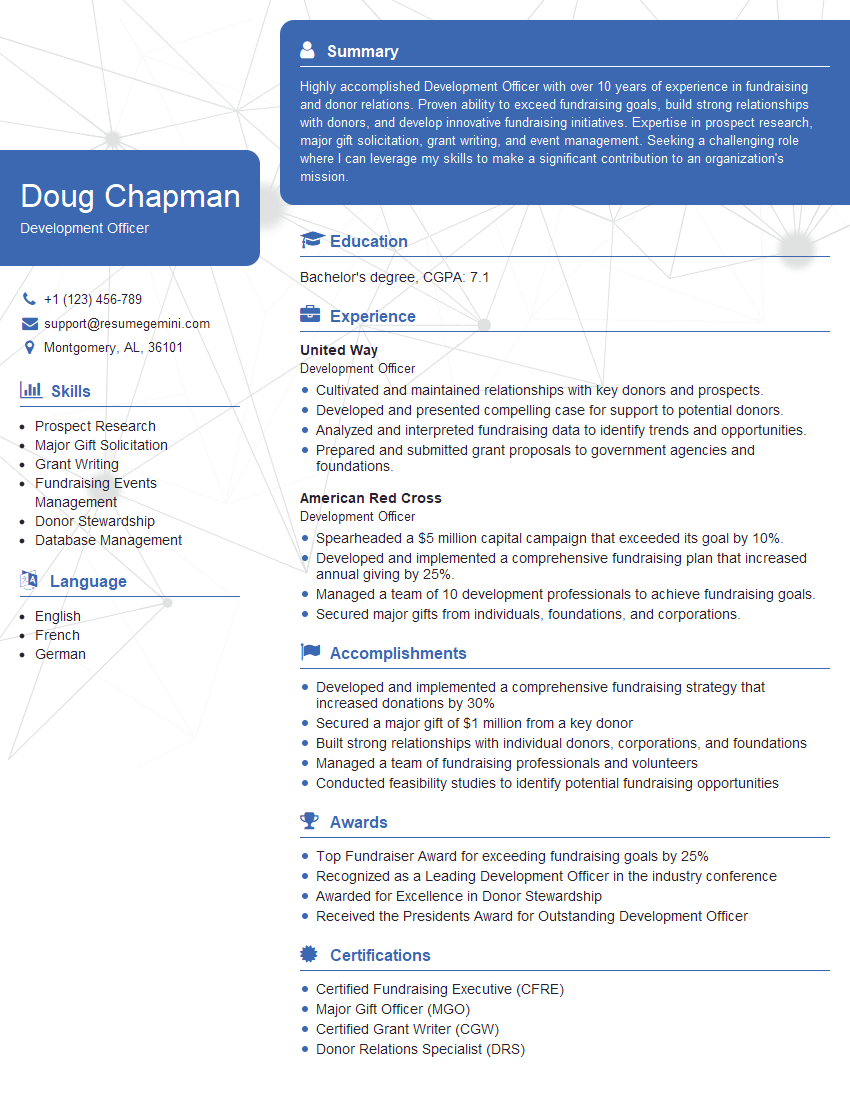
Development Officer Resume Sample
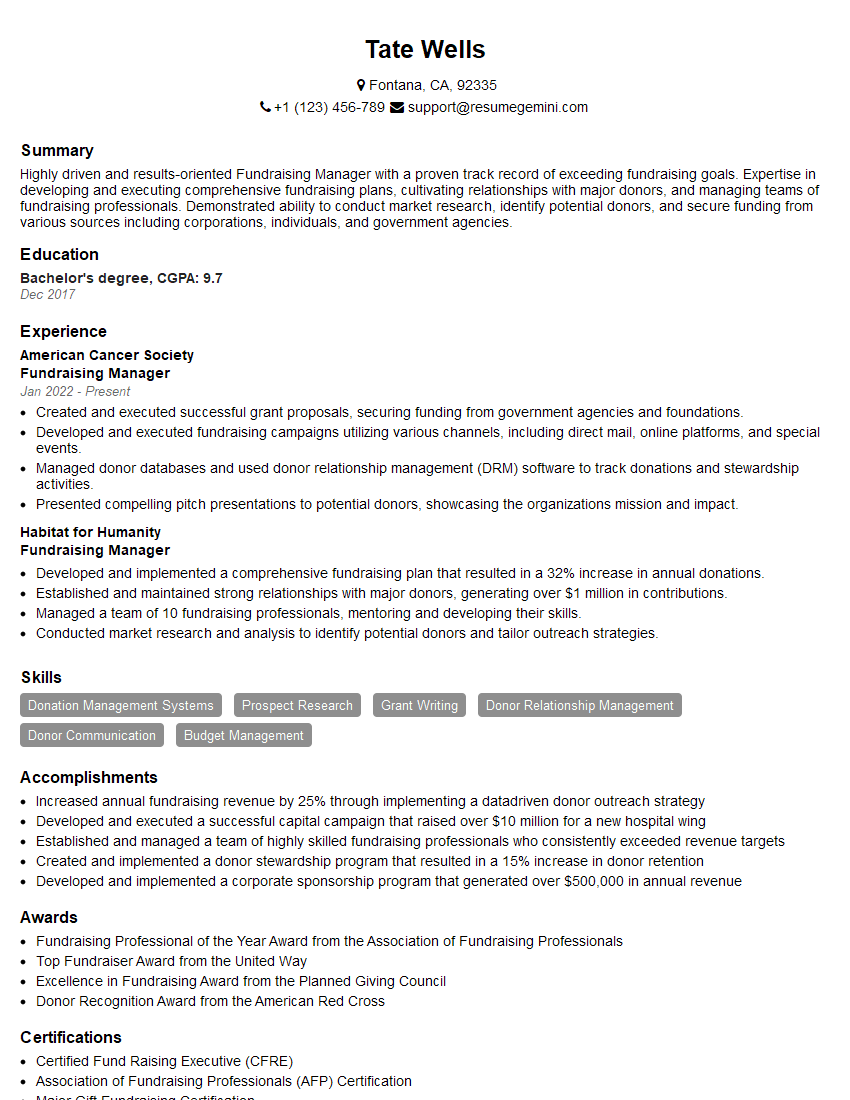
Fundraising Manager Resume Sample
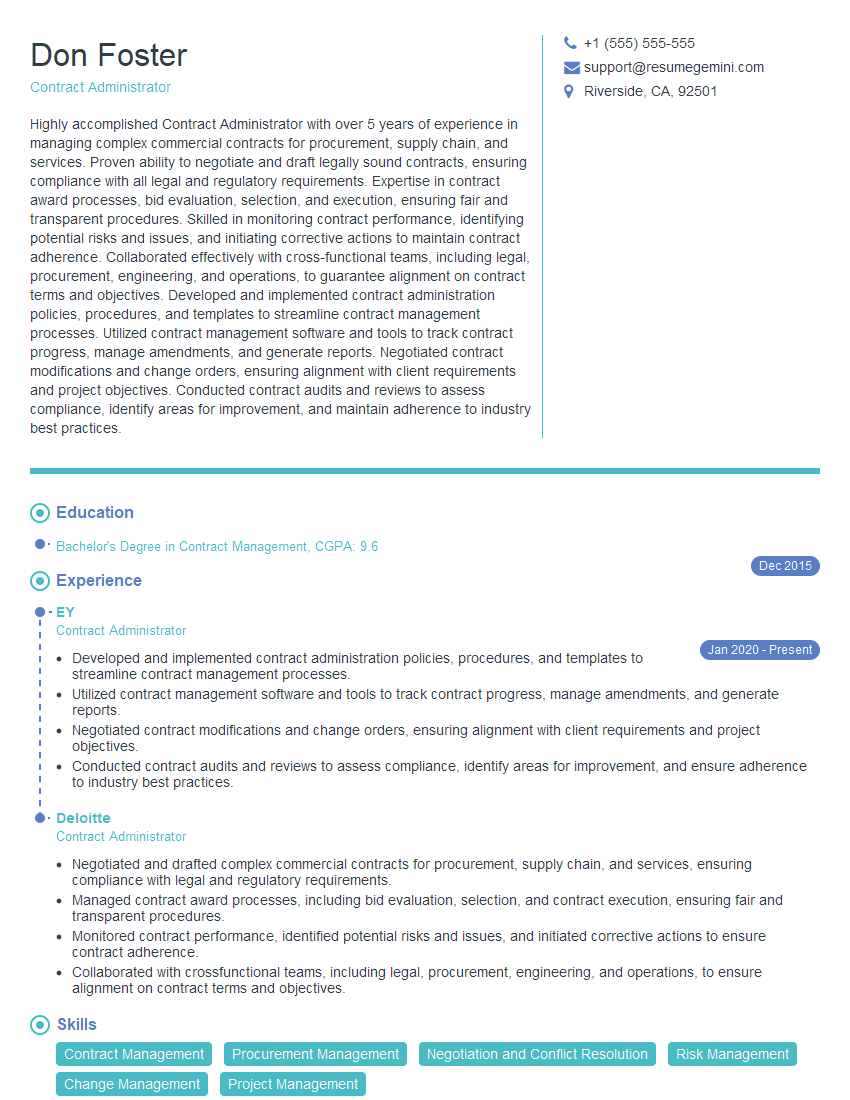
Contract Administrator Resume Sample

Director of Research Resume Sample
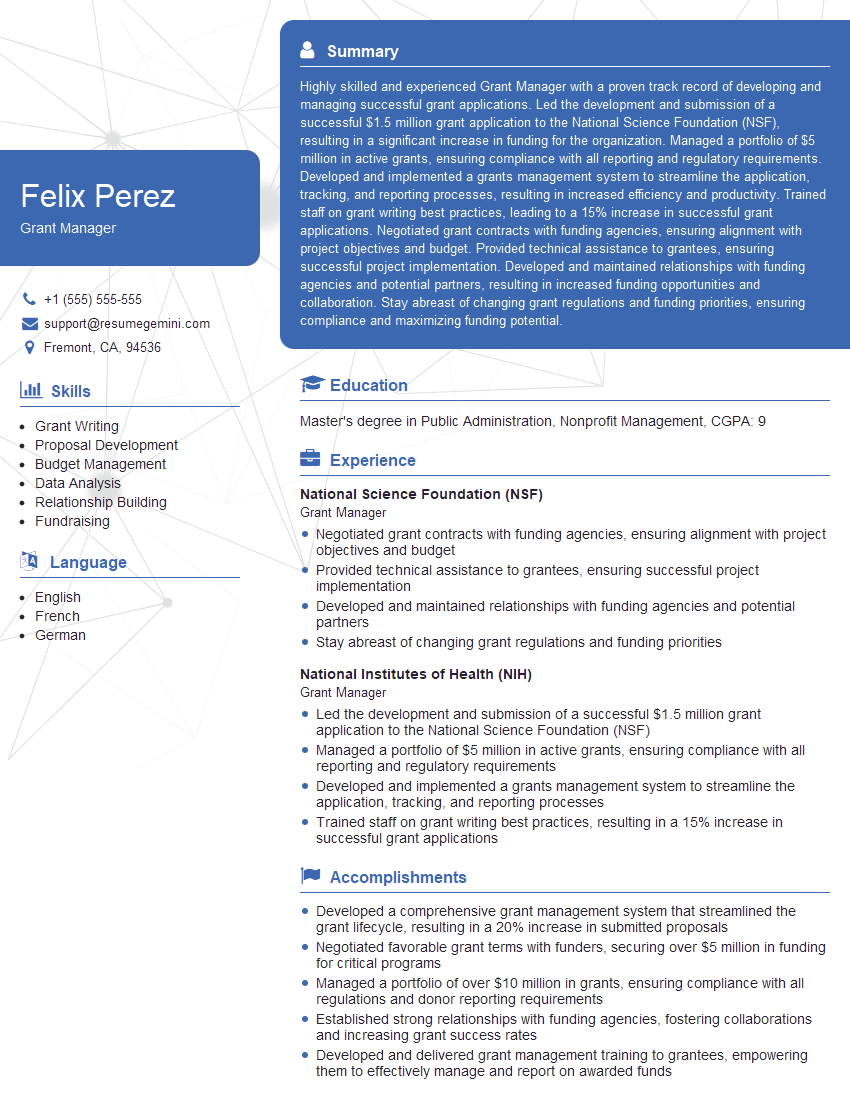
Grant Manager Resume Sample
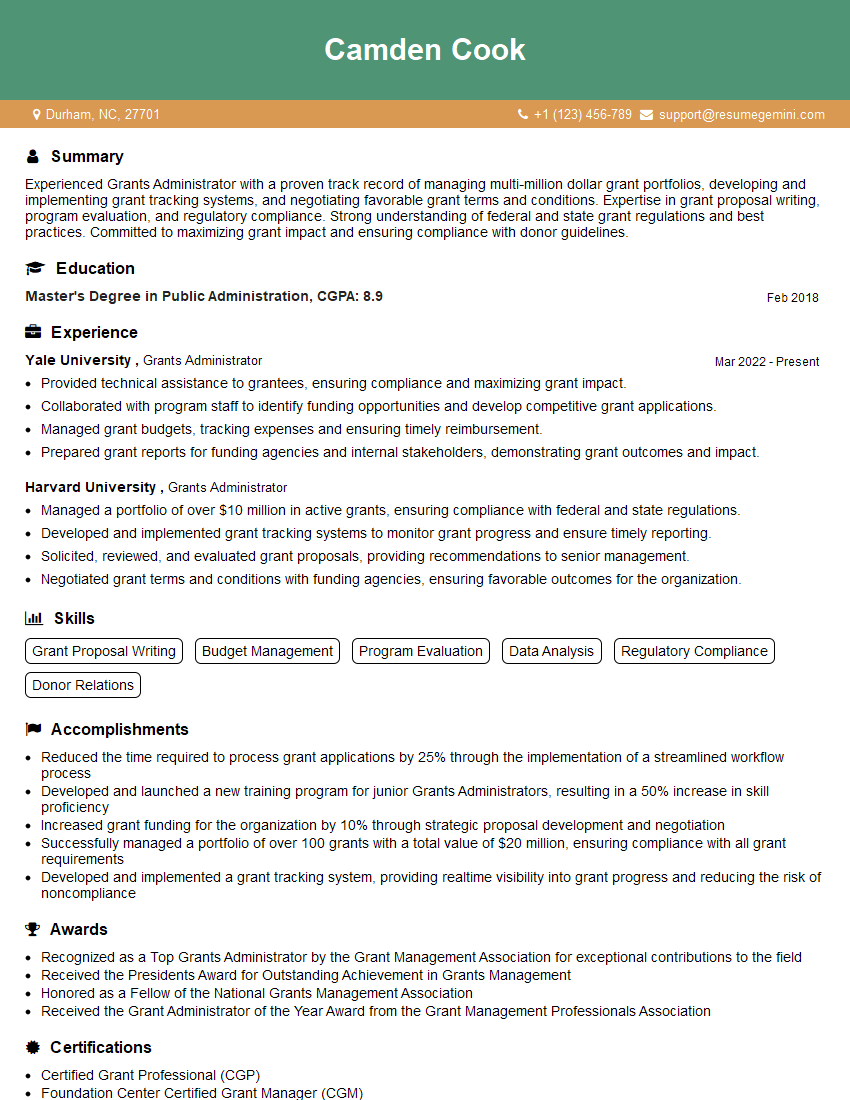
Grants Administrator Resume Sample
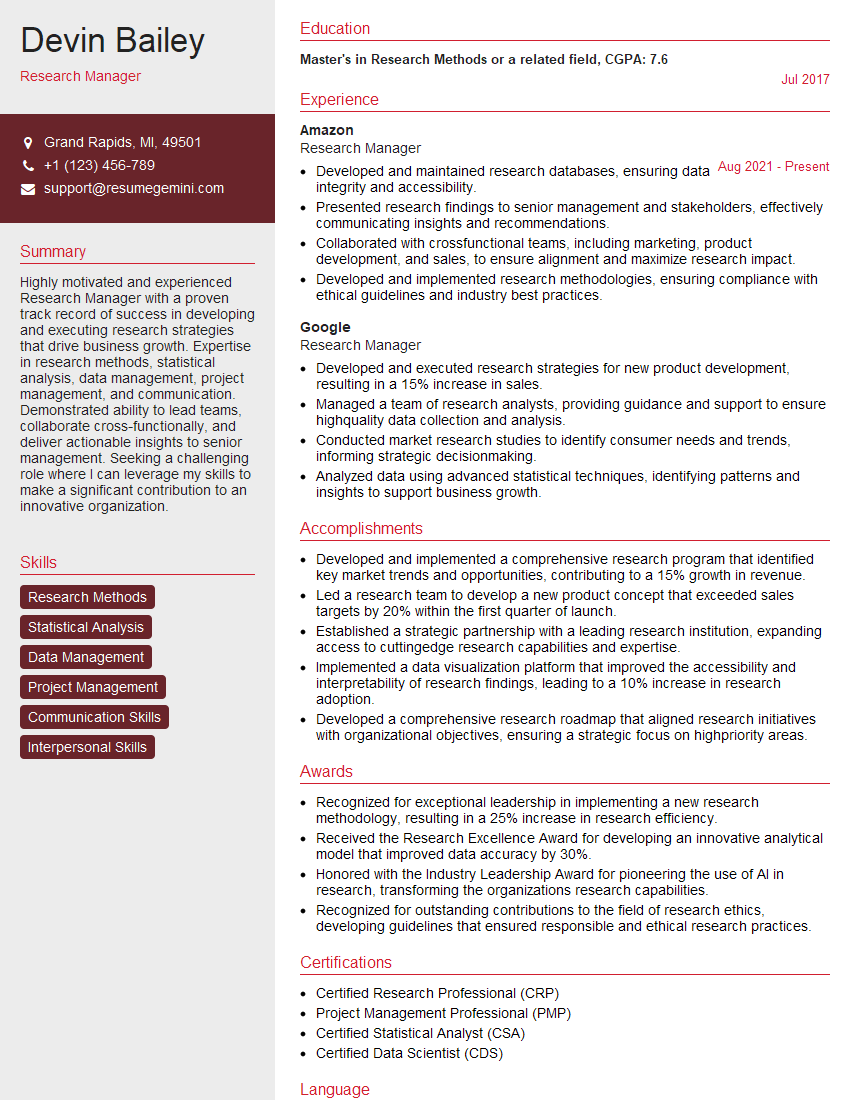
Research Manager Resume Sample
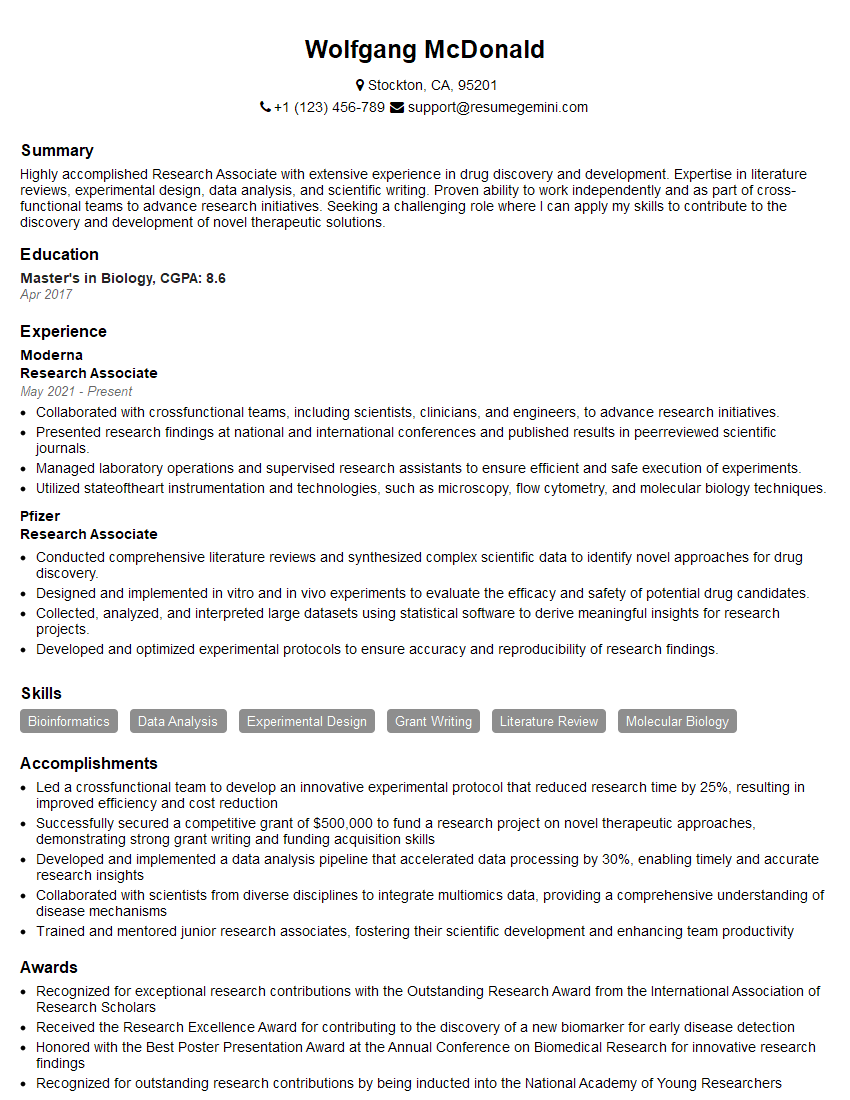
Research Associate Resume Sample
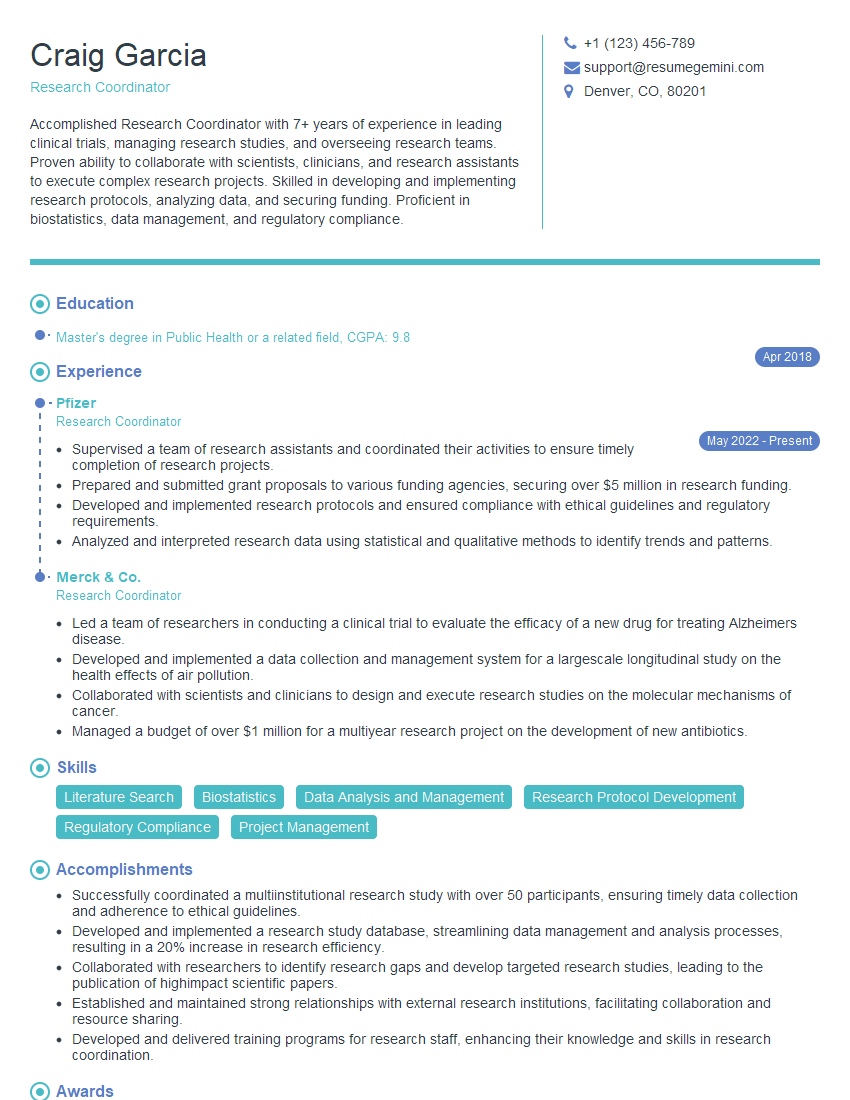
Research Coordinator Resume Sample
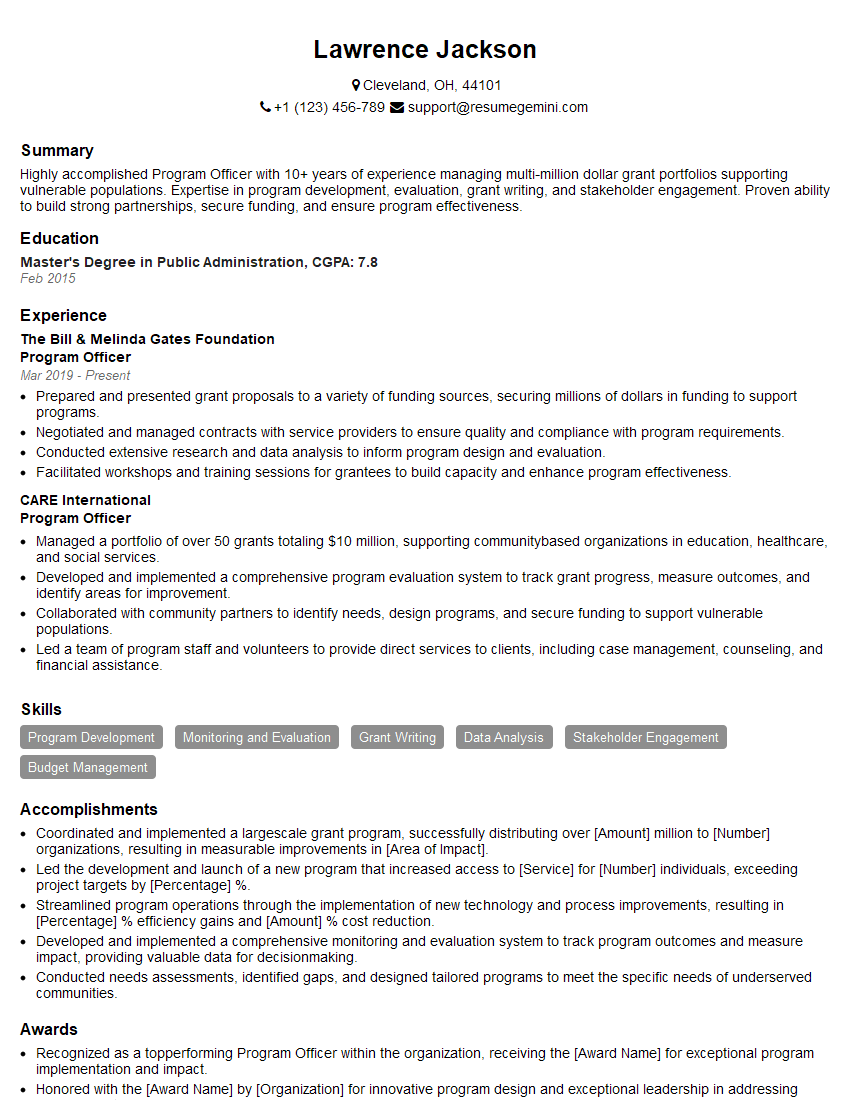
Program Officer Resume Sample
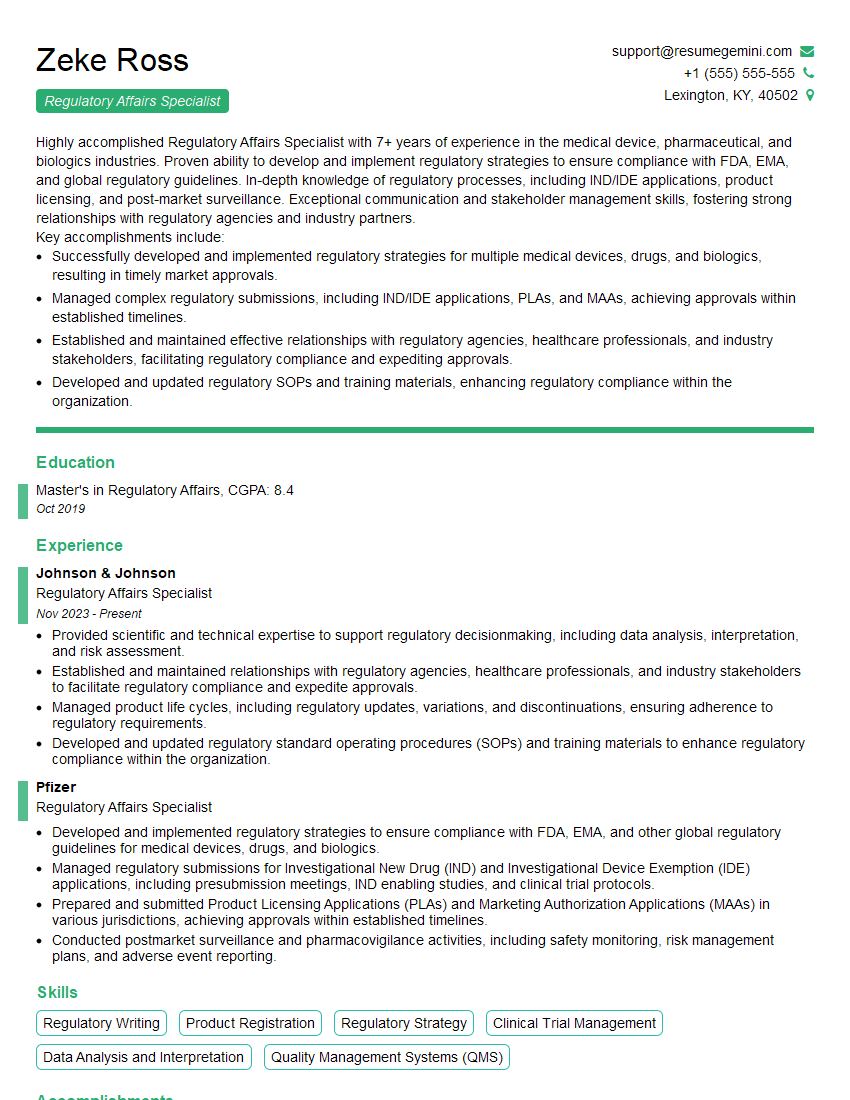
Regulatory Affairs Specialist Resume Sample
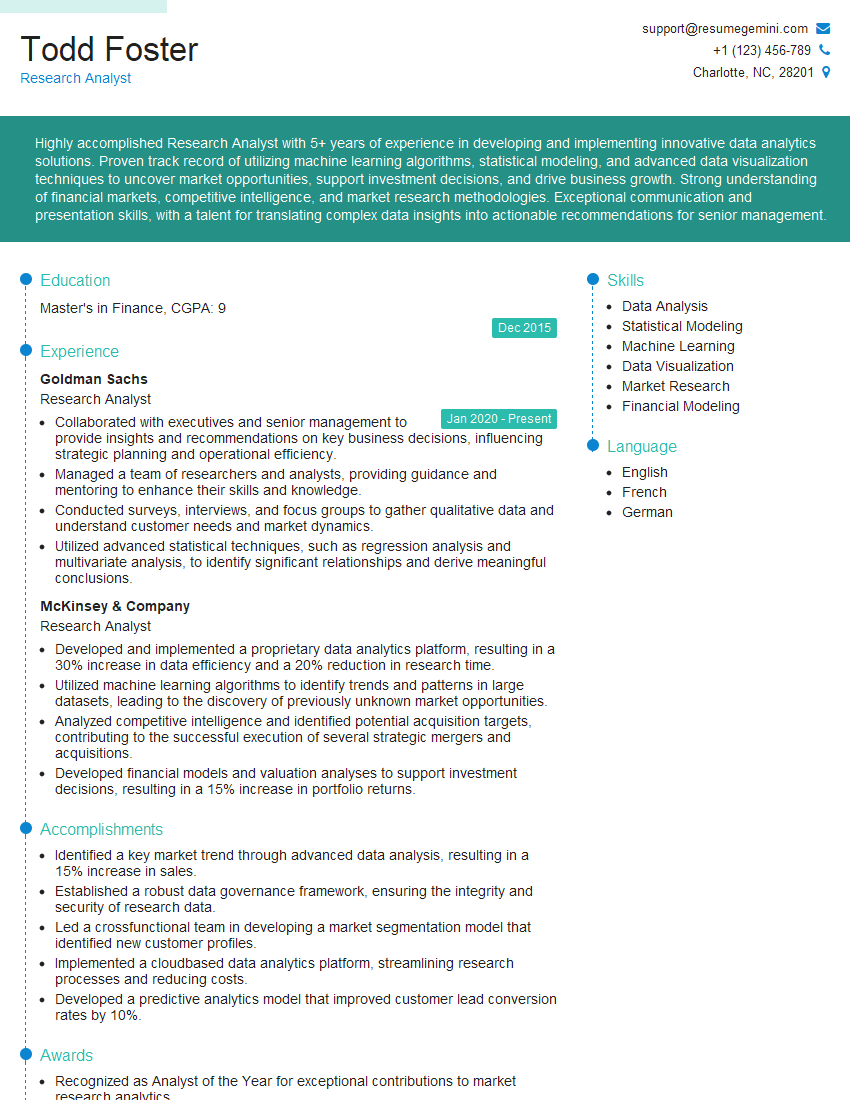
Research Analyst Resume Sample
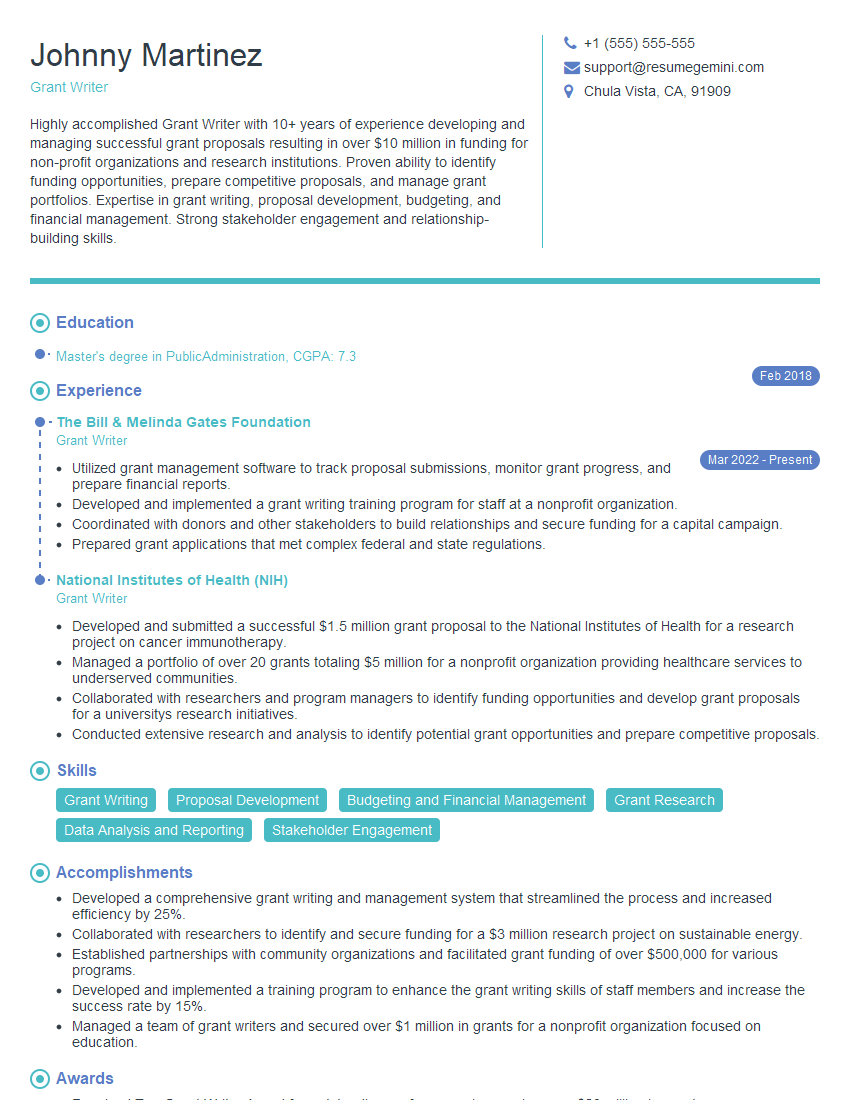
Grant Writer Resume Sample
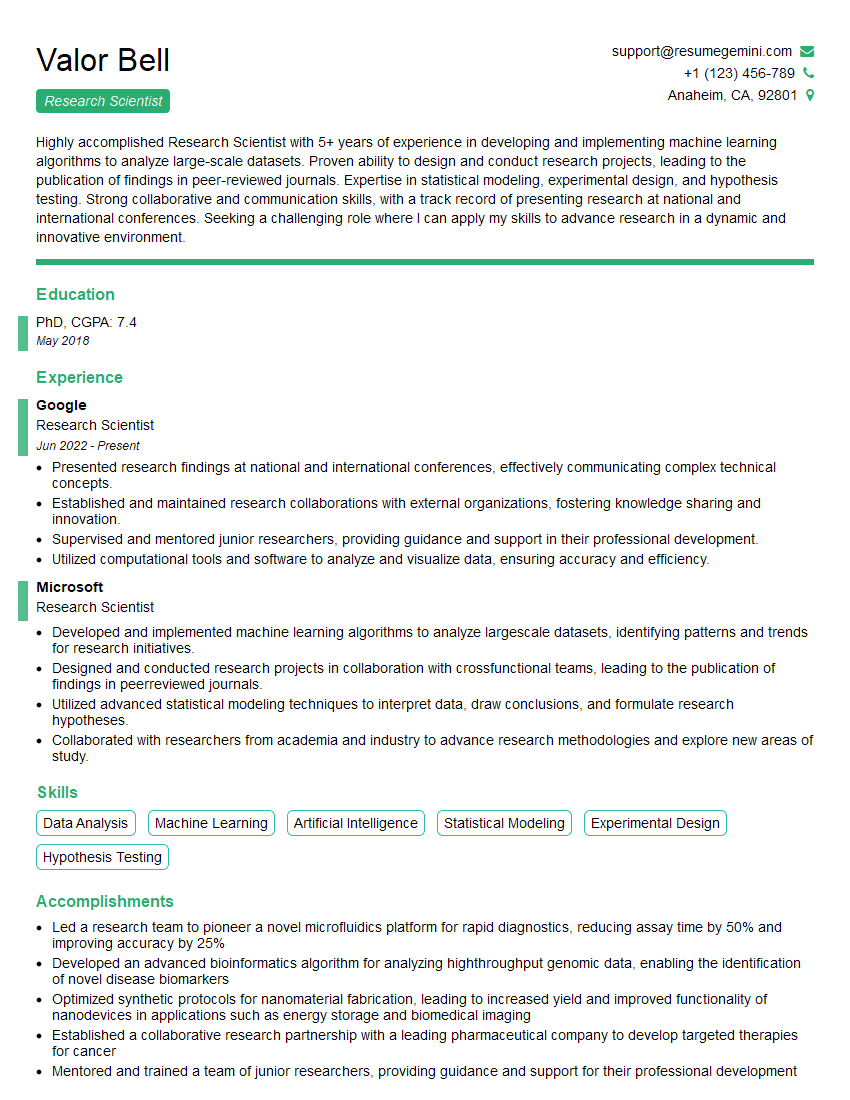
Research Scientist Resume Sample
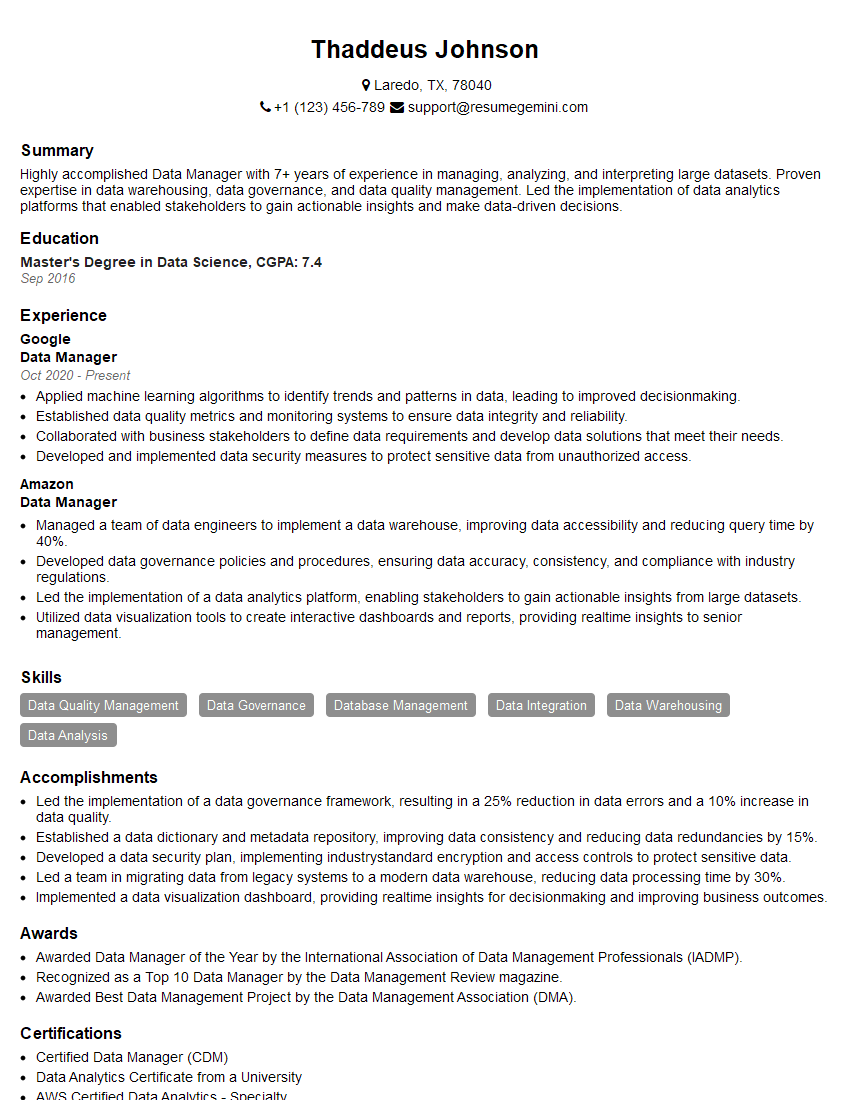
Data Manager Resume Sample
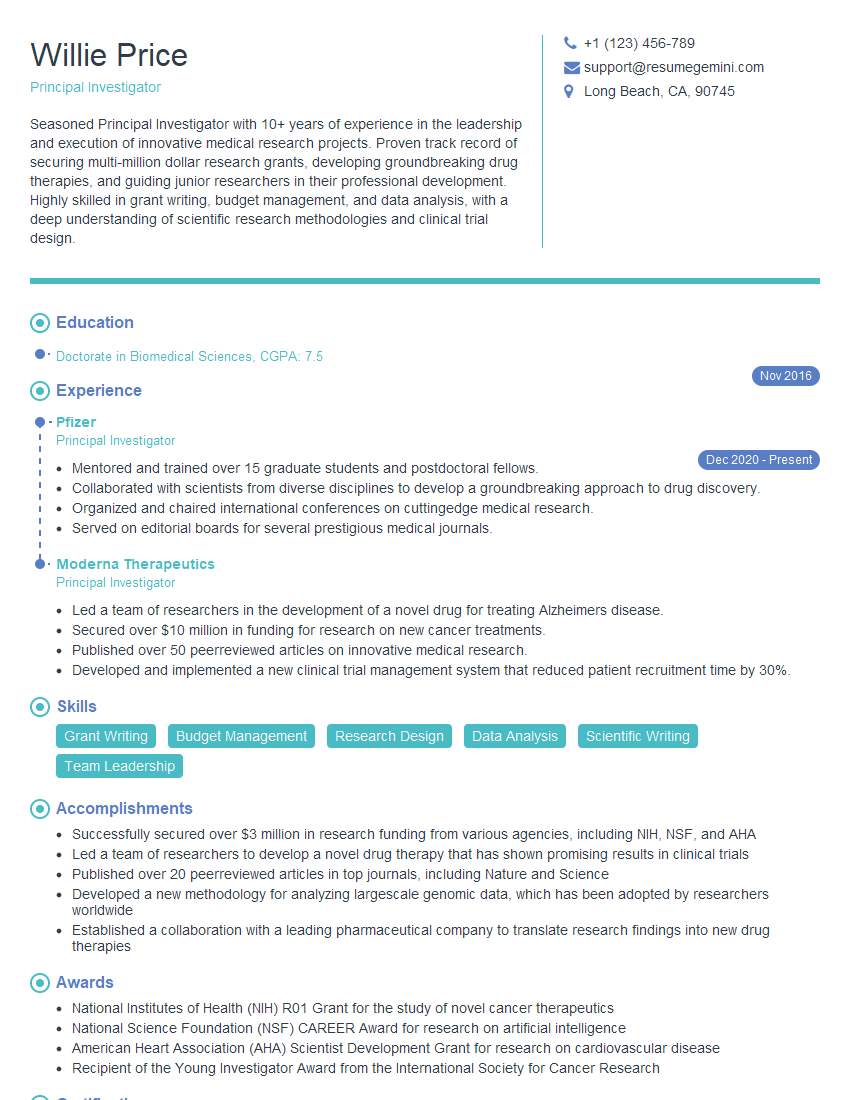
Principal Investigator Resume Sample
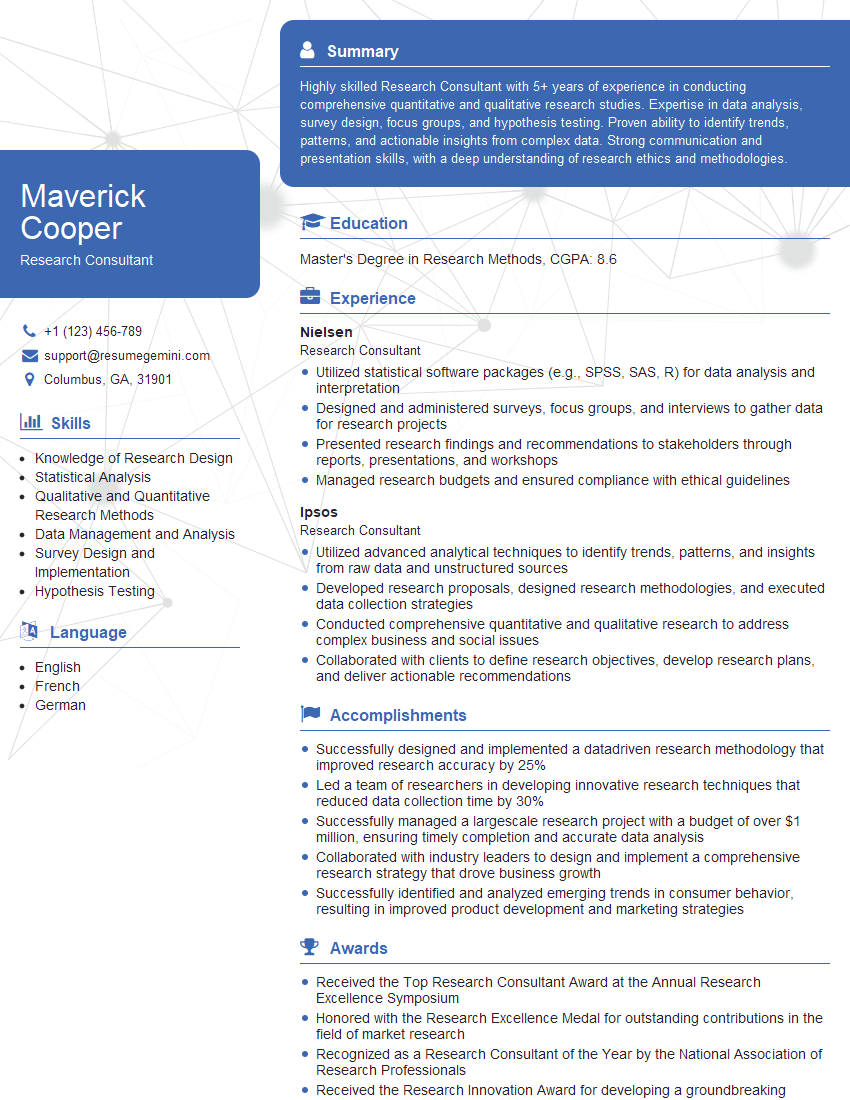
Research Consultant Resume Sample
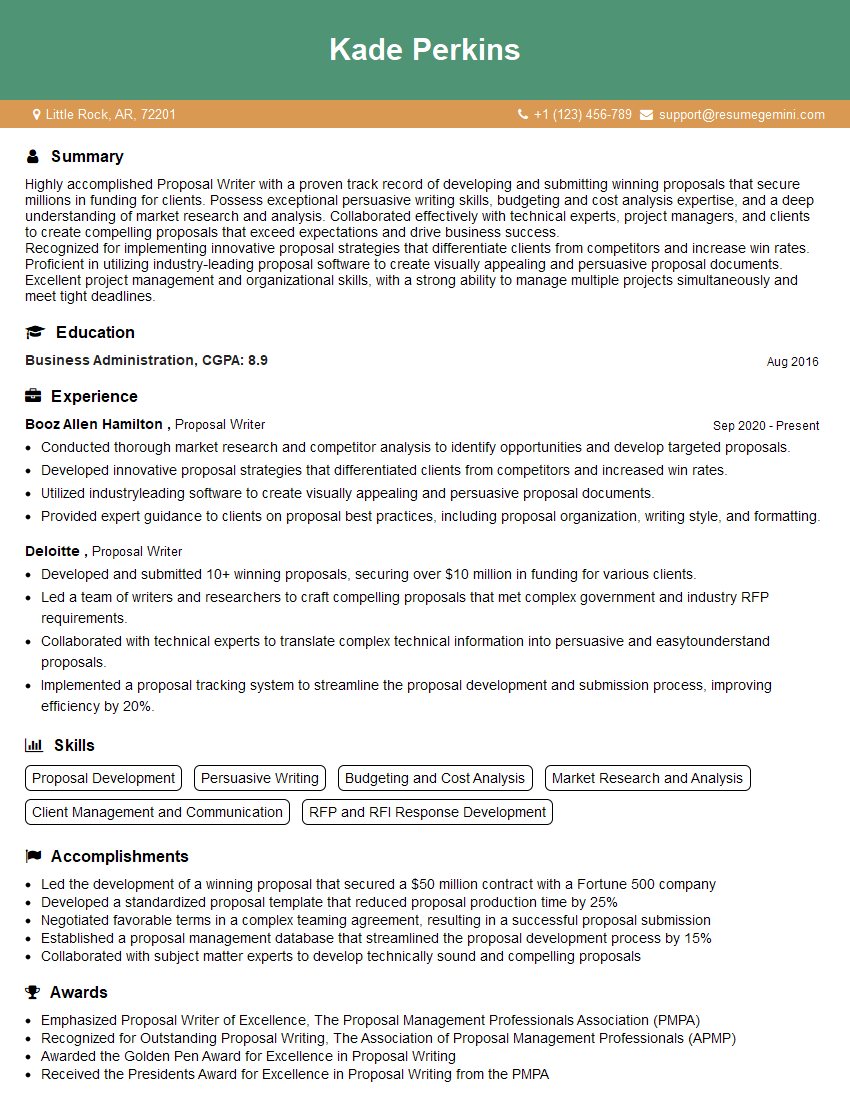
Proposal Writer Resume Sample
- Development Director
- Development Officer
- Fundraising Manager
- Contract Administrator
- Director of Research
- Grant Manager
- Grants Administrator
- Research Manager
- Research Associate
- Research Coordinator
- Program Officer
- Regulatory Affairs Specialist
- Research Analyst
- Grant Writer
- Research Scientist
- Data Manager
- Principal Investigator
- Research Consultant
- Proposal Writer
Explore more articles
Users Rating of Our Blogs
Share Your Experience
We value your feedback! Please rate our content and share your thoughts (optional).
What Readers Say About Our Blog
To the interviewgemini.com Webmaster.
Very helpful and content specific questions to help prepare me for my interview!
Thank you
To the interviewgemini.com Webmaster.
This was kind of a unique content I found around the specialized skills. Very helpful questions and good detailed answers.
Very Helpful blog, thank you Interviewgemini team.