The thought of an interview can be nerve-wracking, but the right preparation can make all the difference. Explore this comprehensive guide to Understanding of Wallpaper Maintenance and Cleaning interview questions and gain the confidence you need to showcase your abilities and secure the role.
Questions Asked in Understanding of Wallpaper Maintenance and Cleaning Interview
Q 1. What are the different types of wallpaper and their cleaning requirements?
Wallpaper comes in a variety of materials, each with unique cleaning needs. Understanding these differences is crucial for maintaining the longevity and appearance of your walls.
- Vinyl Wallpaper: This is the most durable and easiest to clean. Its plastic coating resists stains and moisture. Think of it like a tough, washable raincoat for your walls.
- Fabric Wallpaper: Made from textiles like cotton, linen, or silk, this type is more delicate and requires gentle cleaning. It’s like cleaning a fine tapestry; you need a soft touch.
- Grasscloth Wallpaper: A natural material made from woven grasses, this type is particularly sensitive to moisture and should only be cleaned very gently. Imagine it like handling a delicate piece of art.
- Paper Wallpaper: This is the most delicate type, easily damaged by moisture. It’s like handling a fine watercolor painting; any aggressive cleaning will ruin it.
- Textured Wallpaper: This type can be made from various materials (vinyl, paper, fabric) but its textured surface traps dirt more easily, requiring careful attention to cleaning in the crevices.
The cleaning method will greatly depend on the type of wallpaper and it’s always best to test a small, inconspicuous area first before proceeding with the whole wall.
Q 2. Describe the process of cleaning different wallpaper types (e.g., vinyl, fabric, grasscloth).
Cleaning wallpaper requires a gentle approach and the right tools. Never scrub harshly, as this can damage the surface. Always test your cleaning solution in an inconspicuous area first.
- Vinyl Wallpaper: Can be cleaned with a damp sponge or cloth and a mild detergent solution. For stubborn stains, use a slightly more concentrated solution, but always rinse thoroughly.
- Fabric Wallpaper: Requires a very gentle approach. Use a soft brush or cloth and a barely damp sponge. Never saturate the wallpaper with water.
- Grasscloth Wallpaper: Only use a soft, dry brush or a very lightly damp cloth. Vacuuming with a soft brush attachment can be helpful to remove dust.
- Paper Wallpaper: Dry cleaning only – use a soft brush or a vacuum with a soft brush attachment. Avoid any moisture contact.
- Textured Wallpaper: Because of the texture, use a soft brush or microfiber cloth to reach all the crevices and remove dust. Use a damp cloth sparingly and only for spots.
Remember to always work from the top down to avoid smearing dirt.
Q 3. What cleaning solutions are appropriate for various wallpaper materials?
Choosing the right cleaning solution is key to effective and safe wallpaper cleaning. Avoid harsh chemicals that can damage the wallpaper.
- Mild Detergent Solution: A few drops of mild dish soap in warm water is usually sufficient for most washable wallpapers. Always test this in an inconspicuous area first.
- White Vinegar Solution: A solution of equal parts white vinegar and water can be effective for removing mild stains and mildew from some wallpapers (test first!).
- Baking Soda Paste: A paste of baking soda and water can gently scrub away light stains on vinyl and other durable wallpapers (again, test first!).
- Commercial Wallpaper Cleaners: Specialized cleaners are available for different wallpaper types, but always follow the manufacturer’s instructions carefully.
Never use abrasive cleaners, bleach, or ammonia, as these can damage the wallpaper and leave streaks or discoloration.
Q 4. How do you remove stains from wallpaper?
Stain removal on wallpaper depends heavily on the type of stain and the wallpaper material. Always blot, don’t rub!
- Fresh Stains: Act quickly! Blot the stain gently with a clean, damp cloth or sponge. For water-based stains, this often suffices.
- Grease Stains: Use a mild detergent solution or a baking soda paste to gently lift the grease.
- Ink Stains: Isopropyl alcohol (rubbing alcohol) can sometimes work on ink stains, but test in a hidden area first! Apply sparingly and blot gently.
- Crayon Marks: A damp cloth and mild detergent might work. For stubborn marks, try a magic eraser (melamine foam), testing in an inconspicuous area first.
If the stain is stubborn or the wallpaper is delicate, it’s best to consult a professional wallpaper cleaning service.
Q 5. Explain the process for repairing minor wallpaper tears or damages.
Minor tears or damages can often be repaired, saving you the cost and hassle of replacing entire sections of wallpaper.
- Assess the Damage: Determine the size and location of the tear. Small tears are easiest to fix.
- Gather Supplies: You’ll need matching wallpaper scraps (if possible), wallpaper adhesive, a small brush, and a sharp blade (like an X-Acto knife).
- Prepare the Area: Clean the area around the tear and gently lift any loose edges of the wallpaper.
- Apply Adhesive: Apply a small amount of adhesive to the back of the wallpaper scrap and carefully position it over the tear, pressing gently to adhere.
- Smooth Out: Use a soft cloth or brush to smooth out any air bubbles or wrinkles.
- Trim Excess: Carefully trim any excess wallpaper with a sharp blade.
For larger tears or more extensive damage, it’s recommended to seek professional help.
Q 6. How do you identify and address wallpaper mildew or mold?
Mildew and mold on wallpaper are serious issues requiring prompt attention. They indicate moisture problems that need to be addressed.
- Identification: Mildew often appears as dark spots or discoloration, while mold is typically fuzzy or slimy in texture. Both are usually dark in color, often black, green or brown.
- Addressing the Problem: Don’t just clean the surface! The source of moisture must be identified and fixed (e.g., leaky pipes, poor ventilation). Cleaning the mold will only be a temporary solution if the moisture source remains.
- Cleaning (After Addressing Moisture): For small areas of mildew, a solution of white vinegar and water can be effective. For mold, a stronger solution might be needed, or you may need to replace the affected area of wallpaper completely.
- Safety: Mold can be hazardous to your health. Wear protective gear (gloves, mask) when cleaning moldy wallpaper and consider professional remediation if the infestation is extensive.
If you suspect mold, it’s best to contact a professional mold remediation specialist for a thorough inspection and treatment.
Q 7. What safety precautions should be taken while cleaning wallpaper?
Safety should always be your top priority when cleaning wallpaper.
- Ventilation: Ensure adequate ventilation in the room to prevent breathing in cleaning solution fumes.
- Protective Gear: Wear gloves to protect your hands from cleaning solutions and potential allergens. If dealing with mold, a respirator mask is essential.
- Test Areas: Always test your cleaning solution in an inconspicuous area before applying it to the entire wall.
- Avoid Over-Saturation: Don’t saturate the wallpaper with water, as this can damage it. Always blot, don’t scrub.
- Careful Handling: Be careful when using cleaning tools and sharp objects to avoid accidental damage to the wallpaper.
Remember that safety practices are essential for both your well-being and the preservation of your wallpaper.
Q 8. How do you prepare a wall for wallpaper installation?
Preparing a wall for wallpaper installation is crucial for a long-lasting, beautiful result. Think of it like preparing a canvas for a masterpiece – a smooth, clean surface is essential. The process involves several key steps:
Surface Cleaning: Begin by thoroughly cleaning the wall to remove dust, cobwebs, grease, or any other debris. A sugar soap solution is ideal; mix a small amount of sugar soap with warm water and gently scrub the surface with a soft sponge or cloth, rinsing thoroughly afterwards.
Repairing Imperfections: Fill any holes or cracks with spackling paste or drywall compound, allowing it to dry completely before sanding smooth. This ensures a flawless, even surface for wallpaper adhesion.
Priming (Usually Necessary): Applying a primer is vital, especially on porous surfaces like plaster or drywall. Primer creates an even surface, promotes better adhesion, and helps prevent the wallpaper from absorbing wall discoloration. Choose a primer specifically designed for wallpaper.
Sealing (If Necessary): Some walls, particularly those with glossy or previously painted surfaces, may require a sealant to improve the wallpaper’s grip. A sealant provides a suitable bonding surface that enhances the longevity of the installation.
Drying: Allow the wall to dry completely before proceeding with wallpaper installation. This could take several hours or even overnight, depending on the conditions. Insufficient drying will lead to peeling or bubbling.
Remember, patience is key at this stage. Proper preparation guarantees a successful wallpaper installation.
Q 9. What tools are essential for wallpaper cleaning and maintenance?
The right tools make wallpaper cleaning and maintenance a breeze. Think of them as your wallpaper’s personal care kit. Here’s what you’ll need:
Soft Cloths or Microfiber Cloths: These are gentle enough to avoid scratching the wallpaper’s surface and are excellent at absorbing dirt and dust.
Soft-Bristled Brush: Useful for removing loose dust and cobwebs, especially in hard-to-reach areas.
Mild Detergent or Wallpaper Cleaner: Choose a product specifically formulated for wallpaper cleaning to avoid damage. Always test it on an inconspicuous area first.
Spray Bottle: For conveniently applying cleaning solutions to the wallpaper surface.
Sponge: Useful for cleaning larger areas and applying cleaning solutions evenly.
Vacuum Cleaner with Brush Attachment: For gentle removal of loose dirt and dust, protecting the delicate wallpaper surface from harsh scrubbing.
Rubber Gloves: Protect your hands from harsh cleaning chemicals.
With these essential tools, you’ll be well-equipped to keep your wallpaper looking pristine.
Q 10. Describe how to properly store and maintain wallpaper cleaning supplies.
Proper storage of wallpaper cleaning supplies extends their lifespan and prevents accidental damage. Just like storing your favorite clothes, proper care ensures they last longer!
Cool, Dry Place: Store cleaning solutions in a cool, dry location, away from direct sunlight and extreme temperatures. Extreme heat or cold can affect the chemical composition of the cleaning products.
Proper Containers: Use their original containers or transfer them into clearly labeled airtight containers to prevent spills and maintain product quality. This is particularly important for liquids.
Separate Storage: Keep cleaning supplies separate from other household items, especially food or personal care products, to avoid accidental contamination or chemical reactions.
Out of Reach: If you have children or pets, store cleaning supplies in a locked cabinet or a high shelf to ensure safety.
By following these simple storage tips, you can ensure that your wallpaper cleaning supplies remain effective and safe for use.
Q 11. How do you assess the condition of wallpaper before starting cleaning?
Before you start cleaning, it’s crucial to assess your wallpaper’s condition. Think of it as a pre-cleaning checkup for your walls! This involves a visual inspection to:
Identify Loose or Peeling Areas: Gently press on the wallpaper surface to check for any loose sections that might come off during cleaning.
Check for discoloration or staining: Note any noticeable stains or discoloration that require more attention during cleaning.
Assess the Wallpaper Material: Identify the wallpaper type (vinyl, fabric, paper, etc.) as this dictates the appropriate cleaning method.
Check for any existing damage: Look for any tears, scratches, or other damage that may require repair before cleaning.
A thorough assessment allows you to tailor your cleaning approach and prevent accidental damage during the cleaning process.
Q 12. How do you determine the best cleaning method for a specific type of wallpaper?
Choosing the right cleaning method depends entirely on your wallpaper type. Just as you wouldn’t wash a silk shirt the same way you’d wash jeans, different wallpapers require different care.
Vinyl Wallpaper: Generally the most durable, vinyl wallpaper can usually handle a damp cloth with a mild detergent solution. Always test a small, inconspicuous area first.
Fabric-backed Wallpaper: These are more delicate and often require more gentle cleaning methods, such as a soft brush or a lightly damp cloth. Avoid excessive moisture.
Paper Wallpaper: The most delicate, paper wallpapers are best cleaned with a dry brush or a very lightly damp cloth. Avoid any harsh cleaning agents.
Always check the manufacturer’s recommendations for specific cleaning instructions. When in doubt, it’s best to err on the side of caution and use a gentler cleaning method.
Q 13. What are the signs of wallpaper damage requiring professional repair?
Recognizing the signs of wallpaper damage that warrant professional help is important. These situations go beyond simple cleaning and require specialized skills.
Extensive Peeling or Bubbling: If large sections of the wallpaper are peeling or bubbling, it’s likely due to underlying wall issues or improper installation. A professional can diagnose the problem and perform necessary repairs.
Large Tears or Holes: Significant damage that goes beyond simple patching may necessitate professional intervention to seamlessly repair or replace the affected areas.
Water Damage: If wallpaper has sustained water damage, mold or mildew might develop, requiring specialized cleaning and remediation by a professional.
Severe Staining: Stubborn stains that resist home cleaning methods, particularly those caused by smoke or pet accidents, often require professional stain removal techniques.
Calling in a professional prevents further damage and ensures a long-lasting, beautiful finish.
Q 14. How do you handle large areas of wallpaper damage?
Handling large areas of wallpaper damage requires a strategic approach. It’s not a simple DIY project; consider it like a major home renovation!
Assess the Extent of Damage: Carefully examine the affected area to determine the size and nature of the damage.
Consider Repair vs. Replacement: If the damage is localized and repairable, patching may be an option. However, for extensive damage, replacement may be necessary to ensure a uniform look.
Professional Consultation: It’s always best to consult a wallpaper professional for advice on the most effective repair or replacement strategy.
Matching Wallpaper: If replacement is required, make sure you have enough of the original wallpaper or find a close match. This helps maintain a cohesive aesthetic.
Professional Installation: Proper installation of new wallpaper is key to prevent recurrence of damage. A professional has the expertise to ensure a perfect finish.
Remember, while some minor repairs can be DIY projects, larger areas often require professional expertise to maintain the integrity and beauty of your walls.
Q 15. What are some common mistakes to avoid when cleaning wallpaper?
Avoiding common mistakes when cleaning wallpaper is crucial to preserving its beauty and longevity. The biggest mistake is using too much water or harsh chemicals. Think of your wallpaper like delicate fabric – too much moisture can cause it to peel, warp, or discolor. Another common error is using abrasive cleaning tools, like scouring pads or stiff brushes, which can easily scratch or damage the wallpaper’s surface, especially delicate textures or vinyl with a delicate top layer. Finally, ignoring a stain or spill and hoping it disappears is a recipe for disaster; early intervention is key.
- Avoid excessive water: Always use a damp, not soaking wet, cloth.
- Avoid harsh chemicals: Opt for mild detergents or wallpaper-specific cleaners.
- Avoid abrasive tools: Use soft cloths, sponges, or microfiber cloths for cleaning.
- Address spills immediately: Don’t let stains set.
Career Expert Tips:
- Ace those interviews! Prepare effectively by reviewing the Top 50 Most Common Interview Questions on ResumeGemini.
- Navigate your job search with confidence! Explore a wide range of Career Tips on ResumeGemini. Learn about common challenges and recommendations to overcome them.
- Craft the perfect resume! Master the Art of Resume Writing with ResumeGemini’s guide. Showcase your unique qualifications and achievements effectively.
- Don’t miss out on holiday savings! Build your dream resume with ResumeGemini’s ATS optimized templates.
Q 16. What is the difference between spot cleaning and deep cleaning wallpaper?
Spot cleaning and deep cleaning wallpaper serve different purposes. Spot cleaning targets small, localized areas affected by spills or marks. Think of it as first aid for your wallpaper. Deep cleaning, on the other hand, is a more comprehensive approach addressing general dirt, grime, and dust accumulation across the entire surface. It’s like giving your wallpaper a thorough spa treatment.
Spot Cleaning: This involves gently wiping the affected area with a damp cloth and mild detergent. For example, if you spill coffee, blot it immediately, then gently clean the area with a damp cloth. Deep Cleaning: This typically involves vacuuming the wallpaper to remove loose dust and then using a damp cloth or wallpaper-specific cleaner to clean the entire surface in sections, working from top to bottom to avoid streaks. Always test any cleaning solution on an inconspicuous area first.
Q 17. How do you deal with stubborn stains on wallpaper?
Stubborn stains require a more targeted approach. Before resorting to harsh chemicals, try the following, always testing in an inconspicuous area first:
- Gentle Abrasion: For dried-on stains, gently rub with a soft, damp sponge or cloth. A magic eraser (melamine foam) can sometimes work wonders, but use it extremely gently and with caution.
- Mild Detergent Solution: Mix a small amount of mild dish soap with warm water. Apply with a soft sponge and blot gently.
- Wallpaper-Specific Cleaners: Several commercial cleaners are specifically formulated for wallpaper. Follow the manufacturer’s instructions carefully.
- Baking Soda Paste: For grease stains, make a paste of baking soda and water. Apply, let it sit for a few minutes, and then gently wipe.
If the stain persists after trying these methods, consider consulting a professional wallpaper cleaning service. Attempting overly aggressive methods can cause irreversible damage.
Q 18. How do you prevent wallpaper from becoming damaged?
Preventing wallpaper damage is far easier than repairing it. Here’s how:
- Regular Cleaning: Dust and grime are the wallpaper’s worst enemies. Regular dusting or vacuuming prevents build-up that can lead to more significant cleaning challenges later.
- Protect from Moisture: Keep bathrooms and kitchens well-ventilated to minimize moisture, which encourages mold and mildew and causes wallpaper to peel.
- Handle with Care: Avoid bumping or rubbing against the walls unnecessarily, especially with sharp objects. Children and pets require extra supervision.
- Avoid Direct Sunlight: Prolonged exposure to direct sunlight can cause fading and discoloration. Consider using curtains or blinds to filter sunlight.
- Proper Installation: Ensuring the wallpaper is correctly installed and that the underlying wall is properly prepared is crucial to its long-term lifespan. Poor preparation leads to premature peeling and damage.
Q 19. What are some preventative measures for wallpaper mildew and mold?
Preventing mildew and mold on wallpaper is crucial for both the aesthetics and health of your home. Mold can cause respiratory issues and is extremely difficult to remove from wallpaper once established.
- Ventilation: Ensure proper ventilation, especially in bathrooms and kitchens, to prevent moisture buildup. Exhaust fans are your best friend.
- Moisture Control: Address any leaks or plumbing issues promptly. Repairing even minor leaks prevents significant moisture problems.
- Regular Cleaning: Regular cleaning removes dust and dirt that can create a breeding ground for mold.
- Dehumidifiers: In areas with high humidity, use dehumidifiers to regulate moisture levels.
- Anti-Mildew Primer: Applying an anti-mildew primer to the walls before hanging wallpaper creates a protective barrier.
If mildew or mold does appear, don’t delay addressing the problem. Often, a small area can spread quickly.
Q 20. Explain the process of removing and replacing damaged wallpaper sections.
Removing and replacing damaged wallpaper sections requires patience and precision. First, assess the damage and determine the area needing repair. Carefully score the edges of the damaged section to create clean lines for removal. Gently peel back the damaged wallpaper section, working slowly to avoid tearing the surrounding paper. If the wallpaper is stubborn, consider using a scoring tool or putty knife to help loosen it. Clean the underlying wall surface with a damp cloth to ensure a good adhesive surface for the new patch. Match the wallpaper pattern (see question 7 for more detail on matching) and apply a new section, smoothing out air bubbles and ensuring proper adhesion.
Q 21. How do you match wallpaper patterns when making repairs?
Matching wallpaper patterns during repairs can be challenging, but with a systematic approach, it’s achievable. If the wallpaper has a large, easily identifiable pattern, matching is simpler. Locate the corresponding pattern in a less visible area, such as behind furniture, to obtain a matching section. For more complex or smaller patterns, it might be necessary to cut a slightly larger patch to ensure seamless integration. Carefully measure and cut the replacement piece, allowing for overlapping the existing pattern to mask any slight mismatch. Consider using a lightbox or window to aid in precise pattern matching. If you are unsure, it’s best to consult a professional wallpaper installer for complex patterns.
Q 22. What are the ethical considerations involved in recommending wallpaper removal or cleaning?
Ethical considerations in wallpaper removal or cleaning primarily revolve around transparency, honesty, and client satisfaction. Before undertaking any project, I always thoroughly assess the wallpaper’s condition, type, and potential sensitivities (e.g., presence of asbestos in older wallpapers). I clearly communicate these findings to the client, including potential risks and limitations of the cleaning or removal process. This transparency ensures informed consent and avoids any surprises down the line. For example, if I discover asbestos, I’ll immediately advise the client to consult a specialist for safe removal, rather than proceeding myself. This protects both the client and myself from potential legal and health hazards. It’s also crucial to be upfront about pricing and timelines, avoiding hidden costs or unrealistic promises that can lead to disappointment.
Furthermore, I ensure I use environmentally friendly products whenever possible, minimizing any potential harm to the client’s home and the environment. I always dispose of waste materials responsibly, adhering to local regulations for hazardous waste, if any. Ethical conduct builds trust and establishes a reputation for professionalism and integrity.
Q 23. How do you deal with a client who is dissatisfied with the wallpaper cleaning results?
Addressing client dissatisfaction is crucial for maintaining a good reputation. My first step is always to actively listen to their concerns without interruption. I try to understand their perspective and the specific aspects of the cleaning that didn’t meet their expectations. I would then review the process, checking my work against industry best practices. Perhaps a specific area was more challenging than initially anticipated, or a certain type of stain proved resistant to the usual cleaning methods. I’d be open and honest about any unforeseen difficulties.
Depending on the situation, I might offer a partial refund, a complimentary touch-up, or even a completely reworked section. The goal is to find a mutually agreeable solution that restores the client’s trust. Open communication and a sincere desire to rectify the situation are key. For instance, if the cleaning left some minor discoloration, I might offer a spot treatment or suggest touch-up painting to restore the overall aesthetic. Documenting the process with before-and-after photos is also important for transparency and to prevent future misunderstandings.
Q 24. How do you handle unexpected challenges during a wallpaper cleaning job?
Unexpected challenges during a wallpaper cleaning job are commonplace. These might include discovering hidden damage beneath the wallpaper, encountering unusually stubborn stains, or dealing with delicate or unusual wallpaper materials. My approach involves a structured problem-solving method.
First, I thoroughly assess the situation. I identify the specific problem, its potential impact, and the available resources. Then, I research possible solutions. This might involve consulting technical manuals, contacting colleagues for advice, or searching for relevant online resources. I always prioritize safety; if a situation seems beyond my expertise, I don’t hesitate to recommend that the client seeks the services of a specialist. For instance, encountering mold would necessitate a professional mold remediation expert, not just a wallpaper cleaner. Finally, I implement the chosen solution, carefully documenting the process and results. Adaptability, resourcefulness, and a commitment to safety are essential in navigating such challenges.
Q 25. Describe your experience with various wallpaper cleaning products.
My experience spans a variety of wallpaper cleaning products, from gentle, soap-based solutions for delicate papers to stronger, specialized cleaners for more resilient materials. I’ve used various commercial products, as well as some homemade, eco-friendly options. Each product has its strengths and weaknesses, depending on the wallpaper type and the nature of the stain.
For example, I’ve found that mild detergent solutions are effective for removing light dirt and dust from vinyl wallpapers, while a mixture of water and white vinegar can gently tackle grease stains on some surfaces. For more stubborn stains, I may use specialized wallpaper cleaning agents, carefully following the manufacturer’s instructions to avoid damaging the wallpaper. However, I always test any cleaning solution on an inconspicuous area first to check for colorfastness or potential damage. Keeping detailed records of product performance for various wallpaper types allows me to refine my cleaning strategies and offer the most appropriate approach for each job.
Q 26. What are the different techniques for removing wallpaper?
Wallpaper removal techniques depend heavily on the type of wallpaper and the condition of the wall beneath. There are several methods, each with its advantages and disadvantages:
- Scoring and steaming: This involves scoring the wallpaper with a scoring tool to create small holes, then applying steam to loosen the adhesive. This is suitable for many types of wallpaper but can be time-consuming.
- Chemical removers: These specialized solutions break down the adhesive, making it easier to remove the wallpaper. They’re effective but require careful handling due to their chemical nature and potential for damaging the underlying wall.
- Physical removal: Using a scraper or putty knife to peel away the wallpaper. This is effective for easily removable papers but can be challenging for stubborn ones and might damage the wall.
- Combination method: This often involves a combination of scoring/steaming, chemical removers, and physical removal for optimal results, especially with multiple layers of wallpaper.
Safety precautions, like wearing protective gear (gloves, mask, eye protection), are crucial regardless of the method used. Choosing the right method ensures efficient removal while minimizing wall damage. I always assess the situation before deciding which approach is most suitable.
Q 27. How do you manage your time and resources effectively during wallpaper cleaning tasks?
Effective time and resource management are critical for successful wallpaper cleaning. I utilize a detailed project plan which includes a thorough site assessment, a comprehensive material list, and a realistic timeline. This helps in anticipating potential delays and allocating sufficient time for each stage. Before starting, I gather all necessary tools and materials to avoid interruptions. I also break down larger projects into smaller, manageable tasks, allowing for better progress tracking and adjustments along the way. This approach, akin to a well-organized recipe, ensures efficiency.
Furthermore, I utilize time management techniques like time blocking and prioritizing tasks based on urgency and importance. For instance, I might prioritize removing heavily soiled areas first. Regular communication with the client helps to manage expectations and address any changes promptly. Proper organization of tools and supplies minimizes wasted time spent searching for items during the process.
Q 28. What are your strategies for maintaining a clean and organized workspace during wallpaper cleaning projects?
Maintaining a clean and organized workspace is crucial for safety and efficiency. I start by covering the floor with drop cloths to protect it from water and debris. I organize my tools and cleaning supplies neatly, avoiding clutter that could lead to accidents. As I work, I regularly clear away debris and dispose of waste materials appropriately. This ensures a safe and productive work environment.
Utilizing designated containers for waste, clean rags, and used solutions is essential. I also regularly wipe down surfaces and clean my tools after each task. Proper organization is not just about aesthetics; it’s about ensuring efficiency and safety throughout the project. A tidy work area translates into quicker and safer completion of the wallpaper cleaning task.
Key Topics to Learn for Understanding of Wallpaper Maintenance and Cleaning Interview
- Types of Wallpaper and Their Properties: Understanding different wallpaper materials (vinyl, fabric, paper, etc.) and their specific cleaning needs. This includes recognizing the differences in durability and cleaning sensitivities.
- Safe Cleaning Techniques: Mastering appropriate cleaning methods for various wallpaper types, including gentle cleaning solutions, appropriate tools (sponges, brushes), and safe drying techniques to avoid damage.
- Stain Removal Strategies: Knowing how to effectively remove common stains (ink, grease, scuff marks) from different wallpaper types without causing damage or discoloration. This includes understanding the importance of testing cleaning solutions in an inconspicuous area first.
- Preventive Maintenance: Discussing proactive measures to extend wallpaper lifespan, such as regular dusting, protecting wallpaper from moisture, and addressing minor issues promptly.
- Identifying Wallpaper Damage: Being able to recognize signs of damage (tears, peeling, discoloration) and understanding the appropriate repair or replacement methods. This includes recognizing when professional help is needed.
- Understanding Cleaning Product Compatibility: Knowing which cleaning products are safe and effective for different wallpaper types, and avoiding harsh chemicals that could damage the wallpaper or its adhesive.
- Health and Safety Considerations: Understanding appropriate safety precautions when handling cleaning solutions and tools, and the importance of proper ventilation.
Next Steps
Mastering wallpaper maintenance and cleaning demonstrates valuable skills in detail-oriented work, problem-solving, and client care – highly sought-after qualities in many industries. A strong understanding of these techniques can significantly boost your job prospects and open doors to a wider range of opportunities. To increase your chances of landing your dream job, creating a professional and ATS-friendly resume is crucial. ResumeGemini is a trusted resource that can help you build a compelling resume tailored to highlight your expertise in wallpaper maintenance and cleaning. ResumeGemini provides examples of resumes specifically designed for this field, allowing you to craft a document that truly showcases your qualifications.
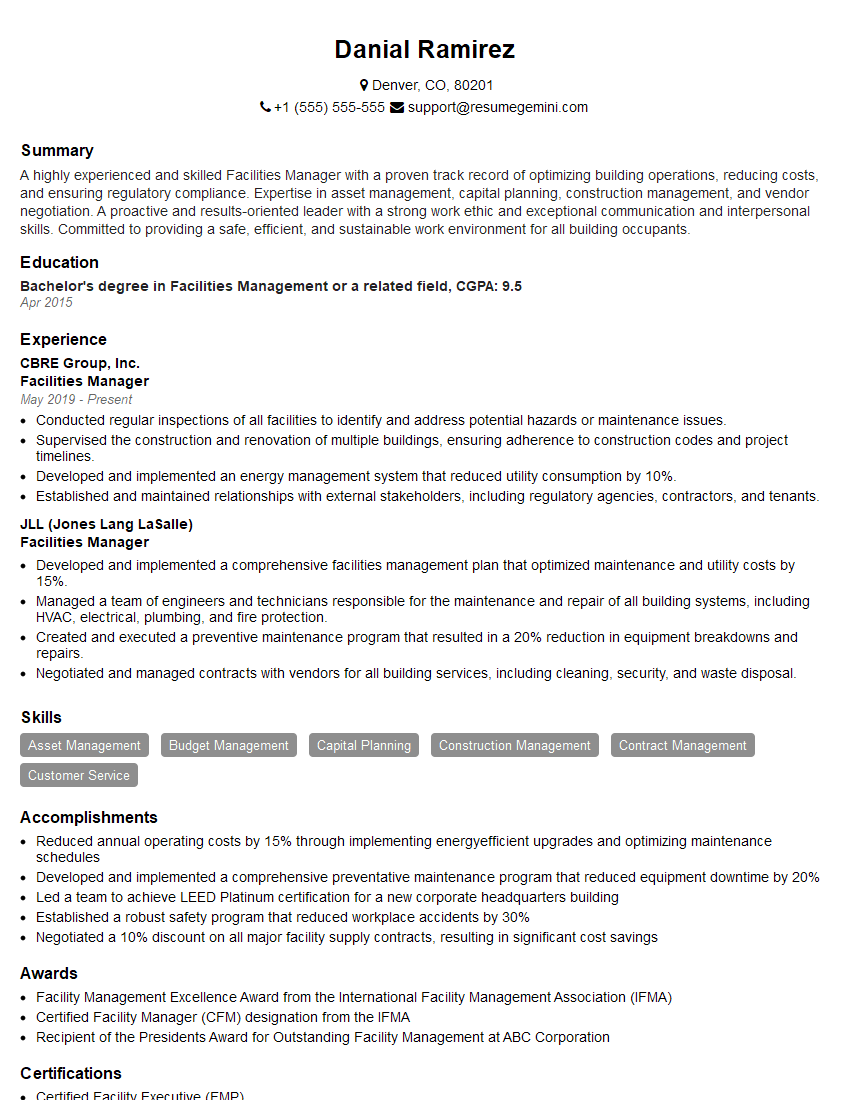
Facilities Manager Resume Sample
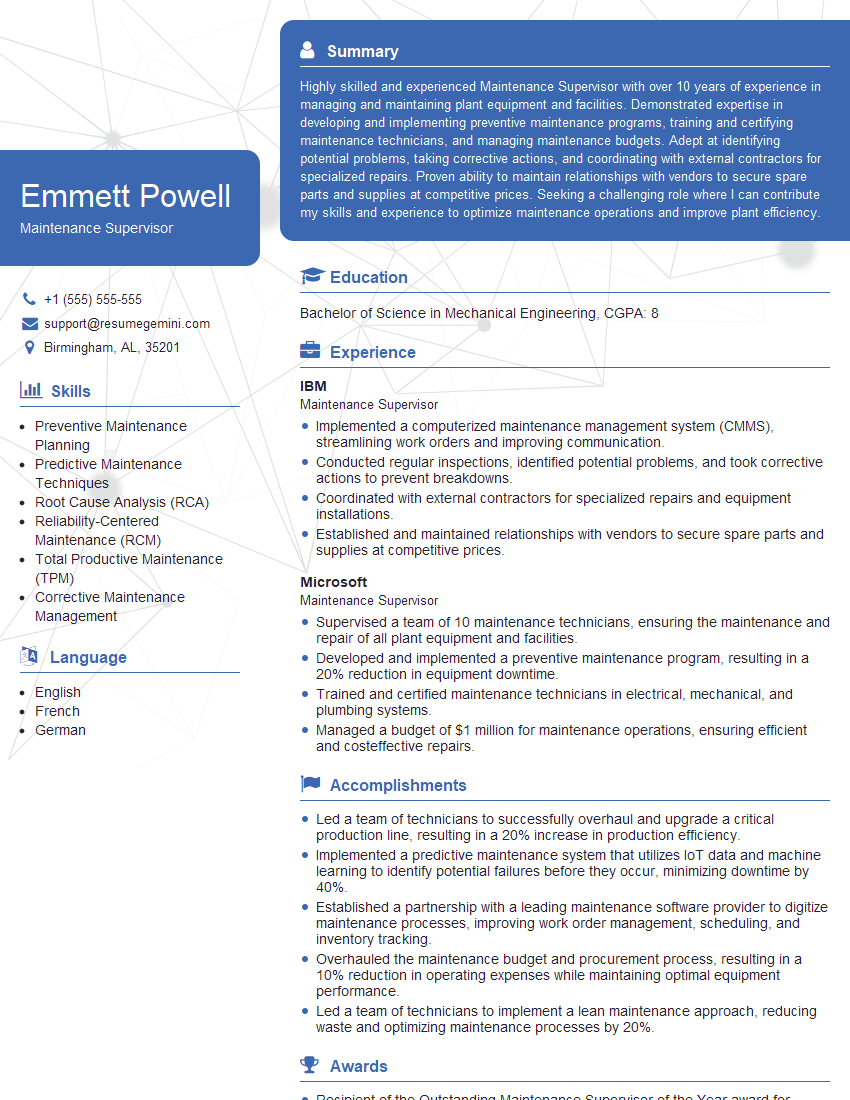
Maintenance Supervisor Resume Sample
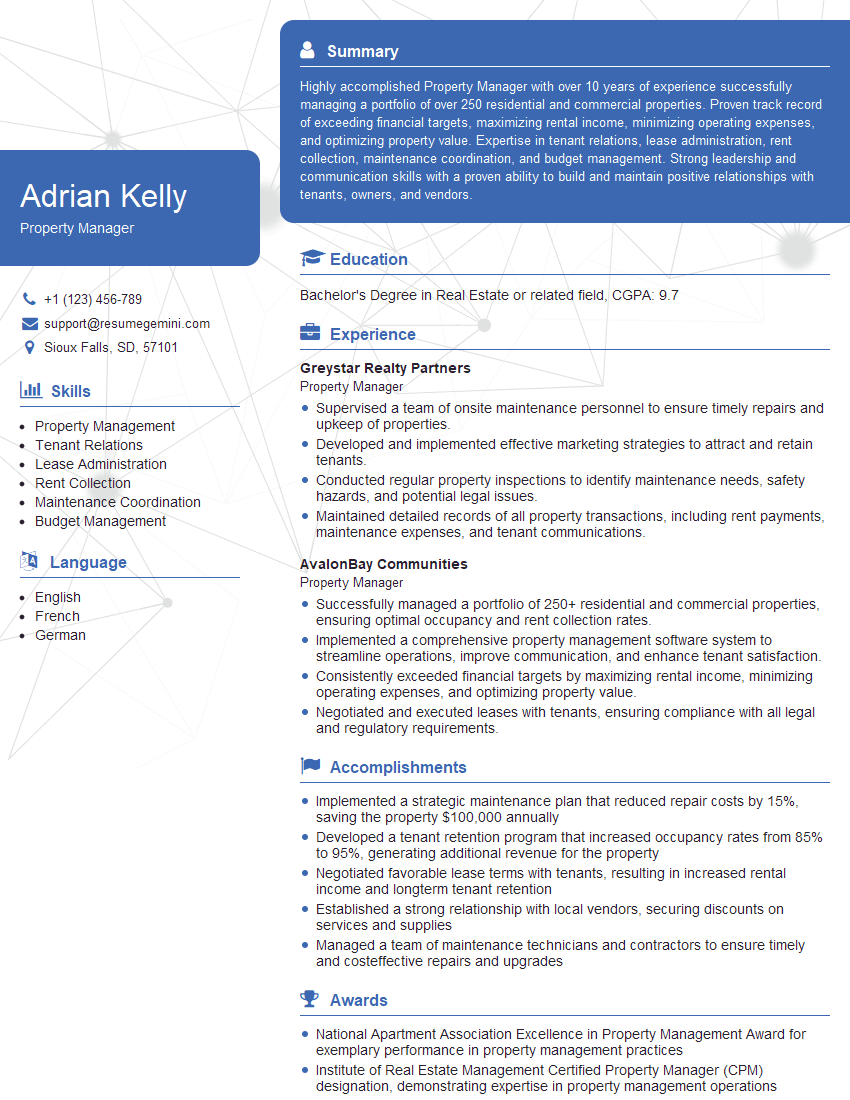
Property Manager Resume Sample
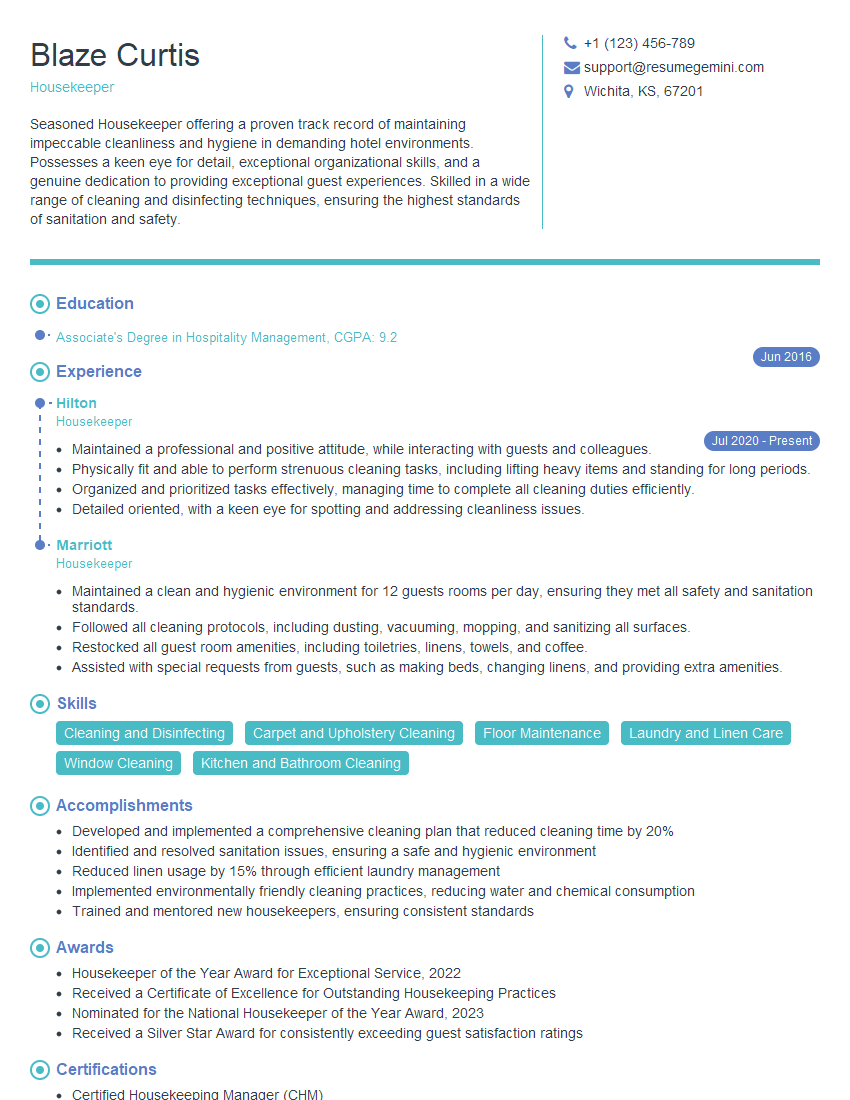
Housekeeper Resume Sample
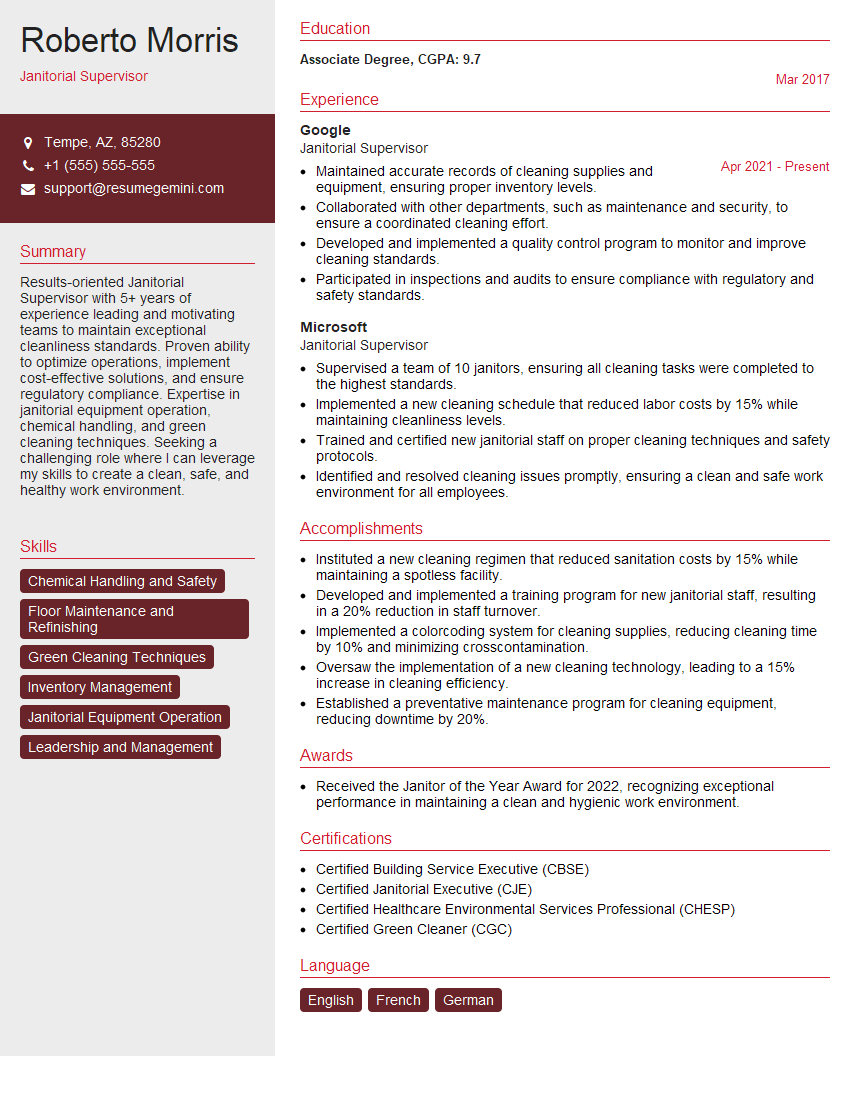
Janitorial Supervisor Resume Sample
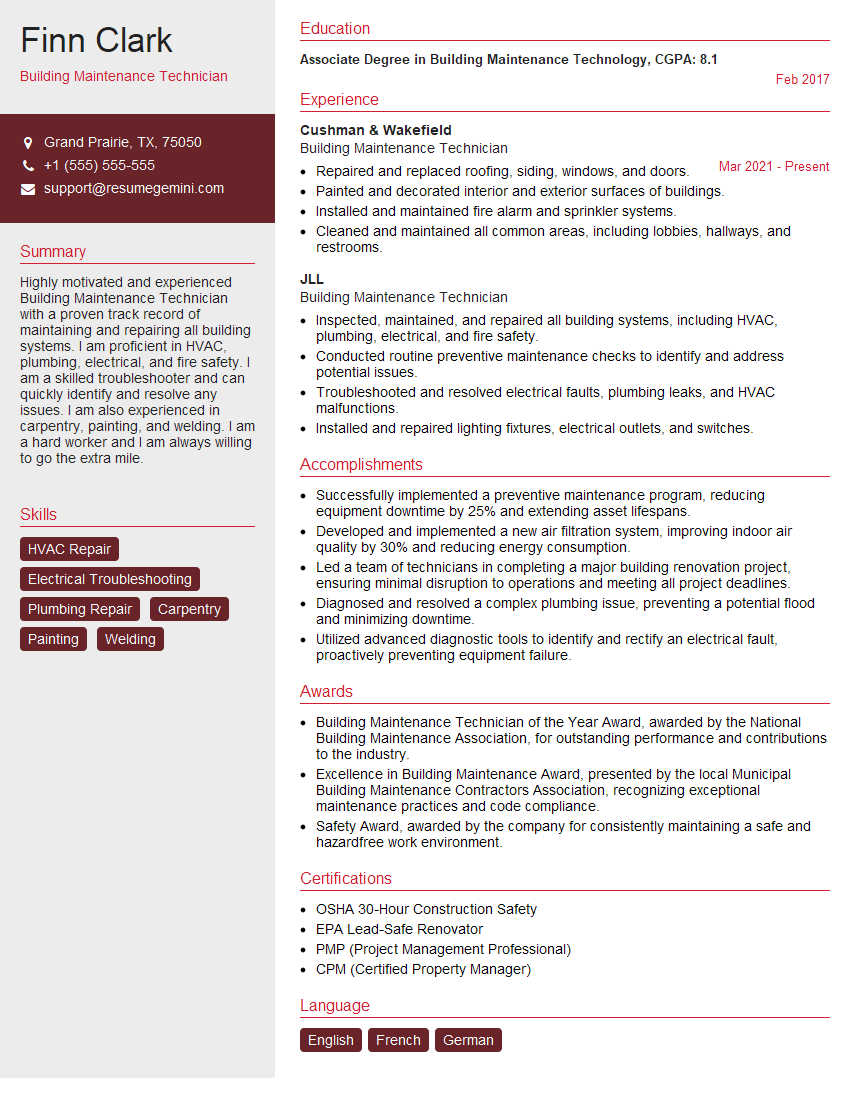
Building Maintenance Technician Resume Sample
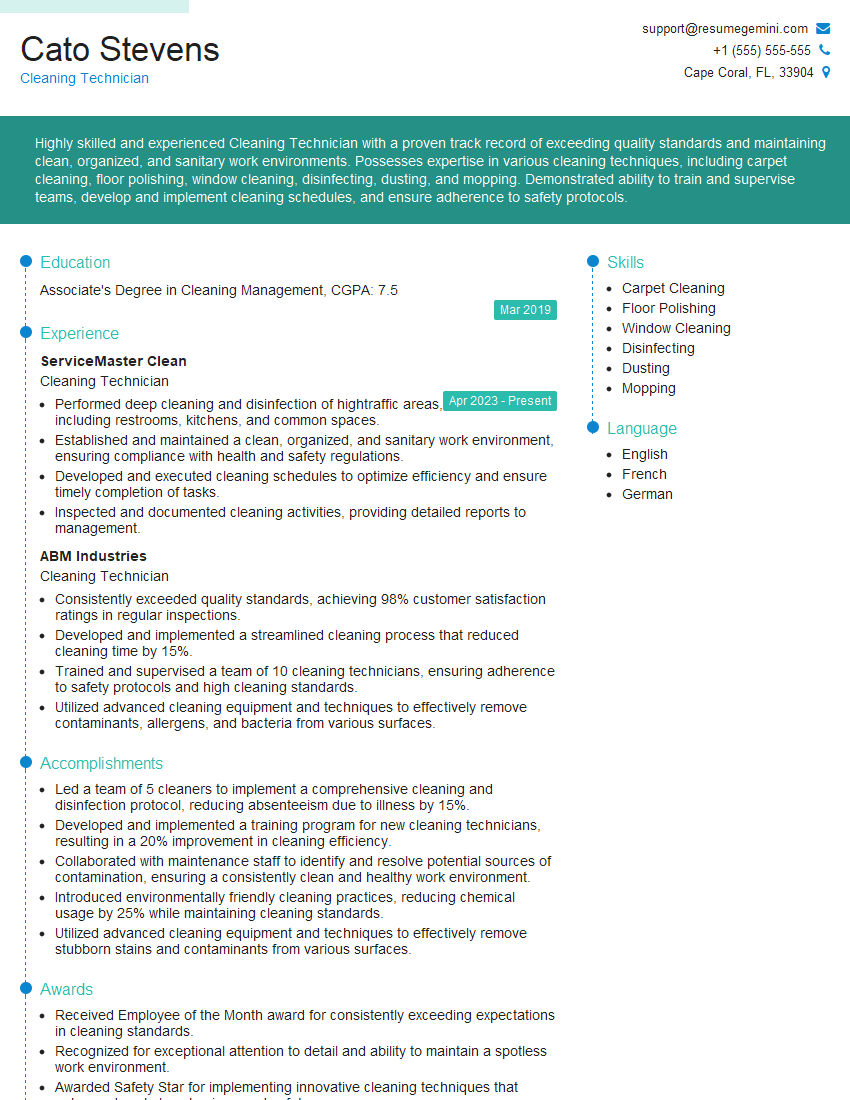
Cleaning Technician Resume Sample
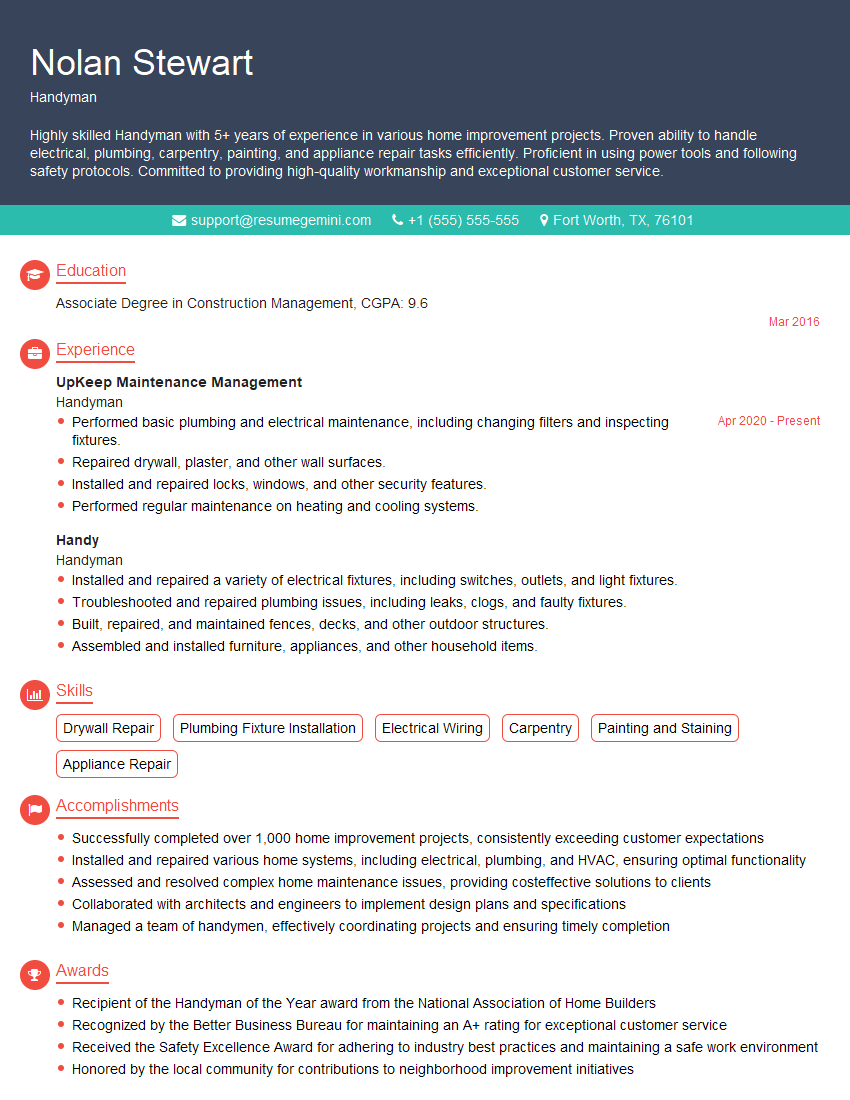
Handyman Resume Sample
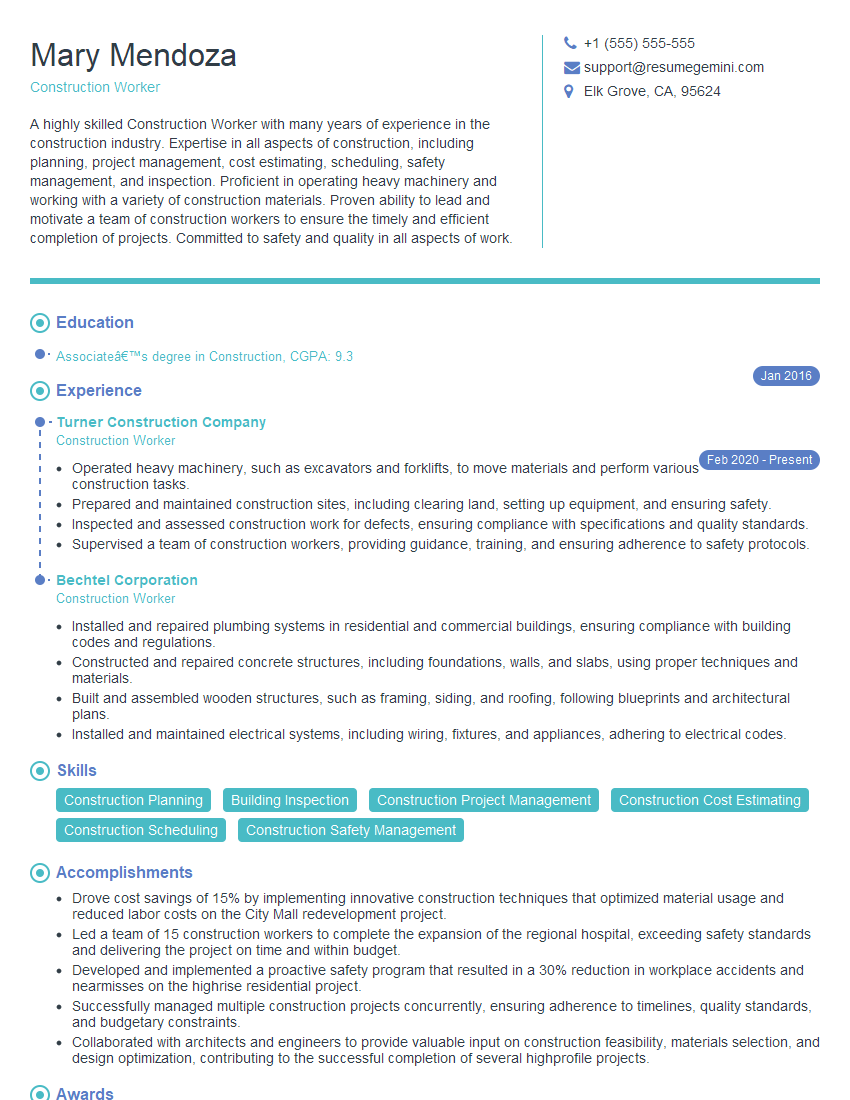
Construction Worker Resume Sample
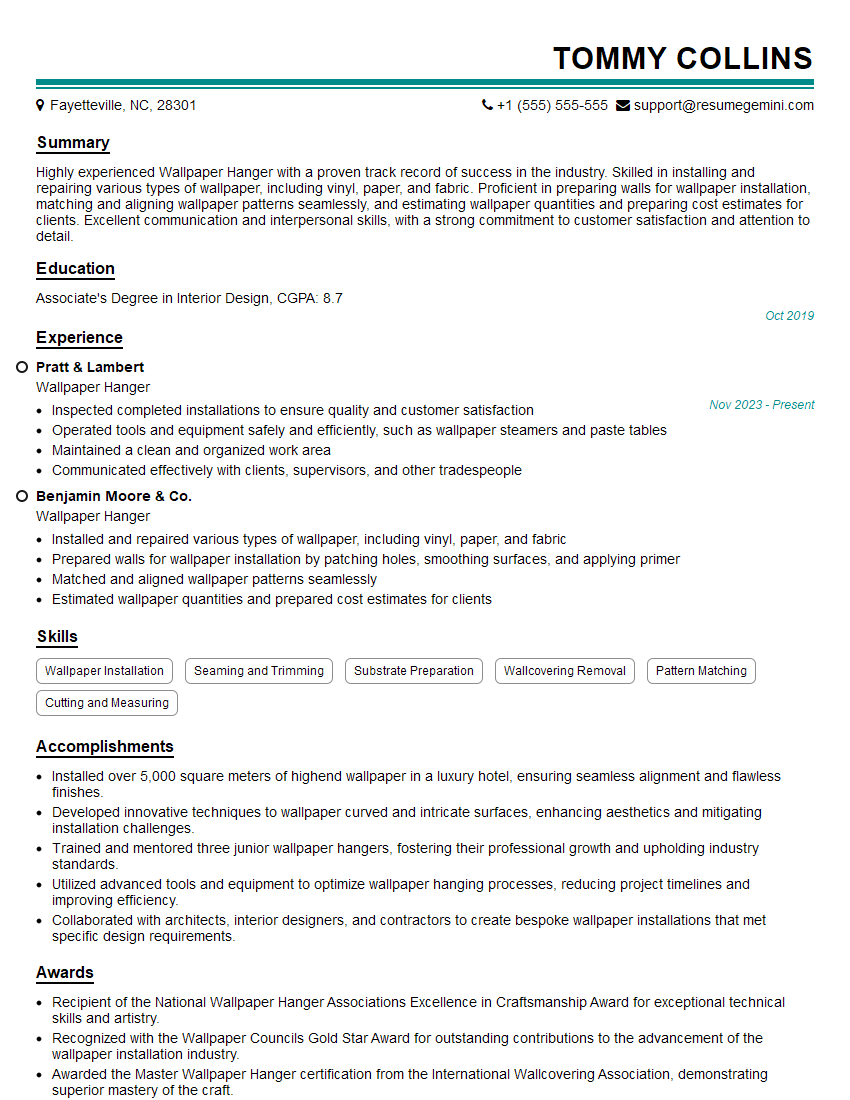
Wallpaper Hanger Resume Sample
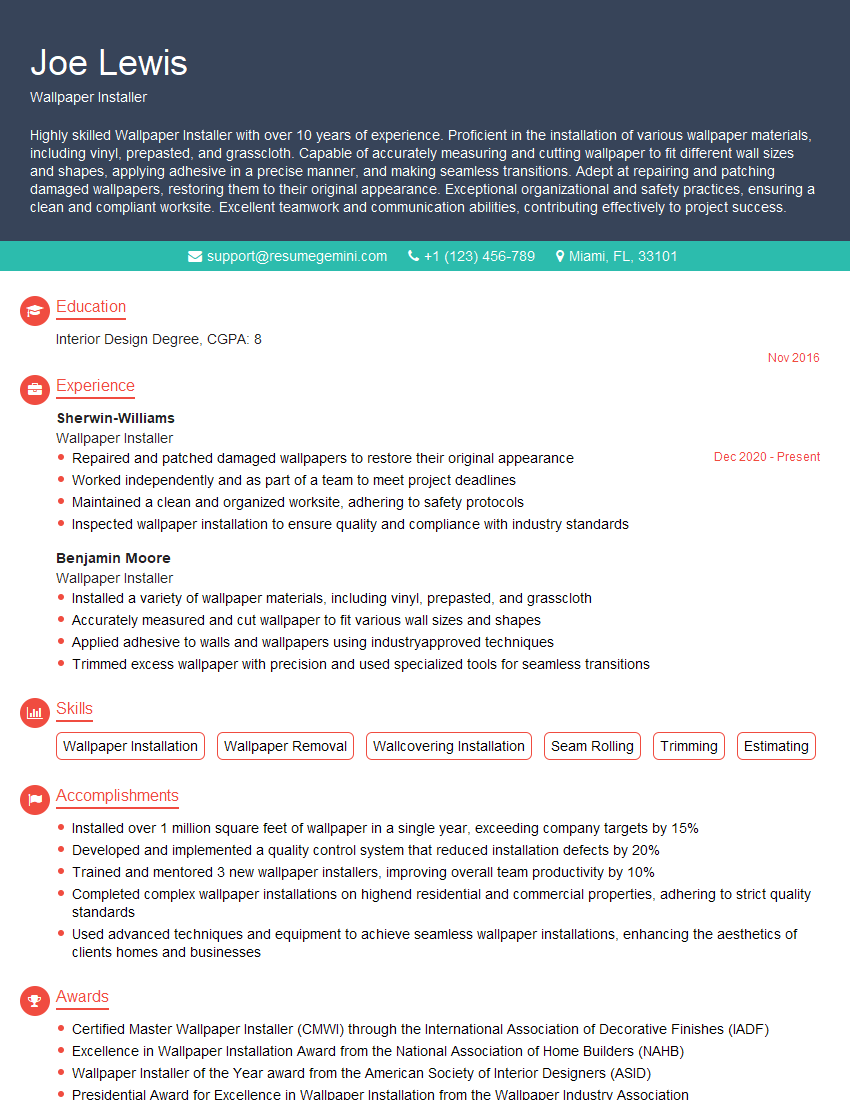
Wallpaper Installer Resume Sample
Explore more articles
Users Rating of Our Blogs
Share Your Experience
We value your feedback! Please rate our content and share your thoughts (optional).
What Readers Say About Our Blog
To the interviewgemini.com Webmaster.
Very helpful and content specific questions to help prepare me for my interview!
Thank you
To the interviewgemini.com Webmaster.
This was kind of a unique content I found around the specialized skills. Very helpful questions and good detailed answers.
Very Helpful blog, thank you Interviewgemini team.