Cracking a skill-specific interview, like one for Clinical Trial Research and Design, requires understanding the nuances of the role. In this blog, we present the questions you’re most likely to encounter, along with insights into how to answer them effectively. Let’s ensure you’re ready to make a strong impression.
Questions Asked in Clinical Trial Research and Design Interview
Q 1. Explain the phases of a clinical trial and their objectives.
Clinical trials are conducted in phases, each with specific objectives. Think of it like building a house: you start with the foundation, then the walls, and finally the finishing touches.
- Phase 0: This exploratory phase involves a very small number of participants and focuses on understanding the drug’s pharmacokinetics (how the drug is absorbed, metabolized, etc.) and pharmacodynamics (how the drug affects the body). It’s like a small-scale test to see if the building materials are suitable.
- Phase 1: The primary goal is safety. A small group of healthy volunteers receive the drug to assess its safety, tolerability, and determine the optimal dosage. This is like testing the foundation’s strength before building the entire structure.
- Phase 2: This phase focuses on efficacy and safety in a larger group of patients with the targeted disease. Different dosages are often tested to find the most effective and safest one. This is like testing the structural integrity of the walls.
- Phase 3: This is a large-scale trial involving hundreds or thousands of patients to confirm the drug’s efficacy, monitor side effects, and compare it to existing treatments. This is the final building inspection before the house is ready for occupancy.
- Phase 4: Post-market surveillance after the drug is approved. This phase monitors long-term effects and safety in a much larger population. It’s like monitoring the house for years to ensure the building materials and design hold up well.
Q 2. Describe the different types of clinical trial designs (e.g., randomized controlled trial, observational study).
Clinical trial designs are carefully chosen to answer specific research questions. There are several key types:
- Randomized Controlled Trial (RCT): This is the gold standard, considered the most rigorous design. Participants are randomly assigned to either an experimental group (receiving the treatment) or a control group (receiving a placebo or standard treatment). This randomization minimizes bias and helps determine the treatment’s true effect. Imagine flipping a coin to assign patients to either a new drug or a known treatment.
- Observational Study: Researchers observe participants without intervening. This is useful when randomization isn’t feasible or ethical, like studying the effects of a naturally occurring exposure. For instance, studying the long-term effects of smoking on lung health by observing smokers and non-smokers.
- Cohort Study: A group of participants (cohort) is followed over time to observe the development of a particular outcome. For example, following a cohort of individuals exposed to a certain environmental toxin to see who develops a specific disease.
- Case-Control Study: Compares individuals with a particular outcome (cases) to those without the outcome (controls) to identify risk factors. This is useful for studying rare diseases. Imagine comparing patients with a rare cancer to a group of healthy individuals to find potential causes.
- Cross-sectional Study: Data is collected from a group of participants at a single point in time to assess the prevalence of an outcome. For example, conducting a survey to determine the prevalence of hypertension in a particular community.
Q 3. What are the key elements of a clinical study protocol?
A clinical study protocol is the blueprint for a clinical trial. It’s a detailed document outlining every aspect of the study, ensuring consistency and quality. Key elements include:
- Study Objectives: Clearly defined aims and hypotheses.
- Study Design: Specifies the trial type (RCT, observational, etc.), sample size, randomization methods, and blinding procedures (if applicable).
- Patient Population: Inclusion and exclusion criteria specifying which patients are eligible to participate.
- Interventions: Detailed description of the treatment(s) being tested.
- Endpoints: Defines the primary and secondary outcomes that will be measured to assess the treatment’s effects.
- Data Collection Methods: Explains how data will be collected, recorded, and stored.
- Statistical Analysis Plan: Outlines how the data will be analyzed to test the study hypotheses.
- Safety Monitoring Plan: Describes procedures for monitoring and managing adverse events.
Q 4. How do you ensure data integrity in a clinical trial?
Data integrity is paramount in clinical trials. Ensuring accurate, complete, and reliable data requires a multi-faceted approach:
- Data Validation: Implementing checks and balances at each stage of data entry to identify and correct errors. This might involve range checks, consistency checks, and plausibility checks.
- Data Monitoring: Regular monitoring of data quality by a dedicated team. This often involves reviewing source documents and comparing them to the entered data.
- Audit Trails: Maintaining detailed records of all data modifications and changes. This allows tracing back any changes to understand their origin and justification.
- Electronic Data Capture (EDC) Systems: Using validated and secure EDC systems minimizes errors and ensures data traceability. These systems often include built-in data validation checks.
- Standard Operating Procedures (SOPs): Clear and concise SOPs should be followed for all data handling processes, ensuring consistency and reducing errors.
- Training: Providing thorough training to all staff involved in data collection and management on proper procedures and data quality control.
Q 5. Explain the process of informed consent in clinical research.
Informed consent is a cornerstone of ethical clinical research. It’s a process, not just a form, where potential participants are provided with all the necessary information to make an informed decision about participation. This includes:
- Description of the study: The purpose, procedures, duration, and potential benefits and risks.
- Alternative treatments: Information about other treatment options available.
- Confidentiality: Assurance of how participant data will be protected.
- Voluntary participation: The right to withdraw at any time without penalty.
- Contact information: Details for contacting the research team with any questions or concerns.
The consent process involves a detailed discussion between the researcher and the potential participant, ensuring they understand the information and have the opportunity to ask questions. Only after they fully understand and voluntarily agree, can they sign the consent form.
Q 6. What are the ethical considerations in conducting clinical trials?
Ethical considerations are central to conducting clinical trials. Key principles include:
- Respect for persons: Treating individuals as autonomous agents and protecting those with diminished autonomy.
- Beneficence: Maximizing benefits and minimizing harms to participants.
- Justice: Ensuring fair selection of participants and equitable distribution of benefits and burdens of research.
Ethical review boards (IRBs) or Institutional Review Boards (which are also sometimes called ethics committees) play a crucial role in overseeing clinical trials, ensuring they adhere to ethical guidelines. They review protocols to assess risks and benefits to participants, ensuring that the research is conducted ethically and legally.
Q 7. Describe your experience with data management systems used in clinical trials.
Throughout my career, I’ve worked extensively with various data management systems in clinical trials. My experience includes:
- Oracle Clinical: A comprehensive EDC system with robust data validation and reporting capabilities. I’ve used it for large-scale Phase 3 trials, managing and analyzing vast datasets effectively.
- Medidata Rave: Another widely used EDC system known for its user-friendly interface and advanced features. I leveraged its capabilities for streamlining data entry, ensuring data quality, and generating regulatory reports.
- Veeva Vault: A cloud-based system offering a range of solutions for clinical trials, from EDC to document management. I’ve utilized its functionalities for efficient document control and collaboration.
My expertise encompasses not just using these systems but also configuring them, customizing them to specific study needs, and implementing robust data quality control measures within these platforms. I understand the importance of data integrity and regulatory compliance when selecting and using these systems. My proficiency extends to data migration, reporting, and integration with other systems essential for clinical trials.
Q 8. How do you handle missing data in a clinical trial?
Missing data is an inevitable challenge in clinical trials, potentially biasing results if not handled properly. The best approach is prevention – meticulous data collection protocols and regular monitoring. However, some data loss is unavoidable. Strategies for handling missing data depend on the nature and extent of the missingness (Missing Completely at Random (MCAR), Missing at Random (MAR), or Missing Not at Random (MNAR)).
MCAR: Missingness is unrelated to the observed or missing data. Simple methods like complete-case analysis (excluding participants with any missing data) might be acceptable, but this reduces power and can introduce bias if the missingness is not truly random. Imputation methods like mean/median imputation or multiple imputation are often preferred.
MAR: Missingness is related to the observed data but not the missing data itself. More sophisticated imputation techniques like multiple imputation (creating multiple plausible datasets to account for uncertainty) are necessary. This involves creating several datasets where missing values are replaced with values generated using statistical models.
MNAR: Missingness depends on the unobserved data. This is the most challenging scenario. Specialized statistical techniques, such as maximum likelihood estimation, are required, often requiring strong assumptions about the data generating mechanism. Sensitivity analyses are crucial to assess the impact of different assumptions about the missing data.
For example, in a trial studying blood pressure, if a participant misses a single blood pressure reading due to a scheduling conflict (MCAR), mean imputation might suffice. However, if participants with high blood pressure are more likely to drop out (MNAR), a more complex approach is required, potentially incorporating auxiliary information to model the dropout mechanism.
Q 9. What are the key regulatory requirements for conducting clinical trials (e.g., GCP, ICH-GCP)?
Conducting clinical trials demands strict adherence to regulatory guidelines ensuring patient safety and data integrity. Good Clinical Practice (GCP) is a cornerstone, providing ethical and scientific quality standards. The International Council for Harmonisation of Technical Requirements for Pharmaceuticals for Human Use (ICH) guidelines, particularly ICH-GCP, provide a globally harmonized standard for GCP.
Informed Consent: Participants must understand the study’s purpose, procedures, potential risks and benefits, and their right to withdraw at any time.
Data Management: Data must be accurately recorded, stored, and handled according to standardized procedures. Case Report Forms (CRFs) are essential tools for data collection, and electronic data capture (EDC) systems enhance efficiency and quality control.
Monitoring and Auditing: Regular monitoring by monitors and audits by regulatory agencies verify compliance with GCP. Deviations and discrepancies must be documented and investigated.
Investigator Responsibilities: Investigators are responsible for the safety and well-being of participants, data integrity, and adherence to the study protocol.
Ethics Committee/IRB Review: All studies require ethical review and approval by an Institutional Review Board (IRB) or Ethics Committee, who protect the rights and welfare of participants.
Failure to meet these requirements can lead to regulatory actions, including study suspension or even rejection of marketing applications. Strong quality control measures and meticulous documentation are crucial to ensure compliance.
Q 10. Explain the process of submitting an IND/CTA application.
Submitting an Investigational New Drug (IND) application (in the US) or a Clinical Trial Application (CTA) (in Europe and other regions) is a critical step in initiating a clinical trial. It’s a comprehensive document package submitted to the regulatory authority (FDA in the US, EMA in Europe) seeking permission to conduct clinical trials of a new drug, biological product, or device.
Pre-IND/CTA Meeting: An optional but highly recommended meeting with the regulatory agency to discuss the study design and other critical aspects before formal submission, reducing the likelihood of delays.
Module Preparation: The application comprises several modules, including:
Module 1: Introduction and general investigational plan
Module 2: Chemistry, manufacturing, and controls (CMC)
Module 3: Non-clinical study reports
Module 4: Clinical overview and study plan
Module 5: Statistics
Submission and Review: The application is submitted electronically, typically through a portal. The regulatory authority reviews the application for completeness, safety, and scientific merit. This can take several months or even longer.
Response to Queries: The agency may raise questions or request additional information. A prompt and thorough response is crucial for a timely approval.
A well-prepared IND/CTA is essential for approval. It needs to demonstrate a clear understanding of the drug’s characteristics, a sound study design, and a commitment to participant safety. A strong team including clinicians, statisticians, regulatory affairs professionals, and other experts are needed for successful submission.
Q 11. How do you manage risks and challenges in a clinical trial?
Risk management is paramount in clinical trials. It involves proactively identifying, assessing, and mitigating potential problems that could jeopardize the trial’s success, participant safety, or data integrity.
Risk Identification: This involves brainstorming potential problems across all aspects of the trial, including protocol design, recruitment, data management, and regulatory compliance. Methods like Failure Mode and Effects Analysis (FMEA) can be employed.
Risk Assessment: Each identified risk is assessed based on its likelihood and potential impact. This helps prioritize mitigation efforts.
Risk Mitigation: Developing and implementing strategies to reduce or eliminate identified risks. This may include adding redundancy, improving training, developing contingency plans, or implementing additional quality control measures.
Risk Monitoring: Continuously monitoring for emerging risks throughout the trial, adjusting mitigation strategies as needed. This often involves regular safety reviews and data monitoring committees.
For instance, a risk might be slow patient recruitment. Mitigation strategies could include expanding recruitment sites, improving communication with potential participants, or offering incentives. Another risk could be protocol violations – mitigation could involve enhanced training for site staff and close monitoring of data.
Q 12. Describe your experience with statistical analysis methods used in clinical trials.
Statistical analysis is the backbone of clinical trial interpretation. My experience encompasses a wide range of methods, tailored to the specific study design and objectives.
Descriptive Statistics: Summarizing data using measures like mean, median, standard deviation, and frequency distributions to describe the characteristics of the study population.
Inferential Statistics: Drawing conclusions about a population based on sample data. This includes:
t-tests: Comparing the means of two groups.
ANOVA: Comparing the means of three or more groups.
Chi-square tests: Analyzing categorical data.
Regression analysis: Modeling the relationship between variables.
Survival analysis: Analyzing time-to-event data (e.g., time to disease progression or death).
Sample Size Calculation: Determining the appropriate number of participants to ensure sufficient power to detect a statistically significant effect.
Multiple Imputation: Addressing missing data as previously discussed.
I’m proficient in statistical software packages such as SAS, R, and SPSS, and experienced in handling complex datasets and applying advanced statistical techniques such as mixed-effects models for longitudinal data and Bayesian methods.
Q 13. How do you interpret statistical results from a clinical trial?
Interpreting statistical results requires a nuanced understanding of statistical significance, clinical significance, and the context of the study.
p-value: The probability of observing the results if there is no true difference between groups. A p-value below a pre-defined significance level (e.g., 0.05) is typically considered statistically significant, but this doesn’t necessarily imply clinical importance.
Confidence Intervals: Provide a range of plausible values for the true effect size. Narrower confidence intervals indicate greater precision.
Effect Size: Quantifies the magnitude of the treatment effect, which is crucial for assessing clinical significance. A statistically significant effect might be too small to be clinically meaningful.
Subgroup Analyses: Exploring treatment effects in different subgroups of patients can reveal important interactions.
For example, a statistically significant p-value of 0.03 might suggest a difference between treatment and placebo. However, a small effect size might render the difference clinically irrelevant. The confidence interval, effect size, and overall clinical context (including safety profile, cost-effectiveness) are all considered to determine the overall meaningfulness of the results.
Q 14. Explain the concept of blinding in clinical trials.
Blinding, or masking, is a crucial technique used to minimize bias in clinical trials. It prevents participants, investigators, or assessors from knowing the treatment assignment.
Single-blind: Only the participants are unaware of the treatment assignment.
Double-blind: Both the participants and the investigators are blinded.
Triple-blind: Participants, investigators, and data analysts are blinded.
Blinding helps prevent bias from influencing patient assessments, treatment allocation, and data interpretation. For instance, if a patient knows they are receiving the new treatment, they may report improved symptoms even if there is no true treatment effect (placebo effect). Similarly, an investigator who knows the treatment assignment might unintentionally bias their assessments.
However, blinding is not always feasible, particularly in surgical trials or when using treatments with obvious side effects. In such cases, strategies like objective outcome measures and careful blinding procedures for assessments are vital to minimize bias.
Q 15. What are the different types of adverse events and how are they reported?
Adverse events (AEs) in clinical trials are any undesirable experience occurring to a patient participating in the trial, regardless of whether it’s considered related to the investigational product. They range in severity from mild to life-threatening. They’re categorized into several types:
- Expected AEs: These are known side effects of the treatment being studied. For example, nausea might be an expected AE for a chemotherapy drug.
- Unexpected AEs: These are side effects not previously documented or identified with the treatment. Discovering an unexpected AE is crucial for trial safety and may lead to study modifications.
- Serious AEs (SAEs): These are events that result in death, are life-threatening, require hospitalization or prolongation of existing hospitalization, cause persistent or significant disability/incapacity, or are a congenital anomaly/birth defect.
- Treatment-related AEs: These are AEs judged by the investigator to be causally related to the study intervention.
- Treatment-unrelated AEs: These are AEs that are not considered to be causally related to the study intervention.
Reporting AEs is a critical aspect of patient safety. All AEs, regardless of severity, are documented in the case report form (CRF). SAEs require immediate reporting to the ethics committee/IRB, sponsor, and regulatory authorities within specified timelines, often within 24 hours. Less severe AEs are reported periodically as per the study protocol. The detailed reporting procedure is dictated by the study protocol and Good Clinical Practice (GCP) guidelines.
Career Expert Tips:
- Ace those interviews! Prepare effectively by reviewing the Top 50 Most Common Interview Questions on ResumeGemini.
- Navigate your job search with confidence! Explore a wide range of Career Tips on ResumeGemini. Learn about common challenges and recommendations to overcome them.
- Craft the perfect resume! Master the Art of Resume Writing with ResumeGemini’s guide. Showcase your unique qualifications and achievements effectively.
- Don’t miss out on holiday savings! Build your dream resume with ResumeGemini’s ATS optimized templates.
Q 16. How do you ensure patient safety in a clinical trial?
Ensuring patient safety is paramount in clinical trials. A multifaceted approach is necessary, starting with a meticulously designed protocol that incorporates risk mitigation strategies. Key elements include:
- Informed Consent: Patients must fully understand the risks and benefits before participating. This involves clear and concise explanations, question-and-answer sessions, and documentation of informed consent.
- Independent Ethics Committee/IRB Review: An independent body reviews the study protocol to ensure ethical conduct and patient safety. Their approval is required before the trial can commence.
- Data Monitoring Committee (DMC): The DMC independently reviews accumulating data to identify safety signals early and recommend stopping the trial if necessary.
- Safety Reporting: Robust systems for reporting and analyzing adverse events are essential. This includes timely reporting of SAEs and regular review of all AEs to detect patterns or emerging safety concerns.
- Investigator Training: Investigators and their staff receive thorough training in GCP, study procedures, and safety reporting. This ensures consistency and adherence to standards.
- Regular Monitoring Visits: Trial monitors conduct regular on-site visits to assess compliance with the protocol, including patient safety measures and data quality.
- Pharmacovigilance: Post-market surveillance is also critical, even after the trial concludes, to continue monitoring for long-term safety issues.
Imagine a scenario where a new drug shows promising results, but a few patients experience serious heart problems. A robust safety monitoring system would catch this early, allowing for the trial to be halted or modified before more patients are harmed. Patient safety is a shared responsibility requiring careful planning and ongoing vigilance.
Q 17. Describe your experience with case report form (CRF) design and completion.
My experience with CRF design and completion is extensive. I’ve been involved in designing CRFs from scratch, adapting existing CRFs for specific studies, and ensuring their accurate completion. CRF design requires careful consideration of data requirements and regulatory compliance.
The process typically begins with a thorough review of the study protocol to identify all data points that need to be collected. Then, we translate this information into a user-friendly CRF that is logical, efficient, and easily navigable for data entry personnel. We use standardized terminology and data fields to ensure data consistency and ease of analysis. For example, we might use drop-down menus instead of free text fields for standardized data points like ethnicity or adverse event types. Data validation rules are incorporated to prevent illogical entries. For instance, a CRF might be designed to flag an entry of age as ‘negative’ as such entries are impossible.
Following CRF design, completion involves meticulous data entry and quality control. This ensures accuracy, completeness, and consistency across the dataset. I’ve implemented quality control checks to automatically detect inconsistencies or missing values. We utilize electronic data capture (EDC) systems to streamline data entry and minimize errors. My experience includes extensive training of clinical staff on proper CRF completion, resolving queries and ensuring data integrity.
Q 18. Explain the process of subject recruitment and retention in a clinical trial.
Subject recruitment and retention are crucial for successful clinical trials. The process begins with defining the target population precisely, as defined in the protocol. This is followed by developing a robust recruitment strategy, which might involve:
- Identifying and partnering with relevant referral sources: This could include physician networks, patient advocacy groups, and relevant online platforms.
- Developing compelling recruitment materials: These should clearly explain the study purpose, procedures, and potential benefits and risks.
- Utilizing various recruitment methods: These might include advertising, social media, and community outreach programs.
Retention is equally critical. Strategies to improve retention include:
- Building strong rapport with participants: This involves open communication, addressing concerns promptly, and providing regular updates.
- Minimizing the burden on participants: Study procedures should be as convenient and less invasive as possible.
- Providing adequate compensation and incentives: This can motivate participants to remain engaged throughout the study.
- Tracking reasons for dropouts: This data is valuable in understanding potential improvements in subsequent studies. For example, if repeated missed appointments are frequent, one could implement a reminder system.
In my experience, a proactive approach to recruitment and retention that emphasizes clear communication, participant engagement and addresses potential challenges early on significantly improves a study’s success.
Q 19. How do you monitor the progress of a clinical trial?
Monitoring the progress of a clinical trial involves multiple layers of oversight and data analysis. It’s a continuous process, not a single event. Key aspects include:
- Regular monitoring visits by clinical research associates (CRAs): CRAs conduct on-site visits to study sites to verify data accuracy, compliance with the protocol, and adherence to GCP guidelines.
- Data review and analysis: Regular reviews of the collected data identify trends, potential issues, and overall progress towards achieving the trial’s objectives.
- Safety monitoring: Continuous monitoring of adverse events and other safety signals is paramount, as discussed earlier.
- Progress reports: Regular progress reports are generated to track recruitment rates, data collection progress, and overall study timelines.
- Communication with the study team and sponsor: Open and consistent communication among investigators, CRAs, the sponsor, and the DMC ensures a smooth and efficient trial process.
- Use of technology: EDC systems and other technology can help streamline data collection, analysis, and monitoring, enhancing efficiency and improving data integrity.
Imagine the trial is lagging behind schedule on recruitment. By carefully monitoring progress, we can identify bottlenecks, address them promptly—perhaps by refining our recruitment strategy or increasing the number of sites participating—and get the trial back on track.
Q 20. What are the key performance indicators (KPIs) for a clinical trial?
Key Performance Indicators (KPIs) for a clinical trial provide a quantifiable measure of its success and efficiency. Some critical KPIs include:
- Recruitment rate: The number of eligible subjects enrolled per unit of time.
- Retention rate: The percentage of subjects who complete the trial.
- Data quality: The accuracy and completeness of the collected data, often measured by error rates or missing data percentages.
- Timeliness: The adherence to the planned timelines for completing different stages of the trial.
- Adverse event rate: The frequency and severity of adverse events experienced by participants.
- Study completion rate: The percentage of subjects completing all required assessments.
- Cost per subject: The total cost of the trial divided by the number of participants.
Monitoring these KPIs provides insights into the trial’s overall performance and allows for timely interventions to address any issues impacting efficiency or data quality. For instance, a low recruitment rate might indicate a need to revise the recruitment strategy, while a high adverse event rate could signal safety concerns.
Q 21. Describe your experience with clinical trial budgeting and forecasting.
Clinical trial budgeting and forecasting require a detailed understanding of all anticipated costs associated with the study. This involves:
- Estimating personnel costs: Including investigators, research staff, CRAs, data managers, statisticians, etc.
- Estimating site-related costs: Including facility fees, equipment usage, and supplies.
- Estimating subject-related costs: Including compensation to participants and travel expenses.
- Estimating other costs: Including laboratory testing, data management, statistical analysis, regulatory filings, and publication costs.
Once a detailed cost breakdown is created, forecasting involves projecting these costs over the trial’s duration. This process uses various techniques, including historical data from similar trials, inflation rates, and anticipated changes in the study design or scope. Contingency planning is also critical, as unexpected events, such as protocol amendments or delays, can affect the budget. The forecast should be regularly reviewed and adjusted as the trial progresses and more data becomes available. Using specialized software or tools for financial management and forecasting are helpful in managing complexities involved in clinical trial budgeting. Any significant budget variances require careful review and justifications to sponsors.
Q 22. How do you manage communication with stakeholders in a clinical trial?
Effective stakeholder communication is the cornerstone of a successful clinical trial. It involves proactively and transparently sharing information with all parties involved, including sponsors, investigators, Institutional Review Boards (IRBs), regulatory agencies, and participants. My approach involves several key strategies:
- Regular Meetings: Scheduled meetings with key stakeholders, using agendas to maintain focus and ensure all concerns are addressed. For example, regular investigator meetings provide updates on trial progress, address protocol clarifications, and gather feedback on recruitment or data quality.
- Clear Communication Channels: Establishing clear and efficient communication channels, such as email, secure portals, and conference calls, tailored to the needs of each stakeholder group. For instance, a secure portal could facilitate efficient document sharing with the sponsor, while email is suitable for quick updates to the IRB.
- Progress Reports: Providing regular, concise progress reports that highlight key milestones, challenges, and potential risks. This may involve customized reports for specific stakeholders, highlighting aspects most relevant to them.
- Conflict Resolution: Developing a proactive approach to address conflicts or disagreements, ensuring that all concerns are heard and solutions are developed collaboratively. This might include mediation or involving senior management if needed.
- Transparency and Openness: Maintaining transparency and openness in communication, fostering trust and collaboration amongst stakeholders. For example, honestly reporting unexpected events or safety concerns is crucial for maintaining confidence in the trial’s integrity.
This multi-faceted approach ensures everyone remains informed and engaged, leading to smoother trial execution and better outcomes.
Q 23. Explain your experience with quality control and quality assurance in clinical trials.
Quality control (QC) and quality assurance (QA) are crucial for ensuring the reliability and integrity of clinical trial data. My experience encompasses both aspects, working with Good Clinical Practice (GCP) guidelines as a guiding principle.
- QC Activities: I’m experienced in conducting data reviews, source document verification (SDV), and reviewing case report forms (CRFs) for completeness and accuracy. This includes identifying and resolving data discrepancies. For example, during SDV, I’d compare entries in the CRF with the corresponding source documents (e.g., patient medical records) to ensure data consistency.
- QA Activities: My QA experience involves developing and implementing QC plans, auditing trial processes, and reviewing regulatory documents for compliance. This includes conducting risk assessments to identify potential issues and develop mitigation strategies. For example, I’d conduct regular audits of the EDC system to ensure data integrity and compliance with the trial’s data management plan.
- Metrics and Reporting: I’m proficient in tracking QC metrics, such as error rates and resolution times, to identify areas for improvement and enhance the overall quality of the trial data. Regular reporting on these metrics helps monitor the efficacy of implemented QC and QA processes.
By diligently performing QC and QA activities, I contribute to ensuring the reliability, credibility, and ultimately, the safety and efficacy of the trial’s conclusions.
Q 24. How do you address protocol deviations in a clinical trial?
Protocol deviations, defined as any departure from the approved clinical trial protocol, require prompt and thorough investigation. My approach involves a structured process:
- Documentation: Meticulous documentation of the deviation, including the date, time, nature of the deviation, and the individuals involved. This documentation is crucial for regulatory compliance and data integrity.
- Investigation: A thorough investigation into the root cause of the deviation. This may involve interviewing relevant personnel, reviewing supporting documents, and assessing the potential impact on the trial’s results.
- Risk Assessment: Assessing the risk associated with the deviation. Is it a minor deviation with minimal impact or a major deviation requiring immediate corrective action?
- Corrective Action Plan: Developing and implementing a corrective action plan (CAPA) to prevent recurrence. This plan might include changes to the protocol, training for personnel, and improved monitoring procedures. For example, if a deviation was due to inadequate staff training, revised training materials would be developed and implemented.
- Reporting: Reporting the deviation and the corrective actions taken to the sponsor, IRB, and any other relevant regulatory authorities as required.
This systematic approach ensures that deviations are handled appropriately, minimizing their impact on the trial’s validity and regulatory compliance.
Q 25. Describe your experience with the use of electronic data capture (EDC) systems.
Electronic Data Capture (EDC) systems have become indispensable in modern clinical trials. My experience involves utilizing various EDC systems, including [mention specific systems if comfortable, otherwise omit]. My expertise encompasses:
- System Setup and Configuration: Participation in the setup and configuration of the EDC system, including database design, data entry forms, and user access controls. This involves careful consideration of data validation rules to maintain data quality.
- Data Entry and Management: Oversight of data entry processes, ensuring accuracy and completeness of data. I’m proficient in using EDC system functionalities for data cleaning, querying, and reporting.
- Data Query Resolution: Efficient handling and resolution of data queries, collaborating with investigators and site personnel to address discrepancies. This requires effective communication and conflict resolution skills.
- System Validation and Maintenance: Contribution to the validation and ongoing maintenance of the EDC system, ensuring its compliance with regulatory requirements and maintaining data integrity. This includes regular reviews of system logs and performance.
- Report Generation: I’m experienced in generating various reports using EDC system functionalities for monitoring trial progress, safety data, and efficacy analysis. These reports are essential for trial management and regulatory submissions.
My experience with EDC systems allows for streamlined data management, enhancing the efficiency and accuracy of clinical trials.
Q 26. How do you ensure compliance with regulatory requirements throughout the clinical trial process?
Ensuring compliance with regulatory requirements, such as GCP, ICH guidelines, and local regulations, is paramount. My approach involves a multi-faceted strategy:
- Protocol Adherence: Strictly adhering to the approved clinical trial protocol and maintaining comprehensive documentation of all trial activities. This includes informed consent procedures and the management of adverse events.
- Regulatory Training: Keeping abreast of evolving regulatory guidelines through continuous professional development and training. This includes staying updated on changes in GCP and relevant local regulations.
- Audit Preparedness: Maintaining meticulous records and documentation to ensure readiness for audits by regulatory authorities, sponsors, or other oversight bodies. This proactive approach helps mitigate risks associated with non-compliance.
- Risk Management: Proactively identifying and managing potential compliance risks. This might involve implementing specific procedures to prevent deviations or address potential conflicts of interest.
- Internal Audits: Conducting or participating in internal audits to evaluate adherence to GCP and other regulatory requirements. This allows for identification of areas needing improvement before external audits.
This comprehensive approach ensures that the clinical trial is conducted ethically and legally, protecting the rights and safety of participants and maintaining the integrity of the research.
Q 27. Explain your understanding of the process for publication of clinical trial results.
Publication of clinical trial results is crucial for disseminating research findings to the scientific community and informing clinical practice. My understanding of this process includes:
- Data Analysis: Participating in the analysis of clinical trial data, ensuring the results are statistically sound and properly interpreted. This includes selecting appropriate statistical methods and ensuring data integrity.
- Manuscript Preparation: Contributing to the preparation of manuscripts for publication in peer-reviewed journals. This may involve writing sections of the manuscript, creating tables and figures, and responding to peer reviews.
- Journal Selection: Selecting appropriate journals based on the scope of the research and the target audience. Factors such as the journal’s impact factor and reputation are considered.
- Peer Review Process: Understanding and navigating the peer-review process, addressing reviewers’ comments and revising the manuscript accordingly. This often involves iterative rounds of revisions and feedback.
- Publication Ethics: Adhering to strict publication ethics, including disclosing potential conflicts of interest and avoiding plagiarism. Integrity in reporting research findings is paramount.
The goal is to ensure transparent and accurate dissemination of research findings to contribute to the broader scientific knowledge base and improve healthcare.
Q 28. Describe your experience with the preparation and submission of regulatory documents.
Preparation and submission of regulatory documents are critical aspects of clinical trial conduct. My experience encompasses:
- Protocol Development: Contributing to the development of detailed and comprehensive clinical trial protocols that meet regulatory requirements. This includes outlining study objectives, methodology, and data analysis plans.
- Informed Consent Forms: Reviewing and revising informed consent forms to ensure they are compliant with local regulations and ethical standards. This requires a thorough understanding of patient rights and informed consent principles.
- Case Report Forms (CRFs): Designing and validating CRFs to ensure efficient data collection. This involves careful consideration of data elements and data validation rules.
- Regulatory Submissions: Preparing and submitting regulatory documents, such as Investigational New Drug (IND) applications or Clinical Trial Applications (CTAs), to relevant regulatory authorities. This involves adhering to specific formatting and content requirements.
- Responses to Regulatory Queries: Responding to queries from regulatory agencies, providing clear and concise explanations to address any concerns or requests for clarification. Timely and accurate responses are essential for maintaining the integrity of the submission process.
My experience ensures accurate and timely submission of all required regulatory documents, minimizing delays and maintaining compliance throughout the clinical trial lifecycle.
Key Topics to Learn for Clinical Trial Research and Design Interview
- Study Design Fundamentals: Understand the various types of clinical trial designs (e.g., randomized controlled trials, observational studies, cohort studies) and their strengths and weaknesses. Consider the ethical implications of each design.
- Protocol Development and Implementation: Familiarize yourself with the process of developing a clinical trial protocol, including defining objectives, selecting appropriate methodologies, and outlining the statistical analysis plan. Practice explaining how you would contribute to each stage.
- Data Management and Analysis: Grasp the principles of data management in clinical trials, including data cleaning, validation, and handling missing data. Understand basic statistical concepts relevant to clinical trial data analysis (e.g., p-values, confidence intervals).
- Regulatory Compliance and GCP: Demonstrate a strong understanding of Good Clinical Practice (GCP) guidelines and relevant regulatory requirements (e.g., ICH guidelines, FDA regulations). Be prepared to discuss how you ensure compliance in your work.
- Patient Recruitment and Retention: Explore the challenges and strategies involved in effectively recruiting and retaining participants in clinical trials. Consider the impact of patient diversity and inclusion.
- Risk Management and Mitigation: Understand how to identify and mitigate potential risks in clinical trials, including safety monitoring, adverse event reporting, and data integrity.
- Statistical Analysis and Interpretation: Be prepared to discuss your understanding of various statistical methods used in clinical trials, such as hypothesis testing, regression analysis, and survival analysis. Focus on interpreting results in the context of the research question.
Next Steps
Mastering Clinical Trial Research and Design is crucial for advancing your career in the pharmaceutical and biotech industries. A strong understanding of these principles will open doors to exciting opportunities and higher responsibilities. To maximize your job prospects, invest time in creating an ATS-friendly resume that highlights your relevant skills and experience. ResumeGemini is a trusted resource that can help you build a professional and impactful resume. Examples of resumes tailored to Clinical Trial Research and Design are available to help guide you. Take the next step towards your dream career today!
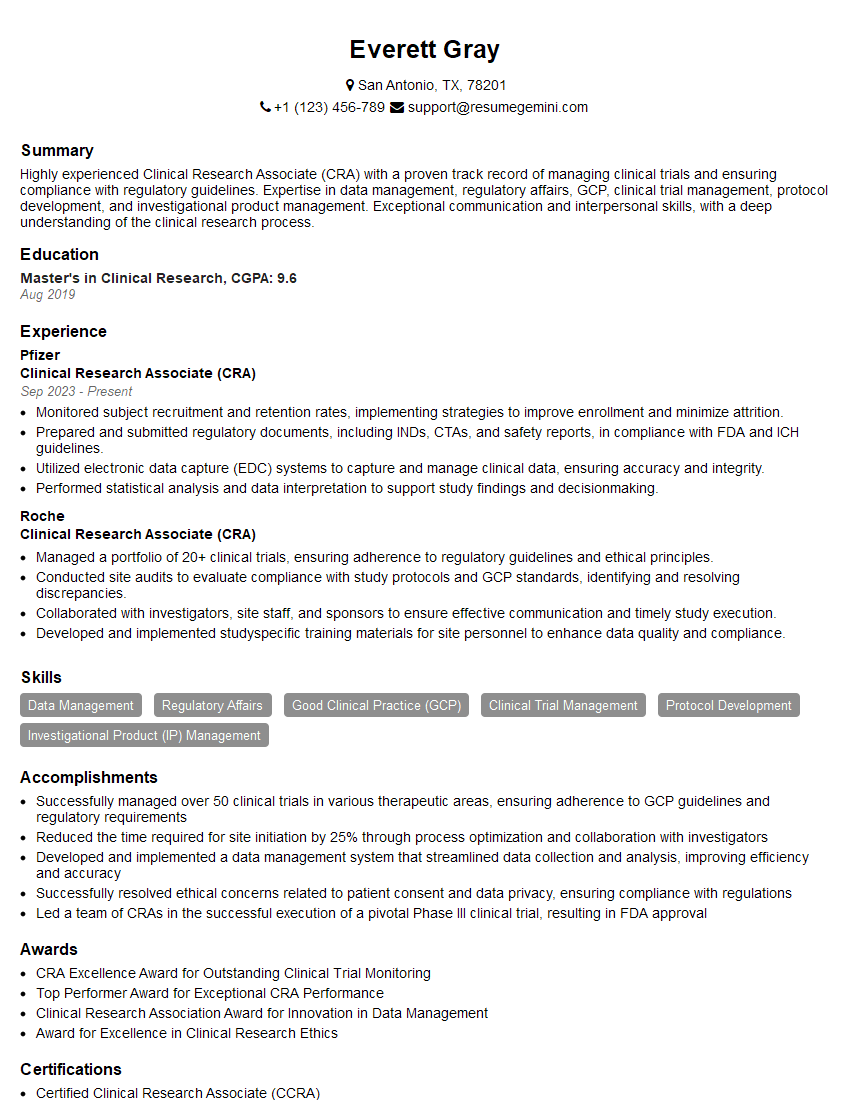
Clinical Research Associate (CRA) Resume Sample
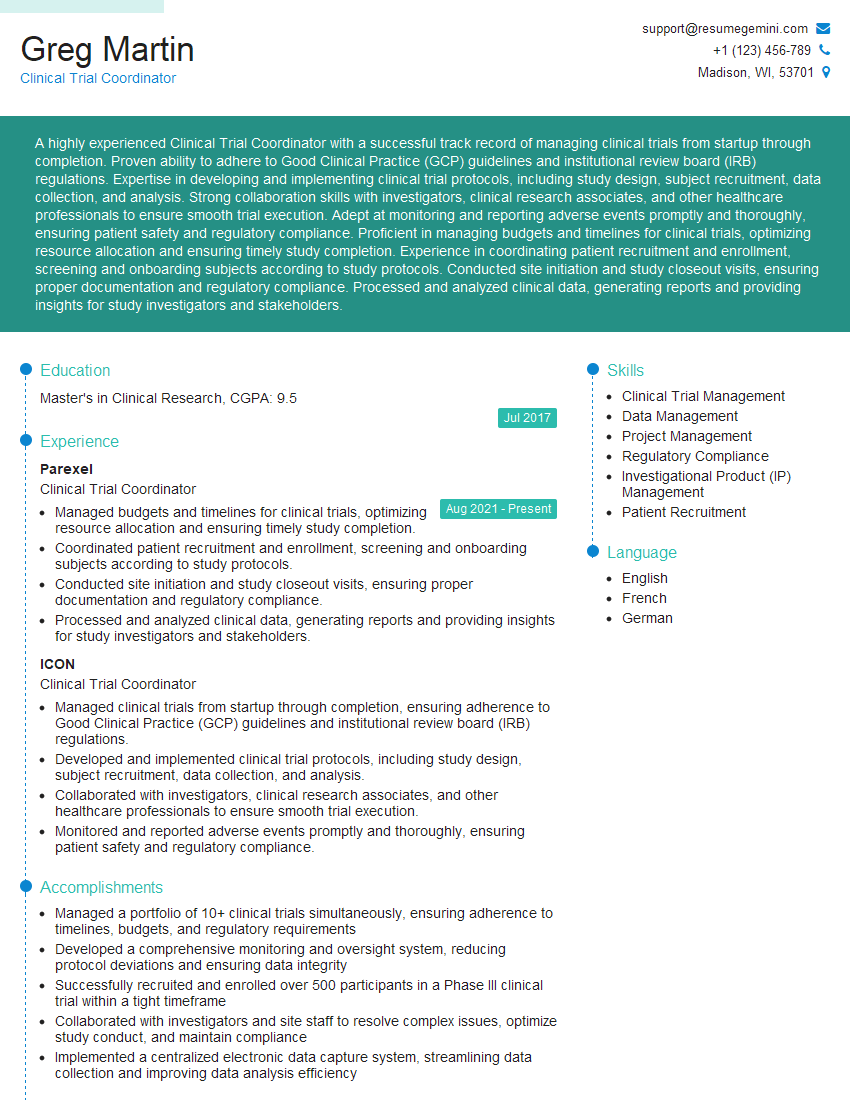
Clinical Trial Coordinator Resume Sample
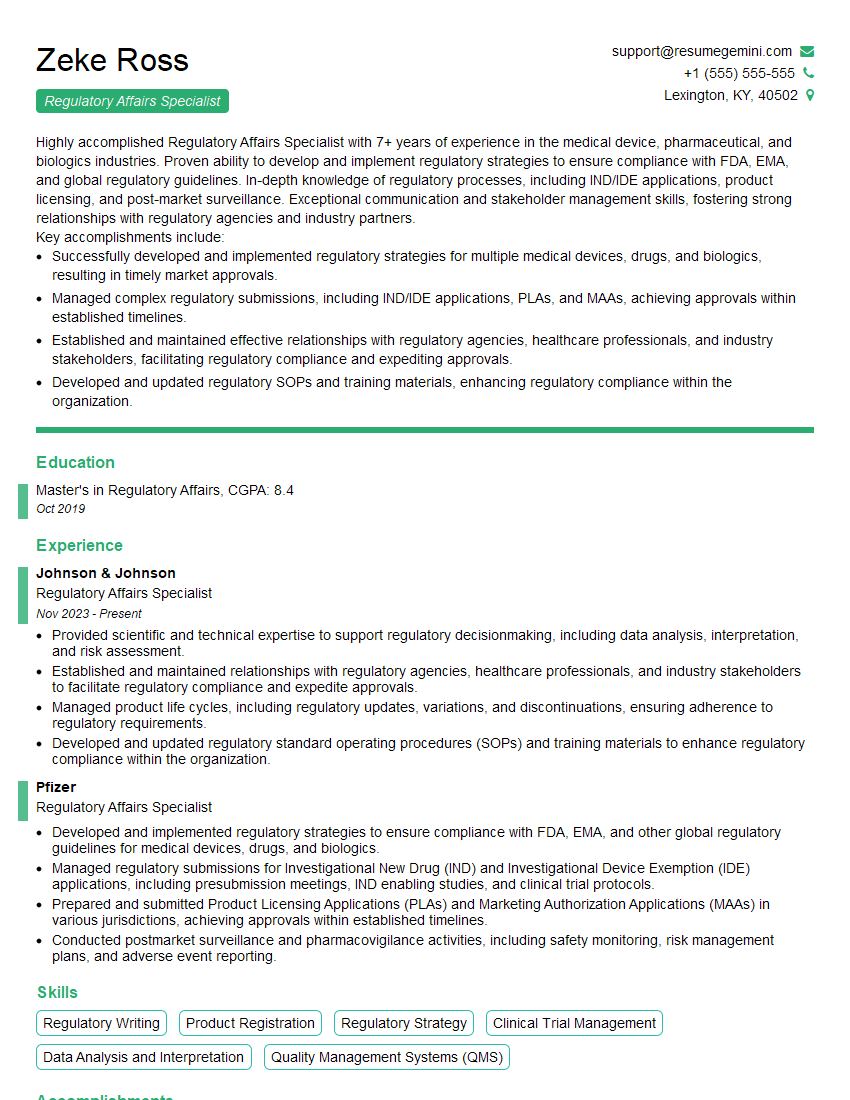
Regulatory Affairs Specialist Resume Sample
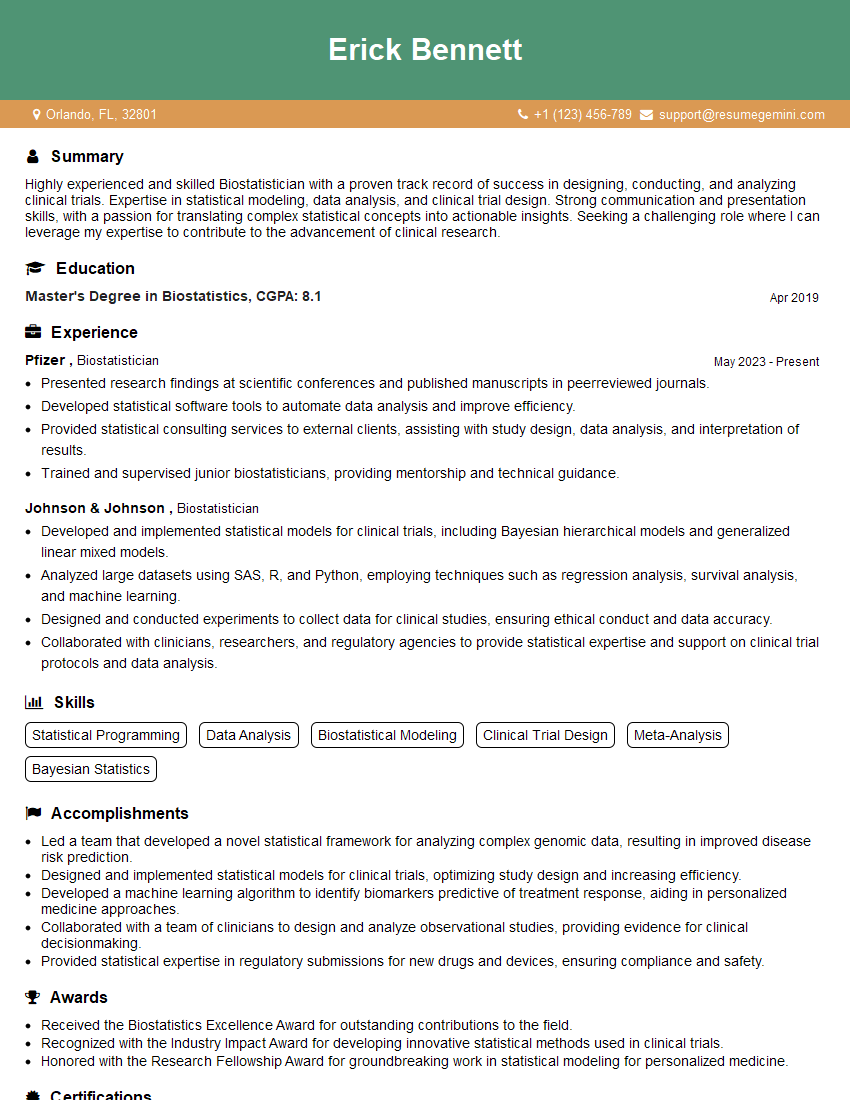
Biostatistician Resume Sample
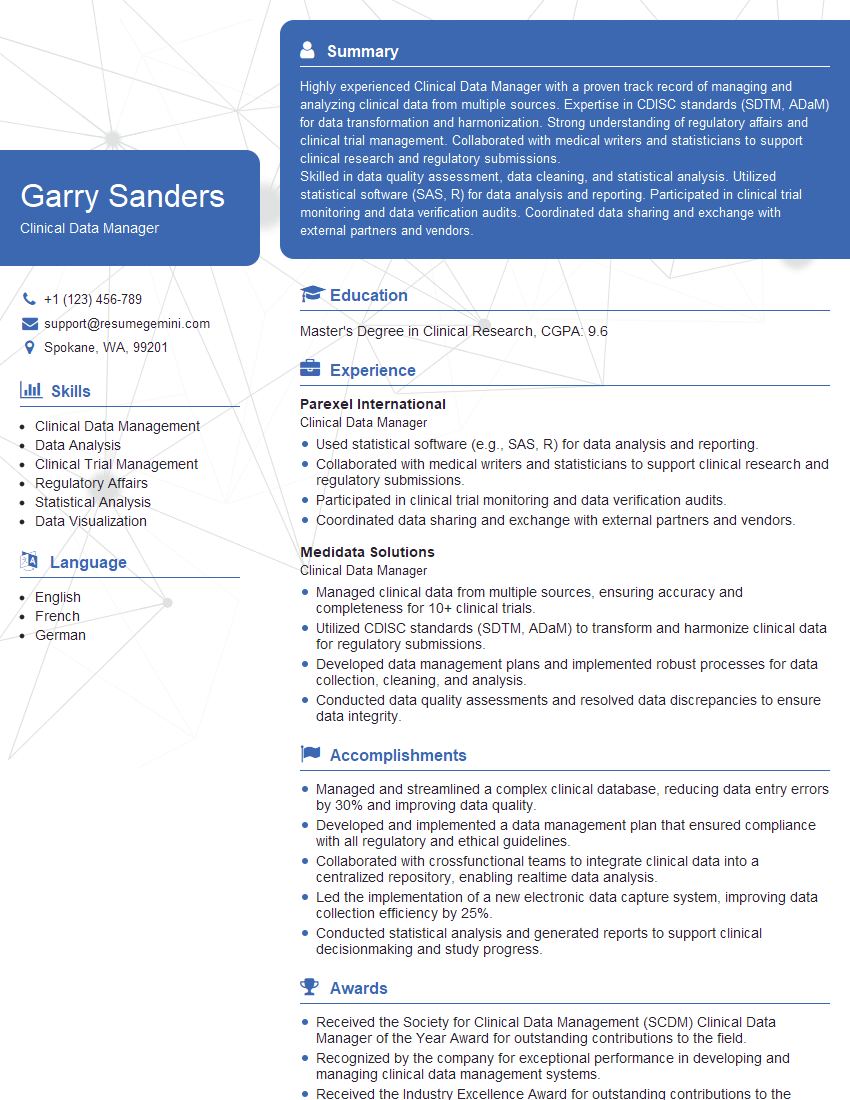
Clinical Data Manager Resume Sample
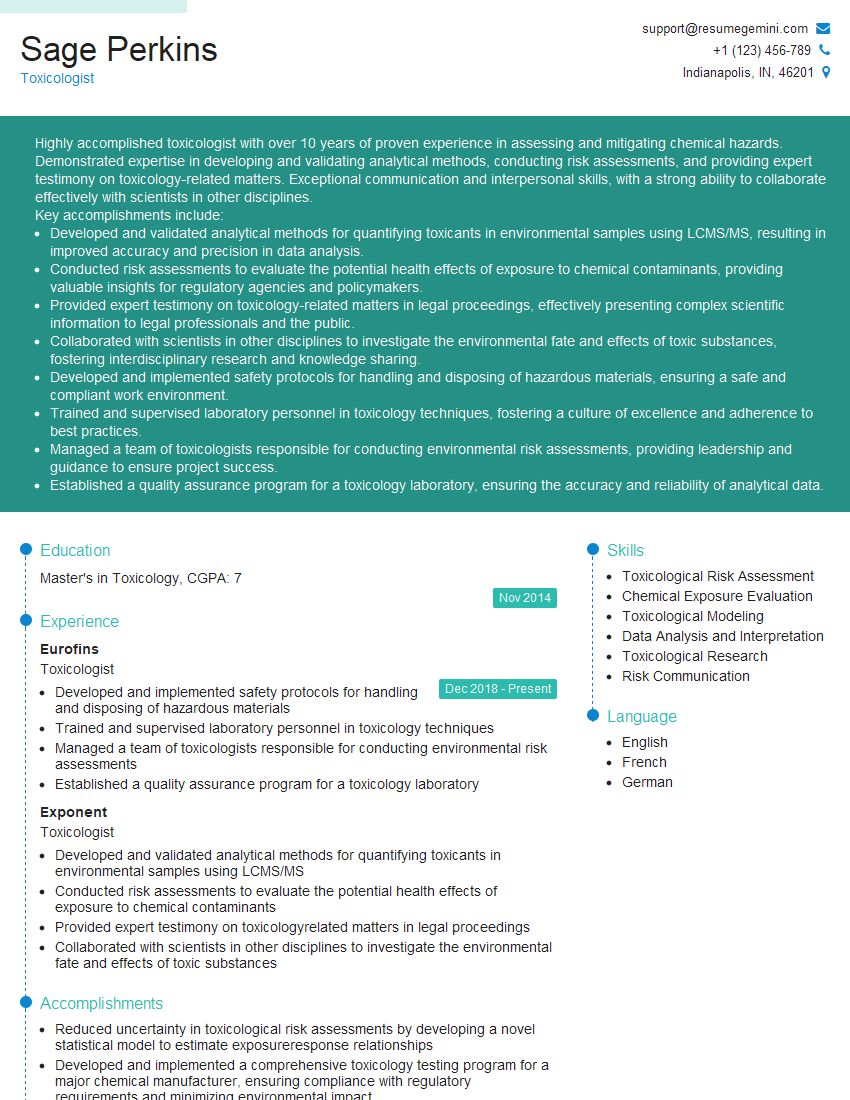
Toxicologist Resume Sample
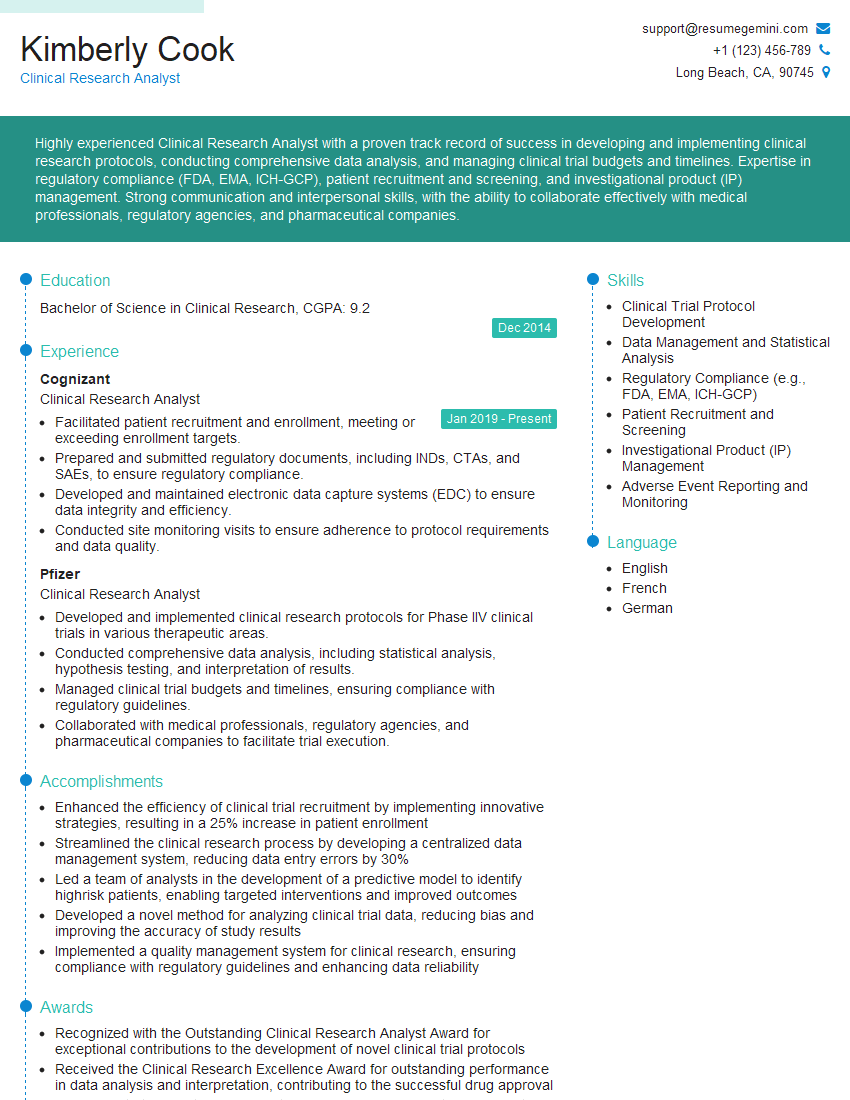
Clinical Research Analyst Resume Sample
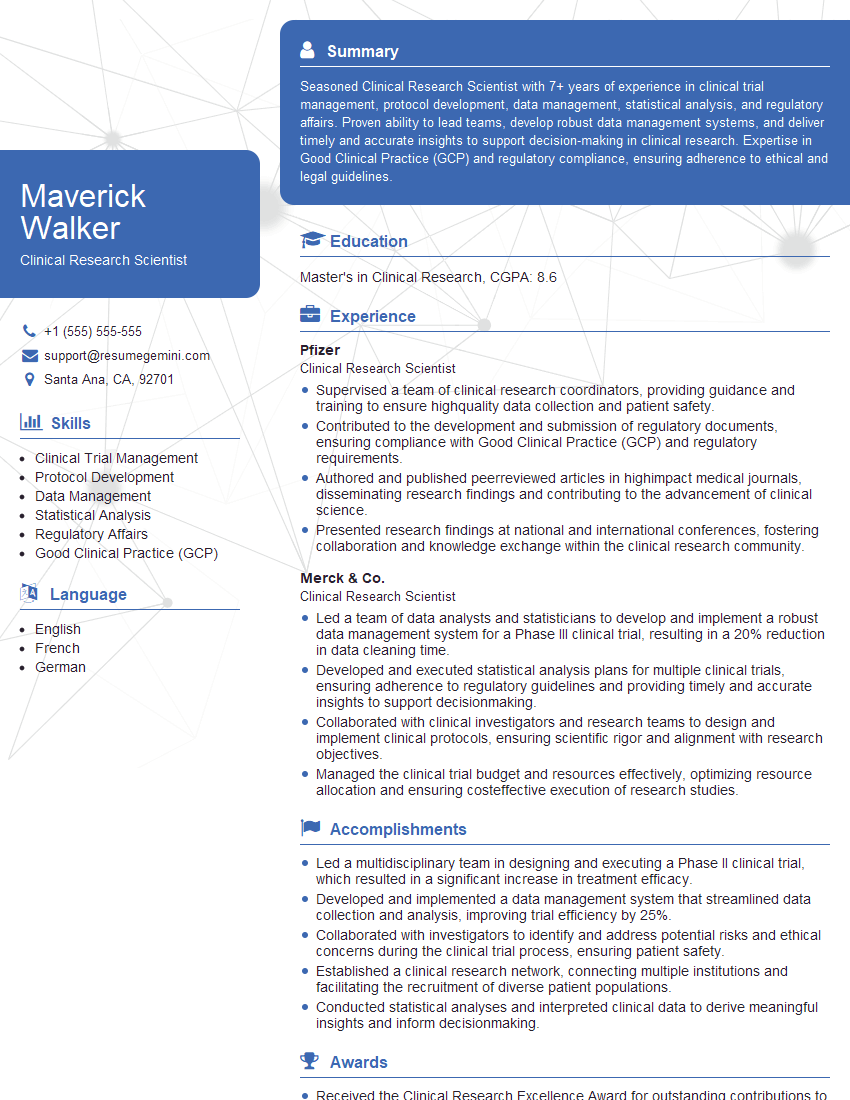
Clinical Research Scientist Resume Sample
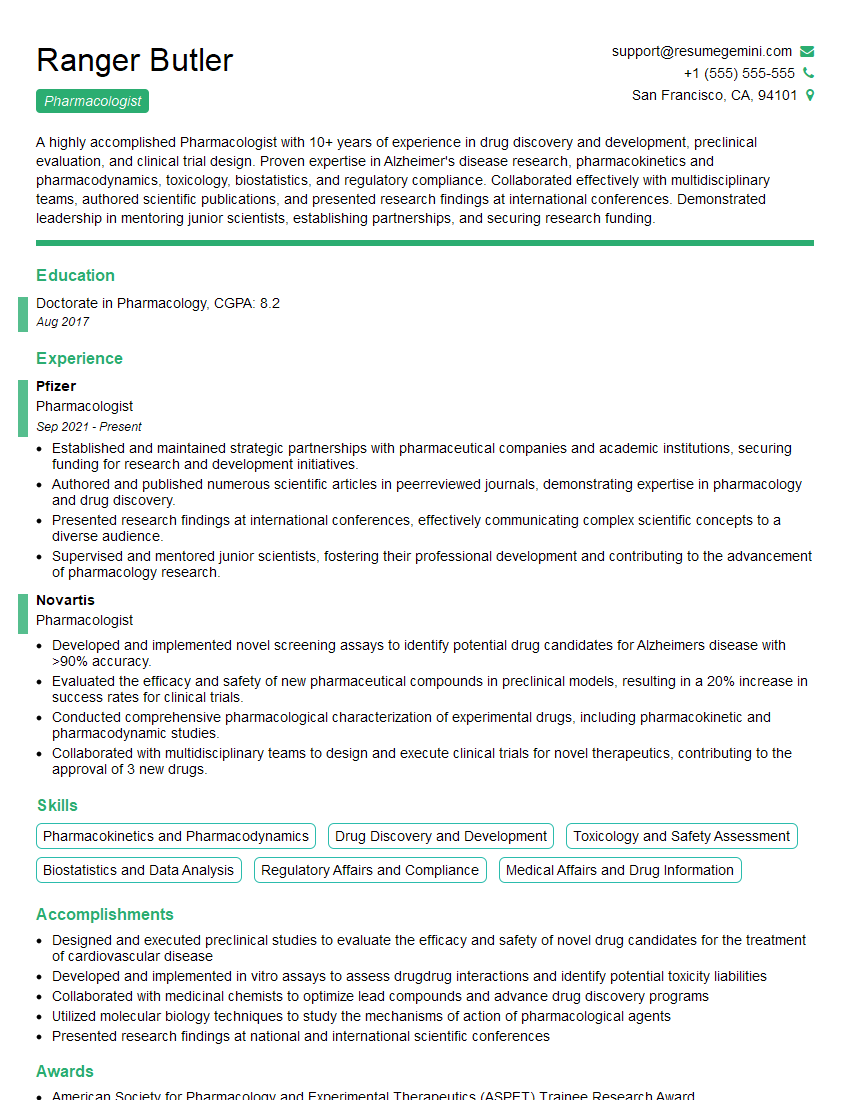
Pharmacologist Resume Sample
Explore more articles
Users Rating of Our Blogs
Share Your Experience
We value your feedback! Please rate our content and share your thoughts (optional).
What Readers Say About Our Blog
To the interviewgemini.com Webmaster.
Very helpful and content specific questions to help prepare me for my interview!
Thank you
To the interviewgemini.com Webmaster.
This was kind of a unique content I found around the specialized skills. Very helpful questions and good detailed answers.
Very Helpful blog, thank you Interviewgemini team.