Every successful interview starts with knowing what to expect. In this blog, we’ll take you through the top Opioid Management interview questions, breaking them down with expert tips to help you deliver impactful answers. Step into your next interview fully prepared and ready to succeed.
Questions Asked in Opioid Management Interview
Q 1. Describe the different types of opioid medications and their mechanisms of action.
Opioid medications are classified into different categories based on their potency and properties. They all work by binding to opioid receptors in the brain and spinal cord, primarily mu (μ), kappa (κ), and delta (δ) receptors. This binding reduces the perception of pain and can also cause euphoria and respiratory depression.
- Strong Opioids: These produce the most significant analgesic effects and include medications like morphine, fentanyl, oxycodone, and hydromorphone. Fentanyl, for instance, is significantly more potent than morphine and requires careful dosing.
- Moderate Opioids: These offer a less potent analgesic effect compared to strong opioids. Examples include codeine and hydrocodone, often combined with other pain relievers like acetaminophen.
- Weak Opioids: These have the mildest effects and are used for mild to moderate pain. Tramadol is a common example; its mechanism also involves non-opioid pathways.
- Mixed Agonist-Antagonists: These medications bind to some opioid receptors as agonists (activating them) and as antagonists (blocking them) at others. Examples include butorphanol and pentazocine. They have a lower risk of respiratory depression than full agonists but may cause withdrawal symptoms in individuals already physically dependent on opioids.
Understanding the specific mechanism and potency of each opioid is crucial for appropriate prescribing and managing potential risks.
Q 2. Explain the stages of opioid withdrawal and how they are managed.
Opioid withdrawal is a challenging process that can be categorized into stages, although the severity and timeline vary significantly between individuals. The process typically involves a range of physical and psychological symptoms.
- Early Withdrawal (6-12 hours after last dose): Symptoms include anxiety, muscle aches, restlessness, runny nose, and tearing eyes. Think of it like a bad flu coming on.
- Peak Withdrawal (2-3 days): Symptoms intensify, including severe muscle aches, vomiting, diarrhea, increased heart rate, and insomnia. This is the most difficult stage for most individuals.
- Late Withdrawal (1-2 weeks): Symptoms gradually subside, although some, like anxiety, depression, and cravings, can persist for weeks or months.
Management involves medically assisted treatment (MAT), which often includes medications to alleviate symptoms. For instance, clonidine can help manage autonomic symptoms (such as diarrhea and sweating), while lofexidine is another option for reducing withdrawal symptoms. Supportive care, including hydration, nutrition, and psychological support, is crucial throughout the process.
It’s important to note that withdrawal management should be undertaken under the supervision of a medical professional to ensure patient safety and effectiveness.
Q 3. What are the key criteria for diagnosing Opioid Use Disorder (OUD)?
The Diagnostic and Statistical Manual of Mental Disorders, Fifth Edition (DSM-5), provides criteria for diagnosing Opioid Use Disorder (OUD). It’s not just about physical dependence; it’s a multifaceted condition involving compulsive drug-seeking and use despite adverse consequences. Diagnosis is based on the presence of at least two of the eleven criteria within a 12-month period. These criteria fall under categories such as:
- Impaired Control: Using more opioids than intended, unsuccessful attempts to cut down, spending a great deal of time obtaining or using opioids, strong cravings.
- Social Impairment: Failing to fulfill major role obligations (e.g., work, school), continued use despite social or interpersonal problems, giving up important social, occupational, or recreational activities.
- Risky Use: Recurrent opioid use in physically hazardous situations, continued use despite knowledge of having a persistent or recurrent physical or psychological problem caused or exacerbated by opioid use.
- Pharmacological Criteria: Tolerance (needing more to achieve the same effect) and withdrawal symptoms.
A thorough clinical assessment considering both the patient’s history and current situation is essential for an accurate diagnosis.
Q 4. Discuss different evidence-based treatment modalities for OUD.
Evidence-based treatment for OUD is multifaceted and often combines various modalities for optimal outcomes. A cornerstone of treatment is Medication-Assisted Treatment (MAT), which reduces cravings, withdrawal symptoms, and relapse risks.
- Medication-Assisted Treatment (MAT): This includes medications like methadone, buprenorphine (Suboxone), and naltrexone (Vivitrol). These medications work through different mechanisms but ultimately aim to stabilize the individual and reduce opioid cravings.
- Behavioral Therapies: Cognitive Behavioral Therapy (CBT) helps individuals identify and modify thoughts and behaviors that contribute to substance abuse. Contingency management uses rewards to reinforce abstinence. Motivational interviewing helps individuals resolve ambivalence and enhance their motivation for change.
- Counseling: Individual and group counseling provide support, education, and coping mechanisms to address the underlying issues that may contribute to OUD. Family therapy can be beneficial in involving family members in the recovery process.
The choice of treatment modality is tailored to the individual’s needs and preferences, and often a combination is most effective. Regular monitoring and adjustments to the treatment plan are essential for successful outcomes.
Q 5. Compare and contrast methadone, buprenorphine, and naltrexone.
Methadone, buprenorphine, and naltrexone are all used in MAT for OUD but work through different mechanisms.
- Methadone: A full opioid agonist, meaning it activates opioid receptors. It’s highly effective in reducing cravings and withdrawal, but it carries a risk of overdose if not carefully managed. It requires dispensing from an opioid treatment program.
- Buprenorphine: A partial opioid agonist; it binds to opioid receptors but with a lower ceiling effect, meaning it produces less respiratory depression than methadone or other full agonists. It’s also an opioid antagonist, blocking the effects of other opioids. It can be prescribed in office settings by specially trained physicians.
- Naltrexone: A pure opioid antagonist; it blocks the effects of opioids, preventing euphoric effects and reducing cravings. It requires a period of opioid detoxification before initiation. It comes in both oral (daily pill) and extended-release injectable (monthly) formulations.
The choice between these medications depends on various factors, including individual patient characteristics, treatment setting, and risk profile. Each medication has its advantages and disadvantages, requiring careful consideration by the prescribing physician.
Q 6. How do you assess a patient’s risk for opioid misuse?
Assessing a patient’s risk for opioid misuse involves a comprehensive approach using various tools and clinical judgment. It is not about making assumptions; it involves a thorough, data-driven approach to risk stratification.
- Screening Tools: Standardized questionnaires like the Opioid Risk Tool (ORT) or the Screener and Opioid Assessment for Patients with Pain (SOAPP) can help identify individuals at higher risk.
- Patient History: Thoroughly reviewing the patient’s medical history, including past substance use, mental health diagnoses, and family history of substance abuse, is crucial.
- Social History: Understanding the patient’s social support system, employment status, and living situation can provide valuable insight into their vulnerability.
- Behavioral Observations: During the clinical interview, observing the patient’s behavior, including their responses to questions and overall demeanor, can reveal potential warning signs.
- Urine Drug Testing: Urine drug screens can help detect the presence of opioids or other substances, although they don’t fully define the extent of opioid use.
A combination of these methods allows clinicians to develop a tailored risk assessment and treatment plan, adapting to each patient’s unique circumstances.
Q 7. What are the signs and symptoms of opioid overdose, and what is the appropriate response?
Opioid overdose is a life-threatening emergency. Recognizing the signs and symptoms and responding quickly are critical. Symptoms include:
- Respiratory Depression: Slow or absent breathing is a hallmark sign.
- Pinpoint Pupils: The pupils of the eyes become extremely small.
- Unresponsiveness: The individual may be unresponsive to stimuli.
- Blue or Gray Skin (cyanosis): Due to lack of oxygen.
- Loss of Consciousness: The individual loses consciousness and may enter a coma.
Response to Overdose:
- Call emergency services immediately (911 or your local emergency number). This is the most critical step.
- Administer Naloxone (Narcan): If available, administer naloxone, an opioid overdose reversal medication, intranasally or by injection. Follow the instructions on the naloxone packaging precisely.
- Begin rescue breathing or CPR: If the individual is not breathing or has only gasping breaths, begin rescue breathing or cardiopulmonary resuscitation (CPR) while waiting for emergency medical services to arrive.
- Stay with the individual: Monitor their breathing and level of consciousness until emergency medical services arrive.
Time is of the essence in an opioid overdose. Knowing the signs, having naloxone readily available, and acting swiftly can significantly improve the chances of survival.
Q 8. Describe the role of naloxone in managing opioid overdose.
Naloxone is a life-saving medication that rapidly reverses opioid overdose. It’s an opioid antagonist, meaning it competes with opioids for binding sites in the brain, effectively blocking the effects of the opioid and restoring breathing. Think of it as a key that unlocks the opioid’s grip on the opioid receptors, allowing the body to resume normal function.
In an overdose situation, naloxone is administered either intranasally (as a nasal spray), intravenously, or intramuscularly. It quickly reverses respiratory depression, a hallmark of opioid overdose, and can restore consciousness. It’s crucial to remember that naloxone’s effects are temporary, lasting 30-90 minutes, so ongoing medical attention is essential. Even after revival, the patient may relapse into overdose if the opioid remains in their system.
For example, imagine a scenario where a person is found unresponsive with shallow breathing and pinpoint pupils (signs of an opioid overdose). Paramedics would immediately administer naloxone, potentially saving their life. Post-naloxone administration, the person would need to be transported to the hospital for further evaluation and monitoring to prevent recurrence. The patient should also be assessed for the underlying cause of the overdose and linked to treatment resources if necessary.
Q 9. Explain the importance of patient education in opioid management.
Patient education is paramount in successful opioid management. It empowers individuals to actively participate in their treatment, leading to better adherence and outcomes. This includes a comprehensive understanding of their condition, medication, potential side effects, and strategies for managing them.
Effective education covers various aspects. Patients need to know how their medication works, the proper dosage, and the timing of administration. They should be educated about potential side effects (constipation, nausea, drowsiness) and how to manage them. Crucially, they need to understand the risks of opioid misuse, the importance of adherence, and how to recognize signs of overdose. Providing written materials and offering opportunities for questions and discussion reinforces learning.
For instance, a patient starting on an opioid for chronic pain should be taught about the importance of taking the medication as prescribed, the signs of addiction, and the availability of support resources. Regular follow-up appointments provide opportunities to reinforce education and address concerns. This personalized approach ensures patients are confident in their treatment plan and equipped to navigate potential challenges.
Q 10. How do you address patient concerns and manage their expectations regarding treatment?
Addressing patient concerns and managing expectations is a cornerstone of effective opioid management. Open communication and active listening are key. Patients often have anxieties about addiction, side effects, and the long-term implications of opioid therapy. It’s vital to validate their feelings and provide honest, yet reassuring, information.
I approach this by first actively listening to their concerns. I then explain the treatment plan clearly, emphasizing realistic expectations for pain management. I clearly outline the risks and benefits of opioid therapy, including the potential for side effects and the importance of monitoring for addiction. I also discuss alternative pain management strategies alongside opioid therapy, where appropriate. Collaboration is crucial; the patient’s input and concerns guide our shared decision-making process.
For example, a patient might worry about becoming addicted. I would explain that addiction is a possibility, but with careful monitoring and adherence to the treatment plan, it can be minimized. I would highlight that responsible opioid use for legitimate pain management differs significantly from addiction. This approach builds trust and helps patients feel more empowered in their treatment journey.
Q 11. How do you monitor patients for medication adherence and treatment response?
Monitoring medication adherence and treatment response involves a multi-faceted approach. We use a combination of strategies to assess how well patients are following their treatment plan and how they’re responding to the medication.
Firstly, regular follow-up appointments are crucial. These appointments provide opportunities to discuss adherence, address any challenges, and monitor for any side effects. We often utilize pill counts to verify medication intake. Urine drug testing can be used to confirm the presence of prescribed medications and detect any potential misuse of other substances. Pain scales and functional assessments help gauge the effectiveness of pain management. Additionally, patient self-report, though requiring careful consideration for potential bias, can provide valuable insights into their experience.
For instance, if a patient reports increased pain despite consistent medication use, we would investigate potential contributing factors such as new injuries or changes in their condition. If pill counts show inconsistent medication usage, we would explore the reasons for non-adherence and work with the patient to address those barriers.
Q 12. What are the common side effects of opioid medications, and how are they managed?
Opioid medications, while effective for pain management, can cause various side effects. These vary in severity and frequency, depending on the individual and the specific opioid. Common side effects include constipation, nausea, vomiting, drowsiness, dizziness, and itching. Less common but serious side effects can include respiratory depression, seizures, and allergic reactions.
Managing side effects is crucial for improving patient comfort and ensuring treatment adherence. Constipation can be addressed through dietary changes, increased fluid intake, and stool softeners or laxatives. Nausea and vomiting may require antiemetic medications. Drowsiness can necessitate adjusting the dosage or timing of medication. Itching can often be managed with topical creams or antihistamines. Respiratory depression, a serious side effect, requires immediate medical attention.
For example, if a patient experiences severe constipation, we might prescribe a stimulant laxative. If nausea is persistent, we might add an antiemetic medication to their regimen. Careful monitoring and adjustments are key to minimizing side effects while ensuring effective pain management.
Q 13. How do you identify and address potential drug interactions with opioid medications?
Identifying and addressing potential drug interactions is vital in opioid management. Opioids can interact with a wide range of medications, potentially leading to adverse effects. These interactions can be additive (increasing the risk of side effects) or antagonistic (reducing the effectiveness of one or both medications).
A thorough medication review is essential at the beginning of treatment and at each follow-up appointment. This includes reviewing all prescription and over-the-counter medications, supplements, and herbal remedies. We need to be particularly aware of interactions with medications that affect the central nervous system (e.g., benzodiazepines, sedatives), medications that can cause constipation, and those that are metabolized by the same liver enzymes as opioids. Electronic prescribing systems and clinical decision support tools can assist in identifying potential interactions.
For example, combining opioids with benzodiazepines significantly increases the risk of respiratory depression. Similarly, opioids can intensify the sedative effects of other central nervous system depressants. Careful monitoring and, if necessary, dosage adjustments or medication changes, are crucial to minimize the risk of these interactions.
Q 14. What are the ethical considerations involved in prescribing and managing opioid medications?
Ethical considerations in opioid prescribing and management are significant and complex. Balancing the benefits of pain relief with the risks of addiction and potential harm requires careful judgment and adherence to ethical guidelines.
Key ethical considerations include ensuring informed consent; patients need a complete understanding of the risks and benefits before initiating opioid therapy. We must also avoid overprescribing, carefully considering the duration and dosage of opioid treatment and exploring alternative pain management strategies where appropriate. Addressing potential biases in patient care and promoting equitable access to treatment are vital. Regular monitoring for misuse and diversion is also ethically crucial; safeguarding the appropriate use of controlled substances is paramount.
For instance, a physician should be cautious when prescribing opioids for patients with a history of substance abuse, carefully weighing the risks and benefits. Open communication about these risks and the need for careful monitoring is essential. Always prioritizing patient safety and adhering to professional guidelines ensures ethically sound opioid management.
Q 15. Discuss the role of harm reduction strategies in opioid management.
Harm reduction strategies in opioid management focus on minimizing the negative consequences of opioid use rather than solely aiming for abstinence. It’s a pragmatic approach that acknowledges the realities of addiction and seeks to improve the lives of individuals struggling with opioid use disorder (OUD). Instead of judgment, it offers support and practical tools.
- Naloxone distribution: Providing naloxone (Narcan), an opioid overdose reversal medication, to individuals at risk of overdose, their family members, and first responders, significantly reduces fatal overdoses. Imagine it as a ‘safety net’ preventing a potentially deadly fall.
- Supervised consumption sites: These facilities provide a safe, medically supervised environment where individuals can use opioids, reducing the risk of overdose and transmission of infectious diseases. Think of it as a controlled setting where trained professionals can intervene immediately if problems arise.
- Needle exchange programs: These programs exchange used needles for clean ones, significantly reducing the spread of blood-borne infections like HIV and Hepatitis C. It’s a simple yet powerful strategy to promote health and prevent disease.
- Methadone and buprenorphine treatment: These medications are used to reduce opioid cravings and withdrawal symptoms, stabilizing individuals and allowing them to participate in other aspects of recovery. It’s similar to providing a bridge to help cross a dangerous river.
- Counseling and behavioral therapies: Providing support and guidance to develop coping mechanisms and address underlying issues contributing to opioid use is crucial. It’s like building a stronger foundation for long-term well-being.
Harm reduction is not about condoning drug use; it’s about reducing harm and improving the health and well-being of individuals while respecting their autonomy.
Career Expert Tips:
- Ace those interviews! Prepare effectively by reviewing the Top 50 Most Common Interview Questions on ResumeGemini.
- Navigate your job search with confidence! Explore a wide range of Career Tips on ResumeGemini. Learn about common challenges and recommendations to overcome them.
- Craft the perfect resume! Master the Art of Resume Writing with ResumeGemini’s guide. Showcase your unique qualifications and achievements effectively.
- Don’t miss out on holiday savings! Build your dream resume with ResumeGemini’s ATS optimized templates.
Q 16. What are the current guidelines and regulations regarding opioid prescribing?
Current guidelines and regulations regarding opioid prescribing emphasize responsible prescribing practices to combat the opioid crisis. These regulations vary slightly by region but generally include the following principles:
- Risk assessment: Thoroughly assessing the patient’s pain history, risk factors for opioid misuse, and potential for addiction is mandatory before initiating opioid therapy. This involves evaluating the patient’s past substance use, mental health history, and family history of substance abuse.
- Pain contract: Many clinicians use pain contracts outlining expectations for both the patient and the provider, ensuring responsible use and monitoring of opioid medications.
- Prescription drug monitoring programs (PDMPs): Most jurisdictions require healthcare providers to check PDMPs before prescribing opioids to monitor patients’ opioid prescriptions from multiple providers, preventing ‘doctor shopping’.
- Urine drug testing: Periodic urine drug testing is often used to monitor adherence to the prescribed medication and to detect the use of other substances.
- Limited initial prescriptions: Starting with the lowest effective dose for the shortest duration possible is crucial. This minimizes exposure to opioids and reduces the risk of dependence.
- Careful monitoring: Regular follow-up appointments are essential to monitor the patient’s response to therapy, adjust dosages as needed, and address any adverse effects or signs of misuse.
- Choosing non-opioid alternatives when possible: Exploring non-opioid pain management options, such as physical therapy, exercise, and non-opioid pain medications, should always be prioritized.
These guidelines aim to balance effective pain management with the prevention of opioid misuse and overdose.
Q 17. How do you manage patients with chronic pain who are at risk for opioid misuse?
Managing chronic pain in patients at risk for opioid misuse requires a multi-faceted approach prioritizing non-opioid alternatives and close monitoring. The key is to individualize the plan, building trust and open communication with the patient.
- Comprehensive pain assessment: Conduct a thorough assessment of the patient’s pain, including its location, intensity, duration, and impact on daily life. This helps develop a personalized treatment plan.
- Non-opioid treatment strategies: This could include physical therapy, occupational therapy, cognitive behavioral therapy (CBT), stress management techniques, and non-opioid analgesics like NSAIDs or acetaminophen. The goal is to exhaust non-opioid options first.
- Opioid risk assessment tools: Utilize validated opioid risk assessment tools to identify individuals at higher risk of misuse or addiction. This helps in making informed decisions about opioid prescription.
- Shared decision-making: Collaborate closely with patients to develop a treatment plan they are comfortable with, setting shared goals and expectations for pain management and treatment adherence. It’s a collaborative effort, not a unilateral decision.
- Frequent monitoring and follow-up: Schedule regular follow-up appointments to monitor the patient’s progress, address concerns, and adjust the treatment plan as needed. Close monitoring is crucial in reducing misuse risk.
- Urine drug testing: If opioids are used, periodic urine drug testing helps monitor compliance and detect potential misuse or diversion.
- Referral to specialists: If needed, refer the patient to pain specialists, psychiatrists, or addiction specialists for further evaluation and management.
The overarching goal is to find the optimal balance between managing the patient’s pain and minimizing the risks associated with opioid use.
Q 18. Describe your experience with different pain management techniques.
My experience encompasses a range of pain management techniques, both pharmacological and non-pharmacological. I believe in a holistic approach, tailoring the strategy to the individual’s specific needs and preferences.
- Pharmacological approaches: This includes prescribing opioids judiciously (following the guidelines mentioned earlier), using non-opioid analgesics such as NSAIDs and acetaminophen, and considering adjunctive medications for specific pain conditions (e.g., antidepressants for neuropathic pain).
- Non-pharmacological approaches: I have extensive experience with physical therapy, occupational therapy, CBT, mindfulness-based stress reduction, and other behavioral therapies to manage pain. These can be highly effective for chronic pain conditions.
- Interventional pain management: I’ve worked collaboratively with specialists who utilize interventional procedures such as nerve blocks, spinal cord stimulation, and radiofrequency ablation when appropriate for refractory pain.
- Alternative and complementary therapies: I am open to exploring alternative and complementary therapies in conjunction with evidence-based treatments, such as acupuncture or massage therapy, if the patient is interested and there is evidence of potential benefit.
The key is to individualize the approach. What works for one patient might not work for another, and a combination of approaches often yields the best results. For example, a patient with fibromyalgia may benefit from a combination of low-dose opioids, physical therapy, and CBT.
Q 19. How do you collaborate with other healthcare professionals in managing patients with OUD?
Collaboration is critical in managing patients with OUD. I work closely with a multidisciplinary team to provide holistic care.
- Addiction specialists: Regular consultation with addiction specialists is crucial for medication-assisted treatment (MAT) and developing relapse prevention strategies.
- Psychiatrists: Mental health conditions often coexist with OUD, necessitating close collaboration with psychiatrists to address these issues, potentially with medication and therapy.
- Primary care physicians: Maintaining open communication with primary care physicians ensures continuity of care and allows for comprehensive management of other health concerns.
- Social workers: Social workers play an invaluable role in connecting patients with resources such as housing, employment support, and financial assistance – vital elements in successful recovery.
- Case managers: Case managers help coordinate care and ensure that patients receive the necessary services and support.
Effective communication and information sharing between team members are essential for optimal patient outcomes. Regular team meetings and shared electronic health records facilitate this collaborative approach.
Q 20. What are the challenges in managing opioid use disorder in specific populations (e.g., pregnant women, adolescents)?
Managing OUD in specific populations presents unique challenges.
- Pregnant women: Treatment options during pregnancy are limited due to the potential risks to the fetus. Buprenorphine is often the preferred MAT option, but careful monitoring is crucial. Addressing the social determinants of health, providing nutritional support, and facilitating access to prenatal care are also paramount.
- Adolescents: Adolescents’ brains are still developing, making them particularly vulnerable to the effects of opioids. Treatment requires a tailored approach that considers their developmental stage and addresses the social and environmental factors that may contribute to their opioid use. Family involvement and engaging in age-appropriate therapies are essential.
These populations require a sensitive, individualized, and comprehensive approach that integrates medical, psychological, and social support. Collaboration with specialized providers is vital.
Q 21. Discuss the importance of patient confidentiality and privacy in opioid management.
Patient confidentiality and privacy are paramount in opioid management. This is ethically and legally mandated.
- HIPAA compliance: Strict adherence to the Health Insurance Portability and Accountability Act (HIPAA) regulations is mandatory, ensuring that protected health information (PHI) is not disclosed without the patient’s consent.
- Secure data management: All patient records, including electronic health records and paper charts, must be stored securely, limiting access to authorized personnel only.
- Informed consent: Obtaining informed consent from patients before sharing any information with other healthcare providers or family members is critical. The patient must understand what information will be shared and with whom.
- Confidentiality in treatment settings: Maintaining confidentiality during consultations and treatment sessions is essential. This fosters trust and encourages open communication, vital for successful treatment.
- Data breach protocols: Institutions must have clear protocols for responding to data breaches, minimizing potential harm to patients.
Maintaining patient confidentiality is not just a legal requirement but is fundamental to building trust and fostering a therapeutic alliance, crucial for successful opioid management.
Q 22. Describe your experience using electronic health records (EHRs) in opioid management.
Electronic Health Records (EHRs) are indispensable tools in modern opioid management. My experience involves utilizing EHR systems to comprehensively document patient history, including past opioid use, substance use disorders, mental health conditions, and pain assessments. I use the system to track prescriptions, ensuring adherence to prescribing guidelines and identifying potential red flags, such as doctor shopping or escalating doses. For example, I leverage the prescription drug monitoring program (PDMP) integration within our EHR to check for discrepancies between reported medication use and prescriptions filled across different pharmacies. This helps identify potential diversion or misuse. Furthermore, EHRs facilitate secure communication with other healthcare providers involved in a patient’s care, enabling collaborative management and reducing the risk of medication errors or adverse events. Finally, I regularly utilize reporting functions within the EHR to monitor key performance indicators related to opioid prescribing practices within our clinic, promoting ongoing quality improvement.
Q 23. How do you stay current with the latest research and advancements in opioid management?
Staying abreast of the latest research and advancements in opioid management is crucial for providing optimal patient care. I achieve this through several avenues: I actively participate in continuing medical education (CME) courses specifically focused on pain management and opioid stewardship. I regularly review peer-reviewed journals like the Journal of Pain and the American Journal of Psychiatry, focusing on articles addressing new treatment modalities, risk stratification tools, and updated guidelines. Furthermore, I actively participate in professional organizations like the American Academy of Pain Medicine and the Society for the Advancement of Anesthesia, attending conferences and webinars to learn about cutting-edge research and best practices. I also subscribe to relevant newsletters and alerts from reputable organizations like the CDC and FDA to stay updated on important announcements and policy changes. This multi-faceted approach ensures I’m consistently incorporating the latest evidence-based practices into my clinical decision-making.
Q 24. What are your strengths and weaknesses in opioid management?
One of my greatest strengths lies in my ability to build strong therapeutic relationships with patients. This fosters open communication, which is essential for effective opioid management. I’m adept at using motivational interviewing techniques to encourage patient engagement and adherence to treatment plans. I’m also skilled in risk stratification, identifying patients at high risk of misuse or overdose, allowing for proactive interventions. However, like any physician, I also have areas for improvement. I’m continuously working on enhancing my expertise in non-opioid pain management techniques, such as interventional procedures and alternative therapies. This will allow me to provide a more comprehensive and holistic approach to pain management, minimizing reliance on opioids where appropriate. I also recognize the importance of staying informed on the ever-evolving legal and regulatory landscape surrounding opioid prescribing and am actively seeking opportunities to expand my knowledge in this area.
Q 25. Describe a situation where you had to make a difficult decision regarding opioid management. What was the outcome?
I once had a patient with chronic back pain who was prescribed opioids for several years. Despite receiving regular counseling and support, their opioid dose was steadily escalating, and they showed signs of developing a substance use disorder. This presented a difficult ethical and clinical dilemma. The decision to taper their opioid dosage required careful consideration, balancing pain management with the risk of withdrawal symptoms and potential relapse. We implemented a gradual tapering plan while closely monitoring their physical and psychological status. We also increased the frequency of their therapy sessions and introduced them to alternative pain management therapies, including physical therapy and acupuncture. The outcome was positive; the patient successfully completed the taper, transitioned to non-opioid pain management strategies, and has remained stable. This experience underscored the critical role of a collaborative, patient-centered approach and the importance of closely monitoring patients throughout the tapering process.
Q 26. How do you approach patients who are resistant to treatment?
Patient resistance to treatment is a common challenge in opioid management. My approach involves building trust and rapport first. I listen actively to their concerns and validate their feelings before discussing treatment options. I avoid judgmental language and focus on collaborating to develop a shared plan that aligns with their goals and preferences. Motivational interviewing techniques are crucial here. By identifying their personal reasons for resistance, we can collaboratively address these barriers. If fear of side effects is an issue, we address these concerns through open discussion and informed consent. If mistrust is the root cause, I focus on building a strong doctor-patient relationship. I might involve family members or support networks to bolster their commitment to treatment. Sometimes, collaborative care with a behavioral health specialist can be incredibly beneficial to address underlying issues contributing to resistance.
Q 27. How do you handle situations involving opioid diversion or misuse?
Suspected opioid diversion or misuse requires a careful and measured response. The first step involves a thorough assessment of the patient, including a review of their medication history, utilizing the PDMP, and conducting urine drug screenings. Open and honest communication is key; I approach the patient with empathy and concern, aiming to understand the reasons behind the behavior. In cases of confirmed diversion, I may need to adjust or discontinue the opioid prescription and work collaboratively with the patient to develop a safer medication plan, often involving alternative pain management strategies. If illegal activity is suspected, I would report the situation to the appropriate authorities, while continuing to provide necessary medical care, in adherence to all legal and ethical guidelines. Patient safety and adherence to legal mandates are my top priorities. I may also refer the patient to a substance abuse treatment program to address underlying addiction issues.
Q 28. What strategies do you employ to prevent opioid-related complications and improve patient outcomes?
Preventing opioid-related complications and improving patient outcomes involves a multi-pronged strategy. Firstly, this includes meticulous risk stratification using validated tools to identify patients at high risk of adverse events. Secondly, I emphasize shared decision-making, educating patients about the risks and benefits of opioid therapy, and developing personalized treatment plans. Thirdly, regular monitoring of vital signs, pain levels, and medication adherence is crucial to detect potential problems early. Fourthly, incorporating non-opioid therapies like physical therapy, psychological interventions (cognitive behavioral therapy, mindfulness techniques), and alternative modalities like acupuncture reduces dependence on opioids. Furthermore, I utilize the EHR’s functionality to automate reminders for follow-up appointments and medication refills, reducing missed appointments and improving adherence. Finally, collaborating with other members of the healthcare team, including pharmacists and behavioral health specialists, provides a holistic and comprehensive approach to improving patient outcomes and minimizing the risk of opioid-related complications.
Key Topics to Learn for Your Opioid Management Interview
- Opioid Pharmacology: Understand the mechanisms of action, pharmacokinetics, and pharmacodynamics of various opioid medications. Consider the differences between agonists, partial agonists, and antagonists.
- Pain Management Strategies: Explore various approaches to pain management beyond opioids, including non-pharmacological methods and alternative analgesic options. Be prepared to discuss multimodal pain management strategies.
- Risk Assessment and Patient Screening: Discuss methods for identifying patients at high risk for opioid misuse, abuse, or overdose. Understand the role of screening tools and risk stratification.
- Opioid Use Disorder (OUD) Treatment: Familiarize yourself with evidence-based treatments for OUD, including medication-assisted treatment (MAT) options like buprenorphine and methadone. Understand the principles of harm reduction.
- Overdose Prevention and Naloxone Administration: Know the signs and symptoms of opioid overdose and the proper administration of naloxone. Understand community resources for overdose prevention.
- Ethical Considerations and Legal Frameworks: Be prepared to discuss ethical dilemmas related to opioid prescribing and the legal implications of opioid management. Familiarity with relevant regulations is crucial.
- Patient Education and Communication: Understand the importance of effective patient communication and education in opioid management. Consider how to effectively communicate risks and benefits to patients.
- Data Analysis and Monitoring: If applicable to the role, discuss your experience with analyzing patient data related to opioid use and treatment outcomes. Discuss relevant metrics and monitoring strategies.
Next Steps: Unlock Your Opioid Management Career
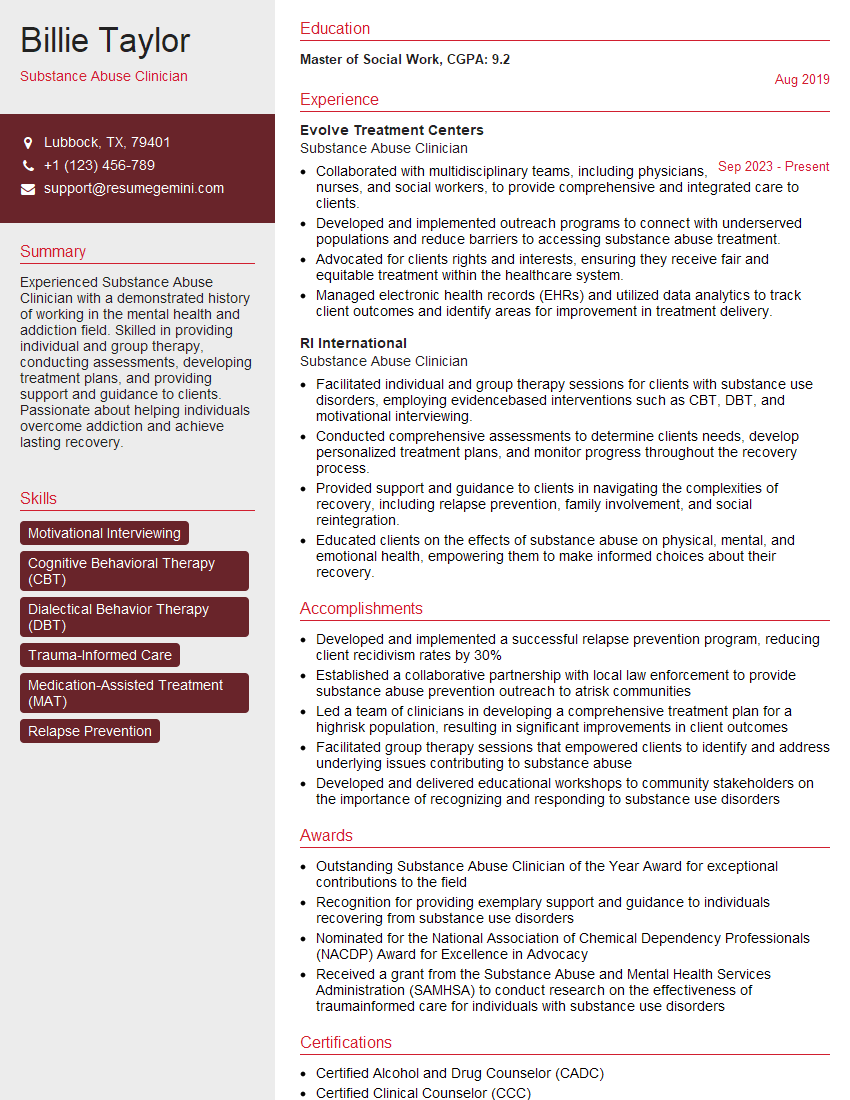
Mastering Opioid Management demonstrates a commitment to patient safety and evidence-based practice, significantly enhancing your career prospects in healthcare. To stand out, create a compelling, ATS-friendly resume that highlights your skills and experience. ResumeGemini is a trusted resource to help you build a professional resume that showcases your qualifications effectively. We provide examples of resumes tailored specifically to the Opioid Management field to help you create a document that will make a lasting impression on potential employers.
Explore more articles
Users Rating of Our Blogs
Share Your Experience
We value your feedback! Please rate our content and share your thoughts (optional).
What Readers Say About Our Blog
To the interviewgemini.com Webmaster.
Very helpful and content specific questions to help prepare me for my interview!
Thank you
To the interviewgemini.com Webmaster.
This was kind of a unique content I found around the specialized skills. Very helpful questions and good detailed answers.
Very Helpful blog, thank you Interviewgemini team.