Preparation is the key to success in any interview. In this post, we’ll explore crucial Environmental Compliance Monitoring and Reporting interview questions and equip you with strategies to craft impactful answers. Whether you’re a beginner or a pro, these tips will elevate your preparation.
Questions Asked in Environmental Compliance Monitoring and Reporting Interview
Q 1. Explain your understanding of environmental regulations (e.g., Clean Air Act, Clean Water Act).
Environmental regulations are the cornerstone of protecting our planet. They are laws and guidelines designed to minimize pollution and promote sustainable practices. Two key examples are the Clean Air Act (CAA) and the Clean Water Act (CWA). The CAA focuses on regulating air emissions from various sources, aiming to improve air quality and public health. This involves setting limits on pollutants like particulate matter, ozone, and sulfur dioxide. Think of it as a comprehensive set of rules for keeping the air we breathe clean. The CWA, on the other hand, tackles water pollution. It sets standards for water quality in rivers, lakes, and oceans, regulating discharges from industrial facilities and controlling the amount of pollutants entering waterways. Imagine it as a safeguard for our water resources. Both acts rely on a combination of permitting, monitoring, and enforcement to achieve their goals. Other significant regulations include the Resource Conservation and Recovery Act (RCRA) for waste management and the Comprehensive Environmental Response, Compensation, and Liability Act (CERCLA), also known as Superfund, for addressing hazardous waste sites. These laws work in tandem, creating a robust framework for environmental protection.
- Clean Air Act (CAA): Sets National Ambient Air Quality Standards (NAAQS) for common pollutants and regulates emissions from stationary and mobile sources.
- Clean Water Act (CWA): Establishes water quality standards and regulates pollutant discharges into waterways through the National Pollutant Discharge Elimination System (NPDES) permit program.
Q 2. Describe your experience with environmental monitoring methods and equipment.
My experience encompasses a broad range of environmental monitoring methods and equipment. I’ve utilized various techniques, from traditional methods like grab sampling for water quality analysis using instruments like Hach DR3900 spectrophotometers to more sophisticated approaches. For air quality monitoring, I’ve worked with continuous emission monitoring systems (CEMS) for industrial stacks, measuring parameters such as sulfur dioxide and nitrogen oxides. These systems provide real-time data, which is crucial for ensuring compliance. For soil analysis, I have extensive experience using field portable X-ray fluorescence (XRF) spectrometers to quickly assess the presence of heavy metals. Additionally, I’m familiar with using drones equipped with multispectral cameras for remote sensing applications, allowing for large-scale environmental monitoring with enhanced efficiency. Data loggers, weather stations, and GPS systems are also routinely integrated into my monitoring protocols to ensure comprehensive data collection.
- Water Quality Monitoring: Grab sampling, continuous monitoring systems, pH meters, dissolved oxygen meters, turbidity meters.
- Air Quality Monitoring: CEMS, ambient air monitors, particulate matter samplers.
- Soil Monitoring: XRF spectrometers, soil sampling tools, laboratory analysis for various parameters.
Q 3. How do you ensure data accuracy and integrity in environmental reporting?
Data accuracy and integrity are paramount in environmental reporting. To ensure this, I employ a multi-pronged approach. It starts with meticulous calibration and maintenance of all equipment used in monitoring. Regular calibration checks, following manufacturer guidelines and using traceable standards, eliminate instrument drift and potential errors. Furthermore, a robust chain of custody procedure, documenting the handling and transportation of samples, is essential. This includes using tamper-evident seals and proper labeling, making it impossible to dispute the integrity of a sample. Data entry is double-checked, often using independent verification procedures. We utilize quality assurance/quality control (QA/QC) samples to assess the reliability of the analytical methods and the overall data set. Finally, all data is stored securely, with version control and audit trails to track any modifications. This ensures traceability and allows for any discrepancies to be readily investigated. Regular audits and internal reviews are crucial in maintaining a high level of data quality.
Q 4. What is your experience with environmental auditing procedures?
My experience with environmental auditing includes conducting both internal and external audits, following established protocols and checklists. I’m proficient in reviewing environmental permits, compliance records, and monitoring data to identify areas of strength and weakness. For instance, during an audit of a manufacturing facility, I reviewed their wastewater discharge permits, checked their monitoring data against permit limits, and examined their procedures for handling spills and waste. I’ve identified non-compliance issues ranging from minor paperwork discrepancies to significant violations of environmental regulations. The audits I conduct always incorporate a thorough review of the facility’s environmental management system (EMS) to assess its effectiveness in preventing pollution and promoting sustainable practices. A key aspect of my auditing work includes providing recommendations for improvements, helping facilities strengthen their environmental performance. I’m familiar with various audit standards, such as ISO 14001.
Q 5. How do you handle non-compliance issues?
Handling non-compliance issues requires a systematic and proactive approach. The first step is to thoroughly investigate the root cause of the non-compliance. This involves reviewing data, interviewing personnel, and assessing the environmental impact of the violation. Once the root cause is understood, a corrective action plan (CAP) is developed to address the issue and prevent recurrence. This plan outlines specific steps, timelines, and responsibilities for implementation. Depending on the severity of the violation, notification to the relevant regulatory agency may be required, ensuring transparency and compliance with reporting obligations. The CAP is implemented and monitored closely, and follow-up audits or inspections are conducted to verify effectiveness. Thorough documentation throughout the entire process is vital, not only to ensure accountability but also to demonstrate a commitment to environmental stewardship. Prevention is always better than cure, and many non-compliance situations can be avoided with proactive environmental management.
Q 6. Explain your familiarity with environmental permits and licensing.
I possess extensive familiarity with environmental permits and licensing. My work has involved assisting clients in obtaining and maintaining various permits, including air permits, water discharge permits (NPDES), and waste disposal permits. Understanding the specific requirements of each permit is crucial, as these requirements vary depending on the type of activity, the location, and the potential environmental impacts. For example, securing an air permit for a new manufacturing facility requires a thorough assessment of emissions, selection of appropriate control technologies, and development of a comprehensive monitoring plan. Similarly, obtaining a water discharge permit necessitates a detailed characterization of wastewater and the development of a plan to meet effluent limitations. I guide clients through the application process, ensuring all necessary information is provided and all regulations are met. I also assist in permit renewal processes, keeping the clients up-to-date with any regulatory changes that may affect their operations.
Q 7. Describe your experience with environmental risk assessments.
Environmental risk assessments are crucial for identifying and managing potential environmental hazards. I have extensive experience in conducting these assessments, typically using a structured approach that involves identifying potential sources of pollution, assessing their likelihood of occurrence and the severity of the potential impact. This could involve evaluating the risks associated with chemical spills, air emissions, or wastewater discharges. I use various tools and techniques such as HAZOP (Hazard and Operability) studies and fault tree analysis to systematically identify potential hazards. Quantitative risk assessments may utilize probabilistic models to estimate the likelihood and consequences of different scenarios. The goal is to prioritize risks and develop mitigation strategies to reduce the likelihood or severity of negative environmental impacts. The output of these assessments usually informs the development of environmental management plans and emergency response procedures. This ensures that potential environmental damage is minimized, protecting both the environment and the company’s reputation.
Q 8. How do you prioritize environmental compliance tasks?
Prioritizing environmental compliance tasks requires a strategic approach that balances urgency, risk, and regulatory requirements. I typically employ a risk-based prioritization matrix. This involves identifying all compliance tasks, assessing the potential environmental and regulatory consequences of non-compliance (e.g., fines, penalties, reputational damage), and assigning a priority level based on the severity and likelihood of the risk.
For example, tasks related to imminent permit deadlines or handling hazardous waste will typically receive higher priority than routine monitoring activities. I also consider resource allocation and interdependencies between tasks. Sometimes, a seemingly less urgent task might be prioritized to prevent a domino effect of delays. Using project management software with task dependencies helps visualize these relationships.
- High Priority: Immediate permit deadlines, hazardous waste management, emergency response protocols.
- Medium Priority: Routine monitoring and reporting, employee training, minor equipment upgrades for compliance.
- Low Priority: Long-term planning, sustainability initiatives, less critical regulatory updates.
Q 9. What software or tools do you use for environmental data management?
Effective environmental data management is crucial. I utilize a combination of software and tools, tailoring my approach to the specific needs of the project. This often involves specialized environmental management systems (EMS) software, such as Enviance or EHS Insight. These systems allow for data capture, analysis, reporting, and tracking of compliance activities.
In addition to specialized software, I use spreadsheets (like Excel) for simpler data management, statistical software (like R or Python) for advanced analysis and visualization, and geographic information system (GIS) software (like ArcGIS) for spatial data management, particularly when dealing with geographical aspects of compliance, such as air emissions or water discharge locations. Cloud-based solutions help ensure data accessibility and backup. Proper data security and access control are always paramount.
Q 10. How do you ensure compliance with environmental regulations in a fast-paced environment?
Maintaining compliance in a fast-paced environment necessitates a proactive and structured approach. My strategy centers on building a strong foundation of standardized operating procedures (SOPs) for all environmental activities. This ensures consistency and efficiency. A robust checklist system for routine tasks minimizes the chance of overlooking critical steps.
Regular internal audits are key to identify potential compliance gaps before they become significant issues. Investing in automated data collection technologies, whenever feasible, reduces manual effort and improves accuracy. Furthermore, close collaboration with regulatory agencies and maintaining open communication with all stakeholders are crucial to addressing emerging compliance issues quickly. Staying abreast of regulatory changes – as discussed below – is also vital.
For example, in a manufacturing setting, real-time monitoring of emissions can provide early warning of potential exceedances, allowing for immediate corrective action. This prevents large-scale environmental damage and avoids costly penalties.
Q 11. Explain your understanding of environmental impact assessments.
Environmental Impact Assessments (EIAs) are systematic evaluations of the potential environmental effects of proposed projects or developments. The goal is to identify, predict, and mitigate any negative impacts on the environment, ensuring projects proceed in an environmentally responsible manner. EIAs encompass a wide range of factors, including air and water quality, biodiversity, land use, and human health.
A typical EIA process involves several stages: scoping the assessment, baseline data collection, impact prediction using models or expert judgment, mitigation strategies development, and public consultation. The outcome is an EIA report detailing potential impacts, proposed mitigation measures, and recommendations for decision-makers. I have experience conducting and reviewing EIAs across various sectors, including infrastructure, energy, and manufacturing. A well-conducted EIA is not merely a box-ticking exercise; it’s a crucial tool for informed decision-making, leading to more sustainable projects.
Q 12. How do you communicate environmental compliance information effectively?
Effective communication is the cornerstone of successful environmental compliance. I utilize a multi-faceted approach. For internal audiences, I employ regular meetings, training sessions, and easily accessible documentation, including SOPs and compliance calendars. This ensures everyone understands their roles and responsibilities. For external communication, clear and concise reports to regulatory agencies are critical, adhering strictly to their reporting requirements.
I also utilize visual aids like graphs and charts to present complex data in an easily understandable format. For stakeholders such as the community or investors, I use plain language to explain compliance efforts and address their concerns. Transparency builds trust and ensures cooperation. Finally, I leverage technology such as email, online portals, and even social media, as appropriate, to disseminate information efficiently.
Q 13. Describe your experience with environmental sampling and analysis.
My experience in environmental sampling and analysis is extensive. I’m proficient in collecting various environmental samples, such as water, soil, air, and biological samples, following established protocols and quality assurance/quality control (QA/QC) procedures. This includes using appropriate sampling equipment, chain-of-custody procedures for sample tracking, and adhering to rigorous safety protocols.
The analysis phase involves selecting appropriate analytical methods based on the sample type and regulatory requirements. I’m familiar with various laboratory analytical techniques, and I understand the importance of data validation and interpretation. I’ve worked with accredited laboratories and ensured that the data meets the necessary quality standards. Accurate sampling and analysis are critical for demonstrating compliance and informing decision-making.
Q 14. How do you stay updated on changes in environmental regulations?
Staying current with evolving environmental regulations is a continuous process. I subscribe to professional journals and newsletters such as those from the EPA and relevant industry associations. I attend industry conferences and webinars to learn about emerging regulations and best practices. I also monitor regulatory agency websites for updates and changes in legislation.
Active participation in professional organizations allows for networking and exchange of knowledge with other experts in the field. Using online legal databases, such as Westlaw or LexisNexis, helps in researching specific regulations and case laws. Maintaining a system for tracking regulatory updates and communicating them effectively to my team is vital to ensure ongoing compliance.
Q 15. How do you ensure the accuracy of environmental data reporting?
Ensuring accurate environmental data reporting is paramount for maintaining compliance and protecting the environment. It’s a multi-faceted process involving meticulous data collection, rigorous quality control, and transparent reporting practices.
- Calibration and Maintenance: All monitoring equipment must be regularly calibrated and maintained according to manufacturer specifications and best practices. For example, a malfunctioning water quality meter could produce inaccurate readings of pollutants like nitrates, leading to skewed reporting and potentially missed violations.
- Chain of Custody: Maintaining a clear chain of custody for all samples is crucial. This involves documenting every step, from sample collection to laboratory analysis, ensuring the integrity of the data. Any deviation or break in the chain compromises the accuracy of the results. Imagine a water sample being accidentally swapped with another – the resulting data would be completely useless.
- Data Validation and Verification: Data validation checks for errors like outliers or inconsistencies. Verification involves comparing results from different sources or using different methods to ensure accuracy and reliability. For instance, we might compare water quality data from our on-site testing with that of an accredited independent laboratory to identify potential discrepancies.
- Data Management System: Utilizing a robust data management system is essential. This system should allow for easy data entry, storage, retrieval, and analysis. It must also incorporate data validation features to catch errors before reporting. The system should also ensure data security and version control to prevent unauthorized changes or data loss.
- Quality Assurance/Quality Control (QA/QC): Implementing robust QA/QC procedures ensures that all steps of the monitoring process are done accurately and consistently. This often includes running blank samples and replicates to assess the accuracy and precision of the analysis.
By diligently adhering to these steps, we can confidently report accurate environmental data, fostering trust with regulatory agencies and stakeholders.
Career Expert Tips:
- Ace those interviews! Prepare effectively by reviewing the Top 50 Most Common Interview Questions on ResumeGemini.
- Navigate your job search with confidence! Explore a wide range of Career Tips on ResumeGemini. Learn about common challenges and recommendations to overcome them.
- Craft the perfect resume! Master the Art of Resume Writing with ResumeGemini’s guide. Showcase your unique qualifications and achievements effectively.
- Don’t miss out on holiday savings! Build your dream resume with ResumeGemini’s ATS optimized templates.
Q 16. Explain your experience with environmental incident reporting and investigation.
My experience with environmental incident reporting and investigation involves a systematic approach focused on rapid response, thorough documentation, and effective remediation.
- Immediate Response: Upon discovering an incident, the priority is to contain the issue and prevent further environmental damage. This might involve activating emergency response plans and deploying containment booms in a spill scenario.
- Incident Investigation: A detailed investigation is conducted to determine the root cause, extent of the damage, and responsible parties. This often involves collecting evidence (e.g., samples, photographs, witness statements) and analyzing data to identify patterns or contributing factors. One example involved a chemical leak; by meticulously analyzing the incident timeline and process data, we discovered a faulty valve was responsible and implemented corrective actions to prevent recurrence.
- Regulatory Reporting: Timely and accurate reporting to regulatory agencies is critical. We must adhere to specific reporting requirements depending on the type and severity of the incident. This often includes reporting forms, narratives of the incident, and data supporting the extent of the impact.
- Remediation: Effective remediation plans are developed and implemented to restore the affected environment to its original condition or to an acceptable level, as per regulatory requirements. A significant project involved soil remediation after an industrial spill where we used bioremediation techniques to accelerate natural cleanup processes.
- Preventative Measures: After an incident, we analyze findings to identify systemic weaknesses and implement preventative measures to avoid similar events in the future. This may include improved employee training, updated safety protocols, or technological upgrades.
Thorough documentation throughout the entire process is essential for both regulatory compliance and internal learning and improvement.
Q 17. What is your experience with environmental management systems (EMS)?
Environmental Management Systems (EMS) provide a structured framework for organizations to manage their environmental impact. My experience encompasses the implementation and auditing of EMS according to ISO 14001 standards.
- Implementation: I’ve been involved in developing and implementing EMS across various industries, including manufacturing and construction. This involved conducting environmental assessments, identifying significant environmental aspects and impacts, setting environmental objectives and targets, and developing operational control measures.
- Internal Audits: I conduct internal audits to ensure the EMS is functioning effectively and meeting its objectives. These audits assess compliance with legal requirements, company policies, and the EMS documentation.
- Management Review: I’ve participated in management reviews, where the performance of the EMS is evaluated by senior management. This review helps to identify areas for improvement and ensure continued effectiveness of the system.
- Continuous Improvement: EMS is not a static system; it requires continuous improvement. I utilize data analysis to identify trends and patterns related to environmental performance, and recommend changes to the EMS accordingly. For example, by analyzing waste generation data, we discovered opportunities to reduce waste by optimizing production processes.
- Stakeholder Engagement: Effective EMS engages various stakeholders, including employees, suppliers, and local communities. I actively work to involve relevant stakeholders in environmental initiatives and ensure effective communication throughout the EMS implementation and management.
My experience demonstrates a commitment to establishing and maintaining robust EMS to achieve sustainable environmental performance.
Q 18. How do you handle conflicting environmental regulations?
Handling conflicting environmental regulations requires a thorough understanding of the legal landscape and a strategic approach to compliance. Often, regulations at the federal, state, and local levels may overlap or even contradict each other.
- Legal Research and Interpretation: The first step is to conduct thorough legal research to understand the specific requirements of each applicable regulation. This involves careful interpretation of the regulations, considering any potential ambiguities or conflicting provisions.
- Prioritization: Determining which regulation takes precedence is often necessary. Generally, stricter regulations prevail. This might involve consulting legal counsel to obtain expert advice on interpreting complex or conflicting regulations.
- Communication with Regulatory Agencies: Open communication with relevant regulatory agencies is crucial. We aim to clarify the conflict and seek guidance on how to comply with the overlapping or conflicting requirements. This often involves submitting formal requests for clarification or interpretations.
- Development of Compliance Strategies: Based on the legal research and communication, we develop a comprehensive compliance strategy that addresses all applicable regulations. This strategy may involve implementing multiple compliance measures to satisfy the potentially competing requirements.
- Documentation: Meticulous documentation of the compliance strategy, including research findings, agency communications, and implemented measures, is crucial to demonstrate due diligence and proactive compliance. This also provides a clear audit trail.
A proactive and collaborative approach, combined with robust documentation, is key to navigating the complexities of conflicting environmental regulations.
Q 19. Describe your experience with environmental remediation projects.
My experience with environmental remediation projects involves a multi-stage process that focuses on site assessment, remediation strategy development, implementation, and monitoring.
- Site Assessment: This involves a thorough investigation to determine the extent of contamination, identify the types of pollutants present, and assess the potential risks to human health and the environment. This typically includes soil and groundwater sampling, analysis, and risk assessment.
- Remediation Strategy Development: We develop a detailed remediation plan based on the site assessment findings and regulatory requirements. This might include selecting appropriate remediation technologies, such as bioremediation, pump-and-treat systems, or soil excavation. The choice of technology depends on the type and extent of contamination, the site conditions, and cost-effectiveness.
- Remediation Implementation: The selected remediation technologies are implemented according to the approved plan. This involves coordinating contractors, managing project logistics, and adhering to strict safety protocols.
- Monitoring: Regular monitoring is conducted throughout and after the remediation process to assess the effectiveness of the remediation measures and ensure that acceptable cleanup levels are achieved. This monitoring data is then used to evaluate the project’s success and to make any necessary adjustments to the remediation strategy.
- Closure: Once the remediation objectives are met, we work towards site closure, which involves obtaining regulatory approvals and completing any necessary documentation.
A successful remediation project requires careful planning, coordination, and a commitment to achieving regulatory compliance and restoring the environment.
Q 20. How do you use data analysis to identify trends and patterns in environmental compliance?
Data analysis plays a crucial role in identifying trends and patterns in environmental compliance. It allows us to move beyond simply reacting to violations and towards proactive environmental management.
- Data Collection and Integration: We collect data from various sources, including monitoring reports, emissions data, waste manifests, and inspection reports. Data is integrated into a central database for efficient analysis.
- Statistical Analysis: Statistical methods like trend analysis, regression analysis, and outlier detection are used to identify patterns and anomalies in environmental data. For example, we might use trend analysis to see if emissions of a specific pollutant are increasing over time.
- Visualization: Data visualization techniques, such as charts and graphs, are utilized to present findings in a clear and concise manner. Visualizations help to identify trends that might be missed in raw data tables.
- Predictive Modeling: In some cases, predictive modeling is used to forecast future environmental performance based on historical data. This allows for proactive identification of potential issues and helps to implement preventative measures. For instance, we might predict future water usage based on historical data and adjust our water conservation strategies.
- Reporting and Communication: The findings from data analysis are compiled into reports that inform management decisions, improve operational efficiencies, and support proactive compliance strategies.
By leveraging data analysis, we can effectively track performance, identify areas for improvement, and ultimately reduce environmental risks.
Q 21. What are the key performance indicators (KPIs) for environmental compliance?
Key Performance Indicators (KPIs) for environmental compliance provide quantifiable measures of an organization’s environmental performance. These KPIs vary depending on the specific industry and regulatory requirements, but some common examples include:
- Emissions: Tracking emissions of greenhouse gases (GHGs) and other pollutants, often expressed as tons of CO2 equivalent per year. This helps to evaluate progress toward emission reduction targets.
- Waste Generation: Measuring the amount of waste generated, categorized by type (hazardous vs. non-hazardous). This can identify areas where waste reduction strategies can be implemented.
- Water Consumption: Monitoring water usage and identifying opportunities for water conservation. This is especially important in water-stressed regions.
- Energy Consumption: Tracking energy use and identifying opportunities for energy efficiency improvements. This contributes to reducing carbon footprint and operating costs.
- Compliance Rate: The percentage of environmental regulations that are being fully met. This overall KPI provides a clear indication of compliance status.
- Number of Non-Compliances: Tracking the number of environmental violations or non-compliances helps identify areas requiring further attention and improvement.
- Incident Rate: The frequency of environmental incidents, such as spills or leaks. A lower incident rate indicates improved safety and environmental performance.
- Remediation Costs: The costs associated with environmental remediation projects. Reducing these costs indicates improved prevention and environmental stewardship.
Regular monitoring and reporting of these KPIs provide valuable insights into environmental performance, driving improvements in compliance and sustainability.
Q 22. How do you measure the effectiveness of your environmental compliance program?
Measuring the effectiveness of an environmental compliance program is crucial for ensuring its continued success and preventing environmental incidents. It’s not a one-size-fits-all approach; it requires a multifaceted strategy. We evaluate effectiveness through several key performance indicators (KPIs).
Compliance Rate: This measures the percentage of regulations and permits we meet. A high compliance rate (ideally 100%, but realistically above 98%) demonstrates effectiveness. We track this through regular audits, self-assessments and record-keeping of all permits, licenses and reporting submissions. For instance, if we have 100 permits, and only 2 are non-compliant, our compliance rate is 98%.
Incident Rate: This tracks the number of environmental incidents (spills, emissions exceeding limits, etc.) per year. A low incident rate signifies a well-functioning program. We analyze each incident to identify root causes and implement preventative measures. For example, a decrease in incidents from 5 to 1 over a two-year period points to the program’s success in mitigating risks.
Employee Training and Engagement: Regular training and engagement scores show how well our team understands and adheres to environmental protocols. We use surveys, feedback sessions, and training completion rates to monitor this. High scores on training tests and positive feedback suggest a robust and engaged team.
Audits and Inspections: The results of both internal and external audits highlight strengths and weaknesses in the program. A clean audit report with minimal or no non-conformances reflects strong performance. We use a scoring system on audit findings to track trends and improvement.
Cost Savings: A well-managed program can reduce costs through waste reduction, efficient resource use, and the avoidance of penalties. We actively track cost savings related to environmental initiatives to justify our program’s ROI.
By regularly monitoring these KPIs and taking corrective actions as needed, we can continuously improve the effectiveness of our environmental compliance program.
Q 23. How do you work with regulatory agencies?
Working effectively with regulatory agencies is paramount. It’s a collaborative relationship built on transparency, proactive communication, and mutual respect. We strive to be proactive, not reactive.
Open Communication: We maintain regular contact with agencies, keeping them informed about our activities, especially before commencing any new projects or undertaking changes that might affect our compliance status. This includes attending agency meetings, responding promptly to inquiries, and submitting reports well in advance of deadlines.
Proactive Compliance: We prioritize compliance. This means implementing robust environmental management systems (EMS), going beyond minimum legal requirements, conducting regular internal audits, and self-reporting any potential violations or deviations, even minor ones.
Data Transparency: We provide agencies with complete and accurate data on our environmental performance, ensuring data integrity and ready access to information. This includes maintaining detailed records and using established reporting systems.
Collaboration and Problem-Solving: We work collaboratively with agencies to address any issues or concerns that arise, taking a solution-oriented approach. This may involve joint site visits, technical discussions, or the development of mutually agreed-upon corrective action plans.
Building a strong relationship with regulatory agencies benefits everyone, reducing the risk of penalties and improving overall environmental protection.
Q 24. Describe a situation where you had to solve a complex environmental compliance problem.
During a recent project involving the remediation of a contaminated site, we encountered an unexpected challenge. Initial soil testing revealed higher levels of a specific heavy metal than initially anticipated, exceeding regulatory limits. This threatened project timelines and budget. To solve this, we:
Conducted additional site investigations: We performed more comprehensive soil sampling and analysis to pinpoint the extent of the contamination and identify the source.
Developed alternative remediation strategies: Given the higher concentration, the original remediation plan wasn’t sufficient. We investigated several alternatives – including phytoremediation (using plants to remove contaminants) and advanced oxidation processes – and conducted cost-benefit analyses to select the most effective and cost-efficient approach.
Collaborated with regulatory agencies: We worked closely with the relevant environmental agency to ensure the proposed alternative plan met their requirements. We presented detailed documentation and data supporting the feasibility and effectiveness of the selected method.
Implemented the chosen plan: Once approved, we diligently implemented the selected strategy, closely monitoring progress and ensuring adherence to regulatory requirements.
Post-remediation monitoring: Following remediation, we conducted post-remediation monitoring to verify the effectiveness of our approach and demonstrate compliance with regulatory standards.
This experience highlighted the importance of adaptability, thorough investigation, and close collaboration with regulators in navigating complex environmental challenges. The project ultimately was successfully completed, demonstrating the effectiveness of our problem-solving approach.
Q 25. How do you ensure that your environmental compliance program is cost-effective?
Cost-effectiveness in environmental compliance isn’t about cutting corners; it’s about maximizing efficiency. We achieve this through a combination of strategies:
Preventive Measures: Preventing environmental problems is far cheaper than reacting to them. This includes robust training programs, regular equipment maintenance, and implementing best practices to minimize waste and pollution.
Technology and Innovation: Investing in advanced technologies and data analytics to improve environmental performance can lead to long-term cost savings. Examples include sensors for real-time monitoring, and predictive modeling to anticipate potential issues.
Resource Optimization: We optimize resource utilization by reducing energy consumption, implementing water conservation measures, and promoting waste reduction and recycling programs.
Continuous Improvement: Regular internal audits and performance reviews help us identify areas for improvement and cost reduction. We use a data-driven approach, tracking metrics and identifying trends to inform strategic decisions.
Outsourcing: Strategically outsourcing specialized tasks, such as environmental auditing or testing, can sometimes be more cost-effective than maintaining an in-house team with the expertise.
By focusing on prevention, innovation, and efficiency, we ensure our environmental compliance program remains fiscally responsible without compromising environmental protection.
Q 26. Describe your experience with environmental due diligence.
Environmental due diligence is a critical part of any transaction involving property or business acquisition. My experience encompasses all phases:
Phase I Environmental Site Assessment (ESA): I’ve managed and reviewed numerous Phase I ESAs, which involve historical research, site reconnaissance, and interviews to identify potential environmental concerns. For example, I oversaw a Phase I ESA for a manufacturing facility that uncovered evidence of past solvent use, triggering further investigation.
Phase II Environmental Site Assessment: When Phase I indicates potential contamination, I have experience overseeing Phase II ESAs, which include soil and groundwater sampling and analysis to confirm the presence and extent of contamination. In the manufacturing facility example, Phase II confirmed soil contamination requiring remediation.
Remediation Oversight: I have experience overseeing remediation projects, ensuring they are carried out effectively and efficiently and in accordance with regulatory requirements. This includes monitoring the remediation process, reviewing reports, and ensuring proper closure documentation. The remediation of the manufacturing facility involved implementing a pump-and-treat system.
Regulatory Compliance: I’m adept at navigating the complexities of environmental regulations and ensuring that all due diligence activities comply with applicable laws and standards. This includes communicating with regulatory agencies, obtaining necessary permits, and ensuring proper documentation of all findings and actions.
My experience ensures that potential environmental liabilities are identified and addressed before transactions are finalized, protecting clients from costly surprises.
Q 27. What is your experience with environmental sustainability initiatives?
I have extensive experience in implementing and managing environmental sustainability initiatives. My approach integrates environmental considerations into all aspects of business operations. I focus on a holistic approach, incorporating various strategies:
Energy Efficiency: Implementing energy-efficient technologies, such as LED lighting, high-efficiency HVAC systems, and optimizing energy management systems, can significantly reduce our environmental footprint and operational costs.
Waste Reduction and Recycling: We actively pursue waste reduction and recycling programs, including comprehensive waste audits to identify opportunities for improvement. This not only reduces waste sent to landfills but can also generate cost savings through materials recovery.
Sustainable Procurement: We prioritize sustainable procurement policies to select materials and services with lower environmental impacts. This includes choosing suppliers who adhere to environmental best practices.
Carbon Footprint Reduction: We actively measure and reduce our carbon footprint through initiatives such as renewable energy use, carbon offsetting programs, and employee engagement to reduce individual emissions.
Water Conservation: Implementing water-efficient technologies and practices, such as low-flow fixtures, leak detection systems, and rainwater harvesting, helps conserve a precious resource.
Sustainability initiatives aren’t merely a compliance exercise; they offer significant long-term cost savings and competitive advantages. We track our progress regularly and regularly report our sustainability performance using established frameworks such as GRI (Global Reporting Initiative) standards.
Q 28. How do you manage stakeholder expectations related to environmental compliance?
Managing stakeholder expectations regarding environmental compliance requires open, transparent, and proactive communication. This involves a multi-pronged approach:
Regular Reporting: We provide regular updates to stakeholders on our environmental performance, highlighting successes and challenges. We use clear and concise reporting that is easy to understand, regardless of the stakeholder’s technical background.
Stakeholder Engagement: We actively engage stakeholders through meetings, workshops, and feedback sessions to gather input and address concerns. This fosters mutual understanding and trust.
Transparency and Accessibility: We ensure that environmental data and information are readily available and accessible to stakeholders. This might include publishing environmental reports on our website or making data available through online portals.
Proactive Communication: We proactively communicate potential environmental issues or concerns, rather than waiting for them to become problems. This builds trust and confidence.
Addressing Concerns Promptly: We promptly address any stakeholder concerns or complaints, taking appropriate corrective action and providing timely updates on progress.
By consistently exceeding stakeholder expectations, we build strong relationships based on mutual respect and a shared commitment to environmental stewardship.
Key Topics to Learn for Environmental Compliance Monitoring and Reporting Interview
- Environmental Regulations and Legislation: Understanding key environmental laws (e.g., Clean Water Act, Clean Air Act) and their implications for industries.
- Monitoring Techniques and Technologies: Familiarize yourself with various sampling methods, analytical techniques, and data logging systems used in environmental monitoring. Consider practical applications like water quality testing or air emission monitoring.
- Data Analysis and Interpretation: Develop strong skills in interpreting environmental data, identifying trends, and drawing conclusions. Practice analyzing datasets and identifying potential compliance issues.
- Reporting and Documentation: Master the preparation of accurate and comprehensive environmental reports, including permit applications, compliance certifications, and incident reports. Understand different reporting formats and requirements.
- Auditing and Compliance Verification: Learn about conducting internal audits to ensure compliance and preparing for external audits by regulatory agencies. Understand best practices for maintaining compliance records.
- Environmental Management Systems (EMS): Understand the principles of ISO 14001 or other EMS frameworks and how they relate to compliance monitoring and reporting.
- Problem-Solving and Risk Assessment: Develop your ability to identify, assess, and mitigate environmental risks. Practice troubleshooting compliance issues and developing corrective action plans.
- Communication and Collaboration: Practice effectively communicating complex technical information to both technical and non-technical audiences. Understand the importance of teamwork and collaboration within an environmental compliance team.
Next Steps
Mastering Environmental Compliance Monitoring and Reporting opens doors to rewarding and impactful careers with significant growth potential. In today’s competitive job market, a well-crafted resume is crucial. Creating an ATS-friendly resume that highlights your skills and experience is essential for getting noticed by potential employers. ResumeGemini is a trusted resource to help you build a professional and effective resume. Leverage their expertise to create a compelling document that showcases your qualifications. Examples of resumes tailored to Environmental Compliance Monitoring and Reporting are available to further guide your preparation.
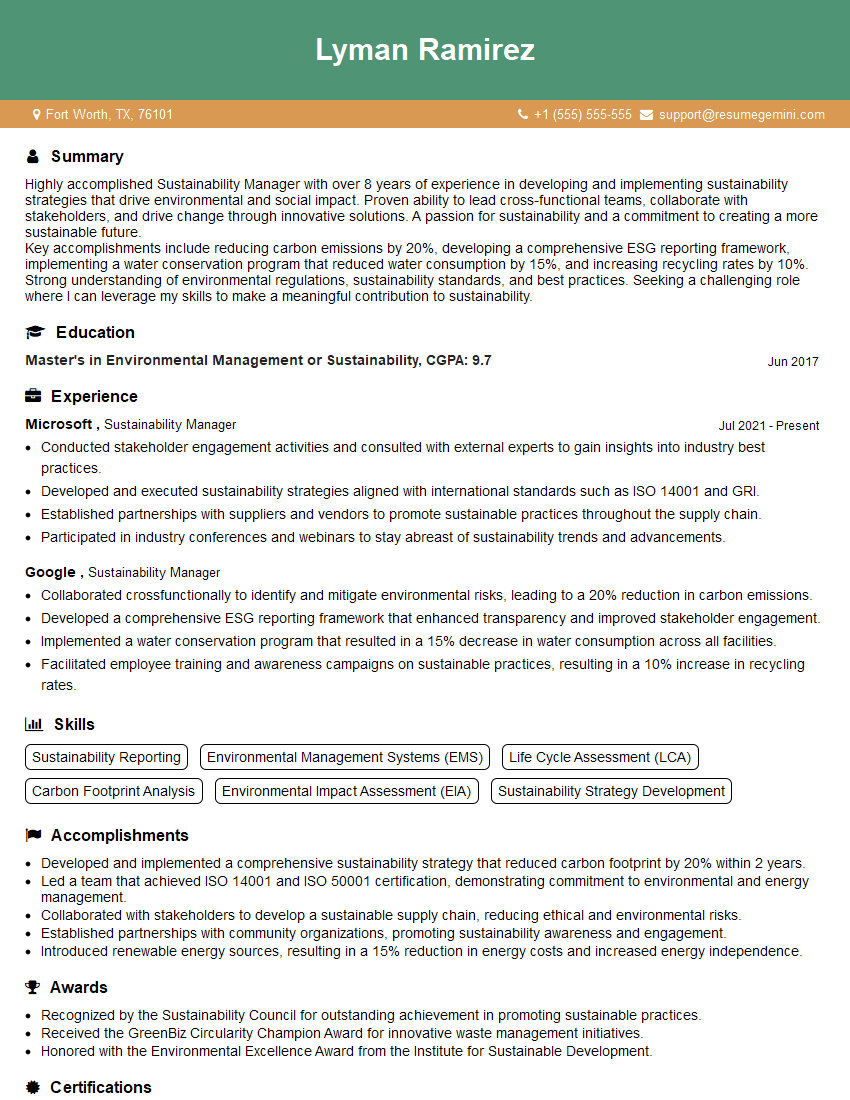
Sustainability Manager Resume Sample
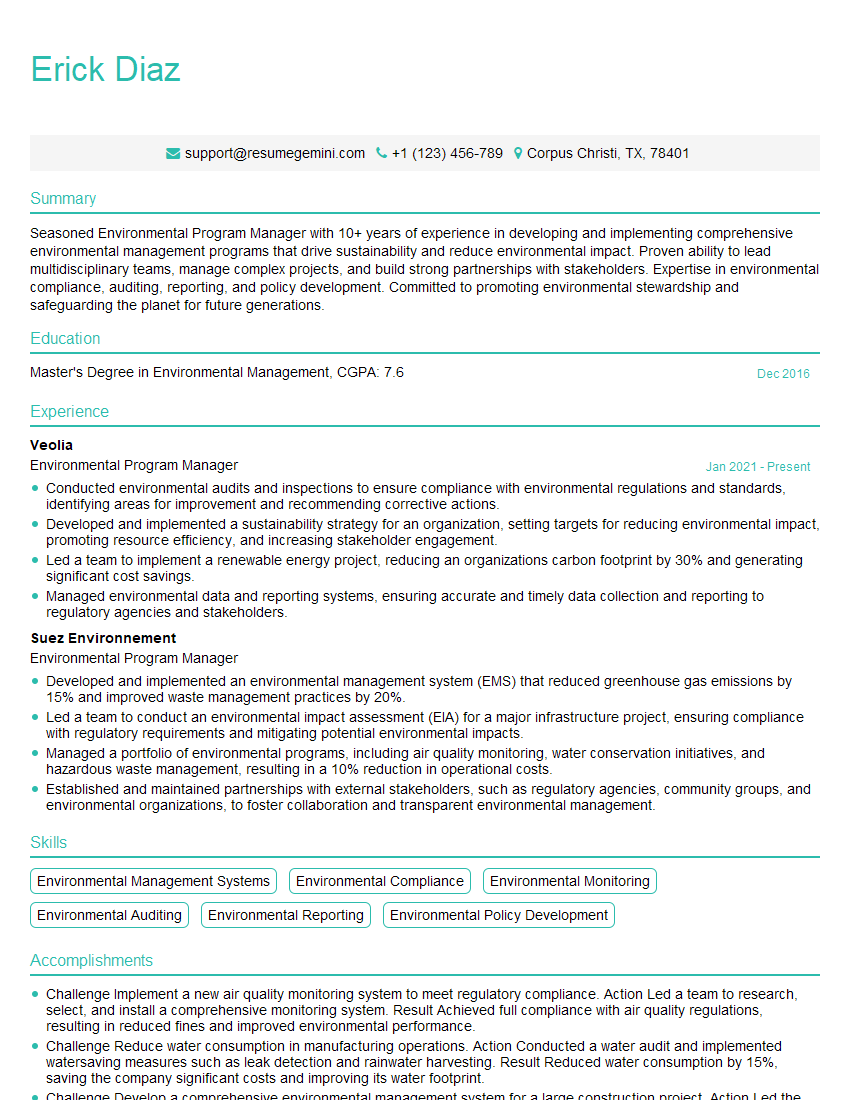
Environmental Program Manager Resume Sample
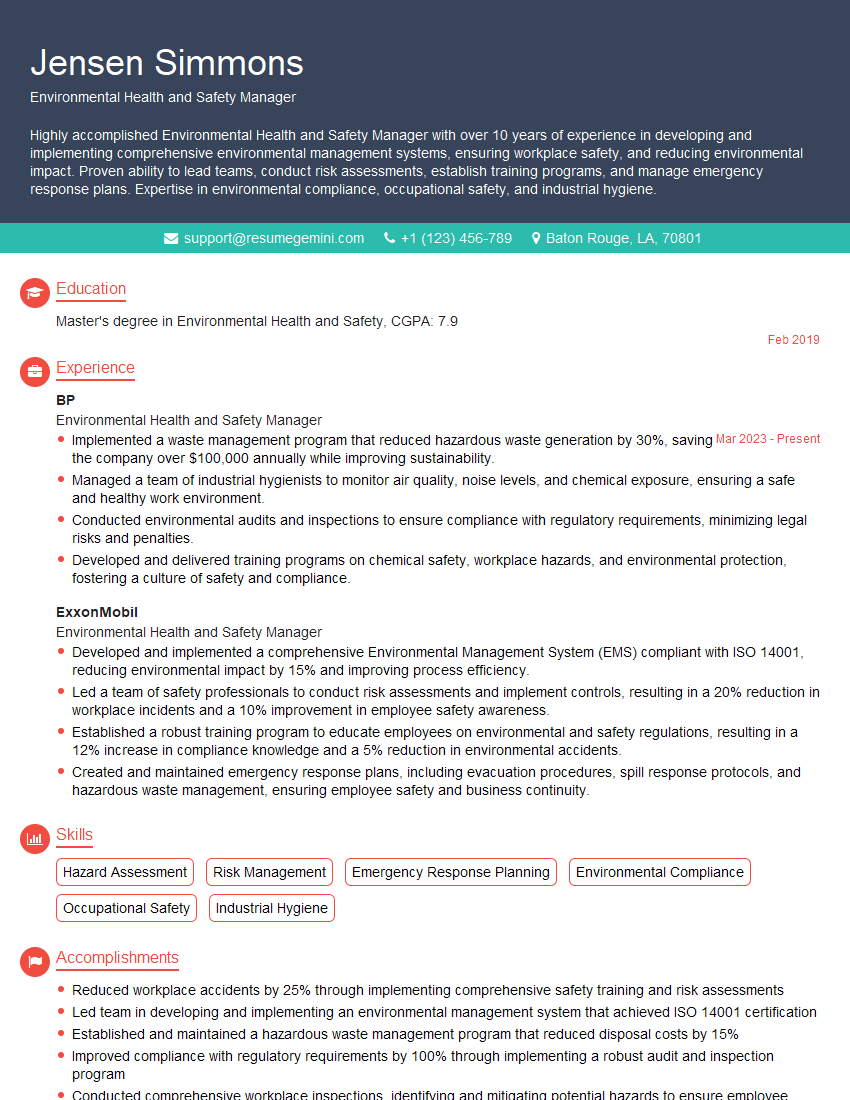
Environmental Health and Safety Manager Resume Sample
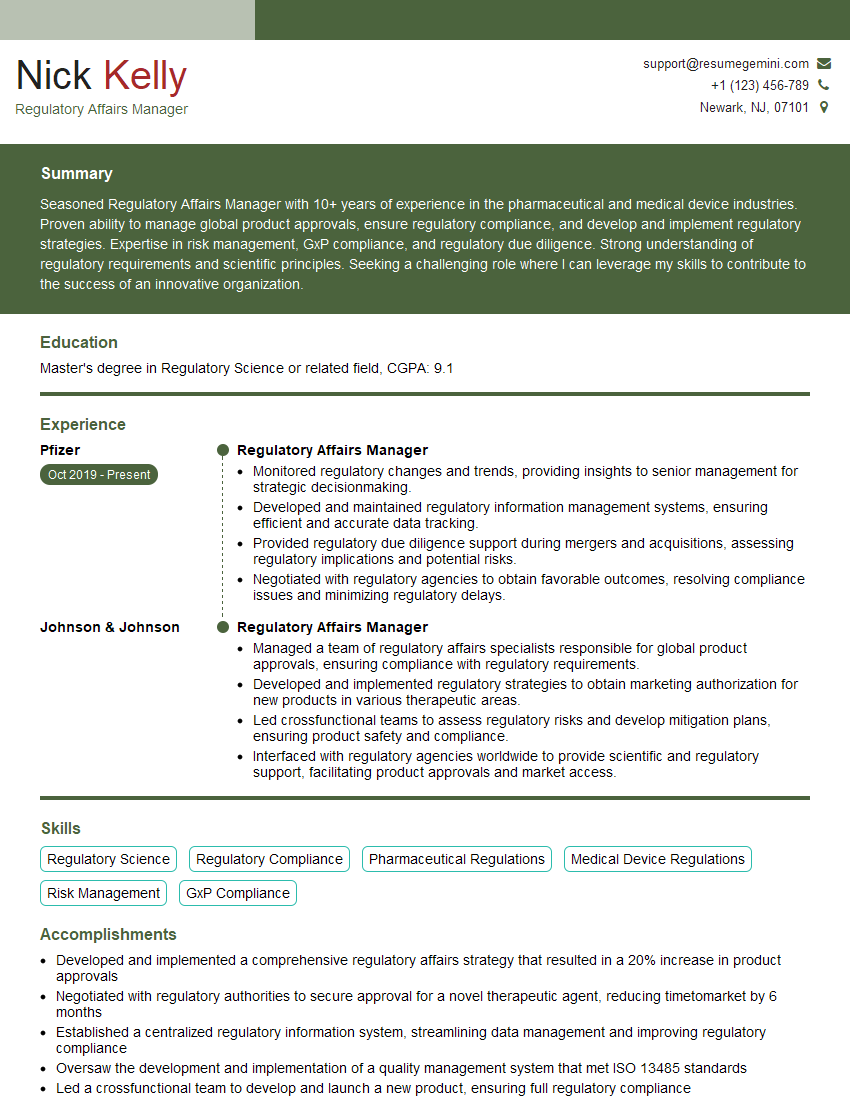
Regulatory Affairs Manager Resume Sample
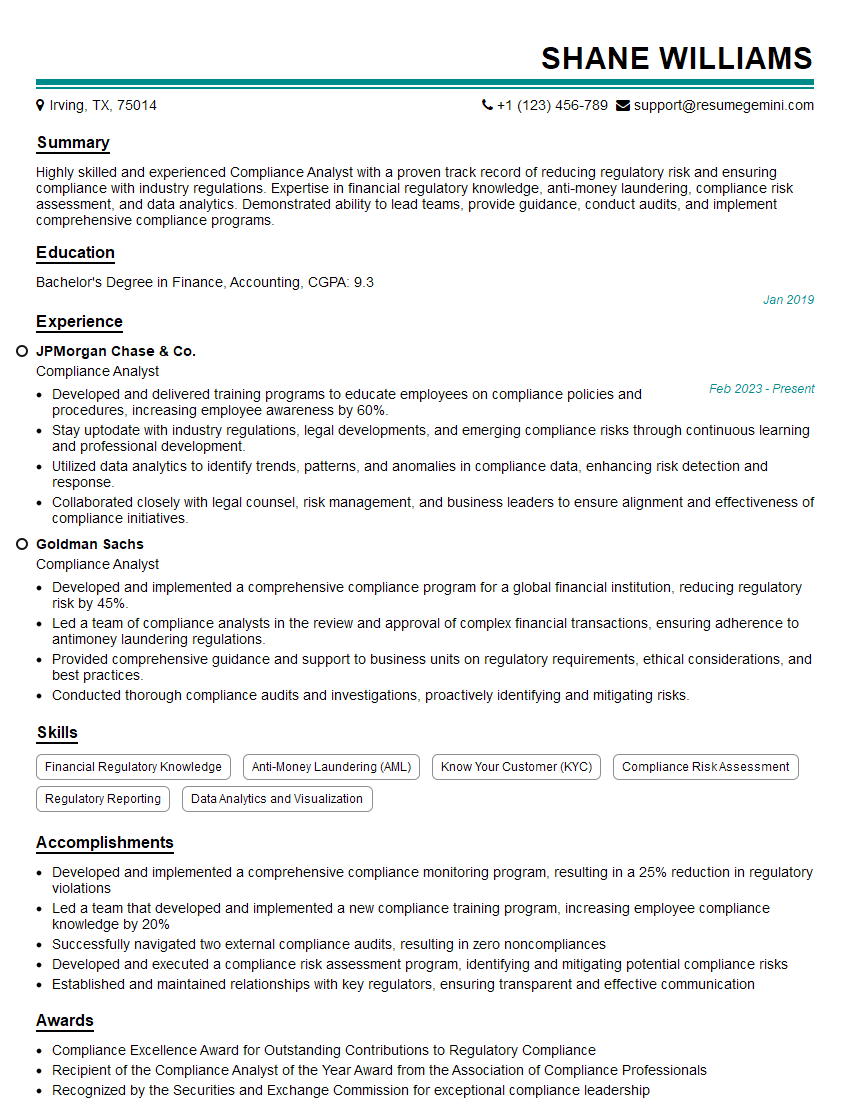
Compliance Analyst Resume Sample

Compliance Officer Resume Sample
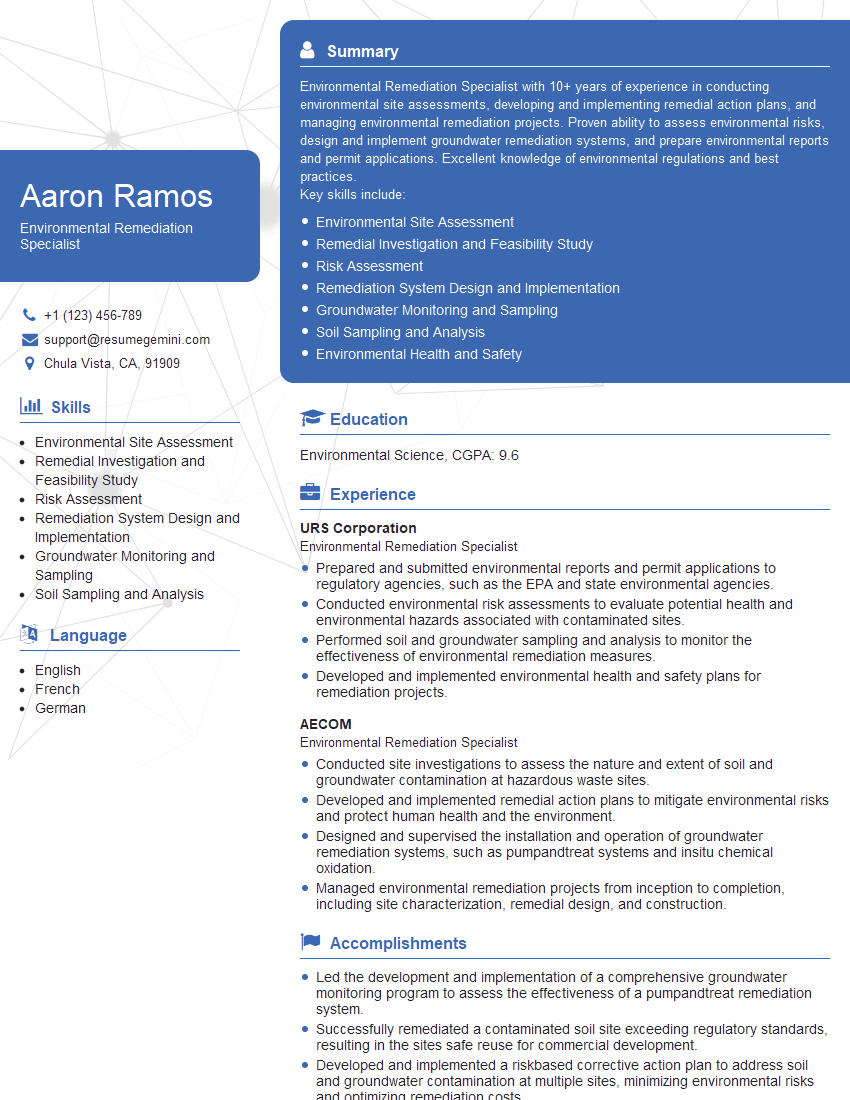
Environmental Remediation Specialist Resume Sample
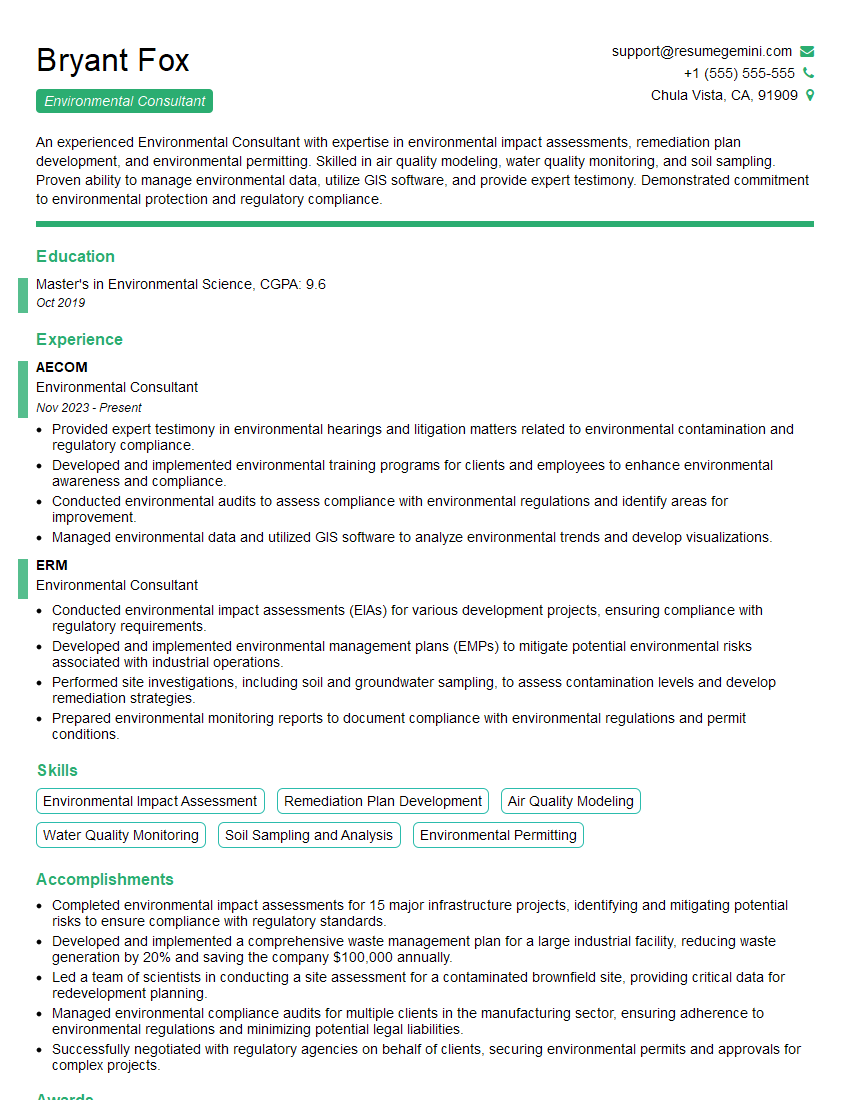
Environmental Consultant Resume Sample
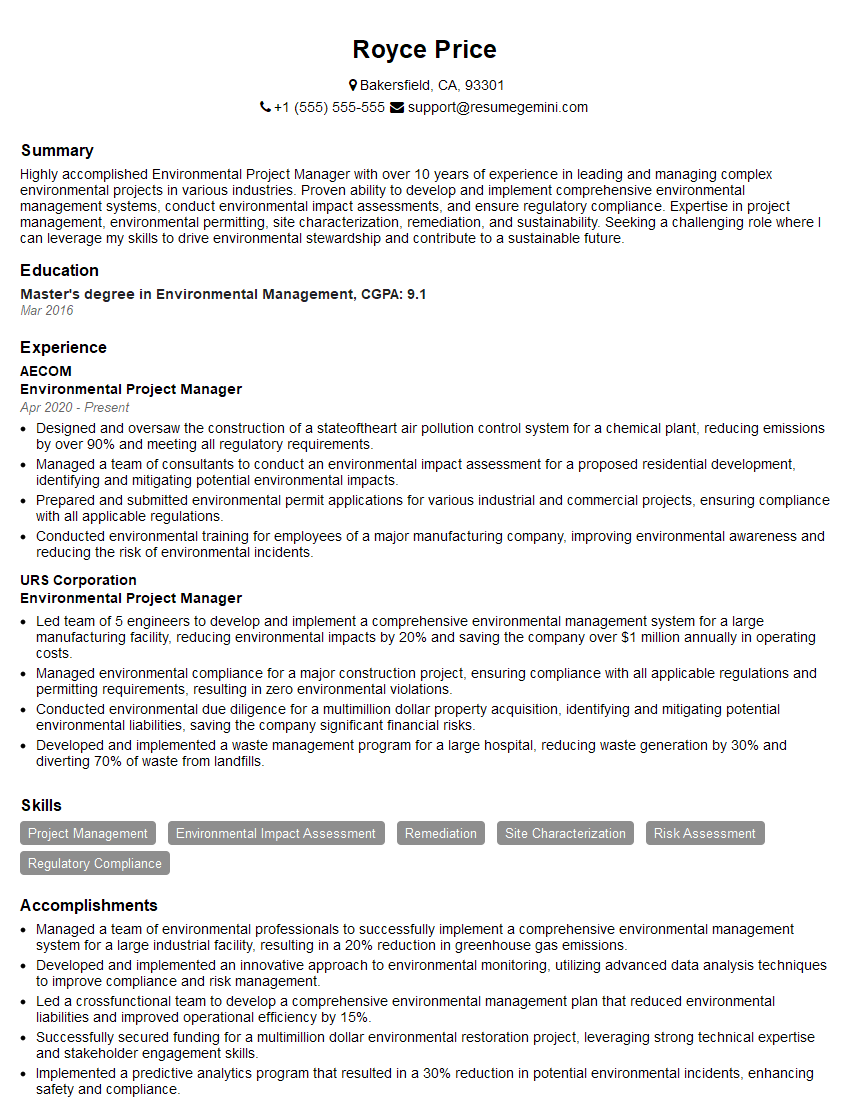
Environmental Project Manager Resume Sample
Explore more articles
Users Rating of Our Blogs
Share Your Experience
We value your feedback! Please rate our content and share your thoughts (optional).
What Readers Say About Our Blog
To the interviewgemini.com Webmaster.
Very helpful and content specific questions to help prepare me for my interview!
Thank you
To the interviewgemini.com Webmaster.
This was kind of a unique content I found around the specialized skills. Very helpful questions and good detailed answers.
Very Helpful blog, thank you Interviewgemini team.