Are you ready to stand out in your next interview? Understanding and preparing for Exercise and Nutrition Counseling interview questions is a game-changer. In this blog, we’ve compiled key questions and expert advice to help you showcase your skills with confidence and precision. Let’s get started on your journey to acing the interview.
Questions Asked in Exercise and Nutrition Counseling Interview
Q 1. Explain the difference between macronutrients and micronutrients.
Macronutrients and micronutrients are both essential components of a healthy diet, but they differ significantly in their function and the amounts needed. Macronutrients are the energy-yielding nutrients: carbohydrates, proteins, and fats. We need them in relatively large quantities to fuel our bodies. Micronutrients, on the other hand, are vitamins and minerals. While vital for numerous bodily functions, we only require them in small amounts. Think of it like this: macronutrients are the building blocks of your house, providing the structure and energy, while micronutrients are the finishing touches – the paint, the fixtures – essential for optimal function but needed in smaller quantities.
Q 2. Describe the role of carbohydrates, proteins, and fats in a balanced diet.
Carbohydrates, proteins, and fats each play a unique role in a balanced diet. Carbohydrates are the body’s primary source of energy, fueling everything from brain function to physical activity. Think of them as the quick-burning fuel for your body. Proteins are the building blocks of tissues, muscles, and enzymes. They are crucial for growth, repair, and immune function. Consider them the bricks and mortar of your body. Fats provide sustained energy, support hormone production, protect organs, and aid in the absorption of certain vitamins. They are like the insulation and support structures in your house. A balanced diet incorporates all three, providing the necessary fuel, building blocks, and support for optimal health. For example, a balanced meal might include brown rice (carbohydrate), grilled chicken (protein), and avocado (healthy fat).
Q 3. What are the key components of a comprehensive fitness assessment?
A comprehensive fitness assessment is crucial for designing a safe and effective exercise program. Key components include:
- Resting heart rate and blood pressure: Provides a baseline measure of cardiovascular health.
- Body composition analysis (e.g., DEXA scan, skinfold calipers): Determines the percentage of fat mass versus lean mass.
- Cardiovascular fitness tests (e.g., treadmill test, VO2 max): Assesses the efficiency of the heart and lungs.
- Muscular strength and endurance tests (e.g., 1-rep max, push-up test): Evaluates muscle strength and stamina.
- Flexibility assessments (e.g., sit-and-reach test): Measures the range of motion in joints.
- Postural assessment: Identifies any postural imbalances or weaknesses that may predispose to injury.
- Client interview: Gathering information about medical history, exercise habits, goals, and limitations.
Q 4. How do you assess a client’s current fitness level and nutritional status?
Assessing a client’s fitness and nutritional status involves a multi-faceted approach. Fitness level is assessed using the components mentioned above: resting heart rate, body composition, cardiovascular fitness tests, muscular strength and endurance tests, flexibility assessments and postural assessment. Nutritional status is assessed through various methods:
- Dietary recall or food diary: Tracks food intake over a specific period.
- 24-hour dietary recall: Provides a snapshot of a single day’s food consumption.
- Biochemical tests (e.g., blood tests): Measures levels of vitamins, minerals, and other nutrients.
- Anthropometric measurements (e.g., height, weight, BMI): Provides an indication of overall body size and weight status.
- Client interview: Exploring eating habits, preferences, restrictions, and challenges.
Q 5. Explain the concept of Basal Metabolic Rate (BMR) and its importance.
Basal Metabolic Rate (BMR) is the number of calories your body burns at rest to maintain basic functions like breathing, circulation, and cell repair. It’s the minimum energy expenditure required to keep you alive. Factors influencing BMR include age, gender, body composition, and genetics. Understanding BMR is crucial because it forms the foundation for calculating daily caloric needs. If someone wants to lose weight, for instance, their caloric intake must be lower than their total daily energy expenditure (TDEE), which includes BMR plus activity levels. Conversely, if they aim to gain weight, their intake needs to exceed their TDEE. Ignoring BMR can lead to ineffective or even harmful weight management strategies.
Q 6. What are the benefits and risks of different types of exercise?
Different types of exercise offer various benefits and risks. Aerobic exercise (e.g., running, swimming) improves cardiovascular health, burns calories, and boosts mood but can increase the risk of joint injuries if not done properly. Strength training (e.g., weightlifting) builds muscle mass, increases metabolism, and strengthens bones but carries a risk of muscle strains or tears if technique is poor. Flexibility exercises (e.g., yoga, stretching) improve range of motion, reduce muscle soreness, and enhance balance but may cause muscle pulls if overstretched. The key is to choose a balanced program that suits individual needs and abilities, minimizing risks through proper form and progression. A client with a history of knee problems, for example, might benefit more from swimming than running.
Q 7. How do you design a personalized exercise program for a client with specific needs?
Designing a personalized exercise program requires a thorough understanding of the client’s individual needs, goals, and limitations. It’s a step-by-step process:
- Needs assessment: Using the fitness assessment data to understand the client’s strengths, weaknesses, and limitations.
- Goal setting: Collaboratively setting realistic and achievable goals, whether it’s weight loss, muscle gain, or improved cardiovascular health.
- Exercise selection: Choosing exercises that target specific muscle groups or improve cardiovascular fitness, considering the client’s current fitness level and any limitations.
- Program design: Structuring the program with appropriate frequency, intensity, duration, and type of exercise. This includes warm-up, workout, and cool-down phases.
- Progression: Gradually increasing the intensity or duration of exercise over time to avoid plateaus and prevent injuries.
- Monitoring and evaluation: Regularly tracking progress and making adjustments to the program as needed, ensuring the program remains safe and effective.
Q 8. Describe your approach to educating clients about healthy eating habits.
My approach to educating clients about healthy eating is based on a holistic, individualized model. I avoid restrictive dieting and instead focus on building a positive relationship with food. This involves understanding their current eating habits, preferences, and cultural background. We collaboratively explore healthier alternatives, emphasizing nutrient-dense whole foods, portion control, and mindful eating.
- Education on Macronutrients: I explain the roles of carbohydrates, proteins, and fats in a balanced diet, debunking common myths and misconceptions. For example, I might explain that healthy fats are essential for hormone production and brain function.
- Cooking Demonstrations and Recipe Sharing: Practical application is key. I often conduct cooking demonstrations, sharing recipes adapted to client preferences and dietary needs. This helps them confidently prepare healthy meals at home.
- Label Reading and Food Shopping Guidance: I guide clients on how to decipher food labels, identifying hidden sugars, unhealthy fats, and excessive sodium. We plan grocery shopping trips together to strategize healthy choices within their budget.
- Addressing Emotional Eating: We explore the underlying emotional triggers related to food, developing coping strategies for stress, boredom, or sadness that don’t involve overeating.
For instance, a client who frequently eats out might learn to modify restaurant orders or select healthier options. Another client struggling with sugar cravings might explore healthier alternatives like fruit or dark chocolate.
Q 9. How do you address common barriers to healthy eating and exercise?
Common barriers to healthy eating and exercise include time constraints, lack of motivation, financial limitations, and underlying medical conditions. I address these proactively by:
- Time Management Strategies: We work together to create realistic schedules incorporating exercise and meal preparation. This might involve batch cooking, utilizing quick workout routines, or scheduling workouts during lunch breaks.
- Motivation Enhancement: I foster intrinsic motivation through goal setting, celebrating small victories, and focusing on the positive outcomes of healthy choices – increased energy, improved mood, better sleep, and reduced health risks. I might use motivational interviewing techniques to empower clients to take ownership of their health journey.
- Budget-Friendly Solutions: We discuss affordable, healthy food options and explore resources like community gardens or food banks if necessary. I can also suggest bodyweight exercises which require no equipment.
- Addressing Medical Conditions: Clients with pre-existing conditions are referred to their physicians for clearance and collaboration on a safe and effective program. I work closely with medical professionals to ensure the exercise and nutrition plans are appropriate and safe.
For example, a busy parent might benefit from shorter, high-intensity interval training (HIIT) sessions rather than lengthy gym visits. A client with limited finances might learn how to prepare cost-effective, nutrient-rich meals.
Q 10. Explain the importance of setting realistic goals for clients.
Setting realistic goals is crucial for long-term success. Unrealistic expectations lead to discouragement and dropout. I emphasize the SMART goal framework: Specific, Measurable, Achievable, Relevant, and Time-bound.
- Specific Goals: Instead of “eat healthier,” we set specific goals like “reduce processed food intake by one serving per day.”
- Measurable Goals: Progress tracking is vital. This can involve weighing food, tracking steps, measuring body fat percentage, or using fitness trackers. We can visualize the progress using charts or graphs.
- Achievable Goals: Goals should be challenging but attainable. Small, incremental changes are more sustainable than drastic overhauls.
- Relevant Goals: Goals should align with the client’s lifestyle, preferences, and overall health goals.
- Time-Bound Goals: Set deadlines to maintain focus and provide a sense of accomplishment. For instance, “walk for 30 minutes three times a week for the next month.”
A client wanting to lose weight might start with a modest goal of losing 1-2 pounds per week, rather than aiming for drastic weight loss in a short period.
Q 11. How do you motivate clients to adhere to their exercise and nutrition plans?
Motivation is a cornerstone of adherence. I utilize various strategies to keep clients engaged and motivated:
- Positive Reinforcement: Celebrating successes, no matter how small, is crucial. This fosters a sense of accomplishment and motivates continued effort.
- Accountability and Support: Regular check-ins, both in-person and virtual, provide a support system and hold clients accountable for their progress. I utilize tools like progress tracking apps for better communication and monitoring.
- Problem-Solving and Adjustment: Life throws curveballs. We anticipate potential challenges and proactively develop solutions to overcome setbacks. The plan needs to be adaptable and flexible.
- Building a Support Network: I encourage clients to involve family and friends in their journey, creating a supportive environment that strengthens commitment.
- Focus on Non-Scale Victories: We celebrate improvements beyond the scale, such as increased energy levels, improved sleep, better mood, and increased strength.
For example, if a client misses a workout due to illness, we adjust the plan accordingly, ensuring they don’t feel discouraged and can resume their routine seamlessly.
Q 12. Describe your experience with different dietary approaches (e.g., ketogenic, Mediterranean).
I have experience working with various dietary approaches, emphasizing that no single diet suits everyone. My role is to help clients choose a plan aligned with their health goals, preferences, and any medical conditions.
- Mediterranean Diet: Emphasizes whole grains, fruits, vegetables, legumes, nuts, and healthy fats, focusing on heart health and overall well-being. I tailor it to the client’s dietary restrictions and preferences, ensuring it’s a sustainable long-term approach.
- Ketogenic Diet: A high-fat, very-low-carbohydrate diet used to induce ketosis. I use it cautiously, with careful monitoring, particularly for individuals with kidney issues or other medical conditions. It requires a deep understanding of macronutrient ratios and potential side effects.
- Other Approaches: I’m familiar with vegetarian, vegan, and other plant-based diets, always ensuring that nutrient deficiencies are prevented through careful planning and supplementation if necessary. I collaborate with registered dieticians when dealing with specific needs.
I always prioritize a balanced, nutrient-dense approach, regardless of the chosen dietary pattern, ensuring clients are adequately nourished and avoiding nutritional deficiencies.
Q 13. How do you adapt exercise programs for clients with different medical conditions?
Adapting exercise programs for clients with medical conditions is crucial for safety and effectiveness. I always prioritize obtaining medical clearance before initiating any exercise program.
- Collaboration with Healthcare Providers: I work closely with physicians, physical therapists, and other specialists to ensure the exercise program aligns with the client’s medical condition and limitations.
- Modified Exercise Selection: We select exercises that minimize stress on affected areas. For example, someone with arthritis might benefit from low-impact exercises like swimming or cycling rather than high-impact activities.
- Gradual Progression: We progress gradually, starting with low-intensity workouts and gradually increasing intensity and duration as tolerated.
- Monitoring Vital Signs: We monitor heart rate, blood pressure, and perceived exertion to ensure the workout is safe and effective. I will use appropriate monitoring tools and procedures, and I am trained to stop exercise if issues arise.
- Individualized Plans: Each program is tailored to the specific needs and limitations of the client. Someone with heart disease will have a different plan from someone with diabetes or obesity.
For instance, a client with hypertension might need modifications in their workout intensity and duration to avoid excessive blood pressure elevation. Someone recovering from surgery will require a carefully designed rehabilitation program.
Q 14. How do you monitor client progress and make necessary adjustments to their plans?
Monitoring client progress and making necessary adjustments is an ongoing process. It’s not a one-size-fits-all approach.
- Regular Check-ins: We schedule regular meetings to discuss progress, address challenges, and make adjustments to the exercise and nutrition plans. This usually includes progress reports and questionnaires about adherence and how the client feels.
- Data Tracking: I use various methods to track progress, including weight, body measurements, fitness assessments, food diaries, and client self-reported data. This provides objective evidence of progress and helps to identify potential areas needing adjustments.
- Feedback and Adjustments: Client feedback is crucial. If a client is struggling with an exercise or dietary aspect, we collaboratively explore alternatives and modify the plan accordingly. This could involve different exercises, recipe modifications, or a modified goal-setting approach.
- Goal Review and Refinement: As the client progresses, we review and adjust goals to ensure they remain challenging yet achievable. This helps maintain motivation and a sense of accomplishment.
- Referrals: If needed, I collaborate with other healthcare professionals like dietitians, physical therapists, or mental health specialists to provide comprehensive support.
For example, if a client’s weight loss plateaus, we might review their diet and exercise routines, looking for areas for improvement, possibly adjusting their caloric intake or introducing new exercise variations.
Q 15. Describe your experience with different types of exercise equipment.
My experience encompasses a wide range of exercise equipment, from basic free weights like dumbbells and barbells, which are fundamental for building strength and power, to more advanced machines such as cable machines, offering versatility in targeting specific muscle groups. I’m also proficient with cardiovascular equipment including treadmills, elliptical trainers, stationary bikes, and rowing machines, each providing different benefits for cardiovascular health and calorie expenditure. I’ve also worked extensively with resistance bands, stability balls, and bodyweight training, showcasing adaptability to diverse client needs and preferences and understanding the nuances of each equipment’s impact on different fitness goals. For example, I’ve helped clients with limited mobility utilize resistance bands for safe and effective workouts, and I’ve designed high-intensity interval training (HIIT) programs using bodyweight exercises for those who prefer no equipment. Furthermore, I’m familiar with specialized equipment found in physical therapy settings, such as isokinetic dynamometers and functional training tools, enabling me to support clients with rehabilitation needs.
Career Expert Tips:
- Ace those interviews! Prepare effectively by reviewing the Top 50 Most Common Interview Questions on ResumeGemini.
- Navigate your job search with confidence! Explore a wide range of Career Tips on ResumeGemini. Learn about common challenges and recommendations to overcome them.
- Craft the perfect resume! Master the Art of Resume Writing with ResumeGemini’s guide. Showcase your unique qualifications and achievements effectively.
- Don’t miss out on holiday savings! Build your dream resume with ResumeGemini’s ATS optimized templates.
Q 16. Explain the concept of periodization in exercise programming.
Periodization is a systematic approach to exercise programming that involves cycling the intensity, volume, and type of training over time to optimize performance and prevent overtraining. Think of it like the seasons; you wouldn’t plant crops and expect them to thrive all year round under the same conditions. Similarly, your body needs variation in training to continually improve and avoid plateaus. A typical periodization model might involve a macrocycle (e.g., a year-long plan), mesocycles (e.g., 8-week blocks focused on strength, power, or endurance), and microcycles (e.g., weekly training schedules). Each phase has specific goals and training parameters. For example, a strength training mesocycle might focus on heavy lifting with low reps, while an endurance mesocycle would involve higher reps with lighter weights or longer cardio sessions. Proper periodization allows for planned rest and recovery, minimizing injury risk and maximizing gains. It’s crucial to consider individual client needs and goals when creating a periodized program; a beginner’s program will differ greatly from an experienced athlete’s.
Q 17. How do you handle client resistance or lack of compliance?
Handling client resistance or lack of compliance requires a compassionate yet firm approach. First, I actively listen to understand the reasons behind the resistance. Is it due to lack of time, lack of motivation, feeling overwhelmed by the program, or physical limitations? Once I understand the root cause, I work collaboratively with the client to develop solutions. This may involve adjusting the exercise program to make it more manageable, providing extra support and motivation, or referring them to other resources such as support groups or stress management techniques. For instance, if a client is struggling with time constraints, we might explore shorter, more efficient workouts or adjust the schedule to better fit their lifestyle. If it’s a lack of motivation, I use motivational interviewing techniques to help the client identify their intrinsic motivation and set realistic goals. Open communication and empathy are key to overcoming these challenges. I always remind clients that progress isn’t linear, and setbacks are a normal part of the journey.
Q 18. What are your strategies for managing stress in clients?
Stress management is an integral part of holistic health. I teach clients various stress-reduction techniques tailored to their individual needs and preferences. These include mindfulness practices such as meditation and deep breathing exercises, promoting relaxation and reducing anxiety. I also encourage regular physical activity, as exercise is a natural stress reliever, releasing endorphins that improve mood and reduce stress hormones. Furthermore, I educate clients about the importance of adequate sleep, proper nutrition, and time management to create a balanced lifestyle that reduces overall stress levels. For some clients, I may recommend stress management workshops or referral to a mental health professional if necessary. The key is to provide a multi-faceted approach and empower clients to adopt healthy coping mechanisms for long-term stress management.
Q 19. How do you ensure client safety during exercise sessions?
Client safety is my top priority. Before starting any exercise program, I conduct a thorough health history assessment, including evaluating pre-existing conditions and current physical limitations. I teach proper exercise form and technique to prevent injuries. I closely monitor clients during exercise sessions, providing corrections and modifications as needed. I encourage clients to listen to their bodies and stop if they experience pain. The exercise environment should be safe and well-maintained, with appropriate equipment and safety precautions in place. For high-risk clients, I may request medical clearance from their physician before starting a program. I also educate clients on appropriate hydration and nutrition strategies to support their workout routines and ensure overall well-being.
Q 20. How do you maintain client confidentiality and comply with HIPAA regulations?
Maintaining client confidentiality and complying with HIPAA regulations is paramount. I only use and share client information with their explicit consent. All client records are kept securely, both physically and electronically, using password-protected systems and adhering to strict data security protocols. I understand the importance of protecting Protected Health Information (PHI) and am knowledgeable of HIPAA guidelines. I never discuss client information with anyone not directly involved in their care. I provide clients with a detailed explanation of how their information will be used and protected. Continuous professional development helps me stay up-to-date on HIPAA compliance measures, ensuring I’m always adhering to the latest standards of client privacy and data security.
Q 21. What are your professional development goals in Exercise and Nutrition Counseling?
My professional development goals focus on expanding my expertise in both exercise and nutrition counseling. I aim to obtain certifications in specialized areas such as functional training, sports nutrition, or pre/postnatal exercise. I plan to participate in continuing education courses and workshops to stay abreast of the latest research and best practices in the field. I also want to enhance my skills in using technology to deliver personalized and engaging exercise and nutrition programs to my clients. Strengthening my skills in motivational interviewing and other client-centered counseling techniques is also a key goal. By continuously upgrading my knowledge and skills, I aim to provide the most effective and up-to-date support for my clients to achieve their health and wellness goals.
Q 22. Describe a time you had to overcome a challenge with a client.
One of my clients, a 45-year-old woman named Sarah, initially struggled with consistency in her exercise routine. She started with enthusiasm, but after a few weeks, life stressors—work deadlines and family commitments—caused her to miss sessions. Instead of simply reprimanding her for missed workouts, I took a collaborative approach. We explored her schedule together, identifying realistic time slots for exercise and strategies to mitigate potential disruptions. We also discussed the importance of self-compassion and reframing missed workouts as opportunities for learning and readjustment, not as failures. We adjusted her program to include shorter, higher-intensity workouts that were easier to fit into her busy days. This allowed her to build momentum and maintain a consistent routine. We regularly checked in on her stress levels and discussed stress-management techniques. The result? Sarah not only maintained her fitness goals but also built greater self-awareness and resilience.
Q 23. What are your salary expectations?
My salary expectations are in the range of $70,000 to $90,000 per year, depending on the benefits package and the specific responsibilities of the role. This range reflects my experience and expertise in exercise and nutrition counseling, combined with my proven ability to achieve results with diverse client populations. I am confident that my skills and dedication will significantly contribute to your organization’s success.
Q 24. How do you stay up-to-date on the latest research in nutrition and exercise science?
Staying current in nutrition and exercise science is paramount. I achieve this through multiple avenues. I subscribe to reputable journals like the Journal of the Academy of Nutrition and Dietetics and the Medicine & Science in Sports & Exercise. I actively participate in continuing education courses and workshops offered by organizations such as the American College of Sports Medicine (ACSM) and the Academy of Nutrition and Dietetics (AND). I also regularly attend relevant conferences and webinars to learn about the latest research and best practices. Further, I maintain a network of colleagues in the field with whom I regularly discuss emerging trends and research findings. This multi-faceted approach ensures that my knowledge and skills remain at the forefront of the industry.
Q 25. Describe your experience working with diverse populations.
I have extensive experience working with a diverse range of populations, including individuals from various socioeconomic backgrounds, ethnicities, ages, and fitness levels. This experience has taught me the importance of cultural sensitivity and tailoring my approach to meet the unique needs and preferences of each client. For instance, I’ve worked with older adults focusing on maintaining functional fitness and managing chronic conditions, and I’ve also worked with young adults focused on building healthy habits and preventing lifestyle diseases. Understanding individual cultural beliefs, preferences, and potential barriers to health is critical in designing effective and sustainable interventions. My approach emphasizes building rapport and trust, active listening, and culturally competent communication to ensure that my clients feel understood, supported, and empowered to achieve their goals.
Q 26. What software or technology are you proficient in for tracking client progress?
I’m proficient in several software and technology tools for tracking client progress. I use electronic health record (EHR) systems to securely store client information, track appointments, and document progress. I also utilize fitness tracking apps like MyFitnessPal and Fitbit to monitor clients’ activity levels, caloric intake, and sleep patterns. Furthermore, I’m familiar with various telehealth platforms, allowing for remote consultations and progress monitoring. Data analysis from these tools helps me personalize strategies for optimal results. The ability to analyze data across multiple platforms aids me in providing well-informed and customized recommendations.
Q 27. How do you determine appropriate caloric intake for different individuals?
Determining appropriate caloric intake is a personalized process. It’s not a one-size-fits-all approach and depends on several factors: age, sex, activity level, body composition, current weight, and health goals. I use a combination of methods to calculate an individual’s Basal Metabolic Rate (BMR), which is the number of calories the body burns at rest. This is often estimated using equations like the Mifflin-St Jeor equation. Then, I account for their activity level using an activity multiplier (e.g., sedentary, lightly active, very active), and adjust for their specific goals (weight loss, maintenance, or weight gain). For instance, for weight loss, I might create a modest calorie deficit, while for weight gain, I would design a slight calorie surplus. Regular monitoring and adjustments based on progress are essential. This approach ensures that the caloric intake is not only appropriate but also sustainable and supports their overall health and well-being. Dietary preferences and any potential allergies or health conditions are taken into consideration too.
Q 28. Explain the principles of mindful eating.
Mindful eating is a practice that encourages paying attention to the physical and emotional sensations of eating without judgment. It involves being fully present with your food, noticing its taste, texture, smell, and the sensations in your body as you eat. Principles include:
- Eating without distractions: Putting away phones, turning off the TV, and focusing solely on the meal.
- Slower eating pace: Chewing thoroughly and savoring each bite, allowing your body to register fullness.
- Honoring hunger and fullness cues: Paying attention to your body’s signals to start and stop eating.
- Self-compassion and non-judgment: Avoiding self-criticism about food choices or eating habits.
- Appreciating the food: Acknowledging the effort and resources that went into producing the food.
Mindful eating helps individuals develop a healthier relationship with food, reduce emotional eating, and improve overall well-being. It’s not about restriction or dieting; it’s about building awareness and self-connection around food intake. It allows clients to make conscious choices aligned with their bodies’ needs and preferences.
Key Topics to Learn for Exercise and Nutrition Counseling Interview
- Nutritional Assessment & Counseling: Understanding different dietary assessment methods (e.g., 24-hour recall, food frequency questionnaires), interpreting nutritional data, and developing personalized dietary plans based on client needs and goals. Practical application: Designing a meal plan for a client with type 2 diabetes.
- Exercise Prescription & Programming: Designing safe and effective exercise programs tailored to individual fitness levels, goals, and health conditions. Practical application: Creating a resistance training program for a sedentary client aiming to improve cardiovascular health.
- Behavior Change Techniques: Applying motivational interviewing, goal setting, and other behavioral strategies to promote long-term adherence to exercise and nutrition plans. Practical application: Addressing client barriers to healthy eating and physical activity.
- Understanding Macronutrients & Micronutrients: Deep knowledge of carbohydrates, proteins, fats, vitamins, and minerals, and their roles in health and disease. Practical application: Explaining the importance of fiber intake for digestive health.
- Client Communication & Relationship Building: Effective communication skills, active listening, and building rapport with clients from diverse backgrounds. Practical application: Handling client concerns and addressing potential setbacks.
- Health & Wellness Coaching: Integrating holistic approaches to wellness, considering psychological and social factors affecting health behaviors. Practical application: Developing a strategy to support a client’s overall well-being beyond diet and exercise.
- Legal & Ethical Considerations: Understanding professional boundaries, confidentiality, and scope of practice. Practical application: Knowing when to refer a client to other healthcare professionals.
Next Steps
Mastering Exercise and Nutrition Counseling opens doors to a rewarding career helping others achieve their health goals. It’s a field with growing demand, offering diverse opportunities in various settings. To maximize your job prospects, crafting a strong, ATS-friendly resume is crucial. ResumeGemini is a trusted resource to help you build a professional and impactful resume that highlights your skills and experience effectively. Examples of resumes tailored to Exercise and Nutrition Counseling are available to guide you through the process. Invest time in creating a compelling resume – it’s your first impression on potential employers.
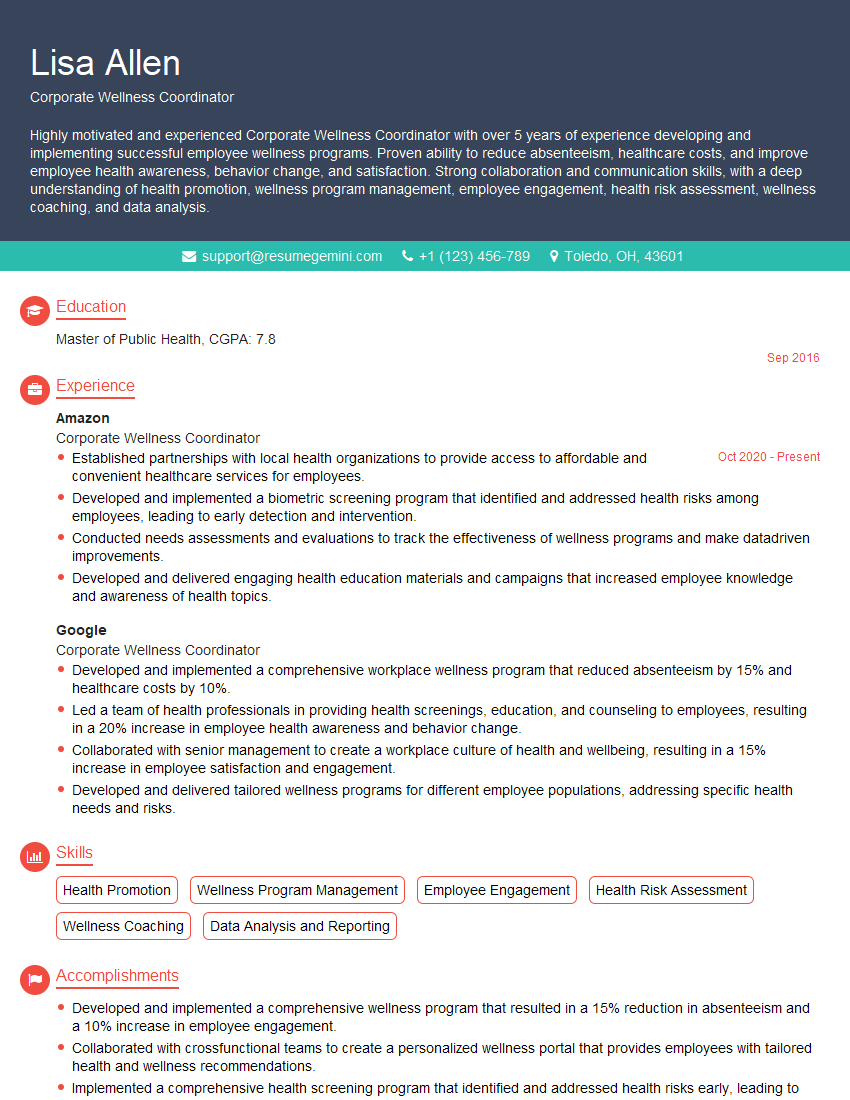
Corporate Wellness Coordinator Resume Sample
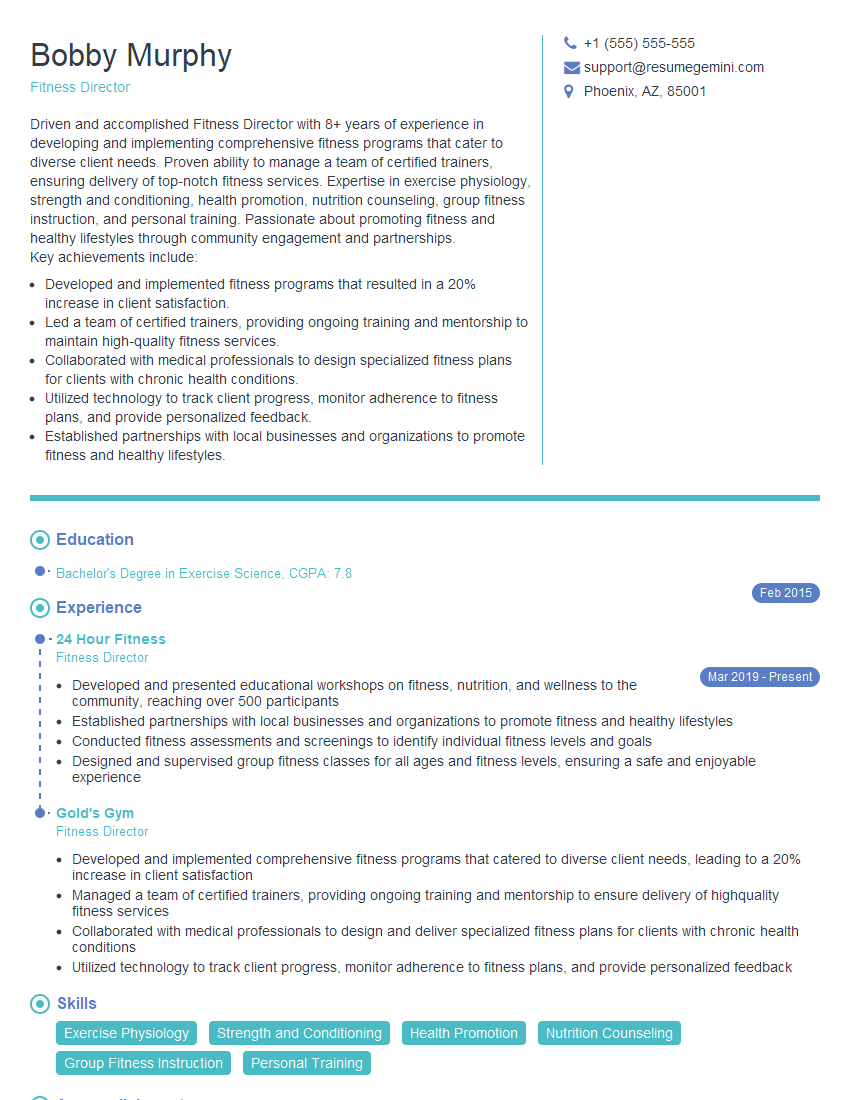
Fitness Director Resume Sample

Wellness Coach Resume Sample
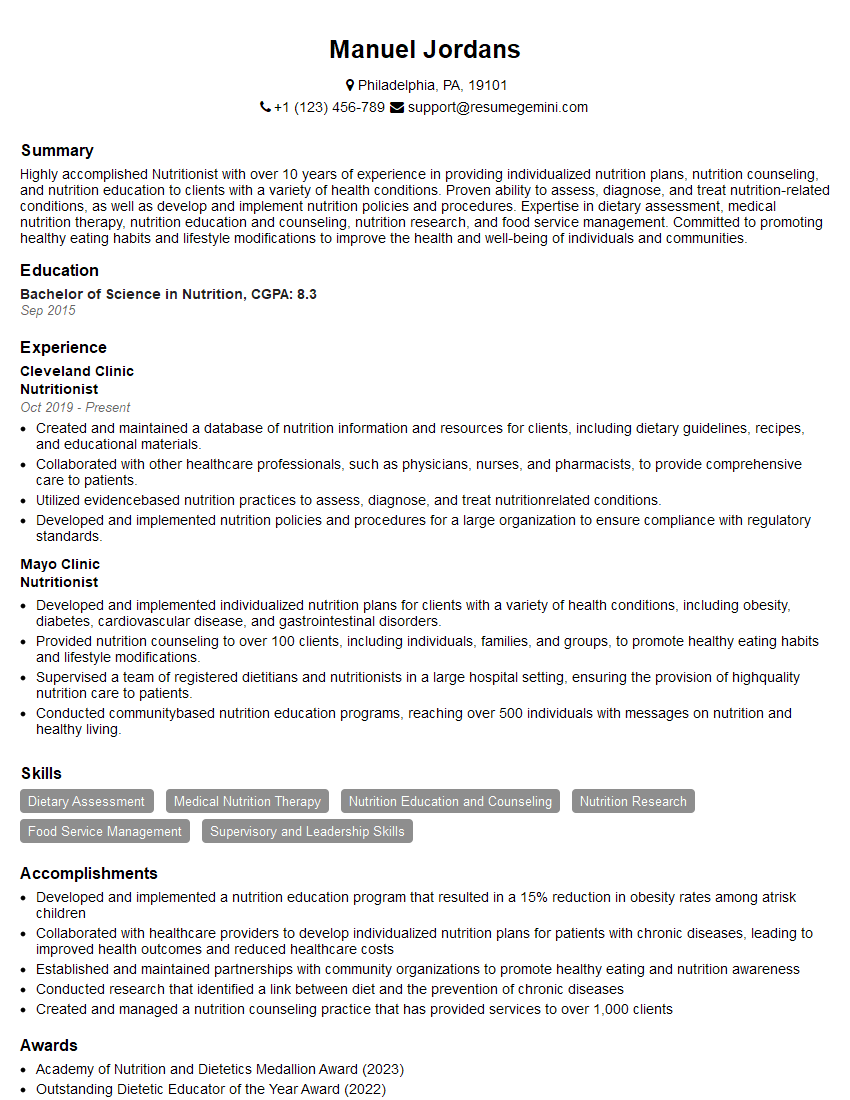
Nutritionist Resume Sample
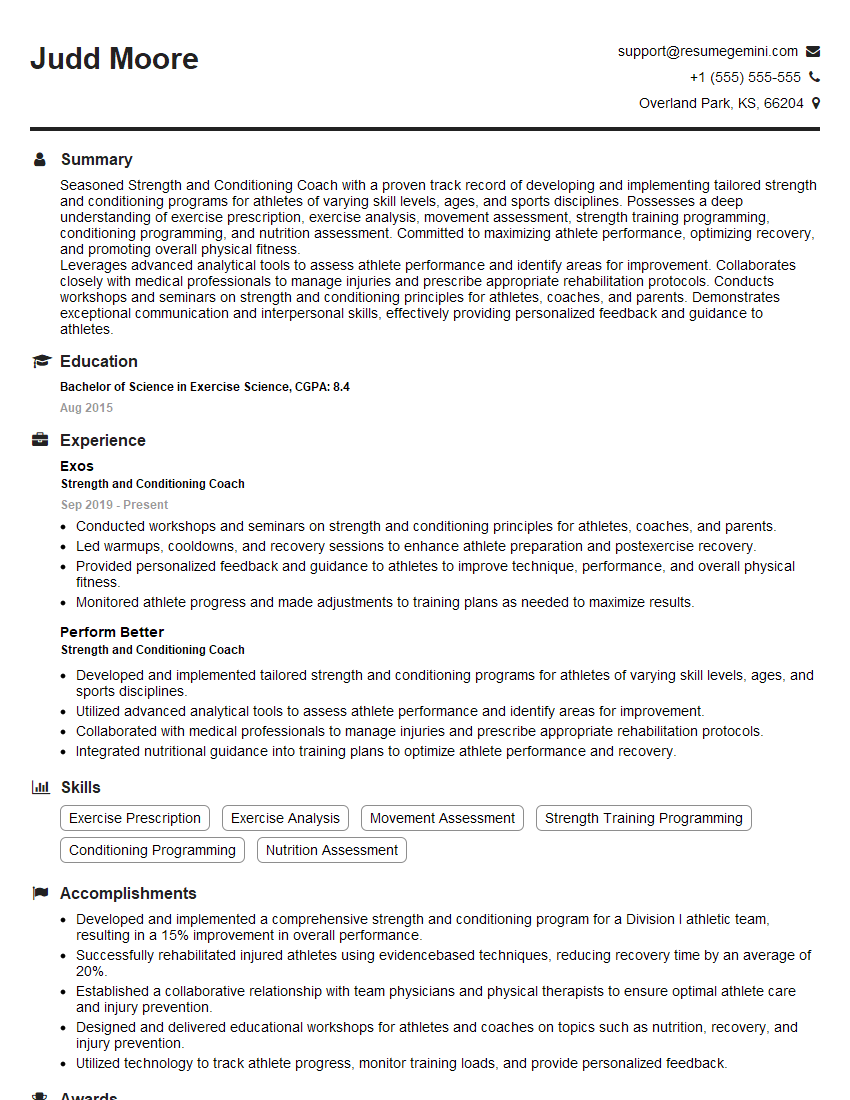
Strength and Conditioning Coach Resume Sample
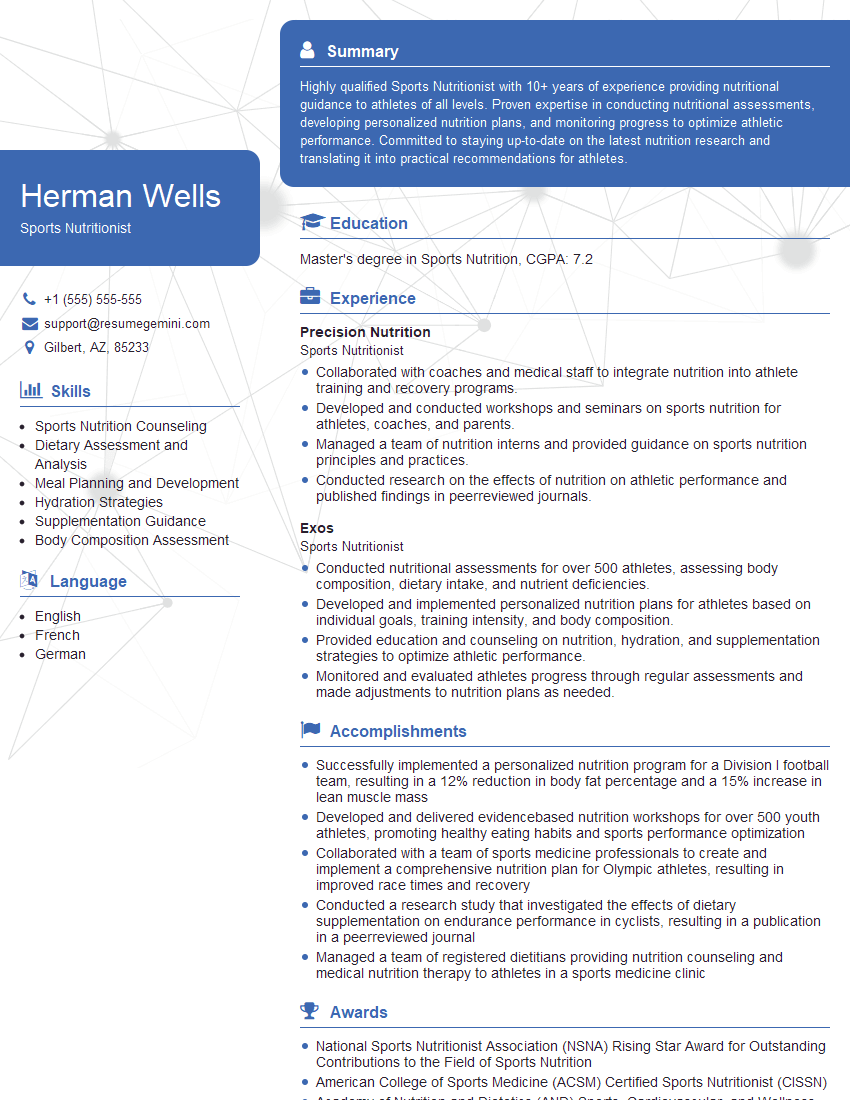
Sports Nutritionist Resume Sample
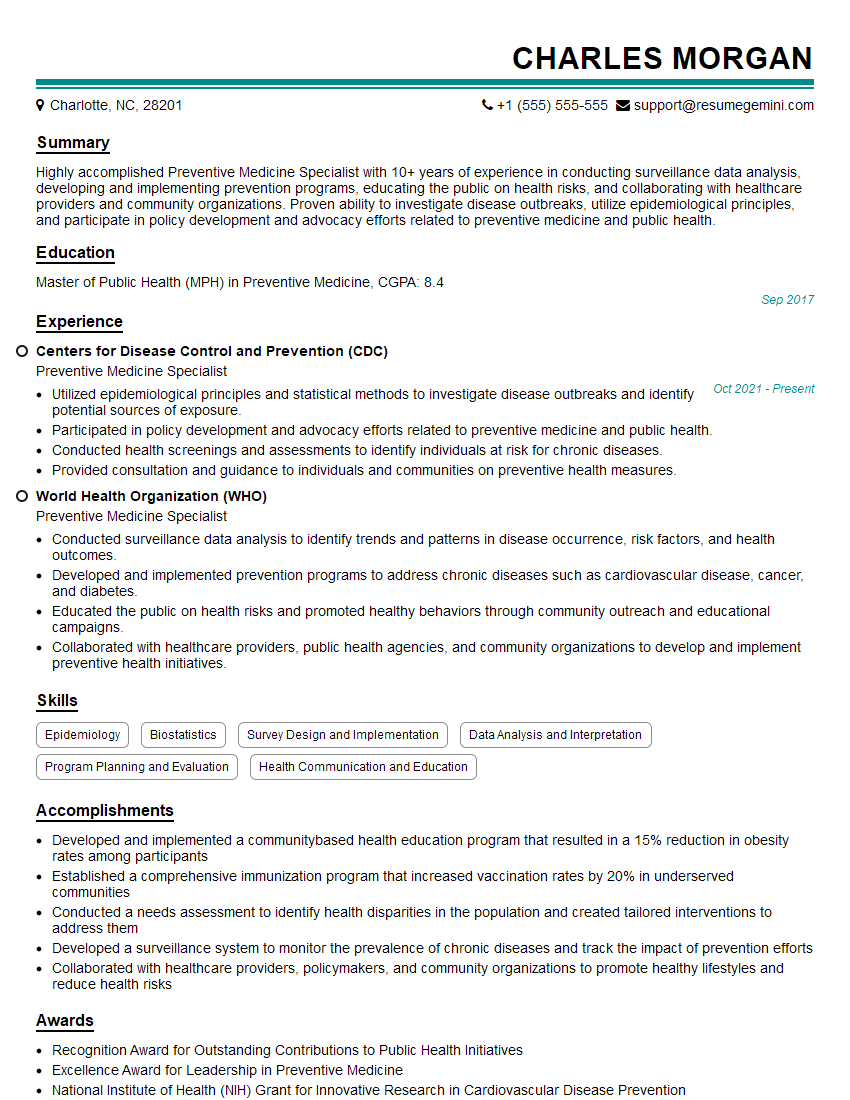
Preventive Medicine Specialist Resume Sample
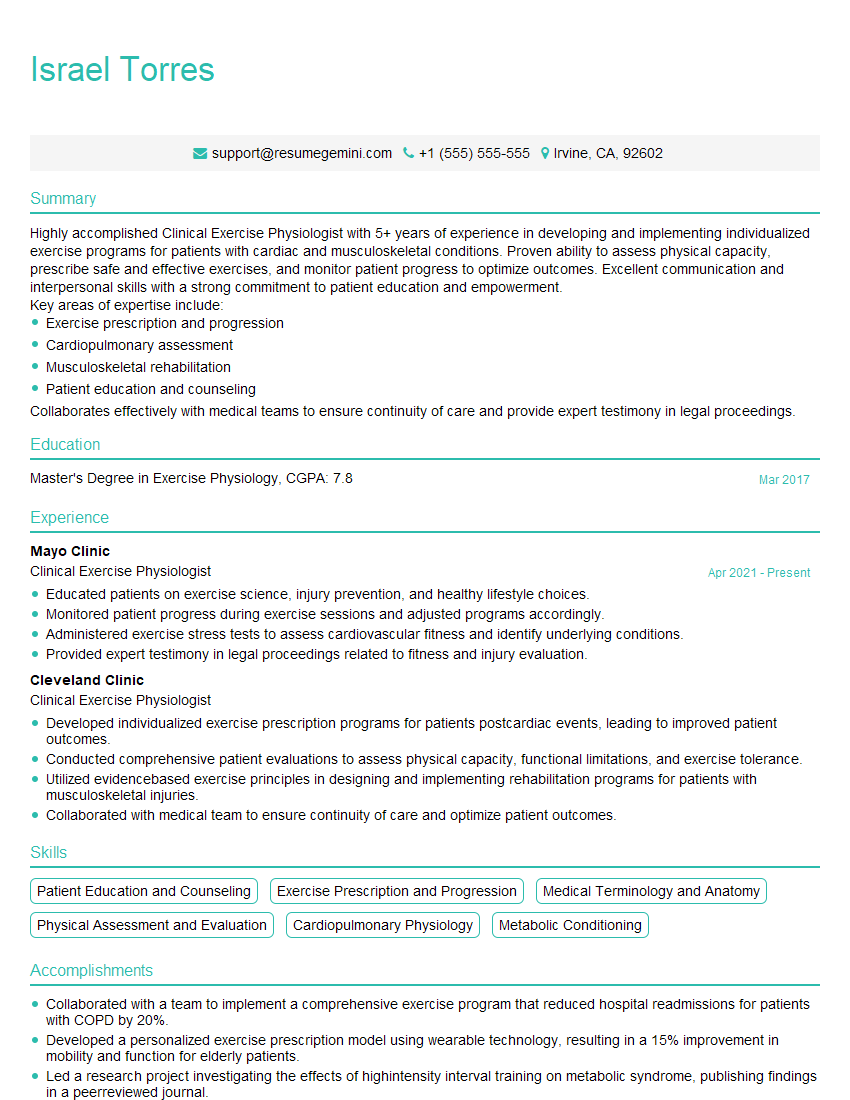
Clinical Exercise Physiologist Resume Sample
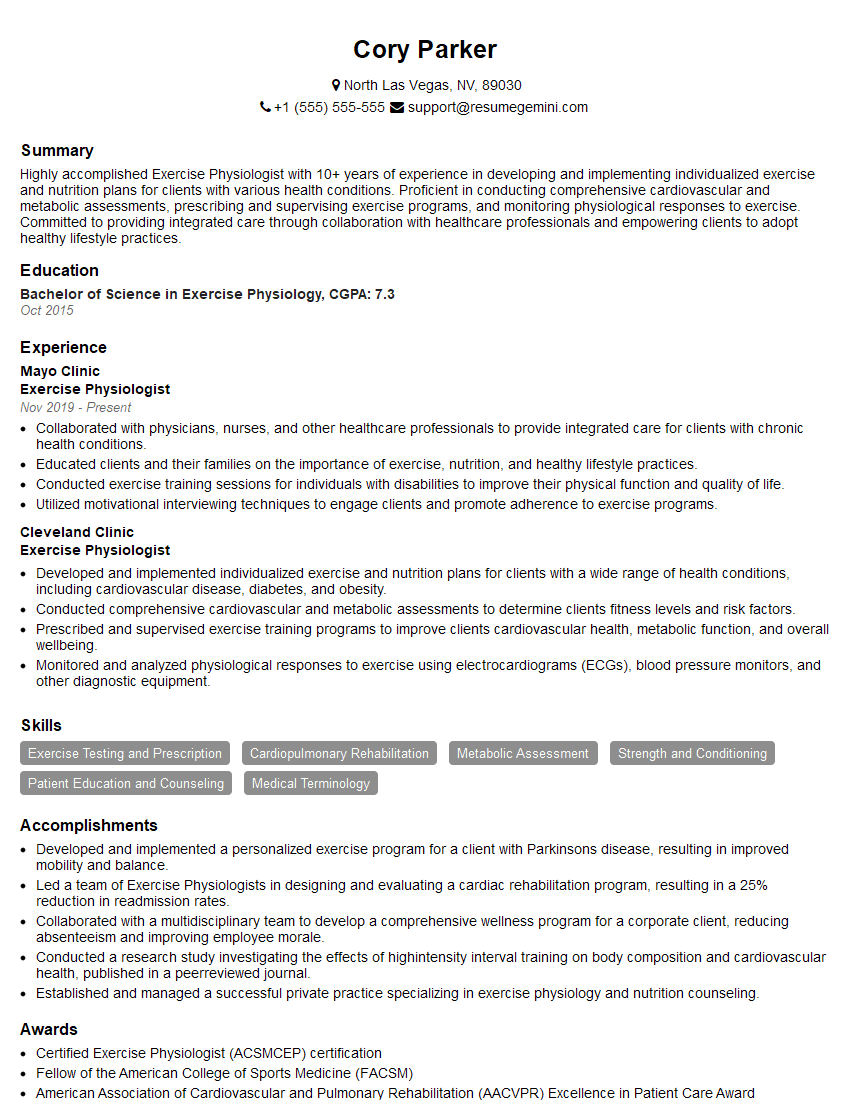
Exercise Physiologist Resume Sample
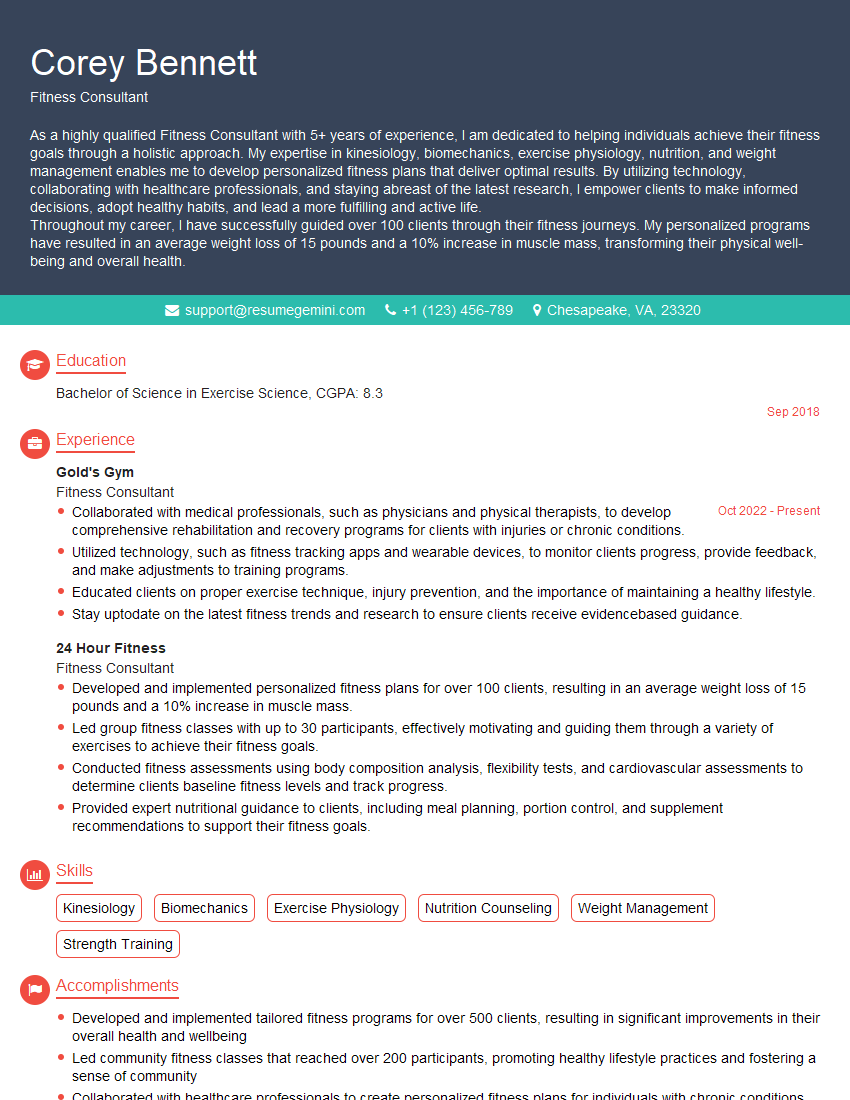
Fitness Consultant Resume Sample
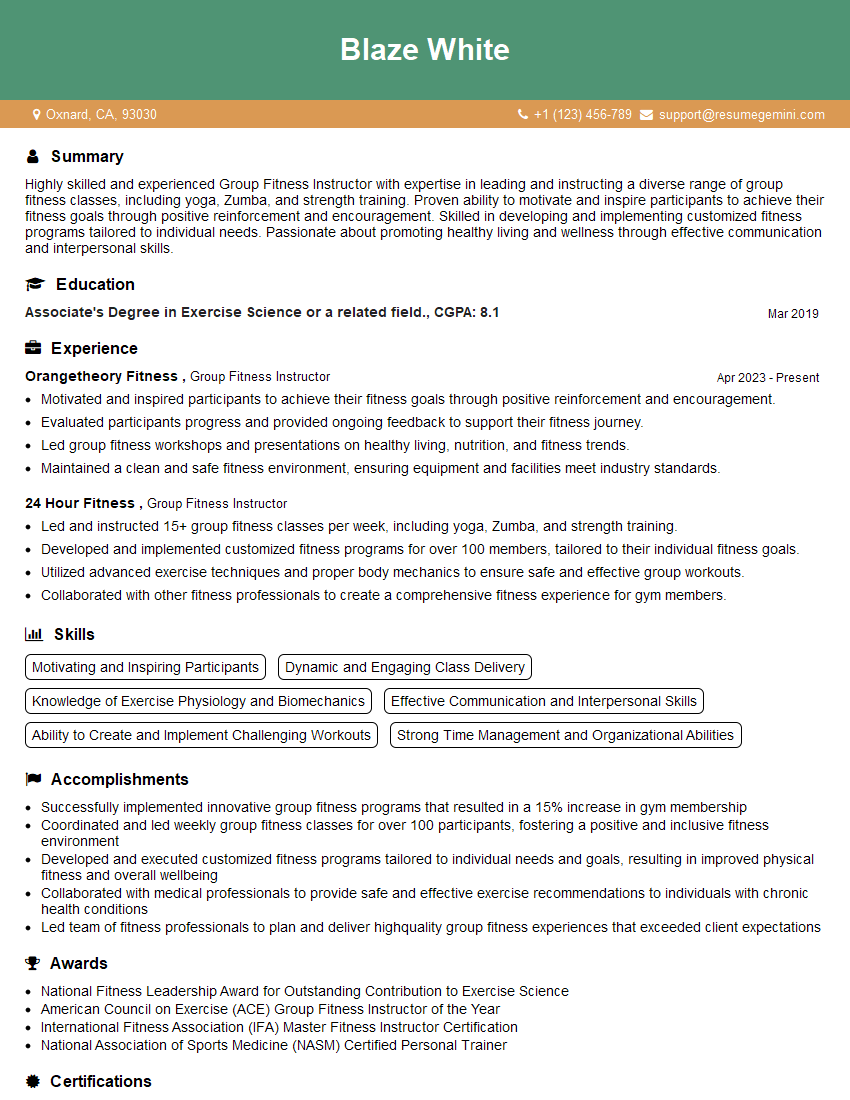
Group Fitness Instructor Resume Sample
Explore more articles
Users Rating of Our Blogs
Share Your Experience
We value your feedback! Please rate our content and share your thoughts (optional).
What Readers Say About Our Blog
To the interviewgemini.com Webmaster.
Very helpful and content specific questions to help prepare me for my interview!
Thank you
To the interviewgemini.com Webmaster.
This was kind of a unique content I found around the specialized skills. Very helpful questions and good detailed answers.
Very Helpful blog, thank you Interviewgemini team.