Cracking a skill-specific interview, like one for Musculoskeletal evaluation and treatment, requires understanding the nuances of the role. In this blog, we present the questions you’re most likely to encounter, along with insights into how to answer them effectively. Let’s ensure you’re ready to make a strong impression.
Questions Asked in Musculoskeletal evaluation and treatment Interview
Q 1. Describe the process of a musculoskeletal examination.
A musculoskeletal examination is a systematic process used to evaluate the patient’s musculoskeletal system, encompassing bones, joints, muscles, ligaments, and tendons. It aims to identify the source of pain or dysfunction and guide treatment. The process typically involves several steps:
- Patient History: This crucial first step involves a detailed conversation with the patient about their symptoms, including onset, location, character, duration, aggravating and relieving factors, and any relevant medical history. For example, a patient might describe sudden sharp pain in their knee after a fall, indicating a potential ligament injury.
- Observation: The examiner carefully observes the patient’s posture, gait, and any visible deformities or asymmetries. Noticeable limping might suggest a lower extremity issue.
- Palpation: The examiner feels the affected area to assess for tenderness, swelling, muscle spasm, temperature changes, and crepitus (a crackling sound). Increased warmth over a joint could point towards inflammation.
- Range of Motion (ROM): Passive and active ROM are assessed to determine the extent of joint movement. Restricted ROM often indicates joint pathology or muscle tightness.
- Muscle Strength Testing: Manual muscle testing evaluates muscle strength, identifying weakness or atrophy. Weakness in a specific muscle group can help pinpoint the location of the problem.
- Special Tests: These tests vary depending on the suspected condition and aim to confirm specific diagnoses. Examples include the Lachman test for anterior cruciate ligament (ACL) tears and the Phalen’s test for carpal tunnel syndrome.
- Neurological Examination (if indicated): If nerve involvement is suspected, a neurological exam assesses sensation, reflexes, and muscle function to rule out nerve root compression or other neurological issues. Numbness or tingling in the hand could indicate nerve compression.
The findings from these steps are integrated to formulate a diagnosis and treatment plan.
Q 2. Explain the difference between osteoarthritis and rheumatoid arthritis.
Osteoarthritis (OA) and rheumatoid arthritis (RA) are both types of arthritis causing joint pain and inflammation, but they differ significantly in their underlying causes and characteristics:
- Osteoarthritis (OA): This is a degenerative joint disease, meaning it’s caused by the breakdown of cartilage within the joint over time. It’s often referred to as ‘wear and tear’ arthritis and is commonly associated with aging. OA typically affects weight-bearing joints (knees, hips) and is characterized by localized pain and stiffness that worsen with activity and improve with rest. Morning stiffness typically resolves within 30 minutes.
- Rheumatoid Arthritis (RA): This is a systemic autoimmune disease, meaning the body’s immune system mistakenly attacks its own tissues, including the synovium (the lining of the joints). RA is a more inflammatory disease, often affecting multiple joints symmetrically (both hands, both knees). It typically presents with morning stiffness lasting longer than 30 minutes, along with fatigue, fever, and systemic symptoms. Joint damage can occur over time, even leading to joint deformity.
A key difference lies in the involvement of the immune system. OA primarily involves mechanical damage, while RA is driven by an autoimmune response. Imaging studies (X-rays) often reveal distinct differences in joint damage between the two conditions.
Q 3. What are the common signs and symptoms of a rotator cuff tear?
The rotator cuff is a group of four muscles and their tendons that stabilize the shoulder joint. A tear in one or more of these tendons can cause a range of symptoms:
- Pain: This is the most common symptom, often localized to the shoulder, but it can radiate down the arm. The pain can be sharp, aching, or burning, and it’s often worse at night or with certain movements.
- Weakness: Difficulty lifting or rotating the arm is a common sign. Simple activities like reaching overhead or combing hair may become challenging.
- Limited Range of Motion: Reduced ability to raise the arm, rotate it inward or outward, or reach behind the back. The pain often limits the patient’s ability to perform these movements.
- Clicking or Popping: Some patients report a clicking or popping sound in the shoulder, especially during movement.
- Swelling: There may be noticeable swelling in the shoulder joint.
- Catching or Locking: The shoulder may feel as though it is catching or locking in certain positions.
The severity of symptoms varies depending on the size and location of the tear. A small partial tear may cause only mild pain and weakness, while a large full-thickness tear can cause significant disability.
Q 4. How do you differentiate between nerve root compression and muscle strain?
Differentiating between nerve root compression and muscle strain requires a careful clinical examination:
- Nerve Root Compression: This condition, often stemming from a herniated disc or spinal stenosis, causes pain that often follows a dermatomal pattern (a specific area of skin supplied by a single nerve root). Along with pain, there may be numbness, tingling (paresthesia), and weakness in the muscles innervated by the affected nerve root. Reflexes may also be diminished or absent. Straight leg raise test (SLR) is often positive.
- Muscle Strain: This involves an injury to a muscle or its tendon, typically caused by overstretching or tearing. Pain is localized to the affected muscle, often worsened by movement or palpation. Weakness may be present, but it’s usually less severe and doesn’t follow a dermatomal pattern. Paresthesia is usually absent. SLR is usually negative or less sensitive than when the cause is nerve root compression.
Neurological examination plays a crucial role in distinguishing these conditions. The presence of dermatomal sensory changes, reflex abnormalities, and specific patterns of weakness strongly suggests nerve root compression. Imaging studies like MRI or CT scans are helpful in confirming the diagnosis.
Q 5. What imaging modalities are useful in evaluating musculoskeletal injuries?
Several imaging modalities are valuable in evaluating musculoskeletal injuries:
- X-rays: Excellent for visualizing bone structures, detecting fractures, dislocations, and degenerative changes like osteoarthritis. X-rays are often the initial imaging modality used.
- Ultrasound: Useful for evaluating soft tissues such as muscles, tendons, ligaments, and nerves. It can detect tears, inflammation, and fluid collections. Ultrasound is often used to guide injections.
- MRI (Magnetic Resonance Imaging): Provides detailed images of both bone and soft tissues, making it ideal for diagnosing conditions like ligament tears, meniscus tears, rotator cuff tears, herniated discs, and tumors. It does not involve exposure to ionizing radiation.
- CT (Computed Tomography) Scan: Provides cross-sectional images of bone and soft tissues, particularly useful for visualizing complex fractures and assessing bone alignment. It involves exposure to ionizing radiation, thus is reserved when clinically indicated.
- Bone Scan: Used to detect stress fractures, infections, and tumors involving the bone.
The choice of imaging modality depends on the clinical suspicion and the specific information needed to make a diagnosis.
Q 6. Explain your approach to managing acute low back pain.
Managing acute low back pain involves a multifaceted approach focused on reducing pain, restoring function, and preventing recurrence:
- Initial Assessment: A thorough history and physical examination are crucial to rule out serious underlying causes (e.g., cauda equina syndrome, fracture). Red flags like bowel/bladder dysfunction, significant neurological deficits, and severe unrelenting pain necessitate immediate referral.
- Pain Management: This includes:
- Rest: Avoiding activities that exacerbate pain initially is essential.
- Medication: Over-the-counter analgesics like ibuprofen or acetaminophen can alleviate pain. For more severe pain, stronger medication might be required, but they should be under medical supervision.
- Heat or Ice: Applying heat or ice packs can provide temporary relief, depending on the patient’s preference and the nature of the injury.
- Early Mobilization: Encouraging gradual return to activity is key. Gentle movements and exercises can prevent stiffness and promote healing.
- Physical Therapy: A structured exercise program tailored to the individual’s needs can help strengthen core muscles, improve flexibility, and enhance posture.
- Manual Therapy: Techniques like spinal manipulation (by a qualified professional) might alleviate pain and improve joint mobility.
- Education and Patient Counseling: Providing information about proper body mechanics, lifting techniques, and maintaining a healthy lifestyle is essential.
The goal is to empower the patient to manage their pain effectively and prevent future episodes. Referral to a specialist might be necessary for persistent or severe pain that does not respond to conservative management.
Q 7. Describe the treatment options for carpal tunnel syndrome.
Carpal tunnel syndrome, caused by compression of the median nerve at the wrist, can be managed using several treatment options:
- Conservative Management: This is the first-line approach and typically involves:
- Wrist Splinting: Wearing a wrist splint, particularly at night, helps maintain the wrist in a neutral position, reducing pressure on the median nerve.
- Medication: Non-steroidal anti-inflammatory drugs (NSAIDs) can help alleviate pain and inflammation.
- Activity Modification: Avoiding activities that aggravate symptoms is important.
- Physical Therapy: Exercises may help improve hand strength, dexterity, and range of motion.
- Corticosteroid Injections: Injecting corticosteroids directly into the carpal tunnel can temporarily reduce inflammation and provide pain relief. This is not a long-term solution.
- Surgical Management: If conservative measures fail to provide relief, surgery may be considered. Carpal tunnel release surgery involves cutting the transverse carpal ligament to relieve pressure on the median nerve.
The choice of treatment depends on the severity of symptoms and the patient’s response to conservative therapy. Early intervention is often more effective in preventing long-term nerve damage.
Q 8. What are the contraindications for manual therapy techniques?
Contraindications for manual therapy techniques are situations where applying these techniques could worsen a patient’s condition. These are carefully considered and often involve a thorough evaluation of the patient’s medical history and current status. They can be broadly categorized into absolute and relative contraindications.
- Absolute Contraindications: These are situations where manual therapy is strictly prohibited. Examples include:
- Malignancy: The presence of cancer, as manual therapy could potentially spread cancerous cells.
- Fractures: Untreated or unstable fractures would be severely compromised by manipulation.
- Severe infections: Conditions like osteomyelitis (bone infection) would be exacerbated by manual intervention.
- Uncontrolled hypertension: Certain manual techniques could dramatically increase blood pressure in patients with this condition.
- Active bleeding disorders: The risk of hemorrhage would be significantly increased.
- Relative Contraindications: These are situations where the benefits of manual therapy must be carefully weighed against the potential risks. Treatment may be cautiously proceeded with only after a careful assessment of the patient and situation. Examples include:
- Pregnancy: Certain manual therapy techniques may be contraindicated during specific stages of pregnancy.
- Recent surgery: Post-operative patients often require a period of healing before manual therapy is appropriate.
- Severe osteoporosis: The risk of fracture is greatly increased, making manual techniques potentially dangerous.
- Certain neurological conditions: Conditions affecting nerve function may be adversely affected.
- Patient’s unwillingness or inability to cooperate: Successful manual therapy requires patient compliance and participation.
Determining whether a contraindication exists requires a detailed patient history, physical examination, and potentially imaging studies. The decision to proceed or avoid manual therapy should always prioritize patient safety.
Q 9. How do you assess a patient’s functional limitations?
Assessing a patient’s functional limitations is crucial for creating an effective treatment plan. It’s not simply about identifying pain; it’s about understanding how the pain impacts their daily life. My approach involves a multi-faceted assessment including:
- Patient Reported Outcome Measures (PROMs): These questionnaires provide valuable insights into the patient’s perception of their function and pain levels. Examples include the Oswestry Disability Index (ODI) for back pain or the Knee Injury and Osteoarthritis Outcome Score (KOOS) for knee problems. These standardized tools give objective data to track progress.
- Observational Gait Analysis: Observing the patient’s walk provides clues to the impact of their musculoskeletal issue on their movement patterns. Are they limping? Do they favor one side? This is particularly valuable for assessing balance and coordination.
- Functional Tests: These tests measure performance in activities essential for daily living. Examples include:
- Timed Up and Go (TUG): Measures mobility and balance.
- Stair Climbing Test: Assesses lower extremity strength and coordination.
- Functional Reach Test: Evaluates balance and stability.
- Range of Motion (ROM) Assessment: Measuring the extent of joint movement helps identify stiffness or limitations. I use goniometers for precise measurements.
- Muscle Strength Testing: Manual muscle testing (MMT) assesses the strength of individual muscles. This helps identify muscle weakness contributing to functional limitations.
By combining these assessments, I gain a comprehensive understanding of the patient’s functional limitations, allowing me to develop a personalized treatment plan addressing their specific needs and goals. For example, a patient with a knee injury might struggle with stair climbing. By identifying the underlying weakness or limitation, I can create a tailored exercise program targeting those specific areas.
Q 10. What is your experience with therapeutic exercise prescription?
Therapeutic exercise prescription is a cornerstone of my practice. It’s not just about giving patients a list of exercises; it’s about designing a program that is individualized, progressive, and safe. My approach incorporates several key aspects:
- Needs Analysis: This begins with a thorough assessment of the patient’s functional limitations, strengths, and goals. I then tailor the exercises to specifically address their needs. For example, a patient recovering from a rotator cuff tear will have a different program compared to someone with lower back pain.
- Exercise Selection: I select exercises based on evidence-based practice, considering factors such as muscle imbalances, joint stability, and pain levels. I utilize a variety of exercise modalities, including:
- Range of Motion (ROM) Exercises: Improve joint mobility.
- Strengthening Exercises: Increase muscle strength and endurance.
- Neuromuscular Re-education Exercises: Improve muscle coordination and control.
- Proprioceptive Exercises: Improve balance and stability.
- Progressive Overload: The intensity and difficulty of exercises are gradually increased over time to challenge the patient and promote adaptation. This principle ensures continuous improvement. For instance, starting with light weights and gradually increasing repetitions, sets, or resistance.
- Patient Education: I provide detailed instructions on proper exercise technique, ensuring the patient understands the purpose and benefits of each exercise. I provide visual aids and demonstration and encourage their active participation.
- Regular Monitoring and Modification: I regularly monitor the patient’s progress, making adjustments to the exercise program as needed based on their response. This might include reducing intensity, adjusting the exercise type or introducing new challenges.
I maintain detailed documentation of the prescribed exercises, allowing for effective tracking of progress and communication with other healthcare professionals. Using a patient portal, I can provide patients with access to their personalized programs.
Q 11. Describe your approach to patient education.
Patient education is paramount to successful rehabilitation. My approach emphasizes active patient participation and understanding. I believe in empowering patients to take ownership of their recovery. This involves:
- Clear and Concise Explanation: I use simple language, avoiding medical jargon, to explain the patient’s diagnosis, treatment plan, and prognosis. I also use visual aids like diagrams or models to enhance understanding.
- Interactive Sessions: I encourage questions and facilitate open discussions to address any concerns or misconceptions. I focus on active listening and understanding the patient’s perspective.
- Demonstration and Practice: I demonstrate proper exercise techniques and provide opportunities for supervised practice. This ensures the patient understands and can correctly perform the exercises.
- Written Materials: I provide patients with written instructions, including pictures and diagrams of the exercises. In some cases, I provide links to videos demonstrating proper form.
- Home Exercise Programs: I develop detailed home exercise programs, ensuring the exercises are appropriate for the patient’s abilities and home environment. I emphasize the importance of consistency and adherence to the program.
- Follow-up and Support: I schedule regular follow-up appointments to monitor progress, answer questions, and provide ongoing support.
For example, when explaining a knee injury, I might use a model of the knee joint to visually illustrate the damaged area and how specific exercises will improve function. I always aim to make the education process engaging and empowering, fostering a collaborative partnership in the healing process.
Q 12. How do you manage a patient with chronic pain?
Managing chronic pain requires a holistic and individualized approach, as there is no one-size-fits-all solution. My strategy involves a multimodal approach targeting multiple aspects of the patient’s condition.
- Comprehensive Assessment: This involves a thorough evaluation to identify the contributing factors to the chronic pain, including physical, psychological, and social factors. I conduct a careful review of past medical history, functional capacity, lifestyle and mental health.
- Therapeutic Exercises: A tailored exercise program is crucial. This might include strengthening exercises, flexibility exercises, aerobic exercise, and exercises targeting specific movement patterns to improve strength, mobility and endurance.
- Manual Therapy: If appropriate (taking into account contraindications), I may use manual therapy techniques like soft tissue mobilization or joint mobilization to address musculoskeletal restrictions and improve joint mechanics.
- Pain Management Techniques: These might include modalities like heat, ice, ultrasound, or electrical stimulation to reduce pain and inflammation. A referral to a pain management specialist may be warranted in severe cases.
- Education and Self-Management Strategies: I educate patients about their condition, pain management strategies, activity modification, and pacing techniques. I teach them self-care techniques like stretching and self-massage.
- Psychological Support: Chronic pain often has a significant psychological impact. I might refer patients to a psychologist or counselor for cognitive behavioral therapy (CBT), stress management techniques, or other appropriate interventions.
- Medication Management: I work closely with the patient’s physician to manage their pain medications effectively, balancing pain relief with potential side effects. I strongly advocate for the use of analgesics in conjunction with the other treatment modalities.
It is crucial to regularly assess the effectiveness of the treatment plan and adjust it as needed, providing ongoing support and encouraging the patient to actively participate in their recovery. The goal is not necessarily to eliminate pain entirely, but to improve function, reduce disability, and enhance the patient’s quality of life.
Q 13. Explain your understanding of the biomechanics of the knee joint.
The knee joint is a complex structure with intricate biomechanics. Understanding these mechanics is crucial for accurate diagnosis and treatment of knee injuries. The knee is primarily a modified hinge joint, allowing flexion and extension, with some degree of medial and lateral rotation. Key aspects include:
- Articular Cartilage: The smooth surface covering the ends of the femur, tibia, and patella, facilitating low-friction movement. Degeneration of this cartilage contributes to osteoarthritis.
- Menisci: These fibrocartilaginous discs act as shock absorbers, improve joint congruency, and provide stability. Tears are common knee injuries.
- Ligaments: The knee joint relies on several key ligaments for stability. These include:
- Anterior Cruciate Ligament (ACL): Prevents anterior displacement of the tibia on the femur.
- Posterior Cruciate Ligament (PCL): Prevents posterior displacement of the tibia on the femur.
- Medial Collateral Ligament (MCL): Provides medial stability.
- Lateral Collateral Ligament (LCL): Provides lateral stability.
- Patellofemoral Joint: The articulation between the patella and femur. This joint’s mechanics are crucial for proper tracking of the patella during knee movement. Patellar maltracking can lead to pain and injury.
- Muscles: Muscles surrounding the knee joint, such as the quadriceps, hamstrings, and gastrocnemius, are essential for stability, movement, and force production.
Understanding the complex interplay of these structures is critical in assessing knee injuries. For example, an ACL tear will affect knee stability, leading to instability and potentially further injury. Treatment must address not only the ligament tear but also the associated muscle weakness and deficits that may contribute to instability.
Q 14. What are the different types of fractures and their management?
Fractures are classified in various ways, including by location, type, and cause. Management depends heavily on the specific fracture characteristics.
- Types of Fractures:
- Closed Fracture: The bone breaks but the skin remains intact.
- Open Fracture: The bone breaks and protrudes through the skin, increasing the risk of infection.
- Comminuted Fracture: The bone breaks into multiple fragments.
- Greenstick Fracture: The bone breaks incompletely, like a twig bending. Common in children.
- Spiral Fracture: A fracture that spirals around the bone, often caused by twisting forces.
- Stress Fracture: A hairline fracture caused by repetitive stress.
- Pathological Fracture: A fracture that occurs in a weakened bone due to a disease like osteoporosis or cancer.
- Management: Management of fractures involves:
- Immobilization: This is crucial to allow the bone to heal properly. Methods include casting, splinting, or external fixation devices.
- Reduction: This involves realigning the broken bone fragments. This can be done through closed reduction (manipulation without surgery) or open reduction (surgical intervention).
- Surgical Fixation: If closed reduction is insufficient, surgical fixation using plates, screws, or rods may be necessary to stabilize the fracture.
- Pain Management: Pain relief is a significant part of fracture management, often using analgesics, or other pain control strategies.
- Rehabilitation: After the fracture heals, rehabilitation is essential to regain range of motion, strength, and function. This often includes physical therapy, occupational therapy, or other relevant therapies.
The choice of treatment will depend on the specific type and location of the fracture, the patient’s overall health, and other factors. For example, a simple, closed fracture of the forearm might be managed with a cast, while a complex, comminuted fracture of the femur may require surgery and extensive rehabilitation.
Q 15. How do you assess for ligamentous instability in the ankle?
Assessing for ankle ligamentous instability involves a thorough clinical examination combining subjective history and objective physical findings. It’s crucial to understand the mechanism of injury, as this often provides valuable clues. For instance, an inversion injury (rolling the ankle inwards) strongly suggests damage to the lateral ligaments (anterior talofibular, calcaneofibular, and posterior talofibular ligaments).
The physical examination includes:
- Inspection: Looking for swelling, bruising, and deformity around the ankle joint.
- Palpation: Gently feeling for tenderness over the ligaments and assessing for any instability.
- Range of Motion (ROM): Evaluating the ankle’s ability to dorsiflex (point toes up), plantarflex (point toes down), and invert/evert (move the sole of the foot inward/outward). Limited ROM or pain during specific movements can indicate ligamentous injury.
- Stress Tests: These are pivotal. The anterior drawer test and talar tilt test assess the anterior talofibular and calcaneofibular ligaments, respectively. These involve applying gentle stress to the joint while feeling for excessive laxity or movement compared to the uninjured side. A positive test suggests ligamentous injury. It’s important to compare the affected side with the unaffected side.
- Special Tests: Other tests like the Kleiger test (assessing the deltoid ligament) might be performed depending on the suspected injury.
Imaging, such as X-rays and MRI scans, is often used to confirm the diagnosis and assess the extent of the injury. X-rays rule out fractures, while MRIs provide detailed images of soft tissues, including ligaments. The combination of a detailed history, thorough physical exam, and appropriate imaging ensures a comprehensive assessment.
Career Expert Tips:
- Ace those interviews! Prepare effectively by reviewing the Top 50 Most Common Interview Questions on ResumeGemini.
- Navigate your job search with confidence! Explore a wide range of Career Tips on ResumeGemini. Learn about common challenges and recommendations to overcome them.
- Craft the perfect resume! Master the Art of Resume Writing with ResumeGemini’s guide. Showcase your unique qualifications and achievements effectively.
- Don’t miss out on holiday savings! Build your dream resume with ResumeGemini’s ATS optimized templates.
Q 16. Describe your experience with different types of orthotics.
My experience encompasses a wide range of orthotics, from simple over-the-counter arch supports to custom-fabricated devices. I’ve worked extensively with patients requiring different types of orthotic intervention. This includes:
- Accommodative Orthotics: These are designed to relieve pressure and provide cushioning, often used for patients with foot deformities like plantar fasciitis or bunions. I’ve used these frequently to reduce pain and improve comfort during daily activities. For example, a metatarsal pad can relieve pressure on the ball of the foot.
- Functional Orthotics: These aim to improve foot mechanics and biomechanics. They help control pronation (rolling inward of the foot) or supination (rolling outward). I’ve prescribed these for patients with conditions like pes planus (flat feet) or overpronation, which can lead to knee or hip pain. The goal is to improve foot posture and reduce stress on the joints further up the kinetic chain.
- Custom Orthotics: These are created based on a three-dimensional model of the patient’s foot and often incorporate specific adjustments to address individual biomechanical needs. I often use them to manage complex foot conditions or when off-the-shelf options prove inadequate. The level of detail and customization offered allows for targeted corrections of biomechanical issues.
The choice of orthotic depends entirely on the patient’s specific needs, diagnosis, activity level, and budget. I always discuss the options with the patient, explaining the benefits and limitations of each type before making a recommendation.
Q 17. What is your familiarity with electrotherapeutic modalities?
I’m very familiar with electrotherapeutic modalities and their application in musculoskeletal rehabilitation. These modalities use various forms of electrical energy to stimulate nerves and muscles, manage pain, and promote tissue healing. My experience includes:
- Transcutaneous Electrical Nerve Stimulation (TENS): Widely used for pain management by stimulating sensory nerves to block pain signals. I use it frequently for acute and chronic pain conditions, helping patients manage discomfort and improve function. It’s particularly useful for conditions like back pain, arthritis, and nerve pain.
- Ultrasound: Utilizes high-frequency sound waves to generate heat deep within the tissues, improving blood circulation, reducing inflammation, and promoting tissue repair. This is helpful for soft tissue injuries like sprains and strains.
- Iontophoresis: This technique uses electrical current to deliver medication (such as anti-inflammatory drugs) directly into the tissues. It can be beneficial for localized inflammatory conditions.
- Electrical Muscle Stimulation (EMS): EMS uses electrical impulses to cause muscle contractions, helping maintain muscle strength and prevent atrophy (muscle wasting) in patients who are immobilized or have limited mobility. It also plays a crucial role in post-surgical rehabilitation.
However, it’s important to emphasize that electrotherapeutic modalities are not a standalone treatment. They’re most effective when integrated into a comprehensive rehabilitation program that includes manual therapy, therapeutic exercises, and patient education.
Q 18. Explain your understanding of evidence-based practice in musculoskeletal care.
Evidence-based practice (EBP) is the cornerstone of my approach to musculoskeletal care. It’s a systematic approach that integrates the best available research evidence, clinical expertise, and patient values to make informed decisions about patient care. The process involves:
- Formulating a clinical question: Clearly defining the problem and identifying relevant research keywords.
- Searching for evidence: Using reliable databases (like PubMed, Cochrane Library) to locate relevant research articles.
- Critically appraising the evidence: Evaluating the quality, validity, and applicability of the research findings. This involves assessing study design, sample size, and statistical significance.
- Integrating evidence with clinical expertise and patient values: Considering my own experience, the patient’s preferences, and their unique circumstances when making treatment decisions.
- Evaluating outcomes: Monitoring the effectiveness of the chosen treatment and making adjustments as needed.
For example, before recommending a specific exercise program for a patient with knee osteoarthritis, I would consult research on the effectiveness of different exercise modalities for this condition. I would then consider the patient’s age, fitness level, and preferences when tailoring the program. Regularly reviewing the latest research helps ensure that my practice remains current and effective.
Q 19. How do you integrate patient goals into treatment planning?
Integrating patient goals into treatment planning is paramount. It ensures that the treatment is patient-centered and addresses their individual needs and aspirations. I start by having a thorough discussion with the patient to understand their goals and expectations. This might involve:
- Understanding their functional limitations: What activities are they struggling with? What are their daily challenges due to their musculoskeletal condition?
- Identifying their priorities: What are their most important goals? Do they want to return to a specific activity (e.g., running, gardening), reduce pain, or improve their range of motion?
- Setting realistic and achievable goals: Collaboration is key here. We work together to establish short-term and long-term goals that are both challenging and attainable. It’s vital to avoid setting unrealistic expectations that might lead to frustration.
For example, a patient with a shoulder injury might want to return to playing tennis. We would collaboratively set goals focusing on pain reduction, regaining range of motion, improving strength and stability, and ultimately, safely returning to tennis. The treatment plan would be structured around these goals, incorporating exercises and other interventions designed to achieve them. Regular progress checks and modifications to the plan ensure the patient stays on track.
Q 20. What is your approach to managing a patient with a complex musculoskeletal condition?
Managing a patient with a complex musculoskeletal condition often requires a multidisciplinary approach. This necessitates collaboration with other healthcare professionals, such as orthopedists, rheumatologists, neurologists, and physiatrists, depending on the nature of the condition. My approach involves:
- Comprehensive assessment: A thorough evaluation of the patient’s medical history, physical examination, and relevant imaging studies.
- Differential diagnosis: Carefully considering various possible diagnoses and ruling out other conditions.
- Developing an individualized treatment plan: Tailoring the treatment to address the specific needs and complexities of the condition. This often involves a combination of medical management (e.g., medication), manual therapy, exercise therapy, and orthotic interventions.
- Communication and collaboration: Close communication with the patient, their family, and other healthcare providers to ensure coordinated care and shared decision-making.
- Regular monitoring and adjustment: Regularly assessing the patient’s progress and adjusting the treatment plan as needed.
For instance, managing a patient with spinal stenosis might involve collaborating with a neurosurgeon to consider surgical options, working with a pain management specialist to manage chronic pain, and utilizing physical therapy interventions like postural correction and strengthening exercises. A holistic approach that acknowledges the interconnectedness of various body systems is key.
Q 21. Describe your experience with post-surgical rehabilitation.
Post-surgical rehabilitation is a crucial component of successful outcomes following musculoskeletal surgery. My experience involves working with patients undergoing various procedures, including joint replacements, fracture repairs, and ligament reconstructions. The process is highly individualized and depends on the specific surgery, the patient’s overall health, and their goals. A typical approach might include:
- Early mobilization: Gentle range of motion exercises are often started soon after surgery to prevent stiffness and promote healing. This needs to be done carefully, respecting the surgical site and healing process.
- Pain management: Managing pain effectively is crucial for patient comfort and participation in rehabilitation. This can involve medication, modalities like TENS, and manual therapy techniques.
- Progressive strengthening: Gradually increasing the intensity and resistance of exercises to regain muscle strength and improve functional capacity. This is done cautiously to prevent re-injury.
- Functional training: Focusing on activities that mimic real-world movements and tasks to help the patient return to their daily activities and desired level of function. This might involve specific sports-specific training for athletes.
- Patient education: Educating the patient about their condition, the post-operative process, and home exercise programs to ensure successful long-term outcomes.
For example, a patient undergoing total knee replacement will have a structured rehabilitation plan starting with range-of-motion exercises to regain knee flexion and extension. The plan will progressively introduce weight-bearing exercises, strengthening exercises, and finally, activities of daily living. The intensity and type of exercises will be gradually increased as the patient progresses, always respecting the healing process. Close monitoring ensures the patient is recovering effectively and safely.
Q 22. How do you assess a patient’s progress during rehabilitation?
Assessing a patient’s progress in musculoskeletal rehabilitation requires a multifaceted approach that goes beyond simply measuring range of motion or strength. It involves a holistic evaluation of functional improvements, pain management, and overall well-being.
- Objective Measures: We use standardized outcome measures such as the Oswestry Disability Index (ODI) for low back pain or the DASH (Disabilities of the Arm, Shoulder and Hand) questionnaire for upper limb injuries. These provide quantifiable data to track progress over time. For example, a reduction in ODI score from 60% to 30% indicates significant improvement in functional ability.
- Subjective Measures: Patient self-reported pain levels (using visual analog scales or numeric rating scales) and their perception of functional improvements are crucial. A patient might report less pain during daily activities, even if objective measures show only slight improvement in range of motion.
- Functional Assessments: We observe the patient performing functional tasks relevant to their daily lives. For instance, for a patient recovering from a knee injury, we’d assess their ability to walk a certain distance, climb stairs, and perform sit-to-stand transitions. Videos or documentation of these activities can be very helpful in tracking their improvement.
- Goal Setting and Attainment: We establish specific, measurable, achievable, relevant, and time-bound (SMART) goals with the patient at the start of rehabilitation. Regularly reviewing these goals allows us to track progress and modify the treatment plan as needed. For example, a goal might be to increase walking distance from 100 meters to 500 meters in four weeks.
By combining these objective and subjective assessments, we get a complete picture of the patient’s progress and make data-driven decisions regarding the intensity and duration of the rehabilitation program.
Q 23. Explain your approach to managing a patient with a spinal cord injury.
Managing a patient with a spinal cord injury (SCI) is a complex, long-term process requiring a highly coordinated interdisciplinary approach. The initial focus is on stabilizing the injury and preventing further complications, followed by a comprehensive rehabilitation program tailored to the individual’s specific needs and level of injury.
- Acute Care: This phase involves immediate medical stabilization, including managing respiratory function, preventing pressure sores, and controlling spasticity. This often requires collaboration with neurosurgeons, intensivists, and respiratory therapists.
- Rehabilitation: This phase focuses on maximizing functional independence and quality of life. This involves a team including physical therapists (for mobility and strength training), occupational therapists (for adaptive techniques and daily living skills), speech therapists (if needed), and psychologists (for emotional support and coping mechanisms). Specific interventions might include specialized exercises, assistive devices (wheelchairs, braces), and adaptive equipment for home and work.
- Long-Term Management: Ongoing care is essential to prevent complications like pressure sores, contractures, and urinary tract infections. Regular follow-up appointments, medication management, and ongoing rehabilitation are critical. This often involves coordinating care with multiple healthcare providers and support systems.
- Patient and Family Education: Education is paramount to empower patients and their families to participate actively in their care. We emphasize the importance of adherence to prescribed exercises, medication regimens, and preventative measures.
For example, a patient with a complete paraplegia might require intensive training on wheelchair mobility, bowel and bladder management, and transfer techniques. A patient with incomplete SCI might focus on regaining some ambulation with assistive devices and improving upper body strength.
Q 24. What are the common complications associated with musculoskeletal injuries?
Musculoskeletal injuries, ranging from minor sprains to severe fractures, can lead to a variety of complications. These complications can significantly impact a patient’s recovery and long-term health.
- Infection: Open wounds are susceptible to infection, potentially leading to osteomyelitis (bone infection) or sepsis. Prompt and appropriate wound care is crucial.
- Nonunion/Malunion: Fractures may fail to heal properly (nonunion) or heal in an incorrect position (malunion), requiring surgical intervention.
- Compartment Syndrome: Increased pressure within a muscle compartment can compromise blood supply, leading to tissue damage and potentially limb loss. This is a surgical emergency.
- Chronic Pain: Persistent pain is a common complication, especially after severe injuries or complex surgeries. Multimodal pain management strategies are often necessary.
- Arthritis: Repeated trauma or joint injury can increase the risk of developing osteoarthritis later in life.
- Contractures: Muscle shortening and joint stiffness can occur due to prolonged immobilization or lack of movement, limiting range of motion and functional ability.
- Complex Regional Pain Syndrome (CRPS): This debilitating condition characterized by severe pain, swelling, and changes in skin color and temperature often follows relatively minor injuries.
- Psychological Impact: Musculoskeletal injuries can significantly impact a patient’s mental health, causing anxiety, depression, and decreased quality of life. Addressing psychological factors is an important aspect of rehabilitation.
The risk of these complications varies based on the type and severity of injury, patient factors (age, comorbidities), and the quality of care received.
Q 25. How do you communicate effectively with patients and their families?
Effective communication is the cornerstone of successful patient care. It involves not only conveying medical information clearly but also building rapport and trust.
- Active Listening: I prioritize active listening to understand the patient’s concerns, experiences, and expectations. I use open-ended questions to encourage them to share their perspectives.
- Plain Language: I avoid medical jargon and explain complex concepts in simple terms, ensuring patients understand their diagnosis, treatment plan, and prognosis.
- Empathy and Compassion: Showing empathy and compassion is crucial. Understanding the patient’s emotional state and acknowledging their pain and frustration can build trust and encourage cooperation.
- Shared Decision-Making: I involve patients in decision-making by presenting them with various treatment options and their potential benefits and risks, empowering them to make informed choices.
- Family Involvement: When appropriate, I involve family members in discussions, especially if the patient needs additional support at home.
- Visual Aids: I frequently use diagrams, models, and other visual aids to illustrate concepts and make information more accessible.
- Documentation: Meticulous documentation of communication with patients and families ensures clarity and continuity of care.
For example, I’ll explain the need for prolonged rest and physiotherapy following a fracture in simple terms, relating it to the body’s natural healing process. I also check for understanding at every step and encourage the patient to ask questions.
Q 26. Describe your experience with interdisciplinary collaboration.
Interdisciplinary collaboration is essential in musculoskeletal care, particularly for complex cases. I have extensive experience working collaboratively with various healthcare professionals, including orthopedic surgeons, physiatrists, physical therapists, occupational therapists, nurses, and psychologists.
- Case Conferences: I regularly participate in case conferences to discuss patient progress, challenges, and treatment strategies. This facilitates shared decision-making and ensures a cohesive treatment approach.
- Team Meetings: I actively contribute to team meetings to coordinate care, share information, and address any concerns related to patient management.
- Referral and Consultation: I effectively refer patients to other specialists when necessary and consult with them to ensure optimal care.
- Shared Documentation: Using electronic health records and other shared platforms ensures all members of the team have access to the latest patient information.
For instance, in managing a patient with a severe ankle fracture, collaboration with the orthopedic surgeon ensures appropriate surgical management, while collaboration with physical therapists ensures appropriate rehabilitation and functional recovery. The psychologist’s input helps in addressing psychological aspects such as pain management and anxiety regarding the injury.
Q 27. What are your professional development goals in the field of musculoskeletal care?
My professional development goals center around enhancing my expertise in musculoskeletal care and staying at the forefront of advancements in the field.
- Advanced Training: I aim to pursue advanced training or certification in areas such as manual therapy, sports medicine, or musculoskeletal ultrasound to broaden my clinical skills and improve patient outcomes.
- Research: I plan to engage in research activities related to improving musculoskeletal rehabilitation techniques and developing evidence-based practice guidelines. This would further enhance our understanding and improve patient care.
- Continuing Education: I am committed to ongoing professional development through attending conferences, workshops, and online courses to stay updated on the latest advancements in treatment modalities, technologies, and research findings.
- Mentorship: I aspire to mentor junior healthcare professionals, sharing my knowledge and experience to foster future leaders in the field of musculoskeletal care.
- Leadership Roles: I’m interested in taking on leadership roles within my healthcare setting to contribute to the development and implementation of innovative and evidence-based programs that improve patient care.
These goals align with my commitment to providing high-quality, patient-centered care and contributing to the advancement of musculoskeletal healthcare.
Key Topics to Learn for Musculoskeletal Evaluation and Treatment Interview
- Patient History Taking: Mastering techniques for obtaining a comprehensive patient history, including detailed symptom descriptions, medical history, and relevant social factors. Consider the importance of active listening and clarifying ambiguous information.
- Physical Examination Techniques: Develop proficiency in performing a thorough musculoskeletal examination, encompassing observation, palpation, range of motion assessment, muscle strength testing, and special tests. Practice applying these techniques in various scenarios and understanding their limitations.
- Differential Diagnosis: Learn to systematically differentiate between various musculoskeletal conditions based on presenting symptoms and examination findings. Develop strong critical thinking skills to effectively rule in or out potential diagnoses.
- Imaging Interpretation (X-ray, MRI, Ultrasound): Understand the basics of interpreting common imaging modalities used in musculoskeletal diagnosis. Focus on recognizing key features and correlating them with clinical findings.
- Treatment Modalities: Familiarize yourself with a range of treatment approaches, including conservative management (e.g., exercise therapy, manual therapy, modalities) and surgical interventions (if applicable to your role). Understand the indications and contraindications for each.
- Evidence-Based Practice: Demonstrate an understanding of the importance of evidence-based practice in musculoskeletal care. Be prepared to discuss relevant research and clinical guidelines.
- Communication and Patient Education: Develop strong communication skills to effectively explain diagnoses, treatment plans, and prognosis to patients. Understand the importance of shared decision-making and patient empowerment.
- Ethical Considerations: Be aware of ethical principles and professional responsibilities in musculoskeletal care. Consider issues such as informed consent, confidentiality, and documentation.
Next Steps
Mastering musculoskeletal evaluation and treatment is crucial for advancing your career in this rewarding field. A strong understanding of these key concepts will significantly enhance your interview performance and open doors to exciting opportunities. To maximize your job prospects, it’s essential to present your skills and experience effectively. Creating an Applicant Tracking System (ATS)-friendly resume is vital in today’s competitive job market. ResumeGemini is a trusted resource that can help you build a professional and impactful resume, designed to catch the eye of recruiters. Examples of resumes tailored to Musculoskeletal evaluation and treatment are available to help guide you.
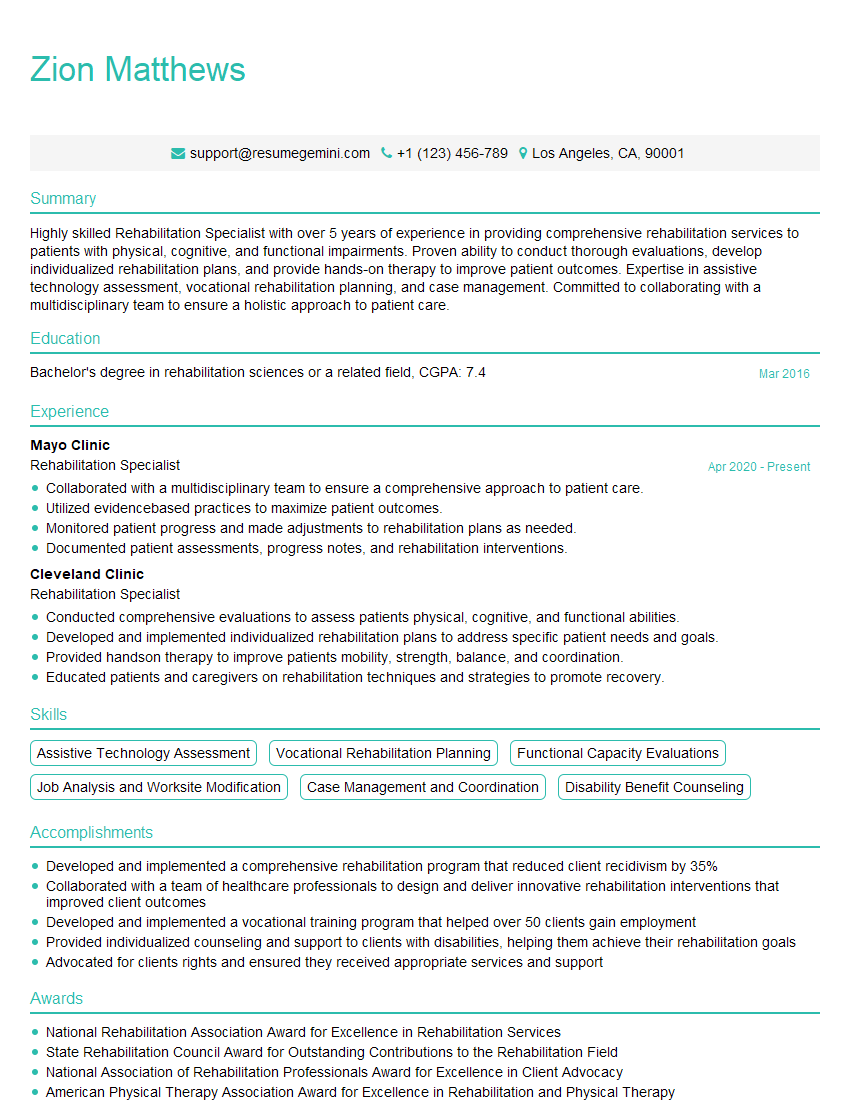
Rehabilitation Specialist Resume Sample
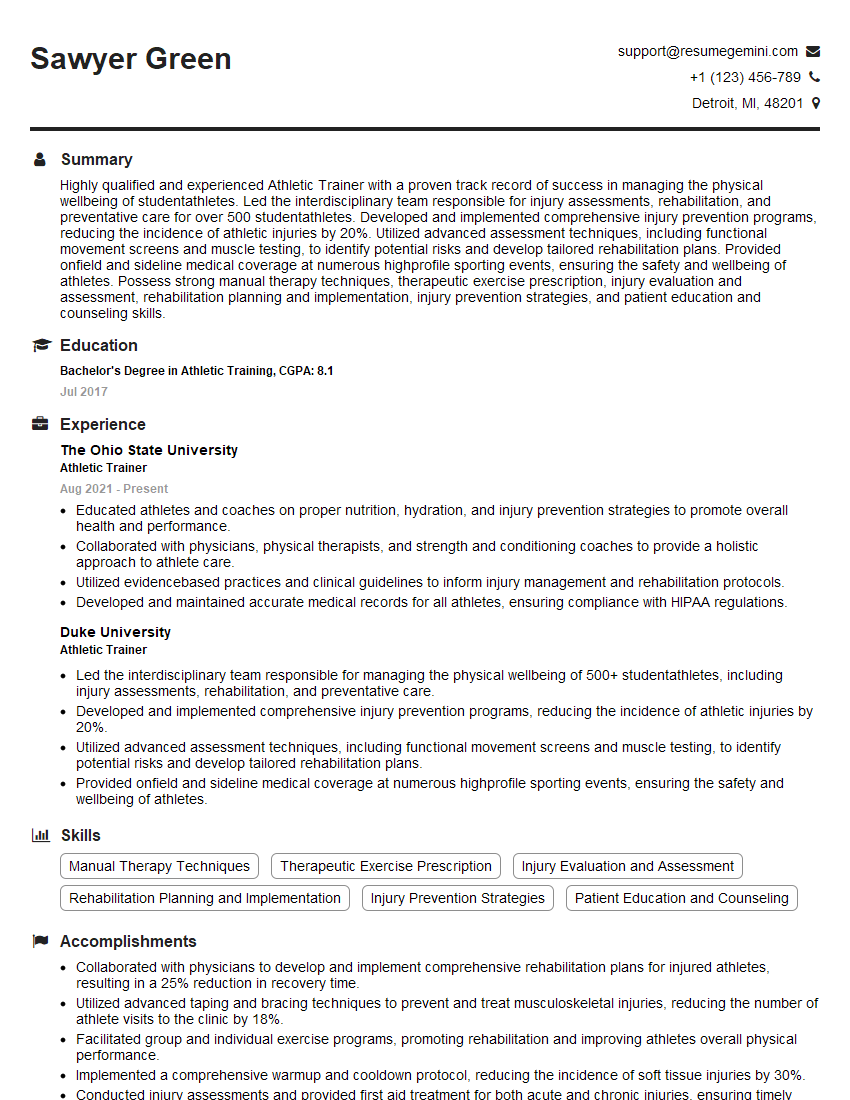
Athletic Trainer Resume Sample
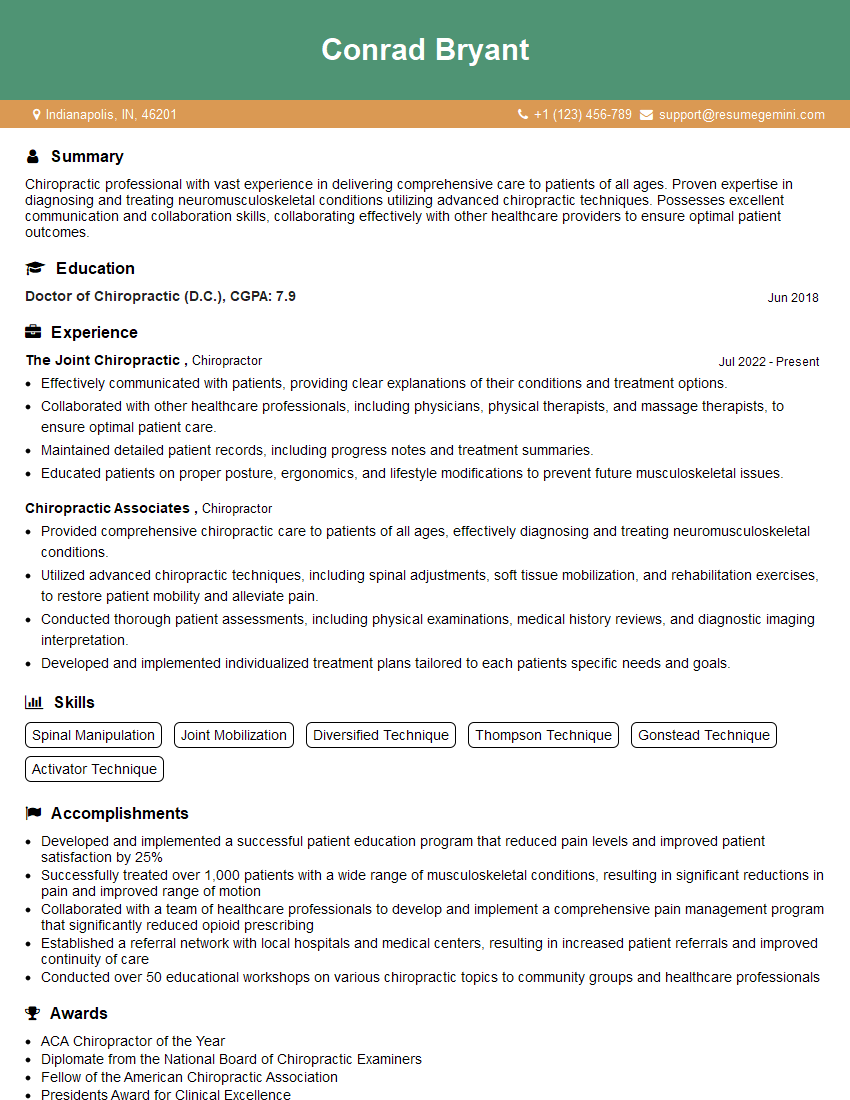
Chiropractor Resume Sample
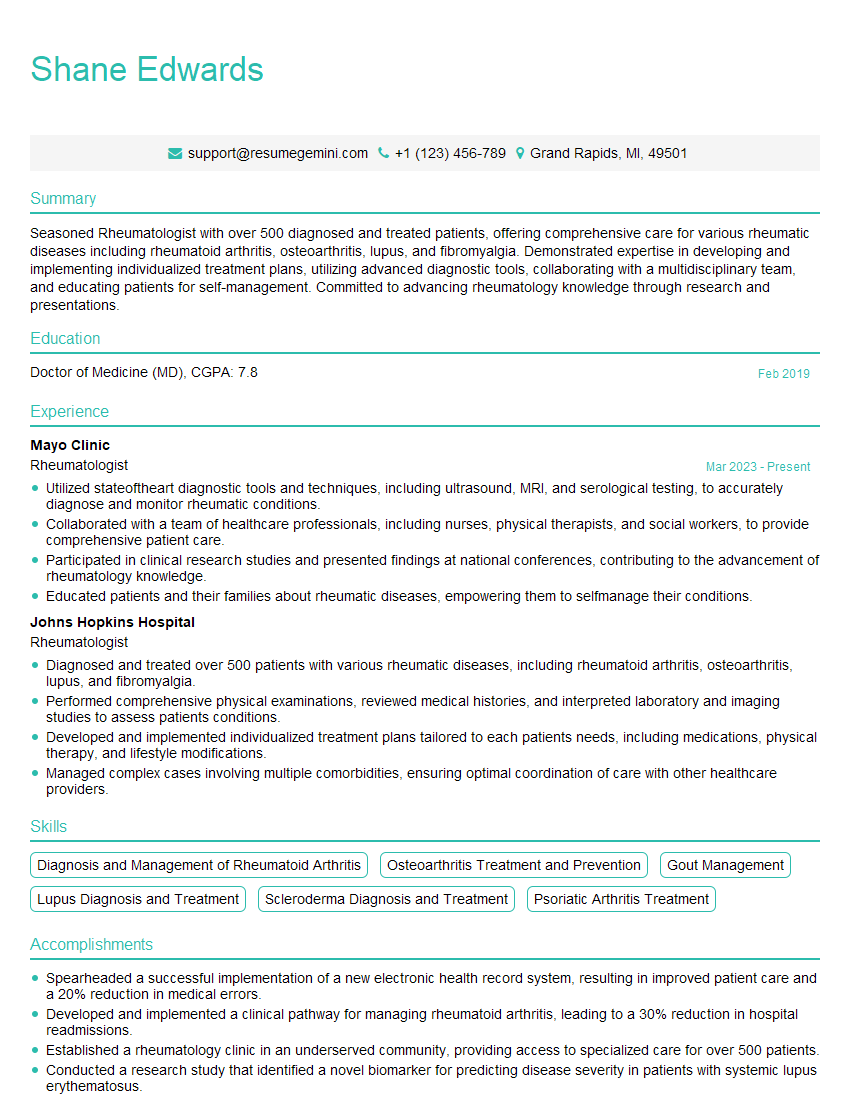
Rheumatologist Resume Sample
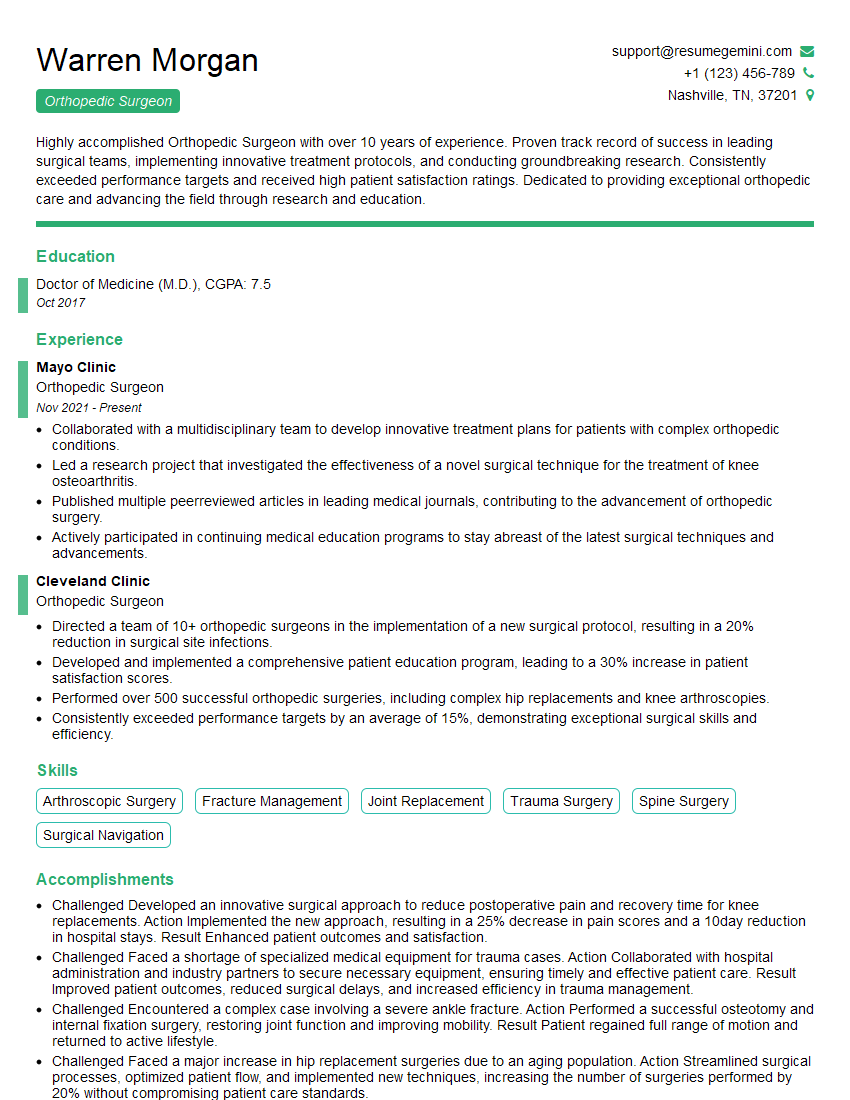
Orthopedic Surgeon Resume Sample
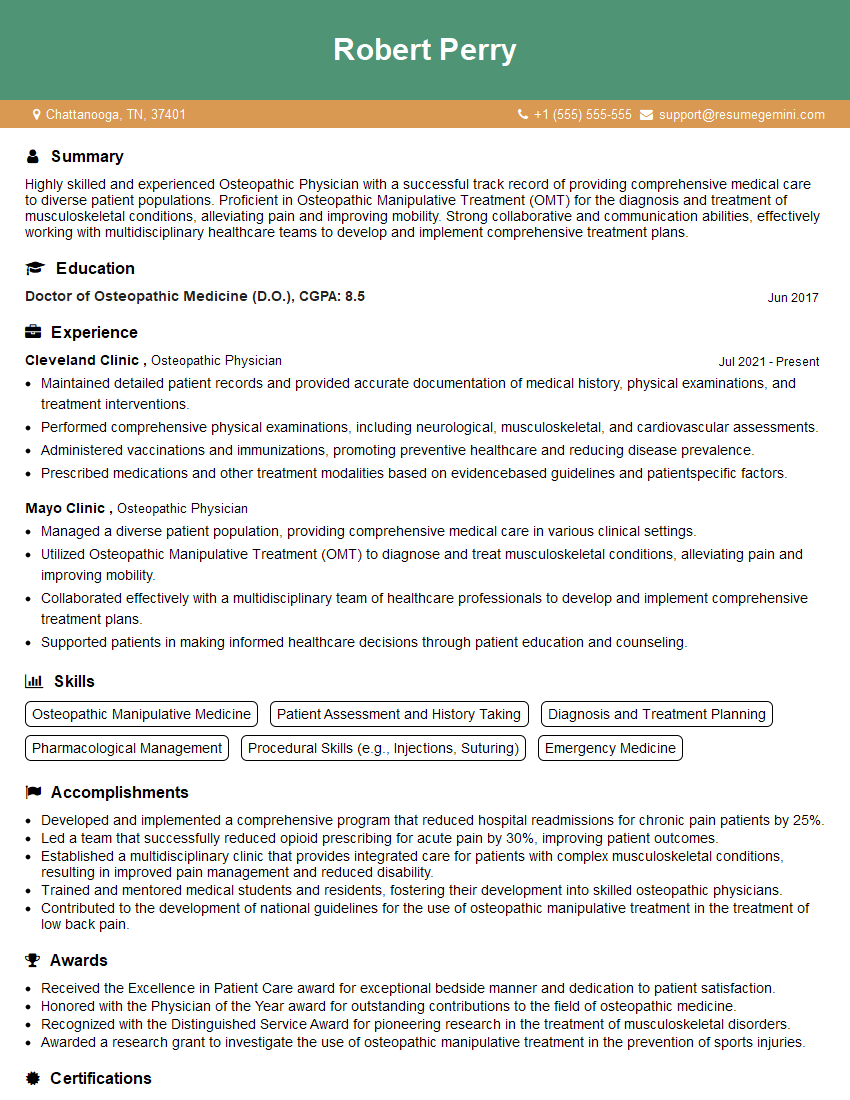
Osteopathic Physician Resume Sample
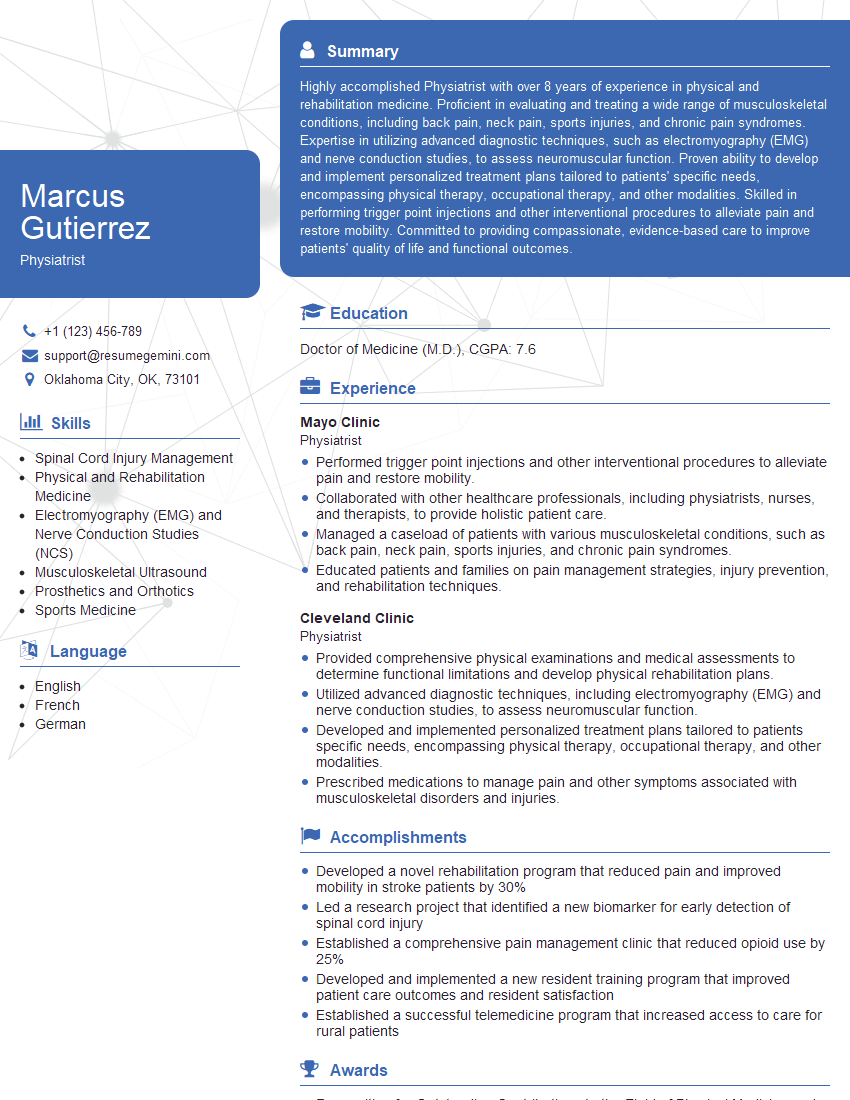
Physiatrist Resume Sample
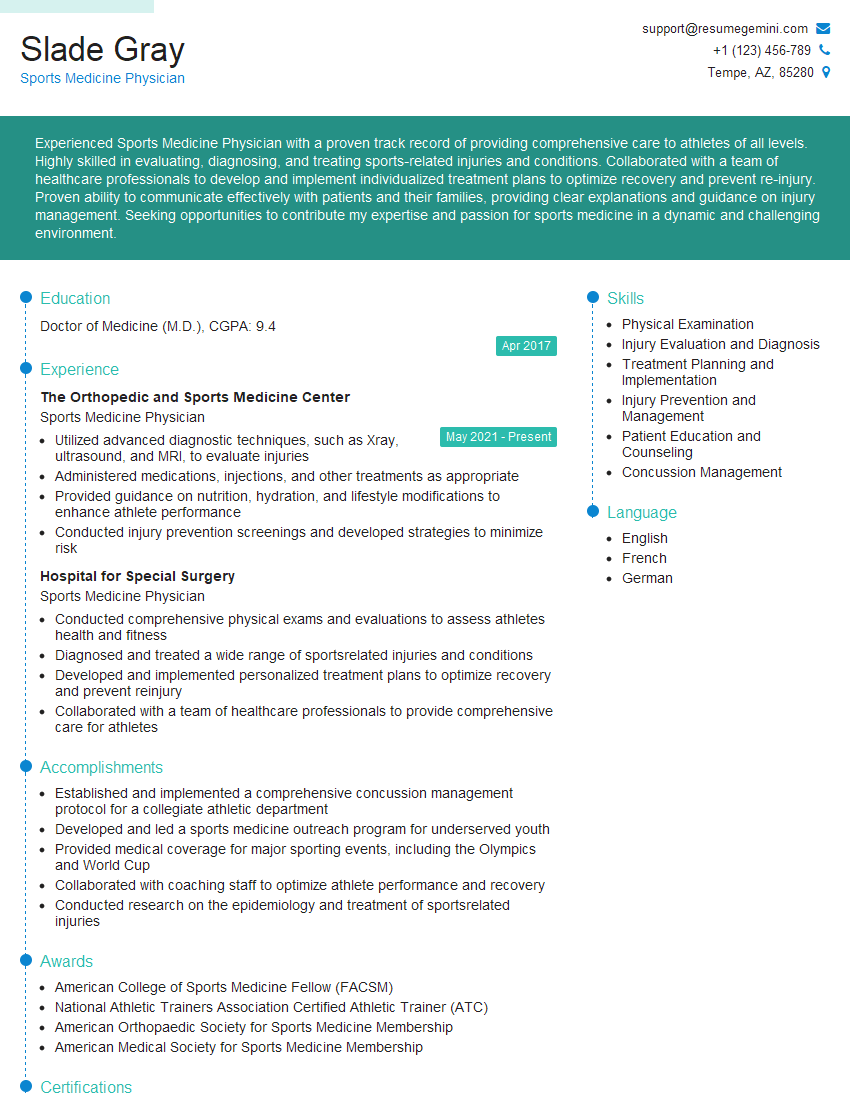
Sports Medicine Physician Resume Sample
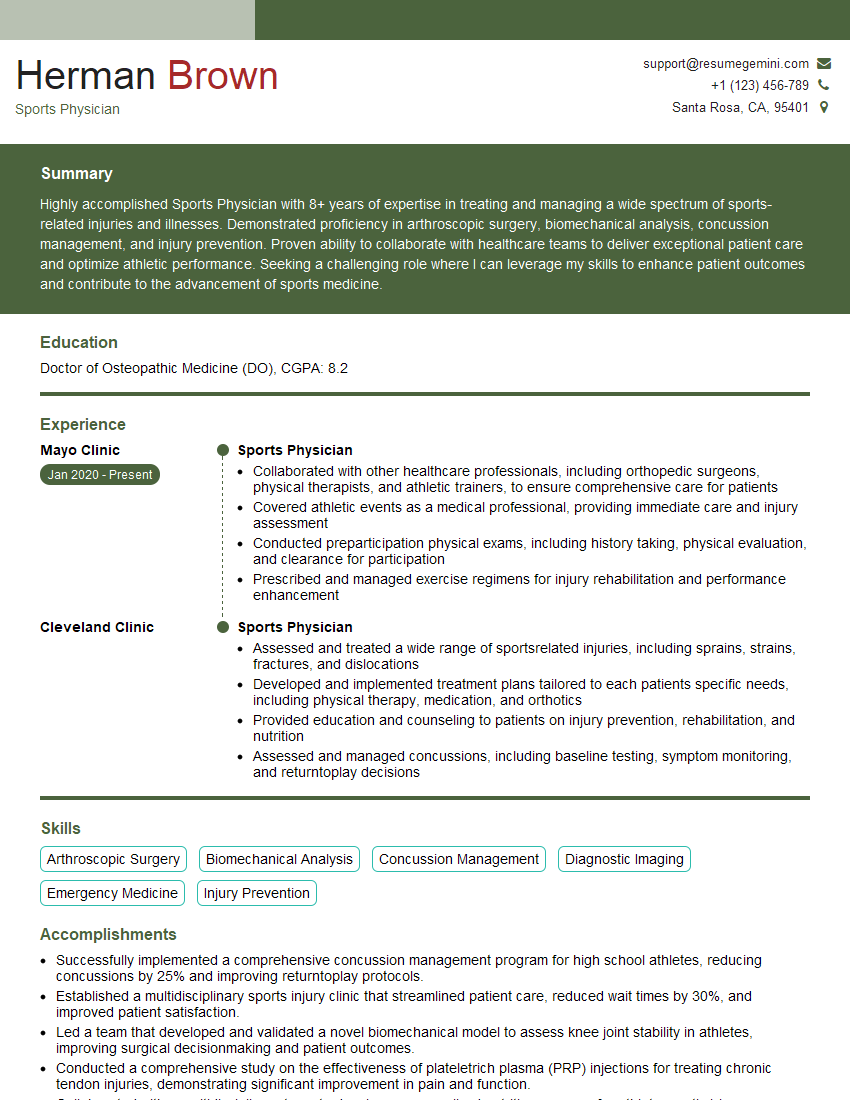
Sports Physician Resume Sample
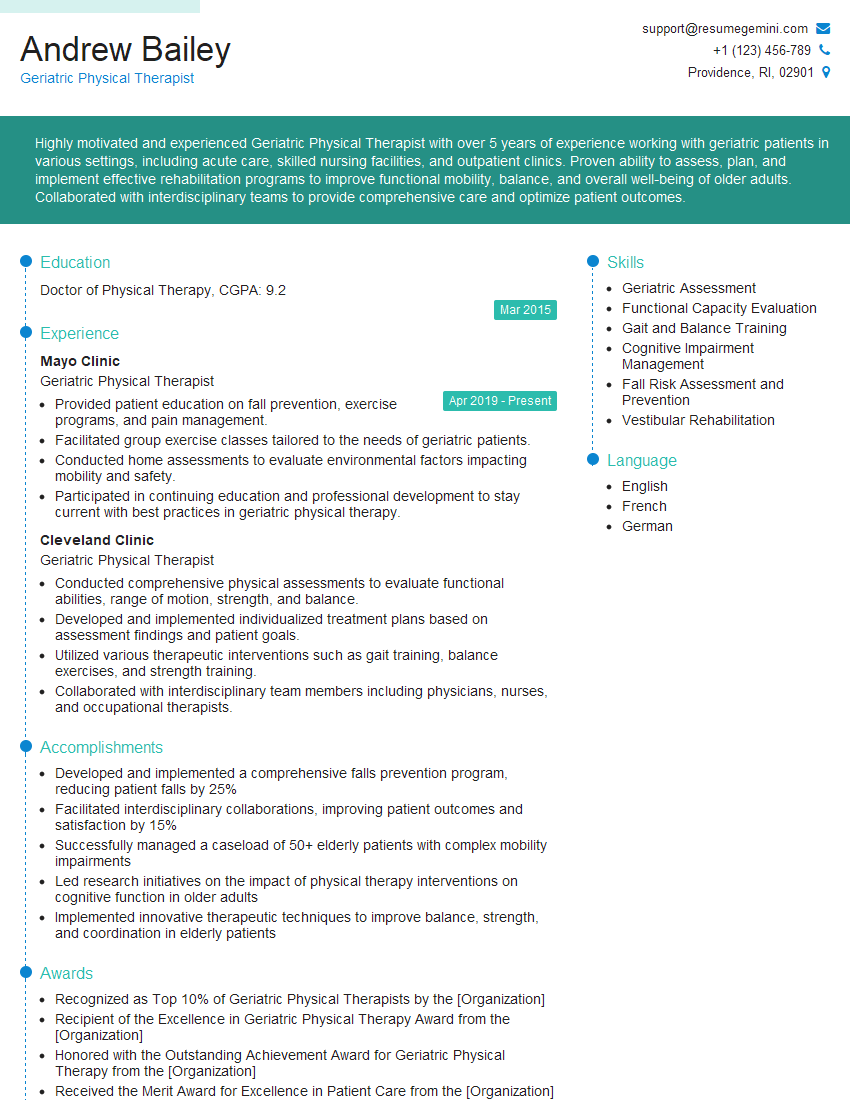
Geriatric Physical Therapist Resume Sample
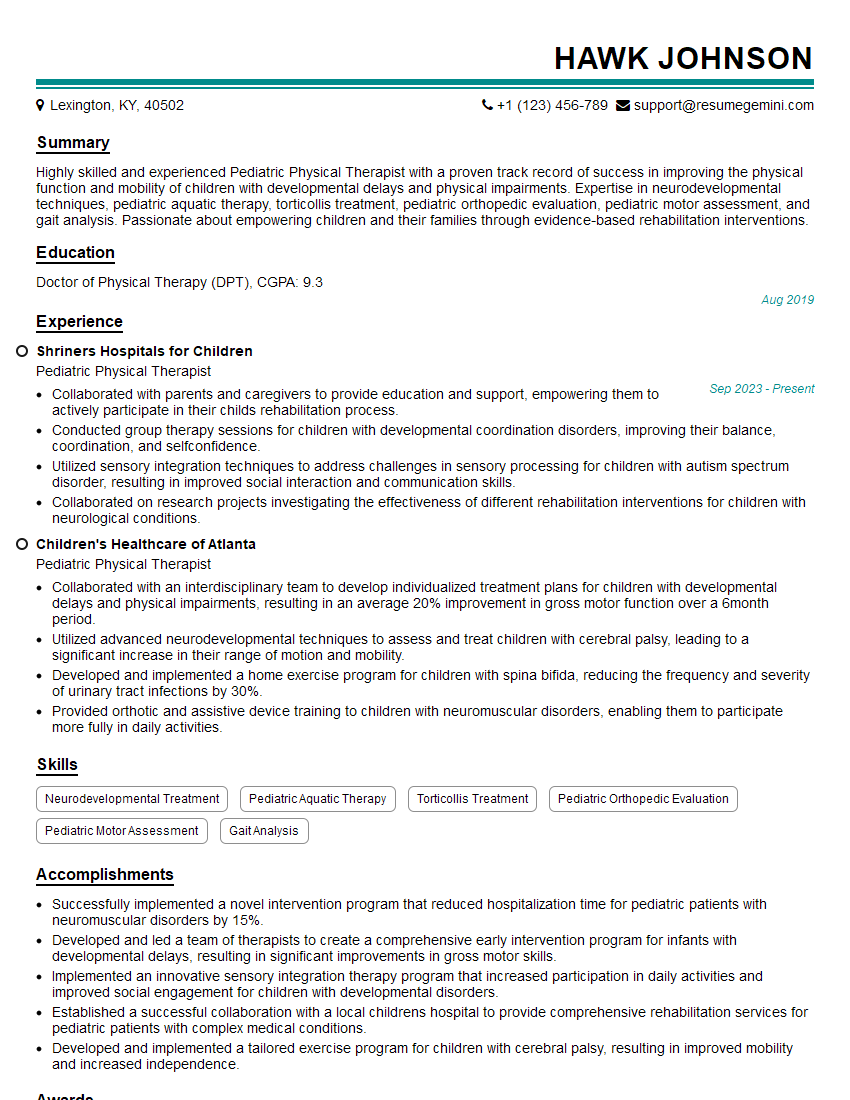
Pediatric Physical Therapist Resume Sample
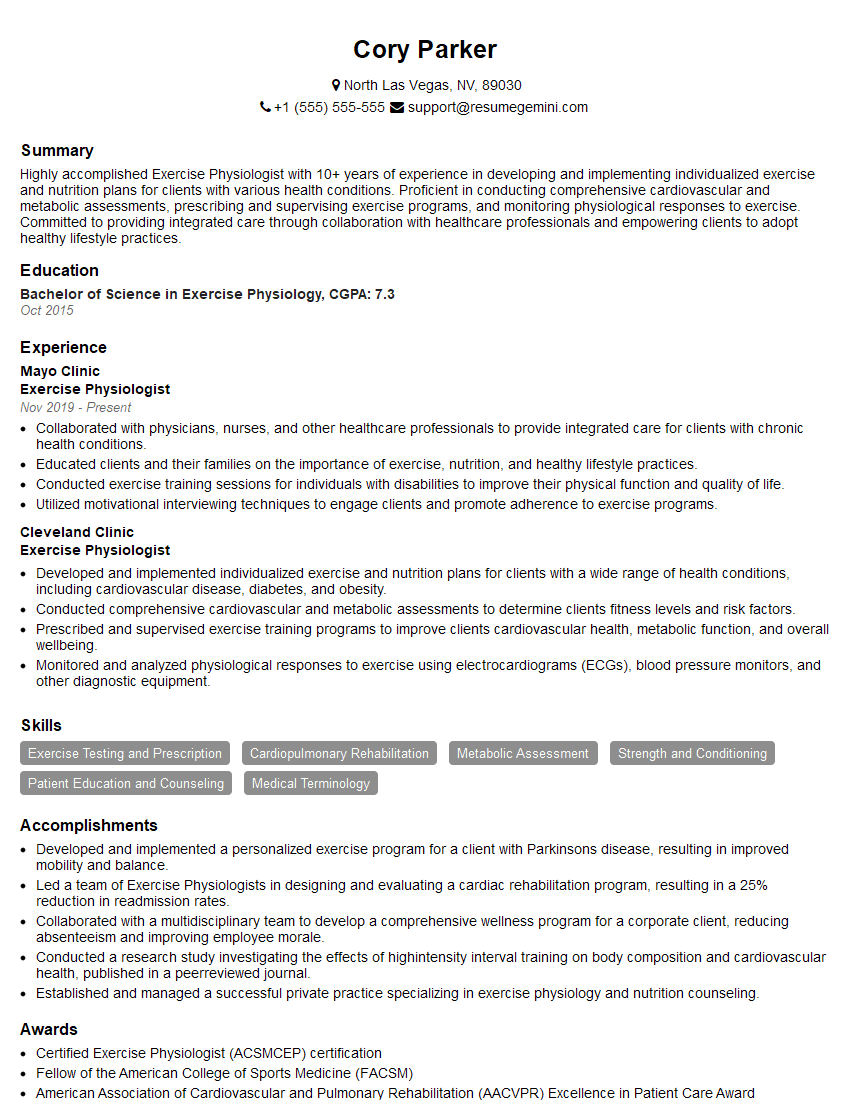
Exercise Physiologist Resume Sample
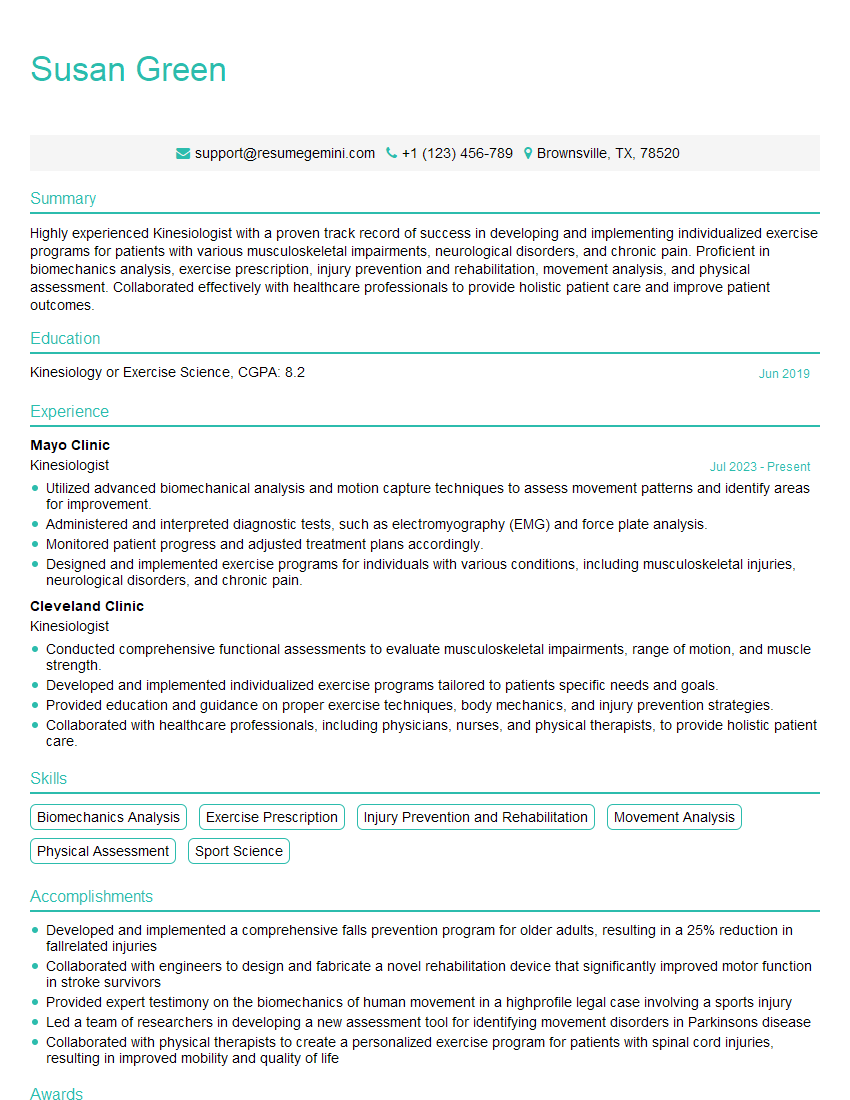
Kinesiologist Resume Sample
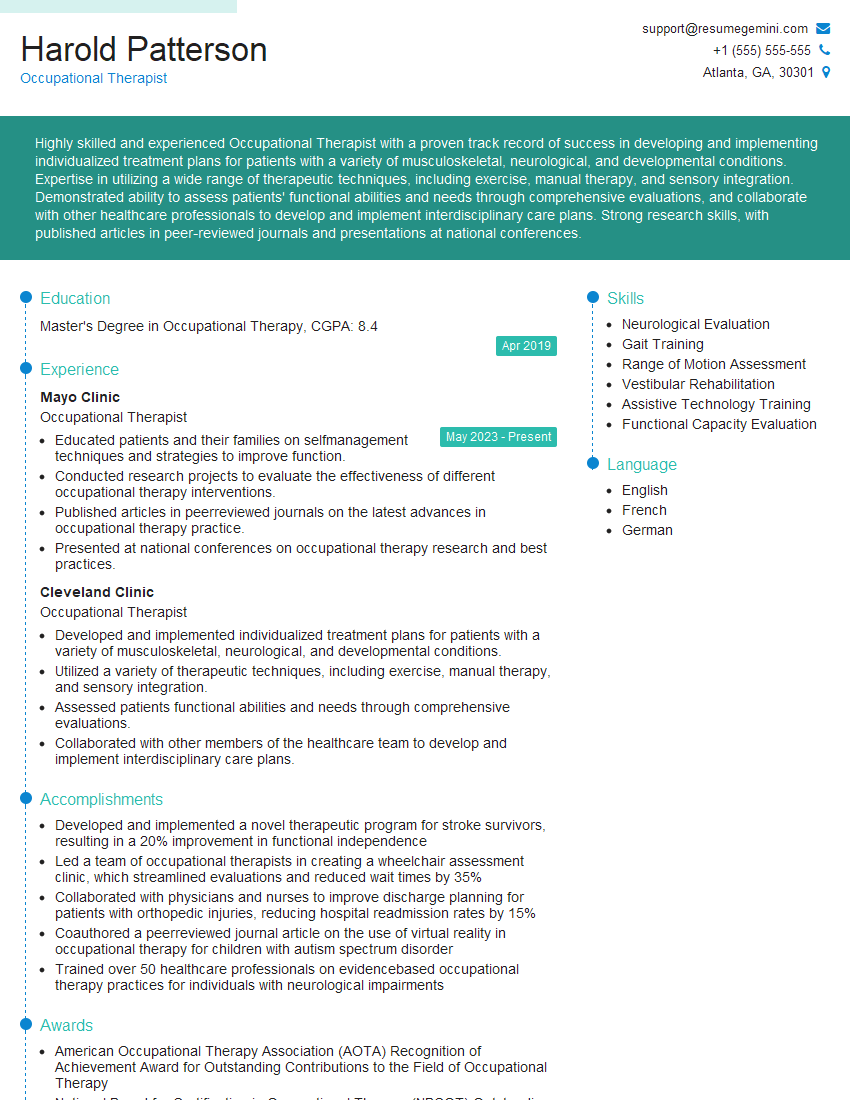
Occupational Therapist Resume Sample
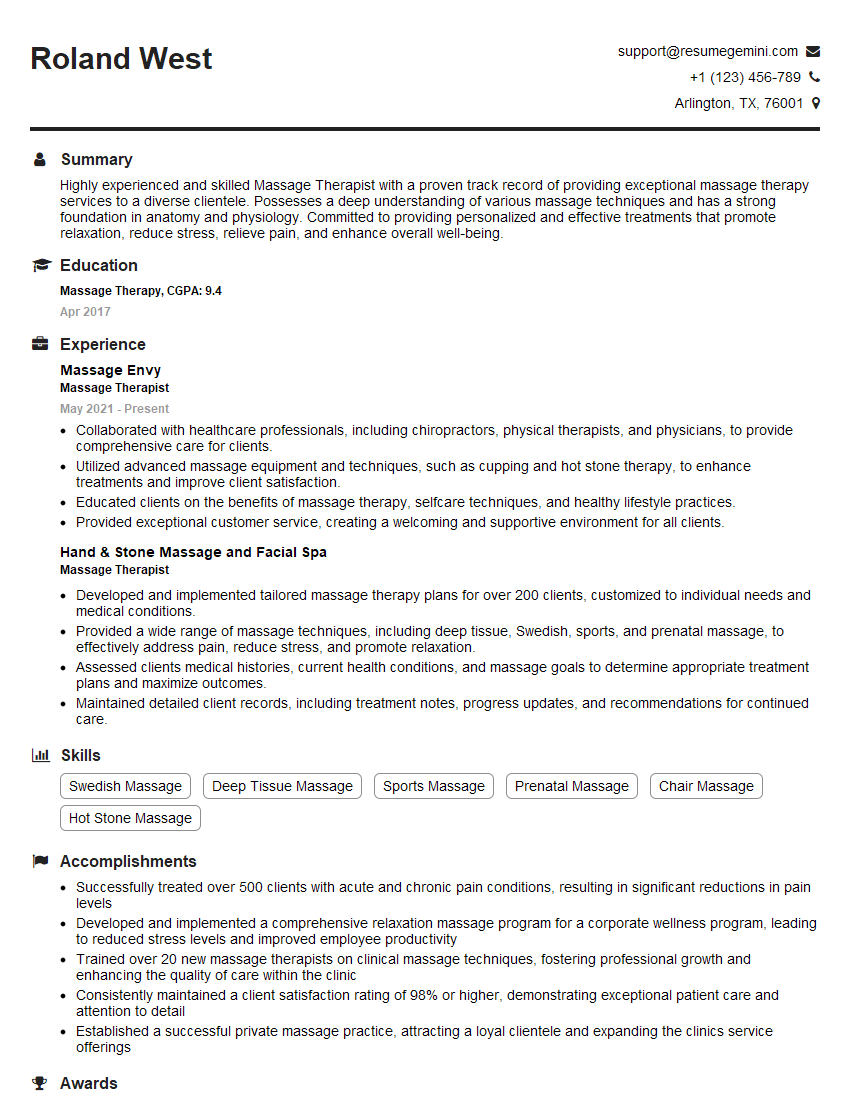
Massage Therapist Resume Sample
- Rehabilitation Specialist
- Athletic Trainer
- Chiropractor
- Rheumatologist
- Orthopedic Surgeon
- Osteopathic Physician
- Physiatrist
- Sports Medicine Physician
- Sports Physician
- Geriatric Physical Therapist
- Pediatric Physical Therapist
- Exercise Physiologist
- Kinesiologist
- Occupational Therapist
- Massage Therapist
Explore more articles
Users Rating of Our Blogs
Share Your Experience
We value your feedback! Please rate our content and share your thoughts (optional).
What Readers Say About Our Blog
To the interviewgemini.com Webmaster.
Very helpful and content specific questions to help prepare me for my interview!
Thank you
To the interviewgemini.com Webmaster.
This was kind of a unique content I found around the specialized skills. Very helpful questions and good detailed answers.
Very Helpful blog, thank you Interviewgemini team.