The thought of an interview can be nerve-wracking, but the right preparation can make all the difference. Explore this comprehensive guide to Formulating treatment plans interview questions and gain the confidence you need to showcase your abilities and secure the role.
Questions Asked in Formulating treatment plans Interview
Q 1. Describe your process for assessing a patient’s needs before formulating a treatment plan.
Assessing a patient’s needs before formulating a treatment plan is a crucial first step, akin to an architect carefully surveying the land before designing a building. It involves a thorough and multifaceted evaluation to understand the individual’s unique situation and needs.
- Comprehensive History Taking: This includes a detailed medical history, encompassing past illnesses, surgeries, medications, allergies, and family history. We also delve into their psychosocial history, exploring factors like their lifestyle, social support system, coping mechanisms, and any potential barriers to treatment adherence.
- Physical Examination: A physical examination is conducted to assess the patient’s current physical state, identifying any relevant symptoms, signs, or limitations.
- Psychological Assessment: Depending on the context, psychological assessments may be necessary using standardized tests or clinical interviews to evaluate for mental health conditions or cognitive abilities.
- Functional Assessment: This assesses a patient’s ability to perform daily activities, identifying any functional limitations. For example, we might use standardized scales to assess activities of daily living (ADLs) like dressing, bathing, and eating.
- Diagnostic Testing: Depending on the suspected condition, diagnostic tests such as blood work, imaging studies (X-rays, CT scans, MRIs), or other specialized tests are ordered to confirm a diagnosis or rule out alternative possibilities.
For example, I recently treated a patient with chronic back pain. My assessment involved not only examining her spine but also exploring her work environment (prolonged sitting), sleep patterns, stress levels, and social support to understand the interconnected factors contributing to her pain.
Q 2. How do you prioritize treatment goals within a comprehensive treatment plan?
Prioritizing treatment goals is like choosing the most critical tasks in a complex project—you want to make the biggest impact first. I use a framework that combines urgency, importance, and feasibility.
- Maslow’s Hierarchy of Needs: This framework is invaluable. Addressing immediate threats to life or safety (physiological needs) always comes first. Then we address safety, belonging, esteem, and finally self-actualization needs.
- Urgency and Impact: Goals that pose an immediate risk to the patient’s well-being or have the most significant impact on their quality of life are tackled first. For instance, managing acute pain or addressing suicidal ideation takes precedence over long-term lifestyle changes.
- Feasibility and Resources: We consider the practicality and resources needed to achieve each goal. A goal that requires extensive resources or is unrealistic might be revisited later.
- Patient Collaboration: Ultimately, the patient’s priorities and preferences significantly shape the prioritization process. Shared decision-making is central to successful treatment.
Imagine a patient with diabetes experiencing both uncontrolled blood sugar and depression. We’d likely prioritize stabilizing blood glucose levels (urgent threat to health) before focusing on intensive psychotherapy (while still addressing the mental health aspect using simpler interventions).
Q 3. Explain the importance of incorporating evidence-based practices into treatment planning.
Incorporating evidence-based practices (EBPs) into treatment planning is like building a house on a solid foundation—it ensures the plan is reliable, effective, and ethical. EBPs refer to interventions and approaches supported by rigorous scientific research, ensuring we use the most effective methods available.
- Systematic Reviews and Meta-analyses: These provide the highest level of evidence, summarizing findings from multiple studies on a particular intervention.
- Randomized Controlled Trials (RCTs): RCTs are considered the gold standard for evaluating the effectiveness of interventions by comparing outcomes between groups.
- Clinical Guidelines: Many professional organizations publish clinical guidelines that provide recommendations for best practice, incorporating the best available evidence.
Failing to use evidence-based practices can lead to ineffective treatments, wasted resources, and potentially harm to patients. For instance, using an outdated or unproven treatment for a specific condition would be unethical and potentially dangerous. Instead, we rely on peer-reviewed journals, clinical trials data, and reputable guidelines to make informed decisions.
Q 4. How do you adapt treatment plans to accommodate changes in a patient’s condition or circumstances?
Treatment plans are not static blueprints; they’re dynamic documents that adapt to the patient’s evolving condition and circumstances. Think of it like navigating with a map—the terrain might change, and we must adjust our route accordingly.
- Regular Monitoring and Evaluation: Consistent monitoring of the patient’s progress, including both objective data (e.g., lab results) and subjective feedback, is crucial for identifying necessary adjustments.
- Flexibility and Adaptability: The plan needs to be adaptable to accommodate changes in the patient’s health status, responses to treatment, lifestyle changes, or unexpected events.
- Collaboration with Patient: Open communication with the patient is essential in identifying any challenges or changes in their circumstances that necessitate a modified plan.
- Documentation: All changes to the treatment plan must be thoroughly documented, including the rationale for the modification and its impact on the overall care plan.
For instance, a patient recovering from surgery might initially require intense pain management and physical therapy. As they improve, the level of pain medication and the intensity of physical therapy may be reduced. The plan adapts to their ongoing progress.
Q 5. Describe your experience with collaborating with interdisciplinary teams to develop treatment plans.
Collaboration with interdisciplinary teams is essential for holistic patient care—it’s like a well-orchestrated symphony, with each instrument (healthcare professional) contributing their unique expertise to create harmonious care.
- Effective Communication: Regular meetings, clear communication channels, and shared documentation platforms are necessary for efficient collaboration.
- Shared Goals and Objectives: Alignment on treatment goals and objectives ensures everyone works towards a common purpose.
- Respect for Diverse Expertise: Each member of the team brings valuable expertise, and respecting this diversity ensures comprehensive and well-rounded care.
- Conflict Resolution: Mechanisms for resolving conflicts and disagreements in a constructive manner are vital for effective teamwork.
In my experience, working with nurses, physical therapists, occupational therapists, social workers, and physicians on a rehabilitation team for stroke patients has yielded excellent outcomes. The combined expertise ensures that the patients receive comprehensive care encompassing physical, cognitive, and emotional aspects of their recovery.
Q 6. How do you ensure a treatment plan aligns with patient preferences and values?
Aligning treatment plans with patient preferences and values is paramount—it’s about respecting their autonomy and ensuring they are active participants in their care. It’s similar to a tailor making a suit; it needs to fit the individual perfectly.
- Shared Decision-Making: Engaging patients in the decision-making process ensures their preferences and values are considered when formulating the plan.
- Active Listening and Empathy: Understanding the patient’s perspective and concerns is essential. This requires active listening and demonstrating genuine empathy.
- Cultural Considerations: Cultural background, beliefs, and values can significantly influence a patient’s preferences and should be incorporated into the treatment plan.
- Informed Consent: Ensuring the patient has a thorough understanding of the treatment plan, including potential benefits and risks, is crucial for obtaining informed consent.
Recently, a patient with a chronic illness expressed a strong preference for managing their condition at home rather than receiving inpatient treatment. We carefully crafted a treatment plan that addressed their needs while accommodating their preference for home-based care.
Q 7. How do you measure the effectiveness of a treatment plan and make necessary adjustments?
Measuring the effectiveness of a treatment plan and making necessary adjustments is an ongoing process, like monitoring the progress of a plant—we need to observe its growth and make adjustments to ensure its health and vitality.
- Outcome Measures: Selecting appropriate outcome measures to track progress toward goals, using both quantitative (e.g., blood pressure readings) and qualitative (e.g., patient reported outcome measures) data.
- Regular Assessments: Periodic assessments at predetermined intervals to monitor patient progress, identify any obstacles, and evaluate the effectiveness of the chosen interventions.
- Data Analysis and Interpretation: Analyzing the data collected to determine whether the treatment plan is achieving its intended outcomes, whether changes are needed, and how to implement them.
- Plan Modification: Adjusting the treatment plan based on the assessment findings, which could include altering the intensity of interventions, changing the type of interventions, or modifying goals.
For example, if a patient’s blood pressure remains uncontrolled despite initial medication adjustments, we would review the treatment plan, perhaps explore alternative medications, lifestyle modifications, or refer them to a specialist for further evaluation.
Q 8. What strategies do you employ to overcome patient resistance or lack of adherence to a treatment plan?
Overcoming patient resistance to treatment requires a collaborative, patient-centered approach. It’s not about forcing adherence, but building a strong therapeutic alliance based on trust and understanding.
Shared Decision-Making: I involve patients actively in the treatment planning process. This means explaining the rationale behind each recommendation clearly, discussing potential benefits and risks, and considering their preferences and concerns. For example, if a patient is hesitant about medication, we might explore alternative therapies or adjust the medication regimen based on their feedback.
Addressing Barriers: Many times, resistance stems from practical barriers like cost, lack of transportation, or conflicting responsibilities. I work with patients to identify and address these barriers, connecting them with resources like financial assistance programs, transportation services, or support groups.
Motivational Interviewing: This technique focuses on exploring the patient’s own motivations for change and resolving ambivalence. Instead of lecturing, I guide patients to articulate their reasons for wanting or not wanting to follow the plan, helping them find their own path to compliance.
Regular Follow-up and Monitoring: Consistent communication is key. Regular check-ins allow me to monitor progress, address emerging concerns, and adjust the plan as needed. This demonstrates my commitment to their well-being and builds trust.
Celebrating Successes: Acknowledging and celebrating even small victories reinforces positive behavior and encourages continued adherence.
Q 9. How do you document the treatment planning process and its outcomes?
Thorough documentation is crucial for continuity of care, legal protection, and improving treatment outcomes. My documentation includes:
Initial Assessment: Detailed notes on the patient’s history, presenting problem, diagnosis, and goals of treatment.
Treatment Plan: A clear and concise outline of the chosen treatment modalities, frequency, duration, and anticipated outcomes. This may include specific exercises, medication dosages, or therapy sessions.
Progress Notes: Regular updates documenting patient progress, any changes in the treatment plan, responses to interventions, and any significant events or observations. This might include patient feedback and their self-reported outcomes.
Discharge Summary: A comprehensive summary of the treatment process, including the patient’s response, final diagnosis, and recommendations for ongoing care or follow-up.
I utilize an electronic health record (EHR) system that ensures secure and organized storage of all documentation. This system allows for easy access to patient information by authorized personnel and facilitates efficient communication among the healthcare team.
Q 10. Explain your understanding of different treatment modalities and their applications.
Treatment modalities are diverse and vary widely depending on the condition being treated. My understanding encompasses a range of approaches:
Pharmacotherapy: Medication is frequently used to manage various conditions, from mental health disorders to chronic pain. This requires careful consideration of potential side effects, drug interactions, and patient-specific factors.
Psychotherapy: Different therapeutic approaches, such as Cognitive Behavioral Therapy (CBT), Dialectical Behavior Therapy (DBT), or psychodynamic therapy, address underlying psychological issues and maladaptive behaviors. The choice depends on the specific needs of the patient and the nature of their difficulties.
Lifestyle Interventions: These encompass changes in diet, exercise, sleep hygiene, and stress management techniques. They are often integrated into treatment plans to support overall well-being and promote lasting change.
Complementary and Alternative Medicine (CAM): While I always prioritize evidence-based treatments, I’m open to exploring CAM therapies, like acupuncture or meditation, alongside conventional approaches, especially when the patient expresses interest and if there is evidence of their efficacy for the specific condition.
I believe in tailoring treatment plans to the individual, often employing a combination of modalities to achieve optimal results. For instance, a patient with depression may benefit from a combination of antidepressant medication, CBT, and lifestyle changes.
Q 11. Describe a situation where you had to modify a treatment plan due to unforeseen challenges.
I once had a patient with a severe anxiety disorder who was initially responding well to a combination of medication and exposure therapy. However, following a significant life stressor (a family emergency), their anxiety symptoms worsened drastically. The planned exposure therapy became too triggering, causing significant distress. I had to modify the treatment plan immediately.
Instead of continuing with exposure therapy, we focused on stabilizing their anxiety using relaxation techniques and adjusting their medication. Once their anxiety levels had decreased, we gradually reintroduced elements of exposure therapy at a slower pace, ensuring a supportive and safe environment. This required frequent communication and close monitoring of their emotional state. Ultimately, through this adapted approach, they were able to regain some control over their anxiety and make progress toward their therapeutic goals.
Q 12. How do you manage time constraints and competing priorities in treatment planning?
Effective time management in treatment planning is essential. I use several strategies:
Prioritization: I focus on addressing the most urgent needs first, using a system to triage patients based on their level of risk and severity of symptoms. This helps ensure that those in immediate need receive prompt attention.
Time Blocking: I allocate specific time slots for different tasks, like patient assessments, treatment plan development, documentation, and administrative duties. This helps maintain structure and prevent task overload.
Delegation: I delegate tasks when appropriate, such as administrative duties or scheduling, to free up time for direct patient care and treatment planning. This improves overall efficiency.
Utilizing technology such as EHR systems significantly improves efficiency by automating certain tasks and streamlining workflows.
Q 13. How do you handle ethical dilemmas that may arise during the treatment planning process?
Ethical dilemmas can arise in various contexts during treatment planning. My approach involves:
Identifying the Conflict: Clearly define the ethical issue, identifying the conflicting values or principles involved.
Gathering Information: Collect all relevant information, including the patient’s perspective, the legal and ethical guidelines applicable, and any potential consequences of different courses of action.
Consulting Colleagues: Discuss the dilemma with trusted colleagues or supervisors, seeking their input and perspectives.
Considering Options: Explore various potential solutions and weigh the benefits and risks of each option.
Documenting the Process: Maintain a detailed record of the steps taken, the decision-making process, and the rationale behind the chosen course of action.
For instance, a conflict might arise if a patient requests a treatment that is not medically necessary or goes against professional ethical guidelines. In such cases, I would engage in open communication with the patient, explaining the reasons for my recommendation and offering alternative options. If the conflict cannot be resolved, I might need to seek consultation from an ethics committee or legal counsel.
Q 14. What is your approach to involving family members or caregivers in treatment planning?
Involving family members or caregivers is crucial, especially when dealing with patients who lack capacity for self-advocacy or require significant support in managing their care. My approach includes:
Assessing the Patient’s Wishes: I first assess the patient’s preferences regarding family involvement. Respect for patient autonomy is paramount, and I ensure that they are comfortable with the level of involvement.
Providing Information: I provide clear and understandable information about the patient’s condition, the proposed treatment plan, and any potential risks and benefits. This includes explaining any medical terminology in plain language.
Facilitating Communication: I create an open and supportive environment where family members can express their concerns, ask questions, and share relevant information about the patient’s history and preferences.
Collaborative Decision-Making: I actively involve family members in the decision-making process, ensuring they feel heard and understood, and that their input is considered when developing the treatment plan.
Setting Boundaries: While collaboration is vital, it’s equally important to set clear boundaries to protect the patient’s confidentiality and autonomy.
Regular updates and open communication with family members ensures a coordinated and effective care plan. This also promotes a sense of shared responsibility and teamwork in the patient’s overall well-being.
Q 15. How do you ensure confidentiality and privacy throughout the treatment planning process?
Confidentiality and privacy are paramount in treatment planning. I adhere strictly to HIPAA regulations and any other relevant jurisdictional privacy laws. This begins with obtaining informed consent, clearly explaining how patient data will be used, stored, and protected. I use secure electronic health record (EHR) systems with robust access controls, limiting access to authorized personnel only. All paper-based records are stored in locked, secure locations. I also employ encryption for electronic transmission of sensitive information and regularly review and update our security protocols to adapt to evolving threats.
For example, I recently had a patient concerned about the use of their data in research. I took the time to explain the anonymization process, ensuring they understood their privacy would be maintained, allaying their concerns and securing their participation in the study.
Career Expert Tips:
- Ace those interviews! Prepare effectively by reviewing the Top 50 Most Common Interview Questions on ResumeGemini.
- Navigate your job search with confidence! Explore a wide range of Career Tips on ResumeGemini. Learn about common challenges and recommendations to overcome them.
- Craft the perfect resume! Master the Art of Resume Writing with ResumeGemini’s guide. Showcase your unique qualifications and achievements effectively.
- Don’t miss out on holiday savings! Build your dream resume with ResumeGemini’s ATS optimized templates.
Q 16. How familiar are you with relevant legal and regulatory requirements related to treatment planning?
I am intimately familiar with all relevant legal and regulatory requirements for treatment planning. My understanding encompasses HIPAA, state licensing boards’ regulations, and any specific guidelines established by my employing organization. This includes the informed consent process, documentation requirements for treatment plans, and the protocols for handling sensitive information such as substance abuse diagnoses or mental health conditions. I stay updated on changes in legislation and regulations through professional development activities and ongoing training.
For instance, understanding the nuances of HIPAA’s permitted disclosures helps me ensure that all information sharing with family members or other healthcare providers is in compliance with the law and the patient’s wishes.
Q 17. Describe your experience with different types of treatment plan documentation systems.
My experience spans various treatment plan documentation systems, including both paper-based charts and sophisticated EHR systems like Epic and Cerner. I’m adept at navigating different interfaces and ensuring proper data entry and retrieval. I’ve worked with systems that emphasize structured data entry, which facilitates data analysis and reporting, as well as systems that allow for more narrative documentation, offering flexibility for complex cases. I understand the importance of selecting a system that aligns with the needs of the treatment team and ensures efficient and secure access to information.
In a previous role, we transitioned from a paper-based system to an EHR. I played a key role in training my colleagues, addressing their concerns and highlighting the benefits of the new system, such as improved efficiency and reduced risk of errors.
Q 18. Explain your approach to setting realistic and achievable treatment goals.
Setting realistic and achievable goals is crucial for treatment success. My approach involves a collaborative process where I work closely with the patient to identify their priorities and concerns. We then establish specific, measurable, achievable, relevant, and time-bound (SMART) goals. This involves considering the patient’s physical, psychological, and social context, as well as their strengths and limitations. Regular progress reviews are conducted to assess goal attainment and adjust the plan as needed. I firmly believe that achievable goals foster patient motivation and empower them to take an active role in their recovery.
For example, with a patient struggling with substance abuse, we might start with a goal of attending three support group meetings per week, gradually increasing this number over time, rather than immediately setting an ambitious goal that might feel overwhelming and lead to discouragement.
Q 19. How do you communicate treatment plans effectively to patients and their families?
Effective communication is central to successful treatment. I use clear, concise language, avoiding jargon whenever possible. I ensure the patient and their family understand the treatment plan, including the goals, procedures, and potential risks and benefits. I encourage questions and provide ample opportunity for discussion. I tailor my communication style to the individual’s understanding and learning preferences, employing visual aids or written summaries when necessary. I also document the communication in the patient’s chart.
I recall a situation where a family was apprehensive about a specific treatment modality. By patiently explaining the process and addressing their concerns, I was able to build trust and secure their support for the plan.
Q 20. How do you integrate technology into your treatment planning process?
Technology significantly enhances my treatment planning process. I use EHR systems for secure storage and access to patient data, telemedicine platforms for remote consultations, and various apps to monitor patient progress, such as fitness trackers or medication adherence apps. Data analytics tools within the EHR allow me to track trends and identify areas needing adjustment in the treatment plan. I’m also familiar with various software applications that aid in creating and managing treatment plans, improving efficiency and consistency.
For instance, utilizing telemedicine allows me to provide convenient access to care for patients in rural areas or with mobility challenges. The data collected from wearable technology can provide valuable insights into patient behavior and compliance with treatment recommendations.
Q 21. Describe your understanding of the role of patient education in treatment success.
Patient education is the cornerstone of treatment success. It empowers patients to actively participate in their care, improves adherence to the treatment plan, and promotes better long-term outcomes. My approach involves providing comprehensive information about their condition, treatment options, and potential side effects in a manner that is easy to understand. I use various methods, including printed materials, videos, and interactive sessions. I tailor my educational approach to the patient’s literacy level and learning style, fostering a supportive and collaborative learning environment.
For example, a patient newly diagnosed with diabetes requires education about blood glucose monitoring, medication management, and dietary changes. Providing clear instructions, practical demonstrations, and opportunities for questions ensures they feel empowered to manage their condition effectively. This proactive approach leads to improved self-management, reduced complications, and increased patient satisfaction.
Q 22. How do you utilize data and analytics to inform treatment plan development and evaluation?
Data and analytics are indispensable in crafting effective and personalized treatment plans. We leverage data from various sources, including patient history, diagnostic tests, assessments, and even wearable technology, to build a comprehensive understanding of the individual’s condition. For example, if we’re treating a patient with depression, we might analyze their sleep patterns, activity levels, and mood fluctuations tracked through an app or wearable to identify triggers and patterns. This data allows us to tailor the treatment plan – be it medication, therapy, or lifestyle changes – to that specific individual’s needs.
Beyond initial planning, data analytics are critical for evaluation. We monitor patient progress using outcome measures, collecting data at regular intervals. This data could include self-reported symptom severity, clinician ratings, or objective measures like changes in blood pressure or weight. By analyzing trends in this data, we can identify what aspects of the treatment are effective, what needs adjustment, and even predict potential relapses. This iterative process allows us to refine the treatment plan continually, maximizing its effectiveness and minimizing side effects.
Q 23. What are some common challenges you encounter in formulating treatment plans, and how do you address them?
Formulating treatment plans presents several challenges. One common issue is incomplete or inaccurate information. Patients may not fully disclose their history, or certain diagnostic tests might be inconclusive. To address this, I employ a comprehensive assessment process, using multiple sources of information and actively engaging in open communication with the patient. Another significant challenge is patient adherence to the treatment plan. Factors such as motivation, lifestyle, and resources can all impact adherence. We mitigate this by involving patients in developing the plan, setting realistic goals, and providing support and encouragement throughout the process. For instance, we might utilize motivational interviewing techniques or connect patients with support groups.
A third challenge is the potential for comorbid conditions (multiple conditions occurring simultaneously). Treating depression in a patient with anxiety requires a nuanced approach, and treatment plans must account for the interconnectedness of these conditions. We often work collaboratively with other specialists to address these complexities and ensure holistic care. Finally, resource limitations, such as access to specific treatments or financial constraints, can significantly affect the feasibility of a treatment plan. We actively address this by exploring alternative treatment options, connecting patients with financial assistance programs, or recommending community-based support.
Q 24. How do you maintain up-to-date knowledge of best practices and current research in your field?
Staying current in a rapidly evolving field is paramount. I regularly attend professional conferences and workshops, actively participating in continuing education programs. I subscribe to leading journals and online resources in my field, reviewing the latest research findings. Joining professional organizations also provides access to webinars, online communities, and networking opportunities. These avenues help me stay abreast of new treatments, diagnostic tools, and best practices. Critically appraising research studies, distinguishing high-quality evidence from less robust findings, is a crucial skill I continually refine. Moreover, mentorship and collaboration with colleagues offer valuable perspectives and insights into current trends and challenges.
Q 25. Describe your experience with developing and implementing culturally sensitive treatment plans.
Cultural sensitivity is central to effective treatment. I recognize that cultural background significantly influences an individual’s health beliefs, behaviors, and preferences. This includes considering factors such as language barriers, family dynamics, religious beliefs, and social norms. For example, when working with a patient from a different cultural background, I make sure to use culturally appropriate communication strategies, involve family members in the treatment process (if desired by the patient), and carefully select interventions that align with their cultural values and beliefs. To improve my cultural competence, I continually engage in self-reflection and seek out training opportunities that promote cultural awareness and sensitivity. Collaboration with interpreters and community health workers is essential when language barriers exist.
Q 26. How do you address potential barriers to treatment access or affordability?
Addressing barriers to treatment access and affordability requires a multi-faceted approach. We consider a patient’s insurance coverage and explore options for financial assistance programs or sliding-scale fees. We also work to reduce transportation barriers by identifying accessible treatment locations or utilizing telehealth options when appropriate. If a patient lacks access to specific treatments, I collaborate with other providers to explore alternative options that are readily available and equally effective. For instance, if a patient lacks access to a specialized therapist, we explore options such as group therapy or telehealth sessions with a provider in a more accessible location. Advocating for policy changes that improve access to affordable healthcare is also a significant part of my role.
Q 27. What are your strategies for promoting patient autonomy and self-management within a treatment plan?
Promoting patient autonomy and self-management is a core principle in my practice. We encourage patients to actively participate in the development and implementation of their treatment plan. This includes helping them understand their condition, treatment options, and potential risks and benefits. We collaboratively set realistic and achievable goals. I emphasize shared decision-making, ensuring the patient feels empowered to make informed choices about their care. We use tools like patient education materials, self-monitoring logs, and skill-building techniques to facilitate self-management. For example, if treating a patient with chronic pain, we might teach them self-care techniques such as relaxation exercises, mindfulness practices, or activity pacing strategies. Empowering patients to take control of their health leads to better treatment outcomes and improved overall well-being.
Q 28. How do you ensure the long-term sustainability and effectiveness of a treatment plan?
Long-term sustainability relies on several key strategies. We prioritize developing realistic and achievable long-term goals, considering the patient’s overall lifestyle and resources. Regular follow-up appointments and ongoing monitoring of progress are essential to ensure the plan remains effective and adjust it as needed. We emphasize relapse prevention strategies and develop a plan for managing setbacks. Furthermore, fostering a strong therapeutic relationship built on trust and open communication is crucial for long-term adherence. Building a strong support network involving family, friends, or support groups helps to maintain engagement and motivation. Finally, we regularly review the treatment plan with the patient, making modifications as needed to ensure the plan remains relevant and effective over time.
Key Topics to Learn for Formulating Treatment Plans Interview
- Understanding Patient Needs: Thoroughly assessing patient history, presenting complaints, and identifying relevant psychosocial factors impacting treatment.
- Treatment Goals & Objectives: Defining SMART (Specific, Measurable, Achievable, Relevant, Time-bound) goals collaboratively with the patient, aligned with their values and preferences.
- Evidence-Based Practice: Selecting interventions supported by current research and best practices, considering the patient’s unique circumstances and available resources.
- Ethical Considerations: Applying ethical principles, including informed consent, beneficence, non-maleficence, and justice, throughout the treatment planning process.
- Risk Assessment & Management: Identifying potential risks associated with the chosen interventions and developing strategies for mitigation and contingency planning.
- Collaboration & Communication: Effectively communicating the treatment plan to the patient, family members, and other members of the healthcare team.
- Monitoring & Evaluation: Establishing methods for tracking progress, evaluating the effectiveness of the treatment plan, and making necessary adjustments based on ongoing assessment.
- Documentation & Record Keeping: Maintaining accurate and comprehensive documentation of the treatment plan, progress notes, and any modifications made.
- Cultural Competence: Demonstrating awareness and sensitivity to diverse cultural backgrounds and their influence on treatment preferences and outcomes.
- Legal & Regulatory Compliance: Adhering to relevant legal and regulatory requirements related to treatment planning and documentation.
Next Steps
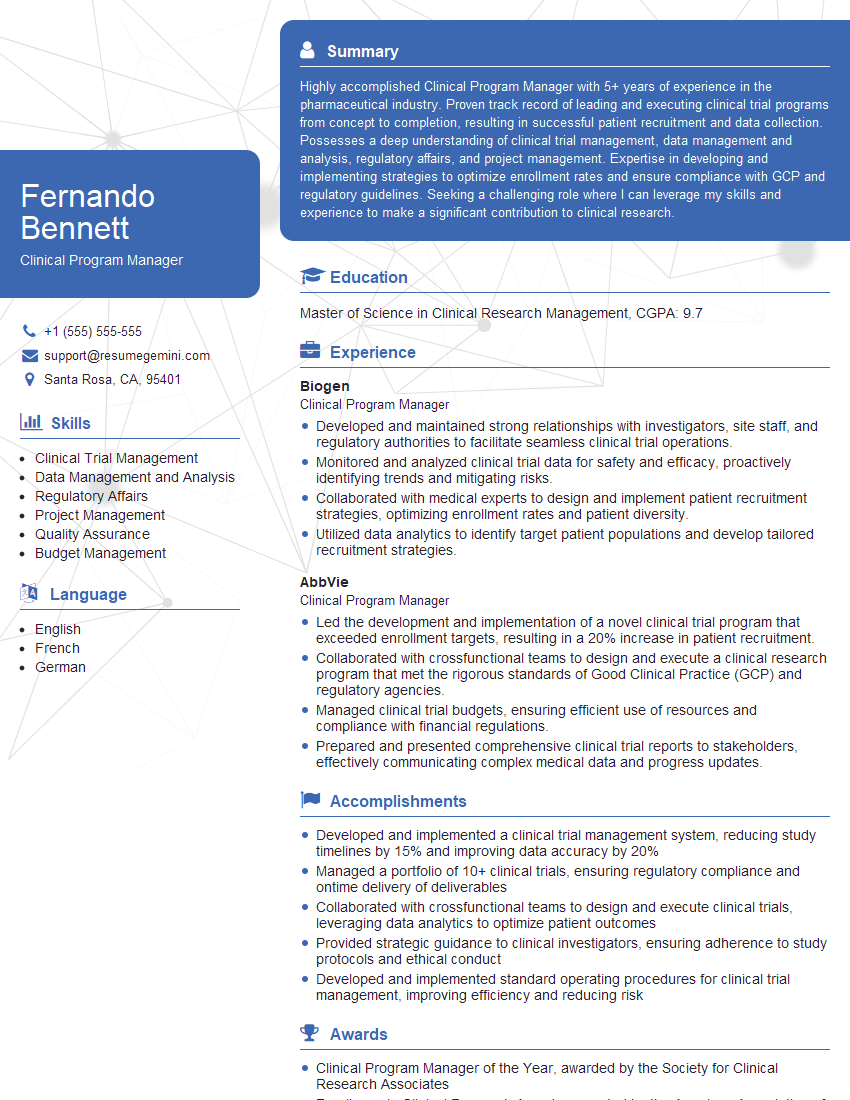
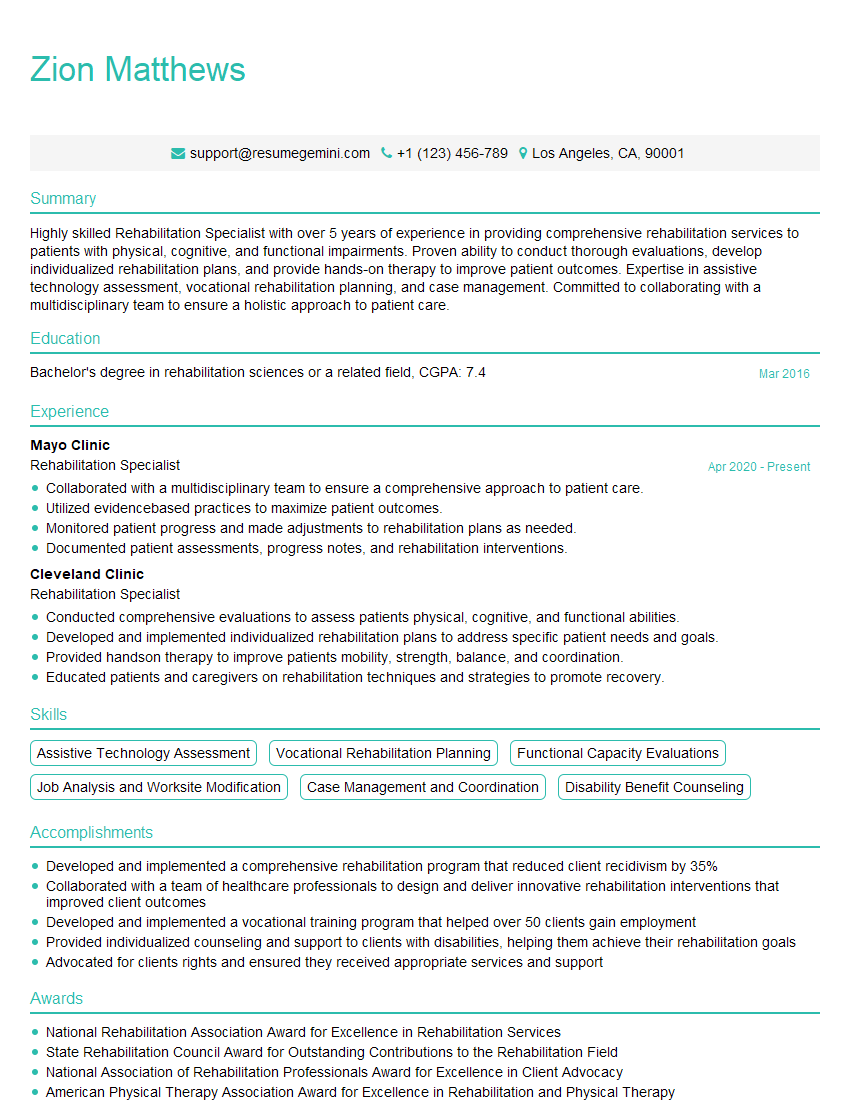
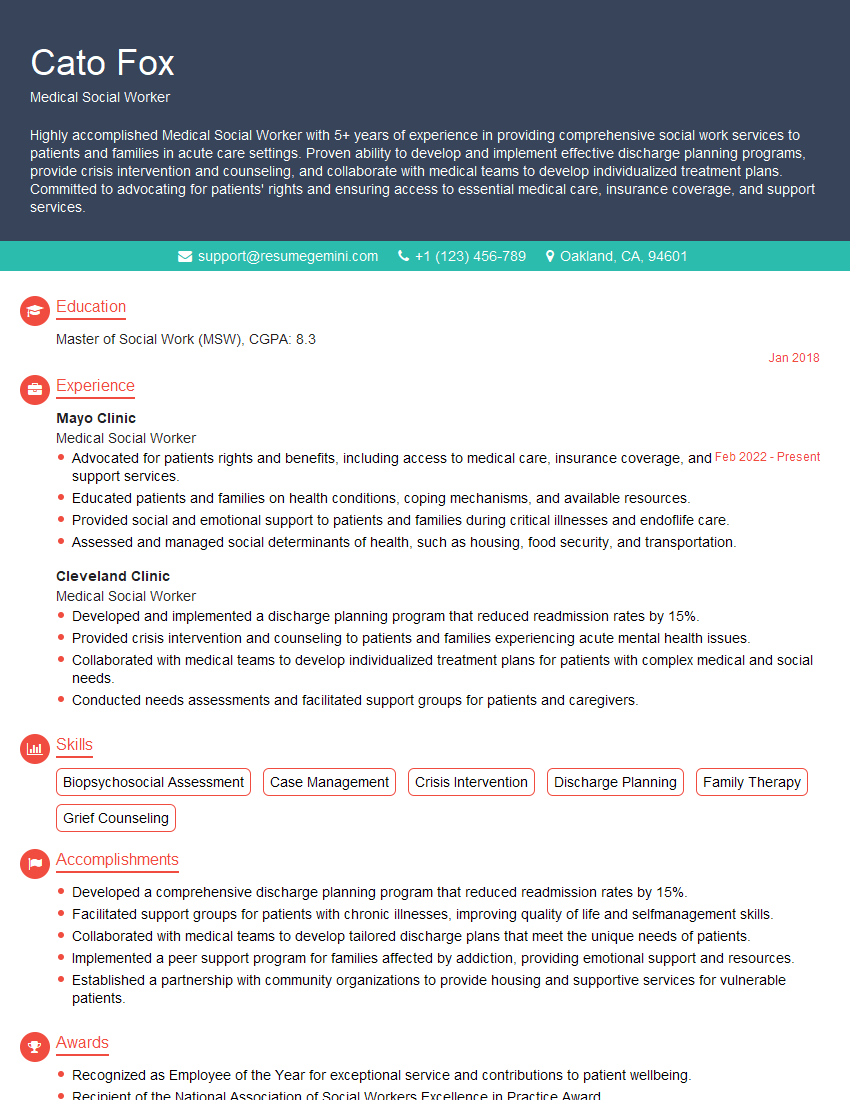
Mastering the art of formulating treatment plans is crucial for career advancement in healthcare. A strong understanding of these principles demonstrates your clinical competence and commitment to patient well-being, opening doors to leadership roles and enhanced opportunities. To maximize your job prospects, crafting an ATS-friendly resume is essential. ResumeGemini is a trusted resource to help you build a professional resume that highlights your skills and experience effectively. Examples of resumes tailored to Formulating Treatment Plans are available to guide you.
Explore more articles
Users Rating of Our Blogs
Share Your Experience
We value your feedback! Please rate our content and share your thoughts (optional).
What Readers Say About Our Blog
To the interviewgemini.com Webmaster.
Very helpful and content specific questions to help prepare me for my interview!
Thank you
To the interviewgemini.com Webmaster.
This was kind of a unique content I found around the specialized skills. Very helpful questions and good detailed answers.
Very Helpful blog, thank you Interviewgemini team.