Every successful interview starts with knowing what to expect. In this blog, we’ll take you through the top Monitoring and evaluating patient outcomes interview questions, breaking them down with expert tips to help you deliver impactful answers. Step into your next interview fully prepared and ready to succeed.
Questions Asked in Monitoring and evaluating patient outcomes Interview
Q 1. Describe your experience with different patient outcome measurement tools and metrics.
My experience encompasses a wide range of patient outcome measurement tools and metrics, tailored to the specific context of the healthcare setting and the patient population. For instance, in a hospital setting, we might utilize tools like the Hospital Consumer Assessment of Healthcare Providers and Systems (HCAHPS) survey to measure patient satisfaction, alongside clinically-focused metrics such as length of stay (LOS), readmission rates, and mortality rates. In a chronic disease management program, we might focus on metrics like HbA1c levels for diabetes patients, blood pressure control for hypertensive patients, or adherence to medication regimens. Specific tools include validated questionnaires assessing quality of life (like the SF-36), functional status scales, and standardized outcome measures specific to particular conditions (e.g., modified Rankin Scale for stroke). I’m proficient in using both quantitative (numerical data) and qualitative (patient feedback, interviews) data sources to gain a comprehensive understanding of patient outcomes.
For example, in a cardiac rehabilitation program, I’ve used both patient reported outcome measures (PROMs) like the Seattle Angina Questionnaire to assess symptoms and quality of life, and clinical measures such as ejection fraction and exercise tolerance to track physiological improvements. Comparing these data sets gives a much more complete picture of patient progress.
Q 2. How do you identify and address biases in patient outcome data?
Identifying and addressing biases in patient outcome data is crucial for ensuring accurate and reliable results. Biases can stem from various sources, including selection bias (non-random patient assignment to treatment groups), measurement bias (inconsistent application of measurement tools), and reporting bias (selective reporting of positive outcomes). To mitigate these issues, we utilize rigorous methodologies.
- Stratified Randomization: In clinical trials or comparative studies, this ensures that patient groups are comparable at baseline, minimizing selection bias.
- Blinding: Keeping both patients and assessors unaware of treatment assignment prevents bias in measurement and interpretation.
- Standardized Protocols: Implementing clear, standardized protocols for data collection and measurement reduces inconsistencies and minimizes measurement bias.
- Sensitivity Analysis: This involves re-analyzing data after adjusting for potential confounders to evaluate the robustness of the findings.
- Multi-method Approach: Triangulating data from multiple sources (e.g., combining clinical data with patient-reported outcomes) provides a more robust assessment of outcomes and helps to identify potential biases.
For example, if we observe a higher rate of positive outcomes in a specific demographic group, we investigate whether this is a true effect or due to factors like differences in access to care, socio-economic status, or health literacy. We might use statistical methods to adjust for these confounding variables.
Q 3. Explain your understanding of statistical significance in the context of patient outcomes.
Statistical significance, in the context of patient outcomes, refers to the probability that an observed difference or effect is not due to chance alone. It’s typically expressed as a p-value. A p-value less than a pre-determined threshold (commonly 0.05) indicates that the observed result is statistically significant, meaning there’s less than a 5% chance that the findings occurred randomly. However, it’s crucial to remember that statistical significance doesn’t automatically equate to clinical significance.
Imagine a study showing a statistically significant decrease in cholesterol levels following a new medication. A p-value of 0.01 suggests a strong statistical difference. However, if the actual cholesterol reduction is only 1 mg/dL, it may be too small to be clinically meaningful for most patients, even if statistically significant.
Q 4. How would you interpret a statistically significant improvement in patient outcomes, but with a clinically insignificant change?
Observing a statistically significant improvement in patient outcomes with a clinically insignificant change is a common scenario, highlighting the limitations of relying solely on statistical significance. It implies that while the observed difference is unlikely due to chance, the magnitude of the improvement is too small to make a noticeable difference in patients’ health or daily lives. This often arises when sample sizes are large: even a small effect size can be statistically significant with a large enough sample.
For example, a study might show a statistically significant reduction in hospital readmission rates (p < 0.05) after implementing a new discharge protocol. However, if the actual reduction is only from 12% to 11.5%, it might not be clinically meaningful, as the change is too subtle to impact patient care significantly. This emphasizes the need to consider both statistical and clinical significance when interpreting results, along with the cost-effectiveness of the intervention.
Q 5. How do you ensure data integrity and accuracy in patient outcome monitoring?
Ensuring data integrity and accuracy is paramount in patient outcome monitoring. This involves a multi-faceted approach:
- Data Source Validation: We verify the reliability and accuracy of data sources by regularly auditing data collection procedures, checking for data entry errors, and comparing data from different sources (e.g., electronic health records, patient self-reports).
- Data Cleaning and Standardization: Data cleaning involves identifying and correcting errors, inconsistencies, and missing data. Standardization involves converting data into a consistent format to facilitate analysis.
- Data Security and Privacy: Strict adherence to data protection regulations (like HIPAA) is essential to protect patient confidentiality and ensure data security. We utilize secure data storage and access control measures.
- Regular Audits and Quality Control: Regular internal audits and quality control procedures help identify and address potential issues in data collection, analysis, and reporting.
- Data Governance Framework: Implementation of a formal data governance framework that outlines roles, responsibilities, and processes related to data management.
For instance, if inconsistencies are detected in blood pressure readings between different nursing staff, we investigate the issue, perhaps through retraining or implementing standardized measurement protocols. This is crucial for minimizing any potential bias that inconsistent data entry can introduce.
Q 6. What methods do you use to visualize and present patient outcome data effectively?
Effective visualization of patient outcome data is crucial for clear communication and informed decision-making. I utilize a variety of methods depending on the audience and the specific data being presented.
- Line graphs: Useful for illustrating trends in outcomes over time (e.g., showing changes in patient weight or blood glucose levels).
- Bar charts: Effective for comparing outcomes across different groups or interventions.
- Pie charts: Useful for showing proportions or percentages of patients with different outcomes.
- Dashboards: Provide a comprehensive overview of key performance indicators (KPIs) related to patient outcomes. These dashboards often integrate multiple visualization types to present a holistic view of performance.
- Statistical maps/Geographical visualizations: These are useful in public health for displaying outcome variations across different regions or populations.
I always ensure that visualizations are clear, concise, and easy to interpret, avoiding unnecessary complexity or jargon. For example, when presenting data to a team of clinicians, I might use a bar chart comparing average lengths of stay for patients receiving different treatment protocols, whereas when presenting to a broader audience (e.g., hospital administrators), I would utilize a dashboard showing several key performance indicators related to patient safety and satisfaction.
Q 7. Describe your experience with root cause analysis related to poor patient outcomes.
Root cause analysis (RCA) is a structured approach to identifying the underlying causes of poor patient outcomes. The goal isn’t simply to identify the immediate cause, but to delve deeper and uncover the systemic issues that contributed to the event. I’m experienced using various RCA methodologies, including the ‘5 Whys’ technique and the Fishbone (Ishikawa) diagram.
The 5 Whys: This iterative technique involves repeatedly asking ‘why’ to progressively drill down to the root cause. For example, if a patient experienced a medication error, we might ask: Why was the wrong dose administered? (incorrect order entry). Why was the order entered incorrectly? (lack of training). Why was there insufficient training? (inadequate staffing). Why was there inadequate staffing? (budget constraints). This reveals the budget constraints as a significant systemic root cause.
Fishbone Diagram: This visually organizes potential contributing factors into categories (e.g., people, equipment, methods, materials), helping to identify interrelationships and potential root causes. After identifying the root causes, we develop strategies to prevent future occurrences. This could involve implementing new protocols, providing additional training, improving communication processes, or addressing resource limitations.
For example, if we see a high rate of pressure ulcers, we would use RCA to determine if the root cause is inadequate staff training on pressure ulcer prevention, insufficient resources for specialized mattresses, or perhaps a poorly defined protocol for turning and repositioning patients. Addressing these root causes, rather than just treating the ulcers, is essential for preventing similar incidents in the future.
Q 8. How do you communicate complex patient outcome data to non-technical audiences?
Communicating complex patient outcome data to non-technical audiences requires translating technical jargon into clear, concise language and using visual aids. Think of it like explaining a complex recipe to someone who’s never cooked before – you need to break it down into simple steps and avoid overwhelming them with technical terms.
I typically start with a high-level summary, focusing on the key findings and their implications in plain English. For instance, instead of saying ‘there was a statistically significant improvement in the mean length of stay (p<0.05)', I might say 'we saw a noticeable decrease in how long patients stayed in the hospital'.
Visualizations are crucial. Instead of presenting tables of numbers, I use charts and graphs – bar graphs to show comparisons, line graphs to illustrate trends over time, and pie charts to represent proportions. A picture truly is worth a thousand words, especially when dealing with complex data. I also use analogies and real-life examples to make the data more relatable. For example, if discussing mortality rates, I might compare the improvement to reducing the number of car accidents in a town.
Finally, I always tailor my communication to the specific audience. A presentation to hospital administrators will differ significantly from a conversation with patients or their families. The level of detail and the technical terms used should always be appropriate for the audience’s level of understanding.
Q 9. What are some key regulatory requirements related to patient outcome reporting?
Regulatory requirements related to patient outcome reporting vary depending on the healthcare setting and jurisdiction, but several key themes emerge. These include data privacy regulations (like HIPAA in the US or GDPR in Europe), ensuring data accuracy and completeness, and adhering to reporting standards and guidelines set by accreditation bodies and government agencies.
For example, The Joint Commission (TJC) in the US sets standards for data collection and reporting for accredited hospitals. These standards emphasize accurate and timely reporting of key performance indicators related to patient safety and quality of care. Failure to comply with these regulations can lead to penalties, including loss of accreditation.
Data privacy regulations are paramount. Patient data must be protected and handled according to legal and ethical guidelines. This includes anonymizing data whenever possible and ensuring secure storage and transmission of patient information. Reporting methodologies must also adhere to established guidelines, such as those provided by organizations like the Centers for Medicare & Medicaid Services (CMS) to ensure consistency and comparability across healthcare providers.
In essence, regulatory compliance in patient outcome reporting hinges on accuracy, completeness, security, and adherence to established standards. Ignoring these requirements can lead to legal and ethical issues, as well as reputational damage.
Q 10. Describe your experience with developing and implementing patient outcome improvement plans.
I have extensive experience developing and implementing patient outcome improvement plans. My approach is data-driven and iterative, emphasizing collaboration and continuous improvement. I’ll outline a recent project.
In a previous role, we noticed an increase in hospital-acquired infections (HAIs) in our surgical unit. We formed a multidisciplinary team including physicians, nurses, infection control specialists, and administrators. We started by analyzing data to identify root causes: inadequate hand hygiene practices and suboptimal sterilization protocols.
Based on our analysis, we developed an improvement plan that included enhanced hand hygiene training with regular audits, implementing stricter sterilization protocols, and upgrading our equipment. We also implemented a real-time surveillance system to monitor infection rates. Throughout the process, we regularly monitored the effectiveness of our interventions and adjusted the plan as needed. We communicated our progress transparently to all stakeholders. Within six months, we saw a significant reduction in HAIs, demonstrating the effectiveness of our data-driven approach and collaborative effort.
My methodology typically involves defining clear goals, identifying key performance indicators (KPIs), developing and implementing interventions, monitoring progress, and making adjustments as needed. This is a cyclical process, always focusing on continuous improvement and learning from both successes and failures.
Q 11. How do you prioritize competing demands when managing multiple patient outcome projects?
Prioritizing competing demands in multiple patient outcome projects requires a systematic approach. I typically use a prioritization matrix that considers factors like urgency, importance, feasibility, and impact.
Urgency refers to how quickly action is needed. Importance reflects the significance of the project to overall patient care. Feasibility assesses the resources and capabilities available to complete the project successfully. Impact evaluates the potential positive outcomes. Projects are ranked based on their score across these criteria.
For example, a project addressing a critical patient safety issue would likely rank higher than a project focusing on long-term improvement that has a lower immediate risk, even if both are important. I also involve stakeholders in the prioritization process to ensure alignment and buy-in.
Time management techniques such as Agile methodologies and regular project status meetings are essential to keep all projects on track and ensure timely completion. Delegation and clear communication also play crucial roles in efficiently managing competing demands, leveraging team strengths and maintaining a clear focus on patient-centered outcomes.
Q 12. What are some common challenges you encounter when monitoring patient outcomes, and how do you address them?
Monitoring patient outcomes presents several challenges. One common issue is data quality. Incomplete, inaccurate, or inconsistently collected data can lead to misleading conclusions. This is often addressed through robust data governance procedures, including establishing clear data collection protocols, using standardized data definitions, and regular data quality audits.
Another challenge is establishing causality. While we may observe correlations between interventions and outcomes, it’s crucial to distinguish between correlation and causation. Rigorous study designs, including randomized controlled trials when feasible, help to establish causal links. Further, sometimes data may be limited, leading to challenges in drawing meaningful conclusions. This is addressed using various statistical techniques to maximize the information gained from the available data.
Finally, there is always the need to address the issue of bias. For instance, if patient selection for an intervention is biased, it may skew the results. Careful consideration of potential biases at each stage of the monitoring process is essential, alongside transparent documentation of the methodology.
Q 13. How do you incorporate patient feedback into the evaluation of patient outcomes?
Incorporating patient feedback is crucial for a holistic evaluation of patient outcomes. It provides valuable insights that quantitative data alone cannot capture. Patient feedback helps us understand the patient experience, identifies areas for improvement beyond just clinical outcomes, and ensures the interventions align with patient needs and preferences.
Several methods can be used to collect patient feedback, including surveys (both pre- and post-intervention), interviews, focus groups, and feedback forms. These methods should be tailored to the specific patient population and the context. For example, using online surveys might be effective for a younger population, while face-to-face interviews may be better suited for elderly patients.
The feedback collected should be analyzed systematically. Qualitative data from interviews and focus groups can enrich quantitative data obtained from surveys and clinical records, providing a more complete picture. It’s vital to act on the feedback received, incorporating patient suggestions into the improvement plans and demonstrating responsiveness to patient needs.
Q 14. How do you measure the effectiveness of interventions designed to improve patient outcomes?
Measuring the effectiveness of interventions designed to improve patient outcomes requires a robust evaluation framework. This framework includes clearly defined objectives, specific measurable indicators, a suitable study design, and appropriate statistical analysis.
For example, if the goal is to reduce readmission rates, the key performance indicator would be the 30-day readmission rate. The effectiveness of the intervention would be determined by comparing this rate before and after implementation, using statistical tests to assess the significance of any observed changes. A randomized controlled trial (RCT) would be the ideal study design to eliminate potential bias.
Other relevant metrics might include patient satisfaction scores, quality of life measures, and cost-effectiveness analysis. It’s crucial to consider both clinical and patient-reported outcomes to gain a complete understanding of the intervention’s impact. Furthermore, regular monitoring and adjustment of the intervention are essential to ensure sustained improvement over time. The evaluation process should always be iterative, with lessons learned informing future improvements.
Q 15. Explain your understanding of risk adjustment in patient outcome analysis.
Risk adjustment in patient outcome analysis is crucial because it ensures fair comparisons between groups of patients who have different characteristics that influence their health outcomes. Imagine comparing the outcomes of a heart surgery unit treating only young, healthy patients with another unit treating mostly elderly patients with multiple comorbidities. Without risk adjustment, the unit with the younger patients might appear superior, even if their treatment wasn’t actually better. Risk adjustment statistically accounts for these differences, allowing for a more accurate assessment of the effectiveness of care.
This is typically done using statistical models that incorporate factors such as age, gender, pre-existing conditions (comorbidities), severity of illness, and socioeconomic status. These models generate risk scores for each patient, allowing for the adjustment of observed outcomes to reflect the inherent differences in risk. For instance, a hierarchical generalized linear model (HGLM) could be used to account for patient clustering within providers and adjust outcomes accordingly. The adjusted outcomes then provide a more accurate picture of the quality of care provided, independent of patient risk profile. Commonly used risk adjustment models include the Elixhauser comorbidity score and the Charlson comorbidity index.
Career Expert Tips:
- Ace those interviews! Prepare effectively by reviewing the Top 50 Most Common Interview Questions on ResumeGemini.
- Navigate your job search with confidence! Explore a wide range of Career Tips on ResumeGemini. Learn about common challenges and recommendations to overcome them.
- Craft the perfect resume! Master the Art of Resume Writing with ResumeGemini’s guide. Showcase your unique qualifications and achievements effectively.
- Don’t miss out on holiday savings! Build your dream resume with ResumeGemini’s ATS optimized templates.
Q 16. Describe your experience with benchmarking patient outcomes against industry standards.
Throughout my career, I’ve extensively benchmarked patient outcomes against industry standards using various approaches. For example, in a previous role at a large hospital system, we used publicly available datasets like those from the Centers for Medicare & Medicaid Services (CMS) to compare our readmission rates for heart failure patients against national averages. This involved careful data cleaning, standardization, and risk adjustment to ensure a fair comparison. We also used internal benchmarks, tracking our performance over time and identifying areas for improvement.
Beyond simple rate comparisons, we also used statistical process control charts to monitor key indicators, such as length of stay and mortality rates. This allowed for early identification of trends and potential problems, enabling proactive interventions. Furthermore, we participated in collaborative benchmarking initiatives with other hospitals, exchanging best practices and learning from each other’s successes and challenges. This collaborative approach fostered continuous improvement and helped us identify areas where we excelled and areas needing improvement. Such benchmarking exercises often involve comparing performance on validated quality indicators, leading to more focused improvement efforts.
Q 17. How do you stay current with best practices in monitoring and evaluating patient outcomes?
Staying current in this rapidly evolving field requires a multi-pronged approach. I regularly attend conferences, such as those hosted by professional organizations like the American College of Healthcare Executives (ACHE) and the Institute for Healthcare Improvement (IHI), to learn about the latest methodologies and research findings. I also actively participate in professional networks and subscribe to relevant journals, including the Journal of the American Medical Informatics Association and the BMJ Quality & Safety.
I also actively seek out continuing education opportunities, focusing on advancements in data analytics, statistical modeling, and quality improvement methodologies. Finally, I frequently review the latest guidelines and recommendations published by organizations like the National Quality Forum (NQF) and the Agency for Healthcare Research and Quality (AHRQ) to ensure alignment with best practices.
Q 18. What software or tools do you have experience using for patient outcome data analysis?
My experience encompasses a wide range of software and tools used for patient outcome data analysis. I’m proficient in statistical software packages like R and SAS, using them for data manipulation, statistical modeling, and visualization. I’ve also worked with specialized healthcare analytics platforms like Epic Clarity and Athenahealth, which provide pre-built dashboards and reporting tools for key clinical metrics.
For larger datasets, I’ve utilized database management systems such as SQL Server and Oracle to efficiently manage and query data. Furthermore, I’ve used data mining and machine learning tools, including Python libraries like scikit-learn, to build predictive models and uncover patterns in complex datasets. My experience extends to visualization tools such as Tableau and Power BI to create insightful and easily understandable reports for stakeholders.
Q 19. Describe your experience with predictive modeling for patient outcomes.
Predictive modeling is an essential part of modern patient outcome analysis. I’ve had extensive experience developing and deploying predictive models to identify patients at high risk of adverse events, such as readmission or mortality. For instance, I developed a model using logistic regression to predict 30-day readmission risk for patients with heart failure. The model incorporated factors like age, comorbidity scores, length of stay, and medication adherence.
This model allowed us to proactively manage high-risk patients, implementing interventions such as enhanced discharge planning and follow-up calls. In another project, I utilized machine learning techniques, specifically a random forest model, to predict the likelihood of developing postoperative complications after major surgery. This enabled surgeons to better prepare for potential issues and adjust their surgical approach or postoperative care plans accordingly. The key is to select the appropriate model based on the data and the problem at hand, carefully validating and interpreting the results to ensure clinical utility.
Q 20. How do you manage large datasets for patient outcome analysis?
Managing large patient outcome datasets requires a structured approach. This begins with establishing clear data governance policies and procedures, ensuring data quality, consistency, and security. I utilize relational database management systems (RDBMS) like SQL Server or Oracle to store and manage the data efficiently. These systems allow for efficient data querying, retrieval, and manipulation using structured query language (SQL).
Furthermore, I employ techniques such as data aggregation and summarization to reduce data volume while retaining crucial information. Data warehousing and data mining techniques play a vital role in handling the sheer volume of data. Cloud-based solutions, such as those provided by Amazon Web Services (AWS) or Google Cloud Platform (GCP), can also be used to scale storage and processing capabilities as needed. Finally, robust data security protocols are critical to protect patient privacy and confidentiality, complying with regulations like HIPAA.
Q 21. What are the ethical considerations in analyzing and reporting patient outcome data?
Ethical considerations are paramount when analyzing and reporting patient outcome data. The core principle is the protection of patient privacy and confidentiality. All data must be anonymized or de-identified to prevent the disclosure of personally identifiable information. Compliance with regulations such as HIPAA (in the US) or GDPR (in Europe) is mandatory. Transparency in data collection, analysis, and reporting is crucial. The methodology employed, including any limitations or biases, should be clearly documented and disclosed. This builds trust and facilitates accurate interpretation of findings.
Furthermore, it is essential to avoid any misrepresentation or selective reporting of results. The findings should be presented objectively, acknowledging potential limitations and uncertainties. It’s vital to consider potential conflicts of interest and to disclose any potential biases that might influence the analysis or interpretation of results. Finally, the results should be disseminated responsibly, avoiding misleading interpretations or overgeneralizations that could harm patients or the healthcare system.
Q 22. How do you balance the need for detailed data with patient privacy concerns?
Balancing detailed data collection with patient privacy is paramount. We achieve this through a multi-pronged approach. First, we strictly adhere to HIPAA regulations and all relevant data privacy laws. This includes anonymizing data whenever possible, using de-identified identifiers, and restricting access to sensitive information on a need-to-know basis. Second, we prioritize the use of aggregated data whenever feasible. Instead of focusing on individual patient records, we analyze trends and patterns across larger groups of patients, protecting individual identities while still gaining valuable insights. Third, we employ robust security measures, including encryption, access controls, and regular security audits, to prevent unauthorized access or breaches. Finally, we obtain informed consent from patients whenever data is collected, ensuring they understand how their information will be used and protected.
For example, instead of reporting individual patient scores on a quality of life survey, we might present the average score for a specific treatment group, providing valuable information without compromising individual privacy. This approach allows us to identify areas for improvement while upholding ethical standards and legal requirements.
Q 23. Explain your understanding of different types of patient outcome measures (e.g., clinical, functional, patient-reported).
Patient outcome measures are crucial for evaluating the effectiveness of healthcare interventions. They fall into several categories:
- Clinical Outcomes: These are objective measures directly related to a patient’s medical condition, often quantifiable. Examples include blood pressure, heart rate, length of hospital stay, or mortality rates. These measures are readily available from electronic health records (EHRs).
- Functional Outcomes: These assess a patient’s ability to perform everyday activities. Examples include scores on scales measuring activities of daily living (ADLs), such as dressing, bathing, and eating, or instrumental activities of daily living (IADLs), such as managing finances or transportation. These help us understand a patient’s ability to return to a normal life after treatment.
- Patient-Reported Outcomes (PROs): These are subjective measures based on the patient’s own perception of their health and well-being. This includes pain levels, quality of life, and satisfaction with care. PROs are increasingly important, as they provide a patient-centered perspective that complements clinical and functional data, often collected using standardized questionnaires or surveys. For instance, using a validated pain scale allows patients to objectively rate their pain experience.
Using a combination of all three types provides a more complete and nuanced picture of patient outcomes.
Q 24. How do you validate the reliability and validity of patient outcome data?
Validating the reliability and validity of patient outcome data is essential to ensure the accuracy and trustworthiness of our findings. Reliability refers to the consistency of the measures; will we get similar results if we repeat the measurement? Validity refers to whether the measure actually assesses what it intends to measure. We use several methods for validation:
- Test-Retest Reliability: We administer the same measure to the same patients at different times to see how consistent the results are.
- Inter-Rater Reliability: Multiple assessors independently rate the same patient to assess agreement among raters.
- Internal Consistency: For questionnaires, we check if the items within the questionnaire are measuring the same construct.
- Content Validity: We ensure that the measure covers all relevant aspects of the outcome.
- Criterion Validity: We compare our measure to a gold standard or established measure of the same outcome.
- Construct Validity: We determine whether the measure behaves as expected theoretically.
For instance, if we’re using a new pain scale, we would compare its scores to established pain scales to assess criterion validity. Addressing these aspects ensures that the data we use to improve patient care is robust and meaningful.
Q 25. Describe your experience with using quality improvement methodologies (e.g., Plan-Do-Study-Act) to improve patient outcomes.
I have extensive experience using quality improvement methodologies, particularly the Plan-Do-Study-Act (PDSA) cycle. This iterative approach allows for continuous improvement in patient outcomes. In a recent project focused on reducing hospital readmissions for heart failure patients, we followed the PDSA cycle:
- Plan: We identified a high readmission rate and hypothesized that a dedicated post-discharge follow-up program would reduce it. We developed a plan including telephone calls, home visits, and educational materials.
- Do: We implemented the program with a small cohort of patients.
- Study: We collected data on readmission rates in the intervention group and compared them to a control group. We also collected feedback from patients and healthcare providers.
- Act: Based on the study results, we refined the program. For instance, we found that patients benefited most from the home visits, so we increased their frequency. This iterative approach allows for continuous refinement and improvement.
Through multiple PDSA cycles, we significantly reduced our readmission rate, demonstrating the effectiveness of this methodology in improving patient outcomes.
Q 26. How do you incorporate patient preferences and values into outcome measurement and improvement efforts?
Incorporating patient preferences and values is crucial for person-centered care. We achieve this through shared decision-making and the use of patient-reported outcome measures (PROMs). We actively involve patients in choosing treatment options and setting goals. For example, when planning a rehabilitation program, we discuss with the patient their functional goals, their priorities, and potential barriers to achieving their goals. This ensures the interventions align with their values and preferences.
Furthermore, we use PROMs to collect data on patients’ perspectives on their health and well-being. This information is used to tailor interventions, monitor progress, and evaluate the overall effectiveness of care. For example, if a patient reports low satisfaction with a particular aspect of their care, we address it immediately. By valuing the patient’s voice, we create a more collaborative and empowering healthcare experience, leading to better outcomes.
Q 27. How do you handle inconsistencies or outliers in patient outcome data?
Inconsistencies or outliers in patient outcome data require careful investigation. First, we verify the accuracy of the data by checking for errors in data entry, missing data, or inconsistencies in measurement methods. Next, we explore potential explanations for outliers. This could involve reviewing the patient’s medical record for factors that may have influenced the outcome, such as co-morbidities or non-compliance with treatment. We may also consult with clinicians to gain additional insights into the patient’s case.
Depending on the analysis, we might exclude outliers if they are clearly due to errors or if they significantly skew the results and are not representative of the population. However, we always document our reasons for excluding data. More often than not, those outliers reveal important details about the processes or interventions that need additional attention or refinement. Instead of eliminating the data points, we would want to delve deeper into these unusual results to learn more and potentially improve the overall care process.
Q 28. Describe a time you had to explain a complex patient outcome issue to a stakeholder.
I once had to explain a complex patient outcome issue related to a new medication to a group of hospital administrators. The medication initially showed promising results in reducing infection rates, but after a longer observation period, we saw a slight increase in a specific adverse event. This seemingly contradictory result needed careful explanation. I used a combination of visual aids (charts showing infection rates and adverse event rates over time), clear and concise language, and a step-by-step explanation of the statistical analysis. I emphasized the importance of considering both the benefits and risks of the medication, acknowledging the unexpected increase in adverse events but highlighting the overall positive impact on infection rates.
I also emphasized the need for ongoing monitoring and further research to fully understand the long-term effects of the medication. This approach allowed the administrators to understand the complex data and make informed decisions about the medication’s use. The key was focusing on the big picture, highlighting both the positive and negative aspects, while emphasizing the importance of evidence-based decision-making and continued monitoring.
Key Topics to Learn for Monitoring and Evaluating Patient Outcomes Interview
- Data Collection Methods: Understanding various methods for collecting patient data (e.g., electronic health records, surveys, clinical observations) and their strengths and weaknesses.
- Key Performance Indicators (KPIs): Identifying and interpreting relevant KPIs for measuring patient outcomes, such as readmission rates, length of stay, patient satisfaction scores, and mortality rates. Practical application: Analyzing KPI trends to identify areas for improvement in patient care.
- Statistical Analysis & Interpretation: Applying basic statistical methods to analyze patient data, drawing meaningful conclusions, and presenting findings effectively. Understanding the limitations of statistical analyses.
- Quality Improvement Methodologies: Familiarity with quality improvement frameworks (e.g., Plan-Do-Study-Act) and their application to enhance patient outcomes. Practical application: Participating in a quality improvement project to address a specific patient outcome challenge.
- Regulatory Compliance & Reporting: Understanding relevant regulations and reporting requirements related to patient outcomes data (e.g., HIPAA, Joint Commission standards). Practical application: Ensuring accurate and timely reporting of patient outcome data to regulatory bodies.
- Ethical Considerations: Addressing ethical considerations related to patient data privacy, confidentiality, and informed consent.
- Technology & Informatics: Familiarity with relevant health information technologies and their role in monitoring and evaluating patient outcomes (e.g., electronic health records, data analytics platforms).
- Communication & Collaboration: Effectively communicating patient outcome data to healthcare teams, administrators, and other stakeholders. Working collaboratively to improve patient care.
Next Steps
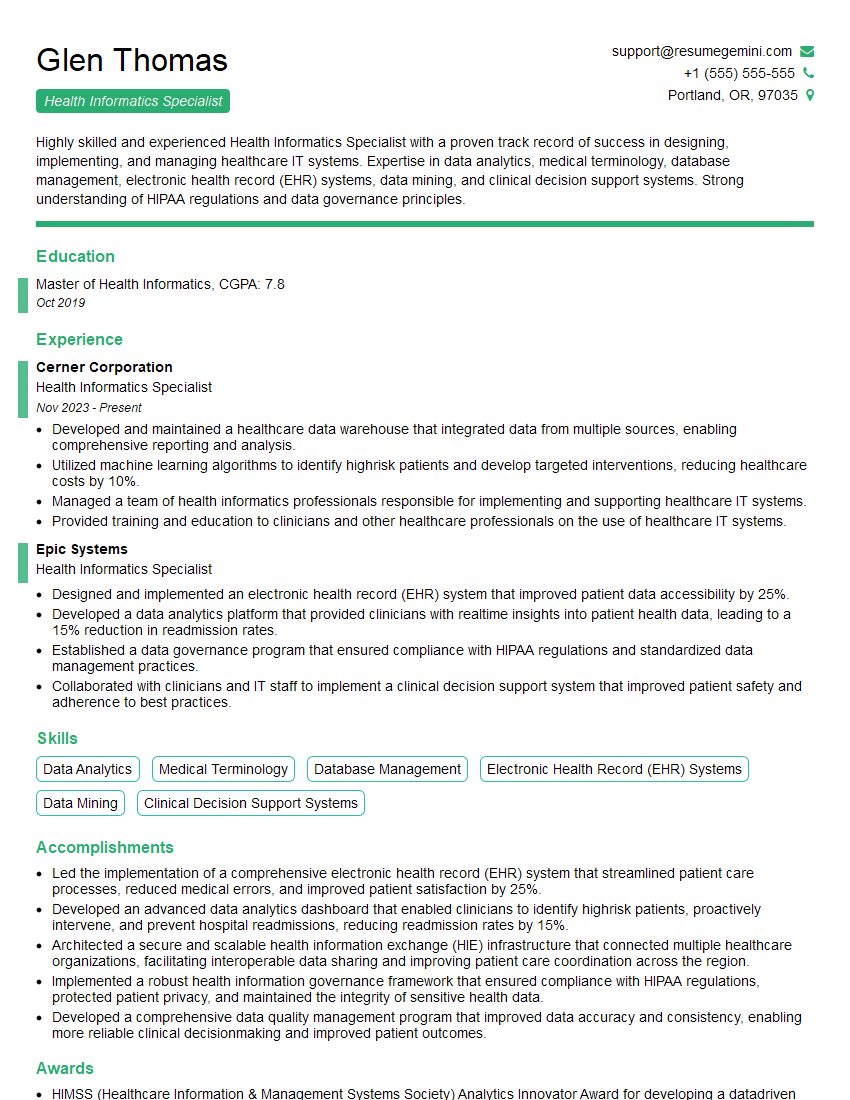
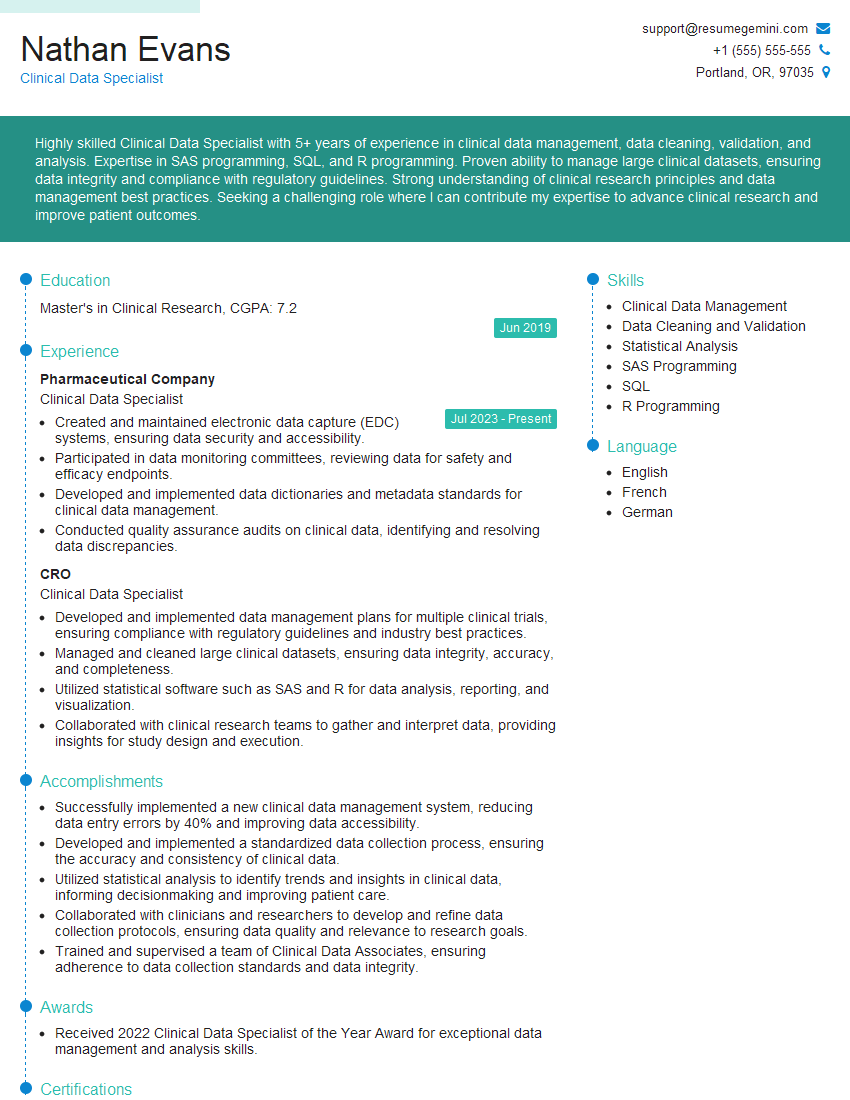
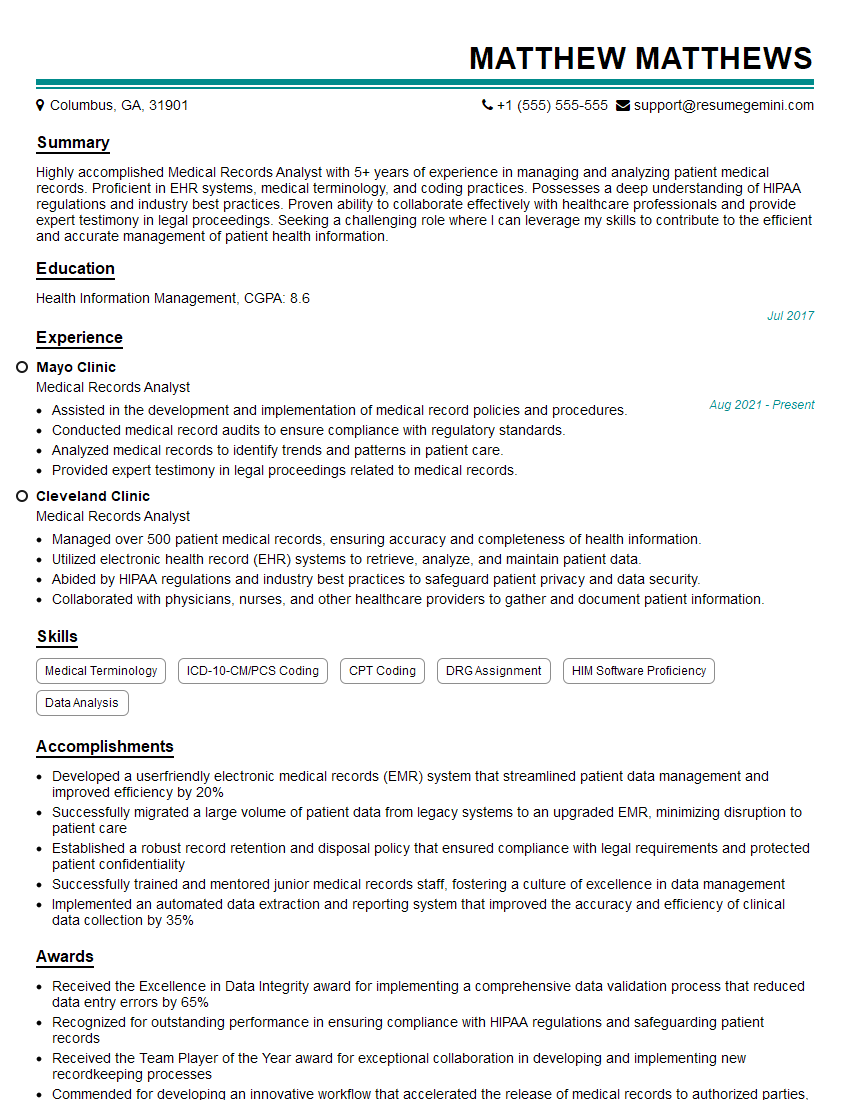
Mastering the monitoring and evaluation of patient outcomes is crucial for career advancement in healthcare. It demonstrates your commitment to quality improvement and your ability to contribute meaningfully to positive patient experiences. To significantly enhance your job prospects, invest time in creating a strong, ATS-friendly resume that highlights your relevant skills and experience. ResumeGemini is a trusted resource that can help you build a professional and impactful resume. Examples of resumes tailored to Monitoring and Evaluating Patient Outcomes are available to guide you through the process.
Explore more articles
Users Rating of Our Blogs
Share Your Experience
We value your feedback! Please rate our content and share your thoughts (optional).
What Readers Say About Our Blog
To the interviewgemini.com Webmaster.
Very helpful and content specific questions to help prepare me for my interview!
Thank you
To the interviewgemini.com Webmaster.
This was kind of a unique content I found around the specialized skills. Very helpful questions and good detailed answers.
Very Helpful blog, thank you Interviewgemini team.