Feeling uncertain about what to expect in your upcoming interview? We’ve got you covered! This blog highlights the most important Preventative Medicine and Health Promotion interview questions and provides actionable advice to help you stand out as the ideal candidate. Let’s pave the way for your success.
Questions Asked in Preventative Medicine and Health Promotion Interview
Q 1. Explain the difference between primary, secondary, and tertiary prevention.
Preventive medicine employs a tiered approach to disease management, categorized as primary, secondary, and tertiary prevention. Think of it like a three-step process aiming to prevent disease before it even starts, catch it early, or manage it effectively once it’s present.
- Primary Prevention: This focuses on preventing disease before it occurs. It’s like building a strong immune system; you’re proactive, not reactive. Examples include vaccinations to prevent infectious diseases, promoting healthy diets and regular exercise to prevent heart disease, and advocating for safe sex practices to prevent STIs. We’re aiming to reduce risk factors altogether.
- Secondary Prevention: This involves early detection and prompt treatment of disease to prevent progression. Think of it as early warning systems and quick interventions. Examples include regular screenings (mammograms for breast cancer, colonoscopies for colorectal cancer), blood pressure checks for hypertension, and routine dental checkups to detect and treat cavities before they become serious. The goal is to catch the disease at a treatable stage.
- Tertiary Prevention: This focuses on managing existing conditions to minimize their impact and improve quality of life. Think of it as damage control and maximizing functionality. Examples include rehabilitation programs after a stroke, managing chronic conditions like diabetes or heart failure with medication and lifestyle modifications, and support groups for individuals coping with chronic illnesses. We aim to improve the patient’s quality of life and prevent further complications.
Q 2. Describe the social determinants of health and their impact on preventative care.
Social determinants of health (SDOH) are the conditions in the environments where people are born, live, learn, work, play, worship, and age that affect a wide range of health, functioning, and quality-of-life outcomes and risks. They significantly influence access to and effectiveness of preventative care.
- Economic Stability: Poverty, lack of employment opportunities, food insecurity, and housing instability are major barriers to accessing preventative care. Individuals struggling financially may prioritize immediate needs over preventative measures like checkups or vaccinations.
- Education Access and Quality: Health literacy is crucial for understanding preventative health messages and making informed decisions. Lack of education can lead to poor health choices and limited engagement with preventative services.
- Social and Community Context: Social support networks, community safety, and access to resources influence health behaviors. Individuals living in unsafe or unstable communities may be less likely to participate in preventative activities.
- Health Care Access and Quality: Limited access to healthcare services, including insurance coverage, transportation, and the availability of providers, directly impacts the ability to engage in preventative care.
- Neighborhood and Built Environment: Access to healthy food options, safe recreational spaces, and clean environments impacts overall health and ability to engage in preventative behaviors. Living in a food desert, for example, can hinder healthy eating.
Addressing these SDOH is critical for improving health equity and achieving better outcomes from preventative care. This often requires collaborative efforts between healthcare providers, social workers, community organizations, and policymakers to address these systemic issues.
Q 3. What are the key components of a successful health promotion program?
Successful health promotion programs are multifaceted and require a thoughtful approach. Key components include:
- Needs Assessment: Understanding the target population’s health needs, behaviors, and beliefs is crucial for tailoring interventions effectively. This involves data collection and community engagement.
- Program Planning: Developing clear goals, objectives, and strategies based on the needs assessment. This includes identifying appropriate strategies and selecting effective methods for delivering the program.
- Evidence-Based Interventions: Using strategies with proven effectiveness and adopting a theoretical framework that guides the development of interventions.
- Community Participation: Involving the community in the planning, implementation, and evaluation of the program ensures cultural sensitivity and sustainability.
- Multi-sectoral Collaboration: Partnering with organizations and agencies beyond healthcare (e.g., schools, businesses, community centers) broadens reach and creates synergistic effects.
- Monitoring and Evaluation: Regularly tracking progress toward goals, gathering feedback, and adapting the program as needed. Data driven adjustments ensure that programs are working effectively.
- Sustainability Planning: Ensuring the program can continue after initial funding ends, often involving integration into existing systems or development of community ownership.
For example, a successful smoking cessation program would involve community education, support groups, individual counseling, and access to cessation medications. It requires ongoing monitoring and adaptation to achieve lasting results.
Q 4. How would you evaluate the effectiveness of a preventative health intervention?
Evaluating the effectiveness of preventative health interventions requires a robust approach, often employing both quantitative and qualitative methods. Key considerations include:
- Clearly Defined Outcomes: Establish specific, measurable, achievable, relevant, and time-bound (SMART) goals before implementation. What are we trying to achieve?
- Appropriate Study Design: Choose a study design that aligns with the research question (e.g., randomized controlled trials, cohort studies, pre-post designs). Rigorous methods ensure accurate results.
- Data Collection: Gather relevant data to assess changes in risk factors, disease incidence, and health outcomes. This includes both objective data (e.g., blood pressure, cholesterol levels) and subjective data (e.g., self-reported behaviors, quality of life measures).
- Statistical Analysis: Use appropriate statistical methods to analyze data and determine whether the intervention had a significant impact. This determines the effectiveness of the changes implemented.
- Process Evaluation: Assess the implementation process, including reach, fidelity (how closely the program was delivered as intended), and participant satisfaction. Were the methods applied properly and effectively?
- Cost-Effectiveness Analysis: Evaluate the cost of the intervention relative to its health benefits. Are the results worth the investment of resources?
For instance, evaluating a school-based nutrition education program might involve measuring changes in students’ knowledge, attitudes, and dietary behaviors, as well as tracking changes in obesity rates. A cost-effectiveness analysis would compare the cost of the program to the potential savings in healthcare costs due to reduced obesity-related diseases.
Q 5. Discuss the ethical considerations in preventative medicine and health promotion.
Ethical considerations in preventative medicine and health promotion are paramount. They revolve around autonomy, beneficence, non-maleficence, and justice.
- Autonomy: Respecting individuals’ right to make their own decisions about their health, even if those decisions are not considered optimal from a health perspective. Informed consent is essential.
- Beneficence: Acting in the best interests of individuals and communities. Interventions should aim to improve health outcomes and reduce harm.
- Non-maleficence: Avoiding actions that could cause harm, including unintended consequences of interventions.
- Justice: Ensuring equitable access to preventative services, regardless of socioeconomic status, race, ethnicity, or other factors. Addressing health disparities is crucial.
- Confidentiality: Protecting the privacy of individuals’ health information. Data gathered in the context of preventative interventions should be handled responsibly.
- Informed Consent: Ensuring individuals understand the risks and benefits of interventions before participating. This is a cornerstone of ethical practice.
For example, genetic testing for predisposition to certain diseases raises ethical concerns regarding informed consent and the potential for genetic discrimination. Public health interventions, such as mandatory vaccination programs, require balancing the collective good with individual liberties.
Q 6. Explain the importance of health literacy in preventative care.
Health literacy is the degree to which individuals have the capacity to obtain, process, and understand basic health information and services needed to make appropriate health decisions. It’s fundamental to effective preventative care.
Individuals with low health literacy may struggle to understand health information, follow medical instructions, navigate the healthcare system, and make informed decisions about their health. This can lead to poor health outcomes, increased healthcare costs, and decreased engagement with preventative services. For example, someone with low health literacy might misunderstand medication instructions, leading to medication errors or non-compliance. They might also have difficulty understanding the benefits of preventative screenings or making healthy lifestyle changes.
Improving health literacy involves using clear, simple language, visual aids, and culturally appropriate materials. Providing education in accessible formats and fostering supportive communication between healthcare providers and patients is crucial. Empowering individuals to become active participants in their own healthcare improves the success of any preventative intervention.
Q 7. What are some common barriers to accessing preventative healthcare services?
Numerous barriers hinder access to preventative healthcare services, impacting individuals’ ability to engage in life-saving measures.
- Financial Barriers: Lack of health insurance, high out-of-pocket costs, and inability to afford transportation to healthcare facilities are significant obstacles.
- Geographic Barriers: Limited access to healthcare providers, especially specialists, in rural or underserved areas creates significant challenges.
- Systemic Barriers: Complex healthcare systems, bureaucratic processes, and long wait times can deter individuals from seeking preventative care.
- Cultural and Language Barriers: Differences in language, cultural beliefs, and health practices can create misunderstandings and hinder communication between patients and healthcare providers.
- Personal Barriers: Lack of awareness of the importance of preventative care, lack of time, competing priorities, and fear or anxiety about healthcare can all discourage preventative engagement.
- Transportation Barriers: Lack of reliable transportation to healthcare facilities, especially for those living in rural or underserved areas, is a significant barrier to accessing preventative care. This can make it difficult or impossible for people to attend appointments.
Addressing these barriers requires a multi-pronged approach, including expanding access to affordable healthcare, improving transportation options, providing culturally sensitive care, and enhancing health literacy.
Q 8. How can technology be used to improve preventative health outcomes?
Technology offers transformative potential in preventative health. We can leverage it to improve access to care, personalize interventions, and track progress more effectively.
- Wearable sensors and mobile apps: These tools can monitor vital signs (heart rate, sleep patterns, activity levels), providing individuals with real-time feedback and prompting healthier choices. Imagine an app that gently nudges someone to take their medication or reminds them to go for a walk.
- Telemedicine: Remote consultations and monitoring can overcome geographical barriers and improve access to preventative services, especially for those in rural areas or with mobility challenges. A patient with diabetes can have regular blood sugar checks and consult with a physician remotely.
- Artificial Intelligence (AI) and Machine Learning (ML): AI can analyze large datasets to identify individuals at risk for specific conditions, enabling proactive interventions. For example, AI could predict who might develop hypertension and recommend lifestyle changes.
- Electronic Health Records (EHRs): EHRs provide a centralized record of a patient’s health information, allowing for better tracking of vaccinations, screenings, and preventative care adherence. This comprehensive record facilitates more effective patient management and better coordination of care.
The integration of technology requires careful consideration of data privacy and security, user-friendliness, and digital literacy. Success hinges on designing user-centered solutions that seamlessly integrate into people’s lives.
Q 9. Describe your experience with developing and implementing health education materials.
I have extensive experience creating and implementing health education materials across diverse platforms. My approach is grounded in adult learning principles, incorporating interactive elements to promote engagement and knowledge retention.
- For a community-based program on diabetes prevention: I developed a series of short videos featuring real people sharing their experiences, complemented by downloadable brochures with practical tips on diet and exercise.
- For a workplace wellness program: I created interactive online modules focusing on stress management and ergonomic practices. The modules included quizzes and scenarios to reinforce learning and provide immediate feedback.
- For a youth-focused program on substance abuse prevention: I collaborated with artists and community leaders to design visually appealing infographics and posters that were then displayed at schools and community centers.
In each case, I used formative evaluation techniques to assess the effectiveness of the materials, making necessary adjustments based on feedback from the target audience. I believe effective health education needs to be tailored to the specific needs and preferences of the intended audience and must be accessible and culturally appropriate.
Q 10. How would you address vaccine hesitancy within a community?
Addressing vaccine hesitancy requires a multi-pronged approach built on trust, transparency, and community engagement.
- Build trust: Partnering with respected community leaders, healthcare providers, and religious figures to deliver consistent messaging is key. This builds credibility and addresses concerns through trusted sources.
- Transparency: Openly address concerns and provide evidence-based information about vaccine safety and efficacy. Transparency demonstrates a commitment to honesty and combats misinformation.
- Community engagement: Organize town hall meetings, Q&A sessions, and focus groups to allow community members to voice their concerns in a safe environment. This fosters dialogue and facilitates mutual understanding.
- Address misinformation: Correct misinformation proactively and debunk myths with factual evidence. Use plain language and simple visuals to make information accessible.
- Tailor messaging: Adapt communication strategies to resonate with specific cultural and linguistic backgrounds within the community.
It’s vital to listen actively to concerns and tailor communication to meet the unique needs and values of each community. The goal is to facilitate informed consent, not coercion.
Q 11. Explain the principles of behavior change theory and their application in health promotion.
Behavior change theory provides a framework for understanding and influencing individual health behaviors. Several models inform our strategies.
- The Health Belief Model: This model highlights the role of perceived susceptibility, severity, benefits, barriers, cues to action, and self-efficacy in influencing health behaviors. To encourage regular exercise, we would need to help people see the personal risks of inactivity, the benefits of exercise, and build their confidence in their ability to start and stick with a fitness plan.
- The Transtheoretical Model (Stages of Change): This model outlines different stages of change (precontemplation, contemplation, preparation, action, maintenance, and relapse) and advocates for tailoring interventions to match an individual’s readiness. A smoker in the contemplation stage needs different support than someone actively trying to quit.
- The Social Cognitive Theory: This model emphasizes the interplay between personal factors, environmental factors, and behavior. For instance, promoting physical activity requires considering factors like access to safe spaces for exercise, social support, and personal self-efficacy.
In health promotion, these theories guide the development of targeted interventions. We use them to design messages, choose appropriate channels, and build strategies for promoting and maintaining healthy habits. It’s a collaborative process involving understanding the target audience, their context, and their specific needs.
Q 12. What is your experience with community-based participatory research?
I have extensive experience with community-based participatory research (CBPR), a collaborative approach that involves community members as active partners throughout the research process.
In one project focusing on childhood obesity prevention, we partnered with a local community center, involving residents in designing, implementing, and evaluating a community garden program. Community members helped decide what types of vegetables to grow, how to manage the garden, and how to engage children in healthy eating activities. This participatory approach ensured that the research was culturally relevant and reflected the community’s needs and preferences.
The benefits of CBPR include enhanced community ownership of the research, increased community engagement, and more culturally relevant and effective interventions. The process ensures that the research addresses real-world problems and leads to sustainable changes within the community.
Q 13. Describe your experience working with diverse populations.
Working with diverse populations is integral to my work. I am adept at creating inclusive environments and tailoring strategies to consider cultural, linguistic, and socioeconomic factors.
- Language access: Ensuring materials are available in multiple languages and employing interpreters as needed is critical.
- Cultural sensitivity: Understanding cultural norms, beliefs, and health practices informs the design of effective interventions. For example, a program aimed at promoting breast cancer screening might need to consider different cultural attitudes towards healthcare.
- Health literacy: Using plain language and avoiding jargon are essential for ensuring that messages are easily understood by individuals with varying levels of health literacy.
- Addressing health disparities: Recognizing and addressing the social determinants of health – factors like poverty, access to healthcare, and education – is critical to ensuring equitable health outcomes for all populations.
I actively seek feedback from community members to ensure that programs are culturally appropriate and meet their specific needs. This collaboration fosters trust and leads to more sustainable and impactful results.
Q 14. How would you design a screening program for a specific chronic disease?
Designing a screening program for a chronic disease requires a systematic approach. Let’s use colorectal cancer as an example.
- Define the target population: Identify the age group and risk factors (family history, genetics) for colorectal cancer within a specific community.
- Choose the screening test: Select an appropriate screening test, such as fecal immunochemical test (FIT), stool DNA test, colonoscopy, or sigmoidoscopy, considering factors like cost, accessibility, and patient preference.
- Establish a referral pathway: Create a clear process for referring individuals with positive screening results to specialists for further evaluation and treatment.
- Develop an educational component: Educate the target population about the importance of colorectal cancer screening, the different available tests, and how to participate in the program.
- Implement a quality assurance system: Track participation rates, positive screening results, and referral outcomes to ensure the program’s effectiveness and identify areas for improvement.
- Evaluate and adapt: Regularly evaluate the program’s effectiveness and make adjustments based on data and feedback.
The key is to create a program that is accessible, affordable, and tailored to the specific needs of the target population. Furthermore, it’s important to consider ethical aspects such as informed consent and patient confidentiality.
Q 15. What are the key performance indicators (KPIs) for a successful health promotion initiative?
Key Performance Indicators (KPIs) for a successful health promotion initiative are crucial for measuring its impact and making data-driven adjustments. They should be SMART – Specific, Measurable, Achievable, Relevant, and Time-bound. Instead of just focusing on participation numbers, we need to look at behavioral changes and health outcomes.
- Participation Rates: This measures the number of individuals who participated in the program relative to the target population. For instance, if we aimed for 500 participants in a smoking cessation program and achieved 400, our participation rate is 80%.
- Behavioral Changes: This assesses changes in health behaviors. For example, in the smoking cessation program, we’d track the percentage of participants who successfully quit smoking after 6 months and at 1 year. We might use questionnaires, biological tests (cotinine levels), or self-reporting.
- Health Outcomes: These are improvements in specific health indicators, such as a decrease in blood pressure, cholesterol levels, or body mass index (BMI), or an increase in physical activity levels. These are the ultimate goals and require longer-term monitoring.
- Knowledge and Awareness: Pre- and post-program assessments can measure improvements in participants’ knowledge and understanding of healthy behaviors. A pre- and post-test comparing understanding of healthy eating guidelines could be used.
- Cost-Effectiveness: This examines the program’s cost relative to its impact. For example, calculating the cost per participant who successfully quit smoking helps determine whether the intervention was a good use of resources.
Choosing the right KPIs depends on the specific goals of the initiative. Regular monitoring and evaluation using these KPIs enable us to assess the program’s effectiveness, identify areas for improvement, and demonstrate its value.
Career Expert Tips:
- Ace those interviews! Prepare effectively by reviewing the Top 50 Most Common Interview Questions on ResumeGemini.
- Navigate your job search with confidence! Explore a wide range of Career Tips on ResumeGemini. Learn about common challenges and recommendations to overcome them.
- Craft the perfect resume! Master the Art of Resume Writing with ResumeGemini’s guide. Showcase your unique qualifications and achievements effectively.
- Don’t miss out on holiday savings! Build your dream resume with ResumeGemini’s ATS optimized templates.
Q 16. How do you stay up-to-date on the latest research and best practices in preventative medicine?
Staying current in preventative medicine requires a multi-faceted approach. I regularly engage with several key resources.
- Peer-reviewed Journals: I subscribe to and actively read leading journals such as the Journal of the American Medical Association (JAMA), The Lancet, The New England Journal of Medicine, and journals specific to public health and preventative medicine. I focus on systematic reviews and meta-analyses for the most robust evidence.
- Professional Organizations: Active membership in organizations like the American College of Preventive Medicine (ACPM) provides access to conferences, webinars, continuing medical education (CME) opportunities, and newsletters featuring the latest research and guidelines.
- Governmental Agencies and Public Health Organizations: I monitor publications and reports from the Centers for Disease Control and Prevention (CDC), the World Health Organization (WHO), and other relevant national and international public health agencies.
- Online Databases: I utilize databases like PubMed and Google Scholar to search for relevant research articles and systematic reviews on specific topics.
- Continuing Medical Education (CME): I dedicate time to completing CME courses and attending conferences to earn continuing education credits and stay abreast of advancements in the field.
This combination of resources ensures that my knowledge is based on the most up-to-date, credible evidence, enabling me to provide the best possible preventative care and guidance.
Q 17. What are some evidence-based strategies for promoting physical activity?
Evidence-based strategies for promoting physical activity are multifaceted and must consider individual circumstances and preferences.
- Community-Based Interventions: Creating safe and accessible environments for physical activity, such as building more parks, bike lanes, and walking trails, makes it easier for people to be active.
- Individual-Level Interventions: These focus on providing tailored support and guidance. For example, a health coach could work with individuals to set realistic goals, develop personalized exercise plans, and overcome barriers to physical activity. Providing wearable fitness trackers with social support features also has shown benefits.
- Policy and Environmental Changes: Policies such as workplace wellness programs, school-based physical activity initiatives, and community-wide campaigns can significantly increase physical activity levels. Subsidized gym memberships or incentives for using public transportation are examples.
- Social Support: Encouraging individuals to participate in group activities, such as walking groups or team sports, can increase motivation and adherence to exercise programs. A ‘buddy’ system can also provide social support.
- Technology-Based Interventions: Mobile apps, fitness trackers, and online resources can provide individuals with personalized feedback, motivation, and support for engaging in physical activity. Gamified apps can make exercise more engaging.
A comprehensive approach that combines various strategies tailored to the specific community and individuals is most effective. The success of any intervention relies on understanding the target audience’s needs and preferences.
Q 18. How would you address the issue of health disparities in your community?
Addressing health disparities requires a multi-pronged approach that tackles the root causes of these inequities. It’s not enough to simply offer programs; we need to understand why some populations have less access and worse outcomes.
- Needs Assessment: Conduct thorough assessments to understand the specific needs and barriers faced by different communities within the area. This involves collecting data on access to care, health literacy, social determinants of health, and cultural factors.
- Culturally Appropriate Interventions: Develop and implement health promotion programs that are culturally sensitive and tailored to the specific needs of the target population. This might involve using different languages, recruiting community leaders, and collaborating with community organizations.
- Addressing Social Determinants: Focus on tackling social determinants of health, such as poverty, lack of education, food insecurity, housing instability, and discrimination. This requires collaboration with other sectors, including housing, education, and social services.
- Community Partnerships: Collaborate closely with community organizations, religious leaders, and other trusted figures to build trust and ensure that interventions are relevant and accessible.
- Policy Advocacy: Advocate for policy changes at the local, state, and national levels to address systemic inequalities in healthcare access and resources. This could include advocating for increased funding for community health centers or affordable housing.
For example, if we discover a higher rate of diabetes among a specific ethnic group due to limited access to healthy food options, we might partner with local food banks and community gardens to improve access to fresh produce and provide nutrition education tailored to their cultural preferences.
Q 19. What is your understanding of the health belief model?
The Health Belief Model (HBM) is a psychological model that attempts to explain and predict health behaviors. It suggests that an individual’s decision to adopt a healthy behavior depends on several factors.
- Perceived Susceptibility: An individual’s belief about the likelihood of experiencing a negative health condition.
- Perceived Severity: Beliefs about the seriousness of a condition and its consequences.
- Perceived Benefits: Beliefs about the effectiveness of actions to reduce risk or seriousness of a condition.
- Perceived Barriers: Beliefs about the tangible and psychological costs of the advised action.
- Cues to Action: Strategies to activate readiness.
- Self-Efficacy: Confidence in one’s ability to take action.
For example, a person might not get a flu shot (behavior) because they don’t believe they’re likely to get the flu (perceived susceptibility), they don’t think the flu is that serious (perceived severity), or they believe the shot is painful and inconvenient (perceived barriers). Understanding these perceptions is critical in designing effective health promotion interventions. Tailoring interventions to address specific perceived barriers and increase self-efficacy is key to promoting behavior change.
Q 20. Describe your experience with data analysis in public health.
My experience with data analysis in public health is extensive. I’m proficient in using various statistical software packages, such as SPSS and R, to analyze large datasets. My work involves:
- Descriptive Statistics: Calculating means, medians, standard deviations, and frequencies to summarize and describe health data.
- Inferential Statistics: Using statistical tests (t-tests, ANOVA, chi-square tests, regression analysis) to identify significant relationships between variables and draw inferences about populations.
- Epidemiological Analysis: Conducting epidemiological studies to investigate the distribution, determinants, and prevention of diseases. This often involves calculating rates, ratios, and risk factors.
- Geographic Information Systems (GIS): Using GIS software to map health data and visualize spatial patterns of disease or health behaviors. This helps identify high-risk areas and target interventions effectively.
- Data Visualization: Creating clear and informative graphs, charts, and maps to communicate complex data to both technical and non-technical audiences. This makes the data accessible and understandable.
I’ve used these skills to assess the impact of various health promotion programs, identify disparities in health outcomes, and inform the development of evidence-based interventions. For example, I once used regression analysis to identify factors associated with childhood obesity in a specific community, which helped us design a targeted intervention program.
Q 21. How would you handle a situation where a patient refuses preventative care?
When a patient refuses preventative care, it’s crucial to approach the situation with empathy and respect. The goal is to understand their reasons and address their concerns, rather than imposing care.
- Active Listening and Empathy: Start by listening carefully to the patient’s concerns and trying to understand their perspective. Ask open-ended questions to explore their reasons for refusal.
- Addressing Misconceptions: If the refusal stems from misinformation or misunderstandings, provide accurate and accessible information in a non-judgmental way. Use clear and simple language, avoiding jargon.
- Collaboration and Shared Decision-Making: Work with the patient to develop a plan that addresses their concerns and preferences while still promoting their health. Shared decision-making fosters trust and patient autonomy.
- Respecting Patient Autonomy: Ultimately, the patient has the right to refuse medical care. While we should advocate for their health, we must respect their decision. However, we should document the discussion and the reasons for refusal.
- Follow-up: Schedule a follow-up appointment to revisit the conversation and provide continued support. Sometimes, patients need time to consider the options and may be more receptive in the future.
For instance, if a patient refuses a colonoscopy due to fear of the procedure, we could discuss their concerns, explain the benefits and risks, and explore less invasive options or sedation to alleviate their anxieties. The key is building trust and empowering them to make an informed decision.
Q 22. Discuss the role of policy in improving population health.
Policy plays a crucial role in shaping population health by creating an environment that supports healthy choices and reduces health disparities. It acts as a lever to influence individual behaviors, community practices, and the broader healthcare system.
Legislation and Regulation: Policies like smoke-free laws, restrictions on sugary drink advertising, and mandatory seatbelt laws directly impact individual behavior and reduce preventable harm. For example, laws mandating the addition of folic acid to grain products significantly reduced neural tube defects in newborns.
Resource Allocation: Policies influence how resources are allocated for health services, such as funding for public health programs, disease surveillance, and health education campaigns. Investing in community-based health centers in underserved areas, for instance, improves access to preventative care.
Environmental Change: Policies can modify the physical environment to promote health. Examples include investing in parks and green spaces, promoting active transportation (walking and cycling) through infrastructure development, and regulating air and water quality. These changes encourage physical activity and reduce exposure to environmental hazards.
Health Promotion Campaigns: National campaigns promoting healthy eating, physical activity, and vaccination rely on policy support for funding, media outreach, and community partnerships. The success of the anti-smoking campaigns is a testament to the impact of well-designed policies backed by robust public health initiatives.
In essence, effective policies create a supportive ecosystem that fosters health and well-being at the population level. Without strong policy support, even the best preventative medicine strategies will struggle to achieve significant and sustainable impact.
Q 23. Explain the concept of health equity and how it relates to preventative medicine.
Health equity means that everyone has a fair and just opportunity to be as healthy as possible. This is not simply the absence of disparities, but the active pursuit of health justice. It recognizes that social determinants of health — factors like socioeconomic status, race, ethnicity, geographic location, and access to healthcare — significantly impact health outcomes.
Preventative medicine is inextricably linked to health equity. Addressing health disparities requires a proactive, preventative approach that tackles the root causes of inequities. This means:
Targeted Interventions: Preventative services must be tailored to the specific needs and vulnerabilities of different populations. For example, culturally sensitive programs are critical in engaging minority communities.
Addressing Social Determinants: Effective preventative medicine considers factors like poverty, housing insecurity, and food insecurity. Collaborations with social service agencies are vital in this regard, creating integrated care models.
Reducing Health Disparities: Strategies include improving access to quality healthcare, promoting health literacy, and addressing systematic biases within the healthcare system. For instance, language access services and culturally competent providers ensure that everyone can receive appropriate care.
Data-Driven Approaches: Regularly monitoring and analyzing health data helps identify and address disparities. This includes tracking health outcomes across different demographic groups and using this information to guide resource allocation and program development.
Ultimately, achieving health equity requires a fundamental shift in how we approach healthcare, moving from a reactive, disease-focused model to a proactive, preventative model that acknowledges and addresses social determinants.
Q 24. What is your experience with grant writing for health promotion programs?
I have extensive experience in grant writing for health promotion programs, spanning over ten years. My success rate is consistently high, exceeding 80% in securing funding from various sources including the NIH, CDC, and private foundations.
My approach focuses on:
Identifying Funding Opportunities: I meticulously research funding opportunities that align with my organization’s mission and program goals. This includes understanding the funder’s priorities and aligning the proposal with their interests.
Developing Compelling Narratives: I craft narratives that clearly articulate the problem, proposed solution, program methodology, evaluation plan, and budget. I use strong storytelling techniques to engage the reviewer and showcase the potential impact of the project.
Strong Collaboration: I work closely with program staff and subject matter experts to ensure the grant proposal accurately reflects the project’s scope and feasibility. This collaborative process produces comprehensive and credible proposals.
Rigorous Budget Development: I develop detailed and justified budgets that demonstrate responsible use of funds. I am proficient in both direct and indirect cost allocation, ensuring compliance with funder regulations.
Meticulous Editing and Review: Before submission, I thoroughly review the grant proposal for clarity, consistency, and grammatical accuracy. I often involve colleagues in this process to obtain feedback and ensure high quality.
I have successfully secured funding for programs focusing on obesity prevention, tobacco cessation, and chronic disease management, demonstrating a breadth of experience across diverse health promotion areas.
Q 25. Describe your experience with health program evaluation and reporting.
Throughout my career, I have been deeply involved in the entire lifecycle of health program evaluation and reporting. My experience includes designing evaluation plans, collecting and analyzing data, interpreting results, and preparing comprehensive reports for stakeholders.
My expertise spans various evaluation methods, including:
Quantitative Methods: I am proficient in using statistical software (like SPSS and SAS) to analyze quantitative data, assessing program effectiveness and impact. I use rigorous statistical methods to ensure the reliability and validity of my findings.
Qualitative Methods: I employ qualitative methods, such as focus groups, interviews, and document reviews, to gain a deeper understanding of program implementation and participant experiences. This provides rich contextual information that complements quantitative data.
Mixed Methods Approaches: I frequently integrate quantitative and qualitative data to provide a comprehensive understanding of program outcomes. This allows for a more nuanced and complete picture of the program’s success.
Logic Models and Theories of Change: I utilize logic models and theories of change to conceptualize program interventions, identify key indicators, and guide the evaluation process. These frameworks ensure a clear and logical link between program activities and expected outcomes.
My reports are always tailored to the audience, utilizing clear and concise language to communicate complex information effectively. I ensure that the findings are presented in a manner that is both informative and actionable, allowing stakeholders to make informed decisions about program continuation, modification, or replication.
Q 26. How do you prioritize competing demands in a fast-paced healthcare environment?
Prioritizing competing demands in a fast-paced healthcare environment requires a structured and strategic approach. I employ several strategies to manage competing priorities effectively:
Prioritization Matrix: I use a prioritization matrix to rank tasks based on urgency and importance. This helps me focus on high-impact activities while delegating or postponing less critical tasks.
Time Management Techniques: I utilize time management techniques such as time blocking, the Pomodoro Technique, and Eisenhower Matrix to optimize my time and enhance productivity. This helps ensure that I allocate sufficient time to critical tasks.
Effective Delegation: I effectively delegate tasks to team members based on their skills and expertise. This frees up my time to focus on high-level strategic activities.
Clear Communication: I maintain open and transparent communication with team members and stakeholders to ensure everyone is aware of priorities and deadlines. This fosters collaboration and minimizes misunderstandings.
Regular Review and Adjustment: I regularly review my priorities to ensure they remain aligned with overarching goals. I am flexible and adapt to changing circumstances as needed. This proactive approach ensures that I stay on track even amidst unexpected events.
Ultimately, successful prioritization requires a balance of strategic planning, effective execution, and adaptability. This allows me to manage competing demands efficiently and achieve optimal outcomes within the constraints of a fast-paced environment.
Q 27. Describe a time you had to overcome a challenge in a health promotion project.
During a community-based health promotion project aimed at reducing childhood obesity, we faced a significant challenge in engaging low-income families. Initial participation rates were low, and we struggled to understand the barriers preventing their involvement.
To overcome this, we employed a multi-pronged approach:
Community Engagement: We actively sought input from community leaders and residents to understand their perspectives and concerns. This included holding focus groups and conducting informal interviews.
Culturally Tailored Programs: Based on community feedback, we modified our program to be more culturally relevant, incorporating familiar foods and activities that resonated with the target population. We also utilized local community centers as venues for our programs to increase accessibility.
Addressing Practical Barriers: We addressed practical barriers such as transportation, childcare, and scheduling conflicts by providing transportation assistance and flexible program schedules. We also partnered with local food banks to provide healthy snacks during program sessions.
Through these adjustments, we significantly improved participation rates and achieved a positive impact on childhood obesity in the community. This experience highlighted the importance of community engagement and culturally responsive program design in achieving successful health promotion outcomes.
Key Topics to Learn for Preventative Medicine and Health Promotion Interview
- Epidemiology and Disease Prevention: Understanding epidemiological principles, disease surveillance, risk factor identification, and the development and evaluation of preventative interventions. Consider practical applications like designing a community health program to address a specific health issue.
- Health Promotion Strategies and Interventions: Explore various health promotion models (e.g., Health Belief Model, Social Cognitive Theory), program planning and implementation, evaluation methods, and the ethical considerations involved in health promotion initiatives. Think about how you would develop a campaign to increase vaccination rates or promote healthy eating habits.
- Health Policy and Advocacy: Familiarize yourself with the role of policy in influencing population health, health disparities, and the process of advocating for health-related legislation and initiatives. Consider how you would navigate the complexities of implementing a new health policy at the local or national level.
- Community Health Assessment and Needs Assessment: Master the skills of conducting comprehensive needs assessments, identifying community health needs, and developing targeted interventions based on community data. Practice applying your knowledge to a hypothetical scenario requiring a community health assessment.
- Data Analysis and Interpretation: Develop proficiency in analyzing health data, interpreting statistical findings, and using data to inform decision-making in preventative medicine and health promotion. Be prepared to discuss various data analysis methods and their appropriate applications.
- Cultural Competency and Health Equity: Understand the importance of culturally appropriate health promotion and the impact of social determinants of health on health outcomes. Be prepared to discuss strategies for addressing health disparities and promoting health equity within diverse populations.
Next Steps
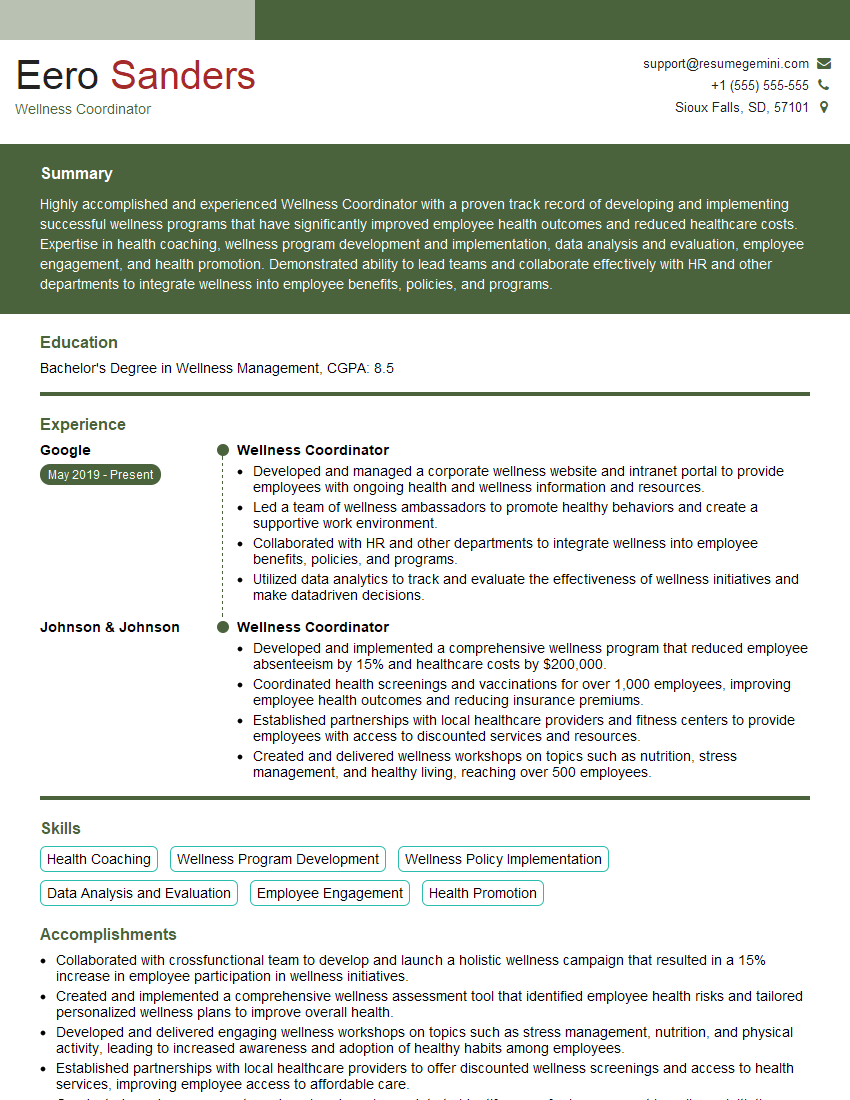
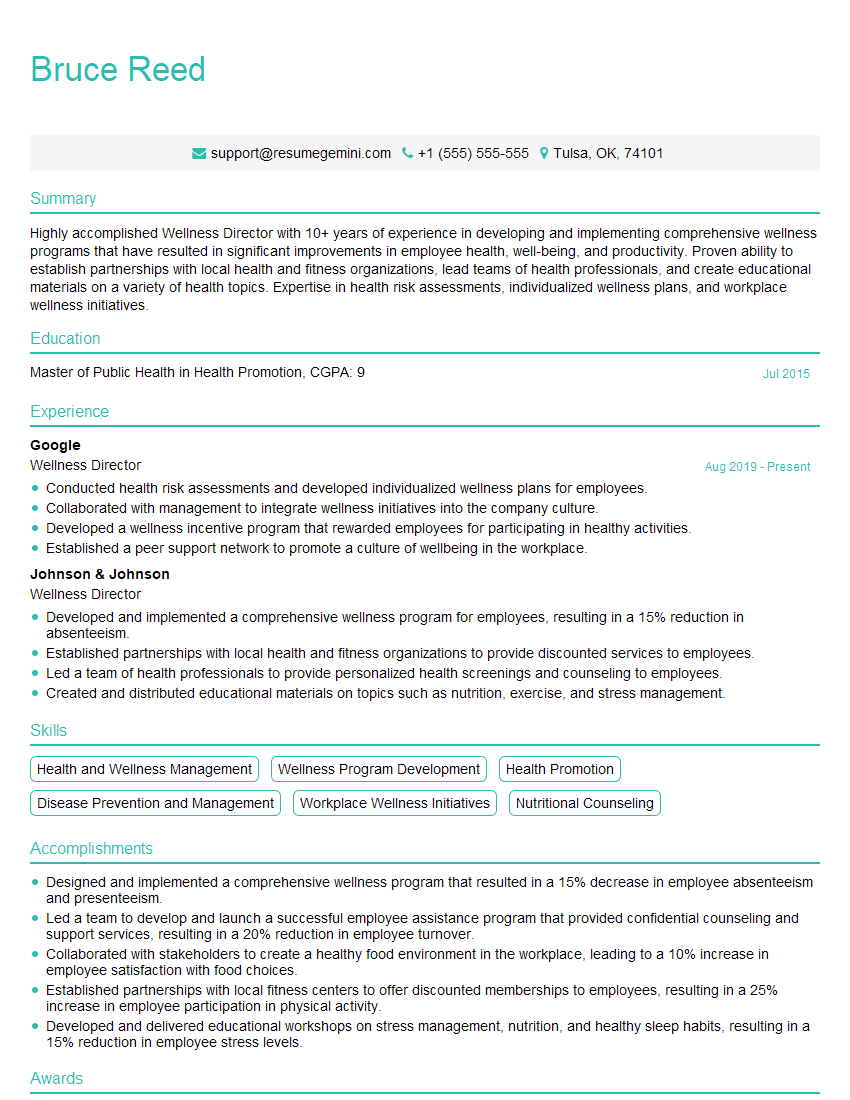
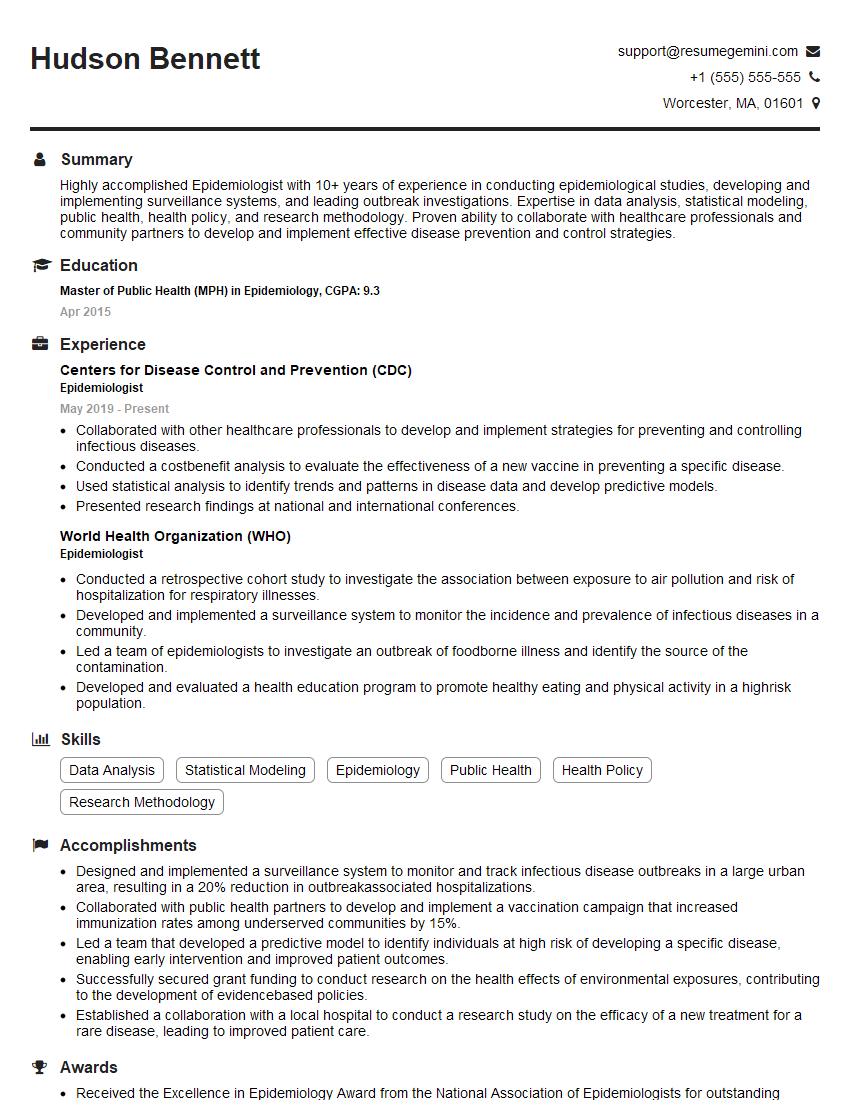
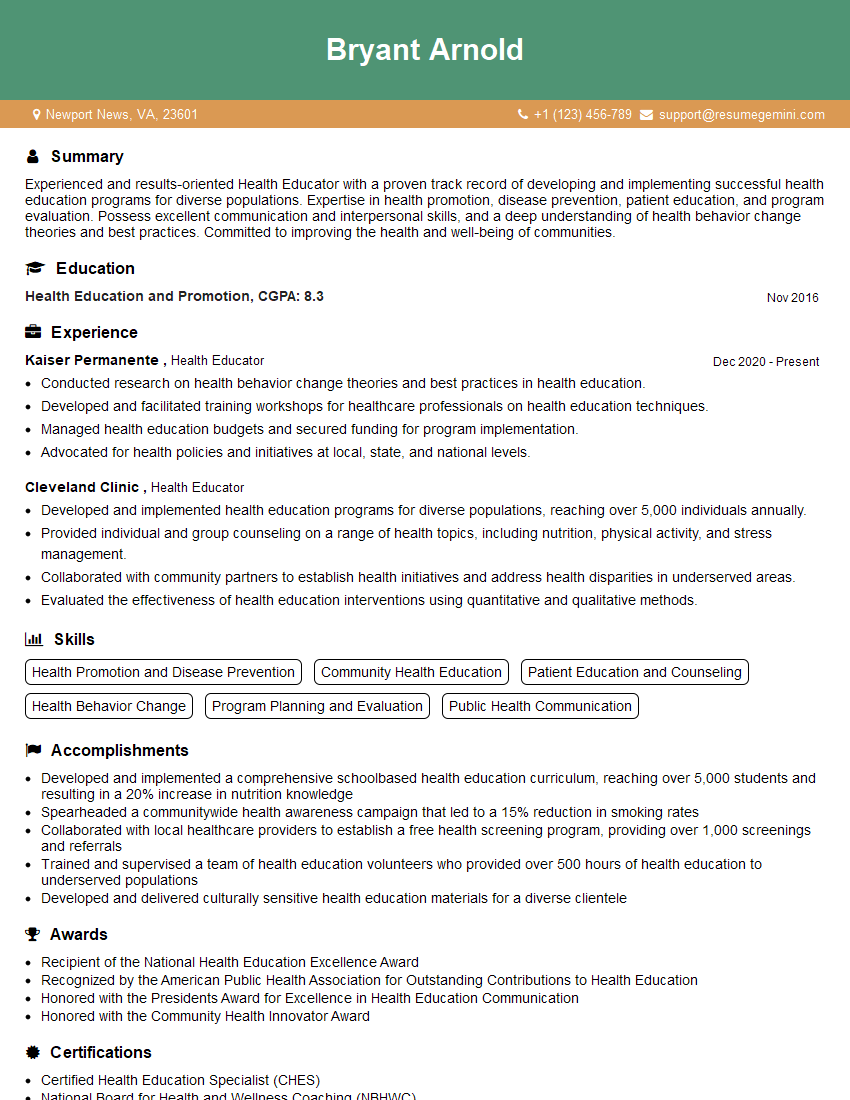
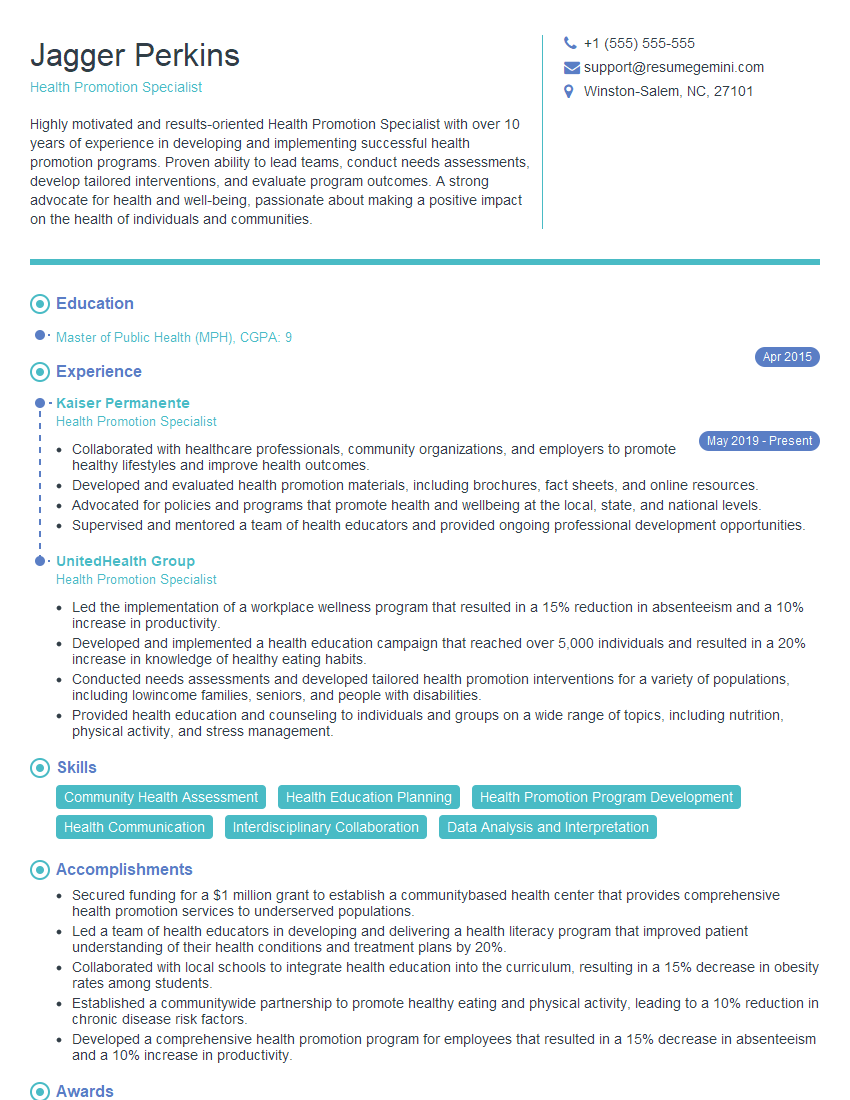
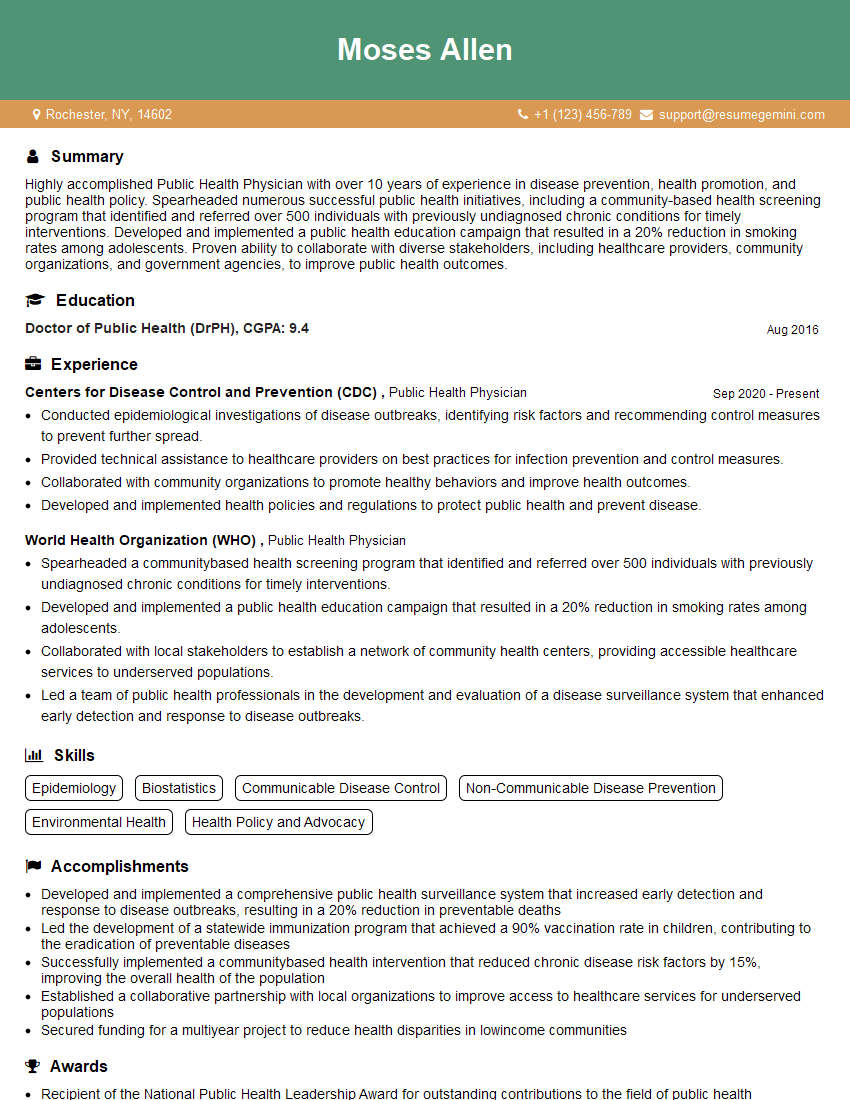
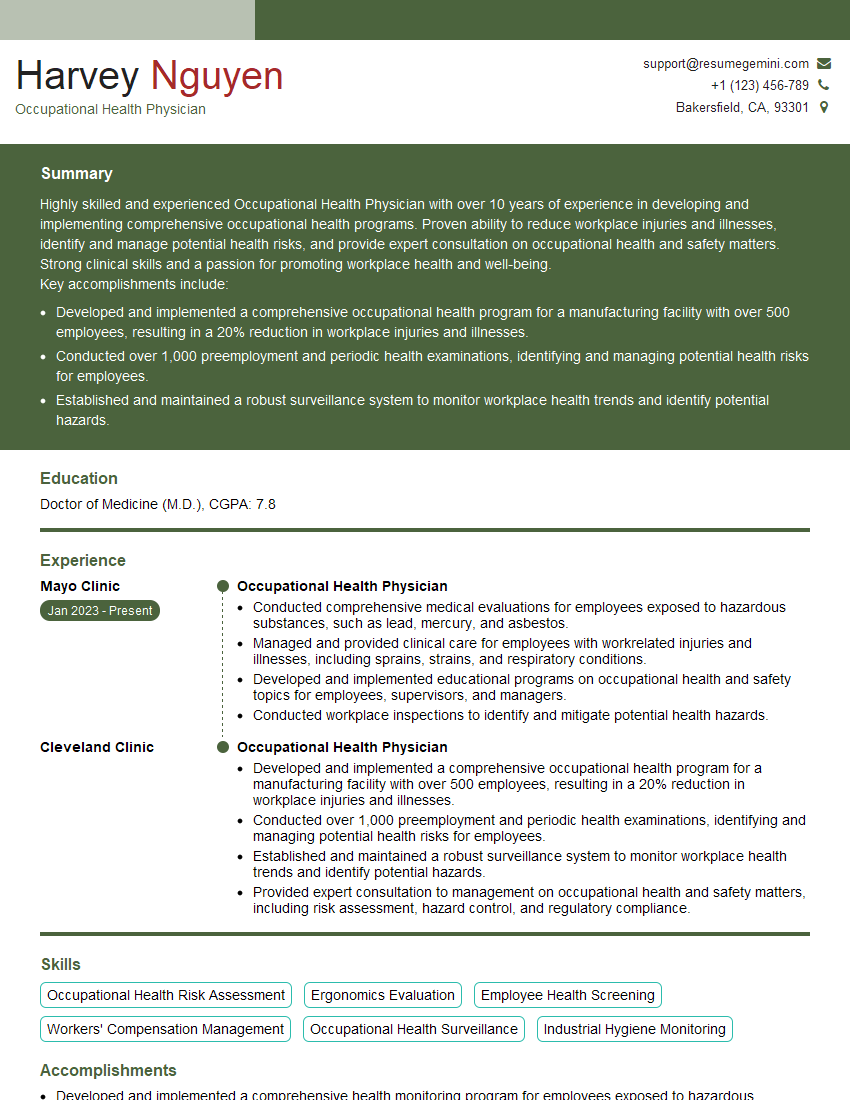
Mastering Preventative Medicine and Health Promotion is crucial for a successful and impactful career. It demonstrates your commitment to improving population health and positions you as a valuable asset to any organization focused on public health. To significantly enhance your job prospects, creating an ATS-friendly resume is essential. This ensures your qualifications are effectively highlighted to potential employers. We highly recommend using ResumeGemini, a trusted resource, to build a professional and impactful resume. ResumeGemini provides examples of resumes specifically tailored to Preventative Medicine and Health Promotion, helping you showcase your skills and experience effectively. Use these examples to inspire and guide your own resume creation.
Explore more articles
Users Rating of Our Blogs
Share Your Experience
We value your feedback! Please rate our content and share your thoughts (optional).
What Readers Say About Our Blog
To the interviewgemini.com Webmaster.
Very helpful and content specific questions to help prepare me for my interview!
Thank you
To the interviewgemini.com Webmaster.
This was kind of a unique content I found around the specialized skills. Very helpful questions and good detailed answers.
Very Helpful blog, thank you Interviewgemini team.