Interviews are more than just a Q&A session—they’re a chance to prove your worth. This blog dives into essential Ability to Work in Variable Weather Conditions interview questions and expert tips to help you align your answers with what hiring managers are looking for. Start preparing to shine!
Questions Asked in Ability to Work in Variable Weather Conditions Interview
Q 1. Describe your experience working outdoors in different weather conditions.
My career has extensively involved fieldwork, exposing me to a wide range of weather conditions. From scorching summers in the Arizona desert to frigid winters in the Rockies, I’ve consistently adapted my approach to ensure both safety and productivity. I’ve worked on everything from pipeline inspections in torrential downpours to surveying land in blizzard conditions. This diverse experience has honed my ability to anticipate challenges and proactively mitigate risks associated with variable weather.
- Example 1: During a summer pipeline inspection project in extreme heat, we adjusted our work schedule to avoid the hottest parts of the day, and we utilized shaded areas where available.
- Example 2: While surveying in mountainous regions during winter, I’ve utilized specialized cold-weather gear and followed strict safety protocols regarding avalanche awareness.
Q 2. How have you adapted your work strategies to account for extreme heat?
Working in extreme heat necessitates a proactive approach focused on preventing heatstroke and maintaining physical capabilities. My strategies include:
- Hydration: Consistent and ample water intake is paramount. We often carry large water jugs and utilize electrolyte drinks to replace lost salts.
- Scheduled Breaks: Regular, frequent breaks in shaded areas are crucial. This allows the body to cool down and prevents overheating.
- Protective Clothing: Light-colored, loose-fitting clothing helps reflect sunlight and promotes airflow. Wide-brimmed hats and UV-protective sunglasses are essential.
- Modified Work Schedule: Adjusting work hours to avoid the peak heat of the day, often starting earlier or later than usual, significantly improves safety and productivity.
It’s important to monitor team members for signs of heat exhaustion and take immediate action if necessary, such as providing cool water and moving them to a cooler location.
Q 3. How have you adapted your work strategies to account for extreme cold?
Extreme cold requires a different strategy emphasizing staying warm and preventing hypothermia. Key adaptations include:
- Layered Clothing: Multiple layers of clothing trap warm air effectively. Base layers should wick away moisture to prevent chilling.
- Protective Gear: Insulated boots, gloves, hats, and face masks are essential. High-quality outerwear, ideally windproof and waterproof, is critical.
- Frequent Movement: Maintaining physical activity helps generate body heat. Regular movement also helps improve circulation.
- Short Work Bursts: We often incorporate shorter work periods followed by breaks in heated shelters or vehicles, allowing us to warm up before resuming.
- Cold-Weather Training: Prior to undertaking work in extreme cold, thorough training on cold-weather safety and hypothermia prevention is a must.
Q 4. How have you adapted your work strategies to account for inclement weather (rain, snow, wind)?
Inclement weather like rain, snow, and wind necessitates a flexible approach to safety and efficiency. My strategies include:
- Weather Monitoring: Regularly checking weather forecasts allows for proactive planning and adjustments to schedules.
- Safety Equipment: Rain gear, waterproof boots, and high-visibility clothing are essential for visibility and protection.
- Equipment Protection: Covering and securing equipment from water damage is critical. This can involve using tarps, waterproof covers, and secure storage containers.
- Site Safety: Assessing potential hazards like slippery surfaces and falling objects. In snowy conditions, snow removal might be necessary to ensure safe access.
- Delayed Start/Early Finish: If conditions become unsafe, work may be delayed or ended early to prioritize safety.
Q 5. Describe a time you had to work in hazardous weather conditions. What safety precautions did you take?
During a windstorm, while working on a high-altitude communication tower project, we faced extremely hazardous conditions. The wind gusts were forceful enough to make maintaining balance extremely challenging. We implemented several safety precautions:
- Immediate Halt of Work: Once the wind speeds exceeded the pre-determined safe limit, all work was immediately suspended.
- Secure Equipment: All loose equipment and tools were secured to prevent them from being blown away or causing harm.
- Evacuation Plan: We had a designated, safe location identified for immediate evacuation.
- Communication: We maintained constant communication with each other using walkie-talkies to ensure awareness and to report any issues.
- Monitoring: Continuously monitored the weather forecast for changes in wind speed.
We resumed work only after the wind subsided to safe levels, and a thorough safety check was completed.
Q 6. What measures do you take to protect yourself and your equipment from inclement weather?
Protecting myself and my equipment involves a multi-faceted approach.
- Personal Protection: I utilize appropriate clothing and safety gear tailored to the specific weather conditions. This includes waterproof jackets, insulated boots, and high-visibility vests.
- Equipment Protection: I use waterproof covers for sensitive equipment, store tools and materials in secure, dry locations, and regularly maintain equipment to ensure they can withstand harsh conditions.
- Storage Solutions: Utilizing weatherproof storage containers or sheds to house equipment when not in use.
- Regular Maintenance: Routine checks of equipment to identify any weather-related damage.
Q 7. How do you maintain productivity and efficiency when working in unpredictable weather?
Maintaining productivity in unpredictable weather requires adaptability and planning. I emphasize:
- Flexibility: Being willing to adjust schedules and tasks based on changing weather conditions.
- Prioritization: Focusing on the most crucial tasks first, those that are least susceptible to weather disruption.
- Contingency Planning: Developing backup plans for tasks that may be delayed or impossible to complete in certain conditions.
- Efficient Use of Time: Making the most of favorable weather windows to maximize output.
- Teamwork: Effective communication and collaboration with colleagues to adapt and overcome challenges efficiently.
Effective communication and a proactive approach to risk management are crucial in maintaining productivity despite the uncertainties associated with varying weather.
Q 8. Describe your experience using weather forecasts to plan your work.
Weather forecasts are integral to my work planning. I regularly consult multiple sources, including national weather services and specialized weather apps for my industry, to anticipate conditions. For example, if I’m scheduling an outdoor inspection, I’ll look at the predicted wind speed and precipitation to determine if it’s feasible. If strong winds are predicted, I’ll postpone the inspection to avoid safety risks. I also consider temperature extremes—planning for extra breaks in extreme heat or for layering clothing in the cold. This proactive approach ensures efficiency and safety.
I’ve found that using a combination of sources helps build a more complete picture. One source might excel at long-range forecasts, while another provides more accurate short-term predictions. Comparing these helps me make informed decisions and reduces the chance of unexpected delays or disruptions.
Q 9. How do you recognize signs of heatstroke or hypothermia in yourself or others?
Recognizing the signs of heatstroke and hypothermia is crucial for ensuring both personal and team safety. Heatstroke symptoms include high body temperature (above 103°F), rapid pulse, headache, dizziness, confusion, and loss of consciousness. For hypothermia, watch for shivering, numbness, slurred speech, drowsiness, and loss of coordination. In both cases, the skin might appear flushed (heatstroke) or pale and cold (hypothermia).
If I suspect someone is experiencing heatstroke, I’ll immediately move them to a cool place, loosen restrictive clothing, and apply cool compresses. For hypothermia, I’ll gently warm the person, focusing on the core body temperature by using warm blankets and fluids. In either case, immediate medical attention is critical. Self-monitoring is equally important; I frequently check my own body temperature and hydration levels, particularly in extreme weather.
Q 10. What safety procedures do you follow during severe weather events (e.g., thunderstorms, blizzards)?
During severe weather, safety is paramount. My procedures involve immediately ceasing all outdoor work and seeking appropriate shelter. For thunderstorms, this means moving away from tall objects and open areas, and seeking a sturdy building. During blizzards, I’d ensure access to a safe, heated location, ensuring sufficient supplies of food and water. Communication is key; I always inform my supervisor and team of my location and safety status.
Before any severe weather event, I review the emergency procedures specific to my workplace. This may include knowing designated shelter locations and understanding the communication protocol for reporting safety incidents. Regular drills and training ensure everyone on the team is well-prepared to handle such situations effectively. The aim is to prioritize safety above all else, ensuring everyone’s well-being.
Q 11. What is your experience with using personal protective equipment (PPE) in various weather conditions?
My experience with PPE in various weather conditions is extensive. In extreme heat, I use lightweight, breathable clothing and wide-brimmed hats for sun protection. I always have ample water and electrolytes to prevent dehydration. In cold weather, layering is crucial—using thermal undergarments, insulating mid-layers, and a waterproof outer shell. Appropriate gloves, hats, and footwear are also essential. In rain or snow, I use waterproof outerwear and boots to stay dry and maintain dexterity. The key is choosing PPE suited for the specific climate challenge, while maintaining safety and visibility.
For example, when working near moving machinery in winter, I make sure my gloves provide sufficient dexterity and warmth without compromising grip. Similarly, in a high-UV environment, I’d use certified UV-protective clothing and eye protection, checking regularly for damage or wear.
Q 12. Have you ever experienced a weather-related work stoppage? How did you handle it?
Yes, I have experienced weather-related work stoppages, most notably during a sudden blizzard. Visibility dropped to near zero, making outdoor work extremely dangerous. My immediate response was to inform my supervisor, ensure my colleagues were accounted for and in safe locations, and wait for the weather to improve enough to resume work safely. We used the downtime to perform indoor tasks or engage in job-specific training. This unexpected interruption underscored the importance of flexible planning and the need to readily adapt to changing conditions.
In this situation, clear communication was paramount. Regular check-ins with the team and our supervisor were important to manage expectations and make sure everyone stayed safe. We also reviewed our weather contingency plans to understand better how to handle similar circumstances in the future.
Q 13. Describe your experience working with weather-related delays or cancellations.
I have experience with both weather-related delays and cancellations. Delays are typically managed by rescheduling tasks, adjusting work timelines, or focusing on indoor activities. Cancellations require a more structured approach. I must communicate effectively with clients or supervisors to reschedule appointments or report the cancellation, usually detailing the reasons for the unavoidable delay. This includes informing colleagues and adjusting my personal schedule accordingly.
For example, if a storm is expected to significantly delay travel, I’d contact clients and inform them of potential delays or postponements. I make sure that this communication is prompt and clear, minimizing any inconvenience caused by weather-related disruptions. Maintaining transparent communication ensures efficiency when work resumes.
Q 14. How do you stay motivated and focused when working in uncomfortable weather conditions?
Staying motivated in uncomfortable weather conditions requires a multifaceted approach. Firstly, I focus on the importance of the work and how it contributes to the overall goal. This provides a sense of purpose. Secondly, I prioritize self-care—staying properly hydrated, wearing appropriate clothing, and taking frequent breaks in suitable conditions. Thirdly, I leverage positive self-talk and focus on the positive aspects of the job, even amidst challenging circumstances. Sometimes, small victories—completing a particularly challenging task in difficult weather—can boost morale and motivation.
I also find that working with a positive team can significantly improve motivation. Supporting each other and sharing experiences helps to build resilience and a shared sense of accomplishment, even when facing harsh conditions. It’s about fostering a positive team spirit to make the challenging environment a bit more bearable.
Q 15. What are some common weather-related hazards you’ve encountered in your previous roles?
In my previous roles, I’ve encountered a range of weather-related hazards. These include:
- Extreme heat: Working outdoors during heat waves resulted in significant dehydration risks and heat exhaustion concerns. For example, during a summer road construction project, temperatures consistently exceeded 100°F (38°C), necessitating frequent breaks and close monitoring of crew members for signs of heatstroke.
- Inclement weather: Heavy rain, strong winds, and even occasional blizzards created unsafe working conditions. On one occasion, a sudden downpour during a survey caused flash flooding, requiring immediate evacuation and equipment relocation.
- Lightning strikes: Working in open areas during thunderstorms presented a significant risk of lightning strikes, necessitating the implementation of strict safety protocols and immediate shelter seeking when storms approached.
- Extreme cold: In winter months, exposure to sub-freezing temperatures and wind chill brought about the risk of hypothermia and frostbite. We used layered clothing and regular warm-up breaks to mitigate these risks.
- Poor visibility: Fog, heavy snow, and dust storms significantly reduced visibility, affecting the safety of equipment operation and increasing the likelihood of accidents.
Career Expert Tips:
- Ace those interviews! Prepare effectively by reviewing the Top 50 Most Common Interview Questions on ResumeGemini.
- Navigate your job search with confidence! Explore a wide range of Career Tips on ResumeGemini. Learn about common challenges and recommendations to overcome them.
- Craft the perfect resume! Master the Art of Resume Writing with ResumeGemini’s guide. Showcase your unique qualifications and achievements effectively.
- Don’t miss out on holiday savings! Build your dream resume with ResumeGemini’s ATS optimized templates.
Q 16. How do you assess risks associated with working in different weather conditions?
Assessing risks associated with different weather conditions requires a systematic approach. I typically follow these steps:
- Check the forecast: I begin by carefully reviewing weather forecasts, paying close attention to temperature extremes, precipitation, wind speed, and any weather alerts.
- Identify potential hazards: Based on the forecast, I identify specific hazards such as lightning, flooding, extreme temperatures, or poor visibility that could impact the worksite.
- Evaluate risk levels: I assess the likelihood and severity of each hazard, considering factors such as the duration of exposure, the number of people involved, and the availability of safety equipment.
- Implement risk mitigation strategies: Depending on the risk level, I implement appropriate control measures such as delaying work, using protective equipment, altering work procedures, or providing additional training.
- Monitor conditions: Throughout the workday, I continuously monitor weather conditions and adjust safety measures as needed. Regular communication with the team is critical.
For example, if a severe thunderstorm is predicted, we might postpone outdoor work altogether. If the risk is less severe, we might implement measures such as wearing rain gear, using lightning detectors, and having a designated shelter available.
Q 17. Describe your experience with emergency procedures related to weather-related incidents.
I’ve participated in numerous emergency drills and real-life responses to weather-related incidents. My experience includes:
- Evacuation procedures: I’ve led and participated in evacuations during flash floods, blizzards, and severe thunderstorms, ensuring the safety of team members and the securement of equipment.
- First aid and emergency response: I possess valid first aid and CPR certifications and have provided immediate medical assistance to colleagues suffering from heat exhaustion, hypothermia, or minor injuries sustained in weather-related incidents.
- Communication protocols: I’m proficient in using various communication tools, such as radios, cell phones, and emergency alert systems, to report incidents, request assistance, and keep team members informed.
- Incident reporting: I’m experienced in documenting weather-related incidents, including details of the incident, actions taken, and lessons learned. This information is crucial for improving safety procedures.
During a particularly intense hailstorm, for instance, we used pre-established communication channels to alert everyone to seek immediate shelter, and then worked systematically to ensure all team members reached safety and that no one was injured.
Q 18. What are your strategies for staying hydrated and energized while working outdoors?
Staying hydrated and energized during outdoor work is paramount. My strategies include:
- Hydration plan: I drink plenty of water throughout the day, even before I feel thirsty. I carry a water bottle and refill it regularly. Electrolyte drinks can be beneficial in hot conditions.
- Regular breaks: I take frequent breaks in shaded areas to avoid overheating and allow my body to recover. These breaks provide an opportunity to rehydrate and consume nutritious snacks.
- Appropriate clothing: I wear lightweight, breathable clothing to help regulate my body temperature and prevent excessive sweating. I use sunscreen and hats to protect myself from the sun.
- Nutritious food choices: I consume balanced meals and snacks that provide sustained energy. Foods rich in carbohydrates, protein, and healthy fats are beneficial. Avoid sugary snacks that provide short bursts of energy followed by a crash.
For instance, during long days surveying in the desert, I prioritize drinking water every 15-20 minutes and supplement this with electrolyte drinks. I also pack high-energy snacks like trail mix and energy bars to keep my energy levels up between meals.
Q 19. How do you maintain physical fitness and stamina for outdoor work in varying conditions?
Maintaining physical fitness and stamina for outdoor work is essential. I employ the following techniques:
- Regular exercise: I maintain a consistent exercise routine, including cardiovascular workouts and strength training, to build endurance and strength. This preparation helps me withstand the physical demands of outdoor labor.
- Proper nutrition: A balanced diet rich in fruits, vegetables, and lean proteins is critical for providing the nutrients needed to support my physical activity.
- Adequate sleep: I ensure I get sufficient sleep to allow my body to recover and repair itself after strenuous work.
- Gradual acclimatization: When working in new or extreme weather conditions, I gradually increase my workload and exposure time to allow my body to adjust.
For example, before a particularly challenging project in the mountains, I spent several weeks increasing my hiking and cardio endurance to build the stamina needed for the job.
Q 20. Have you received any training on working safely in extreme weather conditions?
Yes, I have received extensive training on working safely in extreme weather conditions. My training includes:
- Weather awareness training: This training covered recognizing weather patterns, interpreting weather forecasts, and understanding the dangers of various weather phenomena.
- Heat stress and cold stress prevention: I’ve received detailed training on recognizing the signs and symptoms of heatstroke and hypothermia, and implementing preventative measures such as hydration strategies and appropriate clothing selection.
- Lightning safety: I’m trained on lightning safety procedures, including how to identify approaching thunderstorms, seek appropriate shelter, and follow safe practices during electrical storms.
- Emergency response training: I’ve completed first aid, CPR, and emergency response training to provide immediate assistance in case of accidents or medical emergencies.
This training was often accompanied by hands-on exercises and simulated emergency scenarios, reinforcing the practical application of the information learned.
Q 21. How do you communicate weather-related concerns to your supervisor or team members?
Communicating weather-related concerns is crucial for safety. I use a multi-pronged approach:
- Immediate communication: If I encounter an immediate safety concern due to the weather, such as an approaching thunderstorm, I immediately communicate this to my supervisor and team members using the established communication protocols.
- Regular updates: I provide regular updates on weather conditions and any potential impact on the work throughout the day, keeping everyone informed.
- Documentation: I document weather-related concerns and any actions taken to address them, providing a record for future reference.
- Proactive communication: I proactively communicate weather-related concerns before starting work, ensuring that appropriate safety measures are in place.
For example, if I notice a rapid change in weather that wasn’t predicted, I’ll immediately notify the team leader, providing specifics like wind speed increase or approaching precipitation to allow a timely and safe response.
Q 22. Explain your understanding of the importance of following safety protocols in different weather conditions.
Adhering to safety protocols in variable weather is paramount for preventing accidents and ensuring the well-being of everyone involved. It’s not just about following rules; it’s about understanding the why behind them. Each protocol exists to mitigate specific risks associated with particular weather conditions.
- Extreme Heat: Protocols might include mandatory hydration breaks, limiting strenuous activity during peak sun hours, and wearing appropriate sun protection (hats, sunscreen, cooling vests).
- Cold Weather: This could involve layered clothing, frequent breaks in heated areas, and awareness of hypothermia risks. Protocols may also dictate the use of specialized cold-weather gear like insulated gloves and boots.
- Inclement Weather (Rain, Snow, Wind): Safety procedures might focus on securing equipment, using caution on slippery surfaces, employing appropriate visibility gear (bright clothing, reflective vests), and possibly suspending operations altogether if conditions are too dangerous.
- Lightning: This requires immediate shelter in a sturdy building or vehicle, and avoiding tall objects. Work should cease completely until the threat has passed.
Failure to follow these protocols can lead to serious consequences, ranging from minor injuries to fatalities. For example, ignoring heat warnings can result in heatstroke, while neglecting cold-weather precautions can cause hypothermia or frostbite. A thorough understanding of, and commitment to, safety protocols is the cornerstone of safe and productive work in any weather.
Q 23. Describe a time you had to improvise due to unexpected weather changes.
During a large-scale outdoor event I was managing, an unexpected thunderstorm rolled in. The initial plan was to continue, but the wind speed quickly intensified and threatened to damage our staging equipment. We had to improvise quickly. Instead of cancelling the whole event, which would have been costly, we devised a solution by directing our team to move all vulnerable items (tents, sound equipment, etc.) to a sheltered area. We communicated the changes to the attendees, keeping them informed and safe. This involved using portable radios to communicate across the site, which proved to be crucial in the worsening weather. This quick thinking and team collaboration prevented significant damage and ensured the safety of everyone involved, limiting disruption to the minimum.
Q 24. How do you prioritize tasks when weather conditions impact your workflow?
Prioritizing tasks in adverse weather involves a risk assessment matrix. Safety always comes first. I use a system that categorizes tasks based on their urgency and the level of risk involved in performing them under the current weather conditions.
- High Urgency, Low Risk: Tasks that are time-sensitive but can be safely completed despite the weather. (e.g., indoor data entry).
- High Urgency, High Risk: Tasks that are vital but require extra safety precautions. These are tackled with extra caution and appropriate safety measures in place. (e.g., securing loose materials during high winds).
- Low Urgency, Low Risk: Tasks that can be postponed until weather improves (e.g., outdoor landscaping).
- Low Urgency, High Risk: Tasks that are non-essential and should be postponed indefinitely until the weather is safe. (e.g., working at height in strong winds).
This framework ensures that critical tasks are addressed while minimizing exposure to danger. Flexibility and adaptability are key; the priority list might change dynamically as conditions evolve.
Q 25. How familiar are you with the appropriate clothing and gear for different weather conditions?
My familiarity with appropriate clothing and gear is extensive. It’s not just about having the right items; it’s about understanding layering principles and the specific properties of different materials for optimal performance.
- Heat: Lightweight, breathable fabrics, wide-brimmed hats, and sunglasses are essential for protection against sun exposure. Hydration is equally important.
- Cold: Layering is crucial – base layers wick moisture, mid-layers insulate, and outer layers are wind and waterproof. Insulated boots and gloves are also vital, as are hats that cover the ears.
- Rain: Waterproof jackets and pants, along with waterproof boots, are essential. Consider breathable fabrics to avoid overheating.
- Wind: Windproof outer layers are crucial to prevent heat loss. Consider windbreakers or a fleece jacket.
I always ensure my gear is in good condition, regularly checking for tears, damage, or wear and tear. This proactive approach reduces risk and maximizes comfort and safety.
Q 26. Describe your experience with using weather monitoring devices or apps.
I regularly utilize weather monitoring devices and apps to stay informed about changing conditions. This proactive approach allows for informed decision-making and proactive safety measures. I frequently use apps providing hyperlocal forecasts, often integrated with real-time radar imagery. This permits me to quickly assess the immediate weather threats and make adjustments to my plans as needed.
Beyond apps, I have experience using professional weather stations which provides more detailed information relevant to specific geographic locations for more accurate predictions, including wind speed, humidity levels, and precipitation forecasts. This level of detail is invaluable for planning complex operations and risk mitigation.
Q 27. How do you maintain your equipment and tools in different weather conditions?
Maintaining equipment and tools in varying weather conditions requires diligent care and proactive measures. Proper storage is paramount.
- Cleaning and Drying: After use in wet conditions, all equipment must be thoroughly cleaned and dried to prevent rust, corrosion, and damage. Lubrication of moving parts is also vital.
- Storage: Equipment should be stored in dry, sheltered locations to prevent damage from exposure to the elements. Using protective covers can further safeguard against moisture, dust, and extreme temperatures.
- Regular Inspection: Periodic inspections for wear and tear, damage, and malfunction are essential. This proactive approach helps prevent problems and ensures equipment remains safe and functional.
- Appropriate Materials: Choosing tools and equipment designed to withstand specific weather conditions is important. This might include stainless steel components for resistance to corrosion or weather-resistant coatings on electrical components.
Neglecting these maintenance procedures can lead to equipment failure, injuries, and increased costs due to repairs or replacements.
Q 28. What is your understanding of the legal and regulatory requirements for working outdoors in challenging weather?
My understanding of legal and regulatory requirements for outdoor work in challenging weather is thorough. These regulations vary depending on location, industry, and specific circumstances, but common themes revolve around worker safety and employer responsibility.
- OSHA (or equivalent): Regulations often dictate minimum safety standards, including requirements for personal protective equipment (PPE), emergency procedures, and worker training. These regulations are crucial and must be strictly adhered to.
- Weather-related warnings: Employers have a legal obligation to monitor weather forecasts and take appropriate action to protect employees when warnings are issued.
- Emergency plans: Having comprehensive emergency plans in place is essential, including procedures for evacuation, communication in case of emergencies, and first aid protocols. These plans should be regularly reviewed and updated.
- Worker training: Employers are obligated to provide employees with the necessary training and information to safely work in various weather conditions. This includes awareness of potential hazards, proper use of PPE, and emergency procedures.
Ignoring these legal and regulatory requirements can lead to hefty fines, legal action, and, more importantly, serious injury or death to workers. A strong understanding of these regulations is a non-negotiable aspect of managing outdoor projects in variable weather conditions.
Key Topics to Learn for Ability to Work in Variable Weather Conditions Interview
- Safety Procedures in Varying Weather: Understanding and adhering to safety protocols for different weather conditions (heat, cold, rain, wind, etc.). This includes knowing appropriate personal protective equipment (PPE) and emergency procedures.
- Adaptability and Problem-Solving: Demonstrating the ability to adjust tasks and work methods based on weather changes. Consider examples of how you’ve overcome challenges related to weather conditions in previous roles.
- Maintaining Productivity: Explaining strategies for maintaining efficiency and productivity despite unpredictable weather patterns. This might involve proactive planning, efficient time management, and resourcefulness.
- Weather Awareness and Forecasting: Showcasing your understanding of weather patterns and the ability to utilize forecasts to plan your work effectively and proactively mitigate potential issues.
- Physical Stamina and Endurance: Highlighting your physical capacity to work in demanding weather conditions. This could involve discussing experiences that demonstrate your resilience and ability to withstand physical discomfort.
- Teamwork and Communication: Emphasizing the importance of effective communication with colleagues regarding weather-related challenges and collaborating to overcome obstacles.
- Equipment Maintenance and Use: Demonstrating knowledge of maintaining equipment in various weather conditions and using it safely and effectively.
Next Steps
Mastering the ability to work in variable weather conditions is crucial for career advancement in many industries, demonstrating your resilience, adaptability, and commitment to safety. A strong, ATS-friendly resume is key to showcasing these skills effectively to potential employers. Use ResumeGemini to build a professional resume that highlights your capabilities. ResumeGemini provides examples of resumes tailored to emphasize your “Ability to Work in Variable Weather Conditions,” helping you present yourself as the ideal candidate. Take the next step towards your dream job today!
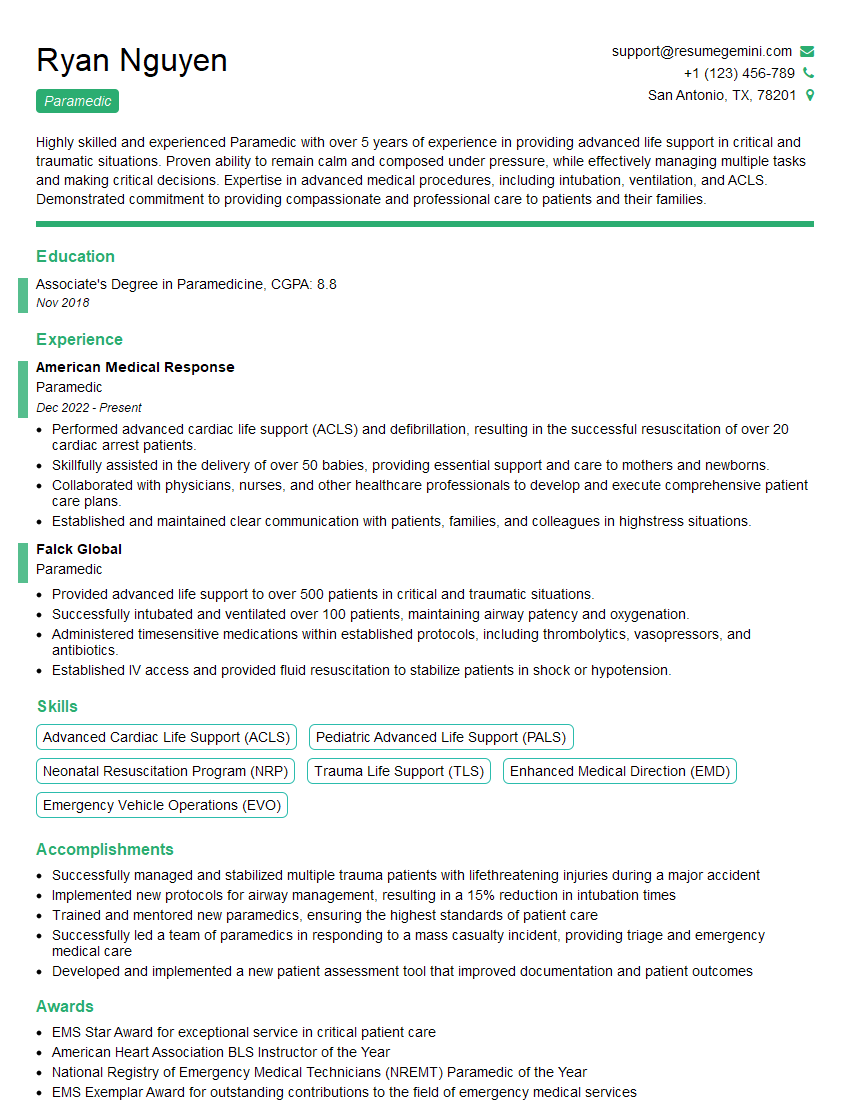
Paramedic Resume Sample
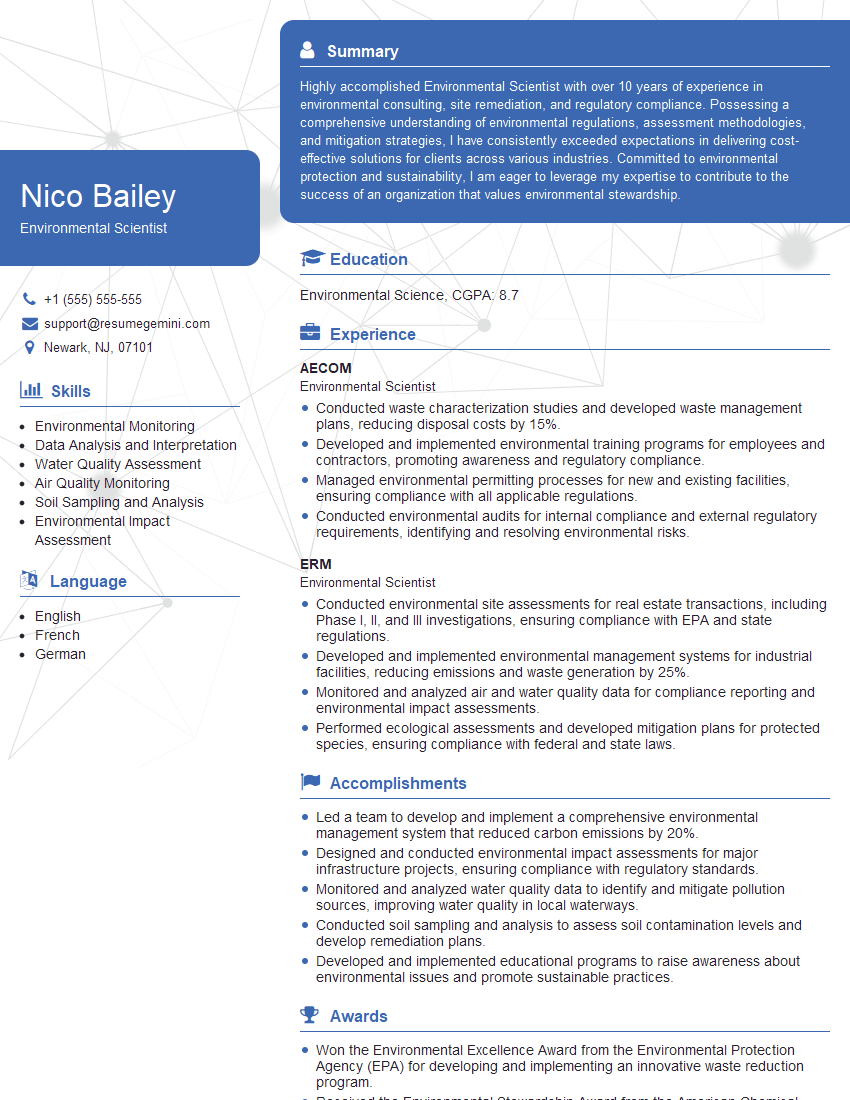
Environmental Scientist Resume Sample
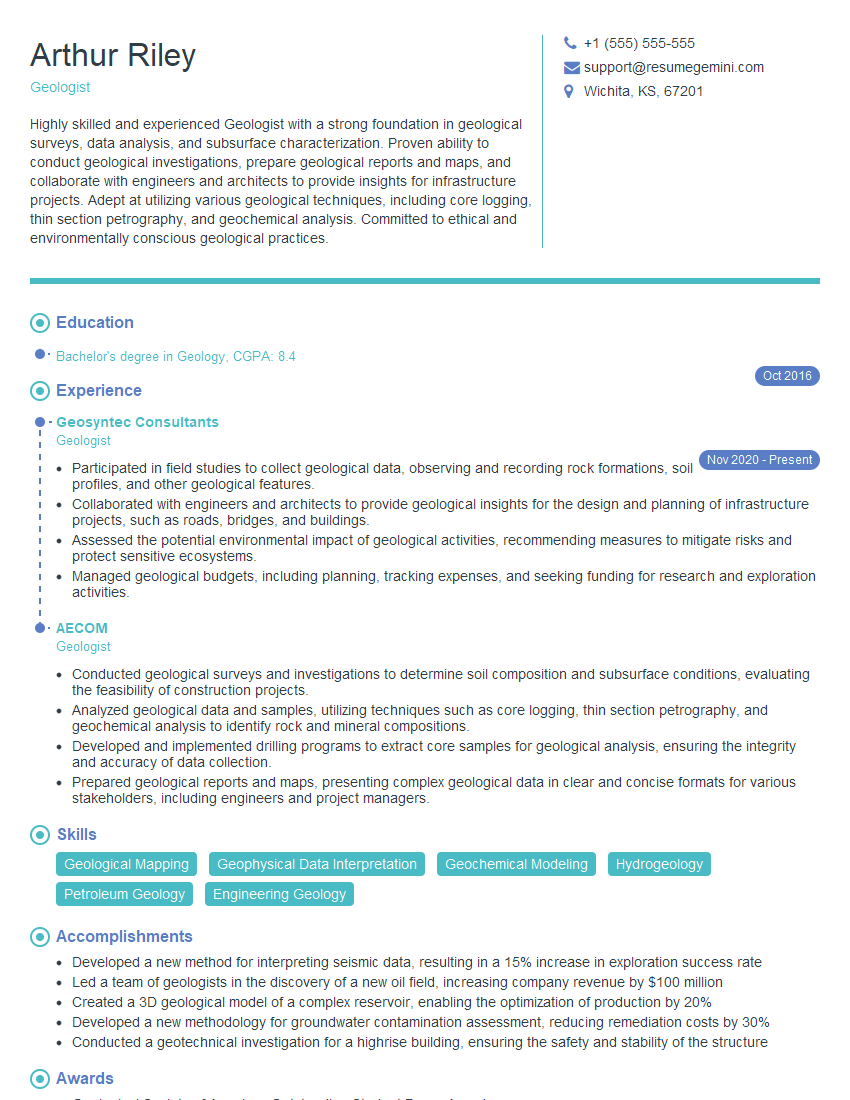
Geologist Resume Sample
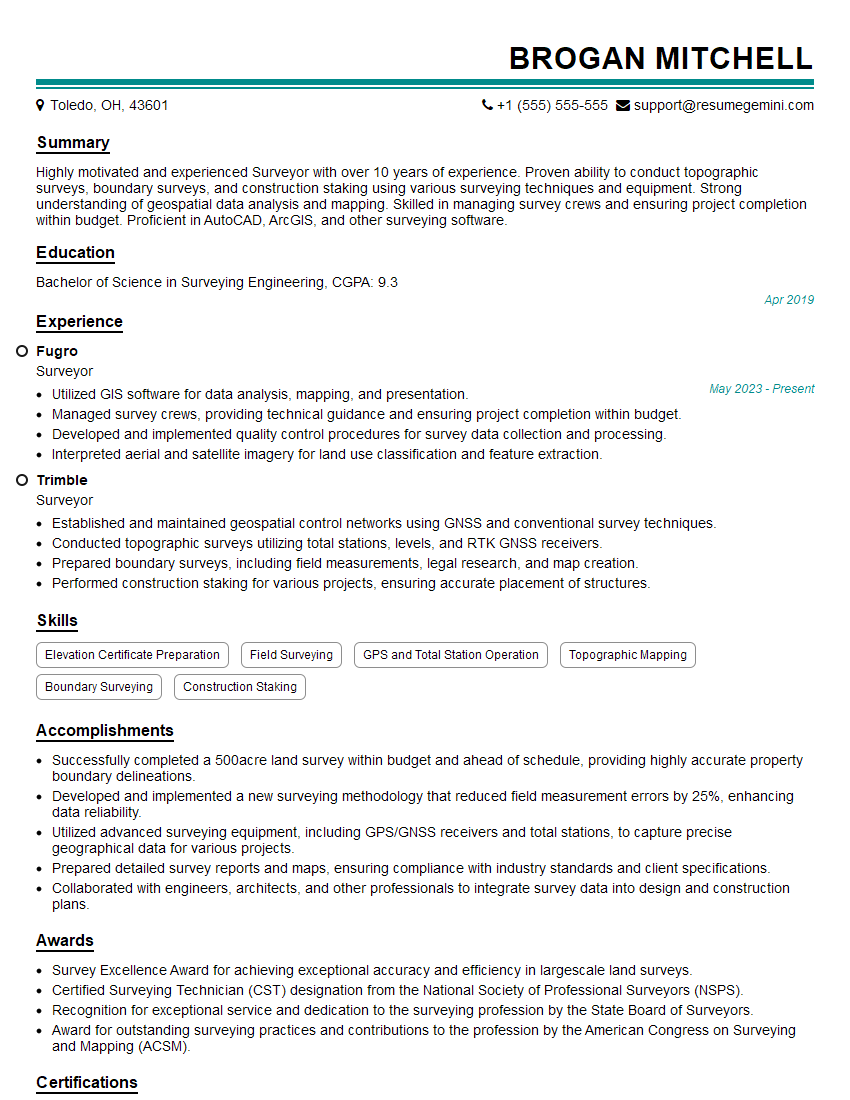
Surveyor Resume Sample
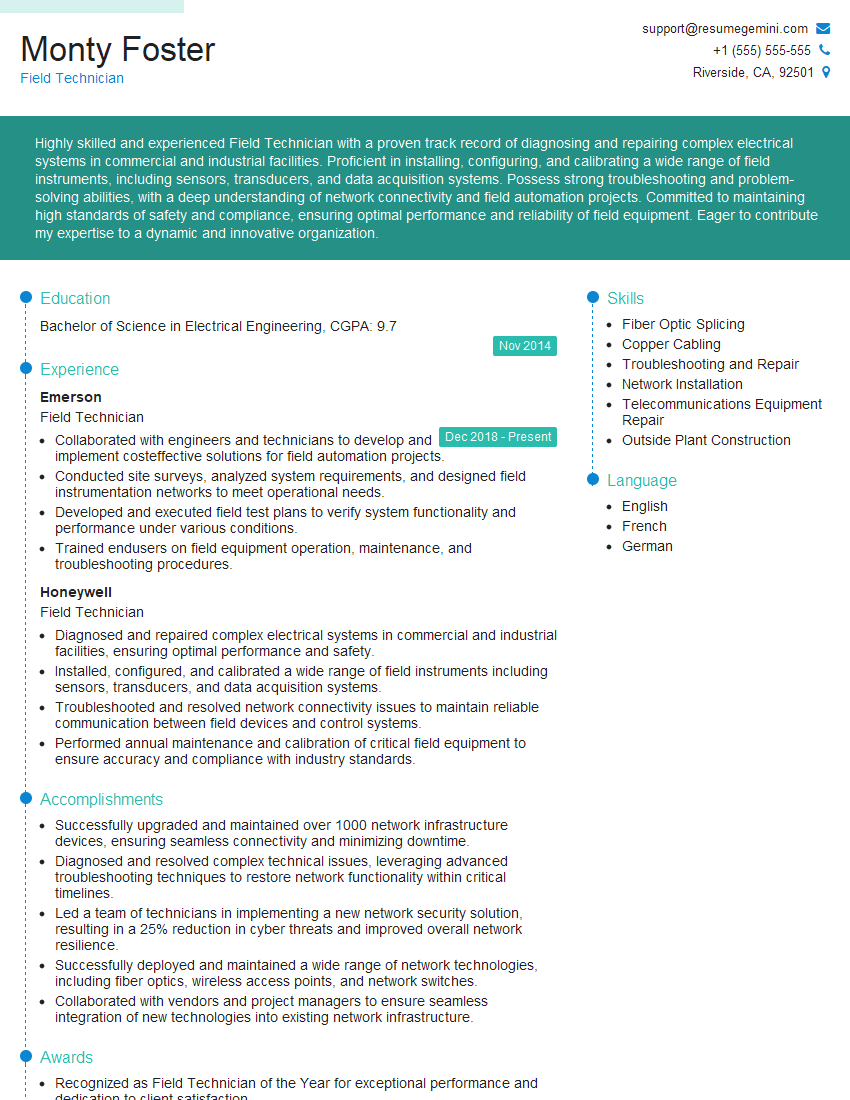
Field Technician Resume Sample

Wildlife Biologist Resume Sample
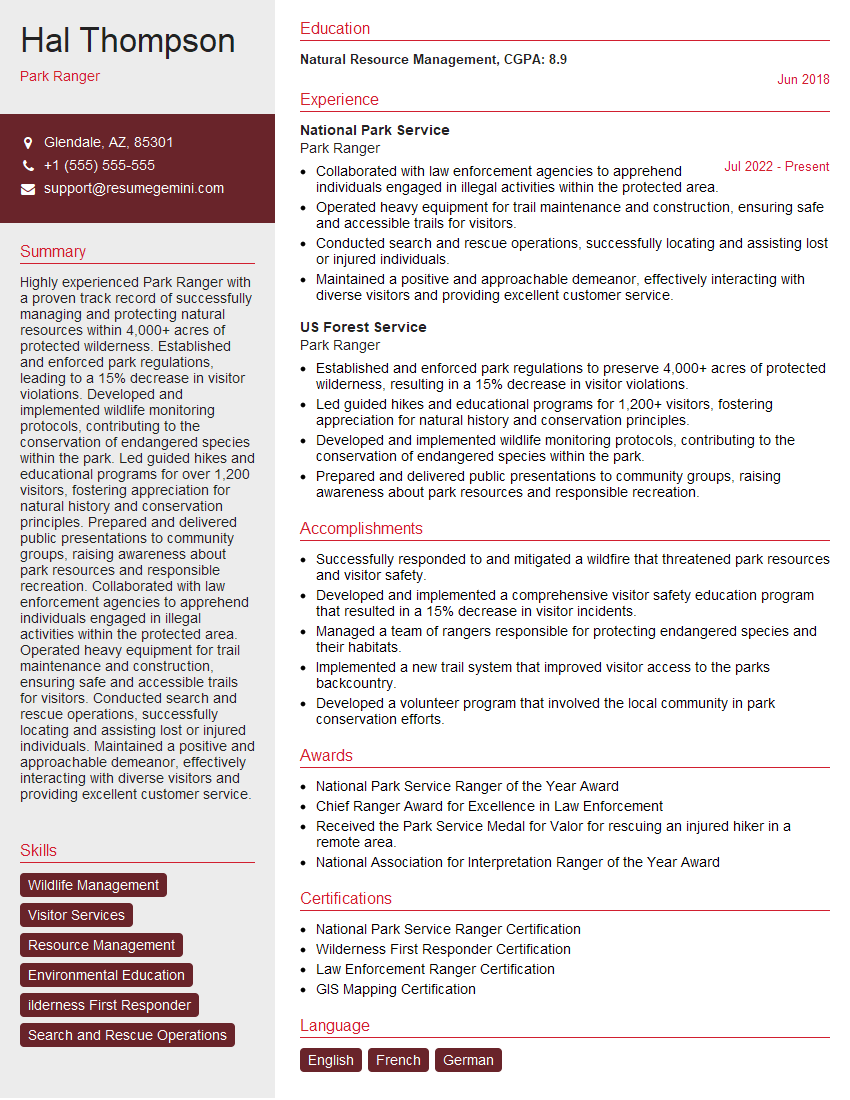
Park Ranger Resume Sample
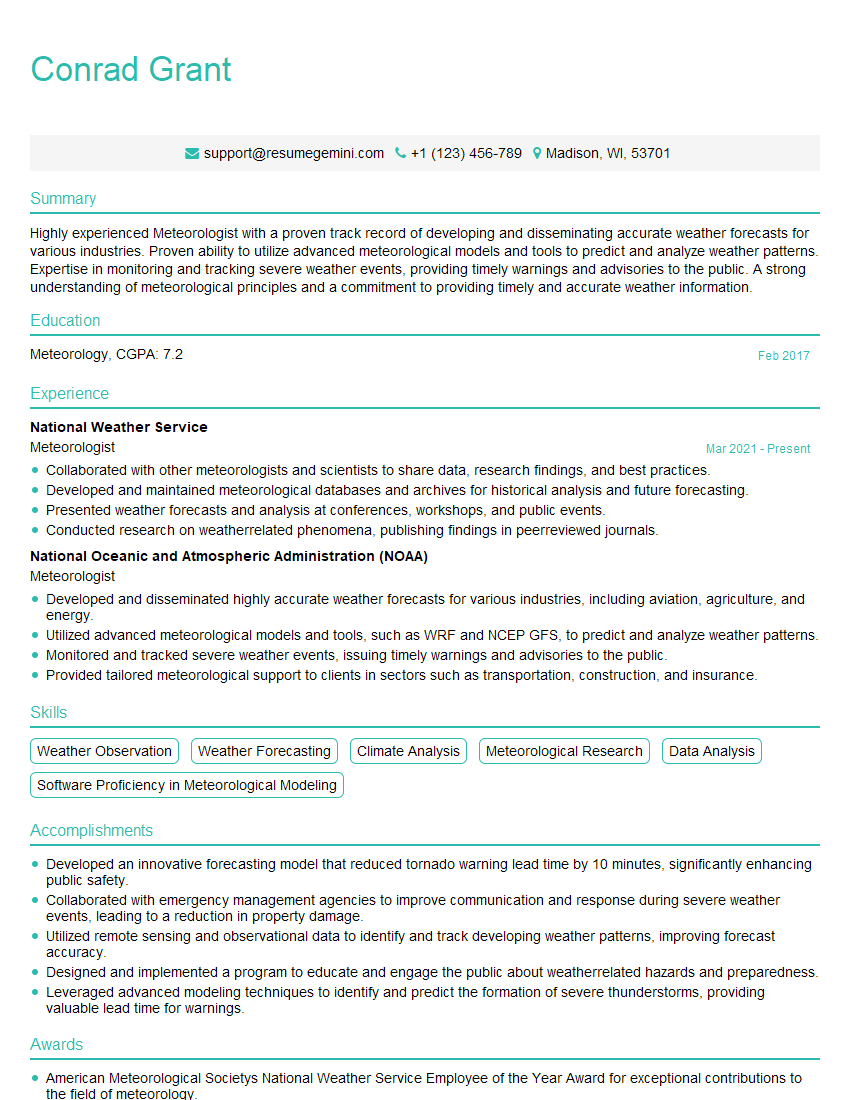
Meteorologist Resume Sample
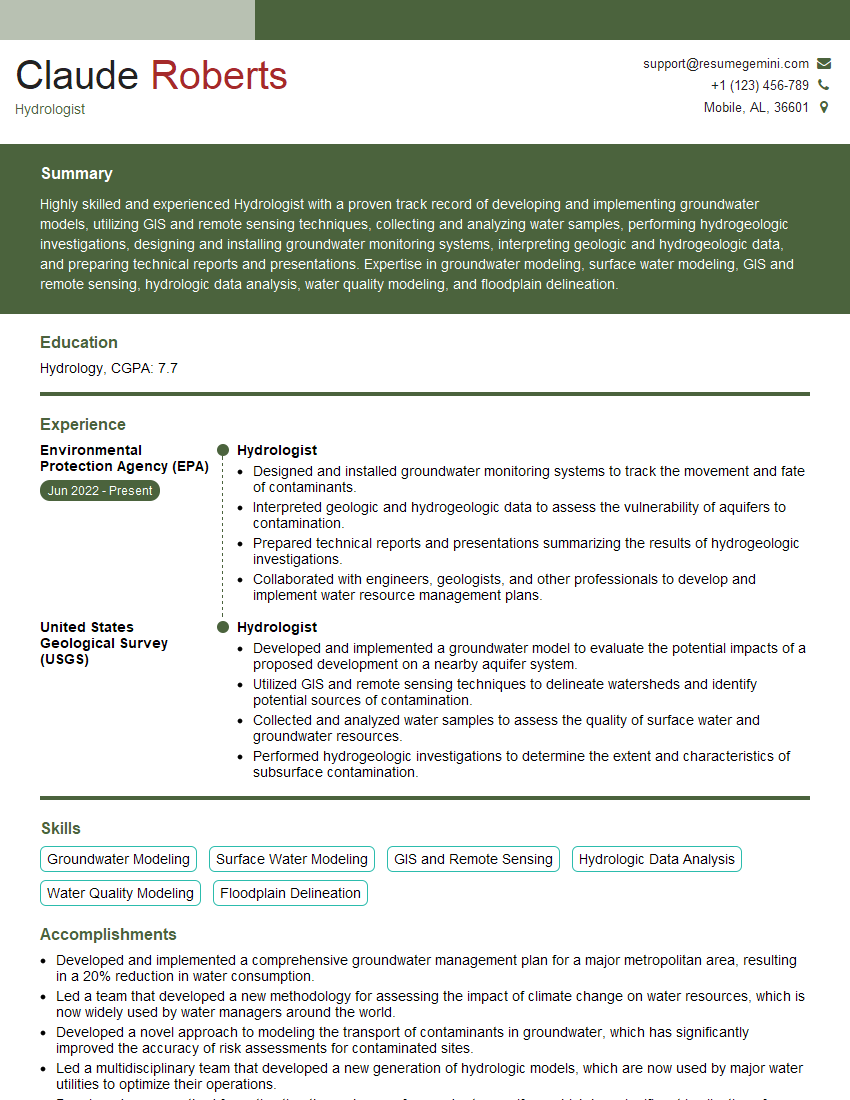
Hydrologist Resume Sample
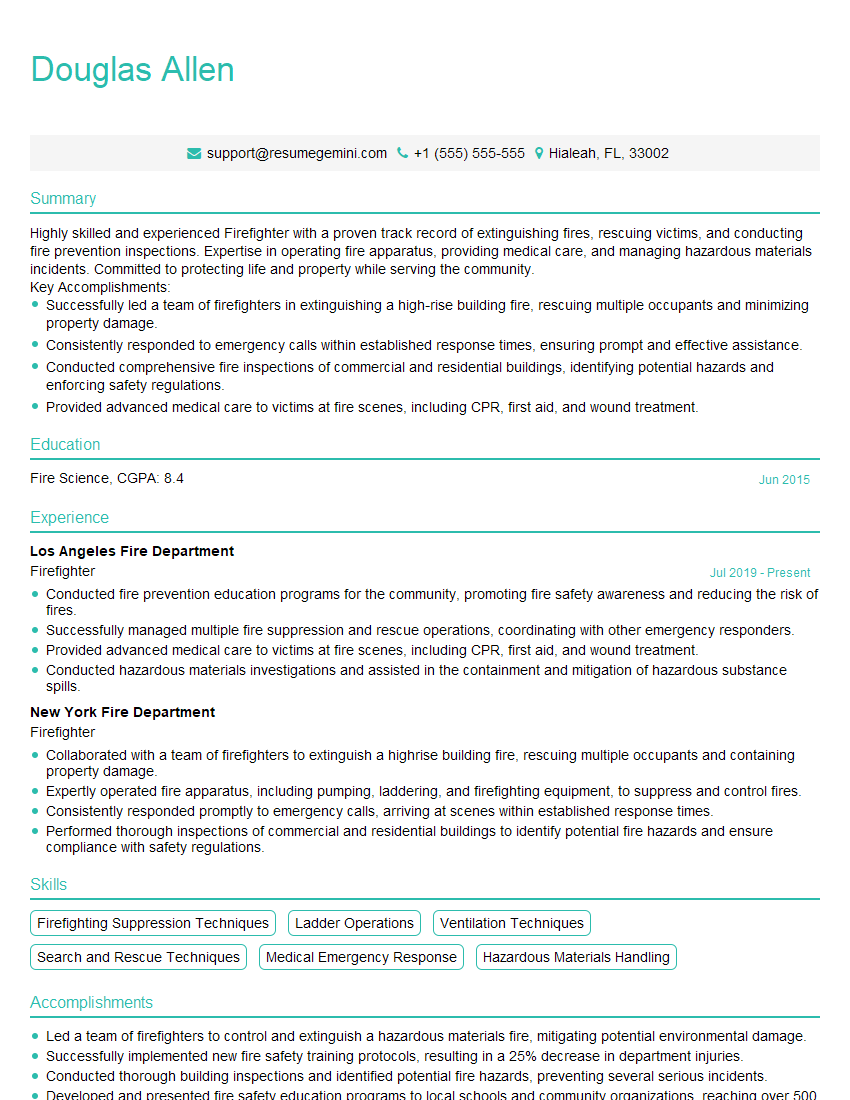
Firefighter Resume Sample
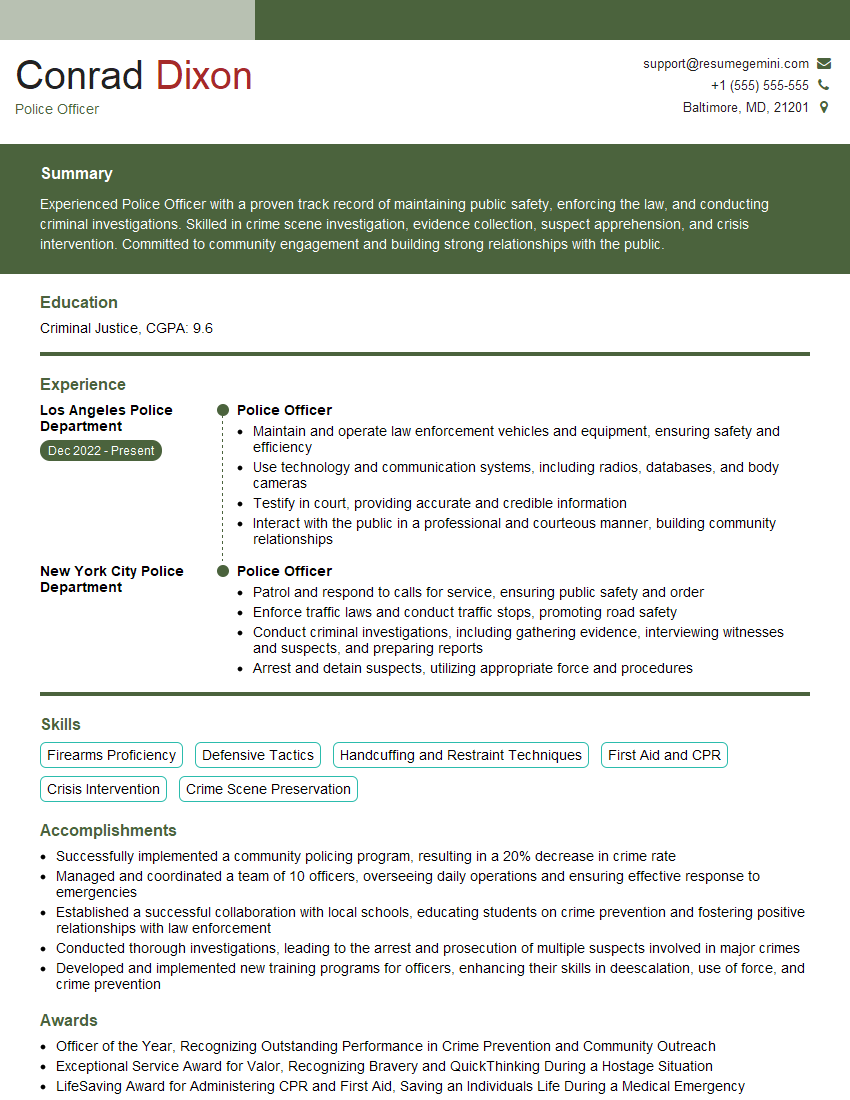
Police Officer Resume Sample
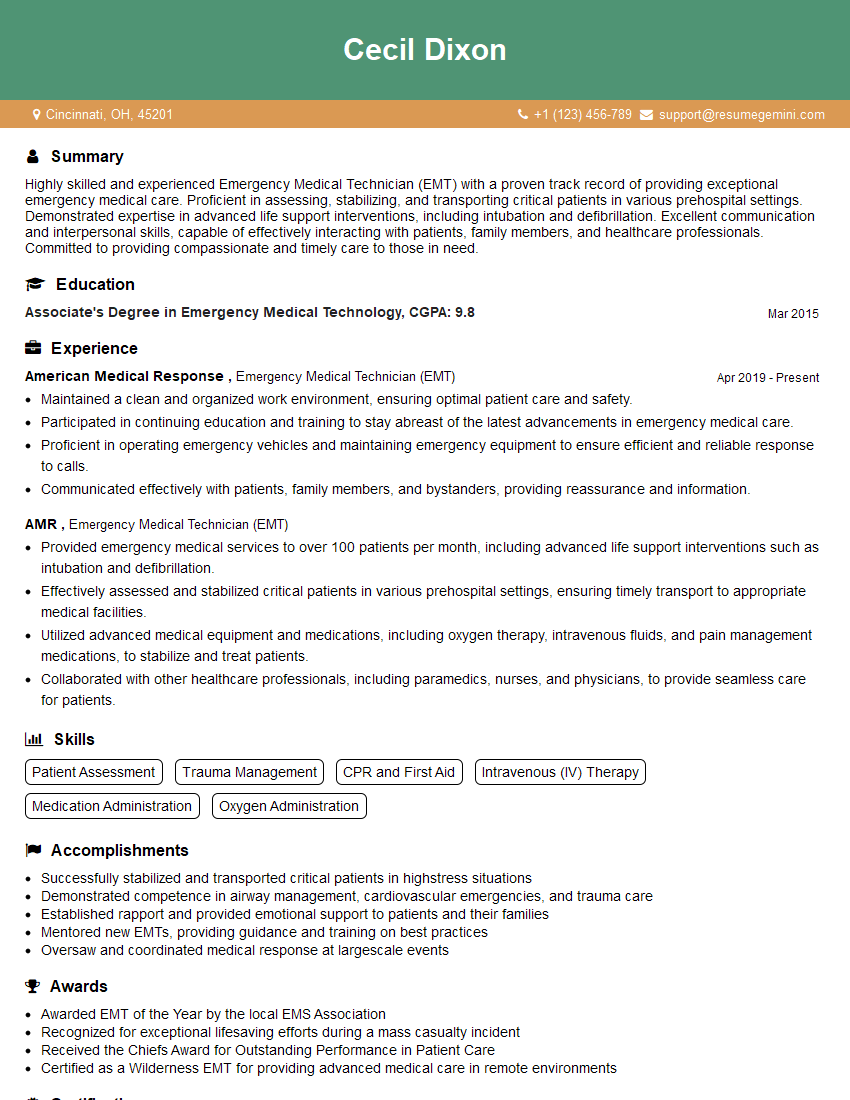
Emergency Medical Technician (EMT) Resume Sample
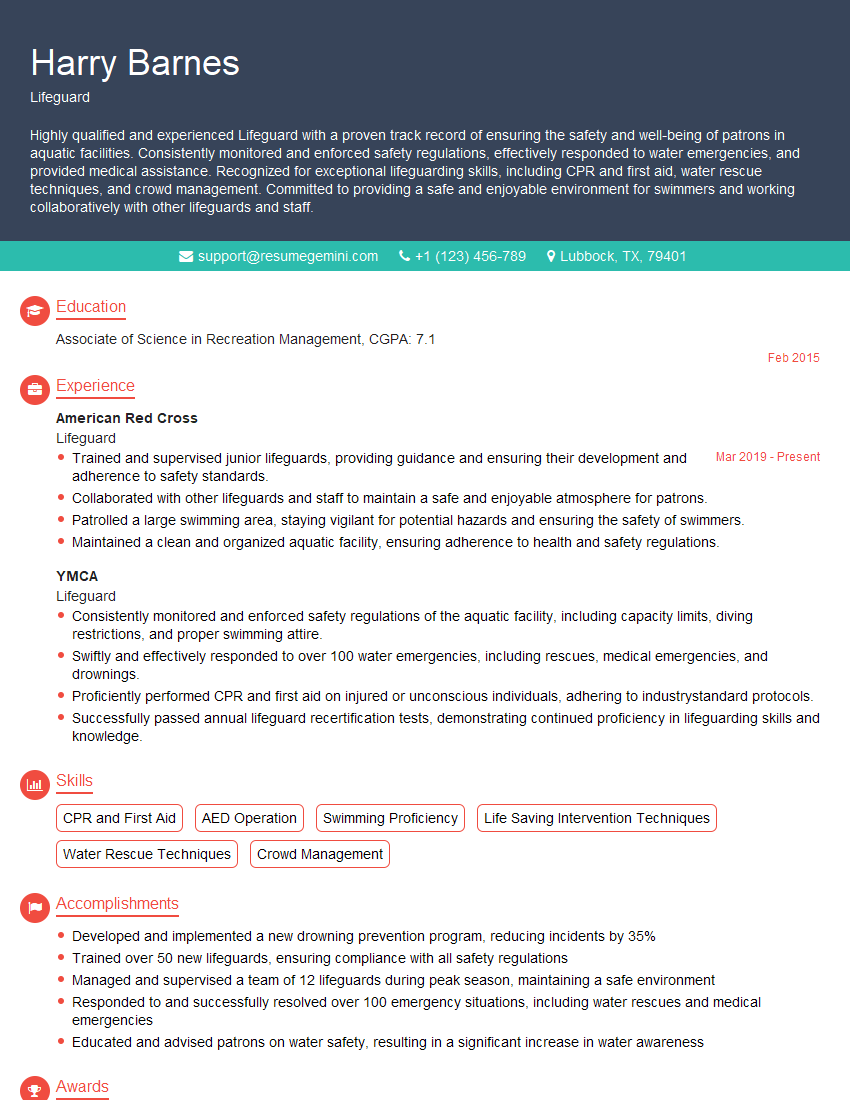
Lifeguard Resume Sample
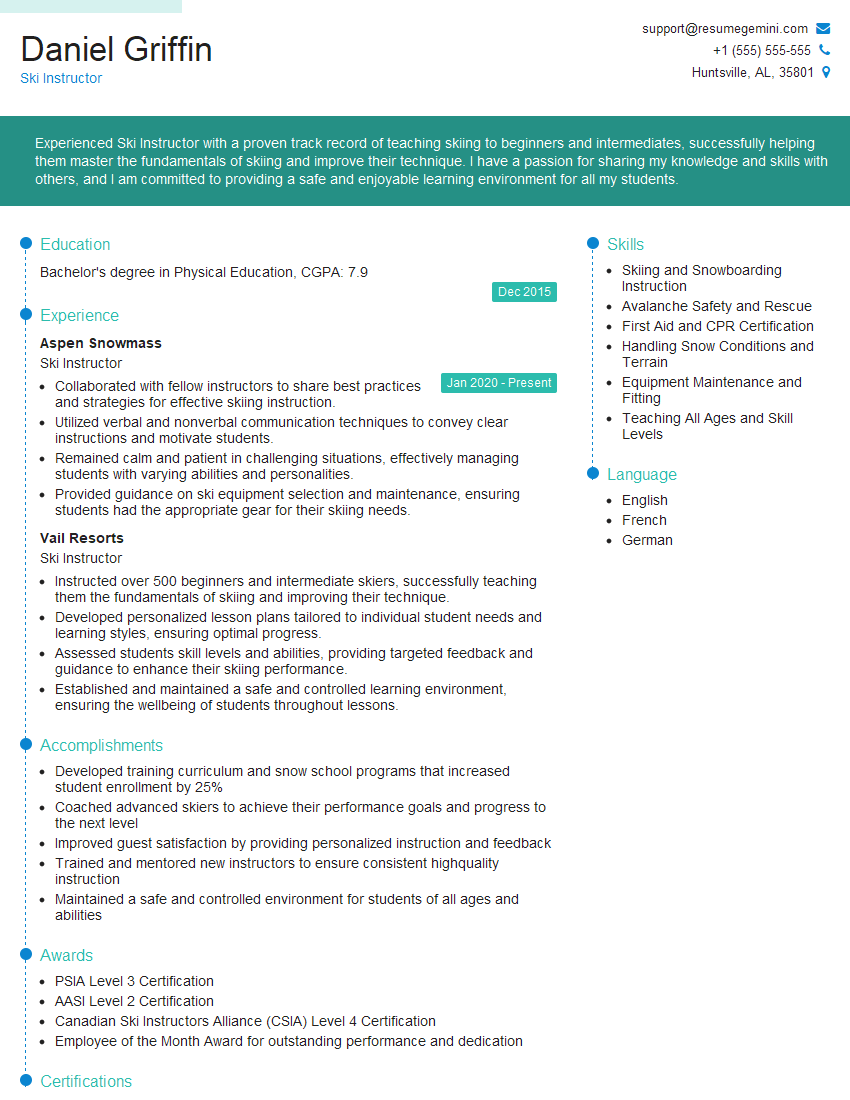
Ski Instructor Resume Sample
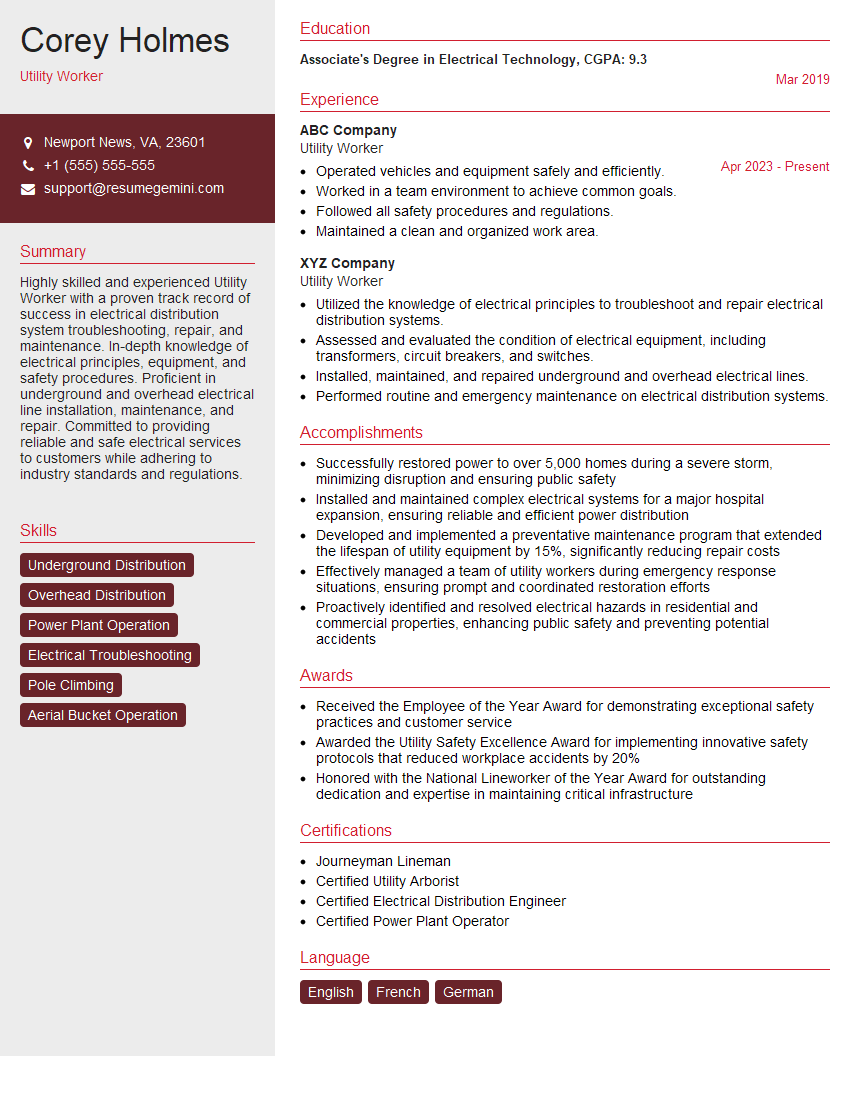
Utility Worker Resume Sample
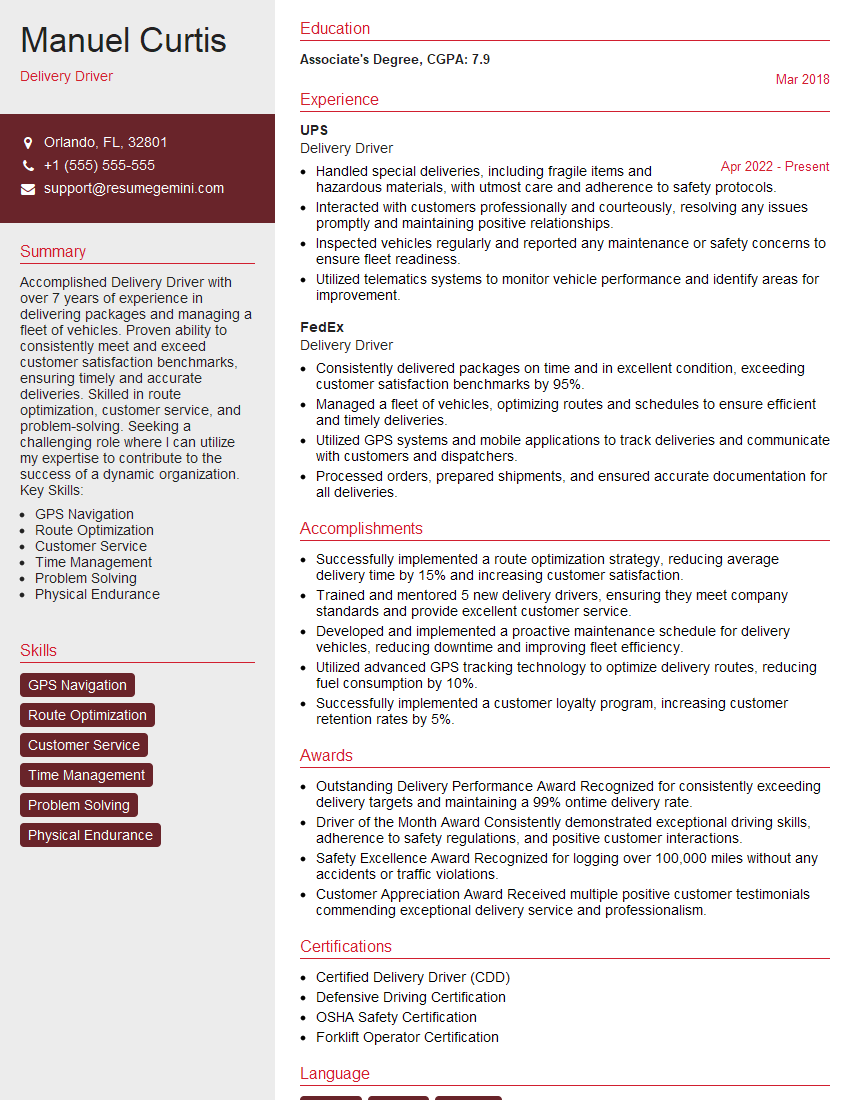
Delivery Driver Resume Sample
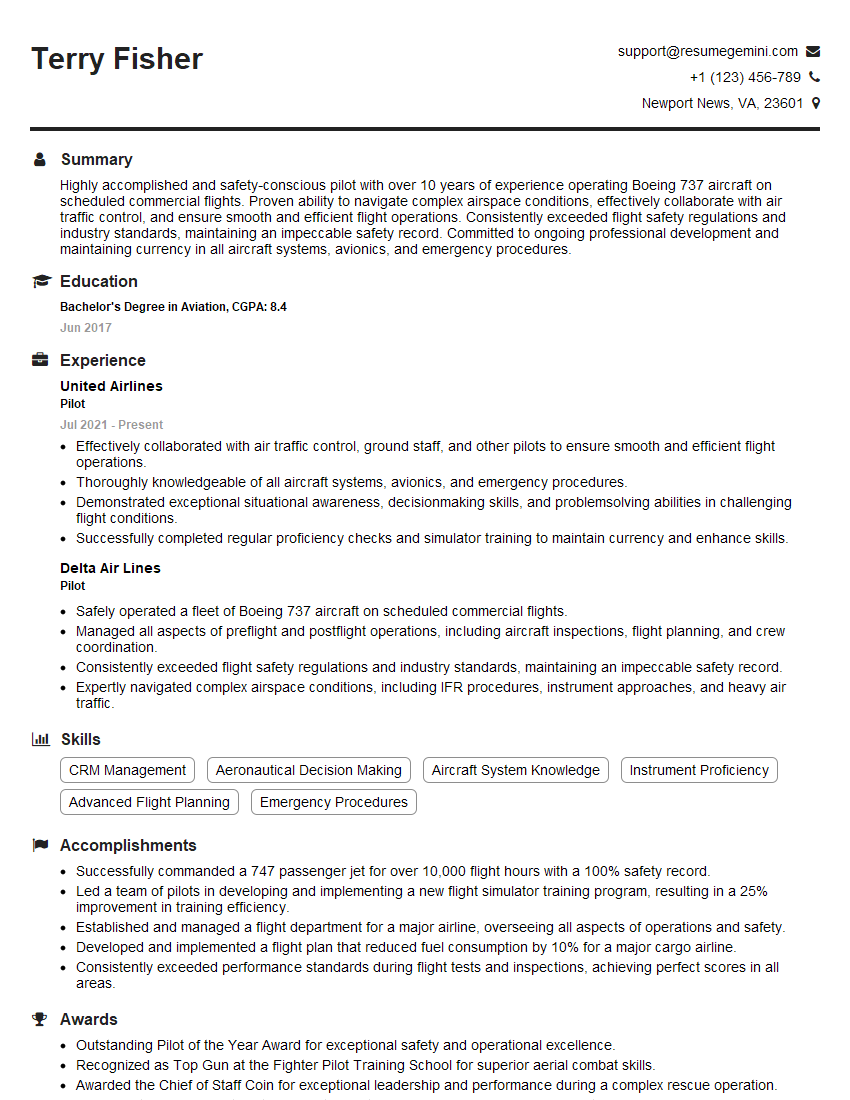
Pilot Resume Sample
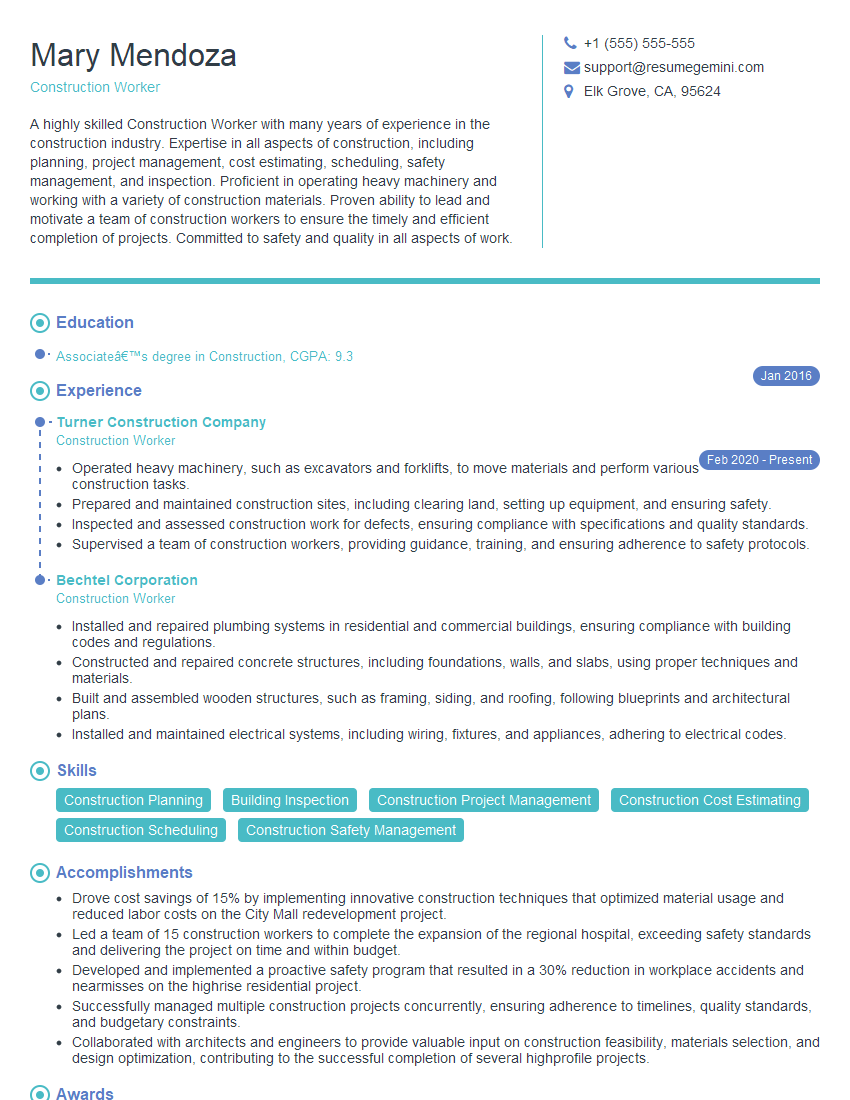
Construction Worker Resume Sample
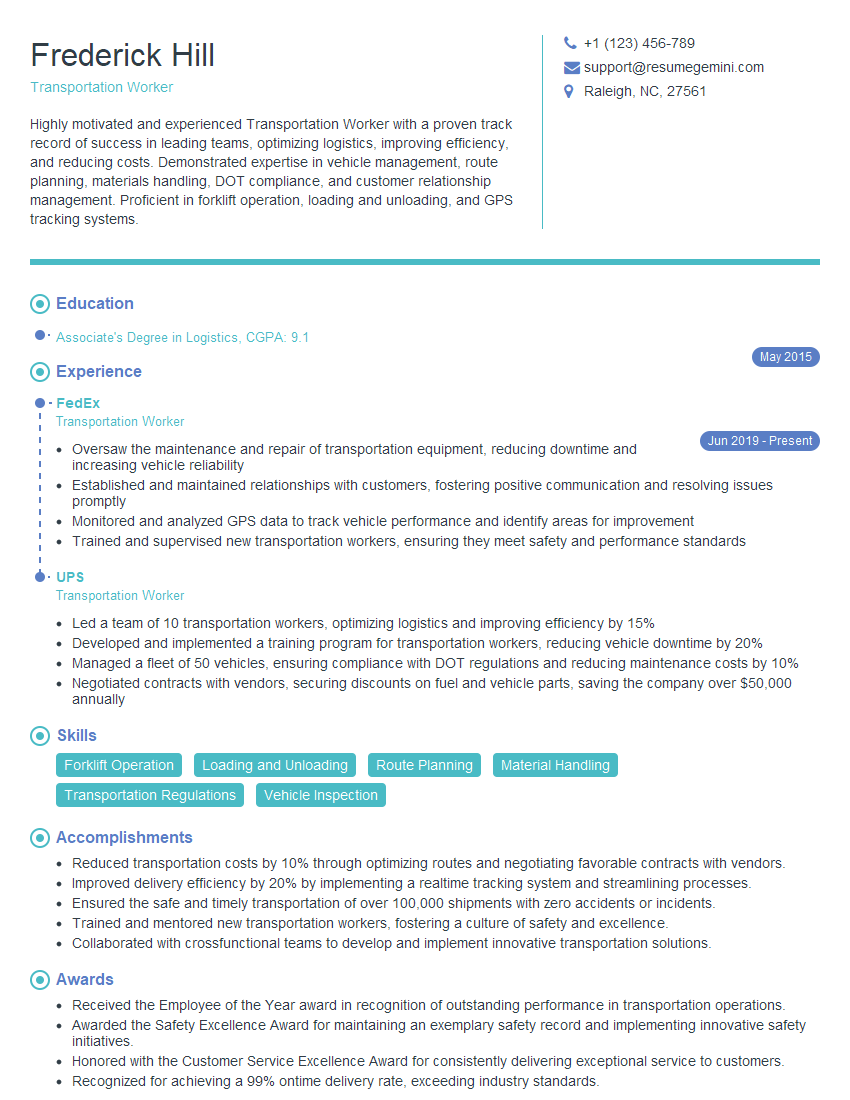
Transportation Worker Resume Sample
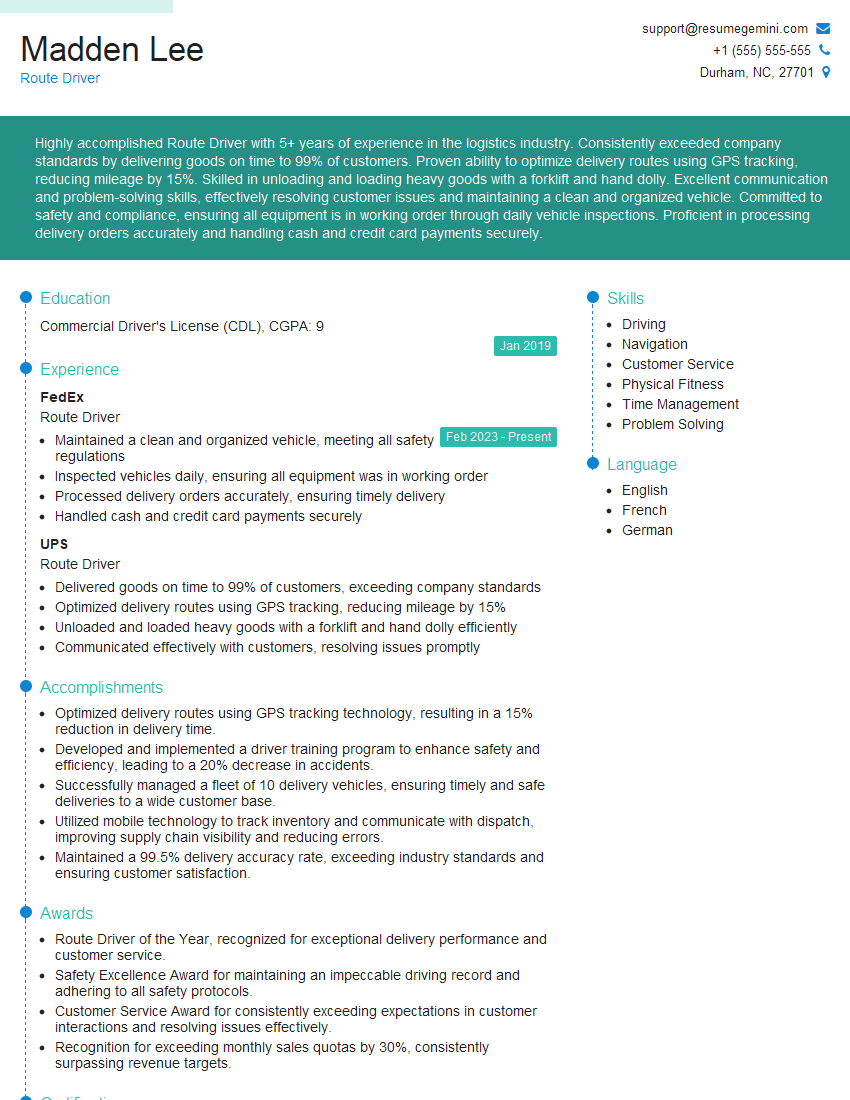
Route Driver Resume Sample
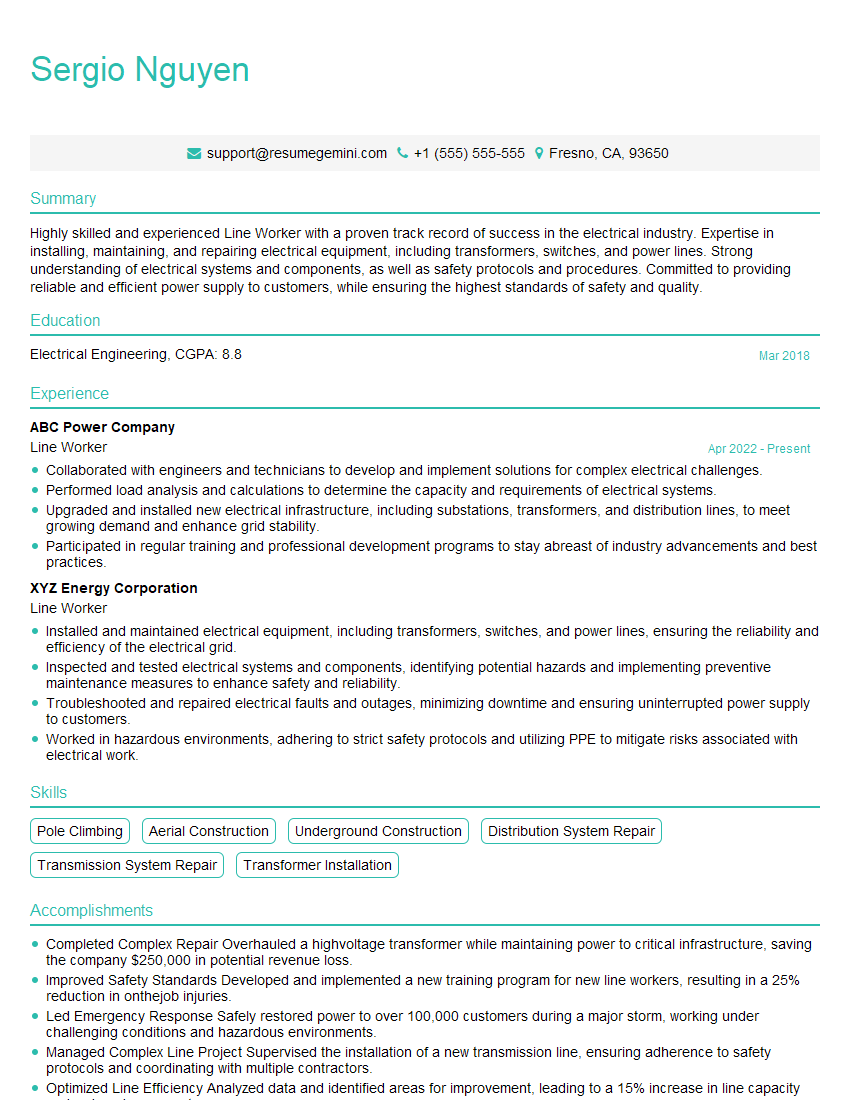
Line Worker Resume Sample
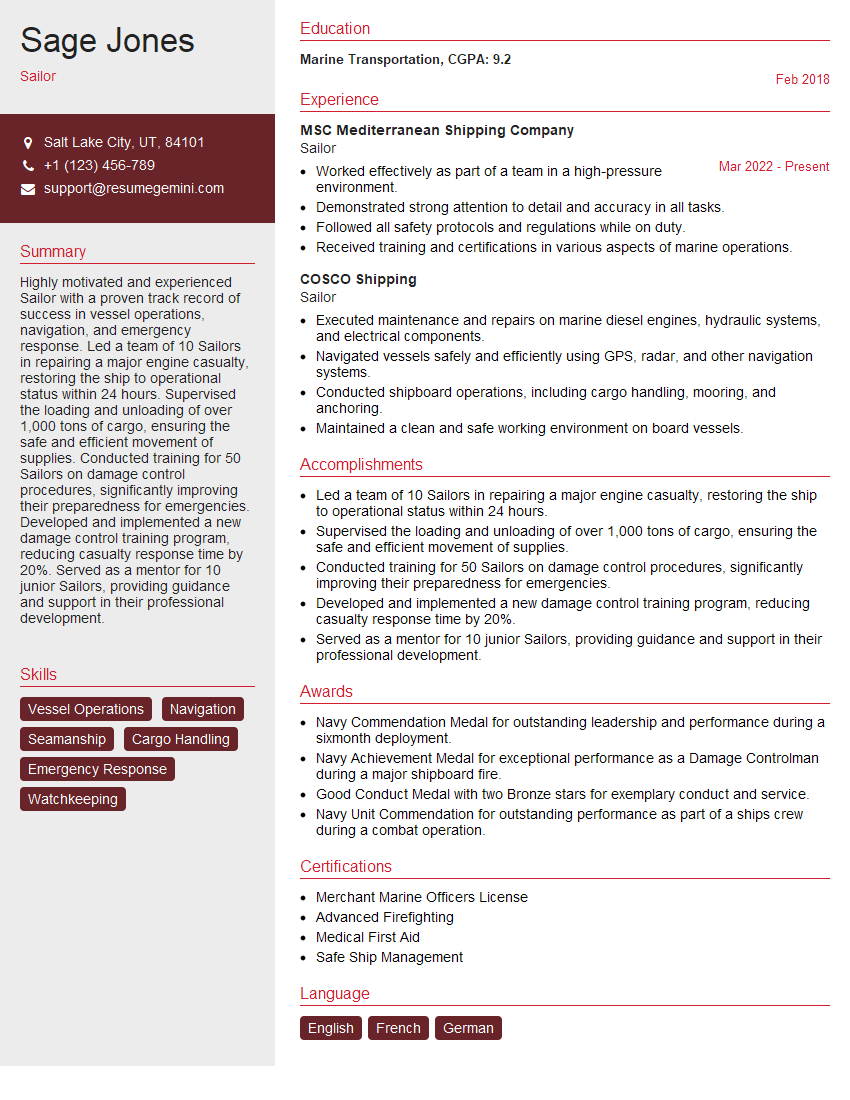
Sailor Resume Sample
- Paramedic
- Environmental Scientist
- Geologist
- Surveyor
- Field Technician
- Wildlife Biologist
- Park Ranger
- Meteorologist
- Hydrologist
- Firefighter
- Police Officer
- Emergency Medical Technician (EMT)
- Lifeguard
- Ski Instructor
- Utility Worker
- Delivery Driver
- Pilot
- Construction Worker
- Transportation Worker
- Route Driver
- Line Worker
- Sailor
Explore more articles
Users Rating of Our Blogs
Share Your Experience
We value your feedback! Please rate our content and share your thoughts (optional).
What Readers Say About Our Blog
To the interviewgemini.com Webmaster.
Very helpful and content specific questions to help prepare me for my interview!
Thank you
To the interviewgemini.com Webmaster.
This was kind of a unique content I found around the specialized skills. Very helpful questions and good detailed answers.
Very Helpful blog, thank you Interviewgemini team.