Feeling uncertain about what to expect in your upcoming interview? We’ve got you covered! This blog highlights the most important Thoracotomy Assisting interview questions and provides actionable advice to help you stand out as the ideal candidate. Let’s pave the way for your success.
Questions Asked in Thoracotomy Assisting Interview
Q 1. Describe your experience assisting in thoracotomies.
My experience assisting in thoracotomies spans over [Number] years, during which I’ve participated in a wide range of procedures, from relatively straightforward lung biopsies to complex lobectomies and esophageal surgeries. I’ve worked alongside experienced cardiothoracic surgeons, learning to anticipate their needs and contributing to a smooth and efficient surgical workflow. I’m proficient in preparing the surgical field, handling instruments with precision, maintaining sterility, and assisting with tissue retraction and suturing. A particularly memorable case involved a patient with a traumatic lung injury; my quick actions in providing the surgeon with the correct instruments were vital in controlling the bleeding and saving the patient’s life. This experience honed my ability to remain calm under pressure and effectively respond to unexpected situations.
Q 2. What are the different types of thoracotomy incisions?
Thoracotomy incisions are chosen based on the specific surgical needs and the surgeon’s preference, but several common approaches exist. These include:
- Posterolateral thoracotomy: This is the most frequently used approach, offering excellent exposure to the lung and mediastinum. It involves an incision along the posterior axillary line, extending from the spine to the anterior axillary line.
- Anterolateral thoracotomy: Provides access to the anterior chest structures, including the heart and great vessels. The incision runs along the anterior axillary line.
- Anterior thoracotomy: Used less frequently, primarily for accessing the anterior mediastinum. This incision is made along the sternum.
- Limited incisions: These are smaller incisions used for minimally invasive procedures, such as video-assisted thoracoscopic surgery (VATS), which often requires smaller incisions for specialized instruments. The location of these limited incisions will depend on the site of the surgery.
The choice of incision is critical to minimizing trauma to the patient and ensuring optimal surgical access.
Q 3. Explain the role of a surgical technologist during a thoracotomy.
The surgical technologist plays a crucial role in thoracotomies, acting as the surgeon’s ‘right hand’ in the operating room. Their responsibilities include:
- Preoperative preparation: This involves gathering and preparing all necessary instruments, supplies, and equipment, ensuring everything is sterile and readily available.
- Intraoperative assistance: The surgical technologist hands instruments to the surgeon, anticipates their needs, manages the sterile field, and assists with tissue retraction, suctioning, and other tasks as directed.
- Maintaining sterility: Strict adherence to aseptic technique is paramount. The surgical technologist monitors the sterility of the field and implements protocols to prevent contamination.
- Specimen handling: Proper labeling, handling, and transportation of surgical specimens for pathology are crucial for accurate diagnosis.
- Postoperative cleanup: The surgical technologist helps clean and prepare the operating room for the next procedure.
Effective communication and teamwork with the surgical team are essential for the success of the thoracotomy.
Q 4. What instruments are commonly used in a thoracotomy?
The instruments used in thoracotomies vary depending on the specific procedure, but some common examples include:
- Rib spreaders: Used to expand the rib cage for better visualization and access.
- Lung retractors: Maintain the position of the lung during the procedure.
- Suction tips and tubing: Used to remove blood, fluids, and debris from the surgical field.
- Dissecting scissors and forceps: Used for precise cutting and tissue manipulation.
- Vascular clamps and ligatures: Used to control bleeding.
- Staplers: For closing tissues and vessels.
- Suture material: Used for closing incisions and wounds.
Proper care and handling of these instruments are crucial to maintain sterility and prevent injury to the patient.
Q 5. How do you maintain sterility during a thoracotomy?
Maintaining sterility is paramount during a thoracotomy to prevent surgical site infections (SSIs) and other complications. This involves:
- Strict aseptic technique: Adhering to rigorous hand hygiene, gowning and gloving protocols, and maintaining a sterile field throughout the procedure.
- Sterile draping: Properly draping the patient isolates the surgical site from contamination.
- Regular monitoring of the sterile field: Checking for any breaches in sterility and immediately rectifying any potential contamination.
- Proper instrument sterilization: Ensuring all instruments are properly sterilized before use using an autoclave or other validated sterilization methods.
- Use of sterile supplies: Using only sterile gloves, gowns, drapes, and other supplies.
Any breach of sterility must be addressed immediately to minimize the risk of infection.
Q 6. What are the potential complications of a thoracotomy?
Thoracotomies, while necessary for many conditions, carry potential complications. These include:
- Infection: Surgical site infections are a major concern.
- Bleeding: Significant bleeding can occur during and after surgery.
- Pneumothorax (collapsed lung): Accidental puncture of the lung during the procedure.
- Hemorrhage: Excessive blood loss.
- Atelectasis (lung collapse): Partial or complete collapse of the lung.
- Postoperative pain: Significant pain is expected after thoracotomy, but proper pain management is crucial.
- Cardiac arrhythmias: Irregular heartbeats can occur, particularly in patients with underlying heart conditions.
These risks are discussed with the patient preoperatively, and measures are taken to minimize them.
Q 7. How do you handle unexpected events during a thoracotomy?
Handling unexpected events requires quick thinking, a calm demeanor, and excellent teamwork. A structured approach is crucial. This might involve:
- Immediate assessment: Quickly assess the nature of the unexpected event and its potential impact on the patient.
- Communication: Clearly communicate the situation to the surgeon and other members of the surgical team.
- Assistance: Provide immediate assistance to the surgeon as needed, such as providing additional instruments, retracting tissue, or applying pressure to control bleeding.
- Maintaining sterility: Ensure all actions taken to address the unexpected event maintain sterility of the surgical field.
- Documentation: Meticulously document the event, actions taken, and the outcome.
Experience and training are essential for handling unexpected events effectively, and regular continuing education helps maintain proficiency in these crucial skills.
Q 8. Describe your experience with different types of chest tubes.
Chest tubes are vital in managing pleural space complications after thoracic surgery or trauma. My experience encompasses a wide variety of tube types, each designed for specific purposes. These include:
- Standard Chest Tubes: These are typically multi-holed tubes used for drainage of air (pneumothorax) or fluid (hemothorax). Their size varies depending on the patient’s needs and the amount of drainage anticipated.
- Small-Bore Chest Tubes: These offer less trauma to the patient and can be used for smaller effusions or pneumothoraces. They often are associated with a lower risk of complications like bleeding.
- Pigtail Catheters: These are flexible, smaller catheters inserted through a smaller incision under image guidance for drainage of pleural fluid. They are less invasive than standard chest tubes.
- Flutter Valves (Heimlich Valves): These are one-way valves used for less aggressive treatment of pneumothorax in stable patients. They allow air to escape but prevent air from re-entering the pleural space. This is commonly used for smaller pneumothoraces.
I’ve worked extensively with all these types, selecting the most appropriate based on the individual patient’s condition, the nature of the pathology, and the surgeon’s preference. For instance, I’ve seen cases where a small-bore tube is preferable to a larger one in a fragile elderly patient to reduce the risk of bleeding.
Q 9. Explain the procedure for inserting and managing chest tubes.
Inserting and managing chest tubes is a critical aspect of thoracotomy assistance. The procedure involves several steps:
- Preparation: The surgical site is prepped and draped according to sterile technique. Appropriate size and type of chest tube is selected based on the clinical scenario.
- Incision: A small incision is made in the intercostal space, usually under direct vision and usually guided by surgeon’s preference on location.
- Tube Insertion: The chest tube is inserted into the pleural space using a blunt or sharp dissector, guided by the surgeon. The exact insertion point depends on the nature of the pathology (e.g., apical pneumothorax vs. lower lobe hemothorax).
- Placement Verification: The position of the tube is confirmed by chest x-ray to ensure proper placement and to avoid complications.
- Securement: The tube is secured to the chest wall with sutures and connected to a drainage system.
- Drainage System Monitoring: The drainage system (including the collection chamber, water-seal chamber, and suction control chamber) must be carefully monitored for air leaks, drainage amount and characteristics, and the integrity of the system itself.
- Post-operative Management: This includes regular assessment of the patient’s respiratory status, monitoring drainage output, and assessing for signs of complications (e.g., bleeding, infection). The tube is removed by the surgeon once the lung has re-expanded, and drainage is minimal.
Effective management necessitates meticulous attention to detail, including maintaining sterility and continuous monitoring of the drainage system to prevent complications such as infection or air leaks. I’ve encountered instances where subtle changes in the drainage characteristics helped identify early signs of infection or bleeding, leading to timely intervention.
Q 10. What are the signs and symptoms of pneumothorax and hemothorax?
Pneumothorax and hemothorax are serious complications affecting the pleural space. Recognizing their signs and symptoms is crucial for timely intervention.
Pneumothorax (collapsed lung): This is characterized by the presence of air in the pleural space. Symptoms can vary widely depending on the severity of the collapse but often include:
- Sudden onset of sharp, stabbing chest pain
- Shortness of breath (dyspnea)
- Rapid heart rate (tachycardia)
- Increased respiratory rate (tachypnea)
- Cyanosis (bluish discoloration of the skin)
- Decreased breath sounds on the affected side
- Hyperresonance to percussion on the affected side
Hemothorax (blood in the pleural space): This involves the accumulation of blood in the pleural space. Symptoms are frequently similar to pneumothorax, with additional signs such as:
- Hypotension (low blood pressure)
- Signs of hypovolemic shock (rapid, weak pulse; cool, clammy skin)
- Decreased hematocrit (if significant blood loss)
Early recognition of these symptoms is critical, as both conditions can rapidly progress and become life-threatening. I’ve been involved in several cases where prompt identification and treatment of these conditions resulted in positive patient outcomes.
Q 11. How do you prepare the surgical field for a thoracotomy?
Preparing the surgical field for a thoracotomy is a crucial step, requiring strict adherence to sterile technique. The process typically involves:
- Patient Positioning: The patient is positioned laterally on the operating table, with the affected side up. Proper padding and support are essential to prevent pressure injuries.
- Skin Preparation: A wide area around the incision site is cleaned with antiseptic solution, usually povidone-iodine or chlorhexidine gluconate, in a circular motion starting from the incision site and working outwards. Hair removal, if needed, is done carefully to avoid skin damage.
- Draping: Sterile drapes are meticulously applied to create a sterile field around the incision site. This prevents contamination during the procedure. Careful attention is paid to secure the drapes properly to maintain sterility.
- Surgical Field Monitoring: Throughout the procedure, continuous monitoring of the surgical field is crucial. Any contamination or breach of sterility must be addressed promptly to prevent infection.
My experience highlights the importance of meticulous preparation. A contaminated field can lead to serious postoperative infections, significantly impacting patient recovery and increasing the risk of complications. A clear and well-prepared surgical field is paramount for a safe and efficient procedure.
Q 12. Explain your knowledge of surgical counts and their importance.
Surgical counts are a critical safety measure in surgery, involving a systematic check of all instruments, sponges, and needles before, during, and after a procedure. The count is performed by two individuals (usually the surgeon and the scrub nurse), ensuring accurate accounting for all items used.
Importance of Surgical Counts: Incorrect counts can have severe consequences, potentially resulting in retained surgical items within the patient. This can lead to serious infections, complications, and potentially even death.
Procedure: Counts are typically conducted at three key stages:
- Pre-operative count: Before the incision, a thorough count is completed, and the number of instruments and supplies is documented.
- Intra-operative count: Counts are repeated at intervals during the surgery, especially before closure of body cavities. This is crucial to catch any discrepancies early.
- Post-operative count: After the procedure, the final count confirms that all items have been removed from the surgical site. If a discrepancy exists, a thorough search is conducted before wound closure.
Throughout my experience, I’ve actively participated in surgical counts and recognize their importance in preventing retained surgical items. Even a small discrepancy requires a rigorous investigation, emphasizing the stringent standards required to protect patient safety.
Q 13. Describe your experience with the use of electrosurgical units (ESU).
Electrosurgical units (ESUs), also known as electrosurgery or cautery, are essential tools in many surgical procedures, including thoracotomies. They use high-frequency electrical current to cut and coagulate tissue.
My experience involves assisting surgeons who utilize monopolar and bipolar ESUs. Monopolar ESU uses a single electrode to deliver current to the tissue, requiring a grounding pad to complete the circuit. Bipolar ESU uses two electrodes, localized to the surgical site, reducing the risk of burns to adjacent tissues.
Safety Considerations: Safe use of ESUs requires careful attention to several aspects, including:
- Proper Grounding: Ensuring the grounding pad is correctly positioned and maintaining its integrity is critical in monopolar surgery to prevent burns.
- Electrode Monitoring: Regular inspection of the electrode tip is essential to ensure its integrity and proper function. Damaged electrodes can lead to sparks and burns.
- Fluid Management: Electrocautery near body fluids requires extra caution to prevent burns and electrical shock. Electrolyte solutions are avoided during electrosurgical procedures because they are excellent conductors of electricity.
- Patient Safety: The surgical team must ensure that the patient does not come into contact with any conductive material during monopolar electrosurgery.
I’ve witnessed firsthand the importance of meticulous ESU handling. A poorly placed grounding pad or a faulty electrode can lead to severe burns and other patient complications.
Q 14. What is your understanding of surgical suction and irrigation?
Surgical suction and irrigation are vital for maintaining a clear surgical field during thoracotomy. Suction removes blood, fluid, and debris, while irrigation cleanses the surgical site, improving visualization and reducing the risk of infection.
Suction: Suction systems vary in their design and power, but all aim to efficiently remove fluids and debris from the surgical field. The type of suction used depends on the surgical needs. For instance, a stronger suction is needed during a major bleed compared to a more gentle suction during delicate procedures.
Irrigation: Irrigation usually involves using sterile saline solution or other approved solutions to wash away blood clots, tissue debris, and other contaminants. The irrigation pressure is carefully controlled to avoid damaging delicate tissues. The solution used also needs to be considered – sometimes other irrigating solutions are needed for particular purposes.
Combined Use: Suction and irrigation are often used together, providing a dynamic system for maintaining a clean and unobstructed surgical field. Effective use requires a coordinated effort between the surgeon and the surgical assistant. I am proficient in using a variety of suction and irrigation systems and adjust my techniques based on the ongoing demands of the procedure and the surgical team.
Q 15. How do you maintain proper body mechanics during a long surgical procedure?
Maintaining proper body mechanics during a long thoracotomy is crucial to prevent musculoskeletal injuries. Think of it like this: you’re a weightlifter carefully handling a very delicate and valuable object – the patient. We need to avoid strain and fatigue.
- Posture: I maintain a neutral spine, avoiding hunching or twisting. This means good posture at the surgical table – not leaning in excessively, keeping my shoulders relaxed.
- Movement: I use my legs to lift and lower instruments and supplies, avoiding unnecessary bending or reaching. This might mean adjusting the operating table to a height that’s ergonomically sound for me.
- Foot placement: I make sure my feet are properly positioned to provide a stable base, preventing any slips or falls.
- Stretches and breaks: Even short, frequent breaks for micro-stretches are important. A simple neck roll or shoulder stretch can make a huge difference during those long procedures.
- Proper instrument placement: Keeping all instruments within easy reach minimizes unnecessary reaching and stretching.
For example, during a particularly challenging dissection, I might subtly adjust my stance to ensure my body is aligned and balanced, preventing any strain on my back. It’s all about mindful movement throughout the procedure.
Career Expert Tips:
- Ace those interviews! Prepare effectively by reviewing the Top 50 Most Common Interview Questions on ResumeGemini.
- Navigate your job search with confidence! Explore a wide range of Career Tips on ResumeGemini. Learn about common challenges and recommendations to overcome them.
- Craft the perfect resume! Master the Art of Resume Writing with ResumeGemini’s guide. Showcase your unique qualifications and achievements effectively.
- Don’t miss out on holiday savings! Build your dream resume with ResumeGemini’s ATS optimized templates.
Q 16. Describe your experience with handling and preparing various surgical instruments.
Handling and preparing surgical instruments for a thoracotomy requires precision and sterility. My experience includes working with a wide array of instruments, from delicate dissecting scissors to powerful rib spreaders.
- Sterile Technique: I meticulously follow sterile techniques to prevent infection. This includes proper gowning, gloving, and instrument handling within the sterile field.
- Instrument Recognition: I can quickly identify and locate the necessary instruments based on the surgeon’s requests. This includes knowing the specific functions and uses of different retractors, clamps, forceps, and other surgical tools.
- Preparation: Before the procedure, I carefully check the instruments for any damage, ensure they are sharp, and lay them out in an organized manner for easy access during surgery.
- Passing Instruments: I have considerable experience passing instruments accurately and efficiently to the surgeon, anticipating their needs.
For instance, I remember one case where the surgeon needed a specific type of curved clamp quickly. Because of my familiarity with the instrument tray and the procedure, I was able to locate and pass it immediately, contributing to a seamless workflow. It’s about anticipating the needs and working efficiently to support the surgeon.
Q 17. What are your knowledge and experience with different types of sutures?
My knowledge of sutures is extensive. I’m familiar with various types, their strengths, and their applications in thoracotomy procedures.
- Absorbable Sutures: These are broken down and absorbed by the body over time. Examples include Vicryl (polyglactin 910) and PDS (polydioxanone), often used for deep tissue closure.
- Non-Absorbable Sutures: These remain in the body indefinitely. Examples include nylon, polypropylene (Prolene), and silk. These might be used for skin closure or situations where long-term strength is needed.
- Suture Size and Material Selection: The choice of suture depends on factors such as the tissue strength and the wound location. Fine sutures are often preferred for delicate tissues such as pleura.
Understanding suture properties is critical. For instance, using a strong non-absorbable suture for skin closure helps prevent wound dehiscence (separation), while using absorbable sutures for internal tissues minimizes the need for suture removal. It’s about choosing the right tool for the job.
Q 18. Explain your understanding of surgical anatomy relevant to thoracotomies.
A thorough understanding of surgical anatomy is paramount for safe and effective thoracotomy assistance. This includes the detailed anatomy of the chest wall, lungs, heart, and mediastinum (the space between the lungs).
- Chest Wall: I have a deep understanding of the ribs, intercostal muscles, and pleura. Knowledge of the neurovascular bundles running between the ribs is essential to avoid injury during dissection.
- Lungs: I’m familiar with the lobes of the lungs, their fissures, and the branching pattern of the bronchi and pulmonary vessels. This understanding helps me recognize anatomical variations and potential complications.
- Heart and Great Vessels: Precise knowledge of the location of the heart, aorta, vena cava, and pulmonary arteries and veins is essential for avoiding accidental injury during the procedure.
- Mediastinum: I have a detailed understanding of the structures within the mediastinum, including the esophagus, trachea, and lymph nodes.
For example, knowing the precise location of the phrenic nerve, which innervates the diaphragm, is vital to avoid damaging it during a thoracotomy; this would affect respiration and is a significant surgical complication.
Q 19. What safety measures do you employ to minimize risks during a thoracotomy?
Minimizing risks during a thoracotomy involves meticulous attention to detail and strict adherence to safety protocols.
- Sterile Technique: Maintaining a sterile field throughout the procedure is critical to prevent infection. This includes meticulous hand hygiene, proper gowning and gloving, and careful instrument handling.
- Hemostasis: Careful control of bleeding is paramount. This involves using appropriate techniques to achieve hemostasis (stopping bleeding), such as electrocautery and applying surgical clips or sutures as needed.
- Monitoring: Constant monitoring of the patient’s vital signs is crucial. I’m trained to recognize and respond to any changes that might indicate complications.
- Teamwork: Clear communication and collaboration with the surgical team is vital to ensure efficiency and safety.
- Equipment Checks: Ensuring all equipment is functioning properly before, during, and after the procedure is crucial.
For example, if I notice any significant change in the patient’s heart rate or blood pressure during the procedure, I immediately alert the surgeon and anesthesia team. Prompt response to such changes can prevent serious complications.
Q 20. How do you handle sharps safely during the procedure?
Safe handling of sharps during thoracotomy is of utmost importance. It requires both technical skill and a high level of awareness.
- Passing Instruments: Sharps should always be passed with care, using a safe and controlled technique, and never held loosely. The receiving person needs to be clearly identified and ready to receive the instrument.
- Disposal: Used sharps are immediately discarded into appropriate puncture-resistant containers. Never leave sharps on the surgical field or anywhere they could potentially cause harm.
- Neurosurgical Sponges (and other blunt instruments): These are helpful for blunt dissection, minimizing the need for sharp dissection and reducing the risk of accidental injury.
- Awareness: Constant vigilance is essential to avoid accidental needle sticks or cuts.
For instance, after using a scalpel, I immediately place it in a designated sharps container. The same goes for needles and other sharp instruments. This helps prevent injuries and contributes to a safer environment for everyone.
Q 21. What is your experience with patient positioning for thoracotomies?
Proper patient positioning is essential for optimal surgical access and to prevent complications during a thoracotomy. The specific positioning depends on the surgical approach (e.g., anterolateral, posterolateral).
- Lateral Decubitus Position: This is the most common position for thoracotomy. The patient is positioned lying on their side with the operative side up. Appropriate padding and support are used to prevent pressure sores and maintain adequate respiratory function.
- Positioning Aids: A variety of positioning aids are used to support the patient’s limbs and torso, such as axillary rolls, bean bags, and specialized surgical beds.
- Respiratory Considerations: Positioning needs to allow for adequate ventilation. This includes maintaining lung expansion and avoiding compression of major blood vessels.
- Neurovascular Assessment: Careful assessment of pulses and nerve function before and after positioning is critical to prevent injury.
For example, before placing a patient in the lateral decubitus position, I ensure their spine is supported, their arm is properly padded and positioned to avoid brachial plexus injury, and there are no pressure points at the hips or shoulders. It’s not just placing the patient; it’s about preventing complications from the positioning itself.
Q 22. Describe your familiarity with different types of retractors used in thoracotomies.
My familiarity with retractors used in thoracotomy is extensive. Different procedures require different retractors, chosen based on the surgical approach and the location within the thoracic cavity. We commonly utilize several types:
- Finochietto retractors: These are self-retaining retractors, excellent for providing wide exposure during posterolateral thoracotomies. Their versatility and ability to maintain retraction make them a staple. I’m very comfortable adjusting their tension to avoid injury to the intercostal vessels and nerves.
- Davidson retractors: These are versatile hand-held retractors crucial for finer adjustments and retraction in more delicate areas. Their various sizes and shapes allow for precise maneuvers during the procedure. I frequently use these to assist with visualization of smaller vessels or structures.
- Army-Navy retractors: These simpler retractors are invaluable for various tasks, including gentle retraction of tissues. Their light weight allows for precise manipulation without causing undue stress on surrounding structures. I rely on these for tasks where forceful retraction isn’t necessary.
- Specialised retractors: For specific procedures, such as those involving the mediastinum or complex lung resections, we use specialised retractors designed to offer optimal access and protection of surrounding structures. These often require more precise handling and an understanding of the specific surgical approach.
Proper selection and use of retractors are crucial for preventing injury and ensuring optimal visualization, which is why I continually seek opportunities to refine my skills in this area.
Q 23. How do you anticipate the surgeon’s needs during a thoracotomy?
Anticipating a surgeon’s needs is a critical aspect of assisting in a thoracotomy. It’s not just about reacting to their requests; it’s about proactively understanding the flow of the surgery. This comes from experience and a deep understanding of surgical techniques. For example:
- Instrument anticipation: I’m skilled at anticipating which instruments the surgeon will need next based on the stage of the procedure. This reduces downtime and ensures a smooth, efficient operation. If they are beginning to dissect a specific vessel, I’ll have the appropriate clamps, scissors, and ligatures ready.
- Suctioning: Constant monitoring of the surgical field for bleeding and effective suctioning is vital. Knowing when to suction without impeding the surgeon’s work is a skill I’ve honed over time. I always maintain suctioning equipment in optimal working condition.
- Sponge and towel management: Efficiently managing sponges and towels to maintain a clear surgical field is essential. I use a systematic approach to ensure appropriate counts and prevent any contamination or accidental inclusion within the surgical site.
- Communication: Clear and concise communication with the surgical team is essential. This includes verbal cues and non-verbal communication to signal the readiness of instruments, proper suctioning, etc.
In essence, being a good surgical assistant is about anticipating the needs of the surgeon and acting proactively to support them.
Q 24. How do you maintain a sterile environment during the procedure?
Maintaining a sterile environment during a thoracotomy is paramount. Any contamination can lead to serious post-operative complications. My approach is meticulous and adheres strictly to established protocols. This includes:
- Strict adherence to sterile technique: Before every procedure, we ensure a proper scrub, gown, and glove routine. All instruments are meticulously sterilized and placed onto a sterile field. I carefully monitor my movements to avoid touching non-sterile areas or contaminating the sterile field.
- Proper draping techniques: Careful draping of the patient to create a sterile barrier around the incision site is crucial. I assist the surgeon in ensuring that the draping is secure and covers all non-operative areas.
- Monitoring of the environment: Constant vigilance is maintained throughout the procedure to identify and address any potential breaches in sterility. For instance, if a sterile glove rips, it is immediately changed. I remain aware of my own actions and the actions of others in the operating room to ensure that no contamination occurs.
- Air quality management: The operating room’s air quality contributes to maintaining sterility, and we ensure that proper air exchanges and filtration are in place.
Through consistent application of these principles, we strive to create and maintain a sterile environment, mitigating the risk of infections.
Q 25. Describe your experience with handling and transferring specimens.
Handling and transferring specimens is a critical step that requires precision and attention to detail. Accuracy is essential to ensure the correct diagnosis and treatment. My experience includes:
- Proper identification and labelling: Each specimen is meticulously identified and labeled with the patient’s name, date, time, and the nature of the specimen. The labels are secured properly to prevent loss or damage.
- Secure transfer to pathology: Once labeled, the specimen is carefully placed in an appropriate container and transferred to the pathology department using a chain-of-custody approach to prevent errors or misidentification. I maintain complete documentation of this transfer.
- Appropriate preservation techniques: Some specimens need to be preserved using specific solutions, which I’m well-versed in. The preservation process is rigorously followed to avoid degradation of the specimen.
- Compliance with regulations: I’m familiar with and fully compliant with all relevant regulations regarding the handling and transport of biological specimens.
This meticulous approach minimizes errors, ensuring accurate pathology reports that guide subsequent medical decisions.
Q 26. What are the post-operative considerations for a patient undergoing a thoracotomy?
Post-operative care for a thoracotomy patient requires a multi-faceted approach focusing on pain management, respiratory function, and potential complications. Key considerations include:
- Pain management: Thoracic surgery is often associated with significant pain. We utilize a multimodal approach combining analgesics, regional blocks, and patient-controlled analgesia (PCA) pumps to provide optimal pain relief.
- Respiratory support: Post-operative respiratory complications, such as atelectasis (collapsed lung) or pneumonia, are potential concerns. Incentive spirometry, deep breathing exercises, and early mobilization are implemented to promote lung expansion and prevent these complications. Close monitoring of oxygen saturation and respiratory status is critical.
- Wound care: Meticulous wound care is necessary to prevent infection and promote healing. This involves regular dressing changes, wound assessment, and prompt identification and treatment of any signs of infection.
- Monitoring for complications: Close monitoring is needed to identify any potential complications, such as bleeding, pneumothorax (collapsed lung), or chylothorax (leakage of lymph). Early detection and intervention are crucial for successful recovery.
- Cardiac monitoring: Continuous monitoring of cardiac rhythm, blood pressure, and heart rate is important.
- Post-operative rehabilitation: Physical and respiratory therapy plays a critical role in facilitating recovery and improving patient mobility and respiratory function.
These considerations aim to minimize complications and ensure the patient’s safe and comfortable recovery.
Q 27. How do you ensure proper documentation and charting of the procedure?
Proper documentation and charting are essential for patient safety and legal compliance. In our setting, documentation is a joint responsibility, but I play a key role by providing a detailed, accurate record of my actions and observations. This includes:
- Accurate recording of all instruments and supplies: This involves precise documentation of the types and quantities of instruments, sponges, and other supplies used throughout the procedure. This facilitates inventory control and prevents potential loss.
- Detailed account of specimen handling: As mentioned earlier, a complete record of each specimen’s handling, labeling, and transfer is crucial. This information is carefully documented in the operative note.
- Notes on complications: Any complications arising during the procedure are documented in detail, along with the steps taken to manage them. This provides a transparent record of events.
- Real-time charting: We maintain a digital, real-time operating record. Any events or actions are charted immediately in the patient’s file.
- Verification of counts: The surgeon will do this, but I assist by maintaining an accurate account of sponges and instruments used to help prevent retained objects.
Comprehensive documentation helps ensure accurate billing, improves continuity of care, and provides a legal record of events.
Q 28. Describe a challenging situation you faced during a thoracotomy and how you handled it.
During a complex pneumonectomy (surgical removal of a lung), we encountered unexpected significant bleeding from a large pulmonary artery branch. This was particularly challenging because the vessel was difficult to access and the patient’s hemodynamic status was rapidly deteriorating. My response involved a systematic approach:
- Immediate communication: I immediately alerted the surgeon and the anesthesiologist of the situation, clearly communicating the urgency and severity.
- Rapid response with supplies: I quickly retrieved the appropriate instruments, including specialized clamps, sutures, and sponges, to control the bleeding.
- Assisting with hemostasis: I assisted the surgeon in applying direct pressure to the bleeding site while preparing the necessary sutures to ligate the artery. I efficiently handed over the necessary instruments and maintained an organized, sterile surgical field.
- Monitoring vital signs: Throughout the emergency, I remained actively involved in monitoring the patient’s vital signs and communicated the information to the surgical team.
- Preparation for potential blood transfusion: I assisted in preparing for the possibility of a blood transfusion in anticipation of the potential significant blood loss.
Through efficient collaboration and quick, decisive actions, we successfully controlled the hemorrhage, stabilized the patient, and completed the procedure. The situation highlighted the importance of teamwork, preparedness, and the ability to remain calm and focused under pressure.
Key Topics to Learn for Thoracotomy Assisting Interview
- Surgical Anatomy & Physiology: Thoracic cavity structures, lung anatomy, vascular systems, and neuroanatomy relevant to thoracotomy procedures. Understanding the intricacies of this area is crucial for anticipating potential complications and assisting the surgeon effectively.
- Sterile Technique & Surgical Assisting Skills: Mastering proper draping, instrument handling, tissue retraction, and suture management are fundamental. Be prepared to discuss your practical experience and proficiency in maintaining a sterile field.
- Thoracic Surgical Procedures: Demonstrate a comprehensive understanding of common thoracotomy procedures such as lobectomy, pneumonectomy, and wedge resection. Practice explaining the steps involved and the rationale behind specific surgical techniques.
- Hemostasis & Wound Closure: Explain the different methods used to control bleeding during thoracotomy and the importance of meticulous wound closure to minimize complications. Be prepared to describe your experience with various suturing techniques and wound dressings.
- Post-Operative Care & Recovery: Thoroughly understanding post-operative care protocols, including chest tube management, pain management, and monitoring vital signs, is essential. Discuss your ability to contribute to a patient’s successful recovery.
- Equipment & Instrumentation: Familiarity with specialized instruments and equipment used in thoracotomy procedures is a must. Be prepared to discuss your knowledge of their function and proper use.
- Troubleshooting & Problem Solving: Discuss your approach to identifying and addressing potential complications during a procedure. Examples could include managing unexpected bleeding, instrument malfunction, or changes in patient condition.
- Communication & Teamwork: Highlight your ability to effectively communicate with the surgical team, including the surgeon, anesthesiologist, and nursing staff. Emphasize the importance of clear and concise communication in a high-pressure surgical environment.
Next Steps
Mastering Thoracotomy Assisting opens doors to a rewarding career with excellent growth potential within the surgical field. To maximize your job prospects, creating an ATS-friendly resume is vital. ResumeGemini is a trusted resource that can help you build a professional and effective resume designed to get noticed. ResumeGemini provides examples of resumes tailored to Thoracotomy Assisting, ensuring your skills and experience are presented in the best possible light. Take the next step and invest in your future success.
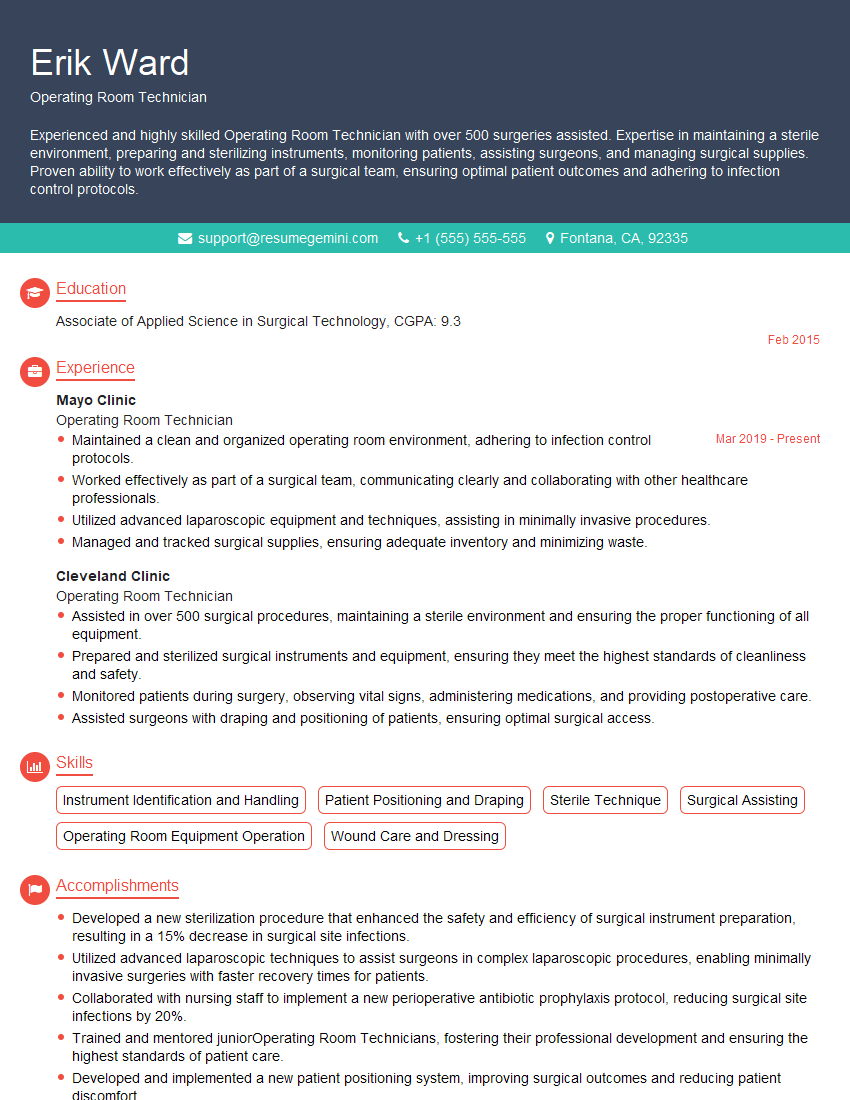
Operating Room Technician Resume Sample
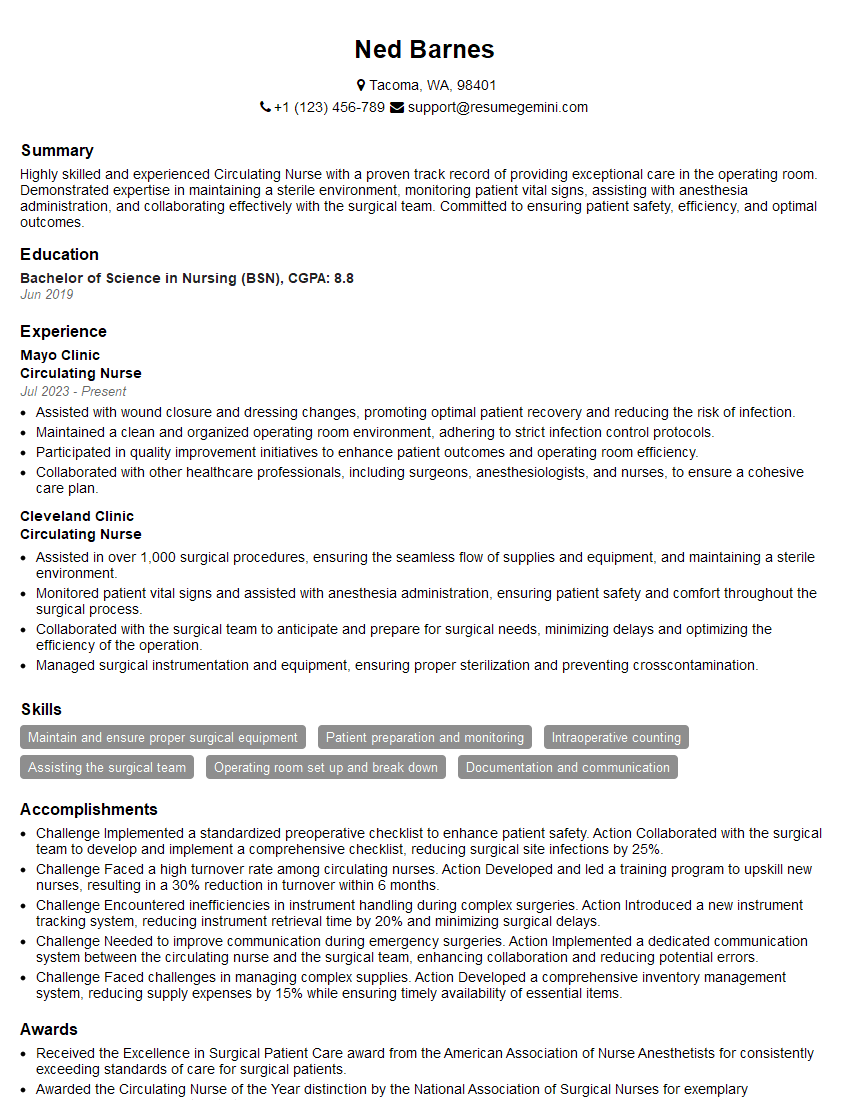
Circulating Nurse Resume Sample
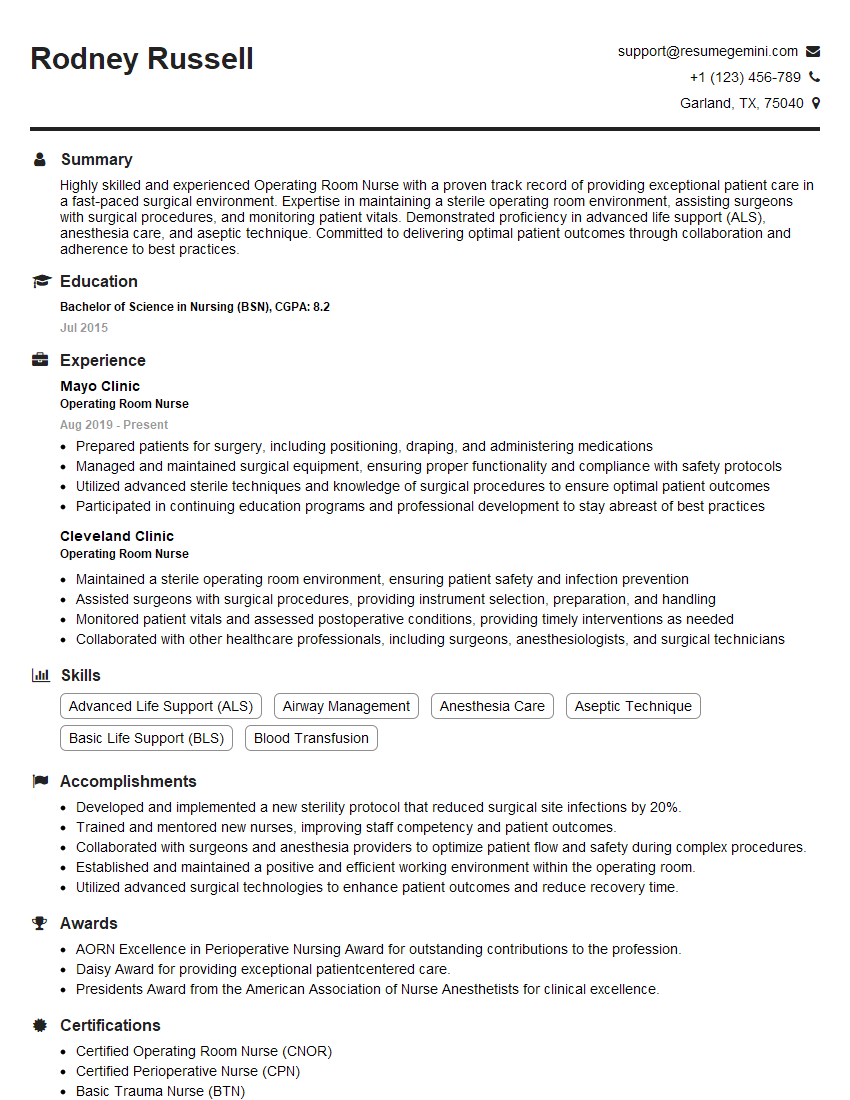
Operating Room Nurse Resume Sample
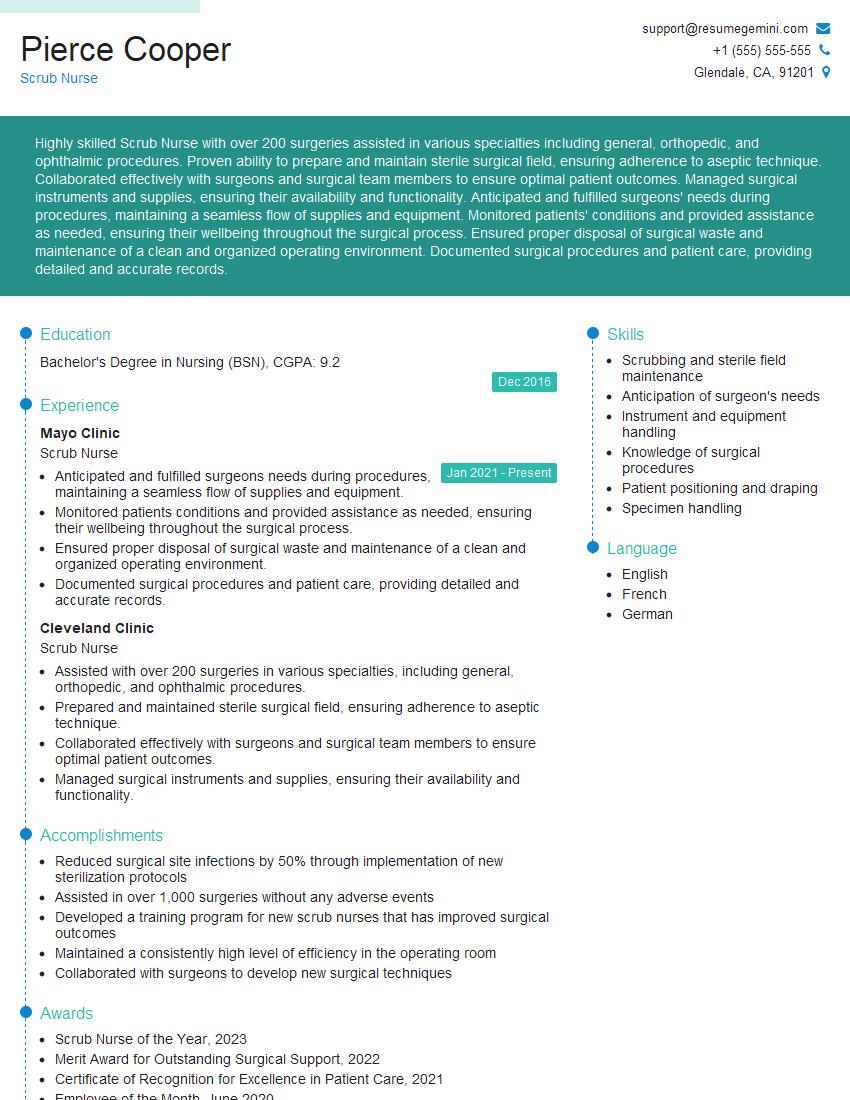
Scrub Nurse Resume Sample
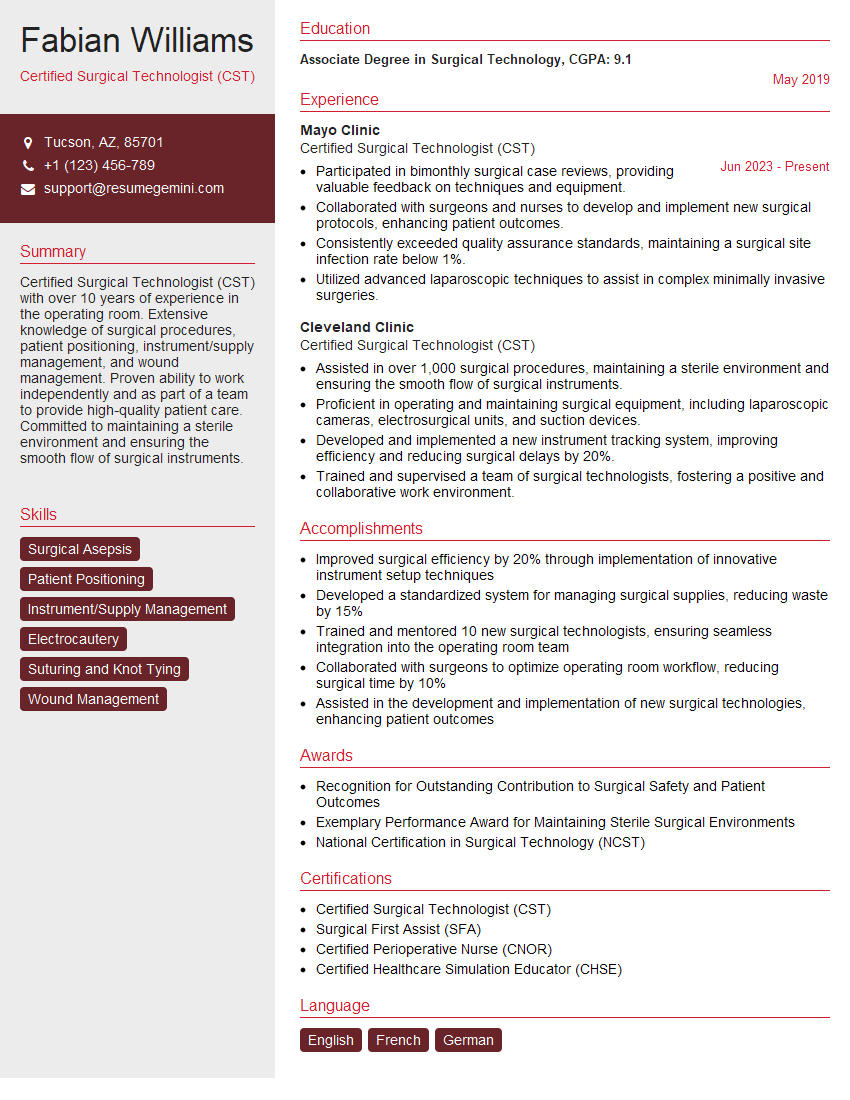
Certified Surgical Technologist (CST) Resume Sample
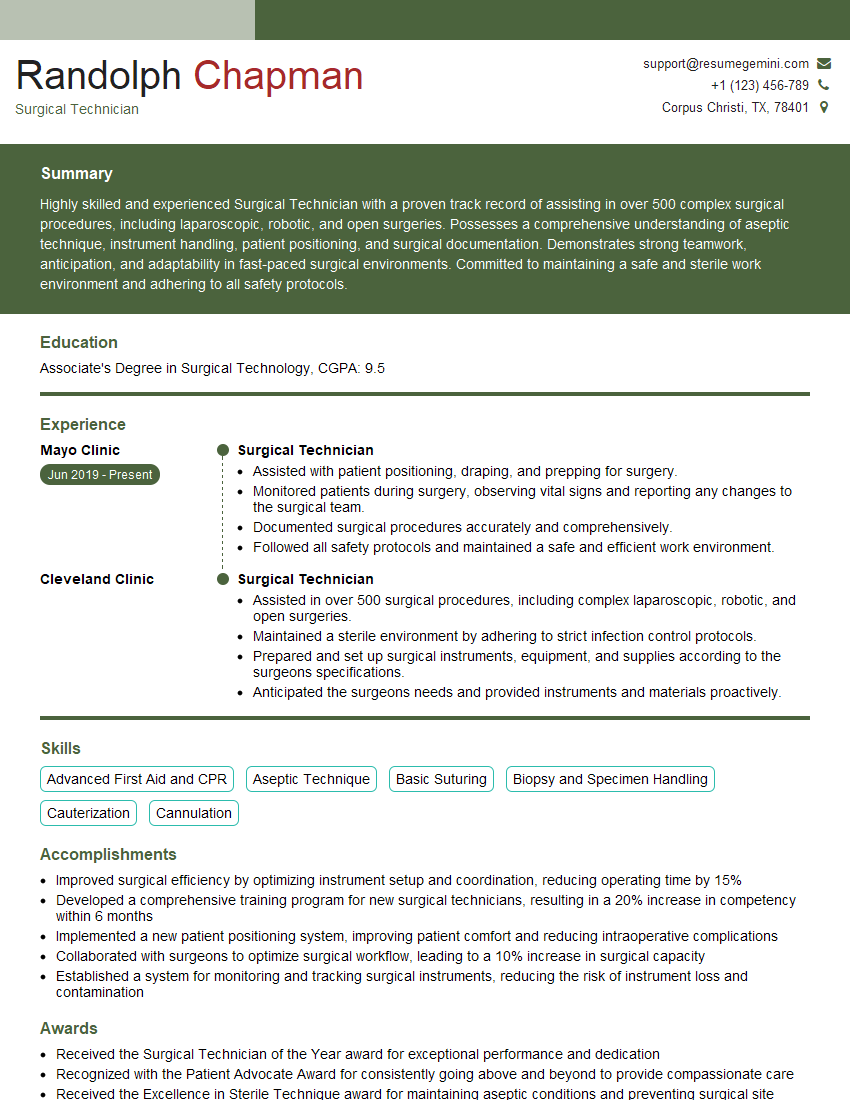
Surgical Technician Resume Sample
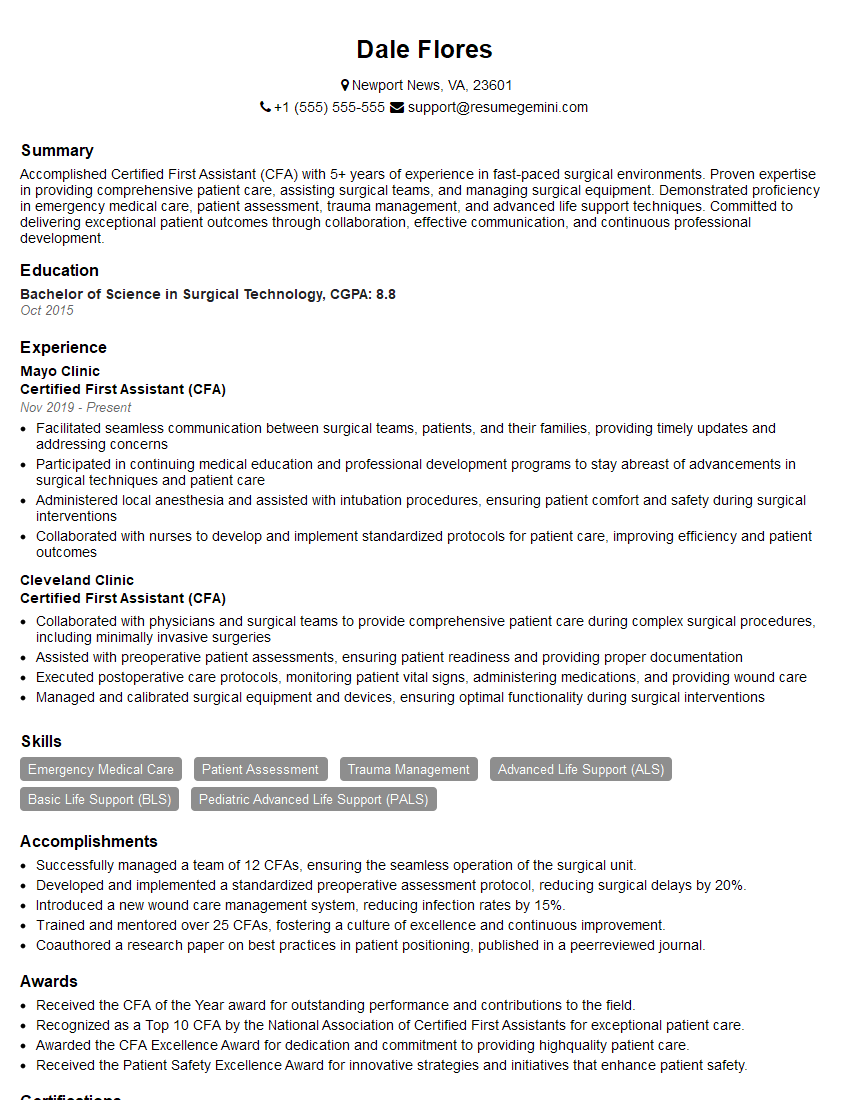
Certified First Assistant (CFA) Resume Sample
First Assistant Resume Sample
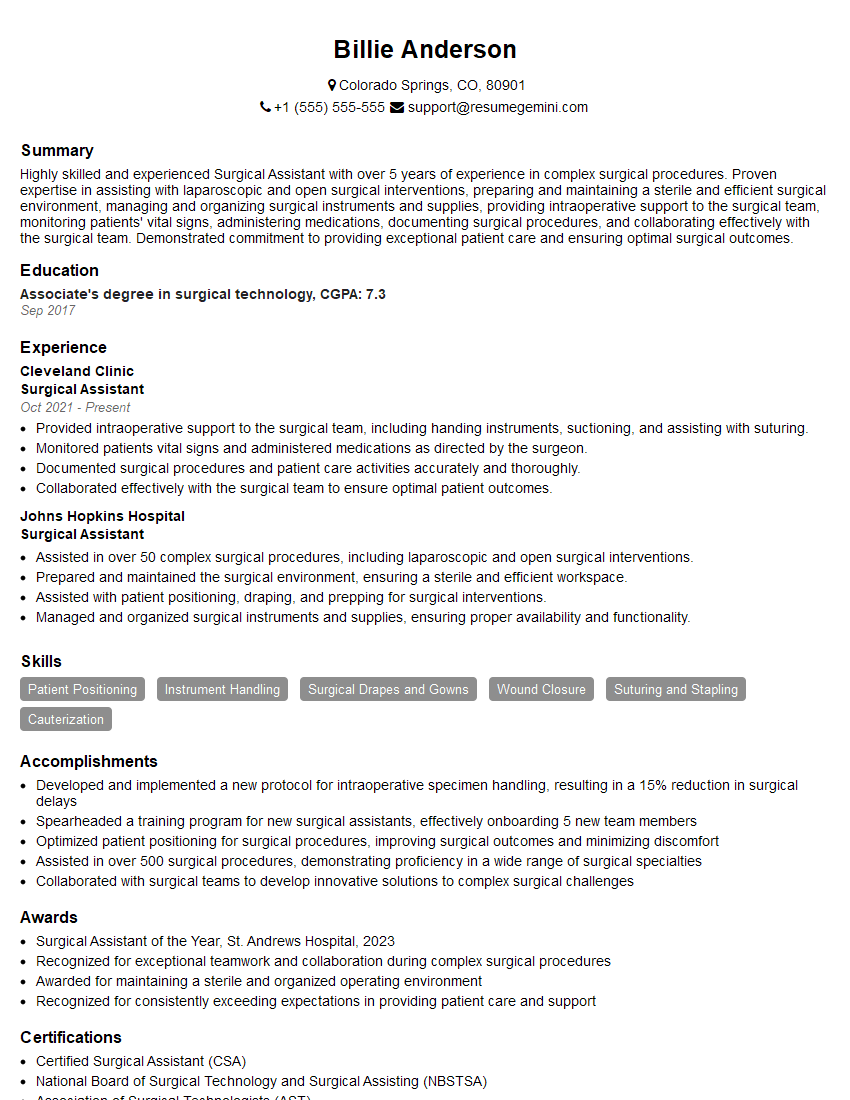
Surgical Assistant Resume Sample
Explore more articles
Users Rating of Our Blogs
Share Your Experience
We value your feedback! Please rate our content and share your thoughts (optional).
What Readers Say About Our Blog
To the interviewgemini.com Webmaster.
Very helpful and content specific questions to help prepare me for my interview!
Thank you
To the interviewgemini.com Webmaster.
This was kind of a unique content I found around the specialized skills. Very helpful questions and good detailed answers.
Very Helpful blog, thank you Interviewgemini team.