Interviews are opportunities to demonstrate your expertise, and this guide is here to help you shine. Explore the essential Standard Operating Procedures(SOP) interview questions that employers frequently ask, paired with strategies for crafting responses that set you apart from the competition.
Questions Asked in Standard Operating Procedures(SOP) Interview
Q 1. Define Standard Operating Procedures (SOPs).
Standard Operating Procedures (SOPs) are sets of step-by-step instructions compiled by an organization to help workers carry out complex routine operations. Think of them as a recipe for a consistently successful outcome. They ensure uniformity and consistency in performing tasks, minimizing errors and maximizing efficiency. SOPs are crucial for maintaining quality control, minimizing risk, and providing a clear path for training new employees. They’re not just for complex tasks; even simple processes can benefit from the clarity and consistency an SOP provides.
Q 2. What are the key elements of a well-written SOP?
A well-written SOP contains several key elements:
- Clear Title and Purpose: The SOP should clearly state its objective and the process it describes. For example, an SOP for ‘Preparing a Patient for Surgery’ clearly indicates its purpose.
- Step-by-Step Instructions: Each step should be clearly defined, numbered, and unambiguous. Using action verbs is crucial. For instance, instead of ‘Check the equipment,’ write ‘Inspect the surgical equipment for damage and ensure it’s properly calibrated.’
- Visual Aids: Diagrams, flowcharts, or images can improve understanding, especially for complex processes. A flowchart visualizing the steps in a chemical reaction would be highly beneficial.
- Safety Precautions: If the process involves any safety risks, these must be clearly highlighted with specific instructions on how to mitigate them. For example, an SOP for handling hazardous materials should clearly state personal protective equipment (PPE) requirements.
- References and Appendices (if needed): Relevant documents, forms, or additional information can be included as appendices for easy access.
- Review and Approval: The SOP should be reviewed and approved by relevant stakeholders before implementation to ensure accuracy and relevance.
- Version Control: Tracking revisions and updates is essential for maintaining the latest version. Include a version number and date of the last revision.
Q 3. Describe your experience in developing and implementing SOPs.
In my previous role at a pharmaceutical company, I was responsible for developing and implementing SOPs for various manufacturing processes. This involved collaborating with subject matter experts (SMEs) from different departments – including quality control, production, and engineering – to gather information, document procedures, and create user-friendly SOPs. One notable project involved creating an SOP for the sterile filling of vials. This required careful consideration of GMP (Good Manufacturing Practices) regulations, detailed descriptions of equipment operation, and comprehensive quality control checks at each stage. After development, I facilitated training sessions for the production team, ensuring complete understanding and adherence to the new SOP. We tracked key performance indicators (KPIs) such as error rates and cycle time to evaluate the effectiveness of the implemented SOP and made necessary adjustments.
In another instance, I led the development of SOPs for a new laboratory testing procedure. This involved detailed documentation of sample preparation, instrument calibration, test execution, and data analysis. I ensured the SOP incorporated quality control checks at each step to maintain data integrity and accuracy. The outcome was a standardized, streamlined process that significantly improved the efficiency and consistency of laboratory testing.
Q 4. How do you ensure SOPs are regularly reviewed and updated?
Regular review and update of SOPs are critical for maintaining their effectiveness and relevance. We employed a structured approach, establishing a schedule for periodic reviews (e.g., annually or more frequently for rapidly changing processes). These reviews involved a thorough assessment of the SOP’s accuracy, completeness, and adherence to regulatory requirements. Feedback from users plays a significant role – we actively solicited comments and suggestions from those who used the SOPs daily. Any necessary revisions are documented, version control is updated, and affected personnel are notified of the changes. This ensures that everyone is working with the most current and accurate version of the SOP.
Q 5. Explain the process of identifying areas needing SOP development.
Identifying areas needing SOP development often begins with recognizing inconsistencies, errors, or inefficiencies in existing processes. This can be triggered by several factors:
- Recurring Errors: A high frequency of errors in a specific task often signals a need for clearer instructions.
- Safety Incidents: Near misses or accidents can highlight gaps in safety procedures, necessitating the creation or revision of related SOPs.
- Regulatory Changes: New regulations or updated guidelines necessitate updating or creating SOPs to meet compliance standards.
- Process Improvements: New technologies, methodologies, or improved workflows can require updated or new SOPs.
- New Products or Services: The introduction of new products or services inherently requires the creation of related SOPs to guide their production, handling, or service delivery.
- Employee Feedback: Feedback from employees who encounter ambiguities or difficulties while performing a task points to the need for clearer instructions.
A systematic review of existing processes, coupled with proactive identification of potential risk areas, can effectively pinpoint areas needing SOP development.
Q 6. How do you ensure compliance with established SOPs?
Ensuring compliance with established SOPs requires a multi-faceted approach:
- Training and Education: Thorough training on SOPs is crucial for all personnel involved. This includes both initial training upon hiring and periodic refresher training to maintain competency.
- Clear Communication: Regular communication reinforces the importance of SOP compliance and provides a forum for addressing questions or concerns.
- Audits and Inspections: Regular audits and inspections verify adherence to SOPs. These can range from informal checks to formal audits performed by internal or external quality control teams.
- Documentation and Record Keeping: Maintaining detailed records of SOP implementation, including any deviations, helps monitor compliance and identify areas for improvement. This often involves electronic documentation systems for better tracking and accessibility.
- Performance Metrics: Tracking key performance indicators (KPIs) related to SOP compliance, such as error rates or cycle times, provides objective data for assessing effectiveness and identifying areas requiring attention.
Q 7. How do you handle deviations from SOPs?
Deviations from SOPs should never be taken lightly. A formal deviation process is essential:
- Immediate Action: The first step is to address the immediate situation. If the deviation poses a safety risk, take appropriate steps to mitigate the risk immediately.
- Documentation: Thoroughly document the deviation, including the date, time, circumstances, and the individuals involved. Include the reason for the deviation.
- Investigation: Conduct a thorough investigation to determine the root cause of the deviation. This may involve interviews with personnel, reviewing records, and analyzing data.
- Corrective Actions: Implement appropriate corrective actions to prevent future deviations. This might involve revising the SOP, providing additional training, or implementing new controls.
- Reporting: Report the deviation to relevant stakeholders, including management and regulatory bodies as required.
- Follow-up: Follow up to ensure the corrective actions are effective and prevent recurrence of the deviation.
A deviation report form helps standardize the documentation process and ensures consistent reporting. The entire process should be documented to enable continuous improvement and prevent similar incidents.
Q 8. What metrics do you use to measure the effectiveness of SOPs?
Measuring the effectiveness of SOPs requires a multi-faceted approach, going beyond simple existence. We need to assess both the procedural aspects and the impact on the organization. Key metrics include:
- Compliance Rate: This measures how often employees follow the SOPs. Low compliance suggests issues with clarity, accessibility, or training. We track this through audits, observations, and data analysis from relevant systems.
- Error Rate: A decrease in errors directly attributable to SOP implementation showcases effectiveness. This metric is particularly important in areas like manufacturing or healthcare where errors can have serious consequences. We would track the number and types of errors before and after SOP implementation.
- Time Efficiency: Well-designed SOPs streamline processes. We measure the time taken to complete tasks before and after SOP implementation to assess improvements in efficiency. This could involve time studies or analyzing process completion times.
- Customer Satisfaction: In customer-facing roles, SOPs should improve service quality. We monitor customer feedback surveys and ratings to assess the impact of SOPs on satisfaction. Positive feedback correlates to well-executed SOPs.
- Employee Feedback: Regular surveys and feedback sessions gather employee opinions on the clarity, usability, and effectiveness of SOPs. This qualitative data is crucial for identifying areas for improvement.
By tracking these metrics, we can gain a comprehensive understanding of how well our SOPs are performing and identify areas needing attention.
Q 9. Describe a time you improved an existing SOP.
In my previous role at a pharmaceutical company, we had an SOP for equipment calibration that was lengthy, complex, and prone to errors. Technicians frequently misinterpreted sections, leading to delays and occasional inconsistencies in calibration results. To improve it, I followed these steps:
- Stakeholder Consultation: I met with technicians to understand their challenges and pain points. Many complained about the jargon and the lack of visual aids.
- Process Mapping: We visually mapped the entire calibration process to identify redundancies and bottlenecks. This revealed several unnecessary steps.
- Simplification and Revision: We streamlined the process, removed ambiguous language, and added visual diagrams, flowcharts, and checklists. We also broke down complex procedures into smaller, more manageable tasks.
- Pilot Testing: Before full implementation, we piloted the revised SOP with a small group of technicians to gather feedback and make necessary adjustments.
- Training and Communication: We conducted thorough training sessions to familiarize everyone with the changes. The new SOP incorporated visual aids to enhance comprehension.
The result? A significant reduction in calibration errors (by 25%), a 15% increase in efficiency, and a noticeable boost in technician morale. This success highlighted the importance of involving end-users in the SOP improvement process.
Q 10. How do you communicate changes to SOPs to relevant staff?
Communicating SOP changes effectively is paramount. My approach is multi-pronged and depends on the scale of the change:
- Version Control System: All SOPs are stored in a central, version-controlled system (e.g., a document management system) where changes are easily tracked and accessible. Each revision is clearly numbered and dated.
- Email Notification: For minor updates, an email announcement is sent to all relevant staff, highlighting the changes and providing a link to the updated SOP.
- Targeted Training: For significant changes, we conduct targeted training sessions or workshops, including hands-on practice and Q&A sessions.
- Meeting Announcements: For company-wide or department-wide changes, we incorporate the updates in team meetings and disseminate the information there.
- Visual Aids and Summaries: For quick communication, we often create summaries or visual aids highlighting key changes. These could be short videos or infographics.
- Feedback Mechanism: We incorporate feedback channels to ensure staff understand and accept the changes and address any concerns.
This layered approach ensures consistent and comprehensive communication of SOP changes.
Q 11. What software or tools have you used for SOP management?
Throughout my career, I’ve utilized various software and tools for SOP management. These include:
- Document Management Systems (DMS): These systems (like SharePoint, Dropbox, or Google Drive) provide central storage, version control, and access control for SOPs, ensuring everyone has access to the latest version.
- Learning Management Systems (LMS): LMS platforms (like Moodle or Cornerstone) are beneficial for delivering training on SOPs, tracking completion, and managing certifications. This ensures consistent training across staff.
- Wiki Platforms: Wikis (like Confluence or MediaWiki) facilitate collaborative editing and versioning, allowing multiple individuals to contribute to and improve SOPs.
- Specialized SOP Software: There are several dedicated SOP software solutions that offer features like workflow automation, digital signatures, and audit trails. These are particularly beneficial in highly regulated industries.
The choice of software depends on the organization’s size, needs, and budget. The key is to select a system that supports efficient creation, management, distribution, and revision of SOPs.
Q 12. How do you ensure SOPs are accessible to all relevant personnel?
Ensuring accessibility is crucial. We employ the following strategies:
- Centralized Repository: All SOPs are stored in a central, easily accessible location (DMS or internal wiki) with clear indexing and search functionality.
- Role-Based Access Control: We use access controls to ensure only authorized personnel can view or edit specific SOPs. This protects sensitive information and maintains integrity.
- Intuitive Organization: SOPs are organized logically using a clear folder structure, making them easy to find. This might involve departmental folders, process-based folders, or a combination of both.
- Mobile Accessibility: We ensure that SOPs are accessible via mobile devices, so employees can readily access them on the job. We may use cloud-based systems to achieve this.
- Multiple Formats: If necessary, we provide SOPs in multiple formats (e.g., PDF, Word, or even video) to cater to different learning styles and preferences.
- Translation: In multilingual workplaces, we ensure SOPs are translated into relevant languages to ensure inclusivity.
By focusing on ease of access and usability, we empower all relevant personnel to perform their tasks correctly and safely.
Q 13. How do you train employees on new or updated SOPs?
Training on new or updated SOPs must be effective and engaging. Our approach involves:
- Structured Training Programs: We develop structured training programs tailored to the content of the SOPs and the learners’ experience level. This could involve online modules, classroom sessions, or on-the-job coaching.
- Interactive Methods: We avoid passive learning. Interactive elements like quizzes, simulations, and role-playing are incorporated to enhance engagement and knowledge retention.
- Hands-on Practice: Practical exercises and real-world scenarios allow employees to apply their new knowledge. We conduct supervised practice sessions where they can demonstrate their understanding.
- Knowledge Checks: We assess learning through quizzes, tests, or observation of practical tasks. This ensures that employees understand and can apply the SOPs correctly.
- Certification and Tracking: Training completion is tracked, and employees receive certification upon successful completion. This maintains a record of training compliance and competency.
- Refresher Training: Regular refresher training is scheduled to ensure ongoing compliance and to address any changes in the SOPs or industry best practices.
This multi-faceted approach ensures employees are adequately trained and confident in following the SOPs.
Q 14. How do you handle resistance to changes in SOPs?
Resistance to change is natural. My approach to managing this involves:
- Understanding the Resistance: The first step is to understand the source of the resistance. This requires open communication and active listening to identify concerns.
- Addressing Concerns: Once concerns are identified, we address them directly and transparently. This often involves demonstrating how the changes will benefit the employees and the organization.
- Collaborative Approach: We actively involve employees in the implementation process. Their input is valued, and they may have the opportunity to provide feedback and suggest improvements.
- Phased Implementation: For significant changes, a phased approach can be effective. This allows employees to adapt gradually and minimizes disruption.
- Championing the Change: Identifying and engaging key individuals who support the change helps to build momentum and encourage adoption among their peers.
- Continuous Feedback and Monitoring: We maintain open communication channels and monitor employee feedback to identify and address any ongoing challenges or resistance.
By addressing concerns, building consensus, and facilitating a smooth transition, we can overcome resistance and ensure successful implementation of the updated SOPs.
Q 15. What is your approach to streamlining SOPs?
Streamlining SOPs is crucial for efficiency and clarity. My approach involves a three-pronged strategy: analysis, optimization, and automation.
- Analysis: I begin by thoroughly reviewing existing SOPs, identifying redundancies, outdated information, and areas where processes can be simplified. This often involves interviewing the people who use the SOPs to understand their pain points and suggestions for improvement. For example, I might find that two different departments have nearly identical procedures for handling customer complaints, leading to unnecessary complexity.
- Optimization: Once redundancies are identified, I consolidate and revise the SOPs, focusing on clarity and conciseness. This involves using visual aids like flowcharts and diagrams to make complex processes easier to understand. For instance, a lengthy, text-heavy SOP for equipment maintenance could be significantly improved with a flowchart illustrating the steps involved.
- Automation: Where possible, I explore opportunities to automate tasks outlined in the SOPs. This reduces manual effort, minimizes errors, and frees up employees to focus on higher-value activities. An example could be automating data entry or scheduling tasks through existing software systems.
This iterative process ensures that SOPs remain relevant, efficient, and effective.
Career Expert Tips:
- Ace those interviews! Prepare effectively by reviewing the Top 50 Most Common Interview Questions on ResumeGemini.
- Navigate your job search with confidence! Explore a wide range of Career Tips on ResumeGemini. Learn about common challenges and recommendations to overcome them.
- Craft the perfect resume! Master the Art of Resume Writing with ResumeGemini’s guide. Showcase your unique qualifications and achievements effectively.
- Don’t miss out on holiday savings! Build your dream resume with ResumeGemini’s ATS optimized templates.
Q 16. How do you ensure SOPs align with company policies and regulations?
Aligning SOPs with company policies and regulations is paramount for compliance and risk mitigation. My approach involves a rigorous cross-referencing and review process.
- Policy Mapping: I start by creating a matrix that maps each SOP to relevant company policies and external regulations. This ensures that all procedures comply with the established frameworks.
- Regular Audits: I schedule regular audits to verify compliance. These audits could include reviewing SOPs for updates in policy or regulatory changes, or observing employees to verify they are following the procedures correctly.
- Legal Review (if necessary): For high-risk processes or those involving sensitive data, I engage with legal counsel to ensure full compliance. This is especially important for industries with strict regulatory requirements, such as healthcare or finance.
This multi-faceted strategy helps to minimize the risk of non-compliance and protects the company from potential legal repercussions.
Q 17. Describe your experience with version control for SOPs.
Version control is essential for managing SOP updates and tracking changes. My experience involves using dedicated version control systems like Git and collaborative platforms like SharePoint or Google Drive.
- Centralized Repository: I maintain a centralized repository for all SOPs to ensure everyone accesses the most up-to-date versions. This prevents confusion and ensures everyone is working from the same document.
- Change Tracking: The version control system allows me to track all changes made to the SOPs, including who made the changes, when they were made, and the reasons for the changes. This is crucial for audit trails and accountability.
- Rollback Capability: In case of errors, the version control system allows me to easily revert to previous versions of the SOPs. This ensures that mistakes can be quickly corrected without disrupting operations.
Through these practices, I ensure that SOPs are always accurate, consistent, and easily managed.
Q 18. How do you incorporate feedback into the SOP revision process?
Incorporating feedback is crucial for improving SOPs. My approach involves a structured feedback loop that starts with collection, analysis, and implementation.
- Feedback Collection: I use various methods to gather feedback, including surveys, interviews, and focus groups with employees who use the SOPs. I also encourage employees to report any inconsistencies or areas for improvement directly.
- Feedback Analysis: Once feedback is collected, I analyze it to identify recurring themes and prioritize areas for improvement. This often involves categorizing feedback by source (e.g., employee role, department) and severity.
- Implementation and Revision: Based on the feedback analysis, I revise the SOPs accordingly. I then communicate the changes to all relevant stakeholders and ensure that the updated SOPs are readily available.
This systematic process ensures that SOPs are continuously improved and remain relevant to the needs of the organization.
Q 19. Explain the importance of clear and concise language in SOPs.
Clear and concise language is essential for effective SOPs. Ambiguity can lead to errors and inconsistencies. My approach focuses on simplicity, precision, and readability.
- Plain Language: I use simple, everyday language, avoiding jargon and technical terms unless absolutely necessary. If technical terms are used, they are clearly defined.
- Active Voice: I utilize active voice to make the instructions more direct and easier to understand. For example, instead of writing “The machine should be turned off by the operator,” I would write “The operator should turn off the machine.”
- Concise Sentences: I keep sentences short and to the point, avoiding overly complex grammatical structures. I also use bullet points and numbered lists to break up long paragraphs and improve readability.
By prioritizing clear and concise language, I ensure that employees can easily understand and follow the SOPs.
Q 20. How do you ensure SOPs are user-friendly and easily understood?
User-friendliness is key for SOP adoption. My approach involves creating SOPs that are visually appealing, easily navigable, and readily accessible.
- Visual Aids: I use diagrams, flowcharts, and images to enhance understanding and make the SOPs more engaging. A picture is worth a thousand words, and this is especially true for complex procedures.
- Logical Structure: I organize the SOPs logically, using clear headings, subheadings, and numbered steps to guide users through the process. A well-structured SOP is easy to follow and prevents confusion.
- Accessibility: I ensure the SOPs are easily accessible through a central repository, and in multiple formats (e.g., PDF, online document). This makes them easy to find and use, no matter the situation.
By focusing on user experience, I ensure the SOPs are a valuable tool rather than a barrier.
Q 21. How do you handle conflicts between different SOPs?
Conflicts between SOPs can arise due to inconsistencies or overlaps in responsibilities. My approach is a collaborative one, focusing on identification, resolution, and consolidation.
- Conflict Identification: I systematically review all SOPs to identify any inconsistencies or contradictions. This often involves comparing different SOPs related to similar processes or tasks.
- Conflict Resolution: Once identified, I work with the relevant stakeholders to resolve the conflicts. This involves discussing the issues, determining the best course of action, and agreeing on a solution that aligns with company objectives and regulations.
- Consolidation: Where possible, I consolidate conflicting SOPs to create a single, unified procedure. This simplifies processes, improves efficiency, and reduces confusion. This might involve merging two overlapping SOPs into a single, streamlined document.
This proactive approach to conflict resolution ensures a consistent and efficient operational environment.
Q 22. Describe your experience with SOP audits.
SOP audits are crucial for ensuring procedures are followed correctly and remain effective. My experience encompasses both internal audits, where I review adherence to existing SOPs within our organization, and external audits, where I help prepare for regulatory inspections or client-requested reviews. During an audit, I typically review documentation, observe processes in action, interview personnel, and analyze data to identify gaps, inconsistencies, and areas for improvement. For example, in a recent audit of our manufacturing process, I identified a discrepancy between the written SOP for quality control and the actual practices on the factory floor. This resulted in a revised SOP, updated training materials and improved consistency in the final product.
- Documentation Review: Checking for completeness, accuracy, and clarity of SOPs.
- Process Observation: Directly observing the execution of procedures to identify deviations.
- Personnel Interviews: Gathering feedback on SOP clarity, ease of use, and areas of difficulty.
- Data Analysis: Reviewing performance data (e.g., error rates, production output) to identify trends and potential issues.
Q 23. How do you use data to inform SOP improvements?
Data is the cornerstone of effective SOP improvement. I utilize various data sources, such as production metrics, error rates, customer feedback, and employee incident reports, to identify areas needing attention. For instance, if error rates are high on a specific task, I’ll analyze the corresponding SOP to see if it lacks clarity or needs updating. This might involve comparing the error rate data with the steps outlined in the SOP, looking for potential points of confusion or inefficiency. Data analysis tools, such as spreadsheets and statistical software, assist in identifying trends and patterns to determine where procedural adjustments are most needed. We then use this data to justify proposed changes during reviews with stakeholders, demonstrating the impact of revisions on efficiency and quality.
Let’s say our data shows a consistent increase in ‘incident reports’ linked to a particular section of the SOP. This suggests a section is unclear, ambiguous, or potentially dangerous. Instead of simply rewriting the paragraph, I would include visuals, checklists, or simplified language. Following the update, the tracking of ‘incident reports’ associated with this section becomes a key performance indicator (KPI), helping us monitor the effectiveness of the revised SOP.
Q 24. What are the potential consequences of not following SOPs?
Failure to adhere to SOPs can have serious consequences, impacting safety, quality, efficiency, and legal compliance. The severity of consequences varies depending on the context, but common outcomes include:
- Safety Hazards: Non-compliance in hazardous environments (e.g., chemical handling, machinery operation) can lead to accidents and injuries.
- Quality Issues: Inconsistent product or service quality, leading to customer dissatisfaction, returns, or even product recalls.
- Legal and Regulatory Non-Compliance: Fines, legal action, and reputational damage due to breaches of regulations or industry standards.
- Inefficiency and wasted resources: Inefficient processes due to deviation from established best practices, leading to increased costs and reduced productivity.
- Reputational Damage: Consistent failure to comply with SOPs erodes trust and confidence amongst clients and stakeholders.
For example, imagine a hospital that doesn’t follow infection control SOPs. The consequence could range from minor infections to severe outbreaks of healthcare-associated infections, potentially causing patient harm and legal repercussions.
Q 25. How do you balance SOP adherence with flexibility and innovation?
Balancing SOP adherence with flexibility and innovation is a delicate but crucial task. Rigidity can stifle creativity and adaptation, while excessive flexibility can lead to inconsistency and errors. The key is to create SOPs that are clear, concise, and provide a framework, but allow for appropriate deviation when necessary. This requires establishing clear parameters and mechanisms for exceptions.
- Clearly Defined Exceptions: The SOP should clearly outline circumstances under which deviation is permissible and the process for obtaining approval.
- Continuous Improvement Processes: Regularly review and update SOPs to reflect improvements and innovations. Include mechanisms for suggesting improvements within the SOP itself.
- Training and Empowerment: Equip employees with the skills and knowledge to make informed decisions within the framework of the SOPs.
- Use of Technology: Leverage technology (e.g., workflow management software) to provide flexibility while maintaining oversight and tracking of deviations.
Think of a software development team. While there are SOPs for coding standards and release procedures, developers need flexibility to solve unique problems and experiment with new approaches. The balance is achieved by having a robust framework, but also providing channels for approved deviations and documentation of those deviations.
Q 26. What are some common challenges in managing SOPs?
Managing SOPs effectively presents several common challenges:
- Keeping SOPs up-to-date: Processes evolve, and SOPs must adapt to remain relevant and effective. This requires a dedicated process for regular review and updates.
- Ensuring clarity and consistency: SOPs must be easy to understand and consistently applied across the organization. Inconsistent interpretation can lead to errors.
- Gaining buy-in and adherence: Employees need to understand the purpose and importance of SOPs and be committed to following them. This involves effective communication and training.
- Version control and distribution: Managing multiple versions of SOPs and ensuring everyone is working with the latest version can be challenging. A centralized repository and version control system is crucial.
- Measuring effectiveness: It’s essential to track the effectiveness of SOPs and make adjustments as needed. Key Performance Indicators (KPIs) and data analysis can aid in this process.
For example, in a large organization, updating SOPs across multiple departments and ensuring consistency can be a huge undertaking, requiring careful planning and coordination.
Q 27. How do you ensure SOPs remain relevant and effective over time?
Maintaining SOP relevance requires a proactive and systematic approach. Regular reviews and updates are essential, incorporating feedback from employees, performance data, and changes in regulatory requirements or technology. I employ a cyclical process:
- Scheduled Reviews: SOPs should be reviewed at least annually, or more frequently if there are significant changes in processes or regulations. A review calendar can assist with maintaining this schedule.
- Feedback Mechanisms: Establish methods for gathering feedback from employees about SOP clarity, usability, and effectiveness. This can include surveys, suggestion boxes, or regular meetings.
- Performance Data Analysis: Track key performance indicators (KPIs) related to the SOP to identify areas for improvement. Increased error rates, longer processing times, or reduced productivity might indicate a need for revisions.
- Regulatory Compliance: Stay abreast of changes in regulations, industry best practices, and technological advancements that may impact SOPs. Any changes in standards must be immediately incorporated.
- Version Control: Implement a version control system to manage different versions of SOPs and ensure everyone is using the latest version. Clearly identify all revisions and their effective dates.
Think of it like maintaining a house. Regular inspections, minor repairs, and occasional renovations ensure the structure remains sound and functional. Similarly, routine reviews and updates to SOPs ensure operational efficiency and continued effectiveness.
Q 28. Describe your experience working with cross-functional teams on SOP development.
My experience working with cross-functional teams on SOP development highlights the importance of collaboration and clear communication. Effective SOPs often involve multiple departments, each with unique perspectives and requirements. I’ve successfully led and participated in teams involving engineers, operations personnel, quality control specialists, and regulatory affairs experts. My approach focuses on:
- Defining Clear Objectives: Starting with a clear understanding of the purpose and scope of the SOP and aligning the goals of all stakeholders.
- Facilitating Collaboration: Employing collaborative tools and techniques (e.g., workshops, brainstorming sessions) to ensure all perspectives are considered.
- Open Communication: Maintaining open and transparent communication throughout the development process, addressing concerns and feedback promptly.
- Establishing Consensus: Working towards consensus among team members on the content and structure of the SOP, ensuring buy-in from all stakeholders.
- Iterative Development: Developing and refining the SOP through multiple iterations, incorporating feedback and revisions.
For example, when developing an SOP for a new product launch, I worked with the engineering team to define the technical specifications, the operations team to determine the production process, and the quality control team to establish testing procedures. This collaborative approach ensured a comprehensive and practical SOP that addressed the needs of all involved departments.
Key Topics to Learn for Standard Operating Procedures (SOP) Interview
- Understanding SOPs: Defining Standard Operating Procedures, their purpose, and benefits within an organization. Consider the different types of SOPs and their applications.
- SOP Development & Documentation: Learn the process of creating effective SOPs, including defining scope, outlining steps, incorporating visuals, and ensuring clarity and accuracy. Discuss different documentation methods and their suitability.
- Implementation & Training: Explore best practices for implementing new SOPs and training employees on their use. Consider strategies for effective communication and change management.
- SOP Review & Revision: Understand the importance of regularly reviewing and revising SOPs to ensure their continued relevance, accuracy, and efficiency. Discuss methods for identifying areas for improvement.
- Compliance & Auditing: Explore the role of SOPs in ensuring regulatory compliance and discuss common auditing processes related to SOP adherence. Consider how to identify and address non-compliance.
- Problem-Solving with SOPs: Learn how to troubleshoot issues that arise when following SOPs and how to adapt procedures when necessary while maintaining compliance and efficiency. Discuss the importance of documenting deviations.
- Technology & SOPs: Explore how technology can be integrated into SOPs to improve efficiency, reduce errors, and facilitate training. Consider examples like digital workflows and automated systems.
Next Steps
Mastering Standard Operating Procedures is crucial for career advancement. A strong understanding of SOPs demonstrates your ability to follow established processes, contribute to efficiency, and ensure compliance. This is highly valued across various industries. To maximize your job prospects, create a compelling and ATS-friendly resume that highlights your skills and experience related to SOPs. ResumeGemini is a trusted resource to help you build a professional and effective resume that gets noticed. We provide examples of resumes tailored to Standard Operating Procedures (SOP) roles to help you get started.

Operations Manager Resume Sample
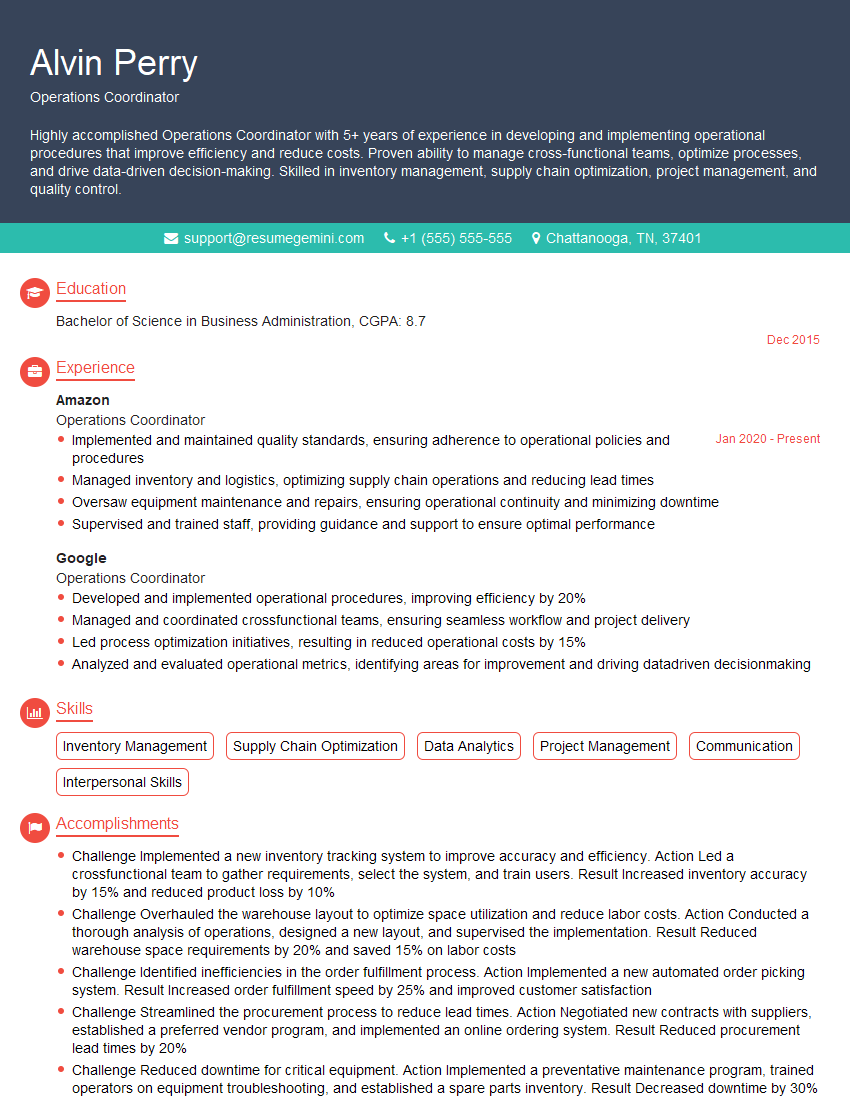
Operations Coordinator Resume Sample
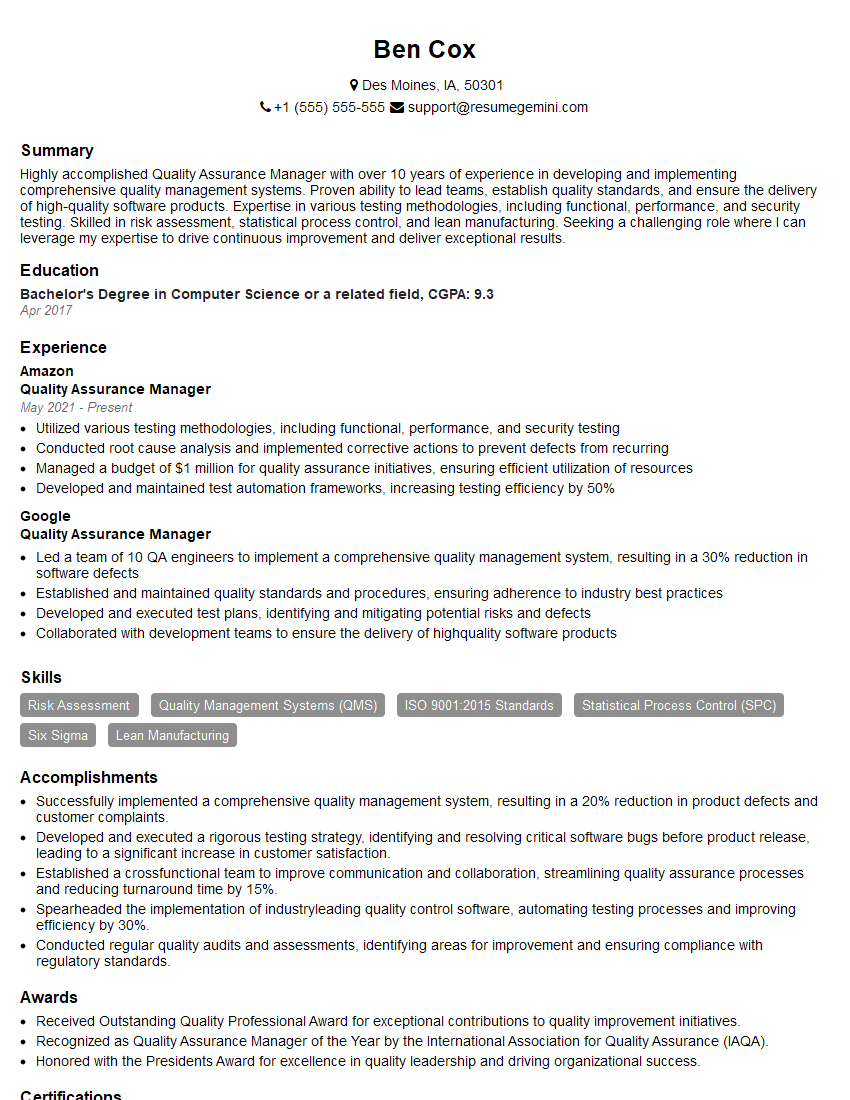
Quality Assurance Manager Resume Sample
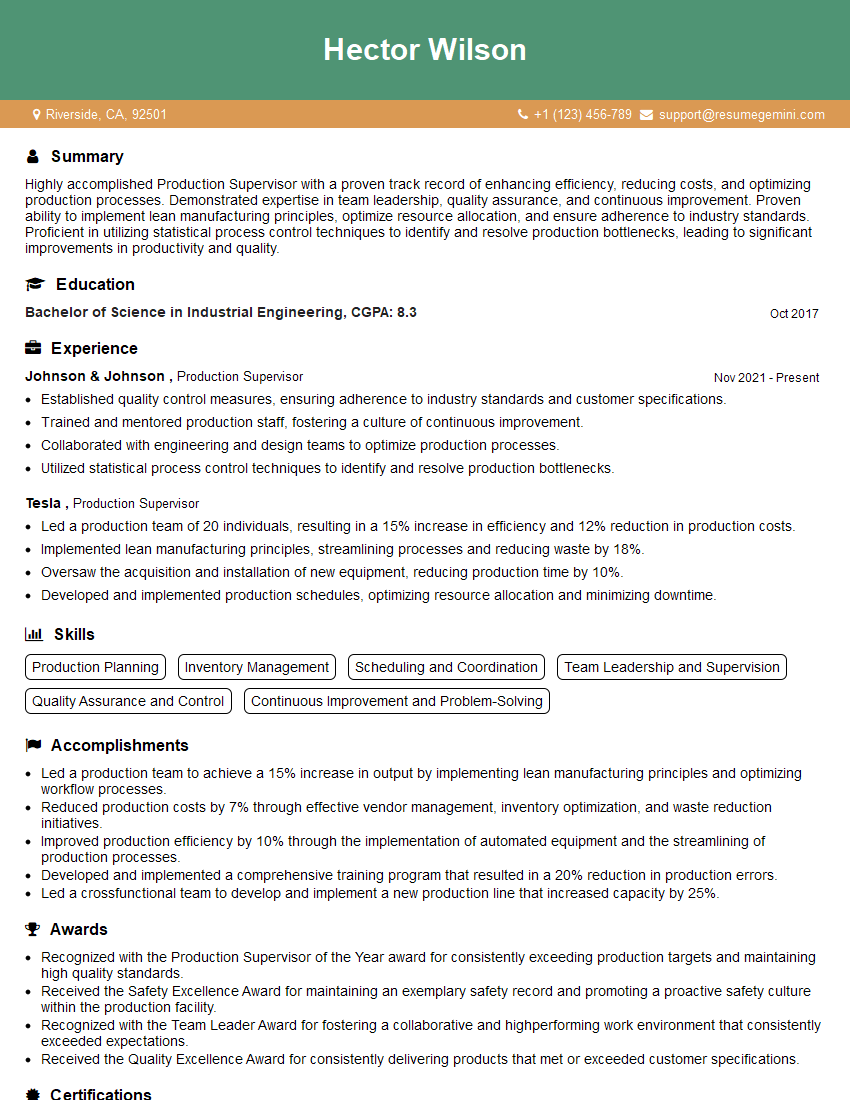
Production Supervisor Resume Sample
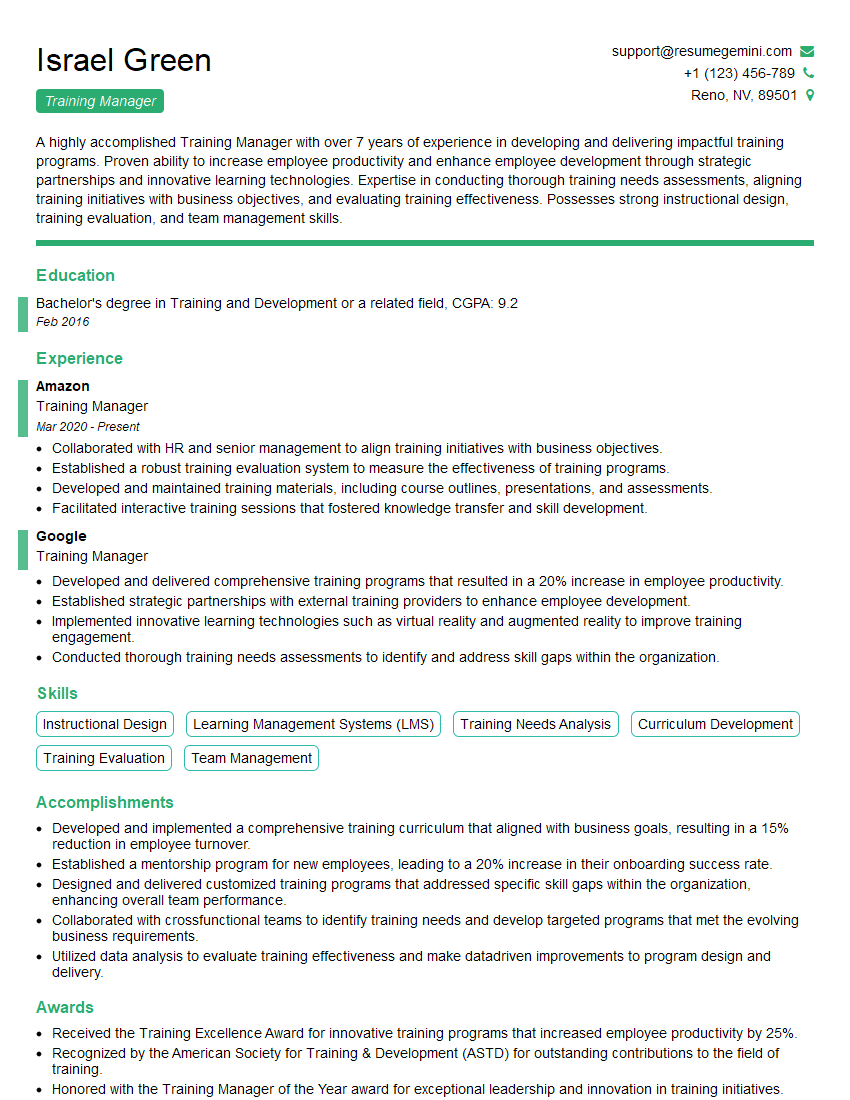
Training Manager Resume Sample
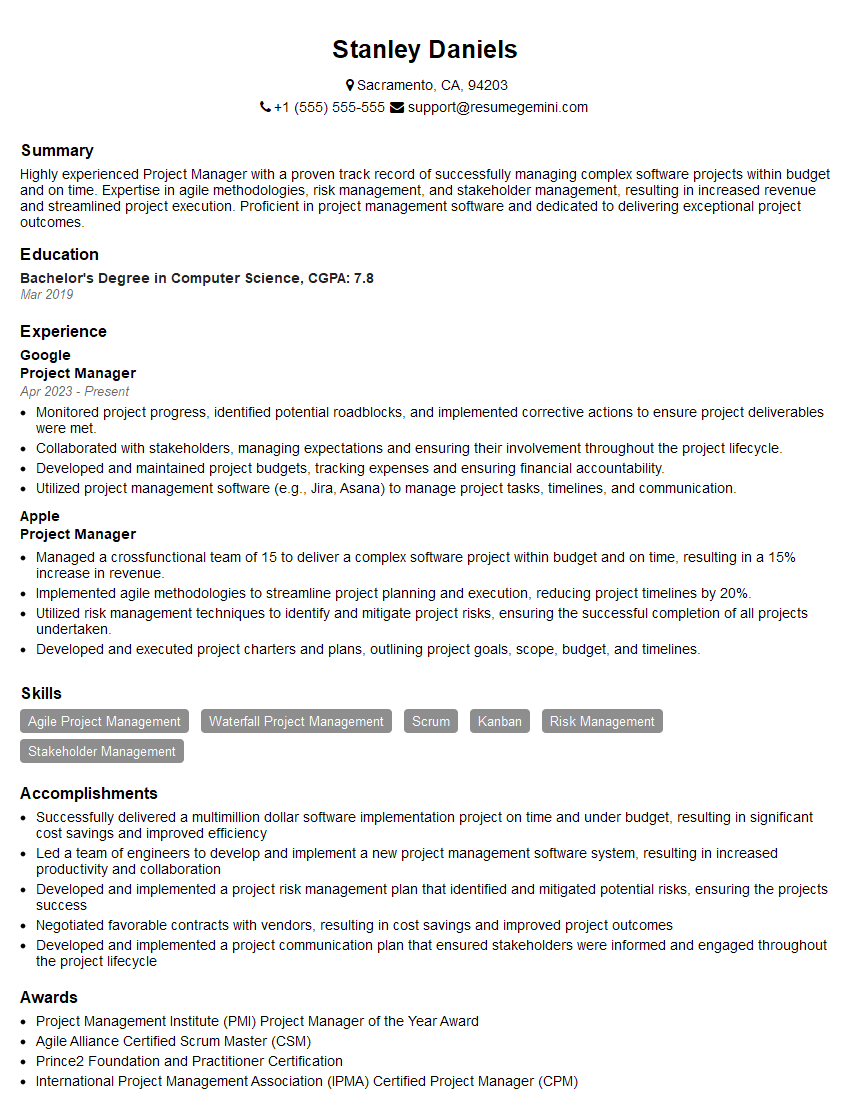
Project Manager Resume Sample
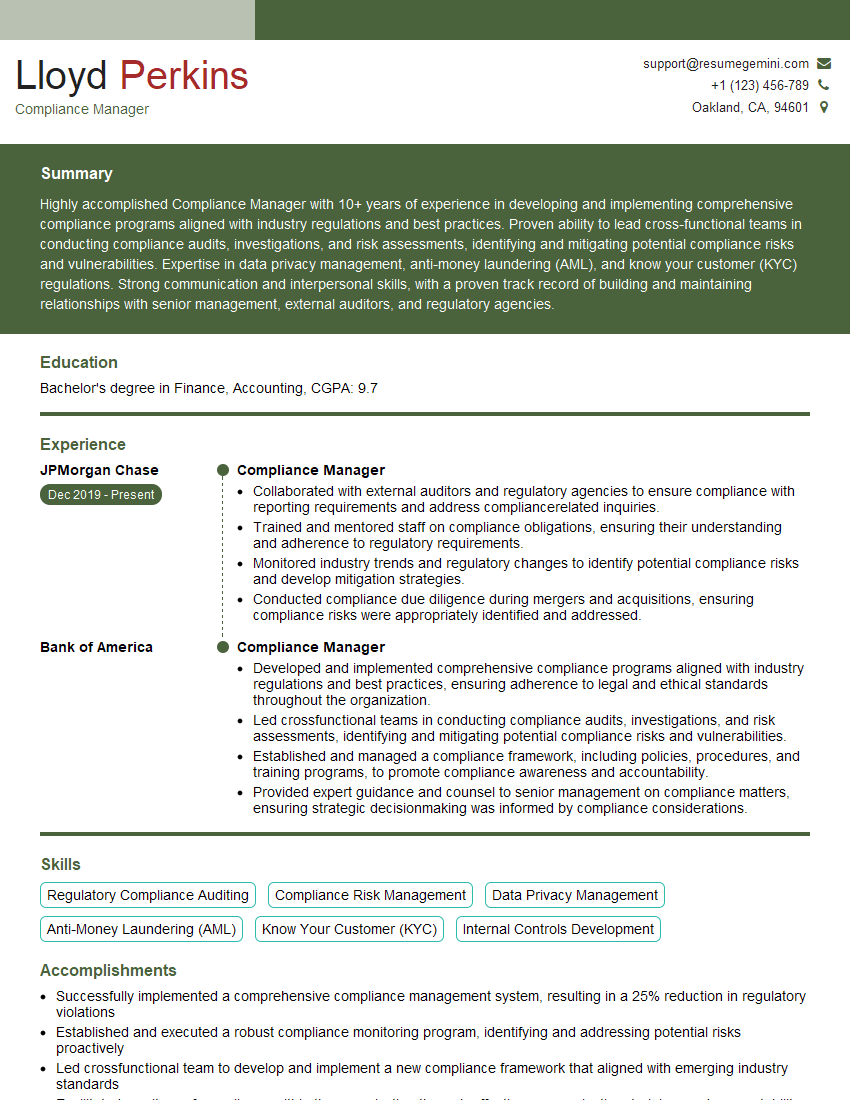
Compliance Manager Resume Sample
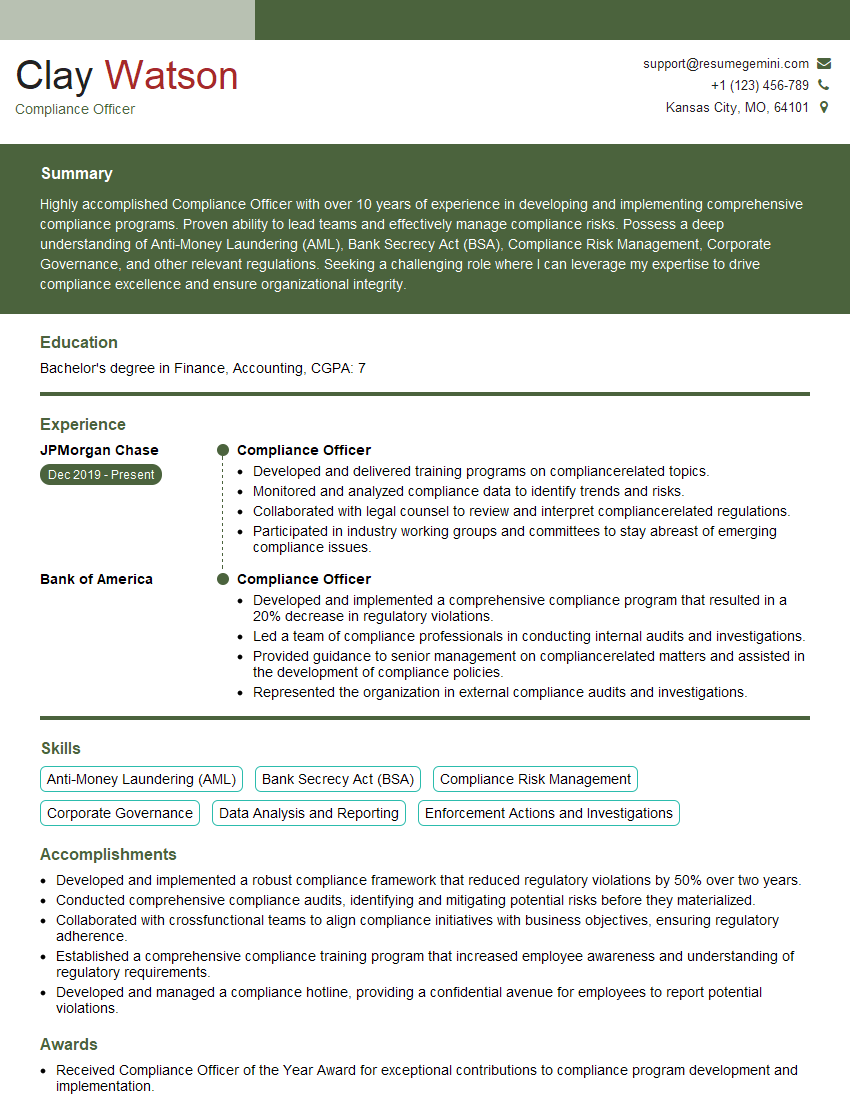
Compliance Officer Resume Sample
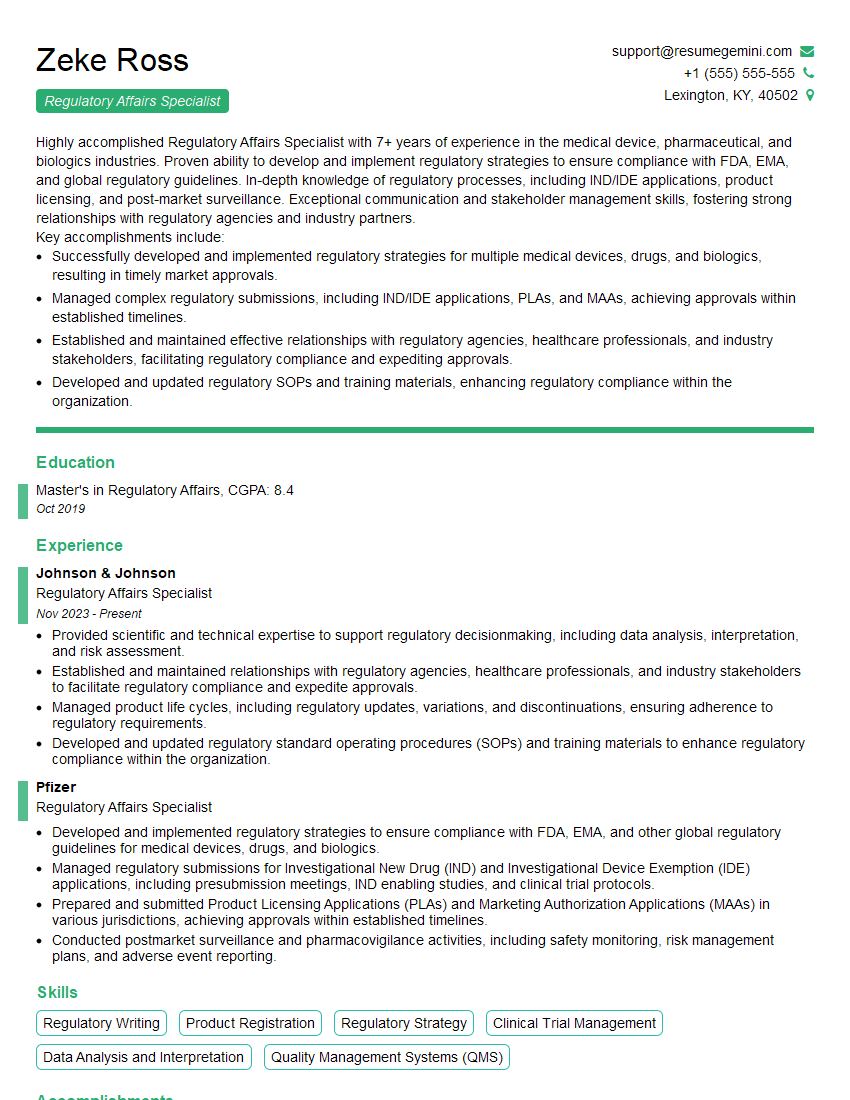
Regulatory Affairs Specialist Resume Sample
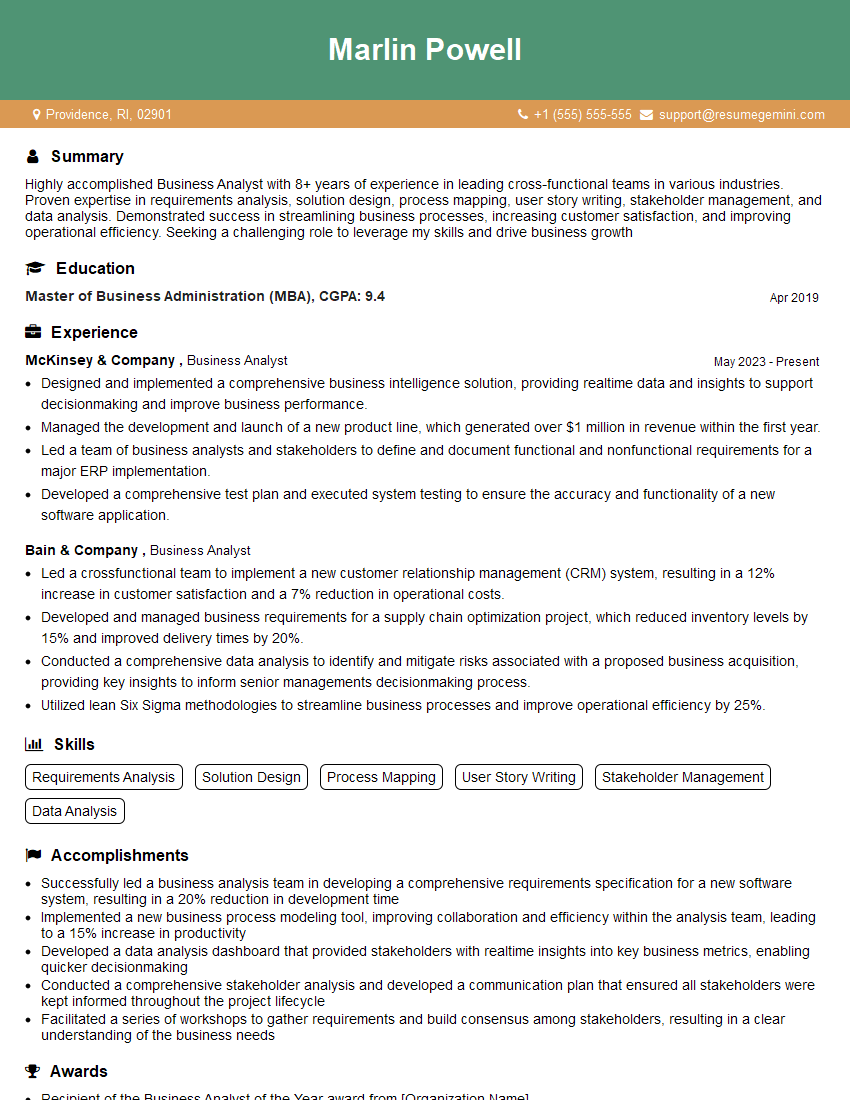
Business Analyst Resume Sample
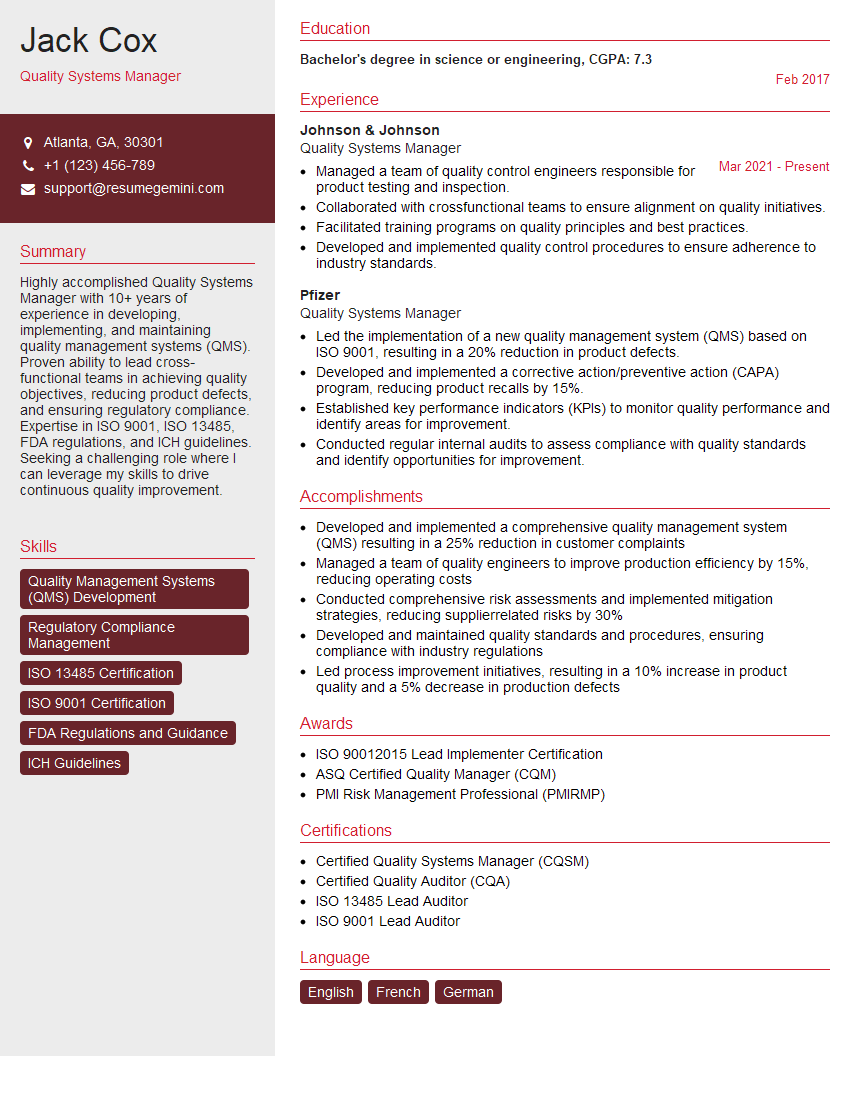
Quality Systems Manager Resume Sample
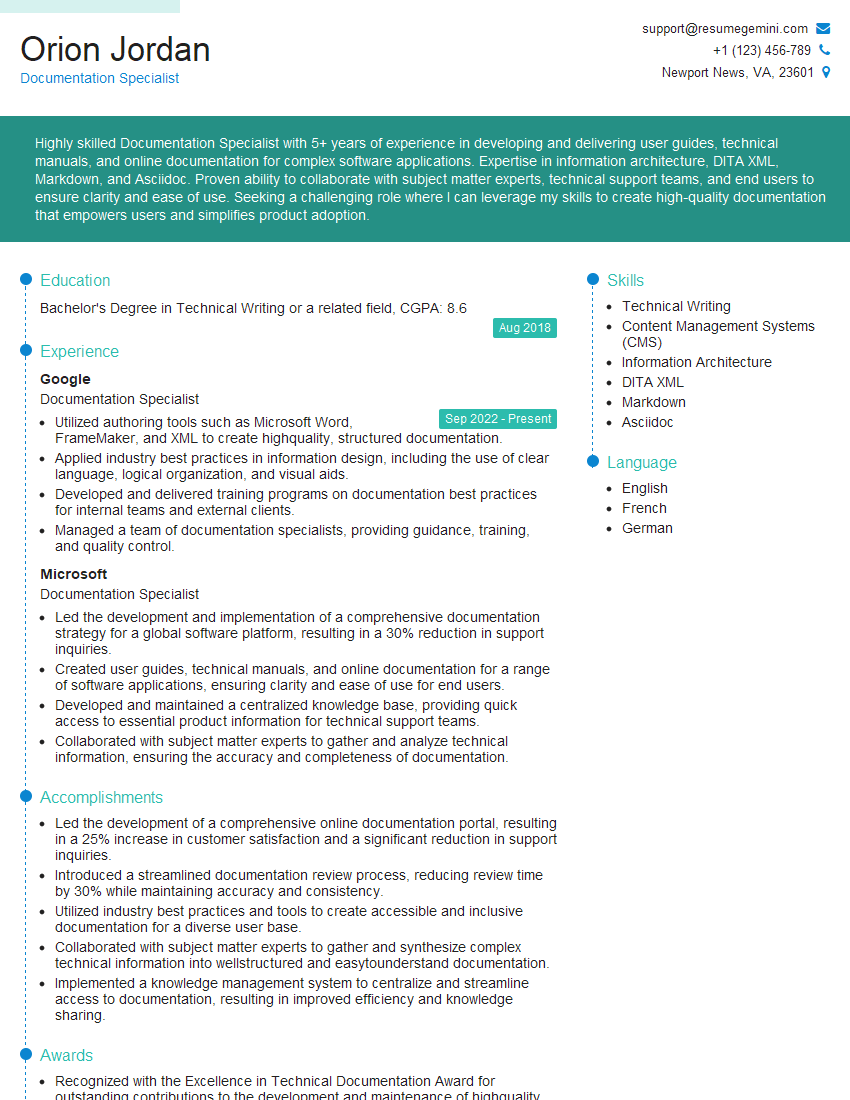
Documentation Specialist Resume Sample
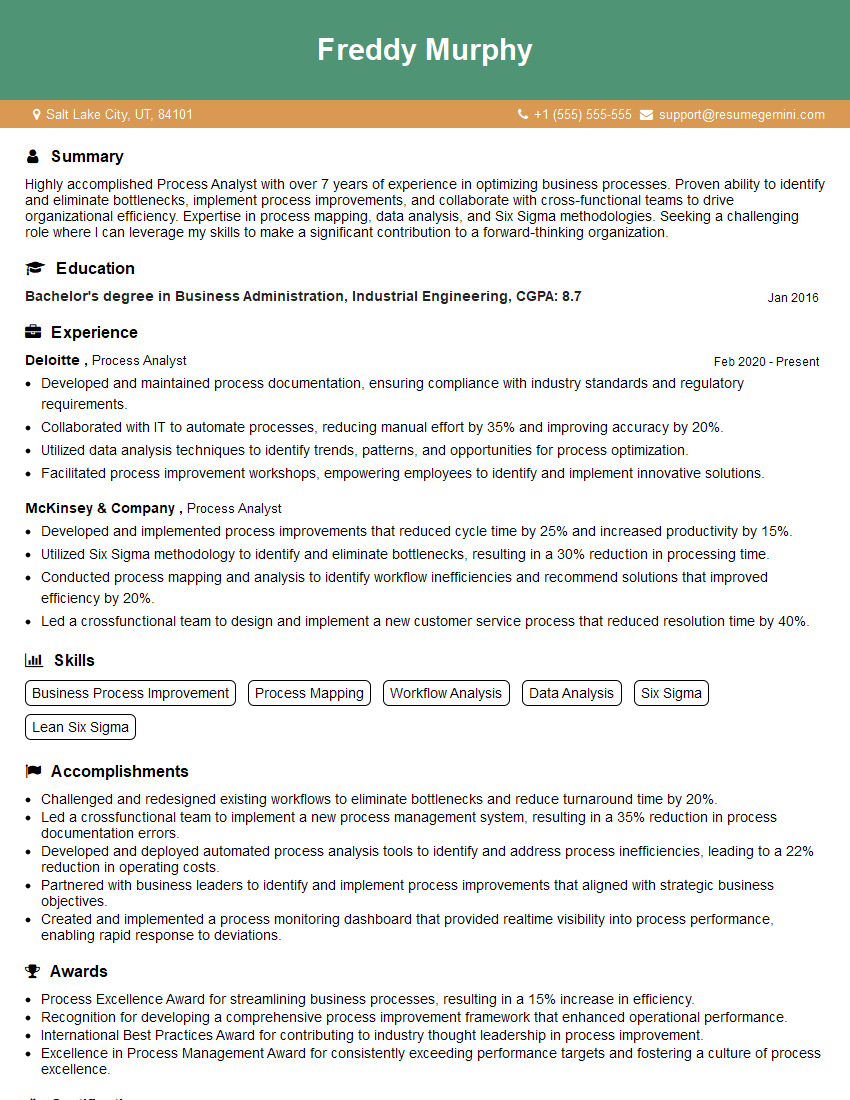
Process Analyst Resume Sample
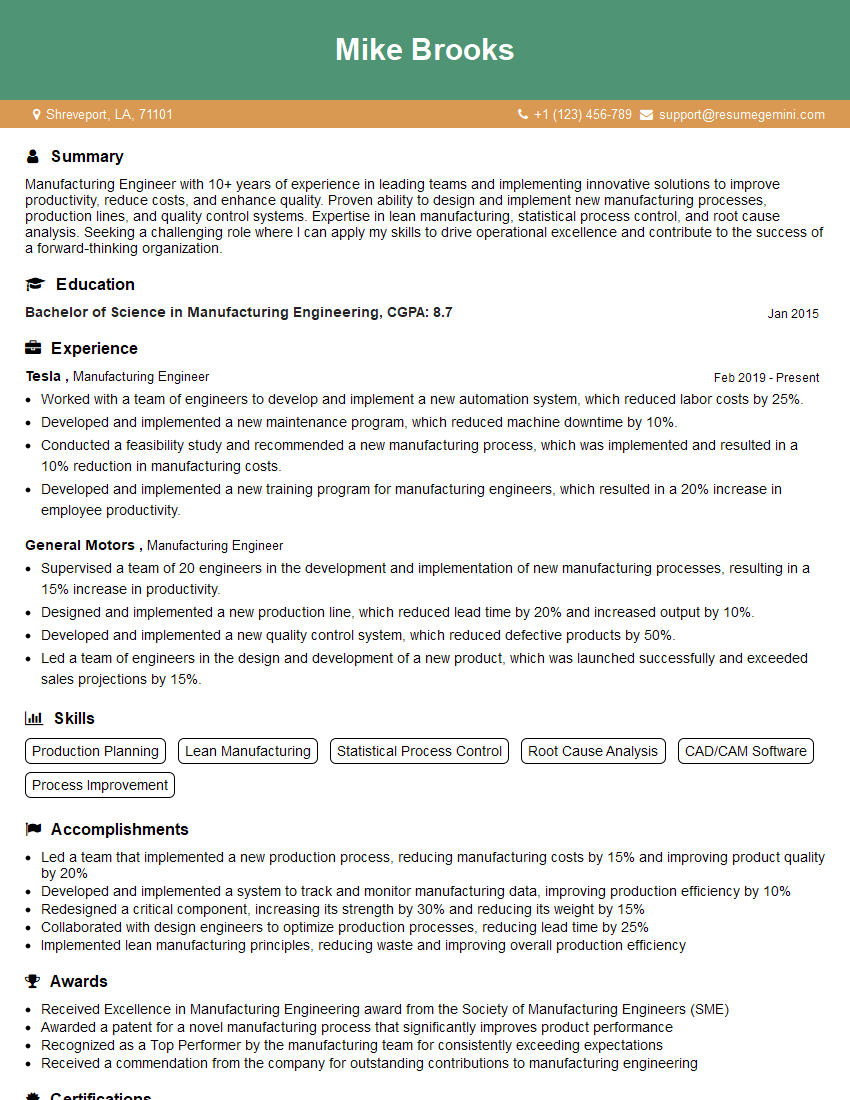
Manufacturing Engineer Resume Sample
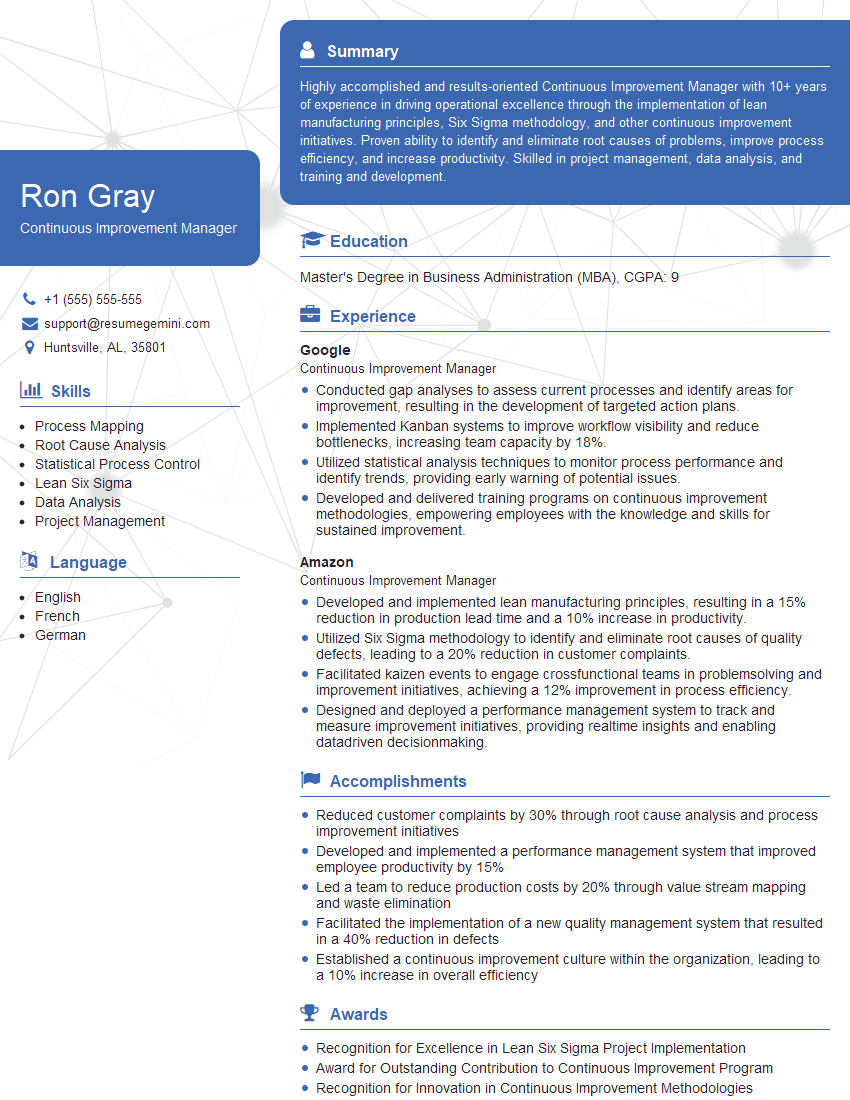
Continuous Improvement Manager Resume Sample
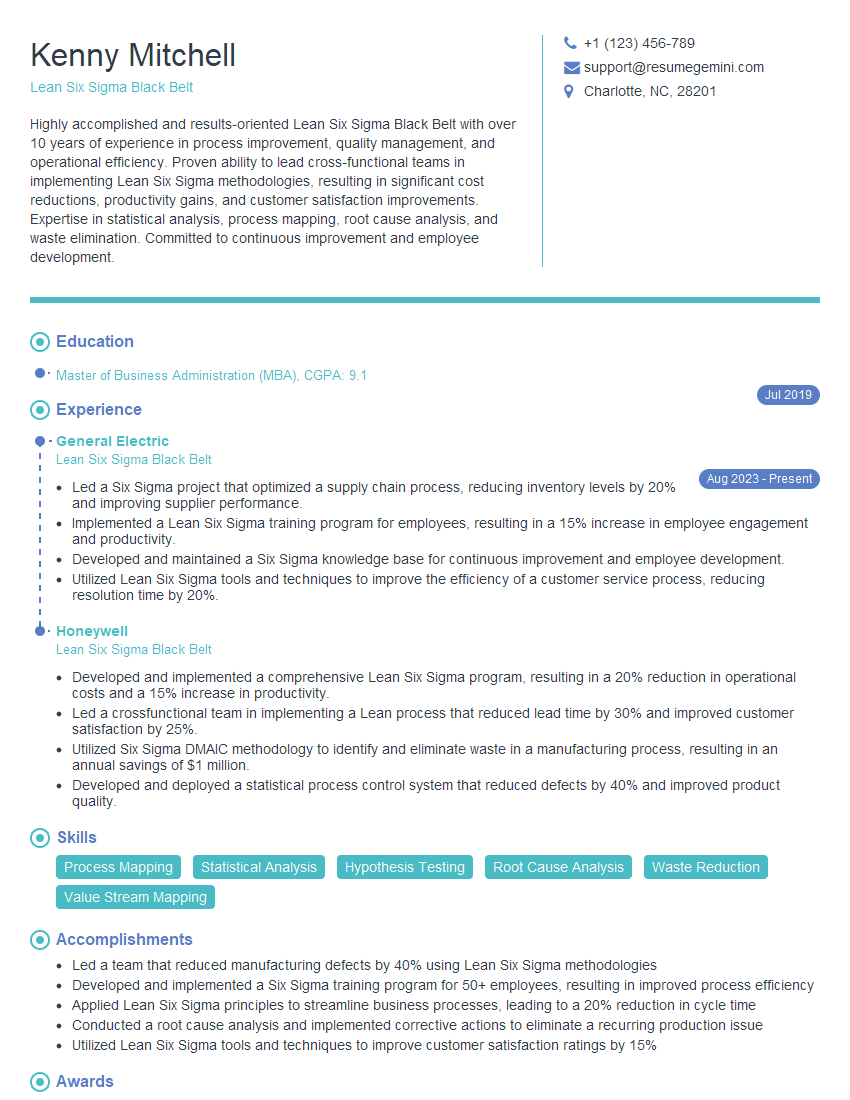
Lean Six Sigma Black Belt Resume Sample
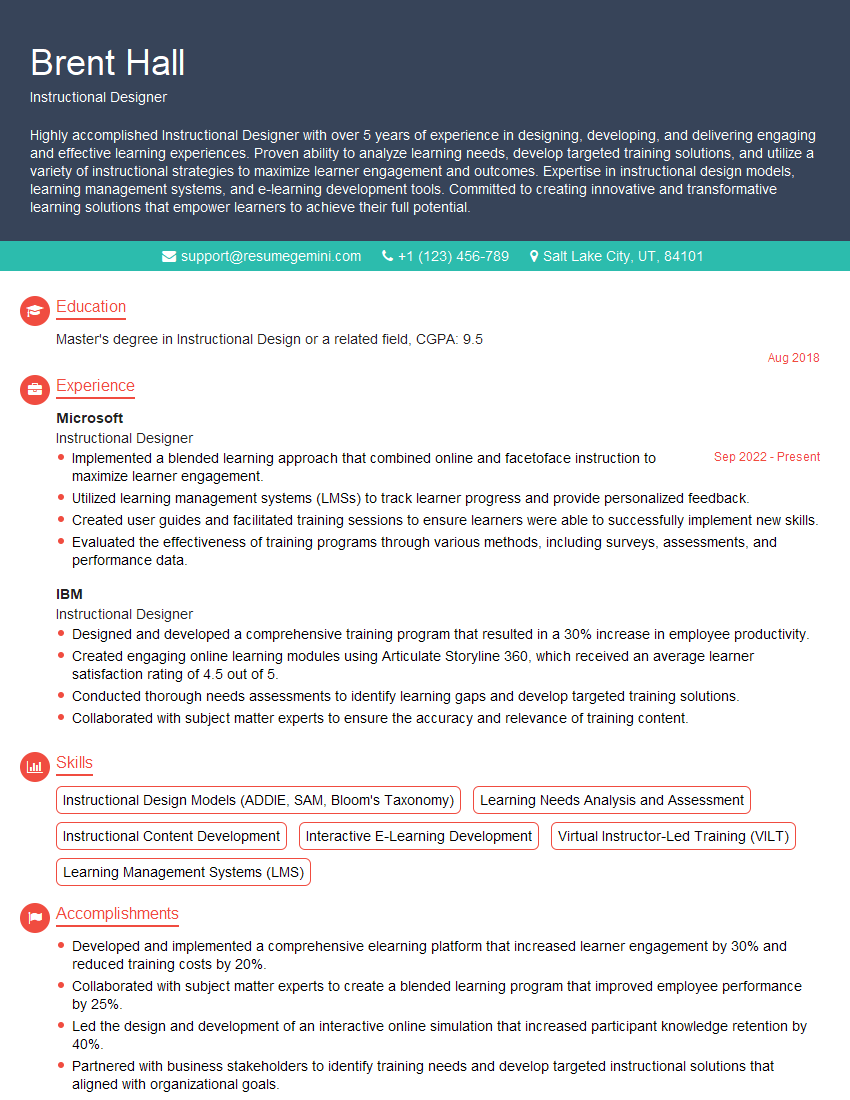
Instructional Designer Resume Sample

Technical Writer Resume Sample
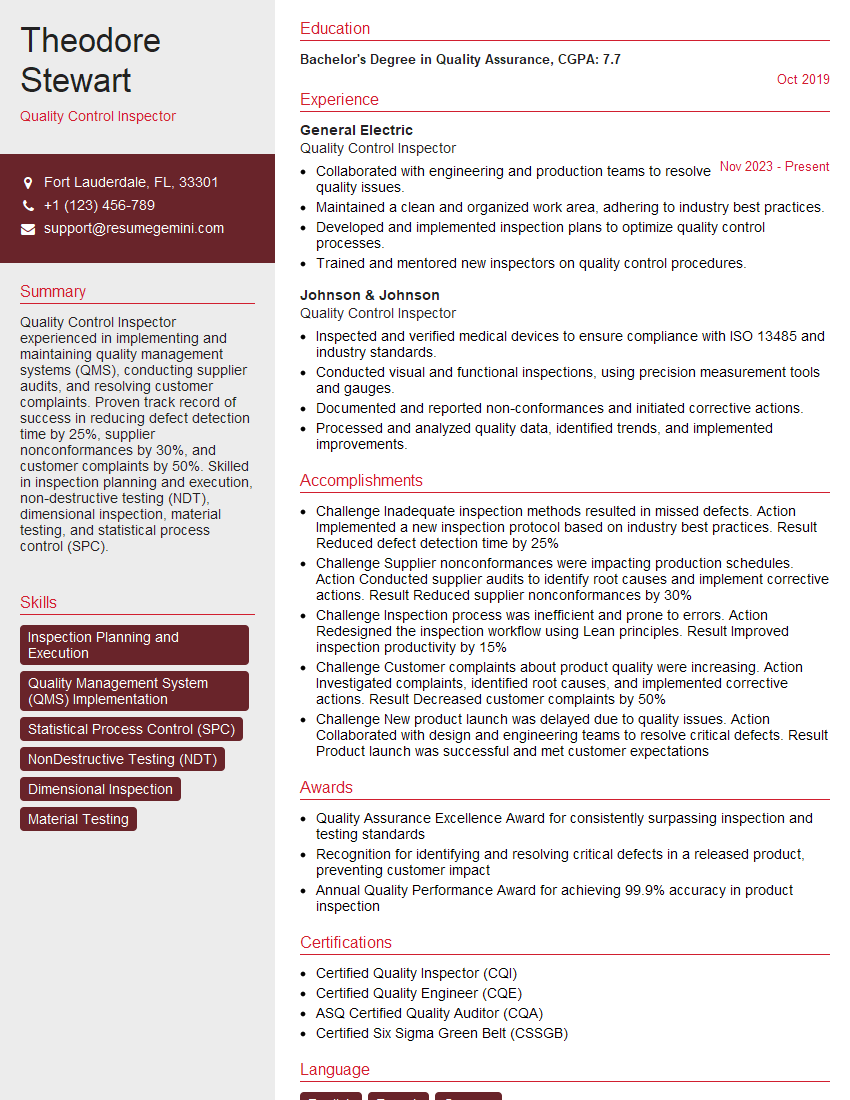
Quality Control Inspector Resume Sample
- Operations Manager
- Operations Coordinator
- Quality Assurance Manager
- Production Supervisor
- Training Manager
- Project Manager
- Compliance Manager
- Compliance Officer
- Regulatory Affairs Specialist
- Business Analyst
- Quality Systems Manager
- Documentation Specialist
- Process Analyst
- Manufacturing Engineer
- Continuous Improvement Manager
- Lean Six Sigma Black Belt
- Instructional Designer
- Technical Writer
- Quality Control Inspector
Explore more articles
Users Rating of Our Blogs
Share Your Experience
We value your feedback! Please rate our content and share your thoughts (optional).
What Readers Say About Our Blog
To the interviewgemini.com Webmaster.
Very helpful and content specific questions to help prepare me for my interview!
Thank you
To the interviewgemini.com Webmaster.
This was kind of a unique content I found around the specialized skills. Very helpful questions and good detailed answers.
Very Helpful blog, thank you Interviewgemini team.