Cracking a skill-specific interview, like one for Aircraft Manufacturing and Assembly, requires understanding the nuances of the role. In this blog, we present the questions you’re most likely to encounter, along with insights into how to answer them effectively. Let’s ensure you’re ready to make a strong impression.
Questions Asked in Aircraft Manufacturing and Assembly Interview
Q 1. Explain the difference between riveting and bonding in aircraft construction.
Riveting and bonding are both crucial joining methods in aircraft construction, but they differ significantly in their approach and the resulting joint properties.
Riveting is a mechanical fastening technique where metal rivets are deformed to join two or more pieces of material. Think of it like using a strong, permanent staple. The process involves drilling holes in the overlapping parts, inserting the rivet, and then using a special tool (a rivet gun) to deform the rivet head, creating a strong mechanical lock. Rivets are incredibly strong in shear (resisting sideways forces), and are widely used in areas subject to high stress, such as the fuselage or wing spars. Different types exist, including solid rivets, blind rivets (useful for inaccessible areas), and countersunk rivets (for a flush surface).
Bonding, on the other hand, uses an adhesive to join materials. Imagine using super-strong glue. This is often done with composite materials like carbon fiber reinforced polymers (CFRP). The adhesive cures (hardens) to create a strong chemical bond. Bonding can result in lighter structures, as it eliminates the need for drilled holes which weaken the material. It also provides excellent resistance to corrosion and fatigue (repeated stress). However, bonded joints can be more sensitive to high temperatures and specific environmental factors.
In practice, a combination of riveting and bonding is often used in modern aircraft construction to leverage the advantages of both methods. For instance, a composite panel might be bonded to a metallic structure, and then rivets are used to reinforce the bond at critical points.
Q 2. Describe your experience with lean manufacturing principles in an aerospace setting.
In my previous role at [Company Name], we extensively implemented lean manufacturing principles to streamline our aircraft assembly processes. This involved focusing on eliminating waste, improving workflow, and optimizing resource allocation. We achieved significant improvements through several key strategies:
- Value Stream Mapping: We meticulously mapped out our entire assembly process to identify bottlenecks and areas for improvement. This helped us visualize the flow of materials and information, pinpointing non-value-added steps.
- 5S Methodology: Implementing 5S (Sort, Set in Order, Shine, Standardize, Sustain) significantly improved our workspace organization. This resulted in a safer and more efficient environment, reducing wasted time searching for tools or parts.
- Kanban System: We used a Kanban system to manage inventory and ensure just-in-time delivery of parts. This reduced storage costs and minimized the risk of obsolescence.
- Kaizen Events: We regularly held Kaizen events, where teams focused on identifying and solving small, incremental improvements to our processes. This fostered a culture of continuous improvement and employee engagement.
These efforts led to a noticeable reduction in lead times, improved quality, and a significant decrease in waste, ultimately contributing to substantial cost savings and enhanced productivity. For example, by optimizing the workflow for installing wing components, we reduced assembly time by 15%, improving the overall efficiency of the production line.
Q 3. How do you ensure quality control throughout the aircraft assembly process?
Quality control is paramount in aircraft manufacturing, as even minor defects can have catastrophic consequences. We employ a multi-layered approach throughout the entire assembly process:
- Incoming Inspection: All raw materials and components undergo rigorous inspection upon arrival to ensure they meet strict specifications. This might include dimensional checks, material testing, and visual inspections.
- In-Process Inspection: Regular inspections are conducted at various stages of the assembly process. This could involve visual checks, dimensional measurements using precision instruments, and non-destructive testing (NDT) methods like ultrasonic testing or X-ray inspection to detect hidden flaws.
- Final Inspection: A comprehensive inspection is performed on the completed aircraft, covering all systems and components. This includes functional tests of engines, avionics, hydraulics, and other critical systems.
- Statistical Process Control (SPC): SPC techniques are used to monitor process variability and identify potential problems before they lead to defects. This involves tracking key process parameters and analyzing the data to detect trends and patterns.
- Documentation and Traceability: Every step of the assembly process is meticulously documented. This allows us to trace any defect back to its source, enabling corrective actions and preventing recurrence.
Furthermore, we regularly conduct audits and reviews to ensure our quality management system is effective and complies with relevant industry standards such as AS9100.
Q 4. What are the common types of aircraft materials and their respective properties?
Aircraft construction utilizes a variety of materials, each chosen for its specific properties. Some common types include:
- Aluminum Alloys: Widely used due to their high strength-to-weight ratio, excellent corrosion resistance, and ease of fabrication. Various alloys (e.g., 2024, 7075) offer different strength and formability characteristics.
- Titanium Alloys: Possessing exceptional strength and high temperature resistance, titanium alloys are used in high-stress areas like engine components and landing gear, despite their high cost.
- Steel: High-strength steel is used in areas requiring extreme strength and durability, such as landing gear components or heavily loaded sections of the fuselage.
- Composite Materials (CFRP, GFRP): Carbon Fiber Reinforced Polymers (CFRP) and Glass Fiber Reinforced Polymers (GFRP) are increasingly used due to their high strength-to-weight ratio, design flexibility, and corrosion resistance. They are crucial for lightweight airframes and components.
- Polymer Composites: These materials provide enhanced strength, stiffness and lightweight design, for various aircraft components.
The selection of materials depends on factors such as strength requirements, weight constraints, environmental conditions, cost, and ease of manufacturing.
Q 5. Explain your understanding of CAD/CAM software in aircraft manufacturing.
CAD/CAM (Computer-Aided Design/Computer-Aided Manufacturing) software is indispensable in modern aircraft manufacturing. CAD software allows engineers to design and model aircraft components in 3D, with intricate detail and precision. This allows for virtual prototyping, simulating stress and strain, and optimizing designs before physical fabrication. Examples include CATIA, NX, and SolidWorks.
CAM software takes the CAD data and generates instructions for manufacturing machines, such as CNC (Computer Numerical Control) milling machines, routers, and laser cutters. This eliminates manual programming and ensures high precision and repeatability in manufacturing. The software calculates toolpaths, feeds and speeds, and other parameters to automate the manufacturing process. CAM software ensures consistency and precision in manufacturing complex parts, significantly reducing manufacturing lead times and errors.
In practice, integrating CAD and CAM significantly reduces design and manufacturing cycles and improves the overall efficiency and accuracy of aircraft production.
Q 6. Describe your experience with different types of welding used in aircraft assembly.
Welding is less prevalent in aircraft construction than riveting or bonding due to the potential for heat-affected zones (HAZ) that can weaken the material and increase the risk of cracking. However, certain specialized welding techniques are used:
- Gas Tungsten Arc Welding (GTAW), also known as TIG welding: This is a widely used method for joining thinner sections of metal, typically aluminum alloys and titanium. It provides high-quality welds with excellent control over the heat input, minimizing the HAZ.
- Gas Metal Arc Welding (GMAW), also known as MIG welding: Used for thicker sections and less critical applications, providing a faster welding speed compared to TIG welding. However, it requires more careful control to avoid defects.
- Resistance Spot Welding: This technique is used for joining overlapping sheets of metal, particularly in the construction of fuselage panels. It’s a fast and efficient method for joining thin sheets.
All welding processes in aircraft manufacturing require highly skilled welders and stringent quality control procedures to ensure the welds meet stringent strength, fatigue, and corrosion resistance requirements. Extensive Non-Destructive Testing (NDT) is always employed after welding to validate the integrity of the weld.
Q 7. How do you manage project timelines and resources in aircraft manufacturing?
Managing project timelines and resources in aircraft manufacturing is a complex undertaking requiring meticulous planning and execution. We typically utilize project management methodologies like:
- Work Breakdown Structure (WBS): The project is broken down into smaller, manageable tasks, creating a clear hierarchy of work packages.
- Critical Path Method (CPM): This technique identifies the critical path of activities that determine the overall project duration, allowing us to focus on minimizing delays along that path.
- Resource Allocation: We carefully allocate resources (personnel, equipment, materials) to each task based on their needs and availability. This includes considering skillsets, experience, and equipment capabilities.
- Gantt Charts and Scheduling Software: Gantt charts and specialized project management software provide visual representations of the project schedule, helping track progress, identify potential delays, and manage resources effectively.
- Risk Management: A robust risk management plan identifies potential risks and develops mitigation strategies to minimize their impact on the project timeline and budget.
Regular progress monitoring, communication, and collaboration between different teams are crucial to ensure the project stays on track. Any deviations from the plan are addressed promptly through change management processes to minimize the impact on overall delivery schedules.
Q 8. What safety regulations are critical in aircraft manufacturing and assembly?
Safety in aircraft manufacturing is paramount; it’s not just about regulations, but a deeply ingrained culture. Critical regulations stem from bodies like the FAA (Federal Aviation Administration) in the US and EASA (European Union Aviation Safety Agency) in Europe. These regulations cover every aspect, from design and material selection to manufacturing processes and final assembly.
- Material Certification: Every material used must meet stringent standards, documented through certifications proving their strength, durability, and resistance to fatigue and corrosion. Failure to use certified materials is a major safety violation.
- Manufacturing Process Control: Precise manufacturing processes are crucial, including detailed documentation of each step. This includes stringent quality checks at various stages using Non-Destructive Testing (NDT) methods like radiography, ultrasonic testing, and liquid penetrant inspection to detect hidden flaws.
- Assembly Procedures: Rigorous adherence to assembly manuals and procedures is vital. These manuals specify the exact sequence of steps, torque values for fasteners, and precise alignment requirements. Any deviation is meticulously documented and investigated.
- Personnel Training: Highly skilled and trained personnel are essential. Workers undergo extensive training to understand safety procedures, use specialized tools, and recognize potential hazards. Regular refresher courses are mandatory.
- Environmental Control: The manufacturing environment itself is closely regulated to prevent contamination and damage to parts. Clean rooms and controlled humidity are common for sensitive components.
Ignoring any of these regulations can lead to catastrophic consequences, ranging from minor defects that compromise airworthiness to major accidents.
Q 9. How do you handle discrepancies or defects found during the inspection process?
Discrepancies or defects are handled through a structured process, prioritizing immediate action and thorough documentation. The first step involves immediate isolation of the affected part or assembly to prevent further issues. A detailed report is then generated, including photographs and precise location of the defect.
The severity of the defect determines the next steps. Minor discrepancies might be corrected on-site by authorized personnel, provided the repair procedure is documented and approved. Major defects, however, typically lead to the part being rejected and replaced. A thorough root cause analysis (RCA) is conducted to determine the source of the defect and implement corrective actions to prevent recurrence. This may involve changes in manufacturing processes, training, or material sourcing.
All actions taken, including the RCA findings and implemented corrective actions, are meticulously documented and tracked. This documentation is crucial for traceability and for demonstrating adherence to regulatory requirements.
For instance, if a crack is discovered in a critical component, it would lead to immediate rejection. Investigation would follow to determine if it’s a material defect, a manufacturing flaw, or damage during handling. Depending on the root cause, corrective measures could range from replacing a batch of materials to retraining personnel on handling procedures.
Q 10. Describe your experience with composite materials and their applications in aircraft.
Composite materials are revolutionizing aircraft design, offering significant advantages in terms of strength-to-weight ratio, corrosion resistance, and aerodynamic performance. I’ve worked extensively with various composite materials, including carbon fiber reinforced polymers (CFRP) and fiberglass.
- CFRP Applications: CFRP is frequently used in airframes, wings, and control surfaces due to its exceptional strength and lightness. This reduces fuel consumption and improves aircraft performance. I have experience with the layup process, where multiple layers of carbon fiber are meticulously arranged according to precise specifications to achieve desired structural properties. Proper curing is crucial to ensuring the final composite part meets its design strength.
- Fiberglass Applications: Fiberglass is often utilized for less critical structural components, fairings, and radomes. It’s less expensive and easier to mold than CFRP, offering a balance between cost and performance. My experience includes working with various resin systems and understanding the impact of curing cycles on the final product’s properties.
- Challenges: Working with composites presents its challenges. Precise layup and curing are crucial, and quality control is vital to prevent defects such as delamination or voids. Damage repair is also more complex compared to traditional metals, requiring specialized techniques and materials.
My experience includes both hands-on work with composite materials and oversight of quality control procedures to ensure that the final product meets stringent aviation safety standards. I am also familiar with different manufacturing processes such as autoclave curing and resin transfer molding (RTM).
Q 11. Explain your understanding of different aircraft assembly methods (e.g., jigs, fixtures).
Aircraft assembly utilizes a range of methods to ensure precise alignment and structural integrity. Jigs and fixtures are fundamental tools in this process.
- Jigs: Jigs are used to guide and support the assembly of components during welding, riveting, or bonding. They provide accurate positioning and prevent misalignment. Think of a jig as a precise template that ensures parts fit together correctly. For example, a wing jig ensures accurate alignment of the wing panels before they are joined.
- Fixtures: Fixtures are used to hold components securely in place during assembly operations. They ensure parts remain stable and properly aligned while fasteners are applied. This prevents warping or distortion. A fuselage fixture, for example, holds the fuselage sections in position during joining operations.
- Other Methods: Beyond jigs and fixtures, other assembly methods include automated riveting systems, robotic welding, and advanced bonding techniques using specialized adhesives and curing processes.
Choosing the right assembly method depends on factors such as the complexity of the part, the materials being used, and the required production rate. Automated processes enhance efficiency and consistency, while manual processes may be more adaptable for complex or unique assemblies. All methods prioritize precision, accuracy, and maintaining the integrity of the aircraft structure.
Q 12. How familiar are you with aircraft maintenance manuals and regulations?
Aircraft maintenance manuals (AMMs) are my bible. They’re the detailed instructions governing every aspect of aircraft maintenance, repair, and inspection. My familiarity extends to understanding the structure of these manuals, navigating through their sections, interpreting maintenance procedures, and ensuring compliance with applicable regulations.
I’m proficient in interpreting various sections of AMMs, including scheduled maintenance tasks, troubleshooting procedures, and parts replacement instructions. I also understand the regulatory framework surrounding these manuals, including their issuance, updates, and compliance requirements. Different aircraft manufacturers have their own specific AMM formats, but the core principles remain the same – ensuring safe and efficient aircraft maintenance.
Beyond AMMs, I’m familiar with regulatory documents issued by aviation authorities, such as Airworthiness Directives (ADs) which mandate specific maintenance or modifications to address identified safety issues. I know how to find and interpret these directives and ensure compliance within the manufacturing and assembly process.
Q 13. What are the key performance indicators (KPIs) for an aircraft manufacturing team?
Key Performance Indicators (KPIs) for an aircraft manufacturing team are crucial for measuring efficiency, quality, and safety. They should reflect the team’s contribution to overall production goals and compliance with regulatory requirements.
- On-Time Delivery: Meeting production schedules is essential. Tracking the percentage of completed aircraft delivered on or before their scheduled dates is a crucial KPI.
- Defect Rate: A low defect rate is a significant indicator of quality. Tracking the number of defects per aircraft or per 1000 parts assembled highlights areas needing improvement.
- Production Rate: Measuring the number of aircraft assembled per unit time indicates overall efficiency. This KPI is linked to productivity improvements and resource allocation.
- Safety Incidents: The number of safety incidents per employee-hour worked is crucial for monitoring safety performance. A low number shows a strong safety culture.
- Cost per Unit: Tracking the cost of manufacturing each aircraft helps in cost optimization. This KPI encourages efficiency and effective resource management.
- First Pass Yield: This measures the percentage of parts or assemblies that pass inspection on the first attempt, indicating the quality of the manufacturing process. A high first-pass yield reduces rework and delays.
Regular monitoring and analysis of these KPIs allow for timely identification of issues, improvement initiatives, and proactive measures to ensure high-quality, safe, and cost-effective aircraft production.
Q 14. How would you troubleshoot a production bottleneck in aircraft assembly?
Troubleshooting a production bottleneck requires a systematic approach. My strategy involves a structured problem-solving methodology:
- Identify the Bottleneck: Precisely pinpoint the stage in the assembly process causing the delay. This might involve analyzing production data, observing the workflow, and interviewing team members to understand the constraints.
- Data Analysis: Gather data on production rates, defect rates, resource utilization, and any other relevant metrics related to the bottleneck area. This data helps objectively identify the root cause.
- Root Cause Analysis (RCA): Employ a structured RCA methodology, such as the 5 Whys technique, to drill down and identify the underlying causes of the bottleneck. This may reveal issues with equipment malfunction, inadequate training, material shortages, or process inefficiencies.
- Develop Solutions: Based on the RCA findings, propose and evaluate potential solutions. This might include investing in new equipment, optimizing workflows, improving training programs, or addressing material supply chain issues. Feasibility and cost-effectiveness need careful consideration.
- Implement and Monitor: Implement the chosen solution, closely monitor its impact, and track the relevant KPIs to ensure its effectiveness. Regular updates are essential to ensure the solution remains effective and that any unforeseen consequences are promptly addressed.
- Continuous Improvement: Even after resolving the immediate bottleneck, ongoing monitoring is critical. This allows for continuous improvement and proactive identification of potential future bottlenecks.
For example, if the bottleneck is due to a faulty riveting machine, the solution could be to repair or replace the machine, or possibly to redistribute the workload temporarily. If the bottleneck is due to a skills shortage, the solution could involve targeted training or hiring additional personnel. The key is to analyze the situation thoroughly before implementing any solution.
Q 15. What is your experience with root cause analysis in a manufacturing environment?
Root cause analysis (RCA) is crucial in manufacturing to prevent recurring defects. My approach involves a structured methodology, often employing the ‘5 Whys’ technique, combined with data analysis and fault tree analysis. For instance, if we experience recurring delamination on composite parts, I wouldn’t stop at identifying the delamination itself. I’d systematically ask ‘why’ five times: Why did the delamination occur? (Insufficient curing). Why was the curing insufficient? (Incorrect oven temperature setting). Why was the temperature setting incorrect? (Faulty sensor). Why was the sensor faulty? (Lack of regular calibration). Why wasn’t the sensor calibrated regularly? (Inadequate preventative maintenance schedule). This reveals the root cause – a lack of preventative maintenance – allowing us to implement corrective actions like sensor calibration schedules and technician training on proper maintenance procedures.
Beyond the ‘5 Whys’, I’m proficient in using more sophisticated techniques like Fishbone diagrams (Ishikawa diagrams) to visually map potential causes and Fault Tree Analysis to systematically identify all possible failure points. The key is to move beyond surface-level symptoms to pinpoint the underlying issues driving the problem.
Career Expert Tips:
- Ace those interviews! Prepare effectively by reviewing the Top 50 Most Common Interview Questions on ResumeGemini.
- Navigate your job search with confidence! Explore a wide range of Career Tips on ResumeGemini. Learn about common challenges and recommendations to overcome them.
- Craft the perfect resume! Master the Art of Resume Writing with ResumeGemini’s guide. Showcase your unique qualifications and achievements effectively.
- Don’t miss out on holiday savings! Build your dream resume with ResumeGemini’s ATS optimized templates.
Q 16. Describe your experience with various quality control tools and techniques (e.g., Six Sigma).
My experience encompasses a wide range of quality control tools, including Statistical Process Control (SPC), Six Sigma methodologies (DMAIC and DMADV), and Control Charts. In one project, we used Six Sigma’s DMAIC (Define, Measure, Analyze, Improve, Control) methodology to reduce the defect rate in aircraft wiring harness assembly. We defined the problem (high defect rate), measured the current defect rate and its causes, analyzed the data to identify root causes (poor training, inadequate tooling), improved the process through enhanced training programs and new tooling, and finally controlled the improvements through ongoing monitoring using control charts. This resulted in a significant reduction in defects, saving the company substantial time and resources.
I’m also adept at using various control charts, such as X-bar and R charts, to monitor process variation and identify potential out-of-control situations before they lead to defects. Understanding and applying these tools allows for proactive quality control rather than reactive problem-solving.
Q 17. How do you ensure compliance with industry standards and regulations?
Compliance is paramount in aircraft manufacturing. We adhere strictly to regulations such as those set by the FAA (Federal Aviation Administration) and EASA (European Union Aviation Safety Agency), as well as industry standards like AS9100 (quality management systems). My role involves ensuring all processes, from material procurement to final assembly, meet these stringent requirements. This includes meticulous documentation, regular audits, and proactive identification and mitigation of potential non-compliance issues.
For example, we utilize a robust document control system to manage all engineering drawings, manufacturing instructions, and quality records. This system ensures that everyone uses the most current and approved versions, preventing potential errors. Regular internal audits and external certifications provide verification of our compliance and highlight areas for improvement.
Q 18. What experience do you have with ERP systems in an aerospace manufacturing setting?
I have extensive experience with ERP (Enterprise Resource Planning) systems, specifically SAP in aerospace manufacturing. I’ve utilized these systems for inventory management, production scheduling, supply chain management, and cost accounting. In a previous role, I was instrumental in implementing a new SAP module for managing the complex bill of materials (BOM) for a new aircraft model. This involved meticulous data entry, configuration of the system to reflect our specific needs, and training personnel on using the system effectively. The implementation improved our efficiency significantly by streamlining material procurement and optimizing production schedules.
Beyond data entry and configuration, I understand the importance of integrating ERP systems with other manufacturing software to create a holistic and efficient workflow. This integrated approach minimizes data redundancy and streamlines processes.
Q 19. How would you manage a team of technicians during a complex aircraft assembly task?
Managing a team during a complex aircraft assembly task requires strong leadership, clear communication, and meticulous planning. My approach focuses on:
- Clear task breakdown: Dividing the complex task into smaller, manageable sub-tasks with assigned responsibilities and deadlines.
- Effective communication: Regular team meetings, clear instructions, and open channels of communication to address any issues or concerns promptly.
- Skill-based assignments: Utilizing each technician’s expertise effectively, assigning tasks based on their skillset and experience.
- Monitoring progress: Closely monitoring progress against deadlines, identifying potential delays early, and implementing corrective measures.
- Problem-solving: Fostering a collaborative environment where problems are identified, discussed, and solved efficiently.
- Safety first: Maintaining a strong emphasis on safety regulations and procedures throughout the assembly process.
For example, during the final assembly of a critical component, I would initiate daily stand-up meetings to review progress, address any roadblocks, and ensure everyone is on the same page. This proactive approach prevents minor issues from escalating into major delays.
Q 20. Describe your experience with problem-solving methodologies used in aircraft manufacturing.
Aircraft manufacturing relies heavily on structured problem-solving methodologies. I’m proficient in using techniques like the 8D process (an eight-discipline problem-solving method), Plan-Do-Check-Act (PDCA) cycle, and root cause analysis, as described earlier. The 8D process, for instance, provides a systematic approach to investigating, correcting, and preventing recurrence of problems. Each ‘D’ represents a specific step in the process – Define, Describe, Contain, Cause, Remedy, Verify, Prevent, and Congratulate. This ensures a thorough and disciplined approach to problem-solving, critical in a highly regulated industry like aerospace.
I’ve used the 8D process to troubleshoot a recurring issue with hydraulic line installation. By following the structured approach, we quickly identified the root cause (inadequate training on proper bending techniques), implemented a comprehensive retraining program, and verified the effectiveness of the solution, preventing the issue from recurring. Using these methods ensures consistent, high-quality results.
Q 21. What is your experience with different types of aircraft fasteners and their applications?
My experience covers a wide range of aircraft fasteners, from rivets and bolts to specialized fasteners like self-clinching fasteners and hi-lok bolts. I understand the different materials used (e.g., steel, titanium, aluminum), their strengths, and their appropriate applications. The choice of fastener depends on factors like load requirements, environmental conditions, and accessibility. For instance, rivets are commonly used in sheet metal joining due to their strength and ease of installation, while hi-lok bolts are preferred for high-strength, high-vibration applications due to their superior clamping force and resistance to loosening.
Understanding the specifications and applications of different fasteners is crucial for ensuring structural integrity and maintaining safety. I’m familiar with industry standards for fastener selection and installation, and I would always verify compliance with relevant specifications before utilizing them on an aircraft.
Q 22. How familiar are you with Non-Destructive Testing (NDT) methods?
Non-Destructive Testing (NDT) is crucial in aircraft manufacturing to ensure structural integrity without damaging the components. I’m highly familiar with a wide range of NDT methods, including:
- Visual Inspection (VI): This is the most basic method, involving a thorough visual examination for surface defects like cracks, corrosion, or dents. I’ve personally used VI extensively during pre-assembly checks and final inspections.
- Dye Penetrant Inspection (DPI): This technique reveals surface-breaking flaws by applying a dye that penetrates the crack and is then drawn out, making the flaw visible. I’ve used DPI to inspect critical components like wing spars and fuselage sections for hairline cracks.
- Magnetic Particle Inspection (MPI): MPI uses magnetic fields to detect surface and near-surface flaws in ferromagnetic materials. It’s particularly effective for detecting cracks in engine components and landing gear. I’ve been involved in MPI inspections for engine parts during overhaul.
- Ultrasonic Testing (UT): UT uses high-frequency sound waves to detect internal flaws. It’s invaluable for inspecting components like composite structures or thick metallic parts for hidden defects. I’ve worked with UT extensively to ensure the integrity of composite wing panels.
- Radiographic Testing (RT): RT uses X-rays or gamma rays to create images of internal structures, revealing flaws like porosity or inclusions. RT is essential for inspecting welds and castings. I’ve been involved in the interpretation of RT images during final inspection of major structural components.
My experience encompasses not only performing these tests but also interpreting the results, writing reports, and ensuring compliance with industry standards like ASTM and NAS standards. Understanding the limitations of each method and selecting the appropriate technique is critical, and I’ve honed these skills over years of practical application.
Q 23. Describe your experience with different types of aircraft coatings and finishing processes.
Aircraft coatings and finishing processes are critical for protecting the airframe from environmental factors like corrosion and UV radiation, improving aerodynamic performance, and enhancing the aircraft’s aesthetics. My experience includes working with various coatings, including:
- Primers: These provide a foundation for the topcoat, enhancing adhesion and corrosion protection. I’ve worked with epoxy primers and chromate-free alternatives to meet environmental regulations.
- Topcoats: These provide the final finish, offering protection against the elements and contributing to the aircraft’s appearance. I’ve used polyurethane and acrylic topcoats, selecting the most appropriate type based on the specific application and environmental conditions.
- Specialized Coatings: These include coatings designed for specific purposes, such as heat-resistant coatings for engine components or anti-icing coatings for critical surfaces. I’ve been involved in projects applying specialized coatings for enhanced performance and safety.
The finishing processes I’m familiar with range from manual application techniques like spraying and brushing to automated systems involving robotic painting and powder coating. Maintaining consistent quality and adhering to strict standards are paramount in these processes, and I have a strong track record of achieving this.
For example, in a recent project, we switched from a traditional chromate-based primer to a more environmentally friendly epoxy primer. This required careful evaluation of the new primer’s performance characteristics to ensure it met the stringent requirements for corrosion protection and adhesion. The transition involved rigorous testing and validation to guarantee the airworthiness of the aircraft.
Q 24. Explain your understanding of supply chain management in the context of aerospace manufacturing.
Supply chain management in aerospace manufacturing is exceptionally complex due to the high level of precision, stringent quality control, and the global nature of the industry. Effective supply chain management is crucial for on-time delivery, cost control, and maintaining the highest quality standards.
My experience encompasses:
- Supplier Selection and Management: Identifying and qualifying reliable suppliers who meet stringent quality and delivery requirements is vital. This involves thorough audits and ongoing performance monitoring. I’ve led supplier audits and negotiations, ensuring compliance with quality and delivery expectations.
- Inventory Management: Balancing the need to have sufficient parts on hand to avoid delays with minimizing storage costs and obsolescence is a constant challenge. I’ve implemented inventory management systems using ERP software to optimize stock levels and reduce waste.
- Logistics and Transportation: Ensuring the timely delivery of parts from various suppliers around the world requires meticulous planning and coordination. This involves selecting appropriate transportation modes and tracking shipments to minimize delays.
- Risk Management: Identifying and mitigating potential disruptions to the supply chain, such as natural disasters, political instability, or supplier failures, is critical. I’ve developed and implemented contingency plans to address potential supply chain disruptions.
A practical example is managing a global network of suppliers for a large aircraft assembly project. We utilized a sophisticated ERP system to monitor all shipments, proactively identify potential delays, and implement corrective actions to minimize the impact on the overall project timeline.
Q 25. How do you maintain a safe and productive work environment in aircraft assembly?
Maintaining a safe and productive work environment in aircraft assembly is paramount. It’s a high-stakes environment demanding meticulous attention to detail and unwavering commitment to safety.
My approach focuses on:
- Safety Training and Education: Providing comprehensive training to all personnel on safety procedures, hazard identification, and emergency response is essential. This involves regular refreshers and updated training on new procedures and equipment.
- Hazard Identification and Risk Mitigation: Proactively identifying potential hazards and implementing controls to mitigate risks is a continuous process. This might involve implementing ergonomic improvements, installing safety guards on machinery, or improving lighting in work areas.
- Implementing Safety Protocols: Strict adherence to safety protocols, such as lock-out/tag-out procedures for equipment maintenance and proper use of personal protective equipment (PPE), is crucial. Regular audits ensure compliance.
- Promoting a Safety Culture: Creating a work environment where safety is everyone’s responsibility is key. This involves encouraging open communication about safety concerns, recognizing and rewarding safe behavior, and actively investigating incidents to prevent recurrence.
In one instance, we implemented a new system for managing tools and equipment to prevent accidents caused by misplaced or poorly maintained tools. This system involved RFID tracking and regular tool inspections, resulting in a significant reduction in workplace accidents.
Q 26. What experience do you have with automated assembly processes in aircraft manufacturing?
Automated assembly processes are increasingly common in aircraft manufacturing, enhancing efficiency, precision, and consistency. My experience includes working with various automated systems, including:
- Robotic Systems: I’ve worked with robotic systems for tasks like riveting, drilling, and sealant application, improving both speed and accuracy. This includes programming and maintenance of robotic systems.
- Automated Guided Vehicles (AGVs): AGVs are used to transport materials and components throughout the assembly line, optimizing material flow and reducing manual handling. I’ve been involved in optimizing AGV routes and scheduling to improve efficiency.
- Automated Inspection Systems: Automated systems are employed for various inspections, including visual inspection, dimensional checks, and NDT. This enhances the consistency and speed of inspections compared to manual methods.
The integration of these automated systems requires careful planning and coordination to ensure seamless interaction with manual processes. For example, in a recent project, we implemented a robotic riveting system for a specific component. This involved careful programming of the robot to ensure precision and consistency, as well as training personnel on the proper operation and maintenance of the system. The outcome was a significant increase in efficiency and reduction in human error.
Q 27. Describe your familiarity with different types of aircraft engines and their integration.
I’m familiar with a range of aircraft engines, including turbofan, turboprop, and turbojet engines, and their integration into aircraft. Understanding the engine’s characteristics, performance parameters, and integration requirements is crucial for safe and efficient aircraft operation.
My experience includes:
- Engine Selection and Integration: This involves selecting the appropriate engine based on the aircraft’s performance requirements, considering factors like thrust, fuel efficiency, and weight. I’ve worked on projects involving the integration of various engine types into different aircraft platforms.
- Engine Mounting and Installation: This requires precise alignment and secure mounting of the engine, ensuring proper clearance and avoiding interference with other aircraft systems. I’ve overseen engine installation procedures, ensuring compliance with engineering specifications.
- Engine Systems Integration: Integrating the engine with other aircraft systems, such as the fuel system, hydraulic system, and electrical system, is crucial for smooth operation. I’ve worked on projects involving the detailed integration of engine systems with the aircraft’s overall architecture.
- Engine Performance Monitoring: Understanding the parameters that monitor engine health and performance is crucial for maintaining engine reliability. I am familiar with monitoring systems and their integration into the aircraft.
For instance, in a recent project involving the integration of a new turbofan engine into a regional jet, we carefully considered the engine’s weight and thrust characteristics to ensure it met the aircraft’s performance goals without compromising its structural integrity. The integration involved close coordination between the engine manufacturer and the airframe manufacturer to ensure compatibility and seamless operation.
Q 28. How would you handle a situation where a critical part is delayed in the assembly process?
A delayed critical part is a significant challenge in aircraft assembly, potentially leading to schedule delays and cost overruns. My approach to handling such situations involves a structured, multi-pronged strategy:
- Immediate Assessment: First, I would assess the severity of the delay – its impact on the overall schedule and the potential for alternative solutions.
- Communication: I would immediately communicate the situation to relevant stakeholders, including the supplier, project management, and engineering teams. Transparency is key in managing expectations.
- Root Cause Analysis: Investigate the reasons for the delay to prevent recurrence. This might involve reviewing the supplier’s production process or assessing our own procurement processes.
- Explore Alternatives: Simultaneously, we would explore all possible alternatives, such as using a substitute part (if feasible and approved), expediting the delivery from the supplier, or re-sequencing tasks to minimize the impact of the delay.
- Contingency Planning: Having established contingency plans in advance is crucial. These plans might involve sourcing parts from an alternative supplier or identifying workarounds.
- Documentation and Reporting: Meticulously document all actions taken, including communication with stakeholders, root cause analysis, and implemented solutions. This is critical for future risk mitigation and performance analysis.
In a real-world scenario, a delayed engine component necessitated exploring an alternative supplier and implementing an expedited delivery process. This involved negotiating with the alternative supplier, obtaining necessary approvals, and closely monitoring the delivery timeline. Clear communication with all stakeholders ensured that the impact on the overall project schedule was minimized.
Key Topics to Learn for Aircraft Manufacturing and Assembly Interview
- Aircraft Structures and Materials: Understanding the properties of various aerospace materials (aluminum alloys, composites, titanium) and their applications in aircraft construction. This includes knowledge of stress analysis and fatigue considerations.
- Manufacturing Processes: Familiarity with key manufacturing techniques such as riveting, welding (including specialized techniques for aerospace), machining, and composite layup. Be prepared to discuss quality control measures within these processes.
- Assembly Procedures: Understanding the sequence of assembly, the use of jigs and fixtures, and the importance of precise tolerances. This includes knowledge of assembly drawings and technical manuals.
- Quality Control and Inspection: Thorough understanding of quality assurance procedures, Non-Destructive Testing (NDT) methods (e.g., ultrasonic testing, radiography), and documentation requirements.
- Safety Regulations and Procedures: Demonstrate familiarity with relevant safety regulations and best practices within the aerospace manufacturing environment. This is crucial for showcasing your commitment to a safe working environment.
- Lean Manufacturing and Continuous Improvement: Understanding principles of lean manufacturing and how they apply to aircraft assembly. Be ready to discuss methods for optimizing efficiency and reducing waste.
- Troubleshooting and Problem-Solving: Be prepared to discuss your approach to identifying and resolving manufacturing or assembly issues, including your ability to analyze root causes and implement corrective actions.
- Computer-Aided Design (CAD) and Manufacturing (CAM): Familiarity with CAD/CAM software used in aircraft manufacturing is beneficial. Showcase your proficiency in interpreting and utilizing CAD models.
Next Steps
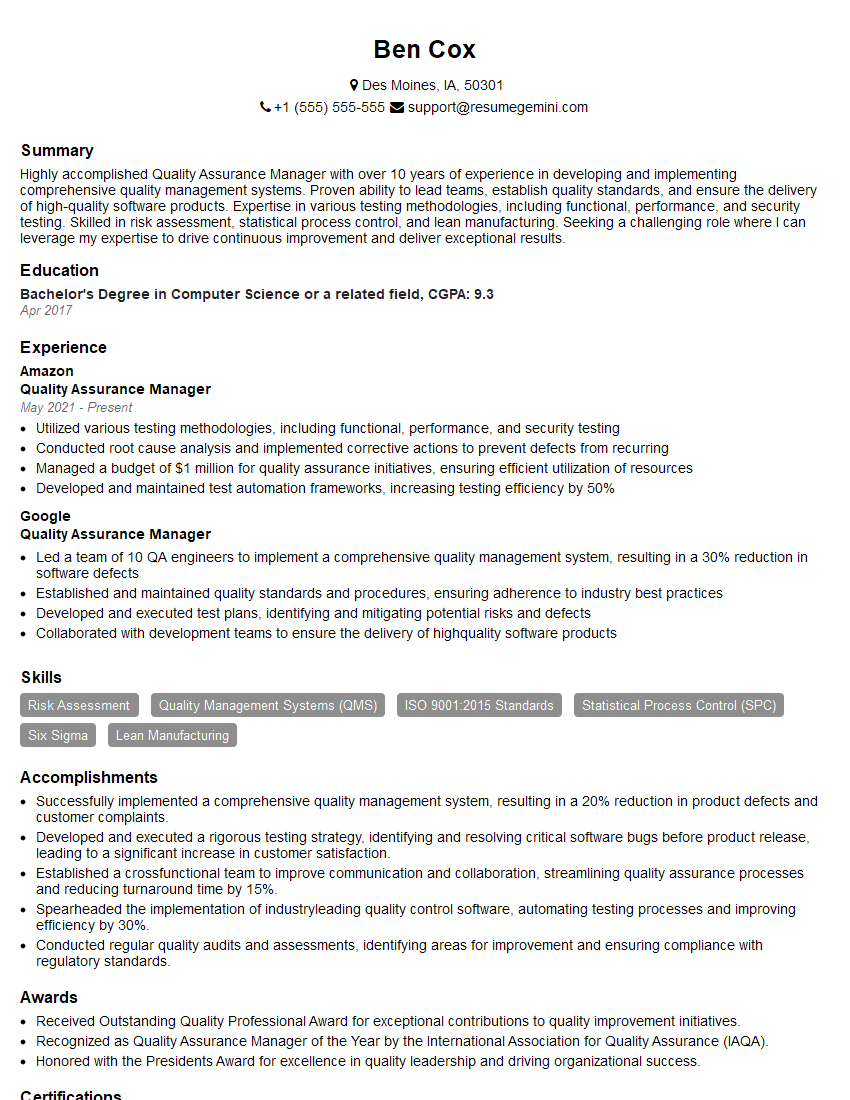
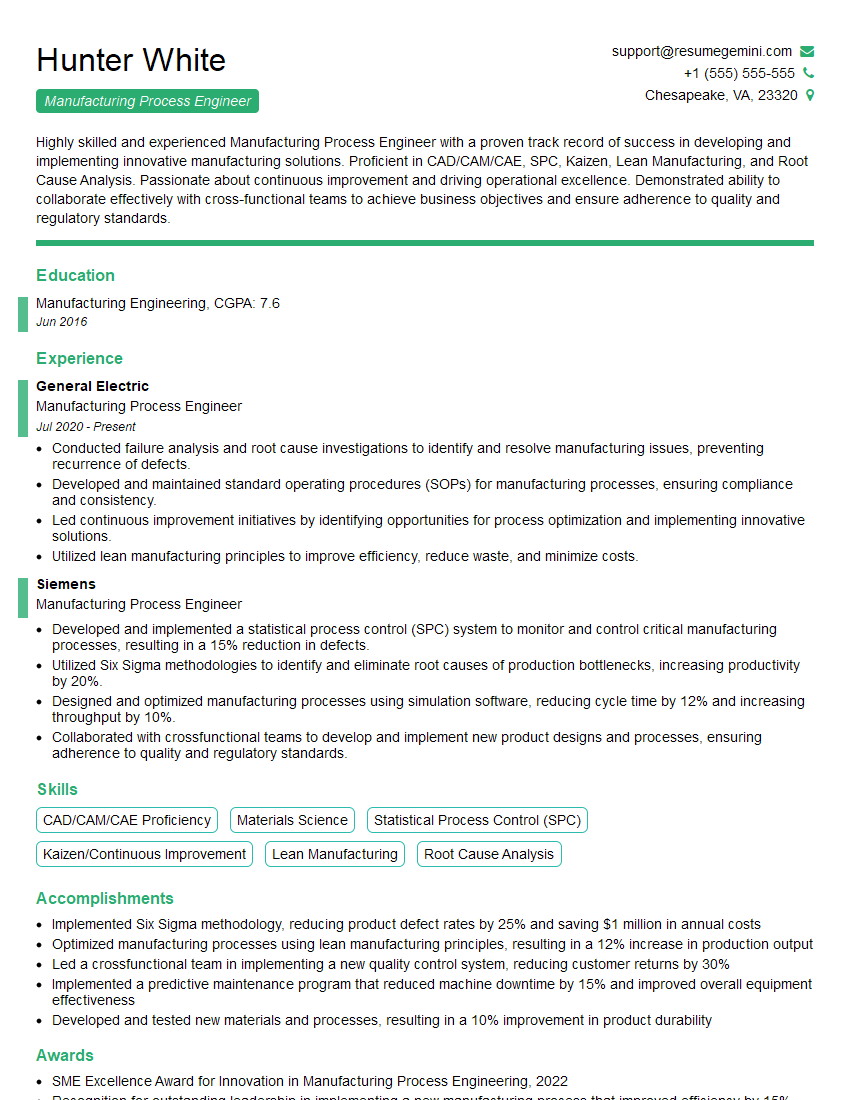
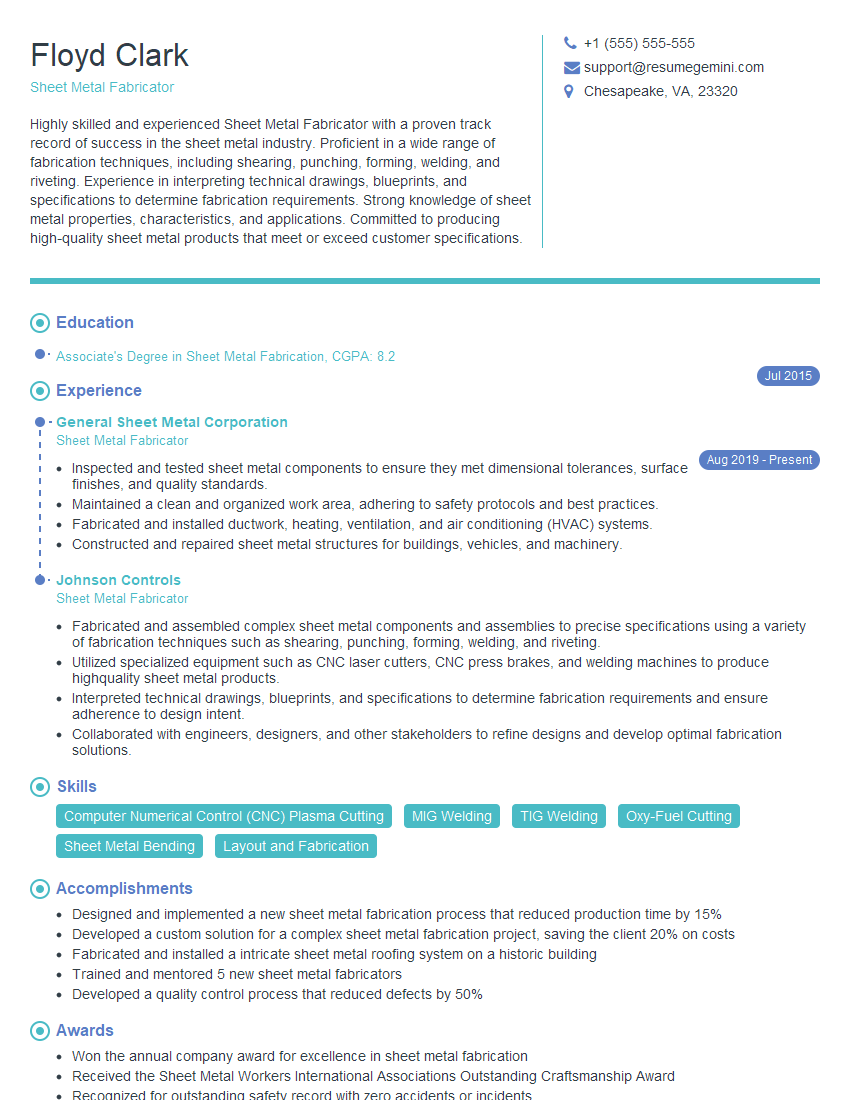
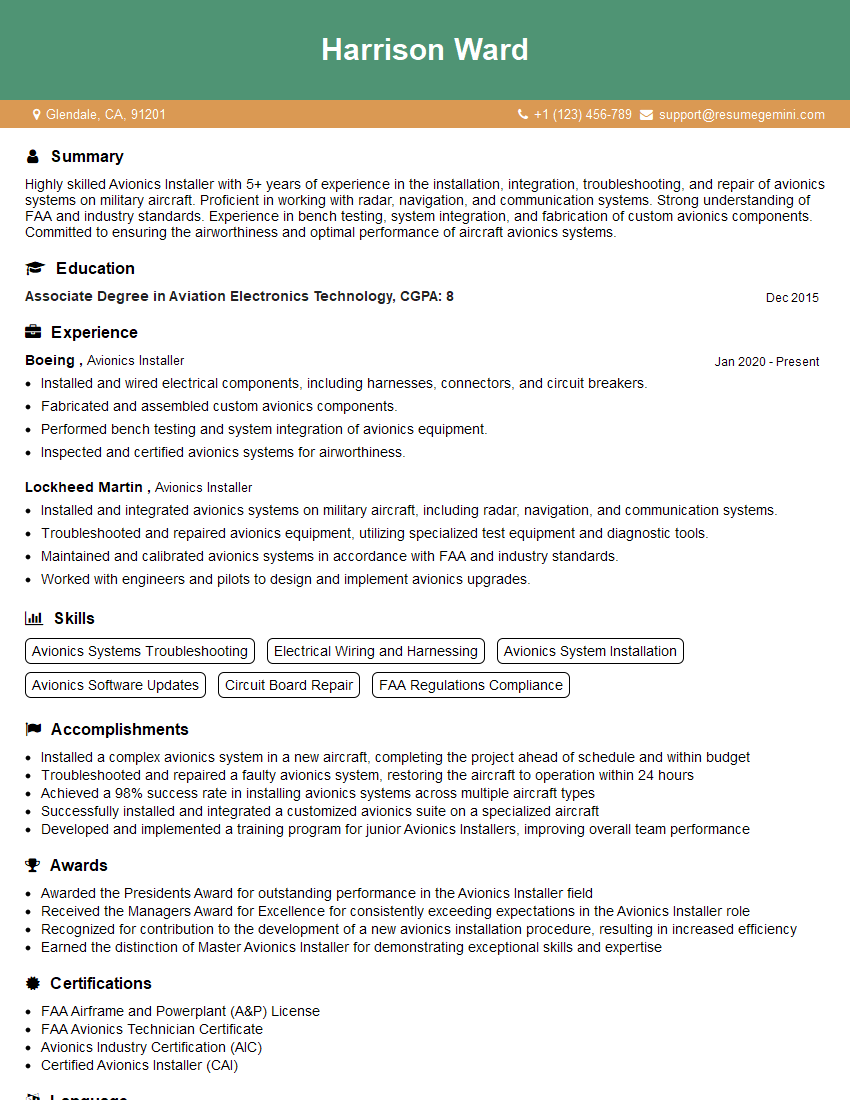
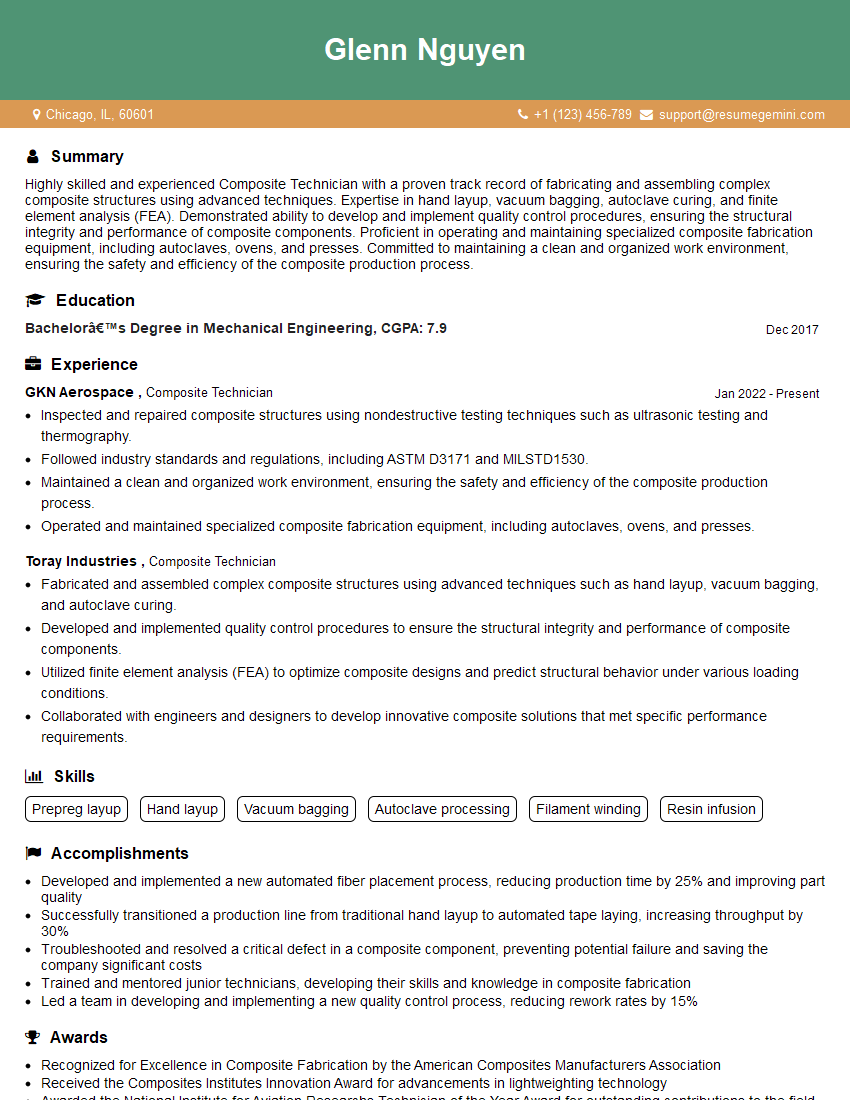
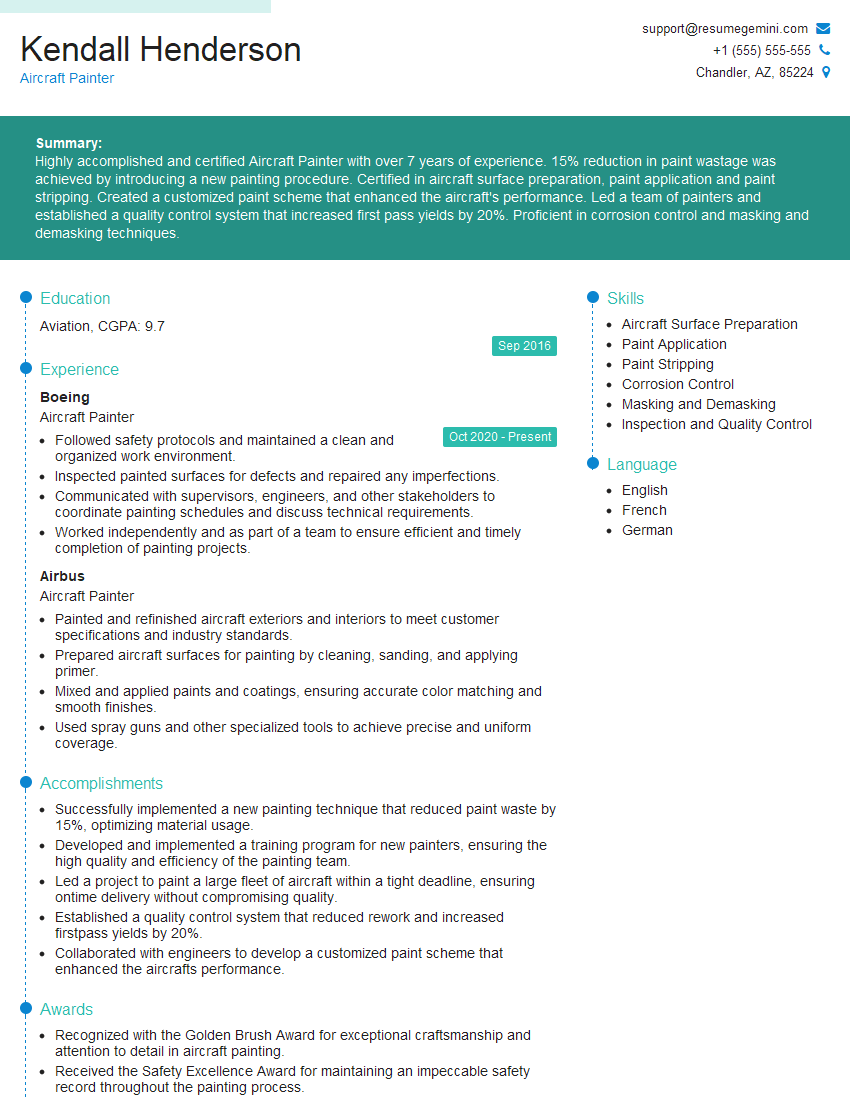
Mastering Aircraft Manufacturing and Assembly opens doors to a rewarding and dynamic career with significant growth potential. To maximize your job prospects, creating a strong, ATS-friendly resume is essential. ResumeGemini is a trusted resource that can help you build a professional and impactful resume tailored to the aerospace industry. Examples of resumes specifically designed for Aircraft Manufacturing and Assembly positions are available to guide you. Invest the time to create a resume that truly showcases your skills and experience – it’s your first impression with potential employers.
Explore more articles
Users Rating of Our Blogs
Share Your Experience
We value your feedback! Please rate our content and share your thoughts (optional).
What Readers Say About Our Blog
To the interviewgemini.com Webmaster.
Very helpful and content specific questions to help prepare me for my interview!
Thank you
To the interviewgemini.com Webmaster.
This was kind of a unique content I found around the specialized skills. Very helpful questions and good detailed answers.
Very Helpful blog, thank you Interviewgemini team.