The right preparation can turn an interview into an opportunity to showcase your expertise. This guide to Understanding of Therapeutic Recreation Principles interview questions is your ultimate resource, providing key insights and tips to help you ace your responses and stand out as a top candidate.
Questions Asked in Understanding of Therapeutic Recreation Principles Interview
Q 1. Describe the difference between leisure and recreation.
While the terms “leisure” and “recreation” are often used interchangeably, there’s a subtle but important distinction. Leisure refers to any freely chosen activity that provides enjoyment, relaxation, or personal fulfillment. It’s a state of being, characterized by freedom from obligation and a sense of personal control. Think of it as the *feeling* of relaxation and enjoyment. Recreation, on the other hand, is a specific *activity* designed to refresh and revitalize the mind and body. It’s a planned, structured experience aimed at achieving specific therapeutic or developmental goals. So, leisure is the underlying feeling, and recreation is a purposeful activity that helps achieve that feeling.
For example, someone might spend their leisure time reading a book (the feeling of leisure), while participating in a guided nature walk as part of a therapeutic recreation program is an example of recreation (a structured activity with a purpose).
Q 2. Explain the role of assessment in therapeutic recreation programming.
Assessment is the cornerstone of effective therapeutic recreation programming. It’s the process of gathering comprehensive information about a client’s physical, cognitive, emotional, and social functioning to determine their needs, strengths, interests, and limitations. This information guides the development of individualized treatment plans. We use a variety of methods, including:
- Interviews: Talking to the client and their family to understand their preferences, goals, and history.
- Observations: Observing the client’s behavior and interactions in different settings to assess their functional abilities and social skills.
- Standardized Assessments: Using validated tests to measure specific areas of functioning like physical fitness, cognitive skills, or social interaction.
- Client Self-Reports: Using questionnaires or rating scales to gather information directly from the client about their interests, preferences, and goals.
For instance, a client with a traumatic brain injury might undergo assessments to evaluate their cognitive function, physical endurance, and social skills before participating in any therapeutic recreation activity. The results will guide the selection of activities tailored to their capabilities and interests.
Q 3. What are the key components of a therapeutic recreation treatment plan?
A comprehensive therapeutic recreation treatment plan comprises several key components:
- Assessment Data: The results of the initial assessments, highlighting the client’s strengths, weaknesses, and needs.
- Goals and Objectives: Specific, measurable, achievable, relevant, and time-bound (SMART) goals that outline the desired outcomes of the program. For example, a goal might be “Improve upper body strength by 15% within 8 weeks.”
- Intervention Strategies: The specific therapeutic recreation activities and techniques chosen to achieve the goals. This may include adapted sports, arts and crafts, music therapy, or social interaction activities.
- Implementation Plan: A detailed schedule of activities, specifying the frequency, duration, and location of each intervention. This should also include the roles of the therapist and other support staff.
- Evaluation Methods: A clear plan for monitoring progress toward goals and evaluating the effectiveness of the interventions. This might involve regular reassessments, tracking of performance, or client feedback.
This structured approach ensures that the therapeutic recreation program remains focused, efficient, and responsive to the client’s changing needs.
Q 4. How do you adapt activities to meet the diverse needs of clients with disabilities?
Adapting activities is crucial for inclusivity. It involves modifying existing activities or creating new ones to suit clients’ individual needs, abilities, and limitations. This could mean:
- Modifying equipment: Using adaptive equipment, like larger handles on rackets or specialized wheelchairs, to allow participation.
- Adjusting rules: Modifying rules to make games or activities more accessible, like reducing the number of players or simplifying the rules.
- Altering the environment: Changing the environment to be more accessible, like removing obstacles or providing ramps for wheelchair users.
- Providing assistive technology: Using assistive technology, such as communication aids or adaptive switches, to support participation.
- Simplifying instructions: Giving clear, concise instructions, avoiding jargon and using visual aids if necessary.
- Providing individualized support: Offering one-on-one assistance or peer support to help clients succeed.
For example, a client with cerebral palsy might participate in adapted bowling using a ramp and lighter ball to ensure they can actively participate and improve their hand-eye coordination.
Q 5. Describe your experience with different therapeutic recreation modalities (e.g., arts, sports, games).
Throughout my career, I’ve worked extensively with various therapeutic recreation modalities. I have extensive experience in:
- Arts and Crafts: Using painting, drawing, sculpting, and other creative arts to enhance self-expression, fine motor skills, and cognitive function. For example, I’ve facilitated art therapy groups for clients with dementia, finding it remarkably effective in improving mood and memory.
- Sports and Games: Adapting a variety of sports and games, such as adapted bowling, bocce ball, and modified team sports, to promote physical fitness, teamwork, and social interaction. I’ve successfully implemented adapted basketball programs for individuals with visual impairments.
- Music Therapy: Integrating music into therapeutic activities to stimulate cognitive function, improve mood, and enhance social interaction. I’ve worked with clients with autism, using music to calm anxiety and improve communication skills.
- Horticultural Therapy: Utilizing gardening activities to promote physical activity, cognitive stimulation, and stress reduction. This is especially effective for individuals facing rehabilitation after stroke or trauma.
My approach prioritizes client preference and aligns the modality with the individual’s specific therapeutic goals.
Q 6. How do you measure the effectiveness of therapeutic recreation interventions?
Measuring the effectiveness of therapeutic recreation interventions is crucial for demonstrating program value and ensuring that interventions are optimized. We use both quantitative and qualitative methods. Quantitative methods include:
- Pre- and Post-Intervention Assessments: Comparing client performance or functional ability before and after the program. This can track improvements in strength, range of motion, cognitive function, etc.
- Outcome Measures: Using standardized tools to measure specific outcomes, such as improvements in mood, social skills, or quality of life.
- Data Tracking: Keeping records of client participation, progress, and attendance.
Qualitative methods include:
- Client Feedback: Gathering feedback through interviews, questionnaires, or focus groups to understand the client’s subjective experience and perceptions of the program’s effectiveness.
- Observation and Anecdotal Records: Making detailed observations of client behavior and documenting notable events or changes.
A balanced approach, combining both quantitative and qualitative data, provides a comprehensive picture of the program’s impact and allows for ongoing refinement.
Q 7. Explain the importance of client-centered planning in therapeutic recreation.
Client-centered planning is fundamental to ethical and effective therapeutic recreation. It means prioritizing the client’s individual needs, preferences, and goals in all aspects of program design and implementation. This involves:
- Active Client Participation: Ensuring the client is actively involved in all stages of the planning process, from assessment to goal setting and activity selection.
- Collaboration and Partnership: Building a strong therapeutic relationship based on trust, mutual respect, and collaboration.
- Individualized Programming: Designing programs that are tailored to the client’s unique needs and interests, not a “one-size-fits-all” approach.
- Empowerment and Self-Determination: Supporting the client’s autonomy and empowering them to make choices about their own recreation and leisure activities.
For example, if a client expresses a strong interest in gardening but has limited mobility, we would adapt the activity to ensure they can still actively participate, perhaps through a raised garden bed or assistive tools. This approach ensures that the client feels valued, empowered, and is more likely to achieve their therapeutic goals.
Q 8. Describe your understanding of the leisure ability model.
The Leisure Ability Model is a widely accepted framework in therapeutic recreation that guides the design and implementation of interventions. It focuses on improving a client’s leisure lifestyle by addressing three key components: Functional Intervention, Leisure Education, and Recreation Participation.
- Functional Intervention: This addresses the client’s physical, cognitive, social, and emotional limitations that may hinder their participation in leisure activities. Think of it as building the foundation. For example, a client with limited mobility might need physical therapy to improve their strength and range of motion before engaging in recreational activities like swimming.
- Leisure Education: This component focuses on teaching clients skills and knowledge related to leisure planning, decision-making, and resource utilization. This empowers them to independently select and engage in activities they enjoy. An example would be teaching a client how to research local parks or community events that cater to their interests and abilities.
- Recreation Participation: This is the ultimate goal – the client actively and independently engaging in meaningful leisure experiences. This might involve joining a bowling league, participating in a gardening group, or simply enjoying a quiet afternoon reading.
These three components work together synergistically. Improvements in functional intervention lead to better leisure education, ultimately leading to increased and more satisfying recreation participation. It’s a holistic approach focusing on long-term self-sufficiency rather than just immediate activity engagement.
Q 9. How do you incorporate evidence-based practices into your therapeutic recreation programs?
Incorporating evidence-based practices is crucial for providing high-quality therapeutic recreation services. I stay current with research through professional journals like the Therapeutic Recreation Journal and attending conferences. I look for studies that validate the effectiveness of specific activities or interventions for particular populations. For example, if I’m working with clients recovering from stroke, I might consult research on the benefits of adapted aquatic therapy for improving motor skills and reducing spasticity.
I use this evidence to inform program design, selecting activities and methodologies supported by research. I also regularly assess the effectiveness of my programs by collecting data on client outcomes. This might involve measuring changes in physical function, social interaction, or mood. This data helps me adapt my approaches, ensuring programs are truly beneficial and aligned with the latest research.
Furthermore, I’m mindful of the cultural competence of my interventions, ensuring they’re sensitive and relevant to diverse client populations.
Q 10. How do you handle challenging client behaviors in a therapeutic recreation setting?
Challenging behaviors in a therapeutic recreation setting require a proactive and individualized approach. First, I try to understand the underlying cause of the behavior. Is it related to physical discomfort, frustration, sensory overload, or a communication barrier? Often, a thorough assessment reveals the root of the problem.
Once the cause is understood, I implement strategies based on positive behavior support (PBS). This might involve modifying the environment, adapting the activity, or providing alternative communication methods. For example, if a client becomes agitated during a group game, I might reduce the stimulation by moving them to a quieter area or modifying the rules to be less competitive.
I also collaborate closely with other members of the healthcare team, such as psychologists or nurses, to develop a comprehensive behavior management plan. This ensures consistency and reinforces positive strategies across various settings. Documentation of all incidents, interventions, and outcomes is essential for ongoing evaluation and improvement.
In cases of severe or dangerous behaviors, I would prioritize client and staff safety and follow established safety protocols, possibly involving security personnel or other appropriate authorities.
Q 11. What are the ethical considerations in therapeutic recreation practice?
Ethical considerations are paramount in therapeutic recreation. We must adhere to a strict code of ethics, which includes:
- Confidentiality: Protecting client information and maintaining privacy is essential. I would never disclose sensitive information without the client’s consent.
- Beneficence: Always acting in the best interests of the client, ensuring that interventions are safe, effective, and aligned with their goals and values.
- Non-maleficence: Avoiding any actions that could harm the client, physically or emotionally.
- Autonomy: Respecting the client’s right to make their own decisions about their participation in activities. Even if I have a recommendation, ultimately, the client’s preferences should guide our work.
- Justice: Providing equitable and fair services to all clients, regardless of their background or abilities.
Ethical dilemmas can arise, and it’s important to consult with supervisors or ethics committees when facing difficult situations. For example, if a client expresses a desire to engage in an activity that seems unsafe, a careful and ethical dialogue is needed to find a balance between autonomy and safety.
Q 12. Describe your experience with documentation and record-keeping in therapeutic recreation.
Accurate and thorough documentation is critical in therapeutic recreation. My documentation practices follow established agency guidelines and reflect best practices. I meticulously record client assessments, treatment plans, progress notes, and discharge summaries.
These records include objective observations of client behavior and participation, as well as subjective information about the client’s experiences and goals. I use clear and concise language, avoiding jargon, and ensuring that the information is easily understandable by other healthcare professionals. I also carefully document any incidents or accidents, including interventions taken and outcomes.
Electronic health records (EHRs) are commonly used, which offers advantages like accessibility and ease of sharing information among the treatment team. Data security and privacy are always maintained, adhering to all applicable regulations like HIPAA.
Q 13. How do you collaborate with other healthcare professionals in a team setting?
Collaboration is key in healthcare. I regularly collaborate with physicians, nurses, occupational therapists, physical therapists, speech therapists, social workers, and psychologists. Effective teamwork requires open communication and a shared understanding of the client’s goals and needs.
I participate in interdisciplinary team meetings, where we discuss treatment plans, progress, and any challenges. I contribute my expertise on leisure and recreation, offering suggestions for activities that support the overall rehabilitation plan. For example, I might collaborate with a physical therapist to design adapted exercises that are incorporated into a recreational activity like bocce ball.
Regular communication with other professionals is vital; I use progress notes, emails, and phone calls to exchange information and keep everyone informed about the client’s progress. This ensures a cohesive and comprehensive approach to client care.
Q 14. How do you ensure the safety of clients during therapeutic recreation activities?
Client safety is my top priority. I conduct thorough risk assessments before any activity to identify potential hazards and develop appropriate safety measures. This includes assessing the client’s physical abilities, cognitive skills, and medical history.
I provide clear instructions and demonstrate proper techniques for all activities. I adapt activities to match the clients’ abilities and ensure appropriate supervision levels. For example, I might pair a client with a peer buddy during an activity or provide one-on-one assistance if needed.
The environment is also crucial. I ensure the activity area is free of hazards, equipment is properly maintained, and safety equipment is readily available and used as needed. Emergency procedures are well-known, and staff are trained in first aid and CPR.
Finally, I regularly evaluate and adjust safety precautions based on client response and identified risks. This continuous evaluation ensures a safe and enjoyable experience for everyone.
Q 15. What is your experience with developing and implementing therapeutic recreation programs?
Developing and implementing therapeutic recreation (TR) programs involves a systematic approach, starting with a thorough needs assessment. This assessment helps identify the client’s strengths, weaknesses, interests, and goals. I then design programs that address these needs, utilizing evidence-based practices and creative interventions. For example, I once developed a program for individuals with Parkinson’s disease focusing on improving motor skills and social interaction through adapted dance and group games. Implementation involves recruiting participants, securing resources, monitoring progress, and making adjustments as needed. This includes constant evaluation and modification to ensure the program remains effective and engaging. I always carefully document the program’s progress and outcomes to demonstrate its efficacy and inform future program development. My experience spans working with diverse populations, including individuals with physical disabilities, cognitive impairments, mental health challenges, and older adults, requiring diverse program design and adaptation skills.
Career Expert Tips:
- Ace those interviews! Prepare effectively by reviewing the Top 50 Most Common Interview Questions on ResumeGemini.
- Navigate your job search with confidence! Explore a wide range of Career Tips on ResumeGemini. Learn about common challenges and recommendations to overcome them.
- Craft the perfect resume! Master the Art of Resume Writing with ResumeGemini’s guide. Showcase your unique qualifications and achievements effectively.
- Don’t miss out on holiday savings! Build your dream resume with ResumeGemini’s ATS optimized templates.
Q 16. Describe your understanding of various assessment tools used in therapeutic recreation.
Various assessment tools are crucial in TR. These tools help us understand the client’s strengths, limitations, and preferences, guiding program planning and evaluation. Common tools include the Leisure Diagnostic Battery (LDB), which assesses leisure interests, barriers, and involvement; the Comprehensive Evaluation in Recreational Therapy (CERT) Scale, a standardized tool evaluating functional abilities in recreation; and various functional assessments that assess the client’s physical, cognitive, and social abilities. Qualitative assessments such as interviews and observations are also very important, as they provide valuable insights into client’s perspectives and experiences. The choice of assessment tools depends on the specific client population, their needs, and the goals of the program. For example, I might use the LDB to assess a client’s leisure interests, then use observation and informal interview to further refine my understanding of their motivations and engagement style.
Q 17. How do you promote client independence and self-determination in your practice?
Promoting client independence and self-determination is paramount in TR. This is achieved by empowering clients to make choices about their leisure activities, fostering their decision-making skills, and building their confidence. I use a collaborative approach, actively involving clients in every stage of the program design and implementation process. This can involve things like allowing them to choose activities, set goals, and evaluate their progress. I also encourage clients to problem-solve and make decisions independently whenever possible, providing support and guidance as needed. For example, I might work with a client to explore different leisure options, helping them identify potential challenges and develop strategies to overcome those challenges. The emphasis is on supporting their autonomy and fostering a sense of ownership over their own leisure experiences. This is a gradual process, adjusted to each individual’s needs and capabilities.
Q 18. Explain your understanding of the Health Protection/Health Promotion model.
The Health Protection/Health Promotion model in TR emphasizes both preventing illness and improving well-being. Health protection focuses on preventing the development or worsening of health problems, while health promotion focuses on enhancing overall health and well-being. In practice, this involves balancing both aspects. For example, with a client who has had a stroke, health protection might involve designing programs to improve physical function and prevent further complications. Simultaneously, health promotion would aim to enhance their quality of life through recreational activities that promote socialization, emotional well-being, and cognitive stimulation. This model emphasizes a holistic approach, considering the physical, cognitive, emotional, and social aspects of well-being. I apply this model by carefully assessing the client’s risk factors and vulnerabilities, while simultaneously designing programs that strengthen their capabilities and enhance their overall quality of life. The goal is to help them lead more fulfilling and healthier lives.
Q 19. Describe your experience with inclusive recreation programming.
Inclusive recreation programming means creating environments and activities that are accessible and welcoming to all individuals, regardless of their abilities or disabilities. My experience includes designing and implementing programs that cater to diverse populations, adapting activities to meet individual needs. This involves removing physical barriers, providing appropriate assistive devices, modifying rules or instructions, and ensuring that activities are enjoyable and meaningful to all participants. For example, I have worked on adapting sports such as bocce ball for individuals with physical disabilities, and creating inclusive drama programs that allow individuals with different communication styles to participate meaningfully. Inclusive programming involves more than just physical accessibility; it requires a shift in mindset that values diversity and embraces the unique contributions of each individual. Creating a supportive and inclusive environment requires careful attention to communication strategies, program design and environmental adaptations.
Q 20. How do you adapt your communication style to meet the needs of different clients?
Adapting my communication style is crucial to effective TR practice. I tailor my approach to the individual needs of each client, considering their cognitive abilities, communication preferences, and cultural background. This might involve using simpler language with clients who have cognitive impairments, employing visual aids or alternative communication methods for nonverbal clients, or adjusting the tone and pace of my communication to meet the needs of each individual. Cultural sensitivity is also very important – ensuring that I understand and respect the client’s cultural beliefs and practices. Active listening, observation, and clear, concise communication are essential skills. I also strive to create a safe and trusting environment where clients feel comfortable expressing their needs and preferences, leading to increased engagement and better therapeutic outcomes.
Q 21. What are some common challenges faced by therapeutic recreation professionals, and how do you address them?
Several challenges face TR professionals. One significant challenge is securing adequate funding and resources. Another is managing client behavior, especially in cases involving individuals with behavioral challenges or emotional difficulties. Balancing the therapeutic goals with the client’s desire for enjoyment and engagement is also key. For example, ensuring that a client who struggles with motivation remains engaged in a treatment session can be demanding. We address these challenges by employing evidence-based interventions, utilizing effective communication skills, building strong relationships with clients and their families, and advocating for resources. Collaborative work with other healthcare professionals and community organizations is essential. Continuous professional development and staying abreast of current research are also important in addressing challenges and improving practice. Documentation and record keeping are crucial for demonstrating the efficacy of our programs and obtaining needed resources.
Q 22. Describe your understanding of the different stages of grief and how they impact recreation participation.
Understanding the stages of grief – denial, anger, bargaining, depression, and acceptance – is crucial in therapeutic recreation. These stages aren’t always linear; individuals may fluctuate between them. Recreation participation can be significantly impacted. For example, someone in the denial stage might avoid activities altogether, while someone in the anger stage might be irritable and disruptive during group sessions. Those in the depression stage may lack motivation, while those in the acceptance stage might be ready to engage in activities that foster healing and social connection. As a therapist, I would tailor activities to the individual’s stage. For example, a gentle nature walk might be appropriate for someone in the depression stage, while a more interactive team sport might be suitable for someone in the acceptance stage. It’s important to remember that the process is individual; what works for one person may not work for another.
Q 23. How do you address the emotional and social needs of clients through therapeutic recreation?
Addressing emotional and social needs is paramount in therapeutic recreation. I use a holistic approach, combining individual and group activities. For emotional needs, activities like art therapy, journaling, or guided meditation can provide outlets for expression and stress reduction. For social needs, I facilitate group games, social outings, and support groups to foster a sense of belonging and connection. I pay close attention to nonverbal cues and actively listen to clients’ concerns. For example, I might notice a client withdrawing during a group activity, indicating a need for individual support or a different type of activity. Building rapport and trust is essential; clients need to feel safe and comfortable sharing their feelings.
Q 24. How do you ensure that your therapeutic recreation programs are culturally sensitive?
Cultural sensitivity is integral to effective therapeutic recreation. I ensure this by: 1) Understanding cultural background: I actively seek information about my clients’ cultural backgrounds and beliefs, understanding how these might influence their participation and preferences. 2) Adapting activities: Activities are adapted to respect cultural norms and practices. For instance, I would avoid activities that might clash with religious beliefs or cultural sensitivities. 3) Inclusive language: I use inclusive language that avoids stereotypes or biases. 4) Collaboration: I involve family members and community leaders where appropriate to gain a deeper understanding of cultural nuances. 5) Resource utilization: I utilize resources and professionals with cultural expertise as needed. An example would be adapting a traditional game to include elements from a client’s culture to make it more meaningful and engaging.
Q 25. Describe your experience with using technology in therapeutic recreation.
Technology plays an increasingly important role in therapeutic recreation. I’ve used virtual reality (VR) for clients with physical limitations to engage in simulated activities like hiking or swimming. I’ve also incorporated adaptive gaming to improve cognitive skills and promote social interaction. For clients who prefer individual activities, I’ve used online platforms for guided meditation and mindfulness exercises. The use of telehealth allows me to connect with clients remotely, providing consistent support even outside of traditional sessions. Data tracking through apps can help monitor client progress and personalize interventions. However, it’s crucial to be mindful of accessibility and digital literacy, ensuring that technology is used inclusively and appropriately for each client.
Q 26. What are your professional development goals in therapeutic recreation?
My professional development goals focus on expanding my expertise in specific areas of therapeutic recreation, such as trauma-informed care and working with diverse populations including neurodivergent individuals. I aim to deepen my knowledge of assistive technology and its applications. I also plan to pursue further training in specific therapeutic modalities, like art therapy or music therapy. Staying current with research and best practices is vital, and I plan to actively participate in professional organizations and conferences to further my learning and connect with colleagues.
Q 27. How do you stay current with the latest trends and research in therapeutic recreation?
I stay current through various methods: subscribing to professional journals (e.g., Therapeutic Recreation Journal), attending workshops and conferences, participating in online professional development courses, and actively engaging with professional organizations like the National Therapeutic Recreation Society (NTRS). I regularly review research databases like PubMed and actively seek out new evidence-based interventions. Networking with colleagues and participating in continuing education are equally crucial for staying abreast of innovative approaches and emerging trends.
Q 28. Describe a situation where you had to problem-solve a challenging situation in a therapeutic recreation setting and how you resolved it.
I once worked with a client who experienced severe anxiety during group activities. Initially, they would withdraw and refuse to participate. My first step was to have an individual session to understand the root cause. We discovered the anxiety stemmed from past negative experiences in group settings. I then developed a gradual desensitization plan. We started with one-on-one activities, slowly introducing them to smaller group settings and carefully chosen, low-pressure activities. I used positive reinforcement, celebrating their small victories and building their confidence. I also collaborated with the client’s therapist to ensure a coordinated approach. Over time, they gradually became more comfortable, eventually participating fully in group sessions and even taking on a leadership role. This experience highlighted the importance of individualized interventions and collaborative care in addressing complex challenges.
Key Topics to Learn for Understanding of Therapeutic Recreation Principles Interview
- Therapeutic Recreation (TR) Philosophy and History: Understand the evolution of TR, its core values (e.g., inclusion, client-centered care), and its philosophical underpinnings.
- Assessment and Planning: Mastering the process of conducting comprehensive assessments to identify client needs and developing individualized TR treatment plans. This includes understanding various assessment tools and their applications.
- Activity Analysis and Adaptation: Learn how to analyze activities to determine their therapeutic benefits and adapt them to meet diverse client needs and abilities. Consider inclusive programming strategies.
- Programming and Implementation: Understand the principles of designing, implementing, and evaluating TR programs. This includes understanding various program formats and their appropriateness for different populations.
- Documentation and Evaluation: Master the art of accurate and thorough documentation of client progress, treatment plans, and program outcomes. Understand the importance of data-driven decision making.
- Ethical and Legal Considerations: Familiarize yourself with relevant ethical codes, professional standards, and legal aspects related to the practice of TR, including client confidentiality and informed consent.
- Leisure Ability Model and other TR Models: Develop a strong understanding of the Leisure Ability Model and other prevalent theoretical frameworks that guide TR practice. Be prepared to discuss their applications and limitations.
- Health Conditions and Populations: Gain familiarity with the specific needs and adaptations required for working with diverse populations such as individuals with physical disabilities, mental health challenges, or cognitive impairments.
- Interprofessional Collaboration: Understand the importance of collaborating effectively with other healthcare professionals (e.g., physicians, nurses, occupational therapists) to ensure holistic client care.
- Professional Development and Continuing Education: Demonstrate an understanding of the importance of ongoing professional development and staying current with emerging trends and best practices in the field of TR.
Next Steps
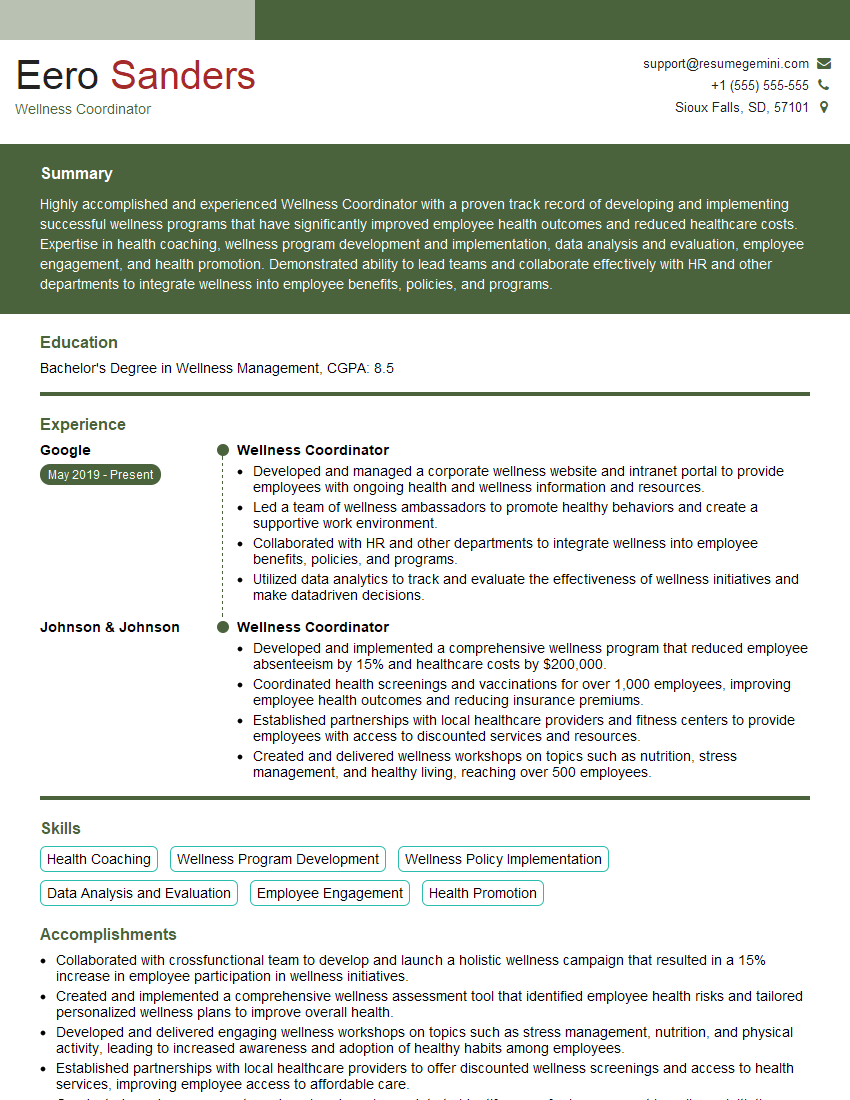
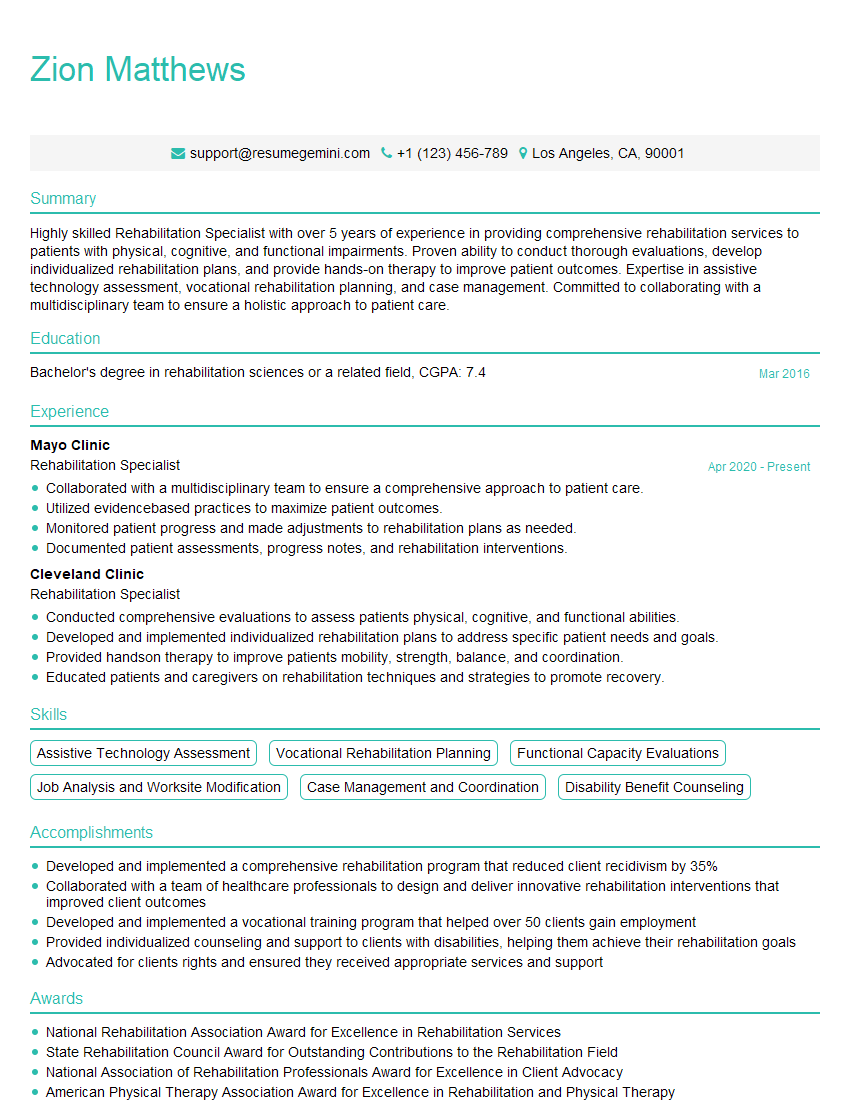
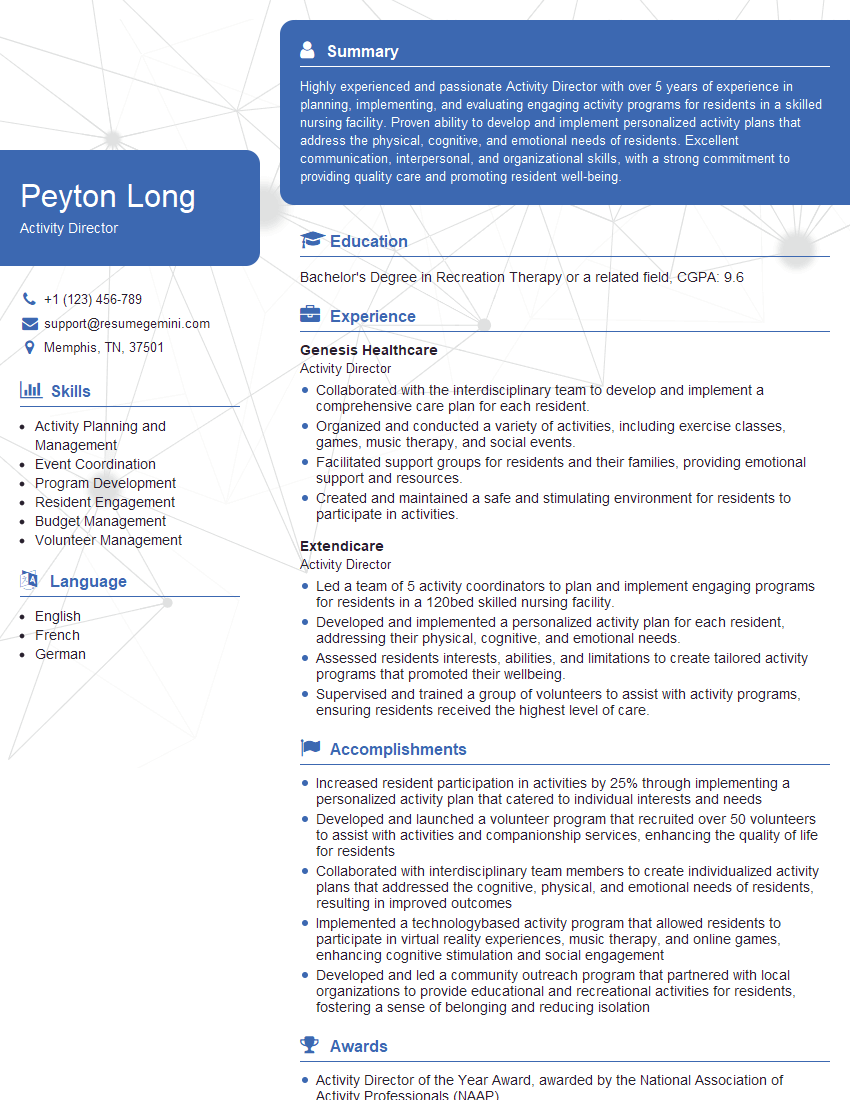
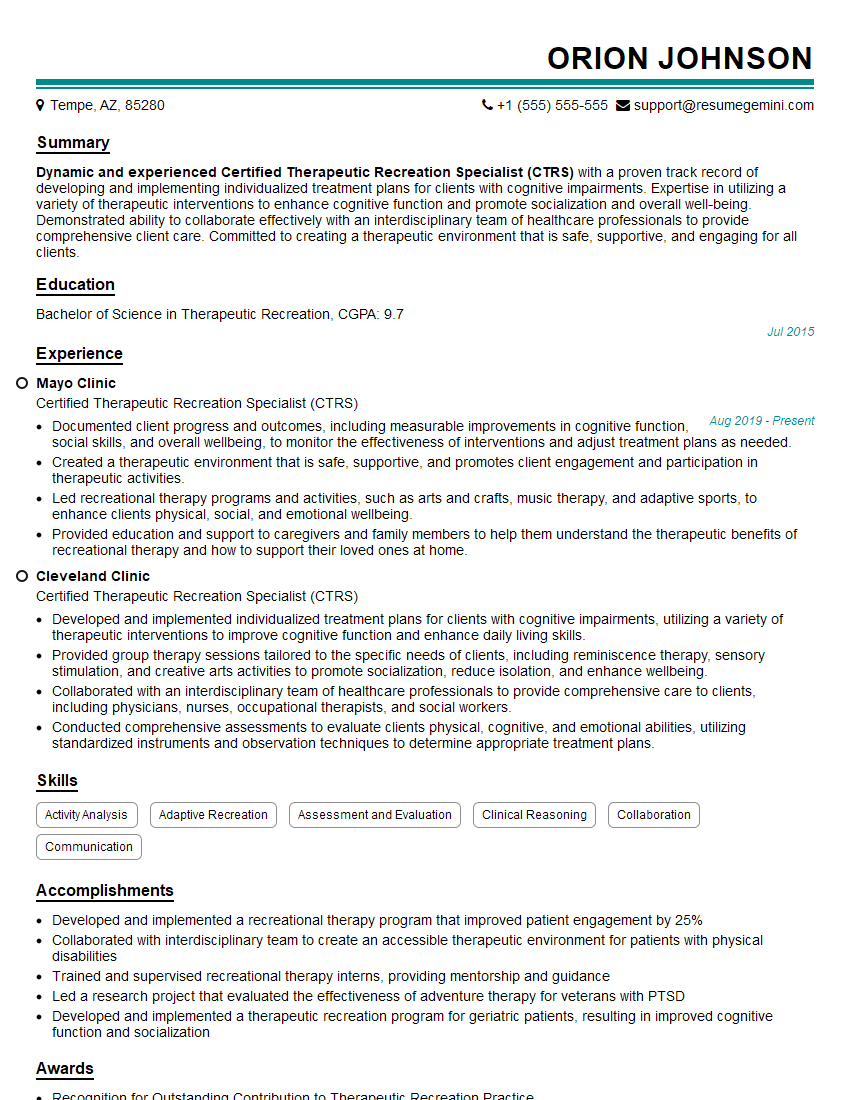
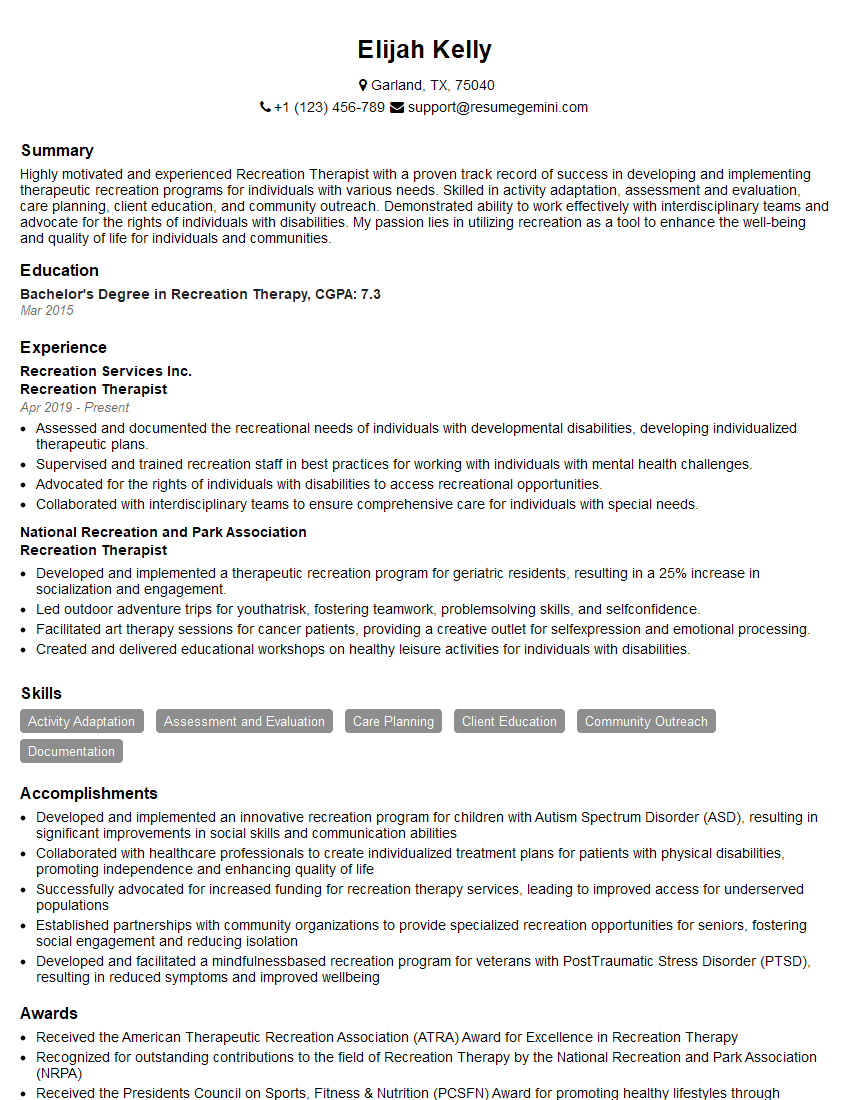
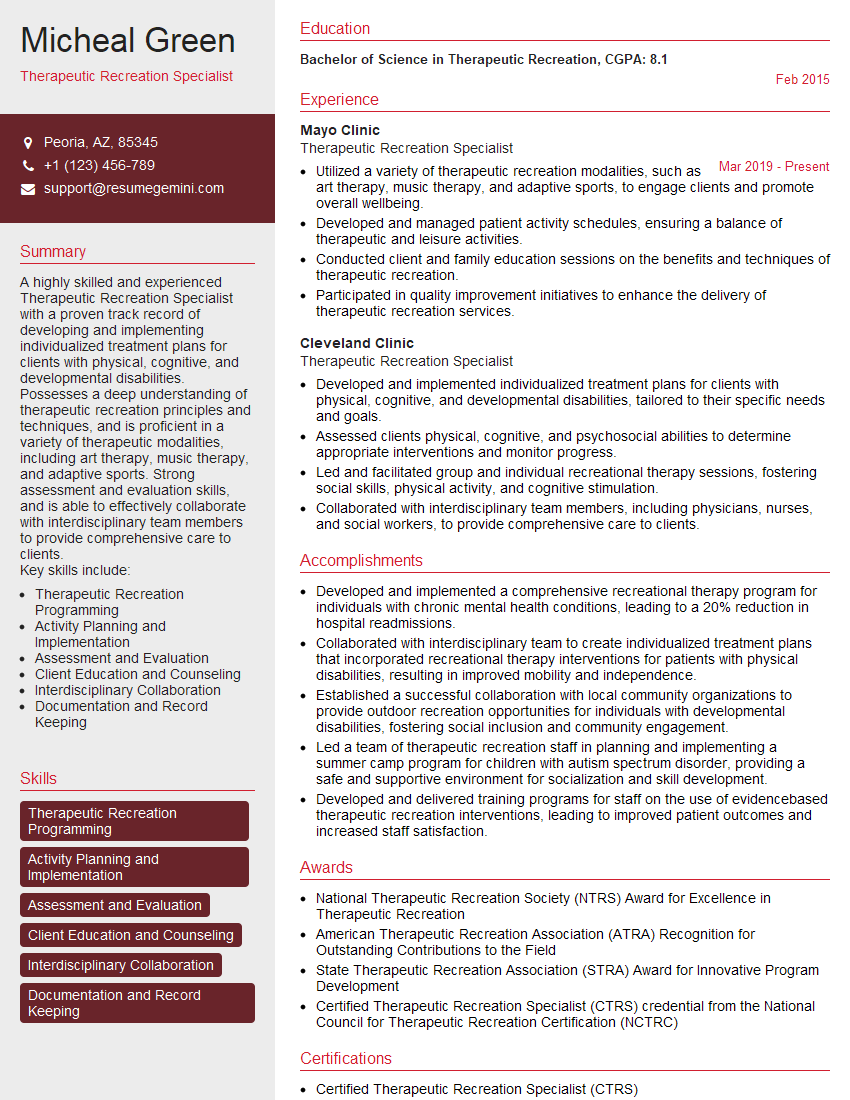
Mastering Therapeutic Recreation Principles is crucial for career advancement, enabling you to confidently deliver exceptional client care and contribute meaningfully to healthcare teams. A strong resume is essential for showcasing your skills and experience to potential employers. Creating an ATS-friendly resume significantly increases your chances of getting noticed by recruiters. ResumeGemini is a trusted resource that can help you build a compelling, ATS-optimized resume. Examples of resumes tailored to Understanding of Therapeutic Recreation Principles are available to guide your process.
Explore more articles
Users Rating of Our Blogs
Share Your Experience
We value your feedback! Please rate our content and share your thoughts (optional).
What Readers Say About Our Blog
To the interviewgemini.com Webmaster.
Very helpful and content specific questions to help prepare me for my interview!
Thank you
To the interviewgemini.com Webmaster.
This was kind of a unique content I found around the specialized skills. Very helpful questions and good detailed answers.
Very Helpful blog, thank you Interviewgemini team.