Interviews are more than just a Q&A session—they’re a chance to prove your worth. This blog dives into essential Conveying materials interview questions and expert tips to help you align your answers with what hiring managers are looking for. Start preparing to shine!
Questions Asked in Conveying materials Interview
Q 1. Explain the different types of conveyor systems and their applications.
Conveyor systems are the backbone of efficient material handling in various industries. They come in many types, each suited to specific needs. Let’s explore some key categories:
- Belt Conveyors: These are the most common, using a continuous loop of belt to transport items. Think of airport baggage systems or those used in mining for moving large quantities of ore. They are versatile and can handle a wide range of materials and capacities. Sub-types include inclined, declined, and horizontal belt conveyors.
- Roller Conveyors: These use a series of rollers to support and move items, often requiring gravity or a slight incline. They’re ideal for lighter items or where gentle handling is important, such as in warehouses or parcel sorting facilities.
- Screw Conveyors (Augers): These use a rotating helical screw blade within a trough to move materials like powders, grains, or small parts. Think of cement mixers or agricultural feed systems.
- Bucket Elevators: These use buckets attached to a belt or chain to lift materials vertically. They are particularly useful for transporting materials between different levels, commonly seen in grain elevators or manufacturing plants.
- Vibratory Conveyors: These use vibrations to move materials along a trough. They are excellent for fragile or easily damaged items, or when controlled feeding is required.
- Overhead Conveyors: These are suspended from the ceiling and use a chain or trolley system to move items. Think of assembly lines in automotive factories or manufacturing plants with high ceilings.
The choice depends on factors like the type of material, volume, distance, required speed, and budget.
Q 2. Describe the factors to consider when selecting a conveyor system for a specific application.
Selecting the right conveyor system requires careful consideration of several key factors:
- Material Characteristics: Size, weight, shape, abrasiveness, temperature, and other properties of the material being conveyed directly influence the type of conveyor and belt material needed. For example, hot materials require heat-resistant belts.
- Throughput Requirements: The desired capacity (volume per unit time) dictates the conveyor’s speed, width, and potentially the need for multiple conveyors operating in parallel. A high-volume application needs a wider belt and potentially multiple conveyors.
- Conveying Distance and Layout: The distance the material needs to travel determines the length of the conveyor and any necessary incline or decline. The layout of the facility dictates the conveyor’s path and any necessary turns or transitions.
- Environmental Conditions: Temperature, humidity, dust, and other environmental factors can impact the choice of conveyor components and materials. Outdoor applications necessitate weather-resistant materials.
- Budget and Maintenance Costs: The initial cost of the system and ongoing maintenance costs (including belt replacement) are critical considerations. Some systems require less maintenance than others.
- Safety Requirements: Ensuring operator and workplace safety is paramount. This includes features like emergency stops, safety guards, and appropriate speed controls.
A thorough needs assessment is crucial to avoid costly mistakes and ensure the system effectively meets the application’s demands.
Q 3. What are the common causes of conveyor system breakdowns and how can they be prevented?
Conveyor system breakdowns can stem from various sources. Let’s look at common causes and preventative measures:
- Belt Wear and Tear: This is a major cause, often due to abrasion, impact, or excessive heat. Regular inspections, timely belt replacement, and using appropriate belt material for the application can prevent this.
- Roller or Pulley Damage: Misalignment, lubrication issues, or excessive wear can damage rollers and pulleys. Regular lubrication, alignment checks, and prompt repairs prevent downtime.
- Motor or Drive Failures: Overloading, power surges, or lack of maintenance can cause motor or drive failures. Proper sizing, overload protection, and regular maintenance are essential.
- Component Failure (Sensors, Switches, etc.): Failure of these critical components can stop the entire system. Regular inspections, preventive maintenance, and prompt replacement of faulty components are crucial.
- Material Build-up: Material buildup on the belt or in the system can cause blockages and jams. Regular cleaning and system design to minimize buildup help to maintain smooth operations.
- Improper Alignment: Misalignment of the conveyor system can lead to premature wear and tear and potential breakdowns. Regular alignment checks and adjustments are key.
Implementing a robust preventative maintenance program is the most effective way to minimize breakdowns and extend the life of the conveyor system.
Q 4. How do you troubleshoot a conveyor system malfunction?
Troubleshooting a conveyor system malfunction involves a systematic approach:
- Safety First: Isolate the system and ensure the area is safe before starting any troubleshooting.
- Identify the Problem: Pinpoint the exact nature of the malfunction. Is the system completely stopped? Is there a specific component failing? Observe the system carefully.
- Check Basic Things: Begin with simple checks like power supply, motor operation, and emergency stops. Look for obvious issues like belt damage or blockages.
- Consult the Manual: The conveyor’s manual will often provide troubleshooting guides and diagrams.
- Use Diagnostic Tools: Depending on the system’s complexity, diagnostic tools may be needed to pinpoint the source of the problem. These can include multimeters for electrical checks or specialized software for PLC-controlled systems.
- Systematic Elimination: Start by checking the most likely causes based on your observation and knowledge of the system. Eliminate possibilities one by one until the root cause is found.
- Repair or Replace: Once the fault is identified, perform the necessary repairs or component replacement.
- Test and Document: After repairs, test the system thoroughly to ensure it’s operating correctly. Document the problem, the solution, and any preventative measures taken.
A well-documented system history will help with future troubleshooting.
Q 5. Explain the importance of conveyor system safety and maintenance.
Conveyor system safety and maintenance are paramount for several reasons:
- Operator Safety: Moving parts, pinch points, and potential material spills pose significant risks. Safety features like emergency stops, guards, and lockout/tagout procedures are essential.
- Preventative Maintenance: Regular maintenance drastically reduces the risk of breakdowns, preventing costly downtime and potential injuries due to unexpected failures. This involves regular inspections, lubrication, and timely replacement of worn parts.
- Improved Efficiency: A well-maintained conveyor system operates more efficiently, leading to increased productivity and reduced operational costs. A smooth-running system boosts output.
- Extended System Lifespan: Preventative maintenance significantly extends the lifespan of the conveyor, reducing the frequency of expensive replacements.
- Compliance: Many industries have strict safety regulations that must be adhered to. Proper safety measures and maintenance practices ensure compliance and avoid potential penalties.
A comprehensive safety and maintenance program is a crucial investment, ensuring both the safety of personnel and the smooth operation of the facility.
Q 6. Describe your experience with different types of conveyor belts (e.g., rubber, PVC, steel).
My experience encompasses a wide range of conveyor belt materials, each with its strengths and limitations:
- Rubber Belts: These are the most common due to their durability, flexibility, and resistance to abrasion. I’ve worked with various rubber compounds, each optimized for specific applications, like those needing high tensile strength or resistance to oils or chemicals. For example, I helped select a special nitrile rubber belt for a food processing facility to meet stringent hygiene standards.
- PVC Belts: These are lighter and more flexible than rubber, making them suitable for lighter-duty applications or where precise tracking is needed. I’ve utilized PVC belts in smaller warehousing operations and automated sorting systems where their flexibility made them ideal for curved sections of the conveyor.
- Steel Belts: These are incredibly strong and are used for high-temperature, high-abrasion, or heavy-duty applications. I’ve worked on projects involving steel belts in mining operations, where they effectively transported large volumes of ore under harsh conditions. Proper maintenance is crucial due to their potential for wear.
Material selection always involves a trade-off between cost, durability, and the specific requirements of the application. Understanding these properties is essential for selecting the appropriate belt.
Q 7. How do you calculate the capacity of a conveyor system?
Calculating the capacity of a conveyor system is crucial for determining its ability to handle the required throughput. The calculation isn’t a single formula but depends on several factors:
A simplified calculation can be expressed as:
Capacity (tonnes/hour) = Belt speed (m/min) * Belt width (m) * Material depth (m) * Material density (tonnes/m³) * 60 (minutes/hour)However, this is a basic approximation. More accurate calculations need to factor in several elements:
- Belt Speed: The speed of the conveyor belt (m/min).
- Belt Width: The width of the conveyor belt (m).
- Material Depth: The average depth of material on the belt (m). This should account for material flow and loading patterns.
- Material Density: The density of the conveyed material (tonnes/m³).
- Angle of Inclination: If the conveyor is inclined, the capacity is reduced due to gravity. This needs to be incorporated into the calculation using appropriate trigonometric functions.
- Material Flow Characteristics: The nature of the material—whether it flows freely or tends to stick together—influences the capacity. For example, sticky materials need more power and may have lower capacity.
- Spillage and Degradation: The possibility of spillage or material degradation during transportation affects the actual amount delivered.
For complex systems, specialized software and engineering expertise are used for accurate capacity estimation. Always err on the side of caution when estimating capacity to avoid overloading the system.
Q 8. What are the different types of conveyor drives and their advantages/disadvantages?
Conveyor drives are the heart of any conveyor system, responsible for providing the power to move the material. Several types exist, each with its own advantages and disadvantages. Think of it like choosing the right engine for a car – some are powerful but less fuel-efficient, while others are efficient but less powerful.
- AC Variable Frequency Drives (VFDs): These offer precise speed control, energy efficiency, and soft starts/stops, reducing wear and tear. However, they can be more expensive upfront and require specialized knowledge for programming and maintenance. Example: An AC VFD is ideal for a conveyor system requiring frequent speed adjustments based on production demands.
- DC Drives: Offering excellent speed regulation and torque control, especially at low speeds, DC drives are well-suited for heavy loads and demanding applications. However, they are typically less energy-efficient than VFDs and require more maintenance due to the use of brushes in some designs. Example: A DC drive might be preferred for a steep incline conveyor carrying heavy goods.
- Gear Motors: Simple, robust, and cost-effective, gear motors provide a fixed speed. They are ideal for less demanding applications where precise speed control isn’t critical. However, they lack the flexibility of VFDs and DC drives. Example: A simple, gravity-fed conveyor in a warehouse might utilize a gear motor.
- Hydraulic Drives: Used for very heavy loads or high torque applications. They offer high power density and smooth operation but are complex, expensive, and require specialized maintenance. Example: A conveyor system moving large pieces of heavy machinery.
Q 9. Explain the concept of conveyor system throughput and optimization.
Conveyor system throughput refers to the amount of material a conveyor system can move within a given timeframe (usually tons per hour or pieces per minute). Optimization aims to maximize throughput while minimizing costs and ensuring reliable operation. Think of it like optimizing a highway – you want to move as many cars as possible while maintaining safety and efficiency.
Optimization involves several strategies:
- Belt Speed Adjustment: Increasing belt speed (within safe limits) increases throughput. However, excessively high speeds can lead to material spillage or damage.
- Conveyor Configuration: Optimizing the layout, including the number of conveyors and their arrangement, can significantly impact throughput. A poorly designed layout leads to bottlenecks.
- Material Handling Techniques: Efficient loading and unloading techniques are crucial. Poorly managed loading can create jams and reduce throughput.
- Preventative Maintenance: Regular maintenance minimizes downtime and keeps the system running at peak efficiency.
- Process Optimization: Improving upstream and downstream processes can positively impact the overall throughput of the conveyor system by preventing bottlenecks and ensuring a smooth flow of material.
Q 10. Describe your experience with PLC programming in the context of conveyor systems.
I have extensive experience programming PLCs (Programmable Logic Controllers) for conveyor systems, utilizing various programming languages like Ladder Logic and Structured Text. My expertise includes designing and implementing control logic for:
- Motor Control: Precisely controlling the speed and direction of conveyor motors using VFDs or other drive systems.
- Sensor Integration: Integrating various sensors (proximity, photoelectric, load cells) to monitor material flow, detect jams, and control the conveyor’s operation.
- Safety Interlocks: Implementing safety protocols to prevent accidents, such as emergency stops and interlocking mechanisms.
- Data Acquisition and Reporting: Collecting data on throughput, downtime, and other key performance indicators (KPIs) to facilitate analysis and optimization.
- SCADA Integration: Integrating the PLC with a Supervisory Control and Data Acquisition (SCADA) system for remote monitoring and control.
For example, I’ve programmed PLCs to manage complex sortation systems, where different items are directed to different destinations based on sensor inputs. This involves sophisticated logic to handle material routing and prevent conflicts.
// Example Ladder Logic snippet (Illustrative):
// IF (Proximity Sensor 1) THEN
//   Activate Conveyor Motor 1
// ELSE
//   Stop Conveyor Motor 1
// END_IF
Q 11. How do you ensure the proper alignment and tensioning of conveyor belts?
Proper alignment and tensioning are critical for preventing belt slippage, premature wear, and damage to the conveyor components. It’s like tuning a guitar – you need the right tension to get the best sound. I typically follow these steps:
- Initial Alignment: Ensure the conveyor frame is perfectly level and straight using appropriate leveling tools. Misalignment creates uneven belt wear.
- Belt Tracking: Adjust the tracking rollers to ensure the belt runs in the center of the conveyor. Improper tracking leads to edge wear and potential belt derailment.
- Tensioning: Use tensioning devices (e.g., take-up rollers, pre-tensioning devices) to apply the correct belt tension. Too little tension results in slippage, while too much can cause excessive wear and stress on the belt and pulleys.
- Regular Checks: Perform regular checks (daily or weekly) to ensure proper alignment and tension are maintained. Small adjustments are often needed to compensate for wear and environmental factors.
- Instrumentation: Using tension meters and alignment tools provides accurate measurements for optimal belt performance and longevity.
Q 12. What are the common methods for cleaning and lubricating conveyor systems?
Cleaning and lubrication are essential for extending the lifespan and maintaining the efficiency of conveyor systems. It’s like regularly servicing a car – neglecting it leads to breakdowns.
- Cleaning Methods: The cleaning method depends on the material being conveyed and the type of conveyor. Methods include using brushes, scrapers, compressed air, or vacuum systems to remove accumulated material. Specialized cleaning agents might be needed to remove sticky or stubborn materials.
- Lubrication Methods: Regular lubrication of moving parts, such as bearings, chains, and rollers, is critical to reduce friction and wear. Appropriate lubricants, such as grease or oil, must be used, and their application method must be suitable for the specific components.
- Scheduled Cleaning and Lubrication: A comprehensive cleaning and lubrication schedule should be established and followed to ensure preventative maintenance and avoid unexpected downtime.
Q 13. Explain the importance of regular inspections and preventative maintenance for conveyor systems.
Regular inspections and preventative maintenance are crucial for ensuring the safe and reliable operation of conveyor systems and preventing costly breakdowns. It’s like getting regular checkups – catching small problems early prevents major issues later. They reduce the likelihood of accidents and ensure optimal performance.
Inspections should include:
- Visual Inspection: Checking for damage to the belt, rollers, pulleys, frames, and other components.
- Functional Testing: Verifying the proper operation of motors, sensors, safety devices, and other system components.
- Lubrication Checks: Inspecting the lubrication levels and conditions of bearings and other moving parts.
- Alignment Checks: Ensuring the conveyor components are correctly aligned.
Preventative maintenance tasks can include:
- Belt Cleaning and Replacement: Removing accumulated debris and replacing worn-out belts.
- Bearing Replacement: Replacing worn-out bearings to reduce friction and extend system life.
- Roller Adjustment: Adjusting rollers to maintain proper belt tracking.
- Component Repair or Replacement: Repairing or replacing damaged or malfunctioning components.
Q 14. How do you manage conveyor system upgrades and modifications?
Managing conveyor system upgrades and modifications requires careful planning and execution to minimize downtime and ensure seamless integration. It’s like renovating a house – you need a plan to minimize disruption. I typically follow this approach:
- Needs Assessment: Identifying the specific needs driving the upgrade or modification, including increased throughput, improved safety, or integration with new equipment.
- Design and Engineering: Developing detailed designs and specifications, incorporating any necessary changes to the existing infrastructure.
- Procurement: Sourcing the necessary components and equipment from reputable suppliers.
- Installation and Integration: Installing and integrating the new components, ensuring compatibility with existing systems.
- Testing and Commissioning: Thoroughly testing the upgraded or modified system to ensure its proper operation and safety.
- Training: Training personnel on the operation and maintenance of the new system.
- Documentation: Updating system documentation to reflect the changes.
Throughout the process, I prioritize minimizing disruption to production. This often involves scheduling upgrades during downtime or implementing phased upgrades to avoid complete system shutdowns. Risk assessments are also critical, especially when dealing with hazardous materials or high-speed systems.
Q 15. Describe your experience with different types of conveyor components (e.g., rollers, pulleys, idlers).
My experience encompasses a wide range of conveyor components, crucial for efficient material handling. Let’s start with rollers: I’ve worked extensively with gravity rollers, powered rollers, and even specialized rollers like those designed for high-temperature applications. Gravity rollers are simple, relying on gravity to move the material, ideal for lighter loads and gentle inclines. Powered rollers, on the other hand, offer greater control and can handle heavier loads, often used in automated systems. High-temperature rollers, as the name suggests, are built with materials capable of withstanding extreme heat, common in industries like metal processing.
Pulleys are another critical component, responsible for changing the direction of the conveyor belt. I’ve worked with different pulley designs, including those with lagged surfaces (to increase friction and prevent belt slippage) and those with crowned surfaces (to keep the belt centered). The choice of pulley depends on the material being conveyed and the overall system design. For example, a conveyor transporting abrasive materials would require pulleys with wear-resistant materials.
Idlers, the supporting components of the conveyor belt, are equally important. They come in different variations such as troughing idlers (forming a trough to carry bulk materials efficiently), impact idlers (designed to absorb shocks from heavy or irregular loads), and return idlers (supporting the return run of the belt). The selection of idlers depends on the material’s characteristics, belt type, and conveyor capacity. For instance, a conveyor carrying fragile materials would benefit from more closely spaced idlers to prevent sagging and damage.
Career Expert Tips:
- Ace those interviews! Prepare effectively by reviewing the Top 50 Most Common Interview Questions on ResumeGemini.
- Navigate your job search with confidence! Explore a wide range of Career Tips on ResumeGemini. Learn about common challenges and recommendations to overcome them.
- Craft the perfect resume! Master the Art of Resume Writing with ResumeGemini’s guide. Showcase your unique qualifications and achievements effectively.
- Don’t miss out on holiday savings! Build your dream resume with ResumeGemini’s ATS optimized templates.
Q 16. Explain the different types of conveyor controls and their functionality.
Conveyor controls are critical for safety, efficiency, and optimizing material flow. These can range from simple on/off switches to sophisticated PLC (Programmable Logic Controller)-based systems. Simple systems are suitable for smaller, less complex conveyors, primarily controlling the start, stop, and speed of the conveyor. However, for larger and more complex systems, PLCs are necessary. They allow for precise control of multiple conveyors, incorporating sensors and feedback mechanisms to manage speed, direction, and even material flow based on real-time conditions. This includes features like:
- Variable Frequency Drives (VFDs): These control the motor speed smoothly, avoiding jerky movements and allowing for adjustments based on load demands.
- Proximity Sensors: Detect the presence or absence of material, stopping or starting the conveyor automatically to prevent blockages or empty runs.
- Limit Switches: Detect the end of the conveyor run, stopping the belt before it runs off.
- Emergency Stop Buttons: Strategically placed across the conveyor system for immediate shutdown in case of emergencies.
In my experience, I’ve designed and implemented systems ranging from basic manual controls to intricate PLC-controlled systems utilizing various sensors and feedback loops. For example, a complex sorting system might employ multiple conveyors, diverters, and sensors all controlled by a PLC to direct materials to different locations based on pre-programmed criteria.
Q 17. How do you handle emergencies related to conveyor system failures?
Handling conveyor system failures requires a systematic approach, prioritizing safety and minimizing downtime. My first step is always to immediately shut down the affected section or the entire system using emergency stops. This is crucial to prevent injury or further damage. Once the system is safe, I assess the situation, identifying the nature and extent of the failure. This might involve visual inspection, checking for damaged components, or reviewing PLC logs for error messages.
Depending on the severity, repairs may range from simple fixes like replacing a damaged roller to more extensive repairs involving motor replacements or belt changes. I always document the failure, the repair process, and any necessary preventative measures. For complex failures, I follow established troubleshooting procedures, often consulting technical manuals or contacting equipment suppliers. In some cases, temporary workarounds may be implemented to maintain partial operation while awaiting repairs. Communication is also key, informing relevant personnel of the issue, progress updates, and the estimated time to resume full operation. A well-documented system and regular preventative maintenance greatly minimize the frequency and severity of failures.
Q 18. Describe your experience with conveyor system design software.
I’m proficient in several conveyor system design software packages. My experience includes using both 2D and 3D CAD software such as AutoCAD and SolidWorks for creating detailed drawings, including component layouts and belt path calculations. I’ve also used specialized conveyor design software that simulates system performance, allowing me to optimize design parameters such as belt speed, pulley sizes, and idler spacing. This software is invaluable in ensuring the system meets performance requirements while minimizing costs and maximizing efficiency. It also allows for the generation of detailed reports and documentation useful for fabrication, installation, and maintenance. For instance, when designing a long-distance conveyor system carrying heavy materials, simulations help ensure the system can handle the stress and avoid potential structural issues.
Q 19. What are the different types of conveyor safety devices and their applications?
Conveyor safety is paramount. Various devices are employed to mitigate risks. Emergency stop buttons are the most fundamental, providing immediate shutdown capability. Light curtains create an invisible barrier; if interrupted, they trigger an immediate stop, essential for protecting personnel near moving parts. Proximity sensors detect the presence of personnel or obstacles in dangerous zones, triggering an automatic stop. Interlocks prevent operation unless safety guards are in place. These can be mechanical or electrical systems that stop the conveyor if a guard is opened. In addition to these, we have:
- Belt speed limiters to prevent excessive speeds.
- Overload sensors that detect excessive material buildup or weight, preventing damage to the system.
- Fire suppression systems, depending on the material being conveyed.
The selection of safety devices depends on the specific hazards of the application. For example, a conveyor carrying hot materials would require additional safety measures beyond those handling room-temperature materials.
Q 20. How do you ensure compliance with safety regulations related to conveyor systems?
Ensuring compliance with safety regulations requires a multifaceted approach. We start with a thorough risk assessment to identify potential hazards associated with the conveyor system. This helps in selecting appropriate safety devices and implementing safe operating procedures. Regular inspections are conducted to ensure all safety devices function correctly and that the system is maintained in a safe operating condition. Comprehensive training programs are crucial for personnel who operate or maintain the conveyor systems, covering safe operating procedures, emergency response, and the proper use of safety devices. Documentation is essential, maintaining records of inspections, maintenance, training, and any reported incidents. This documentation aids in demonstrating compliance during audits. I stay updated on relevant safety standards and regulations, ensuring that all designs and operations adhere to the latest guidelines. Compliance also includes following the guidelines provided by the manufacturers of the conveyor components and systems.
Q 21. Explain your understanding of conveyor system ergonomics.
Conveyor system ergonomics focuses on designing and operating systems that minimize physical strain and discomfort on workers. This includes considerations like:
- Proper working height: Ensuring that loading and unloading points are at a comfortable height to avoid bending or stretching.
- Reduced manual handling: Implementing automated systems to minimize the need for manual lifting and carrying of materials.
- Minimizing noise and vibration: Using noise-dampening materials and vibration isolation techniques to reduce operator fatigue.
- Clear visibility: Ensuring operators have a clear view of the conveyor system and any potential hazards.
- Proper lighting: Providing adequate lighting to reduce eye strain.
Ergonomic considerations are integral to the design process. For example, when designing a workstation for loading a conveyor, we would consider the optimal height for the loading point, the weight of the items being loaded, and the frequency of the loading operations. This design aims to prevent repetitive strain injuries and promote worker well-being and productivity.
Q 22. Describe your experience with the installation and commissioning of conveyor systems.
My experience in conveyor system installation and commissioning spans over 15 years, encompassing projects ranging from small-scale internal material handling systems to large-scale industrial applications. The process typically involves several key phases. First, a thorough site survey is crucial to understand the existing infrastructure and material flow requirements. This includes assessing the material properties, throughput demands, and spatial constraints. Next comes the detailed design phase, utilizing CAD software and engineering calculations to determine optimal conveyor type, configuration, and component selection. This often involves balancing factors like cost, efficiency, and maintenance requirements. The installation phase then follows, meticulously adhering to safety protocols and manufacturer specifications. This involves precise alignment of components, proper tensioning of belts, and installation of safety devices like emergency stops and sensors. Finally, the commissioning phase involves testing and validation to ensure the system operates as designed. This may include load testing, performance monitoring, and fine-tuning of system parameters to optimize material flow and efficiency. For example, during a recent project involving a cement plant, we successfully commissioned a 1km long belt conveyor system that significantly increased their production capacity while reducing material spillage.
Q 23. How do you handle material flow problems in a conveyor system?
Addressing material flow problems in conveyor systems requires a systematic approach. The first step is accurate diagnosis of the problem. This may involve observing the conveyor system in operation, reviewing historical maintenance logs, and even using sensors and data loggers to collect detailed performance data. Common issues include belt slippage, jams caused by material build-up, component malfunctions (e.g., idlers, pulleys, or motors), and misalignment. Once the root cause is identified, the solution can be implemented. This might involve simple adjustments like tightening belt tension, cleaning material build-up, or replacing faulty components. More complex problems may require more extensive solutions such as re-engineering parts of the conveyor system or implementing advanced control strategies. For instance, I once encountered a recurring jam in a food processing plant’s conveyor. By analyzing the material flow data and observing the material properties, we discovered that the material was sticking to the belt due to static electricity. We solved the problem by installing anti-static bars, which successfully eliminated the jams and improved productivity.
Q 24. Explain your experience with different types of conveyor tracking systems.
My experience encompasses various conveyor tracking systems, each suited to different applications and budgets. These include:
- Mechanical tracking systems: These utilize physical guides, like side rollers or troughing idlers, to keep the material centered on the conveyor belt. These are relatively simple, robust, and cost-effective, particularly suitable for low-speed and less demanding applications.
- Optical tracking systems: These use sensors to monitor the material’s position and provide feedback to a control system. They can offer precise tracking and better control over material flow. However, they may be more expensive and susceptible to environmental conditions like dust or poor lighting.
- Ultrasonic tracking systems: This method uses ultrasonic sensors to detect the material’s presence and position on the belt. These systems are often used in situations where optical sensors might be unreliable.
The choice of tracking system depends on factors such as the type of material being conveyed, the conveyor speed, the required accuracy of tracking, and the overall budget. I’ve successfully implemented all three types in diverse settings, always ensuring the system’s suitability to the specific application.
Q 25. What are the key performance indicators (KPIs) for conveyor systems?
Key Performance Indicators (KPIs) for conveyor systems are crucial for monitoring efficiency and identifying areas for improvement. These typically include:
- Throughput: The amount of material transported per unit of time (e.g., tons per hour).
- Availability: The percentage of time the conveyor system is operational and available for use.
- MTBF (Mean Time Between Failures): The average time between successive failures of the system.
- MTTR (Mean Time To Repair): The average time taken to repair a system failure.
- Energy Consumption: The amount of energy consumed per unit of material transported.
- Maintenance Costs: The cost associated with maintaining the system.
- Safety Incidents: Number of safety incidents related to the conveyor system.
Tracking these KPIs allows for proactive maintenance, optimization of operating parameters, and improved overall system performance. Regularly analyzing these metrics helps to identify bottlenecks and optimize the system’s efficiency and safety.
Q 26. How do you optimize the energy efficiency of a conveyor system?
Optimizing the energy efficiency of a conveyor system involves a multi-pronged approach. Firstly, selecting the right type of drive system is crucial. Variable frequency drives (VFDs) allow for precise control of motor speed, adapting to changing load conditions and minimizing energy waste. Secondly, regular maintenance is vital. Proper lubrication of moving parts, belt tensioning, and cleaning of idlers reduce friction and energy loss. Thirdly, optimizing conveyor design can significantly impact energy consumption. This includes selecting appropriate belt material and width, ensuring optimal belt alignment, and minimizing unnecessary conveying distances. For instance, using energy-efficient motors and implementing regenerative braking systems can considerably reduce overall power consumption. Finally, implementing a system monitoring and optimization strategy is essential. Data logging and analysis can reveal operational inefficiencies, allowing for targeted adjustments and substantial energy savings. In one project, we implemented a comprehensive energy optimization strategy that resulted in a 15% reduction in energy consumption for a large mining conveyor system.
Q 27. Describe your experience working with different types of bulk materials.
My experience includes working with a wide variety of bulk materials, each presenting unique challenges. This ranges from fine powders like cement and flour to coarse materials like aggregates, ores, and grains. I’ve also worked with materials that are sticky, abrasive, or temperature sensitive. Each material necessitates a different approach to conveyor design, including considerations for material flow characteristics, handling equipment, and safety measures. For example, conveying fine powders requires specialized equipment to prevent dust generation and potential explosions, whereas handling abrasive materials requires the selection of wear-resistant components to extend the system’s lifespan. Understanding the material’s properties – size distribution, moisture content, density, and abrasiveness – is essential for designing an effective and safe conveyor system.
Q 28. What are the challenges of conveying abrasive or delicate materials?
Conveying abrasive or delicate materials presents significant challenges. Abrasive materials can cause rapid wear and tear on conveyor components such as belts, idlers, and pulleys, leading to increased maintenance costs and downtime. To mitigate this, wear-resistant components like ceramic or hardened steel are often used. Careful selection of belt material is also essential. For delicate materials, gentler handling is critical to prevent damage. This might involve using slower conveyor speeds, specialized belt materials with cushioning properties, and careful design of the conveyor system to minimize impact and vibration. Specific solutions could involve using low-impact idlers, padded rollers, or even employing enclosed conveyor systems to minimize material degradation and improve safety. In a recent project involving fragile glass components, we implemented a customized system with soft-touch belts and reduced conveyor speeds to minimize product damage, resulting in a significant increase in efficiency and reduced product loss.
Key Topics to Learn for Conveying Materials Interview
- Material Handling Equipment: Understanding various types of conveyors (belt, roller, screw, chain), their applications, limitations, and maintenance requirements. Practical application: Analyzing the suitability of different conveyor systems for specific material handling needs in a warehouse or manufacturing plant.
- Conveyor System Design: Principles of conveyor system layout, capacity calculations, and optimization techniques. Practical application: Designing an efficient conveyor system for a new production line, considering factors like throughput, space constraints, and material characteristics.
- Material Flow Analysis: Techniques for analyzing and improving material flow within a facility. Practical application: Identifying bottlenecks and inefficiencies in an existing conveyor system and proposing solutions for improvement.
- Safety and Regulations: OSHA regulations and safety protocols related to conveyor systems, including lockout/tagout procedures and personal protective equipment (PPE). Practical application: Implementing safety measures to prevent accidents and injuries related to conveyor operation and maintenance.
- Troubleshooting and Maintenance: Common problems encountered in conveyor systems and effective troubleshooting strategies. Practical application: Diagnosing and resolving issues with a malfunctioning conveyor system to minimize downtime.
- Automation and Control Systems: Integration of conveyor systems with automated control systems, including PLC programming and SCADA systems. Practical application: Programming a PLC to control the speed and direction of a conveyor system based on sensor inputs.
- Economic Considerations: Cost-benefit analysis of different conveyor systems and lifecycle cost estimations. Practical application: Evaluating the return on investment for different conveyor system upgrades or replacements.
Next Steps
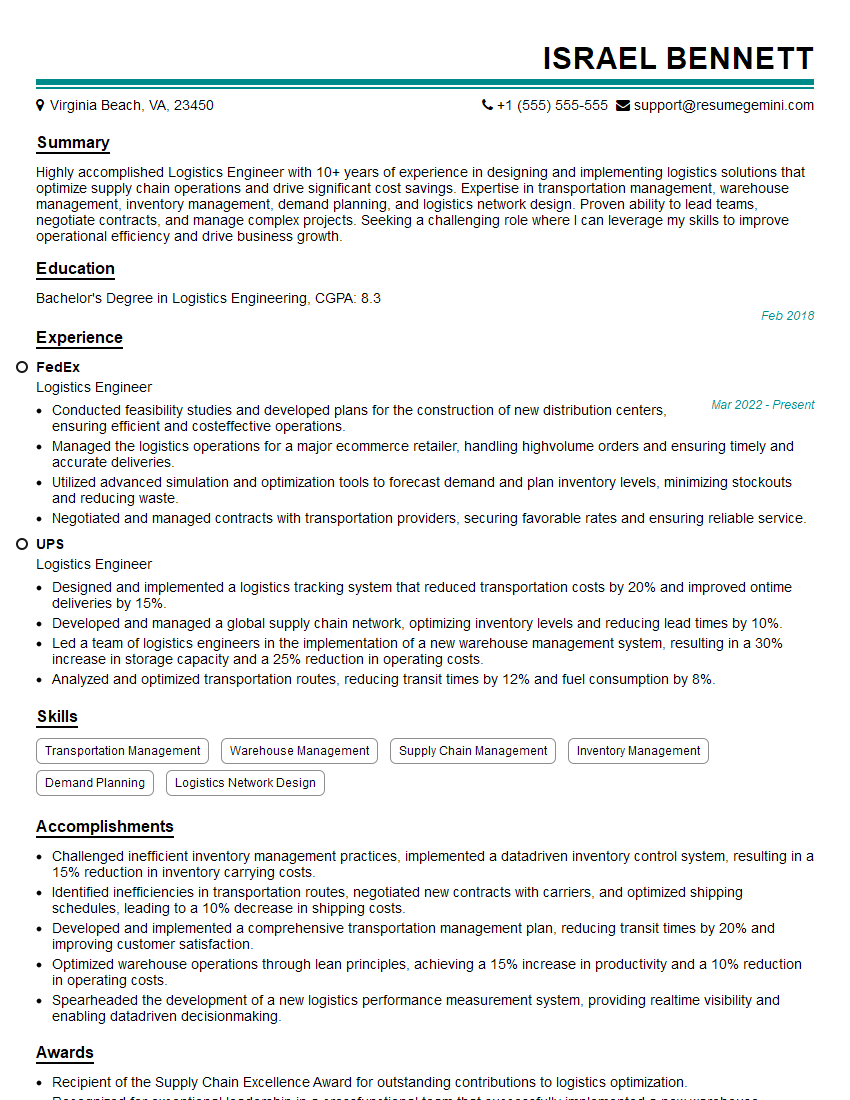
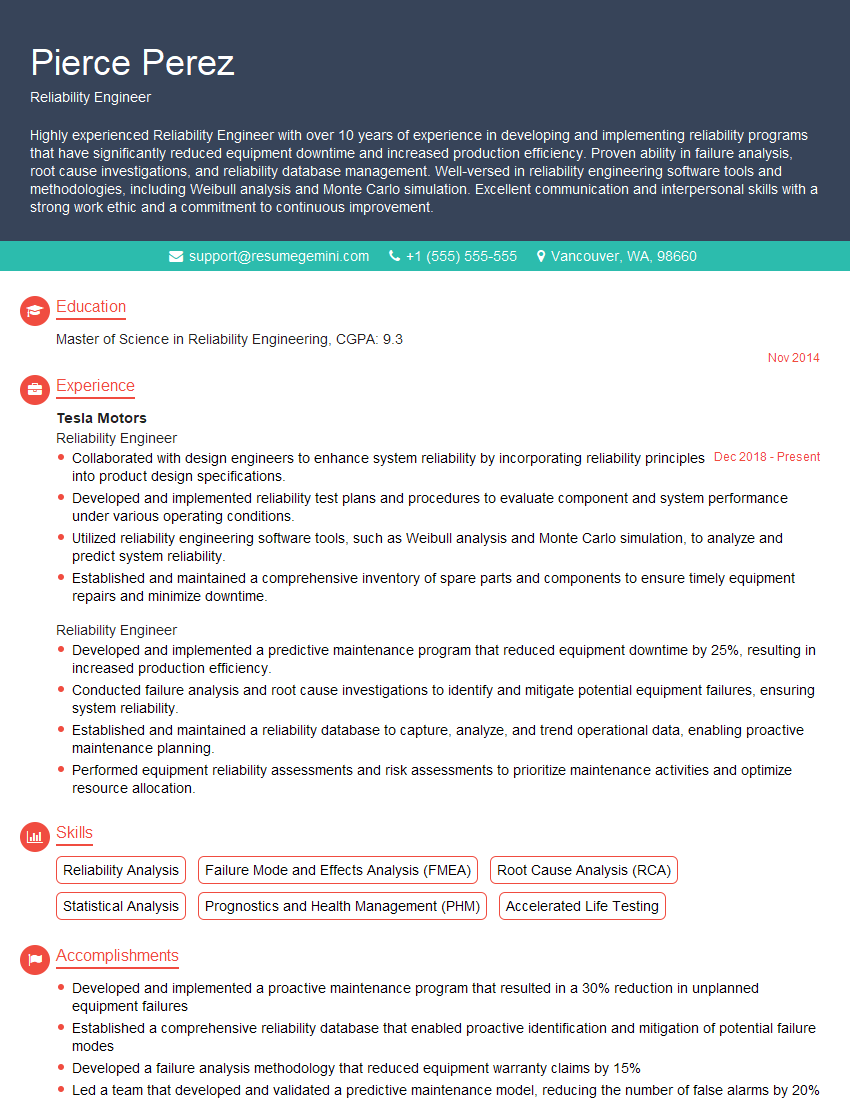
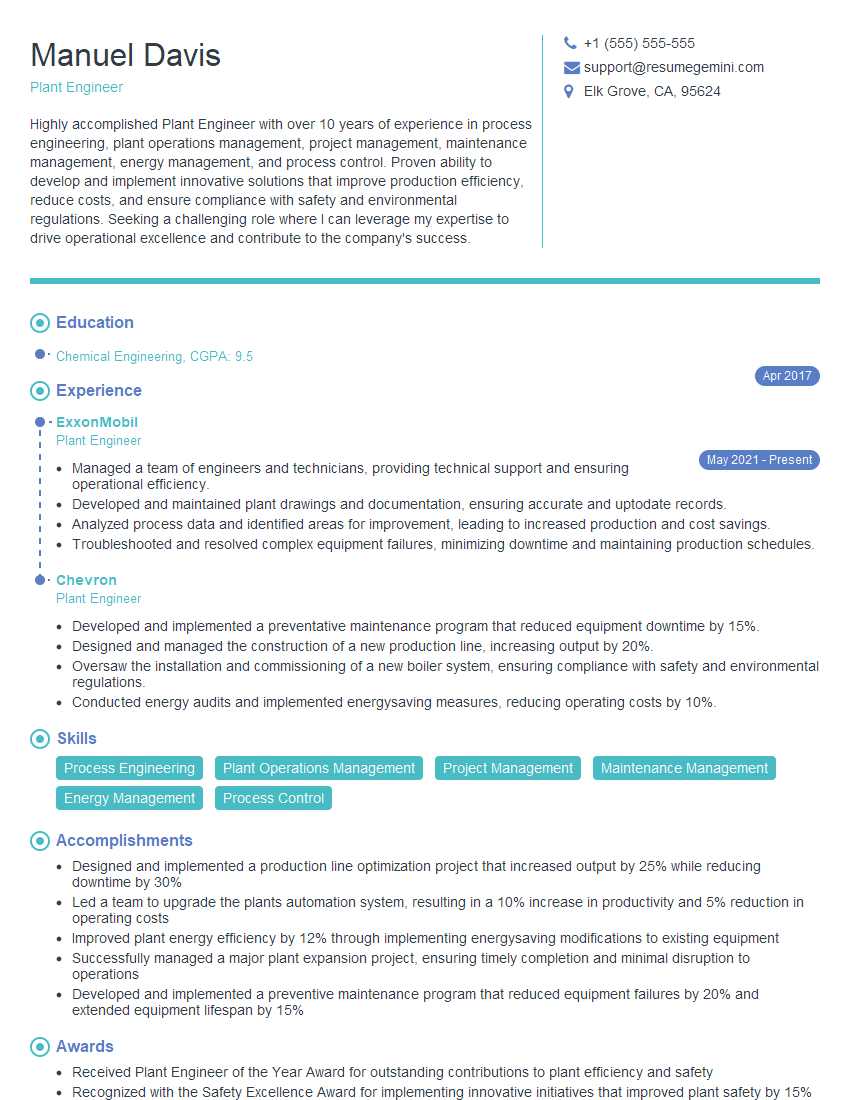
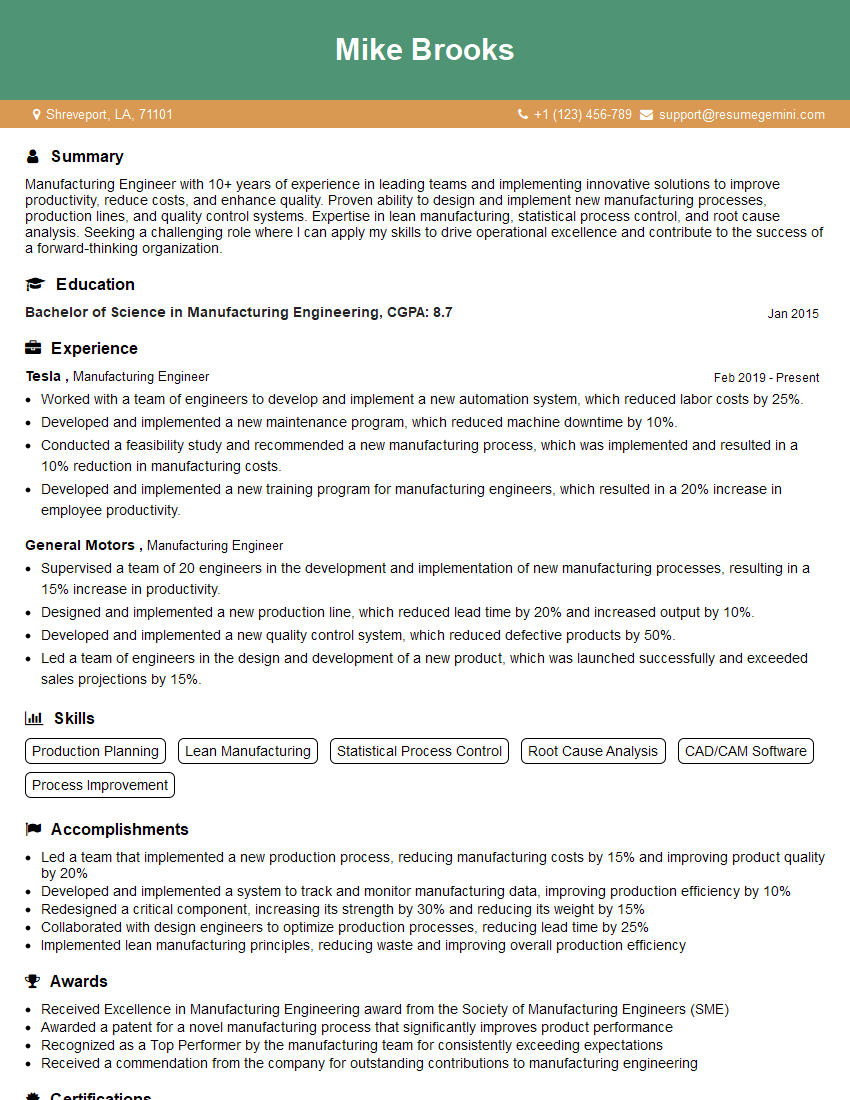
Mastering conveying materials knowledge is crucial for advancing your career in logistics, manufacturing, and related fields. A strong understanding of these concepts demonstrates your practical skills and problem-solving abilities, making you a highly valuable asset to any team. To significantly improve your job prospects, focus on crafting an ATS-friendly resume that showcases your skills and experience effectively. ResumeGemini is a trusted resource to help you build a professional and impactful resume. They provide examples of resumes tailored to conveying materials roles to help guide you. Use ResumeGemini to make your application stand out!

Explore more articles
Users Rating of Our Blogs
Share Your Experience
We value your feedback! Please rate our content and share your thoughts (optional).
What Readers Say About Our Blog
To the interviewgemini.com Webmaster.
Very helpful and content specific questions to help prepare me for my interview!
Thank you
To the interviewgemini.com Webmaster.
This was kind of a unique content I found around the specialized skills. Very helpful questions and good detailed answers.
Very Helpful blog, thank you Interviewgemini team.