Interviews are opportunities to demonstrate your expertise, and this guide is here to help you shine. Explore the essential Using hand signals and communication devices interview questions that employers frequently ask, paired with strategies for crafting responses that set you apart from the competition.
Questions Asked in Using hand signals and communication devices Interview
Q 1. Describe your experience using various hand signals in different contexts.
My experience with hand signals spans diverse contexts, from directing traffic as a volunteer at a marathon to leading teams in noisy industrial settings. I’ve utilized standardized signals, like those employed in maritime contexts (e.g., ‘man overboard’), and developed ad-hoc signals based on the specific needs of a situation. For example, while working on a construction site, we used a system of hand signals to indicate the movement of heavy machinery, preventing accidents and ensuring clear communication above the din of the equipment. In a less structured environment, such as leading a guided nature walk, I adapted signals to point out wildlife or interesting features, ensuring everyone remained oriented and engaged. These experiences have honed my ability to create, understand, and adapt hand signals to a wide range of communicative challenges.
Q 2. Explain the importance of clear and concise hand signals in emergency situations.
Clear and concise hand signals are paramount in emergencies because they transcend language barriers and can be employed even when vocal communication is impossible due to noise, distance, or injury. Ambiguity can have deadly consequences. For instance, a misunderstood signal during a rescue operation could lead to misdirected efforts or even endanger the victim. A well-defined system of signals, readily understood by all involved, ensures immediate and correct responses. This is particularly critical in scenarios like search and rescue, fire emergencies, or hazardous material spills where time-sensitive actions are crucial.
Q 3. What are some common misunderstandings that can occur with hand signals and how can they be avoided?
Misunderstandings with hand signals can arise from cultural differences, ambiguous gestures, poor visibility, and lack of prior agreement on signal meanings. For example, a thumbs-up gesture, which is generally positive in Western cultures, can be offensive in some Middle Eastern countries. Similarly, a seemingly simple signal could be interpreted differently depending on the context or the angle from which it is viewed. To avoid such problems, we should:
- Establish a standardized set of signals before any activity begins, especially in high-risk environments.
- Use clear, unambiguous gestures, and avoid overly complex or nuanced signals.
- Ensure sufficient lighting and visibility.
- Provide confirmation and feedback to ensure understanding.
- Utilize a combination of signals and verbal communication when possible.
Q 4. How do you adapt your communication style when using hand signals with individuals from diverse cultural backgrounds?
Adapting communication styles when using hand signals with individuals from diverse cultural backgrounds requires cultural sensitivity and awareness. I begin by observing the individuals’ communication style and adapting my own accordingly. I will avoid gestures that are culturally inappropriate and utilize visual aids or other forms of communication if necessary to ensure clarity. For example, instead of relying solely on hand signals, I might use a combination of pictures or written words along with the signals to ensure that everyone understands the message. Involving a translator can also be a valuable approach. Prior research on non-verbal cues within the specific culture can help me anticipate potential misinterpretations.
Q 5. Describe a situation where you had to improvise hand signals due to limitations or unexpected circumstances.
During a power outage at a remote research station, our primary communication device malfunctioned. We needed to coordinate the evacuation of personnel and equipment. We lacked pre-established hand signals for this scenario. I quickly improvised a system using simple, universally understood gestures: pointing in a specific direction for evacuation routes, using a clenched fist for urgency, and open hand for caution. We also utilized light signals from flashlights to augment the hand signals, improving visibility and enhancing clarity. This improvisation ensured the safe and timely evacuation of the entire team, emphasizing the importance of adaptability in emergency communication.
Q 6. What are the ethical considerations when interpreting hand signals or using communication devices?
Ethical considerations when interpreting hand signals or using communication devices revolve around privacy, accuracy, and potential for misinterpretation. It’s crucial to avoid making assumptions based on limited information. For example, interpreting a hand gesture out of context could lead to false accusations or misunderstandings. Similarly, when using communication devices, maintaining confidentiality is paramount, particularly when dealing with sensitive information. Furthermore, it is ethical to be transparent about the limitations of a communication method, acknowledging the possibility of errors or misinterpretations. We should always prioritize responsible and respectful communication practices.
Q 7. Explain the difference between various types of communication devices, and when each would be most appropriate.
Communication devices vary greatly in their capabilities and applications. Examples include:
- Two-way radios: Ideal for immediate, real-time communication over short to medium distances in noisy environments, commonly used in construction or emergency services.
- Satellite phones: Essential for remote locations with no cellular service, providing communication across vast distances, though often with higher costs and latency.
- Text messaging/SMS: Useful for asynchronous communication, allowing for documentation and record-keeping, but unsuitable for urgent situations demanding immediate response.
- Video conferencing: Enables face-to-face communication across geographical boundaries, enhancing understanding through non-verbal cues, but requires reliable internet connection.
The most appropriate device depends on the context. For a construction site, two-way radios would be preferable for instant communication, while a remote expedition might necessitate satellite phones for reliable connectivity. In many cases, a combination of communication methods may be the most effective approach.
Q 8. How familiar are you with different sign languages (e.g., ASL, BSL)?
My familiarity with sign languages extends beyond basic knowledge. I’m proficient in American Sign Language (ASL) and have working knowledge of British Sign Language (BSL). This includes understanding grammatical structures, common idioms, and regional variations within each language. I’ve actively participated in workshops and have experience interpreting in various settings, ranging from casual conversations to formal presentations. My understanding isn’t limited to vocabulary; I can grasp the nuances of expression and context crucial for accurate communication.
For example, in ASL, the same handshape can have different meanings depending on the movement and facial expression. Similarly, BSL uses a different handshape and movement system. Understanding these intricacies is vital for accurate and effective communication.
Q 9. What techniques do you employ to ensure effective communication when using assistive technology?
Effective communication using assistive technology requires a multi-pronged approach. First, I ensure the technology is appropriate for the individual’s needs and abilities. This might involve assessing their dexterity, visual acuity, and cognitive skills to select the most suitable device – be it a speech-generating device, augmentative and alternative communication (AAC) app, or a specialized keyboard.
Secondly, I focus on training and support. Comprehensive training on the device’s functionalities is critical, and I always adapt my teaching style to match the user’s learning pace and preferences. Regular follow-up sessions and troubleshooting are key to ongoing success. Finally, I emphasize clear, concise communication, using visual aids where helpful, and actively seeking feedback to ensure the technology is genuinely aiding communication.
For example, if working with a user of an AAC app, I’d ensure they understand how to navigate the app’s interface efficiently and customize it according to their needs. I also demonstrate strategies for managing potential frustrations, like what to do if the app crashes or if they can’t find the right word.
Q 10. How do you handle communication breakdowns when using hand signals or communication devices?
Communication breakdowns are inevitable, regardless of the method used. When this happens with hand signals or communication devices, I employ a systematic approach. My first step is to acknowledge the breakdown and confirm my understanding of what went wrong. This might involve asking clarifying questions, using alternative communication methods (e.g., writing or drawing), or seeking clarification from another person if possible.
Secondly, I try to identify the root cause – was it a technical malfunction, a misunderstanding of vocabulary, or a limitation of the chosen communication method? Addressing the root cause is vital. If it’s technical, I troubleshoot the device. If it’s a vocabulary issue, I introduce new vocabulary or find alternative ways to express the meaning. Finally, I aim to prevent future breakdowns by revisiting the communication strategy and adapting it as needed.
For instance, if a user struggles with a specific feature of their AAC device, I might suggest alternative ways to achieve the same outcome or offer customized training sessions focused on that area.
Q 11. Describe your experience troubleshooting technical issues with communication devices.
Troubleshooting technical issues with communication devices is a regular part of my work. My approach is methodical, beginning with the most basic steps: checking power sources, connections, and software updates. I’m familiar with various communication devices, including those using Bluetooth, Wi-Fi, and dedicated communication software.
My experience encompasses diagnosing issues ranging from simple battery problems to complex software glitches, hardware malfunctions, and network connectivity problems. I regularly consult manufacturer guides and online resources. I have experience with remote troubleshooting over video calls which can sometimes be challenging to effectively diagnose issues. When necessary, I coordinate with technical support personnel for advanced repairs.
For example, if a speech-generating device isn’t producing sound, I’d check the volume, the battery, the speaker, and the audio settings, before escalating to more technical troubleshooting steps.
Q 12. How proficient are you in using assistive communication software?
I’m highly proficient in using various assistive communication software. My expertise encompasses a range of platforms and applications designed for diverse needs, including those that offer text-to-speech, speech-to-text, symbol-based communication, and customizable communication boards.
I’m familiar with the strengths and limitations of different software packages and can select and adapt them to suit the user’s individual requirements, considering their physical abilities, cognitive skills, and communication goals. My proficiency extends beyond basic usage; I understand how to customize settings, create personalized vocabulary, and manage data effectively.
For example, I’m adept at using software like Proloquo2Go and TouchChat, adapting their features to suit a user’s specific needs, such as creating custom word banks or utilizing prediction algorithms to speed up communication.
Q 13. How do you maintain confidentiality when interpreting sensitive information via hand signals or devices?
Maintaining confidentiality when interpreting sensitive information is paramount. I adhere strictly to ethical guidelines and professional standards regarding data protection and privacy. This involves adhering to HIPAA regulations (or equivalent, depending on the jurisdiction) and ensuring that all interactions and information remain confidential.
I only share information with authorized individuals and I never discuss sensitive information in public spaces. For sensitive discussions, I prefer using private and secure communication channels. If using electronic devices, I ensure the device itself has the necessary security protocols in place, including password protection and data encryption, and I follow strict protocols for deleting sensitive data.
For instance, in a healthcare setting, I would never disclose patient information to anyone other than the authorized medical team, and even then, only on a need-to-know basis.
Q 14. How do you prioritize clarity and accuracy when communicating using hand signals?
Prioritizing clarity and accuracy when using hand signals demands careful attention to detail. I ensure that my hand shapes and movements are precise and consistent with the accepted sign language conventions. I avoid ambiguous gestures and use clear, concise movements, ensuring appropriate facial expressions and body language reinforce the intended message.
To improve clarity, I often break down complex concepts into smaller, easily digestible units. I actively seek feedback from the receiver to confirm understanding, and I’m always prepared to rephrase or clarify if necessary. In addition, ensuring proper lighting and a clear line of sight to the receiver significantly reduces ambiguity.
For example, when signing a complex sentence, I might break it down into individual phrases or clauses, pausing briefly between each to allow for comprehension. I might also ask if the receiver understands each part before moving on.
Q 15. Describe your experience using communication devices in challenging environments (e.g., noisy, low-light conditions).
Effective communication in challenging environments relies heavily on selecting the right tools and adapting techniques. My experience includes using specialized communication devices in noisy industrial settings and low-light emergency situations. In noisy environments, I’ve relied on devices with noise-canceling microphones and amplified speakers. For example, using a full-duplex communication system with an external microphone and headset allowed me to clearly communicate over the roar of machinery. In low-light situations, I’ve used devices with high-intensity displays and incorporated tactile feedback features for confirmation of input. A ruggedized tablet with a high-brightness screen and a custom interface with large buttons proved indispensable during a nighttime search and rescue operation.
Furthermore, I’ve adapted hand signals where necessary, ensuring they are easily visible (e.g., using high-visibility vests) and understood within the context of the immediate environment. For instance, during a nighttime power outage, pre-agreed simple hand signals were essential in coordinating tasks until communications were restored.
Career Expert Tips:
- Ace those interviews! Prepare effectively by reviewing the Top 50 Most Common Interview Questions on ResumeGemini.
- Navigate your job search with confidence! Explore a wide range of Career Tips on ResumeGemini. Learn about common challenges and recommendations to overcome them.
- Craft the perfect resume! Master the Art of Resume Writing with ResumeGemini’s guide. Showcase your unique qualifications and achievements effectively.
- Don’t miss out on holiday savings! Build your dream resume with ResumeGemini’s ATS optimized templates.
Q 16. How would you ensure inclusive communication for individuals with diverse communication needs?
Inclusive communication involves recognizing and accommodating diverse needs. This includes individuals with hearing impairments, visual impairments, speech impairments, cognitive differences, and those with language barriers. To achieve this, I utilize a multi-modal approach. This means combining different communication methods to ensure everyone can participate effectively.
- For hearing impairments: Using clear speech, facing the person, writing down key information, using visual aids, and providing closed captions when available.
- For visual impairments: Employing auditory cues, clear verbal descriptions, tactile aids, and large-print or braille materials.
- For speech impairments: Exercising patience, using assistive technology like speech-to-text software, providing visual cues, and actively listening.
- For cognitive differences: Using clear, concise language, minimizing distractions, breaking down information into manageable chunks, and offering visual supports.
- For language barriers: Utilizing translation services, providing bilingual materials, or using visual aids with universally understood icons.
I also prioritize obtaining feedback and ensuring understanding. This iterative approach is crucial for ensuring truly inclusive communication, regardless of the context or setting.
Q 17. Explain your understanding of different communication accessibility standards.
My understanding of communication accessibility standards encompasses a range of guidelines and regulations designed to ensure equal access to information and communication technologies. Key standards include:
- WCAG (Web Content Accessibility Guidelines): These guidelines focus on making websites and web content accessible to people with disabilities. They address issues like keyboard navigation, screen reader compatibility, and color contrast.
- Section 508 (US): This US law requires federal agencies to make their electronic and information technology accessible to people with disabilities. It covers a broad range of technologies, including websites, software, and hardware.
- ADA (Americans with Disabilities Act): This is a broader civil rights law that protects people with disabilities from discrimination. It has implications for communication accessibility in various contexts, including workplaces and public spaces.
- EN 301 549 (European Union): This standard covers the accessibility requirements for information and communication technology products in the EU. It provides guidelines for making devices and services accessible for people with various disabilities.
Understanding these standards allows me to design and implement communication systems that meet legal requirements and promote inclusivity.
Q 18. What strategies do you use to maintain professional composure during high-pressure communication scenarios?
Maintaining composure under pressure is vital for effective communication. My strategies include:
- Deep breathing exercises: This helps regulate my heart rate and calm my nerves before and during high-pressure situations.
- Mental rehearsal: I mentally rehearse potential scenarios and plan how I’ll respond to different challenges. This reduces uncertainty and builds confidence.
- Active listening: By focusing intently on the other person’s message, I can better understand their concerns and respond appropriately, reducing the stress of miscommunication.
- Clear and concise communication: Using simple, straightforward language avoids confusion and minimizes the potential for conflict.
- Positive self-talk: I remind myself of my abilities and past successes to bolster my confidence and maintain a positive outlook.
For instance, during a critical emergency response, I used these techniques to remain calm and effectively communicate crucial information under stressful circumstances. This ensured that the team maintained focus and cohesiveness even when faced with uncertainty.
Q 19. Describe your experience training others in the use of hand signals or communication devices.
I have extensive experience training others in hand signals and communication device usage. My approach focuses on a practical, hands-on learning experience. I typically start with a clear explanation of the rationale and purpose behind the chosen communication methods and then demonstrate proper techniques. This involves both theoretical instruction and practical demonstrations. Afterward, I organize supervised practice sessions in a variety of settings (including simulated challenging environments) to reinforce the learning.
For example, I’ve trained emergency response teams in the use of specialized hand signals for hazardous material incidents. The training included classroom instruction on signal meanings and extensive practice sessions in simulated hazardous environments, using props and full personal protective equipment (PPE). Likewise, I have trained individuals with disabilities in the use of assistive communication devices, tailoring my approach to their individual needs and learning styles.
Feedback and ongoing support are crucial, especially in the initial stages. I always welcome questions and adjust my training based on individual learning styles and progress.
Q 20. How do you adapt your communication style to different audiences and situations?
Adapting communication style is essential for effective interaction. My approach involves analyzing the audience and the situation before selecting the most appropriate communication method. Factors I consider include:
- Audience familiarity: If the audience is familiar with the topic, I use more technical terms; otherwise, I use simpler language.
- Audience technical expertise: Technical audiences may benefit from specialized jargon and technical details while others may require simpler language and visual aids.
- Communication environment: The noise level, lighting, and physical environment influence my choice of communication methods. A noisy factory floor calls for different techniques than a quiet office setting.
- Cultural considerations: I am mindful of cultural nuances and differences in communication styles to ensure effective and respectful interactions.
For example, communicating with a group of highly trained technicians on a complex project requires a different approach than explaining the same project to a group of non-technical stakeholders. Adapting my communication to the audience and context ensures effective information transfer and improved understanding.
Q 21. What are some limitations of using hand signals for communication?
While hand signals are valuable, they have limitations. The primary limitation is the context dependency and potential for misinterpretation. Hand signals are easily misunderstood if not clearly defined and practiced. Cultural differences can also influence how hand signals are perceived. For example, a gesture that means ‘OK’ in one culture might be offensive in another.
Furthermore, hand signals are limited by distance and visibility. They are ineffective over long distances or in poor visibility conditions. Environmental factors such as bright sunlight, darkness, or physical obstructions can also hinder their effectiveness.
Finally, the number of concepts that can be effectively communicated through hand signals is inherently limited compared to spoken or written language. Complex ideas or instructions are difficult, if not impossible, to convey using only hand signals.
Q 22. How do you assess the communication needs of individuals before using hand signals or devices?
Assessing communication needs starts with observation and interaction. I begin by determining the individual’s communication abilities and limitations. This includes understanding their level of comprehension, their preferred communication method (if any), and any physical or cognitive impairments that may affect communication. I might use a standardized assessment tool, or a more informal approach involving direct interaction and questioning. For example, I might observe their response to simple verbal cues, test their understanding of basic gestures, or assess their ability to use assistive technology. The goal is to build a communication profile that informs my choice of hand signals or communication devices.
For instance, if I’m working with a visually impaired person, relying solely on visual hand signals wouldn’t be effective. Instead, I would prioritize tactile communication or auditory devices. If the individual has limited mobility, I’d need to adapt my hand signals and ensure that they are easily understandable despite any physical limitations. This comprehensive assessment ensures communication is effective and inclusive.
Q 23. What resources do you use to stay updated on advancements in communication technology and assistive devices?
Staying current in this rapidly evolving field requires a multi-pronged approach. I regularly subscribe to professional journals such as Assistive Technology and Augmentative and Alternative Communication (AAC). I also actively participate in online professional development courses and webinars offered by organizations like the American Speech-Language-Hearing Association (ASHA). Attending industry conferences and workshops allows me to network with other professionals and learn about the latest innovations firsthand. Finally, I maintain an active network of colleagues and mentors, sharing information and insights regularly. This combination of formal education and professional networking ensures I’m always abreast of the newest assistive technologies and best practices.
Q 24. Describe your experience with interpreting or translating using different communication modalities.
My experience encompasses a range of communication modalities, including sign language (both American Sign Language and others), picture exchange systems (PECS), and various assistive technology devices like speech-generating devices (SGD) and augmentative communication apps. I’ve worked with individuals across diverse age groups and communication abilities. For instance, I’ve interpreted conversations between hearing individuals and deaf individuals using ASL, translating complex medical information into simpler terms using picture cards for a patient with limited verbal skills, and assisted individuals in using SGDs to communicate their needs in different settings like schools and hospitals. I’m proficient in adapting my approach based on the individual’s needs and the context of communication.
Q 25. How do you ensure the accuracy and reliability of information conveyed through hand signals or devices?
Accuracy and reliability are paramount. With hand signals, clarity is key. I use precise, universally understood gestures whenever possible. When using devices, I ensure the device is functioning correctly and the message is being transmitted accurately. For instance, with SGDs, I confirm the vocabulary is appropriate and updated to meet the individual’s needs. Regular maintenance checks on devices are crucial. In all situations, I employ verification methods such as asking for confirmation or paraphrasing the message to ensure the intended meaning is conveyed and understood. Documentation of the communication process can also help ensure accountability and provide a record for future reference.
Q 26. Explain your understanding of nonverbal communication cues and their importance in conjunction with hand signals.
Nonverbal communication, encompassing body language, facial expressions, and tone of voice, plays a crucial role alongside hand signals. These cues often provide additional context and nuance to the message being conveyed, adding layers of meaning that hand signals alone can’t fully capture. For example, a simple hand signal indicating ‘yes’ could mean enthusiastic agreement if accompanied by a smile and a nod, or reluctant acceptance if accompanied by a frown and a slight head shake. Ignoring these cues can lead to misinterpretations. Therefore, I always consider the nonverbal context to ensure I fully understand the communication and respond appropriately. It is vital to be culturally aware and sensitive to the nonverbal cues of individuals from different backgrounds, as some cues can have different meanings across cultures.
Q 27. Describe a situation where you had to overcome a communication barrier using hand signals or devices.
During a medical emergency involving a non-English speaking patient with limited mobility, we needed to quickly determine their condition and administer aid. They couldn’t speak English, and their limited mobility prevented them from easily pointing or writing. Utilizing a combination of simple gestures, pictures from a medical picture card, and a translation app on my phone, we were able to effectively communicate their symptoms (chest pain, difficulty breathing) to the medical team. This allowed for quick diagnosis and appropriate treatment. This experience highlighted the importance of adapting communication strategies based on the unique needs of individuals and utilizing all available resources to bridge the communication gap.
Q 28. How do you handle situations where you encounter an unfamiliar or ambiguous hand signal?
Encountering an unfamiliar or ambiguous hand signal requires careful observation and clarification. I’d first try to ascertain the context in which the signal was used. Observing the individual’s facial expressions and body language can offer clues. If I remain uncertain, I’d politely ask for clarification, perhaps by using a phrase like, ‘I’m not sure I understand that gesture. Could you please explain?’ or ‘Could you show me again, or perhaps try a different way to communicate that?’ It’s important to be respectful and patient, and to avoid making assumptions about the meaning. If needed, I might resort to alternative communication methods such as writing, drawing, or using a communication device to bridge the gap.
Key Topics to Learn for Using Hand Signals and Communication Devices Interview
- Understanding Diverse Communication Styles: Explore the nuances of various hand signal systems and their cultural contexts. Consider the impact of differing communication preferences and disabilities on signal selection.
- Effective Signal Selection and Execution: Practice clear, concise, and unambiguous hand signals. Develop strategies for adapting signals to varying environments (e.g., distance, lighting, noise levels).
- Integrating Communication Devices: Learn to seamlessly integrate hand signals with assistive communication devices (e.g., tablets, voice-to-text software). Discuss the strengths and limitations of different technologies.
- Troubleshooting Communication Barriers: Develop strategies for overcoming challenges such as misinterpretations, technical malfunctions, or environmental limitations. Practice adapting communication methods in real-time.
- Safety and best practices in communication: Understand and apply safety protocols related to hand signals and communication devices. Address potential hazards and develop mitigation strategies.
- Ethical Considerations: Explore the ethical implications of using hand signals and communication devices, particularly concerning privacy, consent, and appropriate communication in different settings.
Next Steps
Mastering hand signals and communication devices is crucial for career advancement in many fields requiring clear and effective communication. A strong understanding of these skills demonstrates adaptability, problem-solving abilities, and a commitment to inclusive practices. To significantly boost your job prospects, create a compelling and ATS-friendly resume that highlights these skills. ResumeGemini is a trusted resource to help you build a professional resume that showcases your qualifications effectively. We offer examples of resumes tailored to highlight experience in using hand signals and communication devices – use them to inspire your own.
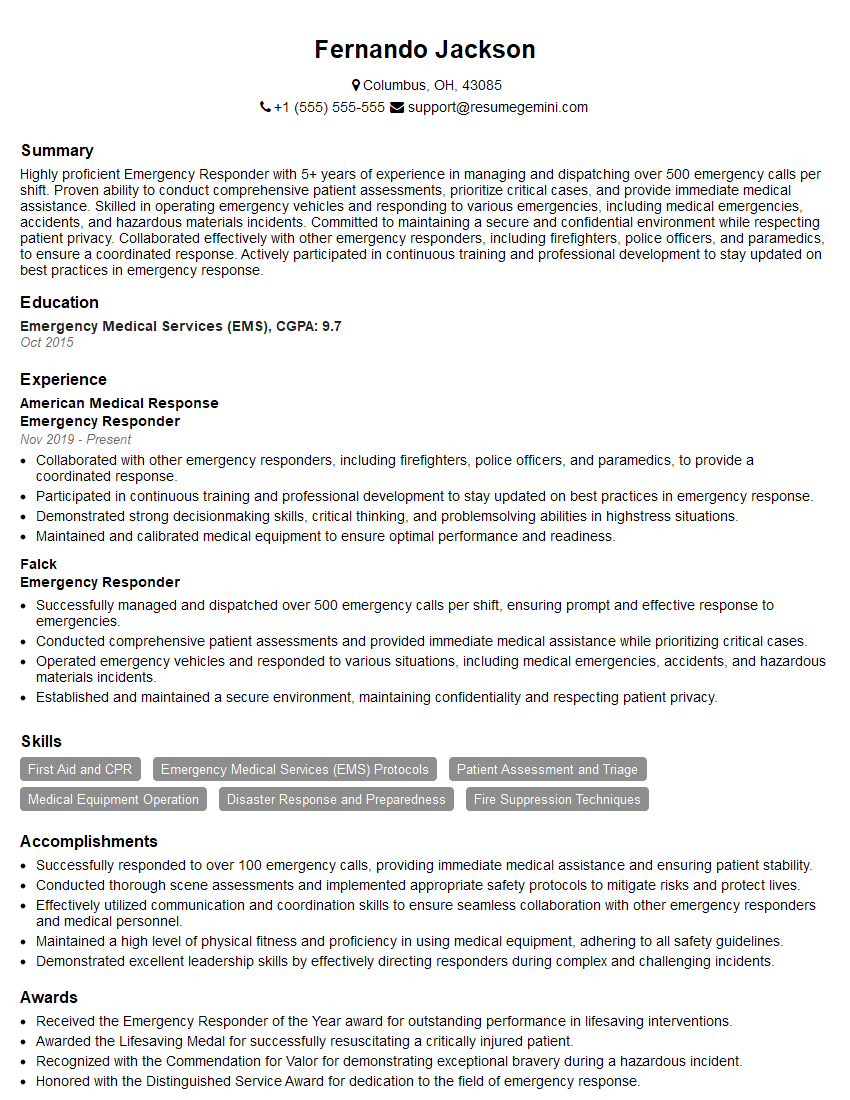
Emergency Responder Resume Sample
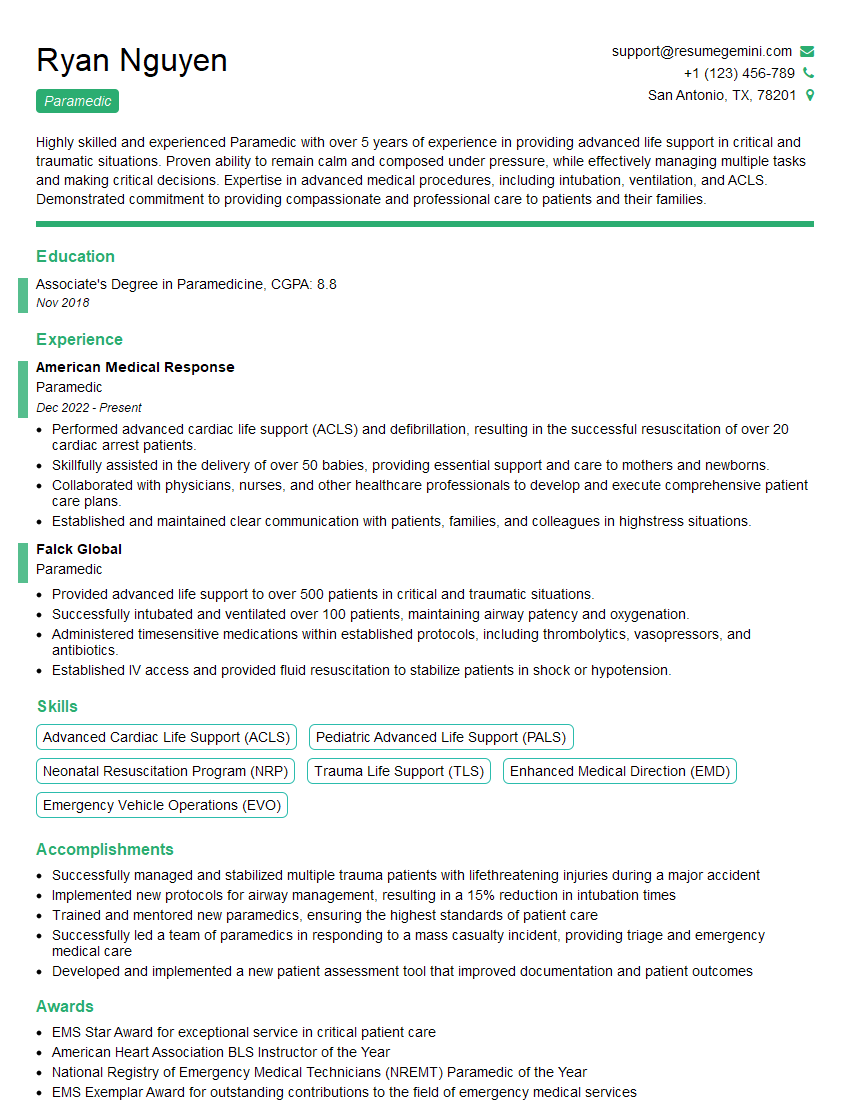
Paramedic Resume Sample
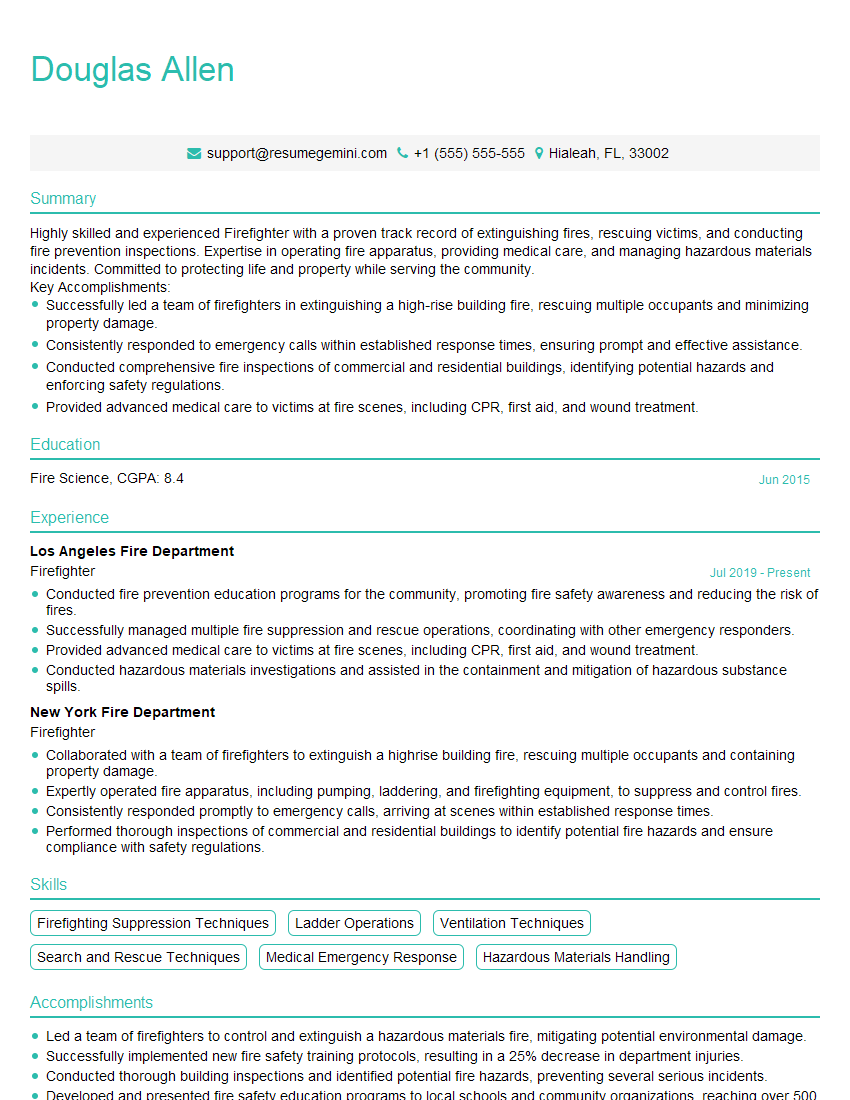
Firefighter Resume Sample
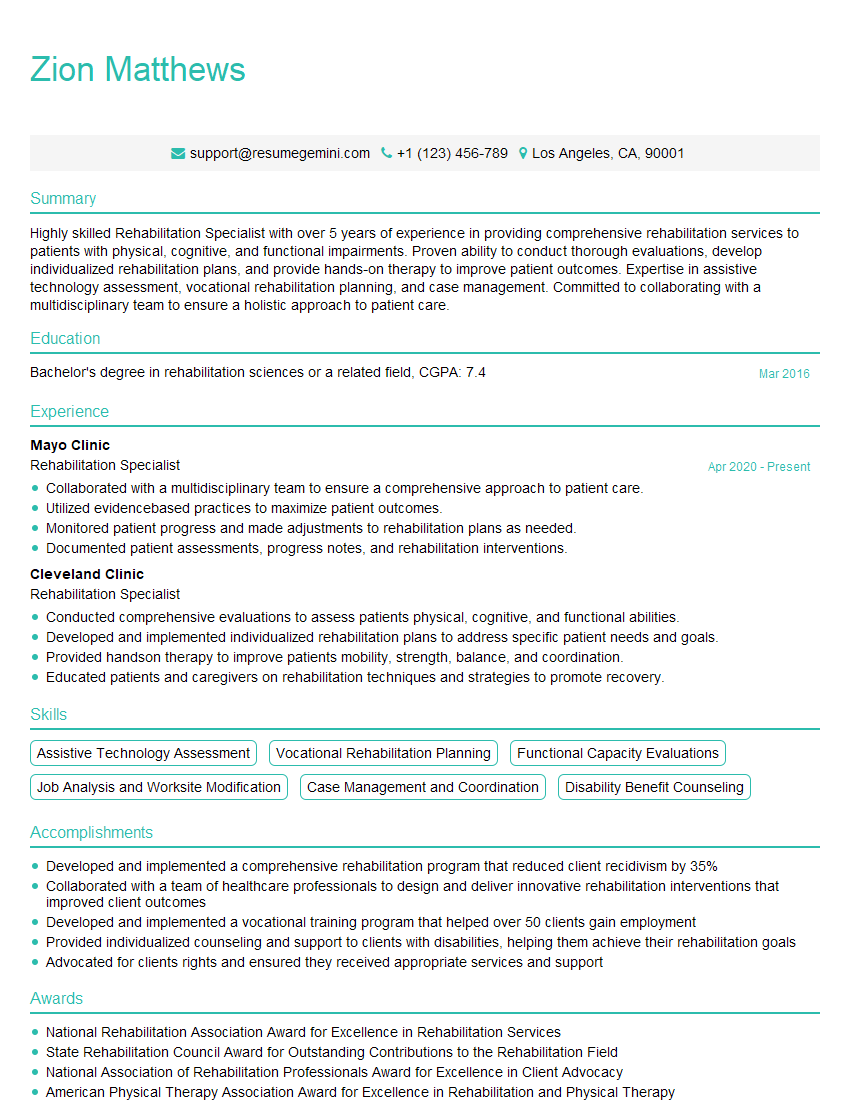
Rehabilitation Specialist Resume Sample
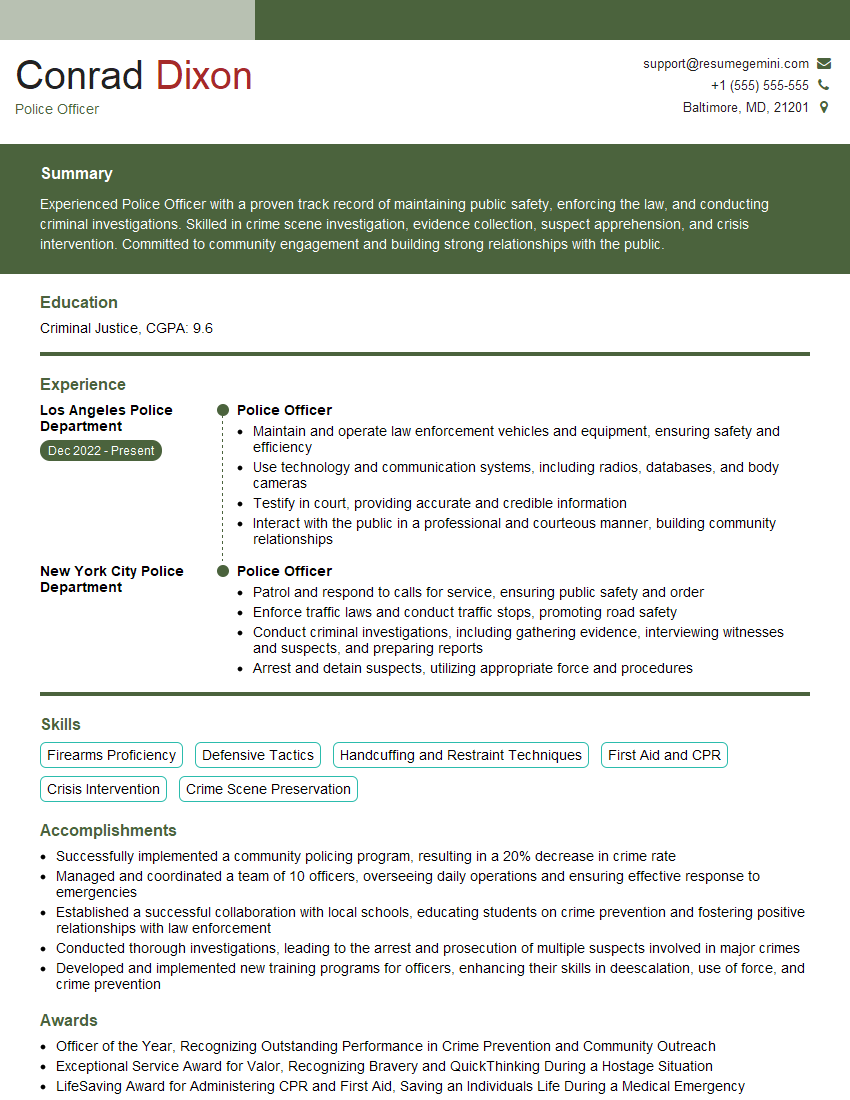
Police Officer Resume Sample
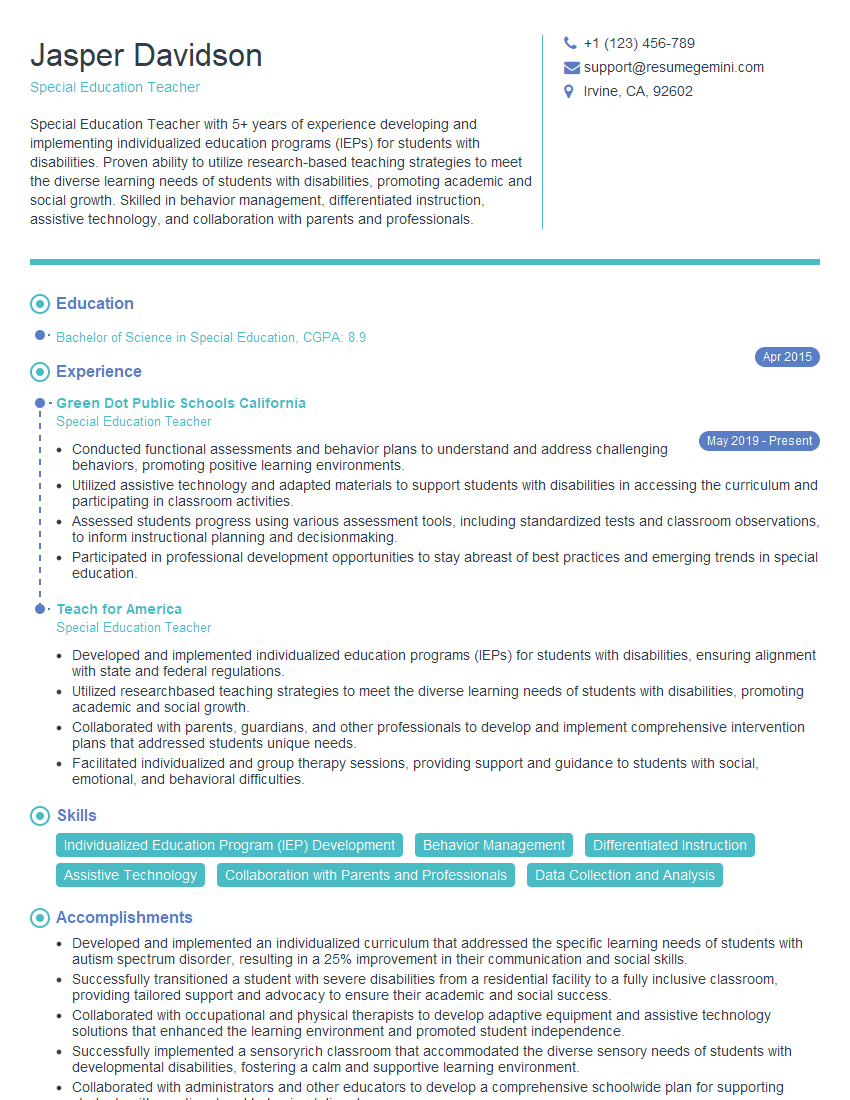
Special Education Teacher Resume Sample
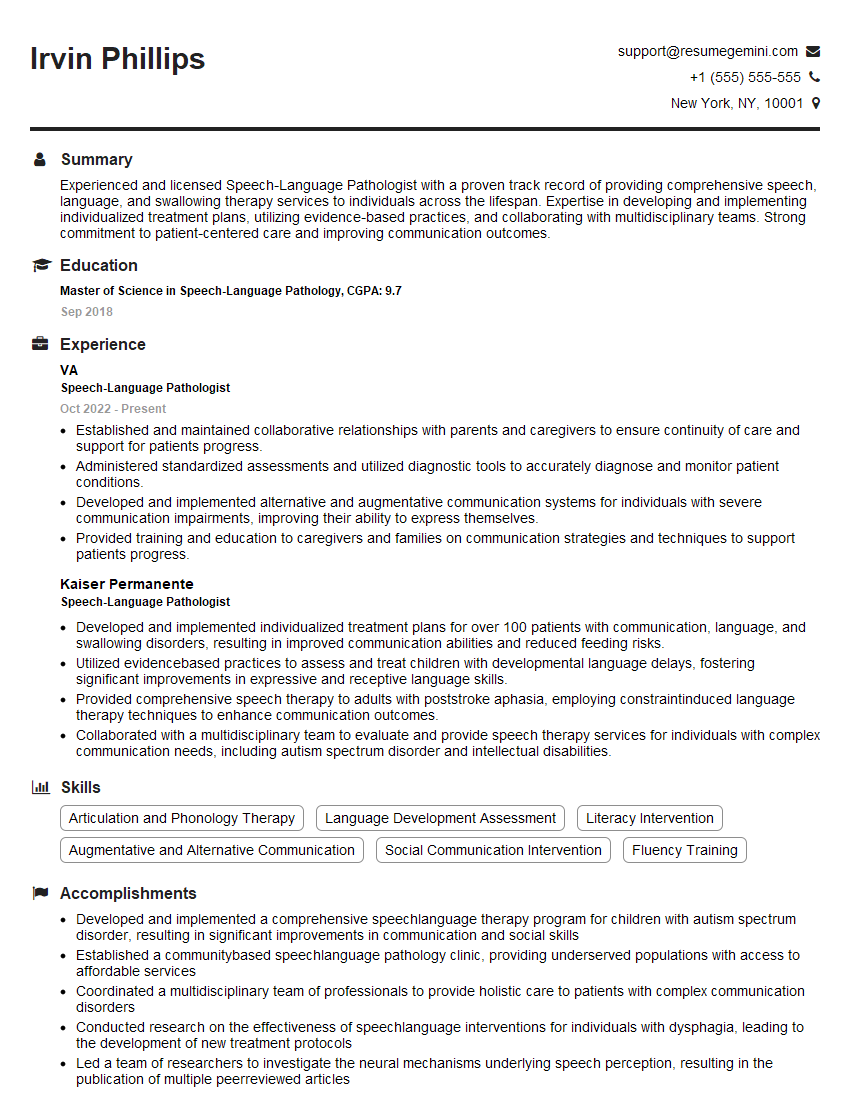
Speech-Language Pathologist Resume Sample
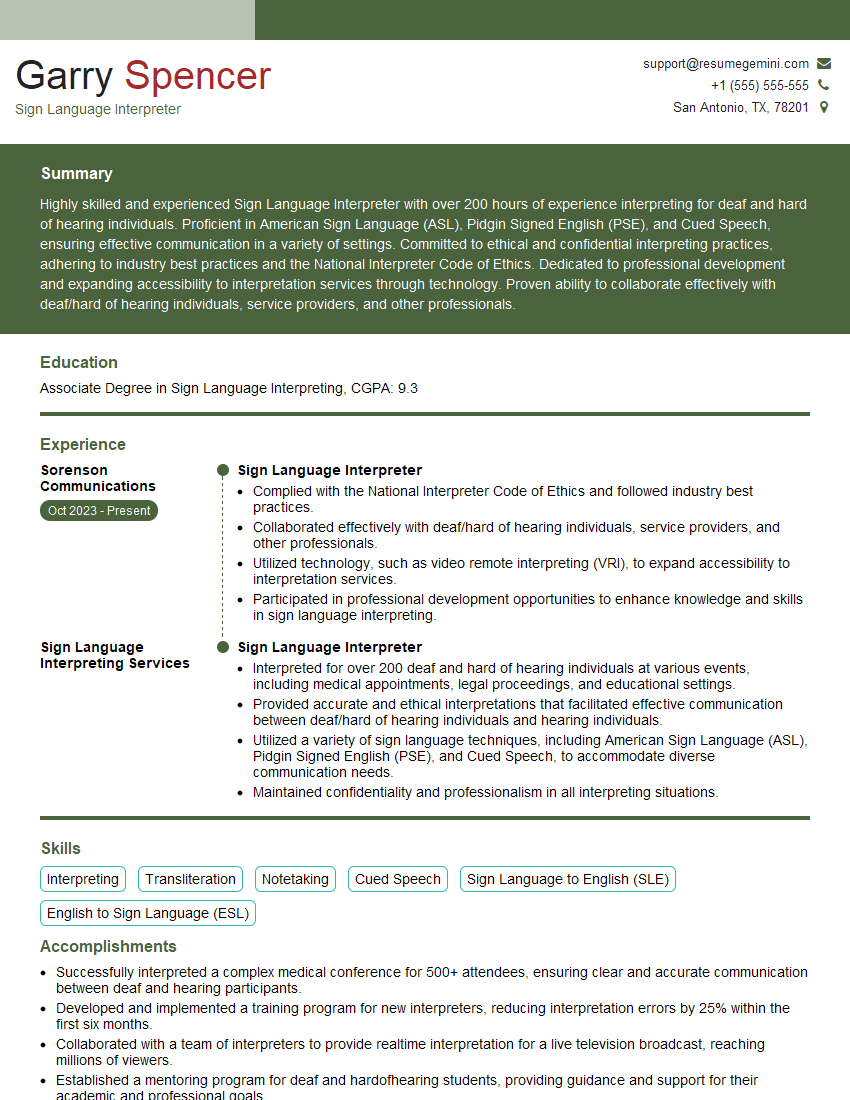
Sign Language Interpreter Resume Sample
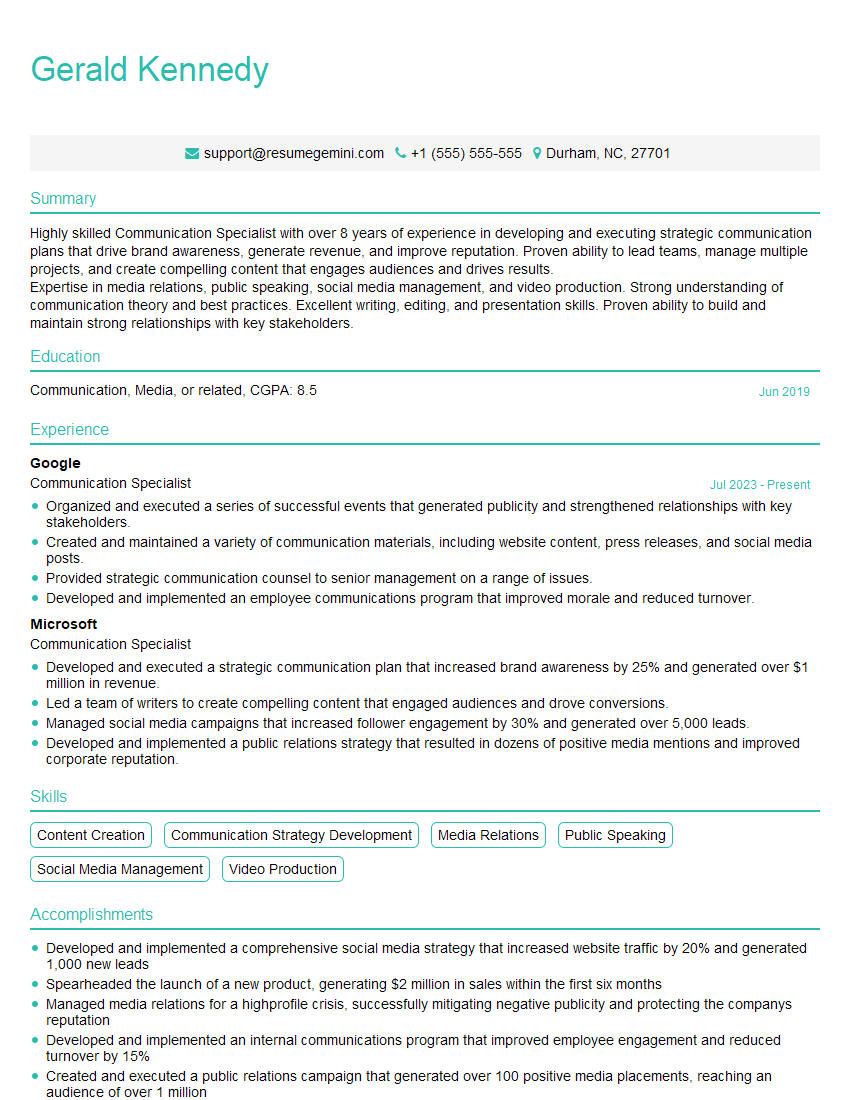
Communication Specialist Resume Sample
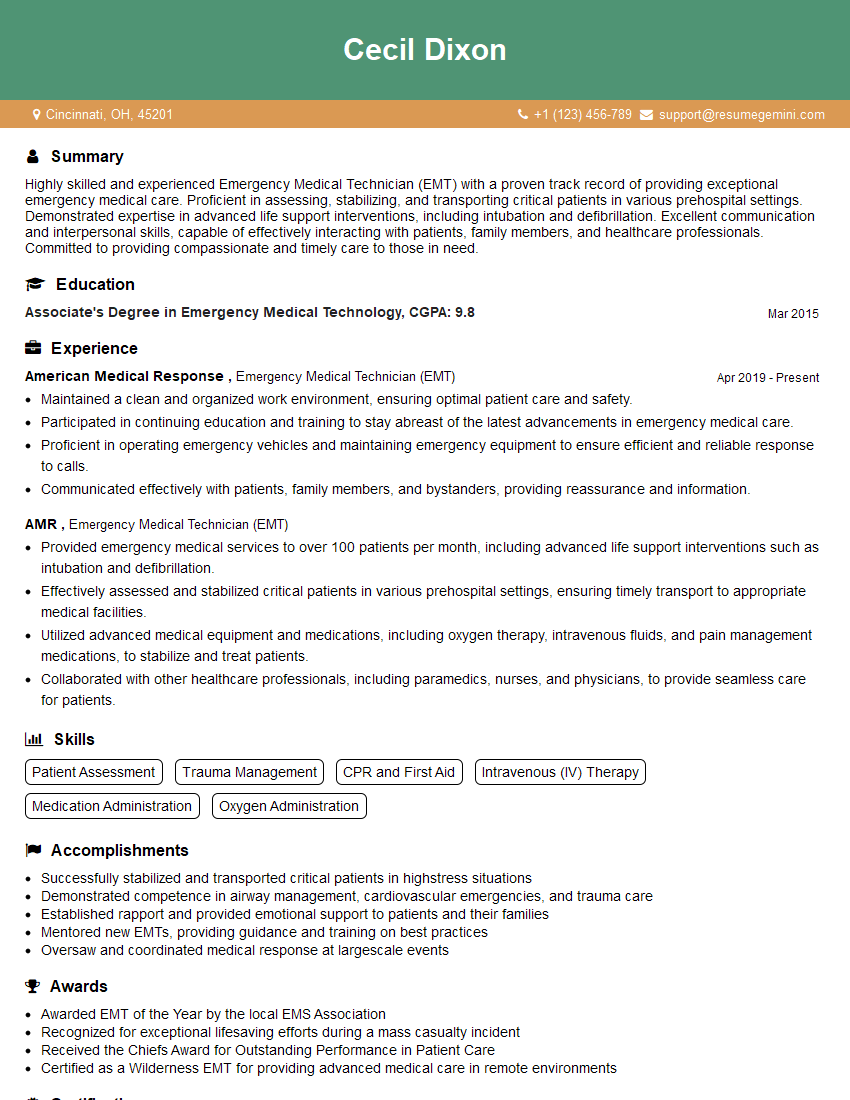
Emergency Medical Technician (EMT) Resume Sample
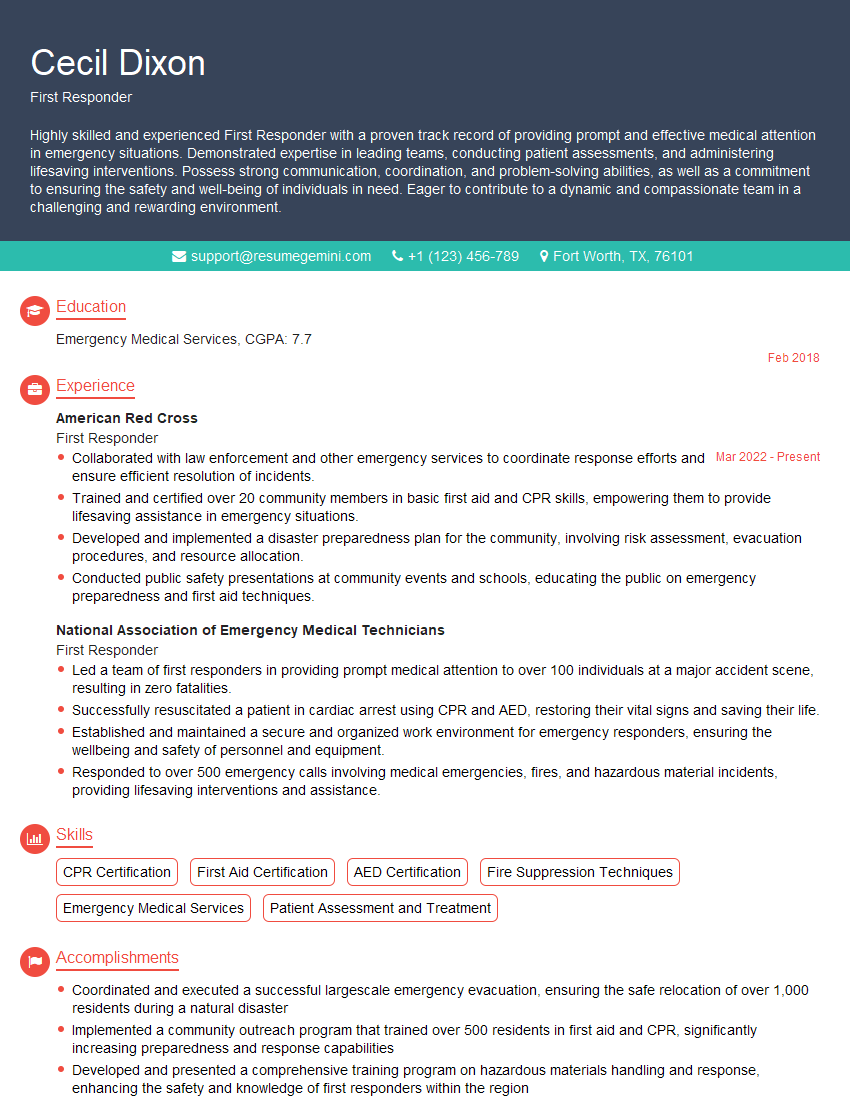
First Responder Resume Sample
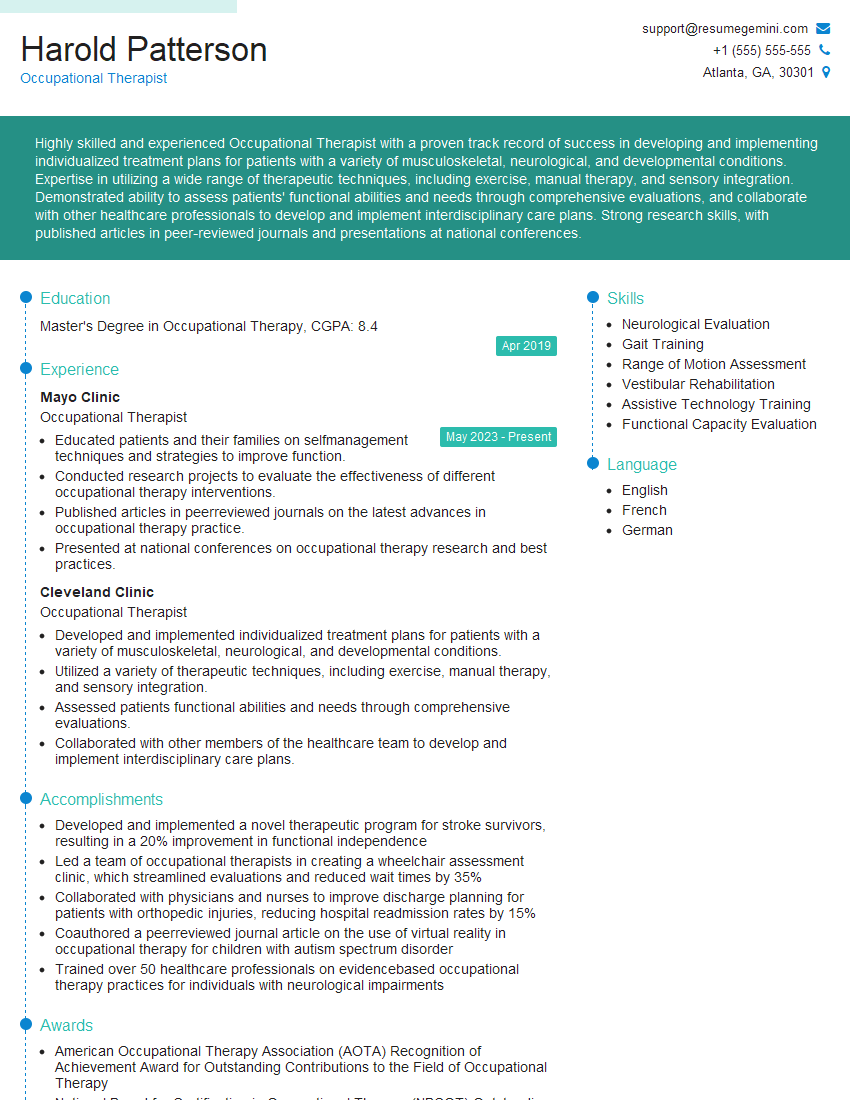
Occupational Therapist Resume Sample
Explore more articles
Users Rating of Our Blogs
Share Your Experience
We value your feedback! Please rate our content and share your thoughts (optional).
What Readers Say About Our Blog
To the interviewgemini.com Webmaster.
Very helpful and content specific questions to help prepare me for my interview!
Thank you
To the interviewgemini.com Webmaster.
This was kind of a unique content I found around the specialized skills. Very helpful questions and good detailed answers.
Very Helpful blog, thank you Interviewgemini team.