The right preparation can turn an interview into an opportunity to showcase your expertise. This guide to Commitment to providing culturally sensitive care interview questions is your ultimate resource, providing key insights and tips to help you ace your responses and stand out as a top candidate.
Questions Asked in Commitment to providing culturally sensitive care Interview
Q 1. Describe your understanding of cultural competency in healthcare.
Cultural competency in healthcare is the ability to understand, appreciate, and interact effectively with people from cultures different from one’s own. It’s not just about awareness; it’s about actively incorporating cultural knowledge into every aspect of patient care, from communication to treatment planning. It requires self-reflection on one’s own biases and a commitment to ongoing learning and adaptation.
A culturally competent healthcare provider demonstrates respect for diverse beliefs and practices, recognizes the impact of culture on health outcomes, and tailors their approach to meet the unique needs of each patient. This includes understanding how cultural factors influence communication styles, health-seeking behaviors, family dynamics, and decision-making processes.
Q 2. How would you address a communication barrier with a patient from a different cultural background?
Addressing communication barriers requires a multi-pronged approach. First, I would attempt to identify the specific barrier – is it a language difference, differing communication styles (e.g., direct vs. indirect), or a lack of understanding of medical terminology?
- Language barriers: I would utilize a qualified interpreter, ensuring they are culturally sensitive and understand the nuances of medical conversations. I would avoid using family members as interpreters unless absolutely necessary and with the patient’s informed consent.
- Cultural differences in communication styles: I would observe the patient’s nonverbal cues and adapt my communication style accordingly. For example, some cultures value indirect communication, while others prefer directness. I might use simpler language, avoid jargon, and allow ample time for the patient to respond.
- Medical terminology: I would explain medical terms in simple language, using analogies and visual aids as needed. I would actively check for understanding throughout the conversation.
Throughout the process, I would demonstrate empathy and patience, fostering a trusting relationship with the patient.
Q 3. Explain how cultural beliefs can influence health decisions.
Cultural beliefs significantly influence health decisions in numerous ways. For instance, some cultures may prioritize traditional healing practices over Western medicine, leading to delayed or forgone conventional treatments. Dietary restrictions based on religious or cultural beliefs can affect a patient’s willingness to follow a prescribed diet. Family dynamics and decision-making processes also vary across cultures, impacting how medical information is shared and treatment plans are implemented. For example, in some cultures, the eldest family member makes healthcare decisions, while in others, decisions are made collaboratively.
Understanding these influences is vital for effective healthcare. Ignoring them can lead to mistrust, non-compliance, and suboptimal health outcomes.
Q 4. What are some common cultural misunderstandings you’ve encountered, and how did you handle them?
I’ve encountered misunderstandings concerning pain expression. In some cultures, stoicism in the face of pain is valued, while in others, vocalizing pain is expected. This can lead to under- or over-treatment of pain. I once had a patient who appeared stoic, yet laboratory results indicated significant pain. By patiently probing and using nonverbal cues as a guide (e.g., facial expressions, body language), I was able to understand his pain level. We then worked together to find a treatment plan that honored his cultural norms while addressing his pain effectively.
Another misunderstanding involved differing perspectives on family involvement in care. In some cultures, family members are central to decision-making, while in others, the patient prefers autonomy. By openly discussing expectations and preferences early on, I was able to establish a collaborative approach that respected everyone’s needs.
Q 5. How do you incorporate cultural considerations into your treatment plans?
Cultural considerations are integrated into my treatment plans from the initial assessment. I begin by gathering information about the patient’s cultural background, including their beliefs about health, illness, and healing. This information informs my communication style, my choice of treatment options, and the way I involve family members in the care process.
For example, I might adjust medication schedules to accommodate religious practices, or recommend culturally appropriate resources for support and education. I also make sure to document the patient’s cultural preferences and any relevant considerations in their medical record to ensure continuity of care.
Q 6. How do you ensure you are providing equitable care to patients from diverse backgrounds?
Equitable care means providing high-quality care that is fair and unbiased, regardless of a patient’s cultural background. It requires actively addressing health disparities and ensuring access to appropriate and culturally sensitive care for all patients. This involves continuous self-reflection to identify and mitigate personal biases, actively seeking out and using culturally appropriate resources, and advocating for policies that promote health equity. It also necessitates understanding systemic barriers that prevent equitable access to care and working to dismantle them.
Data collection and analysis regarding health outcomes across different cultural groups are essential to monitoring for and addressing any potential inequities.
Q 7. Describe a situation where you had to adapt your approach to care due to cultural differences.
I once cared for a patient from a culture where eye contact is considered disrespectful. Initially, my attempts at making eye contact were perceived negatively, creating a communication barrier. Once I understood this cultural nuance, I adjusted my approach, minimizing direct eye contact while still maintaining a warm and approachable demeanor. This simple adaptation significantly improved our communication and fostered a trusting relationship, ultimately leading to a more positive patient outcome.
Q 8. How familiar are you with different cultural health beliefs and practices?
My familiarity with diverse cultural health beliefs and practices is extensive. I’ve dedicated significant time to studying various cultural perspectives on health, illness, and healing. This includes understanding how different cultures perceive pain, disease etiology (the cause of disease), treatment preferences, and the role of family and spirituality in healthcare. For example, I’m aware that some cultures prioritize traditional medicine alongside Western medicine, while others may hold beliefs that influence their willingness to accept certain medical interventions. I’ve also undertaken extensive coursework and self-directed learning on specific cultural groups, such as understanding the unique health concerns of Indigenous populations or the impact of cultural stigma on mental health within specific communities. This continuous learning is crucial for providing truly culturally sensitive care.
- Example 1: Understanding the importance of family decision-making in some Hispanic cultures when it comes to healthcare choices.
- Example 2: Recognizing that some Asian cultures may prioritize a holistic approach to well-being that encompasses physical, emotional, and spiritual aspects.
Q 9. How would you navigate a situation where your personal values conflict with a patient’s cultural beliefs?
Navigating conflicts between my personal values and a patient’s cultural beliefs requires a commitment to ethical and respectful practice. My approach is rooted in the principle of prioritizing patient autonomy and respecting their right to make decisions about their own healthcare, even if those decisions differ from my personal views. I would begin by engaging in open and honest communication, actively listening to understand the patient’s perspective and the reasons behind their beliefs. I would clarify my role as a healthcare provider to offer information and support their choices, not impose my personal values. If I genuinely felt a particular practice posed a significant safety risk, I would carefully explain the potential consequences and explore alternative options that align with both the patient’s cultural beliefs and their safety. Documenting the discussion and any decisions made is essential for transparency and accountability.
Example: If a patient’s cultural beliefs conflict with a recommended medical treatment, I would explore their reasons for hesitation. Maybe a spiritual leader needs to be involved, or perhaps alternative methods could be incorporated alongside Western medicine. The key is collaborative decision-making, ensuring the patient feels heard and respected.
Q 10. What strategies do you use to build rapport with patients from diverse backgrounds?
Building rapport with patients from diverse backgrounds involves a multifaceted approach focusing on active listening, empathy, and cultural sensitivity. I begin by making an effort to learn about the patient’s culture and background, demonstrating a genuine interest in understanding their unique experiences. I avoid making assumptions, instead asking open-ended questions to understand their health beliefs, preferences, and needs. I pay close attention to nonverbal communication and adapt my communication style accordingly. Respectful use of language and names is critical, and using interpreters when necessary shows a deep commitment to clear communication. Finally, I consciously create a safe and comfortable space where patients feel respected and empowered to express their concerns without judgment.
- Example: I would adjust my communication style to be more direct with some cultures and more indirect with others, depending on what is culturally appropriate.
- Example: I always ensure I use the patient’s preferred name and pronouns.
Q 11. How do you identify and address implicit biases in your practice?
Addressing implicit bias is an ongoing process requiring self-reflection and continuous learning. I actively engage in self-assessment exercises, reflecting on my own biases and prejudices. I use validated tools and resources to identify potential biases in my practice, including Implicit Association Tests (IATs). I participate in continuing education on cultural competency and bias reduction, seeking opportunities to learn from experts and share experiences with colleagues. I actively seek feedback from patients and colleagues to identify areas for improvement. Furthermore, I actively strive to create a culture of inclusivity and equity within my team, fostering open dialogue about implicit bias and encouraging colleagues to engage in self-reflection.
Example: Regularly reviewing patient charts to identify patterns in treatment disparities between different cultural groups helps to address potential unconscious biases.
Q 12. Explain how cultural humility differs from cultural competency.
Cultural competency and cultural humility are distinct yet complementary concepts. Cultural competency focuses on acquiring knowledge and skills about different cultures, aiming to become proficient in providing culturally appropriate care. It emphasizes a checklist approach with defined skills and knowledge to be mastered. Cultural humility, on the other hand, is a lifelong process of self-reflection and critical self-examination. It acknowledges the limitations of one’s own cultural understanding and emphasizes ongoing learning, self-awareness, and a commitment to respectful partnerships with patients from diverse backgrounds. In essence, cultural competency is about knowing, while cultural humility is about being – a humble approach emphasizing ongoing learning and respectful partnerships.
Analogy: Cultural competency is like learning a language; you acquire vocabulary and grammar. Cultural humility is like engaging in a conversation – recognizing you’ll always have more to learn and being open to different perspectives.
Q 13. Describe your experience working with interpreters or translators.
I have extensive experience working with interpreters and translators in various healthcare settings. I understand the importance of using qualified and certified interpreters to ensure accurate communication. When working with an interpreter, I speak directly to the patient, maintaining eye contact and using clear and concise language. I avoid using medical jargon and explain complex medical concepts in simple terms, allowing the interpreter to convey the information accurately. I also brief the interpreter beforehand on the purpose of the interaction, providing context to help them effectively facilitate communication. Post-interaction, I debrief with the interpreter to ensure that all information was accurately conveyed and to reflect on the communication process. My approach emphasizes a collaborative partnership with the interpreter, recognizing their crucial role in ensuring culturally appropriate care.
Example: Before a consultation, I would briefly explain the patient’s medical history and the goals of the consultation to the interpreter, which allows them to adjust their translation style accordingly.
Q 14. How do you ensure that health information is accessible and understandable to patients from diverse backgrounds?
Ensuring accessible and understandable health information for diverse patient populations involves using multiple strategies. I utilize plain language, avoiding medical jargon and complex terminology. I ensure materials are available in multiple languages, using certified translations and employing culturally relevant imagery. I incorporate health literacy principles, making information easy to read, understand, and remember. I consider diverse learning styles and preferences when designing educational materials, using various formats such as videos, pamphlets, and interactive tools. I also utilize technology, like telehealth platforms with language translation capabilities. Finally, I collaborate with community health workers and patient advocates to ensure that materials resonate with the target audience and reflect their cultural context. I always validate patient understanding through simple questions and demonstrations of comprehension.
Example: Instead of using the term ‘hypertension’, I would explain it as ‘high blood pressure’ and provide a clear explanation of its implications.
Q 15. How do you address health disparities within a community?
Addressing health disparities requires a multi-pronged approach focusing on understanding the root causes and implementing targeted interventions. It’s not simply about treating symptoms, but addressing the social determinants of health that contribute to unequal access to care and poorer health outcomes.
- Community Needs Assessment: We begin by conducting thorough assessments to identify specific health disparities within a community. This involves analyzing data on disease prevalence, access to care, socioeconomic factors, and cultural beliefs impacting healthcare utilization.
- Culturally Tailored Programs: Based on the assessment, we develop and implement culturally appropriate health programs and interventions. This includes using community health workers who speak the prevalent languages and understand the cultural nuances of the community. For example, if a community is predominantly comprised of recent immigrants, providing health information in their native language and incorporating culturally relevant examples in educational materials is crucial.
- Collaboration and Partnerships: Effective addressing of health disparities necessitates collaboration with community leaders, healthcare providers, social service agencies, and community organizations. This collaborative approach ensures a comprehensive and sustainable impact.
- Advocacy and Policy Change: Finally, advocacy for policy changes addressing systemic inequalities is vital. This could include supporting initiatives that improve access to affordable healthcare, nutritious food, safe housing, and quality education. For instance, advocating for increased funding for community health clinics in underserved areas directly impacts access to care.
For example, in a community with a high percentage of elderly individuals of a specific ethnic group, we might develop a program that addresses the unique challenges they face, such as transportation barriers or language limitations, while incorporating their specific cultural beliefs and practices into the program’s design.
Career Expert Tips:
- Ace those interviews! Prepare effectively by reviewing the Top 50 Most Common Interview Questions on ResumeGemini.
- Navigate your job search with confidence! Explore a wide range of Career Tips on ResumeGemini. Learn about common challenges and recommendations to overcome them.
- Craft the perfect resume! Master the Art of Resume Writing with ResumeGemini’s guide. Showcase your unique qualifications and achievements effectively.
- Don’t miss out on holiday savings! Build your dream resume with ResumeGemini’s ATS optimized templates.
Q 16. What resources are available to you to support culturally sensitive care?
Numerous resources support culturally sensitive care. These resources can be broadly categorized into educational materials, professional networks, and organizational policies.
- Educational Resources: These include online courses, workshops, and cultural competency training modules focusing on specific cultural groups or health issues. Many professional organizations offer these resources, and cultural sensitivity training is a key part of professional development in many healthcare settings.
- Professional Networks: Joining professional organizations and attending conferences dedicated to cultural competence and health equity provides opportunities for networking with colleagues, sharing best practices, and staying abreast of the latest research. Mentorship from experienced professionals experienced in diverse cultural contexts is also immensely valuable.
- Organizational Policies: Many hospitals and healthcare systems have established policies and guidelines that support culturally sensitive care. These guidelines can include language access services (interpretation and translation), culturally appropriate educational materials, and established protocols for addressing cultural differences in patient care.
- Community Resources: This includes collaborating with community health centers, faith-based organizations, and cultural centers to gain insights and access to appropriate resources for the diverse patient population.
For instance, I regularly utilize online databases and professional journals to learn about the cultural beliefs and practices of different patient populations, ensuring I remain informed and up-to-date with best practices.
Q 17. Describe your approach to working with patients with limited health literacy.
My approach to working with patients with limited health literacy prioritizes clear, simple communication and patient empowerment. It’s not simply about simplifying medical terminology but about ensuring understanding and engagement.
- Plain Language: I use plain language, avoiding medical jargon and complex sentence structures. I explain medical terms using simple analogies and examples relevant to the patient’s life.
- Visual Aids: I utilize visual aids such as diagrams, charts, and pictures to enhance understanding. This is particularly beneficial when dealing with complex medical information.
- Teach-Back Method: I employ the teach-back method to confirm patient understanding. This involves asking the patient to explain the information back in their own words, ensuring they have grasped the key concepts. If they don’t understand something, I re-explain it in a different way.
- Shared Decision-Making: I encourage shared decision-making by involving patients actively in the decision-making process. This means presenting them with options, discussing risks and benefits, and ensuring they understand the implications of their choices. I always make sure that patients feel empowered to make informed decisions.
- Utilizing Health Literacy Resources: I leverage available resources such as easy-to-read materials and patient education videos tailored to different literacy levels. Many healthcare organizations provide these resources.
For instance, if explaining a medication regimen, I wouldn’t just list the dosage and frequency; I’d create a simple visual schedule, showing when to take each dose alongside clear, concise instructions.
Q 18. How do you facilitate shared decision-making with patients from different cultural backgrounds?
Facilitating shared decision-making with patients from diverse cultural backgrounds necessitates cultural sensitivity and awareness of differing communication styles and values.
- Respectful Communication: I begin by establishing a respectful and trusting relationship with the patient. This includes actively listening, showing empathy, and acknowledging their cultural beliefs and values. Non-verbal communication is just as important as verbal communication.
- Cultural Interpreters: If needed, I use certified medical interpreters to ensure effective communication, not just literal translation, but also cultural interpretation.
- Understanding Decision-Making Styles: I’m aware that decision-making styles vary across cultures. Some cultures may prioritize family involvement in medical decisions, while others might prefer individual autonomy. I adapt my approach accordingly, ensuring the patient’s preferences are respected.
- Providing Culturally Appropriate Information: I ensure that information provided is culturally appropriate and easily understood. I use examples relevant to the patient’s experience and take into account their health beliefs and practices.
- Collaborative Approach: I approach shared decision-making as a collaborative process, where the patient and I work together to develop a treatment plan that aligns with the patient’s values, preferences, and health goals.
For example, if working with a patient whose culture emphasizes family involvement in healthcare decisions, I would actively involve family members in the discussion and ensure they are comfortable participating in the decision-making process.
Q 19. How do you handle instances of cultural misunderstandings within a team?
Handling cultural misunderstandings within a team requires open communication, empathy, and a commitment to learning from each other.
- Open Dialogue: I encourage team members to openly discuss any cultural misunderstandings or concerns in a safe and respectful environment. Creating a culture where questions and discussions are welcomed is important.
- Active Listening: During these discussions, active listening is critical to understand each team member’s perspective and avoid making assumptions.
- Education and Training: If misunderstandings arise due to a lack of cultural awareness, I suggest additional training or educational resources to improve team members’ understanding and sensitivity to cultural differences.
- Respectful Conflict Resolution: If disagreements occur, I facilitate respectful conflict resolution by mediating discussions and promoting mutual understanding.
- Utilizing Cultural Consultants: If the team encounters significant challenges understanding specific cultural issues, consulting with a cultural expert can provide valuable insight and guidance.
For example, if a team member unintentionally makes a culturally insensitive comment, I’d address it privately, emphasizing the importance of respectful language and behavior. I would explain the cultural context and offer resources to help the individual learn more.
Q 20. Explain your understanding of the impact of cultural factors on mental health.
Cultural factors significantly impact mental health. Cultural norms, beliefs, and practices influence how individuals experience, express, and cope with mental health conditions.
- Stigma and Help-Seeking Behaviors: In some cultures, there’s a strong stigma associated with mental illness, which can prevent individuals from seeking help. Understanding these cultural beliefs is vital in encouraging help-seeking.
- Cultural Explanations of Illness: Different cultures may have unique explanations for mental health conditions, which can influence treatment preferences and adherence. Some cultures may attribute mental illness to supernatural causes, while others might focus on somatic symptoms.
- Cultural Expressions of Distress: Mental distress may manifest differently across cultures. For example, somatic complaints (physical symptoms) may be more prevalent in some cultures than others, obscuring underlying psychological distress.
- Cultural Values and Support Systems: Cultural values and support systems play a vital role in mental health outcomes. Strong social support networks can buffer against mental health challenges, while weak or absent support can exacerbate them.
- Cultural Adaptation of Treatments: Treatments need to be culturally adapted to be effective. This may involve modifying therapeutic approaches, incorporating culturally relevant elements, or engaging community resources.
For instance, in a culture where family is highly valued, family therapy might be a more effective approach than individual therapy. Conversely, in a culture that values individual autonomy, individual therapy might be more appropriate.
Q 21. What are the ethical considerations when providing culturally sensitive care?
Ethical considerations when providing culturally sensitive care revolve around respecting patient autonomy, beneficence, non-maleficence, and justice.
- Respecting Patient Autonomy: This means honoring patients’ right to make their own healthcare decisions, even if those decisions differ from what the provider might recommend. This is particularly important when considering cultural values and beliefs.
- Beneficence and Non-Maleficence: Providing culturally sensitive care requires carefully balancing the benefits of treatment with the potential risks or harms. This involves being aware of how cultural beliefs and practices may affect treatment responses.
- Justice and Equity: Ensuring equitable access to quality healthcare for all individuals, regardless of their cultural background, is an ethical imperative. This requires addressing systemic barriers and biases in healthcare systems.
- Cultural Humility: Practicing cultural humility involves acknowledging limitations in one’s own cultural understanding and being open to continuous learning and self-reflection. It involves recognizing that cultural knowledge is constantly evolving.
- Confidentiality and Privacy: Maintaining patient confidentiality and privacy is paramount, especially when dealing with sensitive cultural information.
For instance, if a patient’s cultural beliefs conflict with a recommended medical procedure, it is ethically crucial to engage in open dialogue and respect their decision, even if it means exploring alternative treatment options. It is important to avoid imposing one’s own cultural views on the patient.
Q 22. How do you incorporate cultural sensitivity into health promotion and education programs?
Incorporating cultural sensitivity into health promotion and education programs requires a multifaceted approach focused on understanding and respecting the diverse beliefs, values, and practices of the communities we serve. It’s not just about translating materials; it’s about adapting the entire program’s design and delivery.
- Needs Assessment: Begin by thoroughly assessing the specific cultural needs of the target population. This involves understanding their health beliefs, communication styles, preferred learning methods, and potential barriers to accessing care. For example, a program about diabetes prevention might need to consider dietary customs and family structures within a specific community.
- Culturally Tailored Messaging: Use language and imagery that resonate with the community. Avoid jargon and use plain language. For instance, using visual aids that reflect the target community’s cultural norms is crucial. A picture of a diverse family might be more effective than a single image of a nuclear family.
- Community Engagement: Engage community leaders and members throughout the program development and implementation process. Their input is invaluable in ensuring relevance and cultural appropriateness. Think of community health workers as vital bridges to build trust and facilitate participation.
- Culturally Competent Staff: Train staff on cultural sensitivity and humility. They should be equipped to handle diverse communication styles and address any cultural misunderstandings with respect and empathy. Role-playing scenarios can help in practicing effective cross-cultural communication.
- Program Evaluation: Assess the program’s effectiveness using culturally appropriate methods. For instance, feedback mechanisms should be available in multiple languages and formats.
For example, when designing a heart health program for a Hispanic community, we might need to consider the importance of family in decision-making, incorporate traditional foods within a healthy eating plan, and offer educational materials in Spanish.
Q 23. How would you conduct a culturally sensitive needs assessment for a patient?
Conducting a culturally sensitive needs assessment involves going beyond simply asking questions; it’s about building rapport and understanding the patient’s unique perspective within their cultural context.
- Establish Trust: Begin by building rapport through active listening and demonstrating genuine respect for the patient’s culture. This might involve learning a few key phrases in the patient’s language.
- Open-Ended Questions: Use open-ended questions that allow the patient to share their experiences and perspectives in their own words. Avoid leading questions.
- Interpreting Nonverbal Cues: Pay attention to nonverbal communication, such as body language and eye contact, as these vary significantly across cultures.
- Cultural Exploration: Gently explore the patient’s cultural beliefs and practices related to health, illness, and healthcare. This could involve understanding their views on traditional medicine, family roles in healthcare decisions, and communication preferences.
- Using Interpreters: If necessary, utilize professional medical interpreters to ensure accurate communication. Avoid family members interpreting, unless specifically requested and deemed appropriate.
- Document Findings: Thoroughly document your findings, including the patient’s cultural background, health beliefs, and any relevant preferences for care.
Imagine assessing a patient from a collectivist culture. Asking about family support systems is critical, as their decisions are often heavily influenced by their family. Ignoring this context might lead to treatment plans that are ineffective and frustrating for the patient.
Q 24. What are the benefits of providing culturally sensitive care?
Providing culturally sensitive care offers numerous benefits, resulting in improved patient outcomes and stronger healthcare systems.
- Improved Patient Outcomes: Patients are more likely to adhere to treatment plans and achieve better health outcomes when their cultural beliefs and practices are respected and incorporated into their care. Trust is a critical factor.
- Increased Patient Satisfaction: Culturally sensitive care leads to higher patient satisfaction and a more positive healthcare experience. Patients feel understood and valued.
- Reduced Health Disparities: Addressing cultural barriers to care can help reduce health disparities and promote health equity across different populations.
- Enhanced Communication: Effective communication builds stronger doctor-patient relationships, resulting in better collaboration and more informed decision-making.
- Stronger Communities: Building trust and respect within communities promotes better health outcomes and stronger community relationships.
For example, a patient who feels their cultural beliefs are dismissed might be less likely to follow a prescribed treatment plan, ultimately impacting their health negatively. Conversely, acknowledging their values can foster a more trusting relationship and improve compliance.
Q 25. How do you maintain confidentiality while respecting cultural norms?
Maintaining confidentiality while respecting cultural norms necessitates a nuanced understanding of the community’s values and communication practices.
- Understanding Family Structures: In some cultures, family members are deeply involved in healthcare decisions, and sharing information with them might be expected or even necessary. However, always obtain explicit consent from the patient before sharing any information with family members.
- Communication Styles: Be mindful of the patient’s communication preferences, considering whether they prefer direct or indirect communication. In some cultures, directly confronting a sensitive issue might be viewed as disrespectful.
- Cultural Attitudes towards Privacy: Recognize that different cultures hold varying views on privacy and confidentiality. For example, in some collectivist cultures, sharing information within the family is common, whereas in individualistic cultures, this might be seen as a breach of privacy.
- Documentation: Follow HIPAA guidelines and your institution’s policies for protecting patient information. Ensure that all documentation is done with the utmost care and confidentiality.
- Language Barriers: Use certified medical interpreters to ensure that conversations are private and sensitive information is not compromised during translation.
For instance, when working with a family from a culture where family involvement in healthcare is the norm, carefully explain the limits of confidentiality while respecting their need for family support. Openly discuss who can access information and what information can be shared, ensuring shared understanding and consent.
Q 26. How do you stay current with cultural changes and trends that impact healthcare?
Staying current with cultural changes and trends impacting healthcare requires continuous learning and engagement.
- Professional Development: Participate in continuing education courses and workshops focusing on cultural competency and diversity in healthcare.
- Literature Review: Regularly read journals and articles related to cultural healthcare trends and relevant research. This provides evidence-based insights into evolving needs.
- Networking: Engage with healthcare professionals from diverse backgrounds through conferences, professional organizations, and mentorship programs.
- Community Engagement: Participate in community events and activities to foster relationships with diverse populations and better understand their perspectives.
- Online Resources: Utilize reputable online resources, such as government health websites and cultural organizations, to gain information on cultural practices and healthcare beliefs.
For example, understanding emerging health concerns within specific immigrant communities requires following relevant research and engaging directly with those communities. This active approach ensures that healthcare provision remains responsive to evolving needs.
Q 27. Describe a time you demonstrated cultural sensitivity in a challenging situation.
I once worked with a patient from a Southeast Asian community who was hesitant to share details about her illness due to cultural beliefs surrounding the ‘evil eye’ and the disclosure of personal information. She was experiencing severe pain but was reluctant to fully explain her symptoms due to fear of attracting bad luck. Instead of pressuring her, I spent time building rapport, acknowledging her concerns about disclosing personal details, and assuring her that I would approach the situation with respect for her beliefs.
I carefully used open-ended questions to gather information, focusing on understanding her experiences and avoiding direct confrontation on her beliefs. We discussed her concerns about disclosing information, using a culturally sensitive approach which involved demonstrating empathy and respect. I reassured her that she was in a safe and supportive environment. By patiently working with her and demonstrating respect for her cultural views, I was eventually able to gather sufficient information to provide effective and appropriate care.
This situation highlighted the importance of not only possessing knowledge about cultural beliefs but also possessing the skills and sensitivity to apply this knowledge in a respectful and effective way. Empathy and active listening are paramount in navigating such challenging situations and ensuring quality, culturally sensitive healthcare.
Key Topics to Learn for Commitment to providing culturally sensitive care Interview
- Cultural Competency: Understanding and appreciating the diverse cultural backgrounds, beliefs, and practices of patients and their families. This includes recognizing your own biases and actively working to overcome them.
- Communication Styles: Adapting your communication approach to effectively interact with individuals from various cultural backgrounds. This involves active listening, clear and concise language, and sensitivity to nonverbal cues.
- Health Beliefs and Practices: Learning about different cultural perspectives on health, illness, and healing. This includes understanding how cultural beliefs may influence treatment decisions and healthcare access.
- Family Dynamics: Recognizing the importance of family in healthcare decisions and providing culturally appropriate support to families. This involves understanding varying family structures and communication patterns.
- Ethical Considerations: Addressing potential ethical dilemmas arising from cultural differences in healthcare settings. This includes navigating conflicts between patient preferences and clinical best practices while maintaining ethical and respectful care.
- Practical Application: Develop case studies and scenarios to illustrate how you’ve applied culturally sensitive care in past experiences (or how you would approach hypothetical situations). Prepare examples that demonstrate your ability to adapt your approach based on individual needs.
- Problem-Solving: Discuss your approach to resolving conflicts or misunderstandings that may arise due to cultural differences. Showcase your ability to work collaboratively with diverse teams to find mutually agreeable solutions that respect patient autonomy and cultural values.
Next Steps
Mastering the principles of culturally sensitive care is crucial for career advancement in healthcare. Demonstrating this competency significantly enhances your candidacy and showcases your commitment to providing equitable and high-quality patient care. To maximize your job prospects, focus on building an ATS-friendly resume that highlights your relevant skills and experiences. ResumeGemini is a trusted resource that can help you create a professional and impactful resume. Examples of resumes tailored to showcasing a commitment to culturally sensitive care are available through ResumeGemini, helping you present your qualifications effectively.
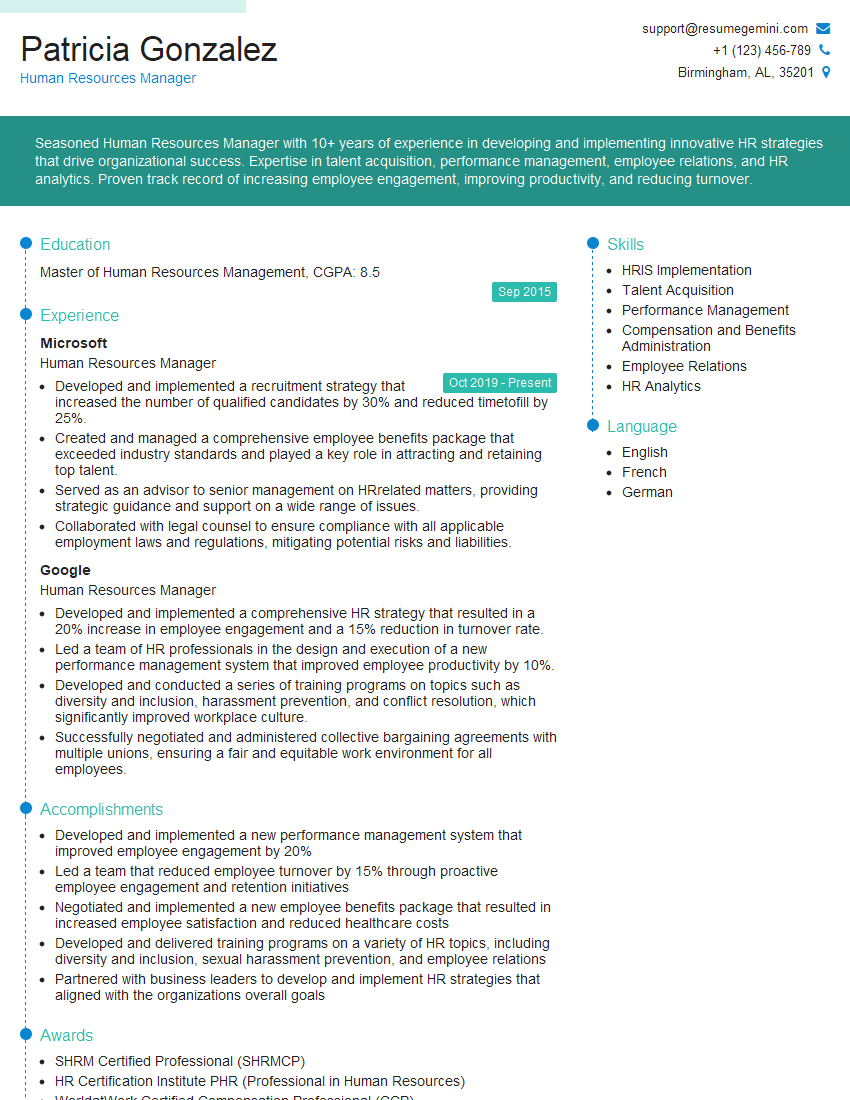
Human Resources Manager Resume Sample
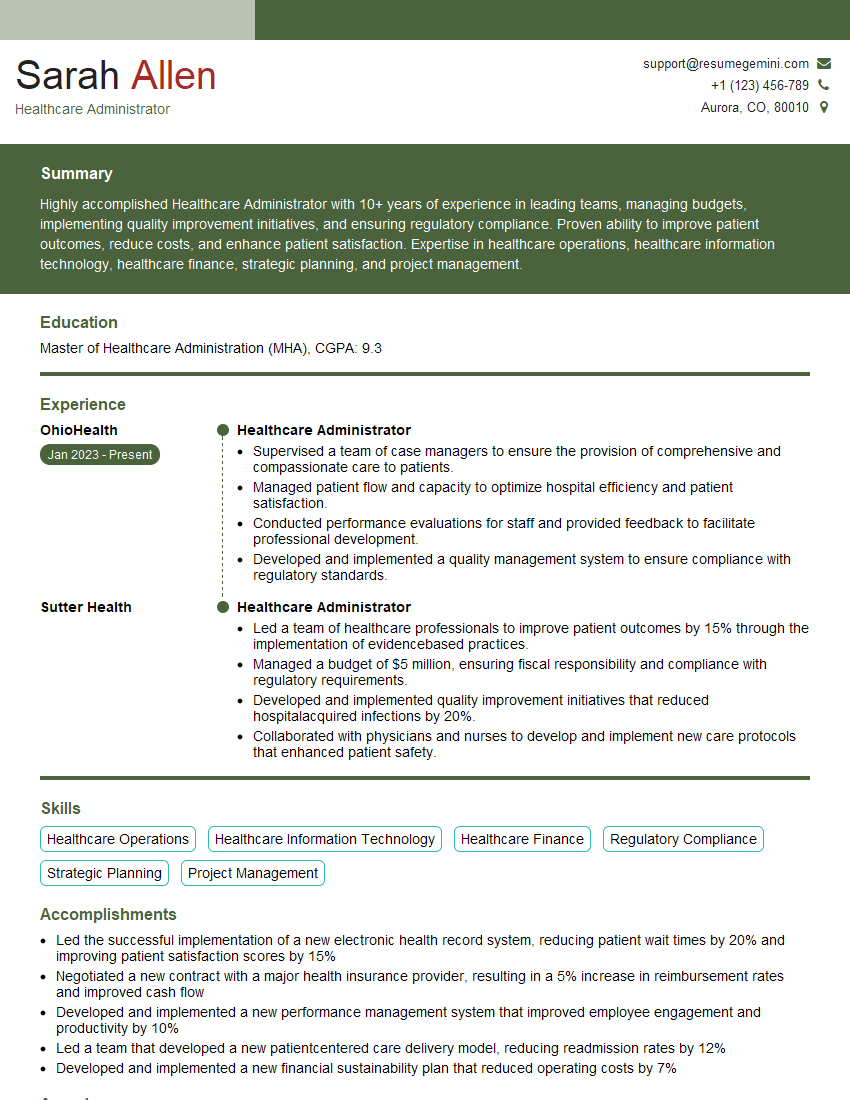
Healthcare Administrator Resume Sample
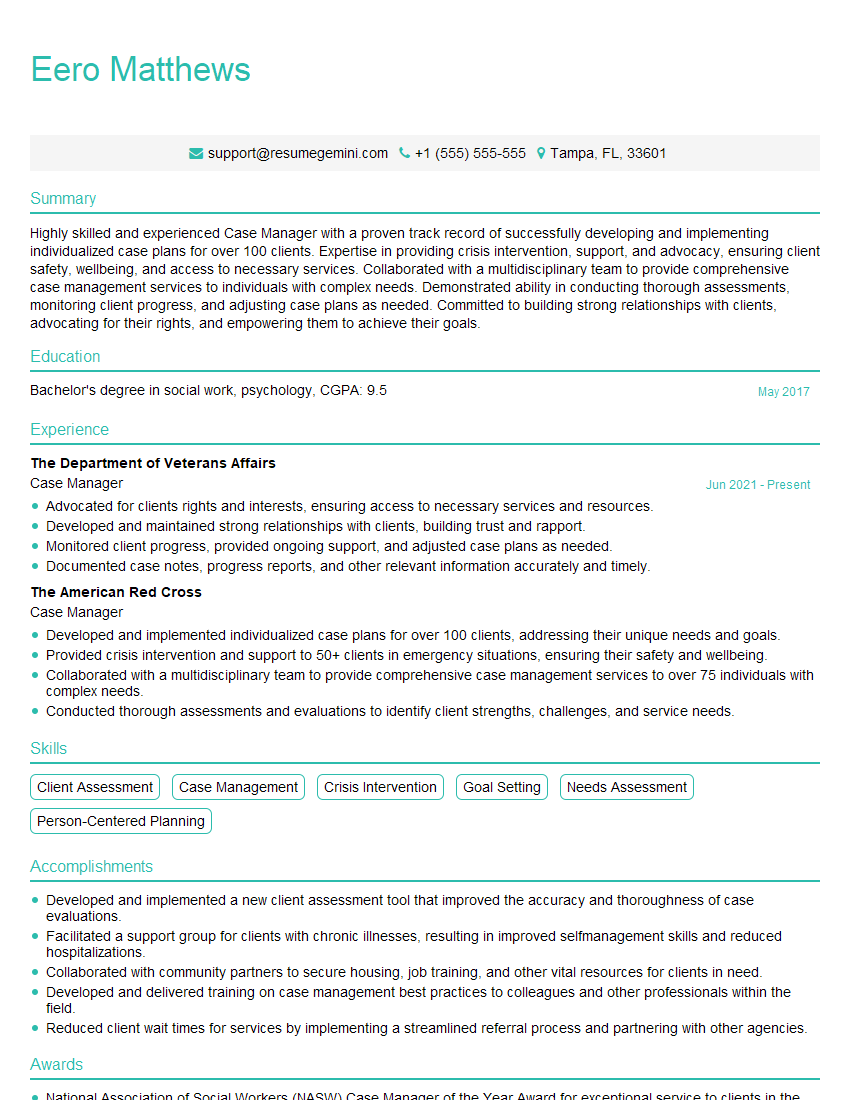
Case Manager Resume Sample
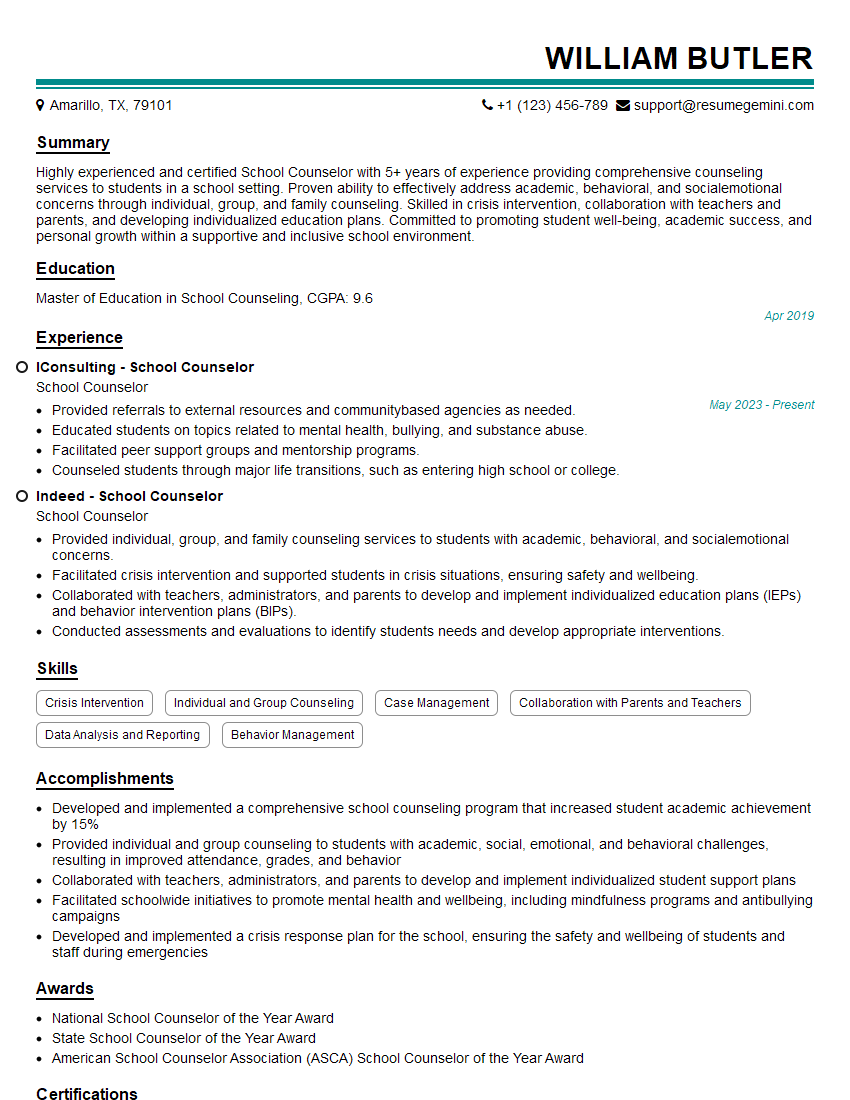
School Counselor Resume Sample
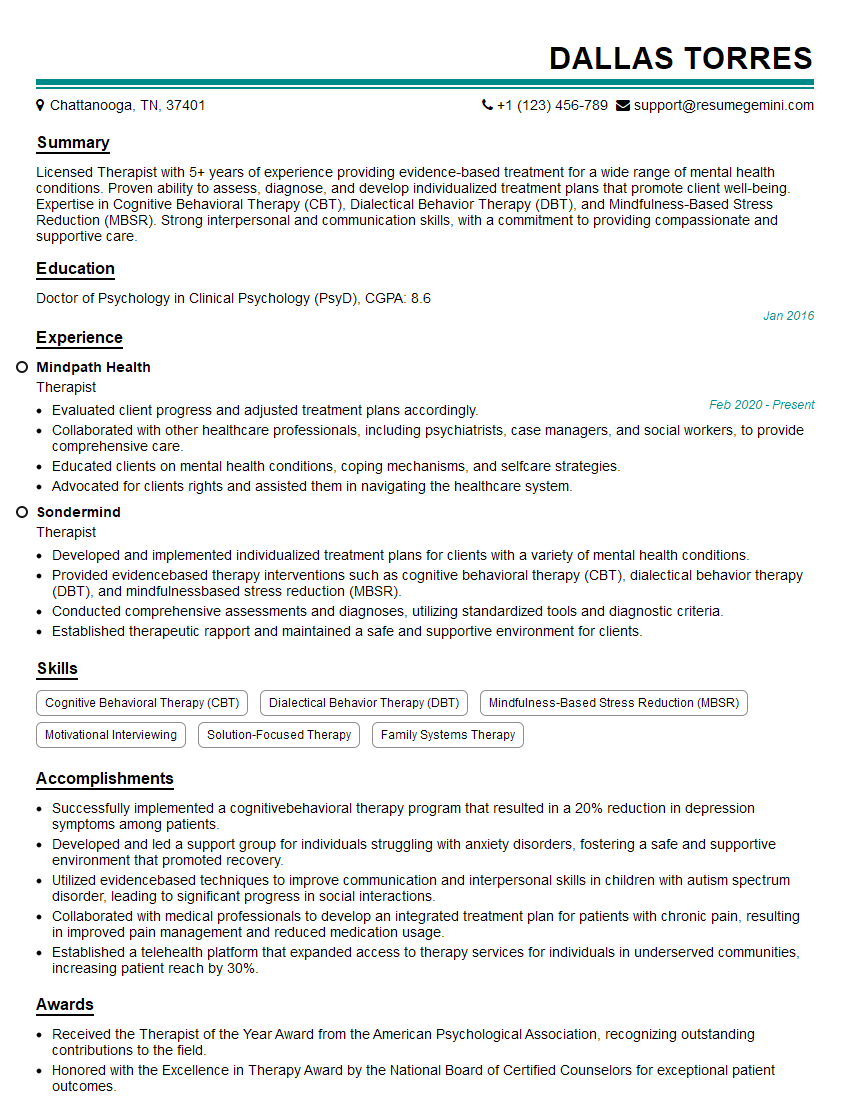
Therapist Resume Sample

Mental Health Counselor Resume Sample
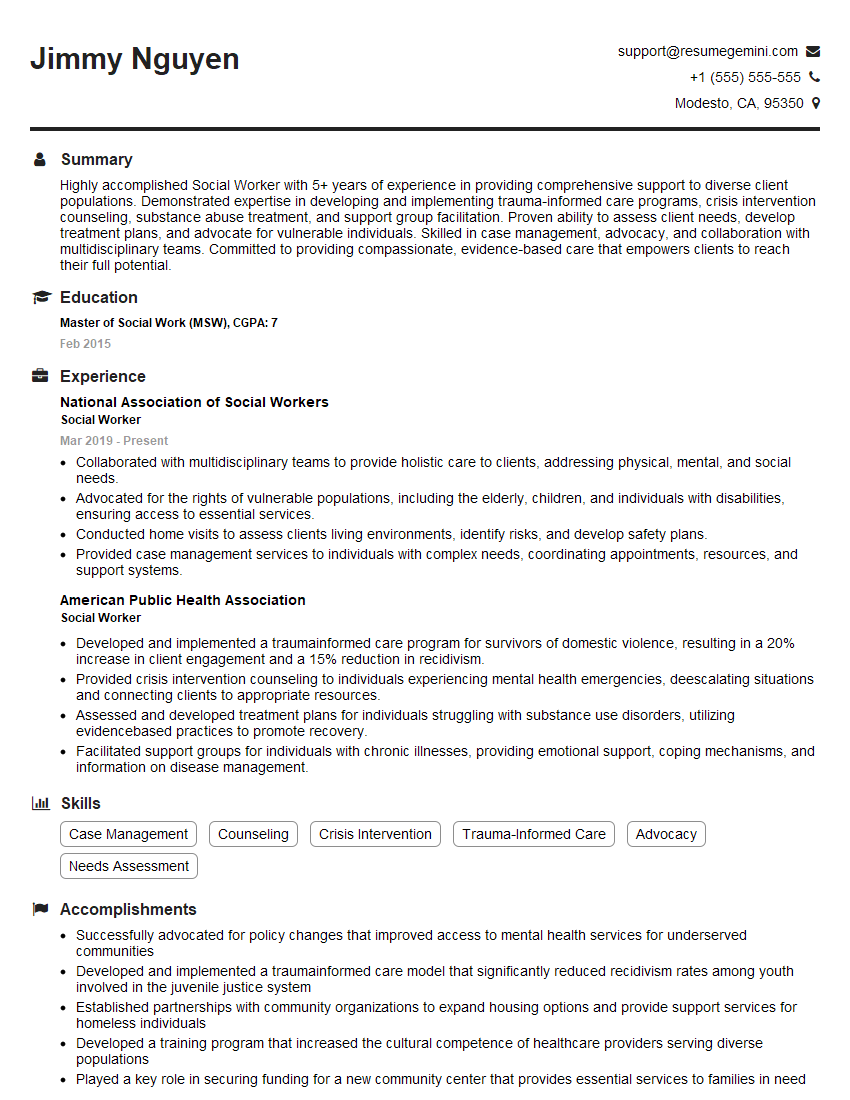
Social Worker Resume Sample
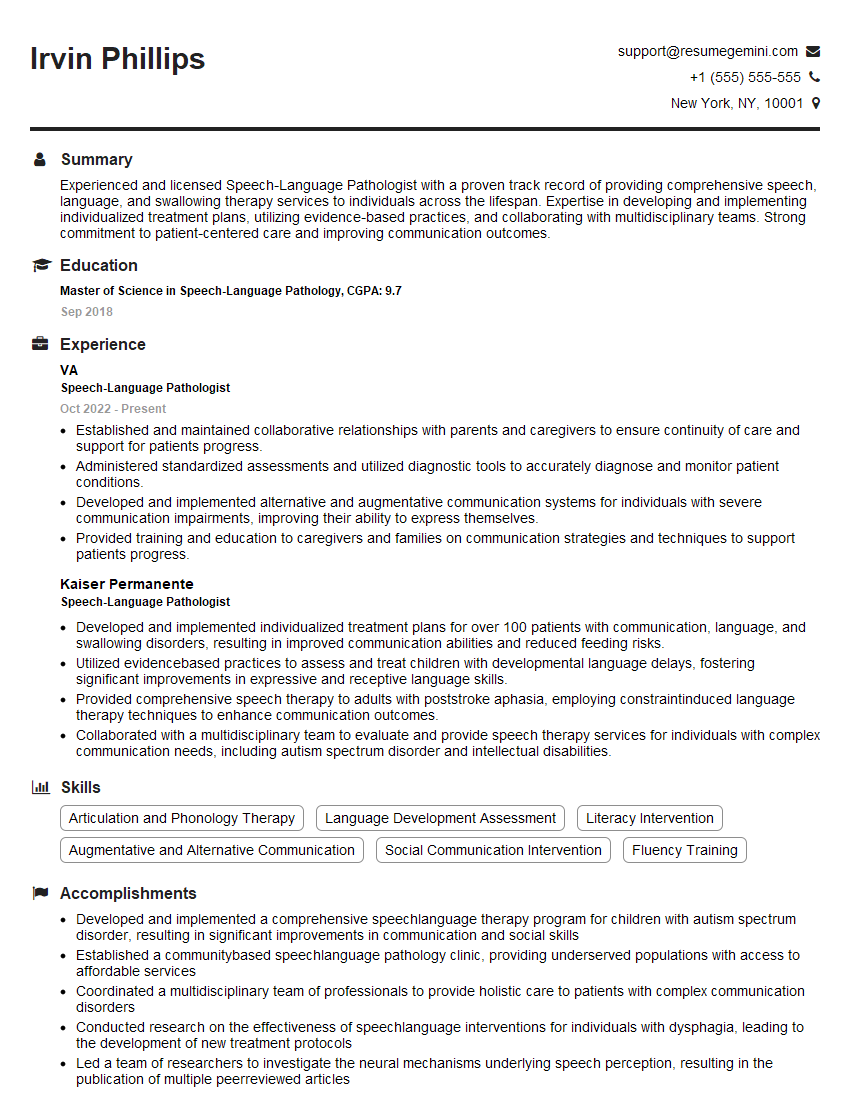
Speech-Language Pathologist Resume Sample
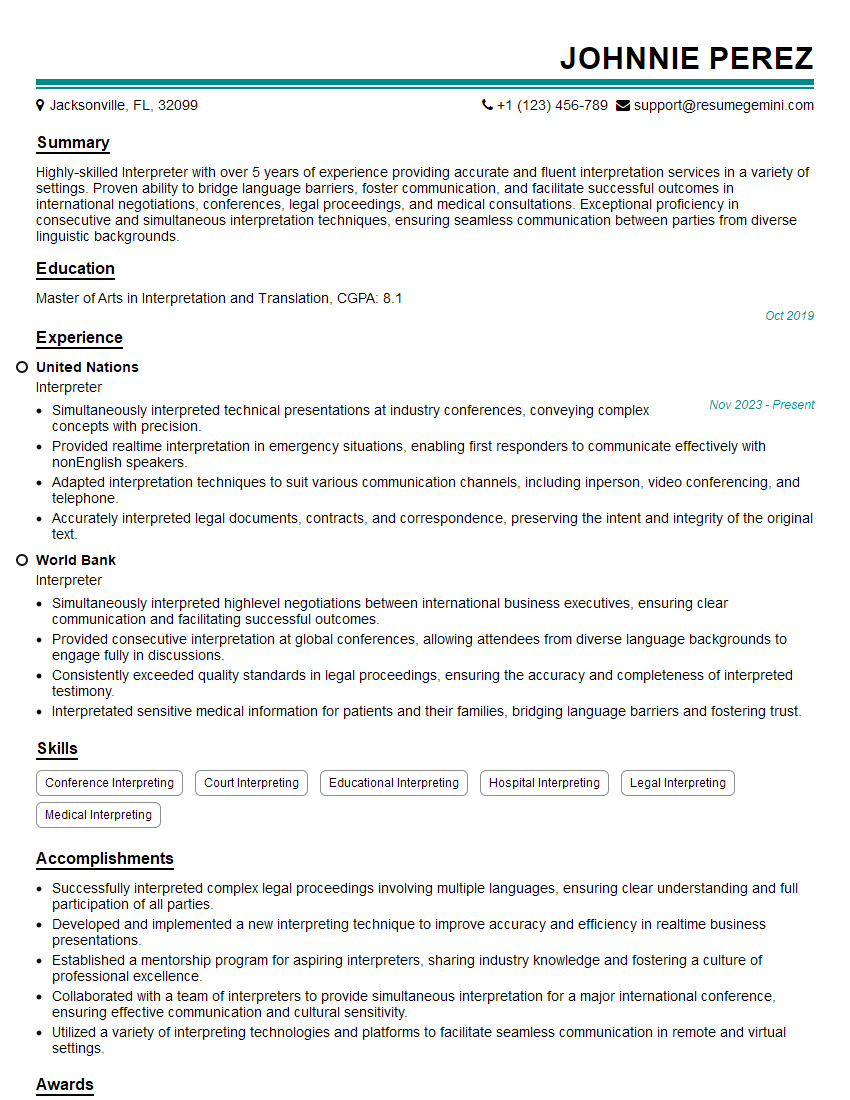
Interpreter Resume Sample
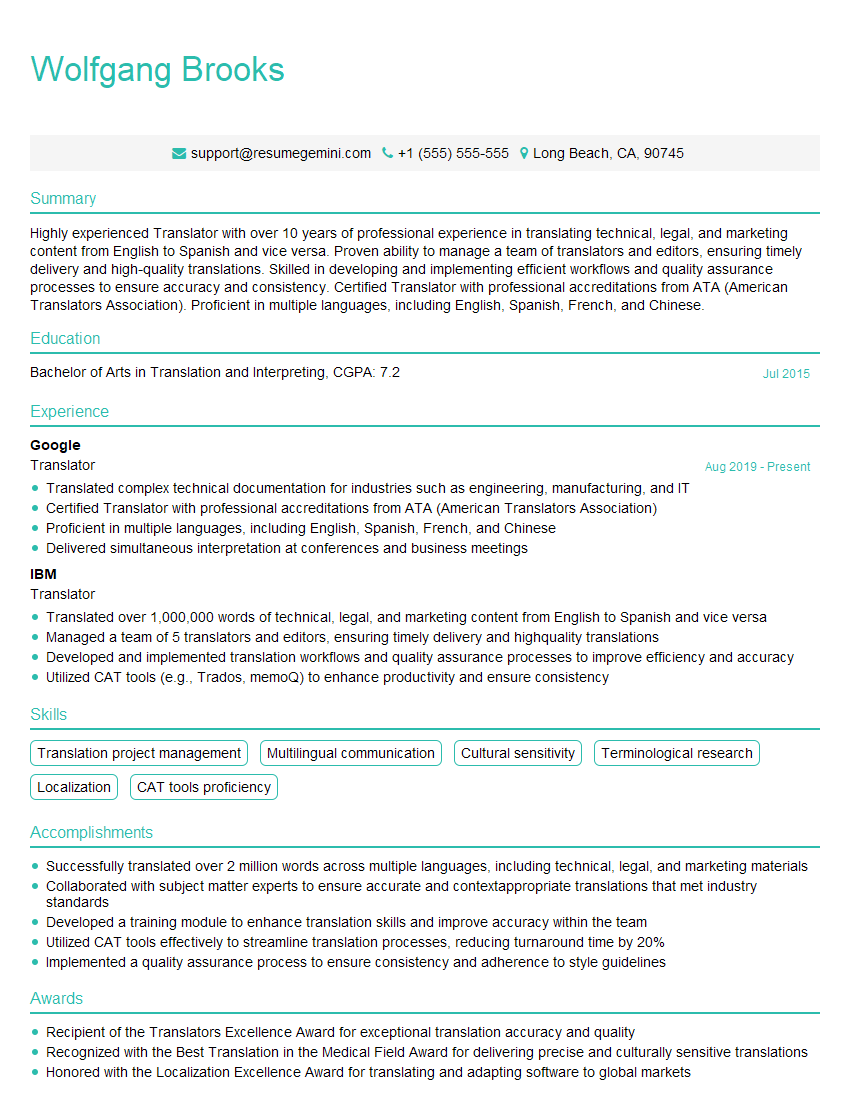
Translator Resume Sample
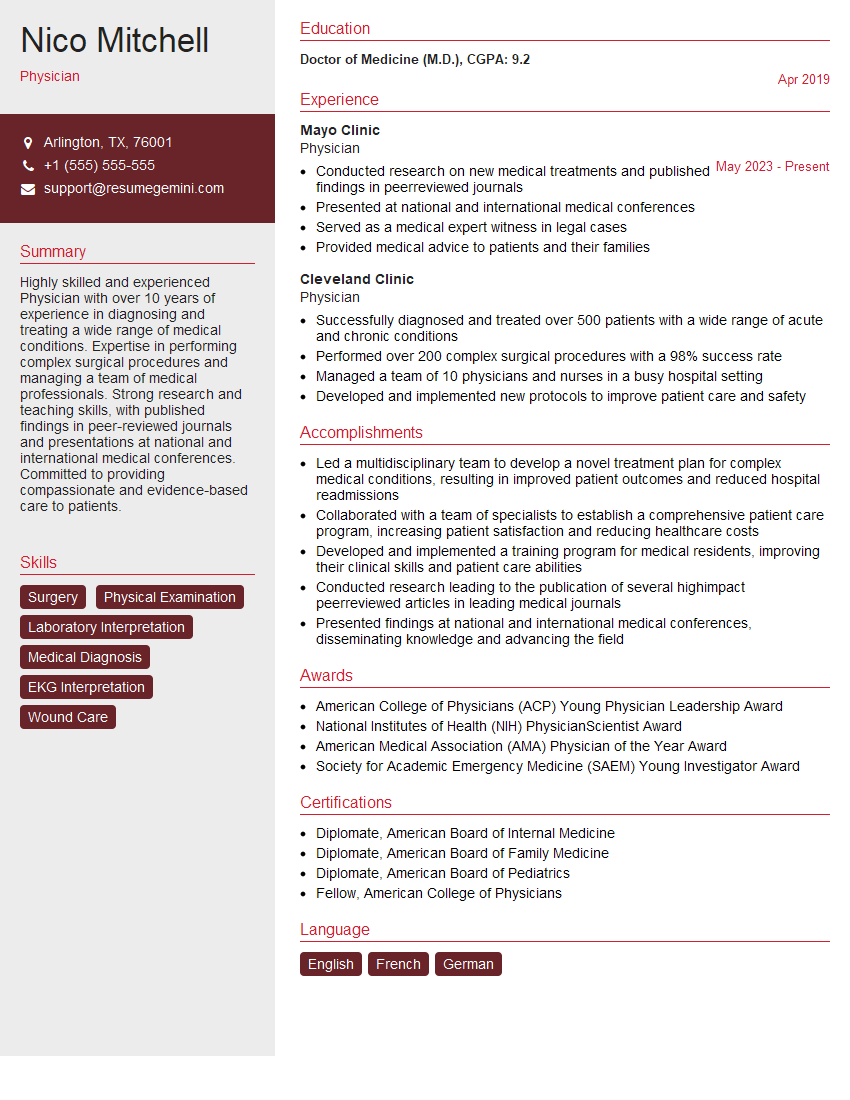
Physician Resume Sample
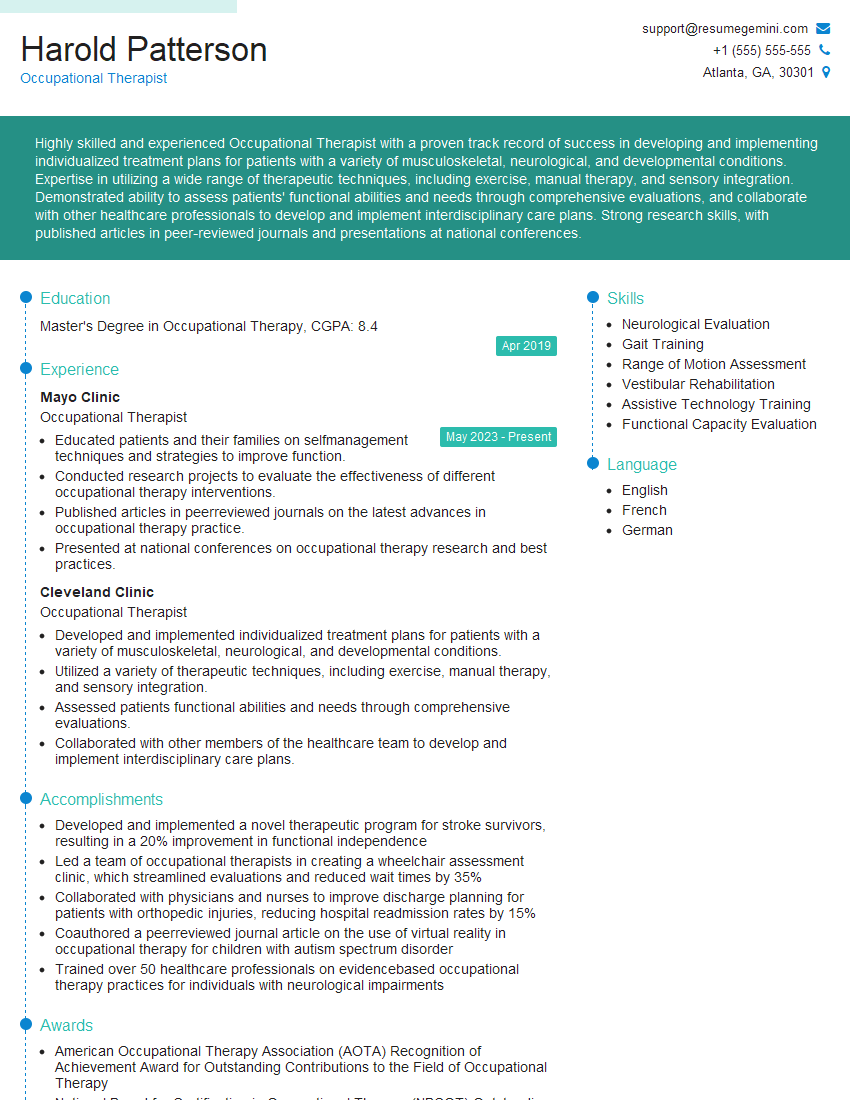
Occupational Therapist Resume Sample

Patient Advocate Resume Sample
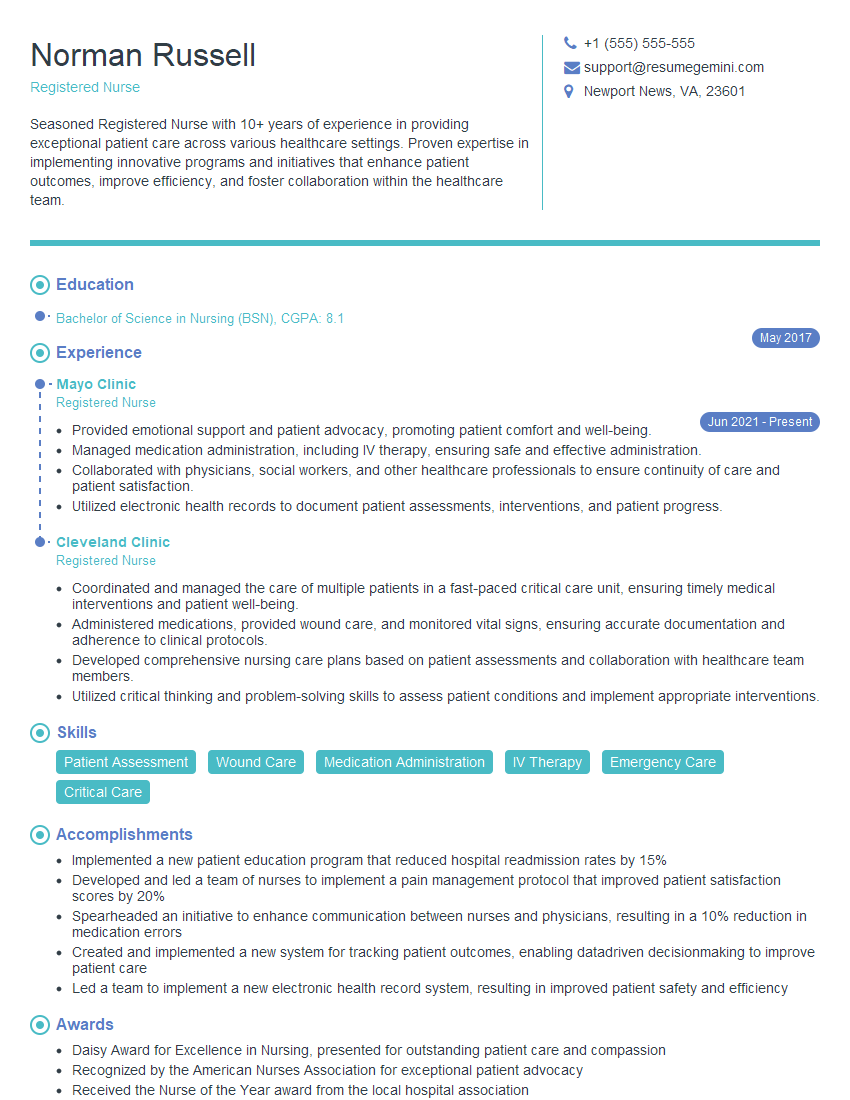
Registered Nurse Resume Sample
Explore more articles
Users Rating of Our Blogs
Share Your Experience
We value your feedback! Please rate our content and share your thoughts (optional).
What Readers Say About Our Blog
To the interviewgemini.com Webmaster.
Very helpful and content specific questions to help prepare me for my interview!
Thank you
To the interviewgemini.com Webmaster.
This was kind of a unique content I found around the specialized skills. Very helpful questions and good detailed answers.
Very Helpful blog, thank you Interviewgemini team.