Cracking a skill-specific interview, like one for Client Care, requires understanding the nuances of the role. In this blog, we present the questions you’re most likely to encounter, along with insights into how to answer them effectively. Let’s ensure you’re ready to make a strong impression.
Questions Asked in Client Care Interview
Q 1. Describe your experience managing client expectations.
Managing client expectations is crucial for building trust and ensuring a positive experience. It involves clearly communicating project timelines, deliverables, and potential challenges upfront. I actively listen to client needs and translate them into realistic expectations, avoiding overpromising. This includes setting clear expectations about response times and the process involved in addressing their requests. For example, if a client requests a feature beyond the initial scope, I explain the implications of this change, including potential time and cost increases, and offer alternative solutions or a revised timeline. This proactive communication prevents misunderstandings and dissatisfaction down the line.
I also utilize project management tools to track progress and keep clients informed. Regular updates, whether through email, phone calls, or project management software, ensure transparency and maintain their confidence in the process. This consistent and open communication fosters trust, minimizes misinterpretations, and creates a healthy client relationship.
Q 2. How do you prioritize competing client demands?
Prioritizing competing client demands requires a systematic approach. I use a prioritization matrix that considers factors like urgency, impact, and client importance. Urgency is determined by deadlines and potential consequences of delay. Impact assesses the effect on the overall project or client relationship. Client importance is based on their contract value, long-term potential, and strategic alignment with our business goals.
For instance, if a high-value client has an urgent issue, I might temporarily adjust the schedule for other, less critical tasks. This involves clear communication with all affected clients. I might explain the prioritization rationale and offer revised timelines, which avoids resentment and maintains trust. This strategic approach allows me to efficiently manage multiple demands while maintaining client satisfaction.
Q 3. Explain your approach to resolving client complaints.
My approach to resolving client complaints focuses on empathy, active listening, and swift action. First, I let the client fully express their concerns without interruption, ensuring they feel heard and understood. Then, I carefully analyze the issue, identifying the root cause and taking ownership, even if it wasn’t directly my fault. This shows responsibility and dedication to client satisfaction. I clearly outline the steps I will take to resolve the issue and provide a realistic timeframe for a solution. Following up promptly with updates keeps the client informed and reassures them that their concern is being taken seriously.
For example, if a client complains about a delayed delivery, I would acknowledge their frustration, investigate the delay, and offer a sincere apology. I would then propose a solution, perhaps expedited shipping or a discount, and follow up to ensure their satisfaction. This process turns a negative experience into an opportunity to strengthen the client relationship.
Q 4. How do you build rapport with clients?
Building rapport with clients is about establishing trust and mutual respect. It starts with active listening and demonstrating genuine interest in their needs and concerns. I strive to understand their business goals and challenges and tailor my communication style to fit their preferences. Small gestures, such as remembering details about their business or family, can significantly enhance the connection. I also focus on clear, concise communication that avoids jargon and focuses on the client’s perspective. This personable approach ensures they feel valued and understood.
For example, starting a conversation by asking about a recent project mentioned in a previous meeting demonstrates attentiveness and strengthens the relationship. By taking a genuine interest in the client’s success, I build a foundation of trust and collaboration that extends beyond mere transactional interactions.
Q 5. What metrics do you use to measure client satisfaction?
Measuring client satisfaction involves a combination of quantitative and qualitative metrics. Quantitative metrics include Net Promoter Score (NPS), customer satisfaction (CSAT) scores gathered through surveys, and repeat business rates. These provide numerical data to track overall client happiness. Qualitative metrics include client feedback from surveys, reviews, and direct communication. These provide valuable insights into specific areas of improvement and enhance our understanding of client needs. By analyzing both types of data, we gain a comprehensive understanding of client sentiment and identify areas where we can improve.
For example, a low CSAT score on a specific feature might indicate a need for improvement in that area, while positive qualitative feedback on our responsiveness might highlight a strength to maintain. This holistic approach ensures we are both tracking general satisfaction and addressing specific concerns.
Q 6. Describe a time you went above and beyond for a client.
In a previous role, a major client faced a critical system failure just before a critical product launch. While the issue wasn’t directly our fault, we understood the severity of the situation for them. We immediately assembled a cross-functional team, working around the clock to help restore their system. This involved going beyond our typical support hours and leveraging our expertise to identify and resolve the problem quickly. We didn’t just fix the immediate problem; we also implemented preventative measures to reduce the risk of future incidents. This dedication secured the client’s trust and solidified our long-term relationship.
Q 7. How do you handle difficult or demanding clients?
Handling difficult or demanding clients requires patience, empathy, and strong communication skills. I approach these situations by actively listening to their concerns without getting defensive. I validate their feelings, even if I don’t agree with their perspective. I then focus on finding common ground and collaboratively finding solutions. It’s crucial to set clear boundaries while remaining professional and respectful. If the situation escalates, involving a supervisor or manager might be necessary to ensure a fair and appropriate resolution. The goal is to de-escalate the situation and find a mutually acceptable solution, maintaining the professional relationship while protecting myself and my colleagues.
For example, if a client is consistently aggressive, I would maintain a calm and professional demeanor, repeating back their concerns to ensure understanding. If their demands are unreasonable, I’d clearly explain the limitations and offer alternative solutions. If that doesn’t resolve the situation, I would escalate it to my supervisor to get the support needed to manage the situation effectively.
Q 8. How do you proactively identify and address potential client issues?
Proactive issue identification is crucial for excellent client care. It’s about anticipating problems before they escalate into major concerns. I achieve this through a multi-pronged approach. First, I meticulously review client communication – emails, calls, and even social media mentions – looking for recurring themes or subtle hints of dissatisfaction. For example, noticing a recurring question about a specific feature indicates a need for improved documentation or a training session. Second, I leverage data analytics (if available) within our CRM system to identify trends. Are there spikes in support tickets related to a particular product launch? This allows for preemptive measures like creating FAQ documents or offering additional support resources. Finally, regular check-in calls with clients, where we discuss their progress and challenges, are invaluable. This builds rapport and allows for early detection of potential roadblocks. This proactive approach minimizes disruptions, improves client satisfaction, and strengthens the client-provider relationship.
Example: In my previous role, analyzing CRM data showed an increase in support tickets concerning a new software update. By proactively creating a short video tutorial explaining the update’s new features and addressing common issues, we significantly reduced the number of subsequent support requests.
Q 9. Describe your experience with CRM software.
I have extensive experience with various CRM systems, including Salesforce and HubSpot. My expertise goes beyond simply inputting data; I understand how to leverage these platforms to enhance client relationships. I’m proficient in managing contact information, tracking interactions, automating tasks such as follow-up emails, and generating reports to identify key trends and insights. I use CRM software to personalize communications, making sure every interaction is tailored to the individual client’s needs and history. For instance, I utilize segmentation features to group clients based on their needs, allowing for targeted communication. I also create custom fields within the CRM to track specific client preferences or details relevant to their accounts, ensuring a consistent and personalized service. Furthermore, I’m adept at integrating CRM data with other business tools to streamline workflows and improve efficiency. This holistic approach helps build stronger relationships and contributes to the overall success of the business.
Q 10. How do you stay organized while managing multiple client accounts?
Managing multiple client accounts effectively requires a robust organizational system. I rely on a combination of tools and techniques. Firstly, my CRM system acts as the central hub, storing all client-related information. Secondly, I utilize task management software, such as Asana or Trello, to prioritize and schedule tasks for each client. This includes setting deadlines, assigning priorities (urgent, important, etc.), and tracking progress. Thirdly, I employ a color-coded calendar system to visualize my workload and ensure I allocate sufficient time to each client. This helps me to avoid scheduling conflicts and prevents feeling overwhelmed. Finally, regular time-blocking helps allocate specific time slots to focused work on client accounts. This focused approach reduces context switching and improves efficiency. For example, I might dedicate Mondays to addressing client inquiries and Tuesdays to completing project-related tasks. This structured approach, combining technology and strategic time management, enables me to provide consistent and high-quality service to multiple clients.
Q 11. What is your approach to client communication?
My approach to client communication is centered on clear, concise, and timely interaction, tailored to each client’s communication style and preferences. I strive to be responsive, acknowledging all inquiries promptly, even if a complete answer requires further investigation. I adapt my communication style to suit the client; some prefer formal emails, while others might prefer quick phone calls or video chats. I ensure communication is easy to understand, avoiding jargon or technical terms unless the client is familiar with them. I prioritize proactive communication, providing updates and addressing potential issues before the client even notices them. Regular feedback sessions also help to ensure the client feels heard and understood. Ultimately, building a strong rapport based on trust and mutual respect forms the core of my communication strategy.
Q 12. How do you ensure consistent client service?
Ensuring consistent client service relies on establishing clear service level agreements (SLAs), developing standardized processes, and empowering the team (if applicable). SLAs define response times, resolution targets, and service expectations, ensuring everyone is on the same page. Standardized processes, like using documented workflows and checklists, minimize variability in service delivery. Regular team training and knowledge sharing maintain consistent service quality across all team members. Continuous feedback loops, including client surveys and performance reviews, identify areas for improvement and ensure continuous enhancement of service standards. For example, if client surveys reveal a need for improved technical support documentation, we immediately prioritize updating those resources. This proactive approach to service improvement fosters client loyalty and strengthens brand reputation.
Q 13. How do you handle confidential client information?
Confidentiality is paramount. I strictly adhere to all company policies and relevant data protection regulations (e.g., GDPR, HIPAA) regarding the handling of sensitive client information. This includes only accessing necessary data, using secure communication channels, and employing strong passwords. I never share client information with unauthorized individuals and ensure all data is stored securely, whether electronically or physically. Furthermore, I’m fully aware of the consequences of breaching client confidentiality and actively work to prevent such situations. Regular security training and awareness updates ensure my practices remain up-to-date and compliant. Client data is treated with the utmost respect and protection, reflecting my commitment to ethical and professional conduct.
Q 14. Describe your experience with client onboarding.
Client onboarding is critical for establishing a positive long-term relationship. My approach involves a structured process that ensures a smooth transition for new clients. It begins with a thorough understanding of their needs and expectations through detailed questionnaires and introductory calls. This is followed by providing them with all necessary documentation and access to relevant systems. I then offer personalized training or support to help them navigate these resources. Throughout the onboarding process, I maintain consistent communication, proactively addressing any questions or concerns. I also schedule follow-up meetings to check on their progress and identify any potential challenges early on. A successful onboarding process sets the tone for a productive and mutually beneficial partnership, laying the foundation for a long and fruitful relationship.
Q 15. How do you adapt your communication style to different clients?
Adapting my communication style is crucial for effective client care. I believe in a client-centric approach, tailoring my interactions to each individual’s personality, communication preferences, and technical proficiency.
- For technically proficient clients: I can use more technical jargon and delve into the specifics of solutions quickly. For example, I might directly discuss API endpoints with a software developer.
- For less technically inclined clients: I use plain language, avoiding jargon and focusing on the practical outcomes. I might explain a complex process using analogies, like comparing a software update to changing a car’s oil.
- For clients who prefer concise communication: I provide clear, bullet-pointed summaries and avoid lengthy explanations. I also ensure I quickly get to the core of their inquiry.
- For clients who prefer more detailed explanations: I take the time to thoroughly explain the process, providing context and answering all their questions patiently.
Essentially, I actively listen to understand their communication style and adjust my approach accordingly. This ensures clear, efficient, and positive interactions.
Career Expert Tips:
- Ace those interviews! Prepare effectively by reviewing the Top 50 Most Common Interview Questions on ResumeGemini.
- Navigate your job search with confidence! Explore a wide range of Career Tips on ResumeGemini. Learn about common challenges and recommendations to overcome them.
- Craft the perfect resume! Master the Art of Resume Writing with ResumeGemini’s guide. Showcase your unique qualifications and achievements effectively.
- Don’t miss out on holiday savings! Build your dream resume with ResumeGemini’s ATS optimized templates.
Q 16. How do you measure the success of your client interactions?
Measuring the success of client interactions involves a multifaceted approach. It’s not just about resolving immediate issues, but ensuring long-term client satisfaction and loyalty.
- Issue Resolution: Did I successfully resolve the client’s problem? Were they satisfied with the solution?
- Client Feedback: I actively solicit feedback through surveys, emails, or direct conversations. This provides invaluable insight into the effectiveness of my interactions.
- Client Retention: Is the client returning for future services? This indicates a positive experience and trust in my abilities.
- Net Promoter Score (NPS): This metric measures client loyalty and willingness to recommend my services. A high NPS reflects successful client interactions.
- Time to Resolution: Efficiently resolving issues promptly demonstrates professionalism and client value.
I track these metrics using CRM systems and regularly analyze the data to identify areas for improvement in my approach and the overall client experience.
Q 17. What is your process for escalating client issues?
My escalation process follows a clear, structured approach to ensure timely and effective resolution of complex or critical client issues.
- Attempt Resolution: I first try to resolve the issue myself, using all available resources and expertise.
- Internal Escalation: If I cannot resolve it, I escalate it to my supervisor or a relevant specialist within the team, providing all necessary context and documentation.
- Communication: I keep the client updated throughout the escalation process, explaining the next steps and providing estimated timelines.
- Documentation: I maintain detailed records of all communications and actions taken, ensuring transparency and accountability.
- Follow-up: Once the issue is resolved, I follow up with the client to ensure satisfaction and address any remaining concerns.
This structured approach guarantees client issues are handled efficiently and effectively, minimizing disruption and maintaining positive relationships.
Q 18. Describe your experience with client training or education.
I have extensive experience in providing client training and education. I adapt my approach based on the client’s technical skills and learning preferences.
- Needs Assessment: I begin by assessing the client’s existing knowledge and identifying specific training needs.
- Customized Training: I develop tailored training materials, including presentations, tutorials, and documentation, to address those needs.
- Interactive Sessions: I conduct interactive training sessions, using a combination of demonstrations, hands-on exercises, and Q&A sessions to ensure comprehension.
- Follow-up Support: I provide ongoing support and resources to reinforce learning and address any questions or challenges that arise after the training.
For instance, I recently trained a group of non-technical users on a new software platform. I used simple analogies and avoided technical jargon, focusing on the practical application of the software. Post-training, I provided them with a FAQ document and offered follow-up support via email and phone calls.
Q 19. How do you contribute to a positive client experience?
Contributing to a positive client experience is my top priority. I strive to create a welcoming, helpful, and efficient interaction every time.
- Proactive Communication: I keep clients informed throughout the process, providing updates and proactively addressing potential issues.
- Empathy and Understanding: I actively listen to understand their concerns and respond with empathy and understanding.
- Personalized Service: I strive to personalize interactions whenever possible, remembering client preferences and details from previous interactions.
- Efficiency and Timeliness: I aim to resolve issues efficiently and promptly, minimizing any inconvenience to the client.
- Positive Attitude: I maintain a positive and professional attitude, even in challenging situations.
By consistently demonstrating these characteristics, I create a positive and lasting impression, fostering client loyalty and trust.
Q 20. How do you use client feedback to improve service?
Client feedback is essential for continuous improvement in service delivery. I actively solicit feedback and use it to identify areas for improvement.
- Feedback Collection: I gather feedback through various channels, including surveys, direct conversations, and email feedback forms.
- Analysis and Categorization: I analyze the feedback, categorizing it by theme and frequency to identify recurring issues or areas for improvement.
- Actionable Steps: I develop actionable steps based on the feedback, whether it’s improving a process, providing additional training, or enhancing communication strategies.
- Implementation and Monitoring: I implement the changes and monitor their effectiveness, tracking relevant metrics to assess the impact on client satisfaction.
For example, if multiple clients complain about a specific aspect of the service, I will investigate the root cause and work to implement a solution. This iterative process ensures that we continually adapt and enhance our service offerings based on real client experiences.
Q 21. What are your strengths in client care?
My strengths in client care are rooted in my ability to connect with clients on a personal level, effectively resolve their issues, and foster long-term relationships.
- Empathy and Active Listening: I possess exceptional empathy, allowing me to understand clients’ perspectives and concerns. My active listening skills ensure I gather all necessary information to effectively resolve issues.
- Problem-Solving Skills: I’m adept at identifying the root cause of client issues and finding effective solutions. I am resourceful and can leverage various resources to achieve positive outcomes.
- Communication Skills: I communicate clearly and concisely, tailoring my approach to each client’s communication style. I can articulate technical information in a way that’s easily understandable, regardless of the client’s technical background.
- Patience and Professionalism: I remain patient and professional, even in challenging situations. I consistently maintain a positive attitude and strive to exceed client expectations.
- Organization and Time Management: I’m highly organized and efficient in my work, prioritizing tasks to ensure timely resolution of client issues.
These skills enable me to build strong rapport with clients, provide exceptional service, and contribute to a positive and productive client experience.
Q 22. What are your weaknesses in client care?
Like any professional, I strive for continuous improvement. One area I’m actively working on is my immediate response time to less urgent emails. While I prioritize immediate attention to critical client needs, sometimes I find myself letting less urgent emails pile up. To address this, I’m implementing a system of time-blocking specific times each day to tackle these emails, ensuring timely responses without compromising my focus on pressing matters. This approach improves my efficiency and reduces the risk of overlooking important communications.
Another area is proactively anticipating client needs. While I’m proficient at reactive client care, I’m focusing on enhancing my proactive approach through advanced data analysis and predictive modeling of client behavior. By identifying potential issues before they arise, I can offer preemptive support and solidify my value to my clients.
Q 23. Describe a challenging client situation and how you resolved it.
I once had a client whose order was severely delayed due to an unforeseen logistical issue with our shipping partner. The client was understandably furious, expressing their frustration through multiple angry calls and emails. My first step was active listening. I validated their feelings, acknowledged the significant disruption this caused, and sincerely apologized for the inconvenience. Then I moved beyond empathy to action. I immediately investigated the situation, tracing the order’s progress and identifying the cause of the delay. I provided them with transparent, regular updates, keeping them informed of every step I was taking to rectify the issue. I escalated the situation to the shipping partner and secured a priority expedited shipping option, arranging for their order to arrive much sooner than originally anticipated. Finally, I offered a significant discount on their next order as a gesture of goodwill. Through transparent communication, proactive problem-solving, and a genuine show of care, I turned a highly volatile situation into an opportunity to reinforce the client’s trust in our services.
Q 24. How do you stay up-to-date on industry best practices in client care?
Staying current in client care is paramount. I actively engage in several strategies. I subscribe to industry-leading journals and newsletters such as Customer Relationship Management magazine and various online resources focused on client experience and support. I regularly attend webinars and online courses focusing on emerging trends and best practices in client care. Networking is also key; I participate in professional organizations and attend industry conferences, allowing me to connect with other professionals and learn from their experiences. Moreover, I proactively monitor social media and online forums related to client care to gauge current trends and challenges.
Q 25. How do you handle client requests outside of your typical responsibilities?
My approach to requests outside my typical responsibilities hinges on prioritization and collaboration. If the request is urgent and within my capabilities, I’ll handle it directly. If it requires specialized knowledge or resources, I’ll connect the client to the appropriate team member or department. This ensures timely and accurate responses, preventing client frustration and ensuring the issue is addressed by the right expert. I document all such interactions, ensuring a seamless handover and efficient tracking of progress.
For example, if a client asks about a feature not related to my team’s product, I’d immediately connect them with the correct team, providing the necessary context to facilitate a quick resolution.
Q 26. What strategies do you use to retain clients?
Client retention involves a multifaceted approach. Firstly, I prioritize building strong, trusting relationships. This means active listening, understanding their needs, and providing personalized service. Secondly, I focus on delivering consistently exceptional service, exceeding expectations whenever possible. This builds loyalty and creates a positive brand experience. Thirdly, regular check-ins and proactive communication—not just when there’s a problem—are key. A simple email or call expressing appreciation or offering valuable insights can go a long way. Finally, loyalty programs or exclusive offers for long-term clients reinforce their value to us and incentivize continued engagement.
Q 27. How would you handle a situation where a client is unhappy with a product/service?
Handling an unhappy client requires a calm, empathetic, and solution-oriented approach. First, I’d actively listen to their concerns, allowing them to fully express their frustration without interruption. I’d then validate their feelings, acknowledging their disappointment and empathizing with their situation. Next, I’d thoroughly investigate the cause of their dissatisfaction, gathering all necessary information. Based on my findings, I would propose a solution, whether it be a refund, replacement, repair, or alternative solution that meets their needs. I’d clearly communicate the steps I’m taking to address the issue and provide regular updates. Finally, I’d follow up to ensure their satisfaction and prevent similar issues in the future.
Q 28. How do you balance the needs of individual clients with the overall goals of the company?
Balancing individual client needs with overall company goals is a delicate act, requiring a strategic approach. I always prioritize ethical and fair treatment of each client, ensuring their individual needs are addressed with empathy and respect. However, I must also consider the company’s overall strategic objectives, budget constraints, and resource allocation. This balance is often achieved through effective communication and prioritization. Prioritizing clients based on factors such as contract value, potential for future growth, and the urgency of their needs allows for the allocation of resources to achieve both individual client satisfaction and overarching business goals. Transparency with clients about limitations and realistic expectations is key to preventing misunderstandings and maintaining healthy relationships.
Key Topics to Learn for Your Client Care Interview
- Understanding Client Needs: Active listening, empathy, and effective questioning techniques to accurately assess client requirements and concerns.
- Communication & Collaboration: Professional written and verbal communication, conflict resolution, and teamwork skills to manage client interactions and internal communication effectively.
- Problem-Solving & Issue Resolution: Identifying and analyzing client issues, proposing solutions, and following through to ensure client satisfaction. This includes prioritizing tasks and escalating issues when necessary.
- Product/Service Knowledge: Demonstrating a thorough understanding of the company’s offerings and using that knowledge to address client questions and concerns confidently.
- CRM Systems & Technology: Familiarity with Client Relationship Management (CRM) software and other relevant technologies used for client interaction and data management.
- Client Relationship Management (CRM) Strategies: Understanding different CRM strategies to build long-term client relationships, foster loyalty, and increase client retention.
- Data Privacy & Security: Adherence to company policies and legal regulations regarding client data privacy and security.
- Performance Metrics & Reporting: Understanding key performance indicators (KPIs) related to client care and the ability to track and report on performance effectively.
Next Steps: Unlock Your Client Care Career
Mastering client care is crucial for career advancement. Exceptional client service builds a strong reputation, opens doors to leadership roles, and significantly increases earning potential. To maximize your job prospects, crafting a compelling and ATS-friendly resume is essential. ResumeGemini is your trusted partner in building a professional resume that showcases your skills and experience effectively. We provide examples of resumes tailored specifically for Client Care roles to help you stand out from the competition. Let ResumeGemini help you build the perfect resume to launch your successful Client Care career.
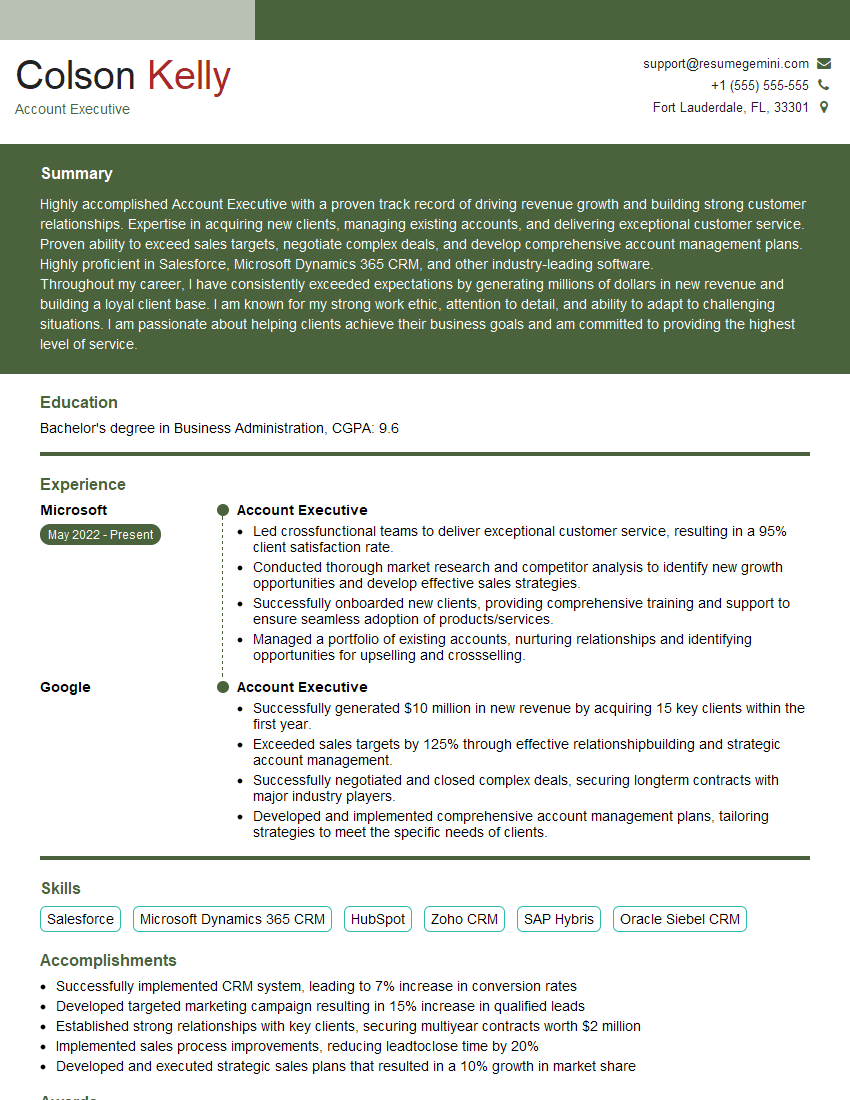
Account Executive Resume Sample
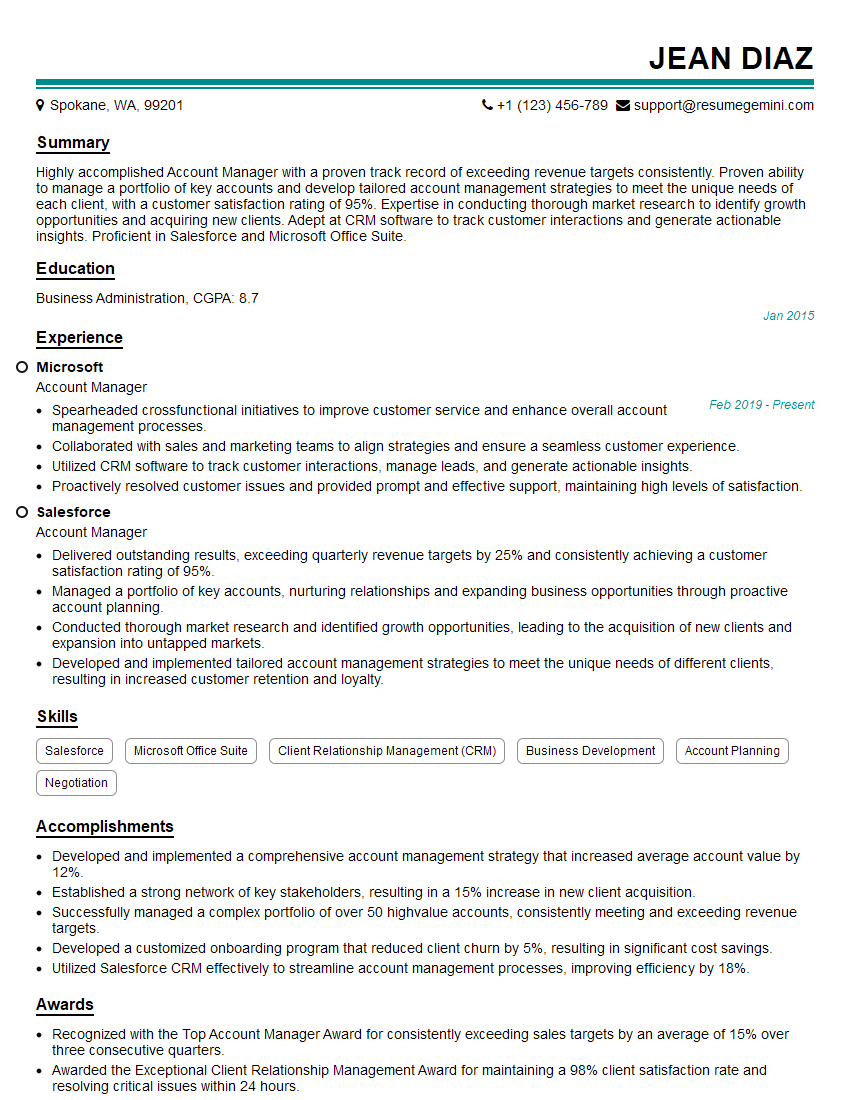
Account Manager Resume Sample

Customer Service Manager Resume Sample
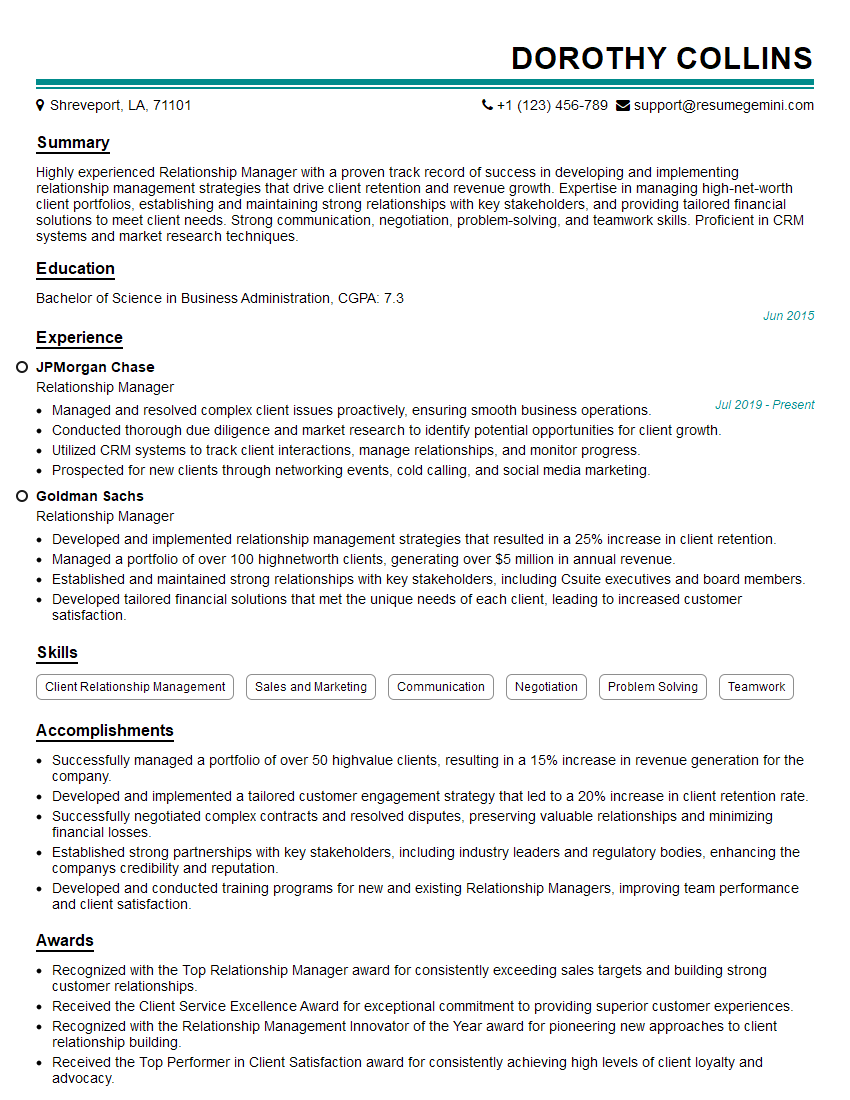
Relationship Manager Resume Sample
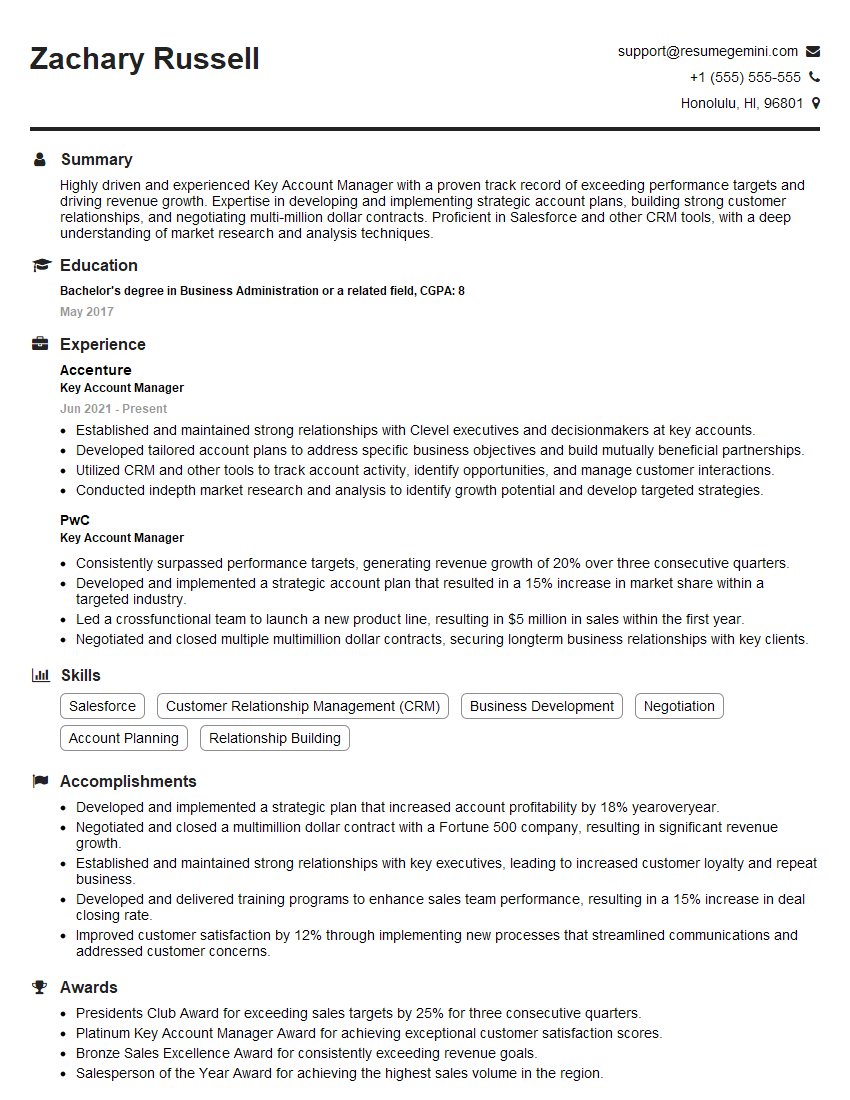
Key Account Manager Resume Sample
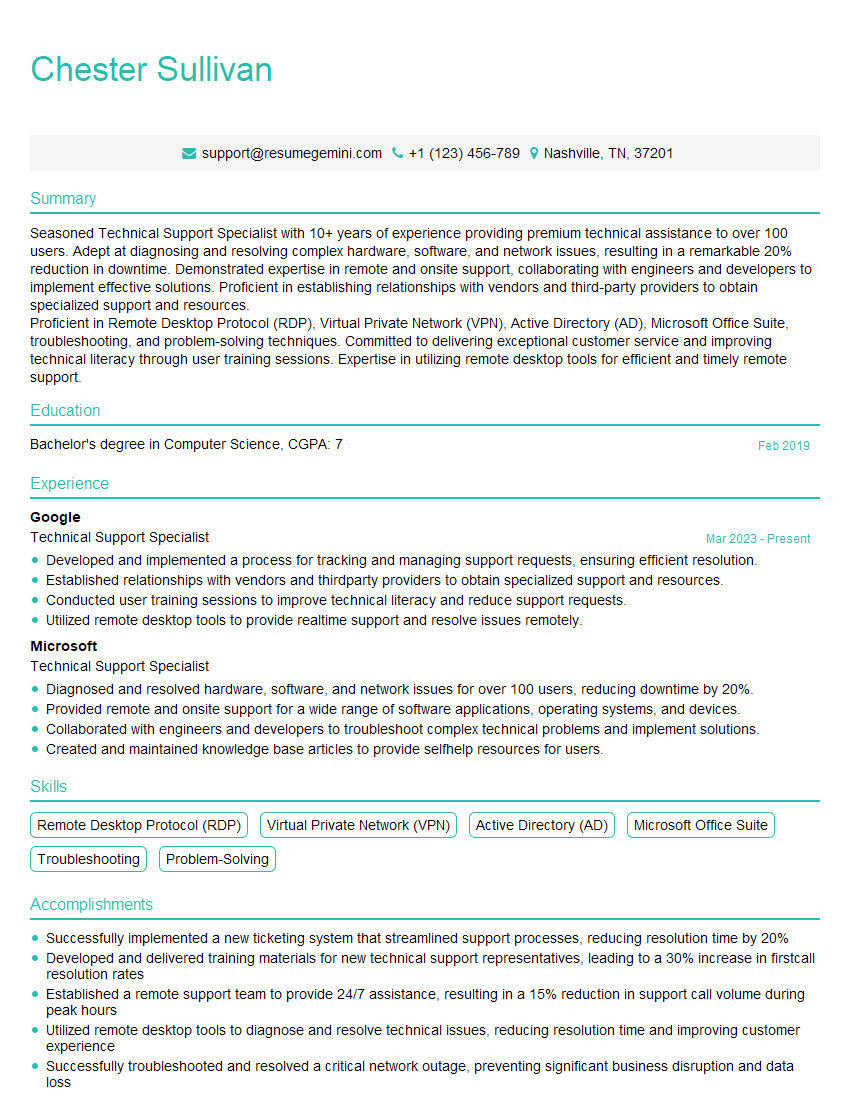
Technical Support Specialist Resume Sample
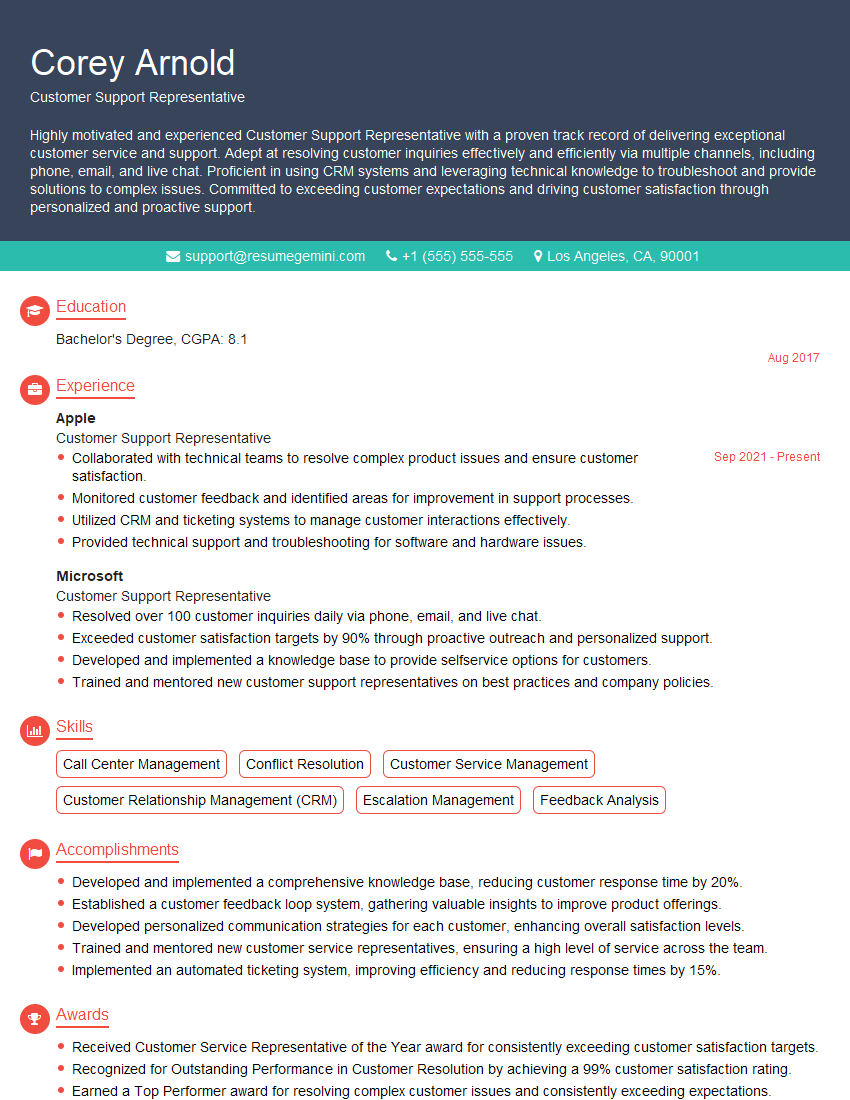
Customer Support Representative Resume Sample
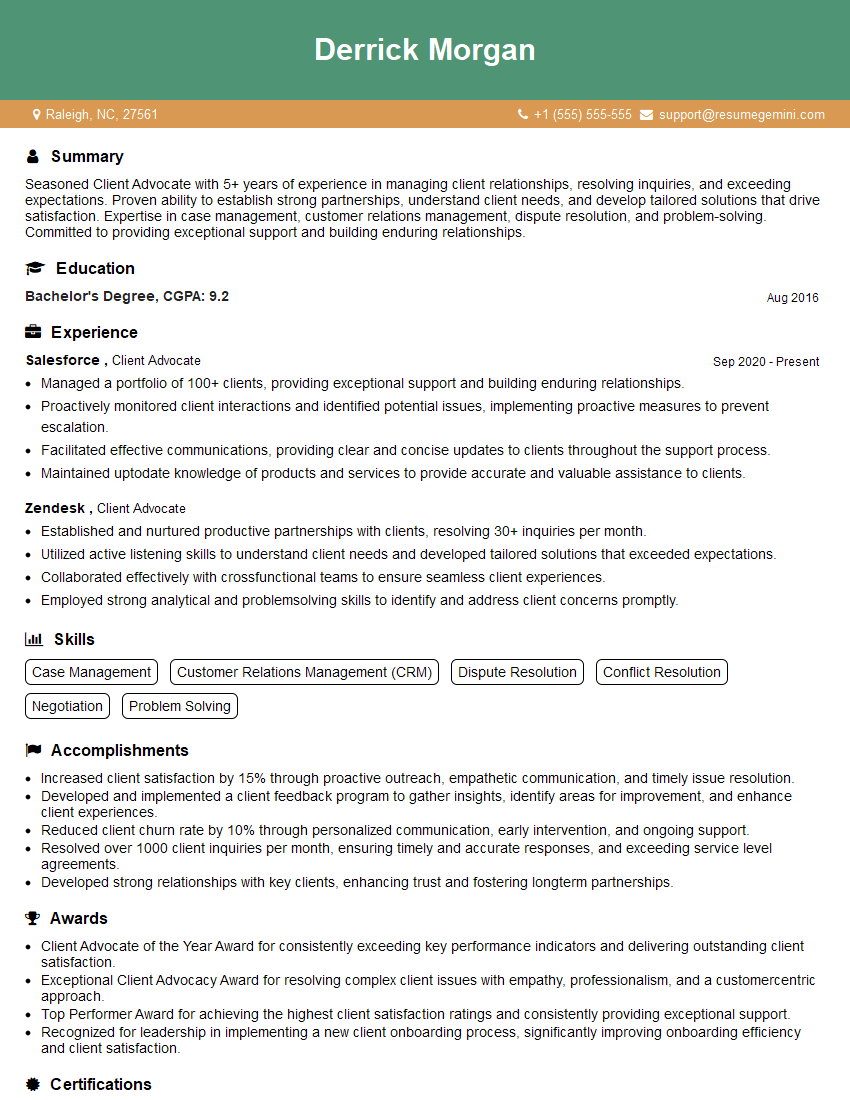
Client Advocate Resume Sample
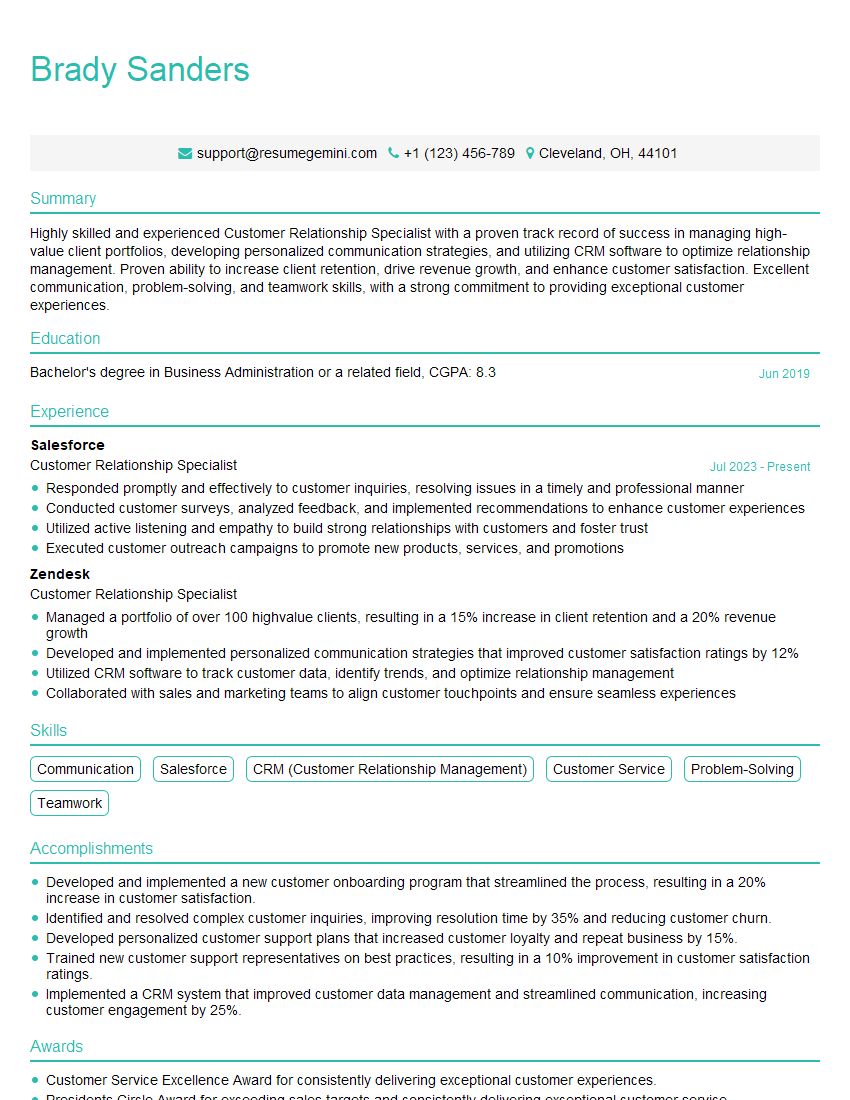
Customer Relationship Specialist Resume Sample
Explore more articles
Users Rating of Our Blogs
Share Your Experience
We value your feedback! Please rate our content and share your thoughts (optional).
What Readers Say About Our Blog
To the interviewgemini.com Webmaster.
Very helpful and content specific questions to help prepare me for my interview!
Thank you
To the interviewgemini.com Webmaster.
This was kind of a unique content I found around the specialized skills. Very helpful questions and good detailed answers.
Very Helpful blog, thank you Interviewgemini team.