The thought of an interview can be nerve-wracking, but the right preparation can make all the difference. Explore this comprehensive guide to Nuclear Plant Operations and Management interview questions and gain the confidence you need to showcase your abilities and secure the role.
Questions Asked in Nuclear Plant Operations and Management Interview
Q 1. Describe the process of reactor startup and shutdown.
Reactor startup and shutdown are meticulously controlled processes crucial for safe and efficient operation. Startup involves a gradual increase in power, beginning with criticality – the point where the chain reaction becomes self-sustaining. This is achieved by slowly withdrawing control rods (explained further in the next answer). Operators continuously monitor parameters like neutron flux, temperature, and pressure, making incremental adjustments to ensure a smooth and stable rise to the desired power level. This process can take several hours. Shutdown, conversely, involves inserting control rods to absorb neutrons and halt the chain reaction. The process is also gradual, allowing for controlled cooling of the reactor core to prevent damage. Emergency shutdown, or SCRAM, is a rapid insertion of control rods triggered by safety systems in case of abnormal conditions.
Imagine starting a car: you don’t floor the gas pedal immediately; instead, you gently accelerate. Reactor startup is similar – a gradual process to avoid damage and ensure stability. Shutdown is like gradually braking a car, not slamming on the brakes.
Q 2. Explain the role of the control rods in reactor operation.
Control rods are crucial for reactor operation, acting as neutron absorbers. They’re made of neutron-absorbing materials like cadmium or boron. By inserting or withdrawing control rods, operators control the rate of nuclear fission, and thus, the reactor’s power output. Inserting rods absorbs more neutrons, slowing down the reaction and reducing power. Withdrawing rods allows more neutrons to initiate fission, increasing power. Control rod positioning is continuously adjusted to maintain the desired power level and reactor stability. Think of them as the throttle of a car engine – controlling the speed (power) of the reaction.
In an emergency situation (SCRAM), control rods are rapidly inserted into the reactor core to immediately shut down the chain reaction, acting as a crucial safety mechanism.
Q 3. What are the different types of nuclear reactors and their operating principles?
Nuclear reactors come in various types, categorized primarily by their fuel, moderator, and coolant. Some common types include:
- Pressurized Water Reactors (PWRs): These are the most prevalent type globally. They use water as both coolant and moderator. High pressure prevents water from boiling, maintaining efficient heat transfer.
- Boiling Water Reactors (BWRs): Similar to PWRs, but water boils within the reactor core, directly producing steam to drive turbines.
- CANDU Reactors (CANada Deuterium Uranium): These use heavy water (deuterium oxide) as both moderator and coolant, allowing for natural uranium fuel.
- Pressurized Heavy Water Reactors (PHWRs): Similar to CANDU, employing heavy water as a moderator and coolant, but with a different design.
- Fast Neutron Reactors (FNRs): These don’t use a moderator, allowing for faster neutrons to initiate fission, potentially leading to better fuel efficiency and breeding of new fissile material. However, they present unique design challenges.
Each type has its own operating principles, dictated by its design and materials. The fundamental principle across all remains nuclear fission – splitting atoms to release energy, but the specifics of how that energy is harnessed and managed differ between reactor types.
Q 4. Describe the safety systems in place to prevent a nuclear meltdown.
Preventing a nuclear meltdown requires a multi-layered safety system. These systems are designed to manage normal operations, handle abnormal situations, and mitigate accidents. Key safety features include:
- Reactor Shutdown System (RSS): This system, triggered by various sensors detecting abnormal conditions, rapidly inserts control rods to halt the chain reaction.
- Emergency Core Cooling System (ECCS): This system provides water to cool the reactor core in case of a loss-of-coolant accident (LOCA). Various ECCS designs exist, each with redundant components.
- Containment Building: This robust structure houses the reactor and prevents the release of radioactive materials in case of an accident. It’s designed to withstand high pressures and temperatures.
- Passive Safety Systems: These systems rely on natural forces like gravity and convection, requiring minimal operator intervention in case of an accident.
The design incorporates multiple layers of defense to ensure that even if one system fails, others can prevent a meltdown. It’s a robust, redundant approach to safety.
Q 5. How is radiation exposure monitored and controlled in a nuclear plant?
Radiation exposure monitoring and control are critical aspects of nuclear plant operation, prioritizing worker and public safety. This involves:
- Personnel Dosimetry: Workers wear dosimeters (devices measuring radiation exposure) to track individual radiation levels. Regular monitoring ensures exposures remain within regulatory limits.
- Area Monitoring: Radiation detectors strategically placed throughout the plant continuously monitor radiation levels in various areas. This enables immediate detection of any leaks or abnormal radiation increases.
- Shielding: Thick shielding (concrete, lead, steel) is used to reduce radiation exposure to personnel and the environment. This includes shielding around the reactor core, fuel storage areas, and handling equipment.
- Remote Handling: Robots and remote-controlled equipment are used for tasks involving high radiation areas, minimizing direct human exposure.
- Strict Procedures and Training: Plant personnel undergo rigorous training on radiation safety procedures, ensuring safe work practices.
Regular inspections and audits ensure that these systems remain effective and comply with stringent regulations.
Q 6. Explain the process of nuclear waste management.
Nuclear waste management is a complex process involving the handling, treatment, and disposal of radioactive materials. The process involves several stages:
- Spent Fuel Storage: Spent fuel, after use in the reactor, is highly radioactive and requires temporary storage in specially designed pools or dry casks, providing cooling and shielding.
- Reprocessing (optional): Some countries reprocess spent fuel to recover valuable materials like plutonium and uranium, which can be reused as fuel. This process generates additional waste, however.
- Disposal: The ultimate goal is geological disposal, where high-level waste is encapsulated and placed deep underground in geologically stable formations, isolating it from the biosphere for thousands of years.
- Low-Level Waste Management: Low-level waste, with lower radioactivity, is typically treated and disposed of in near-surface repositories.
Research and development continue to seek improved methods for nuclear waste management, focusing on safety, efficiency, and reducing long-term risks. International cooperation and regulatory oversight are essential for responsible management.
Q 7. What are the key performance indicators (KPIs) for a nuclear power plant?
Key Performance Indicators (KPIs) for a nuclear power plant encompass safety, efficiency, and economic performance. Some crucial KPIs include:
- Capacity Factor: Measures the percentage of time the plant operates at its maximum capacity. A higher capacity factor signifies higher efficiency and output.
- Forced Outage Rate: Indicates the frequency and duration of unplanned shutdowns due to equipment failure. Lower rates signify greater reliability.
- Radiation Exposure Levels: Tracks radiation exposure levels for plant personnel, ensuring adherence to safety limits.
- Fuel Efficiency: Measures the amount of energy generated per unit of fuel consumed. Higher efficiency reduces fuel costs and waste generation.
- Plant Availability: Represents the percentage of time the plant is available for operation. Higher availability means more consistent power generation.
- Safety Incidents Rate: Measures the frequency of safety-related incidents. Lower rates indicate a strong safety culture and effective safety systems.
These KPIs, monitored regularly, guide plant management in optimizing performance, improving safety, and ensuring efficient and reliable power generation.
Q 8. How do you ensure regulatory compliance in nuclear plant operations?
Ensuring regulatory compliance in nuclear plant operations is paramount. It’s a multifaceted process involving meticulous adherence to national and international standards, such as those set by the Nuclear Regulatory Commission (NRC) in the US or similar bodies in other countries. This includes strict adherence to licensing requirements, operating procedures, and safety regulations. We achieve this through a robust quality assurance (QA) program that permeates every aspect of plant operation. This QA program involves:
- Regular inspections and audits: These audits verify our adherence to procedures and regulations, identifying areas for improvement. Think of it like a thorough health check for the plant.
- Comprehensive training programs: All personnel undergo rigorous training on safety protocols, emergency response procedures, and regulatory requirements. This ensures everyone understands their responsibilities and how to perform their tasks safely and correctly.
- Detailed documentation: Every action, from maintenance tasks to radiation monitoring, is meticulously documented. This creates an auditable trail for regulatory bodies and helps us to identify trends and potential issues.
- Proactive safety culture: A strong safety culture where reporting of even minor incidents is encouraged and investigated thoroughly is critical. This fosters an environment of continuous improvement and helps prevent larger issues from developing.
For example, during a recent inspection, a minor discrepancy in documentation was identified. Our QA team immediately investigated, corrected the issue, and implemented a revised procedure to prevent recurrence. This proactive approach not only satisfied the regulatory body but also strengthened our overall compliance.
Q 9. Describe your experience with emergency response procedures in a nuclear plant.
My experience with emergency response procedures is extensive. I’ve participated in numerous drills and simulations, ranging from minor equipment malfunctions to severe accident scenarios. These drills are not just theoretical exercises; they involve the entire plant team, testing our ability to coordinate and respond effectively under pressure. We follow detailed emergency operating procedures (EOPs) which are meticulously developed and regularly updated based on lessons learned and evolving best practices.
A specific example was a simulation of a loss of offsite power (LOOP) event. This scenario tested our ability to maintain critical safety functions using backup power systems. The drill involved multiple teams, each with specific roles and responsibilities, coordinating to maintain reactor safety and mitigate the consequences of the event. The exercise revealed a minor communication gap between teams, which was immediately addressed through revised communication protocols. This highlighted the value of these rigorous drills in identifying and correcting potential weaknesses in our emergency response capabilities.
These procedures are designed to ensure the prompt and effective control of any emergency situation, prioritizing the safety of personnel and the public. Each procedure incorporates clear instructions, roles and responsibilities, and communication pathways.
Q 10. Explain the importance of maintaining accurate records and documentation in nuclear plant operations.
Maintaining accurate records and documentation is not just a regulatory requirement; it’s crucial for safe and efficient plant operation. Think of it as the plant’s memory – it allows us to track performance, identify trends, and learn from past experiences. This documentation includes everything from reactor parameters and maintenance logs to radiation exposure records and personnel training certifications. The accuracy of this data is critical for several reasons:
- Regulatory compliance: Detailed records demonstrate our adherence to regulations and provide evidence for inspections.
- Safety analysis: Data helps identify potential safety issues and allows for proactive measures to mitigate risks.
- Performance improvement: Tracking performance indicators helps optimize operations and improve efficiency.
- Root cause analysis: In case of an incident, accurate records are essential for determining the root cause and preventing future occurrences.
For instance, a thorough analysis of past maintenance records helped us predict and prevent a potential equipment failure, avoiding a costly and potentially hazardous shutdown.
Q 11. How do you handle a critical system failure during plant operation?
Handling critical system failures requires a calm, methodical approach. Our response is guided by established procedures and prioritizes safety. The initial steps involve:
- Immediate action to mitigate the situation: This might involve activating backup systems, isolating affected components, or implementing emergency procedures.
- Assessment of the situation: A thorough assessment is conducted to determine the extent of the failure and its impact on plant safety.
- Communication: Effective communication among plant personnel, regulatory bodies, and potentially the public is crucial.
- Repair or replacement of the failed system: This may require specialized expertise and resources.
- Post-incident analysis: A detailed analysis is conducted to identify the root cause of the failure, implement corrective actions, and improve future performance.
For example, during a recent incident involving a critical pump failure, the backup system immediately engaged. This prevented any significant impact on plant safety. A post-incident investigation revealed a minor design flaw, which was promptly addressed to prevent future occurrences.
Q 12. What are the different types of nuclear fuel and their characteristics?
Nuclear fuel is primarily uranium dioxide (UO2), enriched to increase the concentration of uranium-235 (235U), the fissile isotope. The enrichment level determines the fuel’s reactivity and burnup characteristics. Different types exist:
- Low-Enriched Uranium (LEU): This is the most common type, typically enriched to around 3-5% 235U. It’s used in most commercial reactors.
- High-Enriched Uranium (HEU): Contains a higher percentage of 235U (over 20%), historically used in research reactors, though there is a global effort to transition to LEU for safety and proliferation resistance reasons.
- Mixed Oxide (MOX) fuel: This fuel combines uranium dioxide with plutonium dioxide (PuO2), derived from spent nuclear fuel. It is used in some reactors to reduce the amount of plutonium in storage.
The characteristics of each fuel type vary, influencing reactor design and operational parameters. For example, LEU requires a larger fuel mass to achieve the same reactivity as HEU, while MOX fuel requires specialized handling due to the presence of plutonium.
Q 13. Describe the process of refueling a nuclear reactor.
Refueling a nuclear reactor is a complex and precisely planned operation, typically performed during a scheduled outage. The process involves:
- Shutdown and cooling: The reactor is carefully shut down and allowed to cool down to a safe temperature.
- Spent fuel removal: Spent fuel assemblies are removed from the reactor core using specialized equipment. These assemblies are highly radioactive and require careful handling.
- Inspection and maintenance: The reactor vessel and core components are inspected for damage or wear. Routine maintenance is also performed.
- New fuel loading: Fresh fuel assemblies are loaded into the reactor core, carefully arranged to optimize power distribution and fuel burnup.
- Start-up and testing: After refueling, the reactor is carefully started up, and a series of tests are performed to verify its safe and efficient operation.
This entire process is meticulously planned and executed following stringent safety protocols, involving specialized tools and highly trained personnel. Every step is carefully documented to ensure traceability and compliance with regulations.
Q 14. What is your experience with plant maintenance and repair procedures?
My experience with plant maintenance and repair procedures is extensive. I’ve been involved in both preventive and corrective maintenance activities, ranging from routine inspections to complex repairs. Preventive maintenance is critical in preventing equipment failures and ensuring the longevity of plant systems. This includes scheduled inspections, lubrication, and component replacements based on established maintenance schedules. Corrective maintenance, on the other hand, addresses unplanned equipment failures. This involves diagnosing the root cause of the failure, selecting appropriate repair techniques, and ensuring safe and effective restoration of the affected system.
A specific example involved a challenging repair of a valve in a critical coolant system. The repair required specialized tools and expertise, but through careful planning and execution, the repair was completed safely and efficiently, minimizing downtime. This repair was carefully documented, and a post-repair analysis was conducted to identify potential improvements in our maintenance procedures.
We utilize a Computerized Maintenance Management System (CMMS) to track maintenance activities, schedule inspections, and manage spare parts inventory. This system enables efficient planning and management of maintenance activities and helps minimize downtime.
Q 15. Explain the importance of teamwork and communication in a nuclear plant environment.
In a nuclear power plant, teamwork and communication aren’t just beneficial—they’re absolutely critical for safety and efficient operation. Imagine a complex orchestra; each musician (operator, engineer, technician) plays a vital part, and the conductor (supervisor) ensures harmony. A single missed cue or miscommunication can have severe consequences.
Procedural Adherence: Complex procedures require meticulous execution. Teamwork ensures everyone understands their role and follows procedures precisely, minimizing errors.
Emergency Response: During emergencies, effective communication and teamwork are paramount. Rapid, coordinated actions are crucial to mitigate risks and prevent escalation. For instance, during a simulated steam leak, our team practiced clear communication using established protocols, ensuring the swift isolation of the affected system.
Problem Solving: Challenging situations often require collaborative problem-solving. Diverse perspectives and expertise contribute to identifying root causes and implementing effective solutions. For example, a recent anomaly in reactor coolant temperature involved engineers from various disciplines, including instrumentation and controls, chemistry, and operations, working together to identify the cause and implement a fix.
Training and Knowledge Sharing: Effective communication fosters a culture of continuous learning and knowledge sharing. Experienced members mentor newer staff, ensuring consistent operational standards and preventing costly mistakes. We conduct regular shift briefings to ensure efficient handovers and a shared understanding of current plant conditions.
Career Expert Tips:
- Ace those interviews! Prepare effectively by reviewing the Top 50 Most Common Interview Questions on ResumeGemini.
- Navigate your job search with confidence! Explore a wide range of Career Tips on ResumeGemini. Learn about common challenges and recommendations to overcome them.
- Craft the perfect resume! Master the Art of Resume Writing with ResumeGemini’s guide. Showcase your unique qualifications and achievements effectively.
- Don’t miss out on holiday savings! Build your dream resume with ResumeGemini’s ATS optimized templates.
Q 16. Describe your experience with radiation safety protocols and procedures.
My experience with radiation safety is extensive and encompasses all aspects, from basic principles to advanced applications. It’s not just about following rules; it’s about understanding the ‘why’ behind them. This understanding ensures that safety practices become second nature, not just a checklist.
Training and Certification: I’ve completed rigorous training programs covering radiation protection, ALARA (As Low As Reasonably Achievable) principles, and emergency response procedures. I hold all necessary certifications to work in a radiation environment.
Personal Dosimetry: I’m proficient in using and maintaining personal dosimeters, ensuring accurate monitoring of radiation exposure. This involves understanding the limitations of different dosimetry types and reporting any unusual readings immediately.
Radiation Surveys: I routinely conduct radiation surveys using various instruments to assess radiation levels in different plant areas. This data is critical for ensuring safe work practices and identifying potential hazards.
Contamination Control: I’m experienced in implementing and maintaining contamination control procedures, including the use of protective clothing and equipment, proper waste handling, and surface decontamination techniques. This is crucial for preventing the spread of radioactive materials.
Emergency Response: I’ve participated in numerous emergency response drills and real-world events, honing my skills in evacuations, decontamination procedures, and medical response protocols.
Q 17. How do you ensure the safety of personnel and the environment in a nuclear plant?
Ensuring personnel and environmental safety is the cornerstone of nuclear plant operation. It’s a layered approach, involving proactive measures, stringent procedures, and continuous monitoring. This commitment goes beyond compliance—it’s a deep-seated cultural value.
Radiation Protection: Implementing and strictly adhering to radiation safety protocols is paramount. This includes radiation surveys, personal dosimetry, contamination control, and appropriate training. We conduct regular audits to verify the effectiveness of our radiation protection program.
Emergency Preparedness: Regular drills and simulations ensure readiness for various emergencies, from minor incidents to major accidents. This includes testing emergency procedures, equipment functionality, and communication systems.
Environmental Monitoring: Continuous monitoring of effluent releases, air quality, and groundwater is vital. We utilize advanced instruments and analytical techniques to ensure compliance with environmental regulations and protect the surrounding ecosystem. Regular reports are generated and reviewed to track our performance against established limits.
Safety Culture: Cultivating a strong safety culture involves open communication, proactive hazard identification, and an unwavering commitment to safety. We encourage personnel to report near misses or any safety concerns, no matter how small, without fear of retribution.
Maintenance Programs: Regular and preventative maintenance of plant equipment is crucial to prevent failures and mitigate potential hazards. We use a computerized maintenance management system (CMMS) to track and schedule maintenance activities effectively.
Q 18. What is your experience with nuclear plant simulator training?
Simulator training is indispensable for nuclear plant operators. It provides a safe and controlled environment to practice complex procedures, handle emergencies, and hone decision-making skills under pressure, without risking the actual plant. My experience includes extensive training on a full-scope simulator, replicating the plant’s control room and key systems.
Procedural Training: I’ve practiced numerous operational procedures, from startup and shutdown sequences to reactor power adjustments and load changes. The simulator allows for repetition and refinement of skills without the constraints of a real-world environment.
Emergency Response Drills: The simulator is vital for practicing emergency responses, allowing us to handle various scenarios, including loss of coolant accidents (LOCAs), steam generator tube ruptures (SGTRs), and other challenges. These drills hone our teamwork and decision-making skills under stressful conditions.
Troubleshooting Exercises: The simulator allows us to diagnose and troubleshoot various system malfunctions, strengthening our diagnostic and problem-solving abilities. It’s a ‘safe space’ to make mistakes and learn from them without any real-world consequences.
Operator Licensing Exams: I utilized the simulator extensively in preparation for my operator licensing exams, building my confidence and readiness for real-world operations.
Q 19. What are the different types of nuclear instrumentation and their functions?
Nuclear instrumentation is the nervous system of a power plant, constantly monitoring critical parameters to ensure safe and efficient operation. These instruments are diverse and sophisticated, providing real-time data crucial for control and safety.
Neutron Flux Detectors: These instruments measure the neutron flux within the reactor core, directly indicating the power level. Examples include fission chambers and self-powered neutron detectors (SPNDs).
Temperature Sensors: Various thermocouples and resistance temperature detectors (RTDs) measure temperatures throughout the plant, monitoring coolant, steam, and other critical systems. These are vital for preventing overheating and ensuring safe operating conditions.
Pressure Sensors: Pressure transducers and gauges monitor pressures in the reactor coolant system, steam generators, and other critical components, preventing unsafe pressure build-ups or drops.
Level Sensors: These instruments measure liquid levels in tanks and other vessels, ensuring proper operation of the various systems.
Radiation Detectors: Various radiation detectors, including Geiger-Müller counters and ionization chambers, monitor radiation levels in different areas of the plant to protect personnel and the environment. This ensures that radiation doses are kept ALARA.
Flow Meters: These devices measure flow rates of coolant, steam, and other fluids, ensuring that the various systems are operating within their design parameters.
Q 20. How do you troubleshoot and resolve instrumentation and control system malfunctions?
Troubleshooting instrumentation and control system malfunctions requires a systematic and methodical approach. It’s a blend of theoretical knowledge, practical experience, and problem-solving skills. We often employ a combination of techniques to identify and resolve issues.
Data Analysis: The first step involves carefully reviewing data from various sources, including alarms, trend displays, and historical data. This helps pinpoint the time and nature of the malfunction.
Visual Inspection: A visual inspection of the affected instrumentation and related equipment is often necessary to identify any physical damage or abnormalities.
Diagnostics: Utilizing built-in diagnostic features of the instrumentation and control systems is often key. Many systems have self-diagnostic capabilities that can provide valuable clues about the malfunction.
Calibration and Testing: Calibration verification and functional testing of the suspect instrument(s) often reveal whether the instrument itself is at fault or if the problem lies elsewhere in the system.
System Isolation: If the malfunction could impact other systems, isolating the faulty portion can prevent further problems and allow for focused troubleshooting.
Root Cause Analysis: Once the immediate problem is resolved, a thorough root cause analysis is performed to prevent recurrence. This typically involves reviewing procedures, equipment maintenance records, and operator actions to identify any underlying issues.
Q 21. Describe your experience with plant chemistry and water treatment systems.
Plant chemistry and water treatment are crucial for safe and efficient nuclear plant operation. The purity of the water used in the reactor coolant system is paramount. Impurities can cause corrosion, fouling, and ultimately, jeopardize the integrity of the system.
Reactor Coolant Chemistry: Maintaining the correct chemical parameters of the reactor coolant, such as pH, boron concentration, and dissolved oxygen, is critical for corrosion control and preventing radioactive material release.
Water Purification: Various water purification systems, including ion exchangers, filters, and demineralizers, are used to remove impurities and maintain the high purity of the water in the primary coolant loop.
Wastewater Treatment: Wastewater treatment is essential for managing radioactive and non-radioactive effluents, ensuring compliance with environmental regulations. This involves several processes including filtration, evaporation and solidification.
Corrosion Monitoring and Control: Continuous monitoring of corrosion rates is crucial. We utilize various techniques to measure corrosion rates and adjust water chemistry parameters to minimize corrosion.
Chemical Addition Systems: Precisely controlling the addition of chemicals, such as boric acid and hydrazine, to the coolant is crucial to maintain optimal water chemistry conditions.
Q 22. Explain the importance of quality control in nuclear plant operations.
Quality control in nuclear plant operations isn’t just important; it’s paramount. A single lapse can have catastrophic consequences. It’s a multi-layered system encompassing every aspect of plant operation, from the initial design and construction to daily maintenance and decommissioning. Think of it as a meticulously woven safety net, where each strand – each inspection, test, and procedure – is crucial to its overall strength.
- Material Selection and Procurement: Rigorous checks ensure materials meet exacting specifications, preventing weaknesses that could compromise structural integrity or radiation shielding.
- Equipment Calibration and Maintenance: Regular calibration and preventative maintenance of critical equipment, like instrumentation and control systems, guarantee accurate readings and reliable operation. We’re talking about systems that manage reactor power, temperature, and pressure – precision is non-negotiable.
- Personnel Training and Competency: Nuclear operators undergo extensive training, simulations, and regular assessments to maintain their skills and knowledge. The human element is crucial, and continuous improvement in training is essential.
- Regulatory Compliance: Adhering to stringent national and international standards and regulations, such as those set by the NRC (Nuclear Regulatory Commission in the US) or equivalent bodies, is fundamental. This includes thorough documentation and record-keeping.
For example, during a recent refueling outage, a discrepancy was detected in a weld on a critical component. Our rigorous quality control process, involving non-destructive testing, identified the issue early, preventing a potential safety hazard and avoiding costly downtime. This is just one small example, but it emphasizes the pervasive nature of quality control and its significance in ensuring safe and reliable operation.
Q 23. What is your experience with nuclear plant security protocols?
My experience with nuclear plant security protocols is extensive, covering physical security, cybersecurity, and personnel security. It’s a multifaceted approach, recognizing that threats can come from various sources, both internal and external.
- Physical Security: This involves perimeter protection, access controls (including biometric verification and multi-factor authentication), surveillance systems (CCTV, intrusion detection), and response plans for various security incidents. I’ve been directly involved in developing and implementing such plans, ensuring they are regularly tested and updated.
- Cybersecurity: Nuclear plants are increasingly reliant on computerized systems, making cybersecurity paramount. This includes network security, intrusion prevention, data protection, and incident response plans for cyberattacks. I’ve contributed to the development and implementation of robust cybersecurity measures, which include regular penetration testing and vulnerability assessments.
- Personnel Security: Thorough background checks, security awareness training, and access control based on need-to-know principles are crucial. I’ve been involved in managing the personnel security aspects, ensuring that only authorized personnel have access to sensitive areas and information.
One memorable instance involved a simulated cyberattack during a security exercise. Our well-rehearsed response plan allowed us to effectively identify and contain the simulated breach, demonstrating the effectiveness of our layered security approach. Such regular exercises are critical to maintaining a state of constant preparedness.
Q 24. How do you manage stress and pressure in a high-stakes environment?
Managing stress and pressure in a high-stakes environment like a nuclear power plant requires a multifaceted approach. It’s not about eliminating stress, which is impossible, but about developing effective coping mechanisms and a resilient mindset.
- Structured Approach to Problem Solving: Using methodical problem-solving techniques helps break down complex issues into manageable steps, reducing feelings of overwhelm.
- Teamwork and Communication: Open communication and collaboration with colleagues are crucial. Sharing responsibilities and seeking support reduces individual burden.
- Regular Self-Care: Maintaining a healthy work-life balance is essential. This includes sufficient sleep, regular exercise, and healthy eating habits. I prioritize these aspects, as they directly impact my ability to perform under pressure.
- Stress Management Techniques: I utilize techniques like mindfulness and deep breathing exercises to manage acute stress. These methods help to center me and improve focus during challenging situations.
During a critical incident involving a minor equipment malfunction, my calm demeanor and structured approach to troubleshooting enabled the team to swiftly resolve the issue and prevent any escalation. Effective stress management is not only beneficial for personal well-being but also critical for ensuring safety and efficient operations.
Q 25. Describe your experience with performance monitoring and improvement in a nuclear plant.
Performance monitoring and improvement in a nuclear plant are continuous processes. It’s about optimizing efficiency, enhancing safety, and reducing operational costs. This is done through a combination of data analysis, process improvement methodologies, and regular performance reviews.
- Key Performance Indicators (KPIs): We track various KPIs, including plant availability, operational efficiency, radiation protection, and waste management. These metrics provide a quantitative assessment of performance.
- Data Analysis: Regular analysis of plant data helps identify trends, anomalies, and areas for improvement. This can include analyzing operational parameters, maintenance records, and incident reports.
- Lean Principles and Six Sigma Methodologies: Implementing lean principles helps streamline processes, eliminate waste, and improve efficiency. Six Sigma methodologies focus on reducing variability and defects, leading to enhanced reliability.
- Continuous Improvement Programs: Regular reviews and feedback mechanisms ensure continuous improvement, involving both operational and maintenance teams.
For instance, by analyzing historical data on equipment failures, we identified a pattern of recurring issues with a specific pump. Through a combination of preventative maintenance strategies and process adjustments, we significantly reduced the frequency of these failures, leading to increased plant uptime and reduced maintenance costs. This example demonstrates the power of data-driven decision-making in improving plant performance.
Q 26. How do you ensure effective communication with regulatory bodies?
Effective communication with regulatory bodies is crucial for maintaining operational licenses and ensuring public trust. It’s a proactive and transparent approach, involving accurate and timely reporting, responsive communication, and building strong relationships.
- Regular Reporting: Submitting timely and accurate reports on plant performance, safety incidents, and maintenance activities, as required by regulatory bodies, is fundamental.
- Open Communication Channels: Establishing clear communication channels with regulatory inspectors allows for efficient information exchange and prompt resolution of any issues.
- Transparency and Honesty: Openly addressing any concerns or issues demonstrates a commitment to safety and regulatory compliance.
- Proactive Engagement: Participating in industry forums, attending regulatory meetings, and proactively seeking feedback from regulatory bodies fosters collaboration and understanding.
During a recent inspection, a minor discrepancy in our documentation was identified. We promptly addressed the issue, provided detailed explanations, and implemented corrective actions. This proactive approach demonstrated our commitment to transparency and ensured a positive outcome.
Q 27. Explain your understanding of the nuclear fuel cycle.
The nuclear fuel cycle encompasses all stages involved in the utilization of nuclear fuel, from uranium mining to the final disposal of radioactive waste. It’s a complex process requiring strict controls and safety measures at each stage.
- Uranium Mining and Milling: Uranium ore is extracted, processed, and converted into uranium concentrate (yellowcake).
- Conversion and Enrichment: The yellowcake is converted into uranium hexafluoride (UF6), which is then enriched to increase the proportion of fissile uranium-235.
- Fuel Fabrication: The enriched uranium is fabricated into fuel assemblies for use in nuclear reactors.
- Reactor Operation: The fuel assemblies are used in nuclear reactors to generate electricity through nuclear fission.
- Spent Fuel Management: Spent fuel assemblies, which are still radioactive, require safe storage and eventual disposal.
- Waste Management: Various types of radioactive waste are generated during the fuel cycle. These require appropriate management and disposal techniques, depending on their radioactivity level.
Understanding the entire fuel cycle is critical for effective plant operation and waste management. Each stage presents its own challenges and requires stringent safety protocols to minimize environmental impact and protect public health.
Q 28. What is your experience with risk assessment and mitigation in a nuclear power plant?
Risk assessment and mitigation are integral to nuclear plant operations. It’s a systematic approach to identifying potential hazards, evaluating their likelihood and consequences, and implementing measures to reduce their impact.
- Hazard Identification: Systematic identification of potential hazards through various methods, such as HAZOP (Hazard and Operability) studies and failure mode and effects analysis (FMEA).
- Risk Evaluation: Assessing the likelihood and severity of identified hazards, often using quantitative risk assessment techniques.
- Risk Mitigation: Implementing measures to reduce the likelihood or consequences of identified risks. These can include engineering controls, administrative controls, and procedural changes.
- Emergency Preparedness: Developing and regularly testing emergency response plans to mitigate the consequences of severe accidents.
A recent risk assessment identified a potential flooding hazard in a specific area of the plant. Through detailed analysis, we implemented mitigation measures, including improved drainage systems and enhanced flood barriers, thereby significantly reducing the associated risk. This ongoing process of assessment and mitigation is essential for maintaining plant safety and reliability.
Key Topics to Learn for Nuclear Plant Operations and Management Interview
- Reactor Physics and Thermal Hydraulics: Understanding reactor core behavior, heat transfer mechanisms, and the interplay between nuclear reactions and coolant flow. This includes analyzing operational data to ensure safe and efficient reactor operation.
- Nuclear Safety and Regulatory Compliance: Deep knowledge of safety systems, emergency procedures, and regulatory requirements (e.g., NRC regulations). This involves applying safety principles to real-world scenarios and demonstrating a commitment to safety culture.
- Instrumentation and Control Systems: Understanding the design, function, and maintenance of instrumentation and control systems used to monitor and control reactor operations. This includes troubleshooting malfunctions and ensuring system reliability.
- Radiation Protection and Shielding: Knowledge of radiation sources, protection measures, and shielding design. This includes practical application in assessing and mitigating radiation risks to personnel and the environment.
- Plant Operations and Procedures: Familiarity with standard operating procedures, maintenance practices, and emergency response plans. This includes demonstrating an understanding of the complexities involved in managing a nuclear power plant.
- Management and Leadership Skills: Demonstrating effective communication, teamwork, decision-making, and problem-solving abilities relevant to managing a team in a high-pressure environment. This includes situational examples showcasing these skills.
- Nuclear Waste Management: Understanding the processes and regulations associated with the safe handling, storage, and disposal of nuclear waste. This involves knowledge of various waste types and disposal strategies.
- Risk Assessment and Management: Ability to identify, assess, and mitigate risks associated with nuclear plant operations. This requires a strong understanding of probabilistic risk assessment methodologies.
Next Steps
Mastering Nuclear Plant Operations and Management opens doors to a rewarding and impactful career, offering significant growth potential and the opportunity to contribute to a crucial sector of energy production. To maximize your job prospects, crafting a strong, ATS-friendly resume is essential. ResumeGemini is a trusted resource to help you build a professional resume that highlights your skills and experience effectively. Take advantage of our examples of resumes tailored specifically to Nuclear Plant Operations and Management to elevate your application materials and land your dream job.
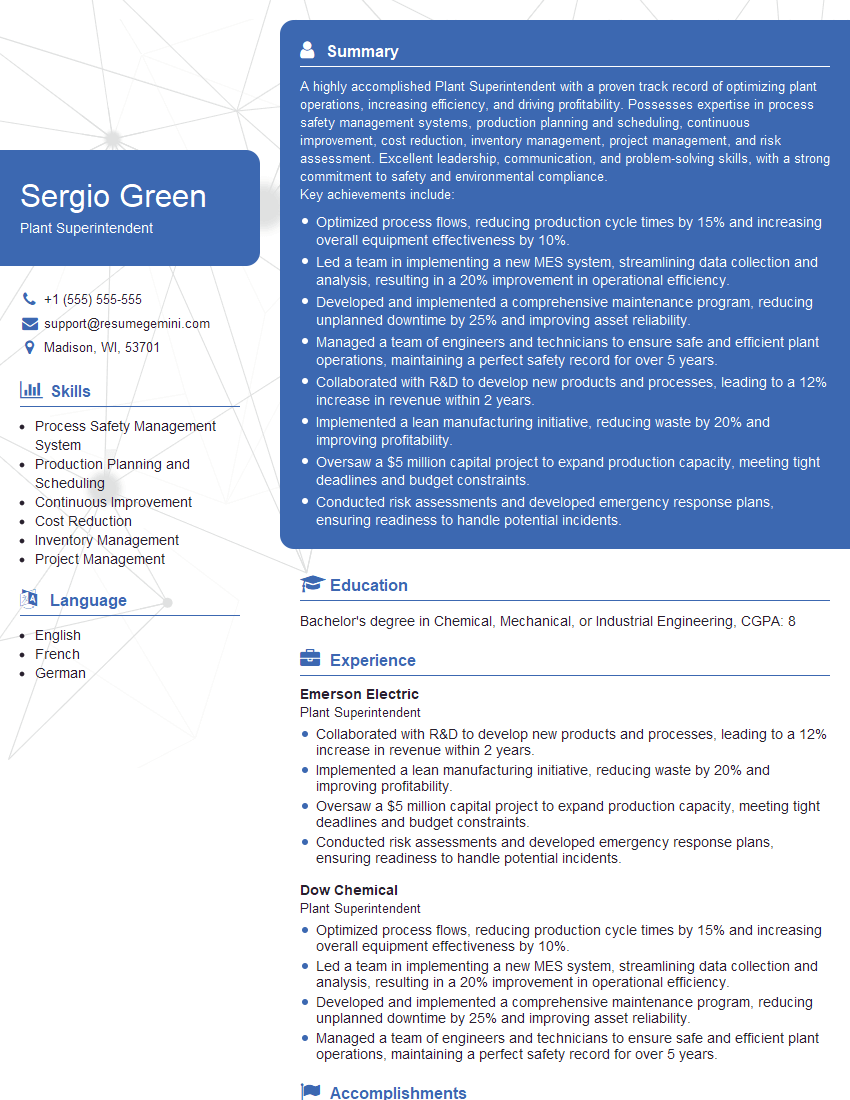
Plant Superintendent Resume Sample
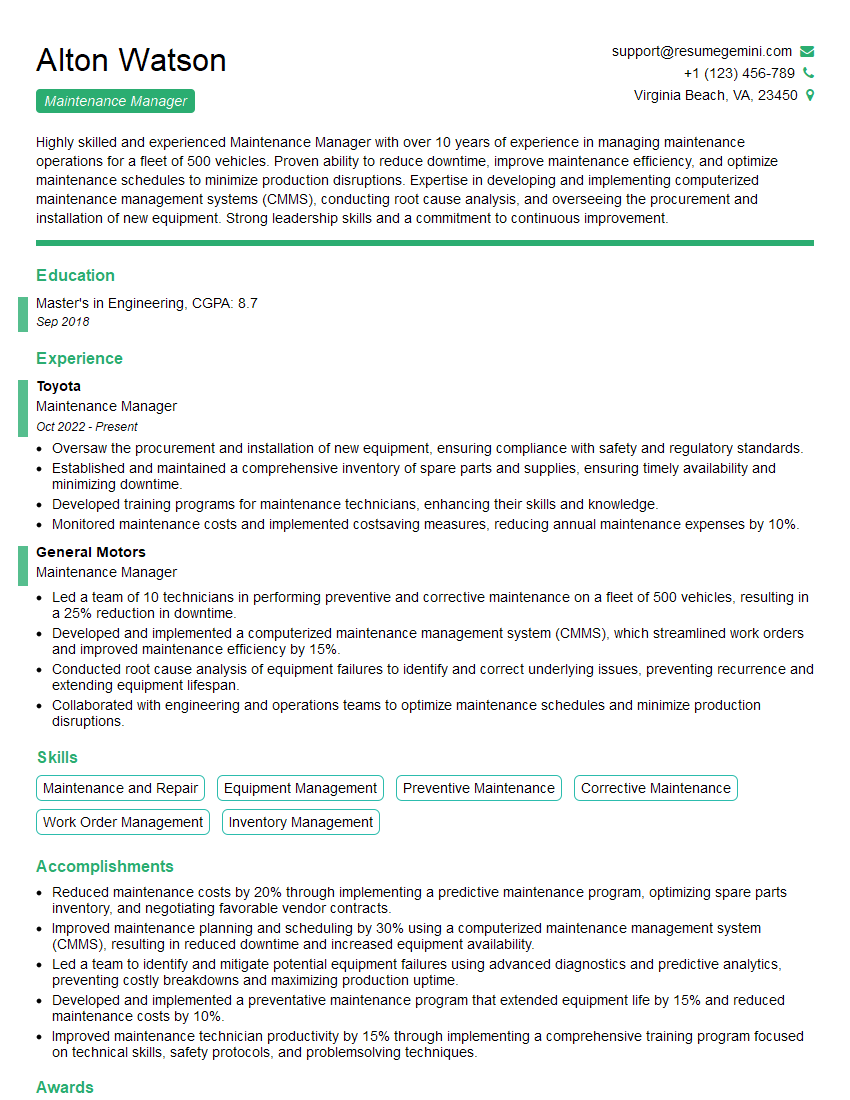
Maintenance Manager Resume Sample

Quality Control Manager Resume Sample
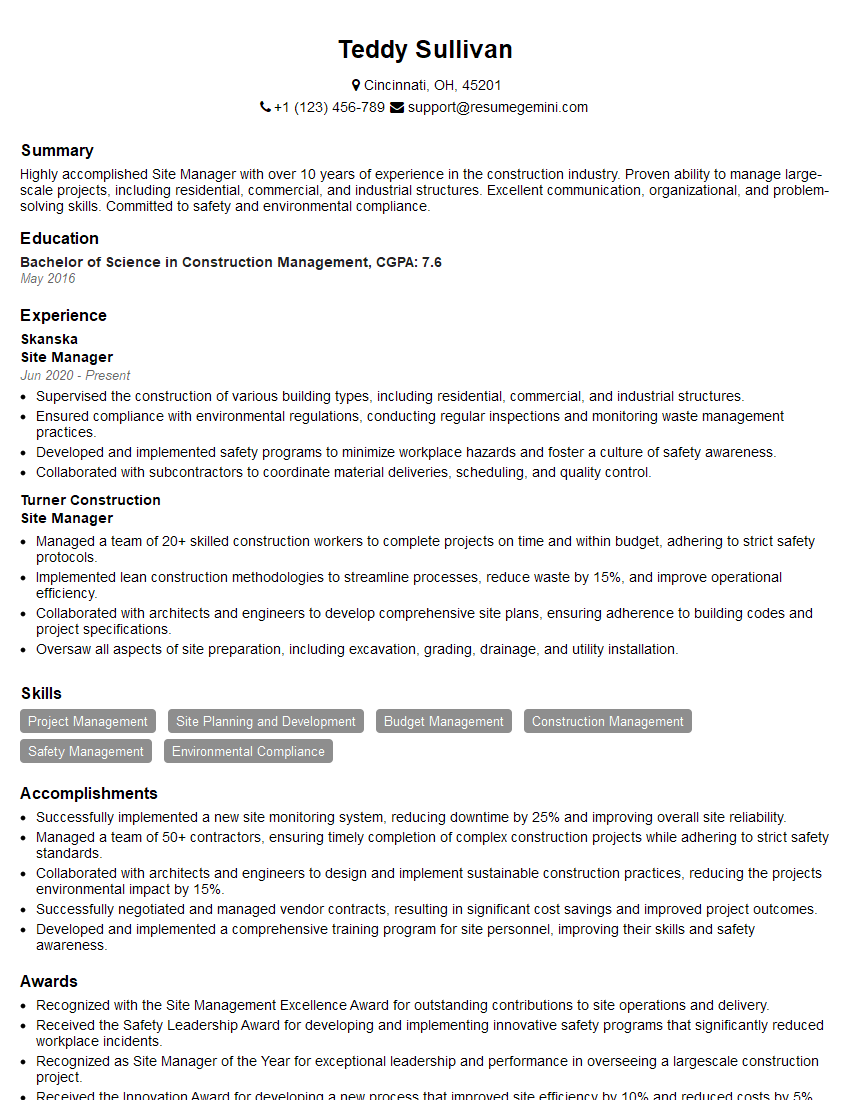
Site Manager Resume Sample
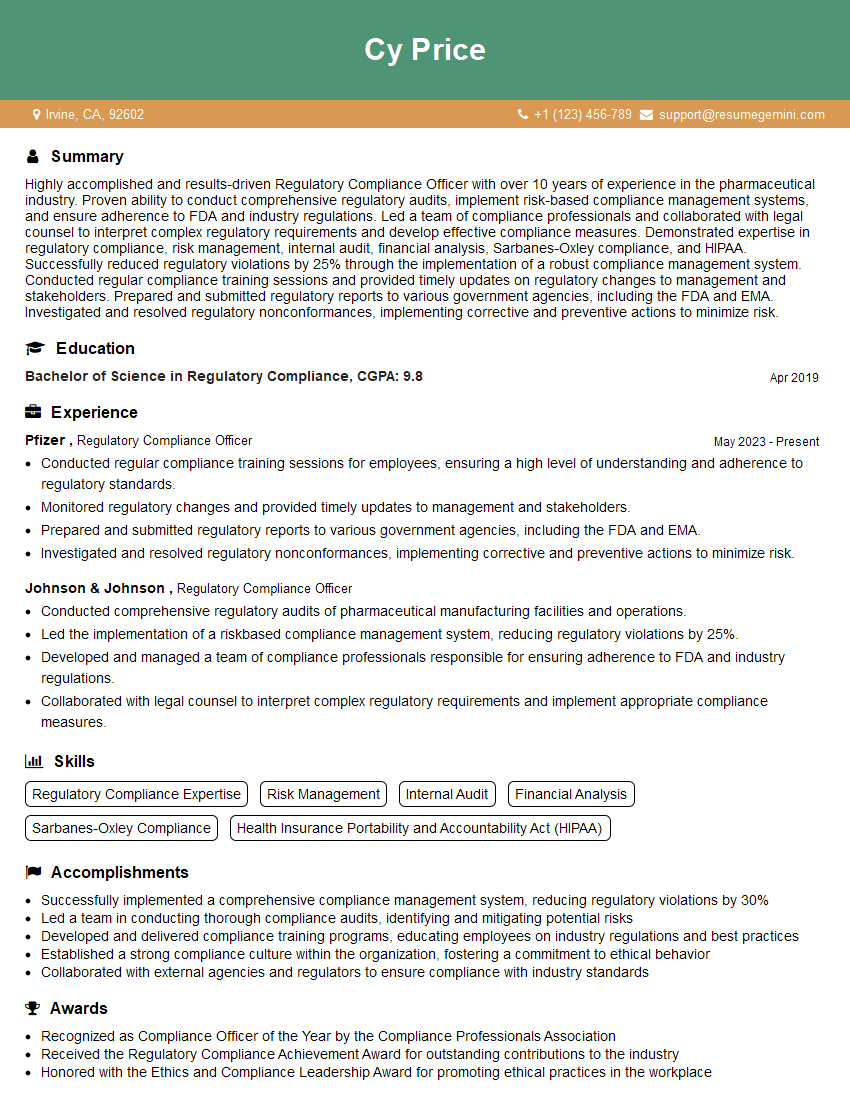
Regulatory Compliance Officer Resume Sample

Systems Engineer Resume Sample
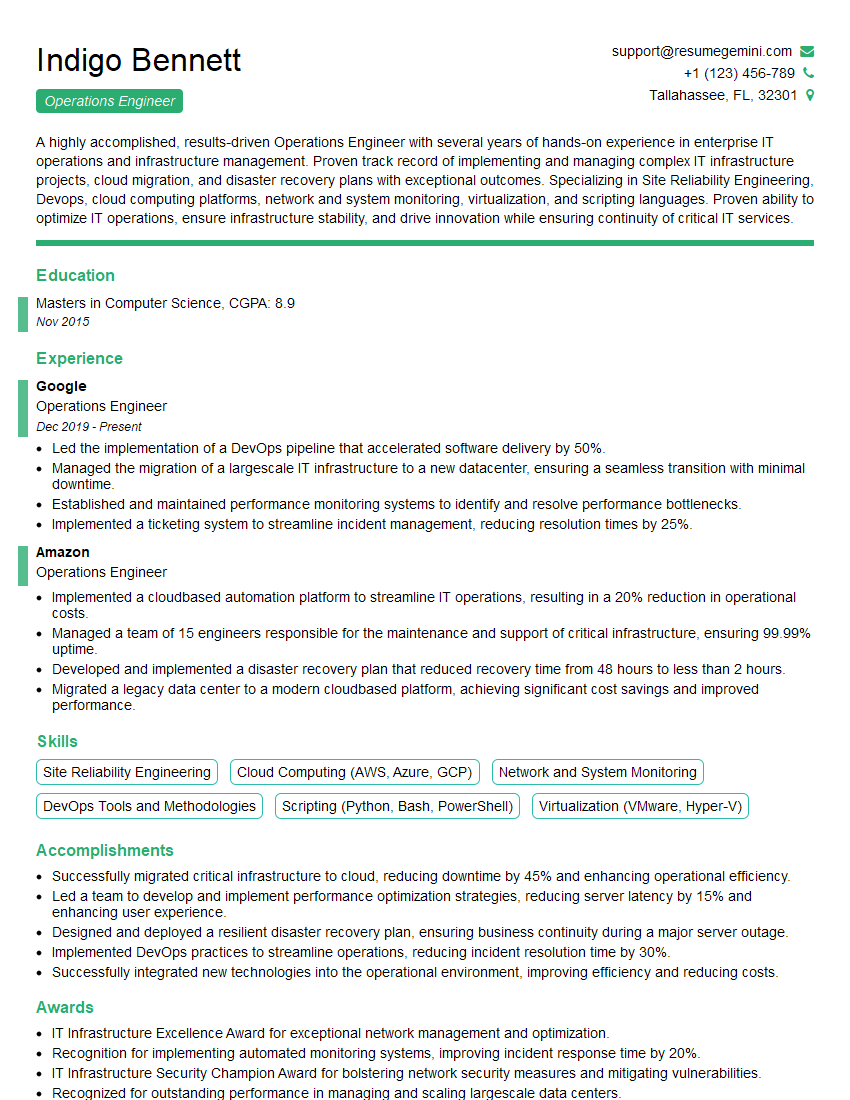
Operations Engineer Resume Sample
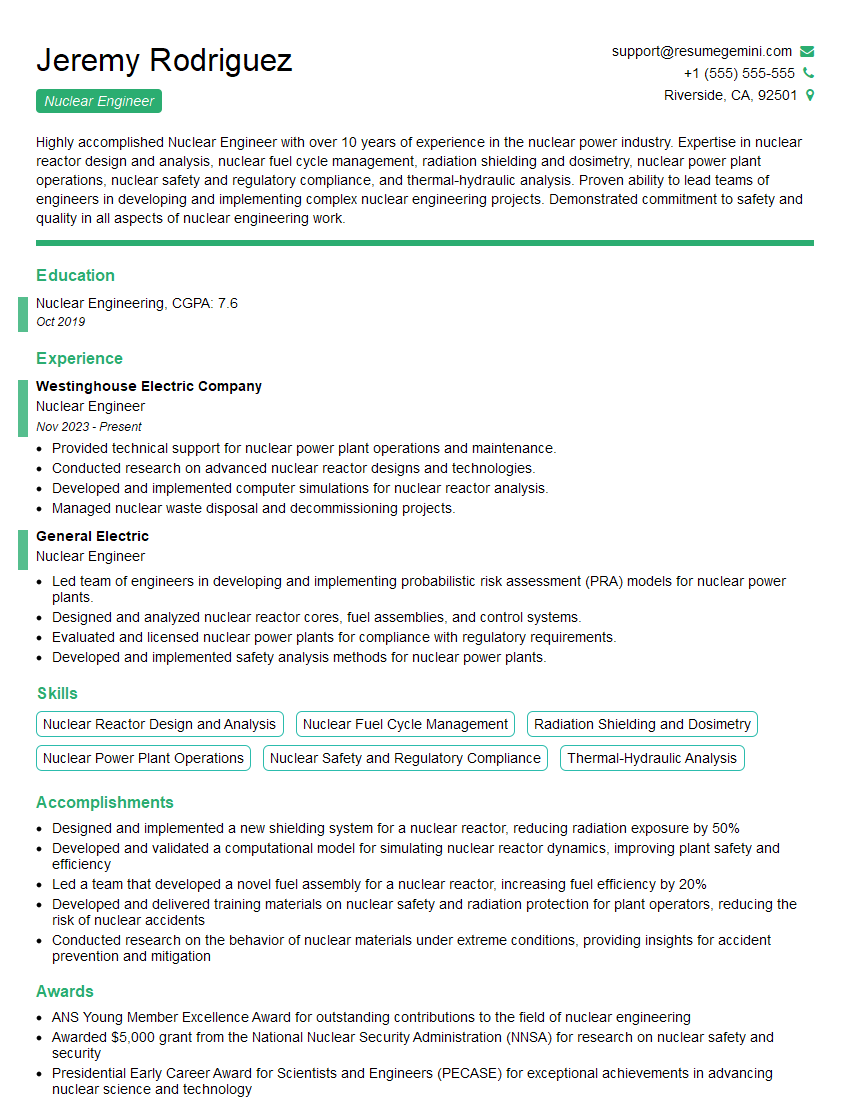
Nuclear Engineer Resume Sample
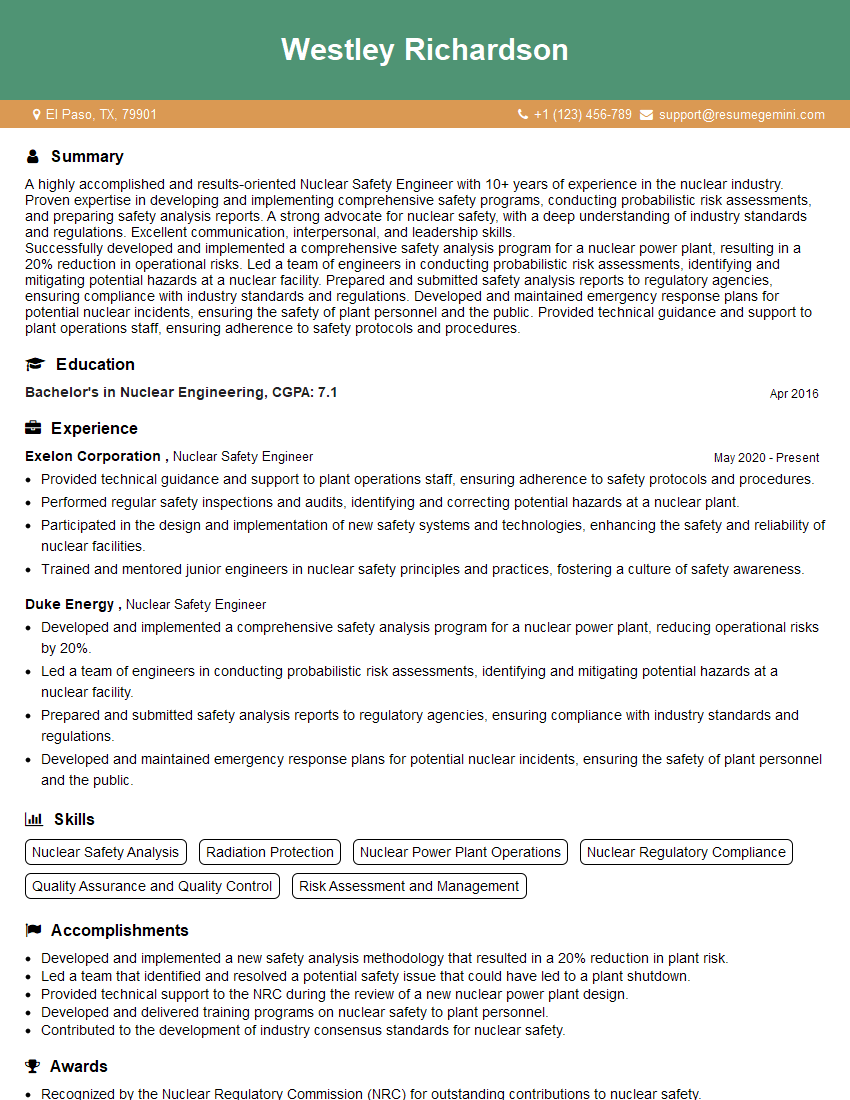
Nuclear Safety Engineer Resume Sample
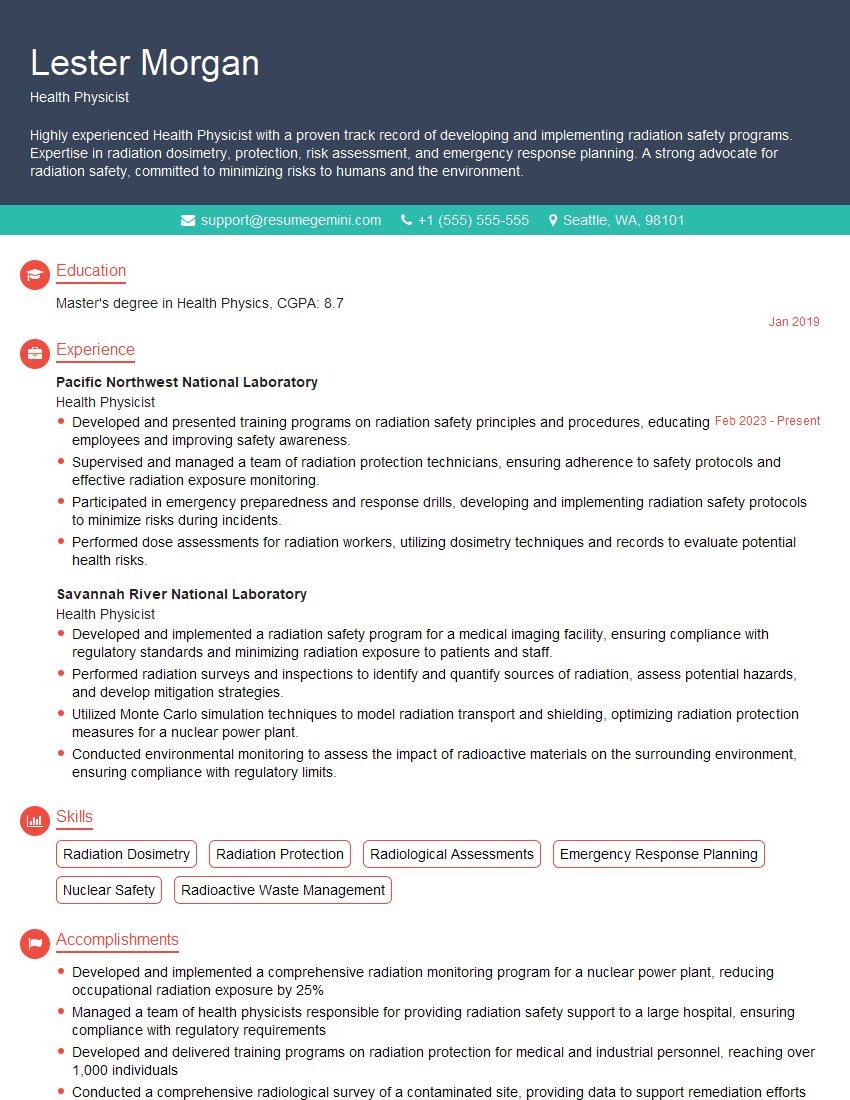
Health Physicist Resume Sample
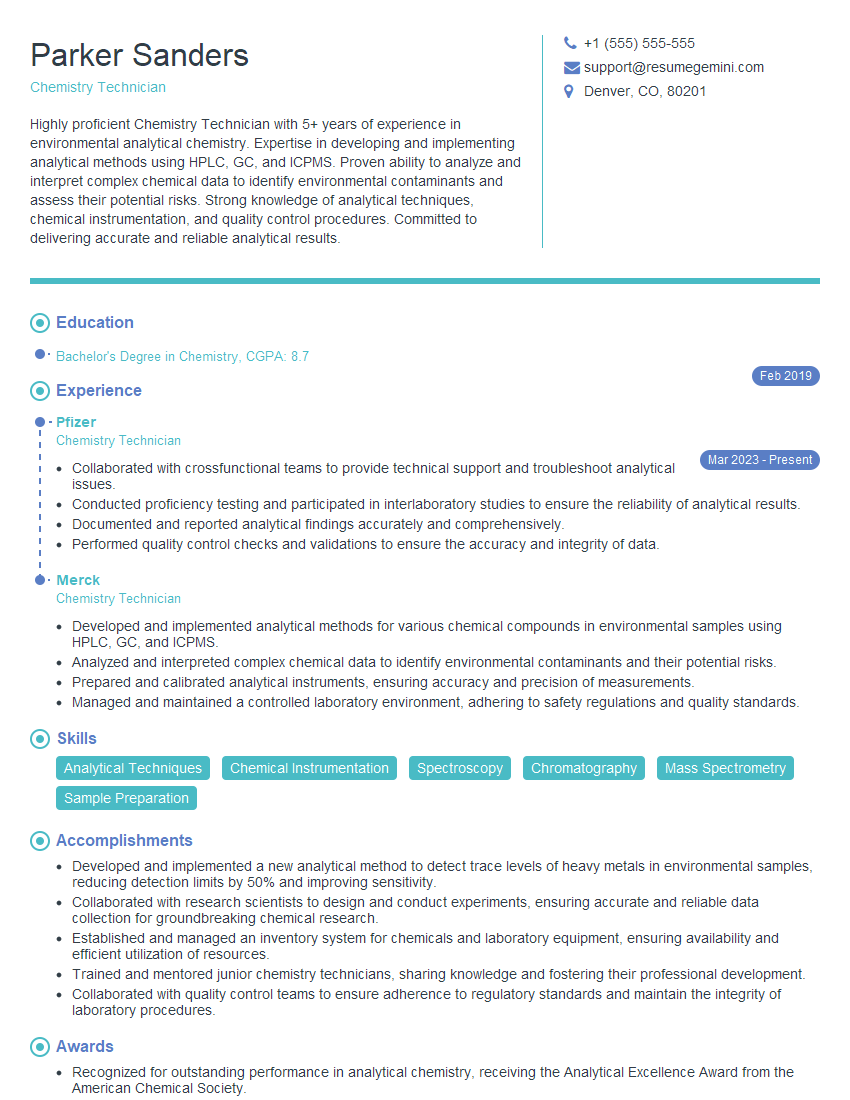
Chemistry Technician Resume Sample
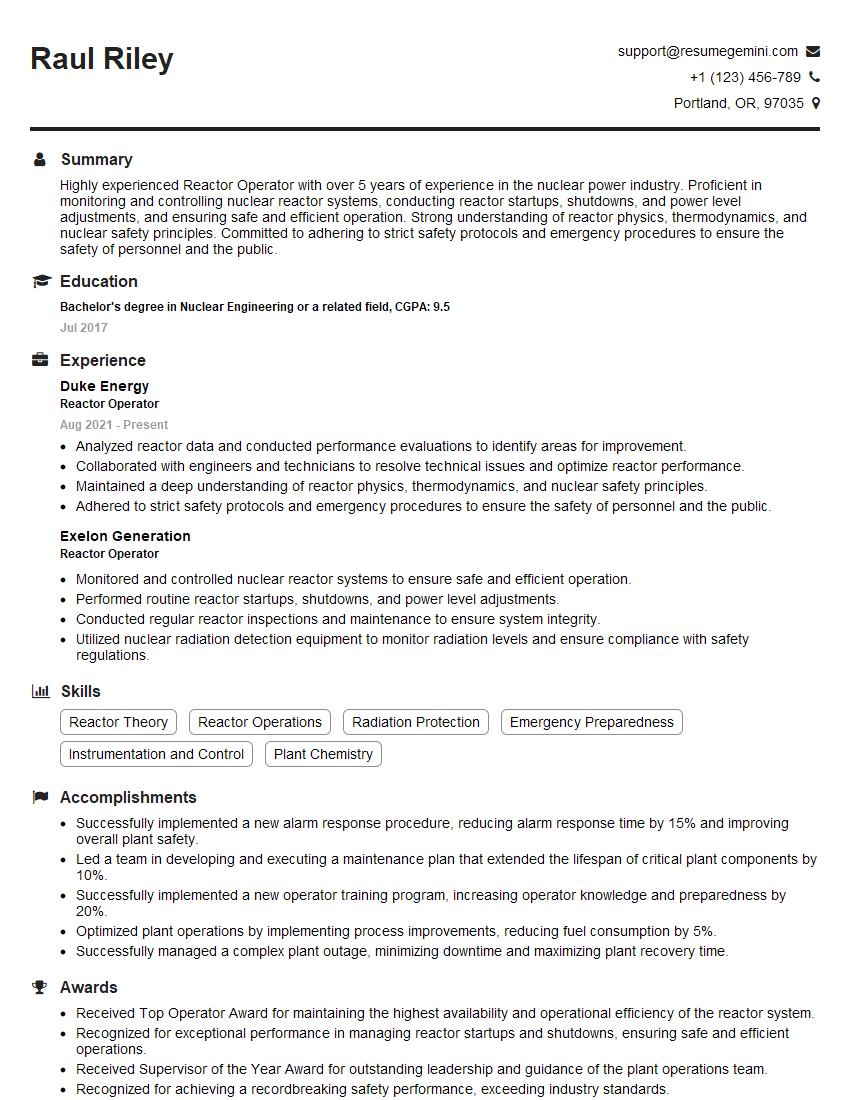
Reactor Operator Resume Sample
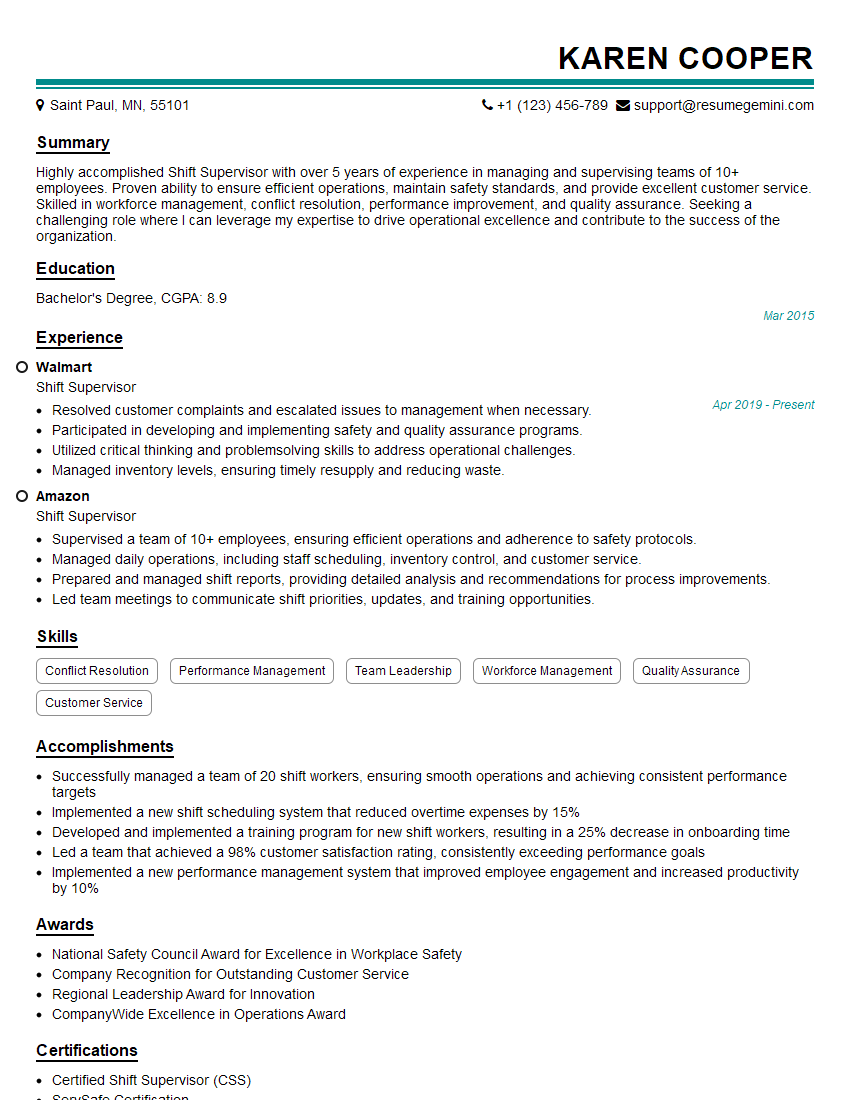
Shift Supervisor Resume Sample

Senior Reactor Operator Resume Sample
Explore more articles
Users Rating of Our Blogs
Share Your Experience
We value your feedback! Please rate our content and share your thoughts (optional).
What Readers Say About Our Blog
To the interviewgemini.com Webmaster.
Very helpful and content specific questions to help prepare me for my interview!
Thank you
To the interviewgemini.com Webmaster.
This was kind of a unique content I found around the specialized skills. Very helpful questions and good detailed answers.
Very Helpful blog, thank you Interviewgemini team.