The right preparation can turn an interview into an opportunity to showcase your expertise. This guide to Nebulization therapy administration interview questions is your ultimate resource, providing key insights and tips to help you ace your responses and stand out as a top candidate.
Questions Asked in Nebulization therapy administration Interview
Q 1. What are the different types of nebulizers used in clinical practice?
Nebulizers are devices that transform liquid medication into a fine mist for inhalation. Several types exist, each with its own advantages and disadvantages. The most common types used in clinical practice are:
- Jet Nebulizers: These use compressed air or oxygen to create a mist. They are relatively inexpensive and simple to use, but can be noisy and inefficient, meaning a significant portion of medication is lost.
- Ultrasonic Nebulizers: These use high-frequency vibrations to create a mist. They are quieter and more efficient than jet nebulizers, but can degrade some medications and may not be suitable for all drugs.
- Mesh Nebulizers: These use a vibrating mesh to atomize the medication. They are very efficient, quiet, and deliver medication quickly. They are more expensive than jet nebulizers, but offer superior performance.
The choice of nebulizer depends on factors such as the patient’s age and condition, the type of medication being administered, and the treatment setting.
Q 2. Explain the process of preparing a nebulizer medication.
Preparing nebulizer medication requires meticulous attention to detail and adherence to strict aseptic techniques to prevent infection. The process generally involves the following steps:
- Hand Hygiene: Thoroughly wash and sanitize your hands.
- Medication Preparation: Accurately measure the prescribed medication using a calibrated device. Always check the medication’s expiry date and confirm the correct dosage with the prescription.
- Nebulizer Chamber Preparation: Ensure the nebulizer cup is clean. For some medications, a sterile saline solution might be added to enhance delivery.
- Medication Addition: Gently add the medication to the nebulizer cup, avoiding spills or contamination.
- Assembly: Carefully assemble the nebulizer according to the manufacturer’s instructions.
- Inspection: Before initiating therapy, inspect the assembled nebulizer for leaks or any issues.
Example: For a patient requiring albuterol, you would measure the correct dose of albuterol solution (usually 2.5mg to 5mg) and add it to the nebulizer cup along with the appropriate amount of sterile saline solution.
Q 3. Describe the steps involved in administering nebulization therapy to a patient.
Administering nebulization therapy involves a series of steps to ensure patient safety and efficacy:
- Patient Assessment: Assess the patient’s respiratory status, including their breathing rate, oxygen saturation, and lung sounds.
- Medication Preparation: Follow the steps outlined in the previous question.
- Equipment Setup: Connect the nebulizer to the air or oxygen source and ensure proper functioning.
- Patient Positioning: Position the patient upright or semi-upright to facilitate optimal lung expansion.
- Nebulizer Administration: Assist the patient in holding the mouthpiece or using a face mask. Instruct them to breathe slowly and deeply to maximize medication inhalation.
- Treatment Duration: Monitor the treatment and ensure that the medication is fully delivered. This usually takes 10-20 minutes depending on the type and amount of medication.
- Post-Treatment: After treatment, disconnect the nebulizer, dispose of any used materials appropriately, and reassess the patient’s respiratory status.
It’s crucial to provide clear and simple instructions to the patient, ensuring they understand the process and their role in the treatment’s success. For pediatric patients, or those with cognitive impairment, extra care and parental/guardian involvement are necessary.
Q 4. How do you monitor a patient’s response to nebulization therapy?
Monitoring a patient’s response to nebulization therapy is crucial for determining its effectiveness and identifying potential complications. This involves:
- Respiratory Rate and Rhythm: Observe for any improvement or worsening in the patient’s breathing pattern.
- Oxygen Saturation: Monitor oxygen saturation levels using a pulse oximeter to assess the effectiveness of the treatment in improving oxygenation.
- Lung Sounds: Auscultate lung sounds before and after treatment to detect any changes in wheezing, crackles, or other abnormalities.
- Heart Rate: Monitor heart rate as some medications can have cardiovascular effects.
- Patient Symptoms: Assess the patient’s subjective experience, noting any changes in cough, shortness of breath, or chest tightness.
Continuous monitoring allows for timely adjustments to the treatment plan if necessary. For instance, if a patient’s oxygen saturation remains low despite nebulization, further interventions may be required.
Q 5. What are the potential complications of nebulization therapy, and how are they managed?
Nebulization therapy, while generally safe, can have potential complications:
- Bronchospasm: Paradoxical bronchospasm can occur, especially with medications like albuterol. This is managed by immediately stopping the treatment and administering appropriate bronchodilators.
- Infection: Improper aseptic technique can lead to infections. This is prevented through meticulous hand hygiene and proper equipment cleaning/sterilization.
- Oral Candidiasis (Thrush): In some cases, particularly with frequent use, thrush can develop in the mouth. This can be managed with antifungal medications.
- Medication Side Effects: Certain medications can cause side effects such as tremors, palpitations, or nausea. These are usually mild and transient but should be monitored.
The key to managing complications is preventative measures, careful observation of the patient, and prompt intervention when problems arise.
Q 6. How do you select the appropriate nebulizer for a specific patient and condition?
Selecting the appropriate nebulizer for a specific patient and condition depends on several factors:
- Patient Age and Condition: Infants and young children may benefit from small-volume nebulizers or those with features like face masks, while adults may tolerate larger volume nebulizers.
- Medication Properties: Some medications are better delivered using specific nebulizer types. For instance, certain medications degrade in ultrasonic nebulizers.
- Treatment Setting: In a hospital setting, advanced nebulizers with features like adjustable flow rates might be preferred, while home use might favour simpler, portable devices.
- Treatment Goals: The specific respiratory condition and its severity will influence the choice of nebulizer and the medication to be delivered.
For example, a patient with acute asthma exacerbation may benefit from a mesh nebulizer delivering albuterol for its quick and efficient delivery. Conversely, a patient with chronic obstructive pulmonary disease might use a jet nebulizer for long-term treatment with ipratropium bromide.
Q 7. What are the different types of medications administered via nebulization?
A wide range of medications can be administered via nebulization, primarily targeting the respiratory system. These include:
- Bronchodilators: These open up the airways and are commonly used to treat asthma and COPD. Examples include albuterol (salbutamol), levalbuterol, ipratropium bromide.
- Mucolytics: These thin mucus secretions, making it easier to cough up. Examples include hypertonic saline and dornase alfa.
- Corticosteroids: These reduce inflammation in the airways and are commonly used in the management of asthma and other inflammatory lung diseases. Examples include budesonide and fluticasone.
- Antibiotics: In some cases, antibiotics can be nebulized to treat respiratory infections.
The choice of medication depends on the specific condition and the physician’s prescription. It’s critical to follow the prescribed dosage and administration instructions precisely.
Q 8. Explain the principles of aerosol physics related to nebulization therapy.
Nebulization therapy relies on the principles of aerosol physics to deliver medication to the lungs. It involves transforming a liquid medication into a fine mist (aerosol) containing tiny droplets, ideally ranging from 1 to 5 micrometers in diameter for optimal lung deposition. This process involves several key physical principles:
Atomization: The initial process of breaking the liquid medication into smaller droplets. This is achieved through different mechanisms depending on the nebulizer type (e.g., high-velocity airflow in jet nebulizers, ultrasonic vibrations in ultrasonic nebulizers).
Droplet Size Distribution: The size of the droplets significantly impacts where in the respiratory tract the medication lands. Smaller droplets (1-5µm) reach the deeper airways (alveoli), while larger droplets deposit in the upper airways (mouth, throat).
Aerodynamic Diameter: This considers both the size and density of a droplet and determines its behavior in the airflow. A smaller aerodynamic diameter implies easier penetration into the deeper airways.
Deposition: This is the process of the droplets settling on the respiratory tract lining. Factors like airflow, breathing pattern, and droplet size influence deposition. Inertia and Brownian motion (random movement of particles) play roles here.
Understanding these principles helps clinicians select the appropriate nebulizer, medication, and treatment parameters to optimize drug delivery to the target area within the lungs.
Q 9. How do you ensure accurate drug delivery during nebulization?
Ensuring accurate drug delivery during nebulization is crucial for effective treatment. Several factors contribute to accurate delivery:
Appropriate Nebulizer Selection: Choosing a nebulizer with a suitable output particle size distribution for the specific medication and patient’s respiratory condition is vital. For example, medications targeting the alveoli require a nebulizer generating smaller droplets.
Correct Medication Preparation: Following the manufacturer’s instructions for diluting and mixing the medication is paramount to avoid precipitation or inactivation of the drug.
Patient Breathing Pattern: Instructing the patient to breathe slowly and deeply maximizes the drug’s deposition in the lungs. Rapid, shallow breaths will result in significant drug loss.
Monitoring Treatment Time: Using a timer and monitoring the nebulization process until the medication is fully delivered ensures complete administration. Continuous monitoring is crucial, and treatments shouldn’t exceed the recommended time.
Regular Nebulizer Maintenance: Cleaning and disinfecting the nebulizer after each use prevents bacterial contamination and ensures optimal performance. Damaged or improperly cleaned nebulizers can affect drug delivery.
In some cases, using a spacer device with a nebulizer can enhance drug deposition in the lungs. Regular assessment of the patient’s response to the treatment helps evaluate the accuracy of drug delivery. If symptoms don’t improve, further investigation may be necessary.
Q 10. What are the safety precautions to follow during nebulization therapy?
Safety during nebulization therapy is paramount. Precautions include:
Medication Safety: Always verify the medication, dosage, and route of administration before initiating the treatment. Double-checking the prescription is crucial to avoid errors.
Allergic Reactions: Monitor patients for signs of allergic reactions (e.g., rash, itching, difficulty breathing) during and after treatment. Have emergency medications readily available.
Infection Control: Use a clean nebulizer for each patient to prevent cross-contamination. Proper cleaning and disinfection protocols are crucial.
Oxygen Supplementation: If oxygen is administered concurrently with nebulization, carefully monitor the patient’s oxygen saturation levels. Excessive oxygen can be detrimental.
Environmental Safety: Ensure adequate ventilation in the room to avoid excessive accumulation of medication aerosol in the environment. Consider using a mask, if necessary.
Medication Handling: Always wear gloves when handling medications to avoid contamination or accidental exposure.
Thorough patient education is essential to minimize risks and ensure safe nebulization therapy.
Q 11. How do you troubleshoot common problems encountered with nebulizers?
Troubleshooting nebulizer problems requires systematic investigation. Here’s a step-by-step approach:
No Mist/Weak Mist: Check for sufficient medication in the reservoir, ensure the nebulizer is correctly assembled, verify the power source (if applicable), and inspect for blockages in the tubing or mouthpiece. Cleaning or replacing the nebulizer parts might be necessary.
Excessive Wetness in the Mouthpiece: This could be due to too large a particle size, indicating the need for adjustment in airflow or nebulizer selection. Incorrect assembly may also contribute to this.
Inconsistent Drug Delivery: This may indicate a problem with the nebulizer’s internal components, necessitating repair or replacement. The medication itself might also be the source of the issue (e.g., improper dilution).
Medication Leakage: Check the seals and connections for proper sealing and ensure the correct assembly of the nebulizer.
If problems persist after troubleshooting, contact the manufacturer or a healthcare professional for assistance. Keeping a log of the problems encountered and the troubleshooting steps taken can be beneficial for future reference.
Q 12. What are the differences between jet nebulizers and ultrasonic nebulizers?
Jet and ultrasonic nebulizers differ in their mechanisms of aerosol generation:
Jet Nebulizers: These use high-velocity airflow to break up the liquid medication into small droplets. They’re generally robust, relatively inexpensive, and suitable for a wide range of medications. However, they can be noisy and require a continuous airflow, making them less portable.
Ultrasonic Nebulizers: These use high-frequency sound waves to create vibrations that atomize the liquid medication. They are quieter and typically more compact and portable. However, they are sensitive to the viscosity and surface tension of the medication, potentially affecting the particle size and efficiency of some drugs. They also generate heat, which can degrade heat-sensitive drugs.
The choice between these types depends on factors like medication type, patient needs (portability, noise level), and cost considerations.
Q 13. How do you educate patients on the proper use of nebulizers at home?
Patient education is crucial for successful home nebulization therapy. Instruction should include:
Proper Nebulizer Use: Demonstrate the correct assembly, medication preparation, and use of the nebulizer. Practice sessions can be invaluable.
Breathing Techniques: Explain the importance of slow, deep breaths during treatment to maximize drug deposition. Visual aids and practice can enhance understanding.
Medication Handling: Emphasize safe storage, handling, and disposal of the medication and nebulizer components.
Cleaning and Maintenance: Provide clear, step-by-step instructions on cleaning and disinfecting the nebulizer after each use to prevent infection.
Monitoring Symptoms: Instruct patients to monitor their symptoms and report any changes or adverse effects to their healthcare provider.
Troubleshooting: Provide guidance on common problems and troubleshooting steps.
Written materials, videos, and follow-up phone calls can supplement in-person instruction to ensure comprehension. Regular follow-up assessments are essential to address any questions or concerns.
Q 14. What are the indications for nebulization therapy?
Nebulization therapy is indicated for various respiratory conditions where delivering medication directly to the lungs is beneficial. These include:
Asthma: Delivering bronchodilators and corticosteroids directly to the airways helps alleviate bronchospasm and reduce inflammation.
Chronic Obstructive Pulmonary Disease (COPD): Nebulization can deliver bronchodilators and mucolytics to improve airflow and clear mucus.
Cystic Fibrosis: It’s used to deliver medications to thin mucus and fight infections.
Pneumonia: Antibiotics can be delivered via nebulization for localized treatment of lung infections.
Bronchiectasis: Nebulized medications help clear mucus and control infections.
The specific indications and medications used vary depending on the patient’s condition and severity. A physician determines the suitability of nebulization therapy based on a patient’s individual needs.
Q 15. What are the contraindications for nebulization therapy?
Contraindications for nebulization therapy refer to situations where the treatment could be harmful or ineffective. These can be broadly categorized into patient-specific factors and medication-specific factors.
- Patient-Specific Factors: These include conditions that could worsen with increased airway moisture or that might interfere with the medication’s effectiveness. Examples include patients with significant hypersensitivity to the medication being nebulized, those with severe uncontrolled hypertension (certain medications can worsen this), and patients with a recent history of significant upper respiratory infection (increased risk of spreading infection via the nebulizer).
- Medication-Specific Factors: Some medications are unsuitable for nebulization due to their chemical properties, such as instability in solution or potential for precipitation. For instance, some medications might crystallize within the nebulizer, leading to clogging. Always refer to the medication’s prescribing information to confirm its suitability for nebulization.
A thorough assessment of the patient’s medical history and current condition is crucial before initiating nebulization therapy to identify and avoid any contraindications.
Career Expert Tips:
- Ace those interviews! Prepare effectively by reviewing the Top 50 Most Common Interview Questions on ResumeGemini.
- Navigate your job search with confidence! Explore a wide range of Career Tips on ResumeGemini. Learn about common challenges and recommendations to overcome them.
- Craft the perfect resume! Master the Art of Resume Writing with ResumeGemini’s guide. Showcase your unique qualifications and achievements effectively.
- Don’t miss out on holiday savings! Build your dream resume with ResumeGemini’s ATS optimized templates.
Q 16. How do you document the administration of nebulization therapy?
Accurate documentation is paramount for ensuring patient safety and facilitating continuity of care. My approach to documenting nebulization therapy involves a detailed and consistent format, typically including the following:
- Date and Time: Precise recording ensures chronological clarity.
- Medication Administered: Include the medication name, dose, and route of administration (nebulization).
- Nebuliser Type: Specify the type of nebulizer used (e.g., jet nebulizer, ultrasonic nebulizer).
- Solution Volume: The total volume of the medication solution used.
- Treatment Duration: How long the treatment lasted.
- Patient Response: Document any observable changes in respiratory rate, oxygen saturation (SpO2), heart rate, or other relevant vital signs before, during and after the treatment. Note any subjective reports from the patient about their breathing, wheeze, cough or other symptoms.
- Any Adverse Reactions: Immediate recording of any side effects is essential.
- Nurse’s Signature: The nurse administering the treatment must sign to ensure accountability.
Examples of documentation systems can include electronic health records (EHRs) or paper-based charting systems. The key is to maintain consistency and completeness.
Q 17. What are the potential side effects of nebulized medications?
Potential side effects of nebulized medications vary depending on the specific medication used. However, some common side effects include:
- Bronchospasm: Paradoxical bronchoconstriction, where breathing becomes more difficult.
- Cough: A common side effect, often transient.
- Throat Irritation: The nebulized medication can sometimes irritate the throat.
- Nausea and Vomiting: Less common, but possible with certain medications.
- Headache: Another less frequent but possible side effect.
- Tremors: Some medications can cause unintended tremors.
- Oral Candidiasis (Thrush): Especially with corticosteroid inhalers, this fungal infection can occur.
The severity of these side effects depends on various factors, including the medication, the dose, and the patient’s individual sensitivity. It’s critical to monitor the patient closely during and after the treatment to detect and manage any adverse reactions.
Q 18. How do you handle adverse reactions to nebulized medications?
Handling adverse reactions to nebulized medications requires prompt action and appropriate interventions. The steps involved are:
- Immediate Assessment: Assess the patient’s respiratory status, vital signs, and any other symptoms.
- Stop the Treatment: Immediately discontinue the nebulization if a serious adverse reaction occurs.
- Administer Appropriate Treatment: Depending on the reaction, this may include oxygen therapy, bronchodilators (like albuterol), or other medications as ordered by a physician.
- Monitor Patient Closely: Continuously monitor vital signs and respiratory status.
- Document Thoroughly: Record all observations, interventions, and the patient’s response.
- Notify Physician: Immediately inform the physician about the adverse reaction and the actions taken.
For example, if a patient experiences bronchospasm, administering a rescue bronchodilator (like albuterol) would be necessary, and the physician should be notified immediately.
Q 19. How do you assess a patient’s respiratory status before, during, and after nebulization?
Assessing a patient’s respiratory status is crucial before, during, and after nebulization therapy to ensure safety and effectiveness. This involves monitoring several key indicators:
- Before Nebulization: Assess respiratory rate, rhythm, depth, and effort; auscultate the lungs for adventitious sounds (wheezes, crackles); measure oxygen saturation (SpO2); note the patient’s level of anxiety or distress.
- During Nebulization: Continue to monitor respiratory rate, rhythm, depth, and effort, paying particular attention to any signs of distress or worsening respiratory status; reassess SpO2.
- After Nebulization: Reappraise respiratory rate, rhythm, depth, effort, lung sounds, SpO2, and level of anxiety or distress; note any improvement or worsening of symptoms.
Think of it like this: You are looking for clues in the patient’s breathing to determine if the treatment is working and whether the patient is experiencing adverse events. Any significant changes warrant immediate intervention and physician notification.
Q 20. What are the appropriate settings for different types of nebulizers?
Nebulizer settings vary depending on the type of nebulizer and the medication being administered. There’s no one-size-fits-all answer; always follow the manufacturer’s instructions for the specific device and medication. However, some general considerations are:
- Flow Rate (for Jet Nebulizers): This refers to the rate at which compressed air or oxygen flows through the nebulizer. Higher flow rates generally produce smaller droplets, leading to better deposition in the lungs, but also increase the risk of medication loss through wastage. Typically, the recommended flow rate is found on the nebulizer or medication packaging, and this needs to be checked.
- Frequency and Duration: The frequency and duration of treatment depend on the patient’s condition, medication, and physician’s orders. Some treatments are given multiple times a day, while others are administered less frequently.
- Medication Volume: The volume of medication used depends on the prescribed dose and the concentration of the medication.
- Ultrasonic Nebulizers: These use ultrasonic vibrations to create a mist. Settings often involve adjusting the frequency or power output, and manufacturers provide recommendations for specific medications and patient needs. Always follow manufacturer’s instructions for the specific device.
Incorrect settings can lead to ineffective treatment or medication waste. Always adhere to the manufacturer’s instructions and the prescribing physician’s orders.
Q 21. Explain the importance of proper hand hygiene during nebulization therapy.
Proper hand hygiene is critical during nebulization therapy to prevent the spread of infection. Nebulizers, while not inherently sterile, can become contaminated if proper infection control measures aren’t followed. This is crucial because many patients using nebulizers already have compromised respiratory systems, making them more vulnerable to infection.
Before handling the nebulizer or the medication, and after the treatment, healthcare professionals should perform thorough hand hygiene using soap and water or an alcohol-based hand rub. Following the recommended hand hygiene protocol of the facility is crucial. This simple act significantly minimizes the risk of transmitting pathogens to the patient and between patients. Remember, even seemingly minor infections can seriously impact patients with compromised respiratory health.
Q 22. Describe the role of a spacer in nebulization therapy.
A spacer, also known as a holding chamber, is a crucial device used in conjunction with a metered-dose inhaler (MDI) or a nebulizer. Its primary role is to enhance medication delivery to the lungs. Think of it as a reservoir that allows the medication to disperse into larger droplets, creating a more even and efficient delivery of the medication into the lungs and reducing the amount that lands in the throat and mouth. Without a spacer, a significant portion of the medication can be lost before reaching the target airways, especially in children or patients who struggle with coordination during inhalation.
Specifically, a spacer improves medication delivery by:
- Slowing down the delivery of medication: This allows for better dispersion and lung deposition.
- Creating a larger volume for the medication: This reduces the velocity of the aerosolized particles and facilitates a more efficient inhalation.
- Reducing the need for precise coordination: This makes administration easier for children and patients with reduced coordination.
For example, using a spacer with a child with asthma ensures that a higher percentage of the medication reaches their lungs, maximizing the treatment’s effectiveness.
Q 23. How do you verify the correct medication and dosage before administering nebulization?
Verifying the correct medication and dosage is paramount to patient safety and treatment efficacy. It’s a three-step process:
- Check the medication order: This involves carefully reviewing the doctor’s prescription to ensure the correct medication, dosage, frequency, and route of administration (nebulization in this case). I always compare this written order to any electronic medication record.
- Verify the medication label: Before dispensing, I meticulously check the medication label against the prescription, confirming the name, concentration, and expiration date. This includes a visual inspection for any signs of damage or tampering. For instance, I’d ensure the concentration of albuterol matches the doctor’s order, not confusing it with a different concentration for the same medication.
- Calculate the dosage: Depending on the medication, I might need to perform dosage calculations. I always double-check this step to avoid errors. For example, if a prescription requires 2.5 mg of medication, and the vial has a concentration of 5 mg/mL, I would carefully calculate the required volume (0.5 mL) before drawing it into the nebulizer cup.
This meticulous process is crucial to prevent medication errors and ensure safe and effective treatment.
Q 24. What are the different types of respiratory treatments besides nebulization?
Nebulization therapy is just one of many respiratory treatments. Other common methods include:
- Metered-dose inhalers (MDIs): These handheld devices deliver a measured dose of medication through inhalation. They’re often used with a spacer for better delivery, particularly for children.
- Dry powder inhalers (DPIs): These inhalers contain medication in a dry powder form. The patient inhales forcefully to activate the device and deliver the medication.
- Oxygen therapy: Supplemental oxygen is administered to increase oxygen levels in the blood, especially beneficial for patients with low oxygen saturation.
- Chest physiotherapy: Techniques like postural drainage, percussion, and vibration help clear mucus from the airways.
- Positive expiratory pressure (PEP) therapy: This involves using a device to create back pressure during exhalation, which helps clear airways.
The choice of treatment depends on the patient’s specific condition, severity, and response to other therapies. For example, a patient with acute bronchospasm might receive nebulized albuterol initially, followed by an MDI for long-term maintenance.
Q 25. How do you maintain and clean nebulizers to prevent infection?
Maintaining and cleaning nebulizers is critical to prevent infections and ensure optimal performance. It’s a process that should be done regularly, usually after each use. Here’s how to clean a nebulizer properly:
- Disassemble: Carefully separate the nebulizer into its components (usually the mouthpiece/mask, medication cup, tubing, and air compressor).
- Rinse: Rinse all parts thoroughly with warm, soapy water. Avoid using harsh detergents or abrasive cleaners.
- Sterilize (optional): If recommended by the manufacturer, you can sterilize the components by soaking them in a sterilizing solution (check the instructions) or boiling them in water for 5-10 minutes. However, simple rinsing and air drying usually suffice for most situations.
- Air dry: Allow all parts to completely air dry before reassembling. Avoid using towels or cloths, which can leave behind residue.
- Reassemble: Once completely dry, reassemble the nebulizer carefully, ensuring that all parts are securely connected.
Ignoring this process can lead to bacterial or fungal growth within the nebulizer, potentially causing infection and compromising treatment. Always adhere to the manufacturer’s specific instructions for cleaning and sterilization.
Q 26. Describe different types of airway obstruction and its impact on nebulizer therapy
Airway obstruction significantly impacts nebulizer therapy’s effectiveness. Different types of obstructions pose unique challenges:
- Mucus plugs: Thick, tenacious mucus can block airways, hindering the delivery of medication to the affected areas. In these cases, chest physiotherapy techniques or mucolytic medications might be necessary alongside nebulization to help break up and clear the mucus.
- Bronchospasm: Constriction of the airway muscles reduces airflow, limiting medication delivery. Bronchodilators, often administered via nebulization, are crucial to reverse bronchospasm and improve delivery.
- Foreign body aspiration: A foreign object lodged in the airways can completely obstruct airflow. Immediate medical intervention is necessary to remove the obstruction before nebulization can be considered.
- Tumors or masses: Growths within the airways can partially or completely obstruct airflow. Treatment focuses on addressing the underlying cause, often with surgery, chemotherapy or radiation therapy, alongside supportive care that might include nebulization.
The severity of the obstruction dictates how effective nebulization therapy will be; in severe cases, other treatments might be more appropriate or might need to be employed before nebulization can be truly effective.
Q 27. What are the advantages and disadvantages of using different nebulizer systems?
Nebulizers come in various systems, each with its advantages and disadvantages:
- Jet nebulizers: These are the most common type, using compressed air to create an aerosol. They are relatively inexpensive and easy to use, but they can be noisy and take longer to deliver medication than other options. For example, they are suitable for home use, particularly for patients needing frequent treatment.
- Ultrasonic nebulizers: These use ultrasonic vibrations to generate an aerosol. They are quieter and smaller than jet nebulizers, but they can be more expensive and may not be as effective for some medications.
- Mesh nebulizers: These use a vibrating mesh to generate a fine aerosol. They are quieter, faster, and more portable than jet nebulizers, but they can be more expensive and require more careful cleaning. For example, a mesh nebulizer is ideal for patients needing quick and efficient treatment in various settings.
The best nebulizer system depends on the patient’s needs, medication used, and clinical setting. For example, a home-care patient needing multiple daily treatments would benefit from a jet nebulizer, due to its affordability and ease of use. A patient needing treatment at the hospital might prefer a mesh nebulizer for its speed and portability.
Q 28. How would you explain the treatment plan to a patient receiving nebulization therapy?
Explaining the treatment plan to a patient receiving nebulization therapy requires clear, concise communication and patient education. I would follow these steps:
- Introduce myself and my role: I would build rapport with the patient by introducing myself and explaining my role in their care.
- Explain the purpose of nebulization: I would explain in simple terms why nebulization is necessary, relating it to their specific condition. For example, “This nebulizer treatment will help open your airways and make it easier to breathe.”
- Describe the procedure: I would explain the steps involved in the nebulization process, demonstrating the use of the equipment if appropriate.
- Explain the medication: I would explain the name and purpose of the medication being used, emphasizing its benefits and potential side effects. I’d use simple language, avoiding medical jargon.
- Explain the treatment plan: I would clarify the duration and frequency of the treatment, as well as any necessary follow-up care. I would also answer any questions the patient might have.
- Instruct on self-administration: If applicable, I would demonstrate how to perform self-administration, emphasizing proper technique. I’d provide clear, written instructions to reinforce the process.
I make sure to check the patient’s understanding throughout the explanation and provide any needed clarification or support. This collaborative approach ensures the patient is actively involved in their treatment and feels comfortable and informed.
Key Topics to Learn for Nebulization Therapy Administration Interview
- Understanding Nebulization Principles: Explore the physics of aerosol generation, particle size distribution, and its impact on drug delivery to the lungs.
- Nebulizer Types and Operation: Become proficient in the operation and maintenance of various nebulizer types (e.g., jet, ultrasonic, mesh). Understand their advantages and disadvantages in different clinical scenarios.
- Medication Administration: Master the safe and accurate preparation and administration of medications via nebulization, including dosage calculations and handling of different drug formulations.
- Patient Assessment and Monitoring: Learn to assess patient suitability for nebulization therapy, monitor vital signs during treatment, and recognize and respond to adverse reactions.
- Infection Control and Hygiene: Understand and apply strict infection control protocols to prevent the spread of airborne pathogens during nebulization therapy.
- Troubleshooting Common Issues: Develop problem-solving skills to address common technical malfunctions, such as clogged nebulizers or inadequate aerosol output. Know how to troubleshoot and maintain equipment effectively.
- Respiratory Anatomy and Physiology: Demonstrate a solid understanding of the respiratory system’s structure and function to explain how nebulization therapy improves drug delivery to the target site.
- Legal and Ethical Considerations: Understand relevant regulations and ethical guidelines pertaining to medication administration and patient confidentiality.
Next Steps
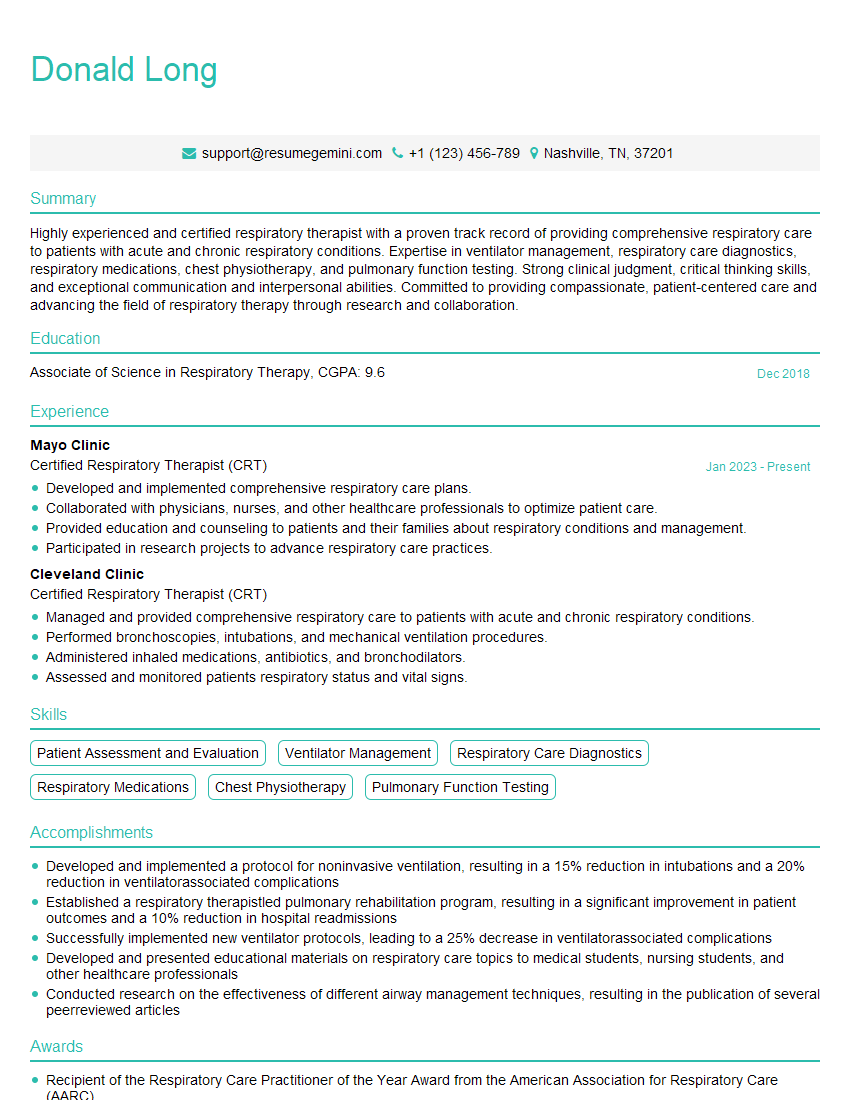
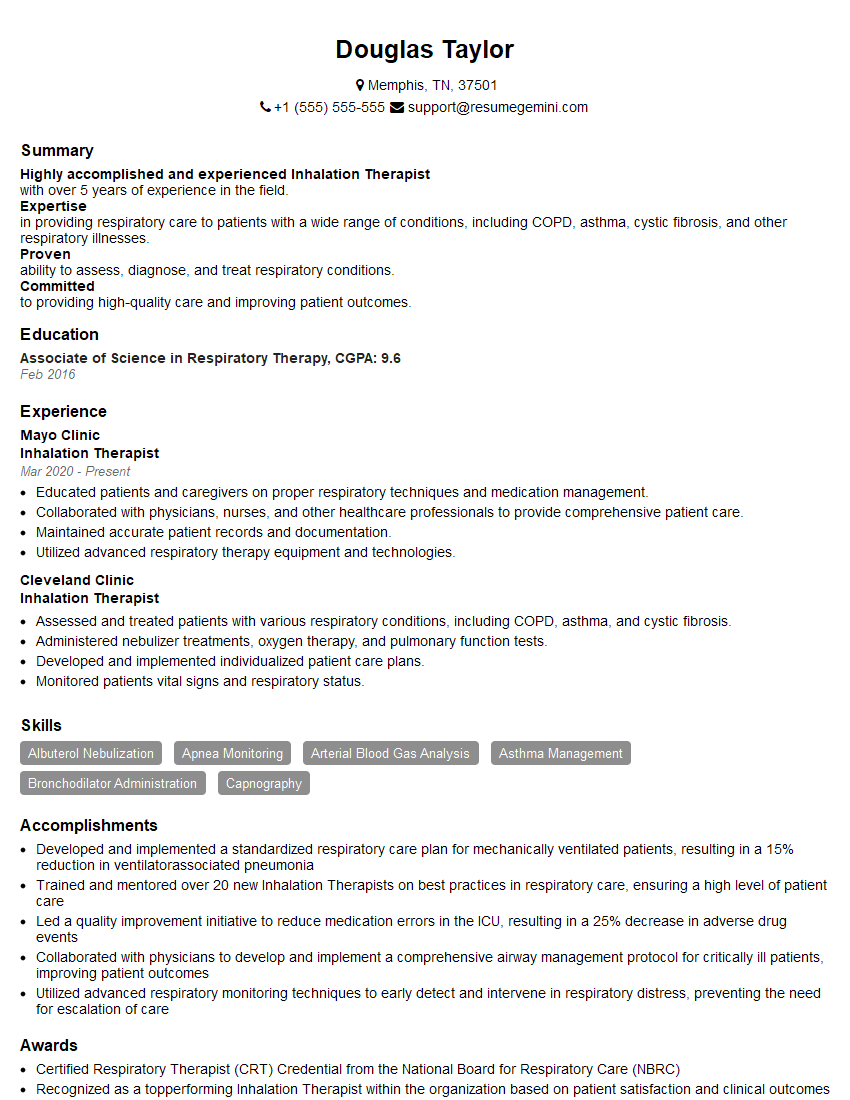
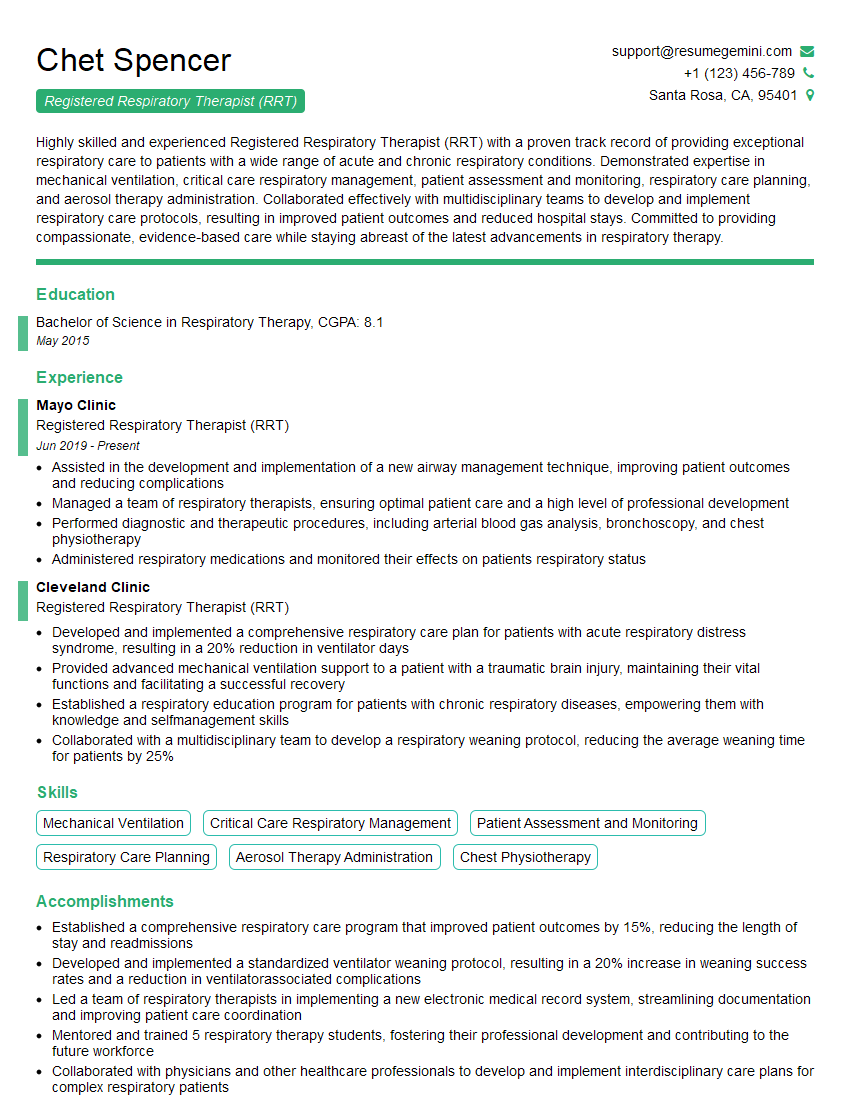
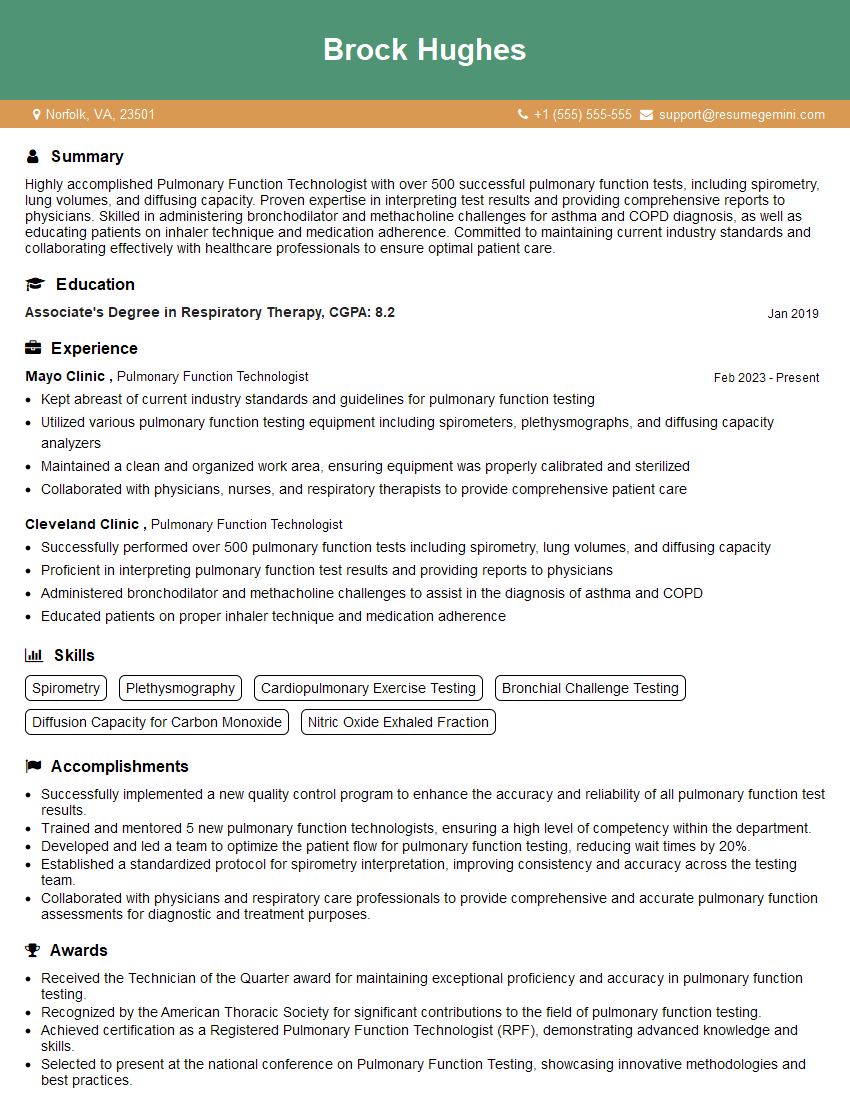
Mastering nebulization therapy administration opens doors to exciting career opportunities in respiratory care, providing you with specialized skills highly sought after in healthcare settings. To maximize your job prospects, creating a strong, ATS-friendly resume is crucial. This ensures your qualifications are effectively communicated to potential employers. ResumeGemini is a trusted resource to help you build a professional and impactful resume that highlights your skills and experience. Examples of resumes tailored to Nebulization Therapy Administration are available through ResumeGemini, providing you with valuable templates to guide your creation.

Explore more articles
Users Rating of Our Blogs
Share Your Experience
We value your feedback! Please rate our content and share your thoughts (optional).
What Readers Say About Our Blog
To the interviewgemini.com Webmaster.
Very helpful and content specific questions to help prepare me for my interview!
Thank you
To the interviewgemini.com Webmaster.
This was kind of a unique content I found around the specialized skills. Very helpful questions and good detailed answers.
Very Helpful blog, thank you Interviewgemini team.