Feeling uncertain about what to expect in your upcoming interview? We’ve got you covered! This blog highlights the most important Broke Handling interview questions and provides actionable advice to help you stand out as the ideal candidate. Let’s pave the way for your success.
Questions Asked in Broke Handling Interview
Q 1. Explain the difference between secured and unsecured debt.
Secured debt is debt backed by collateral, meaning a valuable asset the lender can seize if you default on the loan. Think of a mortgage; your house serves as collateral. If you stop paying, the lender can foreclose. Unsecured debt, on the other hand, isn’t backed by any collateral. Credit card debt is a prime example. If you default, the lender can pursue legal action, like wage garnishment or lawsuits, but they can’t take a specific asset to recover their losses. The key difference lies in the lender’s recourse in case of default. Secured debt offers the lender more protection.
Example: A car loan is secured debt (the car is collateral), while a personal loan from a friend is typically unsecured.
Q 2. Describe your experience with debt negotiation strategies.
My experience encompasses a wide range of debt negotiation strategies, tailored to the individual’s financial situation and creditor relations. I’ve successfully negotiated lower interest rates, reduced principal balances, and even debt consolidation for clients facing overwhelming debt. My approach involves thorough analysis of the client’s debts, communication with creditors, and exploring various options, such as debt settlement, hardship programs, and debt management plans. I prioritize building rapport with creditors to achieve favorable outcomes. For example, I recently helped a client reduce their credit card debt by 40% through a settlement offer based on their documented hardship.
Strategies: These include demonstrating a client’s inability to pay, highlighting their willingness to negotiate, and offering a lump-sum settlement or structured payment plan that meets both the client’s capacity and the creditor’s needs. Documentation is paramount; I meticulously track all communication and agreements.
Q 3. How do you prioritize multiple debt accounts for repayment?
Prioritizing debt repayment involves a strategic approach, often using the debt avalanche or debt snowball method. The debt avalanche method prioritizes debts with the highest interest rates first, regardless of balance. This minimizes the total interest paid over time. The debt snowball method focuses on paying off the smallest debt first, regardless of interest rate, providing psychological motivation and faster wins to maintain momentum. The best method depends on the individual’s financial personality and goals.
Example: Imagine a client with three debts: Credit Card A (18%, $1,000), Credit Card B (12%, $5,000), and Loan C (5%, $2,000). The avalanche method tackles Credit Card A first, then B, then C. The snowball method tackles Credit Card A first, then Loan C, then B.
Q 4. What methods do you use to assess a client’s financial situation?
Assessing a client’s financial situation requires a holistic approach. I begin by gathering detailed financial information, including income statements, bank statements, debt schedules, and tax returns. This allows for a comprehensive overview of their assets, liabilities, income, and expenses. I then analyze cash flow to identify areas for potential savings and improvement. Credit reports are crucial to understand the client’s credit history and score. Finally, I conduct thorough interviews to uncover qualitative factors, such as spending habits, financial goals, and overall financial literacy.
Tools and Techniques: I use budgeting software, debt tracking tools, and financial calculators to analyze data and create customized financial plans. Qualitative assessments are as vital as quantitative ones; understanding a client’s perspective is critical for effective debt management.
Q 5. Explain your understanding of bankruptcy laws and procedures.
My understanding of bankruptcy laws and procedures is extensive. I know that bankruptcy is a legal process designed to provide relief for individuals and businesses overwhelmed by debt. There are primarily two types: Chapter 7 (liquidation) and Chapter 13 (reorganization). Chapter 7 involves selling non-exempt assets to pay off creditors. Chapter 13 allows for a repayment plan over three to five years. Filing for bankruptcy significantly impacts credit scores and has long-term financial consequences. I counsel clients on the implications of bankruptcy and guide them toward exploring other options before considering it as a last resort. I also work with attorneys specializing in bankruptcy when needed to ensure clients have access to proper legal representation.
Considerations: Eligibility for different types of bankruptcy, legal ramifications, and long-term financial consequences are crucial aspects discussed with clients considering bankruptcy.
Q 6. How do you handle aggressive or uncooperative debtors?
Handling aggressive or uncooperative debtors requires a calm, professional, and empathetic approach. I prioritize clear and consistent communication, maintaining detailed records of all interactions. I clearly outline the consequences of non-payment and explore all options, including mediation or legal action as a last resort. Building rapport, even with difficult debtors, helps to establish a productive working relationship. Sometimes, simply understanding the debtor’s situation and actively listening can significantly improve communication. I always strive to find solutions that are fair and legally sound.
Strategies: Active listening, clear communication, documentation, and understanding the root causes of non-compliance are critical in resolving conflicts.
Q 7. Describe your experience developing and implementing debt management plans.
I have extensive experience developing and implementing debt management plans (DMPs). A DMP consolidates multiple debts into a single monthly payment, often with reduced interest rates. I work closely with credit counseling agencies to negotiate lower interest rates and fees with creditors. This plan requires strict adherence to the agreed-upon payment schedule. Prior to implementing a DMP, a thorough financial assessment is crucial to ensure it aligns with the client’s budget and financial capabilities. Regular monitoring and adjustments are sometimes necessary to ensure the plan’s success. I always explain the pros and cons of a DMP before implementation, ensuring clients understand the impact on their credit score and overall financial situation.
Key elements: Careful budgeting, negotiation with creditors, consistent payments, and ongoing communication are vital to a successful DMP.
Q 8. What are some common indicators of impending financial distress?
Identifying impending financial distress involves analyzing several key indicators. Think of it like noticing warning signs before a storm hits. Some common indicators include:
- Consistent late payments: Multiple missed or late payments across various accounts are a major red flag.
- High credit utilization: Using a large percentage of available credit on credit cards is a sign of overextension.
- Decreased cash flow: A significant drop in income or unexpected expenses that exceed available funds are clear warning signs.
- Increasing debt-to-income ratio: This ratio compares your monthly debt payments to your gross monthly income. A high ratio indicates a significant portion of your income is going towards debt servicing, leaving little room for unexpected expenses or savings.
- Collection calls and notices: Receiving frequent calls or letters from debt collectors is a strong indicator of financial trouble.
- Bankruptcy filings of similar businesses (if applicable): In cases of business debt, observing bankruptcies in the same industry can be an early warning sign.
For example, a client consistently paying only the minimum amount on their credit cards while accumulating additional debt points towards a potential future crisis. Similarly, a sudden job loss with no emergency savings will drastically alter cash flow and immediately increase the risk of financial distress.
Q 9. How do you communicate complex financial information to clients?
Communicating complex financial information requires a multi-faceted approach focused on clarity and simplicity. I avoid jargon and use plain language, employing analogies and visual aids where helpful. For example, instead of saying “Your debt-to-income ratio is unsustainable,” I might say, “Imagine your income is a pie. Right now, a large slice is going to debt payments, leaving little for other essential needs. We need to find a way to redistribute that pie.”
I break down complex information into smaller, manageable chunks, presenting information progressively. I always confirm understanding by asking questions and seeking feedback. I also offer written summaries of our discussions and any agreed-upon plans. This ensures clarity and provides a tangible record for the client. For visual learners, charts and graphs illustrating their financial situation can be very effective.
For instance, I’d use a simple bar chart comparing their current monthly income against their total monthly debt obligations to visually demonstrate the imbalance.
Q 10. Explain your experience with different debt consolidation methods.
My experience encompasses various debt consolidation methods, each with its own pros and cons. These methods include:
- Balance transfer credit cards: This involves transferring high-interest debt to a card with a lower introductory APR, providing short-term savings. However, it’s crucial to pay down the balance before the introductory period ends to avoid higher interest rates.
- Debt consolidation loans: These loans combine multiple debts into a single monthly payment, simplifying repayment and potentially lowering the interest rate. Careful comparison of loan terms from different lenders is essential.
- Debt management plans (DMPs): These plans, often offered through credit counseling agencies, involve negotiating lower interest rates and monthly payments with creditors. They generally require a monthly payment to the agency, who then distributes it to the creditors.
I assess each client’s individual circumstances to determine the most suitable method. For example, a client with excellent credit might benefit from a balance transfer, while someone with a more complex debt situation might find a DMP more appropriate.
Q 11. How do you identify and mitigate risks associated with debt recovery?
Risk mitigation in debt recovery is paramount. My approach involves a multi-step process:
- Thorough due diligence: Verifying the client’s identity and debt accurately. This minimizes the risk of pursuing the wrong party or incorrect amounts.
- Legal compliance: Strict adherence to all applicable laws and regulations related to debt collection practices. This protects both the client and my organization from legal ramifications.
- Communication strategy: Employing clear, concise, and professional communication with the client. Regular updates and prompt responses to inquiries build trust and minimize misunderstandings. This reduces the likelihood of disputes.
- Escalation procedures: Establishing clear procedures for escalating cases that prove unmanageable through negotiation. This could involve legal action as a last resort.
- Regular review: Periodically reviewing the effectiveness of the debt recovery strategy and adapting it as needed. This allows for early intervention in cases where the strategy isn’t yielding results.
For example, before initiating any legal action, we ensure that all attempts at amicable resolution have been exhausted, and we meticulously document all communication and interactions. This protects against potential legal challenges.
Q 12. What is your experience with forbearance and loan modifications?
Forbearance and loan modifications are crucial tools in managing distressed debt. Forbearance temporarily suspends or reduces payments, providing a breathing room for clients facing financial hardship. Loan modifications, on the other hand, permanently alter the terms of a loan, such as lowering the interest rate or extending the repayment period.
My experience involves guiding clients through the application process for both. I work closely with lenders to negotiate favorable terms, documenting the agreements meticulously. I explain the implications of each option clearly to clients, ensuring they understand the long-term consequences. For example, a forbearance plan may temporarily alleviate payment pressure, but it might still lead to a larger total amount repaid if not followed by a loan modification.
Q 13. How do you handle situations where clients fail to adhere to debt management plans?
When clients fail to adhere to debt management plans, proactive intervention is crucial. My approach begins with a careful review of the reasons for non-compliance. Is it due to a change in circumstances, misunderstanding of the plan, or other factors? I’ll schedule a meeting or call to discuss the situation openly and empathetically.
Following this, I create a revised plan or suggest alternative strategies. This could involve exploring additional resources, such as government assistance programs, or adjusting the payment schedule based on their current financial capabilities. Consistent communication and support are essential during this process. In persistent cases of non-compliance, I would escalate the case to the appropriate stakeholders (creditors or legal counsel), following established protocols.
Q 14. Describe your process for verifying income and assets.
Verifying income and assets is a critical component of responsible debt management. My process involves:
- Obtaining necessary documentation: This includes pay stubs, bank statements, tax returns, and other relevant documents. The type and amount of documentation needed depend on the client’s situation.
- Verifying information independently: I utilize third-party services and databases to cross-reference the provided information, ensuring its accuracy. This confirms the client’s reported income and assets are credible.
- Assessing the consistency and credibility of the information: I analyze patterns and inconsistencies in the documents to detect potential anomalies or fraudulent activity.
- Documenting the verification process: Thorough record-keeping is maintained for compliance purposes and to track the verification status of information provided.
For example, a client’s self-reported income will be verified against pay stubs and tax returns. Bank statements will be used to independently confirm available assets and cash flow. Any discrepancies or unusual patterns necessitate further investigation.
Q 15. How do you handle disputes concerning debt amounts or payment histories?
Resolving disputes over debt amounts or payment histories requires meticulous record-keeping and a clear, communicative approach. First, I thoroughly review all available documentation: original loan agreements, payment receipts, bank statements, and any communication between the creditor and the debtor. Discrepancies are identified and investigated. This might involve contacting the creditor to obtain clarification on specific transactions or requesting copies of supporting documentation.
For example, if a client disputes a late fee, I’d examine their payment history to confirm the payment date and compare it against the creditor’s records. If the discrepancy is due to a genuine error on the creditor’s part, I’ll negotiate a removal or reduction of the fee. If the dispute is due to a missed payment by the client, I’ll explore options like payment plans to resolve the issue, educating the client about the importance of timely payments to avoid future disputes.
If the dispute can’t be resolved amicably, I explore alternative dispute resolution methods like mediation or, as a last resort, litigation. Maintaining detailed notes throughout the process is crucial for transparency and legal protection.
Career Expert Tips:
- Ace those interviews! Prepare effectively by reviewing the Top 50 Most Common Interview Questions on ResumeGemini.
- Navigate your job search with confidence! Explore a wide range of Career Tips on ResumeGemini. Learn about common challenges and recommendations to overcome them.
- Craft the perfect resume! Master the Art of Resume Writing with ResumeGemini’s guide. Showcase your unique qualifications and achievements effectively.
- Don’t miss out on holiday savings! Build your dream resume with ResumeGemini’s ATS optimized templates.
Q 16. What software or tools are you proficient in for debt management?
My proficiency in debt management software and tools is extensive. I’m adept at using platforms like:
- Debt management software: I utilize software designed for organizing client debt, tracking payments, and generating reports. These tools often integrate with creditors’ online portals, streamlining communication and data entry.
- Spreadsheet software (Excel, Google Sheets): I use spreadsheets to maintain detailed client financial profiles, including debt breakdowns, income sources, and expenses. This allows for a comprehensive overview of a client’s financial situation and helps in creating personalized debt management plans.
- Credit reporting software: Accessing and interpreting client credit reports from agencies like Experian, Equifax, and TransUnion is crucial for evaluating their overall credit health and developing effective strategies.
- Communication platforms: Secure messaging platforms and email are essential for maintaining confidential communication with clients and creditors.
My expertise isn’t limited to using these tools individually; I excel at integrating them to create a seamless and efficient workflow for managing complex debt situations.
Q 17. Explain your understanding of credit scoring and its impact on debt resolution.
Credit scoring significantly influences debt resolution. Credit scores, generated by credit bureaus, numerically represent an individual’s creditworthiness. A higher score indicates a lower risk to lenders, making it easier to negotiate better terms for debt repayment or secure new credit to consolidate existing debts. Conversely, a low score can severely limit options, resulting in higher interest rates and fewer debt relief opportunities.
For example, a client with a high credit score might qualify for debt consolidation loans with favorable interest rates, enabling them to pay off debt more efficiently. In contrast, a client with a low credit score might struggle to secure a loan, leaving them with fewer options besides negotiating with creditors directly, which may lead to less favorable outcomes. Understanding a client’s credit score and working to improve it (where possible) is therefore a key component of an effective debt resolution strategy.
Q 18. Describe your experience with government assistance programs for debt relief.
My experience with government assistance programs for debt relief is considerable. I’m familiar with programs such as:
- Bankruptcy: I understand the different chapters of bankruptcy (Chapter 7, Chapter 13) and guide clients through the process, ensuring they understand the implications of each option.
- Debt Management Plans (DMPs): I’m proficient in helping clients enroll in DMPs offered by credit counseling agencies, which consolidate debts and establish a manageable repayment plan.
- Housing assistance programs: I’m aware of programs that offer assistance with mortgage payments or rental assistance, reducing the financial burden on clients and allowing them to focus on addressing other debts.
- Public assistance programs: I understand various local, state, and federal programs that can provide short-term financial aid to help clients meet their basic needs, allowing them to focus on debt repayment.
I assess client eligibility for these programs and help them navigate the application process. I emphasize the importance of responsible usage of these programs and explore all suitable avenues to achieve sustainable debt resolution.
Q 19. How do you maintain confidentiality and ethical conduct in debt handling?
Maintaining confidentiality and ethical conduct is paramount in debt handling. I adhere strictly to privacy regulations like the Fair Credit Reporting Act (FCRA) and other relevant laws. Client information is only accessed and shared with authorized individuals on a need-to-know basis. All client interactions and financial data are documented securely, and access is limited through password protection and other security measures.
I avoid conflicts of interest and always prioritize my clients’ best interests. I am transparent about my fees and services, ensuring clients fully understand the process and potential outcomes before proceeding. Professional ethics guides my every action, establishing trust and ensuring the integrity of the debt resolution process.
Q 20. How do you adapt your approach to clients with different financial literacy levels?
Adapting my approach to clients with varying levels of financial literacy is crucial. I tailor my communication style and the complexity of the information presented based on their understanding.
For clients with limited financial literacy, I use simple language, avoid jargon, and provide clear, concise explanations. I utilize visual aids like charts and graphs to illustrate financial concepts. I encourage them to ask questions and provide ample time for clarification.
For more financially savvy clients, I can delve into more complex strategies and discussions. The core principle remains clear and consistent communication, ensuring that regardless of their financial literacy, every client understands their options and the process involved.
Q 21. What strategies do you use to motivate clients towards financial responsibility?
Motivating clients towards financial responsibility involves a multifaceted approach. I employ strategies such as:
- Setting realistic goals: We collaborate to create achievable short-term and long-term financial goals, fostering a sense of accomplishment and progress.
- Positive reinforcement: I celebrate milestones and successes, providing encouragement and support along the way.
- Education and empowerment: I equip clients with the knowledge and tools to make informed financial decisions. This includes budgeting techniques, understanding credit reports, and exploring various debt management options.
- Building accountability: I create a collaborative environment where clients actively participate in their financial planning. This may include regular check-ins, tracking progress, and adjusting the plan as needed.
- Empathy and support: I recognize that financial difficulties can be emotionally challenging. Providing a supportive and non-judgmental environment is crucial for fostering trust and motivation.
My aim is to transform debt resolution from a daunting task into a journey towards financial independence, empowering clients to take control of their financial futures.
Q 22. How do you handle the emotional aspects of working with clients facing financial hardship?
Empathy and active listening are crucial when working with clients facing financial hardship. Their emotional state – stress, anxiety, shame – significantly impacts their ability to engage in problem-solving. I approach each interaction with genuine compassion, validating their feelings and creating a safe space for open communication. I avoid judgmental language and focus on collaborative solutions. For instance, if a client expresses frustration about their situation, I might say something like, “I understand this is incredibly difficult, and I’m here to help you navigate this.” I also actively look for signs of emotional distress and, if necessary, refer them to appropriate support services, such as mental health professionals or credit counseling agencies. Building rapport and trust is paramount to effective broke handling.
Q 23. Describe a situation where you successfully resolved a complex debt problem.
One client faced overwhelming debt from medical bills and several high-interest credit cards. Their credit score was severely damaged, and they were facing potential lawsuits. I first analyzed their entire financial picture, meticulously documenting all debts, income, and expenses. We then prioritized debts based on interest rates and potential legal consequences. I negotiated with creditors, explaining the client’s difficult situation and proposing a debt management plan involving lower interest rates and potentially reduced principal balances. Simultaneously, I helped the client create a realistic budget to control spending and allocate funds towards debt repayment. Through a combination of negotiation, financial planning, and consistent communication, we successfully reduced their monthly payments by 40% and avoided legal action. Within two years, they were debt-free and had started rebuilding their credit. This success relied on persistent negotiation, accurate budgeting, and maintaining constant communication with both the client and the creditors.
Q 24. What are your strategies for preventing future financial difficulties for your clients?
Preventing future financial difficulties involves a proactive, multi-pronged approach. First, I educate clients on budgeting and financial literacy. This includes workshops or one-on-one sessions covering topics like creating a realistic budget, understanding credit scores, and avoiding high-interest debt. Secondly, I encourage the establishment of an emergency fund. A small, accessible savings account can provide a buffer against unexpected expenses and prevent a debt spiral. Thirdly, I advocate for long-term financial planning. This might involve creating a savings plan for retirement or developing a strategy for managing large, infrequent expenses, such as home repairs or medical bills. Finally, I emphasize the importance of consistent communication and follow-up to ensure the client stays on track and addresses any emerging financial concerns before they escalate into major problems.
Q 25. How do you stay current with changes in debt resolution laws and regulations?
Staying updated on debt resolution laws and regulations requires continuous professional development. I subscribe to relevant legal and financial publications, attend industry conferences and webinars, and actively participate in professional organizations focused on debt management. I also regularly review government websites and legal databases to stay informed about changes in bankruptcy laws, debt collection practices, and consumer protection regulations. This ongoing learning ensures I provide my clients with the most accurate and effective advice, while also maintaining ethical and legal compliance in my practice. Staying abreast of these changes is critical to providing effective and legal assistance.
Q 26. Describe your experience with debt settlement negotiations.
My experience in debt settlement negotiations is extensive. I’ve successfully negotiated with various creditors, including credit card companies, medical providers, and collection agencies. My approach emphasizes building rapport, presenting a well-documented case for reduced payments, and proposing realistic and mutually beneficial solutions. I meticulously gather supporting documentation, such as medical bills, income statements, and bank statements, to strengthen my negotiation position. I am also prepared to leverage my knowledge of debt settlement laws and regulations to ensure negotiations remain fair and compliant. For example, I’m adept at utilizing strategies like offering lump-sum settlements or negotiating payment plans that are aligned with the client’s financial capabilities.
Q 27. How do you measure the success of your debt management interventions?
Measuring the success of debt management interventions involves both quantitative and qualitative metrics. Quantitatively, I track key indicators such as reductions in monthly payments, total debt reduction, and improvements in credit scores. I also monitor client adherence to budget plans and the timely payment of debts. Qualitatively, I assess client satisfaction, stress levels, and overall financial well-being through regular check-ins and feedback sessions. Successful interventions are characterized by sustainable debt reduction, improved financial literacy, reduced financial stress, and increased client confidence in managing their finances. This holistic approach ensures a comprehensive understanding of the impact of our interventions.
Q 28. What are your salary expectations for a Broke Handling position?
My salary expectations for a Broke Handling position are commensurate with my experience, skills, and qualifications. Given my expertise in debt negotiation, financial planning, and client advocacy, and considering my proven track record of success, I am seeking a competitive salary within the range of [Insert Salary Range]. I am confident that my contributions will significantly benefit your organization and am open to discussing this further.
Key Topics to Learn for Broke Handling Interview
- Defining and Identifying “Broke”: Understanding various levels of financial distress and the nuances of classifying individuals or situations.
- Financial Assessment and Analysis: Developing skills to evaluate income, expenses, assets, and liabilities to determine the extent of financial hardship.
- Resource Identification and Allocation: Learning to identify and access relevant social services, government assistance programs, and community resources.
- Budgeting and Financial Planning: Creating realistic and sustainable budgets, exploring debt management strategies, and planning for future financial stability.
- Communication and Client Interaction: Mastering effective communication skills to build rapport with clients facing financial challenges and provide empathetic support.
- Legal and Ethical Considerations: Understanding relevant laws and regulations, maintaining client confidentiality, and adhering to ethical practices in financial assistance.
- Case Management and Documentation: Developing organizational skills to effectively manage multiple cases, maintain accurate records, and track progress.
- Problem-Solving and Decision-Making: Applying critical thinking to assess individual needs, develop tailored solutions, and overcome obstacles in the process of financial assistance.
- Collaboration and Teamwork: Understanding how to effectively collaborate with colleagues, stakeholders, and other professionals involved in the provision of financial assistance.
Next Steps
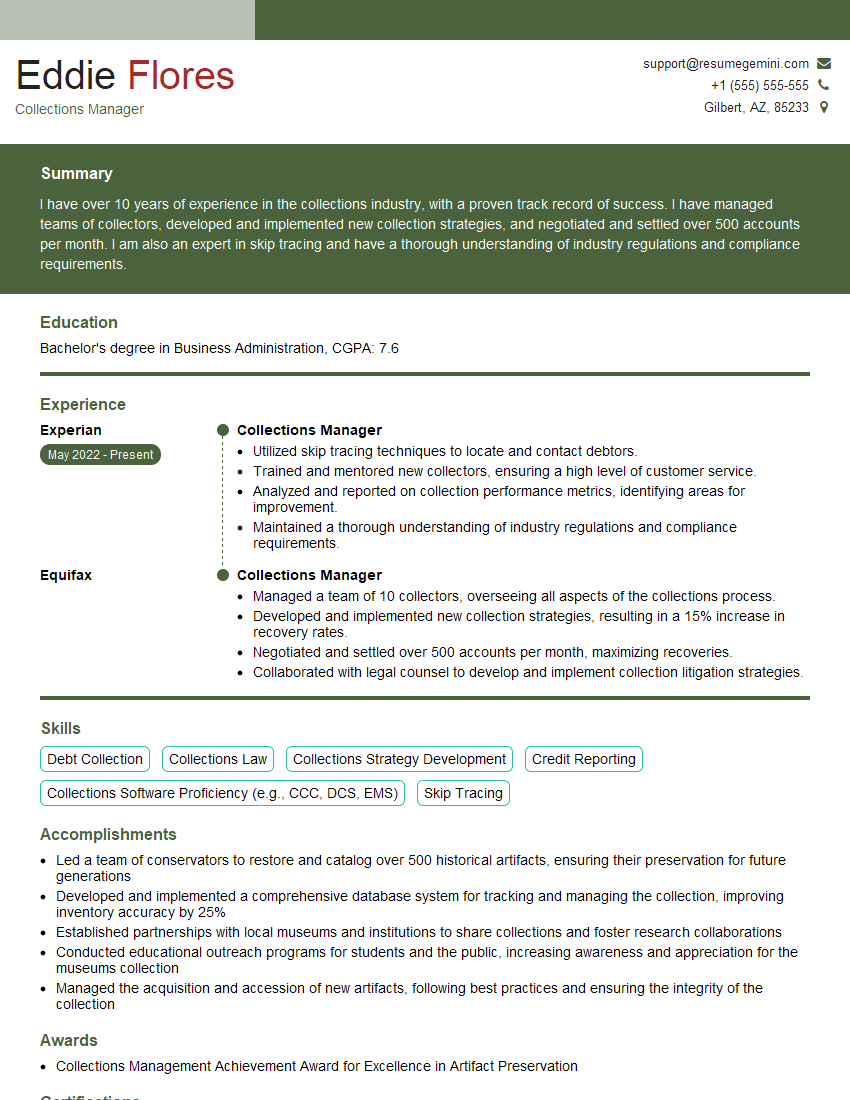
Mastering Broke Handling is crucial for a successful career in social work, financial aid, and related fields, enabling you to make a real difference in people’s lives. A strong resume is your key to unlocking these opportunities. To increase your chances of getting noticed by Applicant Tracking Systems (ATS), it’s essential to create an ATS-friendly resume that highlights your relevant skills and experience. We highly recommend using ResumeGemini to build a professional and effective resume. ResumeGemini provides tools and resources to help you craft a compelling narrative that showcases your capabilities, and we offer examples of resumes tailored to Broke Handling roles to inspire you. Take the next step towards your dream job today!
Explore more articles
Users Rating of Our Blogs
Share Your Experience
We value your feedback! Please rate our content and share your thoughts (optional).
What Readers Say About Our Blog
To the interviewgemini.com Webmaster.
Very helpful and content specific questions to help prepare me for my interview!
Thank you
To the interviewgemini.com Webmaster.
This was kind of a unique content I found around the specialized skills. Very helpful questions and good detailed answers.
Very Helpful blog, thank you Interviewgemini team.