The thought of an interview can be nerve-wracking, but the right preparation can make all the difference. Explore this comprehensive guide to Health Physics Regulations and Standards interview questions and gain the confidence you need to showcase your abilities and secure the role.
Questions Asked in Health Physics Regulations and Standards Interview
Q 1. What are the ALARA principles and how are they applied in practice?
ALARA, which stands for As Low As Reasonably Achievable, is a fundamental principle in radiation protection. It emphasizes that all radiation exposures should be kept as far below regulatory limits as is reasonably achievable, taking into account economic and social factors. It’s not just about meeting minimum legal requirements; it’s about a proactive approach to minimizing radiation exposure wherever possible.
In practice, ALARA is applied through a multi-pronged approach. This includes:
- Time Minimization: Reducing the time spent near a radiation source. For example, a radiographer might use faster film or techniques that minimize the time a patient is exposed to X-rays.
- Distance Maximization: Increasing the distance between the radiation source and the individual. The inverse square law dictates that radiation intensity decreases rapidly with increasing distance. A simple example is standing farther away from an X-ray machine during operation.
- Shielding Optimization: Using shielding materials like lead, concrete, or even water to absorb radiation. Lead aprons worn by radiologists are a prime example, while concrete walls are used to shield areas where radiation sources are stored.
Consider a nuclear power plant. ALARA principles are implemented in design, operation, and maintenance. This might involve using remote-controlled robots for tasks near radioactive materials, implementing strict procedures for handling radioactive waste, and regularly monitoring radiation levels to ensure they remain as low as reasonably achievable.
Q 2. Explain the differences between external and internal radiation exposure.
The key difference between external and internal radiation exposure lies in where the radiation source is located relative to the body.
External radiation exposure occurs when a radioactive source is outside the body. The radiation emitted from the source penetrates the body, causing ionization and potential damage. Examples include exposure to gamma rays from a radioactive source or X-rays from a medical imaging device. Shielding is the primary method of protection against external radiation.
Internal radiation exposure occurs when a radioactive substance is ingested, inhaled, or absorbed into the body. The radioactive material emits radiation internally, causing direct damage to tissues and organs. This exposure is generally more dangerous because the radiation source is close to, and often within, sensitive cells. Examples include accidental ingestion of radioactive material or inhalation of radon gas. Protection against internal exposure involves preventing contamination and using appropriate respiratory and personal protective equipment (PPE).
Imagine a scenario involving a contaminated area. External radiation could be managed by using protective clothing and staying at a safe distance. However, if someone ingests or inhales the radioactive material, that becomes an internal hazard, requiring different mitigation strategies like decontamination.
Q 3. Describe the various types of radiation detectors and their applications.
Various radiation detectors are used, each with its strengths and weaknesses. The choice of detector depends on the type and energy of radiation being measured, as well as the required sensitivity and accuracy.
- Geiger-Müller (GM) counters: These are simple, portable detectors widely used for detecting beta and gamma radiation. They are robust and relatively inexpensive, but less accurate in measuring radiation levels.
- Scintillation detectors: These detectors use scintillating crystals that convert radiation into light, which is then detected by a photomultiplier tube. They are more sensitive and can measure various radiation types, including alpha, beta, and gamma, offering better energy resolution than GM counters. They’re often used in nuclear medicine and research.
- Ionization chambers: These measure the ionization produced by radiation in a gas-filled chamber. They’re known for their accuracy and are used for calibrating other detectors and measuring high radiation levels.
- Proportional counters: Similar to ionization chambers but provide better energy resolution, making them suitable for measuring alpha and beta radiation.
- Thermoluminescent dosimeters (TLDs): These are passive detectors that store radiation energy as trapped electrons. When heated, the stored energy is released as light, proportional to the absorbed dose. They’re commonly used for personnel monitoring.
In a nuclear power plant, a variety of detectors are used. GM counters might be used for quick surveys, while scintillation detectors may be used for precise measurements of specific isotopes. Ionization chambers are often used for calibrating monitoring equipment.
Q 4. What are the regulatory limits for radiation exposure for occupational workers?
Regulatory limits for occupational radiation exposure vary slightly by country and organization but are generally based on recommendations from organizations like the International Commission on Radiological Protection (ICRP). These limits are expressed in terms of effective dose (in Sieverts, Sv) and usually involve:
- Annual effective dose limit: This is typically set at 20 mSv (millisieverts) per year for occupational workers.
- Dose limits for specific tissues: Limits may also be specified for individual organs, like the lens of the eye (150 mSv/year) or the extremities (500 mSv/year). These limits are designed to protect particularly sensitive organs.
- Lifetime dose limits: Some regulatory bodies also set cumulative dose limits over a worker’s lifetime.
It’s crucial to note that these are limits, not goals. ALARA principles dictate that efforts should be made to keep exposures well below these values. The specific regulations and enforcement are managed by national authorities such as the Nuclear Regulatory Commission (NRC) in the US or the equivalent agencies in other countries.
Q 5. How do you calculate effective dose from a mixed radiation field?
Calculating the effective dose from a mixed radiation field involves considering the dose equivalent to different organs from different types of radiation. Each radiation type (alpha, beta, gamma, neutron) has a different quality factor (Q) that accounts for its relative biological effectiveness. The effective dose (E) is calculated as:
E = Σ (wT × HT)
Where:
Eis the effective dose in Sieverts (Sv).wTis the tissue weighting factor for tissue or organ T. This represents the relative sensitivity of different tissues to radiation damage.HTis the equivalent dose in Sieverts (Sv) to tissue T. This is calculated asHT = Σ (wR × DR,T)wRis the radiation weighting factor for radiation type R (alpha, beta, gamma, etc.). This accounts for the biological effectiveness of each radiation type.DR,Tis the absorbed dose (in Gray, Gy) in tissue T from radiation type R.
Effectively, the calculation involves summing the weighted equivalent doses to all tissues and organs to get the effective dose, a single number reflecting the overall risk of radiation.
For example, if a worker received 1 mGy of gamma radiation and 0.5 mGy of neutron radiation, the calculation would involve using the appropriate weighting factors for each radiation type and the various tissues.
Q 6. What are the key requirements of a radiation safety program?
A comprehensive radiation safety program is essential to protect workers and the public from the harmful effects of ionizing radiation. Key requirements include:
- Radiation Safety Officer (RSO): A qualified individual responsible for overseeing the program, ensuring compliance with regulations, and providing training.
- Radiation Safety Manual: A comprehensive document detailing procedures, emergency plans, and responsibilities.
- Personnel Monitoring: Regular monitoring of radiation exposure to workers using dosimeters, to track exposures and ensure limits are not exceeded.
- Area Monitoring: Regular surveys to assess radiation levels in work areas.
- Training and Education: Comprehensive training programs for all workers involved in radiation work, covering hazards, safe practices, and emergency procedures.
- Emergency Preparedness: Well-defined procedures for responding to radiation spills, accidents, and other emergencies.
- Waste Management: Proper handling, storage, and disposal of radioactive waste according to regulations.
- Regulatory Compliance: Ensuring all activities comply with relevant national and international regulations.
A well-structured radiation safety program isn’t just a set of rules but a culture of safety, emphasizing awareness, training, and constant vigilance. Think of it as a layered defense, with multiple safety mechanisms working together to minimize risk.
Q 7. Explain the process of conducting a radiation survey.
Conducting a radiation survey involves systematically measuring radiation levels in a specific area to identify potential hazards and ensure compliance with safety standards. The process involves several steps:
- Planning: Defining the scope of the survey, identifying areas to be surveyed, and selecting appropriate instruments.
- Instrument Calibration: Ensuring the radiation detection instruments are properly calibrated and functioning correctly using traceable standards.
- Survey Methodology: Establishing the survey procedures: how to perform the measurements, the sampling intervals, the measurement times, and the recording methods. This step also requires understanding the type of radiation to be detected.
- Data Acquisition: Performing the radiation measurements systematically, taking into account factors such as background radiation, distances and shielding. Recording the readings and their locations carefully.
- Data Analysis: Evaluating the measured radiation levels to identify areas of concern, assess potential risks, and compare with regulatory limits or acceptance criteria.
- Reporting: Documenting the findings, including measurement results, maps of radiation levels, and any recommendations for corrective actions, if necessary. This report helps to understand the current radiation status of the surveyed area and supports decision making in radiation protection.
For example, before beginning demolition in a building that previously housed a medical X-ray facility, a thorough radiation survey is conducted to detect any residual radioactive material and ensure the demolition process is safe.
Q 8. How do you manage radioactive waste according to regulations?
Managing radioactive waste is a critical aspect of health physics, governed by stringent regulations to protect public health and the environment. The process involves several steps, starting with proper segregation and classification of waste based on its radioactivity level (e.g., low-level, intermediate-level, high-level). This classification dictates the appropriate disposal or storage method.
Low-level waste, with minimal radioactivity, might be disposed of in specially licensed landfills using techniques like solidification (mixing with cement) to reduce mobility. Intermediate-level waste, often requiring longer-term storage, might involve packaging in robust containers and storing them in engineered facilities. High-level waste, which remains highly radioactive for extended periods, typically necessitates long-term geological repositories designed for centuries of safe containment.
Throughout the process, detailed record-keeping is crucial, documenting waste generation, treatment, storage, and eventual disposal. This ensures traceability and compliance with regulatory requirements. Regular inspections and audits by relevant authorities are vital to maintain safety and adherence to the established standards.
For example, a hospital handling radioactive isotopes for diagnostic purposes must meticulously document the source, quantity, and disposal method for each radioactive waste item, ensuring its safe handling until it’s released according to the regulations. Failure to do so can result in severe legal and health consequences.
Q 9. Describe the different types of radiation shielding materials and their effectiveness.
Radiation shielding materials are chosen based on their ability to attenuate different types of radiation. The effectiveness depends on factors like the material’s density, atomic number, and thickness.
- Lead: Highly effective against gamma rays and X-rays due to its high atomic number. Often used in X-ray rooms and nuclear facilities.
- Concrete: Cost-effective and readily available, providing good shielding against beta particles and gamma rays. The effectiveness increases with density and thickness; high-density concrete is preferred.
- Steel: Used in combination with other materials, steel offers structural support and absorbs some radiation, particularly beta particles. It’s often seen in shielding structures around accelerators.
- Water: An excellent neutron moderator (slows down neutrons) and absorber. Used extensively in nuclear reactors and other applications involving neutron sources.
Choosing the right shielding material involves calculating the required thickness to reduce radiation levels to safe limits. This calculation accounts for the type and energy of the radiation source, as well as the desired level of protection. For instance, shielding a gamma source might require a much thicker lead shield compared to shielding a beta source using a thinner steel plate.
Q 10. What are the legal responsibilities of a Radiation Safety Officer (RSO)?
The Radiation Safety Officer (RSO) bears significant legal and ethical responsibilities for ensuring radiation safety within their organization. These responsibilities often involve:
- Developing and implementing radiation safety programs: This includes establishing written procedures, training personnel, and ensuring compliance with all applicable regulations.
- Radiation safety training: Providing appropriate training to all individuals working with or near radiation sources.
- Monitoring radiation levels: Regularly monitoring radiation levels in the workplace to identify potential hazards.
- Investigating radiation incidents: Conducting thorough investigations of any radiation-related incidents or accidents to determine their cause and prevent recurrence.
- Maintaining records: Keeping accurate records of radiation exposures, radiation safety procedures, and any radiation-related incidents.
- Compliance with regulations: Ensuring that all activities involving radiation sources are conducted in compliance with the applicable local, state, and national regulations.
The RSO’s responsibilities are crucial in preventing radiation exposure and protecting workers and the public. Failure to fulfill these responsibilities can lead to severe consequences, including legal action, fines, and reputational damage to the organization.
Q 11. How do you perform a risk assessment for a radiation source?
Performing a risk assessment for a radiation source is a systematic process involving identifying potential hazards, evaluating the likelihood of exposure, and determining the severity of potential consequences. It typically follows these steps:
- Identify the radiation source: Determine the type, activity, and energy of the radiation source. Example: A sealed 137Cs source used in a calibration device.
- Identify potential pathways of exposure: Determine how individuals could be exposed to the radiation source. Example: Direct exposure, inhalation of airborne contamination, or ingestion.
- Estimate the likelihood of exposure: Evaluate the probability of exposure through each identified pathway. Example: Frequency of use, proximity to the source, adequacy of shielding.
- Estimate the severity of potential consequences: Assess the potential health effects of exposure. Example: Severity of radiation dose based on exposure pathways and regulatory limits.
- Determine the level of risk: Compare the likelihood of exposure and the severity of potential consequences to determine an overall risk level (e.g., high, medium, low).
- Implement control measures: Develop and implement appropriate control measures to reduce the risk to an acceptable level. Example: Installing additional shielding, optimizing work practices, implementing administrative controls (e.g., limiting access).
- Monitor and review: Regularly monitor the effectiveness of control measures and review the risk assessment periodically.
A thorough risk assessment ensures that appropriate safety measures are implemented, protecting workers and the public from potential harm.
Q 12. Explain the concept of bioassay and its importance in radiation protection.
Bioassay is the measurement of radioactive materials or their metabolic products within the body. This technique helps assess internal contamination following radiation exposure. It’s a crucial tool in radiation protection because it can detect contamination that traditional external dosimetry might miss.
Several bioassay methods exist, including:
- Urine analysis: Detecting radioactive materials excreted in the urine.
- Fecal analysis: Detecting radioactive materials excreted in the feces.
- Blood analysis: Measuring radioactive materials present in the blood.
The importance of bioassay in radiation protection lies in its ability to:
- Confirm internal contamination: Provide evidence of internal contamination, even if external monitoring shows no significant exposure.
- Estimate internal dose: Help estimate the absorbed radiation dose from internal contamination. This assists in guiding medical interventions if needed.
- Monitor effectiveness of treatment: Track the effectiveness of decontamination procedures or treatment modalities.
- Establish baselines: Provide baseline levels for future comparison to track any change in internal contamination.
For instance, a worker accidentally ingesting radioactive material might undergo urine analysis to determine the extent of internal contamination and guide appropriate medical interventions.
Q 13. What are the different regulatory agencies involved in overseeing radiation safety?
Several regulatory agencies are involved in overseeing radiation safety, with jurisdictions varying by location. The specific agencies will depend on the country and sometimes even the state/province. Some key players include:
- Nuclear Regulatory Commission (NRC) – USA: Regulates commercial nuclear power plants, materials, and uses of radioactive materials in the United States.
- Environmental Protection Agency (EPA) – USA: Sets standards for environmental protection related to radiation and regulates disposal of radioactive waste.
- Agreement States: In the USA, some states have entered into agreements with the NRC, assuming responsibility for regulating radiation safety within their borders.
- International Atomic Energy Agency (IAEA): A global organization promoting the safe and peaceful uses of nuclear energy, setting international safety standards and providing guidance.
- National regulatory bodies (country-specific): Each country typically has its own national agency responsible for overseeing radiation safety within its borders (e.g., UK’s Office for Nuclear Regulation (ONR)).
These agencies work collaboratively to ensure consistency and high standards in radiation safety across jurisdictions. Their regulatory frameworks typically involve licensing, inspections, enforcement, and research to keep pace with evolving technologies and knowledge.
Q 14. Discuss the importance of radiation monitoring badges (dosimeters).
Radiation monitoring badges, also known as dosimeters, are crucial personal protective equipment in radiation safety programs. These devices measure the amount of ionizing radiation received by individuals exposed to radiation sources. They provide a quantitative measure of exposure, allowing for tracking of cumulative dose and assessment of potential health risks.
Different types of dosimeters exist, including:
- Film badges: Contain photographic film that darkens proportionally to the radiation dose received. These are relatively inexpensive but require laboratory processing.
- Thermoluminescent dosimeters (TLDs): Use crystals that store energy when exposed to radiation. Heating the crystals releases the stored energy as light, providing a measure of the received dose. TLDs offer better sensitivity and accuracy compared to film badges.
- Optically stimulated luminescence (OSL) dosimeters: These are similar to TLDs but use a different mechanism for measuring the stored radiation energy. OSL dosimeters offer a wider dynamic range and are less susceptible to environmental factors.
- Electronic dosimeters: These can provide real-time dose readings and often offer additional features such as alarm capabilities. They may be used in higher radiation environments.
The data from dosimeters are crucial for determining potential health risks to workers and ensuring compliance with radiation protection limits. Regular monitoring and timely reporting of dosimeter readings are essential for maintaining a safe radiation work environment. If readings exceed predetermined limits, it triggers an investigation and potentially corrective actions.
Q 15. Explain the concept of contamination and decontamination procedures.
Contamination refers to the unwanted presence of radioactive material on surfaces, objects, or in the environment. Decontamination is the process of removing or reducing this radioactive material to acceptable levels. Think of it like spilling sugar – the spill is contamination, and cleaning it up is decontamination. But with radioactive material, the process is much more stringent and requires specialized procedures and equipment.
- Types of Contamination: Contamination can be either fixed (strongly adhered to a surface) or removable (easily wiped or washed away).
- Decontamination Procedures: These depend on the type of contaminant, the surface material, and the level of contamination. Methods range from simple washing with soap and water for low-level contamination to using specialized chemicals, high-pressure washing, or even abrasive techniques for more significant contamination. Protective equipment like respirators, gloves, and protective clothing are always essential.
- Example: A laboratory spill of radioactive iodine-131 would require immediate action. The area would be cordoned off, personnel would don protective gear, and decontamination procedures, potentially involving specialized absorbents and cleaning solutions, would be implemented, followed by thorough monitoring to ensure the area is safe.
Career Expert Tips:
- Ace those interviews! Prepare effectively by reviewing the Top 50 Most Common Interview Questions on ResumeGemini.
- Navigate your job search with confidence! Explore a wide range of Career Tips on ResumeGemini. Learn about common challenges and recommendations to overcome them.
- Craft the perfect resume! Master the Art of Resume Writing with ResumeGemini’s guide. Showcase your unique qualifications and achievements effectively.
- Don’t miss out on holiday savings! Build your dream resume with ResumeGemini’s ATS optimized templates.
Q 16. How do you investigate and respond to a radiation spill or incident?
Responding to a radiation spill or incident is a critical process that demands a swift and well-coordinated response. It follows a structured approach, prioritizing the safety of personnel and the environment. The steps generally include:
- Immediate Actions: Evacuate the area, isolate the source, and alert emergency services and regulatory authorities. The primary concern is to minimize exposure to personnel.
- Assessment and Survey: Conduct a radiation survey to determine the extent of the spill, identify the radioactive material, and assess the potential health risks. This often involves using radiation detection instruments such as Geiger counters and survey meters.
- Decontamination: Implement appropriate decontamination procedures, as discussed in the previous question, tailored to the specific radioactive material and the level of contamination.
- Waste Management: Properly manage and dispose of contaminated materials according to regulatory requirements. This might involve packaging, labeling, and transporting the waste to a licensed disposal facility.
- Post-Incident Analysis: Conduct a thorough investigation to determine the cause of the incident, identify weaknesses in safety procedures, and recommend corrective actions to prevent future occurrences.
Example: Imagine a brachytherapy source (a small, sealed radioactive source used in cancer treatment) falling to the floor. The immediate response would be to evacuate the area, then use a directional survey meter to pinpoint the source’s location. Once located, it would be carefully retrieved using long-handled tongs and placed in a shielded container for secure transport and proper disposal.
Q 17. What is the role of the NRC or equivalent regulatory body in your country?
In the United States, the Nuclear Regulatory Commission (NRC) is the primary regulatory body overseeing the use of radioactive materials and nuclear facilities. Equivalent regulatory bodies exist in other countries, such as the Canadian Nuclear Safety Commission (CNSC) in Canada or the Office for Nuclear Regulation (ONR) in the UK. Their role is to ensure that the use of radiation and radioactive materials is conducted safely and responsibly, protecting public health and the environment.
- Licensing and Inspection: They license the use of radioactive materials, inspect facilities to ensure compliance with regulations, and enforce penalties for violations.
- Emergency Response: They play a crucial role in coordinating emergency response efforts in the event of a radiation accident or incident.
- Standard Setting: They develop and implement standards and regulations that govern the safe handling, storage, use, and disposal of radioactive materials.
- Public Information: They provide information to the public about radiation safety and the regulatory framework.
Q 18. Describe your understanding of the different types of radiation licenses.
Radiation licenses vary widely depending on the type and quantity of radioactive material used, the application, and the potential risks involved. They are typically categorized based on the activity level and the intended use.
- Broad Scope Licenses: Allow for the use of a wide range of radioactive materials within specified limits, often for research or industrial applications.
- Specific Licenses: Permit the use of specific radioactive materials for particular purposes, such as medical therapy or industrial gauging.
- Exemptions: Certain small quantities or types of radioactive materials may be exempt from licensing requirements.
- Material Licenses: These licenses cover the possession and use of radioactive materials.
- Facility Licenses: These licenses govern the operation of facilities where radioactive materials are used, such as nuclear power plants or research reactors.
The specific requirements and categories will vary depending on the regulatory body involved but the overarching goal remains consistent – ensuring the safe and responsible use of radioactive materials.
Q 19. Explain the process of submitting a radiation safety report.
Submitting a radiation safety report typically involves following a structured process, which varies somewhat depending on the regulatory body and the nature of the report. However, several key elements are common.
- Identify the Reporting Requirement: Determine which regulatory reporting requirements apply based on the specific incident, event, or activity.
- Gather Information: Collect all relevant information, including dates, times, locations, individuals involved, measurements (e.g. radiation levels), and any corrective actions taken.
- Prepare the Report: Prepare the report using the prescribed format, including any required forms or templates, clearly and concisely outlining the event, the actions taken, and any outcomes. Accurate and detailed reporting is paramount.
- Submit the Report: Submit the report through the designated channels, typically electronically, meeting all deadlines stipulated by the regulatory body.
- Follow-Up: After submission, follow up to ensure the report was received and processed accordingly. You might be required to participate in a follow-up investigation or meeting.
Example: A facility might need to submit an annual radiation safety report summarizing radiation exposures of personnel, waste generated, and any events related to radiation safety. A significant incident would require more immediate and detailed reporting.
Q 20. What are the key differences between ionizing and non-ionizing radiation?
The key difference between ionizing and non-ionizing radiation lies in their ability to ionize atoms.
- Ionizing Radiation: Carries enough energy to remove electrons from atoms, creating ions. This ionization can damage biological molecules like DNA, potentially leading to health problems such as cancer. Examples include X-rays, gamma rays, alpha particles, and beta particles.
- Non-ionizing Radiation: Does not have enough energy to ionize atoms. While it can still cause damage to biological tissues through other mechanisms (like heating), the effects are generally less severe than those of ionizing radiation. Examples include ultraviolet (UV) radiation, visible light, infrared (IR) radiation, microwaves, and radio waves.
Think of it like this: ionizing radiation is like a powerful punch that knocks electrons out of atoms, while non-ionizing radiation is like a gentle push that might cause some movement but not knock anything completely out of place.
Q 21. How do you ensure compliance with radiation safety regulations?
Ensuring compliance with radiation safety regulations is a continuous process requiring a multi-faceted approach. It involves:
- Comprehensive Safety Program: Implementing a robust radiation safety program that includes written procedures, training programs, emergency plans, and quality control measures.
- Regular Monitoring and Surveys: Conducting regular radiation surveys to monitor radiation levels and ensure they remain within acceptable limits.
- Personnel Monitoring: Utilizing personnel dosimeters (e.g. film badges, thermoluminescent dosimeters, or electronic dosimeters) to track individual radiation exposures and ensure they stay below regulatory limits.
- Proper Waste Management: Implementing appropriate procedures for handling, storing, and disposing of radioactive waste.
- Training and Education: Providing comprehensive training and education to all personnel involved in handling radioactive materials.
- Record Keeping: Maintaining accurate and detailed records of all radiation safety activities, including radiation surveys, personnel exposures, waste disposal, and any incidents or occurrences.
- Internal Audits: Conducting regular internal audits to assess the effectiveness of the radiation safety program and identify areas for improvement.
- Regulatory Compliance: Maintaining a close working relationship with the regulatory authorities, ensuring all licenses and permits are current, and responding promptly to any inquiries or inspections.
Example: A medical facility using radioactive materials must maintain detailed records of each patient’s radiation exposure during diagnostic or therapeutic procedures. These records are essential for compliance with regulatory requirements and for tracking potential long-term health effects. Regular internal audits help ensure that these procedures are followed correctly.
Q 22. Describe your experience with radiation safety training programs.
Throughout my career, I’ve been extensively involved in various radiation safety training programs, both as a participant and an instructor. My experience encompasses developing and delivering training modules on topics ranging from basic radiation protection principles to advanced radiation safety management for diverse audiences, including technicians, engineers, and medical professionals. I’ve worked with various training methodologies, including hands-on practical sessions using radiation monitoring equipment, interactive simulations of radiation incidents, and case studies of real-world events. For example, I developed a comprehensive training program for a nuclear power plant, incorporating regulatory requirements and facility-specific procedures. This program significantly improved employee competency in radiation safety practices, as demonstrated by a reduction in minor radiation incidents after implementation.
- Developed and delivered training on radiation protection principles, ALARA (As Low As Reasonably Achievable) practices, and emergency response procedures.
- Designed and conducted hands-on training using radiation monitoring instruments (e.g., Geiger counters, survey meters).
- Utilized interactive simulations to train personnel on responding to radiation incidents and spills.
- Led training sessions on regulatory compliance, including the requirements outlined by the NRC (Nuclear Regulatory Commission) or equivalent international bodies.
Q 23. What are the common types of radiation injuries and their treatment?
Radiation injuries can range in severity from minor skin irritation to life-threatening radiation sickness. The type and severity of injury depend on several factors, including the type of radiation (alpha, beta, gamma, neutron, X-rays), the dose received, and the duration of exposure.
- Acute Radiation Syndrome (ARS): High doses of radiation delivered in a short period can cause ARS, characterized by nausea, vomiting, fatigue, and potentially death. Treatment focuses on supportive care, managing symptoms, and potentially using bone marrow transplantation for severe cases.
- Skin Damage: Radiation can cause redness, blistering, and ulceration of the skin. Treatment involves wound care, pain management, and potentially skin grafts.
- Radiation-Induced Cancer: Exposure to ionizing radiation increases the risk of developing various cancers, years or even decades after exposure. Treatment depends on the specific cancer and may involve surgery, chemotherapy, and radiation therapy (ironically).
- Genetic Damage: High doses of radiation can damage DNA, leading to genetic mutations that may be passed on to future generations. There’s no specific treatment for this, though genetic counseling can be beneficial.
Treatment for radiation injuries is highly individualized and depends on the severity and type of injury. It often involves a multidisciplinary approach, with specialists in oncology, hematology, dermatology, and other fields collaborating to provide the best possible care. Early intervention is crucial to minimize long-term complications.
Q 24. Explain the importance of emergency preparedness plans for radiation incidents.
Emergency preparedness plans are critical for radiation incidents because they ensure a rapid, coordinated response to minimize the consequences of radiation exposure. A robust plan outlines procedures for evacuation, decontamination, medical treatment, and communication. Think of it like a fire drill, but for radiation. The goal is to reduce potential harm and save lives.
- Rapid Response: Clearly defined procedures ensure a quick and organized response.
- Evacuation and Decontamination: Plans must detail how to safely evacuate people from the affected area and decontaminate them to remove radioactive material.
- Medical Treatment: Arrangements must be in place for prompt medical evaluation and treatment of individuals exposed to radiation.
- Communication Protocols: Effective communication is crucial to keep the public, emergency responders, and healthcare providers informed.
- Training and Drills: Regular training and drills ensure that personnel are prepared to respond effectively during a real incident.
For example, a hospital with a radiotherapy department must have a well-defined plan to manage a radiation spill or a malfunctioning radiation device. This plan will incorporate procedures for isolating the affected area, informing staff, contacting emergency services, and providing medical care to potentially exposed individuals.
Q 25. Discuss your experience with using radiation monitoring equipment.
My experience with radiation monitoring equipment is extensive, encompassing a wide range of instruments and applications. I’m proficient in using various types of radiation detectors, including Geiger-Müller counters, scintillation detectors, and ionization chambers. I understand the principles behind their operation and know how to select the appropriate instrument for specific applications. I can calibrate and maintain the equipment, ensuring its accuracy and reliability. Furthermore, I am experienced in interpreting the data obtained from these instruments to assess radiation levels and exposure.
- Geiger-Müller Counters: Used for general area monitoring, detecting beta and gamma radiation.
- Scintillation Detectors: Offer higher sensitivity and energy resolution, useful for identifying different types of radiation.
- Ionization Chambers: Provide precise measurements of radiation dose rate.
- Personal Dosimeters: These devices are worn by individuals to monitor their personal radiation exposure.
For instance, during my work at a research facility, I regularly used a variety of these instruments to monitor radiation levels in different laboratories, ensuring that researchers were working within safe limits. I also performed routine calibrations and maintenance on these devices to maintain their accuracy and prevent unreliable readings.
Q 26. How do you handle situations where you disagree with management on safety procedures?
Safety is paramount in my profession, and I believe that escalating concerns through the proper channels is essential when there’s a disagreement on safety procedures. My approach involves a combination of professional communication and documentation.
- Document Concerns: I meticulously document my concerns, including specific examples and potential risks, providing scientific evidence to support my arguments.
- Escalate Through Proper Channels: If my initial concerns aren’t addressed, I’ll escalate them to my supervisor, and if needed, higher levels of management. I’m comfortable presenting my case clearly and factually.
- Collaboration and Compromise: While advocating for strong safety measures, I’m also open to constructive discussions and finding solutions that balance safety and operational needs. It’s about finding the best possible solution, not winning an argument.
- Whistleblower Protection: If all internal channels are exhausted and I believe a serious safety violation is occurring, I’m prepared to utilize external reporting mechanisms and understand my rights under whistleblower protection laws.
For example, if I observed a shortcut in a radiation safety procedure that could potentially increase worker exposure, I would document my concerns, discuss them with my supervisor, and propose a safer alternative. If my concerns remained unaddressed, I’d escalate the matter according to company protocol.
Q 27. How do you stay current with changes in Health Physics Regulations and Standards?
Staying current with changes in Health Physics Regulations and Standards is crucial for maintaining professional competence and ensuring that my work aligns with the latest best practices. My approach is multifaceted and involves continuous learning and professional networking.
- Professional Organizations: I’m an active member of professional organizations such as the Health Physics Society (HPS), regularly attending conferences, workshops, and webinars to stay updated on the latest research, regulations, and advancements in the field.
- Regulatory Updates: I regularly review updates from regulatory bodies such as the NRC (in the U.S.) or equivalent international organizations, paying close attention to new regulations, guidance documents, and policy changes.
- Scientific Literature: I regularly read scientific journals and publications to stay informed about new research and technological advancements in radiation protection.
- Continuing Education: I actively seek out and participate in continuing education courses and training programs to maintain and enhance my knowledge and skills.
This ongoing commitment to professional development allows me to provide the most up-to-date and effective radiation safety services.
Key Topics to Learn for Health Physics Regulations and Standards Interview
- Radiation Protection Principles: Understanding ALARA (As Low As Reasonably Achievable), time, distance, and shielding principles, and their practical application in various settings.
- Regulatory Frameworks: Familiarity with relevant national and international regulations (e.g., NRC regulations in the US, IAEA Safety Standards) and their impact on operational procedures.
- Radiation Detection and Measurement: Knowledge of different types of radiation detectors, their applications, calibration procedures, and limitations. Understanding of radiation units and their conversions.
- Dosimetry and Monitoring: Practical experience with personal dosimetry, area monitoring, and interpretation of dosimetry results. Understanding of dose limits and reporting requirements.
- Internal Dosimetry: Knowledge of biokinetic models and their application in assessing internal radiation exposures. Understanding of different internal contamination pathways.
- Risk Assessment and Management: Ability to perform radiation risk assessments, develop and implement control measures, and evaluate their effectiveness.
- Emergency Preparedness and Response: Understanding of emergency response protocols, radiation emergency management principles, and the role of health physicists in such scenarios.
- Waste Management: Knowledge of radioactive waste classification, handling, storage, and disposal regulations.
- Radiation Safety Programs: Understanding the elements of a comprehensive radiation safety program, including training, auditing, and record-keeping.
- Problem-Solving and Critical Thinking: Applying theoretical knowledge to real-world scenarios, analyzing radiation safety issues, and developing effective solutions.
Next Steps
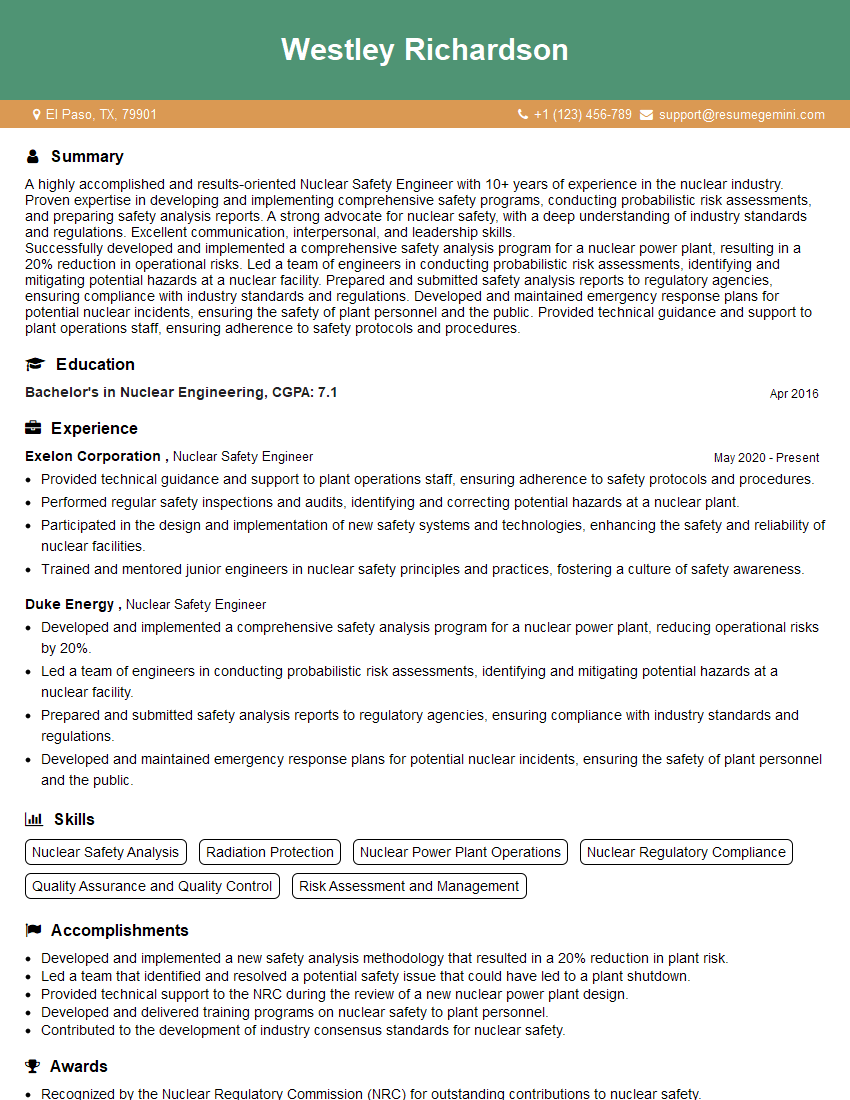
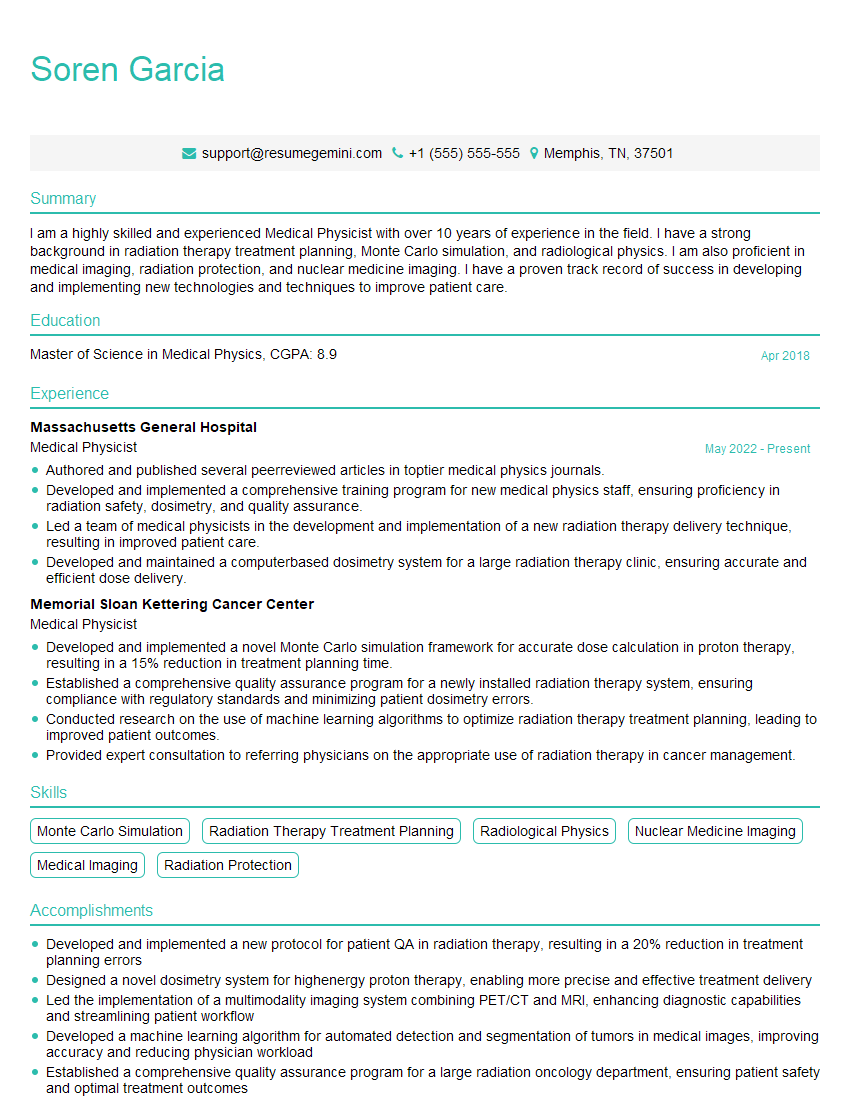
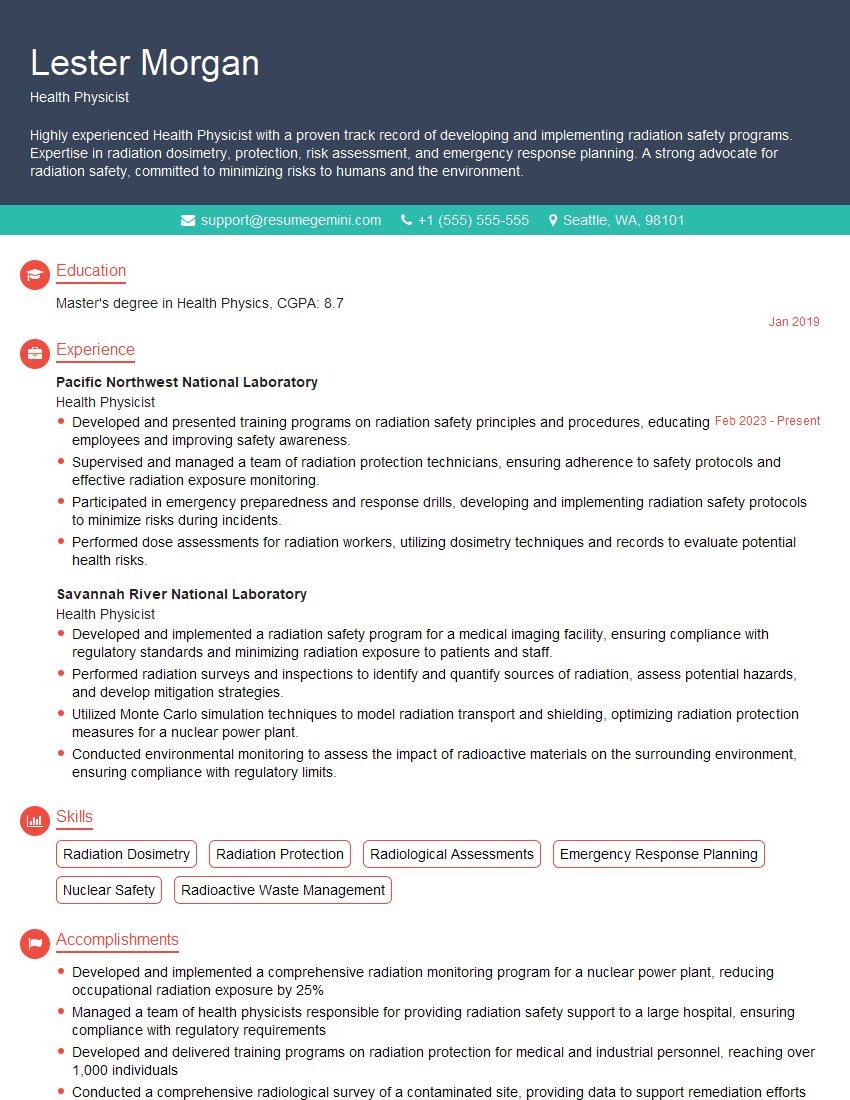
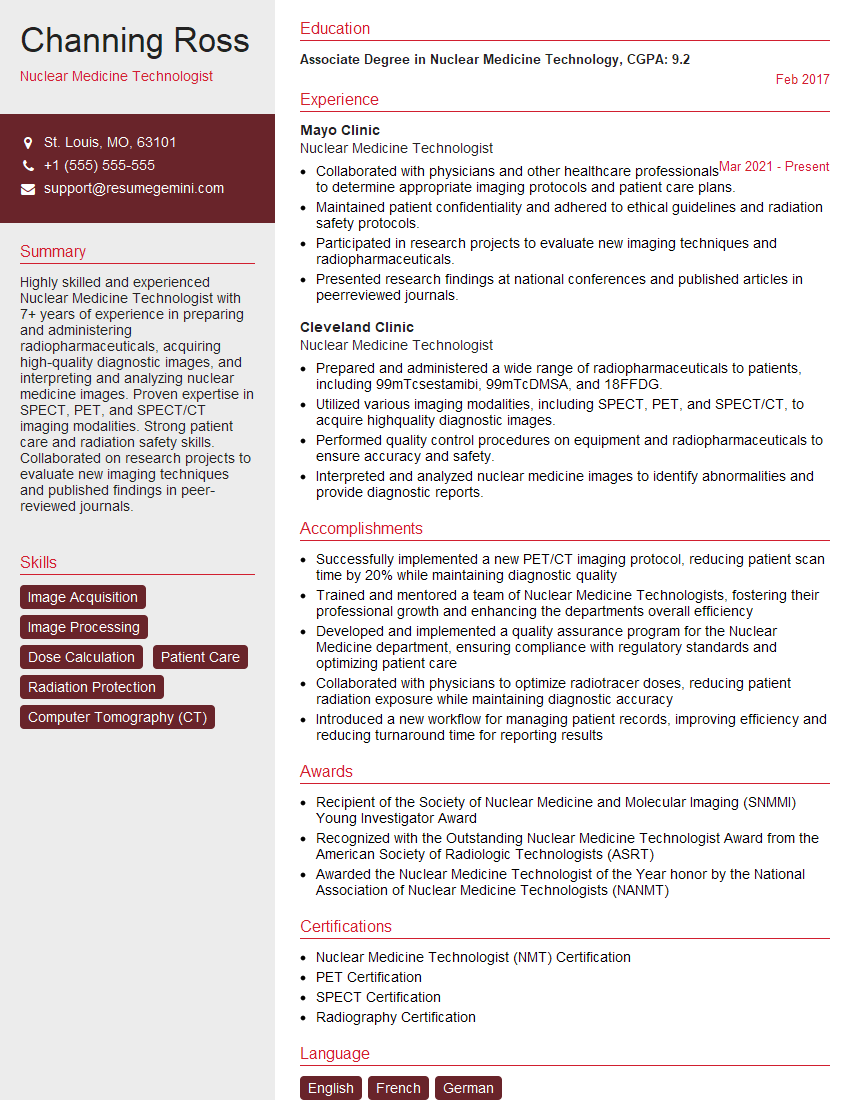
Mastering Health Physics Regulations and Standards is crucial for advancing your career in this vital field. A strong understanding of these principles demonstrates your commitment to safety and opens doors to a wider range of opportunities. To maximize your job prospects, crafting an ATS-friendly resume is essential. This ensures your qualifications are effectively conveyed to potential employers. We highly recommend using ResumeGemini to build a professional and impactful resume. ResumeGemini provides a user-friendly platform and offers examples of resumes tailored to Health Physics Regulations and Standards, giving you a significant advantage in the job search process.


Explore more articles
Users Rating of Our Blogs
Share Your Experience
We value your feedback! Please rate our content and share your thoughts (optional).
What Readers Say About Our Blog
To the interviewgemini.com Webmaster.
Very helpful and content specific questions to help prepare me for my interview!
Thank you
To the interviewgemini.com Webmaster.
This was kind of a unique content I found around the specialized skills. Very helpful questions and good detailed answers.
Very Helpful blog, thank you Interviewgemini team.