Preparation is the key to success in any interview. In this post, we’ll explore crucial Social Communication Disorders Assessment and Intervention interview questions and equip you with strategies to craft impactful answers. Whether you’re a beginner or a pro, these tips will elevate your preparation.
Questions Asked in Social Communication Disorders Assessment and Intervention Interview
Q 1. Describe the diagnostic criteria for Social (Pragmatic) Communication Disorder (SCD).
Social (Pragmatic) Communication Disorder (SCD) is characterized by persistent difficulties in the social use of verbal and nonverbal communication. The diagnostic criteria, as outlined in the DSM-5, require significant limitations in the following areas:
- Using communication for social purposes: This includes difficulty initiating or responding to conversations appropriately, understanding non-literal language (like sarcasm or metaphors), and adapting communication to different social contexts.
- Following the rules of conversation: Challenges may involve taking turns, staying on topic, understanding implicit cues (like body language) that guide conversations, or understanding the unspoken rules governing social interactions.
- Understanding and using nonverbal language: This covers difficulties interpreting facial expressions, body language, and gestures, as well as using these cues appropriately to convey meaning.
- Adapting communication to meet the demands of different social contexts: This includes difficulty changing the way they communicate based on who they are talking to (e.g., a friend vs. a teacher) and the setting.
Importantly, these difficulties cannot be solely attributed to low cognitive abilities, limited vocabulary, sensory impairment, or another medical condition. They must significantly impact the individual’s social, academic, or occupational functioning.
For example, a child with SCD might struggle to understand jokes or sarcasm, interrupt conversations frequently without realizing it’s inappropriate, or have difficulty adjusting their communication style when talking to an adult compared to a peer. Diagnosis relies on a comprehensive evaluation of communication skills across various settings and interactions.
Q 2. Differentiate between SCD and Autism Spectrum Disorder (ASD).
While both SCD and Autism Spectrum Disorder (ASD) involve social communication challenges, key distinctions exist. SCD primarily focuses on difficulties with the pragmatic aspects of communication – how language is used in social contexts. ASD, on the other hand, is a broader neurodevelopmental disorder encompassing social communication deficits along with restricted, repetitive patterns of behavior, interests, or activities.
Think of it this way: SCD is like having a perfectly functioning car but not knowing the rules of the road; you can drive (communicate), but you don’t navigate social interactions effectively. ASD is more like having a car that might have mechanical issues (cognitive or sensory differences) and not knowing the rules of the road.
Children with ASD often exhibit more restricted interests, repetitive behaviors, sensory sensitivities, and atypical social interactions beyond just pragmatic communication difficulties. A child with SCD might struggle to understand sarcasm, but a child with ASD might also exhibit repetitive hand flapping or an intense preoccupation with a single topic, along with the pragmatic language challenges.
The presence or absence of these accompanying features is crucial in differentiating between the two conditions. Accurate diagnosis requires a thorough assessment addressing all diagnostic criteria for both ASD and SCD.
Q 3. What assessment tools do you utilize to evaluate social communication skills in children?
My assessment approach is multifaceted and tailored to the individual child’s age and developmental level. I use a combination of standardized and informal measures.
- Standardized Tests: These include tests such as the Pragmatic Language Assessment (PLA-2), the Social Communication Questionnaire (SCQ), and the Test of Pragmatic Language (TOPL). These provide a structured way to assess specific areas of social communication.
- Informal Assessments: This is where the real depth of understanding comes in. I utilize observation during structured play activities, analyzing the child’s interactions in different contexts (with peers, adults, in group settings).
- Parent/Teacher/Caregiver Interviews: Involving the child’s support system provides crucial context and information about the child’s social communication challenges across various settings. These interviews help to clarify the child’s strengths and weaknesses.
- Language Sample Analysis: Recording and analyzing a spontaneous language sample provides insights into the child’s vocabulary, grammar, and the way they use language in natural communication.
The choice of tools depends on the child’s age, suspected challenges, and overall developmental profile. A comprehensive evaluation considers all these aspects for a complete picture.
Q 4. Explain your approach to assessing receptive and expressive language skills in individuals with SCD.
Assessing receptive (understanding) and expressive (producing) language skills in individuals with SCD is crucial. My approach integrates both standardized and informal methods:
- Receptive Language: I use tasks that assess understanding of vocabulary, following directions, understanding narratives, and interpreting non-literal language. This can involve picture-matching tasks, following multi-step instructions, and responding to questions about stories.
- Expressive Language: I look at the child’s vocabulary, sentence structure, narrative skills, and the clarity of their communication. This includes analyzing a spontaneous language sample, observing their conversation skills, and assessing their ability to tell a story or describe an event.
For instance, to assess receptive language, I might show a child a picture of three actions and ask them to point to the picture that matches a sentence, thereby testing their comprehension. To assess expressive language, I might ask the child to tell a story based on a picture sequence, examining their vocabulary, sentence structure and ability to convey a narrative.
Combining these methods gives a comprehensive understanding of both receptive and expressive skills, highlighting areas of strength and weakness, which are vital for developing a targeted intervention plan.
Q 5. How do you incorporate play-based assessment techniques into your evaluations?
Play-based assessment is invaluable, particularly for younger children. It allows for a natural and less stressful evaluation environment.
During play, I observe how the child initiates and maintains interactions, shares toys, follows social cues, and negotiates during collaborative activities. I might use structured play scenarios involving puppets, dolls, or toy characters to elicit specific social communication skills. For example, I might set up a pretend tea party to observe the child’s ability to take turns, engage in conversation, and follow social scripts.
By incorporating games and activities that are engaging and age-appropriate, I can observe their spontaneous social communication skills in action, revealing nuances that might be missed during structured testing. This informal observation provides invaluable qualitative data that supplements the quantitative data from standardized tests.
For older children, I might adapt play-based techniques by using board games or role-playing scenarios that assess communication skills within a structured yet fun context.
Q 6. Describe your experience with standardized testing for social communication disorders.
I have extensive experience using standardized tests for social communication disorders. My experience includes administering and interpreting various assessment tools, such as the Pragmatic Language Assessment (PLA-2), the Social Communication Questionnaire (SCQ), and the Test of Pragmatic Language (TOPL), tailored to the age and needs of the client. I am proficient in understanding the test’s norms, psychometric properties, and limitations. This knowledge ensures the accurate interpretation of results and avoids misinterpretations that can lead to inaccurate diagnoses.
Beyond the standardized tests, my experience incorporates an understanding of the limitations of solely relying on standardized tests. I acknowledge their importance but also recognize the need to contextualize their findings through other assessments such as observations and parent interviews to gain a holistic perspective of the client’s communication skills.
Q 7. How do you interpret the results of social communication assessments?
Interpreting social communication assessment results requires a holistic approach that goes beyond simply looking at numbers. I integrate information from various sources, including standardized test scores, observations, parent/teacher reports, and language samples.
For example, a low score on a standardized test might be supplemented by observations showing adaptive communication in certain contexts or reports from parents suggesting difficulties in specific social situations. This allows for a more nuanced understanding of the client’s challenges and strengths. The goal is to identify specific areas of difficulty and create tailored intervention plans.
I also consider the client’s overall developmental level, cognitive abilities, and medical history when interpreting results. This holistic view provides a more accurate and comprehensive picture of the individual’s social communication abilities, guiding the development of effective and individualized intervention strategies.
Q 8. Outline a comprehensive intervention plan for a child diagnosed with SCD.
A comprehensive intervention plan for a child diagnosed with a Social Communication Disorder (SCD) must be individualized, considering the child’s specific strengths, weaknesses, and the severity of their challenges. It needs to be a collaborative effort involving parents, educators, and other relevant professionals.
- Assessment: Begins with a thorough assessment to identify the specific areas of difficulty, such as initiating conversations, understanding nonverbal cues, maintaining appropriate turn-taking, or understanding complex social situations. We use standardized tests, observations in various settings (home, school, play), and parent/teacher interviews.
- Goal Setting: Based on the assessment, we collaboratively set specific, measurable, achievable, relevant, and time-bound (SMART) goals. For example, a goal might be ‘Increase the initiation of conversations with peers during recess from 0 to 3 times per session within 8 weeks’.
- Intervention Strategies: The chosen strategies depend on the child’s needs. These may include social skills groups, individual therapy, parent training, and collaboration with the school. Techniques such as role-playing, social stories, video modeling, and visual supports are often employed.
- Generalization and Maintenance: The plan must address how to generalize skills learned in therapy to other environments and maintain progress over time. This involves consistent practice across settings and reinforcement from parents and educators.
- Monitoring Progress: Regular monitoring (e.g., weekly or bi-weekly) involves tracking progress toward goals through data collection, observations, and feedback from parents and teachers. This data informs adjustments to the intervention plan as needed.
For instance, a child struggling with initiating conversations might benefit from a combination of role-playing scenarios, social stories depicting initiating conversations, and peer interaction opportunities within a structured group setting.
Q 9. What therapeutic techniques do you employ to improve social communication skills?
I employ a range of therapeutic techniques to improve social communication skills, tailored to the individual’s needs and preferences. These techniques often overlap and complement each other.
- Social Skills Groups: These provide a safe and structured environment for children to practice social skills with peers. We focus on specific skills like turn-taking, active listening, and understanding social cues.
- Role-Playing: This helps children practice social scenarios in a safe environment, allowing them to rehearse responses and develop problem-solving skills. We use realistic scenarios and provide feedback and coaching.
- Video Modeling: Children watch videos of peers or characters demonstrating appropriate social skills, and then practice the skills themselves. This is especially helpful for children who learn visually.
- Cognitive Behavioral Therapy (CBT): This approach helps children identify and modify negative thought patterns and behaviors that impact their social interactions. We work on identifying and challenging unhelpful thoughts and developing more adaptive coping strategies.
- Augmentative and Alternative Communication (AAC): For children with significant expressive language challenges, we incorporate AAC systems like picture exchange communication systems (PECS) or speech-generating devices to support communication.
For example, a child struggling with understanding nonverbal cues might benefit from role-playing scenarios focusing on interpreting facial expressions and body language, coupled with video modeling demonstrating appropriate responses.
Q 10. Describe your experience with social stories and visual supports.
Social stories and visual supports are integral parts of my intervention strategies. They are highly effective for children with SCD because they provide clear, predictable, and easily understood information about social situations.
- Social Stories: These are individualized stories that describe social situations and expected behaviors in a clear and simple manner. They often use visuals to aid comprehension. For instance, a social story might describe a classroom birthday party, explaining the expected behaviors such as waiting for your turn to open presents and saying ‘thank you’.
- Visual Supports: These include visual schedules, social scripts, and communication boards. Visual schedules help children understand the sequence of events throughout the day, reducing anxiety and promoting independence. Social scripts provide step-by-step instructions for navigating challenging social situations. Communication boards provide a way for children to communicate their needs and wants, particularly when verbal communication is difficult.
I often combine social stories and visual supports to create a comprehensive strategy. For example, a visual schedule combined with a social story about waiting in line at the cafeteria can significantly reduce anxiety and improve behavior for a child who struggles with transitions.
Q 11. How do you adapt your intervention strategies based on the individual’s needs and strengths?
Adapting intervention strategies is crucial for effective treatment. Every child is unique and responds differently to interventions. This process involves ongoing assessment and flexibility.
- Strengths-Based Approach: We identify and build upon the child’s existing strengths. For example, if a child excels in art, we might incorporate art projects into social skills activities.
- Individualized Goals: Goals are tailored to the child’s specific needs and abilities, ensuring they are challenging yet achievable. We adjust the difficulty of tasks as needed.
- Flexible Strategies: We use a variety of techniques and modify them as needed based on the child’s response. What works for one child might not work for another.
- Feedback and Adjustment: We regularly monitor the child’s progress and adjust strategies based on the data collected. This ensures we are using the most effective methods.
For example, if a child is struggling with a particular social skill despite using role-playing, we might try video modeling or incorporating a visual support instead.
Q 12. Explain your experience with collaborative goal setting with parents and educators.
Collaborative goal setting with parents and educators is essential for successful intervention. It ensures everyone is on the same page and working towards the same goals.
- Initial Meetings: We begin with meetings to discuss the child’s strengths, weaknesses, and the family’s goals for their child. We share assessment results and collaborate to identify realistic and achievable goals.
- Shared Understanding: We work together to understand the child’s behavior in different contexts (home, school, community). This shared understanding allows for consistent strategies across settings.
- Ongoing Communication: Regular communication (e.g., email, phone calls, meetings) is crucial to track progress, address challenges, and make adjustments to the intervention plan as needed. We use progress reports and data to inform discussions.
- Parent Training: Parents are actively involved in the intervention process, receiving training and support to implement strategies at home. This ensures consistency and supports the generalization of skills learned in therapy.
For example, we might collaboratively develop a home program that uses similar strategies as those used in therapy. This consistency improves the effectiveness of intervention.
Q 13. How do you measure the effectiveness of your interventions?
Measuring the effectiveness of interventions requires a multi-faceted approach that considers both quantitative and qualitative data.
- Quantitative Data: This involves collecting objective data using standardized assessments, checklists, and progress monitoring tools. For example, we might track the number of times a child initiates a conversation or the accuracy of their responses during role-playing activities.
- Qualitative Data: This involves gathering subjective information through observations, parent/teacher reports, and anecdotal records. These sources provide insights into the child’s progress and challenges that quantitative data alone may not capture.
- Functional Behavior Assessment (FBA): For challenging behaviors, an FBA is crucial to understand the function of the behavior and develop effective interventions. This involves observing the antecedents (what triggers the behavior), the behavior itself, and the consequences (what maintains the behavior).
- Regular Reviews: We regularly review progress data with parents and educators, adjusting the intervention plan as needed. This ensures the intervention remains effective and addresses the child’s evolving needs.
For example, if progress towards a goal is slow, we might adjust the intervention by changing the techniques used, altering the intensity of the intervention, or modifying the goal itself.
Q 14. What are the common challenges faced when working with individuals with SCD?
Working with individuals with SCD presents unique challenges. Successful intervention requires patience, flexibility, and a strong collaborative approach.
- Comorbid Conditions: Many individuals with SCD also have other conditions such as ADHD, anxiety, or autism spectrum disorder. These co-occurring conditions can complicate intervention and require a comprehensive approach.
- Generalization of Skills: Generalizing skills learned in therapy to real-world settings can be challenging. Consistent practice and support across settings are essential.
- Motivation and Engagement: Maintaining the child’s motivation and engagement throughout the intervention process is crucial for success. Therapeutic activities must be engaging and relevant to the child’s interests.
- Parent/Educator Collaboration: Securing consistent collaboration and implementation of strategies across all settings can be difficult, requiring ongoing communication and support.
- Measuring Progress: Accurately measuring the impact of interventions can be complex, particularly with young children or those with significant communication difficulties. A combination of measures is necessary.
Addressing these challenges requires careful planning, flexibility, and a strong partnership with parents, educators, and other professionals.
Q 15. How do you address communication breakdowns during therapy sessions?
Communication breakdowns are inevitable in therapy, especially when working with individuals with Social Communication Disorders (SCDs). My approach focuses on proactive strategies and responsive interventions. I start by establishing clear expectations and communication styles at the outset of each session. This includes modeling desired communication behaviors and explicitly teaching alternative communication strategies. When a breakdown occurs, I use a multi-pronged approach:
- Identify the source: Is it a misunderstanding of instructions? A sensory overload? Frustration with a task? Careful observation and questioning are key.
- Modify the environment: Sometimes, adjusting the setting—reducing distractions, changing the activity, or offering a break—can significantly improve communication.
- Adjust communication strategies: I might simplify my language, use visual supports like pictures or objects, or employ a different communication modality, such as gestures or AAC (Augmentative and Alternative Communication).
- Collaboratively problem-solve: I involve the client in identifying the issue and brainstorming solutions. This fosters a sense of empowerment and collaboration, improving future communication.
- Debrief and reflect: After resolving the breakdown, we discuss what happened and how we can prevent similar situations in the future. This is a valuable learning opportunity for both of us.
For example, if a child becomes frustrated during a role-playing activity, I might pause the activity, offer a preferred break activity, and then collaboratively adjust the activity’s complexity or rules.
Career Expert Tips:
- Ace those interviews! Prepare effectively by reviewing the Top 50 Most Common Interview Questions on ResumeGemini.
- Navigate your job search with confidence! Explore a wide range of Career Tips on ResumeGemini. Learn about common challenges and recommendations to overcome them.
- Craft the perfect resume! Master the Art of Resume Writing with ResumeGemini’s guide. Showcase your unique qualifications and achievements effectively.
- Don’t miss out on holiday savings! Build your dream resume with ResumeGemini’s ATS optimized templates.
Q 16. Describe your approach to working with families of children with SCD.
My approach to working with families is collaborative and family-centered. I believe families are integral to a child’s success and their active involvement is essential. This involves:
- Building a strong therapeutic alliance: I prioritize building rapport and trust with the family, creating a safe and supportive environment for open communication.
- Providing education and training: I explain the diagnosis, treatment plan, and strategies for supporting the child’s communication at home. This might include practical tips, role-playing, and handouts.
- Collaboratively setting goals: We work together to establish realistic, measurable goals that align with the family’s priorities and values for their child.
- Sharing regular progress updates: I provide families with regular updates on their child’s progress, address any concerns, and adapt the intervention plan as needed.
- Empowering families: I equip families with the skills and knowledge they need to support their child’s communication growth, emphasizing their role as the child’s primary communication partners.
For instance, I might teach parents how to use specific strategies like visual schedules or social stories to improve their child’s daily routines and reduce anxiety.
Q 17. How do you incorporate technology into your intervention strategies?
Technology plays a significant role in my intervention strategies. I use technology to enhance engagement, provide visual supports, and track progress. Here are some examples:
- AAC apps and devices: I utilize apps like Proloquo2Go or TouchChat to help children with limited verbal communication express their needs and ideas.
- Interactive games and apps: Apps like Speech Blubs or Sesame Street apps provide engaging opportunities for practicing language and communication skills.
- Video modeling: I create and use videos showing desired social behaviors or communication skills to model appropriate interactions.
- Teletherapy platforms: Platforms like Zoom or Google Meet allow for convenient and accessible therapy sessions, especially for families in remote areas.
- Data tracking software: I use software to track clients’ progress across different communication skills, allowing for data-driven adjustments to therapy plans.
For example, I might use a video modeling app to show a child how to initiate a conversation with a peer, then use a game app to practice those skills in a fun, interactive environment.
Q 18. What is your experience with augmentative and alternative communication (AAC) devices?
I have extensive experience with AAC devices and understand their crucial role in empowering individuals with complex communication needs. My experience spans across various AAC modalities, including:
- Low-tech AAC: This includes picture exchange systems (PECS), communication boards, and simple sign language. I assess each client’s individual needs to determine the most appropriate low-tech option.
- Mid-tech AAC: This involves using devices like speech-generating devices (SGDs) with limited vocabulary and pre-programmed phrases.
- High-tech AAC: This incorporates sophisticated devices with synthesized speech, large vocabularies, and customizable features. I am skilled in assessing the client’s needs and selecting appropriate devices, and providing training on their use.
My approach emphasizes client choice and collaboration in selecting and using AAC devices. I work closely with families and educators to ensure seamless integration of AAC into all communication contexts.
For instance, I worked with a non-speaking adolescent who benefited significantly from a high-tech AAC device. Through intensive training and ongoing support, this device became an integral part of his communication system, improving his social participation and overall quality of life.
Q 19. Explain your understanding of the impact of social communication difficulties on academic performance.
Social communication difficulties significantly impact academic performance. Children and adolescents with SCDs often struggle in various academic areas due to challenges in:
- Following instructions: Difficulty understanding complex instructions or nuanced language can lead to incomplete or inaccurate work.
- Participating in class discussions: Difficulties initiating conversations, understanding nonverbal cues, or expressing their thoughts can limit their classroom participation.
- Building relationships with peers: Social communication challenges can hinder the formation of friendships and peer support, impacting their overall learning experience.
- Understanding social cues in the classroom: Difficulty interpreting subtle social cues can lead to misunderstandings and inappropriate behaviors, impacting their learning environment.
- Organization and planning: Some individuals with SCDs may have difficulties with executive function skills, impacting their ability to organize materials, manage time, and complete tasks efficiently.
Addressing these difficulties requires a multidisciplinary approach, involving collaboration between educators, therapists, and families. Interventions may include individualized education plans (IEPs), social skills training, and specialized communication support.
Q 20. Describe your experience working with diverse populations.
I have a strong commitment to culturally sensitive and inclusive practices, and have worked with diverse populations including children and adults from various cultural backgrounds, socioeconomic statuses, and with varying levels of cognitive abilities. My approach involves:
- Cultural competence training: Ongoing professional development ensures I am aware of cultural differences in communication styles and family dynamics.
- Adapting interventions: I adapt my intervention strategies to meet the unique needs of each client, taking into account their cultural background, language, and learning styles.
- Collaborating with interpreters and community resources: When working with clients who speak a different language, I utilize professional interpreters and collaborate with community resources to provide culturally appropriate support.
- Respecting individual differences: I value and celebrate individual differences, recognizing that each client’s experience and communication style is unique.
- Advocacy for inclusivity: I advocate for inclusive practices that promote equity and support the success of all individuals with SCDs, regardless of their background.
For example, I have worked with families from various cultural backgrounds, adapting my communication and intervention strategies based on their communication preferences and expectations.
Q 21. How do you maintain confidentiality and ethical standards in your practice?
Maintaining confidentiality and ethical standards is paramount in my practice. I adhere strictly to the ethical guidelines of my professional organizations and relevant laws regarding client privacy. This includes:
- Informed consent: I obtain informed consent from clients and their families before initiating any assessment or intervention, ensuring they understand the procedures and potential risks and benefits.
- Secure record-keeping: I maintain secure records, following all relevant HIPAA and state regulations for protecting client information.
- Confidentiality practices: I only discuss client information with authorized individuals and never disclose confidential information without consent.
- Professional boundaries: I maintain clear professional boundaries with clients and their families to avoid conflicts of interest.
- Reporting obligations: I am aware of and comply with my reporting obligations regarding child abuse and neglect.
- Continuing education: I participate in ongoing professional development to stay updated on best practices related to ethics and confidentiality.
My commitment to ethical practice ensures a safe and trusting environment for my clients and fosters a strong therapeutic relationship built on mutual respect and trust.
Q 22. How do you handle challenging behaviors exhibited by individuals with SCD?
Addressing challenging behaviors in individuals with Social Communication Disorders (SCDs) requires a multifaceted approach grounded in understanding the underlying cause. It’s rarely about simply suppressing the behavior; instead, we focus on identifying the function of the behavior – what need is it fulfilling? Is it seeking attention, escaping a demand, or communicating a need?
Once we understand the function, we can develop a behavior support plan. This often involves:
- Positive Behavior Support (PBS): This proactive approach focuses on teaching replacement behaviors. For example, if a child screams to get attention, we teach them to use words or gestures to request attention instead. We reward appropriate behaviors consistently.
- Functional Communication Training (FCT): This directly addresses the communicative function of the behavior. We teach alternative communication methods that allow the individual to express their needs effectively, reducing the need for the challenging behavior.
- Environmental Modifications: Sometimes, altering the environment can significantly reduce challenging behaviors. This might involve adjusting the schedule, reducing sensory input, or providing more structured activities.
- Collaboration with caregivers and other professionals: Consistent strategies across settings are crucial. We work closely with parents, teachers, and other professionals to ensure a unified approach.
For instance, I worked with a young boy who exhibited aggressive behaviors when overwhelmed. Through observation and collaboration with his parents, we discovered he was struggling to communicate his frustration during transitions. We implemented a visual schedule and taught him specific phrases to express his feelings, significantly reducing the aggression.
Q 23. Explain your knowledge of evidence-based practices for social communication intervention.
Evidence-based practices for social communication intervention are crucial for ensuring effective and ethical treatment. These practices are supported by robust research and demonstrate positive outcomes. Some key examples include:
- Social Skills Groups: These groups provide a structured environment for individuals to practice social skills in a peer context. Activities are often role-playing, social games, and discussions about social situations.
- Applied Behavior Analysis (ABA): ABA uses principles of learning to teach and reinforce social communication skills. It involves breaking down complex skills into smaller, manageable steps and providing positive reinforcement for desired behaviors.
- Social Stories™: These are customized stories used to explain social situations and expectations. They provide individuals with scripts for navigating challenging social situations.
- Peer-mediated interventions: These strategies utilize the support of peers to facilitate social interaction and skill development. Trained peers can model positive behaviors and provide support to their less socially skilled peers.
- Augmentative and Alternative Communication (AAC): For individuals with significant communication challenges, AAC systems (e.g., picture exchange systems, speech-generating devices) provide alternative methods for communication.
The choice of intervention depends on the individual’s specific needs and challenges. A comprehensive assessment is always the first step to guide the selection of the most appropriate evidence-based intervention.
Q 24. Describe your experience with professional development related to social communication disorders.
My professional development in social communication disorders is an ongoing process. I regularly attend workshops, conferences, and training sessions focused on the latest research and best practices. I’ve completed advanced training in ABA, Social Stories™, and the use of AAC devices. I actively participate in professional organizations like the American Speech-Language-Hearing Association (ASHA), which keeps me updated on current research and ethical guidelines.
I also maintain a strong commitment to continuing education through online courses and reading peer-reviewed journals. This ensures I stay abreast of advancements in assessment and intervention techniques and remain a competent and ethical practitioner.
One particularly impactful training was a course focusing on culturally responsive practices in social communication intervention. This helped me expand my understanding of how cultural background influences communication styles and tailor my approach to better support diverse populations.
Q 25. What are your strategies for engaging and motivating individuals with SCD in therapy?
Engaging and motivating individuals with SCD in therapy requires creativity and a deep understanding of their individual interests and preferences. My strategies include:
- Using their interests: Integrating their favorite games, activities, or characters into therapy sessions makes the experience more enjoyable and relevant.
- Positive reinforcement: Using praise, rewards, and other positive reinforcement techniques increases motivation and encourages participation.
- Choice and autonomy: Allowing them choices during therapy provides a sense of control and increases engagement.
- Breaking down tasks: Complex tasks are broken into smaller, manageable steps to prevent overwhelm and build confidence.
- Using technology: Interactive apps, games, and virtual environments can make therapy more engaging and fun.
- Celebrating successes: Acknowledging and celebrating small victories boosts motivation and self-esteem.
For example, I worked with a teenager who was reluctant to participate in social skills groups. By incorporating his interest in video games into the therapy sessions, we used game-based scenarios to practice social communication skills, which made him much more receptive to the process.
Q 26. How do you collaborate with other professionals (e.g., teachers, psychologists) in a multidisciplinary team?
Collaboration is essential in providing comprehensive care for individuals with SCD. I regularly communicate with teachers, psychologists, occupational therapists, and other professionals involved in the client’s care. This typically involves:
- Regular meetings: Participating in multidisciplinary team meetings to share information, discuss progress, and coordinate interventions.
- Shared documentation: Using a common platform to document progress and share information. This ensures consistency and avoids duplication of effort.
- Joint goal setting: Collaboratively setting goals that are realistic, achievable, and aligned with the client’s overall needs.
- Consistent communication: Maintaining regular communication through email, phone calls, or other methods to address any emerging issues.
For instance, I worked with a student who was struggling in the classroom. By working closely with the teacher, we identified specific classroom challenges and implemented strategies to support his communication skills and improve his academic performance. This included modifying assignments, providing visual aids, and teaching specific social skills relevant to the classroom environment.
Q 27. Describe a situation where you had to adapt your approach to meet the unique needs of a client.
I once had a client, a young girl with autism, who struggled significantly with transitions. Traditional methods were ineffective. Instead of relying solely on established techniques, I observed her preferences and noticed a strong fascination with musical instruments. I adapted my approach by incorporating musical play into our sessions. We used songs to practice turn-taking, sequencing, and following instructions, gradually working towards smoother transitions between activities. The musical element significantly increased her engagement and reduced her anxiety around transitions. Her progress was remarkable, demonstrating the importance of flexibility and personalization in therapy.
Q 28. How do you manage your caseload and prioritize your responsibilities?
Managing a caseload effectively requires organization and prioritization. My strategies include:
- Utilizing a case management system: I employ a digital calendar and scheduling software to track appointments, deadlines, and client progress.
- Prioritizing based on urgency and need: I prioritize clients with immediate needs or those experiencing significant challenges.
- Time blocking: I allocate specific time blocks for different tasks, such as client sessions, report writing, and administrative duties.
- Delegation when appropriate: I delegate tasks when possible to free up time for direct client care.
- Regular review and adjustment: I regularly review my schedule and workload to ensure I am managing my responsibilities effectively and adjusting as needed.
This systematic approach ensures that all my clients receive the attention and care they deserve while maintaining a manageable workload. It’s a constant process of refinement, adapting to the ever-changing demands of the role.
Key Topics to Learn for Social Communication Disorders Assessment and Intervention Interview
- Assessment Methods: Understanding and applying various assessment tools like standardized tests (e.g., CELF, CAS), observational measures, and informal assessments to accurately diagnose social communication disorders across the lifespan.
- Diagnostic Criteria: Deep familiarity with DSM-5 and ICD-11 criteria for Autism Spectrum Disorder, Social (Pragmatic) Communication Disorder, and related conditions. Practice differentiating between these diagnoses and ruling out other potential causes.
- Intervention Strategies: Knowledge of evidence-based intervention approaches, including Social Skills Training, Augmentative and Alternative Communication (AAC), and Applied Behavior Analysis (ABA), tailored to specific needs and developmental stages.
- Theoretical Frameworks: A strong understanding of relevant theoretical models like social cognitive theory, social pragmatic theory, and developmental psychopathology in relation to social communication disorders.
- Cultural Considerations: Awareness of the impact of cultural and linguistic diversity on assessment and intervention, ensuring culturally sensitive and appropriate practices.
- Collaboration & Case Management: Experience and understanding of effective communication and collaboration with families, educators, and other professionals in a multidisciplinary team setting.
- Data Collection & Analysis: Proficiency in collecting, analyzing, and interpreting assessment data to track progress, modify interventions, and demonstrate effectiveness.
- Ethical Considerations: Understanding and applying ethical principles related to confidentiality, informed consent, and cultural competence in assessment and intervention.
- Technology in Assessment & Intervention: Familiarity with technology-based tools and apps used in assessment and intervention, such as telehealth platforms and AAC software.
- Report Writing & Documentation: Ability to write clear, concise, and comprehensive assessment reports that communicate findings effectively to relevant stakeholders.
Next Steps
Mastering Social Communication Disorders Assessment and Intervention is crucial for a successful and rewarding career in this field. It opens doors to diverse roles with significant impact on the lives of individuals and families. To maximize your job prospects, crafting a strong, ATS-friendly resume is essential. ResumeGemini is a trusted resource to help you build a professional and impactful resume that highlights your skills and experience effectively. Examples of resumes tailored specifically to Social Communication Disorders Assessment and Intervention are available, providing you with valuable templates and guidance.
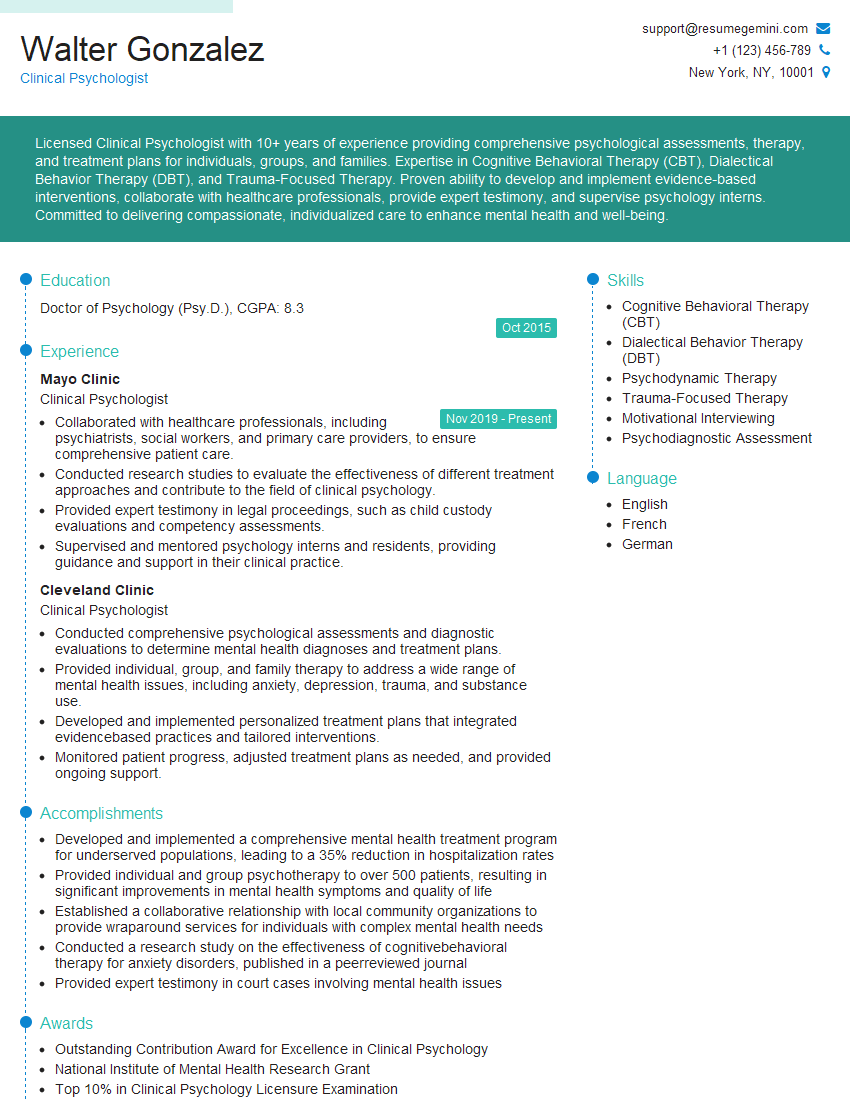
Clinical Psychologist Resume Sample
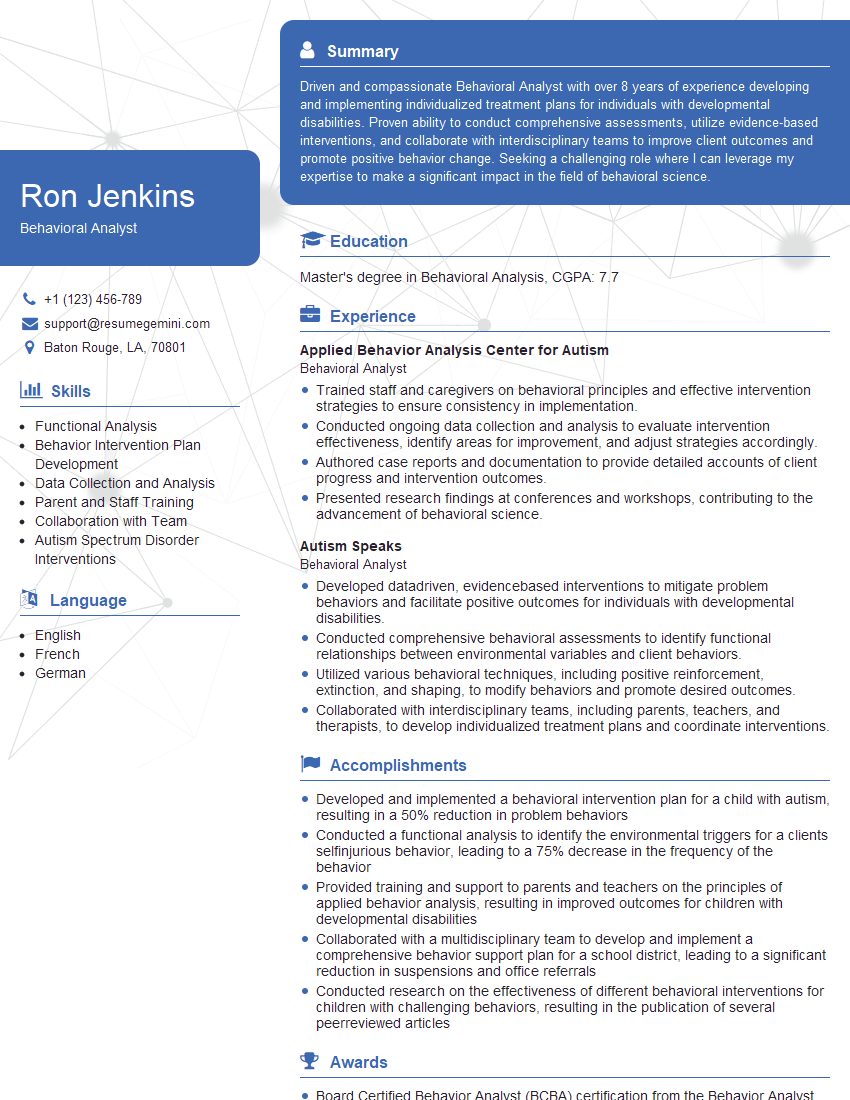
Behavioral Analyst Resume Sample
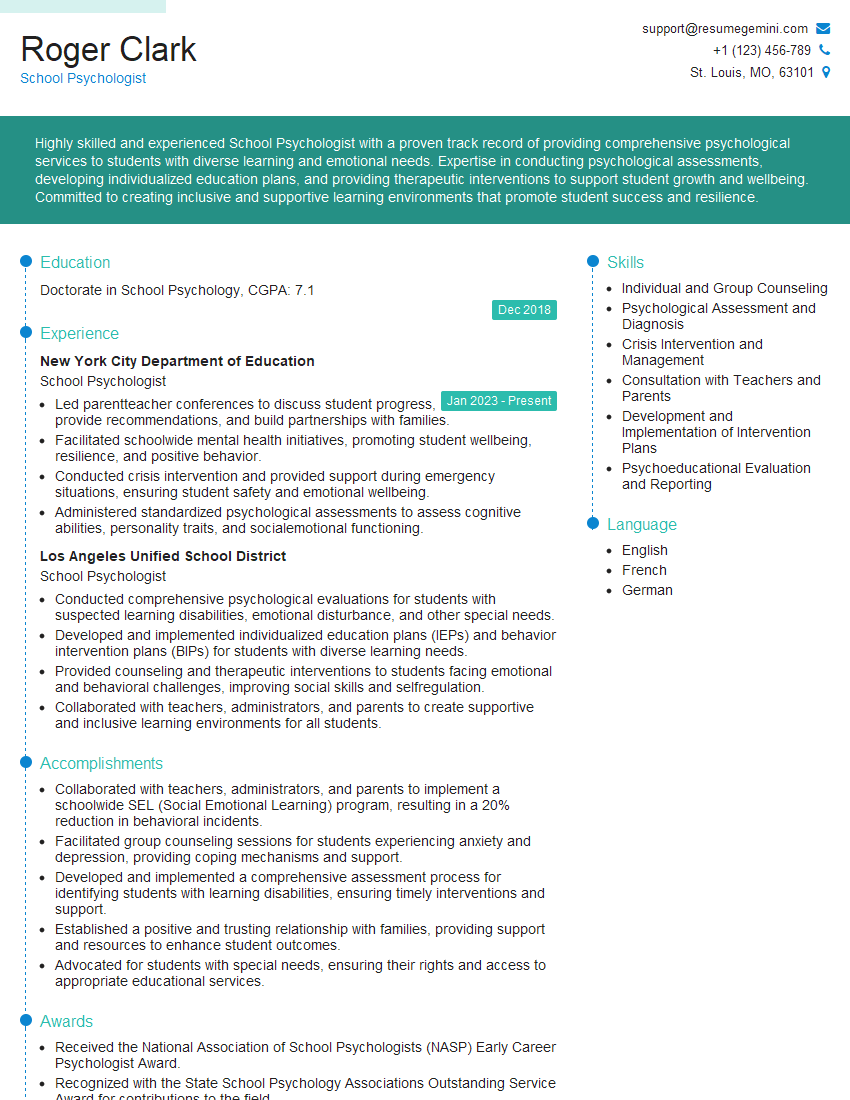
School Psychologist Resume Sample
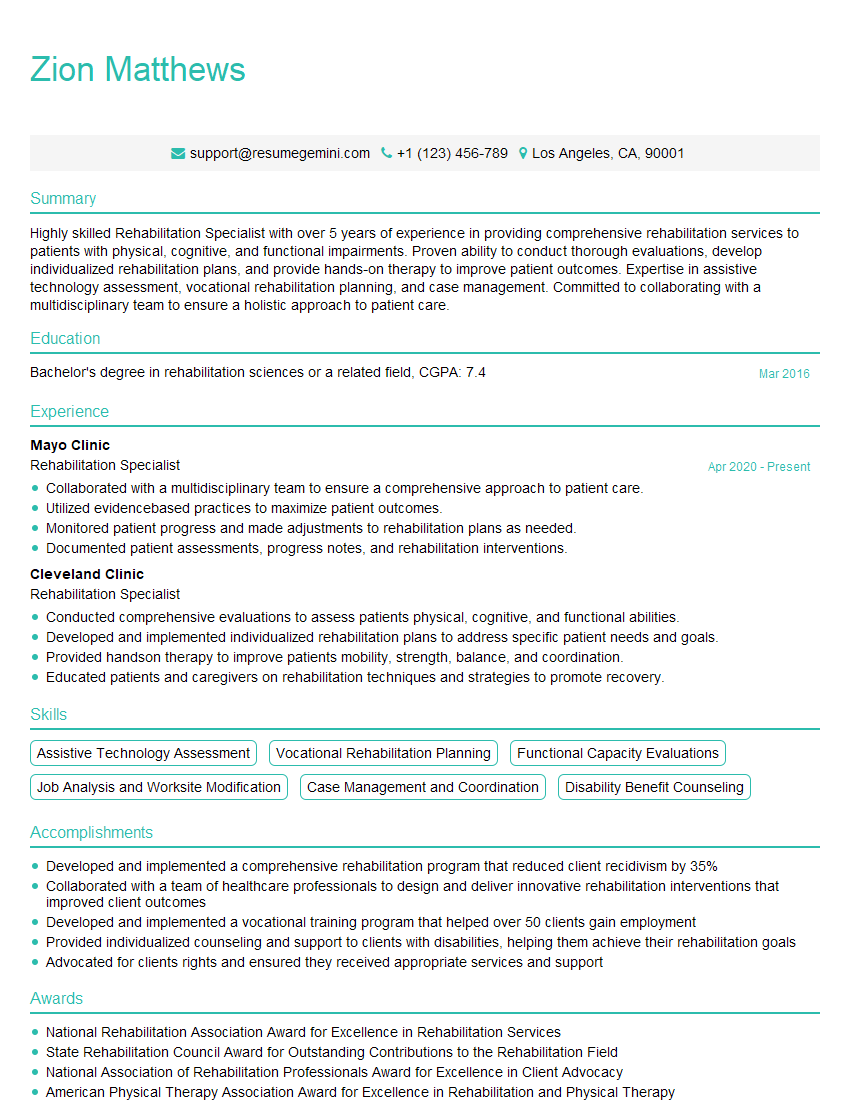
Rehabilitation Specialist Resume Sample
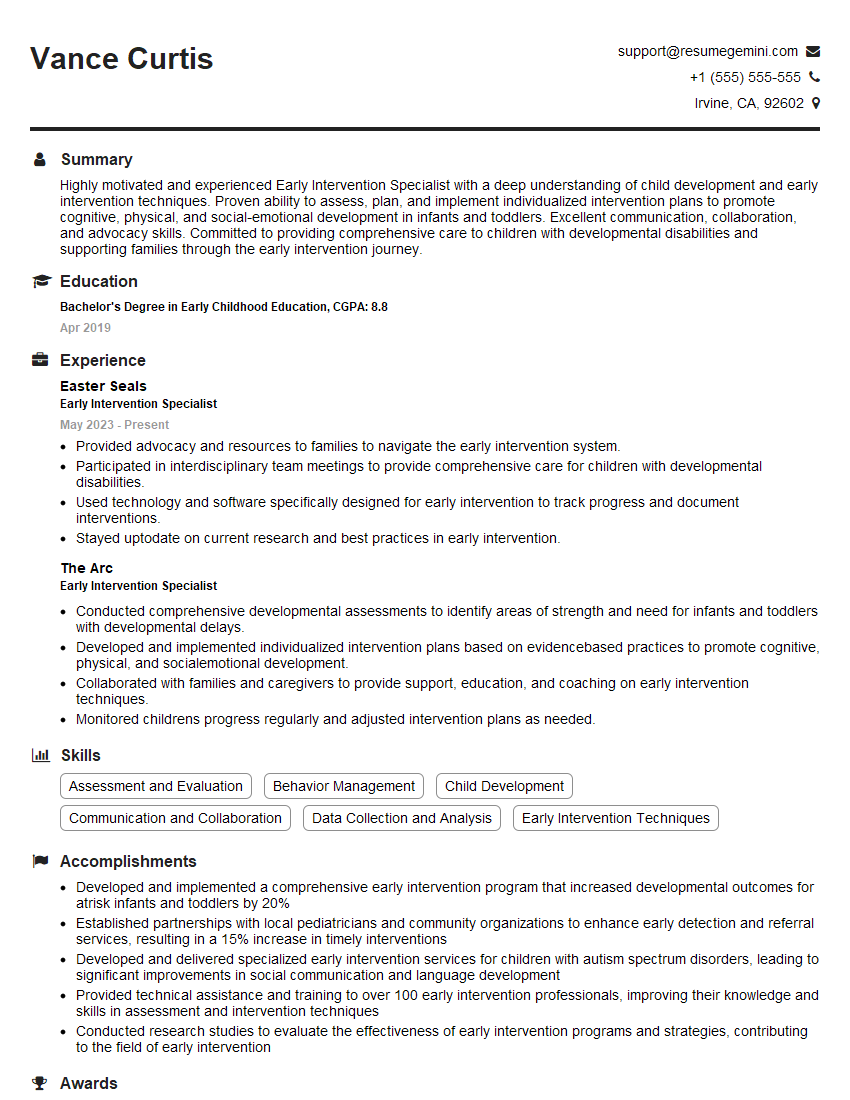
Early Intervention Specialist Resume Sample
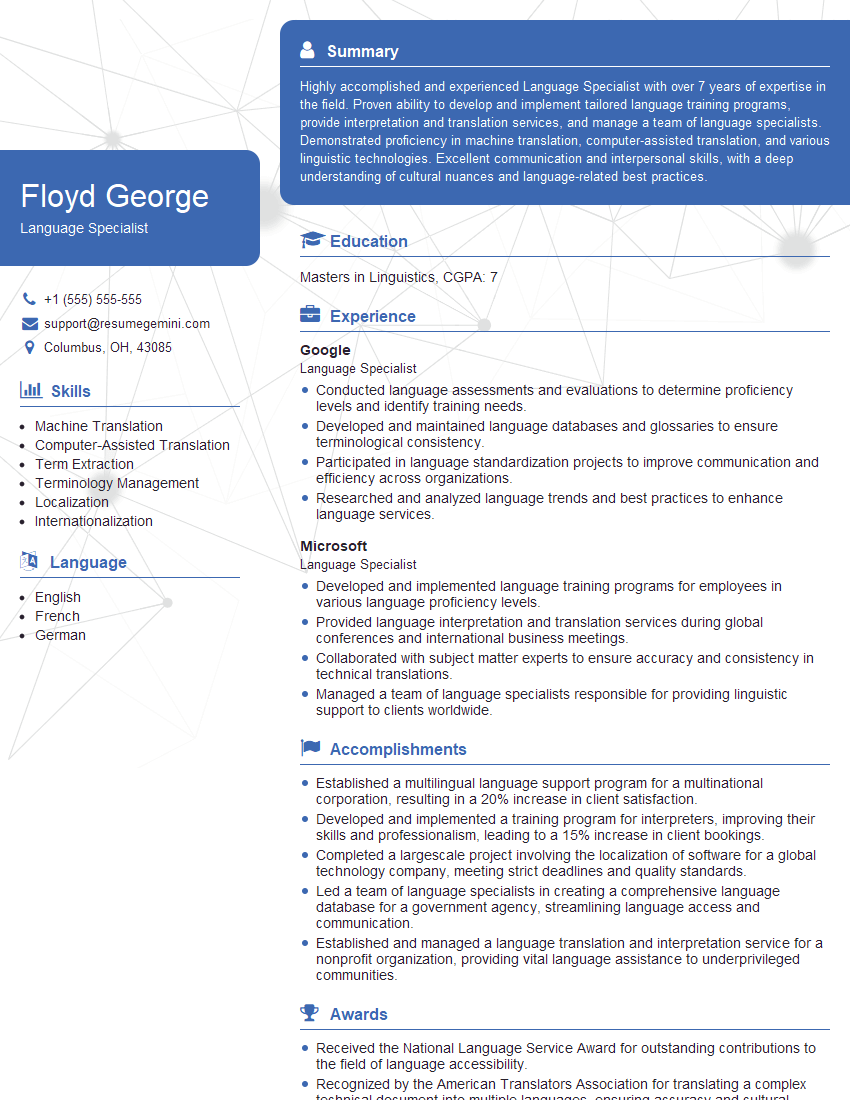
Language Specialist Resume Sample
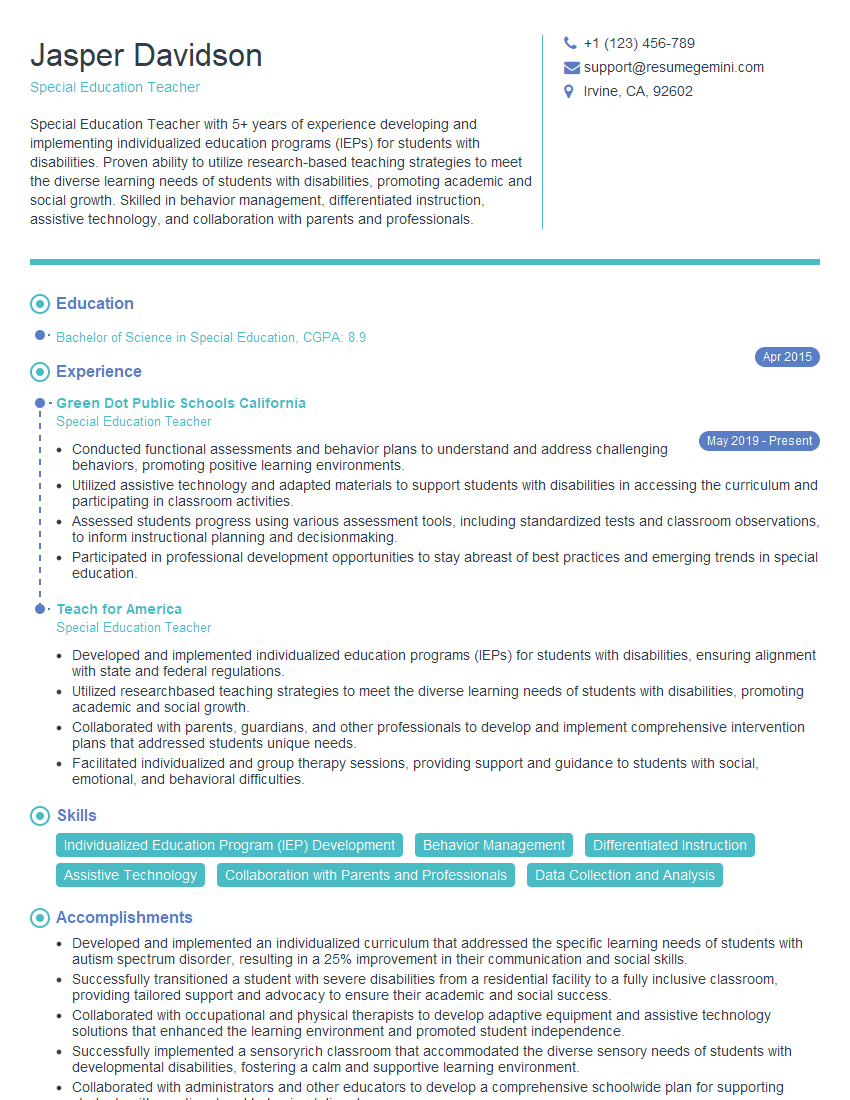
Special Education Teacher Resume Sample
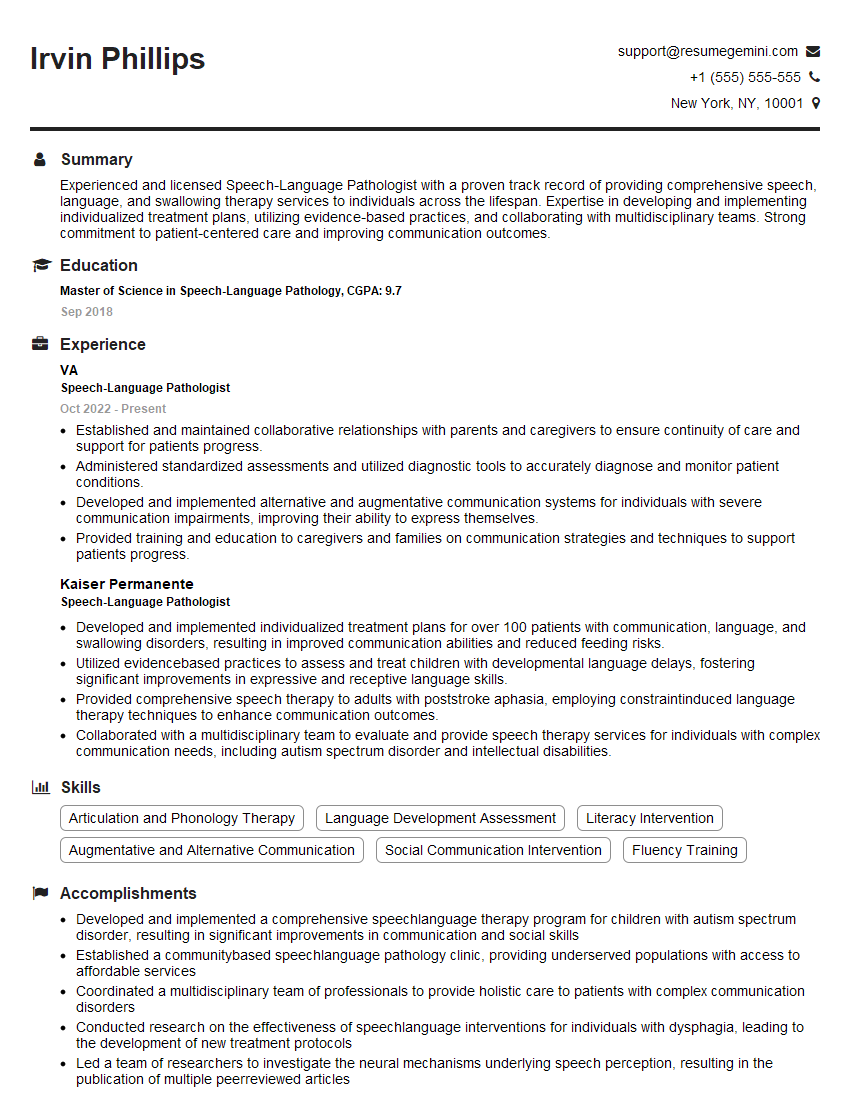
Speech-Language Pathologist Resume Sample
Explore more articles
Users Rating of Our Blogs
Share Your Experience
We value your feedback! Please rate our content and share your thoughts (optional).
What Readers Say About Our Blog
To the interviewgemini.com Webmaster.
Very helpful and content specific questions to help prepare me for my interview!
Thank you
To the interviewgemini.com Webmaster.
This was kind of a unique content I found around the specialized skills. Very helpful questions and good detailed answers.
Very Helpful blog, thank you Interviewgemini team.