The right preparation can turn an interview into an opportunity to showcase your expertise. This guide to Medical Radiation Safety (if applicable) interview questions is your ultimate resource, providing key insights and tips to help you ace your responses and stand out as a top candidate.
Questions Asked in Medical Radiation Safety (if applicable) Interview
Q 1. Explain the ALARA principle and its practical application in medical imaging.
The ALARA principle, short for “As Low As Reasonably Achievable,” is a fundamental cornerstone of radiation protection. It emphasizes the importance of keeping radiation exposure to individuals and the population as low as possible, while still allowing for the benefits of medical imaging procedures. It’s not about eliminating radiation entirely – that’s often impractical – but about optimizing techniques and minimizing unnecessary exposure.
In medical imaging, ALARA is implemented through several strategies. For example, radiographers carefully select the appropriate imaging technique (e.g., using lower-dose CT protocols when possible). They also optimize exposure factors like kilovoltage (kVp) and milliampere-seconds (mAs) to achieve diagnostic image quality with the lowest radiation dose. Furthermore, ALARA guides the use of proper shielding (lead aprons, collimators) and appropriate patient positioning to reduce scatter radiation.
Consider a chest X-ray: A skilled radiographer will ensure the beam is correctly collimated to the area of interest, minimizing exposure to surrounding tissues. In fluoroscopy, the principle is applied through pulsed fluoroscopy (reducing beam-on time) and image intensification techniques to lower radiation dose while maintaining image clarity. The ALARA principle isn’t just about technical aspects; it also involves informed consent and patient education to foster trust and transparency in the process.
Q 2. Describe the different types of ionizing radiation used in medical settings.
Medical imaging utilizes several types of ionizing radiation, primarily X-rays and gamma rays. X-rays are produced by X-ray tubes, which accelerate electrons to strike a metal target, generating photons of electromagnetic energy. The energy of these photons can be adjusted depending on the imaging needs. Gamma rays, on the other hand, are emitted by radioactive isotopes. In nuclear medicine, gamma-emitting radioisotopes are administered to the patient, and their emissions are detected by specialized cameras to provide functional images. Other forms of ionizing radiation used less frequently, include alpha and beta particles, which are generally used in targeted radiotherapy treatments, such as brachytherapy.
The choice of radiation type depends on the specific imaging modality. For instance, X-rays are the primary radiation source in diagnostic radiography, fluoroscopy, and computed tomography (CT). Gamma rays are crucial in nuclear medicine techniques like single-photon emission computed tomography (SPECT) and positron emission tomography (PET). Each type has unique properties affecting its penetration and interaction with body tissues, influencing image formation and safety protocols.
Q 3. What are the main regulatory bodies governing medical radiation safety in your country?
(Note: This answer will vary depending on the country. The following is a general example and should be replaced with specific regulatory bodies for a particular country). In many countries, the primary regulatory body for medical radiation safety is a national agency responsible for public health and safety, often working alongside professional organizations related to medical imaging. These agencies may be named differently, but their responsibilities often include licensing of radiation facilities, setting dose limits, developing safety standards and guidelines, enforcing regulations, conducting inspections, and providing education and training. Additionally, there are often professional organizations that contribute to setting standards of practice, influencing regulatory frameworks, and providing continuing professional development for healthcare professionals involved in medical radiation.
Q 4. Explain the concept of effective dose and its calculation.
Effective dose is a quantity that expresses the overall risk of harm from ionizing radiation exposure to the entire body. Unlike absorbed dose (measured in Gray, Gy), which quantifies the energy deposited in a specific tissue, effective dose (measured in Sievert, Sv) accounts for the varying sensitivity of different organs and tissues to radiation. Different organs have different weighting factors, reflecting their susceptibility to radiation-induced harm. For example, the gonads and bone marrow have high weighting factors, while skin and bone have lower ones.
Effective dose calculation involves multiplying the absorbed dose in each organ or tissue by its respective tissue weighting factor, then summing these weighted doses to determine the total effective dose. Effective Dose = Σ (Weighted Absorbed Dose in Tissue i) = Σ (Di x wT,i) where Di represents the absorbed dose in tissue i, and wT,i is the tissue weighting factor for tissue i.
This calculation is crucial for assessing the overall risk associated with medical exposures. It allows comparisons of different radiation procedures and helps to optimize radiation protection strategies. It’s important to note that effective dose calculations involve considerable complexity, frequently employing sophisticated computer models to estimate tissue doses.
Q 5. What are the different shielding materials used for radiation protection and their effectiveness?
Several materials are used for radiation shielding, each with varying effectiveness depending on the type and energy of the radiation. Lead is the most common shielding material in medical settings because of its high density and ability to attenuate X-rays and gamma rays effectively. Lead aprons, gloves, and shielding barriers are routinely used to protect healthcare workers and patients from scatter radiation.
Concrete is another common shielding material, particularly for shielding walls and rooms containing radiation sources. Its effectiveness depends on its density and thickness. Other materials like barium, tungsten, and depleted uranium are employed in specialized situations. The thickness of the shielding material is a critical factor; thicker materials provide greater protection. The effectiveness of shielding materials also depends on the energy of the radiation; higher-energy radiation requires thicker shielding.
For example, a lead apron typically provides adequate protection against diagnostic X-rays but might offer less protection against higher-energy radiation sources like those in radiotherapy. The selection of shielding material and its thickness are determined based on the specific radiation source, the energy of the radiation, and the level of protection required.
Q 6. Describe the safety measures implemented during fluoroscopy procedures.
Fluoroscopy involves real-time X-ray imaging, used for procedures like angiograms and gastrointestinal studies. Because of the continuous or pulsed radiation exposure, strict safety measures are essential. These include using the lowest possible radiation dose to obtain diagnostic images (ALARA principle). This is achieved by optimizing the kVp and mAs settings, using pulsed fluoroscopy (intermittent X-ray pulses instead of continuous exposure), and employing image intensification to amplify the signal and reduce the required X-ray beam intensity.
Radiation protection measures for fluoroscopy also involve the use of lead aprons and other shielding devices for both patients and staff. The radiation beam is carefully collimated to the region of interest to minimize exposure to surrounding tissues. The use of distance is crucial; healthcare workers should maintain a safe distance from the X-ray source as much as possible. Finally, proper training and adherence to established safety protocols are vital to minimizing radiation exposure during fluoroscopy procedures. This includes regular equipment checks and quality assurance measures to ensure proper functioning and minimal radiation leakage.
Q 7. What are the potential biological effects of ionizing radiation on human tissues?
Ionizing radiation can cause various biological effects on human tissues, ranging from minor to severe, depending on factors like the dose, dose rate, and the type of radiation. At low doses, the main concern is the increased risk of stochastic effects, such as cancer and hereditary effects. Stochastic effects are probabilistic; their probability increases with dose, but the severity is not dose-dependent. A single high dose of radiation can lead to deterministic effects, which are certain to occur above a certain threshold dose. These include skin burns, radiation sickness, and organ damage.
At the cellular level, ionizing radiation can damage DNA, leading to mutations or cell death. This damage can affect cell proliferation and function, potentially triggering uncontrolled cell growth (cancer) or impairing organ function. The effects on specific tissues vary widely due to their inherent sensitivity to radiation. For instance, rapidly dividing cells, such as those in bone marrow and the gastrointestinal tract, are more sensitive to radiation than slowly dividing cells. Understanding these potential effects is paramount in establishing appropriate radiation safety protocols and ensuring the benefits of medical imaging outweigh the risks.
Q 8. How do you ensure the proper calibration and performance of radiation equipment?
Ensuring the proper calibration and performance of radiation equipment is paramount to patient and staff safety. It involves a multi-faceted approach encompassing regular quality control checks, preventative maintenance, and adherence to strict protocols.
Regular Quality Control (QC): This involves daily, weekly, and periodic checks depending on the equipment. For example, a diagnostic X-ray machine’s output needs to be verified against its expected values using dosimeters. Any deviation triggers further investigation and potential recalibration. This is analogous to regularly checking the accuracy of a laboratory scale – if it’s consistently off, the results are unreliable.
Preventative Maintenance: Regular servicing by qualified engineers is crucial. This includes checking for wear and tear on components, lubricating moving parts, and replacing aging parts before they fail and compromise the equipment’s performance and safety. This is similar to regular servicing of a car to ensure optimal performance and prevent major breakdowns.
Performance Testing: More rigorous testing is done periodically, often annually, to ensure the equipment continues to meet safety and performance standards. These tests usually involve using phantoms (simulated patients) and evaluating the image quality and radiation dose delivered. These tests help identify any issues that might have developed over time.
Documentation: Meticulous record-keeping is crucial. All QC checks, maintenance procedures, and performance tests must be meticulously documented to demonstrate compliance with regulatory requirements and to establish a history of the equipment’s performance.
Q 9. What are the different types of radiation monitoring devices and their applications?
Radiation monitoring devices are crucial for assessing radiation levels and ensuring worker safety. They are categorized based on their function and the type of radiation they measure.
- Survey Meters: These portable instruments provide immediate readings of radiation levels. They are used for area monitoring, assessing potential contamination, and confirming the efficacy of shielding. Types include Geiger-Müller counters (detecting beta and gamma radiation) and ionization chambers (measuring higher radiation levels).
- Dosimeters: These personal devices measure the cumulative radiation dose received by an individual. They come in various types: film badges (older technology), thermoluminescent dosimeters (TLDs) which store radiation energy and release it as light when heated, and optically stimulated luminescence dosimeters (OSLDs), which use light to read the accumulated dose. They’re like personal radiation diaries, tracking your exposure over time.
- Area Monitors: These are stationary instruments used for continuous monitoring of radiation levels in a specific area. They are often found in high-radiation areas like nuclear medicine labs and provide continuous data on radiation exposure.
Applications: These devices are widely used in various settings including hospitals (for radiation therapy and diagnostic imaging), nuclear power plants, research laboratories, and industrial settings involving radioactive materials. They are essential for ensuring radiation protection and preventing exposure beyond permissible limits.
Q 10. Explain the importance of personnel monitoring and dosimetry.
Personnel monitoring and dosimetry are critical for protecting healthcare workers from the harmful effects of ionizing radiation. It’s a systematic approach to track radiation exposure and minimize potential health risks.
Importance: Ionizing radiation can damage DNA and increase the risk of cancer and other health problems. Regular monitoring allows us to identify individuals who might be exceeding safe limits and take corrective actions to prevent further exposure. It’s like regular health checkups – proactive monitoring allows us to detect potential problems before they become major health concerns.
Dosimetry: Dosimeters, as mentioned before, measure the radiation dose received. Regular analysis of dosimeter readings helps to identify trends and potential radiation safety issues within a facility. This data is crucial for evaluating the effectiveness of radiation safety programs and improving safety practices. High readings trigger an investigation to identify the source of the excess radiation and implement corrective actions.
Record Keeping: All personnel dosimetry readings are carefully recorded, analyzed, and retained in accordance with regulations. This information is crucial for epidemiological studies and for determining long-term health effects associated with radiation exposure.
Q 11. Describe the emergency procedures to follow in case of a radiation spill or accident.
Emergency procedures for radiation spills or accidents are crucial and must be well-rehearsed. They prioritize the safety of personnel and the environment.
Immediate Actions:
- Evacuation: Immediate evacuation of personnel from the affected area is paramount. The extent of the evacuation depends on the nature and magnitude of the spill.
- Isolate the Area: The affected area should be cordoned off to restrict access and prevent further exposure.
- Alert Emergency Services: Notify the appropriate emergency response teams, including radiation safety officers and regulatory agencies, immediately.
Containment and Decontamination:
- Assess the situation: The type and quantity of radioactive material involved must be identified to determine the appropriate decontamination procedures.
- Contain the spill: Prevent the spread of contamination through appropriate methods like absorbent materials, barriers, and ventilation.
- Decontamination: Personnel and equipment must be decontaminated using appropriate methods like washing, showering, and using specialized cleaning agents. Decontamination procedures must adhere to strict protocols to ensure effectiveness.
Post-Incident Procedures:
- Investigation: A thorough investigation must be conducted to determine the cause of the spill or accident and to identify areas for improvement in safety protocols.
- Reporting: The incident must be reported to regulatory agencies within the stipulated timeframe.
- Monitoring: Environmental monitoring must be performed to assess the extent of contamination and ensure that the area is safe for re-entry.
Regular training and drills are crucial to ensure personnel are prepared to respond effectively in case of a radiation emergency. Thinking of fire drills as an analogy, these radiation emergency drills are equally important for maintaining preparedness.
Q 12. How do you manage and dispose of radioactive waste safely?
Safe management and disposal of radioactive waste are critical for protecting public health and the environment. It’s a complex process that varies depending on the type and level of radioactivity involved.
Waste Categorization: Radioactive waste is categorized based on its level of radioactivity and its physical form. Categories include low-level waste (LLW), intermediate-level waste (ILW), and high-level waste (HLW). LLW might include slightly contaminated clothing, whereas HLW would include spent nuclear fuel.
Management Strategies:
- Storage: Temporary storage of radioactive waste is often necessary before final disposal. Storage facilities must be designed to prevent leakage and to ensure the long-term integrity of the waste containers.
- Treatment: Various treatments may be used to reduce the volume or radioactivity of the waste, such as solidification, incineration, or chemical treatment. This often focuses on reducing the volume and making it safer for transport and disposal.
- Disposal: The method of disposal depends on the waste category. LLW may be disposed of in dedicated landfills, whereas HLW requires specialized geological repositories designed for long-term isolation.
Regulatory Compliance: All aspects of radioactive waste management must adhere to stringent regulations. This includes packaging, transportation, storage, and disposal. Non-compliance can result in severe penalties and environmental damage. Think of it like hazardous waste – regulations are in place to minimize the risk to public health and the environment.
Q 13. What are the legal requirements for reporting radiation incidents?
Legal requirements for reporting radiation incidents vary depending on the jurisdiction. However, all jurisdictions have regulations mandating the reporting of any events that could potentially result in significant radiation exposure to individuals or the environment. These regulations are usually very detailed and very strict.
Key Aspects:
- Timely Reporting: Incidents must be reported to the relevant regulatory authorities within a specified timeframe, often immediately or within 24 hours depending on the severity.
- Incident Details: The report must include a detailed description of the incident, including the type and quantity of radioactive material involved, the number of individuals potentially exposed, and the estimated doses received.
- Corrective Actions: The report must include a description of any corrective actions taken to mitigate the impact of the incident and to prevent similar occurrences.
- Investigation: A thorough investigation is typically required to identify the cause of the incident and to recommend preventative measures.
Regulatory Bodies: The specific regulatory authority responsible for reporting varies by country and even state/province. For example, in the United States, the Nuclear Regulatory Commission (NRC) handles many aspects of radiation safety regulation. Failure to report incidents as required can lead to substantial fines and legal repercussions.
Q 14. Explain the concept of radiation safety training and its importance for healthcare workers.
Radiation safety training is indispensable for healthcare workers who handle ionizing radiation sources. It equips them with the knowledge and skills necessary to work safely and to minimize their radiation exposure.
Training Content: Comprehensive training covers a wide range of topics including:
- Radiation Physics and Biology: Understanding the fundamental properties of ionizing radiation and its biological effects is crucial.
- Radiation Protection Principles: This covers the principles of ALARA (As Low As Reasonably Achievable), time, distance, and shielding in minimizing radiation exposure.
- Equipment Operation and Safety: Proper operation and maintenance of radiation equipment is essential for minimizing radiation exposure.
- Emergency Procedures: Workers must be trained on the appropriate emergency procedures to follow in case of a radiation spill or accident.
- Regulatory Compliance: Understanding the legal requirements and responsibilities associated with radiation safety is vital.
Importance: Radiation safety training is not just a compliance issue; it is a matter of protecting the health and safety of healthcare workers and patients. It contributes to a culture of safety within the healthcare facility, leading to reduced radiation exposure and a safer work environment. Regular refresher training ensures that knowledge remains current and that best practices are implemented consistently. This is analogous to regular safety training in other high-risk industries, such as construction or aviation.
Q 15. Describe the role of a Radiation Safety Officer in a hospital setting.
The Radiation Safety Officer (RSO) in a hospital plays a crucial role in ensuring the safety of patients, staff, and the public from ionizing radiation. They are responsible for developing, implementing, and maintaining a comprehensive radiation safety program that complies with all relevant regulations and guidelines.
- Program Development and Implementation: This includes creating written radiation safety policies and procedures, conducting radiation safety training for staff, and establishing protocols for radiation emergencies.
- Radiation Safety Monitoring: The RSO monitors radiation levels in the workplace, ensures proper calibration and maintenance of radiation-producing equipment, and reviews radiation exposure records of all personnel.
- Regulatory Compliance: They are responsible for ensuring the hospital’s compliance with all applicable federal, state, and local radiation safety regulations and reporting any radiation incidents or accidents to the relevant authorities.
- Risk Assessment and Mitigation: The RSO conducts regular risk assessments to identify potential radiation hazards and develops strategies to mitigate these risks. This may involve optimizing imaging protocols, improving shielding, or implementing ALARA (As Low As Reasonably Achievable) principles.
- Waste Management: Managing radioactive waste is also a key responsibility, ensuring its safe disposal in accordance with regulations.
For example, an RSO might implement a new protocol for reducing patient radiation dose during CT scans by optimizing scan parameters, using iterative reconstruction techniques, or employing automatic exposure control systems. They might also ensure that all staff working in radiation areas are properly trained and equipped with appropriate personal protective equipment (PPE).
Career Expert Tips:
- Ace those interviews! Prepare effectively by reviewing the Top 50 Most Common Interview Questions on ResumeGemini.
- Navigate your job search with confidence! Explore a wide range of Career Tips on ResumeGemini. Learn about common challenges and recommendations to overcome them.
- Craft the perfect resume! Master the Art of Resume Writing with ResumeGemini’s guide. Showcase your unique qualifications and achievements effectively.
- Don’t miss out on holiday savings! Build your dream resume with ResumeGemini’s ATS optimized templates.
Q 16. What are the key safety considerations for pregnant healthcare workers exposed to radiation?
Pregnant healthcare workers exposed to ionizing radiation face a unique set of safety considerations. The developing fetus is particularly vulnerable to the damaging effects of radiation, so minimizing exposure is paramount.
- Declaration of Pregnancy: Pregnant healthcare workers should declare their pregnancy to their employer and the RSO as soon as possible. This allows for the implementation of appropriate protective measures.
- Dose Monitoring: Accurate and frequent radiation monitoring is essential to track radiation exposure levels. This is usually done through the use of personal dosimeters.
- Time Minimization: Reducing time spent in radiation areas is a crucial strategy. This might involve reassigning tasks, limiting time near radiation sources, or utilizing shielding effectively.
- Distance Maximization: Increasing the distance from the radiation source significantly reduces exposure. This is based on the inverse square law – doubling the distance reduces the radiation dose by a factor of four.
- Shielding Optimization: The use of appropriate shielding materials, such as lead aprons and thyroid shields, can significantly reduce radiation exposure. Proper use and maintenance of these are crucial.
- ALARA Principle: The principle of ALARA (As Low As Reasonably Achievable) should be strictly adhered to. All measures should be taken to minimize radiation exposure to the pregnant worker, even if the levels are below regulatory limits.
For instance, a pregnant radiographer might be temporarily reassigned to tasks that don’t involve direct radiation exposure until the risk to the fetus is reduced. Regular monitoring and communication with the RSO are essential to ensure safety throughout the pregnancy.
Q 17. How do you assess and mitigate radiation risks in different medical imaging modalities?
Assessing and mitigating radiation risks in different medical imaging modalities requires a tailored approach, taking into account the specific characteristics of each technique.
- X-ray Imaging (conventional and fluoroscopy): Risk assessment involves evaluating factors like kVp (kilovolt peak), mAs (milliampere-seconds), and filtration. Mitigation strategies include using appropriate shielding, optimizing exposure parameters, and employing collimation to reduce the exposed area.
- Computed Tomography (CT): CT scans deliver higher radiation doses than conventional X-rays. Risk assessment considers factors like slice thickness, pitch, and mA. Mitigation strategies focus on using iterative reconstruction techniques, automatic exposure control, and appropriate scan protocols. Low-dose CT protocols should be used when possible.
- Nuclear Medicine: Involves administering radioactive tracers. Risk assessment involves evaluating the type and amount of the radioisotope, and the method of administration. Mitigation involves using appropriate shielding, adhering to strict procedures for handling radioactive materials, and following safe disposal protocols.
- Interventional Radiology: Procedures using fluoroscopy for guidance. Risk mitigation focuses on minimizing fluoroscopy time, utilizing pulsed fluoroscopy instead of continuous, and using image intensification systems with low dose capabilities.
- Magnetic Resonance Imaging (MRI): MRI does not use ionizing radiation but there is a risk of metallic foreign bodies causing injury. Risk assessment includes reviewing patient history for the presence of any metallic implants or devices.
Each modality requires specific protocols and training. For example, in CT, using iterative reconstruction algorithms reduces the radiation dose needed for equivalent image quality. In nuclear medicine, proper handling and disposal of radioactive waste are paramount.
Q 18. Explain the importance of quality control in medical radiation procedures.
Quality control in medical radiation procedures is essential for ensuring both patient safety and image quality. It involves a systematic process of verifying that equipment is functioning correctly and procedures are being performed according to established protocols.
- Equipment Calibration and Maintenance: Regular calibration of radiation-producing equipment is critical to ensure accurate dose delivery and optimal image quality. Any malfunction must be promptly addressed.
- Image Quality Assurance: This involves regularly assessing the quality of images produced to ensure they meet diagnostic standards. This might involve phantom testing or regular image review by qualified personnel.
- Dose Optimization: Continuous monitoring of patient radiation doses and implementing strategies to reduce unnecessary exposure is paramount. This includes reviewing and adjusting techniques and protocols as needed.
- Personnel Training and Competency: Regular training and competency assessments ensure that staff are adequately trained to operate equipment safely and proficiently. This includes knowledge of radiation safety principles, equipment operation, and image interpretation.
- Record Keeping: Maintaining accurate and complete records of all radiation procedures, including patient dose information and equipment maintenance logs, is crucial for tracking performance and identifying potential problems.
For instance, regular phantom testing of an X-ray machine allows for the detection of any drift in output, ensuring that consistent and reliable images are produced at the correct dose. Similarly, regular review of images by a radiologist helps to maintain quality standards and identify any need for adjustment of imaging protocols.
Q 19. What are the different types of radiation detectors and their limitations?
Various radiation detectors are used in medical radiation safety, each with its strengths and limitations.
- Geiger-Müller Counters: These are portable and relatively inexpensive devices that measure radiation dose rate. They are easy to use but are less precise than other detectors and have a limited dynamic range.
- Ionization Chambers: These are more accurate and have a wider dynamic range than Geiger-Müller counters. They are often used for measuring high radiation levels. They are however, less portable.
- Thermoluminescent Dosimeters (TLDs): These passive detectors measure cumulative radiation exposure over a period. They are accurate but require processing after use.
- Optically Stimulated Luminescence (OSL) Dosimeters: Similar to TLDs, but offer advantages such as reusability and higher precision.
- Personal Dosimeters: These are worn by radiation workers to monitor their individual exposure. They typically use TLDs or OSLs.
Limitations: Each detector has limitations. Geiger-Müller counters can saturate at high radiation levels, providing inaccurate readings. TLDs and OSLs require processing, introducing a delay before results are available. The choice of detector depends on the specific application and the required accuracy and sensitivity. It’s crucial to understand the limitations of each detector and use it appropriately.
Q 20. Discuss the ethical considerations related to medical radiation use.
Ethical considerations in medical radiation use are paramount. The principle of beneficence, ensuring that the benefits of radiation procedures outweigh the risks, is central.
- Informed Consent: Patients must be fully informed about the risks and benefits of any radiation procedure before giving consent. This includes explaining the radiation dose involved and any potential long-term effects.
- ALARA Principle: The ALARA principle (As Low As Reasonably Achievable) guides the optimization of radiation protection measures. Procedures should be performed in a way that minimizes radiation exposure to both patients and staff while still achieving the necessary diagnostic or therapeutic goals.
- Equitable Access: Access to appropriate medical imaging should be equitable and not discriminate based on socioeconomic factors or other demographic considerations.
- Data Privacy and Security: Patient medical records, including radiation exposure data, must be handled confidentially and securely, in compliance with relevant privacy laws and regulations.
- Resource Allocation: Ethical considerations arise in resource allocation for radiation safety equipment and training. Funding should be allocated appropriately to ensure that all healthcare facilities can provide safe and effective medical radiation services.
A prime example of ethical consideration is ensuring informed consent for a CT scan. The patient needs to understand the benefits (diagnosis) and risks (radiation exposure) and be able to make an informed decision. If there are alternative, lower-dose imaging options, these should be discussed and considered.
Q 21. Describe your experience in developing and implementing radiation safety programs.
Throughout my career, I’ve been extensively involved in developing and implementing radiation safety programs in various healthcare settings.
- Hospital X: I led the development and implementation of a comprehensive radiation safety program for a large teaching hospital, including the creation of new safety protocols, the establishment of a robust radiation monitoring system, and the implementation of ALARA practices across multiple departments. This involved conducting regular training sessions for staff, overseeing the calibration of radiation equipment, and managing radiation waste disposal. We significantly reduced the average patient radiation doses for several imaging modalities.
- Clinic Y: At a smaller outpatient clinic, I assisted in the implementation of a new quality assurance program for their X-ray machine, improving image quality and reducing the number of repeat examinations. This resulted in a reduction in both patient radiation exposure and overall costs.
- Research Z: In a research environment, I helped develop and implement safety protocols for a new radioisotope imaging research project, ensuring the safe handling and disposal of radioactive materials and the protection of both researchers and the environment.
My approach emphasizes collaboration, continuous improvement, and a strong commitment to compliance with all applicable regulations. I believe in a proactive approach, anticipating potential hazards and implementing preventative measures before incidents occur. In each case, I focused on education and empowering healthcare professionals to take ownership of radiation safety practices.
Q 22. How do you stay updated on the latest advancements and regulations in radiation safety?
Staying current in medical radiation safety requires a multi-pronged approach. It’s a field constantly evolving with new technologies and refined regulations. My strategy involves a combination of methods:
- Professional Organizations: Active membership in organizations like the American Association of Physicists in Medicine (AAPM) and the Health Physics Society provides access to journals, conferences, webinars, and continuing education opportunities. These are invaluable sources for the latest research and best practices.
- Regulatory Updates: I diligently follow updates from regulatory bodies such as the Nuclear Regulatory Commission (NRC) in the US, or equivalent agencies in other countries. This includes reviewing revised guidelines, new regulations, and safety advisories.
- Peer-Reviewed Journals: Regularly reading peer-reviewed journals like Medical Physics and Radiation Protection Dosimetry keeps me abreast of the latest research findings and technological advancements in radiation protection.
- Conferences and Workshops: Attending professional conferences and workshops allows me to network with experts, learn about new techniques, and engage in discussions on current challenges in the field.
- Online Resources: Utilizing reputable online resources, such as the World Health Organization (WHO) website, provides access to global radiation safety standards and guidelines.
This combined approach ensures I remain knowledgeable about the latest developments and best practices in medical radiation safety, enabling me to provide the safest and most effective care.
Q 23. Describe a situation where you had to solve a radiation safety problem. What was your approach?
In my previous role, we encountered a situation where a linear accelerator (LINAC) malfunctioned, resulting in a slightly higher than normal radiation leak during a treatment procedure. This was detected by our routine quality assurance checks. My approach was systematic:
- Immediate Action: The LINAC was immediately shut down to prevent further exposure. The affected patient was assessed for any potential immediate effects, although the overexposure was minimal.
- Investigation: A thorough investigation was conducted to identify the root cause of the malfunction. This involved reviewing the machine’s logs, performing detailed technical inspections, and consulting with the manufacturer’s engineers.
- Corrective Actions: Once the cause – a minor software glitch – was identified, corrective actions were implemented. This included software updates, recalibration of the machine, and rigorous testing to ensure the issue was fully resolved and radiation output was back within acceptable limits.
- Reporting and Documentation: A detailed report documenting the incident, the investigation, the corrective actions taken, and the results of the subsequent testing was prepared and submitted to the relevant regulatory authorities and internal quality assurance departments.
- Staff Training: To prevent similar incidents, staff training was reinforced on recognizing and responding to potential equipment malfunctions and adhering to emergency procedures.
This methodical approach, emphasizing immediate action, thorough investigation, and comprehensive documentation, ensured patient safety and prevented future occurrences.
Q 24. What are the common sources of radiation exposure in a hospital environment?
Hospitals are environments with various sources of ionizing radiation. The most common include:
- Diagnostic X-ray machines: These are used for various imaging procedures like chest X-rays, CT scans, and fluoroscopy. They are a major source of radiation exposure for both patients and staff.
- Nuclear Medicine Procedures: Procedures involving radiopharmaceuticals, such as PET scans and SPECT scans, expose patients to internal radiation sources. Staff handling these materials also receive some level of exposure.
- Radiation Therapy Machines: Linear accelerators (LINACs) and other radiation therapy devices deliver high doses of radiation to cancer patients. Staff involved in these treatments require careful shielding and monitoring.
- Interventional Radiology: Procedures such as angiograms and cardiac catheterizations utilize fluoroscopy, exposing both patients and staff to radiation.
- Contaminated Materials: While less common, accidental spills or contamination of materials can introduce radiation hazards. Strict protocols for handling radioactive waste are in place to mitigate this risk.
Effective radiation safety programs in hospitals incorporate measures to minimize exposure from all these sources through shielding, distance, and time optimization, as well as strict adherence to ALARA (As Low As Reasonably Achievable) principles.
Q 25. Explain the difference between deterministic and stochastic effects of radiation.
The effects of radiation exposure are categorized into deterministic and stochastic effects. The key difference lies in their relationship to the dose received.
- Deterministic Effects: These effects have a threshold dose. Meaning, they only occur above a certain level of radiation exposure. The severity of the effect increases with the dose. Examples include skin burns (erythema), cataracts, and radiation sickness. Think of it like a sunburn – a small amount of sun exposure causes no harm, but prolonged exposure causes a burn.
- Stochastic Effects: These effects have no threshold; there’s a probability of occurrence at any dose, however small. The probability of the effect (but not the severity) increases with the dose. Cancer and genetic mutations are prime examples. It’s like a lottery; even a single ticket has a small chance of winning, and your chances increase with more tickets, but the prize remains the same.
Understanding this distinction is critical in radiation protection, as it guides the development of safety standards and regulations aimed at preventing both types of effects.
Q 26. How do you communicate radiation safety information effectively to healthcare workers and patients?
Effective communication is crucial in medical radiation safety. My approach involves tailoring the message to the audience:
- Healthcare Workers: Communication with healthcare workers focuses on technical details, safety protocols, and risk management strategies. This involves training sessions, regular updates on regulations, and clear guidelines on equipment use and safety procedures. I emphasize the importance of ALARA principles and the use of personal protective equipment (PPE).
- Patients: Communication with patients should be clear, concise, and non-technical. It focuses on explaining the benefits and risks of radiation procedures, emphasizing that every effort is taken to minimize exposure. Visual aids and simple language help patients understand the process and alleviate any anxieties.
In both cases, I prioritize open communication, active listening, and addressing concerns effectively. I believe that fostering trust and transparency is key to ensuring successful radiation safety programs.
Q 27. What are your strengths and weaknesses in the field of medical radiation safety?
Strengths: My strengths lie in my deep understanding of radiation physics, my meticulous approach to safety protocols, and my ability to effectively communicate complex information to diverse audiences. I am a highly organized and detail-oriented individual who takes a proactive approach to problem-solving. I also possess strong analytical and critical thinking skills.
Weaknesses: While I am comfortable with advanced technical concepts, I am always striving to improve my communication skills, particularly in adapting my approach to different learning styles. I am also working on delegating tasks more effectively to enhance team efficiency.
Q 28. Why are you interested in a career in medical radiation safety?
I am deeply interested in a career in medical radiation safety because I am passionate about protecting both patients and healthcare workers from the potential hazards of ionizing radiation. The opportunity to contribute to a safer healthcare environment and utilize my scientific knowledge to make a tangible difference in people’s lives is incredibly rewarding. I am driven by the challenge of balancing the benefits of medical radiation with the necessity of minimizing its risks, ensuring that the use of this powerful technology remains safe and ethical.
Key Topics to Learn for Medical Radiation Safety Interview
- Radiation Physics Fundamentals: Understanding radiation types (alpha, beta, gamma, X-rays), their interactions with matter, and associated biological effects.
- Radiation Protection Principles: ALARA (As Low As Reasonably Achievable) principle, time, distance, shielding, and their practical application in various medical settings.
- Regulatory Compliance: Familiarity with relevant national and international regulations and safety standards for medical radiation use (e.g., local equivalent of the IAEA, FDA).
- Medical Imaging Modalities and Safety Protocols: Detailed knowledge of safety procedures for X-ray, CT, nuclear medicine, fluoroscopy, and other relevant imaging techniques.
- Radiation Dosimetry and Monitoring: Understanding radiation measurement techniques, personal dosimetry, and area monitoring procedures.
- Quality Assurance and Quality Control: Knowledge of quality assurance programs, equipment calibration, and performance testing in medical imaging departments.
- Risk Assessment and Management: Ability to identify, assess, and mitigate radiation risks in various clinical scenarios.
- Emergency Response Procedures: Understanding protocols for handling radiation incidents and spills.
- Patient and Staff Safety: Implementing effective communication strategies to ensure patient and staff safety during radiation procedures.
- Ethical Considerations: Understanding the ethical implications of medical radiation use and the importance of informed consent.
Next Steps
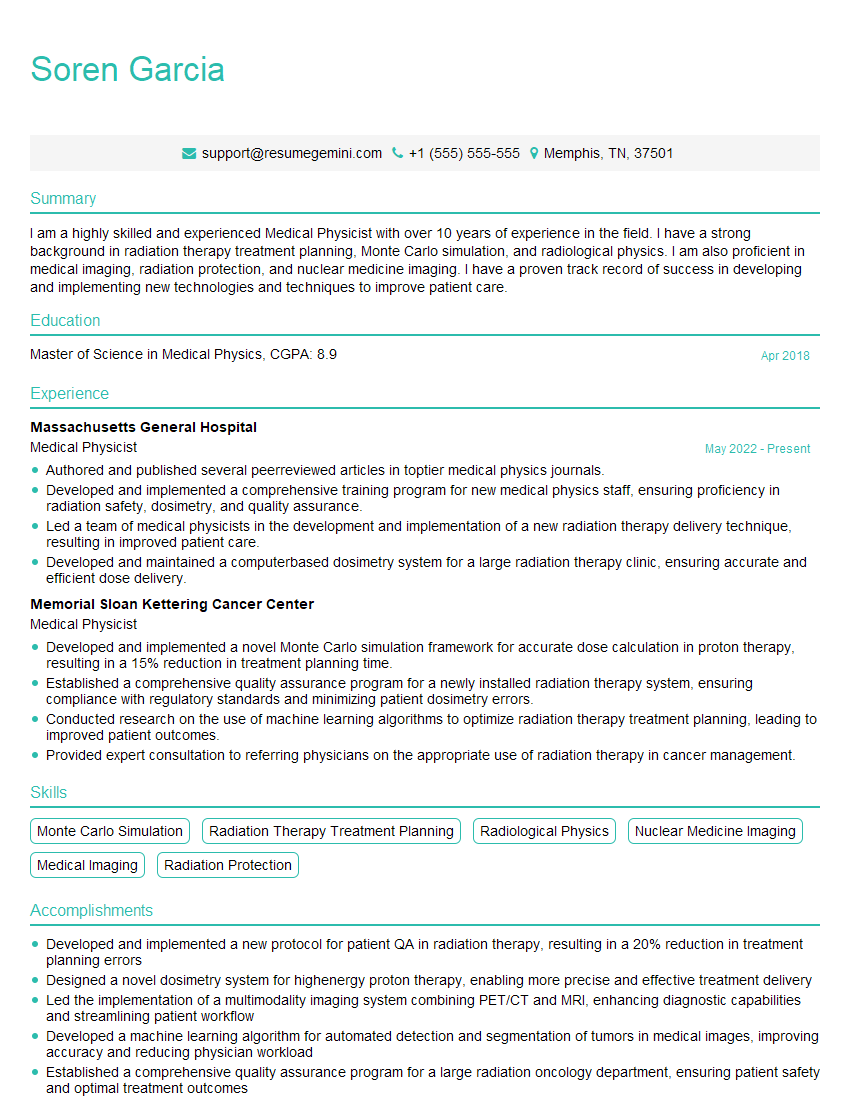
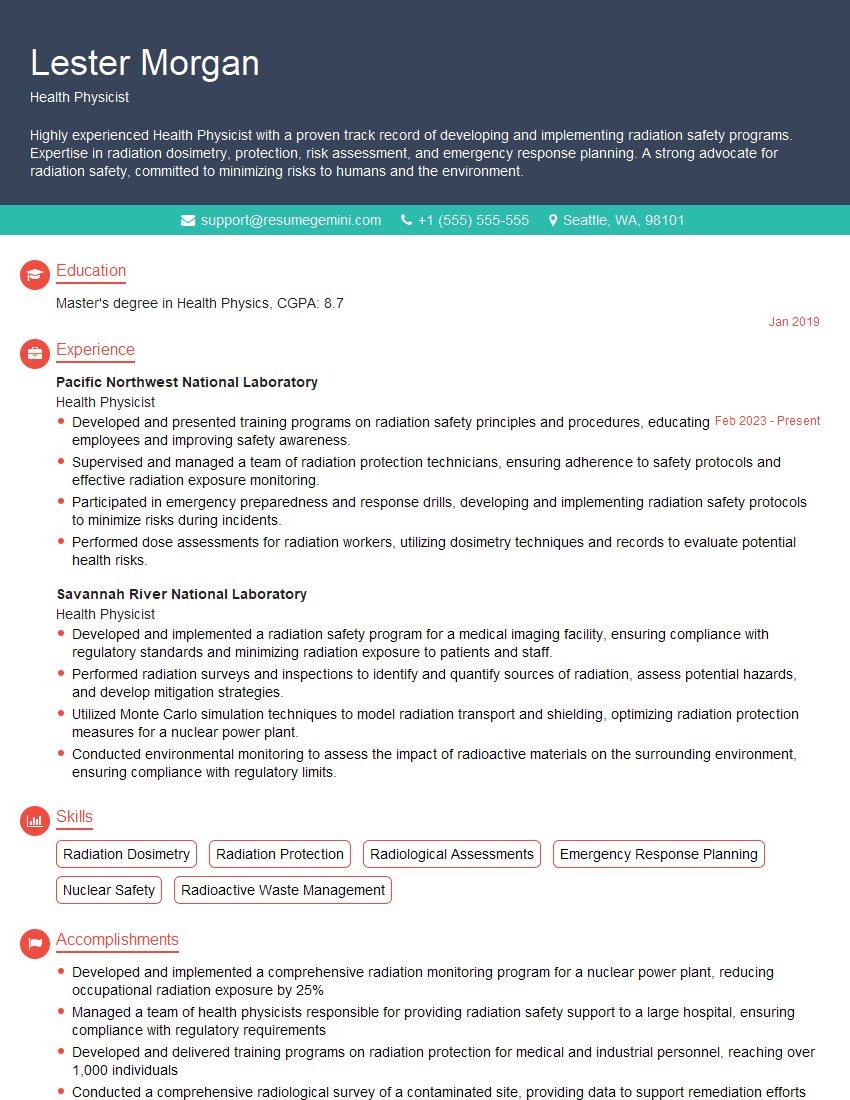
Mastering Medical Radiation Safety is crucial for a successful and fulfilling career in this vital field. It demonstrates your commitment to patient well-being and adherence to stringent safety protocols, making you a highly valuable asset to any healthcare organization. To significantly boost your job prospects, creating an ATS-friendly resume is essential. ResumeGemini can help you craft a professional and impactful resume that highlights your skills and experience effectively. ResumeGemini offers examples of resumes tailored to Medical Radiation Safety, providing you with a valuable head start in your job search.

Explore more articles
Users Rating of Our Blogs
Share Your Experience
We value your feedback! Please rate our content and share your thoughts (optional).
What Readers Say About Our Blog
To the interviewgemini.com Webmaster.
Very helpful and content specific questions to help prepare me for my interview!
Thank you
To the interviewgemini.com Webmaster.
This was kind of a unique content I found around the specialized skills. Very helpful questions and good detailed answers.
Very Helpful blog, thank you Interviewgemini team.