The thought of an interview can be nerve-wracking, but the right preparation can make all the difference. Explore this comprehensive guide to Neurological Disorders Evaluation interview questions and gain the confidence you need to showcase your abilities and secure the role.
Questions Asked in Neurological Disorders Evaluation Interview
Q 1. Describe the diagnostic criteria for Alzheimer’s disease.
Diagnosing Alzheimer’s disease (AD) requires a multifaceted approach focusing on cognitive decline and ruling out other potential causes. There isn’t one single test, but rather a clinical assessment based on established criteria, primarily the National Institute on Aging-Alzheimer’s Association (NIA-AA) criteria.
These criteria emphasize a gradual decline in cognitive abilities, particularly memory, impacting daily life. Key features include:
- Impaired Episodic Memory: Difficulty remembering recent events, conversations, or appointments is often the earliest and most prominent symptom.
- Cognitive Impairment in Other Domains: AD typically progresses to affect other cognitive functions like language (aphasia), spatial reasoning (apraxia), executive function (planning, problem-solving), and recognition (agnosia).
- Gradual Onset and Progressive Decline: The cognitive decline is insidious, not abrupt, and progressively worsens over time.
- Exclusion of Other Causes: It’s crucial to rule out other conditions mimicking AD, such as depression, thyroid problems, vitamin deficiencies, or other forms of dementia (e.g., vascular dementia, Lewy body dementia).
- Biomarkers (Optional but Supportive): While not mandatory for diagnosis, biomarkers like amyloid PET scans (detecting amyloid plaques) and cerebrospinal fluid analysis (measuring tau and amyloid beta) can provide supporting evidence.
In essence, a diagnosis involves a thorough clinical evaluation, neuropsychological testing to assess cognitive performance, and often the use of supportive biomarkers. For instance, a patient presenting with progressive memory loss, difficulty managing finances, and increasing confusion, after ruling out other conditions, might receive an AD diagnosis supported by positive amyloid PET findings.
Q 2. Differentiate between ischemic and hemorrhagic stroke.
Ischemic and hemorrhagic strokes are two major types of stroke, differing fundamentally in their underlying mechanisms. Both lead to impaired blood flow to the brain, causing damage, but the cause of the blockage differs significantly.
- Ischemic Stroke: This is the more common type, occurring when a blood vessel supplying the brain becomes blocked, usually by a blood clot (thrombosis) formed within the vessel or an embolus (traveling blood clot) originating elsewhere in the body (e.g., heart). Imagine a clogged pipe – the blood flow is obstructed. This lack of blood flow deprives brain tissue of oxygen and nutrients, leading to cell death.
- Hemorrhagic Stroke: This type results from bleeding within the brain. A blood vessel ruptures, causing blood to leak into the brain tissue. Picture a pipe bursting and spilling water everywhere. This bleeding causes pressure on surrounding brain tissue, damaging cells and potentially leading to swelling and brain compression. Hemorrhagic strokes can be further categorized into intracerebral hemorrhages (bleeding within the brain) and subarachnoid hemorrhages (bleeding in the space surrounding the brain).
The symptoms can overlap but might provide clues. Ischemic strokes often present with sudden weakness or numbness on one side of the body, speech difficulties, or vision problems. Hemorrhagic strokes may be more abrupt and severe, possibly accompanied by a severe headache, loss of consciousness, and vomiting. The specific location of the brain affected determines the type and severity of the symptoms.
Q 3. Explain the pathophysiology of Parkinson’s disease.
Parkinson’s disease (PD) is a neurodegenerative disorder primarily affecting movement. Its pathophysiology is complex and not fully understood, but it centers around the degeneration of dopaminergic neurons in the substantia nigra, a region of the midbrain crucial for movement control.
The hallmark of PD is the presence of Lewy bodies – abnormal protein aggregates (primarily alpha-synuclein) within these neurons. The loss of dopamine, a neurotransmitter responsible for smooth, coordinated movements, leads to the characteristic motor symptoms. Other neurotransmitters and brain regions are also affected over time.
While the exact cause remains elusive, potential contributing factors include:
- Genetic Factors: Family history can increase the risk, although the majority of cases are sporadic.
- Environmental Factors: Exposure to toxins or pesticides has been suggested as a potential risk factor.
- Oxidative Stress and Inflammation: An imbalance between free radicals and antioxidants, as well as inflammatory processes, might contribute to neuronal damage.
In essence, PD is a progressive disease characterized by the loss of dopamine-producing neurons, the accumulation of Lewy bodies, and subsequent disruption of motor control circuits. Understanding the complex interplay of genetic, environmental, and biological factors is crucial for developing effective therapies.
Q 4. What are the common symptoms of multiple sclerosis?
Multiple sclerosis (MS) is a chronic, autoimmune disease affecting the central nervous system (brain and spinal cord). The hallmark of MS is the formation of lesions (plaques) in the myelin sheath, the protective covering of nerve fibers. This demyelination disrupts nerve impulse transmission, leading to a wide range of symptoms.
Symptoms are highly variable depending on the location and extent of the lesions and can include:
- Sensory Symptoms: Numbness, tingling, or burning sensations (paresthesia), often affecting the limbs or face.
- Motor Symptoms: Weakness, muscle stiffness (spasticity), tremors, gait disturbances, and balance problems.
- Visual Symptoms: Blurred vision, double vision (diplopia), or optic neuritis (inflammation of the optic nerve).
- Cognitive Symptoms: Difficulty with memory, concentration, or executive function.
- Fatigue: Extreme tiredness is a common and often debilitating symptom.
- Bowel and Bladder Dysfunction: Urinary urgency, frequency, or incontinence; constipation.
- Emotional Symptoms: Depression, anxiety, or emotional lability.
The symptoms may appear and disappear (relapsing-remitting MS), or they may gradually worsen (progressive MS). The unpredictable nature of the disease makes accurate prediction difficult, but the symptoms significantly impact daily life and quality of life.
Q 5. How would you assess cognitive function in a patient with suspected dementia?
Assessing cognitive function in a patient with suspected dementia requires a comprehensive approach combining various methods.
1. Clinical Interview: A detailed history focusing on the onset and progression of cognitive symptoms, including specific examples of difficulties with memory, language, and executive functions. The patient’s family or caregivers can provide valuable information.
2. Mental Status Examination (MSE): This structured assessment includes components like orientation (time, place, person), attention, memory (immediate, short-term, long-term), language, visuospatial skills, and executive functions. The Mini-Mental State Examination (MMSE) is a commonly used screening tool.
3. Neuropsychological Testing: More comprehensive testing using standardized tests can provide detailed information about specific cognitive domains. This might include tests of memory, attention, language, visuospatial abilities, and executive functions. This allows for a quantitative assessment of cognitive deficits compared to norms.
4. Functional Assessment: Evaluation of the patient’s ability to perform daily living activities (e.g., dressing, bathing, cooking, managing finances). This is essential because cognitive decline often impacts functional abilities.
5. Imaging Studies: Brain imaging (MRI or CT scan) can help rule out other potential causes of cognitive impairment and assess brain structure.
Example: A patient with suspected dementia might exhibit impaired recall in the MSE, score poorly on memory tests, struggle with complex tasks in the functional assessment, and demonstrate hippocampal atrophy (shrinking of the hippocampus, a brain region important for memory) on MRI. This combined approach allows for a more accurate diagnosis.
Q 6. Describe different types of seizures and their management.
Seizures are sudden, uncontrolled electrical disturbances in the brain. They can manifest in various ways depending on the location and extent of the abnormal brain activity.
Types of Seizures:
- Focal Seizures (Partial Seizures): Originate in a specific area of the brain. They can be simple (no loss of awareness) or complex (with altered awareness or consciousness). Symptoms depend on the affected brain region and may include jerking of a limb, altered sensations, changes in speech, or unusual behaviors.
- Generalized Seizures: Involve the entire brain. Examples include:
- Tonic-Clonic Seizures (Grand Mal): Characterized by a loss of consciousness, stiffening of the body (tonic phase), followed by rhythmic jerking (clonic phase), and often post-ictal confusion.
- Absence Seizures (Petit Mal): Brief periods of staring, unresponsiveness, and often subtle motor movements, typically seen in children.
- Myoclonic Seizures: Brief, shock-like jerks of muscles.
- Atonic Seizures (Drop Attacks): Sudden loss of muscle tone, causing the person to fall to the ground.
Seizure Management:
Management depends on the type, frequency, and severity of seizures and involves:
- Anti-epileptic Drugs (AEDs): Medications to control or prevent seizures. Many different AEDs are available, and the choice depends on the individual’s needs.
- Surgery: In some cases, surgery might be considered to remove the area of the brain causing seizures.
- Vagus Nerve Stimulation (VNS): A device implanted under the skin that stimulates the vagus nerve to help prevent seizures.
- Ketogenic Diet: A high-fat, low-carbohydrate diet that has been shown to be effective in some children with epilepsy.
Accurate diagnosis is crucial for appropriate management. A detailed history, neurological examination, EEG, and potentially brain imaging are essential for determining the type of seizure and guiding treatment decisions.
Q 7. Explain the use of electroencephalography (EEG) in neurological diagnosis.
Electroencephalography (EEG) is a neurodiagnostic technique that measures the electrical activity of the brain using electrodes placed on the scalp. It’s a non-invasive and relatively inexpensive procedure used to assess various neurological conditions.
Clinical Applications:
- Epilepsy Diagnosis and Management: EEG is crucial in diagnosing epilepsy by identifying characteristic seizure patterns. It helps to classify seizure types and guide treatment strategies. It may also be used to monitor treatment effectiveness.
- Sleep Disorders: EEG is an essential tool in diagnosing sleep disorders such as insomnia, sleep apnea, and narcolepsy. It allows for the evaluation of sleep stages and the identification of abnormal brain activity during sleep.
- Brain Death Determination: EEG can help determine brain death in patients who are comatose. A flat EEG (absence of brain electrical activity) is a key criterion for declaring brain death.
- Encephalopathy and Coma Evaluation: EEG can aid in evaluating patients with encephalopathy (brain dysfunction) or coma by identifying patterns of abnormal brain activity.
- Brain Tumors and Stroke: EEG can indirectly suggest areas of brain damage related to tumors or strokes by showing abnormal electrical activity patterns.
How it works: EEG detects the summed electrical activity of large populations of neurons. This activity is displayed as waveforms, which can be analyzed for frequency, amplitude, and morphology (shape). Characteristic patterns can indicate normal brain activity or various neurological conditions. For example, the presence of spike-wave discharges on an EEG is highly suggestive of absence seizures.
EEG provides valuable information about brain function and helps clinicians in the diagnosis and management of various neurological disorders.
Q 8. What are the indications for performing a lumbar puncture?
A lumbar puncture, also known as a spinal tap, is a procedure where a needle is inserted into the spinal canal to collect cerebrospinal fluid (CSF) for analysis. It’s indicated when we need to investigate several neurological conditions. Think of the CSF as a window to the central nervous system – what’s happening in the brain and spinal cord often shows up in the CSF.
- Suspected meningitis or encephalitis: These infections inflame the protective membranes surrounding the brain and spinal cord. Analyzing the CSF for bacteria, viruses, or inflammatory markers is crucial for diagnosis and treatment.
- Subarachnoid hemorrhage: Bleeding into the space surrounding the brain can be detected by the presence of blood in the CSF.
- Guillain-Barré syndrome: This autoimmune disorder attacks the peripheral nerves, and CSF analysis can help confirm the diagnosis.
- Multiple sclerosis: Elevated levels of certain proteins in the CSF can support the diagnosis of MS.
- Elevated intracranial pressure: Measuring the CSF pressure during a lumbar puncture can help assess for increased pressure within the skull.
It’s important to note that lumbar puncture is not without risk and carries a small chance of complications like headache, bleeding, or infection. The decision to perform a lumbar puncture is made carefully, considering the benefits versus the risks for each individual patient.
Q 9. Interpret a basic neurological examination finding indicating upper motor neuron lesion.
Upper motor neuron lesions affect the pathways originating in the brain that control voluntary movement. Think of them as the ‘highway’ from the brain to the muscles. Damage to this highway results in characteristic findings on neurological examination.
- Spasticity: Increased muscle tone, often described as ‘stiffness’ or ‘resistance to passive movement’. Try to passively bend the patient’s elbow; in spasticity, you’ll feel resistance that then ‘gives way’ suddenly (clasp-knife phenomenon).
- Hyperreflexia: Exaggerated reflexes. The knee-jerk reflex (patellar reflex) would be significantly stronger than normal.
- Clonus: Rhythmic involuntary muscle contractions. For example, rapidly flexing and extending the foot repeatedly after dorsiflexion.
- Extensor plantar response (Babinski sign): Stroking the sole of the foot normally causes the toes to curl downward (flexor plantar response). In an upper motor neuron lesion, the big toe extends upward and the other toes fan out.
- Weakness (paresis or paralysis): Weakness or complete loss of voluntary movement of affected muscles, often affecting a whole limb or part of the body, rather than affecting individual muscles.
Example: A patient with a stroke affecting the motor cortex may present with spasticity, hyperreflexia, and a Babinski sign on the affected side.
Q 10. Interpret a basic neurological examination finding indicating lower motor neuron lesion.
Lower motor neuron lesions involve damage to the nerves that directly innervate muscles. Imagine these as the ‘last mile’ connections from the highway to individual houses (muscles).
- Hypotonia or Flaccidity: Decreased or absent muscle tone. Muscles feel soft and flabby.
- Hyporeflexia or Areflexia: Diminished or absent reflexes. The knee-jerk reflex would be weak or absent.
- Muscle Atrophy: Wasting away of muscle tissue due to lack of use.
- Fasciculations: Visible, spontaneous muscle twitches that are easily seen under the skin.
- Weakness (paresis or paralysis): Weakness or complete loss of voluntary movement in a localized manner, often limited to individual muscles or small muscle groups.
Example: A patient with polio may experience muscle weakness, atrophy, and fasciculations in the affected limbs.
Q 11. How would you approach a patient presenting with sudden onset weakness?
Sudden onset weakness is a neurological emergency requiring immediate attention. The approach is systematic and focuses on identifying the cause rapidly to initiate timely treatment.
- ABCs: First, secure the patient’s airway, breathing, and circulation. This is paramount.
- Rapid Neurological Assessment: Determine the location and extent of the weakness. Is it focal (one limb), hemiparesis (one side of the body), or generalized? Assess for other neurological signs like sensory loss, speech impairment, facial droop, or changes in consciousness.
- History Taking: Gather information about the onset and evolution of weakness. Was it sudden or gradual? Are there associated symptoms like headache, numbness, dizziness, or fever? Knowing the timeline is crucial – strokes are usually sudden, while some infections may evolve more slowly.
- Imaging: Non-contrast CT scan of the brain is typically the initial imaging modality to rule out stroke. Further imaging, such as MRI or other specialized studies may follow based on clinical findings.
- Investigations: Blood tests to assess for infection, electrolyte imbalances, or clotting disorders should be done. Depending on suspicion, CSF analysis (lumbar puncture) or other diagnostic tests may be necessary.
- Differential Diagnosis: Consider a wide range of potential causes, including stroke, transient ischemic attack (TIA), multiple sclerosis, Guillain-Barré syndrome, myasthenia gravis, and various infections.
- Treatment: Treatment is highly dependent on the underlying cause, which needs to be determined quickly.
Example: A patient presenting with sudden right-sided weakness and facial droop necessitates immediate CT brain imaging to assess for stroke. If a stroke is confirmed, treatment with thrombolytics may be considered within a narrow time window.
Q 12. Describe the management of status epilepticus.
Status epilepticus is a neurological emergency defined as a seizure lasting longer than 5 minutes or recurrent seizures without regaining consciousness between them. It’s a life-threatening condition requiring immediate intervention.
- Initial Stabilization: Secure the airway, breathing, and circulation. Protect the patient from injury. This is priority one.
- First-line Treatment: Intravenous (IV) benzodiazepines such as lorazepam or diazepam are the first-line agents to terminate the seizure. They work quickly to stop the ongoing electrical storm in the brain.
- Second-line Treatment: If benzodiazepines fail to control the seizure, second-line agents like fosphenytoin or valproate are administered intravenously.
- Third-line Treatment: If the seizures remain uncontrolled, general anesthesia may be necessary using medications like propofol or midazolam to suppress brain activity.
- Supportive Care: Maintain oxygen saturation, blood pressure, and fluid balance. Monitor vital signs closely and manage any complications, such as respiratory distress or hypothermia.
- Etiology Investigation: Once the seizure is controlled, search for the underlying cause, which could include head trauma, infection, stroke, metabolic disorders, or drug withdrawal. Further investigations like imaging, blood tests, and EEG are warranted.
Managing status epilepticus requires a rapid and coordinated approach involving neurology and critical care teams. The focus is on stopping the seizure as quickly and safely as possible while simultaneously searching for the root cause.
Q 13. What are the risk factors for stroke?
Stroke risk factors are broadly categorized into modifiable and non-modifiable factors. Modifiable factors are those that can be changed to reduce the risk, while non-modifiable factors are inherent and cannot be changed.
- Non-modifiable risk factors:
- Age: Risk increases significantly with age.
- Sex: Men tend to have strokes earlier in life than women.
- Family history: Having a family history of stroke increases risk.
- Race: Certain racial groups have a higher risk.
- Modifiable risk factors:
- Hypertension: High blood pressure is a major risk factor.
- Diabetes: High blood sugar damages blood vessels.
- Smoking: Damages blood vessels and increases blood clotting.
- Hyperlipidemia: High cholesterol contributes to atherosclerosis (hardening of the arteries).
- Atrial fibrillation: Irregular heartbeat increases the risk of clot formation.
- Obesity: Increases the risk of various health conditions, including stroke.
- Physical inactivity: Lack of physical activity increases the risk of many health problems.
- Excessive alcohol consumption: Increases blood pressure and damages the heart.
- Drug abuse: Some drugs can increase stroke risk.
Managing these risk factors through lifestyle changes and medical interventions is crucial in stroke prevention. For example, controlling blood pressure, maintaining healthy cholesterol levels, and avoiding smoking are significant steps towards reducing stroke risk.
Q 14. Discuss the role of magnetic resonance imaging (MRI) in neurological diagnosis.
Magnetic resonance imaging (MRI) plays a pivotal role in neurological diagnosis by providing detailed images of the brain, spinal cord, and other neural structures. It surpasses other imaging techniques like CT scans in its ability to differentiate between various tissue types, particularly soft tissues.
- Stroke: MRI is highly sensitive in detecting ischemic (lack of blood flow) and hemorrhagic (bleeding) strokes. It helps to determine the size and location of the stroke, assess the extent of tissue damage, and guide treatment decisions.
- Multiple sclerosis (MS): MRI demonstrates characteristic lesions (areas of inflammation and demyelination) in the brain and spinal cord, supporting the diagnosis of MS and monitoring disease progression.
- Brain tumors: MRI provides excellent visualization of brain tumors, allowing for precise localization, characterization (whether benign or malignant), and planning of surgical interventions or other treatments.
- Brain infections: MRI helps detect inflammation, abscesses, or other abnormalities associated with brain infections like meningitis or encephalitis.
- Head trauma: MRI can detect subtle brain injuries, such as contusions, hematomas, or diffuse axonal injury (DAI), not always visible on CT scans.
- Neurodegenerative diseases: MRI is used to visualize brain atrophy and other changes associated with neurodegenerative diseases like Alzheimer’s disease and Parkinson’s disease, though it’s usually used in conjunction with other testing methods.
Different MRI sequences (e.g., T1-weighted, T2-weighted, FLAIR) provide complementary information, allowing for a more comprehensive assessment. Advanced MRI techniques like diffusion-weighted imaging (DWI) and perfusion-weighted imaging (PWI) are particularly valuable in the evaluation of stroke.
Q 15. Explain the difference between a TIA and a stroke.
Both transient ischemic attacks (TIAs) and strokes involve disruptions to blood flow in the brain, causing neurological deficits. However, the key difference lies in duration and permanence. A TIA, often called a ‘mini-stroke,’ is a temporary interruption of blood flow. Symptoms, such as weakness, numbness, or speech difficulties, typically resolve within 24 hours, usually much faster. Think of it like a temporary power outage – the lights flicker, then come back on. A stroke, on the other hand, is a more prolonged disruption leading to persistent neurological damage. The blood supply is cut off for a longer period, resulting in cell death and lasting impairments. It’s like a complete power failure where the lights stay off unless intervention occurs. While TIAs are a serious warning sign of an impending stroke, strokes result in permanent neurological damage unless treated swiftly and aggressively.
It’s crucial to seek immediate medical attention for any suspected TIA or stroke because TIAs significantly increase the risk of a subsequent, more devastating stroke.
Career Expert Tips:
- Ace those interviews! Prepare effectively by reviewing the Top 50 Most Common Interview Questions on ResumeGemini.
- Navigate your job search with confidence! Explore a wide range of Career Tips on ResumeGemini. Learn about common challenges and recommendations to overcome them.
- Craft the perfect resume! Master the Art of Resume Writing with ResumeGemini’s guide. Showcase your unique qualifications and achievements effectively.
- Don’t miss out on holiday savings! Build your dream resume with ResumeGemini’s ATS optimized templates.
Q 16. What are the common side effects of commonly used anti-epileptic drugs?
Anti-epileptic drugs (AEDs) are effective in controlling seizures, but they can have various side effects, impacting different individuals differently. Some common side effects include:
- Drowsiness and fatigue: This is one of the most frequent complaints, impacting daily life and productivity. It’s often more pronounced at the beginning of treatment and can sometimes lessen with time or adjustment of dosage.
- Nausea and vomiting: Gastrointestinal distress can make it difficult to maintain the medication regimen. This side effect is typically managed by adjusting the timing of medication or switching to alternative formulations.
- Dizziness and unsteadiness: This can lead to falls and injuries, especially in older patients. Close monitoring and safety precautions are essential.
- Cognitive impairment: Some AEDs can affect memory, concentration, and other cognitive functions. This is a significant concern, especially for individuals who require high cognitive function in their daily lives.
- Weight changes: Some AEDs can cause weight gain, while others may lead to weight loss, both of which need monitoring and adjustment of lifestyle choices.
- Skin reactions: Rashes and other allergic reactions can occur. Immediate medical attention is crucial if such reactions appear.
The specific side effects and their severity vary depending on the individual, the specific AED, and the dosage. It’s imperative to discuss any concerns or side effects with a neurologist to adjust the treatment plan as needed, which might involve changing medications or doses.
Q 17. Describe the challenges in diagnosing neurological disorders in children.
Diagnosing neurological disorders in children presents unique challenges compared to adults. Children often lack the ability to articulate their symptoms clearly, and their presentation may differ significantly from that seen in adults.
- Communication Barriers: Young children cannot describe their symptoms, making reliance on observations by parents and caregivers crucial. This can lead to delays in diagnosis.
- Developmental Variation: What might appear as a neurological symptom in one child could be a normal developmental variation in another. Distinguishing between the two requires careful assessment and expertise.
- Variable Symptom Presentation: Symptoms can manifest differently at various developmental stages, making diagnosis more complex. For example, seizures in infants often present differently than in older children.
- Underlying Conditions: Neurological symptoms may be secondary to other medical conditions or developmental issues, further complicating the diagnostic process.
- Testing Limitations: Some advanced neuroimaging and other diagnostic tests are not as readily applicable or as easily tolerated in young children.
Successful diagnosis often requires a multidisciplinary approach, involving pediatricians, neurologists, developmental specialists, and other healthcare professionals to gather comprehensive data and build a detailed clinical picture.
Q 18. How would you counsel a patient diagnosed with a neurological disorder?
Counseling a patient diagnosed with a neurological disorder requires sensitivity, empathy, and a tailored approach. There’s no one-size-fits-all solution. The initial step involves conveying the diagnosis clearly, using language the patient understands, while addressing any immediate concerns. It’s important to involve the patient’s family and support network, when appropriate.
- Explain the diagnosis thoroughly: Provide information on the disorder, its causes, its potential course, and the available treatment options in a clear and understandable manner.
- Address emotional responses: Acknowledge and validate the patient’s emotional responses, such as fear, anxiety, or grief. Offer reassurance and support.
- Discuss treatment options: Clearly explain the treatment goals, the potential benefits and side effects of each option, and the expected timeline for recovery or symptom management.
- Empower the patient: Emphasize the patient’s role in managing their condition. Encourage active participation in decision-making and self-management strategies.
- Provide resources and support: Connect the patient and family with support groups, rehabilitation services, and educational materials.
- Regular follow-ups: Schedule regular follow-up appointments to monitor progress, address concerns, and make necessary adjustments to the treatment plan.
The overall goal is to help the patient understand their condition, cope with its challenges, and maintain a good quality of life.
Q 19. What are the ethical considerations in neurological care?
Ethical considerations in neurological care are multifaceted and crucial for ensuring patient well-being and rights. Key areas include:
- Informed consent: Patients must receive thorough information about their condition, treatment options, and potential risks before making decisions about their care. This is especially crucial for patients with diminished cognitive capacity, where surrogate decision-makers play a vital role.
- Confidentiality: Protecting patient information and respecting their privacy is paramount. Neurologists must adhere strictly to legal and ethical guidelines regarding the disclosure of patient information.
- Resource allocation: Neurological care can be resource-intensive. Ethical considerations arise in deciding how to allocate limited resources fairly among patients with varying needs and prognoses.
- End-of-life care: Neurological disorders can lead to significant disability and dependence. Ethical discussions regarding advanced directives, palliative care, and end-of-life decisions are vital.
- Research ethics: Ethical guidelines are essential when conducting research involving human subjects in the neurological field, ensuring informed consent, minimizing risk, and maximizing benefits.
Neurologists must navigate these ethical dilemmas carefully and responsibly, ensuring patient autonomy, beneficence, non-maleficence, and justice are upheld.
Q 20. Explain the role of rehabilitation in neurological recovery.
Rehabilitation plays a pivotal role in neurological recovery, aiming to maximize functional independence and improve quality of life after a neurological event such as a stroke or traumatic brain injury. It’s a multidisciplinary process, involving:
- Physical therapy: Addresses motor deficits, improving strength, balance, coordination, and mobility.
- Occupational therapy: Focuses on improving daily living skills, such as dressing, eating, and using adaptive equipment.
- Speech-language therapy: Targets communication difficulties, including speech, language, and swallowing problems.
- Cognitive rehabilitation: Helps patients improve memory, attention, problem-solving, and other cognitive functions.
The intensity and duration of rehabilitation vary depending on the individual’s needs and the severity of the neurological impairment. Early intervention is key, and a personalized rehabilitation plan tailored to the patient’s specific strengths and weaknesses is essential for maximizing the chances of recovery.
Rehabilitation is not merely about restoring lost function but also about adapting to new challenges and maximizing the individual’s ability to live a fulfilling life within the context of their neurological limitations.
Q 21. Describe different types of headache and their management.
Headaches are a common complaint, encompassing a broad spectrum of types and severities. Some common types include:
- Tension-type headaches: These are the most common, characterized by mild to moderate pain, often described as a tight band around the head. Management usually involves over-the-counter pain relievers (such as ibuprofen or acetaminophen), stress reduction techniques, and regular exercise.
- Migraine headaches: These are severe, throbbing headaches, often accompanied by nausea, vomiting, and sensitivity to light and sound (photophobia and phonophobia). Management may include lifestyle modifications, over-the-counter pain relievers for mild attacks, and specific migraine medications (triptans) for more severe attacks. Preventive medications may be necessary for frequent migraines.
- Cluster headaches: These are severe, excruciating headaches that occur in clusters, with multiple attacks occurring daily over a period of weeks or months, followed by periods of remission. Treatment options include oxygen therapy, triptans, and other specific medications.
It’s important to differentiate between these headache types because management strategies differ. If headaches are severe, frequent, or accompanied by other neurological symptoms, seeking medical evaluation is crucial to rule out underlying conditions and receive appropriate management. Self-treating chronic or severe headaches can be dangerous; professional diagnosis and treatment are essential.
Q 22. Discuss the impact of neurological disorders on quality of life.
Neurological disorders profoundly impact quality of life, affecting physical, cognitive, and emotional well-being. The extent of this impact varies greatly depending on the specific disorder, its severity, and the individual’s resilience.
- Physical limitations: Conditions like multiple sclerosis (MS) or Parkinson’s disease can cause mobility issues, difficulty with fine motor skills, and chronic pain, significantly restricting daily activities and independence.
- Cognitive impairments: Disorders such as Alzheimer’s disease or traumatic brain injury can lead to memory loss, difficulty concentrating, and impaired judgment, affecting work, social interactions, and overall cognitive function.
- Emotional and psychological effects: The chronic nature of many neurological disorders often leads to depression, anxiety, frustration, and feelings of isolation. The fear of progression and the loss of abilities can significantly impact mental health.
- Social impact: The challenges posed by neurological disorders can strain relationships with family and friends, leading to social isolation and a decreased quality of life. Participation in social activities may become limited due to physical or cognitive limitations.
For instance, a patient with severe epilepsy might experience significant limitations in their daily life due to unpredictable seizures, potentially affecting employment and social interactions. Conversely, a patient with mild cognitive impairment might maintain a relatively high quality of life with appropriate support and lifestyle adjustments.
Q 23. How would you differentiate between Guillain-Barré syndrome and myasthenia gravis?
Guillain-Barré syndrome (GBS) and myasthenia gravis (MG) are both autoimmune disorders affecting neuromuscular transmission, but they differ significantly in their pathophysiology and clinical presentation.
- Guillain-Barré syndrome (GBS) is a rapidly progressive, usually ascending, demyelinating polyneuropathy. It affects the peripheral nerves, causing weakness and sensory loss that typically begins in the lower extremities and progresses upwards. Deep tendon reflexes are often diminished or absent. Autonomic nervous system involvement is common, potentially leading to irregular heart rate and blood pressure.
- Myasthenia gravis (MG) is a chronic autoimmune disorder characterized by fluctuating weakness and fatigability of voluntary muscles. This is due to autoantibodies blocking or destroying acetylcholine receptors at the neuromuscular junction. Weakness is typically more proximal (affecting the muscles closest to the body) and often worsens with repeated use, improving with rest. Deep tendon reflexes are usually preserved. Autonomic dysfunction is less common.
In summary: GBS is characterized by progressive, ascending weakness with diminished reflexes; MG presents with fluctuating weakness that worsens with exertion and improves with rest, with preserved reflexes. Electrodiagnostic studies are crucial in distinguishing the two conditions.
Q 24. Explain the use of nerve conduction studies (NCS) and electromyography (EMG).
Nerve conduction studies (NCS) and electromyography (EMG) are electrodiagnostic techniques used to evaluate the function of muscles and nerves. They are essential in diagnosing and characterizing various neuromuscular disorders.
- Nerve conduction studies (NCS) measure the speed and amplitude of nerve impulses. Electrodes are placed on the skin over the nerves, and electrical stimuli are delivered. The time it takes for the impulse to travel a certain distance is measured, which helps assess the integrity of the myelin sheath (the insulating layer around nerves) and the nerve fibers themselves. Slowed conduction velocities often indicate demyelination, while reduced amplitude suggests axonal damage.
- Electromyography (EMG) measures the electrical activity of muscles. A thin needle electrode is inserted into the muscle, and the electrical signals produced during muscle contraction and rest are recorded. EMG can detect abnormalities in muscle fibers, indicating diseases like muscular dystrophy or inflammatory myopathies.
NCS and EMG are often used together to provide a comprehensive evaluation. For example, in a suspected case of carpal tunnel syndrome, NCS would assess the median nerve conduction across the wrist, while EMG would evaluate the activity of the thenar muscles in the hand. Abnormal findings would support the diagnosis.
Q 25. What are the latest advancements in the treatment of neurological disorders?
The field of neurological disorders treatment is rapidly evolving, with significant advancements in several areas:
- Targeted therapies: Advances in our understanding of disease mechanisms have led to the development of highly specific therapies. For example, monoclonal antibodies targeting specific immune cells or proteins involved in MS or other autoimmune disorders are becoming increasingly common.
- Gene therapies: Gene editing and gene replacement therapies hold tremendous promise for treating inherited neurological conditions. These approaches aim to correct the underlying genetic defects responsible for these disorders.
- Neuroprotective agents: Research is ongoing to identify and develop drugs that protect neurons from damage and promote repair after stroke or traumatic brain injury. This includes strategies to reduce inflammation, stimulate neurogenesis (the generation of new neurons), and enhance neuronal plasticity.
- Neuromodulation techniques: Techniques such as deep brain stimulation (DBS) are being refined and expanded to treat a broader range of disorders, including Parkinson’s disease, essential tremor, and obsessive-compulsive disorder. DBS involves implanting electrodes in specific brain regions to modulate neuronal activity.
- Rehabilitation and supportive care: Advances in rehabilitation techniques and assistive technologies continue to improve the functional abilities and overall quality of life for individuals with neurological disorders.
These advancements offer hope for improved treatment outcomes and a better future for patients affected by neurological conditions. However, it’s crucial to remember that the optimal treatment strategy remains highly individualized, depending on the specific disorder, its severity, and the patient’s unique needs.
Q 26. Describe your experience in interpreting neuroimaging studies.
My experience in interpreting neuroimaging studies, including MRI, CT, and PET scans, is extensive. I am proficient in identifying various pathological findings related to a wide spectrum of neurological disorders.
My interpretation process involves a systematic approach: I begin by reviewing the clinical history and neurological examination findings, then carefully analyze the images, looking for abnormalities in brain structure, such as lesions, atrophy, or edema. I also pay close attention to perfusion patterns and metabolic activity, as reflected in PET scans. I correlate the imaging findings with the clinical presentation to arrive at a differential diagnosis and guide further investigations.
For example, in a patient presenting with focal neurological deficits and a suspected stroke, I would analyze the non-contrast CT scan to look for evidence of hemorrhage or hypodensities indicative of ischemia. If a stroke is suspected but not immediately visible on CT, an MRI would be essential to detect subtle changes indicative of ischemic injury. Similarly, in a patient with suspected Alzheimer’s disease, I would carefully assess the MRI for evidence of cortical atrophy, hippocampal volume reduction, and ventricular enlargement. I am comfortable with advanced imaging techniques such as diffusion tensor imaging (DTI) and functional MRI (fMRI), which provide additional information about brain connectivity and function.
Q 27. How do you approach a patient with unexplained neurological symptoms?
Approaching a patient with unexplained neurological symptoms requires a systematic and thorough evaluation. The process is akin to solving a complex puzzle, requiring careful attention to detail and a broad differential diagnosis.
- Detailed History: Begin with a comprehensive history, focusing on the onset, character, and progression of symptoms. Include inquiries about past medical history, family history, and potential environmental exposures. This is crucial to identify potential clues and narrow down the possibilities.
- Thorough Neurological Examination: A meticulous neurological exam is essential to pinpoint any focal deficits, including cranial nerve examination, motor and sensory evaluations, coordination testing, and assessment of reflexes.
- Neuroimaging: Neuroimaging studies such as MRI and CT are generally indicated to visualize brain structure and rule out any structural abnormalities.
- Electrodiagnostic Studies: NCS and EMG might be useful in evaluating peripheral nerve and muscle function, particularly when nerve or muscle disorders are suspected.
- Laboratory Tests: Blood tests may be necessary to rule out infections, metabolic disorders, or autoimmune conditions.
- Consultation with specialists: If necessary, consulting with specialists in neuro-ophthalmology, neuro-otology, or other subspecialties may be helpful.
- Re-evaluation and monitoring: If the initial work-up is non-diagnostic, close follow-up and reevaluation are essential. Symptoms often evolve, providing further clues for diagnosis over time.
This methodical approach aims to identify the underlying cause of the patient’s symptoms. It’s a process of elimination, guided by careful observation, diagnostic testing, and continuous re-evaluation.
Q 28. Describe a challenging case you have encountered in neurological disorders evaluation and how you managed it.
One particularly challenging case involved a young adult presenting with progressive weakness and sensory changes in her limbs, initially mimicking GBS. However, the pattern of weakness was atypical, and she also experienced significant cognitive decline. Initial nerve conduction studies were inconclusive.
The challenge lay in differentiating between GBS, other inflammatory neuropathies, and conditions potentially affecting both the peripheral and central nervous systems. We proceeded with extensive investigations, including spinal fluid analysis, brain and spinal cord MRI, and extensive blood tests to evaluate for autoimmune conditions, infections, and metabolic disorders. After many weeks of testing, a brain MRI revealed subtle signs of inflammation in the brainstem and spinal cord, suggesting an unusual presentation of a rare autoimmune encephalomyelitis.
The case highlighted the importance of considering a broad differential diagnosis, even when initial findings point towards a common diagnosis. The systematic approach involving a multidisciplinary team – neurology, immunology, and neuroradiology – allowed for the eventual diagnosis and initiation of appropriate immunomodulatory therapy, leading to a gradual improvement in the patient’s condition. This case underscored the importance of persistent investigation, open-mindedness, and multidisciplinary collaboration when faced with enigmatic neurological presentations.
Key Topics to Learn for Neurological Disorders Evaluation Interview
- Neurological Examination Techniques: Mastering the practical skills of performing a comprehensive neurological exam, including cranial nerve assessment, motor and sensory function testing, reflexes, and coordination.
- Differential Diagnosis: Developing a strong understanding of common neurological disorders and the ability to differentiate between them based on clinical presentation, diagnostic testing, and patient history. This includes understanding the subtle nuances that distinguish similar conditions.
- Interpreting Diagnostic Tests: Proficiency in interpreting results from various diagnostic tools such as EEG, EMG, MRI, and CT scans, understanding their limitations and correlating findings with clinical symptoms.
- Cognitive Assessment: Familiarizing yourself with different cognitive testing methods and interpreting results to assess memory, attention, executive function, and language skills in patients with suspected neurological disorders.
- Case Study Analysis: Developing problem-solving skills through analyzing complex neurological cases, identifying key features, formulating differential diagnoses, and proposing appropriate management plans.
- Ethical Considerations: Understanding ethical implications related to patient confidentiality, informed consent, and appropriate referral pathways for neurological disorders.
- Current Research and Treatment Modalities: Staying updated on the latest advancements in the diagnosis and treatment of neurological disorders, including pharmacological and non-pharmacological interventions.
Next Steps
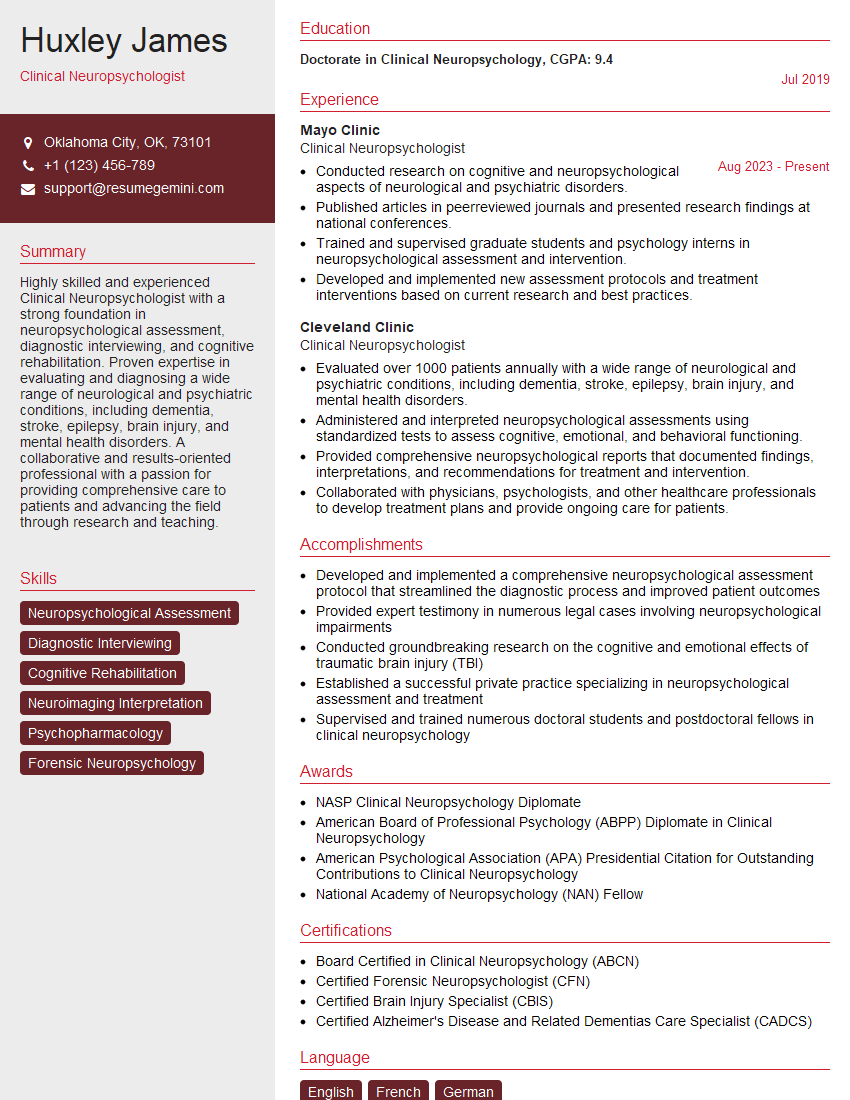
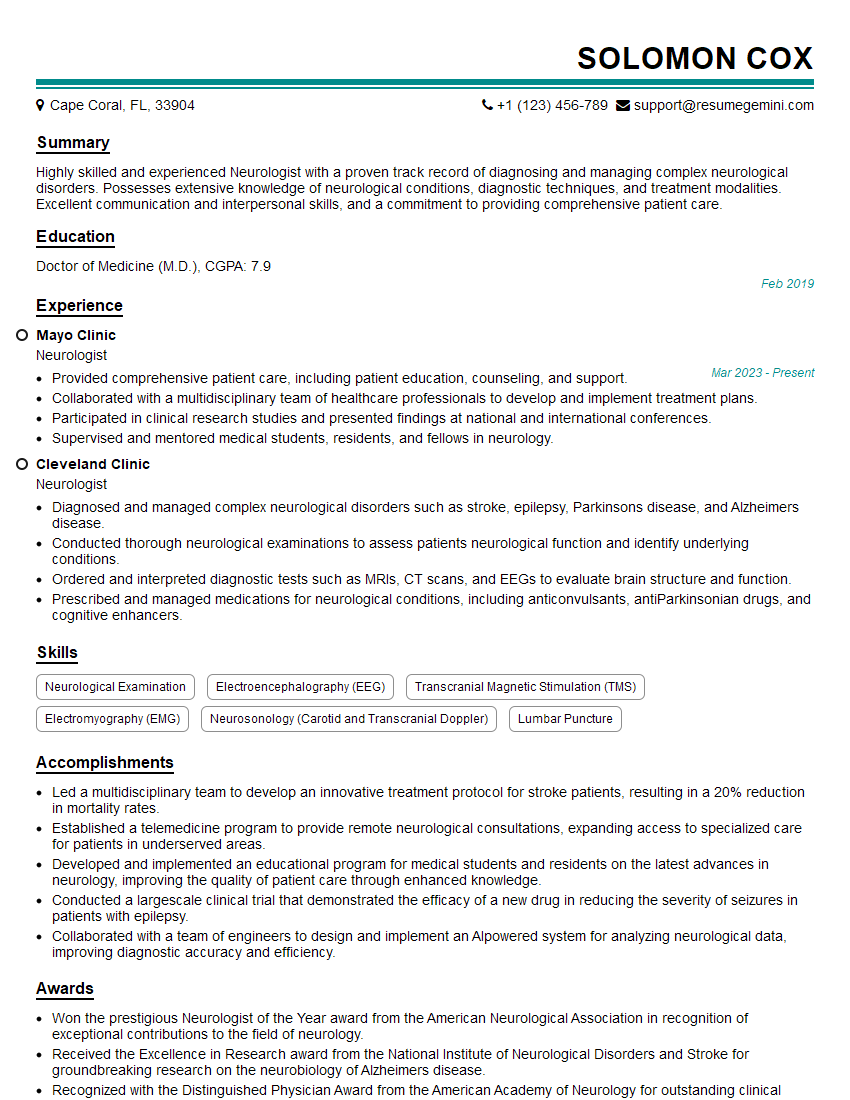
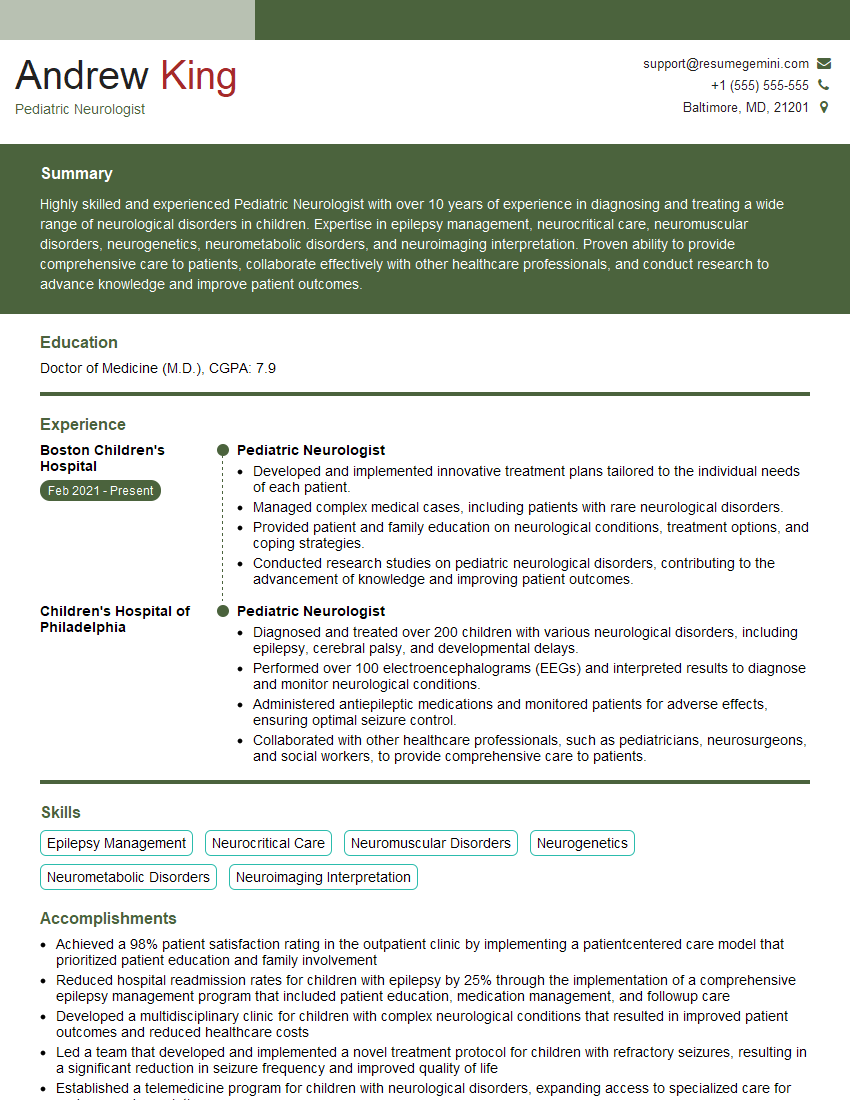
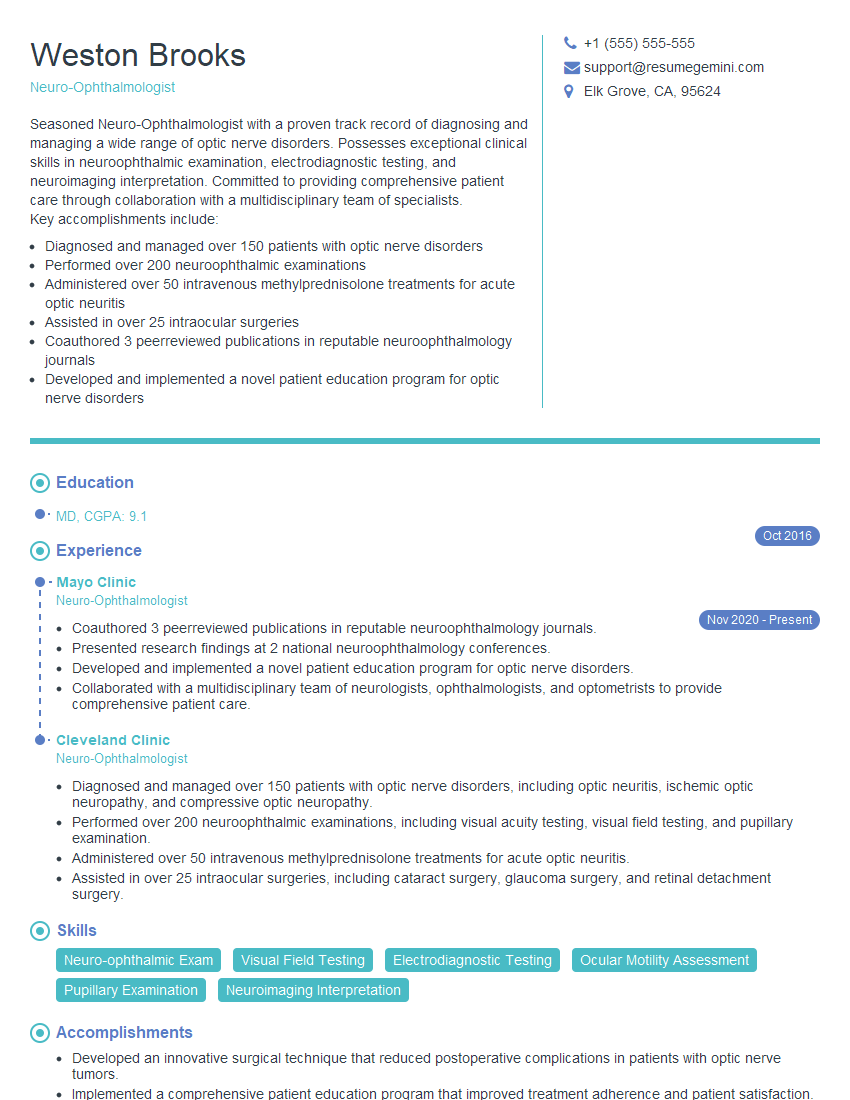
Mastering Neurological Disorders Evaluation is crucial for career advancement in the field of neurology and related disciplines. A strong understanding of these concepts significantly enhances your ability to provide optimal patient care and contribute to a research environment. To maximize your job prospects, create an ATS-friendly resume that highlights your skills and experience effectively. ResumeGemini is a trusted resource that can help you build a professional and impactful resume. We provide examples of resumes tailored to Neurological Disorders Evaluation to guide you through this process. Take the next step in your career journey and create a resume that showcases your expertise!
Explore more articles
Users Rating of Our Blogs
Share Your Experience
We value your feedback! Please rate our content and share your thoughts (optional).
What Readers Say About Our Blog
To the interviewgemini.com Webmaster.
Very helpful and content specific questions to help prepare me for my interview!
Thank you
To the interviewgemini.com Webmaster.
This was kind of a unique content I found around the specialized skills. Very helpful questions and good detailed answers.
Very Helpful blog, thank you Interviewgemini team.