Interviews are more than just a Q&A session—they’re a chance to prove your worth. This blog dives into essential Contributing to a Positive Work Environment interview questions and expert tips to help you align your answers with what hiring managers are looking for. Start preparing to shine!
Questions Asked in Contributing to a Positive Work Environment Interview
Q 1. Describe a time you successfully resolved conflict within a team.
Conflict is inevitable in any team environment, but how we address it defines our ability to build a positive and productive workspace. In one instance, two team members, Sarah and Mark, clashed over project timelines. Sarah, focused on meticulous detail, preferred a slower, more thorough approach, while Mark, driven by deadlines, advocated for faster execution. This disagreement threatened to derail the project. My approach involved several steps:
- Active Listening: I separately spoke to Sarah and Mark, allowing each to fully express their concerns and perspectives without interruption. This showed them I valued their input.
- Identifying the Root Cause: I discovered their conflict stemmed not from personality differences but from a lack of clear communication about project priorities and deadlines.
- Collaborative Problem-Solving: I facilitated a joint meeting, guiding them toward a compromise. We redefined the project timeline, incorporating both Sarah’s need for thoroughness and Mark’s awareness of deadlines. We broke down the project into smaller, manageable tasks with clear milestones, addressing the underlying communication gap.
- Establishing Clear Expectations: Finally, we documented the revised plan, including roles and responsibilities, to prevent future misunderstandings.
The result? The project was completed successfully, on time, and with a noticeably improved team dynamic. Sarah and Mark even collaborated more effectively on subsequent projects, demonstrating a newfound appreciation for each other’s strengths.
Q 2. How do you foster open communication and collaboration within a team?
Open communication and collaboration are the cornerstones of a positive work environment. I foster this through a multi-pronged approach:
- Regular Team Meetings: We hold regular meetings, using a mix of formal agendas and informal discussions to ensure everyone feels heard. I actively encourage participation from all members, creating a safe space for questions, concerns, and ideas.
- Transparent Communication: I believe in transparency. I keep the team informed about project updates, company news, and any relevant changes. This avoids rumors and fosters trust.
- Diverse Communication Channels: We use various tools – instant messaging for quick updates, email for formal communications, and project management software for tracking progress – to accommodate individual preferences and project needs.
- Active Listening and Feedback: I actively listen to team members’ feedback and suggestions. I regularly solicit feedback on team processes and dynamics, showing that their opinions are valued.
- Constructive Conflict Resolution: Addressing conflict head-on, using techniques like active listening and collaborative problem-solving, demonstrates how to navigate disagreements respectfully and productively.
For instance, during one project, we implemented a daily stand-up meeting, using a simple framework: What did you do yesterday? What are you doing today? What obstacles are you facing? This brief but effective communication tool significantly improved team coordination and problem-solving.
Q 3. What strategies do you use to promote a culture of respect and inclusivity?
Promoting a culture of respect and inclusivity is paramount. My strategies include:
- Zero-Tolerance Policy for Harassment and Discrimination: I establish and consistently enforce a zero-tolerance policy for any form of harassment or discrimination, making it clear that such behavior is unacceptable.
- Diversity Training: I advocate for and participate in diversity and inclusion training programs to raise awareness and educate team members on unconscious bias and cultural sensitivity.
- Inclusive Language: I actively model and encourage the use of inclusive language that avoids gendered or biased terms.
- Creating a Safe Space for Sharing: I foster an environment where team members feel comfortable sharing their experiences and perspectives without fear of judgment or retribution.
- Representation Matters: I strive to ensure equitable representation of diverse voices and perspectives in team projects and decision-making processes.
One successful initiative involved creating an employee resource group (ERG) focusing on inclusivity. This group provided a platform for open dialogue, fostered a stronger sense of belonging, and contributed to more inclusive team practices.
Q 4. Explain your approach to handling employee complaints or concerns.
Employee complaints and concerns are valuable opportunities for improvement and demonstrate a team’s commitment to its members’ well-being. My approach involves:
- Confidential and Empathetic Listening: I provide a safe and confidential space for employees to express their concerns without fear of repercussions. I actively listen and show empathy, acknowledging their feelings.
- Understanding the Issue: I ask clarifying questions to fully understand the nature and context of the complaint or concern.
- Investigating the Matter: I thoroughly investigate the matter, gathering relevant information and perspectives to ensure a fair and impartial assessment.
- Developing a Solution: Based on my investigation, I work collaboratively with the employee and relevant stakeholders to develop a mutually agreeable solution. This could involve mediation, policy adjustments, or disciplinary actions, if necessary.
- Follow-up: I follow up with the employee to ensure the agreed-upon solution is implemented effectively and to monitor its impact.
For example, if an employee complains about bullying, I would initiate a confidential investigation, interview witnesses, and potentially involve HR to ensure a fair and just resolution. The priority remains protecting the employee and maintaining a safe work environment.
Q 5. How do you identify and address potential sources of negativity in the workplace?
Negativity, if left unchecked, can poison a workplace. I proactively identify and address potential sources through:
- Observation and Active Listening: I pay close attention to team dynamics, communication patterns, and individual behaviors. I actively listen for subtle signs of negativity, such as complaints, gossip, or cynicism.
- Anonymous Feedback Mechanisms: I provide anonymous channels for feedback, such as suggestion boxes or online surveys, to encourage open communication without fear of reprisal.
- Regular Check-ins: I conduct regular one-on-one check-ins with team members to gauge their morale and identify any concerns they may have.
- Addressing Systemic Issues: If negativity stems from systemic issues, such as excessive workload, unclear roles, or lack of recognition, I work to address those underlying problems.
- Promoting Positive Reinforcement: I actively reinforce positive behaviors and accomplishments, fostering a culture of appreciation and recognition.
For example, if I notice a pattern of complaints about a particular process, I would investigate the process’s efficiency and explore ways to streamline it, removing a source of frustration and negativity.
Q 6. Describe your experience with implementing team-building activities.
Team-building activities are crucial for strengthening relationships and fostering collaboration. My approach focuses on activities that are:
- Inclusive and Engaging: I choose activities that cater to diverse interests and abilities, ensuring everyone feels involved and valued.
- Relevant to the Team’s Goals: I try to align activities with the team’s goals and challenges, making them meaningful and productive.
- Fun and Relaxing: The activities should be enjoyable and allow for social interaction, reducing stress and improving morale.
- Purposeful and Reflective: Ideally, activities include elements of reflection and debriefing, encouraging discussion and learning.
I’ve successfully implemented escape rooms, volunteering events, and creative problem-solving workshops. For example, an escape room challenged the team to work together under pressure, highlighting communication and problem-solving skills. A post-activity debrief allowed us to reflect on our successes and areas for improvement.
Q 7. How do you recognize and reward employees’ contributions to a positive work environment?
Recognizing and rewarding contributions to a positive work environment is crucial for maintaining morale and motivation. My approach includes:
- Public Acknowledgement: I regularly acknowledge and appreciate individual and team contributions in team meetings and through written communications.
- Peer Recognition Programs: I encourage and facilitate peer-to-peer recognition programs, allowing team members to express appreciation for each other’s efforts.
- Performance Reviews: I include contributions to team positivity and collaboration in performance reviews, linking them to overall performance evaluations.
- Small Gestures of Appreciation: I incorporate small gestures of appreciation, such as thank-you notes, gift cards, or informal celebrations, to recognize specific achievements and positive behaviors.
- Opportunities for Growth and Development: I provide opportunities for professional development and advancement as a way to recognize and reward commitment to the team and the organization.
For example, during our annual team retreat, we introduced a “Positive Impact Award,” voted on by the team members themselves. This initiative was highly effective in boosting morale and recognizing those who consistently contributed to the positive atmosphere.
Q 8. How do you manage stress and maintain a positive attitude during challenging periods?
Maintaining a positive attitude during challenging times is crucial for both personal well-being and effective leadership. My approach is multifaceted and focuses on proactive stress management techniques.
- Mindfulness and Self-Care: I prioritize regular mindfulness practices like meditation or deep breathing exercises to center myself and manage stress levels. This helps me approach challenges with a clearer head. I also ensure I get enough sleep, eat nutritious food, and engage in regular physical activity – these are not optional, they’re essential for sustained energy and resilience.
- Problem-Solving Focus: Instead of dwelling on anxieties, I shift my focus to identifying the root cause of the challenge and developing concrete solutions. This proactive approach transforms stress into productive energy.
- Positive Self-Talk: I consciously practice positive self-talk, reminding myself of past successes and focusing on my strengths. This helps maintain a confident and optimistic outlook, even in difficult situations.
- Seeking Support: I’m not afraid to ask for help when needed. Whether it’s discussing challenges with a mentor, colleague, or utilizing employee assistance programs, seeking support is a sign of strength, not weakness.
For example, during a particularly demanding project deadline, I found myself feeling overwhelmed. Instead of panicking, I prioritized tasks, delegated where possible, and scheduled short breaks for mindfulness exercises. This helped me maintain focus and a positive attitude, ultimately leading to successful project completion.
Q 9. How do you encourage employee engagement and morale?
Encouraging employee engagement and morale requires a holistic approach that fosters a sense of belonging, purpose, and recognition.
- Open Communication: I create an environment where open and honest communication is encouraged. This includes regular team meetings, one-on-one check-ins, and opportunities for feedback. Transparency about company goals and performance is crucial.
- Recognition and Rewards: I actively recognize and reward both individual and team accomplishments, both big and small. This could be through verbal praise, public acknowledgment, bonuses, or even small gestures of appreciation.
- Empowerment and Autonomy: I empower employees by giving them ownership of their work and encouraging their participation in decision-making processes. Feeling trusted and valued significantly boosts engagement.
- Team Building Activities: I regularly organize team-building activities – both formal and informal – to foster camaraderie and improve communication among team members. These activities can be anything from social gatherings to collaborative problem-solving exercises.
- Opportunities for Growth and Development: Providing opportunities for professional development, such as training courses or mentorship programs, shows employees that their growth is valued and invested in.
For instance, I once organized a team-building retreat focused on collaborative problem-solving. This resulted not only in improved teamwork but also in stronger relationships and increased morale, translating to higher productivity and creativity.
Q 10. Explain your experience with performance management and its impact on workplace morale.
Performance management is a critical tool for improving individual and team performance and directly impacts workplace morale. When done effectively, it’s a powerful motivator; when done poorly, it can be demoralizing.
- Regular Feedback: I believe in providing regular, constructive feedback – both positive and negative – throughout the year, not just during annual reviews. This allows for timely course correction and prevents surprises.
- Goal Setting: Collaborative goal setting ensures that employees are invested in their objectives and understand how their work contributes to broader company goals. This creates a sense of purpose and achievement.
- Fair and Consistent Evaluation: Performance evaluations should be objective, fair, and consistently applied across the team. Transparency in the process is key to building trust.
- Development Plans: Performance reviews should not be solely focused on past performance but should also include plans for future development. Identifying areas for improvement and providing support for growth enhances employee morale and retention.
In a past role, I implemented a system of regular check-ins coupled with quarterly performance discussions. This approach fostered open communication, improved performance, and significantly boosted team morale. Employees felt valued and supported, leading to higher retention rates and increased productivity.
Q 11. Describe a situation where you had to mediate a conflict between team members.
Conflict resolution is an essential skill for creating a positive work environment. My approach involves active listening, empathy, and a focus on finding mutually acceptable solutions.
In one instance, two team members were locked in a disagreement over project priorities. I facilitated a meeting where each member had the opportunity to explain their perspective without interruption. I actively listened to their concerns, identified the root cause of the conflict (differing interpretations of project deadlines), and then guided them toward a compromise that satisfied both parties. This involved collaboratively adjusting the project timeline and clarifying roles and responsibilities. The outcome was a resolution that preserved the working relationship and avoided further friction.
Key steps I followed:
- Create a safe space: I ensured both individuals felt comfortable expressing their views.
- Active Listening: I focused on understanding their perspectives rather than judging.
- Identify the root cause: I delved deeper than the surface-level arguments to understand the underlying issue.
- Collaborative problem-solving: I guided them in finding a mutually acceptable solution.
- Follow-up: I checked in with them afterward to ensure the resolution was working effectively.
Q 12. How do you ensure that employees feel valued and respected?
Making employees feel valued and respected is paramount to creating a positive work environment. This involves consistent actions and thoughtful gestures that show genuine appreciation.
- Regular Appreciation: I regularly express appreciation for employees’ contributions, both individually and as a team. This includes acknowledging their hard work, dedication, and successes, both in public and private settings.
- Personalized Recognition: I strive to tailor my recognition to each individual, understanding their unique motivations and preferences. What motivates one person might not motivate another.
- Open-Door Policy: I maintain an open-door policy, making myself accessible to my team members and encouraging them to share their thoughts and concerns without fear of reprisal.
- Involving Employees in Decisions: Where appropriate, I involve employees in decisions that affect their work, demonstrating that their opinions are valued.
- Fair Treatment: I ensure fair and equitable treatment for all team members, regardless of their background or position.
For example, I once took the time to write personalized thank-you notes to each member of my team after completing a challenging project. This simple gesture went a long way in showing my sincere appreciation for their efforts.
Q 13. How do you promote work-life balance within your team?
Promoting work-life balance is essential for employee well-being and productivity. My approach involves setting realistic expectations, encouraging the use of available resources, and fostering a culture that values time off.
- Set Realistic Expectations: I avoid overloading my team with unrealistic workloads or deadlines. I encourage them to prioritize tasks and manage their time effectively.
- Encourage Use of Time Off: I actively encourage team members to utilize their vacation time and sick days, emphasizing that taking breaks is essential for avoiding burnout.
- Flexible Work Arrangements: Where possible, I support flexible work arrangements, such as telecommuting or flexible hours, to accommodate individual needs and circumstances.
- Promote Healthy Boundaries: I discourage after-hours work and emphasize the importance of disconnecting after work hours.
- Lead by Example: I model healthy work-life balance behaviors myself.
For example, I recently implemented a policy allowing employees to work remotely one day a week, leading to increased job satisfaction and reduced stress levels.
Q 14. What strategies do you use to improve employee wellbeing?
Improving employee well-being is a continuous process. My strategies focus on a multi-pronged approach to promote physical, mental, and emotional health.
- Wellness Programs: I support and promote company wellness programs, such as gym memberships, stress management workshops, or health screenings.
- Mental Health Resources: I ensure employees have access to mental health resources, such as employee assistance programs (EAPs) or mental health professionals.
- Ergonomic Workspaces: I ensure that employees have ergonomic workspaces to prevent physical strain and discomfort.
- Stress Reduction Strategies: I encourage the adoption of stress reduction techniques, such as mindfulness, yoga, or meditation.
- Open Communication about Wellbeing: I create a culture where employees feel comfortable discussing their well-being concerns without fear of judgment.
In a previous role, I initiated a monthly ‘Wellness Wednesday’ initiative where we had activities like yoga sessions, healthy cooking demonstrations, and mindfulness workshops. This initiative led to improved employee morale and a more positive and supportive work environment.
Q 15. How do you handle situations involving difficult or negative employees?
Addressing negativity in the workplace requires a multifaceted approach prioritizing understanding, communication, and clear expectations. I begin by attempting to understand the root cause of the negative behavior. Is it a result of personal issues, workplace stress, lack of clarity on roles, or something else? This requires active listening and empathetic engagement. I avoid judgment and focus on objectively assessing the situation.
Once the root cause is identified, I work collaboratively with the employee to develop solutions. This may involve providing additional training, clarifying roles and responsibilities, adjusting workload, or offering access to employee assistance programs (EAPs). For instance, if the negativity stems from feeling overwhelmed, we can explore strategies for better time management or delegation. If it’s a personality clash, I might facilitate mediation sessions between the parties involved. If the behavior persists despite these interventions, and it significantly impacts the work environment or violates company policy, then progressive disciplinary action may be necessary, as outlined in the company’s handbook.
Throughout this process, I maintain consistent, transparent communication with both the employee and their manager. This ensures everyone is informed of the steps being taken and fosters a sense of fairness and accountability.
Career Expert Tips:
- Ace those interviews! Prepare effectively by reviewing the Top 50 Most Common Interview Questions on ResumeGemini.
- Navigate your job search with confidence! Explore a wide range of Career Tips on ResumeGemini. Learn about common challenges and recommendations to overcome them.
- Craft the perfect resume! Master the Art of Resume Writing with ResumeGemini’s guide. Showcase your unique qualifications and achievements effectively.
- Don’t miss out on holiday savings! Build your dream resume with ResumeGemini’s ATS optimized templates.
Q 16. How do you create and maintain a positive and productive team dynamic during remote work?
Maintaining a positive and productive remote team dynamic requires a proactive and intentional approach. Communication is key. Instead of relying solely on email, I leverage various communication channels – video conferencing for regular team meetings, instant messaging for quick questions, and project management tools for task tracking. Regular virtual coffee breaks or social events can help foster camaraderie and build relationships, mitigating feelings of isolation.
Clear expectations and well-defined roles are crucial. To ensure everyone is on the same page, I use project management software to outline project goals, timelines, and individual responsibilities. Regular check-ins with team members ensure they feel supported and are not facing unexpected hurdles. Transparency and open communication about challenges helps to prevent frustration.
Recognizing and celebrating individual and team successes, even small ones, boosts morale. I actively encourage peer-to-peer recognition and provide regular feedback to team members to acknowledge their contributions and efforts. For example, we might use a team communication channel to publicly praise an individual’s exceptional work on a particular project. This creates a positive reinforcement loop, fostering a sense of shared accomplishment.
Q 17. Describe your experience in implementing diversity and inclusion initiatives.
My experience with diversity and inclusion initiatives encompasses various aspects, from recruitment and hiring practices to ongoing employee engagement programs. In past roles, I’ve actively participated in developing inclusive recruitment strategies to ensure a diverse applicant pool. This includes reviewing job descriptions to eliminate gendered or biased language, partnering with diverse organizations for recruitment, and utilizing blind resume screening to reduce unconscious bias.
Beyond recruitment, I’ve helped implement employee resource groups (ERGs) that provide a supportive community for employees from underrepresented groups. These groups not only foster a sense of belonging but also provide valuable insights into the experiences of diverse employees, contributing to better workplace policies and practices. We’ve also conducted workshops and training sessions focused on unconscious bias, cultural sensitivity, and inclusive leadership styles to foster a more understanding and welcoming workplace.
Measuring the effectiveness of these initiatives involves tracking key metrics such as employee satisfaction scores, diversity representation at various organizational levels, and employee turnover rates among diverse groups. This data helps us to evaluate the impact of our initiatives and make adjustments to optimize our strategies.
Q 18. How do you identify and address potential biases in the workplace?
Identifying and addressing biases requires a combination of self-awareness, objective assessment, and ongoing education. I start by examining processes and procedures for potential biases. For example, I carefully review performance reviews to ensure they are objective, based on clear criteria, and free from subjective interpretations. Are certain individuals consistently rated lower despite comparable performance? This can signal potential bias.
I actively look for patterns in hiring, promotion, and other personnel decisions. Are certain demographic groups underrepresented at various organizational levels? Analyzing this data can reveal potential systemic biases. Additionally, I encourage open dialogue and feedback within the team, creating a safe space for employees to share their experiences and concerns without fear of retribution.
Bias training and workshops can significantly improve awareness and help mitigate unconscious biases. I advocate for regular training opportunities focused on inclusive leadership and strategies for recognizing and overcoming personal biases. It’s crucial to remember that addressing bias is an ongoing process requiring continuous effort and vigilance.
Q 19. Explain your understanding of organizational culture and how it impacts productivity.
Organizational culture refers to the shared values, beliefs, and norms that shape employee behavior and interactions. It’s the personality of a company, influencing everything from communication styles to decision-making processes. A positive organizational culture, characterized by trust, respect, and open communication, directly impacts productivity. Employees feel valued, engaged, and motivated when they work in a supportive environment that aligns with their personal values.
Conversely, a negative culture—one marked by fear, mistrust, or lack of recognition—can significantly hinder productivity. Employees may become disengaged, demotivated, and less likely to contribute their best work. High turnover rates, decreased morale, and poor teamwork are often indicators of a dysfunctional organizational culture. Therefore, cultivating a strong, positive culture is critical to organizational success.
Building a positive culture involves clearly defining and communicating organizational values, recognizing and rewarding positive behaviors, promoting open communication, and fostering collaboration. It’s a continuous effort that requires leadership commitment and employee participation.
Q 20. What are some key metrics you would use to measure the effectiveness of your efforts to create a positive work environment?
Measuring the effectiveness of creating a positive work environment requires a multifaceted approach using quantitative and qualitative data. Key metrics I would employ include:
- Employee Satisfaction Surveys: Regularly administered surveys provide valuable insights into employee morale, job satisfaction, and perceptions of the work environment.
- Employee Turnover Rate: High turnover can indicate underlying issues in the work environment, including poor morale or lack of engagement.
- Absenteeism Rates: High absenteeism rates may suggest stress, dissatisfaction, or health-related issues related to the workplace.
- Productivity Metrics: Tracking key performance indicators (KPIs) helps to evaluate the impact of a positive work environment on productivity and efficiency.
- Employee Engagement Scores: These scores measure employees’ commitment and enthusiasm towards their work and the organization.
- Diversity and Inclusion Metrics: Tracking representation of diverse groups at all levels helps assess the success of diversity initiatives.
- Feedback from Focus Groups and 360-degree Reviews: These provide qualitative data offering richer insights into employee experiences and perceptions.
Analyzing these metrics holistically helps to understand the overall effectiveness of initiatives focused on improving the work environment.
Q 21. How do you adapt your approach to creating a positive work environment based on different team dynamics?
My approach to creating a positive work environment is adaptable and responsive to the unique dynamics of each team. I recognize that different teams have varying needs, communication styles, and levels of experience. For instance, a newly formed team might require more structured guidance and team-building activities to establish trust and rapport. I would prioritize clear communication of expectations, regular check-ins, and collaborative project assignments to foster team cohesion.
In contrast, a highly experienced team might benefit from a more autonomous and collaborative approach. In this case, I might focus on empowering team members, fostering open communication, and providing opportunities for professional development. I’d also encourage them to take ownership of their work and participate in decision-making processes.
Regardless of the team’s dynamics, I consistently prioritize active listening, empathy, and open communication. This foundational approach allows me to understand the unique needs and challenges of each team, tailor my strategies accordingly, and create a supportive and productive work environment for everyone involved.
Q 22. Describe a time you had to deal with a difficult stakeholder.
Dealing with difficult stakeholders requires a strategic approach that prioritizes understanding, communication, and collaboration. It’s not about winning an argument, but finding mutually beneficial solutions. In one instance, a senior manager consistently rejected my team’s innovative project proposals without providing constructive criticism. Instead of becoming defensive, I scheduled a one-on-one meeting to understand their concerns. Through active listening, I discovered their resistance stemmed from a fear of disrupting established processes. I addressed this by presenting a phased implementation plan, showcasing the incremental benefits and minimizing disruption. This demonstrated a willingness to collaborate and understand their perspective, ultimately leading to the project’s approval.
My strategy involves:
- Active Listening: Truly hearing their concerns and understanding their underlying motivations.
- Empathy: Putting myself in their shoes to grasp their viewpoint.
- Clear Communication: Presenting information clearly and concisely, tailored to their needs.
- Collaboration: Working together to find solutions that address everyone’s needs.
- Documentation: Keeping a record of agreements and decisions.
Q 23. How do you encourage creativity and innovation within your team?
Fostering creativity and innovation requires cultivating a safe and supportive environment where team members feel comfortable taking risks and exploring new ideas. Think of it like a garden – you need to provide the right conditions for ideas to flourish. We start by creating dedicated brainstorming sessions, using techniques like mind-mapping and ‘brainwriting’ to generate a wide range of ideas without immediate judgment. We also encourage cross-functional collaboration, connecting team members with diverse perspectives to spark fresh thinking. Regular ‘innovation days’ allow the team to work on projects unrelated to their daily tasks, giving them time to explore their interests and develop innovative solutions.
Key strategies include:
- Brainstorming Sessions: Structured sessions dedicated to idea generation.
- Cross-functional Collaboration: Encouraging teamwork across departments.
- Innovation Days: Dedicated time for exploring new concepts.
- Recognition and Rewards: Celebrating innovative ideas and contributions.
- Feedback Mechanisms: Gathering and acting upon team feedback.
Q 24. What are your strategies for providing constructive feedback?
Constructive feedback is about helping individuals grow, not criticizing them. Imagine it as guiding someone on a path rather than reprimanding them for straying. My approach emphasizes a ‘situation-behavior-impact’ framework. I focus on describing a specific situation, the behavior observed, and the impact that behavior had. I always start by highlighting positive aspects of their work, before addressing areas for improvement. I frame suggestions as opportunities for growth, emphasizing what they can do to improve, rather than dwelling on what they did wrong. The feedback is always delivered privately, in a supportive and respectful manner.
My approach involves:
- Situation-Behavior-Impact Framework: Focusing on specific situations and behaviors.
- Positive Reinforcement: Highlighting strengths and accomplishments.
- Actionable Suggestions: Providing clear steps for improvement.
- Private and Respectful Delivery: Delivering feedback in a supportive environment.
- Follow-up: Checking in after feedback to see progress.
Q 25. How do you ensure that your team feels supported and empowered?
Empowering a team means providing them with the autonomy, resources, and support they need to succeed. It’s about fostering a sense of ownership and belief in their abilities. We achieve this through open communication, where team members feel comfortable sharing their ideas and concerns. Delegation is key; I assign tasks based on individual strengths and provide opportunities for skill development. Regular check-ins provide support and address challenges proactively. Furthermore, I actively celebrate successes, both big and small, to reinforce positive outcomes and foster team morale. We also provide access to relevant training and resources, empowering the team to continuously improve their skills and capabilities.
My strategies include:
- Open Communication: Fostering a transparent and communicative environment.
- Delegation: Assigning tasks based on individual strengths.
- Skill Development Opportunities: Providing training and resources.
- Regular Check-ins: Providing support and addressing challenges.
- Recognition and Celebration: Acknowledging successes and contributions.
Q 26. How do you maintain a positive work environment despite tight deadlines and pressure?
Maintaining positivity under pressure is crucial for team well-being and productivity. Think of it like a ship navigating a storm – you need to keep the crew motivated and focused on the destination. We utilize regular team meetings to discuss progress, celebrate achievements, and address challenges collaboratively. We break down large tasks into smaller, manageable goals to reduce feelings of overwhelm. We also prioritize work-life balance by encouraging breaks and time off. Open communication helps everyone stay informed and manage expectations effectively. Importantly, we acknowledge the pressure and openly discuss strategies for coping with stress. Creating a supportive and understanding atmosphere helps the team weather the storm together.
Key strategies include:
- Regular Team Meetings: To discuss progress and challenges.
- Task Breakdown: Making large tasks more manageable.
- Work-Life Balance: Encouraging breaks and time off.
- Open Communication: Keeping everyone informed.
- Stress Management Strategies: Discussing coping mechanisms.
Q 27. How do you deal with situations where employees are experiencing burnout?
Burnout is a serious issue that needs to be addressed proactively. Recognizing the signs – exhaustion, cynicism, and reduced professional efficacy – is the first step. If I observe signs of burnout in a team member, I initiate a private conversation to understand their concerns and offer support. This often involves adjusting their workload, providing additional resources, or offering flexibility in their schedule. We also encourage utilizing available mental health resources and emphasize the importance of taking breaks and prioritizing self-care. It’s crucial to create a culture where seeking help is not stigmatized, but encouraged.
My approach involves:
- Early Identification: Recognizing signs of burnout.
- Private Conversations: Understanding individual needs and concerns.
- Workload Adjustment: Modifying tasks and responsibilities.
- Resource Provision: Providing necessary support and tools.
- Mental Health Resources: Encouraging utilization of available services.
- Self-Care Emphasis: Promoting work-life balance and well-being.
Q 28. What are your strategies for onboarding new employees into a positive work environment?
Onboarding is crucial for integrating new employees into a positive and productive work environment. It’s like introducing a new player to a team – you want them to feel welcome and understand the game. We start with a structured onboarding program that includes a comprehensive introduction to the company culture, team dynamics, and expectations. We assign a mentor to guide the new employee and answer their questions. We also schedule regular check-ins to monitor their progress and address any concerns. Early opportunities to contribute to team projects help integrate them quickly and foster a sense of belonging. We aim to create a welcoming atmosphere where new employees feel comfortable asking questions and seeking support.
My strategies include:
- Structured Onboarding Program: A comprehensive introduction to the company and team.
- Mentorship Program: Pairing new employees with experienced colleagues.
- Regular Check-ins: Monitoring progress and addressing concerns.
- Early Project Involvement: Providing opportunities to contribute to team work.
- Welcoming Atmosphere: Creating a supportive and inclusive environment.
Key Topics to Learn for Contributing to a Positive Work Environment Interview
- Active Listening and Communication: Understanding how to effectively listen to colleagues, provide constructive feedback, and communicate your ideas clearly and respectfully.
- Teamwork and Collaboration: Demonstrating your ability to work effectively within a team, sharing responsibilities, and contributing to a shared goal. Practical application: Give examples of successful team projects and your role in fostering collaboration.
- Conflict Resolution: Knowing how to identify and address conflicts professionally and constructively, finding solutions that benefit all parties involved. Consider discussing strategies like mediation or compromise.
- Respectful Workplace Behavior: Understanding and adhering to company policies regarding diversity, inclusion, and respectful interactions. This includes demonstrating empathy and understanding different perspectives.
- Promoting a Positive Attitude: Highlighting your ability to maintain a positive and supportive demeanor, even during challenging situations. Show how you encourage others and contribute to a motivating work environment.
- Problem-Solving and Proactive Approaches: Demonstrating your ability to identify potential problems within the team dynamic and propose solutions to improve the work environment. Think about instances where you’ve identified and addressed inefficiencies or conflicts.
- Mentorship and Support: Discuss your experience in mentoring or supporting colleagues, fostering professional growth within the team. This showcases your commitment to a collaborative and supportive environment.
Next Steps
Mastering the art of contributing to a positive work environment is crucial for career advancement. Employers highly value individuals who can foster collaboration, resolve conflict effectively, and contribute to a thriving team dynamic. This skill translates across industries and significantly enhances your value as an employee. To significantly increase your chances of landing your dream job, focus on building a strong, ATS-friendly resume that highlights these key skills. ResumeGemini is a trusted resource to help you craft a professional and impactful resume that showcases your abilities. We provide examples of resumes tailored to emphasize your contributions to positive work environments, making your application stand out from the competition. Take the next step towards your career success today!
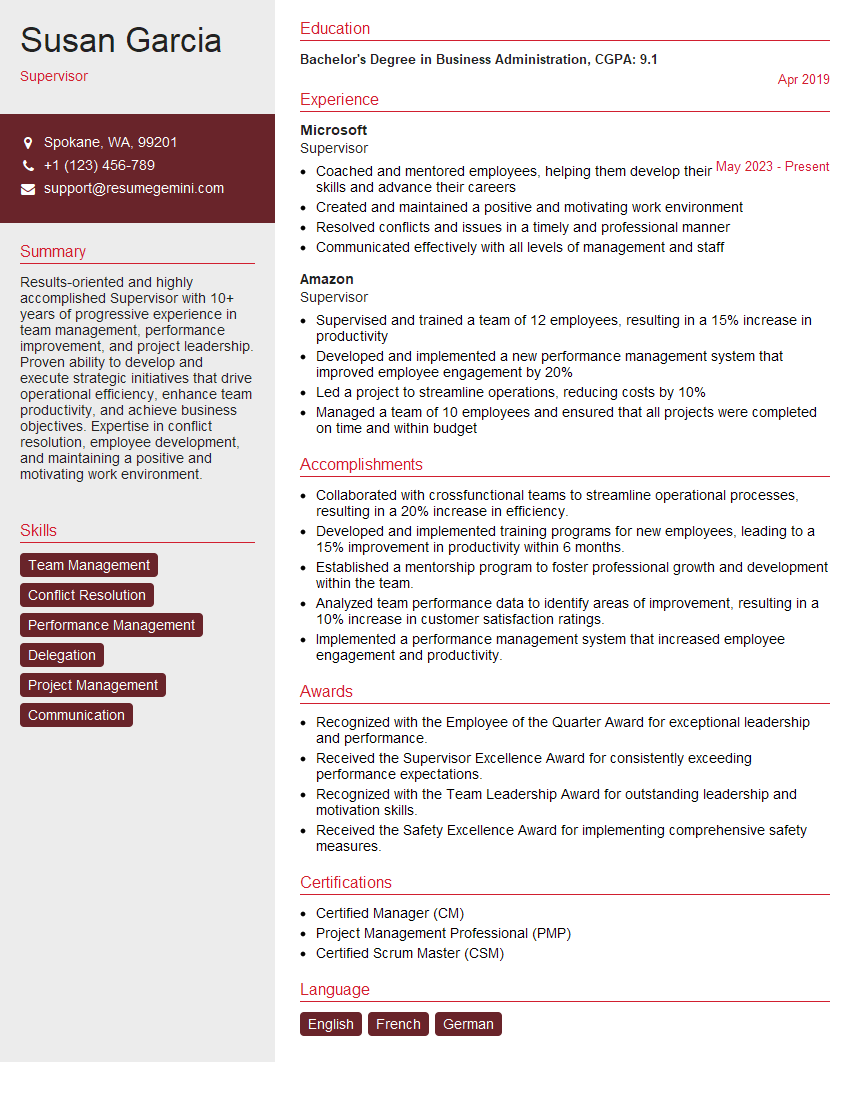
Supervisor Resume Sample
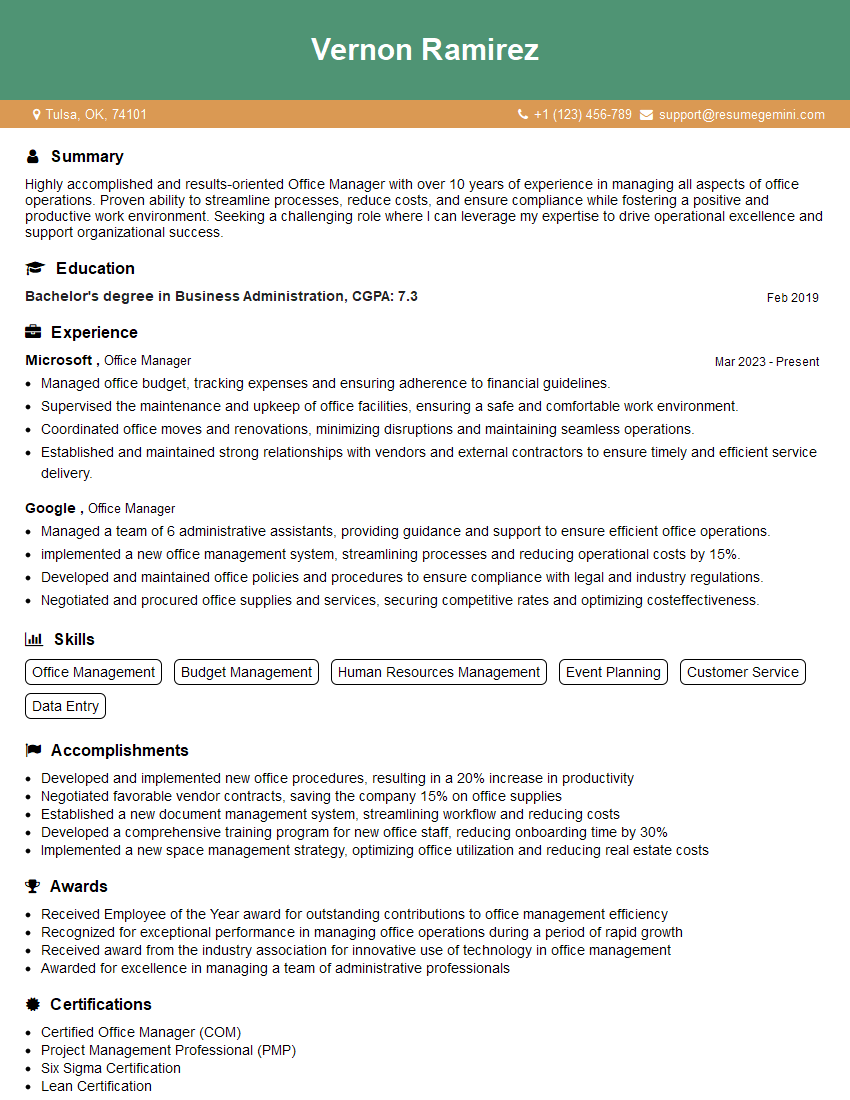
Office Manager Resume Sample

Operations Manager Resume Sample

Communications Manager Resume Sample
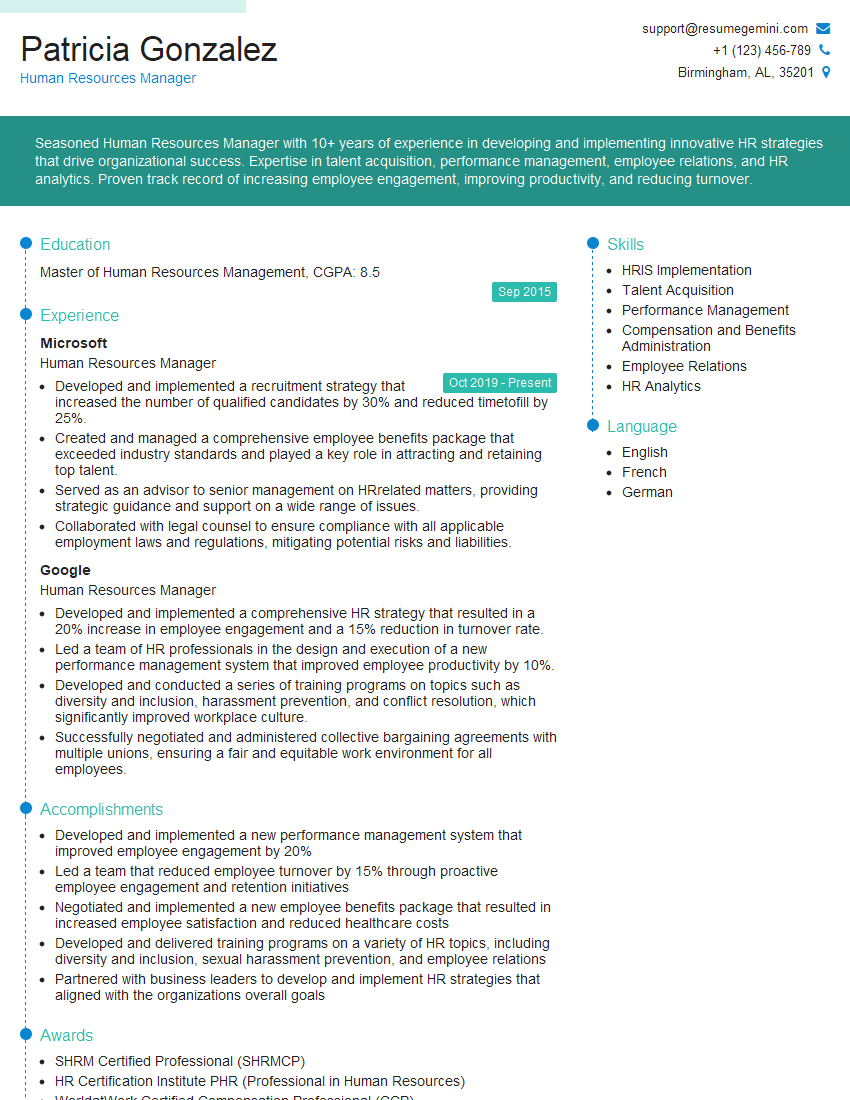
Human Resources Manager Resume Sample
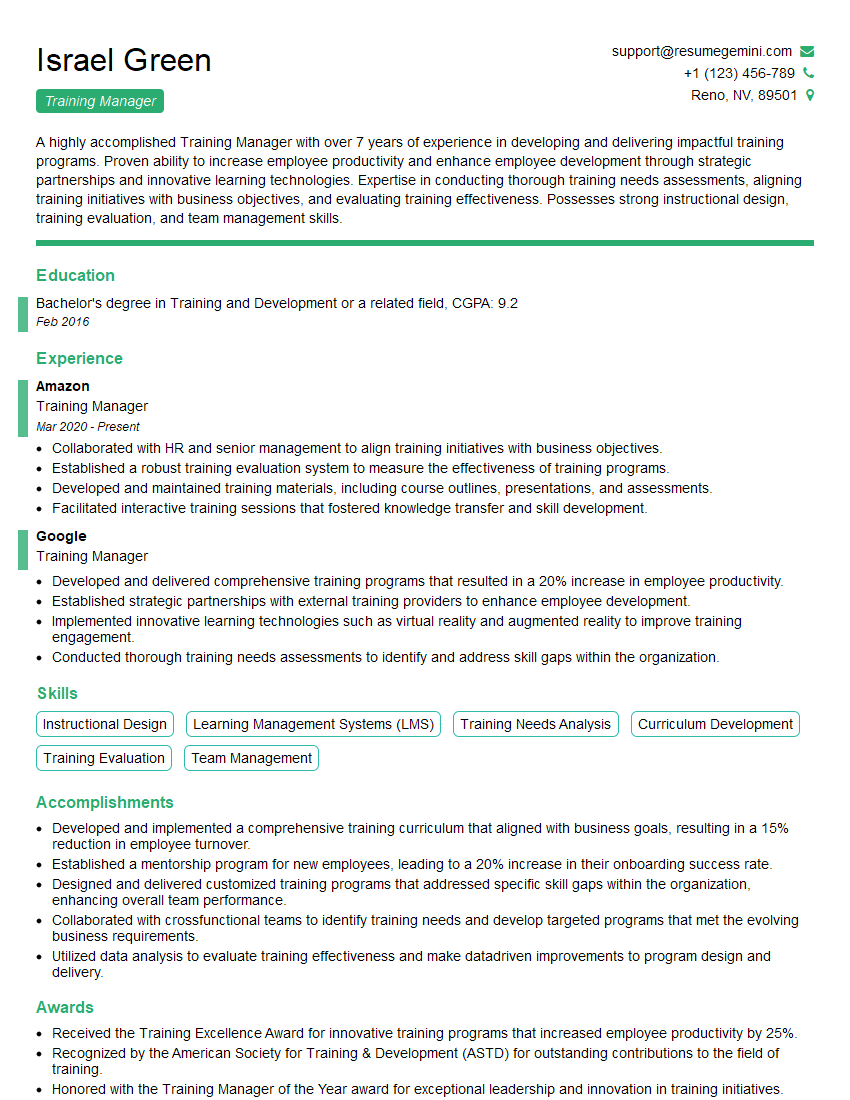
Training Manager Resume Sample

Project Manager Resume Sample
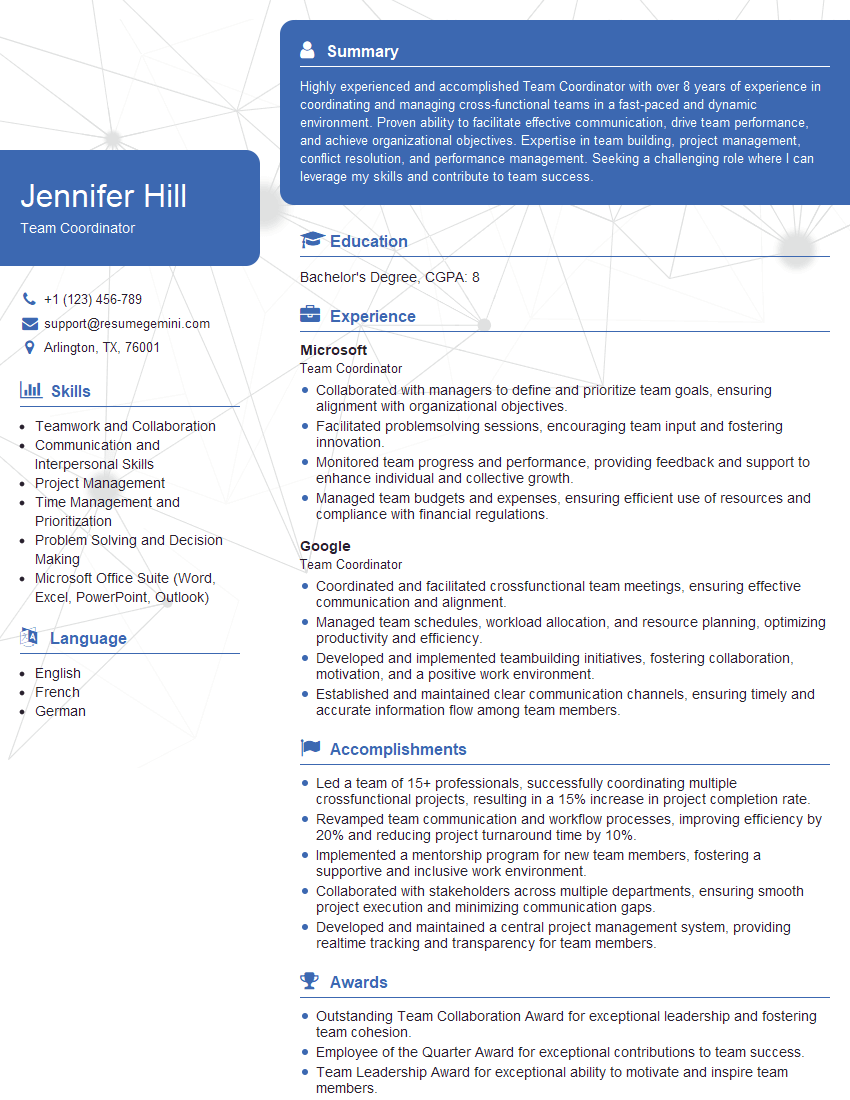
Team Coordinator Resume Sample
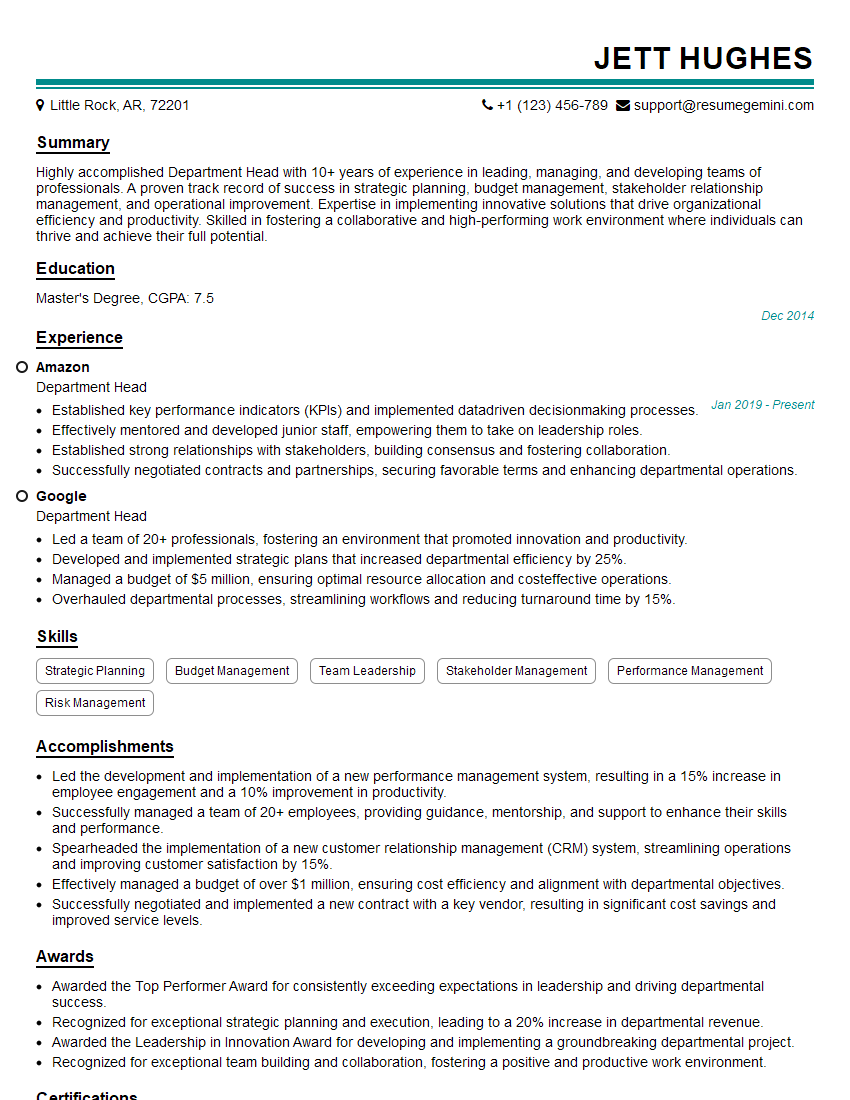
Department Head Resume Sample
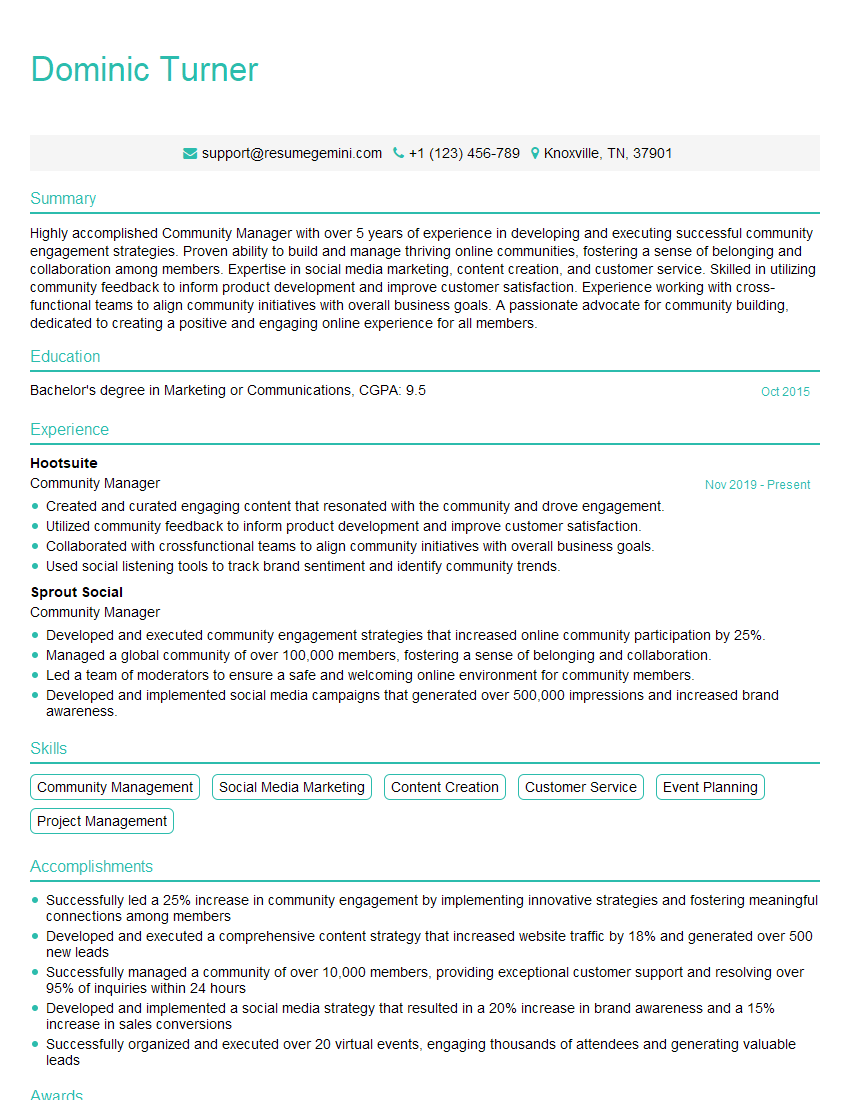
Community Manager Resume Sample
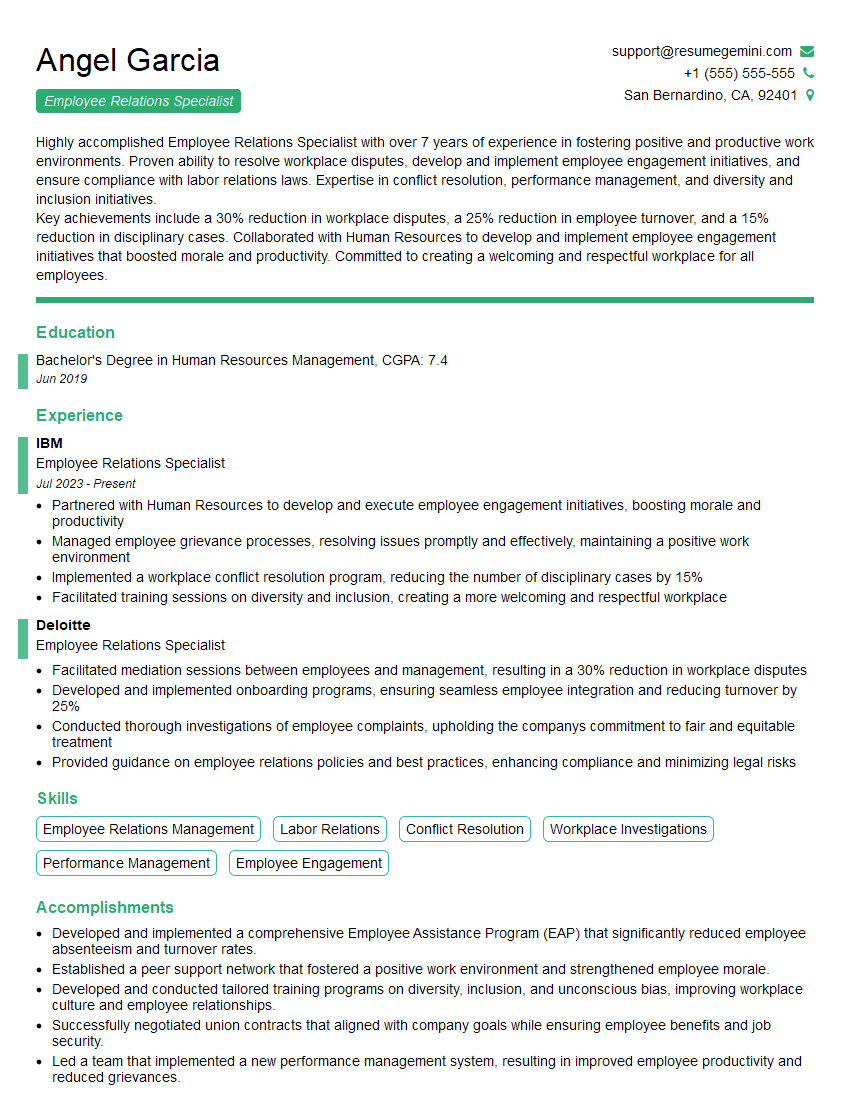
Employee Relations Specialist Resume Sample
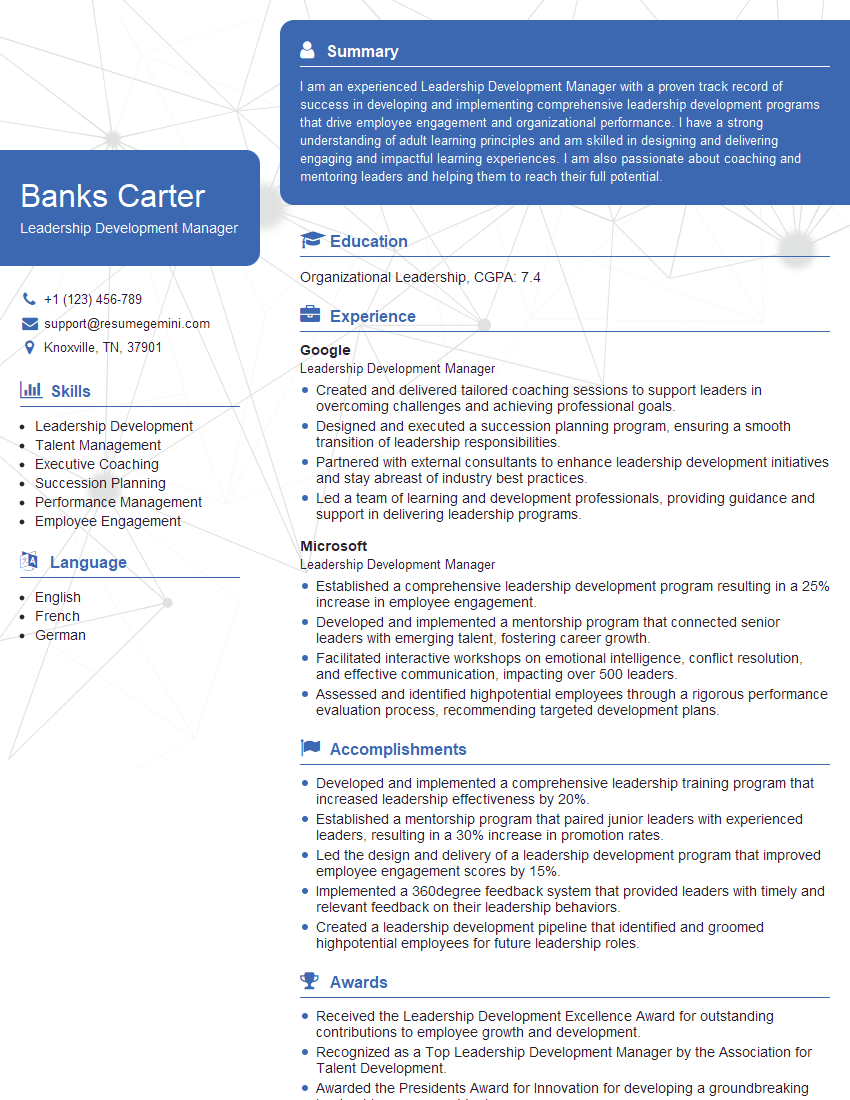
Leadership Development Manager Resume Sample
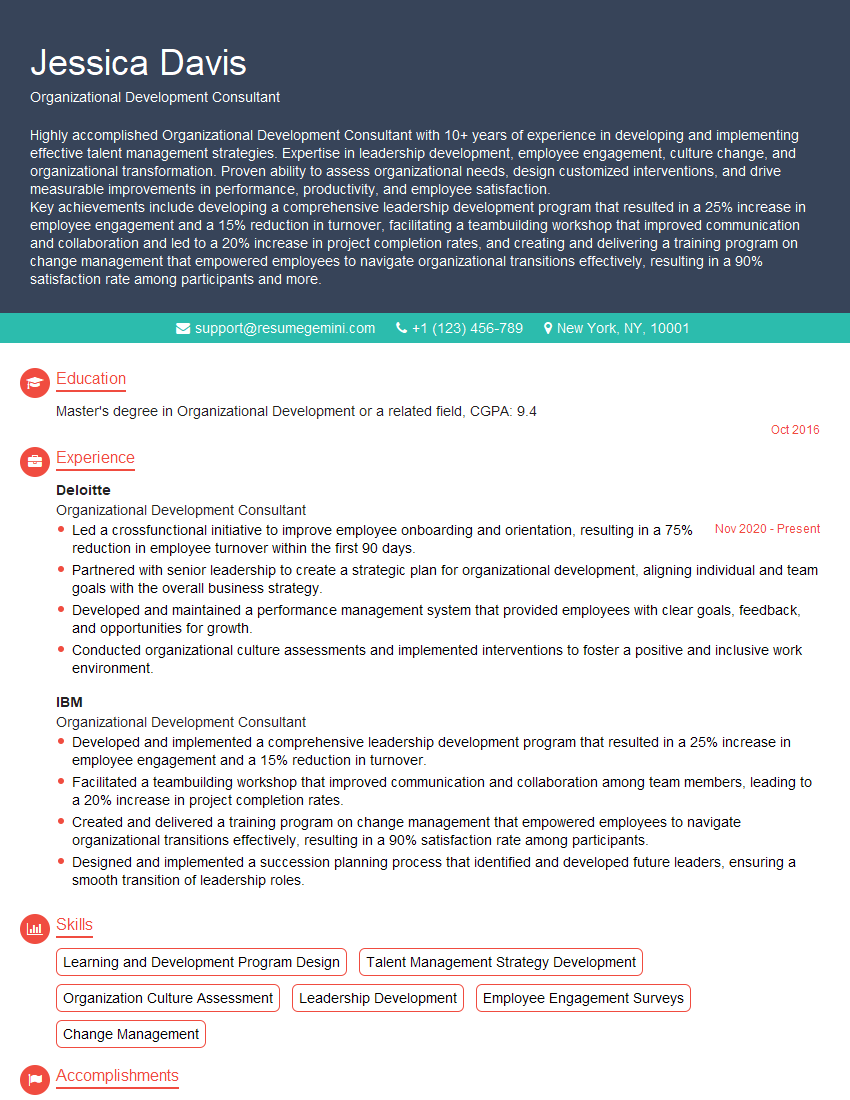
Organizational Development Consultant Resume Sample
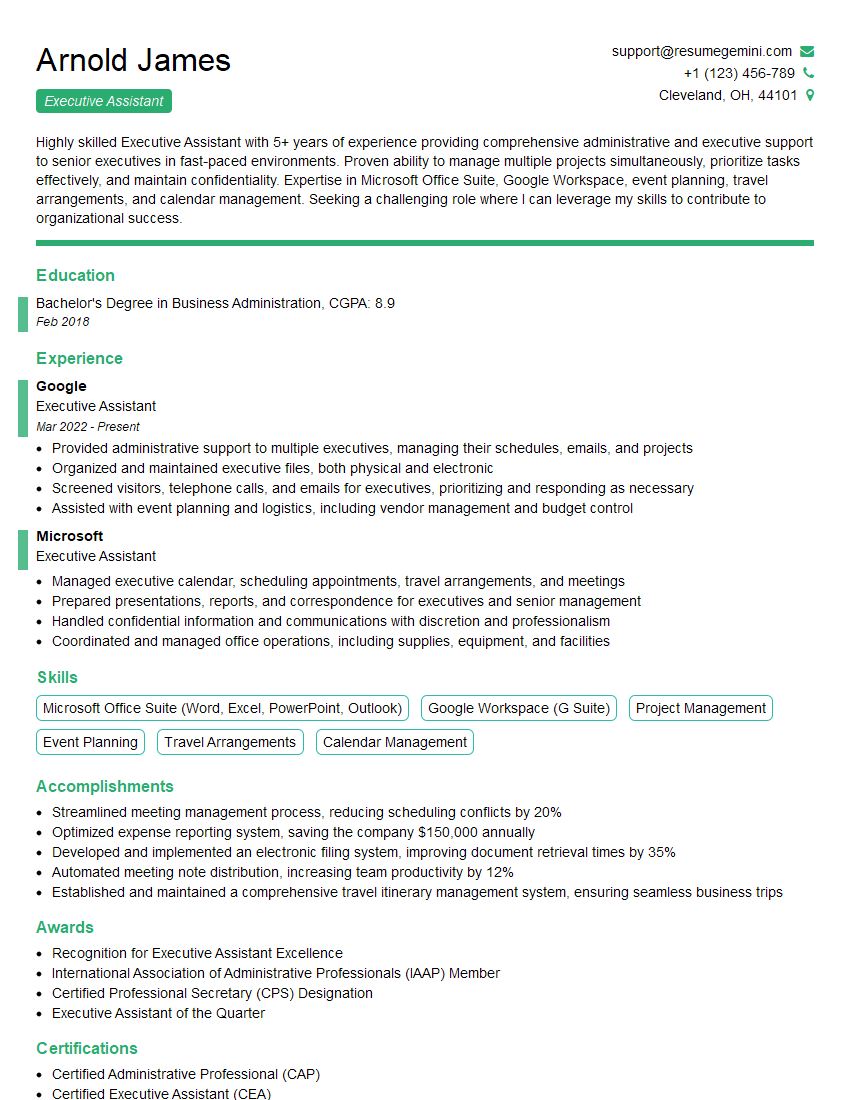
Executive Assistant Resume Sample
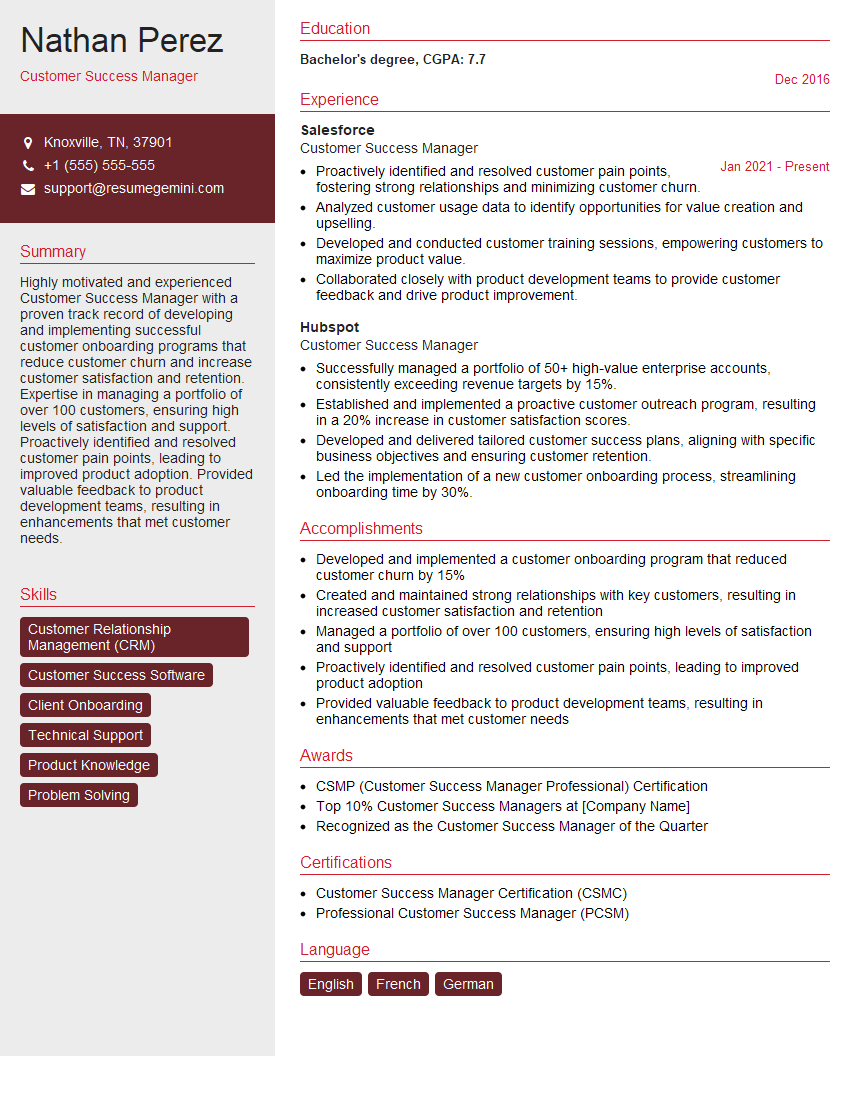
Customer Success Manager Resume Sample
- Supervisor
- Office Manager
- Operations Manager
- Communications Manager
- Human Resources Manager
- Training Manager
- Project Manager
- Team Coordinator
- Department Head
- Community Manager
- Employee Relations Specialist
- Leadership Development Manager
- Organizational Development Consultant
- Executive Assistant
- Customer Success Manager
Explore more articles
Users Rating of Our Blogs
Share Your Experience
We value your feedback! Please rate our content and share your thoughts (optional).
What Readers Say About Our Blog
To the interviewgemini.com Webmaster.
Very helpful and content specific questions to help prepare me for my interview!
Thank you
To the interviewgemini.com Webmaster.
This was kind of a unique content I found around the specialized skills. Very helpful questions and good detailed answers.
Very Helpful blog, thank you Interviewgemini team.