Are you ready to stand out in your next interview? Understanding and preparing for Selective Mutism interview questions is a game-changer. In this blog, we’ve compiled key questions and expert advice to help you showcase your skills with confidence and precision. Let’s get started on your journey to acing the interview.
Questions Asked in Selective Mutism Interview
Q 1. Define Selective Mutism (SM) and differentiate it from other communication disorders.
Selective Mutism (SM) is a complex anxiety disorder characterized by a child’s consistent inability to speak in specific social situations, despite speaking normally in other settings. This isn’t simply shyness; it’s a significant communication impairment impacting their daily life. The key differentiator from other communication disorders like stuttering or expressive language disorder is the *context-dependency* of the mutism. Children with SM *can* speak, but choose not to in certain situations, often due to intense anxiety. Unlike other communication disorders that stem from difficulties producing or understanding language, SM originates from a severe anxiety response that inhibits speech.
For example, a child with SM might speak fluently at home with family but be completely silent at school, even when attempting to communicate a pressing need. This contrasts with a child with expressive language disorder who might have difficulty forming words or sentences regardless of the environment. A child who stutters might have trouble with fluency in any context, unlike the selective nature of SM.
Q 2. What are the diagnostic criteria for SM according to DSM-5?
According to the DSM-5, the diagnostic criteria for Selective Mutism include:
- Consistent failure to speak in specific social situations (e.g., school) despite speaking in other situations (e.g., home).
- The disturbance interferes with educational or occupational achievement or with social communication.
- The duration of the disturbance is at least 1 month (not limited to the first month of school).
- The failure to speak is not attributable to a lack of knowledge of, or comfort with, the spoken language required in the social situation.
- The disturbance is not better explained by another communication disorder (e.g., communication disorder due to a known medical or genetic condition, childhood-onset fluency disorder [stuttering]) and does not occur exclusively during the course of schizophrenia or another psychotic disorder.
It’s crucial that clinicians thoroughly assess the child’s ability to speak in various settings to confirm the selective nature of the mutism and rule out other potential causes.
Q 3. Explain the prevalence and typical onset of SM.
The prevalence of SM is estimated to be relatively low, affecting approximately 0.5% to 1% of children. The typical onset is most often between the ages of 3 and 5 years old, coinciding with the child’s entry into preschool or other formal educational settings. This timeframe highlights the strong link between social anxiety and the development of SM. Many children with SM show early signs of shyness or anxiety even before the onset of the mutism itself. Early identification is crucial for better intervention.
Q 4. Describe the common comorbid conditions associated with SM.
Selective Mutism frequently co-occurs with other anxiety disorders, such as generalized anxiety disorder, social anxiety disorder, separation anxiety disorder, and specific phobias. Children with SM often exhibit avoidance behaviors in addition to their speech difficulties. Other common comorbid conditions include obsessive-compulsive disorder (OCD), depression, and difficulties with social interaction. It’s essential to consider these comorbid conditions during assessment and treatment planning, as addressing them may significantly improve the child’s overall functioning.
For instance, a child with SM might also struggle with separation anxiety, making it difficult for them to leave their parents even in familiar environments. Similarly, anxiety about germs or routines could manifest as OCD tendencies alongside their selective mutism.
Q 5. Outline the key components of a comprehensive assessment for SM.
A comprehensive assessment for SM involves a multi-faceted approach, gathering information from various sources. This includes:
- Detailed clinical interview: Understanding the child’s speaking patterns across different settings and environments, their anxiety levels, and the history of the mutism is crucial.
- Parent and teacher questionnaires: These provide valuable insights into the child’s behavior and communication patterns in different contexts. Standardized questionnaires can help to quantitatively assess the severity of SM and related symptoms.
- Behavioral observations: Direct observation of the child in various situations (home, school, clinic) helps determine the extent of the mutism and associated behaviors.
- Speech-language evaluation: To rule out any underlying speech or language disorders and to assess the child’s language comprehension and expression capabilities.
- Psychological testing: This can help identify the presence of comorbid conditions like anxiety and depression.
The goal of this comprehensive approach is to develop a clear understanding of the child’s presentation, strengths, and challenges, leading to a tailored treatment plan.
Q 6. What are the different therapeutic approaches used to treat SM?
Treatment for SM is typically multi-modal, combining various therapeutic approaches. The most commonly used approaches include:
- Behavioral therapy: This approach uses positive reinforcement and systematic desensitization to help the child gradually overcome their fear of speaking in specific situations. This might involve rewarding the child for progressively longer periods of speaking in challenging situations.
- Cognitive Behavioral Therapy (CBT): This targets underlying anxious thoughts and beliefs that contribute to the mutism.
- Family therapy: Involving the family in treatment helps ensure consistency across settings and provides support for both the child and parents.
- Medication: While medication doesn’t directly treat SM, it can help manage the associated anxiety and depression, making it easier for the child to engage in therapy.
The specific approach or combination of approaches depends on the individual child’s needs and circumstances. A gradual and patient approach is crucial, focusing on building the child’s confidence and self-efficacy.
Q 7. Explain the role of Cognitive Behavioral Therapy (CBT) in SM treatment.
Cognitive Behavioral Therapy (CBT) plays a vital role in treating SM by addressing the underlying cognitive and behavioral factors contributing to the mutism. CBT helps children identify and challenge negative thoughts and beliefs associated with speaking in specific settings, such as ‘I’ll be judged’ or ‘I’ll make a fool of myself’. Through cognitive restructuring, therapists guide children to develop more realistic and adaptive thought patterns. Behavioral techniques, such as graded exposure and response prevention, are employed to gradually increase the child’s comfort level in speaking situations. This might involve starting with speaking to trusted individuals in safe environments before gradually progressing to more challenging social interactions. CBT also equips children with coping skills to manage anxiety symptoms and build self-efficacy.
For example, a CBT therapist might work with a child to create a hierarchy of increasingly challenging speaking situations. The child might start by speaking one word to a therapist, then a short sentence to a parent, eventually leading to speaking in a classroom setting. At each step, relaxation and coping skills are practiced, replacing fear-based responses with more positive and confident ones. Success at each step reinforces the child’s ability to manage the anxiety and speak, ultimately reducing the mutism.
Q 8. How does play therapy contribute to SM intervention?
Play therapy is incredibly valuable in treating Selective Mutism (SM) because it provides a non-threatening avenue for communication. Children with SM often struggle to speak verbally, especially in social situations. Play therapy leverages the power of play to bypass this verbal barrier. Through play, children can express themselves, explore their emotions, and build communication skills in a safe and comfortable environment.
For example, a child might use puppets to enact a social scenario they find challenging, allowing the therapist to gently guide them towards verbal interaction. Using art materials, the child might draw or paint their feelings, opening up a dialogue about their anxieties and experiences. The therapist observes the child’s play, interpreting non-verbal cues and gradually encouraging more verbal participation. The key is to create a playful atmosphere where communication feels natural and less pressured.
Play therapy techniques are tailored to the individual child’s developmental stage and comfort level. It’s about building trust and confidence, making the therapeutic process a positive and empowering experience.
Q 9. Describe the importance of family involvement in SM treatment.
Family involvement is absolutely crucial in SM treatment. SM is rarely an isolated issue; it often stems from a complex interplay of factors within the family dynamic. Parents and siblings play a vital role in the child’s life, influencing their behaviors, anxieties, and self-esteem. Effective treatment needs to address these family dynamics.
For example, parents may inadvertently reinforce the child’s silence through excessive protection or by taking over communication for them. Therapists work with families to identify and modify such patterns. They may teach parents communication strategies that encourage verbal expression without pressure, or help families create a more supportive and understanding home environment. Involving the family ensures consistency between therapy sessions and the child’s everyday life.
Open communication between the therapist and the family is vital. Regular family sessions can provide a space for shared learning, problem-solving, and support. The collaborative approach fosters a sense of teamwork and empowers the family to become active participants in the child’s recovery.
Q 10. What are the ethical considerations when working with individuals with SM?
Ethical considerations when working with individuals with SM are paramount. Confidentiality is crucial, especially as many children with SM experience heightened anxiety around disclosure. It’s essential to obtain informed consent from parents or guardians while also respecting the child’s autonomy to the extent possible. The therapist’s role is to build a trusting relationship based on respect and empathy.
Another crucial ethical consideration is ensuring cultural competence. The therapist must be aware of cultural norms that may influence communication styles and family dynamics. A culturally sensitive approach is essential for effective intervention.
Furthermore, ethical practice involves appropriate referral procedures when the therapist feels they cannot meet the child’s needs. A child with SM may require the expertise of other professionals, such as speech-language pathologists or psychiatrists. Collaboration and referral ensure the child receives comprehensive and appropriate care.
Q 11. How would you adapt your therapeutic approach for different age groups with SM?
Adapting therapeutic approaches to different age groups with SM requires understanding developmental milestones and communication styles. Younger children (preschool to early elementary) may benefit from play-based interventions, focusing on building rapport and gradually increasing verbal interaction through games and activities.
Older children and adolescents (middle school and high school) will require more sophisticated approaches. Cognitive-behavioral therapy (CBT) techniques, such as identifying and challenging negative thoughts and anxieties related to speaking, can be very effective. Social skills training and role-playing scenarios can also help them navigate social situations with greater confidence. With adolescents, it’s particularly important to involve them actively in the therapeutic process and respect their autonomy.
In all age groups, the therapeutic environment needs to be supportive and non-judgmental. The emphasis should always be on building confidence and self-esteem, not solely on forcing speech.
Q 12. Explain the principles of desensitization and exposure therapy in the context of SM.
Desensitization and exposure therapy are often used in SM treatment. Desensitization gradually exposes the child to anxiety-provoking situations in a controlled manner, starting with less challenging scenarios and slowly progressing to more difficult ones. This helps reduce the child’s fear response. Exposure therapy involves directly confronting feared situations, helping the child learn that their anxiety doesn’t necessarily lead to a negative outcome.
For example, a child might start by speaking to a trusted adult in a quiet setting, then progress to speaking to a small group of familiar peers, and finally, to speaking in a larger classroom setting. Each step is carefully planned and paced to ensure the child doesn’t feel overwhelmed. Positive reinforcement and celebrating small successes are vital components of this process.
It’s crucial to remember that the pace of desensitization and exposure is determined by the child’s comfort level and progress. It’s a collaborative process, involving the child in setting realistic goals.
Q 13. How would you address potential barriers to treatment adherence in SM?
Addressing barriers to treatment adherence in SM requires a multi-faceted approach. Understanding the reasons for non-adherence is the first step. This may involve factors such as family stress, logistical challenges, or the child’s reluctance to participate. Open communication with the family and the child is vital to identify these challenges.
Strategies to improve adherence could include flexible scheduling, incorporating family members in therapy sessions, providing regular positive reinforcement, and celebrating milestones. Therapists can also actively involve the child in creating treatment goals, making them feel more invested in the process. Regular check-ins and monitoring progress help identify any emerging barriers early on. A collaborative approach, working with the family and the child, is essential to ensure long-term success.
For instance, if a child finds travel to the therapy center difficult, telehealth options might be explored. If family dynamics are a contributing factor, incorporating family therapy could be beneficial.
Q 14. Describe the importance of collaboration with schools and other professionals in SM management.
Collaboration with schools and other professionals, like speech-language pathologists and educators, is critical in managing SM. Schools provide a key environment where SM significantly impacts a child’s learning and social development. Collaboration ensures consistency between the home, school, and therapy settings.
The therapist can work with teachers to create supportive classroom strategies, such as gradually increasing opportunities for communication, providing visual aids, and assigning peer buddies. Speech-language pathologists can address any underlying speech or language delays that might be contributing to SM. Regular communication and joint meetings with teachers and parents help establish a shared understanding of the child’s progress and challenges. This coordinated approach maximizes the effectiveness of the intervention and provides a consistent support system for the child.
For instance, a structured communication plan involving the classroom teacher, therapists, and parents can help ensure consistency in the approach. Creating a supportive classroom environment where the child feels safe to try communicating can significantly improve their progress.
Q 15. What are some effective communication strategies for working with children with SM?
Effective communication with children experiencing Selective Mutism (SM) requires patience, understanding, and a gradual approach. We avoid pressure and instead focus on building trust and a safe environment.
- Non-verbal communication: Initially, focus on nonverbal interactions. Smiling, nodding, using gestures, and drawing can all be valuable tools. For example, if a child is hesitant to answer a question verbally, you might use a visual schedule or communication board to help them express themselves.
- Positive reinforcement: Even the smallest attempts at communication should be praised and rewarded. This positive reinforcement encourages further engagement. For instance, if a child whispers a word, celebrate that effort greatly, not focusing on the volume.
- Gradual exposure: Slowly increase the child’s interaction with the desired environment or person. Start with brief, comfortable interactions and gradually extend them. Think of it like building a bridge – a small step at a time. Perhaps starting with a wave from across the room before moving towards a whispered ‘hello’.
- Creating a safe space: Ensure the child feels safe and secure. This might involve establishing predictable routines, providing a quiet corner if needed, and letting them choose their level of participation.
- Collaboration with parents and teachers: Working collaboratively with parents and teachers is crucial. Consistency across environments is key to promoting success. Regular communication between professionals ensures a unified approach.
Career Expert Tips:
- Ace those interviews! Prepare effectively by reviewing the Top 50 Most Common Interview Questions on ResumeGemini.
- Navigate your job search with confidence! Explore a wide range of Career Tips on ResumeGemini. Learn about common challenges and recommendations to overcome them.
- Craft the perfect resume! Master the Art of Resume Writing with ResumeGemini’s guide. Showcase your unique qualifications and achievements effectively.
- Don’t miss out on holiday savings! Build your dream resume with ResumeGemini’s ATS optimized templates.
Q 16. How would you measure the progress of a child with SM undergoing therapy?
Measuring progress in SM therapy relies on observing behavioral changes rather than solely focusing on verbal communication. We track the child’s ability to communicate, even non-verbally, within different settings.
- Frequency of verbal communication: This is tracked using a diary or observation checklist, noting the number of spoken words or phrases in different situations (e.g., at home, at school, with peers).
- Use of alternative communication methods: Progress is monitored by observing the increased usage of alternative means of expression, such as writing, drawing, gestures, or using assistive technology.
- Engagement level in social situations: The child’s participation in group activities or interactions with peers is assessed, looking for signs of increased comfort and participation.
- Emotional regulation: Improvement in anxiety management and overall emotional well-being is noted through observation of the child’s responses to social situations and triggers.
- Parent and teacher reports: Regular feedback from parents and teachers provides invaluable insights into the child’s progress across different environments. This provides a holistic view of progress beyond therapy sessions.
For example, a child who initially refused to speak to their teacher might progress to whispering a greeting, then a full sentence, and eventually participating in class discussions. Each step is carefully documented.
Q 17. What are the potential long-term outcomes for individuals with SM?
Long-term outcomes for individuals with SM vary greatly, depending on the severity of the condition, the age of onset, the availability of effective interventions, and the individual’s resilience.
- Successful resolution: Many children with SM overcome their difficulties, often with appropriate therapy. They might experience a complete resolution or significant improvement in their ability to speak in social situations.
- Persistent challenges: Some individuals continue to experience challenges with selective mutism into adulthood, although often to a lesser degree than in childhood. This might involve persistent anxiety in specific social settings.
- Impact on adult life: The long-term effects can range from minimal impact to significant challenges in social relationships, education, and employment. Individuals may develop strategies to cope with their selective mutism but may still experience some degree of communication anxiety.
- Comorbid conditions: The presence of other conditions, such as anxiety disorders, social anxiety disorder, or obsessive-compulsive disorder, may impact the long-term outcome and require ongoing management.
It’s vital to remember that the prognosis is improved with early intervention and comprehensive treatment that addresses both the communication difficulties and the underlying anxieties.
Q 18. Discuss the role of medication in the treatment of SM.
Medication is not a primary treatment for Selective Mutism. SM is primarily addressed through therapeutic interventions focusing on behavioral strategies and anxiety management. However, medication may be considered in specific cases to help manage the underlying anxiety.
Medication is usually used as an adjunct therapy, supporting, but not replacing, the psychological therapies. For example, selective serotonin reuptake inhibitors (SSRIs), often used for anxiety disorders, might be prescribed to help reduce anxiety levels, thus making it easier for the child to engage in therapy and communicate. The decision to use medication should be made in consultation with both a psychiatrist and the child’s therapist, considering the child’s specific needs and circumstances. The focus remains on addressing the root causes of the SM through therapeutic techniques.
Q 19. How would you differentiate between anxiety-based and other causes of communication difficulties in children?
Differentiating anxiety-based communication difficulties from other causes requires a thorough assessment considering several factors. While other conditions can impact communication, Selective Mutism is distinct in its selective nature and association with anxiety.
- Selectivity: SM is characterized by consistent speech in some settings but not others. A child with SM might speak freely at home but be completely silent at school. Other communication disorders often show consistent difficulties across settings.
- Anxiety: SM is strongly linked to anxiety, with children often exhibiting significant distress or avoidance in situations where they are expected to speak. Other causes of communication difficulties may not involve this anxiety component.
- Developmental history: A comprehensive developmental history helps determine if the communication difficulties arose gradually or suddenly. SM often appears suddenly, coinciding with a specific stressful event or change.
- Physical examination: Rule out any physical or neurological causes impacting speech.
- Comprehensive assessment: This includes observations, interviews with parents and teachers, and possibly psychological testing to assess for anxiety, social skills, and language development.
For example, a child with autism spectrum disorder might have communication difficulties across various settings, whereas a child with SM might speak normally at home but be entirely silent at school. The key distinction lies in the selectivity and the presence of significant anxiety.
Q 20. Describe the challenges in diagnosing SM in individuals with autism spectrum disorder.
Diagnosing SM in individuals with Autism Spectrum Disorder (ASD) presents significant challenges due to the overlap in communication difficulties. Both conditions can involve limited verbal communication, making it difficult to distinguish between them.
- Communication profile: Careful consideration of the child’s communication profile is vital. In ASD, communication difficulties are often pervasive across all settings, while in SM, they are selective.
- Anxiety: In SM, anxiety is a central feature. While children with ASD may experience anxiety, it is not always the primary driver of their communication challenges. A thorough evaluation is crucial to ascertain the role of anxiety in the child’s communication difficulties.
- Developmental history: Understanding the developmental trajectory is crucial. Did the communication difficulties emerge suddenly in SM, possibly linked to a stressor, or have they been a consistent characteristic since early development in ASD?
- Response to intervention: Observe the child’s response to communication-focused interventions. Children with SM often show improvement with targeted anxiety-reduction and communication strategies, while children with ASD may show less pronounced responses to such interventions.
- Multidisciplinary assessment: A multidisciplinary team approach involving speech-language pathologists, psychologists, and psychiatrists is essential to achieve a comprehensive diagnosis.
Differentiating between these conditions often requires a careful evaluation of the entire clinical picture and may involve ruling out one diagnosis before confirming another. This can take time and multiple assessments.
Q 21. Explain your understanding of the impact of SM on a child’s social, emotional, and academic development.
Selective Mutism significantly impacts a child’s social, emotional, and academic development. The inability to communicate effectively creates a cascade of negative consequences.
- Social development: SM significantly hinders social interaction. The child’s inability to communicate prevents the formation of friendships, participation in group activities, and the development of crucial social skills. Isolation and social exclusion are common experiences.
- Emotional development: SM is associated with heightened anxiety, low self-esteem, and feelings of frustration and helplessness. Children may experience significant emotional distress due to their inability to express themselves. This can lead to further social withdrawal and emotional difficulties.
- Academic development: The inability to communicate in the classroom greatly impacts academic progress. Children may struggle to participate in lessons, ask questions, or complete assignments. This can result in academic underachievement, feelings of inadequacy, and potential educational setbacks. Even in seemingly simple tasks, a child not being able to ask for clarification can lead to academic failure.
The impact of SM extends beyond the child. Families and teachers often experience stress and frustration, impacting the overall family and school dynamics. Early intervention is crucial to mitigate these negative impacts and support the child’s overall development.
Q 22. How would you involve parents in developing a treatment plan for their child with SM?
Involving parents is crucial for successful Selective Mutism (SM) treatment. It’s a collaborative process, not a directive one. I begin by building a strong therapeutic alliance with the parents, emphasizing their vital role as partners in their child’s recovery. We’ll discuss the child’s history, triggers, and current challenges in a safe and empathetic environment.
- Assessment and Goal Setting: Together, we’ll assess the child’s communication abilities, identify specific situations where mutism is most prominent, and collaboratively set realistic, achievable goals. This could involve incrementally increasing verbalizations, starting with nonverbal communication or simple sounds in comfortable settings before progressing to more challenging ones.
- Homework and Practice: Parents play an essential role in implementing strategies outside of therapy sessions. This might include practicing communication prompts at home, reinforcing successful attempts, and creating a supportive, encouraging home environment. We’ll develop structured practice activities that are age-appropriate and enjoyable for the child, possibly incorporating games or preferred activities.
- Consistent Approach: Maintaining a consistent approach across all environments is crucial. We’ll discuss strategies for collaboration with teachers and other caregivers to ensure a unified support system. Open communication between parents, therapists, and educators is paramount.
- Parent Support and Education: Parents also need support. We’ll discuss potential anxieties and frustrations related to SM, providing them with educational materials and coping mechanisms to manage their own emotional responses. We might discuss family systems therapy techniques to address potential underlying family dynamics that could contribute to or exacerbate the child’s SM.
For example, with a family struggling with a child’s refusal to speak at school, we would create a gradual desensitization plan, starting with speaking to the parents at home, then to a trusted family member, and slowly progressing to speaking to the teacher in short, structured sessions.
Q 23. What are the potential benefits and limitations of using technology in SM therapy?
Technology can be a valuable tool, but it’s not a replacement for in-person therapy. Used strategically, it offers numerous benefits.
- Benefits: Technology can provide access to therapy when geographical limitations exist. Virtual reality (VR) can create safe, controlled environments for practicing communication skills. Apps and games can offer engaging and motivating activities to practice verbalizations. Video recordings can allow children and parents to review progress and identify areas for improvement.
- Limitations: Technology cannot fully replace the nuances of in-person interaction, including nonverbal cues. Digital tools can be a distraction or create anxiety for some children. Technical issues and the lack of physical presence can hinder the development of a strong therapeutic relationship. Digital access and equity should be considered.
For instance, a child who is terrified of speaking in front of classmates might benefit from practicing a presentation through VR, gradually increasing the virtual audience size before facing a real audience. However, if a child is already struggling with technology or social anxiety, it might exacerbate their existing challenges. The choice to incorporate technology requires careful consideration of the child’s specific needs and preferences.
Q 24. What are your strategies for managing challenging behaviors that may be associated with SM?
Challenging behaviors associated with SM can include anxiety, avoidance, aggression, or social withdrawal. Management requires a multifaceted approach.
- Understanding the Root Cause: It’s essential to explore the underlying reasons for the challenging behaviors. Are they related to anxiety about speaking, frustration with communication difficulties, or secondary reactions to the SM itself?
- Positive Reinforcement: Rewarding even small attempts at communication, regardless of whether it’s verbal or nonverbal, is crucial. This helps to build confidence and motivates the child to continue trying.
- Behavioral Strategies: Techniques such as Applied Behavior Analysis (ABA) can be effective in addressing specific behavioral challenges. We might use reward charts, token economies, or other positive reinforcement strategies to encourage desired behaviors.
- Addressing Anxiety: Anxiety management techniques such as relaxation exercises, deep breathing, and mindfulness strategies can significantly help reduce the child’s overall distress.
- Collaboration: Collaboration with parents, teachers, and other relevant professionals is crucial to ensure consistency and support in managing challenging behaviors across all environments.
For example, if a child becomes aggressive when asked to speak, we would first attempt to understand the trigger. Then, we might teach the child alternative ways to express frustration (e.g., writing it down) and reward calm behavior with praise and positive reinforcement.
Q 25. How would you maintain confidentiality and ethical practice when working with a child with SM and their family?
Maintaining confidentiality and ethical practice is paramount. I adhere strictly to professional guidelines regarding child and family privacy.
- Informed Consent: I always obtain informed consent from parents before initiating treatment. This includes explaining the therapeutic process, limits of confidentiality, and potential risks and benefits.
- Child’s Rights: I prioritize the child’s best interests and involve them in the decision-making process as much as developmentally appropriate. This might include explaining what will happen in therapy in age-appropriate language and obtaining their assent.
- Data Security: All records are stored securely, in compliance with relevant privacy regulations (e.g., HIPAA). Technological safeguards are employed to protect electronic data.
- Supervisory Consultation: I regularly consult with supervisors to ensure ethical practice and discuss any challenging ethical dilemmas that might arise.
- Professional Boundaries: Clear professional boundaries are maintained to safeguard the therapeutic relationship and prevent any potential conflicts of interest.
For instance, if a parent requests information about another child in the practice, I would politely but firmly decline, emphasizing the importance of maintaining the confidentiality of all clients.
Q 26. Describe a successful case study where you treated a child with SM.
I once worked with an eight-year-old girl, Lily, who had SM. She was unable to speak at school or in most social situations. Her parents reported that she could talk freely at home, suggesting the issue was context-specific.
- Assessment and Planning: I began with a comprehensive assessment, including interviews with Lily, her parents, and her teacher. We identified that Lily’s anxiety was particularly triggered by large groups and unfamiliar adults.
- Treatment Approach: We implemented a gradual desensitization program, starting with Lily speaking to me privately in my office. We gradually introduced more challenging situations, starting with speaking to me in the presence of her parents, then one familiar adult, before eventually progressing to small group interactions at school.
- Positive Reinforcement: Lily received consistent positive reinforcement for every attempt at communication, regardless of how small. Her parents also actively participated in reinforcing her progress at home.
- School Collaboration: I worked closely with Lily’s teacher to create a supportive classroom environment. The teacher implemented a gradual communication plan, allowing Lily to communicate using nonverbal methods initially, before gradually encouraging her to speak.
- Outcome: Over several months, Lily made significant progress. She gradually increased her verbal communication at school and in social situations. While she still experienced some anxiety in certain circumstances, she was able to manage her SM much more effectively.
Q 27. What are some resources you would recommend to parents of a child with SM?
For parents of children with SM, I recommend several resources:
- The Selective Mutism Association (SMA): This organization provides a wealth of information about SM, including support groups, resources for professionals, and links to research.
- Books and Articles on SM: There are many books and articles written for parents that offer practical strategies and information about SM. These resources can help parents understand the condition and develop effective support strategies.
- Therapists specializing in SM: Finding a therapist with expertise in SM is crucial. The SMA’s website can often help in finding specialists in the area.
- Support Groups: Connecting with other parents of children with SM through support groups can be invaluable, providing a sense of community, shared experience, and practical advice.
It’s important to choose resources that are reputable, evidence-based, and provide accurate, up-to-date information.
Q 28. How would you adapt your approach to support children with SM in a school setting?
Supporting children with SM in school requires collaboration between the therapist, parents, teachers, and other school staff. The approach needs to be individualized and holistic.
- Individualized Education Program (IEP) or 504 Plan: Depending on the child’s needs, an IEP or 504 Plan may be developed to provide accommodations and support in the school setting. This would outline specific strategies to help the child succeed academically and socially.
- Gradual Exposure and Desensitization: Gradually introduce the child to more challenging communication situations within the school environment. This could involve starting with nonverbal communication or speaking in one-on-one settings before progressing to larger groups.
- Classroom Modifications: The classroom environment can be modified to reduce the child’s anxiety. This might include providing a quiet space for the child, minimizing distractions, and adjusting seating arrangements.
- Teacher Training: Educating teachers about SM and providing them with strategies for supporting the child’s communication development is crucial. Teachers should be trained to use positive reinforcement, avoid pressure, and offer choices to the child.
- Communication Strategies: Teachers should be prepared to use various communication methods, including written notes, visual aids, and alternative communication devices, as needed.
For example, a teacher might use a visual schedule to help the child anticipate transitions, provide opportunities for the child to participate in activities without pressure to speak, and create a buddy system where the child can communicate with a peer who is supportive and understanding.
Key Topics to Learn for Selective Mutism Interview
- Understanding Selective Mutism: Develop a comprehensive understanding of the disorder, including its diagnostic criteria, prevalence, and associated comorbidities.
- Developmental Considerations: Explore the developmental trajectory of Selective Mutism, considering age-related presentations and typical intervention approaches.
- Theoretical Frameworks: Familiarize yourself with prominent theoretical models explaining the etiology and maintenance of Selective Mutism (e.g., behavioral, cognitive-behavioral, psychodynamic perspectives).
- Assessment and Diagnosis: Understand the process of assessing and diagnosing Selective Mutism, including relevant assessment tools and differential diagnoses.
- Evidence-Based Interventions: Become familiar with empirically supported treatments for Selective Mutism, such as Cognitive Behavioral Therapy (CBT), family-based interventions, and communication-focused approaches.
- Practical Application: Case Conceptualization: Practice building case conceptualizations, integrating relevant theoretical frameworks and assessment data to develop individualized treatment plans.
- Ethical Considerations: Understand the ethical implications of working with individuals with Selective Mutism, including issues of confidentiality, informed consent, and cultural sensitivity.
- Collaboration and Teamwork: Discuss the importance of collaboration with families, educators, and other professionals in providing comprehensive care for individuals with Selective Mutism.
- Research in Selective Mutism: Become aware of current research trends and advancements in the understanding and treatment of Selective Mutism.
Next Steps
Mastering your understanding of Selective Mutism is crucial for career advancement in fields like psychology, speech-language pathology, and education. A strong understanding of this complex disorder will make you a highly valuable and sought-after professional. To maximize your job prospects, create an ATS-friendly resume that effectively highlights your skills and experience. ResumeGemini is a trusted resource to help you build a professional and impactful resume. Examples of resumes tailored to highlight expertise in Selective Mutism are available to further assist your job search.
Program Coordinator Resume Sample
Case Manager Resume Sample
Child Psychologist Resume Sample

Clinical Psychologist Resume Sample
Educational Psychologist Resume Sample
School Counselor Resume Sample
Behavioral Therapist Resume Sample

Mental Health Counselor Resume Sample
Family Therapist Resume Sample

Rehabilitation Counselor Resume Sample
Social Worker Resume Sample
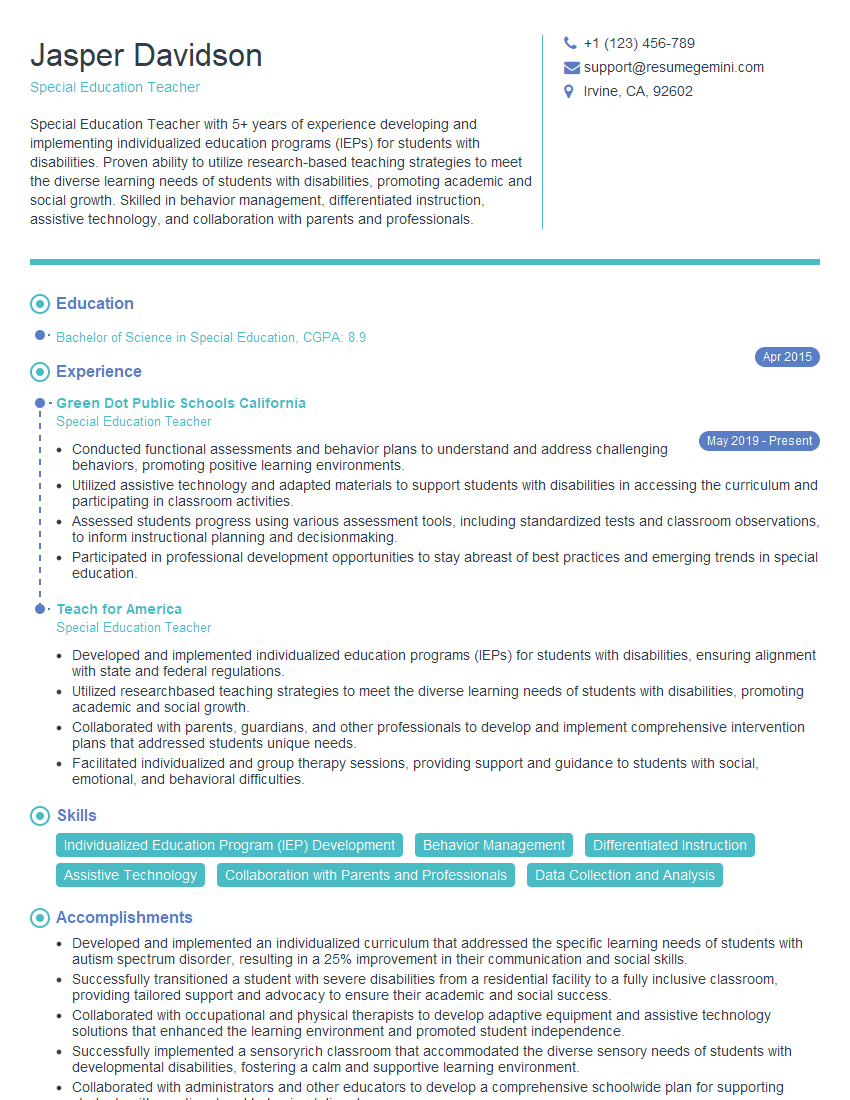
Special Education Teacher Resume Sample
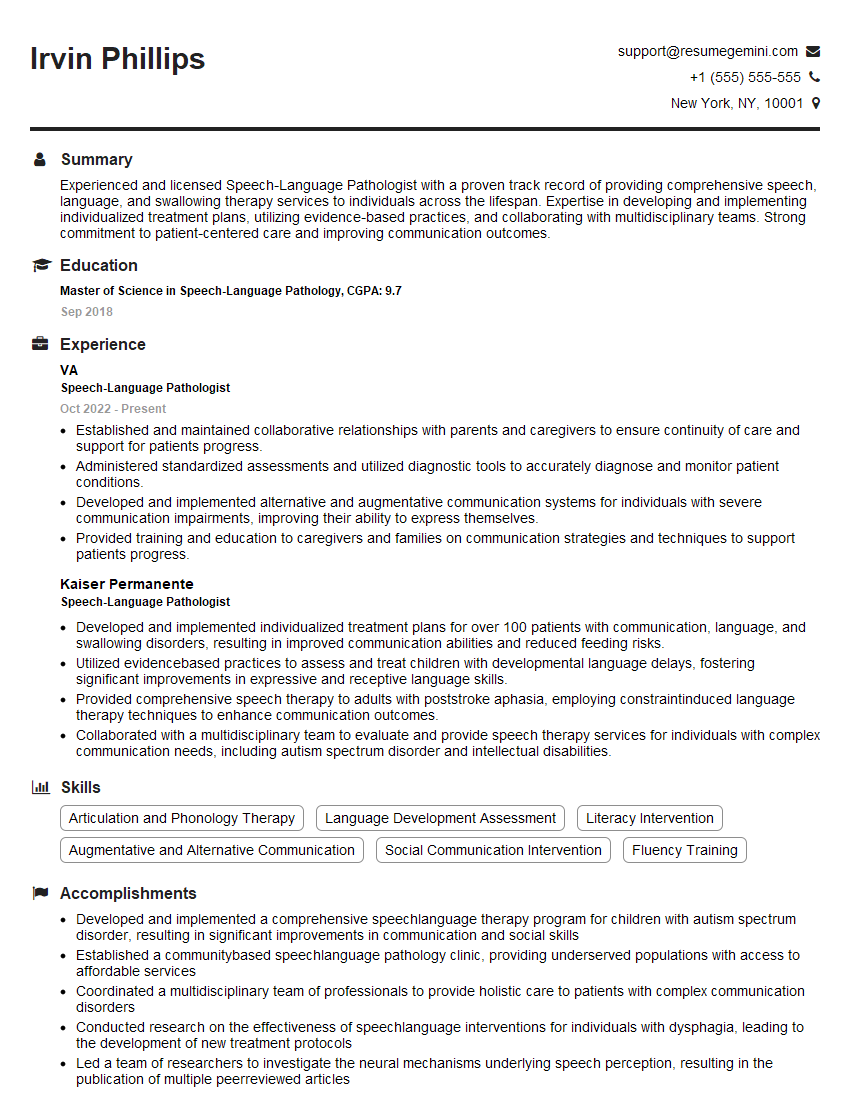
Speech-Language Pathologist Resume Sample
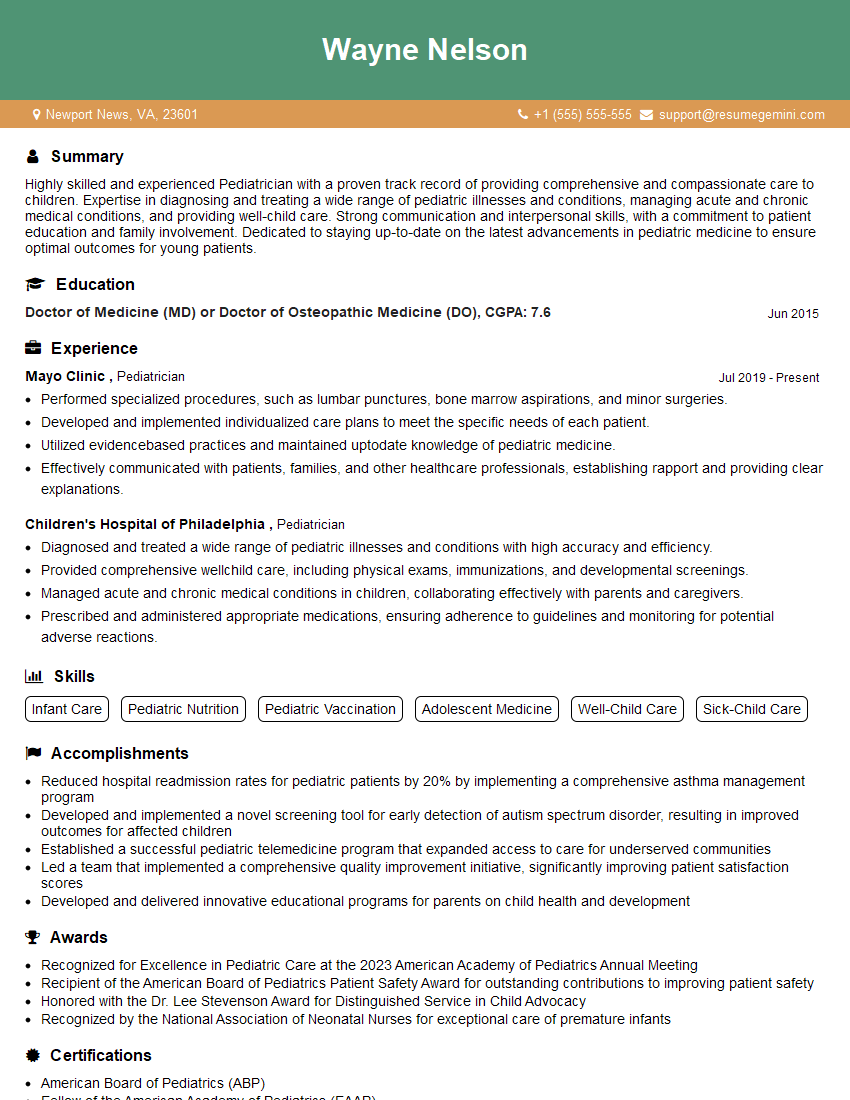
Pediatrician Resume Sample
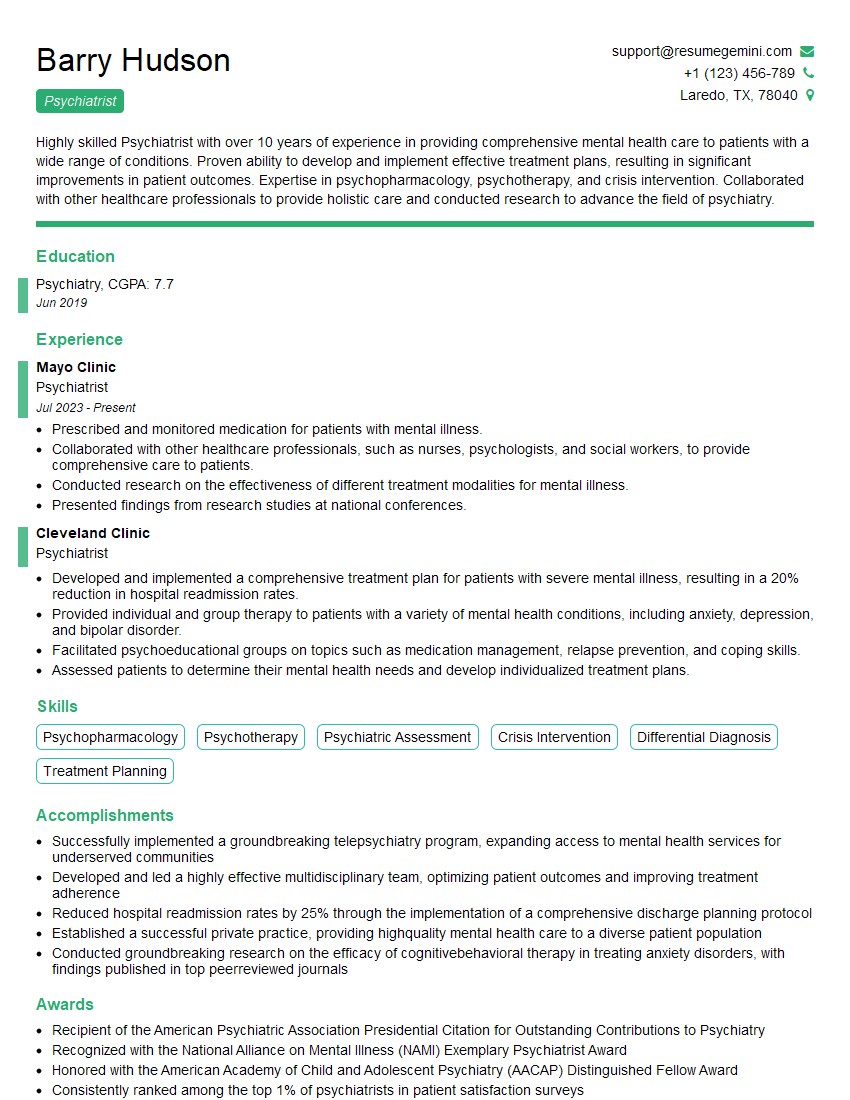
Psychiatrist Resume Sample
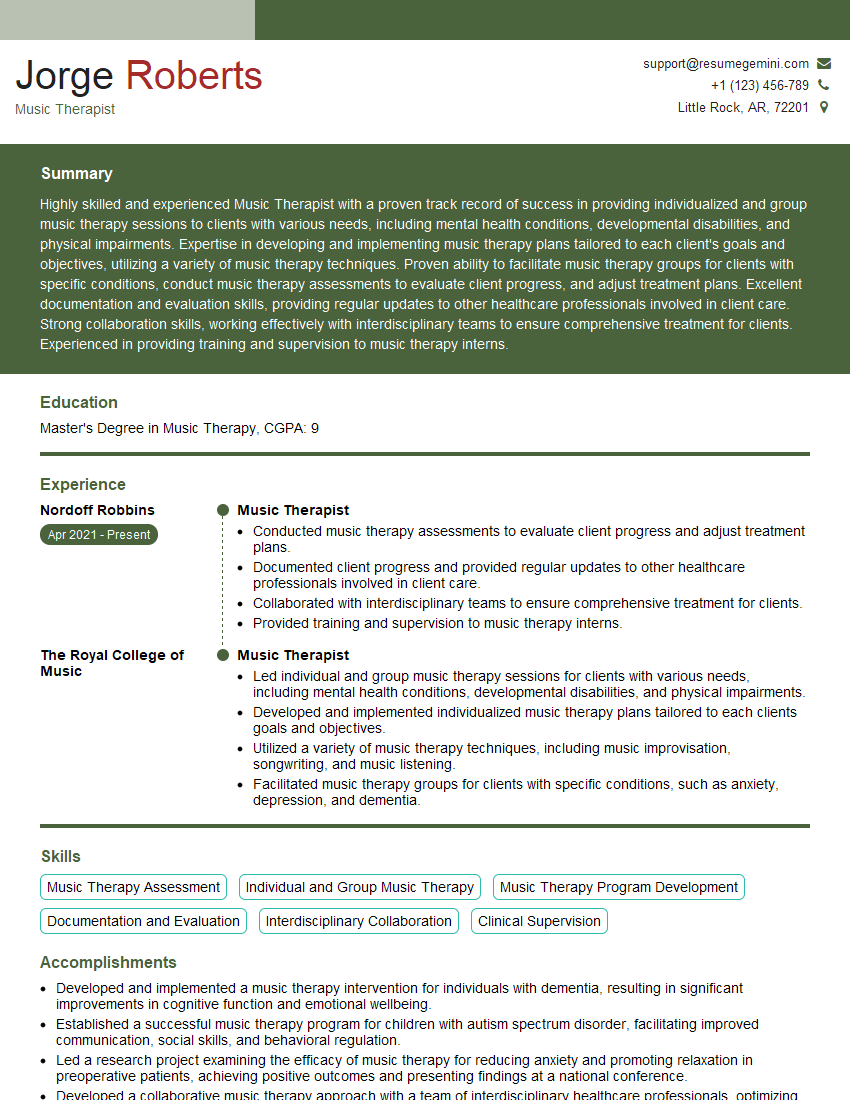
Music Therapist Resume Sample
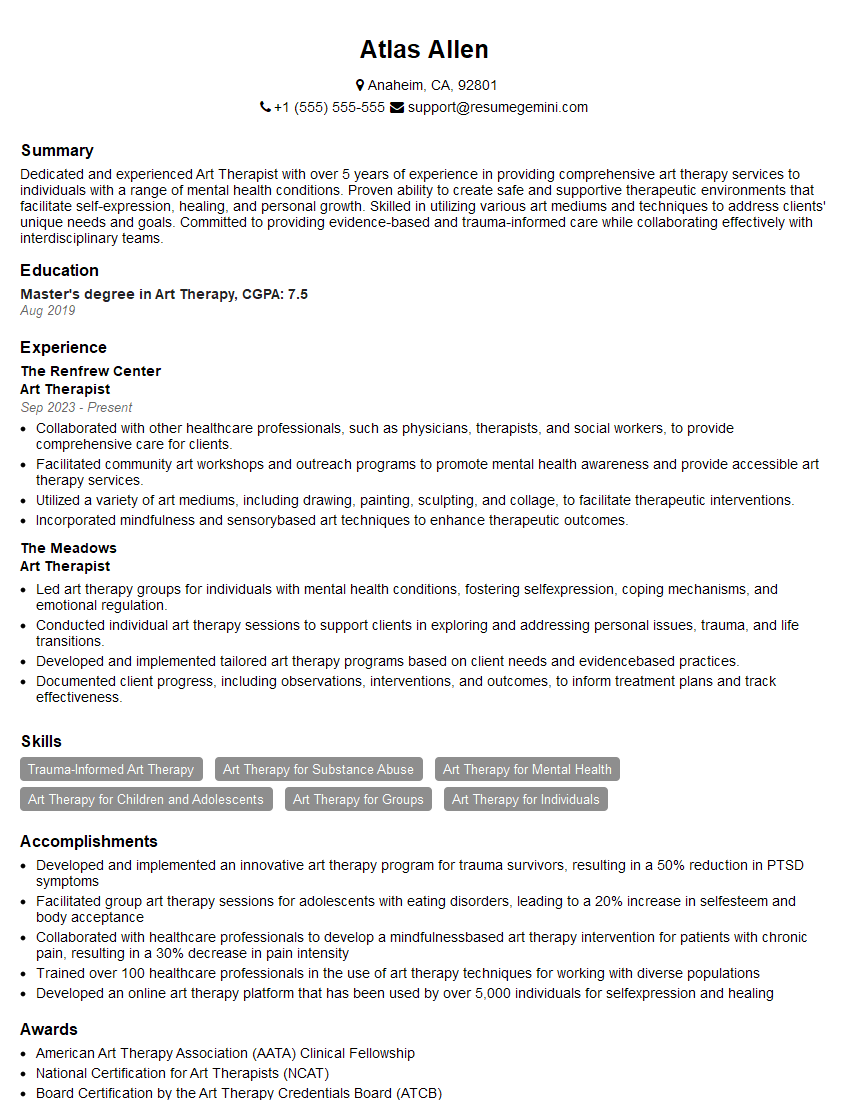
Art Therapist Resume Sample

Occupational Therapist Resume Sample
- Program Coordinator
- Case Manager
- Child Psychologist
- Clinical Psychologist
- Educational Psychologist
- School Counselor
- Behavioral Therapist
- Mental Health Counselor
- Family Therapist
- Rehabilitation Counselor
- Social Worker
- Special Education Teacher
- Speech-Language Pathologist
- Pediatrician
- Psychiatrist
- Music Therapist
- Art Therapist
- Occupational Therapist
Explore more articles
Users Rating of Our Blogs
Share Your Experience
We value your feedback! Please rate our content and share your thoughts (optional).
What Readers Say About Our Blog
To the interviewgemini.com Webmaster.
Very helpful and content specific questions to help prepare me for my interview!
Thank you
To the interviewgemini.com Webmaster.
This was kind of a unique content I found around the specialized skills. Very helpful questions and good detailed answers.
Very Helpful blog, thank you Interviewgemini team.