Are you ready to stand out in your next interview? Understanding and preparing for Estimating Material Needs interview questions is a game-changer. In this blog, we’ve compiled key questions and expert advice to help you showcase your skills with confidence and precision. Let’s get started on your journey to acing the interview.
Questions Asked in Estimating Material Needs Interview
Q 1. Explain your experience with different estimating methods (e.g., detailed, conceptual, parametric).
Estimating material needs involves various methods, each suited to a project’s phase and detail level. Detailed estimating is meticulous, breaking down the project into individual components and quantifying materials for each. This is best for projects nearing execution, offering high accuracy. Think of building a house – you’d meticulously calculate the number of bricks, boards, and nails needed for each wall, floor, and roof. Conceptual estimating, in contrast, provides a high-level overview, often used in the early stages. It’s like sketching a house plan – you estimate overall material quantities based on similar projects or square footage. Accuracy is less precise, but it’s excellent for initial budgeting. Finally, parametric estimating uses statistical models and historical data to predict material needs based on key project parameters, such as square footage or volume. Imagine using a formula to estimate the amount of concrete needed for a foundation based on its dimensions. My experience spans all three, with a strong preference for integrating detailed and parametric methods for optimal accuracy and efficiency.
For example, on a recent large-scale construction project, we initially used parametric estimating to get a preliminary budget. As the design finalized, we transitioned to detailed estimating for precise quantities and accurate cost projection.
Q 2. How do you account for material waste and spoilage in your estimates?
Material waste and spoilage are unavoidable realities. Accounting for them is crucial for accurate estimating. I incorporate waste factors into my estimates based on several factors including: the type of material (e.g., lumber has a higher waste factor than concrete), the construction method, and the skill level of the workforce. These factors are expressed as percentages added to the net material quantity.
For instance, if a project requires 1000 linear feet of lumber, and I anticipate a 10% waste factor due to cutting and fitting, I’ll estimate 1100 linear feet (1000 + 10% of 1000). Spoilage, such as damaged materials, is similarly accounted for. This might involve adding a small percentage based on past experiences or industry benchmarks. Detailed documentation of waste and spoilage on previous projects aids in refining these percentages over time, increasing the accuracy of future estimates.
Q 3. Describe your process for identifying and quantifying material needs from blueprints and specifications.
Extracting material quantities from blueprints and specifications is a systematic process. I start by carefully reviewing the drawings, identifying all components requiring materials. This includes studying sections, elevations, and details. I then use the specifications to determine material types and sizes.
For instance, a section drawing might specify the dimensions of concrete walls. I’d calculate the volume of concrete needed using simple geometry. Similarly, the specifications will list the type and size of roofing materials. I’d use the roofing plan to determine the roof area and calculate the necessary quantity. Spreadsheet software is invaluable for organizing this data. Each material is listed, along with its unit of measure (e.g., linear feet, square feet, cubic yards), quantity per unit, and total quantity. This organized approach minimizes errors and ensures all materials are accounted for.
Q 4. What software and tools are you proficient in for material estimation?
Proficiency in various software and tools is vital for accurate and efficient material estimation. I’m highly skilled in using spreadsheets like Microsoft Excel and Google Sheets for calculations and data management. These are invaluable for creating detailed material lists and tracking costs. I also have experience with dedicated estimating software packages such as PlanSwift and Timberline, which offer features like automated quantity takeoff and integration with other project management tools. Furthermore, I’m comfortable using CAD software (AutoCAD, Revit) to extract dimensions directly from drawings and perform quantity takeoffs.
Q 5. How do you handle discrepancies between estimated and actual material costs?
Discrepancies between estimated and actual material costs are inevitable. Analyzing these discrepancies is crucial for improving future estimations. I start by reviewing the original estimate to ensure accuracy and completeness. Then I compare this against actual costs, identifying any significant deviations. These might arise from unforeseen circumstances (e.g., material price fluctuations, unexpected site conditions), changes to the project scope, or inaccuracies in initial estimations.
For example, if lumber prices unexpectedly increased, this would explain a cost overrun. Documenting these reasons is key. Post-project analysis helps refine estimating methods, waste factors, and pricing assumptions for greater accuracy in subsequent projects. This iterative process of learning from discrepancies is crucial for continuous improvement.
Q 6. Explain your understanding of different pricing strategies for materials.
Understanding pricing strategies is vital for accurate cost estimations. Material pricing can be based on several factors: unit price (cost per item), volume pricing (discounts for bulk purchases), and market pricing (influenced by supply and demand). Negotiating with suppliers is a crucial aspect of securing favorable pricing. I consider different purchasing strategies, such as buying in bulk for cost savings, securing long-term contracts for price stability, or using multiple suppliers to minimize risk.
For instance, buying a large volume of concrete might result in a lower per-unit cost. However, this needs to be balanced against storage capacity and the risk of spoilage. Staying informed about market trends and keeping up-to-date with material prices is critical to obtaining the best possible deals while mitigating risks.
Q 7. How do you manage material lead times and potential delays in your estimates?
Material lead times and potential delays can significantly impact project schedules and budgets. I incorporate lead times into my estimates, working closely with suppliers to obtain reliable delivery schedules. This information is crucial for creating realistic project timelines. Potential delays are addressed by incorporating contingency plans, such as ordering materials earlier than strictly necessary to buffer against unforeseen issues.
For example, if a specific type of brick has a 6-week lead time, I’ll factor this into the project schedule and order it well in advance. If there’s a possibility of supplier delays, I’ll include a buffer period in the schedule to account for potential disruptions. Regular communication with suppliers and close monitoring of material deliveries are essential for mitigating potential delays.
Q 8. Describe a time you had to revise your material estimate due to unforeseen circumstances.
Revising material estimates due to unforeseen circumstances is a common occurrence in construction and engineering projects. It requires a flexible and adaptable approach. For instance, on a recent project involving the construction of a multi-story building, we initially estimated the need for 500 cubic yards of concrete. However, during excavation, we uncovered unexpected bedrock formations that required extensive blasting and additional reinforcement. This significantly altered the scope of work and increased the required concrete volume by approximately 150 cubic yards. The revision involved careful reassessment of the affected areas, detailed calculations considering the added reinforcement, and updated communication with the procurement team to ensure timely material delivery.
The process of revision involved:
- Re-evaluation of the drawings and specifications: We meticulously reviewed the revised blueprints, taking into account the new foundation design necessitated by the bedrock discovery.
- Detailed Quantity Takeoff: We performed a new quantity takeoff to accurately reflect the increased concrete volume needed for the revised foundation.
- Updated Material Order: We coordinated with the purchasing department to revise the concrete order, ensuring sufficient material was available to meet the project’s new demands.
- Cost Analysis: We analyzed the cost implications of the increased material requirement, informing the project stakeholders and initiating budget adjustments.
This experience underscored the critical importance of incorporating contingency plans and regularly reviewing site conditions to minimize the impact of unexpected events.
Q 9. How do you ensure the accuracy of your material takeoffs?
Ensuring accuracy in material takeoffs is paramount. It starts with meticulous planning and attention to detail, throughout the entire process. I employ a multi-pronged approach:
- Thorough Blueprint Review: I begin by meticulously reviewing all relevant blueprints and specifications, paying close attention to dimensions, materials specified, and any notes or annotations.
- Detailed Measurement: I use precise measurement techniques, often employing digital tools for greater accuracy. This ensures the correct dimensions are used for calculations.
- Software Utilization: I leverage specialized estimating software to perform quantity takeoffs. These programs help automate calculations and minimize human error. For example, I regularly use software that can automatically calculate quantities from 2D and 3D models.
- Cross-Checking and Verification: It’s crucial to double-check calculations and cross-reference them with other team members to catch any potential discrepancies. This ensures accuracy and reduces the risk of costly errors.
- On-Site Verification (When Possible): Whenever feasible, I conduct on-site verification to compare the drawings with actual site conditions. This is particularly important when dealing with complex or unusual projects.
This comprehensive approach minimizes errors and significantly improves the accuracy of the material takeoff, directly impacting project costs and scheduling.
Q 10. What are some common challenges you face when estimating material needs?
Estimating material needs presents several challenges, particularly in dynamic projects. Some common ones include:
- Inaccurate or Incomplete Drawings: Outdated or incomplete blueprints can lead to miscalculations and material shortages or surpluses.
- Hidden Site Conditions: Unexpected underground utilities, soil conditions, or other hidden site issues can significantly impact material requirements and necessitate revisions.
- Material Availability and Lead Times: Delays in material delivery due to supply chain disruptions or manufacturer issues can seriously impact project schedules and budgets.
- Fluctuating Material Prices: Material costs can change rapidly, affecting the overall project budget. This necessitates frequent monitoring and adjustments.
- Waste and Spoilage: Accurately accounting for material waste due to cutting, fitting, or unforeseen damage is essential for precise estimation.
Effectively managing these challenges requires proactive planning, careful risk assessment, and open communication with all stakeholders.
Q 11. How do you prioritize different material types when estimating?
Prioritizing materials during estimation depends heavily on the project’s critical path and potential supply chain vulnerabilities. I use a multi-faceted approach.
- Critical Path Analysis: Materials required for activities on the critical path, which directly impact the project timeline, are prioritized to prevent delays. This usually includes structural elements and foundation materials.
- Lead Time Considerations: Materials with long lead times, those requiring specialized fabrication or sourcing, are prioritized early to ensure timely availability. Long-lead items need to be ordered far in advance.
- Cost and Availability: High-cost or hard-to-source materials require early attention. This ensures they’re secured and budgetary considerations are factored in early.
- Risk Assessment: Materials with a high risk of supply chain disruption are prioritized, so alternative sources or substitutions can be explored if necessary.
The prioritization strategy is not static; it evolves as the project progresses and new information becomes available. It’s an iterative process that demands flexibility and adaptability.
Q 12. Explain your understanding of unit costs and their role in material estimation.
Unit costs are fundamental in material estimation. They represent the cost per unit of a specific material, such as the cost per square foot of lumber, the cost per cubic yard of concrete, or the cost per linear foot of pipe. These costs are essential for calculating the total material cost of a project.
Role in Material Estimation:
- Accurate Cost Projection: Unit costs allow for accurate calculation of the total cost of materials by multiplying the unit cost by the quantity of material needed.
- Budgeting and Cost Control: They are crucial for creating accurate project budgets and monitoring expenditures throughout the project lifecycle.
- Comparison and Selection: Unit costs allow for comparison between different materials and vendors, enabling informed decisions on the most cost-effective options.
- Value Engineering: Unit costs are vital in value engineering efforts to identify cost-saving opportunities while maintaining project quality.
Obtaining accurate unit costs requires close coordination with suppliers and regular market research. It is important to consider factors like shipping, handling and potential taxes when determining the true unit cost.
Q 13. How do you incorporate contingency factors into your material estimates?
Incorporating contingency factors into material estimates is a crucial risk management strategy. It accounts for potential unforeseen circumstances or inaccuracies that may arise during the project. I generally apply contingency in two ways:
- Percentage-Based Contingency: This approach adds a fixed percentage to the total material cost. The percentage varies depending on project complexity and potential risks. A more complex project with numerous unknowns may warrant a higher contingency percentage (e.g., 5-10%), while a simpler project with well-defined specifications might only need a lower percentage (e.g., 2-5%).
- Item-Specific Contingency: This method involves adding a contingency to specific items, such as materials with volatile prices or those prone to damage or loss. This allows for a more tailored approach, addressing specific risk factors.
The chosen method is dependent upon the specifics of the project; sometimes, a combination of both is employed. It’s vital to clearly document the reasoning behind the contingency factor, enhancing transparency and facilitating better communication with stakeholders.
Q 14. How do you collaborate with other teams (e.g., purchasing, engineering) during the estimation process?
Collaboration is key to accurate and efficient material estimation. I maintain regular communication and information sharing with several teams:
- Purchasing Department: I work closely with the purchasing team to ensure material availability, verify unit costs, and coordinate material deliveries. This helps to identify potential lead-time issues and optimize procurement strategies.
- Engineering Team: I collaborate with engineers to clarify design details, address potential design changes, and ensure the accuracy of the quantity takeoff based on the latest design revisions. Regular communication is essential to reflect any design changes promptly.
- Construction Team: On-site feedback from the construction team is invaluable, especially for identifying potential on-site challenges or material wastage, and allowing for adjustments in the estimates.
Effective communication and data sharing across teams are critical for a smooth estimation process, minimizing errors and improving overall project efficiency. This often involves regular meetings, email updates, and the use of shared online platforms for document management and communication.
Q 15. How familiar are you with different material databases and catalogs?
My familiarity with material databases and catalogs is extensive. I regularly utilize resources like manufacturers’ websites, industry-specific databases (such as those offered by construction material suppliers or specialized engineering platforms), and online catalogs. The selection I use depends heavily on the project type and the materials needed. For example, for a large-scale construction project, I might use a comprehensive database with detailed specifications, pricing, and availability information. For smaller projects, a manufacturer’s catalog might suffice. I also leverage material libraries integrated within BIM (Building Information Modeling) software, which allows me to seamlessly integrate material selection and costing into the design process. This ensures accuracy and reduces potential errors.
Beyond simple specification searching, I am adept at understanding the nuances of database information, including understanding different material grades, identifying potential substitutions, and assessing the reliability of the source. I regularly check multiple sources to ensure accuracy and avoid outdated information.
- Example: When specifying steel for a bridge project, I would consult multiple sources to compare specifications, ensuring compliance with relevant codes and standards, and ultimately selecting the most cost-effective and suitable option.
- Example: For interior finishes in a commercial building project, I would consult catalogs from multiple manufacturers, considering not only cost but also factors like sustainability, durability, and aesthetic appeal.
Career Expert Tips:
- Ace those interviews! Prepare effectively by reviewing the Top 50 Most Common Interview Questions on ResumeGemini.
- Navigate your job search with confidence! Explore a wide range of Career Tips on ResumeGemini. Learn about common challenges and recommendations to overcome them.
- Craft the perfect resume! Master the Art of Resume Writing with ResumeGemini’s guide. Showcase your unique qualifications and achievements effectively.
- Don’t miss out on holiday savings! Build your dream resume with ResumeGemini’s ATS optimized templates.
Q 16. Describe your experience with value engineering in relation to material selection.
Value engineering in material selection is a crucial aspect of my work. It involves identifying opportunities to improve the functionality or performance of a material while simultaneously reducing its cost. This isn’t just about choosing the cheapest option; it’s about finding the optimal balance between cost, quality, and performance.
My approach involves a multi-step process. First, I meticulously review the project specifications to understand the requirements for each material. Then, I research alternative materials that might meet those same requirements but at a lower cost. This often involves exploring different grades of the same material, substituting similar materials with comparable properties, or even investigating innovative new materials.
A crucial part is thorough cost-benefit analysis. For instance, using a slightly more expensive but longer-lasting material might reduce long-term maintenance costs, leading to overall savings. I communicate these findings clearly to stakeholders, documenting the rationale behind each recommendation. This ensures transparency and buy-in from the project team.
Example: In one project, we were initially planning to use a high-cost specialty concrete. Through value engineering, I identified a readily available concrete mix with comparable strength properties at a significantly lower cost, leading to significant project savings without compromising structural integrity.
Q 17. What is your preferred method for tracking material costs and changes throughout a project?
I primarily use a dynamic spreadsheet system to track material costs and changes throughout a project. This system is more than just a simple list of materials and prices; it incorporates formulas and calculations to automatically update costs as quantities or prices change. It also allows for easy tracking of revisions and change orders.
The spreadsheet includes columns for item description, quantity, unit price, total cost, date of purchase, supplier, and notes on any changes. I often incorporate a separate sheet for tracking change orders, linking them directly to the main material cost sheet for easy reference and auditing. This provides a comprehensive and easily accessible record of material expenditures.
For larger, more complex projects, this spreadsheet integrates with the project management software that the project team uses. This allows for better collaboration and avoids potential data discrepancies between different systems.
Example: A change order requiring a different type of insulation is easily tracked; the spreadsheet automatically recalculates the total project cost based on the new material’s quantity and price.
Q 18. How do you present your material estimates to stakeholders?
Presenting material estimates effectively is crucial for securing buy-in from stakeholders. I typically present my estimates in a clear, concise, and visually appealing manner. This usually involves a combination of written reports and visual aids.
The written report summarizes the overall project costs, clearly outlining the cost breakdown for each material category. I use tables and charts to visually represent the data, making it easily digestible. I always include a detailed explanation of the methodology used for estimation, including the sources of pricing information, to ensure transparency and accountability.
Visual aids like bar charts or pie charts help stakeholders quickly understand the proportion of costs associated with different materials. I also use presentations, tailoring them to the audience’s technical expertise. Simple presentations are used for non-technical stakeholders while more detailed presentations, including backup documentation, are prepared for technical stakeholders.
Q 19. Explain your experience with different types of contracts and their implications on material estimation.
Different contract types significantly impact material estimation. For example, a fixed-price contract requires a very detailed and accurate estimate upfront, as the contractor is responsible for any cost overruns. This necessitates thorough upfront planning and rigorous risk assessment. In contrast, a cost-plus contract allows for more flexibility, as the contractor is reimbursed for actual material costs plus a markup. However, this requires meticulous cost tracking and transparent reporting.
Unit-price contracts, where materials are priced per unit (e.g., dollars per square foot), need precise quantity takeoffs, often using detailed drawings and specifications. Time and materials contracts require accurate hourly rates and material pricing, but leave room for cost adjustments based on actual usage.
Understanding the implications of each contract type is critical to building an appropriate estimate. For instance, a fixed-price contract necessitates incorporating a larger contingency factor to account for potential price fluctuations or unforeseen circumstances. I am experienced in preparing estimates for all these contract types, ensuring the estimate accurately reflects the contractual risks and responsibilities.
Q 20. How do you stay up-to-date on changes in material prices and availability?
Staying abreast of material price and availability changes is an ongoing process. I utilize several strategies to ensure my estimates remain current and accurate. This includes regularly monitoring industry publications, attending industry conferences and webinars, and subscribing to market analysis reports from reliable sources.
I also maintain strong relationships with suppliers, regularly contacting them to inquire about current pricing and lead times. Many suppliers provide online portals or notifications for price updates, which I actively utilize. I also track historical price data to identify trends and predict potential future fluctuations. For commodities, using publicly traded futures markets can help forecast potential price changes.
By employing a multi-faceted approach, I can anticipate potential material shortages or price spikes and factor them into my estimates, mitigating risks and ensuring project success.
Q 21. Describe your experience using different types of estimating software (e.g., BIM software, spreadsheets).
My experience encompasses a range of estimating software. I’m proficient with spreadsheet software like Microsoft Excel for detailed cost tracking and analysis. I also utilize BIM (Building Information Modeling) software such as Revit and ArchiCAD. These programs significantly streamline the estimating process, especially for large and complex projects, by allowing for quantity takeoffs directly from 3D models.
BIM software helps automate many aspects of estimating, reducing manual effort and minimizing errors. For example, it can automatically calculate material quantities based on the model geometry, and even integrate with material databases for pricing. I choose the best software for the project type and complexity, leveraging the strengths of each tool to optimize accuracy and efficiency. Spreadsheet software remains valuable for more granular cost analysis and change order management.
Q 22. How do you handle changes in project scope that impact material needs?
Handling scope changes impacting material needs requires a systematic approach. First, I meticulously review the revised scope document, identifying all alterations that affect the bill of materials (BOM). This includes adding, deleting, or modifying quantities of specific materials. Then, I use a change management process – typically updating the project’s master schedule and budget – to incorporate these changes. This involves generating a revised material takeoff and cost estimate reflecting the updated quantities. Finally, I communicate these changes transparently to all stakeholders, including procurement and the project manager. For example, if a project initially called for 100 units of lumber but the scope increases to 150, I’d immediately recalculate the lumber needed, adjust the budget, and communicate the updated requirements to the procurement team to avoid delays.
A crucial element is version control. I maintain detailed records of all scope changes and their impact on material needs, ensuring traceability and accountability. This allows for easy tracking and aids in future project planning and cost analysis.
Q 23. What techniques do you employ to reduce material costs without compromising quality?
Reducing material costs without sacrificing quality demands a multifaceted strategy. Firstly, I explore alternative materials with comparable performance but lower costs. This requires thorough research and testing to ensure the alternatives meet project specifications. Secondly, I optimize material usage through efficient design and construction techniques. For instance, minimizing waste through precise cutting and prefabrication can lead to significant savings. Thirdly, I leverage my expertise in negotiating favorable contracts with suppliers. Building strong relationships allows me to secure better pricing and payment terms. Fourthly, I explore bulk purchasing opportunities where applicable, taking advantage of economies of scale. Finally, I regularly monitor market trends and prices to identify opportunities to purchase at optimal times. Imagine a scenario where steel prices are projected to rise; anticipating this allows for strategic pre-purchase to avoid future cost overruns.
Q 24. How do you address potential risks associated with material shortages or price fluctuations?
Mitigating risks associated with material shortages or price fluctuations necessitates proactive risk management. For shortages, I implement a multi-pronged approach. This includes: identifying reliable and multiple suppliers, establishing contingency plans (e.g., having backup materials readily available), and incorporating buffer stock into the procurement process. To address price fluctuations, I utilize techniques such as forward purchasing (locking in prices early), price escalation clauses in contracts, and hedging strategies where feasible. Regular market research and analysis inform my purchasing decisions and help me identify potential risks early on. For instance, if a specific material is experiencing supply chain disruptions, I’ll proactively seek alternative sources or explore substitute materials. Open communication with suppliers about potential issues is also crucial for proactive mitigation.
Q 25. Explain your understanding of life cycle costing for materials.
Life cycle costing for materials considers the total cost of ownership over the entire lifespan of a material, from acquisition to disposal. This encompasses initial purchase price, transportation, installation, maintenance, repair, replacement, and finally, disposal or recycling costs. It’s not just about the upfront cost; it’s about the long-term financial implications. For example, a less expensive material might require more frequent repairs, ultimately increasing the overall cost compared to a slightly more expensive, durable alternative. By considering life cycle costing, we make informed decisions that minimize long-term expenses and maximize value. This approach requires detailed analysis, considering factors like material durability, expected lifespan, maintenance needs, and environmental impact – leading to more sustainable and cost-effective project decisions.
Q 26. Describe your experience with sustainability considerations in material selection and estimation.
Sustainability is paramount in modern material selection and estimation. I prioritize materials with low environmental impact, considering factors such as embodied carbon, recyclability, and sourcing practices. This involves researching and selecting materials with recycled content, reduced energy consumption during manufacturing, and sustainable forestry certifications. For instance, instead of using virgin timber, I might opt for sustainably sourced wood certified by the Forest Stewardship Council (FSC). I also factor in transportation distances to minimize the carbon footprint associated with material delivery. Furthermore, I encourage the use of materials with end-of-life recyclability plans to reduce waste and promote a circular economy. Detailed life cycle assessments (LCAs) are sometimes undertaken for crucial project materials to provide a comprehensive understanding of the environmental implications.
Q 27. How do you ensure the accuracy and completeness of your material takeoffs?
Ensuring accurate and complete material takeoffs necessitates a rigorous and systematic approach. I begin by thoroughly reviewing the project plans and specifications, using digital takeoff software when appropriate. This software enhances accuracy and reduces the risk of human error. I meticulously quantify each material item required, accounting for wastage and potential losses. Regular cross-checking and verification steps are crucial, involving comparing my takeoff with the project plans and consulting with the project team to confirm quantities and specifications. Clear documentation and version control of the takeoff are essential for traceability and accountability. I also employ double-checking procedures, ensuring independent verification of the material list. This could involve peer review or comparison with previous successful projects with similar material requirements.
Q 28. How do you manage multiple projects with varying material requirements simultaneously?
Managing multiple projects with diverse material requirements demands efficient organization and prioritization. I utilize project management software to track material needs for each project separately. This allows me to maintain clear records, monitor progress, and identify potential conflicts or resource constraints. I develop detailed schedules, prioritizing projects based on deadlines and material availability. I also leverage my team’s expertise, delegating tasks effectively to ensure that all projects receive appropriate attention. Regular communication with the procurement team is crucial to ensure timely material acquisition for all projects. Effective communication also keeps the clients informed about progress and any potential delays that might arise from material acquisition or other related factors. The use of standardized procedures and templates across all projects helps streamline workflow and minimize errors.
Key Topics to Learn for Estimating Material Needs Interview
- Understanding Project Scope & Drawings: Accurately interpreting blueprints, specifications, and project documents to determine material quantities.
- Material Take-Off (MTO): Mastering various MTO techniques (manual, software-assisted) and ensuring accurate quantity calculations for all materials.
- Waste Factor Calculation: Understanding and applying appropriate waste factors for different materials and construction methods to prevent underestimation.
- Cost Estimation & Pricing: Integrating material quantities with unit costs to generate accurate overall material budgets. Understanding pricing strategies and market fluctuations.
- Material Selection & Sourcing: Knowledge of various materials, their properties, and availability. Understanding sustainable and cost-effective sourcing options.
- Software Proficiency: Demonstrating familiarity with relevant estimating software (e.g., spreadsheets, dedicated estimating programs) and their efficient use.
- Risk Management & Contingency Planning: Identifying potential material shortages or price increases and incorporating contingency plans into the estimates.
- Communication & Collaboration: Effectively communicating material needs and estimates to project managers, contractors, and suppliers.
- Quality Control & Accuracy: Implementing strategies to ensure the accuracy of material estimates and minimize errors.
- Problem-solving & Adaptability: Demonstrating the ability to resolve unexpected material issues and adapt to changing project requirements.
Next Steps
Mastering the art of estimating material needs is crucial for career advancement in construction and related fields. Accurate estimates directly impact project profitability and success, making you a valuable asset to any team. To significantly enhance your job prospects, crafting an ATS-friendly resume is essential. ResumeGemini is a trusted resource that can help you build a professional resume that highlights your skills and experience effectively. Examples of resumes tailored to Estimating Material Needs are available to guide you, ensuring your qualifications shine through.

Procurement Manager Resume Sample
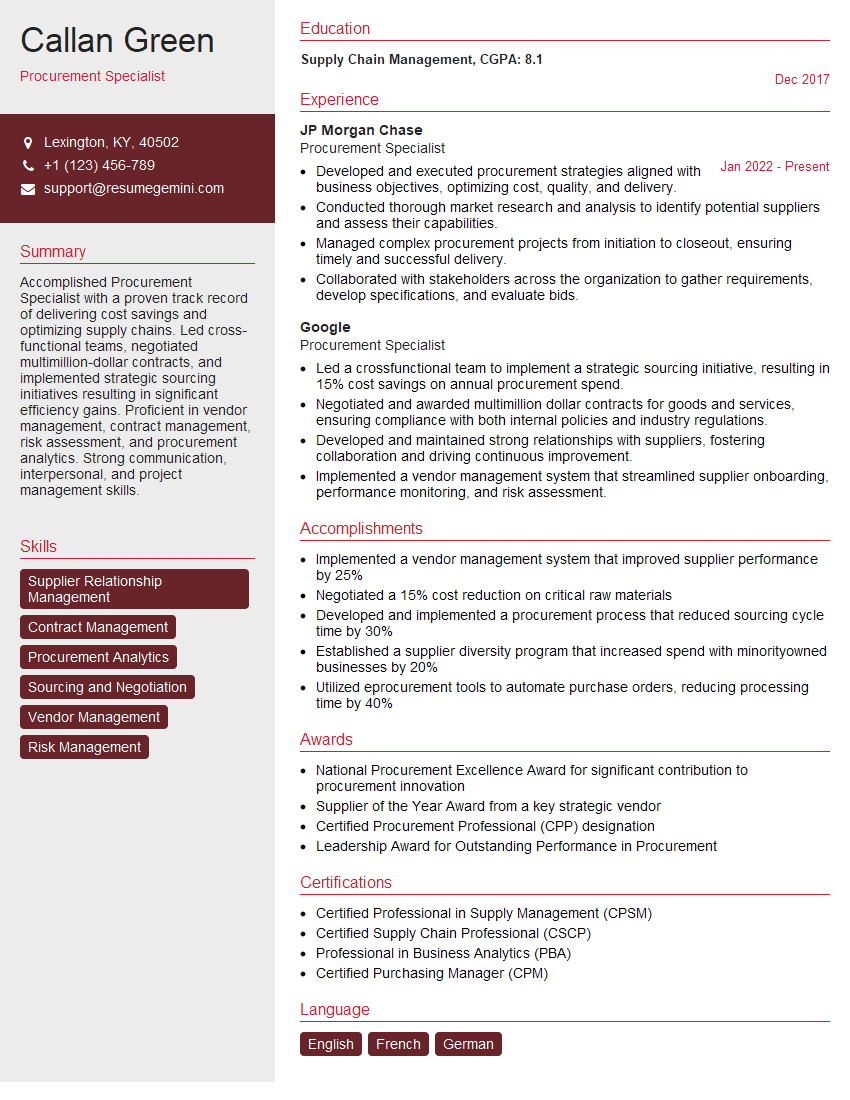
Procurement Specialist Resume Sample
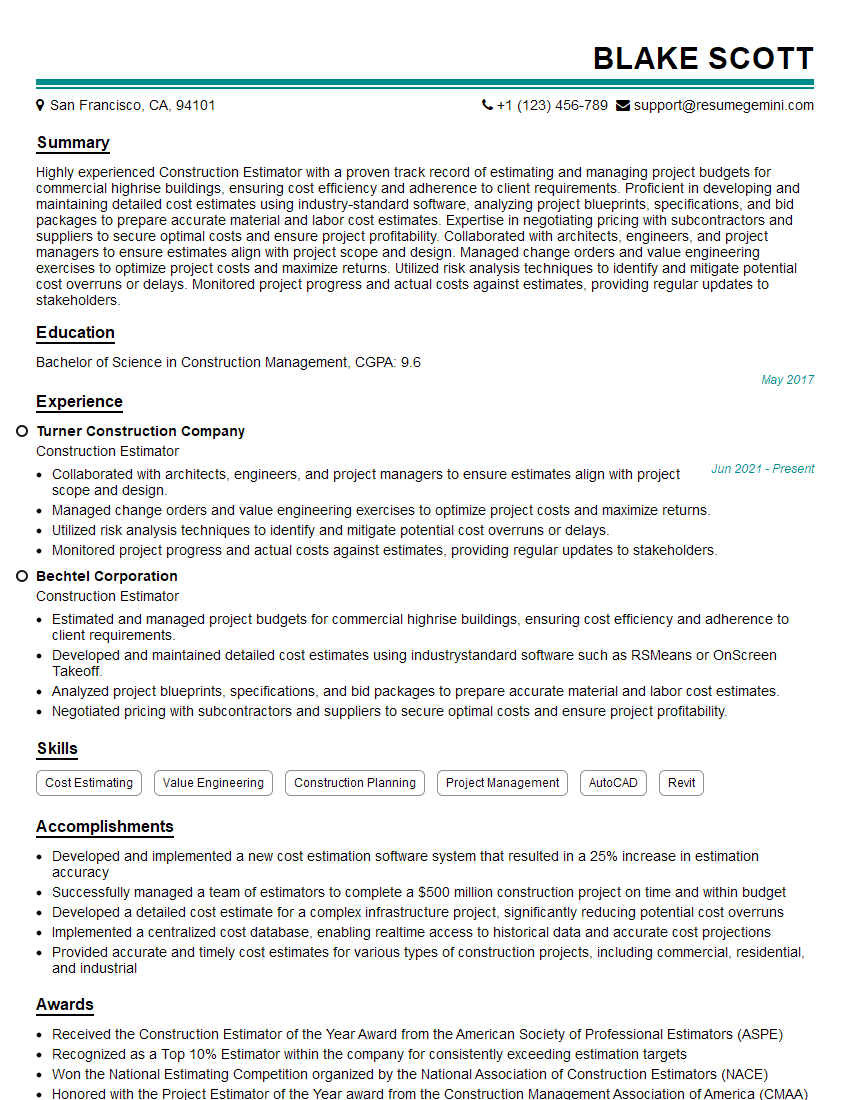
Construction Estimator Resume Sample
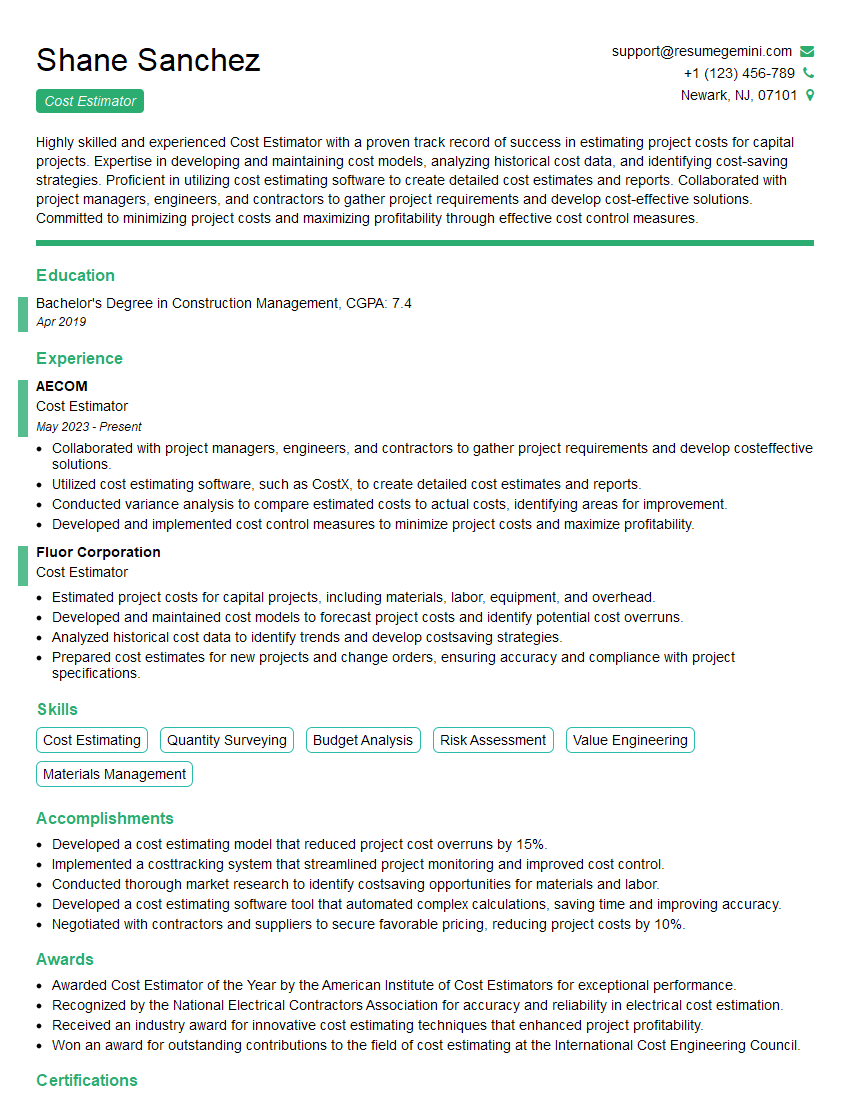
Cost Estimator Resume Sample
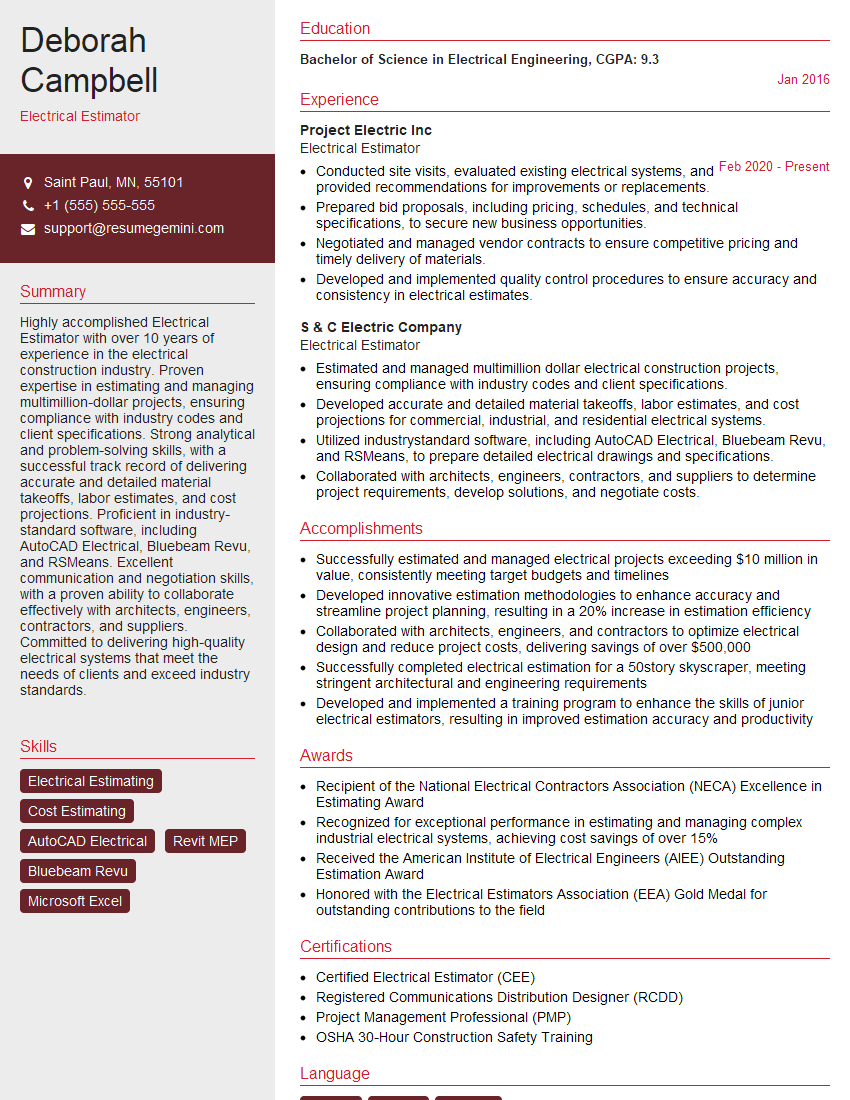
Electrical Estimator Resume Sample
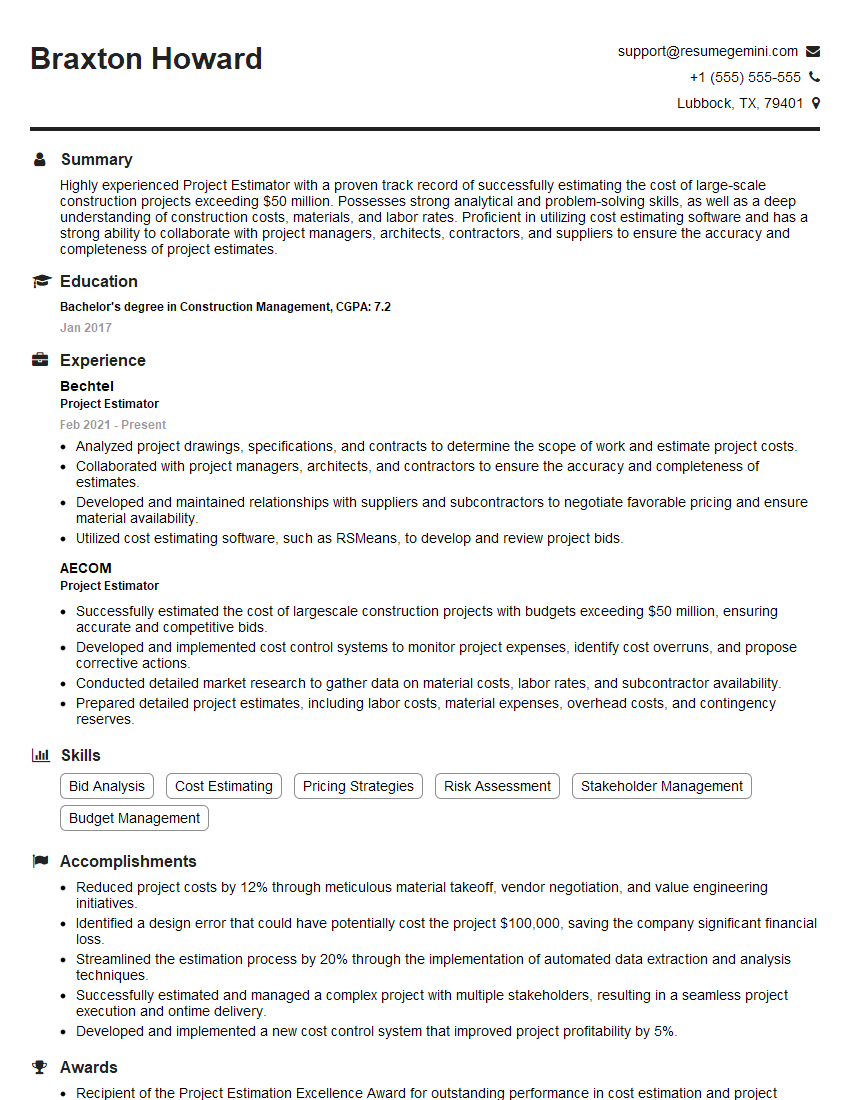
Project Estimator Resume Sample
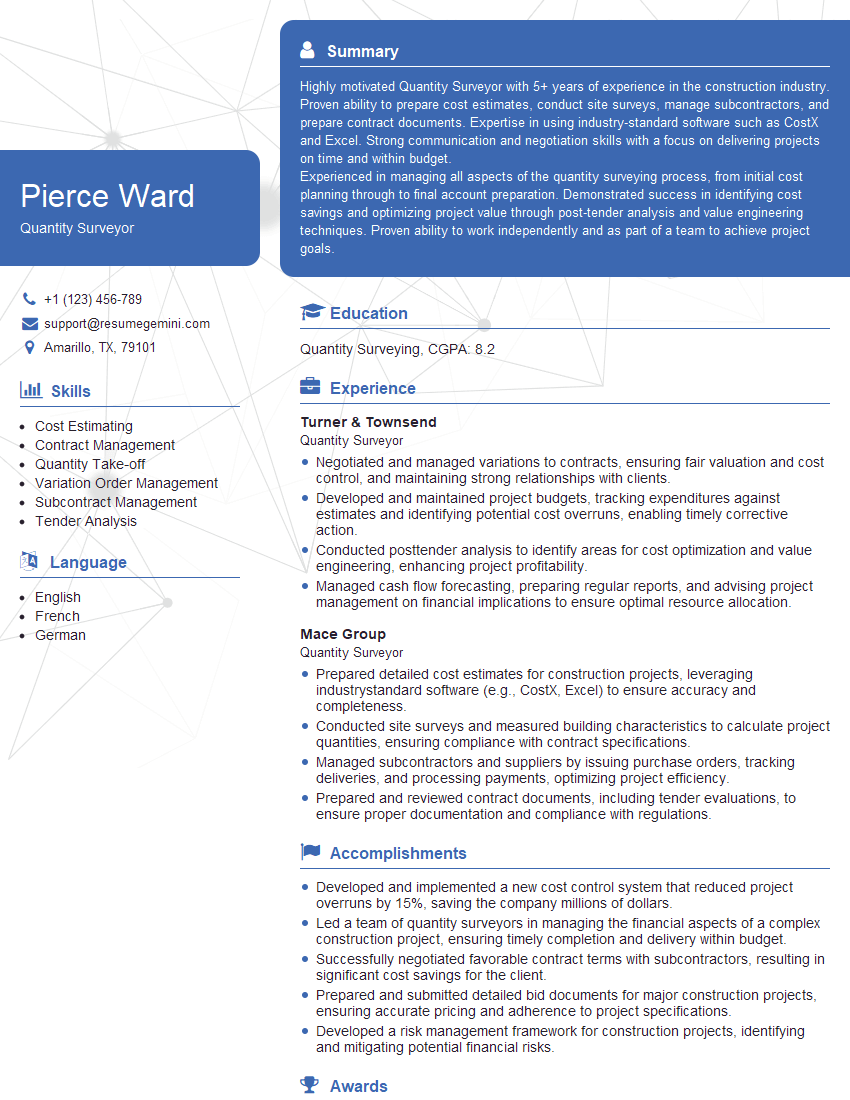
Quantity Surveyor Resume Sample
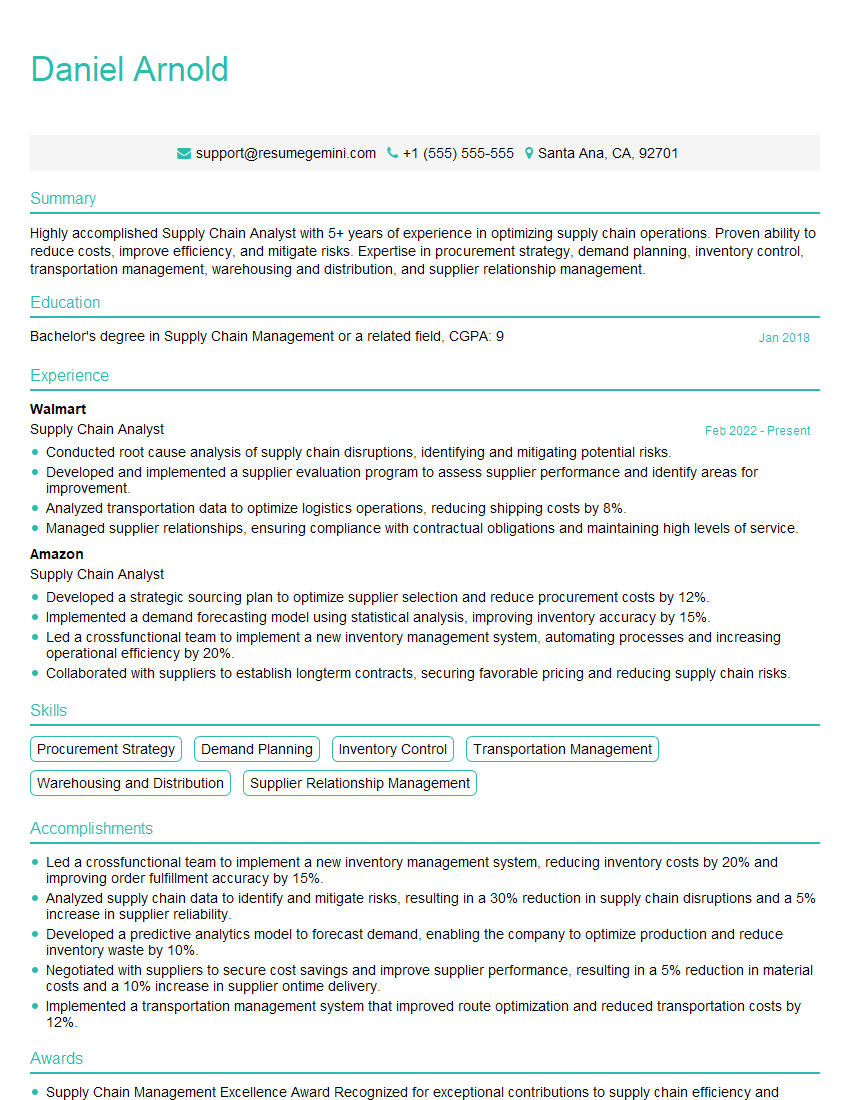
Supply Chain Analyst Resume Sample

Value Engineer Resume Sample
Explore more articles
Users Rating of Our Blogs
Share Your Experience
We value your feedback! Please rate our content and share your thoughts (optional).
What Readers Say About Our Blog
To the interviewgemini.com Webmaster.
Very helpful and content specific questions to help prepare me for my interview!
Thank you
To the interviewgemini.com Webmaster.
This was kind of a unique content I found around the specialized skills. Very helpful questions and good detailed answers.
Very Helpful blog, thank you Interviewgemini team.