Are you ready to stand out in your next interview? Understanding and preparing for Healthcare and Life Sciences interview questions is a game-changer. In this blog, we’ve compiled key questions and expert advice to help you showcase your skills with confidence and precision. Let’s get started on your journey to acing the interview.
Questions Asked in Healthcare and Life Sciences Interview
Q 1. Explain the principles of Good Clinical Practice (GCP).
Good Clinical Practice (GCP) is an international ethical and scientific quality standard for designing, conducting, performing, monitoring, auditing, recording, analyzing, and reporting clinical trials that involve the participation of human subjects. Its core principles ensure the rights, safety, and well-being of trial participants are protected, and that the clinical trial data are credible and reliable.
- Ethical Conduct: GCP emphasizes the ethical treatment of participants, including informed consent, minimizing risks, and maximizing benefits. This often involves Institutional Review Board (IRB) or Ethics Committee oversight.
- Scientific Validity: The study design must be scientifically sound, with clearly defined objectives, methodologies, and statistical analysis plans to ensure reliable results.
- Data Integrity: All data must be accurate, complete, consistent, and verifiable. This involves meticulous record-keeping, proper data handling, and appropriate data management systems.
- Quality Assurance: GCP mandates quality control measures throughout the trial process, including regular monitoring and audits to ensure compliance with protocols and regulations.
- Regulatory Compliance: Clinical trials must adhere to all relevant national and international regulations and guidelines, such as those from the FDA (in the US) or EMA (in Europe).
For example, imagine a trial testing a new drug for hypertension. GCP ensures that participants understand the risks and benefits before agreeing to participate (informed consent), that data is meticulously collected and stored to prevent errors or manipulation, and that the study is designed in a way that reliably measures blood pressure changes.
Q 2. Describe your experience with statistical software (e.g., SAS, R, SPSS).
I have extensive experience with statistical software packages, including SAS, R, and SPSS. My expertise spans data cleaning, exploratory data analysis (EDA), statistical modeling, and report generation. I’m proficient in performing various statistical tests, including t-tests, ANOVA, regression analysis, and survival analysis.
In SAS, for instance, I’ve used PROC SQL for data manipulation, PROC MEANS for descriptive statistics, and PROC GLM for regression modeling. In R, I’ve leveraged packages like ggplot2 for data visualization, dplyr for data manipulation, and survival for survival analysis. My SPSS experience mainly involves conducting statistical tests, creating tables, and generating reports for regulatory submissions. I’m also comfortable using these tools to create publication-ready graphs and tables for manuscripts and presentations.
For example, in a recent clinical trial evaluating the efficacy of a new cancer therapy, I used SAS to perform survival analysis to compare the survival rates between the treatment and control groups. The results were crucial in determining the drug’s effectiveness and informing regulatory decisions.
Q 3. What are the different phases of clinical trials?
Clinical trials typically consist of four phases, each with a distinct purpose and methodology:
- Phase I: This phase focuses on safety and tolerability. A small group of healthy volunteers (or patients with the disease in some cases) receive the drug to assess its safety profile, determine the maximum tolerated dose, and identify potential side effects. This phase often involves pharmacokinetic and pharmacodynamic studies.
- Phase II: This phase aims to evaluate the drug’s effectiveness and further assess its safety in a larger group of patients with the target disease. This involves exploring different doses and treatment regimens to optimize efficacy and safety. The primary focus is on preliminary evidence of efficacy.
- Phase III: This is a large-scale, randomized, controlled trial designed to confirm the drug’s efficacy and safety in a much larger patient population. Data from this phase is crucial for regulatory submissions, as it provides robust evidence supporting the drug’s benefit-risk profile.
- Phase IV: This post-marketing surveillance phase occurs after the drug is approved and is on the market. It involves monitoring long-term safety and effectiveness, identifying rare side effects, and exploring new uses for the drug.
Think of it like a funnel: Phase I starts with a small number of participants, narrowing down to the optimal dose and regimen before widening in Phase III for large-scale efficacy testing. Phase IV keeps monitoring after the drug is approved to ensure continued safety.
Q 4. Explain the difference between Type I and Type II errors.
Type I and Type II errors are both statistical errors that can occur in hypothesis testing. They represent different types of mistakes in concluding the results of a study:
- Type I error (false positive): This occurs when we reject the null hypothesis when it is actually true. In simpler terms, it’s concluding there’s a significant effect or difference when there isn’t one. The probability of committing a Type I error is denoted by alpha (α), often set at 0.05.
- Type II error (false negative): This occurs when we fail to reject the null hypothesis when it is actually false. In other words, we conclude there’s no significant effect or difference when one actually exists. The probability of committing a Type II error is denoted by beta (β). The power of a test (1-β) represents the probability of correctly rejecting a false null hypothesis.
Example: Imagine testing a new drug. A Type I error would be concluding the drug is effective when it actually isn’t. A Type II error would be concluding the drug is ineffective when it actually is.
The balance between these two errors is crucial. Reducing the risk of one often increases the risk of the other. The choice of alpha and sample size influences the probabilities of both errors.
Q 5. How do you ensure data integrity in clinical research?
Ensuring data integrity in clinical research is paramount for reliable results. It involves a multi-faceted approach implemented throughout the entire research lifecycle.
- Data Governance: Establishing clear data management procedures, including data collection, storage, and handling protocols, is vital. This usually involves documented Standard Operating Procedures (SOPs).
- Data Validation and Cleaning: Data should undergo rigorous validation checks, including range checks, plausibility checks, and consistency checks, to identify and correct errors or inconsistencies.
- Data Monitoring and Auditing: Regular monitoring and audits are needed to identify potential data integrity issues and ensure compliance with GCP. This can involve data review by independent monitors or auditors.
- Electronic Data Capture (EDC): Utilizing EDC systems can improve data quality and reduce manual errors. EDC systems often incorporate built-in validation checks and audit trails.
- Data Security: Robust security measures, such as access controls and encryption, are crucial to protecting data from unauthorized access and modification.
- Documentation: Maintaining meticulous documentation of all data-related activities, including data collection, processing, and analysis, is essential. This provides an audit trail for tracing data throughout its lifecycle.
For instance, in a clinical trial, implementing EDC with built-in range checks can prevent the entry of impossible values (e.g., a weight of 1000 kg). Regular data monitoring can flag discrepancies that might otherwise go unnoticed, ensuring data accuracy and reliability.
Q 6. Describe your experience with regulatory submissions (e.g., IND, NDA).
I have extensive experience in preparing and supporting regulatory submissions, including INDs (Investigational New Drug applications) and NDAs (New Drug Applications). My experience covers all aspects, from data compilation and analysis to writing and formatting the submission documents to ensure compliance with regulatory requirements.
For INDs, my role involved compiling pre-clinical data, including toxicology and pharmacology studies, as well as the clinical trial protocol and investigator brochures. For NDAs, my involvement has been more extensive, encompassing the compilation of all clinical trial data, including efficacy and safety data, statistical analyses, and supporting documentation. I understand the importance of clear, concise, and accurate reporting of data, and I’m familiar with the necessary formatting requirements for both submissions.
For example, in a recent NDA submission, I worked closely with the clinical team to ensure all clinical trial data were thoroughly reviewed, analyzed, and presented in a clear, comprehensive format according to FDA guidelines. My experience in preparing and reviewing regulatory documents allows me to proactively identify and address potential issues, thereby expediting the submission process.
Q 7. What are the key components of a successful pharmaceutical marketing campaign?
A successful pharmaceutical marketing campaign requires a multi-pronged approach focusing on several key components:
- Clear Value Proposition: The campaign must clearly articulate the unique benefits of the drug to healthcare professionals (HCPs) and patients. This involves highlighting the drug’s efficacy, safety, and overall value compared to existing treatments.
- Targeted Messaging: The messaging needs to be tailored to the specific audience. For HCPs, it might focus on clinical data and efficacy. For patients, it might emphasize ease of use, improved quality of life, and minimal side effects.
- Multi-Channel Approach: A successful campaign uses multiple channels to reach its target audience, including digital marketing (websites, social media), print advertising (journals, brochures), medical conferences, and direct-to-physician sales representatives.
- Data-Driven Optimization: Marketing campaigns should be continuously monitored and evaluated using key performance indicators (KPIs) to measure effectiveness and make data-driven adjustments. This could include tracking website visits, social media engagement, and sales data.
- Compliance and Ethics: All marketing materials must adhere to strict regulations and ethical guidelines to ensure accuracy, transparency, and patient safety. This requires close collaboration with regulatory affairs and legal teams.
For example, a campaign for a new cholesterol-lowering drug might target cardiologists with detailed clinical trial data, emphasizing its superiority over existing treatments, while patient-focused materials might highlight its ease of use and improved cardiovascular health outcomes. Regular tracking of campaign KPIs allows for continuous optimization, ensuring the campaign remains effective and reaches the right audiences.
Q 8. Explain the process of drug discovery and development.
Drug discovery and development is a lengthy and complex process, often taking over a decade and costing billions of dollars. It’s a multi-stage journey from initial concept to market approval. Think of it like building a skyscraper – you need a solid foundation (pre-clinical research), meticulous construction (clinical trials), and rigorous inspections (regulatory approvals) before you can move people in (market launch).
- Target Identification & Validation: Identifying a specific biological target (e.g., a protein) involved in a disease. We validate that this target is truly crucial to the disease process.
- Lead Discovery & Optimization: Finding and improving potential drug candidates (leads). This involves high-throughput screening, computational modelling, and medicinal chemistry to refine the drug’s properties like potency and safety.
- Preclinical Studies: Testing the drug candidate in laboratory settings (in vitro) and in animal models (in vivo) to assess its effectiveness, safety, and pharmacokinetic/pharmacodynamic (PK/PD) properties. This helps determine the optimal dosage and route of administration.
- Clinical Trials (Phases I-III): Systematic testing in humans, progressing through three phases:
- Phase I: Small group of healthy volunteers to evaluate safety, dosage, and pharmacokinetics.
- Phase II: Larger group of patients with the target disease to assess efficacy and identify optimal dosage.
- Phase III: Large-scale, randomized controlled trials comparing the new drug to a placebo or standard treatment to confirm efficacy and safety, and monitor side effects.
- Regulatory Review & Approval: Submitting comprehensive data to regulatory agencies (e.g., FDA in the US, EMA in Europe) for approval. This involves rigorous review of all data to ensure safety and efficacy.
- Post-Market Surveillance: Monitoring the drug’s safety and effectiveness after it enters the market. This is crucial to identify any long-term side effects or unexpected adverse events.
For example, the development of a new cancer drug might begin by identifying a specific protein driving cancer cell growth. Scientists would then design a molecule that inhibits this protein, followed by extensive preclinical and clinical testing to ensure its safety and efficacy before market approval.
Q 9. What are some common challenges in conducting clinical trials?
Conducting clinical trials presents several significant hurdles. Think of it like navigating a complex maze – there are twists and turns that require careful planning and adaptability.
- Patient Recruitment and Retention: Finding and keeping enough participants is often challenging. Diseases may be rare, or patients may drop out due to side effects or inconvenience.
- Blinding and Placebo Effects: Maintaining the blinding (masking) of treatment assignment is vital to prevent bias. However, participants might guess their treatment arm leading to a placebo effect or unblinding. Proper blinding techniques and placebo control are critical.
- Data Integrity and Management: Ensuring the accuracy and completeness of data is paramount. Data management requires robust systems and meticulous attention to detail. Errors and inconsistencies can compromise the results.
- Ethical Considerations: Maintaining patient safety and informed consent is crucial. The risks and benefits of participating must be clearly communicated.
- Cost and Time: Clinical trials are expensive and time-consuming, demanding significant resources and expertise.
- Regulatory hurdles: Navigating the complex regulatory landscape and obtaining necessary approvals can be a lengthy and challenging process.
For instance, a clinical trial for a rare disease might struggle to recruit sufficient participants due to low prevalence. Another example is dealing with missing data, where participants may not complete the trial, requiring specialized statistical methods to analyze the remaining data.
Q 10. How do you handle conflicting data in a clinical trial?
Conflicting data in a clinical trial is a common challenge, often arising from various sources – measurement errors, bias, different subgroups of patients responding differently etc. Handling this requires a systematic and rigorous approach, much like a detective solving a case.
- Identify the source of the conflict: Carefully review data collection methods, participant characteristics, and any potential biases introduced.
- Investigate the quality of data: Examine data for errors, outliers, and inconsistencies. Ensure data integrity and correct any errors.
- Analyze subgroups: Explore whether the conflicting results are due to differences between subgroups of patients (e.g., age, gender, severity of disease). Stratified analysis is useful here.
- Assess statistical significance: Determine whether the observed differences are statistically significant or due to random variation. Proper statistical methods like sensitivity analysis should be employed.
- Consult with statistical experts: Seek advice from statisticians specializing in clinical trial data analysis.
- Document the findings and rationale for resolution: Transparent and thorough documentation of how conflicting data were handled is crucial for regulatory submission.
For example, if a drug shows improved outcomes in one age group but not another, a stratified analysis can help understand the reasons for this difference and guide future development strategies.
Q 11. Describe your experience with different study designs (e.g., randomized controlled trials, observational studies).
I have extensive experience with various study designs, including randomized controlled trials (RCTs) and observational studies. Each has its strengths and limitations.
- Randomized Controlled Trials (RCTs): These are considered the gold standard for establishing cause-and-effect relationships. Participants are randomly assigned to different treatment groups (e.g., drug versus placebo), minimizing bias and allowing for strong causal inferences. I’ve been involved in numerous RCTs for various therapeutic areas, ranging from cardiovascular disease to oncology.
- Observational Studies: These studies observe participants without intervention, analyzing correlations and associations between exposures (e.g., lifestyle factors, environmental factors) and outcomes. They are useful when RCTs are impractical or unethical. Examples include cohort studies (following a group over time), case-control studies (comparing individuals with and without the outcome of interest), and cross-sectional studies (assessing exposure and outcome at a single point in time). I’ve designed and analyzed numerous observational studies, particularly in epidemiological research.
- Other Study Designs: My experience also includes other study designs like case series (in-depth study of a small group of patients), meta-analyses (combining results from multiple studies), and systematic reviews (critically appraising existing literature).
The choice of study design depends on the research question, resources available, and ethical considerations. For instance, an RCT might be the best choice to evaluate the efficacy of a new drug, while an observational study may be more suitable to investigate the long-term effects of environmental exposures.
Q 12. Explain the principles of pharmacokinetics and pharmacodynamics.
Pharmacokinetics (PK) and pharmacodynamics (PD) are fundamental concepts in drug development. Think of PK as ‘what the body does to the drug’, and PD as ‘what the drug does to the body’.
- Pharmacokinetics (PK): This describes the movement of a drug within the body, including absorption, distribution, metabolism, and excretion (ADME). Understanding PK helps determine the appropriate dosage, route of administration, and dosing frequency. We use PK models to predict drug concentrations in the body over time.
- Pharmacodynamics (PD): This describes the relationship between drug concentration and its effect on the body. It explains how the drug interacts with its target and produces its therapeutic and adverse effects. PD models help us understand the drug’s mechanism of action and predict its efficacy and safety.
For example, a drug with poor absorption might require a higher dose or a different route of administration. A drug with a narrow therapeutic index (the difference between the effective dose and the toxic dose) requires careful monitoring of blood levels to optimize efficacy and minimize side effects. The combined understanding of PK and PD is critical in optimizing drug development and improving treatment outcomes.
Q 13. What are the ethical considerations in conducting clinical research?
Ethical considerations are paramount in clinical research. Protecting the rights and welfare of participants is non-negotiable, and requires careful attention throughout the entire research process.
- Informed Consent: Participants must provide voluntary, informed consent after understanding the study’s purpose, procedures, potential risks and benefits, and their right to withdraw at any time. This involves clear and understandable communication, irrespective of language or literacy levels.
- Beneficence and Non-maleficence: Researchers have a duty to maximize benefits and minimize harms to participants. This includes rigorous risk assessment and mitigation strategies.
- Justice and Equity: Studies should be designed and conducted equitably, ensuring that all populations have fair access to participation and benefits.
- Privacy and Confidentiality: Protecting the privacy and confidentiality of participants’ data is essential. This involves secure data storage, anonymization techniques, and compliance with data protection regulations.
- Data Integrity and Transparency: Ensuring the integrity of research data and transparent reporting of results are essential for maintaining public trust.
- Independent Review: Studies must undergo independent ethical review by Institutional Review Boards (IRBs) or similar bodies to ensure compliance with ethical guidelines.
For example, researchers must carefully weigh the potential risks and benefits of a new treatment before enrolling participants. They also need to establish procedures for managing adverse events and ensuring participant safety.
Q 14. How do you manage a project with multiple stakeholders?
Managing projects with multiple stakeholders requires strong communication, collaboration, and leadership skills. Think of it as orchestrating a symphony – each section (stakeholder) plays a crucial role, and the conductor (project manager) ensures they work together harmoniously to create a beautiful piece of music (successful project).
- Clearly defined roles and responsibilities: Establish clear roles and responsibilities for each stakeholder to avoid confusion and overlap.
- Regular communication: Maintain open and transparent communication channels with all stakeholders, using appropriate methods (e.g., meetings, email, project management software).
- Collaborative decision-making: Involve stakeholders in decision-making processes, fostering a sense of ownership and shared responsibility.
- Conflict resolution: Establish mechanisms for addressing conflicts promptly and fairly, promoting a collaborative environment.
- Project management tools: Utilize project management software to track progress, manage tasks, and facilitate communication.
- Risk management: Identify and assess potential risks proactively, developing contingency plans to mitigate potential disruptions.
For instance, when managing a clinical trial, key stakeholders might include investigators, sponsors, regulatory agencies, and patients. Effective communication and collaboration among these parties is essential for successful trial execution. Using a shared project management system ensures everyone is on the same page regarding timelines, deliverables, and potential issues.
Q 15. Describe your experience with data analysis and interpretation.
My experience with data analysis and interpretation in healthcare spans several years and diverse projects. It involves more than just crunching numbers; it’s about translating raw data into actionable insights that improve patient outcomes or streamline operations. This begins with understanding the data’s source, its limitations, and potential biases. For example, in a recent project analyzing electronic health records (EHRs) to identify patients at risk of readmission for heart failure, we had to account for the incompleteness of certain data fields and the variation in coding practices across different hospitals.
My approach typically involves several steps: data cleaning and preprocessing (handling missing values, outliers, and inconsistencies), exploratory data analysis (visualization techniques like histograms, scatter plots, and correlation matrices to identify patterns and relationships), statistical modeling (regression, classification, survival analysis), and finally, interpretation and communication of results in a clear and concise manner, often using dashboards and reports accessible to both technical and non-technical audiences. For instance, the heart failure project culminated in a predictive model that flagged high-risk patients, allowing for proactive interventions and a demonstrable reduction in readmissions.
I’m proficient in various statistical software packages like R and SAS and comfortable working with large datasets using technologies such as SQL and cloud-based platforms like AWS or Azure. My analytical skills have been instrumental in informing strategic decisions regarding resource allocation, treatment optimization, and the development of new healthcare technologies.
Career Expert Tips:
- Ace those interviews! Prepare effectively by reviewing the Top 50 Most Common Interview Questions on ResumeGemini.
- Navigate your job search with confidence! Explore a wide range of Career Tips on ResumeGemini. Learn about common challenges and recommendations to overcome them.
- Craft the perfect resume! Master the Art of Resume Writing with ResumeGemini’s guide. Showcase your unique qualifications and achievements effectively.
- Don’t miss out on holiday savings! Build your dream resume with ResumeGemini’s ATS optimized templates.
Q 16. Explain the importance of patient safety in clinical trials.
Patient safety is paramount in clinical trials. It’s not just an ethical imperative but a regulatory requirement. Compromising patient safety can lead to devastating consequences, including serious injury or death, and result in severe legal and reputational ramifications for the involved parties. Think of it like building a bridge – you wouldn’t compromise safety for speed; similarly, rushing through a trial to meet deadlines shouldn’t come at the expense of patient well-being.
Ensuring patient safety involves multiple layers: rigorous protocol design, including thorough risk assessments and mitigation strategies; informed consent processes where patients understand the trial’s purpose, procedures, and potential risks; independent safety monitoring boards that oversee the trial’s progress and immediately address any safety concerns; robust data monitoring and reporting systems to track adverse events; and ongoing training for all personnel involved in the trial. Specific measures include careful selection of participants based on eligibility criteria, adherence to Good Clinical Practice (GCP) guidelines, and a vigilant approach to reporting and managing adverse events.
Q 17. How do you ensure compliance with regulatory guidelines?
Compliance with regulatory guidelines is a cornerstone of my work, and it’s not merely about following rules but about ensuring the ethical conduct and integrity of research and healthcare operations. This involves a deep understanding of relevant regulations, such as those set forth by the FDA (Food and Drug Administration), EMA (European Medicines Agency), and HIPAA (Health Insurance Portability and Accountability Act), depending on the geographic location and the nature of the project. Non-compliance can lead to significant penalties, including hefty fines and the suspension or revocation of licenses.
My approach to compliance is proactive and multi-faceted. It includes staying updated on the latest regulatory changes; establishing robust Standard Operating Procedures (SOPs) for data handling, record-keeping, and other critical processes; conducting regular audits and internal reviews to identify and rectify potential vulnerabilities; and implementing systems for data security and privacy protection, including encryption and access controls. For instance, during a clinical trial, we meticulously document every aspect of the process, ensuring accurate record-keeping and traceability. We also implement rigorous data validation checks to prevent errors and maintain data integrity. We maintain complete documentation trails to ensure full traceability and auditability of all activities.
Q 18. What are the key challenges in the healthcare industry?
The healthcare industry faces a multitude of significant challenges. Some key issues include: the rising cost of healthcare, driven by technological advancements, aging populations, and increasing demand for services; the growing prevalence of chronic diseases, placing a strain on resources and impacting overall population health; the need for improved access to care, particularly in underserved communities; the complexity of healthcare systems, which can lead to inefficiencies and fragmentation of care; the integration of new technologies, such as AI and telehealth, into existing workflows; and the importance of ensuring data security and privacy in an increasingly digital environment.
These challenges are interconnected and require innovative solutions. For example, addressing the rising cost of care could involve implementing value-based care models, utilizing advanced analytics to identify high-cost patients and intervene early, and leveraging telehealth to improve access to care and reduce the need for expensive inpatient services. Improving access to care often requires addressing social determinants of health, such as poverty and lack of transportation, in addition to expanding healthcare infrastructure in underserved areas. Each of these challenges demands a multi-pronged approach involving collaboration among stakeholders, policymakers, and healthcare professionals.
Q 19. Describe your experience with different healthcare systems.
My experience encompasses working with diverse healthcare systems, including those based on different models of care delivery and reimbursement. I’ve worked with fee-for-service systems, where providers are paid for each service rendered, and value-based care models, where providers are incentivized to improve patient outcomes and reduce costs. I’ve also worked with integrated delivery systems, which combine multiple healthcare organizations to provide comprehensive care. These experiences have provided me with a broad understanding of the strengths and weaknesses of different systems and the challenges they face.
For instance, I’ve assisted in the implementation of electronic health record systems in different hospital settings, adapting the approach based on the specific technology and workflow in each organization. I’ve also worked with various data sources, including EHRs, claims data, and patient-reported outcomes data, adapting my analytical approach to account for the specific characteristics and limitations of each data type. This has given me valuable insight into the intricacies of how healthcare data is structured, collected, and used in different systems, informing my analytical strategies and interpretations.
Q 20. What are the different types of healthcare data?
Healthcare data comes in many forms, each offering unique insights. It can be broadly categorized as:
- Electronic Health Records (EHRs): These digital versions of patient charts contain comprehensive medical history, diagnoses, medications, lab results, and other clinical information. They are a rich source of data for clinical research and quality improvement initiatives.
- Claims Data: Generated by insurance companies, these datasets contain information on medical services provided, costs incurred, and patient demographics. They are useful for analyzing healthcare utilization patterns, identifying cost drivers, and evaluating the effectiveness of different treatments.
- Patient-Reported Outcomes (PROs): These data represent patient experiences and perceptions of their health, often collected through surveys or questionnaires. They provide valuable insights into the impact of treatments on patients’ quality of life.
- Genomic Data: This includes information about an individual’s genes and DNA, providing valuable information for understanding disease susceptibility, predicting treatment response, and developing personalized medicine strategies. This type of data requires specialized handling due to privacy and ethical considerations.
- Imaging Data: Medical images such as X-rays, CT scans, and MRIs provide detailed anatomical information. Analyzing this type of data requires specialized image processing techniques.
- Wearable Sensor Data: Data from wearable devices such as fitness trackers and smartwatches can provide continuous monitoring of physiological parameters like heart rate, activity levels, and sleep patterns. This type of data offers insights into patient behavior and health status.
The types of data used and their interpretation heavily depend on the specific research question or business problem being addressed. It’s crucial to understand the strengths and limitations of each data type to avoid misinterpretations and draw valid conclusions.
Q 21. How do you handle large datasets?
Handling large datasets effectively requires a combination of technical skills and strategic planning. Simply loading a massive dataset into memory won’t work; you need to employ efficient data handling techniques. My approach involves several key strategies:
- Data Sampling: When feasible, analyzing a representative subset (sample) of the data can provide insights without processing the entire dataset. This dramatically reduces processing time and resource consumption, especially when dealing with exploratory analyses.
- Data Partitioning: Dividing the dataset into smaller, manageable chunks allows for parallel processing, significantly speeding up analysis. This approach is particularly beneficial when working with distributed computing frameworks like Hadoop or Spark.
- Database Technologies: Using relational databases (like SQL Server or PostgreSQL) or NoSQL databases (like MongoDB or Cassandra) allows for efficient storage and querying of large datasets. These databases provide optimized mechanisms for searching and retrieving data.
- Cloud Computing: Cloud platforms like AWS, Azure, or Google Cloud provide scalable computing resources, making it possible to process datasets that exceed the capacity of local machines. They also provide pre-built tools and services for data management and analysis.
- Data Reduction Techniques: Techniques like dimensionality reduction (Principal Component Analysis or PCA) can reduce the number of variables while preserving important information, making analysis faster and more efficient. Other approaches might involve feature selection to identify the most relevant predictors.
Choosing the right approach depends on the specific dataset, the computational resources available, and the analytical goals. It’s often an iterative process where different strategies are explored and combined to achieve the most efficient and effective analysis.
Q 22. Explain your understanding of HIPAA regulations.
HIPAA, the Health Insurance Portability and Accountability Act of 1996, is a US law designed to protect sensitive patient health information. It sets national standards for the security, privacy, and transmission of electronic protected health information (ePHI). Think of it as a comprehensive shield for your medical records.
The key components are:
- Privacy Rule: Governs how protected health information (PHI) can be used and disclosed. This includes everything from medical records to billing information. For example, a doctor cannot share your diagnosis with your employer without your explicit consent.
- Security Rule: Sets standards for the security of electronic protected health information (ePHI). This involves technical safeguards (like firewalls and encryption), physical safeguards (like locked doors and access controls), and administrative safeguards (like security policies and employee training). Imagine this rule as the security system protecting your medical records in a digital world.
- Breach Notification Rule: Requires covered entities to notify individuals, and in some cases the government, in the event of a data breach. This ensures transparency and allows individuals to take steps to mitigate potential harm.
- Enforcement Rule: Outlines the penalties for HIPAA violations, which can be substantial fines and other legal repercussions.
Understanding HIPAA is crucial for anyone handling patient health information, from doctors and nurses to insurance companies and technology providers. Non-compliance can lead to serious consequences.
Q 23. How do you ensure data security and privacy?
Ensuring data security and privacy, especially in healthcare, requires a multi-layered approach. It’s not just about installing software; it’s a culture of security.
- Robust Security Systems: This includes firewalls, intrusion detection systems, and encryption to protect data both in transit and at rest. We use strong passwords and multi-factor authentication to prevent unauthorized access. Think of this as building a fortress around the data.
- Access Control: Implementing the principle of least privilege – granting individuals only the access they need to perform their job. This limits potential damage if a security breach occurs. It’s like having different key levels for a building.
- Data Loss Prevention (DLP): Implementing measures to prevent sensitive data from leaving the organization’s control, whether intentionally or accidentally. This includes monitoring outgoing emails and preventing unauthorized downloads. It’s like having security guards at all exits.
- Regular Security Audits and Penetration Testing: Regularly testing the system for vulnerabilities and identifying weaknesses before they can be exploited by malicious actors. This is akin to having regular inspections of the building to ensure its security.
- Employee Training: Educating employees about security best practices, including phishing awareness and password management. A well-trained workforce is the first line of defense – they’re the guards who know what to look out for.
- Compliance with Regulations: Adhering to regulations like HIPAA in the US or GDPR in Europe. These regulations provide a framework for data protection.
Data security and privacy are ongoing processes, requiring continuous monitoring, adaptation, and improvement.
Q 24. Describe your experience with different types of medical devices.
My experience encompasses a wide range of medical devices, from simple diagnostic tools to complex implantable systems. I’ve worked with:
- Diagnostic Imaging Equipment: Including X-ray machines, ultrasound systems, and MRI scanners. I understand the intricacies of image acquisition, processing, and analysis, and the importance of calibration and maintenance for accurate results.
- Monitoring Devices: Such as cardiac monitors, blood pressure cuffs, and pulse oximeters. I’m familiar with their role in continuous patient monitoring and the critical need for accurate and reliable readings.
- Therapeutic Devices: This includes infusion pumps, ventilators, and surgical robots. I understand the importance of safety and reliability in these devices, as they directly impact patient outcomes. For example, I’ve worked with programmable infusion pumps and understand the need for rigorous testing to ensure precise drug delivery.
- Implantable Devices: Like pacemakers and neurostimulators. I’m aware of the unique challenges in designing and manufacturing these devices, including biocompatibility, longevity, and remote monitoring capabilities.
My experience includes working across the entire device lifecycle – from initial design and development to manufacturing, testing, and regulatory submissions.
Q 25. Explain the principles of quality control in manufacturing.
Quality control in manufacturing is a systematic process ensuring products consistently meet predefined specifications and quality standards. It’s about preventing defects, not just detecting them.
The key principles include:
- Define Quality Standards: Establishing clear specifications for materials, processes, and final product characteristics. This includes tolerances and acceptance criteria. For example, a precise dimension for a component of a surgical instrument is essential for proper function.
- Process Control: Monitoring and controlling manufacturing processes to ensure consistency. This often involves Statistical Process Control (SPC) techniques to track variations and identify potential problems early. An example is regularly measuring the temperature during a sterilization process to ensure effectiveness.
- Inspection and Testing: Conducting regular inspections and tests at various stages of the manufacturing process to verify that materials and products meet standards. This might include visual inspection, dimensional checks, and functional testing.
- Corrective and Preventive Actions (CAPA): Implementing a system for identifying and addressing quality issues, preventing recurrence. If a defect is found, a root cause analysis is performed and appropriate actions are taken to prevent similar issues in the future. For example, if a batch of devices fails a test, the process is investigated to find and fix the source of the problem.
- Documentation: Maintaining comprehensive records of all quality control activities. This ensures traceability and allows for continuous improvement.
Effective quality control is essential for maintaining product safety, reliability, and regulatory compliance.
Q 26. What are the key aspects of medical device regulation?
Medical device regulation is crucial to ensure patient safety and efficacy. Regulations vary by country, but key aspects include:
- Premarket Approval/Notification: Manufacturers must demonstrate the safety and effectiveness of their devices through rigorous testing and documentation before they can be marketed. The specific requirements depend on the device’s risk classification.
- Design Controls: A comprehensive system for designing, developing, and manufacturing medical devices to ensure they meet their intended use and performance requirements. This includes risk management and verification and validation processes.
- Good Manufacturing Practices (GMP): Regulations ensuring consistent manufacturing processes, quality control, and accurate documentation. These practices ensure that devices are manufactured consistently and reliably to meet the design specifications.
- Postmarket Surveillance: Continuous monitoring of devices after they are on the market to identify potential safety issues or problems with efficacy. This involves collecting data on adverse events and implementing corrective actions as needed.
- Labeling and Instructions for Use (IFU): Clear and accurate labeling and instructions are essential for proper use and safety. This includes information on the device’s intended use, warnings, and precautions.
Non-compliance with medical device regulations can result in serious consequences, including product recalls, fines, and legal action.
Q 27. Describe your experience with risk management in healthcare.
Risk management in healthcare is a systematic process to identify, analyze, evaluate, treat, and monitor risks that could compromise patient safety, operational efficiency, or the organization’s financial stability.
My experience involves using frameworks like FMEA (Failure Mode and Effects Analysis) to systematically identify potential hazards in processes or devices and assess their likelihood and severity. For instance, in the development of a new medical device, we would identify all potential failure modes and their impact on patients. Based on this analysis, we define risk mitigation strategies, such as implementing redundant systems or improving design features.
I’ve also been involved in developing incident reporting systems to proactively monitor safety issues. These systems allow for timely investigation and corrective actions. A well-functioning incident reporting system provides critical feedback to refine procedures and improve safety.
Furthermore, I’ve utilized various risk assessment tools and methodologies, including HAZOP (Hazard and Operability Study), which is a structured approach to identifying potential hazards in complex systems. The output informs risk mitigation measures, ensuring the safest possible environment for patients and healthcare professionals.
Q 28. Explain the importance of evidence-based medicine.
Evidence-based medicine (EBM) is an approach to healthcare that integrates the best available research evidence with clinical expertise and patient values to make informed decisions about patient care. It’s about making decisions based on facts, not just opinions.
The importance of EBM lies in its ability to:
- Improve Patient Outcomes: By utilizing the most effective treatments supported by robust research, EBM leads to better patient outcomes and improved quality of care.
- Reduce Healthcare Costs: EBM helps to avoid the use of ineffective or costly treatments, leading to more efficient resource allocation.
- Enhance Clinical Practice: By integrating research evidence into clinical practice, EBM promotes continuous learning and improvement in the delivery of healthcare.
- Promote Patient-Centered Care: EBM emphasizes the importance of integrating patient preferences and values into treatment decisions.
Imagine choosing between two treatments for a condition. EBM would involve reviewing clinical trials and meta-analyses to determine which treatment has a higher success rate and fewer side effects before recommending it to a patient. This approach ensures the patient receives the most appropriate and effective care.
Key Topics to Learn for Healthcare and Life Sciences Interviews
- Healthcare Systems & Policy: Understanding healthcare delivery models (e.g., HMOs, PPOs), regulatory frameworks (e.g., HIPAA, FDA regulations), and healthcare economics. Practical application: Analyzing the impact of policy changes on patient access or healthcare costs.
- Pharmaceutical Development & Drug Discovery: Familiarize yourself with the drug development lifecycle, from research and development to clinical trials and market launch. Practical application: Evaluating the efficacy and safety of a new drug based on clinical trial data.
- Biotechnology & Genomics: Gain knowledge of genetic engineering, gene therapy, and the applications of biotechnology in healthcare. Practical application: Discussing the ethical implications of gene editing technologies.
- Medical Technology & Innovation: Explore advancements in medical devices, diagnostic tools, and digital health solutions. Practical application: Analyzing the impact of telehealth on patient care accessibility.
- Data Analysis & Interpretation in Healthcare: Understand the use of data analytics in improving healthcare outcomes, including epidemiological studies and predictive modeling. Practical application: Interpreting healthcare data to identify trends and inform decision-making.
- Ethical Considerations in Healthcare: Be prepared to discuss ethical dilemmas in healthcare, such as patient privacy, informed consent, and resource allocation. Practical application: Developing strategies to address ethical conflicts in a healthcare setting.
- Healthcare Data Management & Security: Understand data privacy regulations (like HIPAA) and the importance of secure data handling practices in the healthcare industry. Practical application: Developing and implementing strategies to protect patient data.
Next Steps
Mastering these key areas will significantly enhance your career prospects in the dynamic Healthcare and Life Sciences sector. A strong understanding of these concepts demonstrates your readiness to contribute meaningfully to the field and makes you a highly competitive candidate. To maximize your chances of landing your dream role, it’s crucial to present your skills and experience effectively. Building an ATS-friendly resume is key to getting your application noticed. ResumeGemini is a trusted resource to help you create a professional and impactful resume tailored to the specific requirements of Healthcare and Life Sciences positions. We provide examples of resumes specifically designed for this field to guide you.
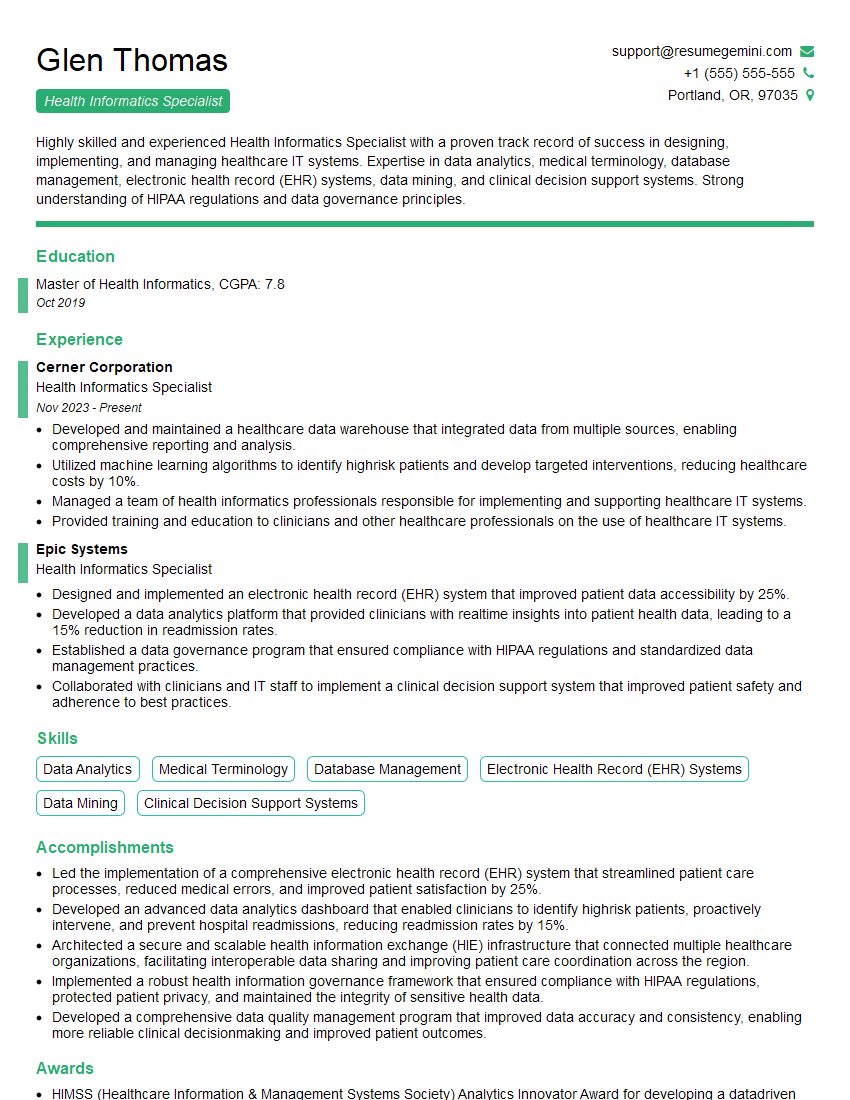
Health Informatics Specialist Resume Sample
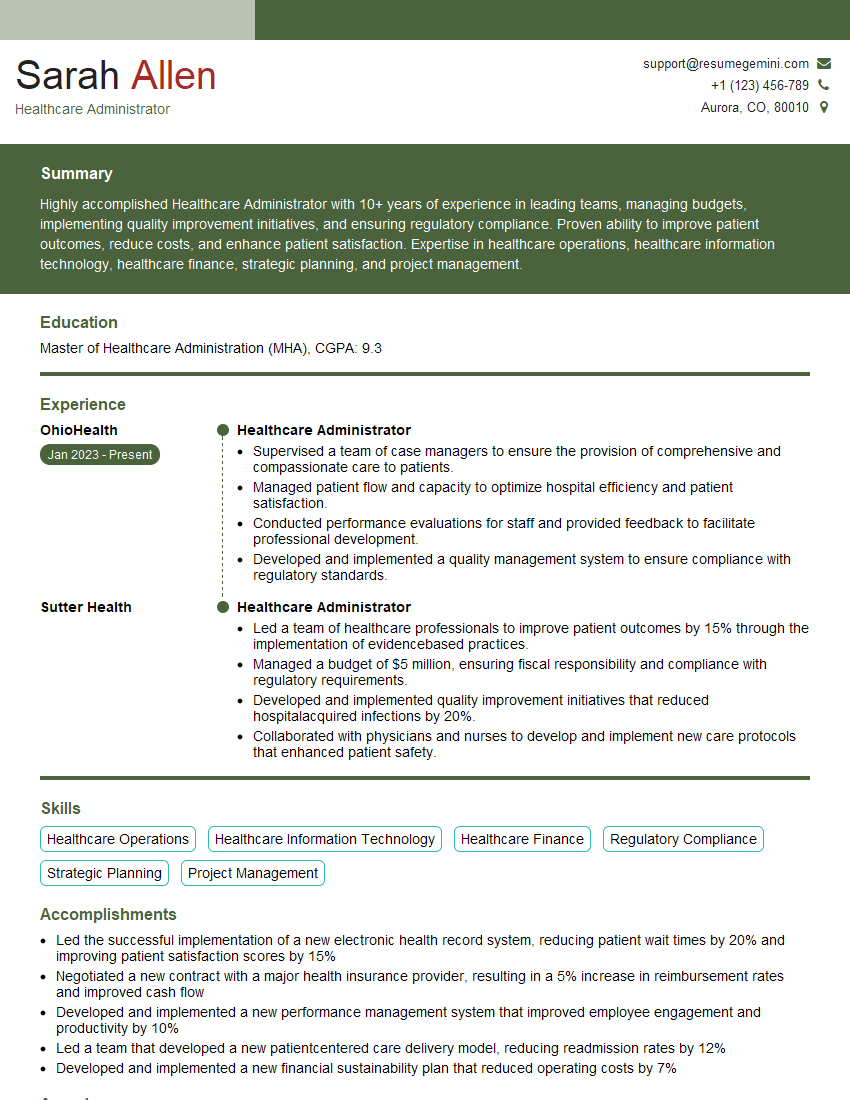
Healthcare Administrator Resume Sample
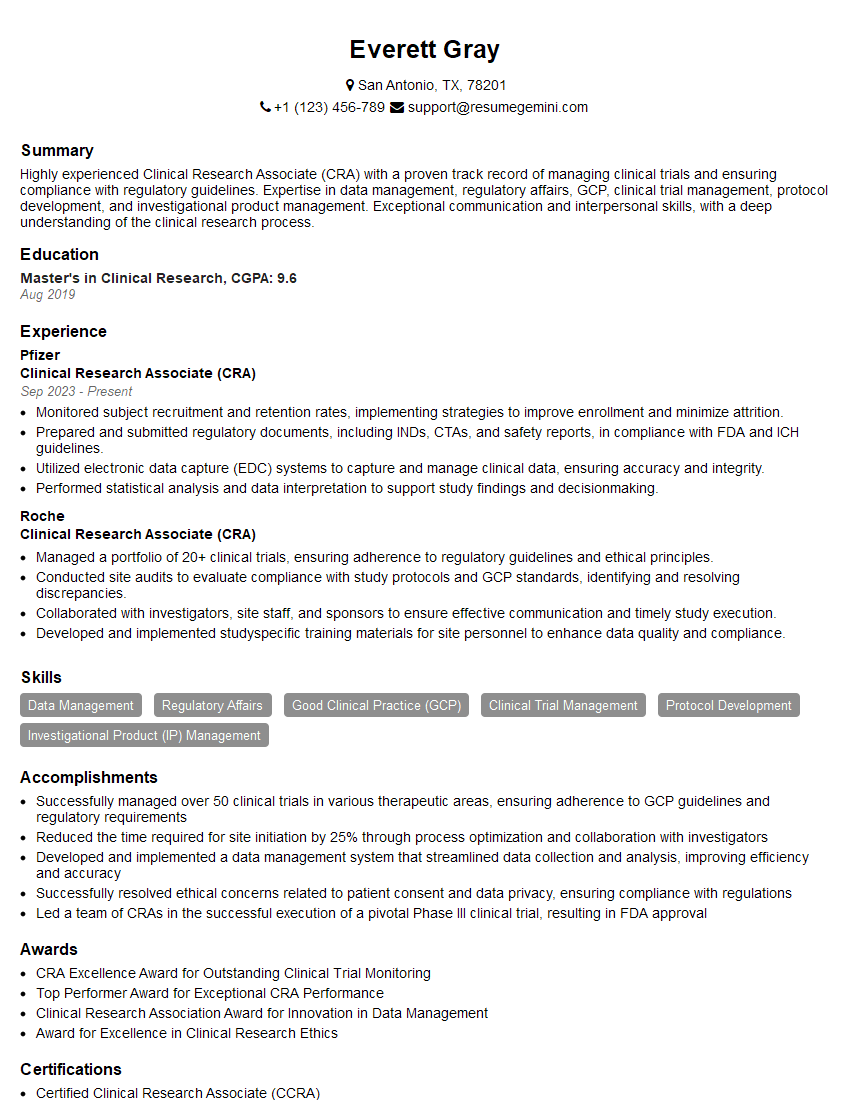
Clinical Research Associate (CRA) Resume Sample
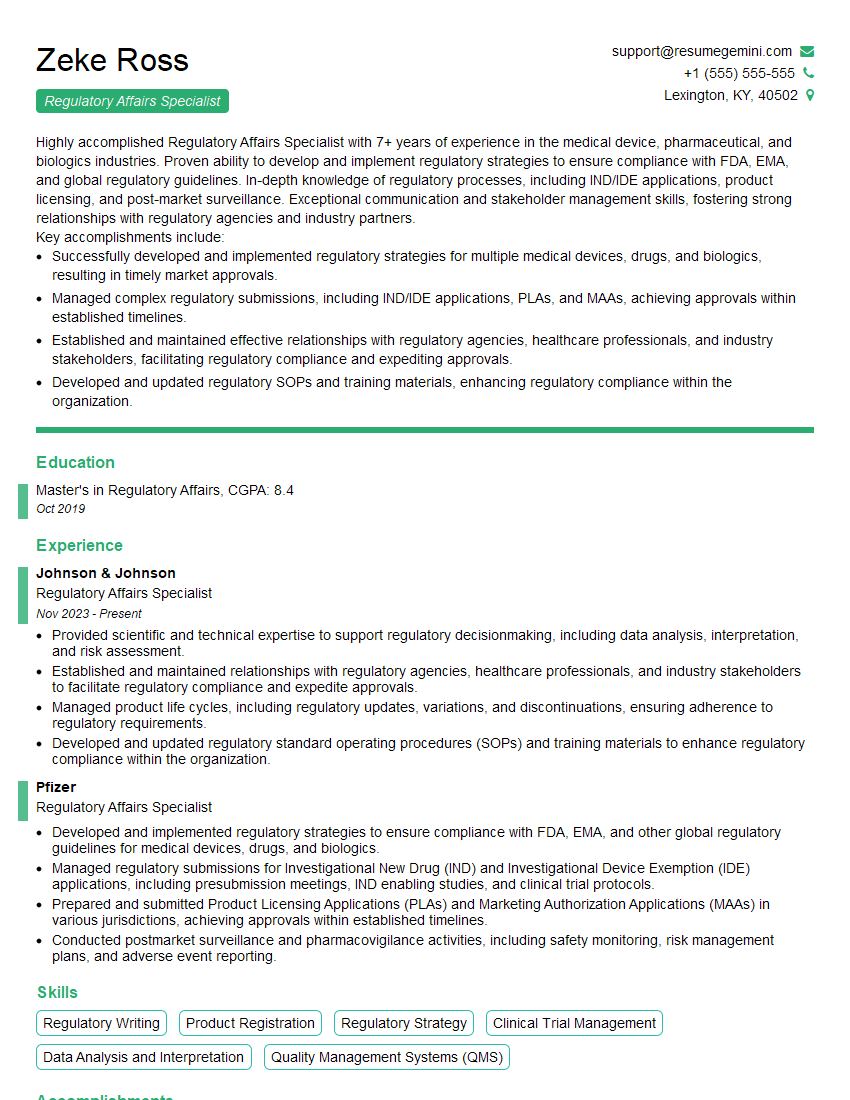
Regulatory Affairs Specialist Resume Sample
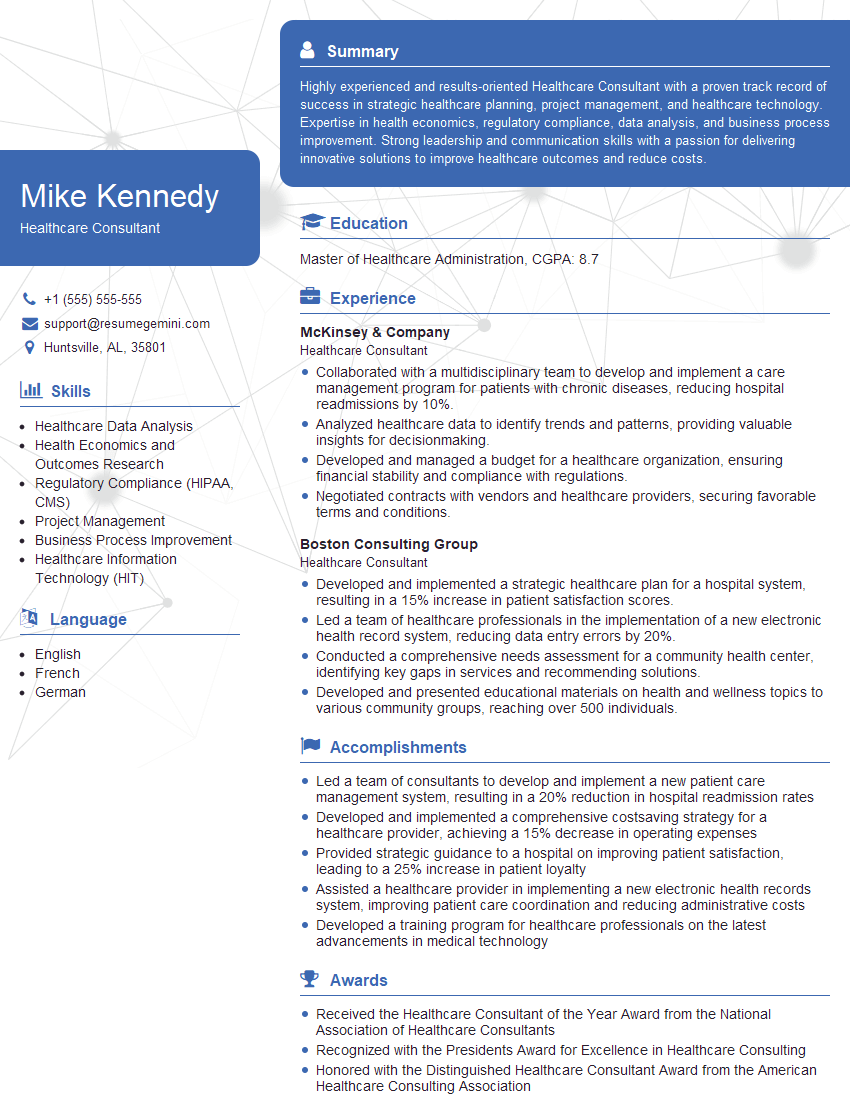
Healthcare Consultant Resume Sample
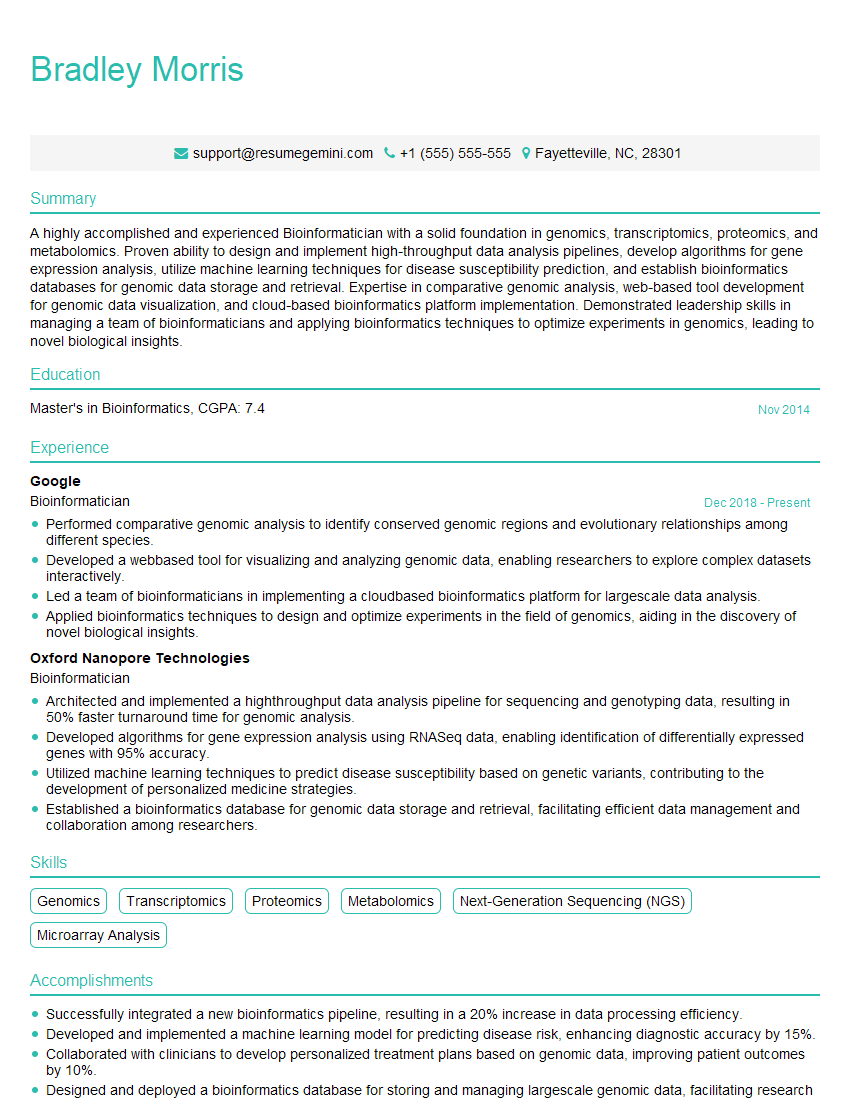
Bioinformatician Resume Sample
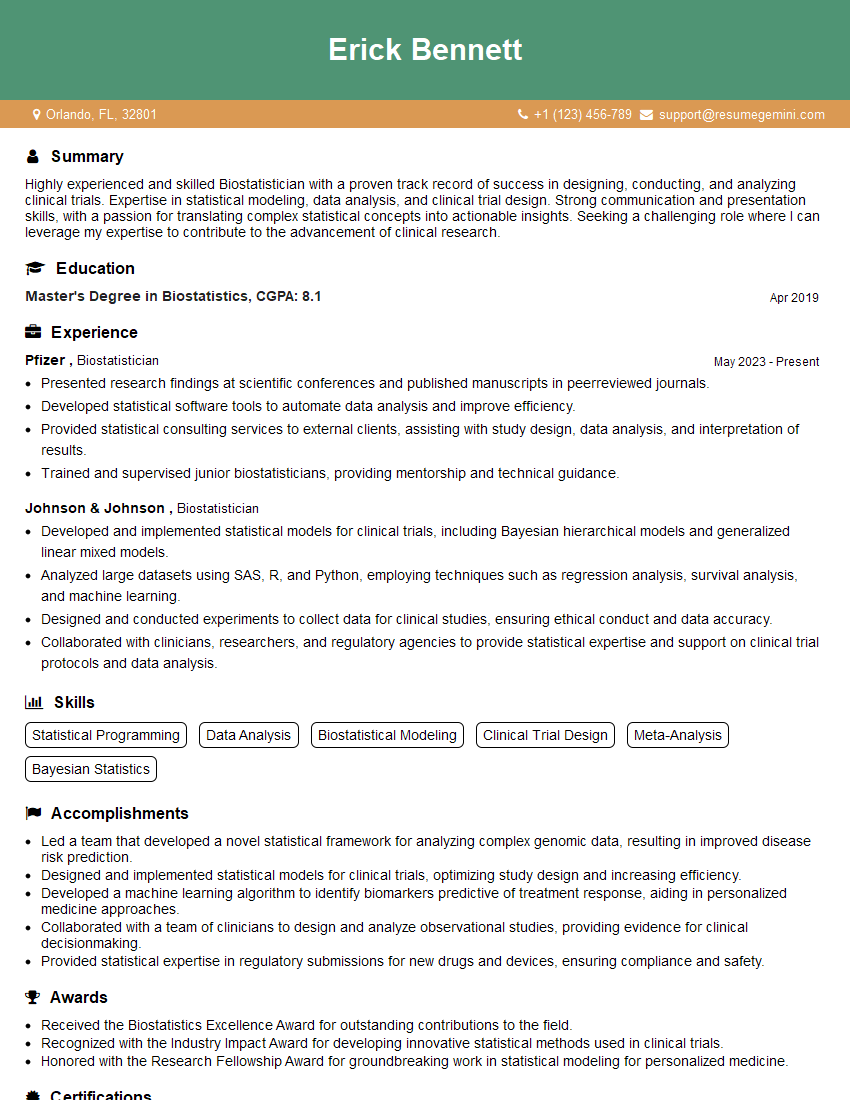
Biostatistician Resume Sample
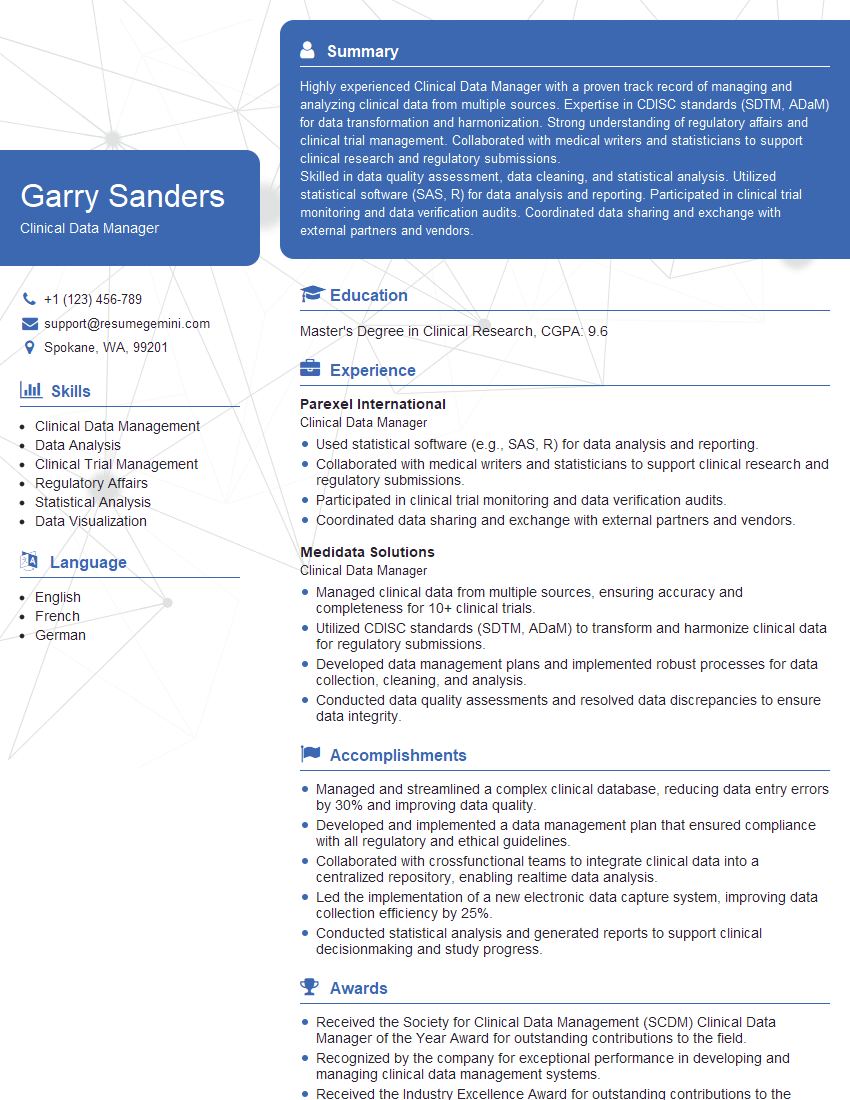
Clinical Data Manager Resume Sample
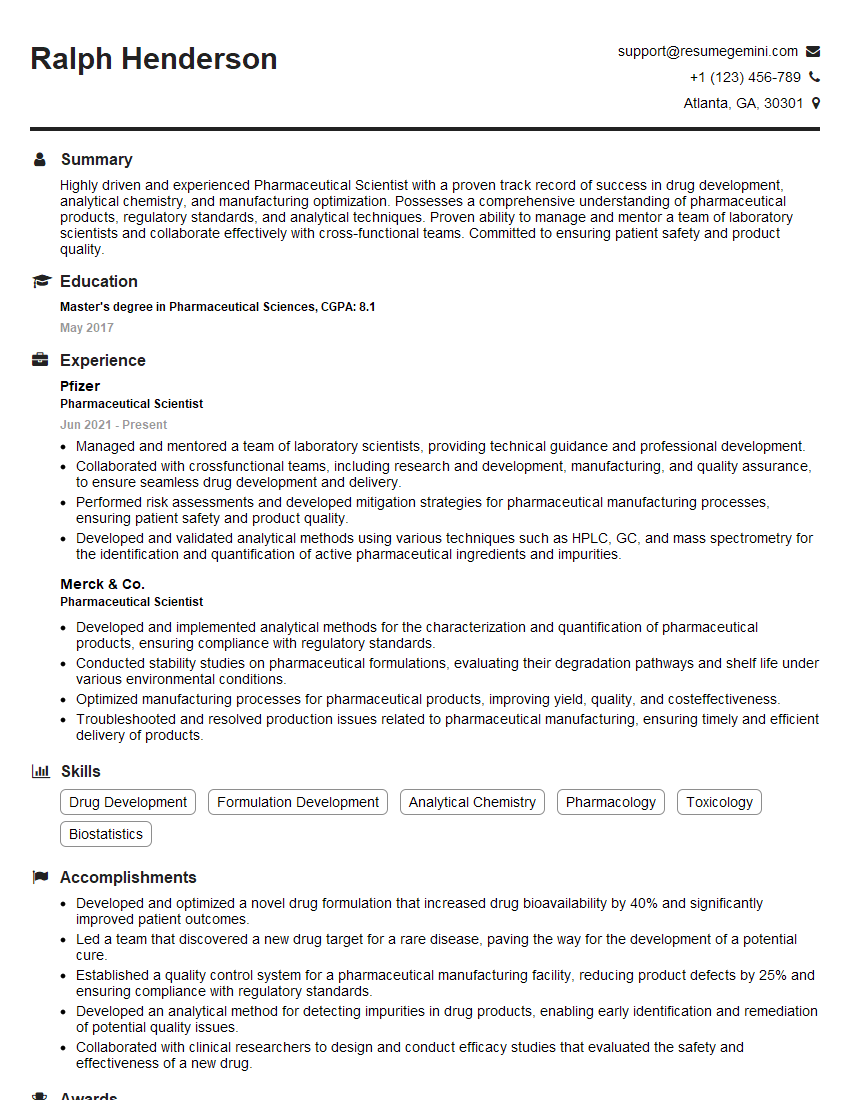
Pharmaceutical Scientist Resume Sample
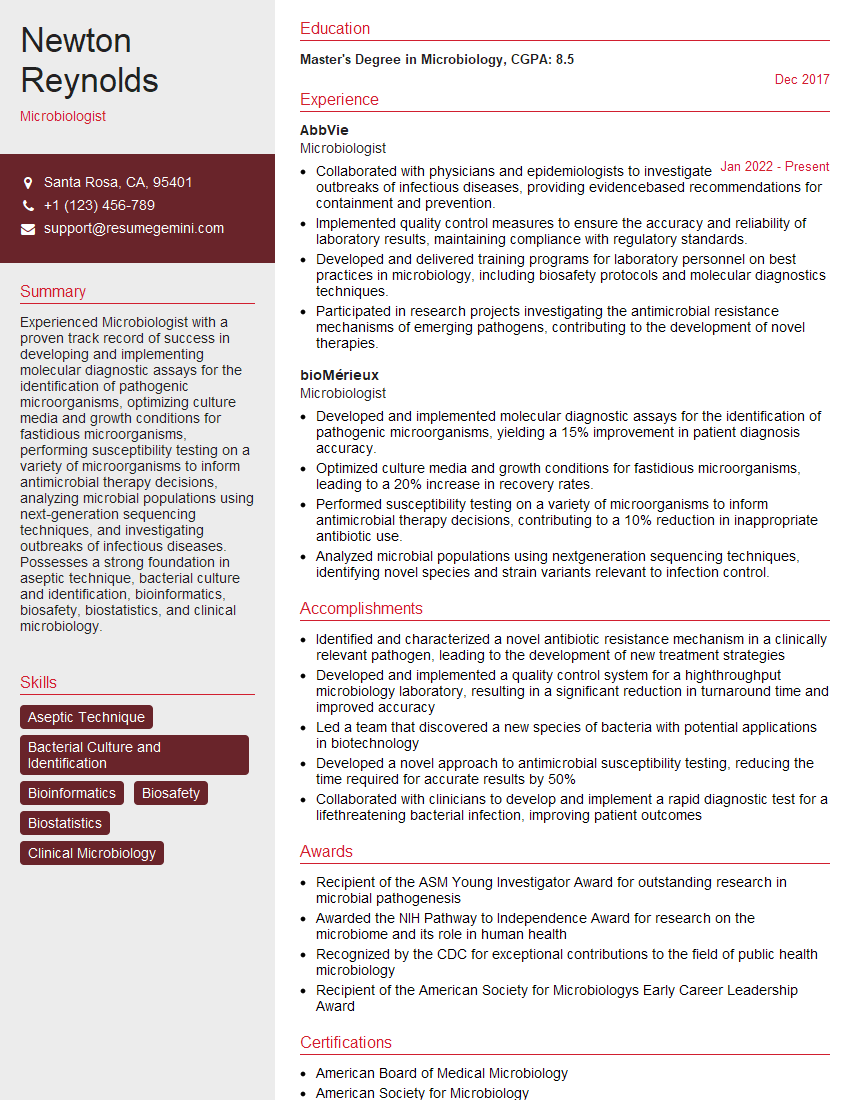
Microbiologist Resume Sample
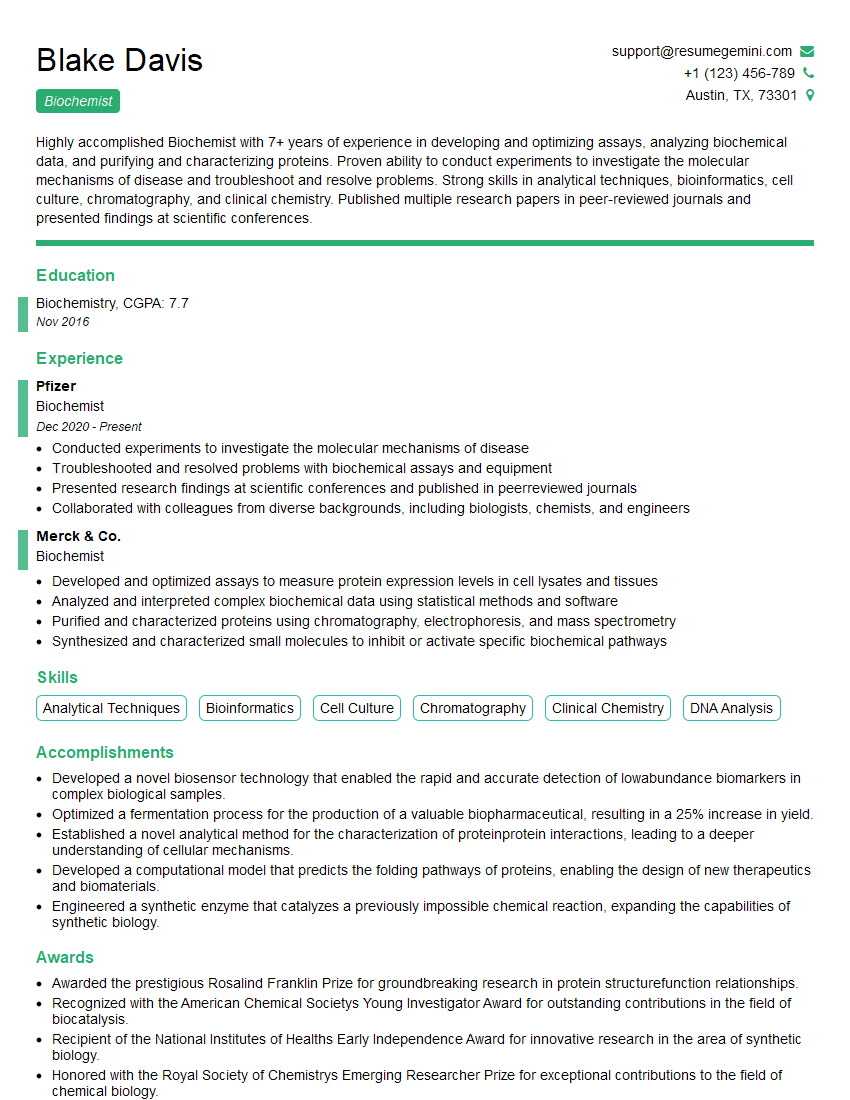
Biochemist Resume Sample
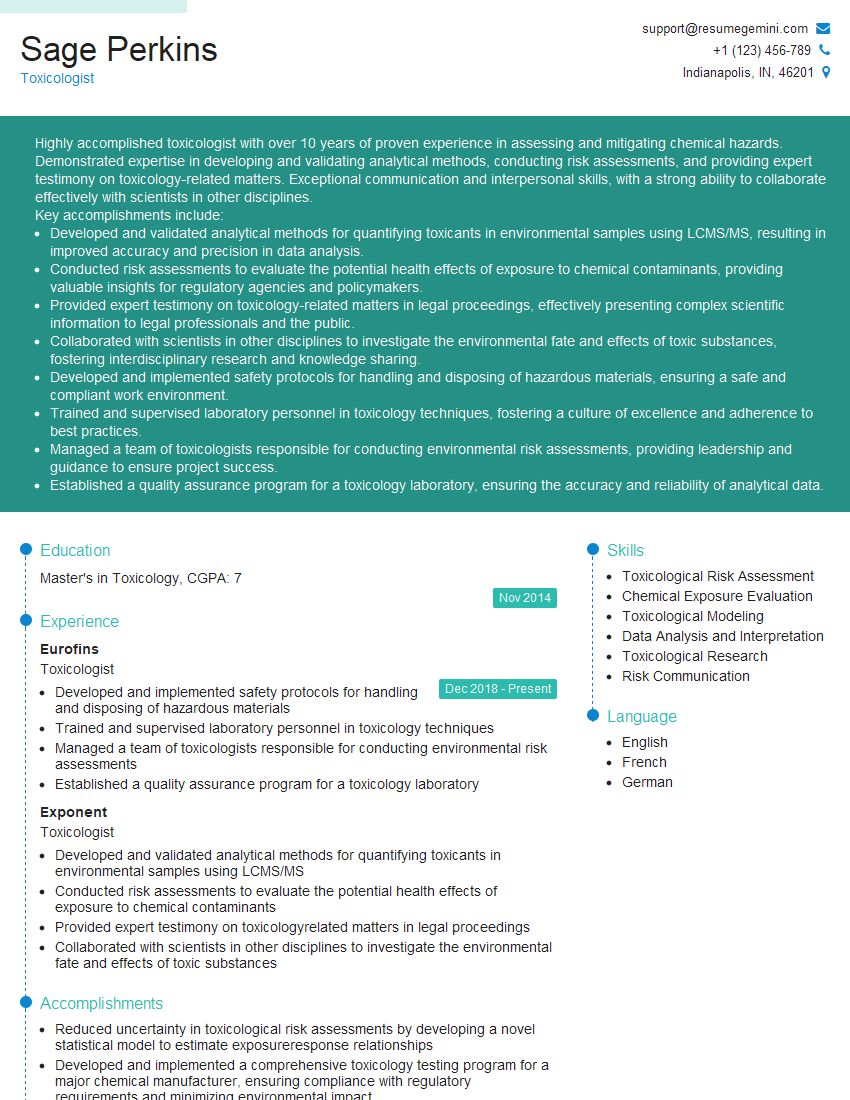
Toxicologist Resume Sample
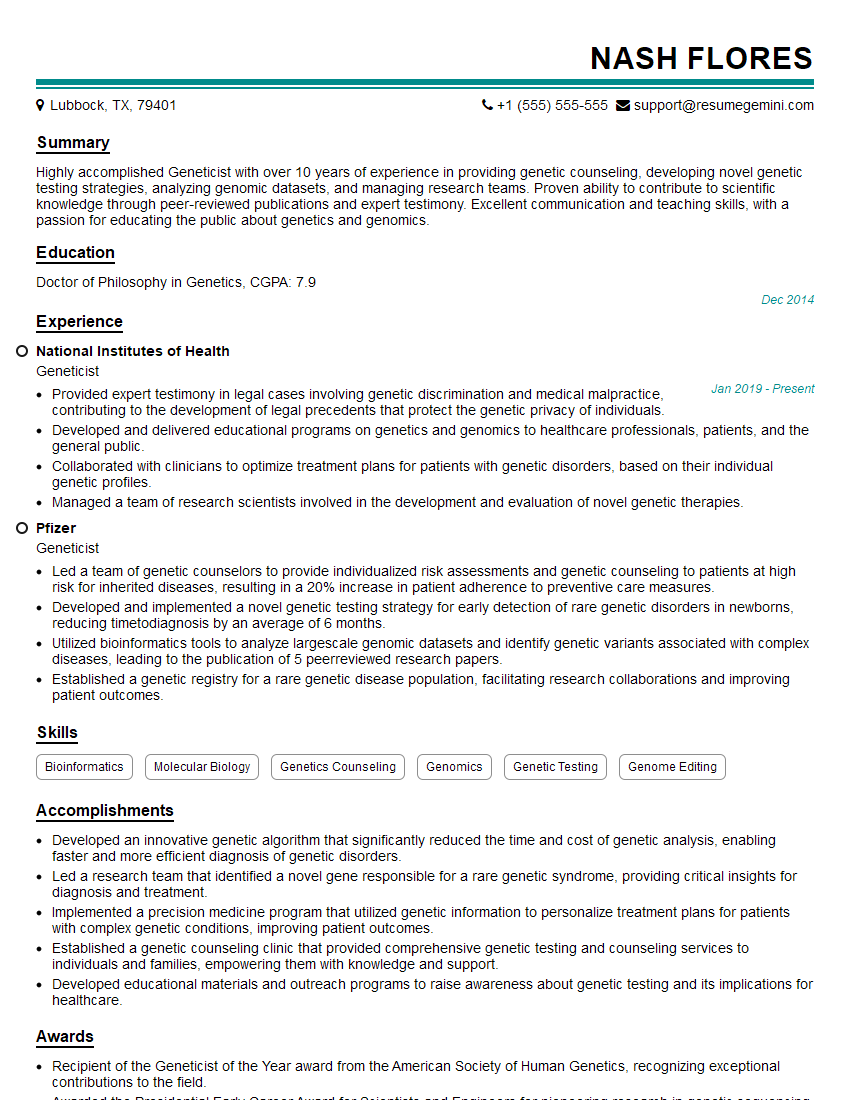
Geneticist Resume Sample
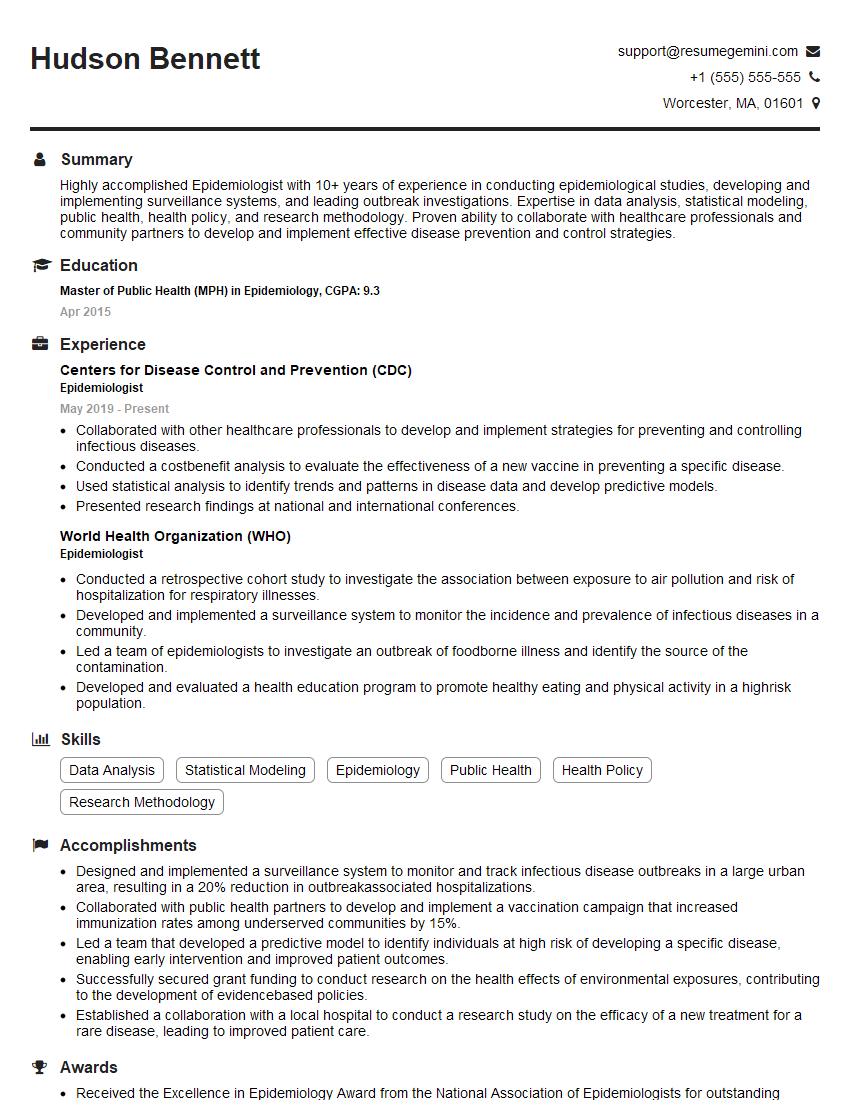
Epidemiologist Resume Sample
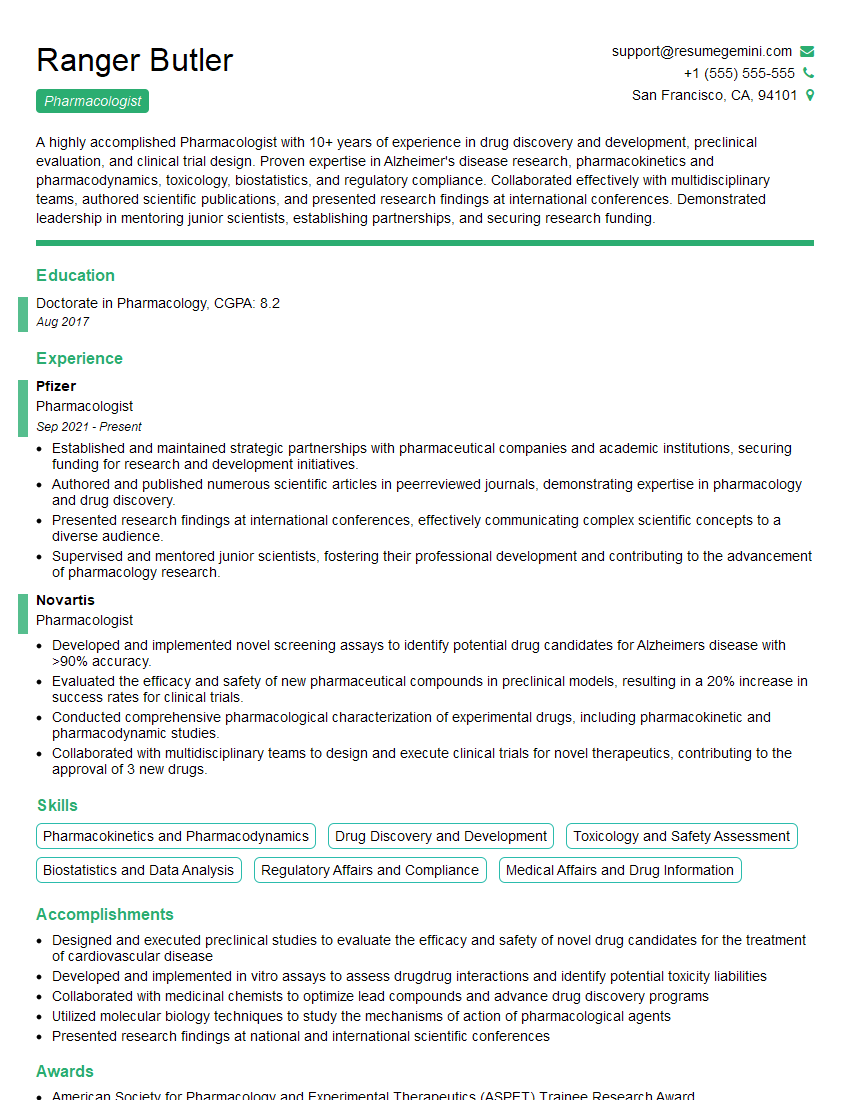
Pharmacologist Resume Sample
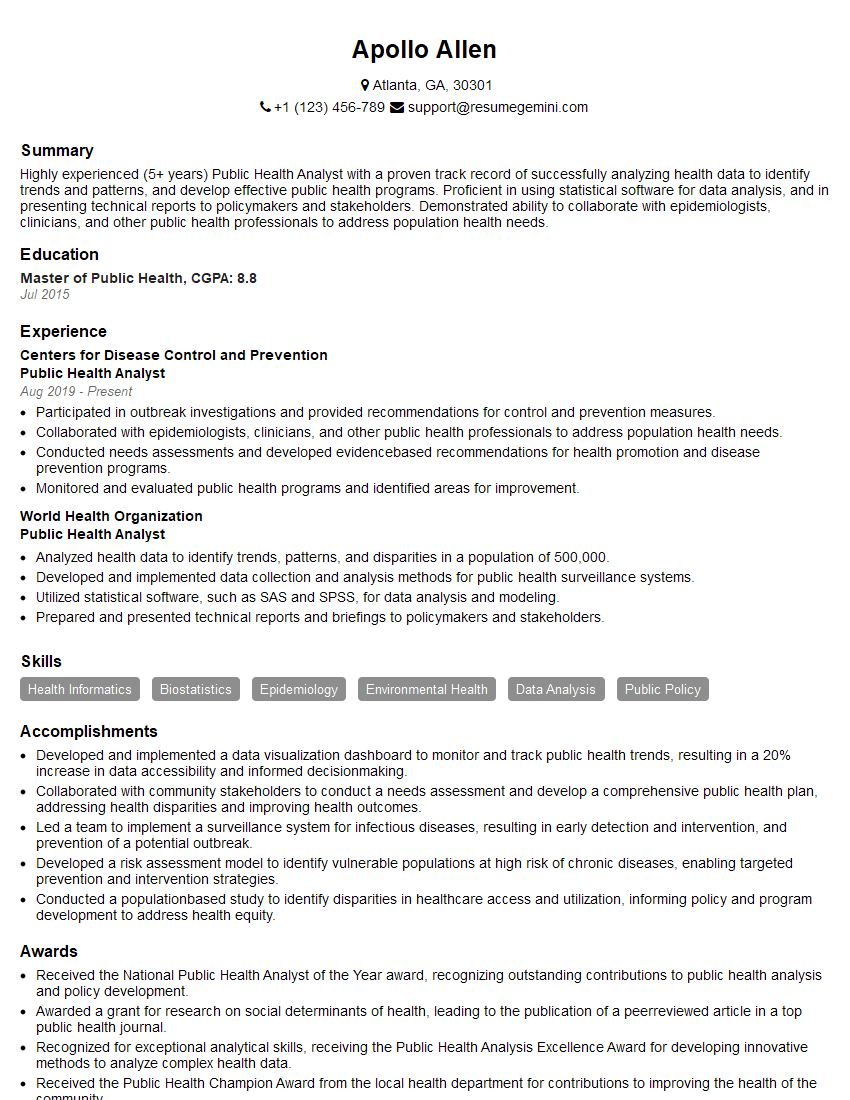
Public Health Analyst Resume Sample
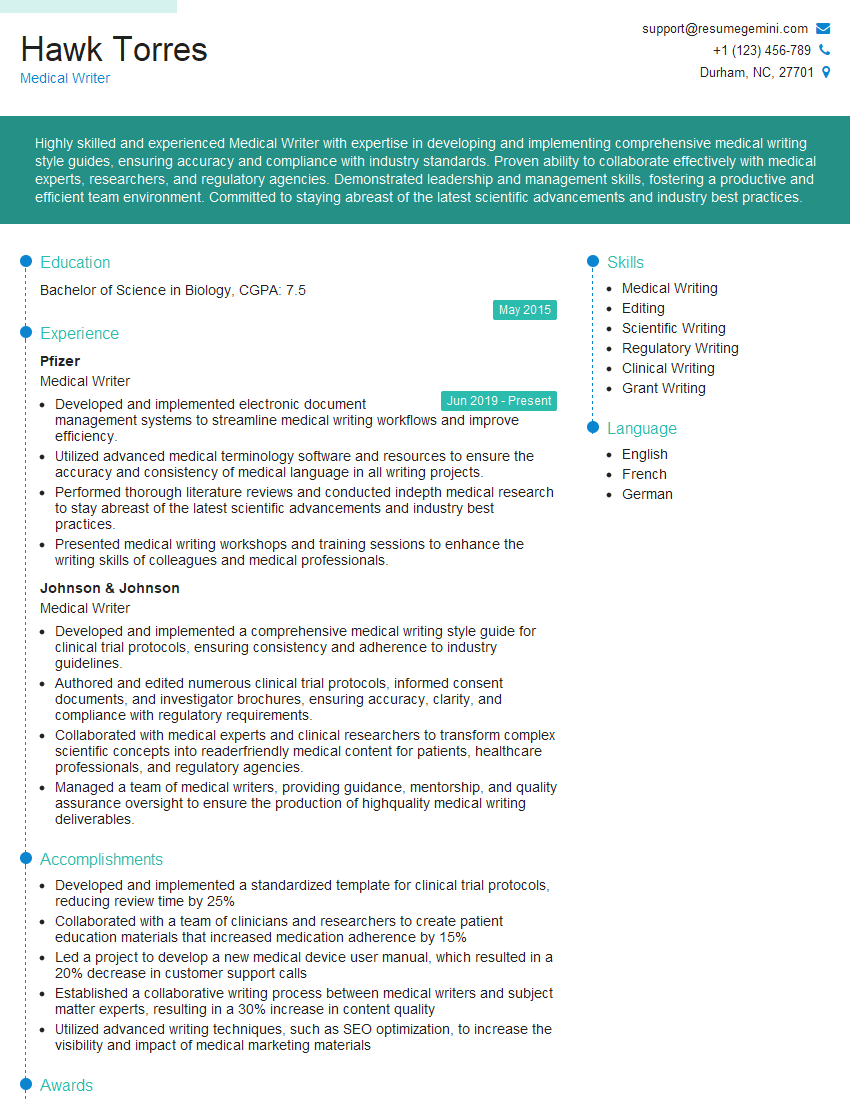
Medical Writer Resume Sample
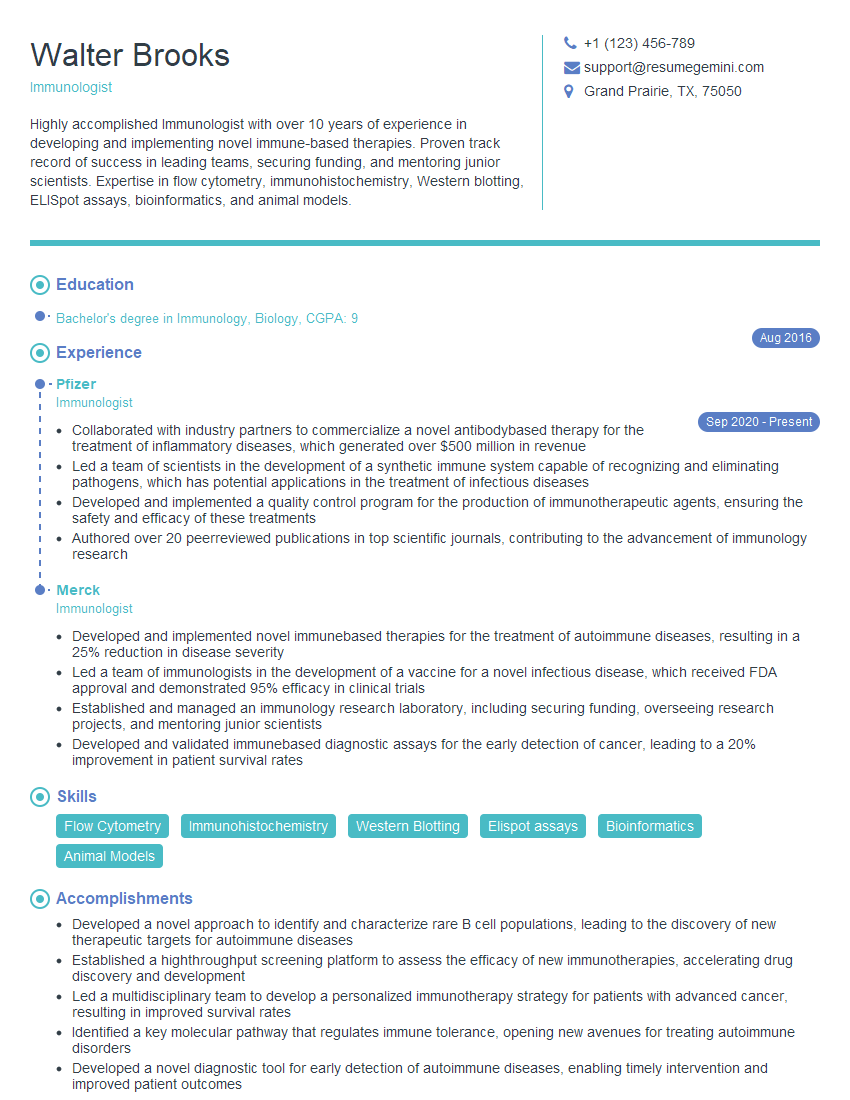
Immunologist Resume Sample
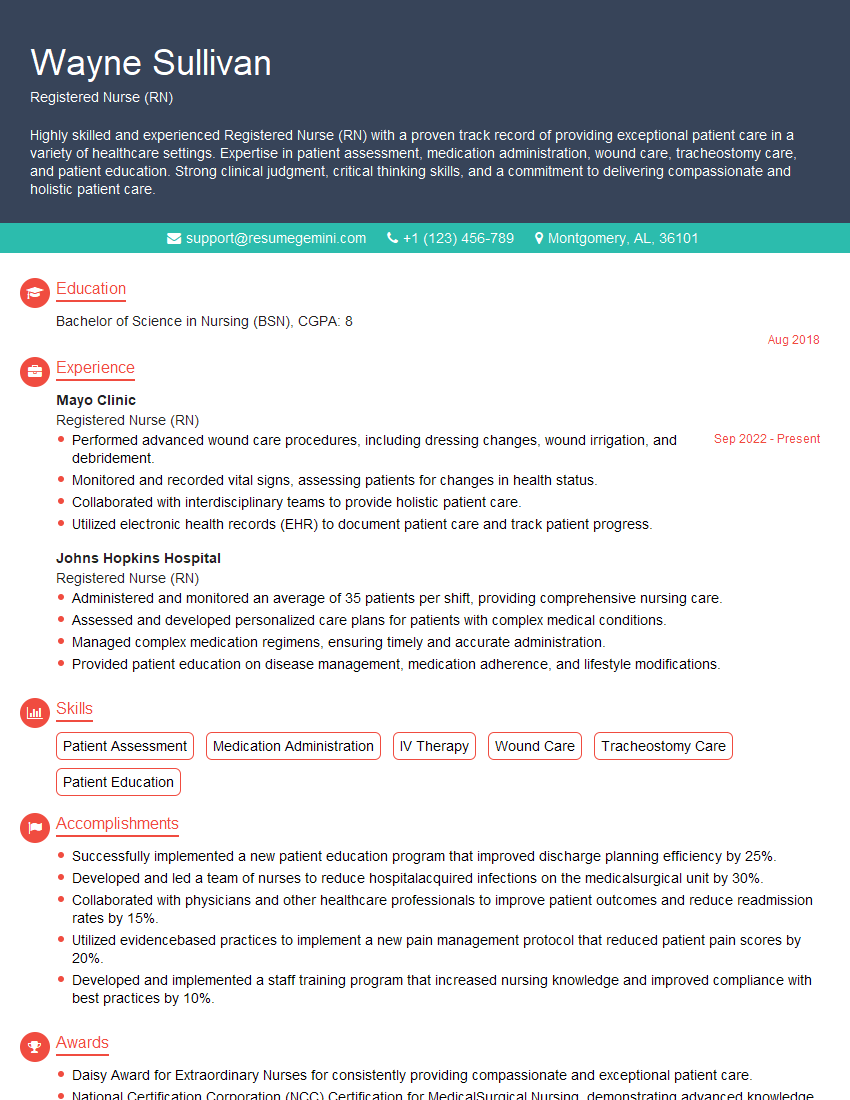
Registered Nurse (RN) Resume Sample
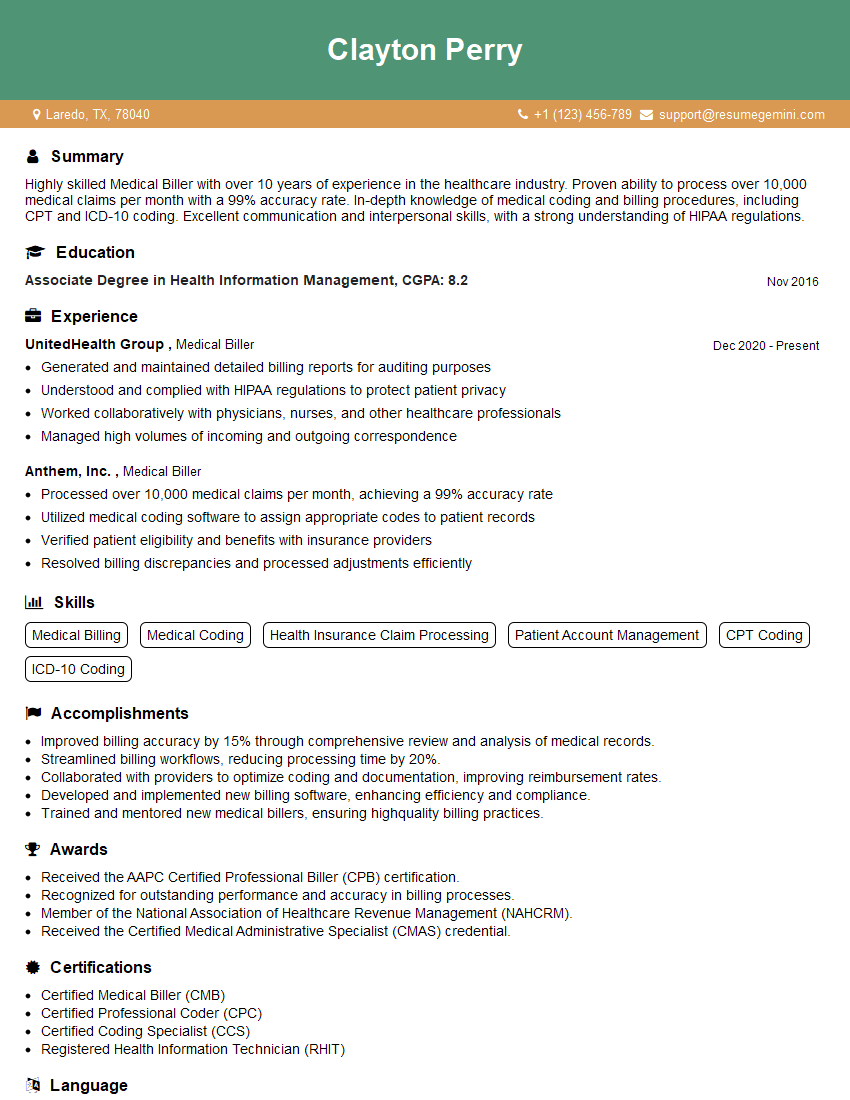
Medical Biller Resume Sample
- Health Informatics Specialist
- Healthcare Administrator
- Clinical Research Associate (CRA)
- Regulatory Affairs Specialist
- Healthcare Consultant
- Bioinformatician
- Biostatistician
- Clinical Data Manager
- Pharmaceutical Scientist
- Microbiologist
- Biochemist
- Toxicologist
- Geneticist
- Epidemiologist
- Pharmacologist
- Public Health Analyst
- Medical Writer
- Immunologist
- Registered Nurse (RN)
- Medical Biller
Explore more articles
Users Rating of Our Blogs
Share Your Experience
We value your feedback! Please rate our content and share your thoughts (optional).
What Readers Say About Our Blog
To the interviewgemini.com Webmaster.
Very helpful and content specific questions to help prepare me for my interview!
Thank you
To the interviewgemini.com Webmaster.
This was kind of a unique content I found around the specialized skills. Very helpful questions and good detailed answers.
Very Helpful blog, thank you Interviewgemini team.