Cracking a skill-specific interview, like one for Nonprofit and Philanthropy, requires understanding the nuances of the role. In this blog, we present the questions you’re most likely to encounter, along with insights into how to answer them effectively. Let’s ensure you’re ready to make a strong impression.
Questions Asked in Nonprofit and Philanthropy Interview
Q 1. Describe your experience in developing and managing a nonprofit budget.
Developing and managing a nonprofit budget requires a meticulous approach, balancing financial sustainability with the organization’s mission. It’s not just about numbers; it’s about strategic resource allocation to maximize impact. My experience involves several key steps: Firstly, I collaborate with program directors to understand their needs and projected costs. Then, I analyze past financial data to identify trends and inform future projections. Next, I develop a detailed budget, outlining revenue streams (such as grants, donations, and earned income) and expenses (program costs, administrative overhead, fundraising expenses). Finally, I implement robust monitoring systems, tracking actual spending against the budget, and reporting regularly to the board of directors. For example, at my previous organization, I successfully implemented a zero-based budgeting approach, which required justifying every expense from scratch, leading to a 15% reduction in administrative overhead without compromising program quality. This allowed us to reallocate those funds to directly support our mission of providing educational resources to underserved communities.
Q 2. Explain your understanding of different fundraising models (e.g., major gifts, grants, events).
Fundraising models are diverse, each with its strengths and weaknesses. Think of it like a diversified investment portfolio – you don’t put all your eggs in one basket. Major gifts involve cultivating relationships with high-net-worth individuals who are capable of making substantial donations. This requires personalized cultivation and strong stewardship. Grants are secured from foundations, corporations, or government agencies, usually requiring detailed proposals outlining project goals, budgets, and anticipated impact. A strong narrative and clear alignment with the funder’s priorities are essential. Events, like galas or fundraising walks, are excellent for building community engagement and generating a broader base of support, often combining smaller donations with sponsorships. For instance, in a previous role, I successfully secured a major gift of $500,000 by building a long-term relationship with a philanthropist who shared our organization’s passion for environmental conservation. Simultaneously, we secured multiple smaller grants to fund specific projects, ensuring a diversified revenue stream.
Q 3. How would you measure the success of a nonprofit program?
Measuring the success of a nonprofit program goes beyond simply counting participants or dollars spent. It requires a comprehensive evaluation framework that aligns with the program’s goals. Key performance indicators (KPIs) should be clearly defined and measurable. This could involve quantitative metrics like the number of individuals served, the percentage increase in a particular skill, or the reduction in a specific problem. Qualitative data is equally important, using surveys, interviews, and focus groups to gauge participant satisfaction and assess the program’s impact on their lives. For example, when evaluating a job training program, we would track not only the number of graduates but also their employment rates, salary increases, and overall job satisfaction. This holistic approach provides a comprehensive picture of the program’s effectiveness.
Q 4. What strategies would you employ to increase donor retention?
Donor retention is crucial for long-term financial stability. It’s cheaper to retain existing donors than to acquire new ones. My strategies focus on building strong relationships and demonstrating impact. This includes regular communication, showing gratitude for their contributions, and providing updates on how their donations are making a difference. Personalized thank-you notes, impact reports highlighting success stories, and invitations to exclusive events are effective methods. Additionally, offering various giving options, such as monthly recurring donations or planned giving opportunities, provides flexibility and caters to different donor preferences. For instance, we implemented a donor recognition program, featuring testimonials from program beneficiaries, which significantly increased donor retention rates. Moreover, creating volunteer opportunities allows donors to become directly involved, fostering a stronger sense of connection and commitment to the cause.
Q 5. Describe your experience writing successful grant proposals.
Writing successful grant proposals is a skill honed through experience and attention to detail. It’s about telling a compelling story that resonates with the funder’s priorities. The process begins with thorough research to identify appropriate funding opportunities and understand the funder’s interests. The proposal must clearly articulate the problem, the proposed solution, the project’s goals and objectives, the methodology, the budget, and the evaluation plan. Strong narratives, data-driven evidence, and a clear articulation of the organization’s capacity are crucial. For example, in one successful proposal, we used strong visuals and data to showcase the impact of our previous projects, building credibility and demonstrating our ability to effectively manage funds. Each proposal was carefully tailored to match the funder’s specific priorities and language, demonstrating a clear understanding of their mission and values.
Q 6. How do you prioritize competing demands on limited resources in a nonprofit setting?
Prioritizing competing demands in a nonprofit setting requires a strategic framework. I use a multi-faceted approach, beginning with a clear understanding of the organization’s mission and strategic goals. This allows for the alignment of resources with the highest priorities. Then, I utilize tools like a project prioritization matrix, which considers factors such as urgency, impact, and feasibility. This helps to objectively evaluate various initiatives and allocate resources accordingly. Transparent communication and collaboration with the leadership team are essential for achieving consensus and buy-in. For instance, we once faced a situation where we had limited funds to address two urgent needs: disaster relief and ongoing educational programs. Using a prioritization matrix, we prioritized disaster relief given its immediate urgency and life-saving impact. However, we also identified cost-cutting measures in other areas to maintain educational program delivery, even with reduced funding.
Q 7. Explain your understanding of nonprofit financial reporting and compliance.
Nonprofit financial reporting and compliance are crucial for maintaining transparency, accountability, and public trust. It involves adhering to Generally Accepted Accounting Principles (GAAP) tailored to the nonprofit sector, as well as complying with relevant regulations and tax laws. This includes accurate record-keeping, timely financial reporting to the board of directors and external stakeholders, and preparation of the annual Form 990 (in the US). Regular audits, both internal and external, are vital to ensure financial health and compliance. A strong understanding of financial statements (balance sheet, income statement, statement of cash flows) and the ability to interpret them effectively are critical. For example, my experience includes managing the entire audit process, ensuring timely submission of all financial reports, and proactively addressing any potential compliance issues to maintain the organization’s good standing.
Q 8. How would you build relationships with key stakeholders (e.g., donors, board members, volunteers)?
Building strong relationships with key stakeholders is paramount for nonprofit success. It’s about fostering trust, understanding their needs, and demonstrating consistent value. I approach this through a multi-faceted strategy:
- Personalized Communication: Instead of generic emails, I prioritize personalized notes, phone calls, or in-person meetings. For example, after a donor contributes, I send a handwritten thank-you note expressing sincere gratitude and highlighting the impact of their gift. For board members, I schedule regular one-on-one check-ins to discuss their perspectives and contributions.
- Active Listening and Empathy: Truly understanding stakeholders’ motivations and concerns is key. I actively listen to their perspectives, ask clarifying questions, and show empathy for their challenges. For instance, if a volunteer expresses frustration with a process, I listen carefully, validate their feelings, and work collaboratively to find a solution.
- Transparent Communication: Open and honest communication builds trust. I regularly share updates on the organization’s progress, challenges, and successes through newsletters, reports, and meetings. This ensures stakeholders feel informed and valued.
- Value-Driven Interactions: I focus on demonstrating the value the nonprofit provides to stakeholders. For donors, this means clearly articulating the impact of their contributions through compelling stories and data. For volunteers, it involves recognizing their contributions and providing opportunities for growth and leadership.
- Regular Engagement: Maintaining consistent contact is crucial. This could involve hosting events, sending regular updates, or simply reaching out to check in. A simple phone call to a major donor just to see how they are doing can go a long way.
Q 9. What experience do you have with developing and implementing strategic plans?
I have extensive experience in developing and implementing strategic plans. My approach involves a collaborative, data-driven process:
- Needs Assessment: The process begins with a thorough assessment of the organization’s current state, including its strengths, weaknesses, opportunities, and threats (SWOT analysis). This involves gathering data from various sources, such as financial reports, program evaluations, and stakeholder interviews.
- Goal Setting: Based on the needs assessment, we collaboratively define SMART goals (Specific, Measurable, Achievable, Relevant, and Time-bound). For example, instead of a vague goal like ‘increase fundraising,’ we might aim to ‘increase major donor contributions by 20% within the next fiscal year.’
- Strategic Planning: We develop a detailed strategic plan outlining the steps needed to achieve our goals. This includes identifying key initiatives, assigning responsibilities, and establishing timelines. We might use a Gantt chart to visualize the project timeline and dependencies.
- Implementation and Monitoring: The strategic plan is implemented, and progress is continuously monitored. Regular meetings and progress reports help us track performance against goals and make necessary adjustments.
- Evaluation and Refinement: The plan is regularly evaluated to assess its effectiveness and make necessary revisions. This is an iterative process, and the plan should be a living document that evolves as the organization’s needs and circumstances change.
In my previous role at [Previous Organization Name], I led the development of a 5-year strategic plan that resulted in a 30% increase in program impact and a 15% increase in overall funding.
Q 10. How would you handle a conflict between staff members?
Conflict resolution is a critical skill in nonprofit management. My approach is based on fairness, empathy, and a focus on finding mutually beneficial solutions. I follow these steps:
- Facilitation: I encourage open communication between the staff members involved, creating a safe space for them to express their perspectives. I act as a neutral facilitator, ensuring both sides are heard and understood.
- Active Listening: I carefully listen to each staff member’s concerns, asking clarifying questions to fully understand the situation. This helps me identify the root causes of the conflict.
- Mediation: I help the staff members identify common ground and collaboratively develop solutions that address their concerns. This involves finding compromise and focusing on shared goals.
- Documentation: I document the conflict and the agreed-upon solutions. This helps ensure accountability and prevents future recurrences.
- Follow-up: I follow up with the staff members to ensure the agreed-upon solutions are implemented and that the conflict is resolved. I also offer ongoing support and guidance to prevent future conflicts.
For example, if two staff members were disagreeing about project responsibilities, I’d facilitate a meeting where they could openly discuss their concerns. We’d collaboratively redefine roles and responsibilities to ensure clarity and prevent future conflicts.
Q 11. Describe your experience with volunteer management.
Volunteer management is crucial for maximizing the impact of a nonprofit. My experience encompasses the entire lifecycle of volunteer engagement:
- Recruitment: I develop effective recruitment strategies, utilizing various channels to attract qualified volunteers. This includes online platforms, community outreach, and partnerships with local organizations.
- Onboarding and Training: I create comprehensive onboarding and training programs to equip volunteers with the necessary skills and knowledge. This ensures they are prepared for their roles and can contribute effectively.
- Placement and Supervision: I carefully match volunteers with appropriate roles based on their skills and interests. I provide regular supervision and support to ensure they are successful and feel valued.
- Recognition and Appreciation: I regularly recognize and appreciate the contributions of volunteers through events, awards, and other forms of acknowledgment. This helps retain volunteers and fosters a sense of community.
- Evaluation and Feedback: I gather feedback from volunteers to continuously improve the volunteer program. This helps ensure the program meets the needs of both the volunteers and the organization.
At [Previous Organization Name], I managed a team of over 50 volunteers, resulting in a 25% increase in program efficiency and a significant improvement in volunteer satisfaction.
Q 12. How familiar are you with various fundraising software and databases?
I am proficient in using various fundraising software and databases, including:
- DonorPerfect: Experienced in managing donor information, tracking donations, and generating reports.
- Raiser’s Edge: Proficient in using this software for donor relationship management, fundraising campaigns, and grant tracking.
- Blackbaud CRM: Familiar with this comprehensive CRM for managing donor interactions, tracking pledges, and analyzing fundraising data.
- Salesforce Nonprofit Cloud: Experienced in using Salesforce for donor management, fundraising, and program tracking.
My experience extends beyond basic data entry; I can create custom reports, analyze fundraising trends, and use data to inform strategic decision-making. I understand the importance of data integrity and best practices for data security.
Q 13. What is your understanding of the regulatory environment for nonprofits?
Understanding the regulatory environment for nonprofits is crucial for ensuring compliance and maintaining credibility. My understanding encompasses several key areas:
- IRS Regulations: I’m familiar with IRS regulations governing 501(c)(3) organizations, including requirements for maintaining tax-exempt status, reporting requirements (Form 990), and restrictions on political activities.
- State Regulations: I understand that state regulations vary and require adherence to specific rules regarding registration, reporting, and fundraising practices. I’m adept at navigating these variations.
- Financial Reporting: I’m well-versed in generally accepted accounting principles (GAAP) for nonprofits and understand the importance of accurate and transparent financial reporting.
- Fundraising Regulations: I’m aware of regulations governing fundraising practices, including requirements for transparency, disclosure, and solicitations.
- Privacy and Data Protection: I understand the importance of complying with privacy regulations, such as HIPAA and GDPR, when handling sensitive donor information.
Staying abreast of changes in regulations is ongoing. I regularly consult legal resources and professional organizations to ensure our organization remains compliant.
Q 14. How do you identify and cultivate potential major donors?
Identifying and cultivating potential major donors is a strategic process requiring careful research, relationship building, and thoughtful cultivation. My approach includes:
- Prospect Research: I utilize various research tools to identify individuals and organizations with the capacity and inclination to make substantial gifts. This might involve reviewing wealth screening databases, researching philanthropic giving histories, and analyzing network connections.
- Relationship Building: Once potential donors are identified, I focus on building relationships through personalized communication, attending relevant events, and understanding their philanthropic interests. This process takes time and requires genuine engagement.
- Cultivation Strategies: I develop tailored cultivation strategies to nurture relationships and demonstrate the impact of the nonprofit’s work. This could involve invitations to exclusive events, site visits, or personalized reports showcasing the organization’s achievements.
- Solicitation: When the time is right, I make a well-prepared and compelling solicitation, highlighting the donor’s potential impact and the organization’s mission. This process often involves multiple conversations and a strong understanding of the donor’s motivations.
- Stewardship: After a gift is received, I prioritize excellent stewardship through timely acknowledgements, ongoing communication, and reporting on the impact of the donation. This fosters ongoing engagement and encourages future giving.
For example, I once identified a potential major donor through research on their past philanthropic giving. By building a strong relationship and understanding their interests, I secured a significant gift that helped fund a critical program expansion.
Q 15. Describe your experience with board governance and development.
Board governance and development are crucial for a nonprofit’s success. Effective governance ensures accountability, strategic direction, and responsible stewardship of resources. Development focuses on building a strong board capable of fulfilling these responsibilities.
In my experience, I’ve worked with boards to develop robust governance structures, including creating clear bylaws, establishing committees with defined roles and responsibilities (e.g., finance, fundraising, program), and implementing regular board evaluations. I’ve facilitated strategic planning sessions to align board priorities with the organization’s mission and goals. For example, I helped a small environmental nonprofit create a new fundraising committee that significantly increased their annual donations by diversifying their fundraising streams, moving beyond solely relying on individual donations to include corporate sponsorships and grant writing.
Board development includes recruiting and onboarding new members, providing training on nonprofit best practices, and fostering strong relationships among board members. I’ve utilized various tools like competency assessments and mentoring programs to enhance board effectiveness. This resulted in improved communication, increased collaboration, and higher levels of engagement.
Career Expert Tips:
- Ace those interviews! Prepare effectively by reviewing the Top 50 Most Common Interview Questions on ResumeGemini.
- Navigate your job search with confidence! Explore a wide range of Career Tips on ResumeGemini. Learn about common challenges and recommendations to overcome them.
- Craft the perfect resume! Master the Art of Resume Writing with ResumeGemini’s guide. Showcase your unique qualifications and achievements effectively.
- Don’t miss out on holiday savings! Build your dream resume with ResumeGemini’s ATS optimized templates.
Q 16. How do you assess the impact of a nonprofit program?
Assessing the impact of a nonprofit program requires a systematic approach that goes beyond simply counting outputs. We need to measure outcomes and the overall impact on the target population. This involves defining clear, measurable, achievable, relevant, and time-bound (SMART) goals from the outset.
For instance, if a program aims to improve literacy rates among at-risk youth, we wouldn’t just count the number of workshops conducted. Instead, we’d measure improvements in reading comprehension scores, school attendance, and graduation rates. We might use pre- and post-program assessments, surveys, and focus groups to gather data. Data analysis then helps to understand the effectiveness of the program, identify areas for improvement, and demonstrate the value of the investment to stakeholders.
Qualitative data, such as testimonials and case studies, can provide rich insights into the program’s impact on participants’ lives. This helps illustrate the real-world difference the program makes and adds a compelling narrative to quantitative results. A robust impact evaluation allows for continuous improvement and demonstrates accountability to funders and the community.
Q 17. What is your experience with capacity building within a nonprofit organization?
Capacity building is the process of strengthening a nonprofit’s internal capabilities to achieve its mission. This involves improving skills, systems, and infrastructure. My experience encompasses several key areas.
- Staff Development: I’ve designed and implemented training programs to enhance staff skills in areas such as grant writing, fundraising, program management, and financial reporting. For example, I created a tailored training program on grant writing, leading to a 30% increase in successful grant applications for one organization.
- Technology and Systems: I’ve helped nonprofits implement new technologies and systems to improve efficiency and effectiveness. This includes selecting and implementing CRM systems for donor management, project management software, and accounting software.
- Strategic Planning: I’ve guided organizations through strategic planning processes to clarify their mission, vision, goals, and strategies for achieving their objectives. This provides a roadmap for future growth and development.
- Board Development (as mentioned above): Strengthening the board’s capacity is a crucial aspect of overall organizational capacity building.
Capacity building is not a one-time event, but an ongoing process of continuous improvement and adaptation to meet changing needs and circumstances.
Q 18. How do you manage donor expectations?
Managing donor expectations is critical for cultivating long-term relationships. Transparency and open communication are key.
First, I ensure donors understand how their contributions will be used. This involves clearly articulating program goals, budget allocations, and expected outcomes. Regular updates, such as newsletters, impact reports, and invitations to events, keep donors informed about the progress being made. I also make sure to acknowledge donations promptly and personally, expressing sincere gratitude.
It’s important to set realistic expectations. While it’s crucial to be ambitious, over-promising can damage trust. If there are unforeseen challenges, I communicate openly and honestly with donors, explaining the situation and adjusting expectations as needed. Building a strong relationship based on honesty and mutual respect is far more important than any single donation.
Finally, I segment donors based on their giving history and interests and tailor communication to their preferences. This personalized approach strengthens relationships and encourages ongoing support.
Q 19. What is your experience with developing marketing and communication strategies for a nonprofit?
Developing effective marketing and communication strategies for nonprofits requires a multi-faceted approach that combines storytelling, data-driven decision-making, and a deep understanding of the target audience.
I start by defining clear communication goals – what do we want to achieve? Increased donations? Greater volunteer recruitment? Increased awareness of our programs? Then, I identify the key target audiences – donors, volunteers, beneficiaries, the general public. Understanding their needs, values, and communication preferences is paramount. This information guides the choice of communication channels (social media, email marketing, website, print materials, events) and the messaging style.
Storytelling is crucial. Nonprofits need to effectively communicate their impact and mission through compelling narratives that resonate with their audiences. I utilize data analytics to track the effectiveness of campaigns and make data-driven adjustments to optimize outcomes. For example, I might track website traffic, social media engagement, and donation rates to assess the effectiveness of different marketing materials and messaging.
Finally, a strong brand identity, consistent messaging, and a clear call to action are essential to ensure that communication efforts are cohesive and effective.
Q 20. How would you approach securing a significant grant?
Securing a significant grant requires a strategic and well-planned approach. It begins long before the application process.
- Identify Potential Funders: Thorough research is crucial. I identify foundations, corporations, or government agencies whose funding priorities align with the nonprofit’s mission and programs. This includes researching past grant awards to understand their funding preferences and requirements.
- Develop a Compelling Proposal: This is the heart of the process. The proposal needs a strong narrative, clearly articulating the problem, the proposed solution, the organization’s capacity to implement the project, a detailed budget, and a clear evaluation plan. It’s essential to highlight the expected impact and demonstrate a clear understanding of the funder’s priorities.
- Cultivate Relationships: Building relationships with grant-makers is crucial. This might involve attending informational sessions, networking events, or engaging in preliminary conversations to understand their interests and expectations.
- Strong Budget Justification: A clear, well-justified budget demonstrates fiscal responsibility and strengthens the application.
- Follow-up and Thank You: After submitting the proposal, a timely and professional thank-you note is essential. Follow-up communication can address any questions the funder may have.
Securing significant grants is a competitive process, and perseverance is key. A strong proposal, cultivated relationships, and a clear understanding of the funder’s priorities significantly increase the chances of success.
Q 21. Explain your understanding of different types of grants (e.g., foundation grants, government grants).
Different types of grants have varying requirements and funding priorities.
- Foundation Grants: Foundations are philanthropic organizations that award grants to support various causes. They often have specific areas of interest (e.g., education, health, environment) and may have particular funding priorities or geographic limitations. Foundation grants often require detailed proposals outlining the project’s goals, budget, and evaluation plan.
- Government Grants: Government agencies at the local, state, and federal levels provide grants to support programs aligned with their priorities (e.g., community development, social services, research). Government grants usually have specific application processes, deadlines, and reporting requirements. They often involve a competitive application process with rigorous review.
- Corporate Grants: Many corporations offer grants to support community initiatives aligned with their corporate social responsibility goals. These grants may have more flexibility in their requirements than foundation or government grants, but may still require a detailed proposal.
- Individual Grants: While often smaller in scale, individual donations are a crucial source of funding for nonprofits, and cultivating these relationships is also important.
Understanding the distinct characteristics of each grant type is essential for crafting effective grant proposals and maximizing the chances of securing funding.
Q 22. How do you maintain ethical practices in fundraising and program implementation?
Maintaining ethical practices in fundraising and program implementation is paramount for a nonprofit’s credibility and sustainability. It’s not just about complying with laws but about upholding the public trust. This involves transparency, accountability, and a commitment to the mission.
- Transparency: We must be open about our finances, clearly outlining how donations are used. This includes regular financial reports available to donors and the public, detailing program expenses and administrative costs. For example, if a campaign raises $100,000 for a specific project, a detailed breakdown of how those funds were spent should be readily accessible.
- Accountability: We need robust internal controls and regular audits to ensure that funds are managed responsibly and that programs are delivering on their intended outcomes. This involves establishing clear lines of responsibility and using standardized procedures for all financial transactions.
- Mission Alignment: Every fundraising initiative and program must directly support the organization’s mission. We must avoid activities that might compromise our integrity, even if they seem financially lucrative. For example, if our mission is to combat homelessness, we wouldn’t accept a donation tied to a project unrelated to this goal.
- Donor Stewardship: We treat donors with respect and keep them informed about the impact of their contributions. This includes regular updates on project progress, thanking donors promptly, and maintaining open communication.
Ethical fundraising also requires avoiding high-pressure tactics, misleading information, or any actions that exploit donors’ generosity. Our ethical compass guides every decision.
Q 23. What are your strengths and weaknesses in a nonprofit leadership role?
My strengths as a nonprofit leader lie in strategic planning, team building, and fundraising. I excel at developing comprehensive strategies that align with the organization’s mission and goals. I’m adept at fostering collaborative team environments, motivating staff to achieve ambitious targets. My successful track record in securing major grants and diversifying funding streams demonstrates my fundraising prowess. For example, I increased funding for a previous organization by 30% within two years through innovative fundraising strategies.
However, my weakness is sometimes delegating tasks effectively. I can be meticulous and want to ensure everything is done to the highest standards, which can lead to taking on too much myself. I’m actively working to improve this by consciously delegating responsibilities and building the capacity of my team members, fostering their growth and independence.
Q 24. Describe a time you had to make a difficult decision in a nonprofit context.
In my previous role, we faced a significant budget shortfall due to unexpected circumstances. We had to make a difficult decision about cutting programs. We used a data-driven approach, assessing the impact of each program on our mission and its cost-effectiveness. We prioritized programs with the highest impact and those serving the most vulnerable populations. This involved difficult conversations with staff and stakeholders, but the process was transparent and participatory. The result was painful but necessary, allowing us to preserve the core of our mission and build for a more sustainable future.
Q 25. How do you stay up-to-date on current trends in the nonprofit sector?
Staying current in the nonprofit sector requires a multi-faceted approach. I regularly attend conferences and workshops, network with peers, and actively participate in professional organizations like [mention relevant organizations]. I subscribe to relevant journals and newsletters, such as [mention specific publications]. I also utilize online resources, including reputable blogs, podcasts, and webinars, focusing on areas like fundraising best practices, technology in nonprofits, and effective program management. The constant evolution of the sector demands continuous learning and adaptation.
Q 26. What is your understanding of the role of technology in nonprofit operations?
Technology is transforming nonprofit operations, providing opportunities to enhance efficiency, increase impact, and deepen engagement with stakeholders. This includes:
- CRM (Customer Relationship Management) systems: Tools like Salesforce or DonorPerfect allow for efficient management of donor information, fundraising campaigns, and communications.
- Data analytics: Analyzing data helps us understand program effectiveness, identify trends, and make informed decisions based on evidence. For example, analyzing data on volunteer engagement can inform strategies to improve recruitment and retention.
- Digital fundraising: Online platforms and social media are crucial for reaching a wider audience and diversifying fundraising strategies. Crowdfunding platforms and online donation tools are increasingly important.
- Project management software: Tools like Asana or Trello enhance team collaboration, improve task management, and ensure projects stay on track.
However, responsible technology adoption requires careful consideration of costs, training needs, and data security. It’s crucial to choose the right tools to meet specific needs, and ensure proper staff training for effective utilization.
Q 27. How do you handle criticism and feedback effectively?
I view criticism and feedback as invaluable opportunities for growth and improvement. My approach involves actively listening to understand the perspective offered, asking clarifying questions to ensure I grasp the concerns fully, and reflecting on the feedback constructively. I appreciate that criticism, even when difficult to hear, often points to areas where I can enhance my leadership skills or improve operational processes. I’ve learned to separate the message from the messenger, focusing on the content and its potential value, rather than becoming defensive.
For example, if I receive feedback on a leadership decision, I would actively listen, seek further clarification, and then use this feedback to refine my decision-making process in future instances. I’ve found that open communication and a willingness to learn are key to turning criticism into positive change.
Q 28. Describe your experience with data analysis and reporting in a nonprofit context.
My experience with data analysis and reporting in the nonprofit context includes using data to track program effectiveness, measure impact, and demonstrate accountability to funders. This includes:
- Program evaluation: Collecting and analyzing data on program participants to assess outcomes and identify areas for improvement. This might involve surveys, interviews, or tracking key performance indicators (KPIs).
- Fundraising reporting: Tracking fundraising efforts, analyzing donor demographics, and creating reports to showcase results to donors and boards. This might involve using spreadsheets or CRM systems.
- Financial reporting: Preparing regular financial reports for stakeholders, ensuring transparency and accountability. This includes creating budgets, tracking expenses, and preparing financial statements.
I’m proficient in using spreadsheet software (Excel, Google Sheets) and data visualization tools to present complex data in a clear and concise manner, making it easily understandable for both technical and non-technical audiences. Data-driven decision making is essential for maximizing impact and achieving organizational goals.
Key Topics to Learn for Nonprofit and Philanthropy Interview
- Mission & Vision Alignment: Understanding how a nonprofit’s mission and vision guide its strategic direction and program implementation. Practical application: Be prepared to discuss how your skills and experience align with a specific organization’s mission.
- Fundraising & Donor Relations: Exploring various fundraising strategies (individual giving, grants, corporate sponsorships, etc.) and best practices in donor stewardship. Practical application: Demonstrate understanding of different donor types and their motivations; discuss successful fundraising experiences.
- Program Evaluation & Impact Measurement: Learning to assess program effectiveness and demonstrate the impact of nonprofit activities. Practical application: Articulate how you would measure the success of a program using both qualitative and quantitative data.
- Nonprofit Finance & Budgeting: Understanding the financial aspects of nonprofits, including budgeting, grant reporting, and financial sustainability. Practical application: Show familiarity with nonprofit accounting principles and demonstrate the ability to analyze financial statements.
- Ethical Considerations & Governance: Addressing ethical dilemmas in the nonprofit sector and understanding the importance of good governance. Practical application: Discuss your approach to ethical conflicts and demonstrate awareness of board responsibilities.
- Stakeholder Engagement & Collaboration: Building strong relationships with diverse stakeholders (donors, volunteers, beneficiaries, community partners). Practical application: Describe experiences working collaboratively with different groups to achieve common goals.
- Grant Writing & Proposal Development (Optional for specific roles): Understanding the process of writing compelling grant proposals and securing funding from foundations and government agencies. Practical application: Showcase examples of successful grant proposals (if applicable).
Next Steps
Mastering the nuances of Nonprofit and Philanthropy opens doors to a fulfilling career making a tangible difference in the world. To maximize your job prospects, crafting a compelling and ATS-friendly resume is crucial. ResumeGemini is a trusted resource to help you build a professional resume that showcases your unique skills and experiences. We provide examples of resumes tailored specifically to Nonprofit and Philanthropy roles, empowering you to present yourself effectively to potential employers. Take the next step towards your dream career – build a standout resume with ResumeGemini today!
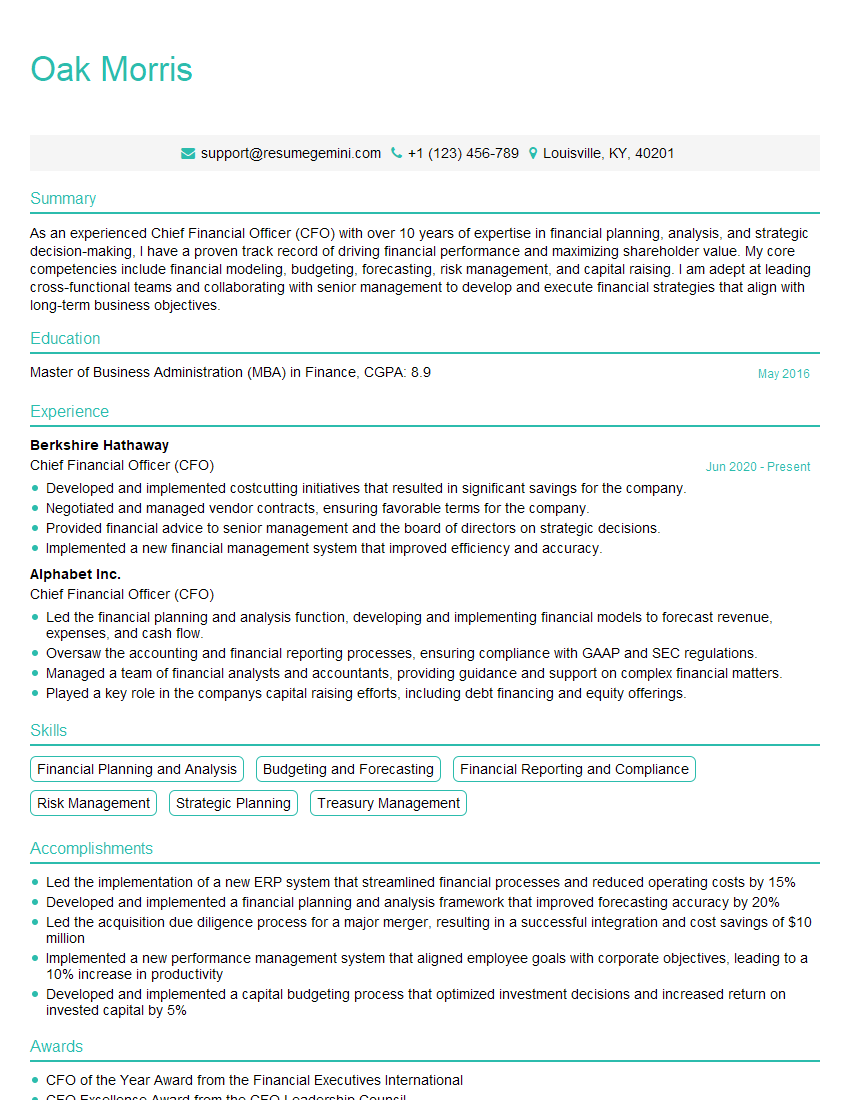
Chief Financial Officer (CFO) Resume Sample
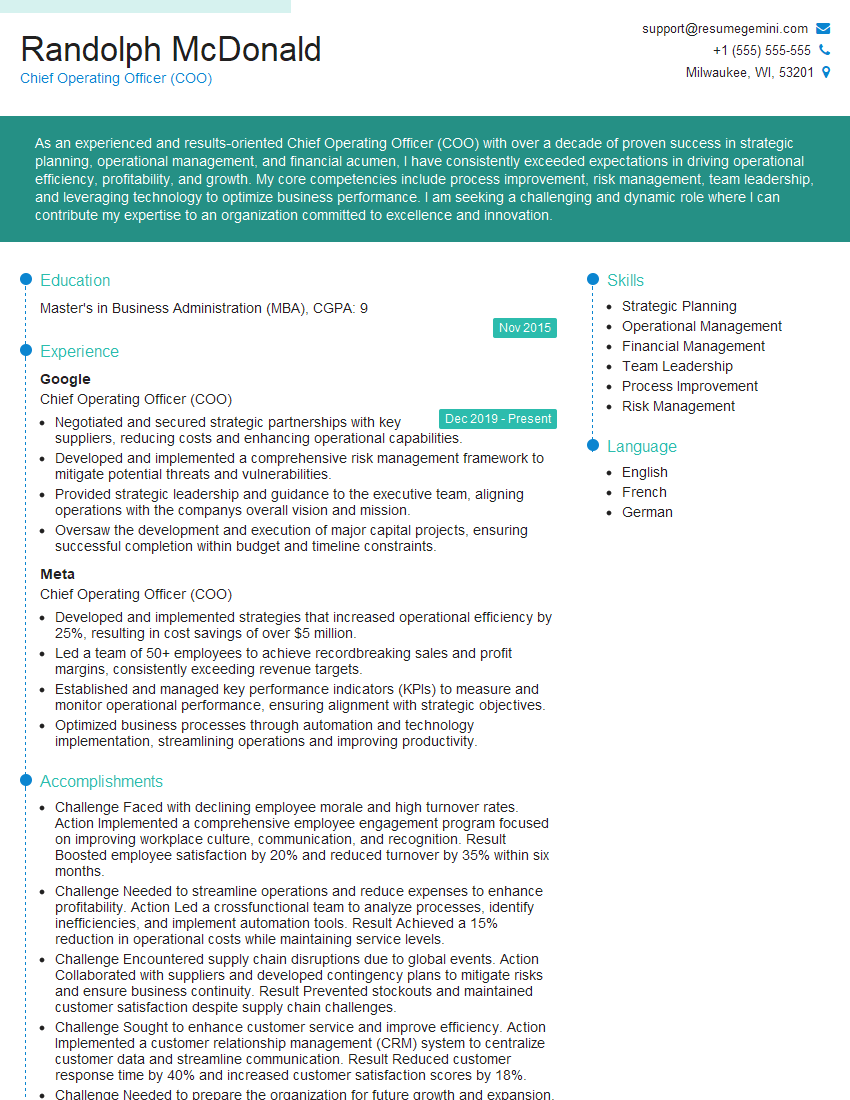
Chief Operating Officer (COO) Resume Sample
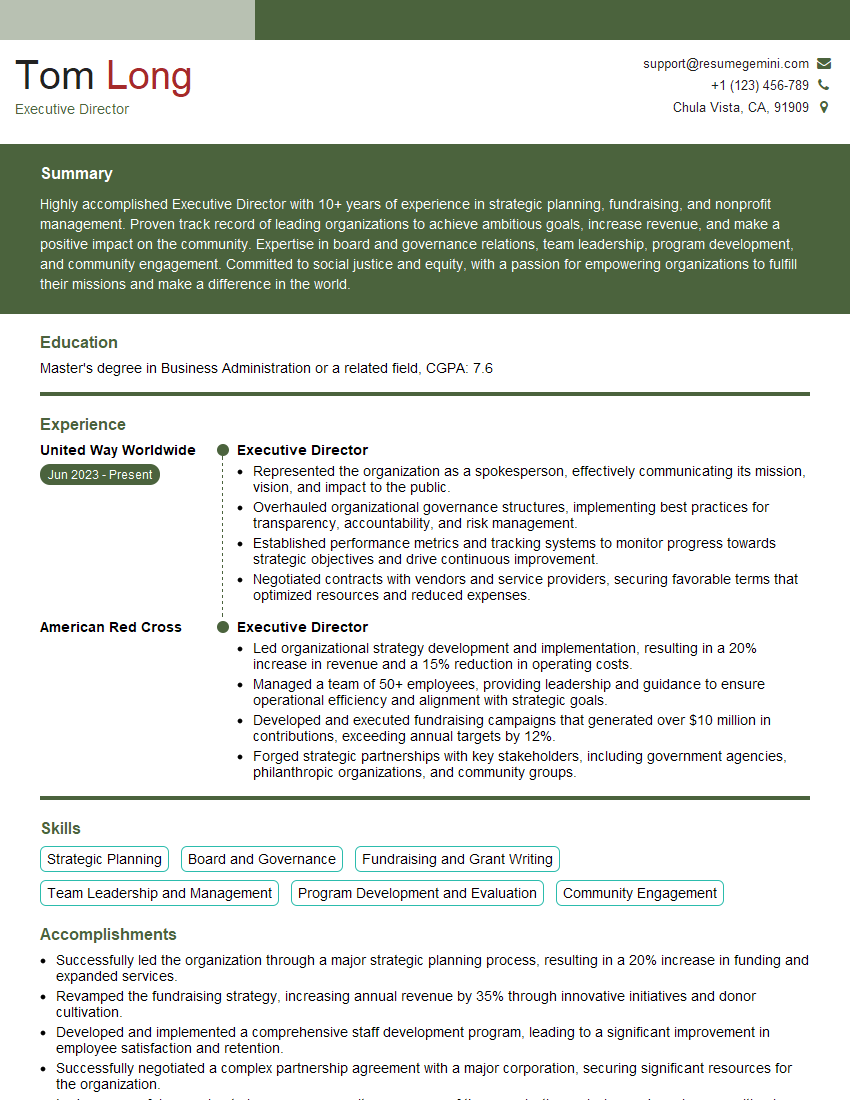
Executive Director Resume Sample
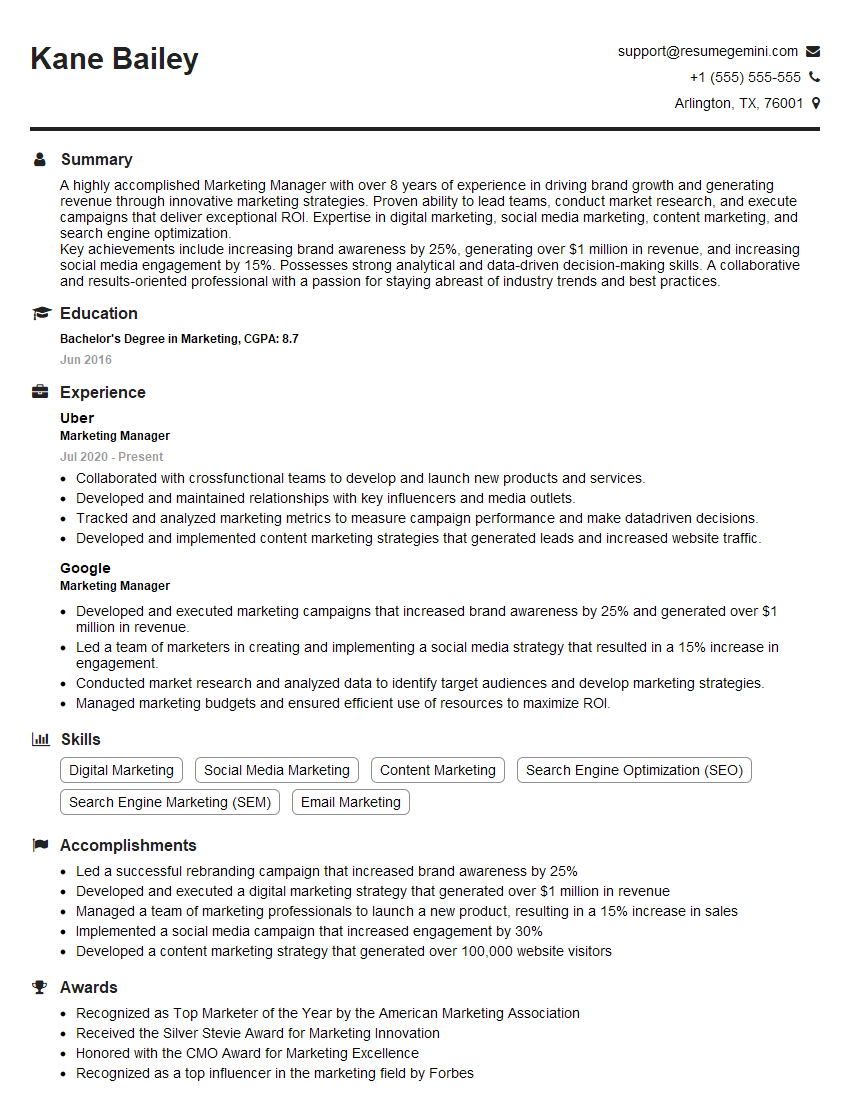
Marketing Manager Resume Sample

Communications Manager Resume Sample
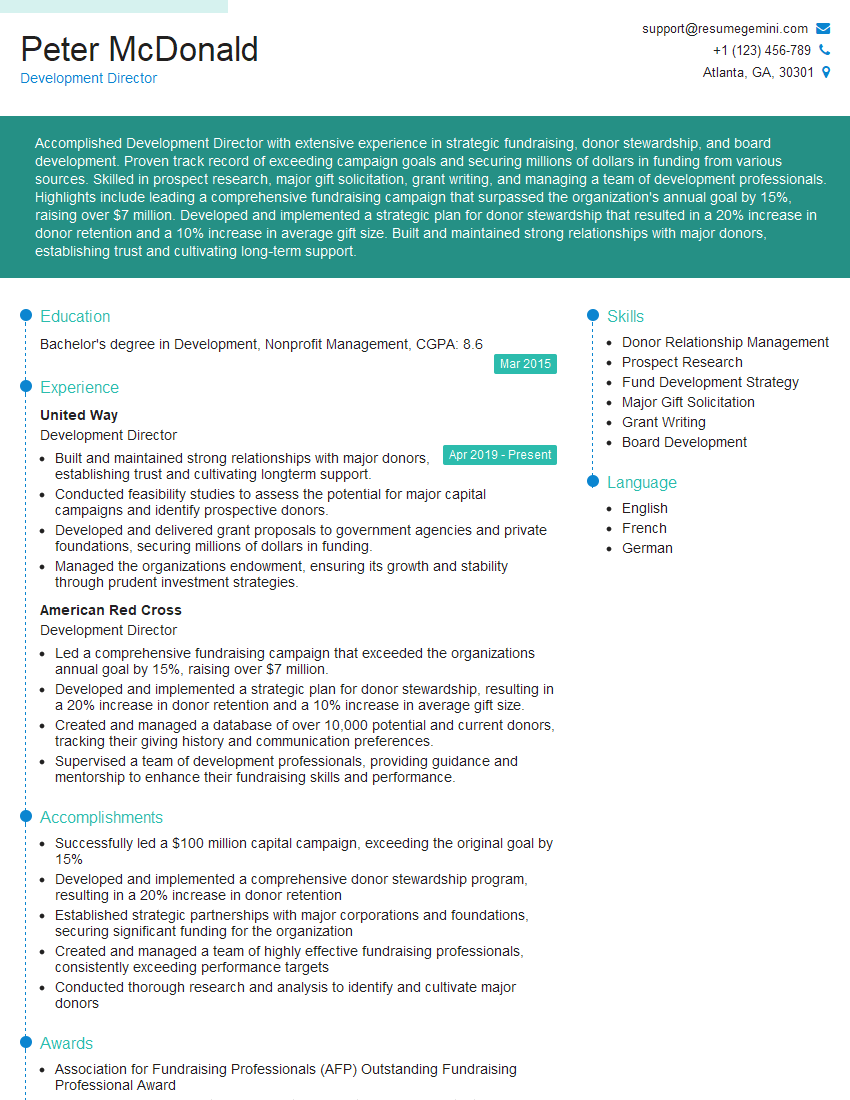
Development Director Resume Sample
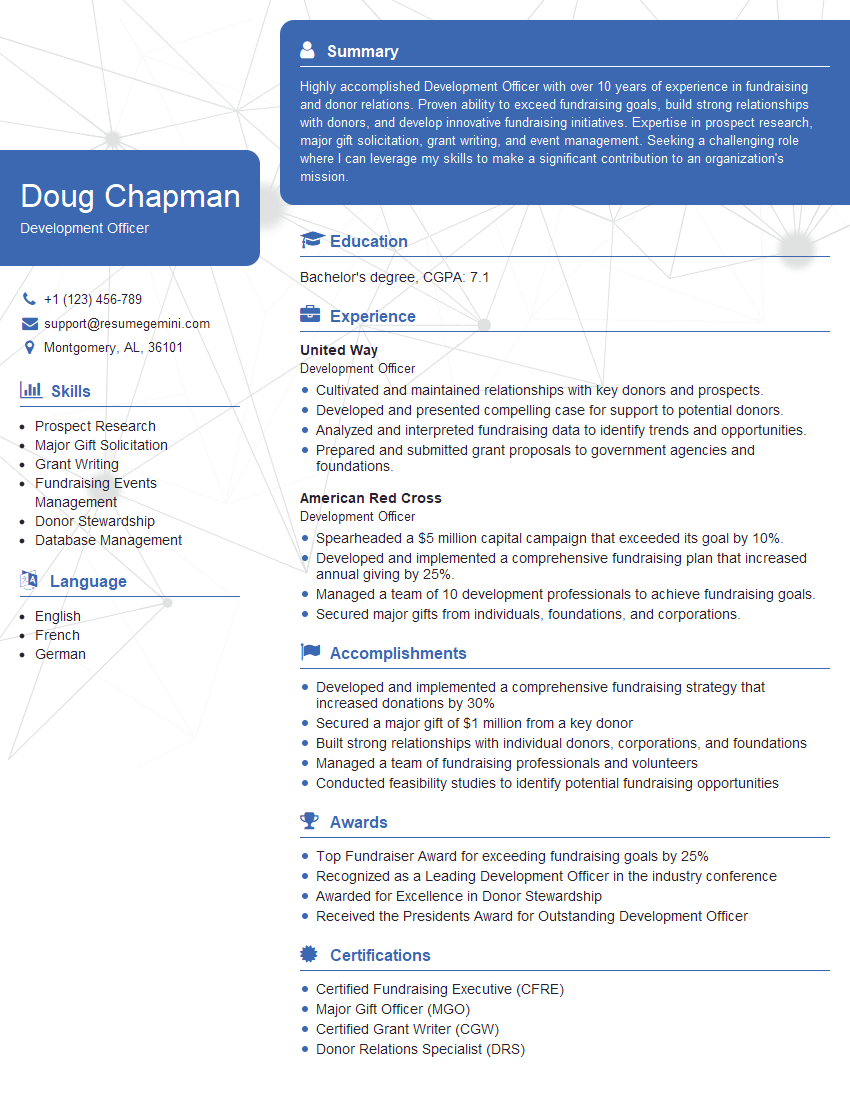
Development Officer Resume Sample
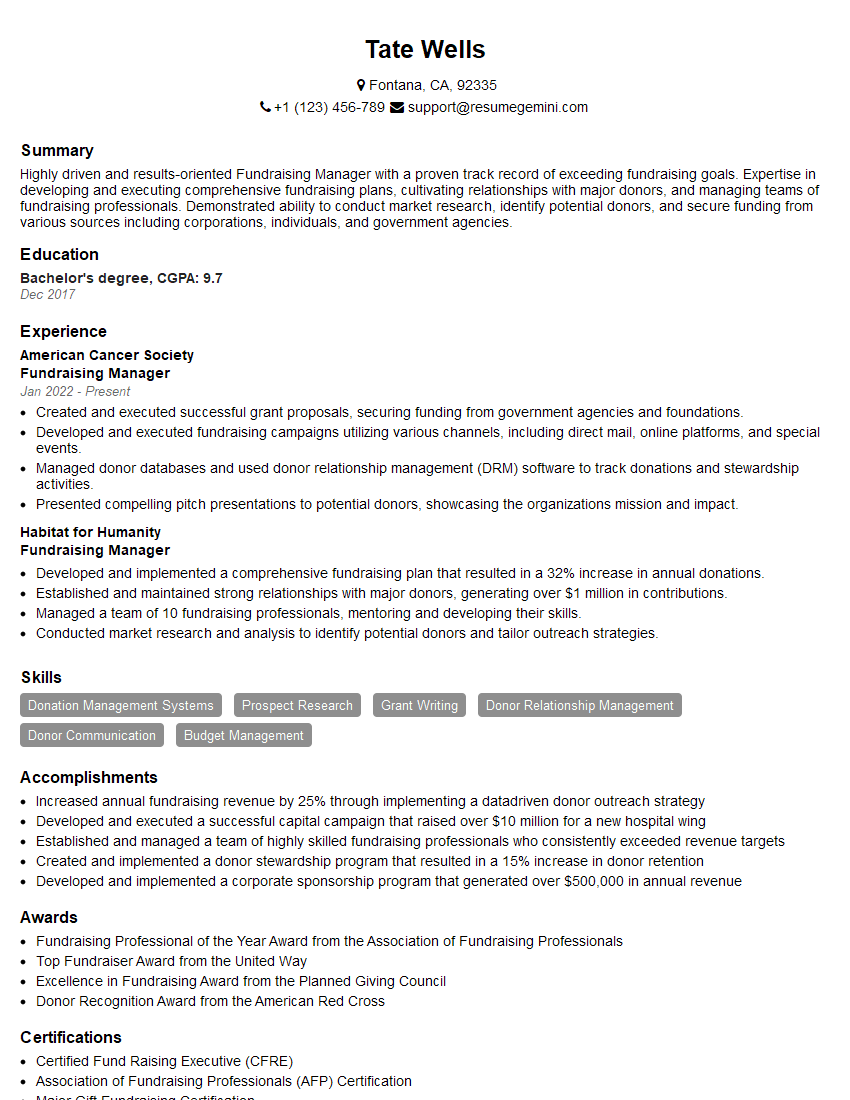
Fundraising Manager Resume Sample
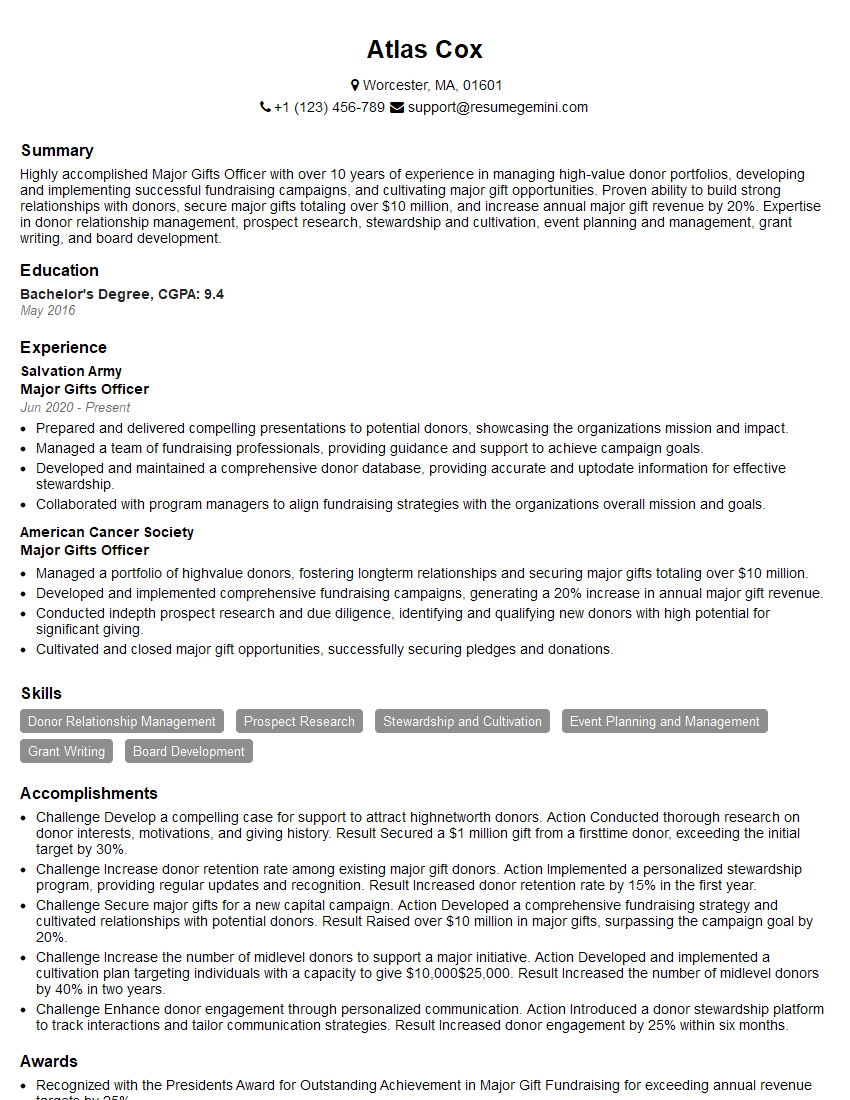
Major Gifts Officer Resume Sample
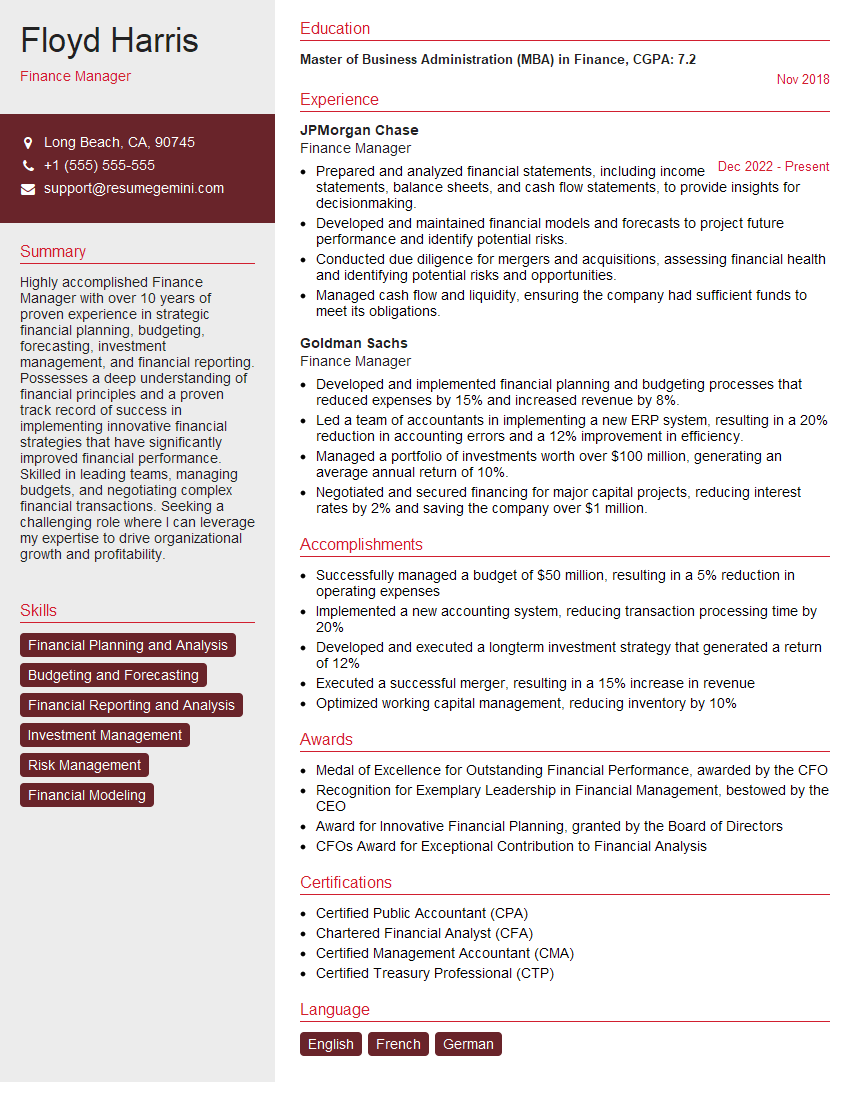
Finance Manager Resume Sample
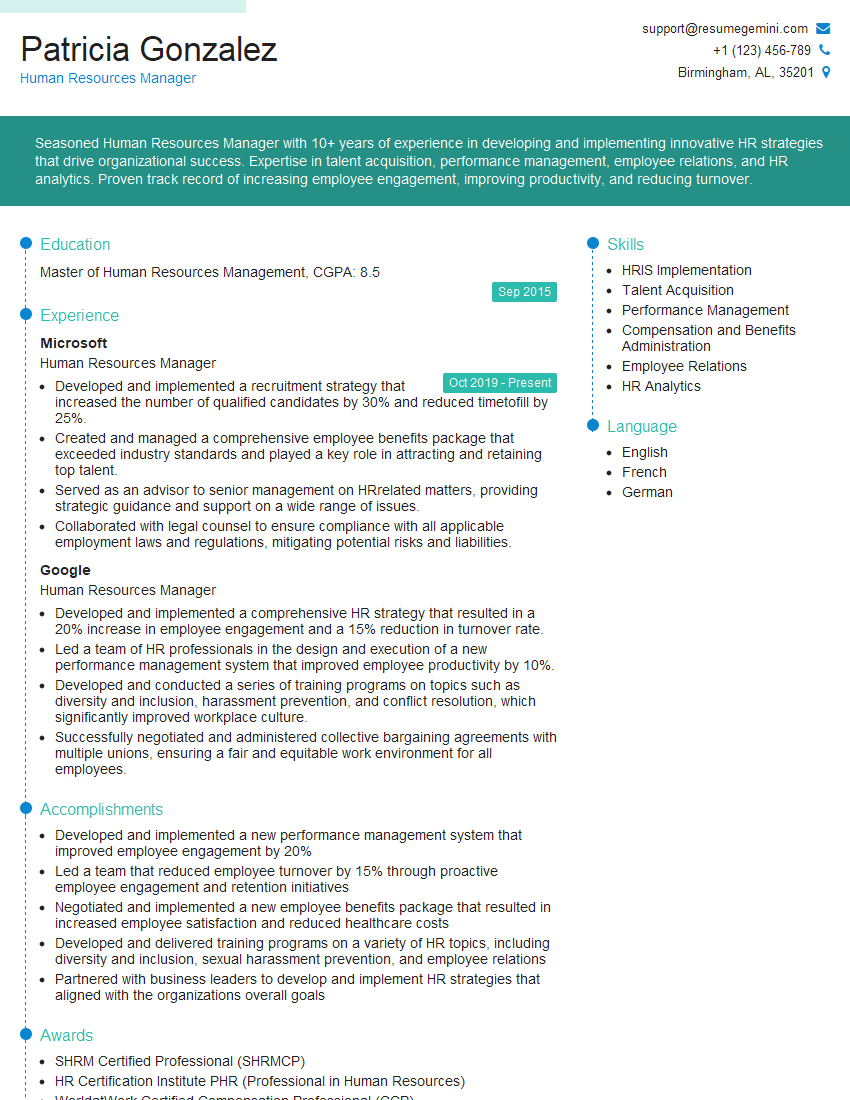
Human Resources Manager Resume Sample

Project Manager Resume Sample
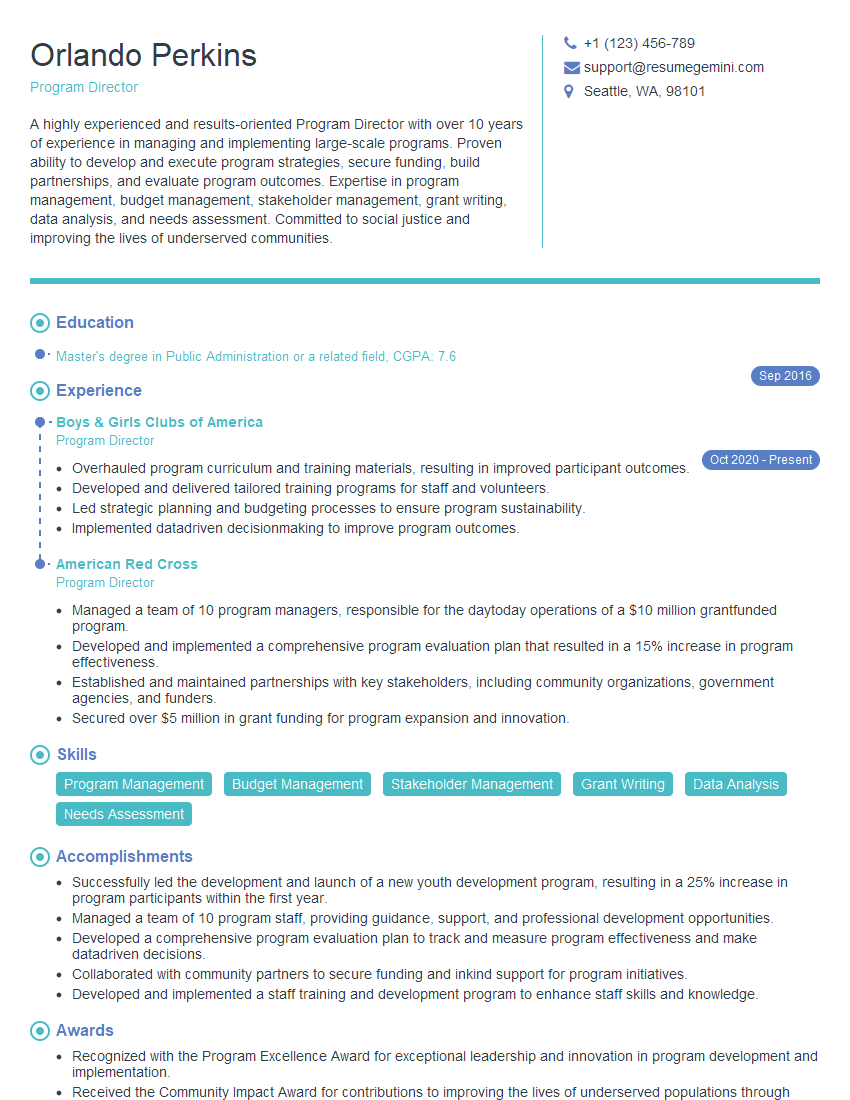
Program Director Resume Sample
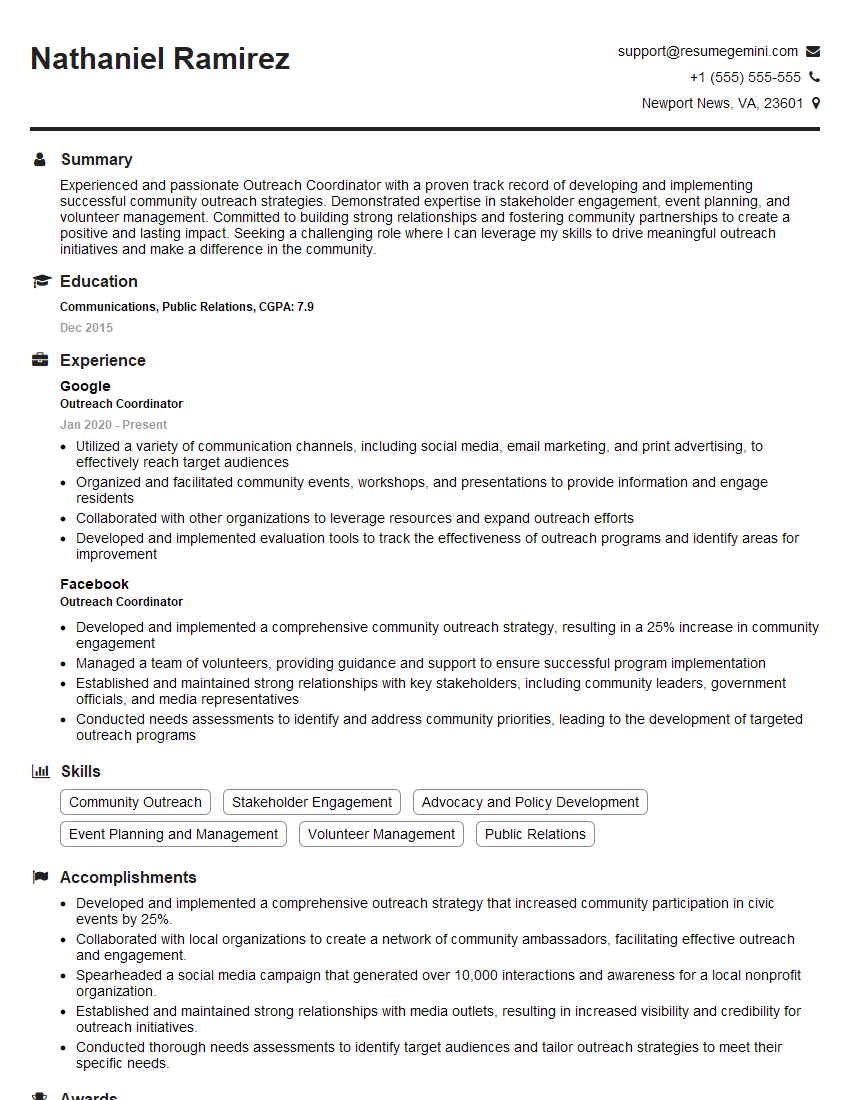
Outreach Coordinator Resume Sample
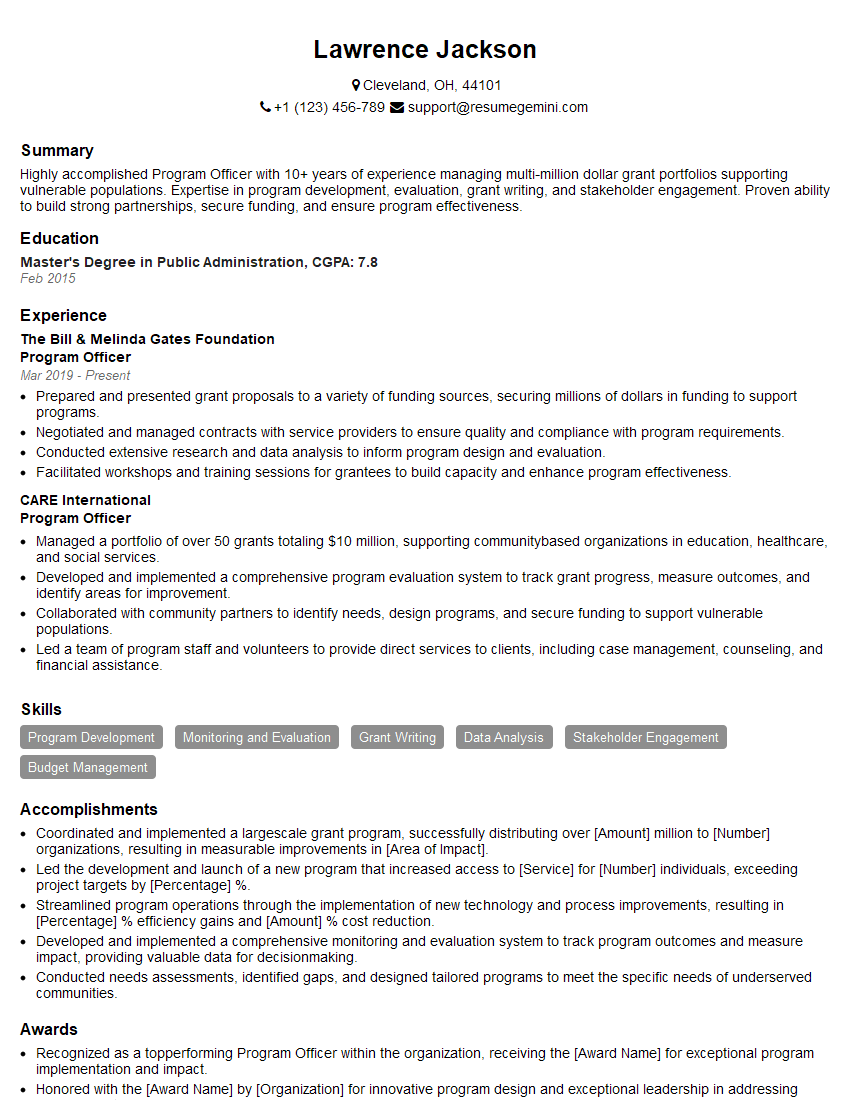
Program Officer Resume Sample
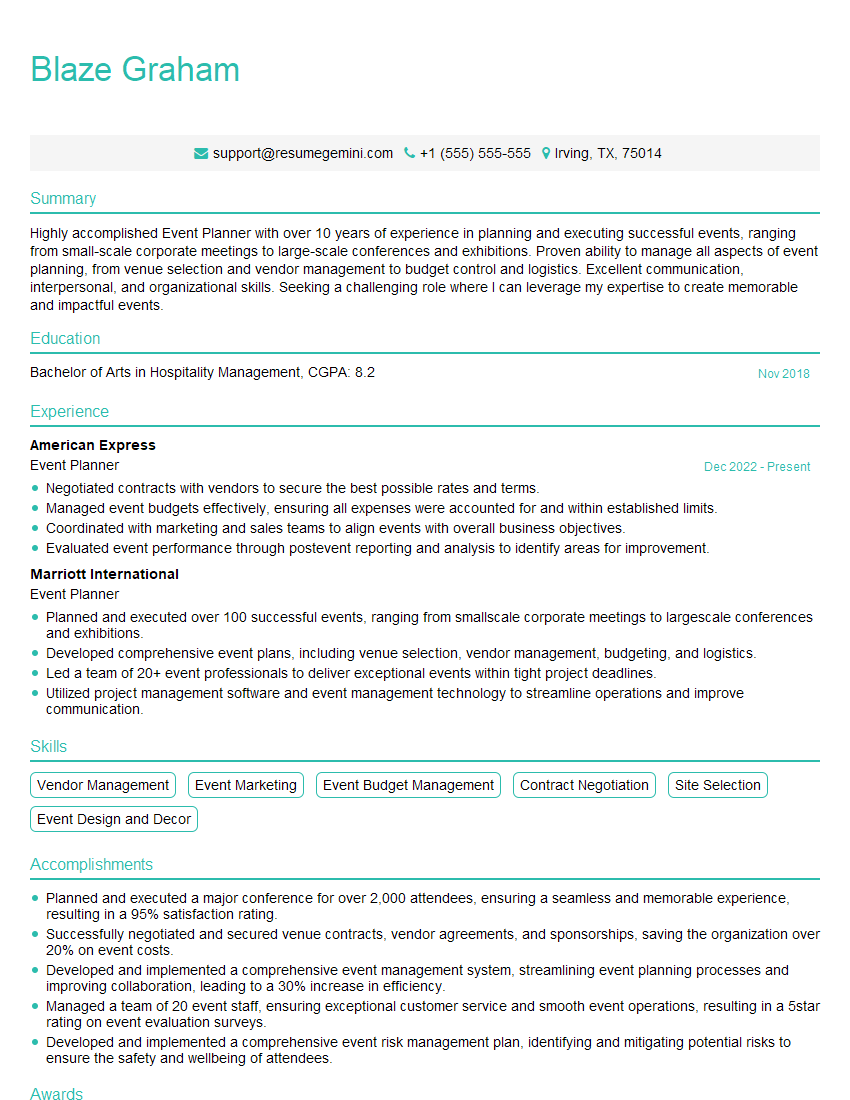
Event Planner Resume Sample
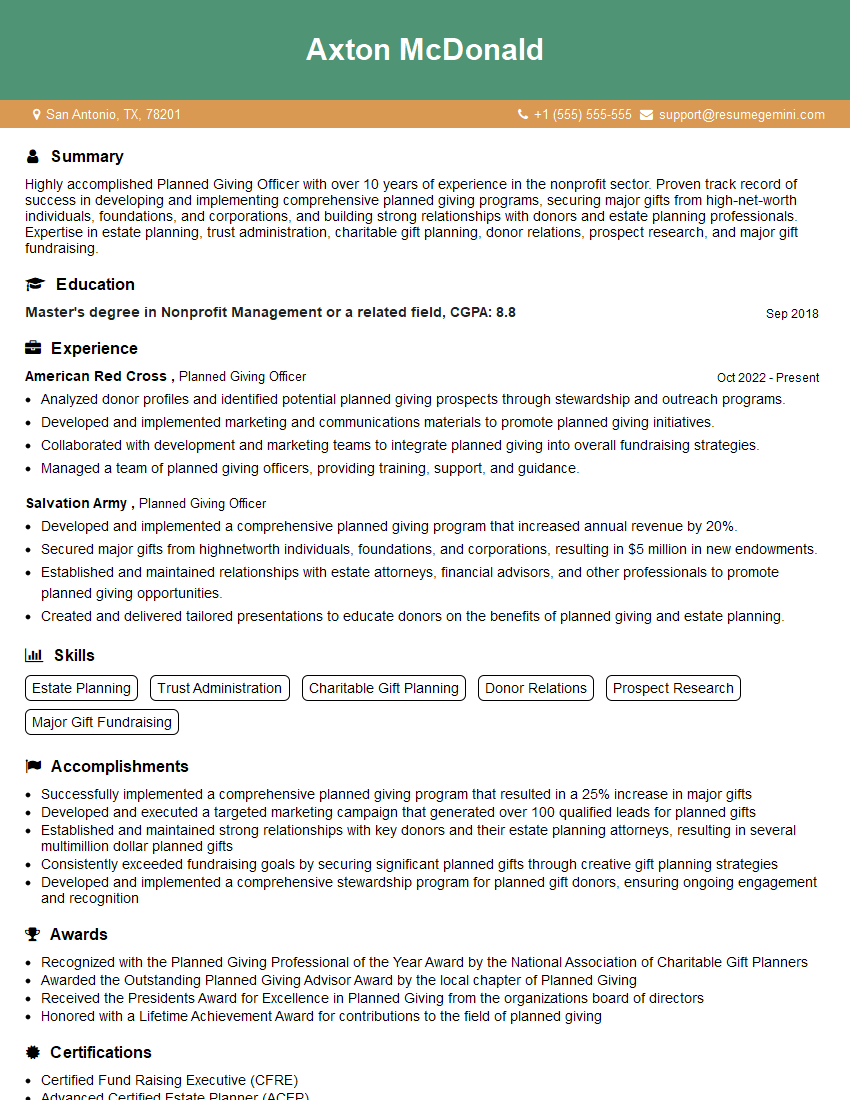
Planned Giving Officer Resume Sample
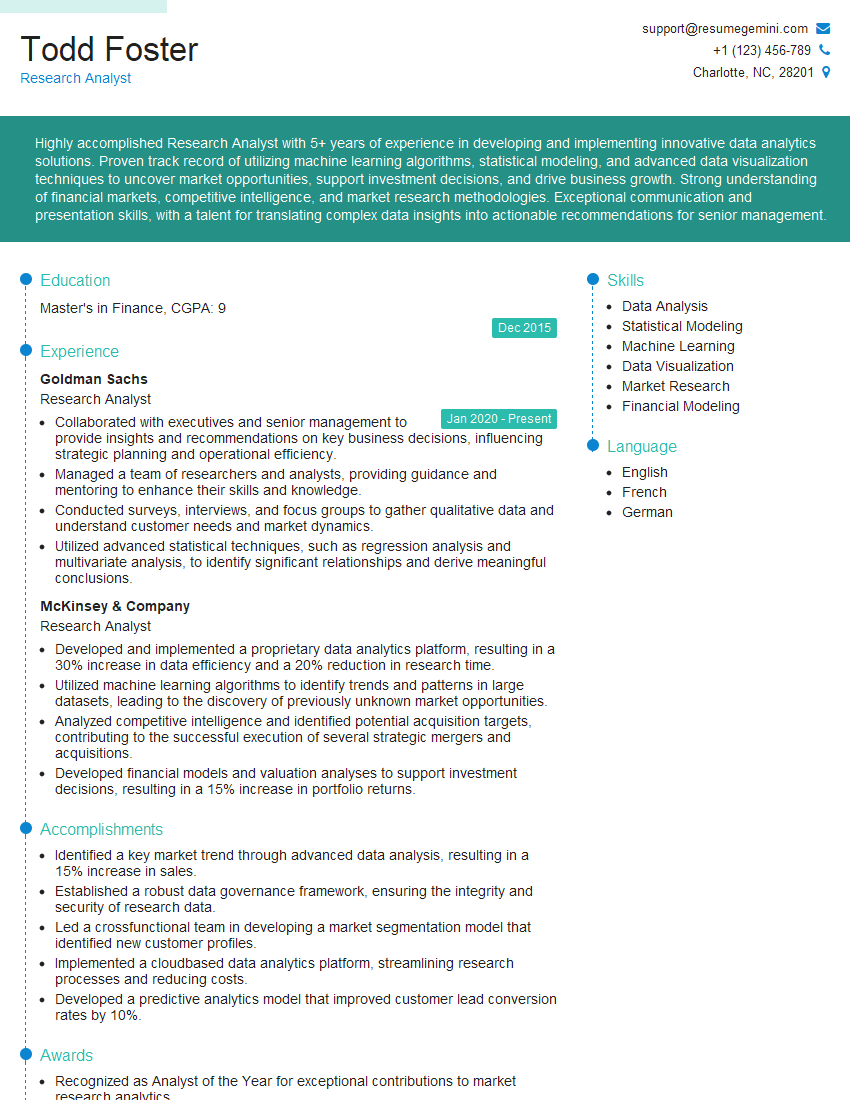
Research Analyst Resume Sample
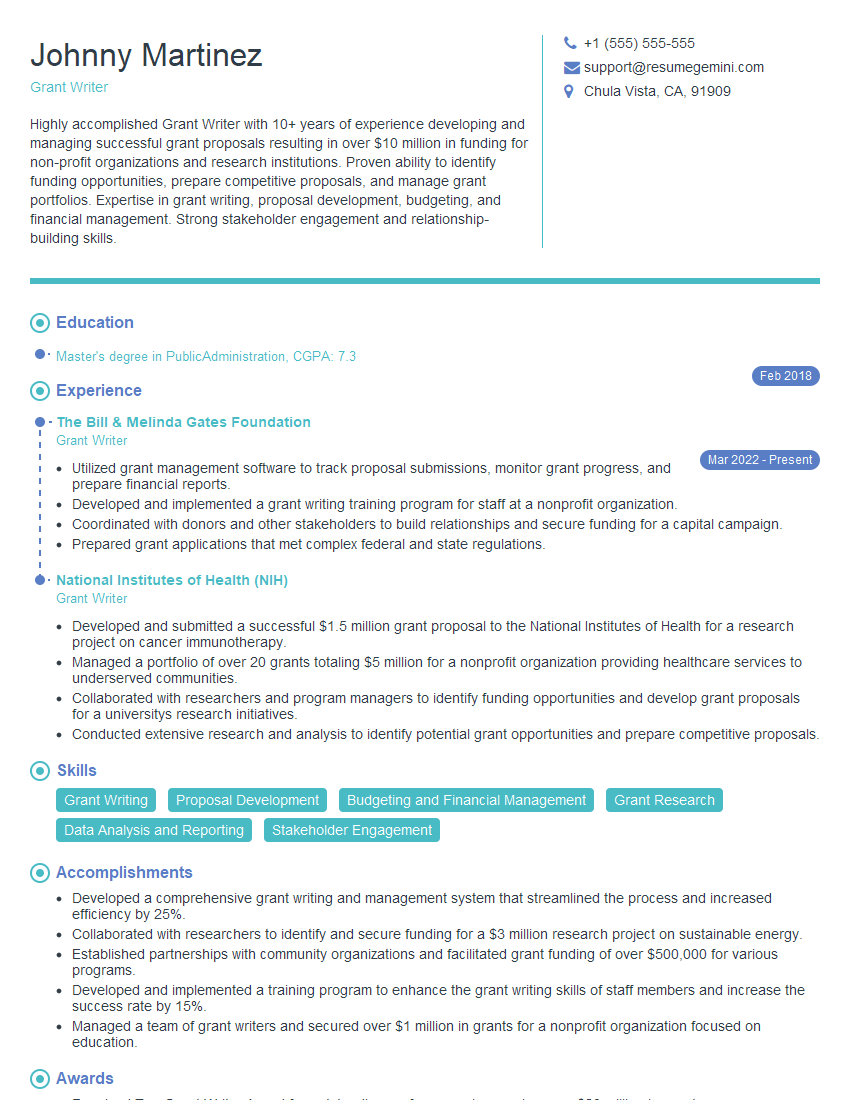
Grant Writer Resume Sample
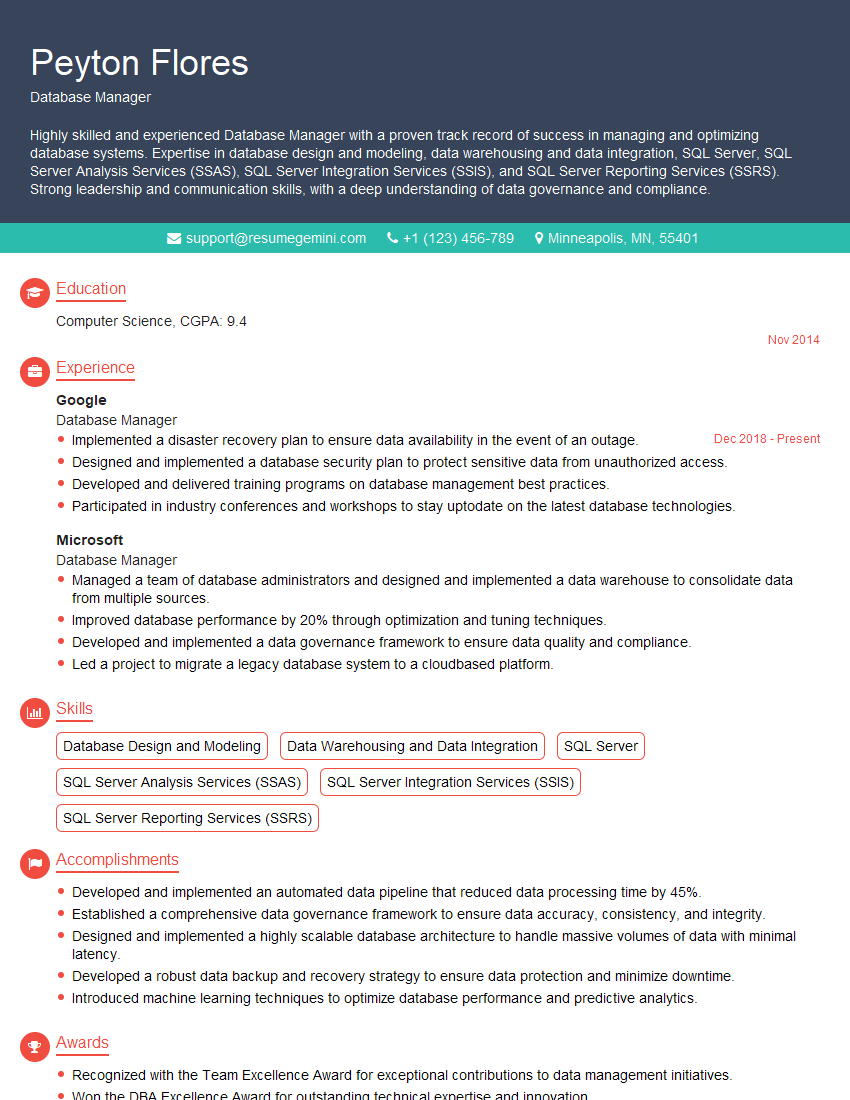
Database Manager Resume Sample
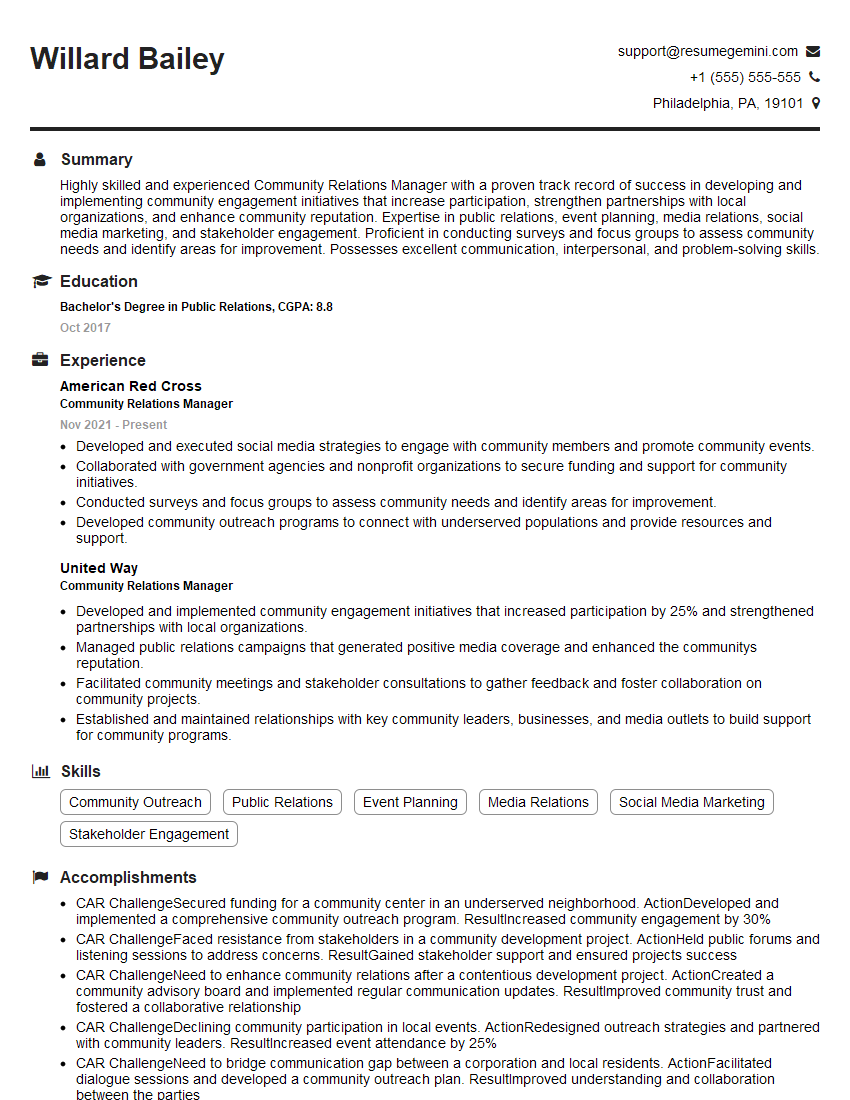
Community Relations Manager Resume Sample
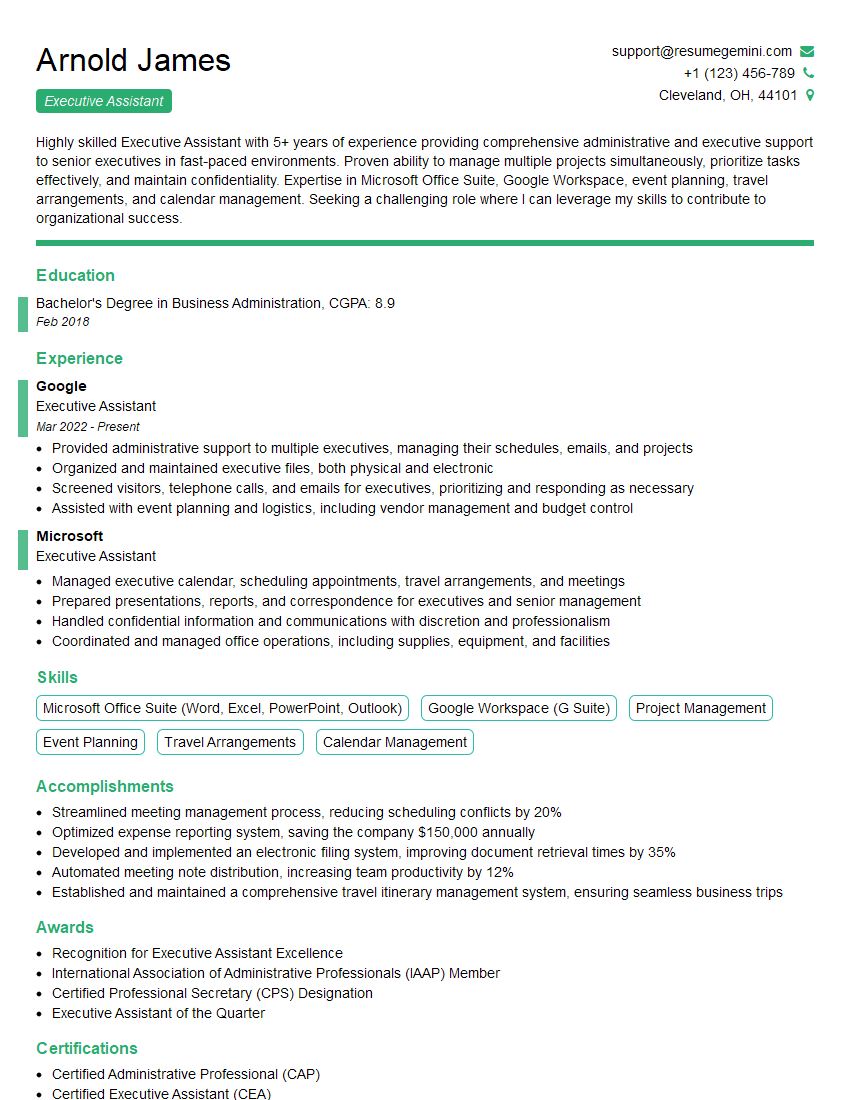
Executive Assistant Resume Sample
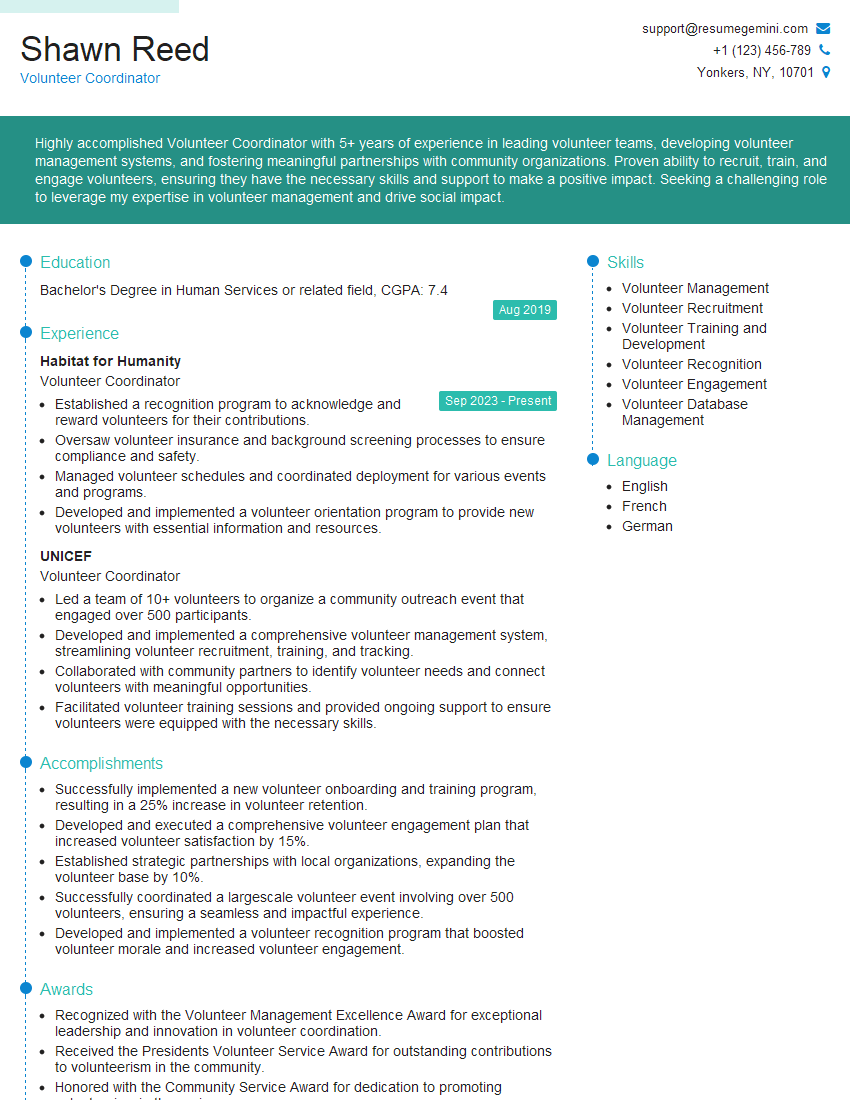
Volunteer Coordinator Resume Sample
- Chief Financial Officer (CFO)
- Chief Operating Officer (COO)
- Executive Director
- Marketing Manager
- Communications Manager
- Development Director
- Development Officer
- Fundraising Manager
- Major Gifts Officer
- Finance Manager
- Human Resources Manager
- Project Manager
- Program Director
- Outreach Coordinator
- Program Officer
- Event Planner
- Planned Giving Officer
- Research Analyst
- Grant Writer
- Database Manager
- Community Relations Manager
- Executive Assistant
- Volunteer Coordinator
Explore more articles
Users Rating of Our Blogs
Share Your Experience
We value your feedback! Please rate our content and share your thoughts (optional).
What Readers Say About Our Blog
To the interviewgemini.com Webmaster.
Very helpful and content specific questions to help prepare me for my interview!
Thank you
To the interviewgemini.com Webmaster.
This was kind of a unique content I found around the specialized skills. Very helpful questions and good detailed answers.
Very Helpful blog, thank you Interviewgemini team.