Feeling uncertain about what to expect in your upcoming interview? We’ve got you covered! This blog highlights the most important Collaboration with Healthcare Providers and Other Professionals interview questions and provides actionable advice to help you stand out as the ideal candidate. Let’s pave the way for your success.
Questions Asked in Collaboration with Healthcare Providers and Other Professionals Interview
Q 1. Describe your experience facilitating interprofessional team meetings.
Facilitating effective interprofessional team meetings requires a structured approach that prioritizes collaboration and shared decision-making. My experience involves setting a clear agenda beforehand, distributing it to all participants, and ensuring everyone understands the meeting’s objectives. I begin by establishing ground rules for respectful communication and active listening. During the meeting, I utilize various techniques to encourage participation from all team members, including round-robin introductions, brainstorming sessions, and structured problem-solving approaches. I actively manage the time, ensuring all agenda items are addressed, and summarize key decisions and action items at the conclusion. For example, in a recent palliative care meeting, I used a structured problem-solving method (e.g., defining the problem, brainstorming solutions, evaluating options, and selecting the best course of action) which led to a clear and unified plan for the patient’s care. Following the meeting, I distribute minutes to all participants and actively follow up on assigned action items to ensure accountability and progress.
Q 2. Explain your approach to resolving conflicts within a healthcare team.
Conflict resolution within a healthcare team demands empathy, active listening, and a focus on shared goals. My approach involves creating a safe space for open communication where team members feel comfortable expressing their concerns without fear of judgment. I begin by identifying the root cause of the conflict, ensuring all parties are heard and understood. I then facilitate a collaborative process to explore potential solutions, encouraging compromise and creative thinking. It’s crucial to avoid assigning blame and focus on finding a mutually acceptable resolution that benefits the patient. For instance, during a disagreement about the best treatment plan for a patient, I facilitated a discussion where each team member explained their rationale. This led to a compromise incorporating elements from both perspectives, creating a plan that satisfied everyone involved and prioritized the patient’s needs. I always document the agreement and follow up to ensure the agreed-upon actions are implemented.
Q 3. How do you ensure effective communication with diverse healthcare professionals?
Effective communication with diverse healthcare professionals necessitates cultural sensitivity, adaptability, and clarity. I tailor my communication style to each individual and group, ensuring I am mindful of their backgrounds, experiences, and communication preferences. This includes using clear and concise language, avoiding jargon, and actively seeking clarification when needed. I leverage various communication channels, including email, phone calls, and in-person meetings, selecting the most appropriate method based on the context and urgency of the message. Furthermore, I utilize visual aids and other tools to ensure everyone understands the information, regardless of their cultural background or preferred communication style. For example, when communicating with a team containing members who are not native English speakers, I ensure the information is provided in their primary language or through interpreters if necessary. I also use visual aids to clarify complex information.
Q 4. Describe a time you had to negotiate competing priorities among healthcare providers.
In a previous role, I faced a situation where competing priorities arose between the surgical team and the oncology team regarding a patient’s treatment plan. The surgical team wanted to proceed with a complex surgery immediately, while the oncology team advocated for a more conservative approach, considering the patient’s overall health. To negotiate, I initiated a meeting involving all key stakeholders, including the patient and their family. We used a structured approach, defining the competing goals, exploring potential compromises, and weighing the risks and benefits of each option. Ultimately, we reached a consensus that prioritized the patient’s overall well-being by slightly delaying the surgery and implementing pre-operative treatments to improve the patient’s condition. This collaborative decision-making process fostered trust and mutual respect amongst the different teams involved.
Q 5. How do you navigate disagreements regarding patient care plans?
Disagreements about patient care plans are inevitable in healthcare. My approach focuses on evidence-based decision-making and patient-centered care. I facilitate discussions where each team member presents their rationale and supporting evidence. We critically analyze the various options, focusing on the potential benefits, risks, and alignment with the patient’s values and goals. When a consensus cannot be reached, I advocate for involving higher-level decision-makers or engaging in a structured conflict resolution process, ensuring the patient’s best interests remain paramount. The ultimate goal is to reach a unified plan that respects all viewpoints and is based on the best available evidence.
Q 6. What strategies do you employ to build trust and rapport with healthcare providers?
Building trust and rapport with healthcare providers involves demonstrating respect, competence, and empathy. I prioritize active listening, showing genuine interest in their perspectives and concerns. I acknowledge and validate their expertise, fostering a collaborative environment rather than a hierarchical one. I ensure open communication, providing regular updates and seeking feedback. Building strong professional relationships takes time and consistent effort. For example, I regularly attend team meetings, participate actively in discussions, and demonstrate respect for the opinions and contributions of each team member. This includes offering support when needed and celebrating successes together. Small gestures of appreciation, such as acknowledging their hard work or expressing gratitude, can go a long way in strengthening professional relationships.
Q 7. How do you handle sensitive patient information while collaborating with other professionals?
Handling sensitive patient information requires strict adherence to privacy regulations and ethical guidelines. When collaborating with other professionals, I only share information that is necessary and relevant to the patient’s care. I utilize secure communication channels and ensure all individuals involved have appropriate access rights. I always obtain explicit consent from the patient before sharing any information outside of the immediate care team. Moreover, I emphasize the importance of data security and confidentiality during team meetings and in all professional interactions. I regularly review and reinforce HIPAA (or equivalent) regulations with the team and follow all institution protocols for data protection.
Q 8. Explain your understanding of HIPAA regulations and their impact on collaboration.
HIPAA, or the Health Insurance Portability and Accountability Act, is a US federal law designed to protect the privacy and security of patient health information (PHI). It significantly impacts collaboration by setting strict guidelines on who can access and share this information. Think of it like a highly secure vault protecting sensitive data. Only authorized personnel with a legitimate need to know can access it.
For example, sharing a patient’s diagnosis with a consulting specialist is permitted under HIPAA if it’s necessary for their care and the information is shared securely. However, casually discussing a patient’s condition with a friend or family member is a serious breach. My experience involves ensuring all collaborations adhere to HIPAA regulations through secure communication channels, appropriate authorization protocols, and regular training on compliance. We use encrypted email, secure messaging platforms within our EHR system, and strictly adhere to data access controls to safeguard patient privacy.
Q 9. Describe your experience with electronic health records (EHRs) and their role in collaboration.
Electronic Health Records (EHRs) are the cornerstone of modern healthcare collaboration. They act as a central repository for a patient’s complete medical history, accessible to authorized providers across different settings. Imagine it as a shared digital file, constantly updated with the latest information. My experience includes using EHRs to facilitate communication between physicians, nurses, pharmacists, and other specialists. For instance, a specialist’s notes from a consultation are instantly available to the primary care physician, ensuring continuity of care. The system also supports secure messaging, allowing efficient and documented communication among the team.
EHRs further streamline workflows by facilitating the sharing of test results, prescriptions, and treatment plans, reducing the potential for errors and delays. In my experience, challenges include data interoperability – not all EHR systems communicate seamlessly – and the necessity for robust cybersecurity to protect against breaches.
Q 10. How do you ensure all members of a healthcare team are informed of critical patient updates?
Ensuring timely and efficient communication of critical patient updates requires a multi-pronged approach. I use a combination of strategies to ensure all team members are informed. This includes utilizing the alert features within our EHR system, sending targeted messages through secure messaging platforms, and, when necessary, conducting brief, focused team huddles.
For instance, if a patient’s condition suddenly deteriorates, I’ll immediately use the EHR’s alert system to notify relevant team members – the attending physician, nurses, and potentially respiratory therapy – who can then respond appropriately. This rapid notification system minimizes delays and improves response time to critical situations. In addition, I’ve found regular team meetings and huddles extremely valuable for disseminating important updates and collaboratively managing complex cases. It’s all about choosing the right communication method for the specific context and urgency of the update.
Q 11. Explain your experience with telehealth and its impact on interprofessional collaboration.
Telehealth has revolutionized interprofessional collaboration, extending its reach beyond geographical limitations. It facilitates real-time consultations between specialists and patients, regardless of location. For example, a rural patient can receive a specialist’s opinion without extensive travel. My experience shows telehealth improving access to care and enabling more efficient communication among geographically dispersed healthcare providers.
During the pandemic, I witnessed firsthand how telehealth enabled seamless collaboration between primary care physicians and specialists, facilitating rapid diagnosis and treatment planning for COVID-19 patients. It reduced reliance on in-person visits, maintaining essential care while minimizing risks. While it offers many advantages, we need to address potential challenges such as ensuring reliable technology access for all patients and maintaining the same high standards of patient privacy and data security in virtual settings.
Q 12. How do you utilize technology to enhance communication and collaboration within a healthcare team?
Technology plays a vital role in enhancing communication and collaboration. We utilize a suite of tools to foster seamless information flow. Secure messaging within our EHR system facilitates immediate communication between team members, ensuring privacy and a documented record of interactions. We also leverage video conferencing for virtual meetings, allowing face-to-face interactions despite physical distance.
Project management software allows us to track tasks, deadlines, and progress on complex cases, ensuring everyone is aligned and informed. Additionally, we use collaborative document editing tools that enable multiple members of the care team to contribute to patient care plans simultaneously, ensuring the latest information is always available to everyone.
Q 13. Describe your approach to managing time effectively during periods of high workload and multiple collaborations.
Managing time effectively during high-workload periods requires a structured approach. I prioritize tasks using methods like the Eisenhower Matrix (urgent/important), focusing on the most critical activities first. Delegation is key – identifying tasks that can be assigned to other qualified team members. This not only frees up my time but also empowers others.
I also utilize time-blocking to schedule specific times for particular tasks, preventing interruptions and maintaining focus. Regular breaks are crucial to prevent burnout and maintain productivity. Proactive communication with team members is also vital, setting clear expectations, and addressing potential bottlenecks before they become major issues. Think of it as conducting an orchestra – each section plays its part, but the conductor ensures everything is coordinated and harmonious.
Q 14. How do you adapt your communication style to different healthcare professionals with varying levels of experience?
Adapting my communication style is crucial for effective collaboration. With senior professionals, I maintain a formal tone and provide concise, data-driven updates. With junior colleagues, I adopt a more supportive and mentoring style, providing explanations and guidance as needed. With peers, I maintain an open and collaborative approach, encouraging mutual feedback and brainstorming.
The key is to understand the individual’s communication preferences and adjust accordingly. Active listening is essential – paying close attention to what others say and how they express themselves. Using clear, plain language, avoiding jargon, and ensuring nonverbal cues are aligned with verbal communication is key for creating trust and mutual understanding regardless of experience levels.
Q 15. Describe your experience collaborating with patients and their families.
Collaborating effectively with patients and their families is paramount to successful healthcare. It’s about building trust, fostering open communication, and ensuring shared decision-making. This involves actively listening to their concerns, understanding their perspectives, and incorporating their preferences into the care plan, whenever possible.
For example, I once worked with a family who was deeply concerned about their elderly mother’s quality of life during her end-of-life care. Through empathetic listening and open dialogue, we collaboratively developed a plan that prioritized comfort and dignity, aligning with their values and wishes. This involved regular family meetings, transparent communication about her condition, and ensuring their active involvement in all decision-making processes. Another instance involved explaining complex medical information in a clear and understandable manner, using visual aids and tailoring the language to their level of understanding. This ensures that patients and families are well-informed and empowered to participate in their care.
Career Expert Tips:
- Ace those interviews! Prepare effectively by reviewing the Top 50 Most Common Interview Questions on ResumeGemini.
- Navigate your job search with confidence! Explore a wide range of Career Tips on ResumeGemini. Learn about common challenges and recommendations to overcome them.
- Craft the perfect resume! Master the Art of Resume Writing with ResumeGemini’s guide. Showcase your unique qualifications and achievements effectively.
- Don’t miss out on holiday savings! Build your dream resume with ResumeGemini’s ATS optimized templates.
Q 16. How do you ensure that all members of the healthcare team are working towards the same goals for the patient?
Aligning the healthcare team towards common patient goals requires strong leadership, clear communication, and a shared understanding of the patient’s needs and treatment plan. This starts with a well-defined, collaboratively developed care plan, which clearly outlines treatment goals, responsibilities, and timelines for each team member. Regular team meetings, both formal and informal, are crucial for information sharing, problem-solving, and ensuring everyone remains on the same page.
Utilizing tools like shared electronic health records (EHRs) allows for real-time updates and facilitates better communication. For instance, using a shared care plan template within the EHR system ensured all team members, including nurses, physicians, therapists, and social workers, had access to the patient’s updated progress, facilitating seamless care transitions. Furthermore, open and honest communication fosters a culture of collaboration where team members feel comfortable voicing concerns or proposing alternative solutions, leading to a more coordinated and effective approach.
Q 17. What are your strategies for identifying and mitigating potential risks associated with interprofessional collaboration?
Identifying and mitigating risks in interprofessional collaboration involves proactive risk assessment and implementing strategies to minimize potential issues. This begins with a thorough understanding of the potential risks involved, including communication breakdowns, role ambiguity, conflicts, and medication errors.
Strategies include establishing clear roles and responsibilities, implementing standardized communication protocols (like SBAR – Situation, Background, Assessment, Recommendation), and utilizing checklists and standardized procedures to reduce errors. For example, I’ve implemented a structured handoff process between shifts, using a standardized checklist to ensure complete and accurate information transfer. Regular team training on effective communication, conflict resolution, and error prevention techniques also plays a crucial role. Finally, robust incident reporting and root cause analysis systems are crucial for learning from mistakes and implementing corrective actions to prevent future occurrences.
Q 18. How do you measure the effectiveness of collaborative efforts in improving patient outcomes?
Measuring the effectiveness of collaborative efforts requires a multi-faceted approach that combines quantitative and qualitative data. Quantitative measures may include patient satisfaction scores, readmission rates, length of hospital stay, and mortality rates. These metrics provide objective evidence of improved outcomes.
Qualitative measures, such as patient and family feedback, team member surveys, and observation of team dynamics, provide valuable insights into the effectiveness of collaborative processes. For example, we’ve tracked patient satisfaction through post-discharge surveys, and have seen a significant improvement since implementing a more collaborative care model, which focuses on patient-centered communication. By analyzing these data points together, we gain a comprehensive picture of the impact of our collaborative efforts on patient care and quality of life.
Q 19. Describe your experience with data analysis and its application to improving collaborative practices.
Data analysis plays a crucial role in improving collaborative practices. By analyzing data from various sources, such as EHRs, patient satisfaction surveys, and team performance metrics, we can identify trends, patterns, and areas for improvement. This could involve analyzing patient readmission rates to pinpoint areas where discharge planning could be improved.
For example, by analyzing data on medication reconciliation errors, we identified a gap in communication between the inpatient and outpatient teams. This led to the implementation of a new electronic medication reconciliation system, resulting in a significant decrease in medication errors. Utilizing statistical software and data visualization techniques allow for a clearer understanding of complex data sets, making it easier to identify areas for improvement in collaboration and ultimately, patient outcomes. For example: Using regression analysis to determine the correlation between team communication and patient satisfaction.
Q 20. How do you use feedback to improve your collaboration skills?
Feedback is essential for continuous improvement in collaboration skills. I actively seek feedback from colleagues, patients, and families through various channels such as formal performance reviews, informal conversations, and anonymous surveys.
I utilize a structured approach to incorporate feedback, focusing on understanding the perspective of the provider of feedback, identifying specific areas for improvement, and developing actionable strategies to address these areas. For example, after receiving feedback regarding my communication style during a team meeting, I focused on improving my active listening skills and ensuring that I am clearly articulating my points. Continuously seeking feedback and reflecting on my performance allows me to identify weaknesses and refine my collaboration skills to become a more effective member of the healthcare team.
Q 21. Describe a time you had to delegate tasks effectively within a healthcare team.
Effective delegation is vital for efficient teamwork. During a particularly busy period in the emergency department, we experienced a surge in patients requiring immediate attention. Recognizing the need for a coordinated approach, I delegated tasks based on each team member’s skills and expertise.
Nurses with advanced cardiac life support (ACLS) certification were assigned to the most critical cases. Experienced nurses focused on stabilizing patients, while newly hired nurses, under the supervision of senior staff, assisted with less critical tasks. This strategic delegation ensured efficient utilization of resources, reduced workload burden, and ultimately improved patient care. Before delegating, I always ensure the team member possesses the necessary skills, appropriate training, and the resources to complete the task successfully, and maintain open communication throughout the process to ensure seamless task completion.
Q 22. Explain your approach to mentoring or training other healthcare professionals in collaborative practices.
My approach to mentoring and training healthcare professionals in collaborative practices centers around experiential learning and reflective practice. I believe in fostering a safe space for professionals to learn from each other and from mistakes. My training typically involves:
- Interactive Workshops: These workshops focus on practical scenarios and problem-solving, using case studies and role-playing to illustrate effective collaboration. For instance, we might simulate a multidisciplinary team meeting dealing with a complex patient case, allowing participants to practice communication and negotiation skills.
- Mentorship Programs: I pair experienced professionals with newer team members, providing opportunities for observation, shadowing, and guided practice. Regular feedback and reflection sessions are crucial to this process.
- Simulation-Based Training: This utilizes high-fidelity simulations to immerse participants in real-world collaborative situations, allowing them to practice decision-making under pressure in a controlled environment. Debriefing sessions after the simulations focus on learning from both successes and challenges.
- Technology Integration: We explore and implement various technologies that enhance communication and collaboration, such as secure messaging platforms and electronic health records (EHR) systems that facilitate data sharing amongst team members.
Throughout the training, I emphasize the importance of clear communication, shared goals, mutual respect, and conflict resolution. I track progress regularly and adapt my approach based on individual needs and team dynamics. Ultimately, the goal is to build a culture of collaboration that prioritizes patient-centered care.
Q 23. How do you ensure inclusivity and diversity within interprofessional healthcare teams?
Ensuring inclusivity and diversity within interprofessional healthcare teams is paramount for delivering equitable and high-quality care. My approach involves:
- Diverse Team Composition: Actively recruiting and hiring professionals from diverse backgrounds, including race, ethnicity, gender, sexual orientation, and cultural perspectives. A diverse team brings varied experiences and perspectives, leading to more holistic and culturally sensitive care.
- Bias Awareness Training: Implementing training programs to raise awareness of unconscious biases and their impact on teamwork and patient care. This can include implicit bias training, cultural competency training, and diversity and inclusion workshops.
- Inclusive Communication Strategies: Establishing clear communication protocols that ensure everyone’s voice is heard and valued. This includes active listening, using inclusive language, and being mindful of communication styles that may be perceived as exclusionary.
- Creating a Culture of Respect: Fostering a team environment that embraces different perspectives and celebrates diversity. This requires strong leadership that models inclusive behavior and actively addresses instances of discrimination or bias.
- Regular Feedback Mechanisms: Providing regular opportunities for team members to provide feedback on the team’s inclusivity and identify areas for improvement. This can involve anonymous surveys, focus groups, or one-on-one conversations.
By proactively addressing these areas, we can create a team environment where everyone feels respected, valued, and empowered to contribute their unique skills and expertise. A truly inclusive team delivers better patient outcomes and fosters a more positive and productive workplace.
Q 24. Describe your experience with different collaborative models (e.g., parallel, serial, integrated).
I have extensive experience with various collaborative models, each with its own strengths and limitations. Let’s explore three key models:
- Parallel Model: In this model, different professionals work independently on their respective parts of patient care, with minimal interaction. For example, a physician might focus on diagnosis, while a physical therapist handles rehabilitation, with limited communication between them. This model is efficient for straightforward cases but can lack coordination and potentially lead to fragmented care.
- Serial Model: This model involves a sequential approach, where one professional’s work directly informs the next. A patient might see a physician first, then a specialist, and finally a physical therapist, each contributing sequentially to the care plan. This can be effective for cases requiring specialized expertise, but delays and communication breakdowns can occur if handoffs are not efficient.
- Integrated Model: This model emphasizes close collaboration and shared decision-making between professionals. Team members actively communicate, share information, and work together to develop a comprehensive care plan. This approach often utilizes tools like team meetings, shared electronic health records, and regular communication channels to foster collaboration and ensure the continuity of care. It’s generally the most patient-centered and effective model for complex cases.
My experience demonstrates that the choice of model depends heavily on the patient’s specific needs and the complexity of their condition. I have successfully implemented all three models, adapting my approach based on the context. The integrated model is generally preferred, especially for chronic conditions or complex cases, as it promotes better communication and coordination of care.
Q 25. How do you ensure that all collaborative efforts align with the organization’s overall strategic goals?
Aligning collaborative efforts with organizational strategic goals is crucial for effectiveness and resource optimization. My strategy involves:
- Strategic Planning Involvement: Actively participating in the organization’s strategic planning process to ensure that collaborative initiatives directly support the overarching vision and goals. This involves understanding the organization’s priorities, identifying areas where collaboration can add value, and developing strategies to integrate collaborative projects into the overall plan.
- Performance Measurement: Developing and using key performance indicators (KPIs) to track the effectiveness of collaborative initiatives. This ensures that we are measuring the impact of our work and making necessary adjustments to optimize performance against the organizational goals.
- Resource Allocation: Working with leadership to secure necessary resources for collaborative initiatives, including funding, staffing, technology, and training. This requires a clear demonstration of how collaborative projects contribute to the achievement of organizational strategic goals.
- Regular Reporting: Providing regular reports to leadership on the progress of collaborative initiatives, highlighting accomplishments, challenges, and areas for improvement. Transparent communication is key to ensuring that collaborative efforts remain aligned with the organization’s overall strategic goals.
By consistently monitoring progress and adapting our approach based on performance data, we can ensure that all collaborative initiatives are not only effective but also contribute meaningfully to the organization’s success.
Q 26. Explain your understanding of the importance of shared decision-making in healthcare.
Shared decision-making (SDM) is a cornerstone of effective healthcare. It’s the process where clinicians and patients work together to make healthcare choices that align with the patient’s values, preferences, and goals. It’s far more than just informing the patient; it involves active engagement and mutual respect.
The importance of SDM stems from several factors:
- Improved Patient Outcomes: Studies consistently show that patients involved in SDM experience better health outcomes, higher levels of satisfaction, and increased adherence to treatment plans.
- Increased Patient Engagement: SDM empowers patients to take an active role in their healthcare, improving their understanding of their conditions and treatment options.
- Reduced Medical Errors: Collaborative decision-making can minimize misunderstandings and errors associated with treatment plans, leading to safer and more effective care.
- Stronger Patient-Clinician Relationship: SDM fosters a stronger, more trusting relationship between patients and healthcare providers, which is vital for optimal care.
In practice, SDM requires careful communication, active listening, and the clear presentation of information in a way that’s understandable to the patient. It also requires acknowledging the patient’s expertise in their own lives and respecting their preferences, even if they differ from the clinician’s recommendations. Ultimately, SDM leads to better informed and more satisfied patients, and better health outcomes.
Q 27. Describe a situation where you had to advocate for a patient’s needs within a collaborative healthcare setting.
In one instance, I advocated for a patient with a complex medical history who was experiencing significant challenges navigating the healthcare system. The patient, Mr. Jones, had multiple chronic conditions and was receiving care from several specialists. Communication between these specialists was poor, resulting in conflicting treatment plans and medication interactions.
I noticed this during a multidisciplinary team meeting. I acted as a patient advocate, presenting a clear and concise summary of Mr. Jones’s medical history, highlighting the inconsistencies in his care. I facilitated a discussion among the specialists, emphasizing the need for better communication and a coordinated care plan. We established a shared electronic health record system with clear communication protocols and scheduled regular team meetings to track progress.
The outcome was significant. By facilitating collaborative communication and advocating for better coordination of care, we significantly improved Mr. Jones’s health outcomes, reduced his medication side effects, and minimized the risk of further complications. This situation highlighted the critical role of advocacy within collaborative healthcare settings and demonstrated the power of coordinated care in improving patient outcomes.
Q 28. How do you contribute to a positive and supportive team environment within a healthcare context?
Contributing to a positive and supportive team environment is essential for effective collaboration. My strategies include:
- Open Communication: Promoting open and honest communication among team members, encouraging feedback, and ensuring that all voices are heard. I create a safe space for team members to express concerns and opinions without fear of reprisal.
- Respectful Interactions: Modeling respectful and professional interactions with all team members, regardless of their role or seniority. I actively discourage any form of bullying, harassment, or discrimination.
- Team Building Activities: Organizing team building activities that foster camaraderie and strengthen relationships among team members. These activities can range from informal social gatherings to more structured team-building exercises.
- Conflict Resolution: Developing and implementing strategies for resolving conflicts fairly and effectively. I encourage constructive dialogue and focus on finding solutions that benefit all parties involved.
- Recognition and Appreciation: Recognizing and appreciating the contributions of individual team members. This can include verbal praise, written acknowledgements, or small tokens of appreciation.
By consistently focusing on these elements, I contribute to creating a supportive and inclusive team environment where everyone feels valued, respected, and empowered to contribute their best work. A positive team environment directly impacts patient care, job satisfaction, and overall organizational performance.
Key Topics to Learn for Collaboration with Healthcare Providers and Other Professionals Interview
- Effective Communication Strategies: Understanding diverse communication styles within healthcare settings, active listening techniques, and clear, concise reporting methods.
- Interprofessional Teamwork Dynamics: Navigating team roles, responsibilities, and hierarchies; resolving conflicts constructively; fostering a collaborative and supportive environment.
- Patient-Centered Care Coordination: Understanding the importance of shared decision-making, information exchange protocols, and ensuring seamless transitions of care.
- Legal and Ethical Considerations: Maintaining patient confidentiality (HIPAA), navigating ethical dilemmas, and understanding professional boundaries within collaborative settings.
- Technology and Data Integration: Utilizing electronic health records (EHRs), telehealth platforms, and other technologies to enhance collaboration and information sharing.
- Conflict Resolution and Problem-Solving: Applying practical strategies to address disagreements, manage challenging situations, and find mutually agreeable solutions within the team.
- Cultural Competence and Sensitivity: Recognizing and respecting diverse cultural backgrounds, beliefs, and communication styles within healthcare teams and patient populations.
- Quality Improvement and Patient Safety: Understanding the importance of collaboration in achieving positive patient outcomes and contributing to a culture of safety.
Next Steps
Mastering collaboration with healthcare providers and other professionals is crucial for career advancement in today’s interconnected healthcare landscape. It demonstrates essential skills highly valued by employers, leading to increased opportunities and professional growth. To significantly improve your job prospects, creating an ATS-friendly resume is paramount. ResumeGemini can help you build a professional, impactful resume that highlights your collaborative skills and experience. We offer examples of resumes tailored specifically for roles involving Collaboration with Healthcare Providers and Other Professionals to help guide your resume creation process.
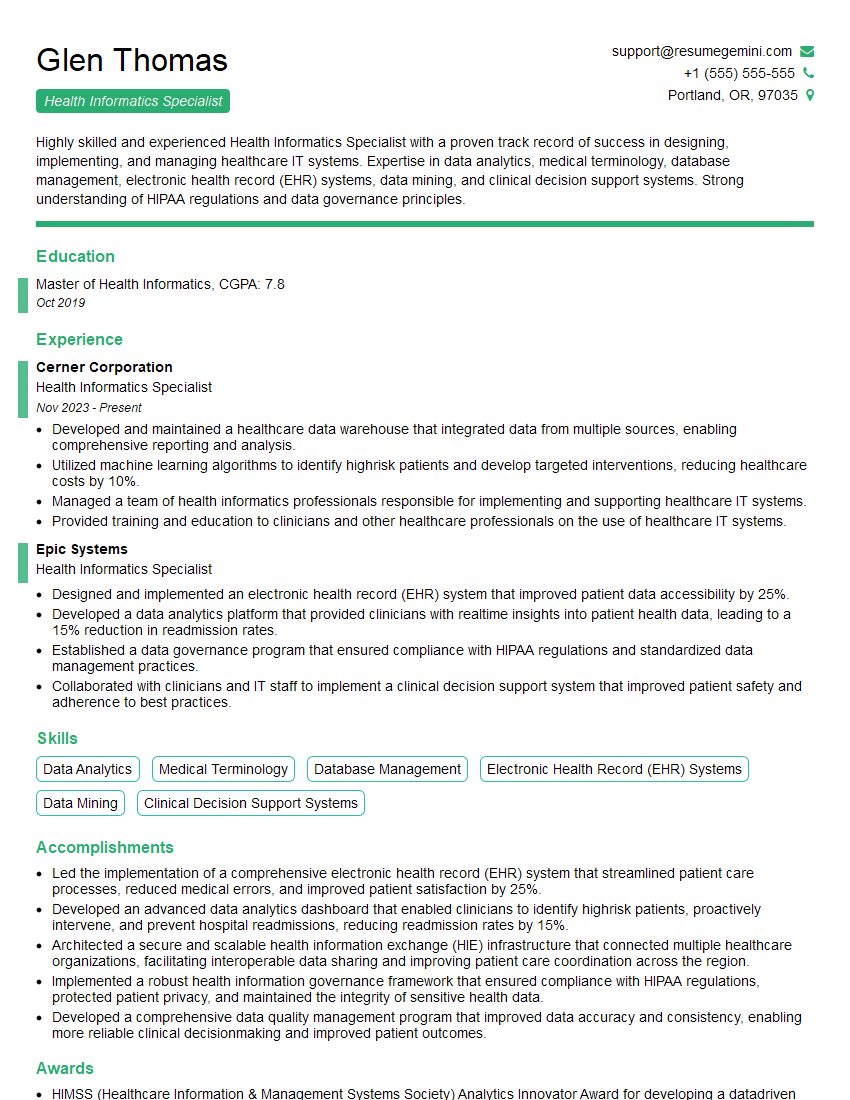
Health Informatics Specialist Resume Sample
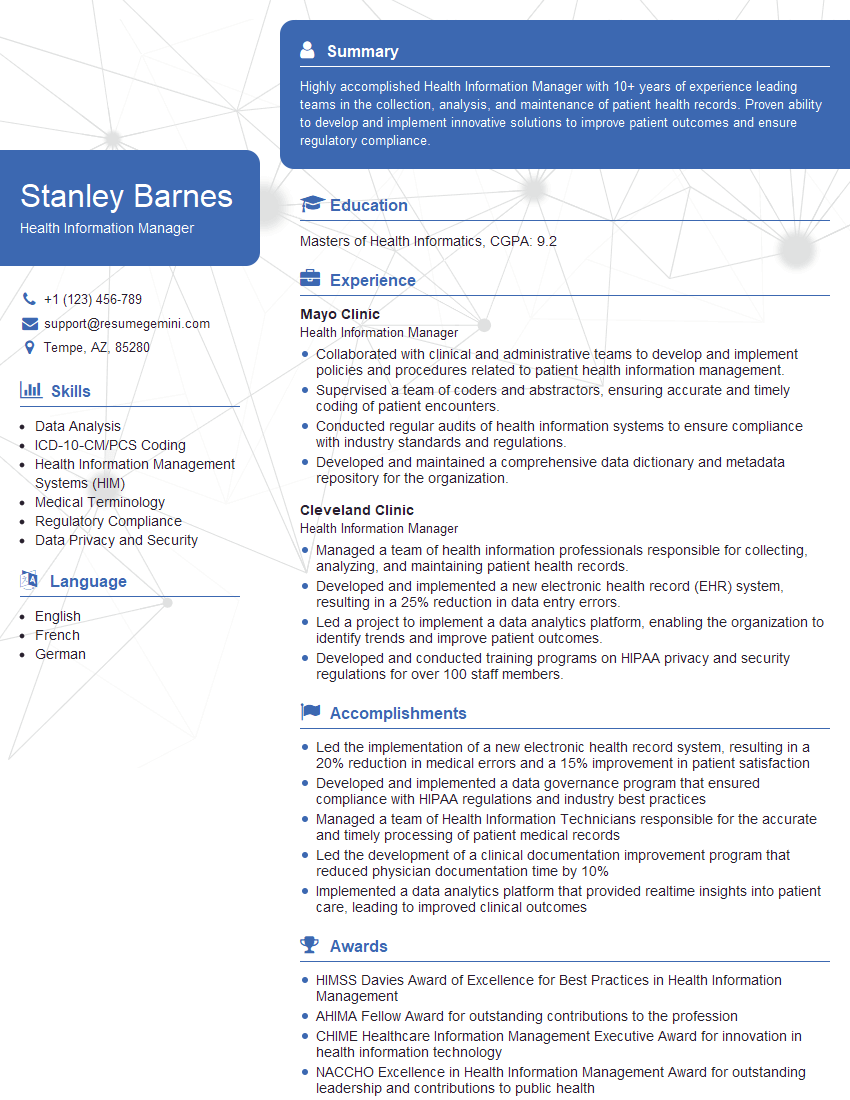
Health Information Manager Resume Sample
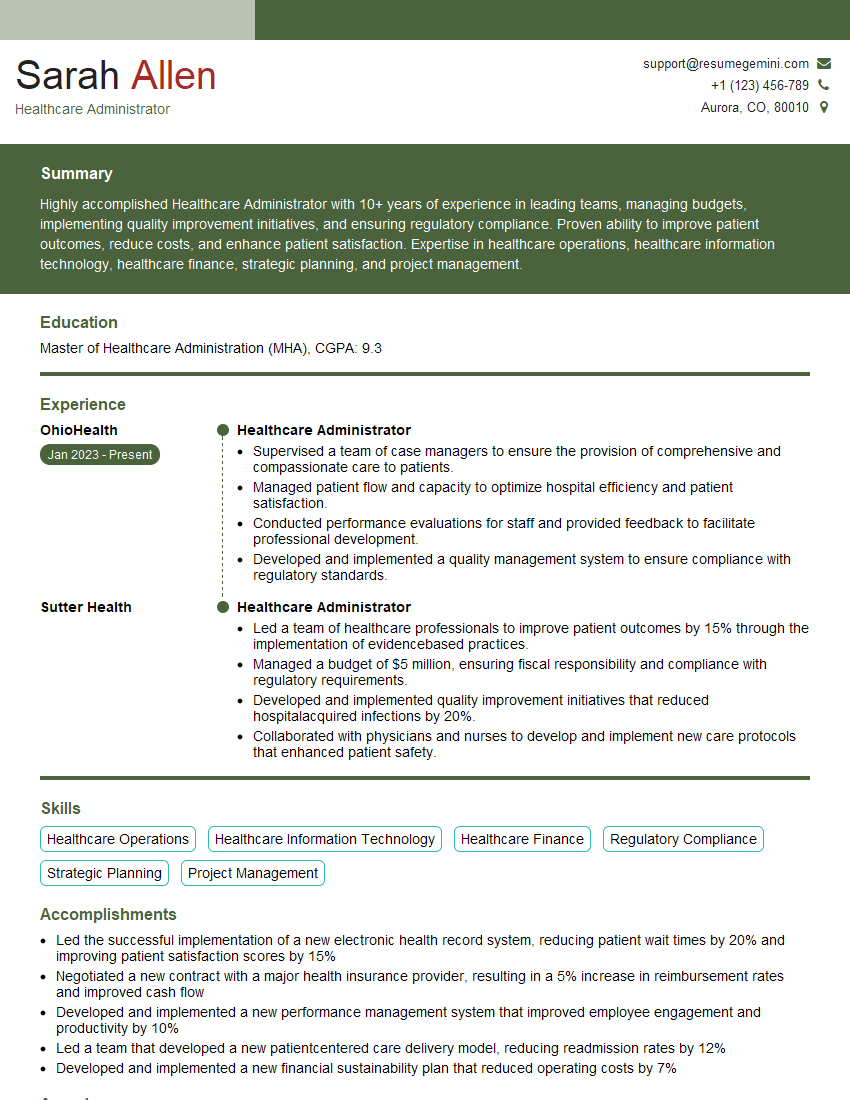
Healthcare Administrator Resume Sample
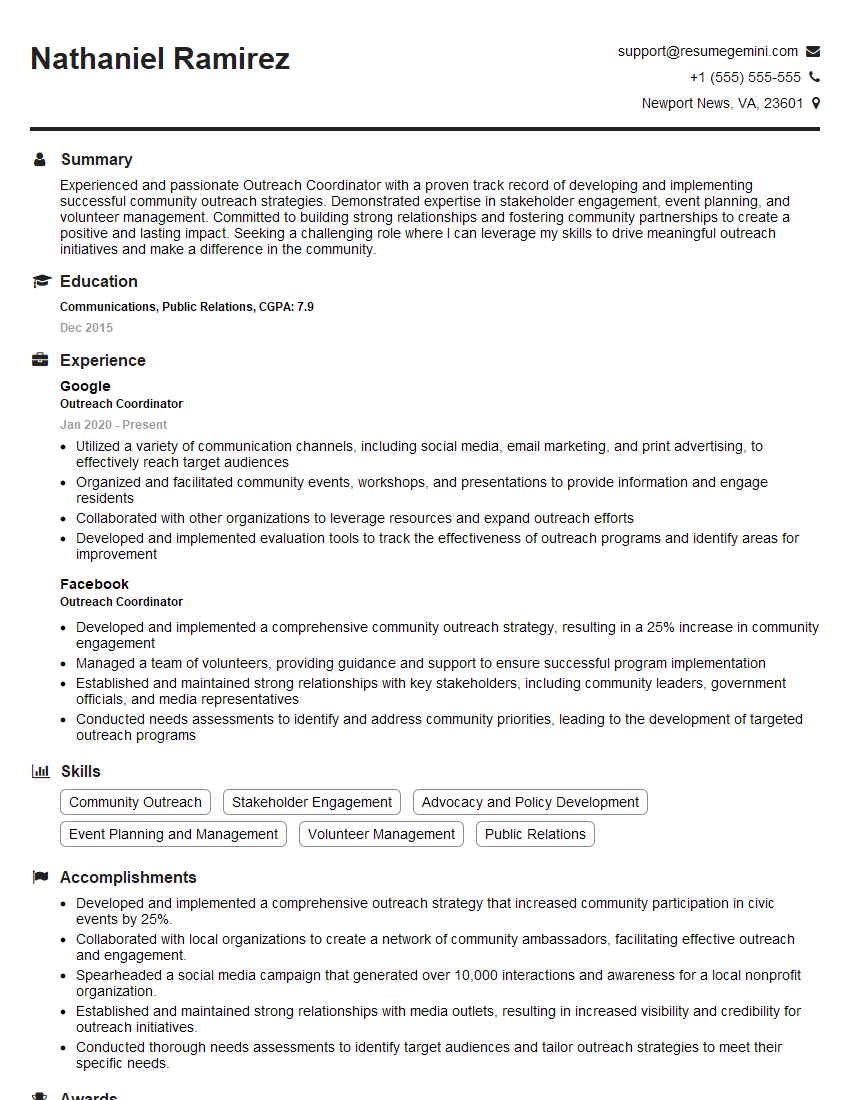
Outreach Coordinator Resume Sample
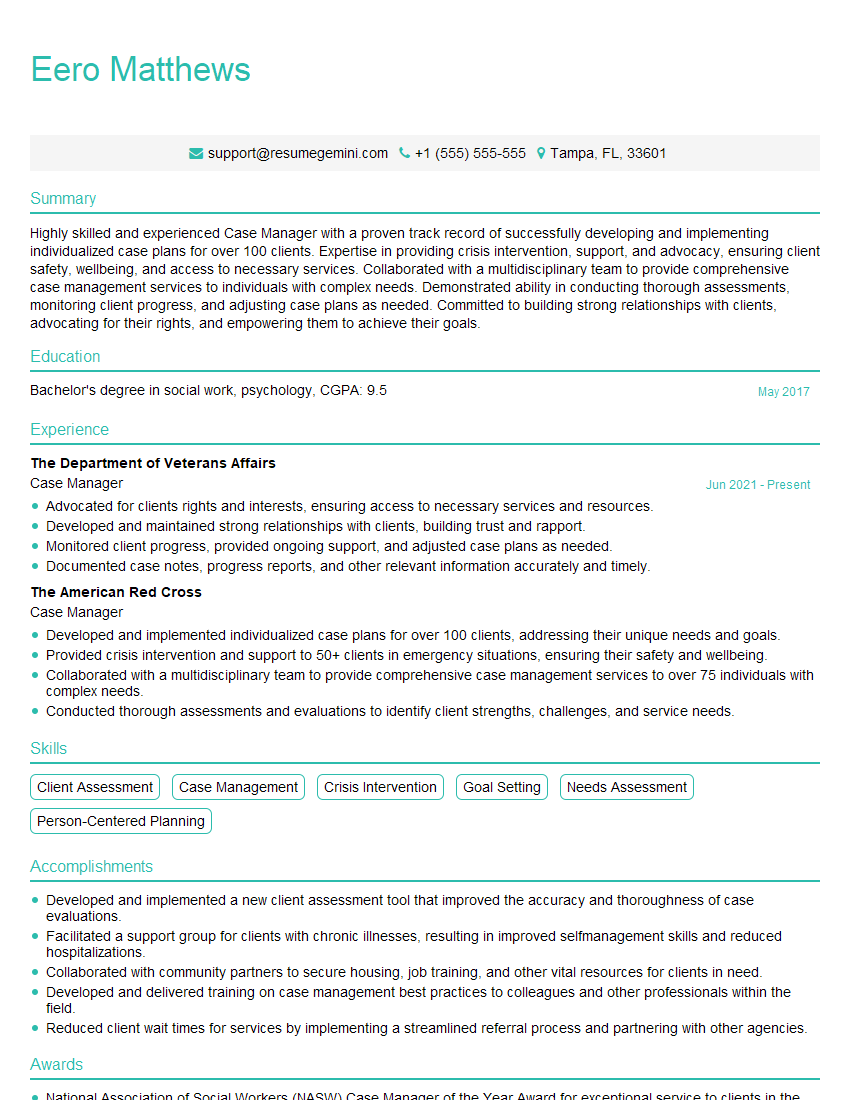
Case Manager Resume Sample
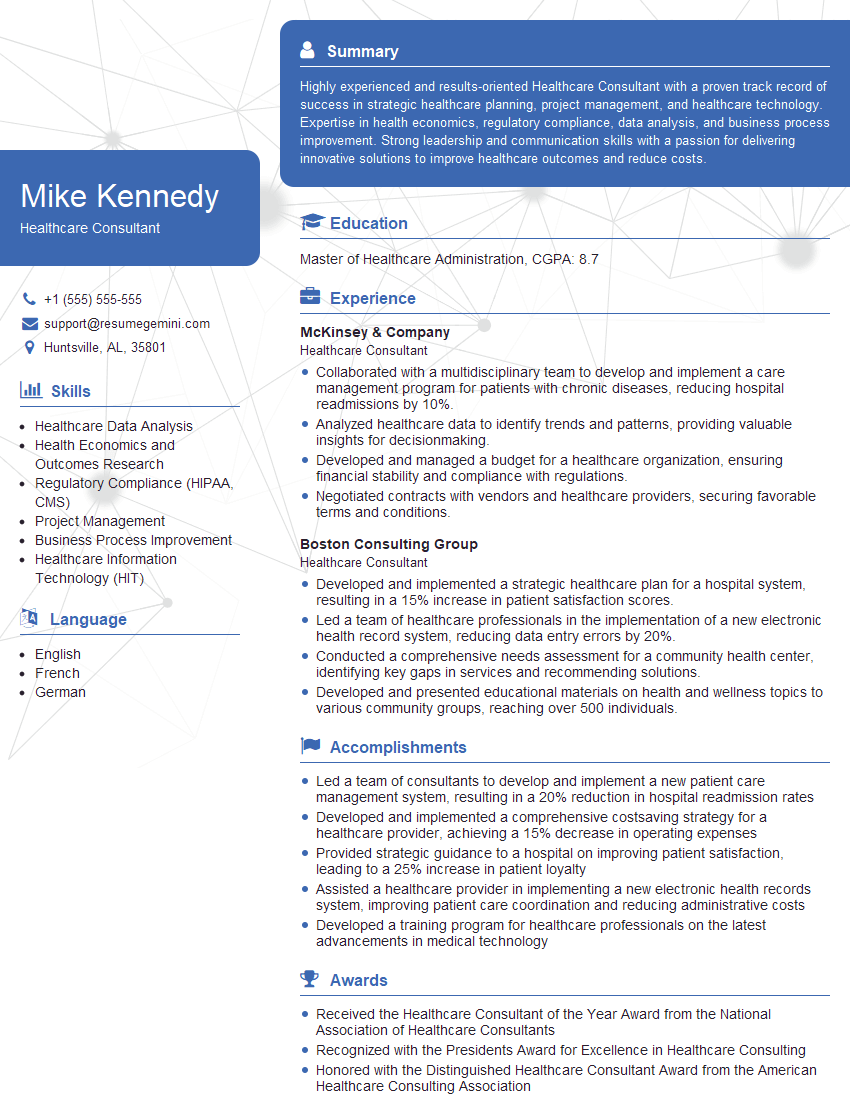
Healthcare Consultant Resume Sample
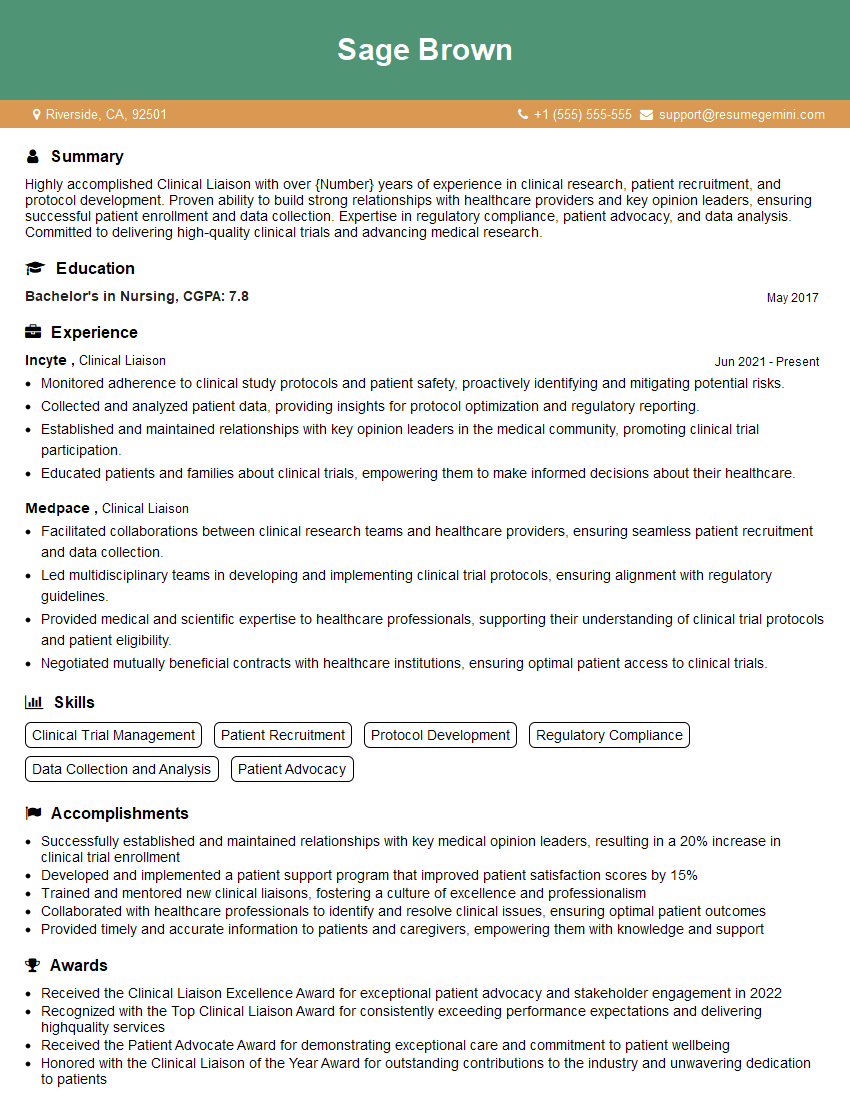
Clinical Liaison Resume Sample
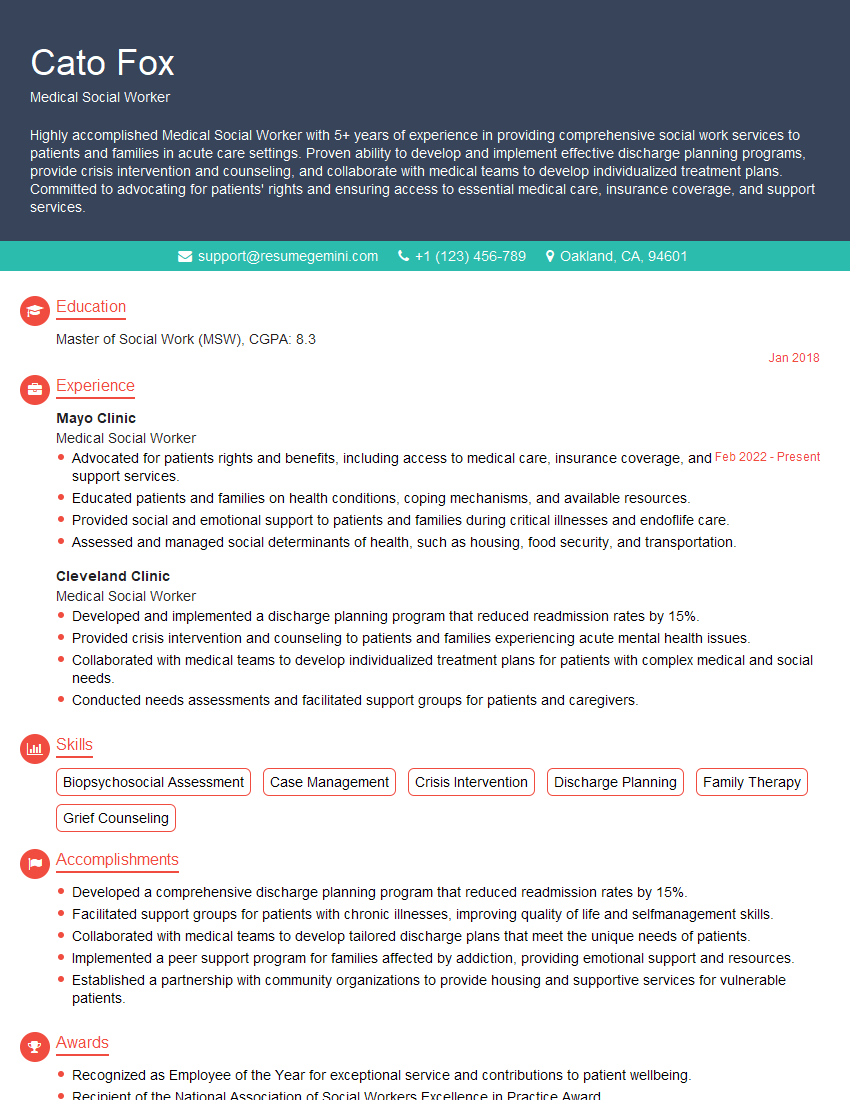
Medical Social Worker Resume Sample
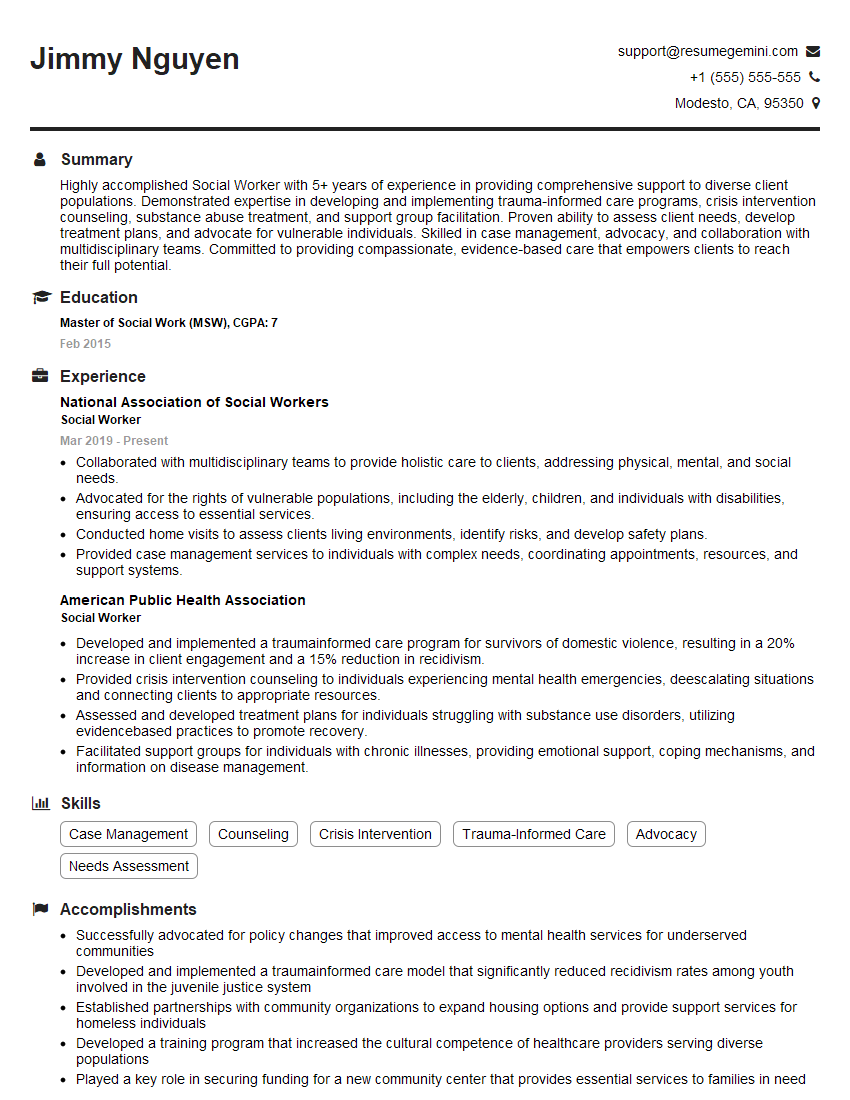
Social Worker Resume Sample
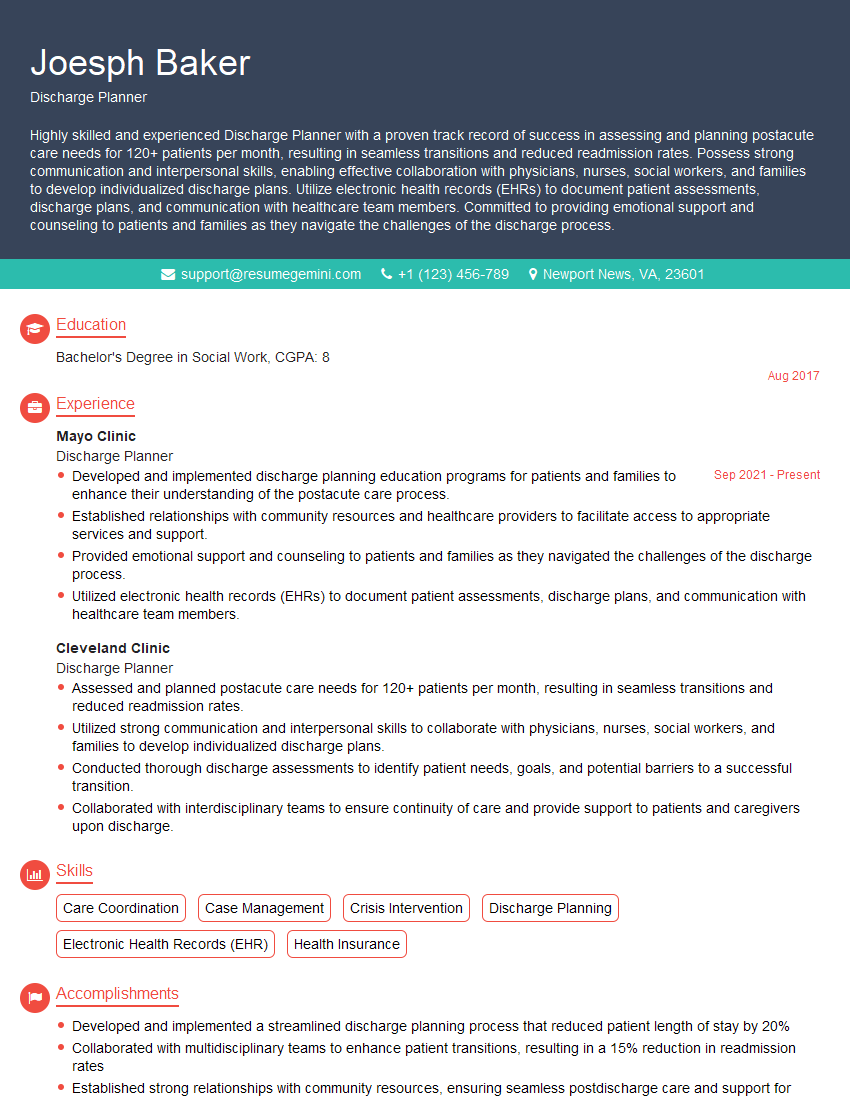
Discharge Planner Resume Sample
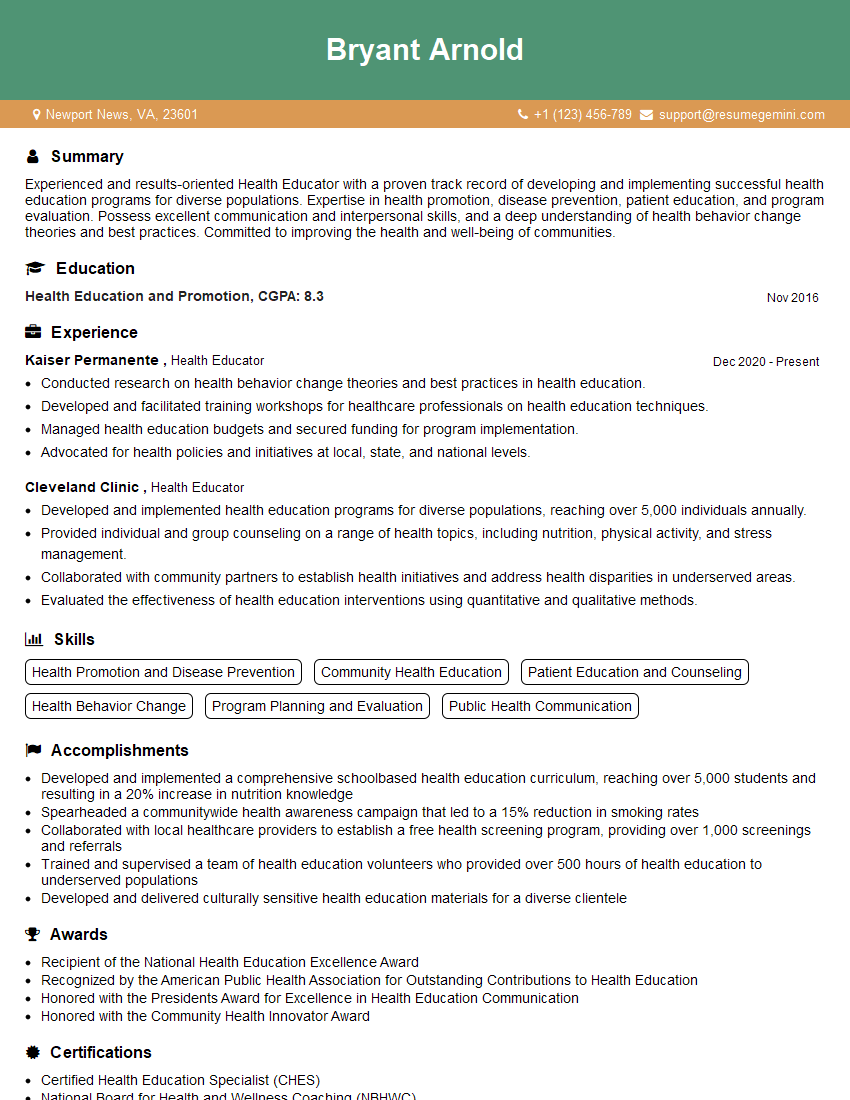
Health Educator Resume Sample
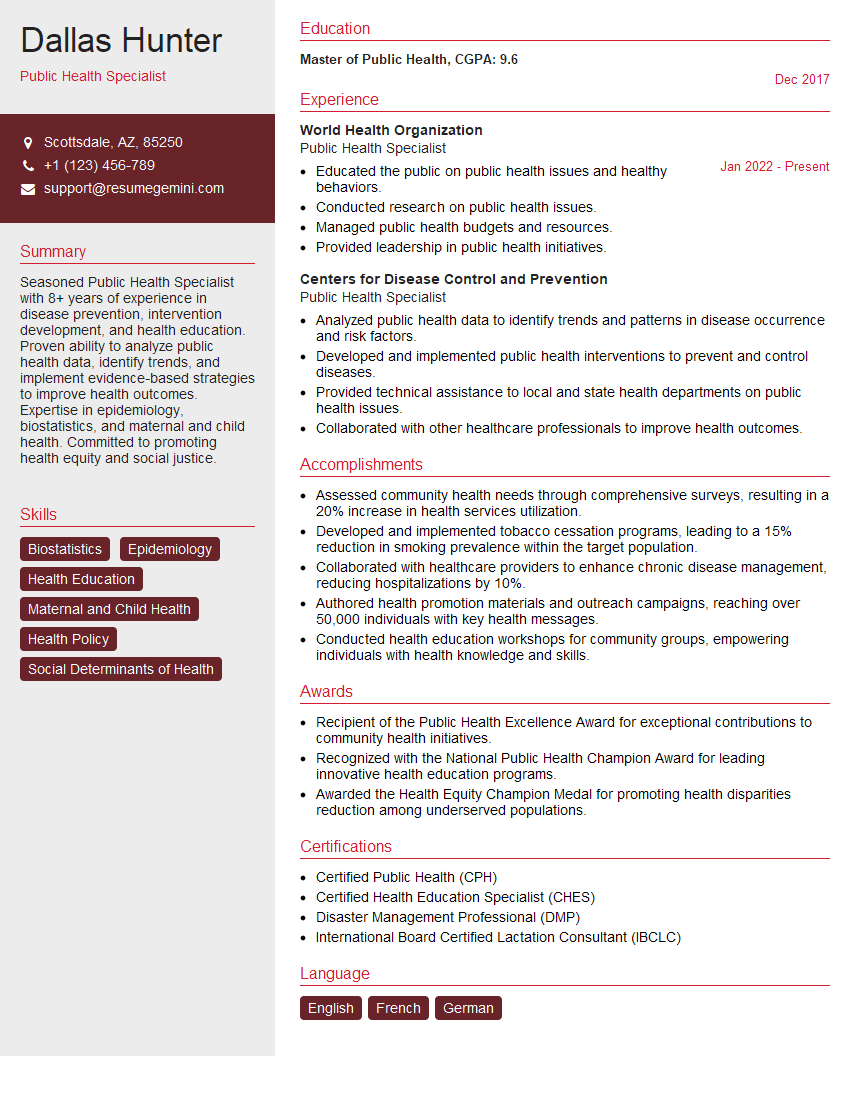
Public Health Specialist Resume Sample
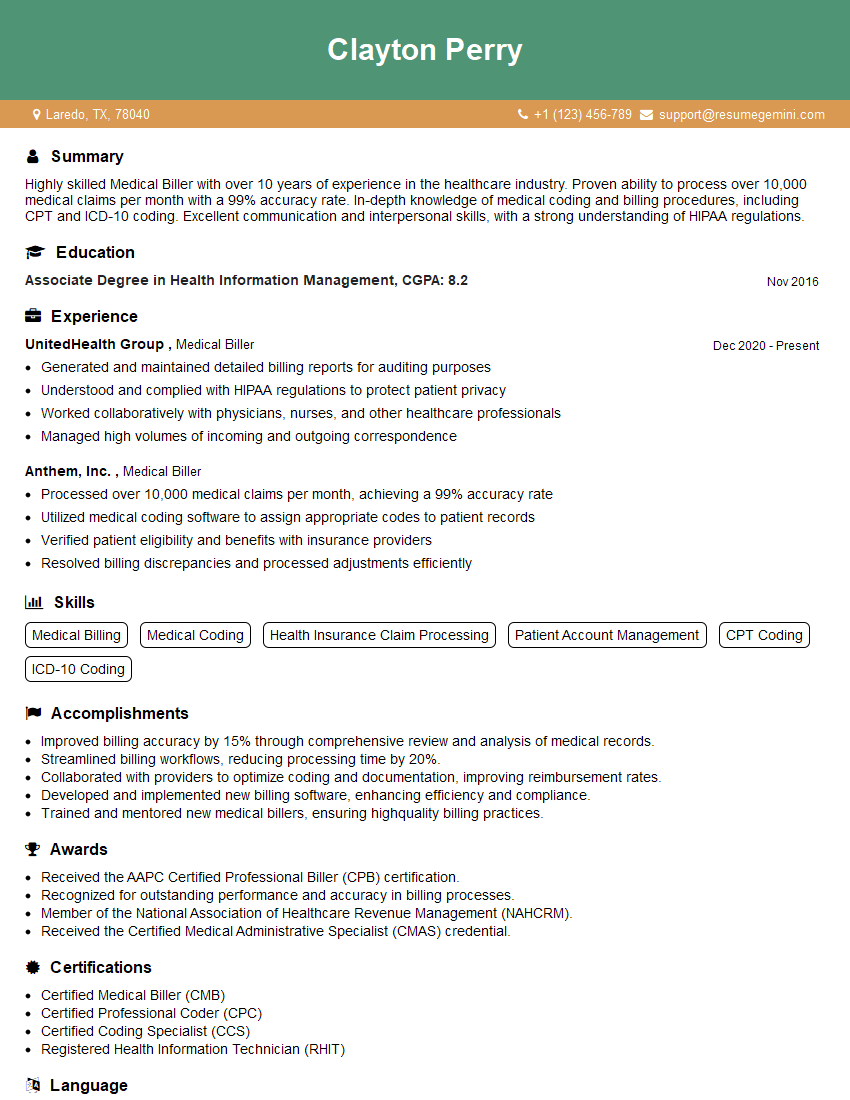
Medical Biller Resume Sample
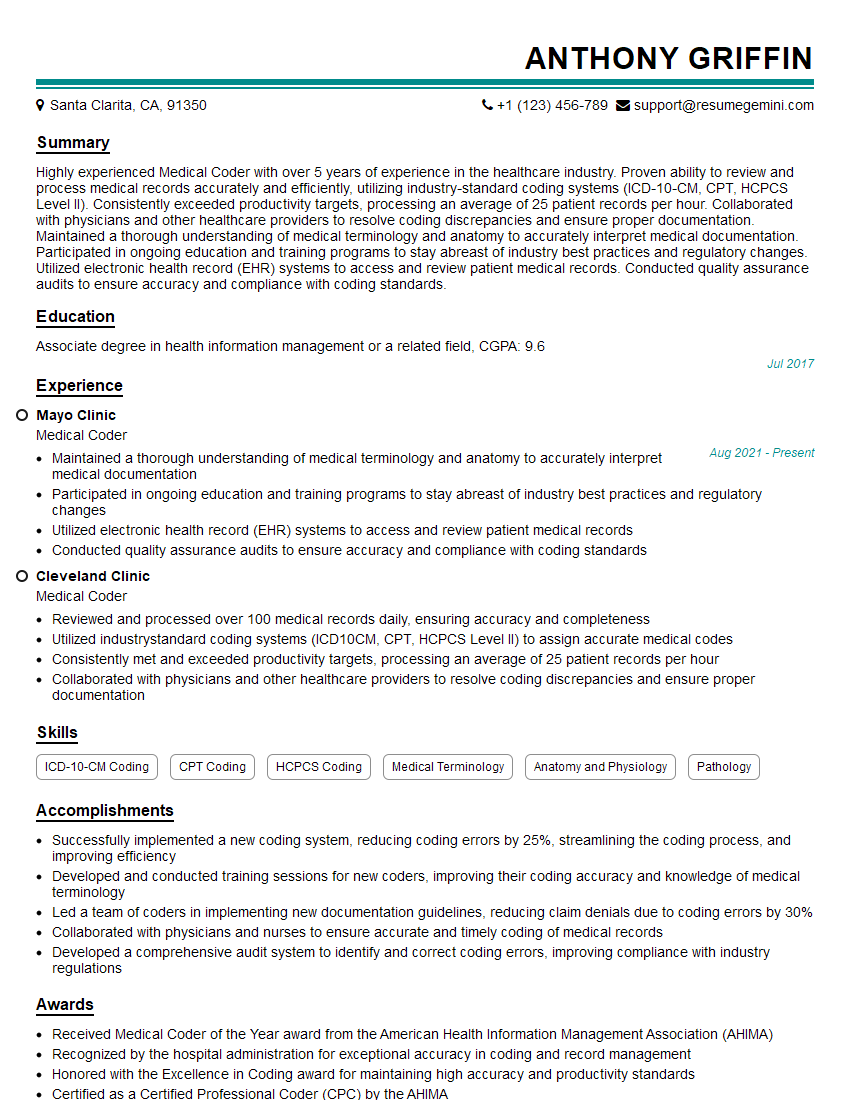
Medical Coder Resume Sample

Patient Advocate Resume Sample
Explore more articles
Users Rating of Our Blogs
Share Your Experience
We value your feedback! Please rate our content and share your thoughts (optional).
What Readers Say About Our Blog
To the interviewgemini.com Webmaster.
Very helpful and content specific questions to help prepare me for my interview!
Thank you
To the interviewgemini.com Webmaster.
This was kind of a unique content I found around the specialized skills. Very helpful questions and good detailed answers.
Very Helpful blog, thank you Interviewgemini team.