Interviews are more than just a Q&A session—they’re a chance to prove your worth. This blog dives into essential Cultural Humility and Sensitivity interview questions and expert tips to help you align your answers with what hiring managers are looking for. Start preparing to shine!
Questions Asked in Cultural Humility and Sensitivity Interview
Q 1. Define cultural humility and differentiate it from cultural competence.
Cultural humility is a lifelong process of self-reflection and critique, characterized by a commitment to lifelong learning and understanding of one’s own biases and prejudices. It acknowledges that one can never be truly ‘competent’ in all cultures, instead focusing on humility and ongoing engagement with others. In contrast, cultural competence is often framed as a set of skills and knowledge to be acquired, implying a point of arrival where one is deemed ‘competent.’ It risks becoming static and potentially appropriative, overlooking the dynamic and ever-evolving nature of culture.
Think of it like this: cultural competence is aiming for a target, believing you can eventually reach a state of expertise. Cultural humility is about the journey itself, continuously recognizing your limitations and striving for deeper understanding with each step.
- Cultural Humility: Focuses on self-reflection, lifelong learning, and a recognition of power imbalances.
- Cultural Competence: Aims to acquire specific knowledge and skills about various cultures to improve interactions.
Q 2. Describe a situation where you had to navigate a cross-cultural misunderstanding.
During a project with an international team, a colleague from a high-context culture (where communication relies heavily on nonverbal cues and shared understanding) misinterpreted my direct, low-context communication (where meaning is explicit and stated directly) as rude and insensitive. My intention was to be efficient and clear, but my approach was perceived negatively due to cultural differences. I realized my mistake and engaged in active listening, seeking to understand their perspective and adjusting my communication style to be more inclusive of their cultural norms. This experience highlighted the importance of being mindful of communication styles and actively seeking clarification to avoid misunderstandings.
Q 3. How would you address microaggressions in the workplace?
Addressing microaggressions requires a multi-pronged approach. First, I would create a safe space for reporting by clearly communicating that microaggressions are unacceptable. This includes outlining reporting procedures and guaranteeing confidentiality when appropriate. Then, when a microaggression occurs, I would:
- Directly address the behavior: If it is safe and appropriate, I would speak to the perpetrator privately, explaining the impact of their words or actions using ‘I’ statements (e.g., ‘I felt uncomfortable when…’).
- Educate and provide resources: I would offer educational materials on implicit bias and microaggressions, helping them understand the harm caused.
- Implement organizational changes: For recurring issues, I would work with management to implement diversity and inclusion training and develop policies to prevent future occurrences.
- Support the victim: I would offer support and empathy to the individual who experienced the microaggression, ensuring they feel heard and valued.
It’s crucial to remember that the approach should be tailored to the specific situation and the power dynamic involved. Sometimes, addressing the issue directly is best, while other times, a more indirect approach, such as reporting to HR, might be more effective.
Q 4. Explain your understanding of implicit bias and its impact on interactions.
Implicit bias refers to unconscious attitudes or stereotypes that affect our understanding, actions, and decisions. These biases are often developed through societal conditioning and personal experiences, impacting our interactions without our conscious awareness. For instance, an implicit bias might lead someone to unintentionally favor individuals from their own racial or ethnic group during a hiring process. These biases can significantly shape interactions, leading to unfair treatment, unequal opportunities, and strained relationships. Understanding and addressing implicit bias is critical to creating inclusive environments.
Recognizing the existence of implicit bias, engaging in self-reflection, and undergoing implicit bias training are crucial steps toward mitigating their harmful effects.
Q 5. Describe your approach to learning about and understanding different cultures.
My approach to learning about different cultures is multi-faceted and includes:
- Immersion and Engagement: I actively seek opportunities to interact with individuals from diverse backgrounds, attending cultural events, engaging in conversations, and listening to their perspectives.
- Seeking Knowledge: I engage in thorough research, reading books, articles, and reputable websites about various cultures, while being mindful of potential biases in the sources.
- Direct Dialogue: I value direct interaction, asking thoughtful and respectful questions to deepen my understanding, always ensuring I’m not imposing on anyone’s time or energy.
- Continual Self-Reflection: I regularly reflect on my own cultural biases and how they might influence my interactions. This involves recognizing my own limitations and acknowledging the continuous learning process.
It’s crucial to approach this process with genuine curiosity and respect, recognizing that understanding a culture is an ongoing journey, not a destination.
Q 6. How do you adapt your communication style to suit diverse audiences?
Adapting my communication style involves considering several factors:
- Language: If appropriate, I might use simpler language, avoiding jargon or technical terms. I might also be mindful of the use of idioms and slang, which can vary significantly across cultures.
- Nonverbal Communication: I’m aware of the importance of nonverbal cues, such as eye contact, personal space, and body language, understanding that their interpretations can differ across cultures.
- Communication Style: I adjust my approach based on whether a culture is high-context or low-context, recognizing that directness or indirectness in communication can be perceived differently.
- Pace and Tone: I adapt my pace of speaking and tone of voice to create a comfortable and inclusive environment. Sometimes, a slower pace and a softer tone are appreciated, while other times a more direct and assertive approach might be preferred.
Understanding these aspects enables me to build bridges, fostering understanding and trust.
Q 7. What strategies do you employ to build trust and rapport with individuals from different cultural backgrounds?
Building trust and rapport with individuals from different cultural backgrounds requires:
- Active Listening: Paying close attention to both verbal and nonverbal cues, showing genuine interest in understanding their perspectives.
- Empathy and Respect: Demonstrating respect for their cultural values and beliefs, even if they differ from my own. This involves actively seeking to understand their worldview and trying to see things from their perspective.
- Shared Experiences: Finding common ground to build connections. This might involve discussing shared interests, experiences, or challenges.
- Openness and Honesty: Being transparent about my own limitations in understanding their culture and actively seeking guidance when needed.
- Patience and Flexibility: Recognizing that building trust takes time and requires patience and a willingness to adapt my approach.
By demonstrating genuine care and respect, I strive to foster meaningful connections with people from diverse backgrounds.
Q 8. How would you handle a conflict arising from cultural differences?
Handling conflicts stemming from cultural differences requires a nuanced approach rooted in cultural humility. It’s not about finding a ‘right’ or ‘wrong,’ but understanding the different perspectives at play. My first step would be to actively listen to all parties involved, ensuring everyone feels heard and respected. I’d strive to understand the situation from each individual’s cultural lens, recognizing that behaviors and communication styles vary widely. Then, I’d facilitate a collaborative dialogue, focusing on identifying shared goals and finding mutually acceptable solutions. This might involve reframing the conflict, mediating misunderstandings, and helping individuals appreciate the diverse viewpoints involved. For example, if a conflict arose between colleagues due to differing communication styles (direct vs. indirect), I’d help them understand the cultural roots of these styles and develop strategies for clearer, more respectful communication. This could involve using visual aids or clarifying expectations in writing.
Crucially, I wouldn’t impose solutions but rather guide the parties to develop their own resolution. This participatory approach respects everyone’s agency and fosters a more sustainable outcome. Finally, I’d ensure that any resolution respects the values and beliefs of everyone involved, preventing any party from feeling marginalized or silenced.
Q 9. Describe a time you had to advocate for someone from a marginalized cultural group.
During my time at a non-profit organization serving refugee families, I advocated for a young woman from a marginalized community who was struggling to access essential healthcare services. Language barriers and cultural differences significantly hampered her ability to navigate the system effectively. She faced challenges explaining her symptoms and understanding medical instructions, leading to delayed diagnosis and treatment. I acted as her advocate by facilitating communication with medical staff, helping translate information, and ensuring that her cultural needs were addressed within the healthcare setting. This involved arranging for interpreters, researching culturally sensitive healthcare practices, and educating the staff about her specific cultural background and beliefs regarding healthcare. Through persistent advocacy, I helped her access the care she needed and empowered her to take control of her health.
Q 10. How do you ensure inclusivity in your work or decision-making processes?
Ensuring inclusivity in my work and decision-making processes is a continuous and evolving effort. It begins with recognizing that diverse perspectives enrich outcomes. I actively seek out and incorporate diverse voices into every stage, from brainstorming to implementation. This means consciously building teams that represent diverse backgrounds, experiences, and viewpoints. I use structured decision-making processes that minimize bias, such as using anonymous feedback mechanisms, clearly outlining criteria for evaluations, and ensuring all voices are given equal weight. Further, I regularly assess my own biases and actively challenge assumptions to create a safe and equitable space for everyone to contribute their best work. For example, when designing a training program, I make sure to incorporate content and delivery methods that cater to various learning styles and cultural preferences, ensuring accessibility for people with disabilities.
Inclusivity also involves creating a culture of psychological safety, where individuals feel comfortable sharing their perspectives, even if they differ from the majority. Regularly checking in with team members, seeking their feedback on processes, and fostering open dialogue are all critical elements in building and sustaining an inclusive work environment.
Q 11. What are some common cultural barriers to effective communication?
Several cultural barriers can hinder effective communication. These include differing communication styles (direct vs. indirect, high-context vs. low-context), varying perceptions of personal space and physical touch, nonverbal cues that are misinterpreted, different conceptions of time (monochronic vs. polychronic), and varying levels of formality and hierarchy in communication. For instance, in a high-context culture, meaning is often conveyed implicitly through nonverbal cues and shared understanding, whereas in a low-context culture, meaning is primarily transmitted through explicit verbal communication. Misinterpretations can easily arise if these differences aren’t recognized and addressed. Similarly, concepts of time can greatly influence communication styles and expectations. Some cultures are highly time-oriented (monochronic) while others are more flexible (polychronic), potentially leading to misunderstandings about punctuality and meeting schedules.
Overcoming these barriers requires cultural sensitivity, active listening, patience, and a willingness to adapt one’s communication style to better suit the cultural context. Using clear and concise language, paying close attention to nonverbal cues, and actively seeking clarification are all crucial strategies for fostering effective communication across cultural boundaries.
Q 12. How do you assess your own cultural biases and work to mitigate them?
Assessing and mitigating my own cultural biases is an ongoing process requiring continuous self-reflection and a commitment to lifelong learning. I utilize several strategies. Regularly engaging in self-reflection through journaling or mindfulness practices helps me identify my unconscious biases and assumptions. I also actively seek feedback from individuals from diverse backgrounds, asking them to provide honest assessments of my interactions and communication styles. This helps reveal blind spots that I may not be aware of. Moreover, I participate in diversity and inclusion training to learn more about different cultures and to develop strategies for mitigating bias. Exposure to diverse perspectives through reading, attending cultural events, and interacting with people from different backgrounds enriches my understanding and challenges my preconceived notions. Finally, I actively seek out opportunities to challenge my biases and assumptions, constantly questioning my own worldview and striving to become a more culturally aware and sensitive individual.
Q 13. Explain the importance of self-reflection in developing cultural humility.
Self-reflection is fundamental to developing cultural humility. It’s the cornerstone of the process. Without honest introspection, it’s impossible to identify our own biases, assumptions, and prejudices. Self-reflection allows us to examine our own cultural background and how it shapes our perspectives, beliefs, and behaviors. It encourages us to acknowledge our limitations in understanding other cultures and to recognize that our experiences are not universal. This process involves challenging our own assumptions, questioning our interpretations of others’ behavior, and recognizing the impact our own cultural lens has on how we interact with and judge others. Only through deep self-awareness can we begin to cultivate the empathy, respect, and openness that are essential for cultural humility.
For example, reflecting on my own upbringing might reveal assumptions I hold about punctuality or communication styles that are rooted in my culture. Recognizing these biases allows me to approach interactions with others more critically and consciously adjust my expectations and behaviors, promoting more meaningful and respectful interactions.
Q 14. How do you stay updated on current diversity and inclusion best practices?
Staying updated on diversity and inclusion best practices requires a multi-faceted approach. I regularly read academic journals and industry publications focused on diversity, equity, and inclusion. I participate in professional development workshops and conferences to learn about new trends and best practices in the field. Furthermore, I actively engage with professional networks and online communities dedicated to DEI to learn from experts and share knowledge. I actively seek out diverse voices and perspectives through social media, podcasts, and other mediums to broaden my knowledge. I also participate in mentorship programs and regularly solicit feedback from colleagues and peers to ensure my approaches are aligned with current best practices. Keeping up with the evolving landscape of DEI requires continuous learning and a commitment to remaining informed and adaptable.
Q 15. Describe your experience working with diverse teams.
Throughout my career, I’ve had the privilege of working with incredibly diverse teams, spanning various nationalities, ethnicities, genders, ages, and abilities. This experience has been invaluable in shaping my understanding of cultural humility and sensitivity. For example, in a previous project involving a global software development team, we had members from Japan, Brazil, and the United Kingdom. Initially, communication styles and project management approaches differed significantly. Recognizing this, I actively facilitated open dialogue, encouraging team members to share their perspectives and preferred working methods. We established clear communication protocols, incorporating elements that respected each culture’s communication norms, ultimately leading to a successful project delivery. This experience highlighted the importance of active listening, empathy, and a willingness to adapt to diverse working styles.
Another instance involved a marketing campaign where understanding cultural nuances was crucial. We avoided generalizations and instead engaged in thorough research to understand the specific cultural contexts of our target audiences. This included considering language, imagery, and even the timing of our campaigns to resonate effectively with diverse groups. The result was a campaign that not only increased brand awareness but also fostered positive relationships with various cultural communities.
Career Expert Tips:
- Ace those interviews! Prepare effectively by reviewing the Top 50 Most Common Interview Questions on ResumeGemini.
- Navigate your job search with confidence! Explore a wide range of Career Tips on ResumeGemini. Learn about common challenges and recommendations to overcome them.
- Craft the perfect resume! Master the Art of Resume Writing with ResumeGemini’s guide. Showcase your unique qualifications and achievements effectively.
- Don’t miss out on holiday savings! Build your dream resume with ResumeGemini’s ATS optimized templates.
Q 16. What are the key elements of effective intercultural communication?
Effective intercultural communication hinges on several key elements. First, active listening is paramount. This goes beyond simply hearing words; it’s about understanding the speaker’s perspective, considering their cultural background, and paying attention to nonverbal cues. Second, cultural self-awareness is essential. Understanding your own biases and assumptions is the first step to effective intercultural communication. We must acknowledge that our own cultural lens shapes our interpretations and interactions.
Third, clear and concise communication is vital, but it should be adapted to the cultural context. What might be considered direct communication in one culture could be perceived as rude in another. Fourth, empathy and respect are crucial. Approaching every interaction with empathy and genuine respect for differing viewpoints builds trust and understanding. Finally, patience and flexibility are necessary, as navigating cultural differences takes time and a willingness to adapt. For instance, I once worked with a colleague from a culture that highly valued indirect communication. Understanding this helped me avoid misinterpreting silence as disagreement and allowed me to approach communication with more patience and nuance.
Q 17. How do you approach situations where you encounter conflicting cultural values?
When encountering conflicting cultural values, I approach the situation with a focus on understanding, rather than judgment. My approach involves several steps. First, I actively listen to all perspectives, ensuring everyone feels heard and respected. Second, I identify the root causes of the conflict, recognizing that differing values often stem from different cultural backgrounds and experiences. Third, I look for common ground. Even amidst conflicting values, there are often shared goals or principles that can serve as a basis for finding mutually agreeable solutions. Finally, I work collaboratively to find a compromise or solution that respects everyone’s values and perspectives to the greatest extent possible. For instance, in a team project where some members valued a very hierarchical structure while others favored a more collaborative approach, we found a middle ground by establishing clear roles and responsibilities while maintaining an open communication channel to ensure all team members’ voices were heard.
Q 18. What resources or tools do you use to enhance your understanding of different cultures?
To enhance my understanding of different cultures, I utilize various resources. This includes scholarly articles and books on cultural anthropology and cross-cultural communication. I regularly attend workshops and conferences that focus on diversity, equity, and inclusion. I also actively seek opportunities to engage with people from diverse backgrounds, both professionally and personally. This could include participating in cultural events, attending religious services, or simply engaging in informal conversations with individuals from various cultures. Online resources such as cultural awareness training modules and reputable cultural information websites are also valuable tools. For example, I recently used online resources to learn more about the cultural customs and etiquette of conducting business in Japan before undertaking a project with a Japanese company. This preparation helped avoid misunderstandings and fostered stronger working relationships.
Q 19. Describe your approach to providing culturally sensitive care or support.
My approach to providing culturally sensitive care or support centers around building rapport, active listening, and personalization. Before engaging, I make a conscious effort to understand the individual’s cultural background, beliefs, and values, being mindful not to make assumptions. I ensure the language used is appropriate and accessible. I adapt my communication style to fit the individual’s preferences. I avoid making generalizations or stereotyping. Furthermore, I carefully consider cultural norms related to touch, eye contact, and personal space. I also strive to incorporate cultural perspectives into treatment plans and recommendations, ensuring they align with the individual’s beliefs and values. For instance, when working with a client from a collectivist culture, I paid special attention to family dynamics and ensured that family members were included in the decision-making process.
Q 20. How do you create an inclusive environment for individuals with different communication styles?
Creating an inclusive environment for individuals with diverse communication styles involves establishing clear communication guidelines that acknowledge and respect various preferences. This includes providing opportunities for both verbal and non-verbal communication. Offering multiple channels for communication, such as email, instant messaging, or video conferencing, helps cater to individual preferences. It’s crucial to value different communication styles, avoiding judgments on what might be considered ‘efficient’ or ‘effective’. I emphasize active listening across all communication styles. Clear expectations should be set, explaining how information will be shared and how feedback will be provided, ensuring transparency and inclusivity. Regular feedback sessions allow for adjustments and improvements to communication practices, promoting a culture of continuous improvement and understanding.
Q 21. How would you design a training program on cultural humility for a specific workplace?
Designing a workplace training program on cultural humility requires a multifaceted approach. First, we need to assess the specific needs of the workplace. What are the common cultural challenges? What are the existing diversity demographics? The program should be tailored to the specific context. The training would incorporate interactive elements, such as role-playing exercises, case studies, and group discussions, to actively engage participants. We’d leverage diverse facilitators and guest speakers who can bring firsthand experiences and perspectives. The program should emphasize self-reflection, encouraging participants to examine their own biases and assumptions. Finally, we should incorporate ongoing support mechanisms, such as mentorship programs or online resources, to sustain learning and application of cultural humility beyond the initial training session. Post-training assessments would measure the effectiveness of the program and ensure continuous improvement.
Q 22. What are the ethical considerations related to cultural humility in your field?
Ethical considerations in cultural humility are paramount. It’s not simply about being polite; it’s about actively avoiding harm and promoting justice. A key ethical concern is the potential for cultural appropriation, where dominant cultures borrow elements from marginalized cultures without understanding or respecting their original context. This can lead to misrepresentation and further marginalization. Another critical issue is the risk of paternalism, where well-intentioned actions inadvertently undermine the autonomy and self-determination of individuals from other cultures. For example, imposing solutions without understanding the community’s needs or preferences. Finally, maintaining confidentiality and respecting privacy within diverse cultural contexts requires careful consideration of varying norms around information sharing and consent.
Ethical practice demands ongoing self-reflection, a commitment to continuous learning, and a willingness to acknowledge power imbalances inherent in intercultural interactions. We must prioritize building genuine relationships based on mutual respect and understanding, ensuring our actions align with the principles of beneficence, non-maleficence, justice, and respect for persons.
Q 23. Describe a time you made a mistake related to cultural sensitivity. What did you learn?
In a previous project involving community health outreach in a predominantly Latino neighborhood, I unintentionally used language that was overly formal and lacked warmth. While my intention was to be professional, my approach felt distant and impersonal, hindering meaningful engagement. I realized I was projecting my own cultural norms onto the community. The mistake highlighted the importance of being mindful of communication styles and adapting my approach to better connect with individuals from different cultural backgrounds. I learned that true cultural sensitivity isn’t just about avoiding offense, but about creating a comfortable and respectful space where authentic communication can flourish. I subsequently attended workshops on culturally responsive communication, and revised my communication strategies for greater effectiveness. It emphasized listening more actively, demonstrating empathy, and creating opportunities for open dialogue.
Q 24. How do you identify and respond to potential biases in data or research?
Identifying and responding to bias in data and research requires a multi-faceted approach. First, I critically examine the research question itself. Is it framed in a way that might perpetuate existing biases? Next, I scrutinize the sampling methods. Was the sample representative of the population of interest? Were there any systematic exclusions that might skew results? Then, I analyze the data collection methods; were they culturally appropriate and did they minimize the impact of interviewer bias? Finally, I evaluate the data analysis and interpretation, looking for instances where my own biases might influence my conclusions. This often involves working collaboratively with researchers from diverse backgrounds and consulting community members during all stages of research to ensure culturally appropriate methods and interpretations.
For example, if a study on healthcare disparities relies solely on self-reported data, it might miss out on the experiences of individuals who face language barriers or distrust of healthcare systems. Addressing these biases involves using diverse data collection methods like interviews conducted in multiple languages or focus groups facilitated by community members who can build rapport and trust.
Q 25. What frameworks or models do you find helpful in understanding cultural differences?
Several frameworks help understand cultural differences. The Cultural Competence Continuum model helps to understand the progression from cultural destructiveness to cultural proficiency. The Cultural Ecological Framework helps understand how individual behavior is influenced by larger societal structures and contexts, including economic status, social norms, and environmental factors. The Cultural Web model emphasizes the interconnectedness of cultural assumptions, practices, stories, symbols, rituals, and power structures. Understanding these diverse perspectives is crucial; it helps me move beyond simple stereotypes and appreciate the richness and complexity of human experience.
For example, when working with immigrant communities, the Cultural Ecological framework helps consider how factors like immigration policies, economic opportunities, and social support systems influence health and well-being. The Cultural Web framework can help understand how religious beliefs, family structures, and community traditions interact to shape healthcare decisions.
Q 26. How can organizations foster a culture of cultural humility?
Fostering cultural humility within organizations requires a multi-pronged approach. Firstly, leadership must model cultural humility, demonstrate commitment through action, and provide resources for ongoing education and training. Secondly, organizations should create inclusive hiring practices to recruit staff that reflect the diversity of the communities they serve. Thirdly, regular cultural humility training programs, such as workshops and reflective discussions, should be implemented. Fourthly, organizations need to establish clear policies and procedures that ensure equitable access to services and opportunities for all individuals, regardless of their cultural background. Lastly, effective mechanisms for feedback and evaluation should be in place to ensure programs are responsive to needs and concerns.
A crucial aspect is creating an environment where honest dialogue about cultural differences is encouraged and where challenging biases is seen as a constructive process rather than a threat.
Q 27. How do you measure the effectiveness of cultural humility initiatives?
Measuring the effectiveness of cultural humility initiatives is challenging but crucial. Qualitative methods like focus groups and interviews with staff and clients can provide valuable insights into perceived changes in attitudes and behaviors. Quantitative methods, such as surveys measuring staff self-reported cultural competence and client satisfaction surveys, can complement qualitative data. Changes in service utilization rates, complaints, and incidents of discrimination can also serve as indirect measures of progress. It’s essential to use a mixed-methods approach, combining quantitative and qualitative data to gain a comprehensive understanding of the program’s impact.
Continuous monitoring and evaluation are key. Regular feedback loops and ongoing adjustments are vital to ensuring that initiatives remain relevant and effective.
Q 28. What are some potential challenges in implementing cultural humility programs?
Implementing cultural humility programs can encounter several challenges. Resistance to change from staff who are resistant to engaging with new concepts and methods is a significant hurdle. Lack of resources, including funding, time, and trained personnel, can impede program implementation. The inherent complexity of cultural differences requires substantial investment in staff training and development. Finally, assessing the effectiveness of cultural humility programs requires careful consideration of appropriate metrics and data collection methods. Without effective monitoring and evaluation, it’s difficult to demonstrate the value and impact of these initiatives.
Addressing these challenges requires strong leadership support, a commitment to ongoing investment, and a willingness to adapt and evolve the program based on continuous feedback.
Key Topics to Learn for Cultural Humility and Sensitivity Interview
- Defining Cultural Humility: Understanding the core principles of cultural humility – lifelong learning, self-reflection, and recognizing power imbalances.
- Self-Awareness and Bias Recognition: Identifying personal biases and their potential impact on interactions with individuals from diverse backgrounds. Practical application: Reflecting on past experiences and analyzing how cultural assumptions might have influenced your actions or judgments.
- Effective Communication Across Cultures: Developing strategies for clear and respectful communication, considering nonverbal cues and communication styles across different cultures. Practical application: Preparing examples demonstrating active listening and adapting communication styles to suit diverse audiences.
- Cultural Competence vs. Cultural Humility: Differentiating between achieving a fixed state of cultural competence and the ongoing process of cultural humility.
- Addressing Microaggressions and Bias: Recognizing and responding appropriately to microaggressions and implicit biases. Practical application: Role-playing scenarios to practice responding to challenging situations with empathy and understanding.
- Working Effectively in Diverse Teams: Utilizing cultural humility to foster inclusive and collaborative teamwork environments. Practical application: Describe experiences working in diverse teams and highlight your contributions to fostering a positive and respectful atmosphere.
- Ethical Considerations in Cross-Cultural Interactions: Understanding ethical frameworks and principles in navigating cultural differences professionally.
Next Steps
Mastering cultural humility and sensitivity is increasingly crucial for career advancement. Employers value candidates who demonstrate empathy, respect, and a commitment to inclusivity. To stand out, create an ATS-friendly resume that showcases your relevant skills and experiences. ResumeGemini is a trusted resource that can help you build a professional resume that effectively communicates your qualifications. We provide examples of resumes tailored to highlight Cultural Humility and Sensitivity, ensuring your application makes a strong and impactful impression on potential employers.

Compliance Officer Resume Sample
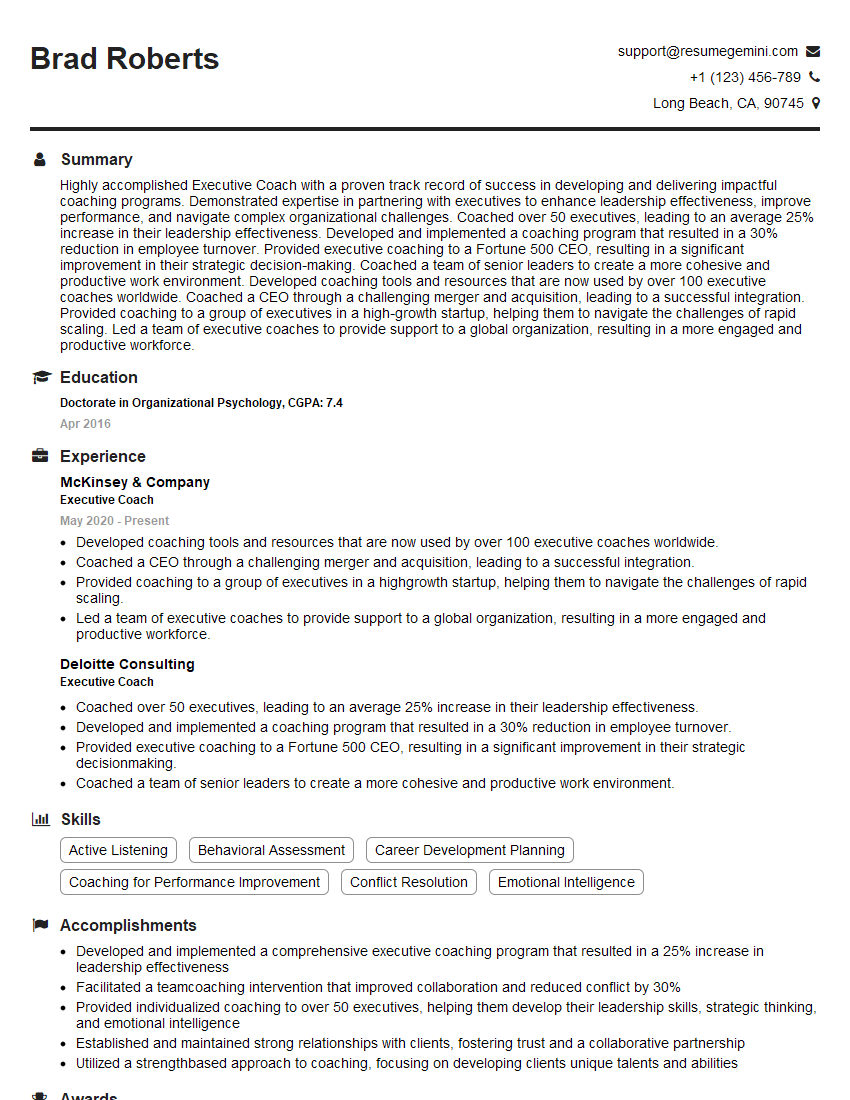
Executive Coach Resume Sample
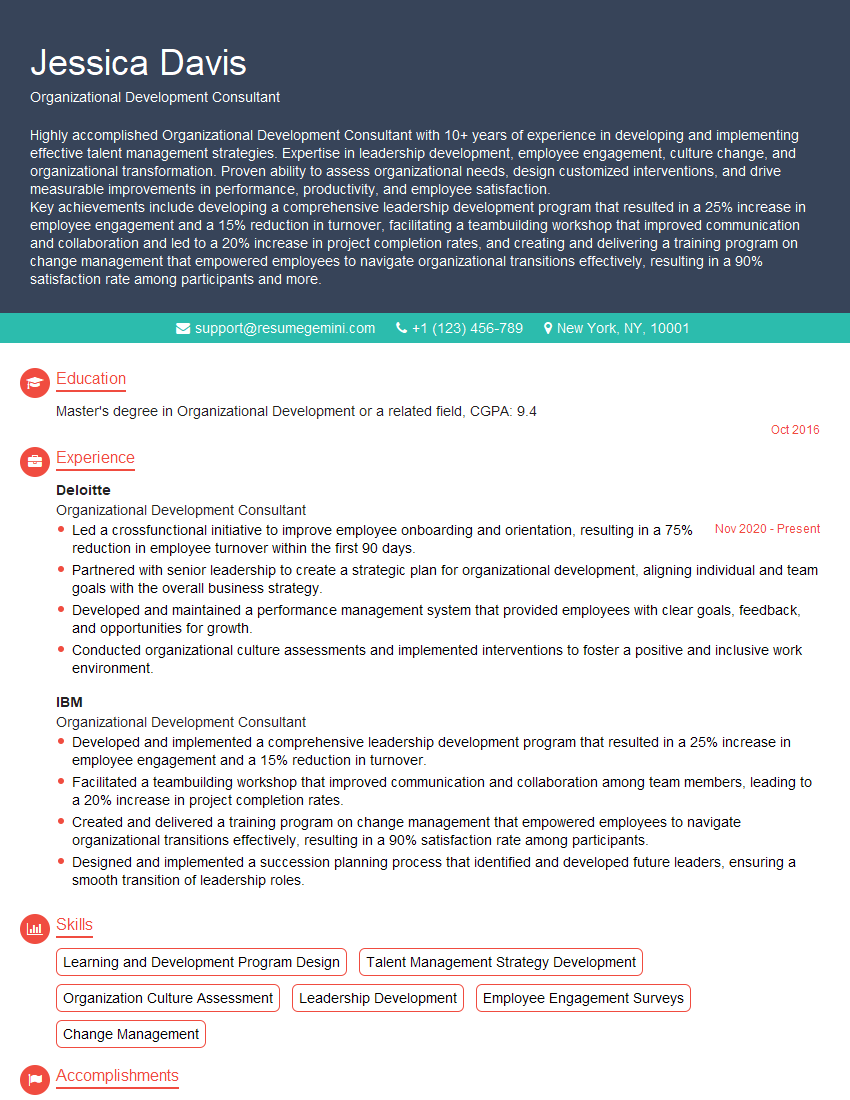
Organizational Development Consultant Resume Sample
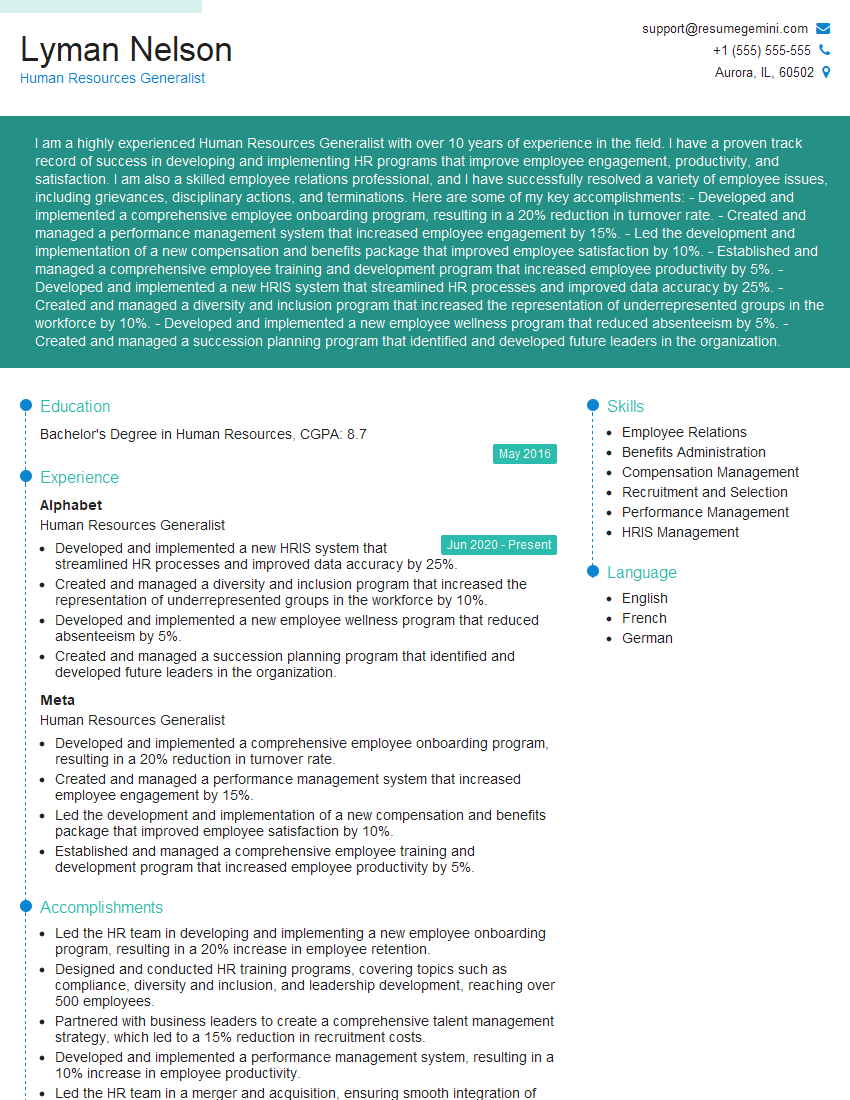
Human Resources Generalist Resume Sample
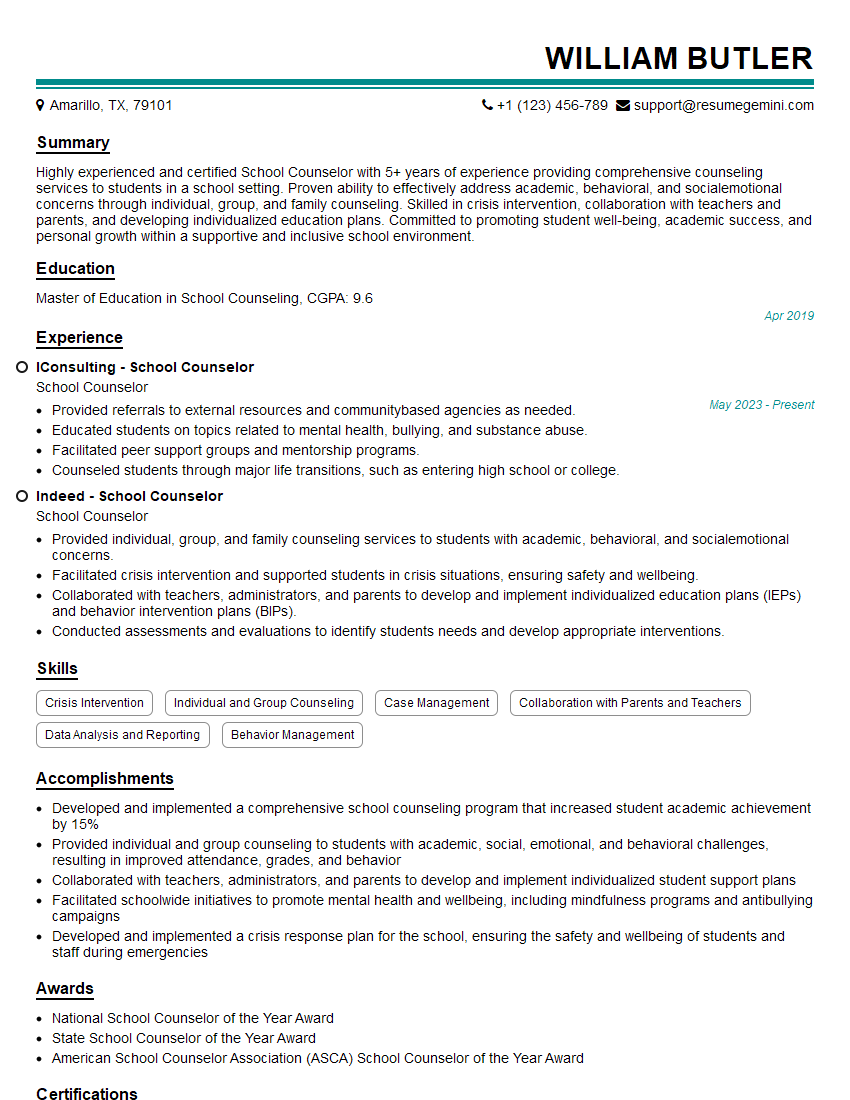
School Counselor Resume Sample
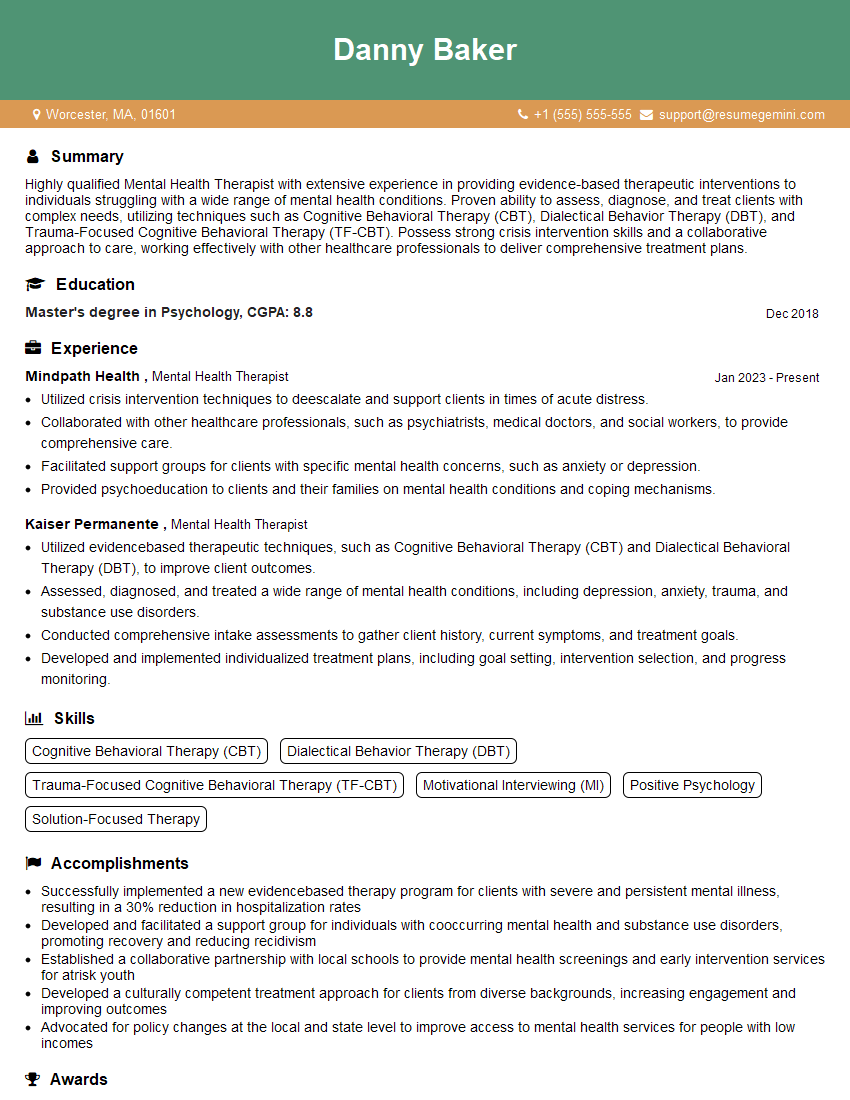
Mental Health Therapist Resume Sample
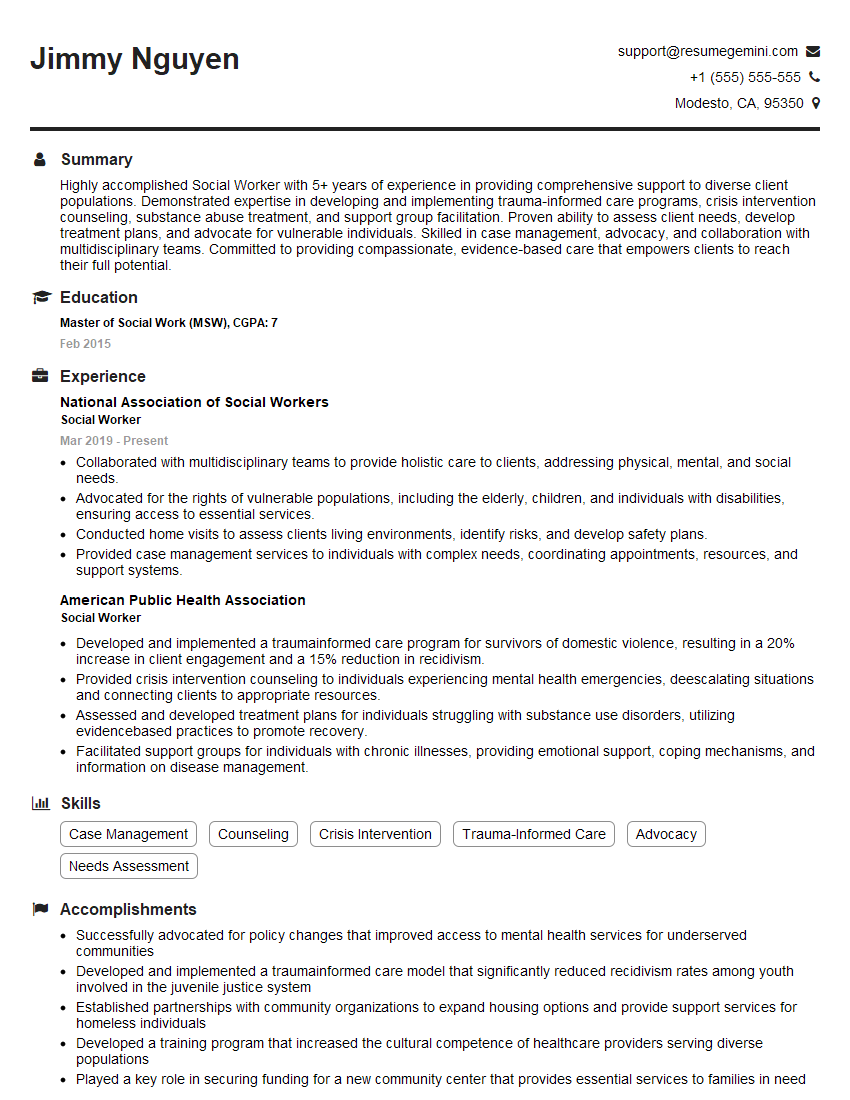
Social Worker Resume Sample
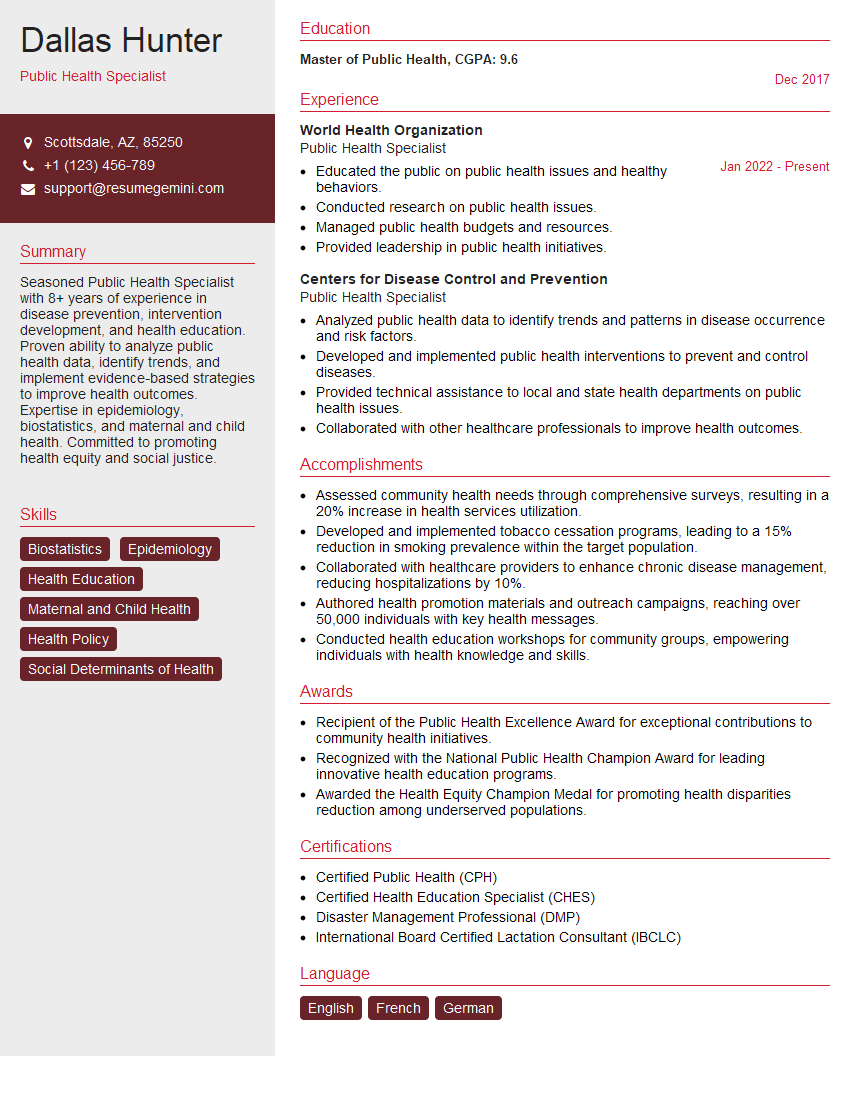
Public Health Specialist Resume Sample
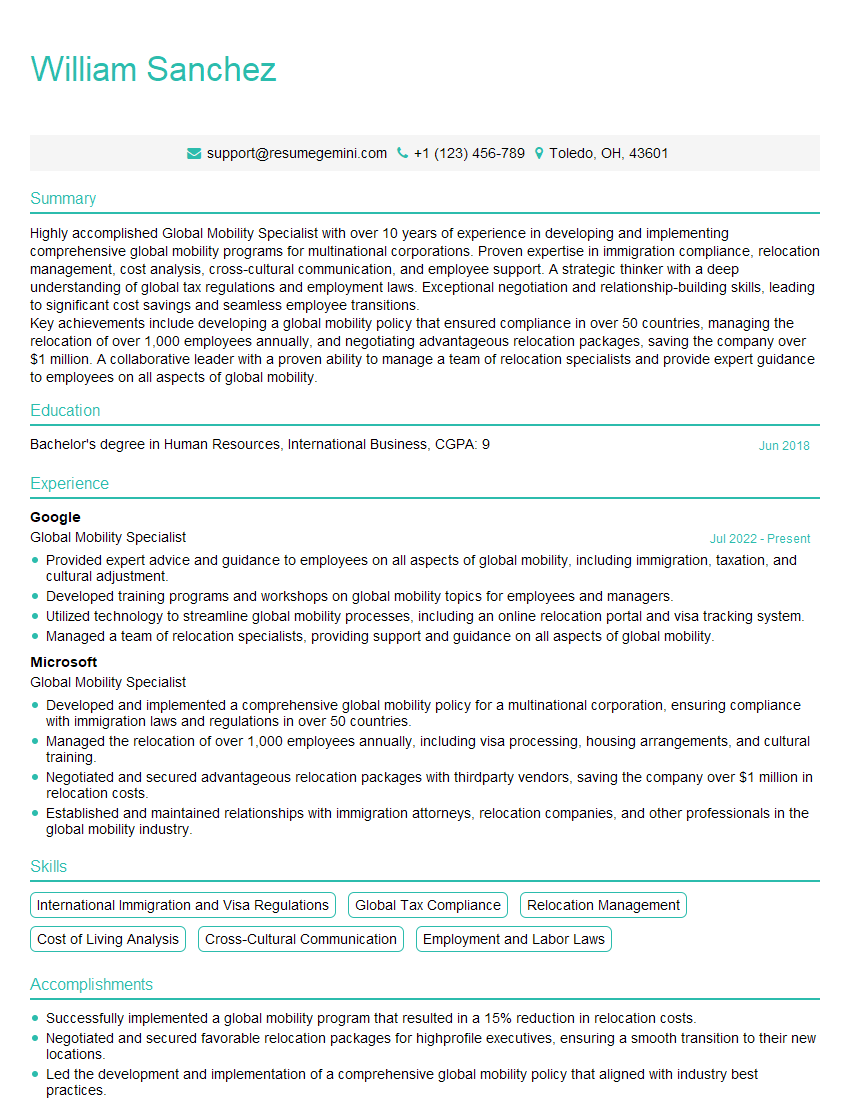
Global Mobility Specialist Resume Sample
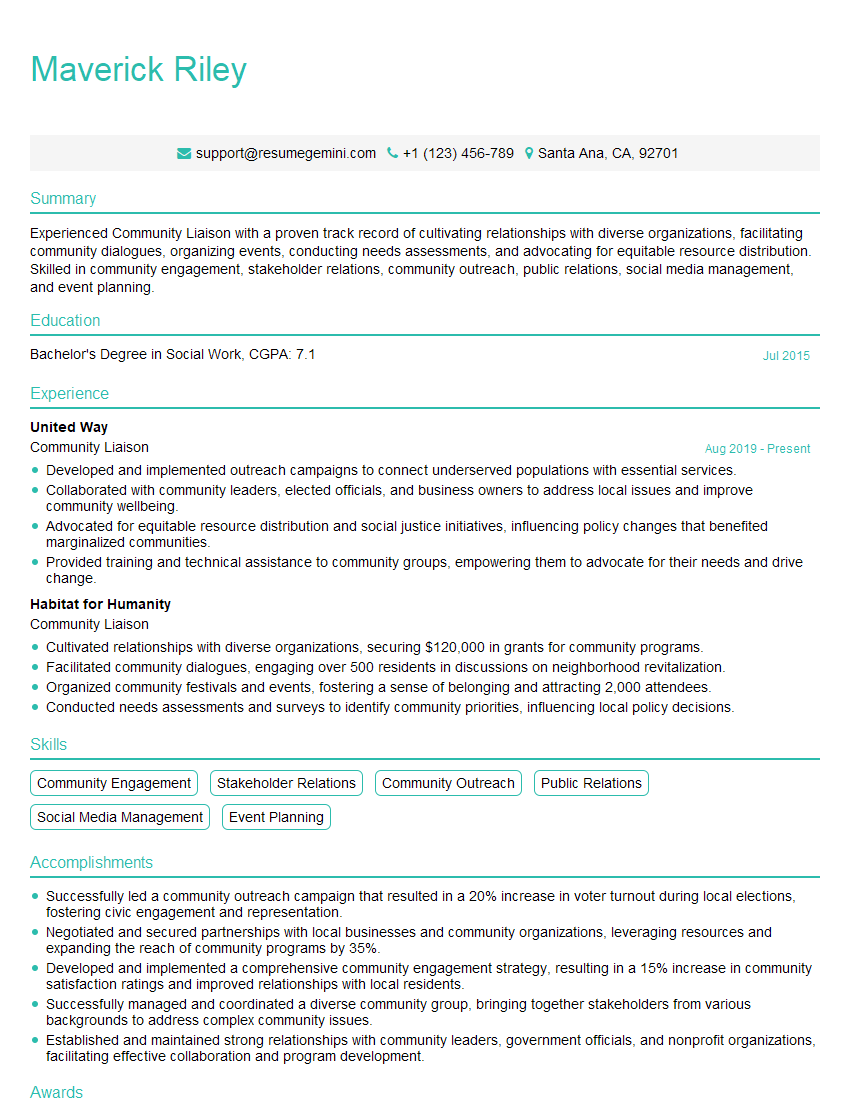
Community Liaison Resume Sample
Explore more articles
Users Rating of Our Blogs
Share Your Experience
We value your feedback! Please rate our content and share your thoughts (optional).
What Readers Say About Our Blog
To the interviewgemini.com Webmaster.
Very helpful and content specific questions to help prepare me for my interview!
Thank you
To the interviewgemini.com Webmaster.
This was kind of a unique content I found around the specialized skills. Very helpful questions and good detailed answers.
Very Helpful blog, thank you Interviewgemini team.