Are you ready to stand out in your next interview? Understanding and preparing for Ability to conduct research and apply scientific principles interview questions is a game-changer. In this blog, we’ve compiled key questions and expert advice to help you showcase your skills with confidence and precision. Let’s get started on your journey to acing the interview.
Questions Asked in Ability to conduct research and apply scientific principles Interview
Q 1. Describe your experience designing a research study.
Designing a research study involves a meticulous process, starting with a clearly defined research question. This question guides the entire study, from choosing the appropriate methodology to interpreting the results. For instance, if my research question is “Does exposure to blue light before bedtime affect sleep quality?”, I’d need to consider several factors.
- Defining the population: Who will be my study participants? Adults? Children? A specific age range?
- Choosing a study design: Would a randomized controlled trial (RCT) be best, allowing for causal inference? Or a cohort study, observing a group over time? An RCT would involve randomly assigning participants to either a blue-light exposure group or a control group. A cohort study might involve tracking participants’ sleep patterns over time, correlating them with their self-reported blue light exposure.
- Data collection methods: How will I measure sleep quality? Using sleep diaries? Actigraphy (wearable devices measuring movement)? Polysomnography (sleep study in a lab)? How will I quantify blue light exposure? Using specialized light meters or self-reported questionnaires?
- Sample size calculation: How many participants are needed to detect a statistically significant effect? This involves power analysis, ensuring sufficient participants to avoid Type II errors (false negatives).
- Ethical considerations: Obtaining informed consent from participants, protecting their privacy, and ensuring the study design minimizes risks are paramount.
After designing the study, I’d develop a detailed protocol, outlining each step of the research process. This ensures consistency and replicability. My experience includes designing multiple studies, each carefully tailored to the specific research question and resource constraints.
Q 2. Explain the scientific method and how you apply it in your work.
The scientific method is a cyclical process of observation, hypothesis formation, experimentation, analysis, and conclusion. It’s a systematic way to acquire knowledge and test explanations for natural phenomena. Think of it like solving a detective mystery; you start with clues (observations), develop a theory (hypothesis), gather more evidence (experimentation), analyze your findings (analysis), and conclude whether your theory holds true (conclusion).
- Observation: Identifying a phenomenon or problem that needs explaining. For example, noticing a decline in bee populations.
- Hypothesis: Formulating a testable explanation. For example, “Neonicotinoid pesticides are contributing to the decline in bee populations.”
- Experimentation: Designing and conducting experiments to test the hypothesis. This could involve comparing bee populations in areas with and without neonicotinoid use.
- Analysis: Analyzing the data collected to determine if it supports or refutes the hypothesis. Statistical tests would be employed to determine significance.
- Conclusion: Drawing conclusions based on the data analysis and refining the hypothesis or generating new hypotheses as necessary. The results might suggest further investigation into specific neonicotinoid types or other environmental factors.
In my work, I rigorously apply this method. Every research project begins with a well-defined question, followed by hypothesis formulation, rigorous experimentation, and thorough data analysis. The results always inform further research, refining our understanding or suggesting new avenues of investigation.
Q 3. How do you identify and evaluate credible sources of scientific information?
Identifying credible sources of scientific information is crucial for conducting reliable research. I prioritize peer-reviewed journal articles published in reputable scientific journals. These articles undergo rigorous scrutiny by experts in the field before publication, ensuring quality and validity. Other credible sources include books from established publishers and reports from government agencies and respected research institutions.
I evaluate credibility using several criteria:
- Peer review: Has the information been reviewed by other experts in the field?
- Author expertise: Are the authors recognized experts with relevant credentials and experience?
- Methodology: Is the research methodology clearly described and appropriate for the research question? Are there any potential biases?
- Data transparency: Is the data openly available or is the data collection and analysis process clearly described?
- Replication: Can the findings be replicated by other researchers?
- Publication venue: Is the information published in a reputable journal or by a trusted organization?
It’s also crucial to be aware of potential biases and conflicts of interest. I critically examine the source’s funding, affiliations, and any potential motivations that might influence the information presented. For example, a study funded by a pharmaceutical company investigating the effectiveness of their new drug might have a bias towards positive results. I always look for multiple sources to corroborate findings and gain a more comprehensive understanding.
Q 4. What statistical methods are you proficient in, and how have you used them in research?
I am proficient in a range of statistical methods, including descriptive statistics (mean, median, standard deviation), inferential statistics (t-tests, ANOVA, regression analysis), and non-parametric methods (Mann-Whitney U test, Kruskal-Wallis test). The choice of method depends on the research question and the nature of the data.
For example, in a study examining the effect of a new teaching method on student performance, I might use a t-test to compare the mean test scores of students in the experimental group (using the new method) and the control group (using the traditional method). If I had multiple groups using different teaching methods, I might use ANOVA. Regression analysis is often used to explore relationships between multiple variables. For instance, I might use it to explore the relationship between hours of study, prior academic performance, and final exam scores.
In another study investigating the association between lifestyle factors and disease prevalence, if the data didn’t meet the assumptions of parametric tests, I might utilize non-parametric methods like the Mann-Whitney U test to compare groups.
I always ensure that the statistical methods are appropriate for the data and that the results are interpreted correctly. I use statistical software packages like R and SPSS to perform these analyses and create visualizations that effectively communicate the findings.
Q 5. Describe a time you had to troubleshoot a research experiment or data analysis.
In a recent study on the effects of a new fertilizer on plant growth, we encountered unexpected inconsistencies in our data. Initial results showed no significant difference between the control group and the experimental group, despite strong theoretical reasons to expect a positive effect. This contradicted our hypothesis.
Our troubleshooting involved a systematic approach:
- Reviewing the experimental protocol: We meticulously checked the protocol for any deviations or errors in the procedures. We found a small oversight in the mixing of the fertilizer, leading to inconsistent concentrations across the experimental plants.
- Data validation: We re-examined the data for potential errors in data entry or measurement. We discovered a few data entry errors that were corrected.
- Investigating potential confounding variables: We considered whether other factors might have influenced plant growth, such as differences in sunlight exposure or watering schedules. We found minor variations that were accounted for in our reanalysis.
- Statistical re-analysis: Once the data was corrected and additional variables considered, we performed a new statistical analysis. This time the results showed a significant difference, supporting our original hypothesis.
This experience highlighted the importance of meticulous attention to detail throughout the research process and the need for robust data validation and quality control procedures. It also demonstrated the value of a systematic approach to troubleshooting when faced with unexpected results.
Q 6. How do you handle conflicting research findings or data?
Conflicting research findings are common in science, and handling them requires a critical and nuanced approach. My first step is to carefully evaluate the methodologies of the conflicting studies. Differences in study design, sample size, participant characteristics, data collection methods, and statistical analyses can all lead to different outcomes. I look for potential biases and limitations in each study.
Next, I examine the context of the findings. Are the studies addressing the same question using comparable definitions and measures? Or are there subtle differences in the research questions that might explain the discrepancies? It’s crucial to understand the limitations of each study and acknowledge that not all research is equal in quality or rigor.
Sometimes, the conflict might be resolved by meta-analysis, a statistical technique that combines the results of multiple studies to provide a more comprehensive understanding. Other times, the conflicting findings might highlight the need for further research to clarify the issue. It’s often the case that conflicting research is an opportunity to discover more information and generate new hypotheses rather than a problem to be avoided.
It’s important to communicate this nuance in scientific reporting. Simply stating that there are conflicting findings is often insufficient; a thorough explanation of the methodological differences and potential reasons for the discrepancies is necessary for transparency and responsible science.
Q 7. How do you ensure the reproducibility of your research?
Ensuring reproducibility is fundamental to the integrity of scientific research. My approach involves several key steps:
- Detailed documentation: I maintain meticulous records of every step of the research process, from experimental design and data collection to analysis and interpretation. This includes detailed protocols, data logs, and analysis scripts.
- Open data and code: Whenever possible, I make my data and analysis code publicly available, allowing others to scrutinize the process and replicate the results. This promotes transparency and allows for independent verification.
- Using standardized methods: I adhere to established standards and best practices for data collection, analysis, and reporting. This includes using well-established statistical methods and clearly documenting all assumptions and limitations.
- Version control: For data and code, version control systems like Git are invaluable. They allow for tracking changes, collaboration, and the ability to revert to earlier versions if needed.
- Clear and concise reporting: The research report itself needs to be clear and well-structured, providing sufficient detail for others to understand the methods and reproduce the study.
Reproducibility isn’t just about replicating the exact same numerical results; it’s about being able to repeat the entire process and obtain similar conclusions. By adopting these practices, I contribute to the accumulation of robust and reliable scientific knowledge.
Q 8. Explain your understanding of different research methodologies (e.g., qualitative, quantitative).
Research methodologies are the specific procedures or techniques used to gather and analyze data. They are broadly categorized into qualitative and quantitative approaches, each with its strengths and weaknesses.
- Qualitative research explores complex social phenomena through in-depth analysis of non-numerical data, such as interviews, observations, and text analysis. Its goal is to understand the ‘why’ behind events and behaviors. For instance, a qualitative study might explore the reasons behind employee dissatisfaction in a company by conducting interviews and focus groups.
- Quantitative research emphasizes numerical data and statistical analysis to identify patterns, relationships, and causal effects. Experiments, surveys, and statistical modeling are common techniques. An example would be a quantitative study measuring the effect of a new drug on blood pressure using randomized controlled trials and statistical tests like t-tests or ANOVAs.
- Mixed methods research combines both qualitative and quantitative approaches to provide a more comprehensive understanding of a research problem. For example, a study investigating the effectiveness of a new teaching method might use surveys to collect quantitative data on student performance and interviews to gather qualitative data on student experiences and perceptions.
Choosing the right methodology depends on the research question, the nature of the data available, and the resources available.
Q 9. Describe your experience with data visualization and interpretation.
Data visualization is crucial for effectively communicating research findings. My experience involves creating various charts, graphs, and maps using tools like Tableau and Python’s Matplotlib and Seaborn libraries to represent complex data sets in a clear and concise manner.
For instance, I recently used Tableau to create interactive dashboards displaying sales trends across different regions, highlighting key performance indicators (KPIs) such as revenue and customer acquisition costs. This allowed stakeholders to easily understand the performance of different sales teams and identify areas requiring attention. Effective data interpretation involves not only identifying trends but also understanding the limitations of the data and avoiding biased interpretations. This includes careful consideration of sampling methods, potential confounding variables, and the statistical significance of observed patterns.
Q 10. How do you translate complex scientific findings into understandable language for non-scientific audiences?
Translating complex scientific findings for non-scientific audiences requires clear, concise communication and the avoidance of technical jargon. I use analogies, metaphors, and storytelling to make complex concepts more accessible.
For example, when explaining the concept of statistical significance to a lay audience, I might use the analogy of flipping a coin. If a coin lands on heads ten times in a row, it’s unlikely to be a fair coin, just as a statistically significant result suggests an effect is unlikely due to chance alone. I also focus on the practical implications of the findings, explaining what they mean in terms of real-world consequences or potential applications. Visual aids such as infographics and videos can greatly enhance understanding.
Q 11. What software or tools are you proficient in for conducting research and data analysis?
My proficiency extends to a range of software and tools essential for research and data analysis. This includes statistical packages like R and SPSS, data visualization tools such as Tableau and Python libraries (Matplotlib, Seaborn), and programming languages like Python for data manipulation and analysis. I’m also comfortable using bibliographic management software like Zotero and Mendeley for literature reviews. Furthermore, I have experience using specialized software relevant to my specific research areas (please specify if you require examples relevant to a specific field).
Q 12. How do you stay current with the latest advancements in your field?
Staying current in a rapidly evolving field requires a multi-faceted approach. I regularly read peer-reviewed journals and attend conferences and workshops relevant to my field. I actively participate in online communities and discussion forums, engaging with researchers and experts through social media and professional networks. Following key researchers and institutions on social media and subscribing to relevant newsletters provides access to the latest developments. Critical evaluation of sources is crucial to avoid misinformation.
Q 13. Explain your experience with literature reviews and synthesizing research findings.
Literature reviews are fundamental to any research project. My experience involves systematically searching, evaluating, and synthesizing relevant literature to identify gaps in knowledge, establish a theoretical framework, and inform research design. I use a structured approach, starting with defining clear search terms and employing a systematic search strategy across various databases (e.g., PubMed, Web of Science). I meticulously evaluate the quality and relevance of each study, using criteria such as methodological rigor and sample size. Synthesizing findings involves identifying common themes, patterns, and contradictions within the existing literature and presenting them in a concise and coherent manner. The final product is a comprehensive overview of the current state of knowledge, guiding future research directions.
Q 14. Describe a time you had to adapt your research approach due to unexpected challenges.
During a study on the effectiveness of a new educational intervention, we initially planned to use a randomized controlled trial with a large sample size. However, due to unexpected low participant enrollment, we had to adapt our approach. We modified the study design to a quasi-experimental design using existing data from a convenience sample. This required adjustments to our statistical analysis methods to account for the limitations of the non-randomized design. We openly acknowledged these limitations in our report and focused on interpreting the findings cautiously. The experience highlighted the importance of flexibility and adaptability in research, emphasizing the need to have contingency plans in place for unexpected challenges.
Q 15. How do you manage your time effectively when conducting research projects?
Effective time management in research is crucial for meeting deadlines and maintaining productivity. I employ a multi-pronged approach, starting with detailed project planning. This involves breaking down the research into smaller, manageable tasks with clearly defined timelines. I use tools like Gantt charts or project management software to visualize the workflow and identify potential bottlenecks. Prioritization is key; I focus on the most critical tasks first, using methods like the Eisenhower Matrix (urgent/important) to allocate my time effectively. Regular progress checks and adjustments are essential; I schedule dedicated review sessions to assess my progress against the plan and make necessary adjustments to my schedule as needed. Finally, I prioritize self-care to avoid burnout; this includes regular breaks, adequate sleep, and time for activities outside of research to maintain focus and creativity.
For example, during my doctoral research on the impact of climate change on coastal ecosystems, I used a project management tool to break down my dissertation into chapters, sections, and individual tasks with deadlines. This allowed me to track my progress and ensure timely completion of each stage.
Career Expert Tips:
- Ace those interviews! Prepare effectively by reviewing the Top 50 Most Common Interview Questions on ResumeGemini.
- Navigate your job search with confidence! Explore a wide range of Career Tips on ResumeGemini. Learn about common challenges and recommendations to overcome them.
- Craft the perfect resume! Master the Art of Resume Writing with ResumeGemini’s guide. Showcase your unique qualifications and achievements effectively.
- Don’t miss out on holiday savings! Build your dream resume with ResumeGemini’s ATS optimized templates.
Q 16. Describe your experience with ethical considerations in research.
Ethical considerations are paramount in all aspects of my research. I strictly adhere to established ethical guidelines, such as those provided by my institution’s Institutional Review Board (IRB). This includes obtaining informed consent from all participants, ensuring anonymity and confidentiality of data, and minimizing any potential risks to participants. I’m meticulous in accurately representing my data and avoiding any fabrication, falsification, or plagiarism. Furthermore, I actively seek to address potential biases in my research design and data analysis to ensure fairness and equity. In a past project investigating the health disparities within a specific community, we obtained extensive IRB approvals, emphasizing the sensitivity of the data and implementing rigorous anonymity protocols to protect participants’ privacy. This involved detailed informed consent forms and data encryption techniques.
Q 17. How do you assess the validity and reliability of research data?
Assessing the validity and reliability of research data is crucial for drawing accurate conclusions. Validity refers to whether the research measures what it intends to measure, while reliability refers to the consistency and stability of the measurements. I employ multiple methods to assess both. For validity, I use methods like face validity (does the measure appear to assess what it should?), content validity (does it cover all aspects of the construct?), and criterion validity (does it correlate with other relevant measures?). For reliability, I might use test-retest reliability (consistency over time), inter-rater reliability (agreement between different observers), or internal consistency (consistency within the measure itself). Statistical analyses, such as Cronbach’s alpha for internal consistency, are employed to quantify these aspects. For instance, in a study measuring stress levels, I’d ensure the questionnaire accurately reflects different dimensions of stress and show consistency in scores over time and across different raters.
Q 18. Explain your understanding of bias in research and how to mitigate it.
Bias in research can significantly distort results and lead to inaccurate conclusions. It can stem from various sources, including sampling bias (unrepresentative sample), measurement bias (flawed instruments), researcher bias (conscious or unconscious influence), and publication bias (selective reporting). I actively work to mitigate these biases. This includes using robust sampling techniques to ensure a representative sample, employing validated and reliable measurement tools, utilizing blinding techniques to minimize researcher bias, and employing rigorous data analysis techniques. Furthermore, I am committed to transparently reporting my methods, including limitations and potential biases, to promote the scrutiny and reproducibility of my findings. A specific example is using double-blind randomized controlled trials in clinical research where neither the participants nor the researchers know who is receiving the treatment versus the placebo, thereby minimizing bias in treatment effect assessment.
Q 19. Describe your experience with peer review processes.
Peer review is an essential component of the scientific process, ensuring the quality and rigor of research. I have extensive experience with both submitting and reviewing research manuscripts. When submitting, I meticulously prepare my manuscript to meet the journal’s guidelines, addressing all reviewers’ comments thoroughly and revising the manuscript accordingly. When reviewing, I provide constructive criticism focusing on the clarity, methodology, and interpretation of the findings. I objectively evaluate the validity and significance of the research, providing recommendations for improvement. My approach is always fair, respectful, and constructive, aiming to contribute to the improvement of the research and the advancement of knowledge. I find this process essential for upholding high scientific standards.
Q 20. How do you determine the appropriate sample size for a research study?
Determining the appropriate sample size is crucial for achieving statistically significant results and generalizing findings to a larger population. The required sample size depends on several factors, including the desired level of statistical power (the probability of detecting a real effect), the effect size (the magnitude of the effect being studied), the significance level (alpha), and the variability in the data. I typically use power analysis techniques to estimate the required sample size. Software packages and online calculators are available to assist with this calculation. In addition to statistical considerations, practical limitations like cost, time, and accessibility of participants are also important factors to consider. Failing to have an adequate sample size can lead to Type II errors (false negatives), while overly large samples might be inefficient and costly.
Q 21. How do you interpret p-values and confidence intervals?
P-values and confidence intervals are crucial statistical measures for interpreting research findings. The p-value represents the probability of observing the obtained results (or more extreme results) if there were no real effect (null hypothesis). A p-value less than a predetermined significance level (typically 0.05) is generally considered statistically significant, suggesting evidence against the null hypothesis. However, it is essential to understand that a p-value does not indicate the size or importance of the effect. Confidence intervals provide a range of values within which the true population parameter is likely to lie with a certain level of confidence (e.g., 95%). A narrower confidence interval indicates greater precision in the estimate. For example, a 95% confidence interval for the mean difference between two groups might be (2.5, 5.5). This means we are 95% confident that the true mean difference lies between 2.5 and 5.5. Both p-values and confidence intervals should be interpreted cautiously, considering the study’s context, limitations, and other relevant information.
Q 22. What are your preferred methods for presenting research findings (e.g., presentations, publications)?
Disseminating research findings effectively is crucial for impact. My preferred methods depend on the audience and the nature of the research. For a broad scientific community, peer-reviewed journal publications are paramount. These allow for rigorous scrutiny and contribute to the established body of knowledge. I meticulously follow the journal’s guidelines for formatting and style, ensuring clarity and reproducibility. For a more specialized or immediate audience, I often opt for presentations at conferences or workshops. These provide a platform for interactive discussion and immediate feedback, enabling me to refine my understanding and address any questions directly. I also utilize less formal methods like blog posts or reports for a wider, non-specialist audience, prioritizing clear language and accessible visuals. For instance, I recently published a paper on novel material synthesis in a high-impact materials science journal and then presented the key findings at a national conference, fostering valuable collaborations.
Q 23. Explain your understanding of different types of experimental designs.
Experimental design is the backbone of scientific inquiry. It dictates how we collect and analyze data to answer research questions. Different designs serve different purposes. For instance, a completely randomized design is the simplest, randomly assigning subjects to different treatment groups. This minimizes bias but might not control for confounding variables. In contrast, a randomized block design groups subjects with similar characteristics into blocks, then randomly assigns treatments within each block. This helps control for confounding factors. A factorial design investigates the effects of multiple independent variables and their interactions. Imagine studying the effects of fertilizer type and watering frequency on plant growth—a factorial design would allow you to analyze the effects of each factor independently and their combined influence. Quasi-experimental designs, frequently used in observational studies, lack the random assignment of participants, making causal inferences more challenging. Choosing the right design depends on the research question, available resources, and ethical considerations.
Q 24. How do you identify and address limitations in your research?
Identifying limitations is not a weakness, but a sign of rigorous scholarship. I address limitations proactively throughout the research process, starting with clearly defining the scope of the study and acknowledging any potential biases inherent in the methodology. For example, if my study relies on self-reported data, I explicitly state the limitations of relying on subjective information. I also consider the generalizability of my findings; if my sample size is small or the sample is not representative of the broader population, I explain the implications for external validity. Throughout data analysis, I carefully examine outliers and inconsistencies and discuss any potential sources of error. These limitations are transparently discussed in the final report or publication, ensuring readers have a complete and nuanced understanding of the study’s findings and their interpretation.
Q 25. How do you ensure the accuracy and integrity of your research data?
Data integrity is paramount. I employ a multi-pronged approach: First, I meticulously document every step of the research process, including data collection methods, cleaning procedures, and analysis techniques. This detailed record-keeping ensures reproducibility and traceability. Second, I use version control systems for all data and code, allowing me to track changes and revert to earlier versions if needed. Think of it like using ‘save as’ frequently when writing a document. Third, I regularly back up my data to multiple locations to prevent data loss. Finally, I employ appropriate statistical methods to check for errors and inconsistencies in the data, such as identifying outliers and missing values, and apply appropriate data transformations or imputation techniques as needed. For instance, if there are clear data entry errors, I’ll review the original data source to correct the mistake.
Q 26. Describe your experience with data cleaning and preprocessing.
Data cleaning and preprocessing are essential for accurate analysis. My approach involves several steps: First, I identify and handle missing values using appropriate imputation techniques (e.g., mean imputation, k-nearest neighbors). Second, I detect and manage outliers, either by removing them if justified or transforming the data to reduce their influence. For example, I might use log transformation to address skewed data. Third, I ensure data consistency by standardizing variables and cleaning up inconsistencies in formatting or naming conventions. Finally, I check for and address any errors in data entry or coding. For instance, if a column is supposed to be numerical but contains text, I would correct those entries before proceeding. I often use programming languages like Python with libraries like pandas and scikit-learn to automate these processes, ensuring efficiency and reproducibility.
Q 27. How do you prioritize research tasks and manage competing deadlines?
Managing competing deadlines requires effective prioritization. I use a combination of tools and strategies. First, I break down large projects into smaller, manageable tasks, creating a detailed project timeline with realistic deadlines. I use project management software to track progress and identify potential bottlenecks. I prioritize tasks based on their importance and urgency using methods like the Eisenhower Matrix (urgent/important). Furthermore, I regularly review my schedule and adapt my priorities as needed. Open communication with collaborators and supervisors is key; proactive communication allows for adjustments and prevents unexpected delays. This systematic approach ensures timely completion of research tasks, even under pressure.
Q 28. How do you handle criticism of your research findings?
Constructive criticism is vital for scientific growth. I welcome it as an opportunity to improve my research. My response involves carefully considering the criticism, assessing its validity, and seeking further clarification if needed. If the criticism is valid, I acknowledge the shortcomings and discuss how I can address them in future work. If the criticism is based on misunderstandings, I provide further explanation and clarification, ensuring a shared understanding. Importantly, maintaining a professional and respectful demeanor throughout the process is crucial. By viewing criticism as a learning opportunity, I can refine my methodologies, strengthen my conclusions, and ultimately produce more robust and reliable research.
Key Topics to Learn for Ability to conduct research and apply scientific principles Interview
- Research Methodology: Understanding various research designs (qualitative, quantitative, mixed methods), data collection techniques, and appropriate statistical analysis methods.
- Scientific Principles & Theories: Demonstrating a solid grasp of relevant scientific principles within your field and how they inform research questions and interpretations.
- Literature Review & Synthesis: Critically evaluating existing research, identifying gaps in knowledge, and synthesizing information to build a strong foundation for your own research.
- Experimental Design & Execution: Designing robust experiments, controlling variables, and accurately collecting and documenting data.
- Data Analysis & Interpretation: Proficiently using statistical software and techniques to analyze data, interpreting results, and drawing meaningful conclusions.
- Problem-Solving & Critical Thinking: Applying scientific principles to solve real-world problems, identifying potential biases, and critically evaluating findings.
- Communication of Research Findings: Effectively communicating research results through clear and concise written and oral presentations.
- Ethical Considerations in Research: Understanding and adhering to ethical guidelines related to research design, data collection, and dissemination.
Next Steps
Mastering the ability to conduct research and apply scientific principles is crucial for career advancement in any scientific or research-oriented field. It demonstrates critical thinking, problem-solving skills, and a commitment to evidence-based decision-making – highly valued attributes by employers. To significantly increase your job prospects, create an ATS-friendly resume that showcases your research capabilities effectively. ResumeGemini can help you build a professional and impactful resume that highlights your skills and experience. We provide examples of resumes tailored to showcasing expertise in conducting research and applying scientific principles – leverage these to craft a winning application.
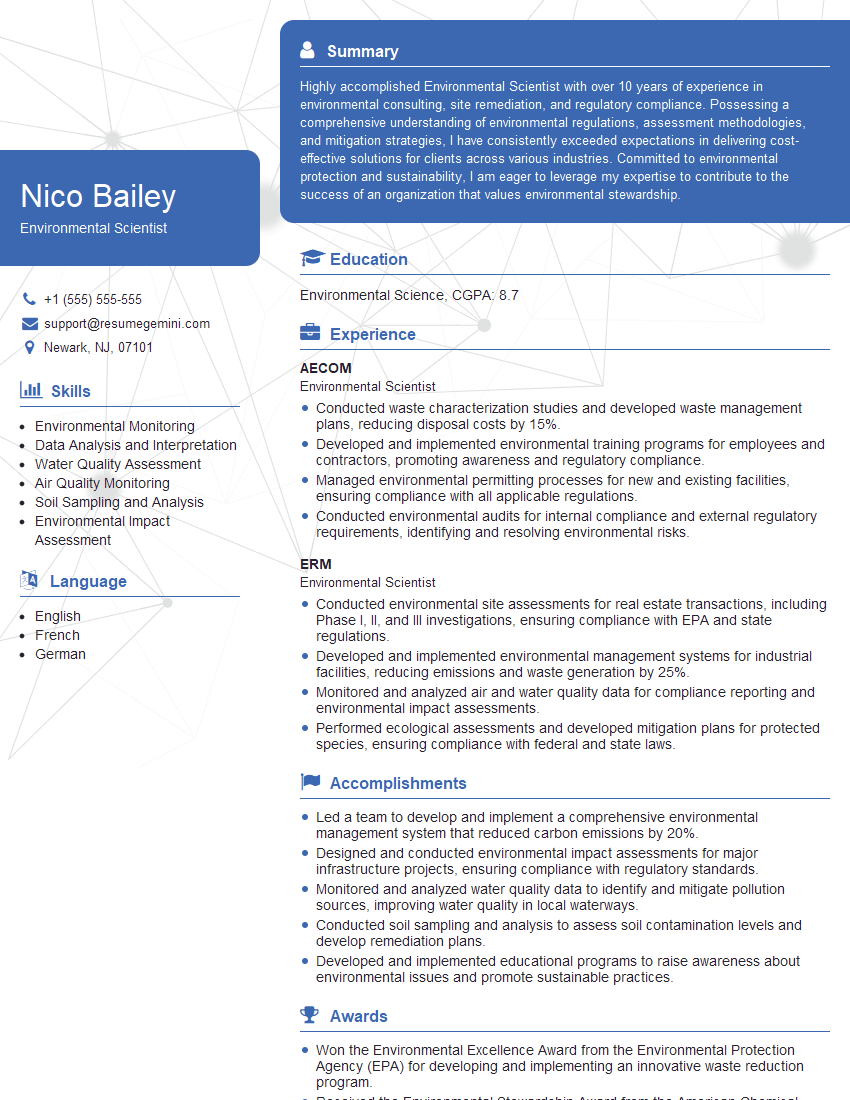
Environmental Scientist Resume Sample
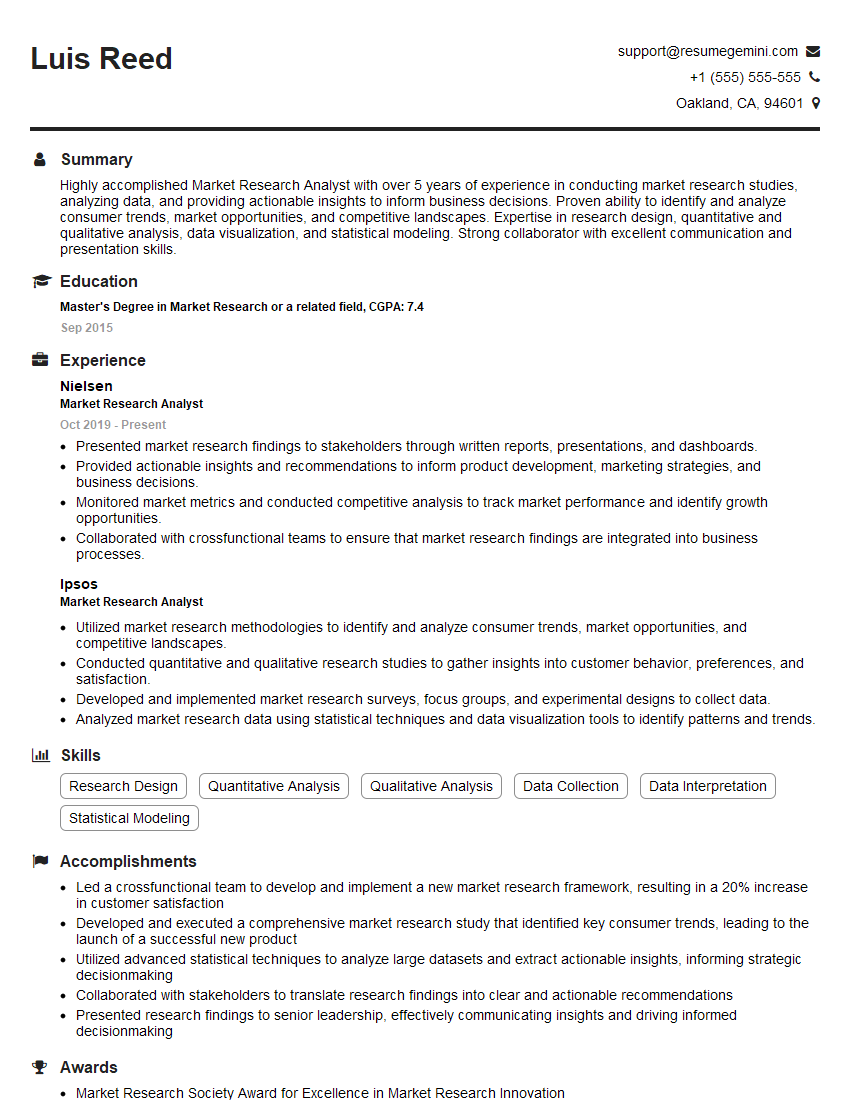
Market Research Analyst Resume Sample
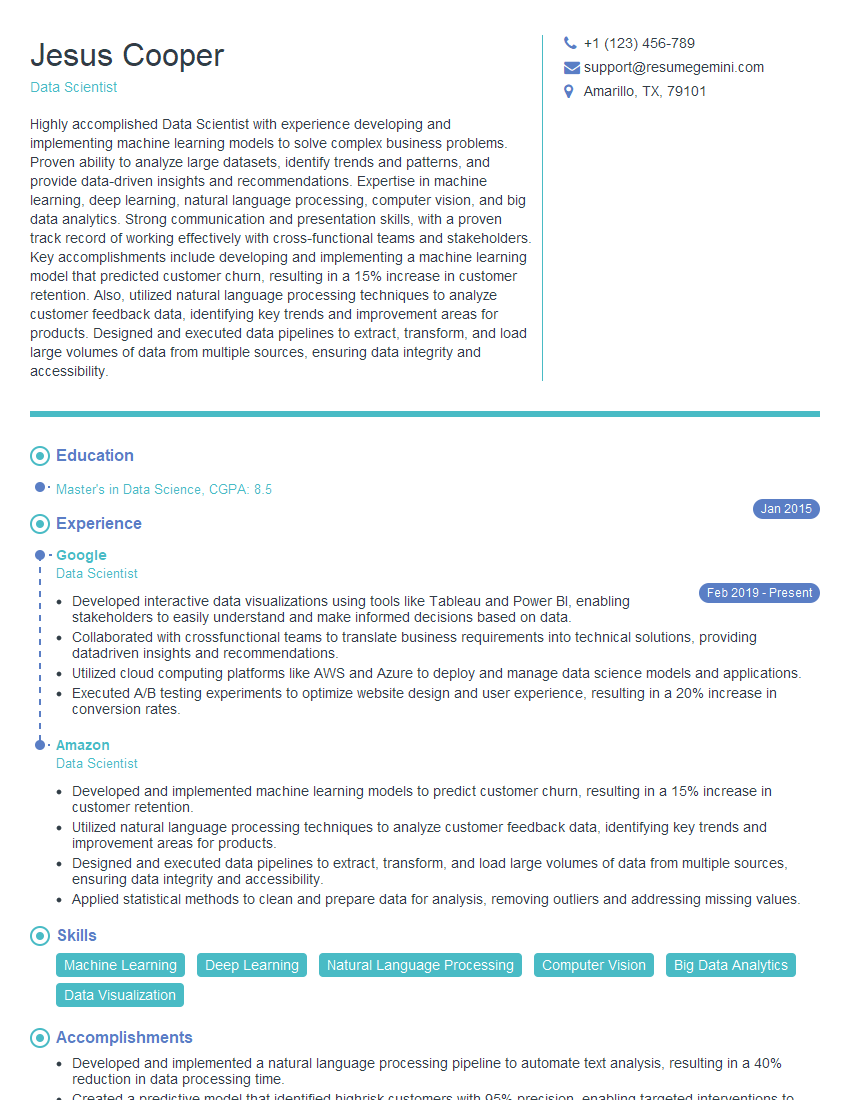
Data Scientist Resume Sample
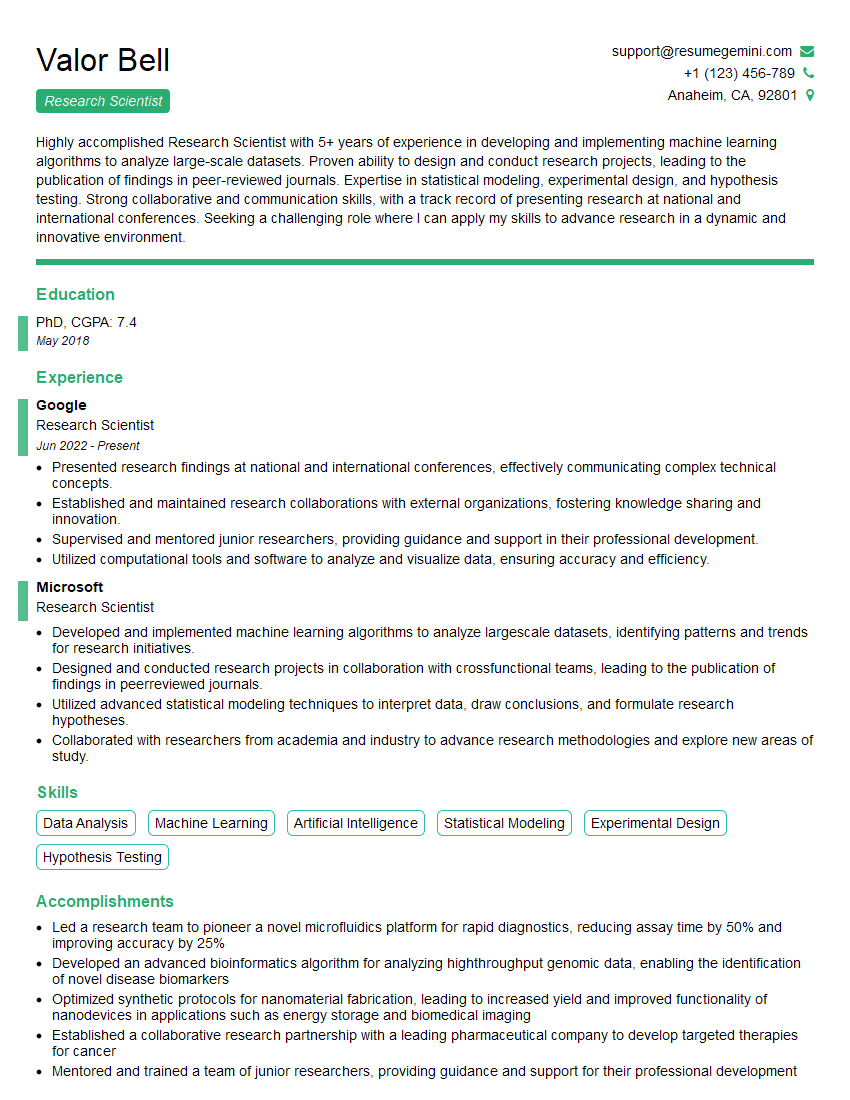
Research Scientist Resume Sample
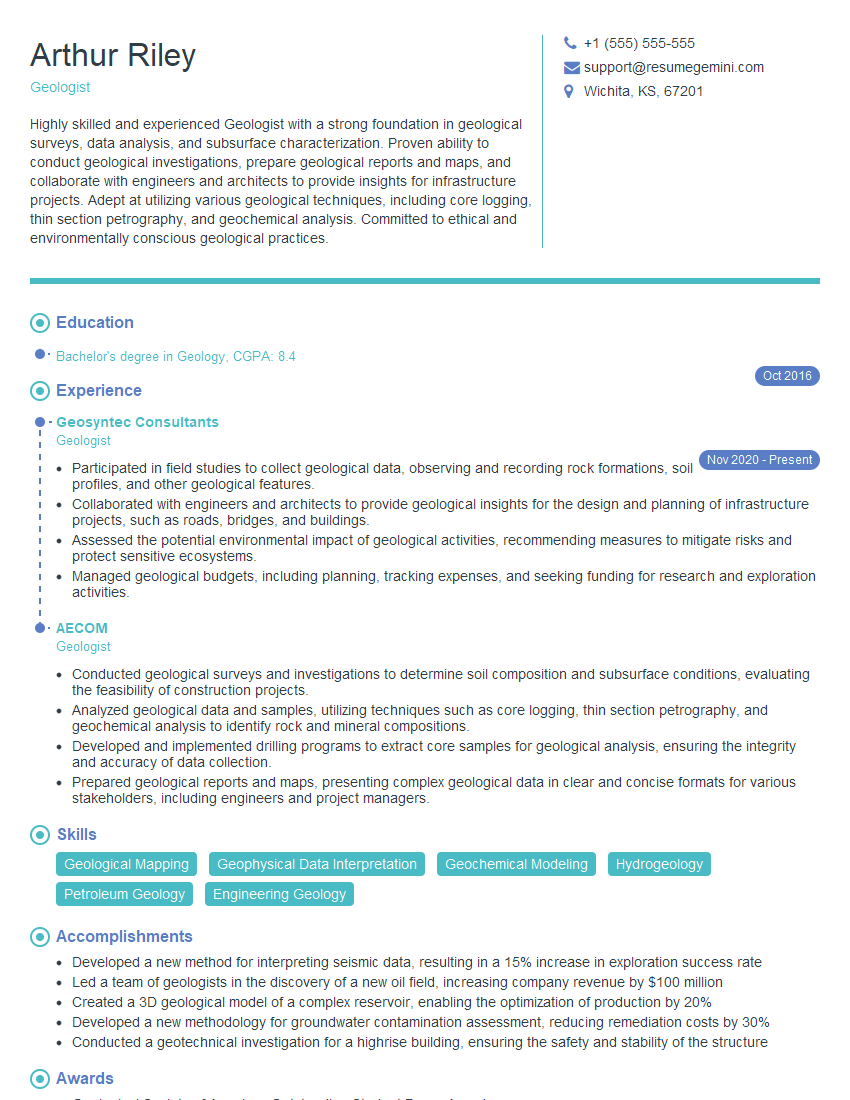
Geologist Resume Sample
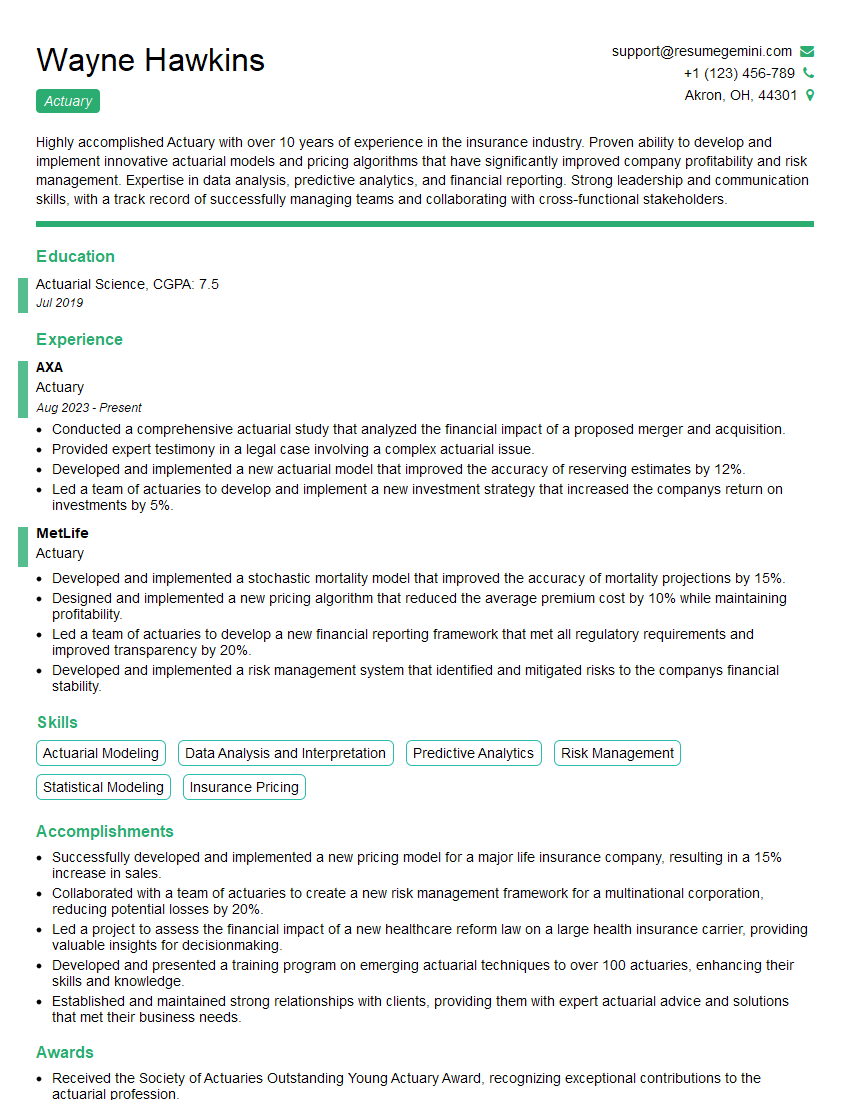
Actuary Resume Sample

Operations Research Analyst Resume Sample
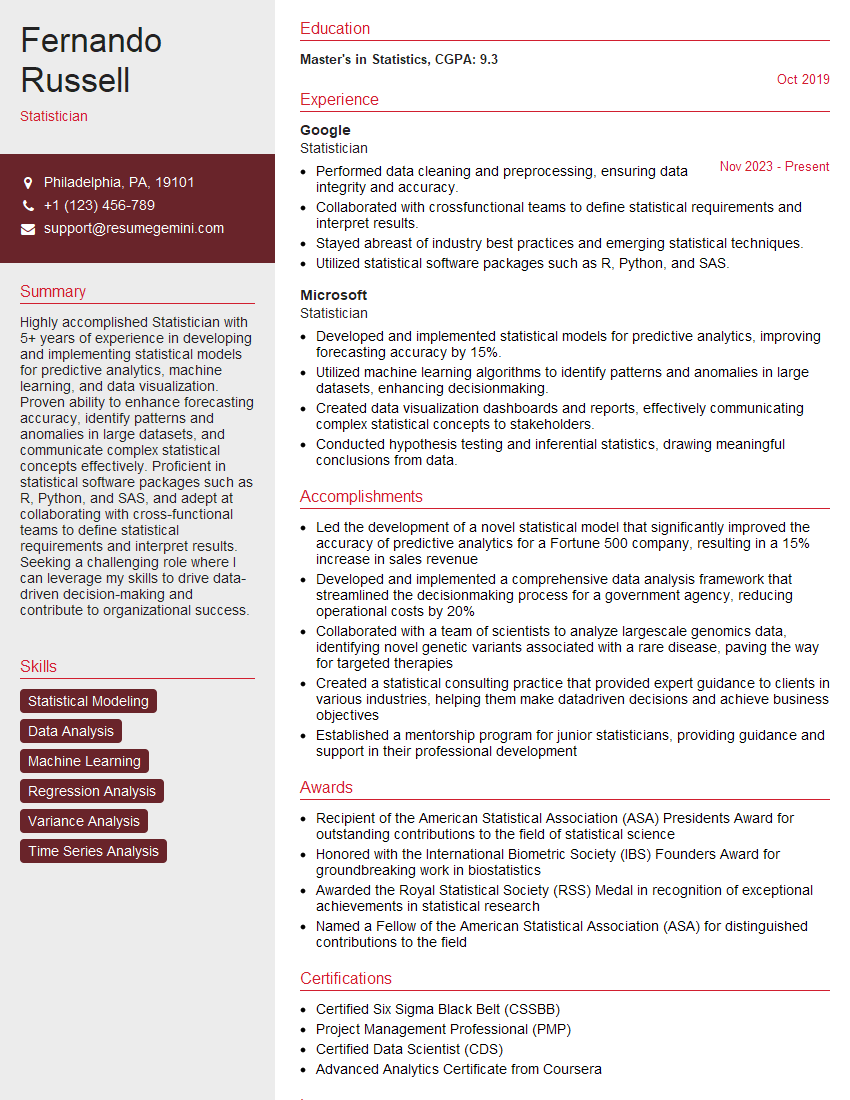
Statistician Resume Sample
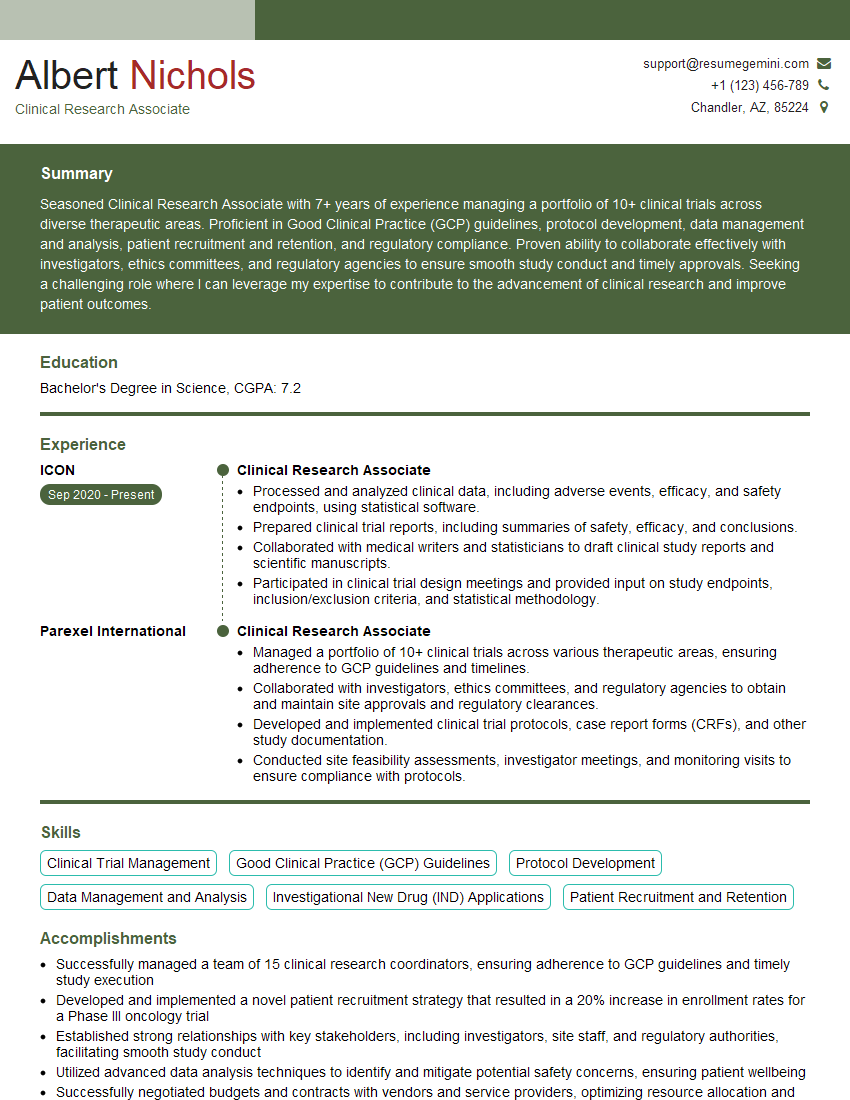
Clinical Research Associate Resume Sample
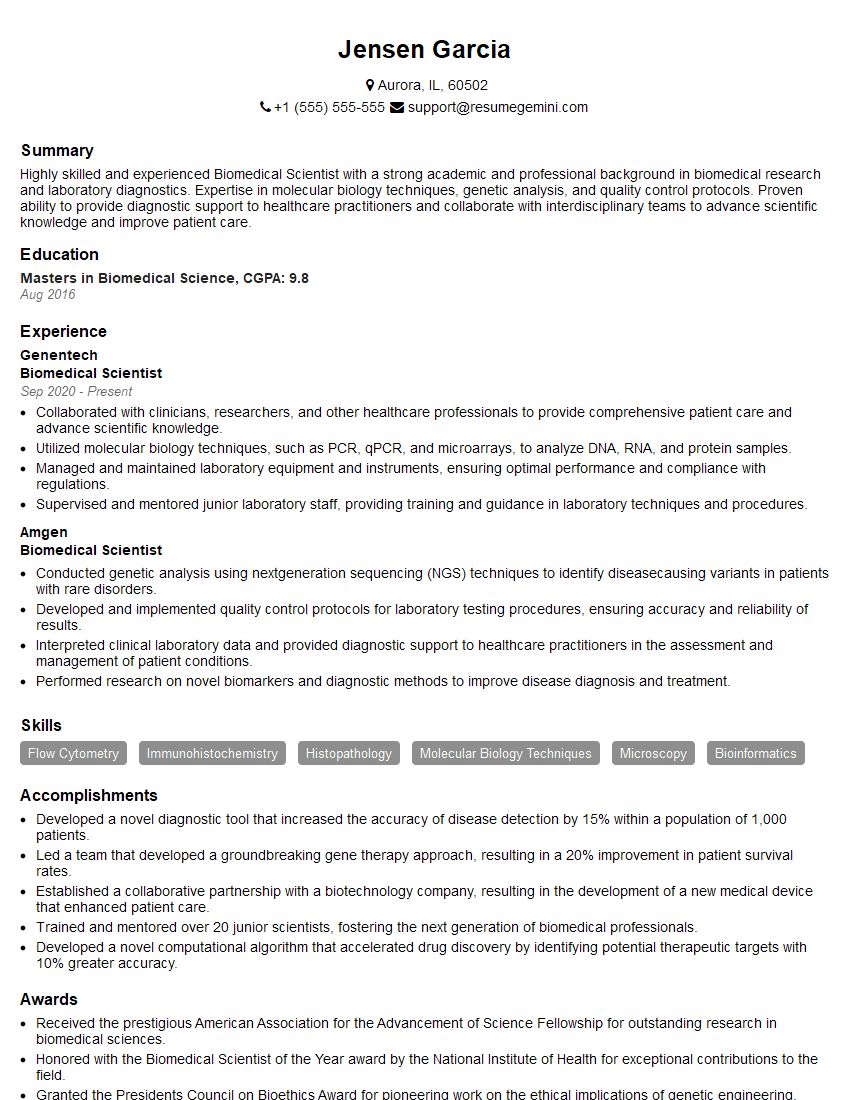
Biomedical Scientist Resume Sample
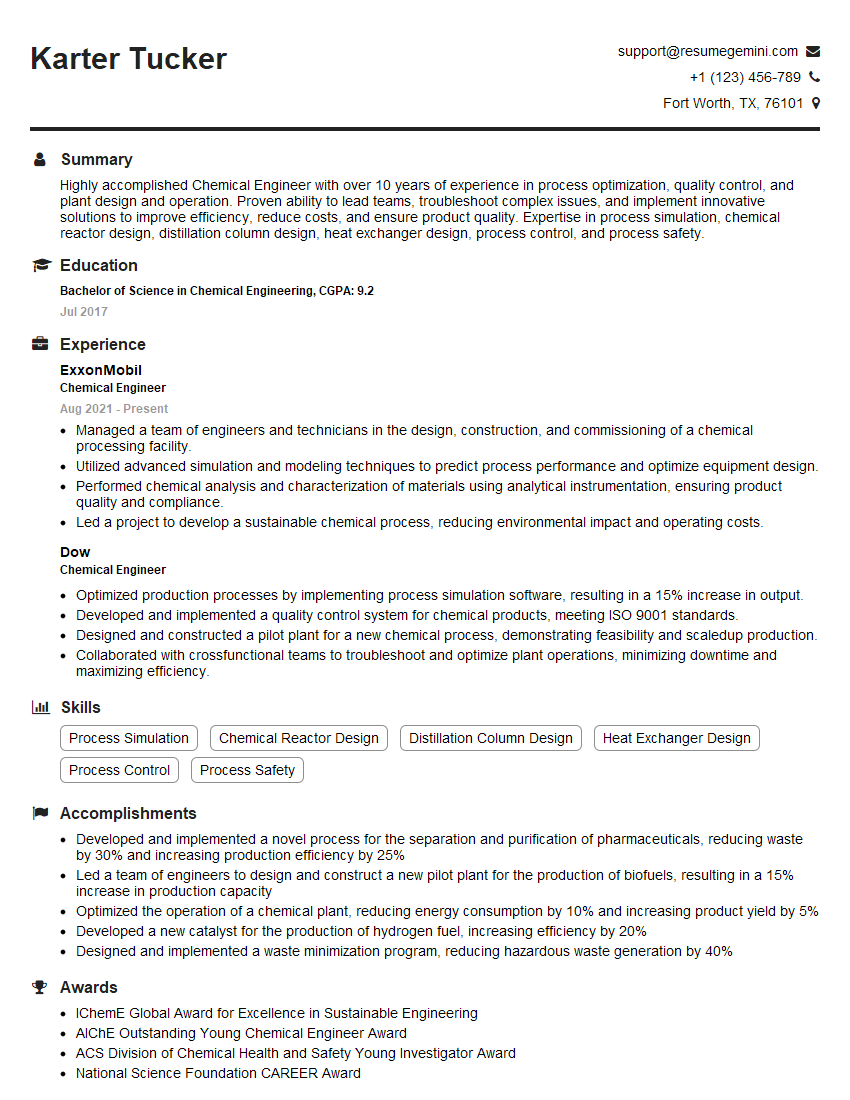
Chemical Engineer Resume Sample
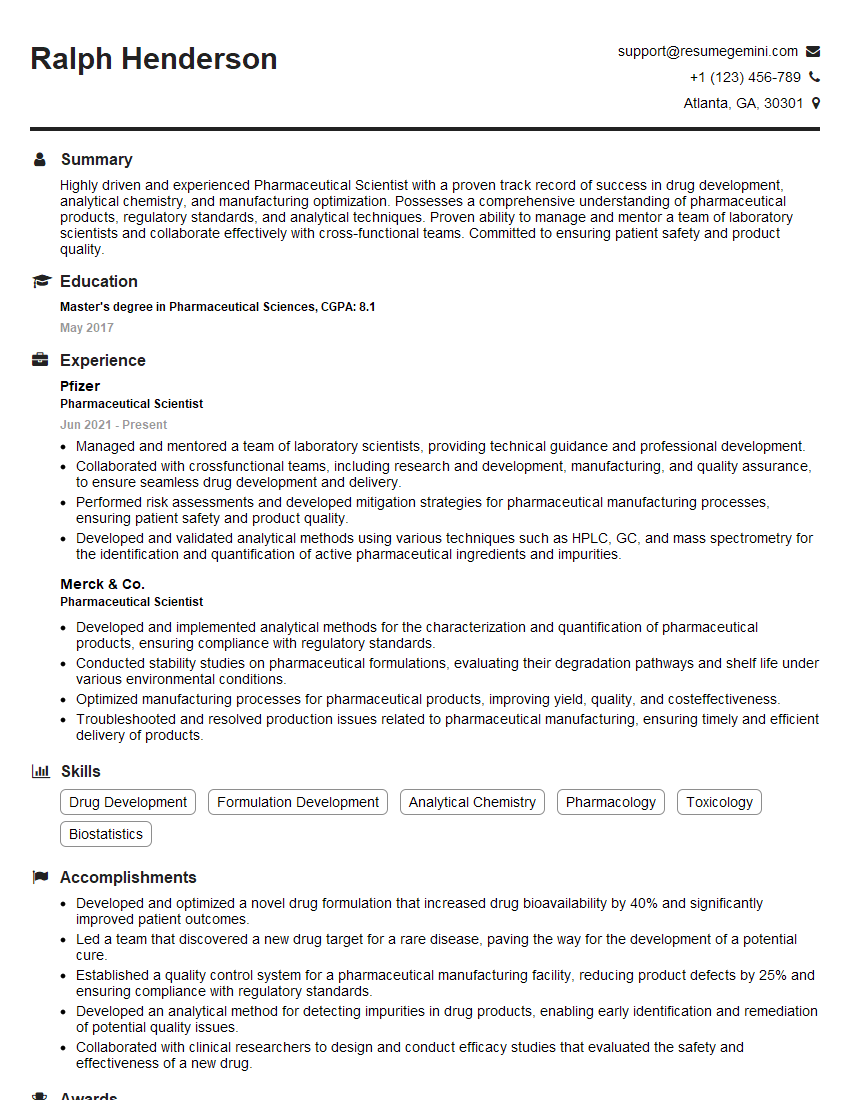
Pharmaceutical Scientist Resume Sample
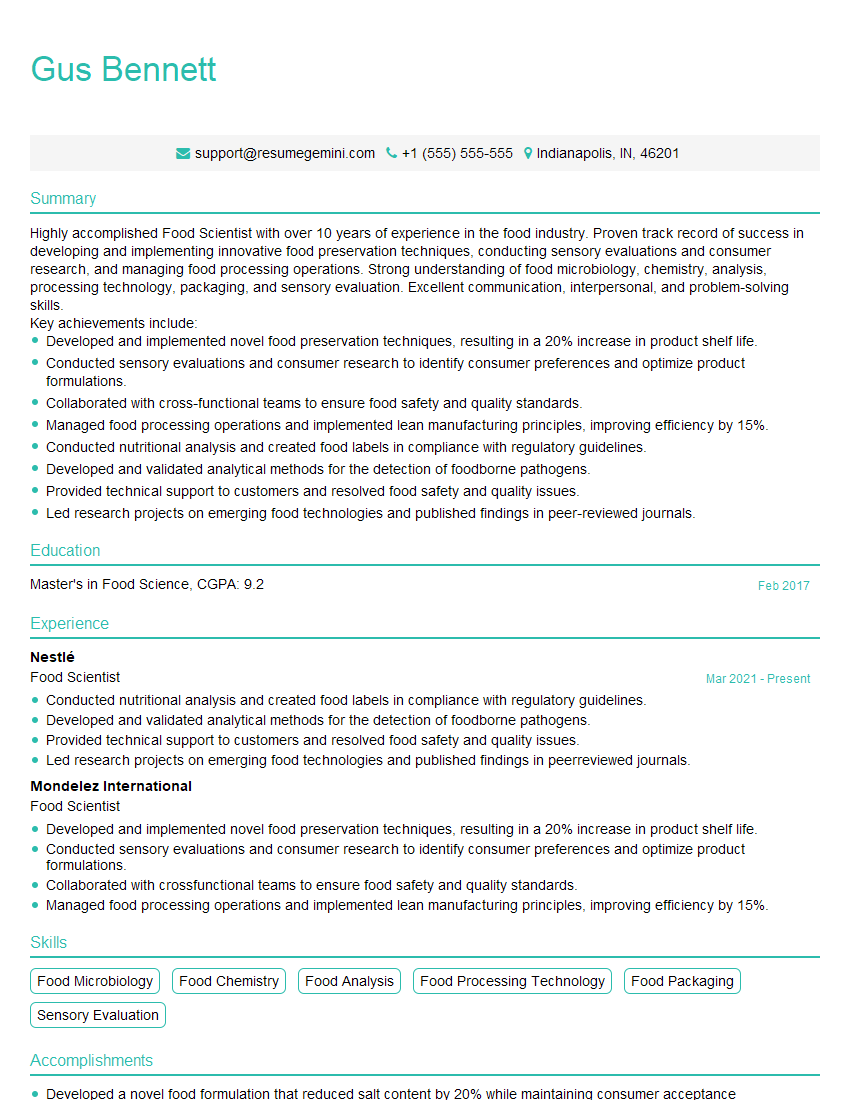
Food Scientist Resume Sample
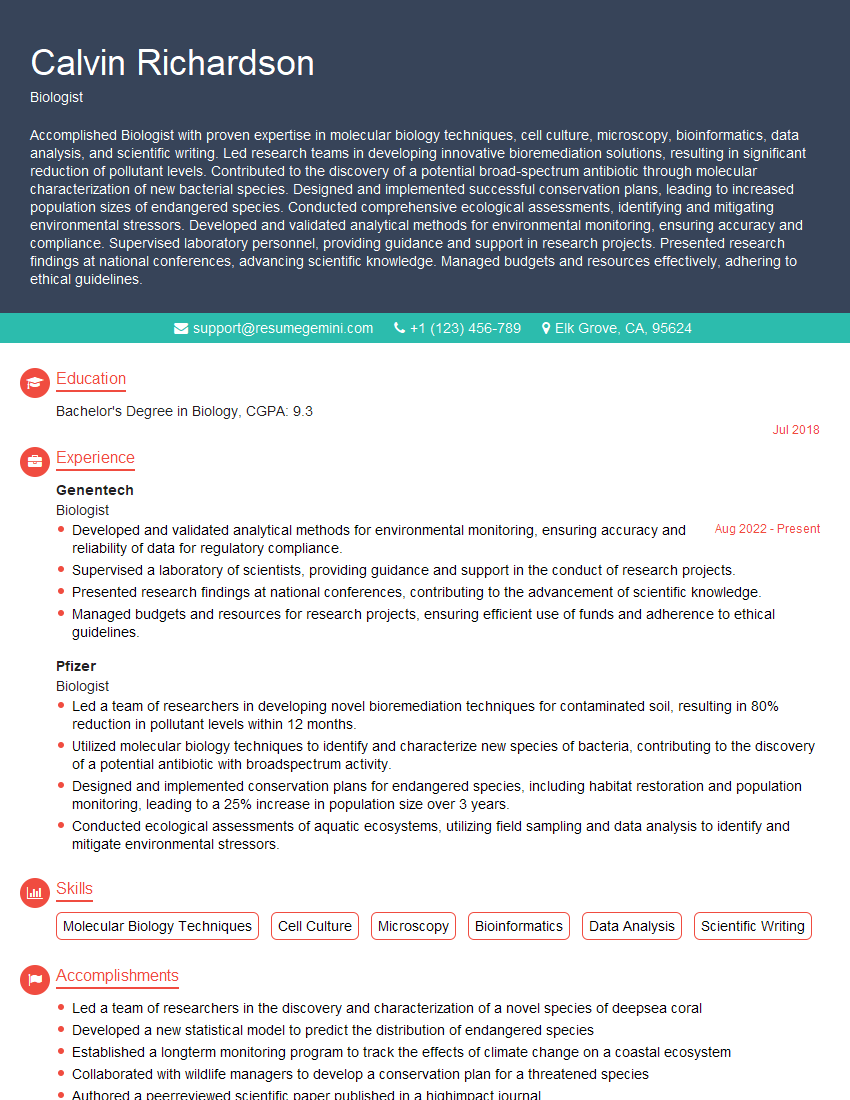
Biologist Resume Sample
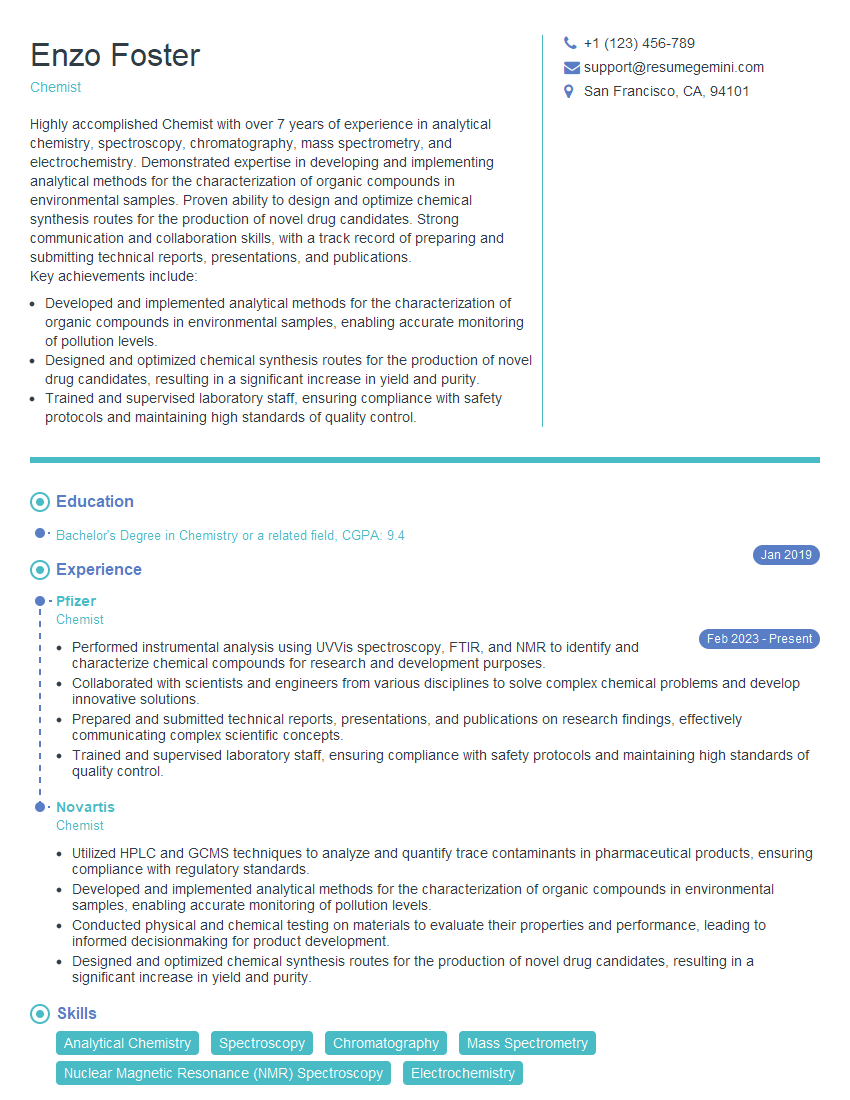
Chemist Resume Sample
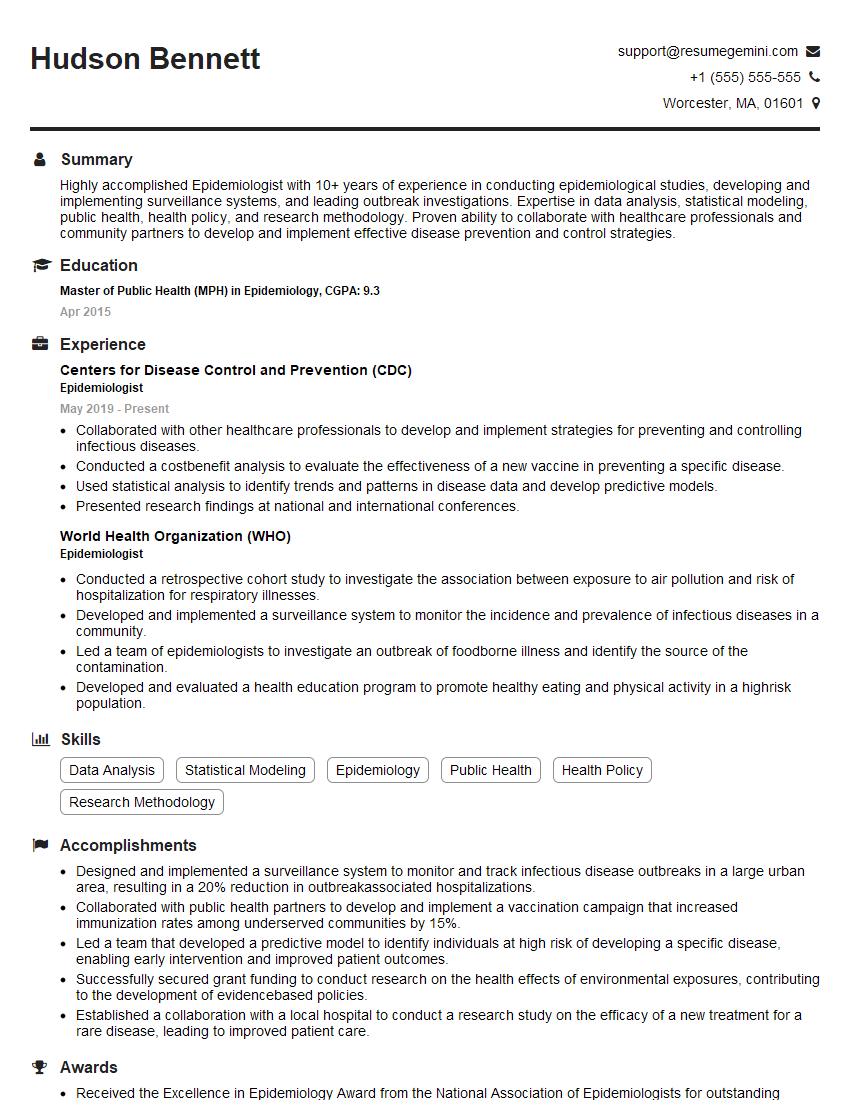
Epidemiologist Resume Sample
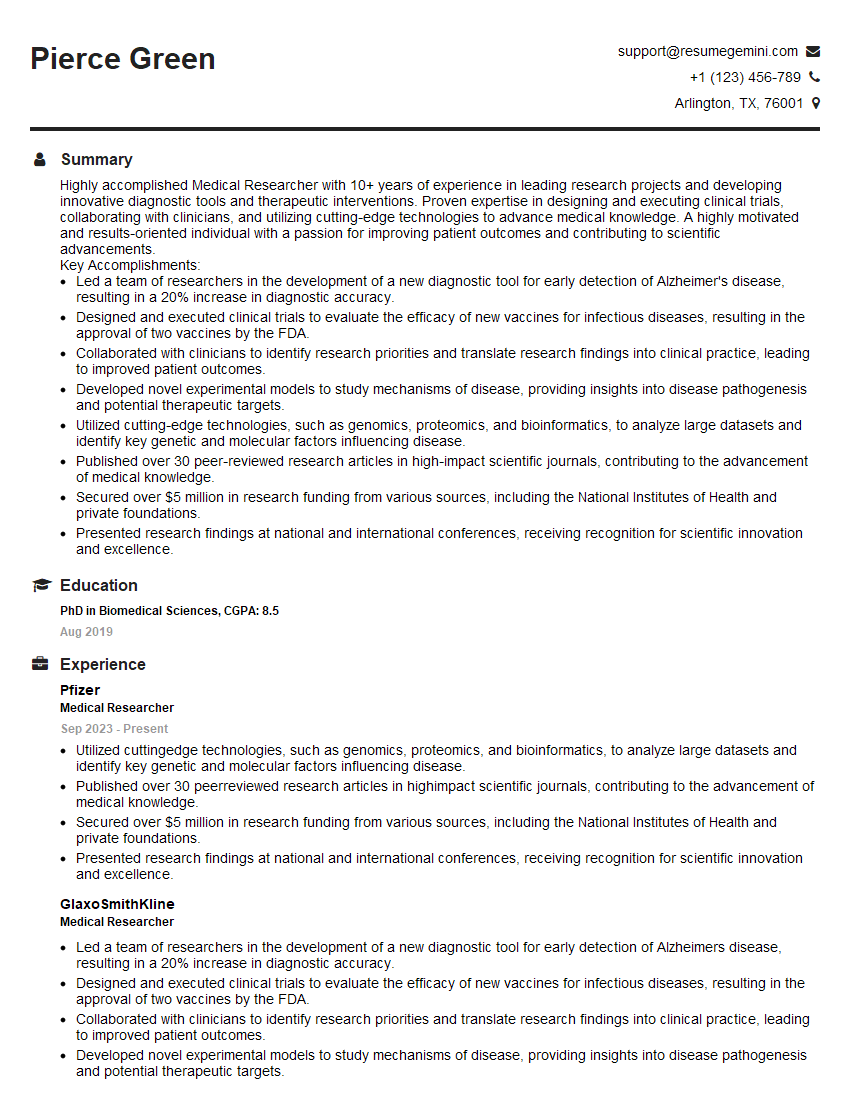
Medical Researcher Resume Sample
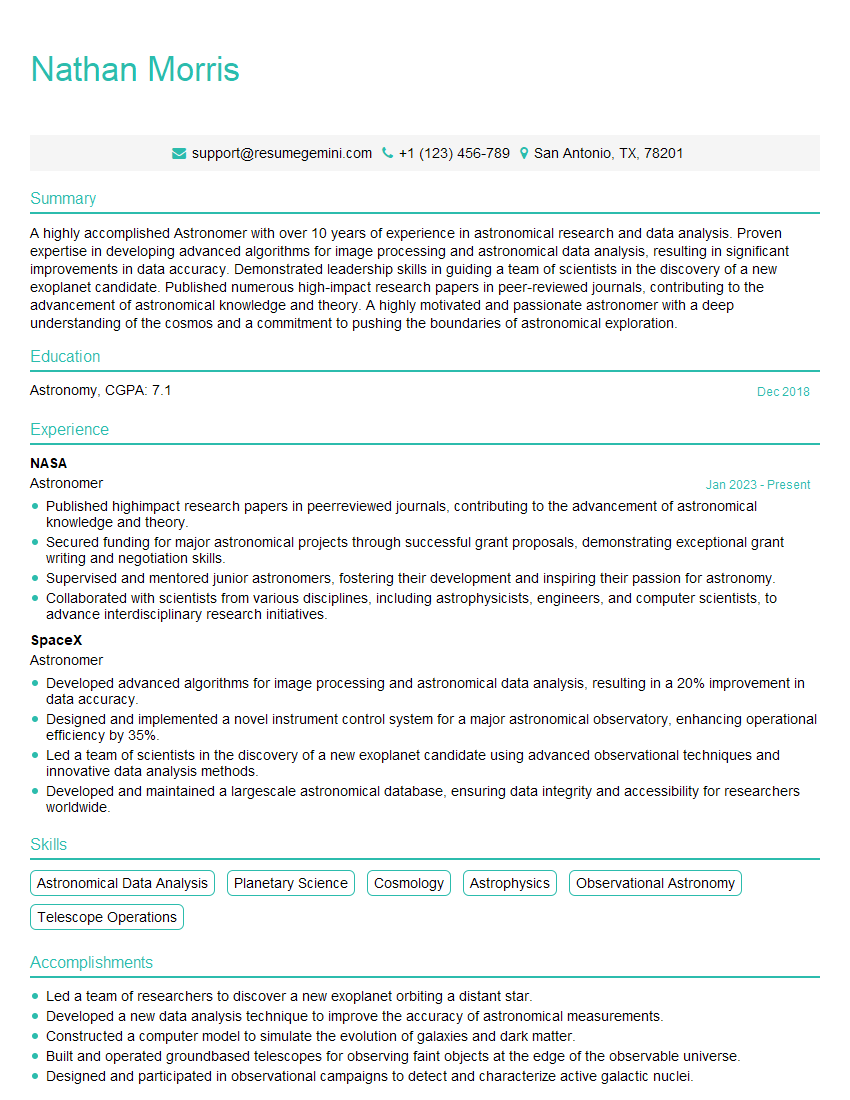
Astronomer Resume Sample
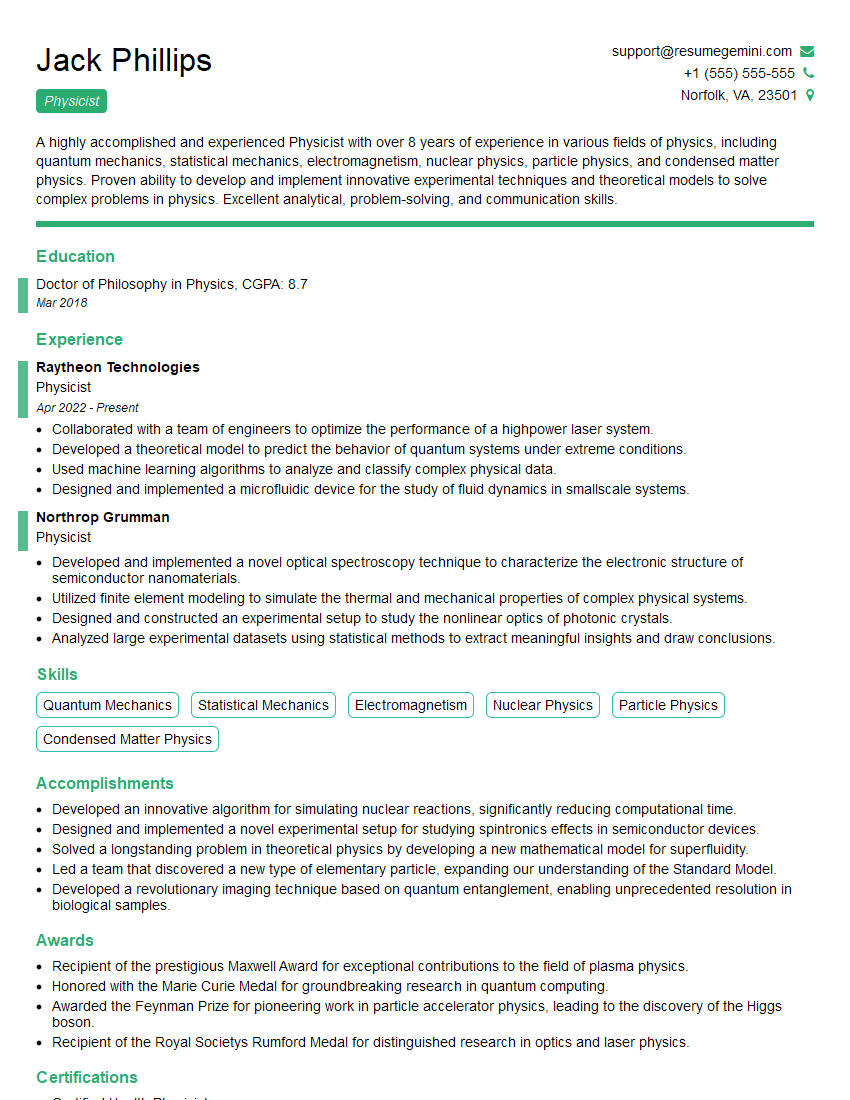
Physicist Resume Sample
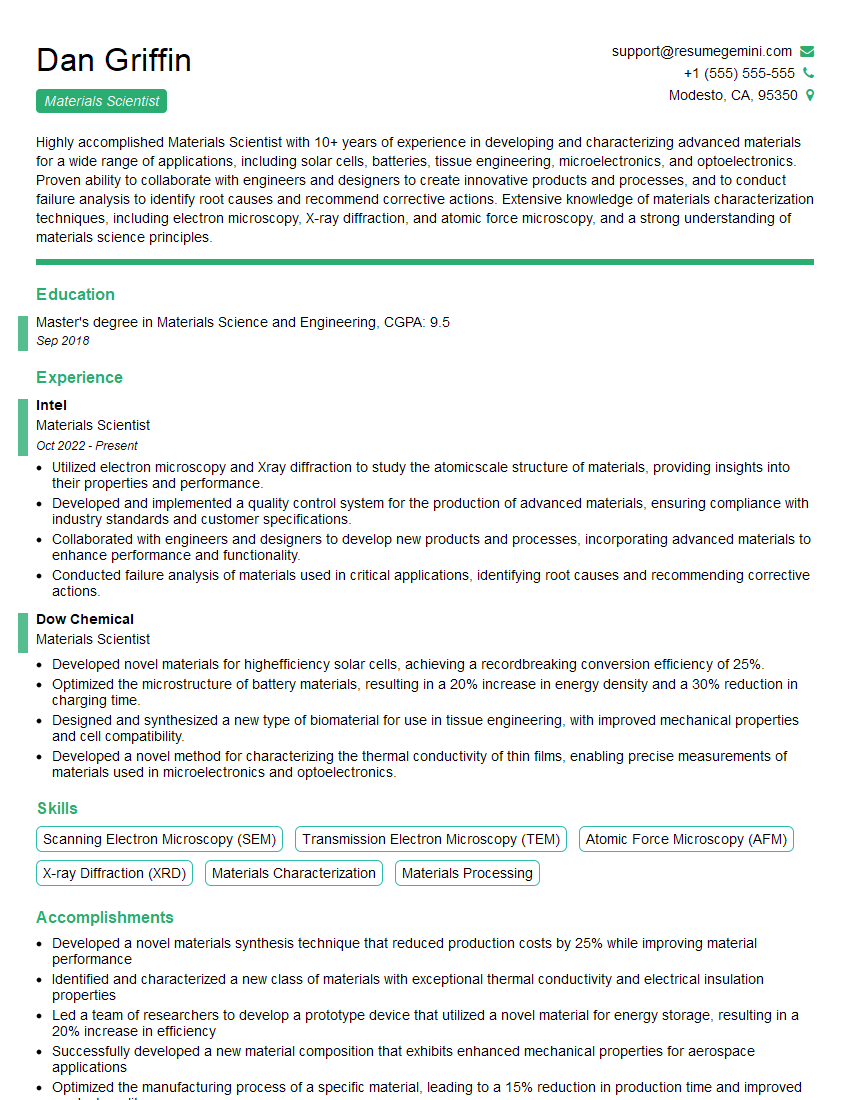
Materials Scientist Resume Sample
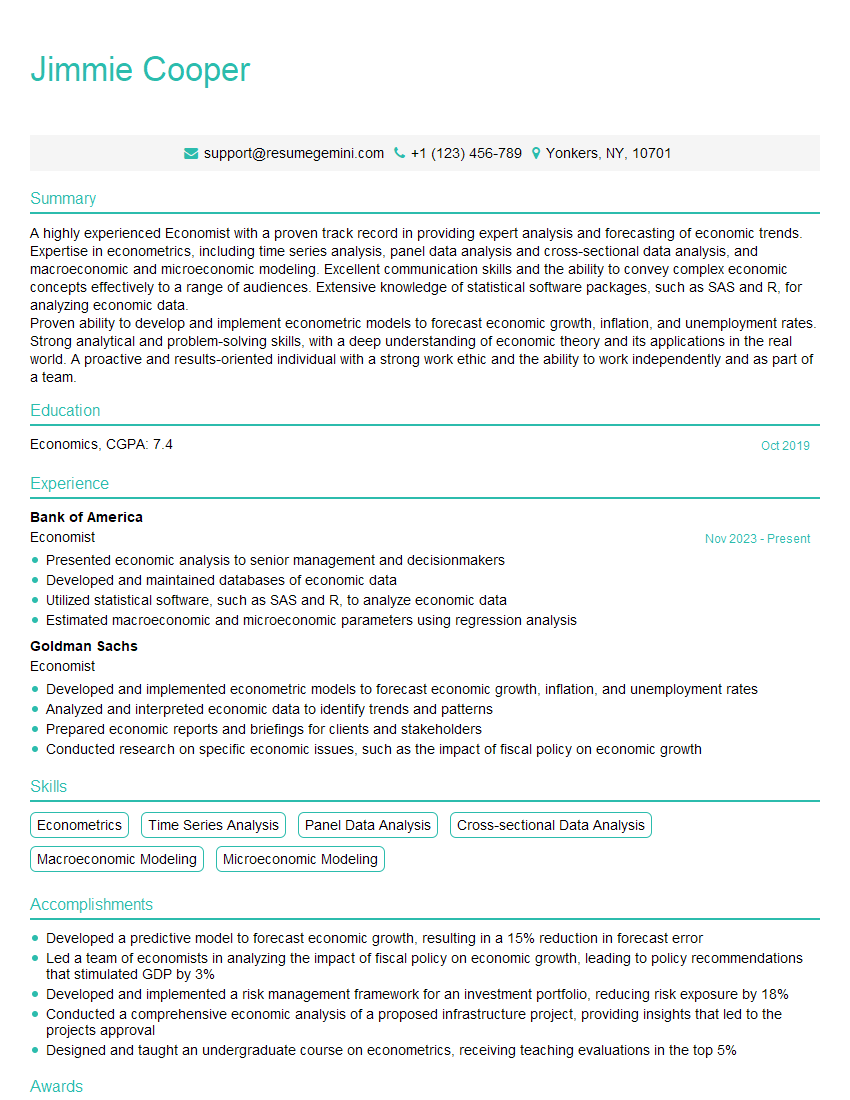
Economist Resume Sample
- Environmental Scientist
- Market Research Analyst
- Data Scientist
- Research Scientist
- Geologist
- Actuary
- Operations Research Analyst
- Statistician
- Clinical Research Associate
- Biomedical Scientist
- Chemical Engineer
- Pharmaceutical Scientist
- Food Scientist
- Biologist
- Chemist
- Epidemiologist
- Medical Researcher
- Astronomer
- Physicist
- Materials Scientist
- Economist
Explore more articles
Users Rating of Our Blogs
Share Your Experience
We value your feedback! Please rate our content and share your thoughts (optional).
What Readers Say About Our Blog
To the interviewgemini.com Webmaster.
Very helpful and content specific questions to help prepare me for my interview!
Thank you
To the interviewgemini.com Webmaster.
This was kind of a unique content I found around the specialized skills. Very helpful questions and good detailed answers.
Very Helpful blog, thank you Interviewgemini team.