Every successful interview starts with knowing what to expect. In this blog, we’ll take you through the top Ability to facilitate team development interview questions, breaking them down with expert tips to help you deliver impactful answers. Step into your next interview fully prepared and ready to succeed.
Questions Asked in Ability to facilitate team development Interview
Q 1. Describe your experience facilitating team-building activities.
My experience in facilitating team-building activities is extensive and spans various industries and team sizes. I believe that effective team building isn’t about forced fun; it’s about strategically designed activities that address specific team needs and foster genuine connection.
For example, with a team struggling with communication, I might design a workshop focusing on active listening and non-violent communication techniques, followed by a collaborative problem-solving exercise where clear communication is crucial for success. With a team lacking in trust, I might utilize trust-building exercises like blindfolded obstacle courses or team-based problem-solving challenges requiring complete reliance on teammates. For more established teams seeking innovation, I might facilitate brainstorming sessions using techniques like Design Thinking or a ‘LEGO Serious Play’ workshop to promote creative solutions. I always tailor my approach based on a thorough needs assessment, considering factors like team size, existing relationships, and organizational culture.
In each instance, I focus on creating a safe and inclusive environment where team members feel comfortable participating and learning. Post-activity debriefs are critical for reflecting on the experience, identifying key takeaways, and translating learnings into actionable steps for improved team dynamics.
Q 2. How do you identify team dynamics and address conflicts constructively?
Identifying team dynamics and addressing conflicts requires a keen observational skill and a non-judgmental approach. I start by actively listening to team members, both individually and in group settings, paying close attention to communication patterns, body language, and overall team interactions. Tools like personality assessments (e.g., Myers-Briggs) can be beneficial, but should be used cautiously and with sensitivity, focusing on understanding preferences rather than labeling individuals. Observation helps identify power dynamics, communication styles, and potential conflict areas.
When conflicts arise, my approach prioritizes understanding the root cause before jumping to solutions. I facilitate open dialogue, encouraging each party to express their perspective without interruption. This often involves active listening, summarizing viewpoints to ensure understanding, and reframing negative statements into more constructive language. I focus on finding common ground and collaborating on mutually acceptable solutions, always aiming for a win-win outcome. Mediation techniques such as separating individuals when emotions are high and setting ground rules for respectful communication are crucial in these situations.
Q 3. Explain your approach to coaching team members for improved performance.
My coaching approach is based on a growth mindset, focusing on identifying strengths and areas for improvement, setting clear goals, and providing ongoing support and feedback. I employ a combination of one-on-one coaching sessions and group workshops, tailored to individual needs and team-wide challenges. My coaching style is collaborative and empowering, helping team members identify their own solutions rather than imposing my own views.
This involves setting SMART goals (Specific, Measurable, Achievable, Relevant, Time-bound), regularly checking progress, providing constructive feedback, and celebrating successes. I utilize various coaching techniques like active listening, questioning, and providing positive reinforcement to foster self-awareness and motivation. A key element is helping individuals develop a personalized development plan, identifying skill gaps and opportunities for growth, and offering resources or training to support their progress. This ongoing support is crucial for ensuring sustained improvement and building confidence.
Q 4. What strategies do you use to foster collaboration and communication within a team?
Fostering collaboration and communication requires a multi-faceted approach encompassing both structural and behavioral changes. Structurally, I encourage the use of collaborative tools like project management software (e.g., Asana, Trello) to improve transparency and task management. Regularly scheduled team meetings, including stand-ups for daily progress updates and more in-depth reviews for larger projects, help maintain open lines of communication.
Behaviorally, I promote open and honest communication by encouraging active listening, feedback sharing (both positive and constructive), and conflict resolution. Team-building activities that focus on communication and collaboration, as mentioned earlier, are integral. Establishing clear roles and responsibilities helps avoid confusion and ensures everyone understands their contributions. Furthermore, fostering a culture of psychological safety, where team members feel comfortable expressing ideas and concerns without fear of judgment, is crucial for effective collaboration. This can be achieved by modeling respectful behavior, actively valuing diverse perspectives, and acknowledging that mistakes are opportunities for learning.
Q 5. How do you measure the effectiveness of your team development initiatives?
Measuring the effectiveness of team development initiatives requires a combination of quantitative and qualitative data. Quantitative measures might include improvements in project completion rates, reduced conflict incidents, increased team efficiency (measured by project timelines or productivity metrics), or higher employee satisfaction scores (from surveys).
Qualitative data offers a richer understanding of the impact. This can include observing improved team dynamics during meetings, gathering feedback through focus groups or individual interviews, and analyzing qualitative data from surveys that explore aspects like team cohesion, communication effectiveness, and overall morale. By combining both quantitative and qualitative data, I gain a comprehensive view of the initiative’s success, identify areas for improvement, and demonstrate the return on investment of the team development efforts.
Q 6. Describe a time you had to mediate a conflict within a team. What was your approach?
In a previous project, a disagreement arose between two team members regarding project priorities. One member, let’s call him Mark, favored a more agile approach, while another, Sarah, preferred a more structured, plan-driven methodology. The conflict escalated, impacting overall team productivity and morale.
My approach was to facilitate a structured mediation session. I started by creating a safe space, emphasizing that the goal was to find a solution that worked for everyone. I then asked each party to explain their perspective, allowing each to speak uninterrupted. I actively listened, summarizing their viewpoints to ensure understanding and reframing negative language. I then helped them identify common goals (successful project completion) and explore potential compromises. We collaboratively developed a hybrid approach that incorporated elements of both methodologies, leveraging Mark’s agility for specific tasks and Sarah’s structured planning for overall project management. This compromise satisfied both parties, fostering better understanding and collaboration going forward. A follow-up meeting ensured the agreement worked effectively and addressed any remaining concerns.
Q 7. How do you handle resistance to change within a team?
Resistance to change is often rooted in fear of the unknown, loss of control, or lack of understanding. My approach involves addressing these underlying concerns through open communication, transparency, and empathy. I begin by understanding the reasons behind the resistance, actively listening to concerns and validating feelings.
I then strive to create buy-in by explaining the rationale behind the change, emphasizing its benefits for the team and organization. Involving team members in the change process through participation in decision-making and implementation is critical for fostering ownership. Providing training and support to help individuals adapt to the new processes or systems is equally crucial. Finally, I celebrate early successes and recognize individual contributions to help build momentum and demonstrate the value of the change. It’s about actively managing the change, not just implementing it, ensuring a smooth transition that minimizes disruption and maximizes the chances of successful adoption.
Q 8. What techniques do you employ to enhance team cohesion and morale?
Enhancing team cohesion and morale is crucial for optimal performance. I employ a multi-pronged approach focusing on communication, trust-building, and shared recognition.
Open Communication: Regular team meetings, both formal and informal, are essential. I facilitate these sessions to encourage open dialogue, active listening, and constructive feedback. This includes creating a safe space where team members feel comfortable sharing concerns and ideas without fear of judgment. For instance, I might introduce icebreaker activities at the start of meetings to foster a relaxed atmosphere.
Team-Building Activities: Beyond work, I organize activities that promote interaction and collaboration outside the typical work environment. This could be anything from team lunches to volunteering events, or even participating in a company-sponsored sports activity. The goal is to build camaraderie and strengthen relationships.
Recognition and Appreciation: I make a point of publicly acknowledging individual and team achievements, both large and small. This can be through formal awards, informal praise, or simply highlighting successes in team meetings. Celebrating milestones, even small ones, boosts morale significantly.
Conflict Resolution: Inevitably, conflicts arise. I proactively address them through mediation, helping team members understand each other’s perspectives and find mutually acceptable solutions. I emphasize collaborative problem-solving rather than assigning blame.
Q 9. How do you tailor your team development approach to different team personalities and dynamics?
Understanding and adapting to different team personalities and dynamics is paramount. I use a combination of observational skills, personality assessments (like Myers-Briggs, but used cautiously and never as the sole basis for decision making), and open communication to gauge the team’s dynamics.
Observation: I pay close attention to team interactions during meetings, projects, and informal gatherings. This helps me identify communication styles, power dynamics, and potential conflicts.
Feedback Mechanisms: I encourage anonymous feedback through surveys or suggestion boxes to understand individual perspectives without fear of retribution. This helps identify any underlying issues that might be affecting team dynamics.
Tailored Approach: Once I understand the team’s personality and dynamics, I tailor my approach. For example, a highly independent team might benefit from less structured guidance, while a less experienced team might require more hands-on support and mentorship. A team lacking communication needs clear guidelines and structured communication protocols. A team prone to conflict might benefit from conflict resolution training or facilitated workshops.
Q 10. Explain your understanding of different team development models (e.g., Tuckman’s stages).
Tuckman’s stages of group development (Forming, Storming, Norming, Performing, and Adjourning) provide a valuable framework for understanding team evolution.
Forming: The initial stage where team members are cautious and uncertain about their roles and relationships. The focus is on getting to know each other and establishing basic ground rules.
Storming: Characterized by conflict and disagreements as team members assert their individual opinions and compete for roles. This stage is crucial for addressing conflicting ideas and building consensus.
Norming: The team establishes shared goals, norms, and working methods. Trust and collaboration begin to develop.
Performing: The team functions effectively, achieving high levels of performance and productivity. Roles are clearly defined, and communication flows smoothly.
Adjourning: The final stage where the team disbands after completing its objectives. It’s important to acknowledge achievements and facilitate a smooth transition.
Understanding these stages allows me to anticipate potential challenges and proactively address them. For example, during the storming stage, I facilitate open discussions to resolve conflicts and build consensus. In the performing stage, I focus on maintaining momentum and celebrating achievements.
Q 11. Describe a time you facilitated a team through a challenging project. What were the key challenges and how did you overcome them?
During a recent project to launch a new product line, we faced significant challenges due to a tight deadline and unexpected technical difficulties. Initially, the team was demoralized by the setbacks.
Challenge 1: Technical Difficulties: The software integration was more complex than anticipated, causing delays.
Challenge 2: Tight Deadline: The pressure to launch on time created stress and impacted team morale.
Solution: I first held a team meeting to acknowledge the challenges and allow team members to express their frustrations. I then re-prioritized tasks, focusing on the most critical deliverables first. We implemented daily stand-up meetings to track progress and address issues promptly. To boost morale, I recognized individual contributions and celebrated small wins along the way. I also sought additional technical support and negotiated a slightly extended deadline with upper management. This transparent communication and collaboration helped the team overcome the challenges and successfully launch the product line albeit slightly behind schedule.
Q 12. How do you ensure that team goals align with organizational objectives?
Aligning team goals with organizational objectives is fundamental. I achieve this through active participation in strategic planning sessions, clear communication, and regular progress monitoring.
Strategic Alignment: I participate in organizational strategy sessions to gain a clear understanding of overall goals. This allows me to effectively translate those goals into actionable team objectives.
Cascading Goals: I break down organizational objectives into smaller, more manageable tasks for the team. This ensures every member understands how their work contributes to the larger picture. I use tools like OKRs (Objectives and Key Results) to ensure everyone is on the same page.
Regular Check-ins: I conduct regular check-in meetings to track progress and make necessary adjustments. This ensures the team stays on course and identifies potential roadblocks early on.
Open Dialogue: I foster an environment of open communication where team members can ask questions, share concerns, and provide feedback on the alignment of team goals with broader organizational strategies.
Q 13. What methods do you use to identify and address skill gaps within a team?
Identifying and addressing skill gaps is crucial for team effectiveness. I use a combination of performance reviews, observation, and skills assessments to pinpoint areas needing improvement.
Performance Reviews: These provide a formal mechanism for evaluating individual performance and identifying skill gaps. Feedback is given constructively, focusing on development rather than criticism.
Observation: I regularly observe team members at work to identify areas where they struggle or require additional training. This informal assessment provides a more holistic view of their skillset.
Skills Assessments: I may administer relevant skills assessments to objectively measure proficiency in specific areas. These assessments provide data-driven insights to guide training and development initiatives.
Addressing Skill Gaps: Once skill gaps are identified, I work with team members to develop a plan for improvement. This might involve providing training opportunities, mentoring, or assigning tasks that help them develop the necessary skills. We might also consider external training or coaching depending on the specific need.
Q 14. How do you delegate tasks effectively to maximize team efficiency?
Effective delegation is key to maximizing team efficiency. My approach prioritizes matching tasks to individual skills and strengths while fostering growth and responsibility.
Understanding Team Members: I carefully consider each team member’s strengths, weaknesses, and experience level when assigning tasks. I delegate tasks that align with their skills and interests, motivating them to perform at their best.
Clear Expectations: I provide clear instructions and expectations for each task, ensuring everyone understands their responsibilities and deadlines. This includes clear communication on the desired outcome, timeline, resources available, and any relevant constraints.
Empowerment and Trust: I empower team members by giving them autonomy and trusting them to complete their assigned tasks. This fosters a sense of ownership and responsibility.
Regular Check-ins: I provide regular feedback and support, offering guidance and assistance when needed. This allows me to monitor progress, address any challenges, and ensure tasks are completed effectively and efficiently.
Balanced workload: I ensure the workload is distributed fairly across the team to prevent burnout and maintain morale.
Q 15. How do you provide constructive feedback to team members?
Constructive feedback is about helping individuals improve, not criticizing them. I follow a framework focusing on behavior, impact, and suggestion. First, I describe the specific behavior I observed, avoiding generalizations. Then, I clearly articulate the impact of that behavior on the team or project. Finally, I offer concrete, actionable suggestions for improvement. For instance, instead of saying ‘You’re disorganized,’ I might say, ‘I noticed the project timeline wasn’t updated this week, which made it difficult for others to plan their tasks. Perhaps we can set up a weekly check-in to ensure timely updates.’ I always ensure the feedback is delivered privately, in a respectful and supportive manner, focusing on growth rather than blame.
Career Expert Tips:
- Ace those interviews! Prepare effectively by reviewing the Top 50 Most Common Interview Questions on ResumeGemini.
- Navigate your job search with confidence! Explore a wide range of Career Tips on ResumeGemini. Learn about common challenges and recommendations to overcome them.
- Craft the perfect resume! Master the Art of Resume Writing with ResumeGemini’s guide. Showcase your unique qualifications and achievements effectively.
- Don’t miss out on holiday savings! Build your dream resume with ResumeGemini’s ATS optimized templates.
Q 16. How do you manage team performance and track progress towards goals?
Managing team performance requires a multi-pronged approach. I start by setting clear, measurable, achievable, relevant, and time-bound (SMART) goals collaboratively with the team. Progress is tracked using a combination of methods including regular progress meetings, utilizing project management software like Jira or Asana to monitor task completion and deadlines, and through informal check-ins. I use data visualizations like charts and graphs to illustrate progress towards goals and identify potential bottlenecks. Regular performance reviews provide a structured opportunity to assess individual and team achievements, identify areas needing improvement, and celebrate successes. These reviews are not just about evaluation but also about providing support and guidance for future growth.
Q 17. What tools or technologies have you used to support team collaboration?
I’ve extensively used various tools to enhance team collaboration. Project management software like Jira and Asana are essential for task assignment, progress tracking, and communication. For real-time communication, we leverage tools like Slack or Microsoft Teams. For document sharing and collaborative editing, Google Workspace (Docs, Sheets, Slides) proves invaluable. Video conferencing platforms such as Zoom or Google Meet are used for meetings and presentations. In some cases, we’ve utilized specialized tools for specific tasks like Miro for visual collaboration or Figma for design projects. The choice of tools depends on the project’s nature and team size but the common thread is to ensure seamless information flow and efficient collaboration.
Q 18. Describe your experience with conflict resolution techniques.
Conflict resolution is crucial for a high-performing team. My approach is based on active listening, empathy, and finding mutually beneficial solutions. I start by ensuring a safe space for everyone to express their perspectives without interruption. I then help identify the root cause of the conflict, focusing on the issue, not personalities. Depending on the situation, I might facilitate a structured discussion using techniques like brainstorming or mediation. The goal is to guide the team to a resolution that respects everyone’s concerns. In some instances, involving HR or a neutral third party might be necessary for more complex conflicts. I emphasize the importance of learning from conflicts and using them as an opportunity for team growth and improvement. For example, I might facilitate a post-conflict discussion to identify what went well, what could have been done better, and how to prevent similar situations in the future.
Q 19. How do you promote a positive and inclusive team environment?
Creating a positive and inclusive environment is paramount. This starts by fostering a culture of respect and psychological safety where every team member feels valued and heard. I actively encourage diverse perspectives and celebrate individual strengths. Team-building activities, both formal and informal, help build relationships and camaraderie. Regular team socials or even casual coffee breaks create opportunities for informal bonding. I actively address any instances of exclusion or bias immediately and provide training as necessary to promote understanding and inclusivity. For example, I might initiate workshops on unconscious bias to help team members recognize and challenge their own assumptions. I also make sure that communication is accessible and inclusive, considering different learning styles and communication preferences.
Q 20. How do you foster open communication and transparency within a team?
Open communication and transparency are fundamental. I encourage regular and honest communication through various channels: daily stand-up meetings for quick updates, weekly team meetings for in-depth discussions, and open-door policy for individual concerns. I also make a conscious effort to share relevant information openly and proactively, keeping the team informed about project progress, challenges, and upcoming changes. I use transparent communication platforms where updates are visible to everyone. This also includes acknowledging both successes and failures transparently, fostering a culture of learning and continuous improvement. Transparency builds trust and eliminates room for misunderstandings and rumors. Regular feedback sessions – both up and down – ensure that everyone’s voice is heard and considered.
Q 21. What are your strategies for building trust and rapport among team members?
Building trust and rapport starts with demonstrating integrity and consistency in my actions. I lead by example, showing commitment to the team goals and upholding high ethical standards. I actively listen to team members’ concerns and perspectives, validating their feelings and demonstrating empathy. I prioritize fair and equitable treatment of everyone. Team-building activities help build relationships and foster a sense of belonging. Celebrating successes both big and small strengthens the team’s bond. Openly acknowledging and addressing mistakes demonstrates vulnerability and builds trust, showing that it’s okay to make errors as long as we learn from them. Creating a collaborative environment where everyone feels safe to share ideas and contribute freely is crucial for fostering strong team dynamics.
Q 22. How do you identify and develop team leaders within a group?
Identifying and developing team leaders isn’t about appointing someone based on seniority; it’s about recognizing potential and nurturing leadership qualities. I look for individuals who demonstrate initiative, problem-solving skills, and a genuine interest in team success. I use a multi-faceted approach:
- Observation: I carefully observe team members during projects, paying attention to their contributions, communication styles, and how they interact with colleagues. Do they proactively seek solutions? Do they support others? Do they take ownership?
- 360-Degree Feedback: Gathering feedback from peers, supervisors, and even subordinates provides a comprehensive view of an individual’s leadership potential. This helps identify blind spots and strengths.
- Mentorship and Coaching: Once I’ve identified potential leaders, I provide personalized mentoring and coaching, focusing on developing their leadership skills. This could involve targeted training, shadowing experienced leaders, or working on specific projects designed to build their capabilities.
- Opportunities for Growth: I create opportunities for potential leaders to take on increasing responsibility. This could include leading smaller projects, mentoring junior team members, or representing the team in meetings.
For example, in a previous role, I identified a junior engineer with exceptional problem-solving skills and a collaborative spirit. Through mentoring and giving her lead roles on smaller projects, she blossomed into a highly effective team lead within a year.
Q 23. Describe your experience with different team decision-making processes.
My experience encompasses a range of decision-making processes, from highly structured to more collaborative approaches. I adapt my approach based on the team’s context, the urgency of the decision, and the complexity of the issue. Here are a few examples:
- Autocratic: In time-sensitive situations requiring immediate action, an autocratic approach might be necessary. For instance, if a system is crashing, immediate action is crucial.
- Democratic: For complex issues requiring diverse perspectives, a democratic approach, where team members actively participate in the decision-making process, is ideal. This fosters ownership and buy-in.
- Consensus-based: When achieving unanimous agreement is critical, a consensus-based approach is preferred. This requires significant time and discussion to ensure everyone is on board, but it can lead to stronger commitment.
- Delegative: For routine decisions or those best handled by specific team members, I delegate the decision-making authority. This empowers team members and encourages their development.
I find that a flexible approach, combining elements of various styles, often yields the best results.
Q 24. How do you handle situations where team members have differing opinions?
Differing opinions are not a problem; they are a valuable resource. I view them as opportunities for innovative solutions and deeper understanding. My approach involves:
- Active Listening: I encourage open communication and ensure everyone feels heard. I actively listen to understand each perspective, rather than formulating a counter-argument.
- Facilitating Discussion: I create a safe space where team members can express their opinions without fear of judgment. I guide the discussion, ensuring all viewpoints are considered.
- Identifying Common Ground: I help the team find common ground and areas of agreement. This serves as a foundation for building a consensus.
- Seeking Solutions: Instead of focusing on the conflict, I guide the team towards finding solutions that address everyone’s concerns. I might use brainstorming or problem-solving techniques to help identify viable options.
- Reaching a Decision: Once a decision is made, I ensure that everyone understands the rationale behind it and feels comfortable moving forward.
For instance, in a recent project, team members had strongly differing opinions on the best technical approach. By facilitating a structured discussion and focusing on the overall project goals, we were able to find a hybrid solution that leveraged the strengths of both approaches.
Q 25. What is your approach to providing training and development opportunities for team members?
Training and development are crucial for team growth. My approach is holistic and tailored to individual needs. I:
- Needs Assessment: I conduct regular assessments to identify individual skill gaps and training needs. This might involve feedback sessions, performance reviews, or self-assessments.
- Personalized Development Plans: Based on the needs assessment, I collaborate with each team member to create a personalized development plan outlining specific training goals and timelines.
- Variety of Training Options: I offer a variety of training options, including online courses, workshops, mentoring programs, and on-the-job training. The choice depends on the individual’s learning style and the specific skill being developed.
- Regular Check-ins: I conduct regular check-ins to monitor progress, provide support, and make adjustments to the development plan as needed.
- Feedback and Evaluation: I provide regular feedback and conduct evaluations to assess the effectiveness of training and development initiatives.
I believe in providing opportunities for both technical skill development and soft skills enhancement, such as communication, teamwork, and leadership.
Q 26. How do you ensure that team members feel valued and appreciated?
Making team members feel valued and appreciated is paramount to team success. I employ several strategies:
- Regular Recognition and Appreciation: I regularly acknowledge and appreciate individual and team accomplishments, both big and small. This can include verbal praise, written thank-you notes, or team celebrations.
- Open Communication and Feedback: I foster open and honest communication, providing regular and constructive feedback. I make sure team members know their opinions are valued and their concerns are heard.
- Empowerment and Autonomy: I empower team members by giving them autonomy and ownership over their work. This builds confidence and increases their sense of responsibility.
- Opportunities for Growth and Development: Providing opportunities for growth and development shows investment in their future and demonstrates that their contributions are important.
- Team-Building Activities: I organize team-building activities to foster camaraderie and improve communication and collaboration.
For example, I once created a ‘Kudos Board’ where team members could publicly acknowledge and appreciate each other’s contributions. This fostered a culture of positive reinforcement and strengthened team bonds.
Q 27. How do you adapt your leadership style to different team contexts?
Adaptability is key in leadership. My leadership style is not fixed; it adapts to the specific needs of the team and the context. I draw upon different leadership styles based on situational demands, utilizing elements from:
- Transformational Leadership: Inspiring and motivating the team toward a shared vision. This works well with teams facing challenging projects that need a strong sense of purpose.
- Transactional Leadership: Focusing on clear goals, rewards, and consequences. This is effective for teams working on well-defined tasks with specific deadlines.
- Servant Leadership: Prioritizing the needs of the team and empowering them to succeed. This is beneficial when fostering a collaborative and supportive work environment.
- Coaching Leadership: Mentoring and guiding individual team members to develop their skills and achieve their potential. This is valuable for developing individual expertise and team leadership within the group.
I assess the team’s maturity, the task’s complexity, and the team’s preferences before deciding on the most suitable approach. Sometimes, a combination of styles is the most effective.
Q 28. Describe a time you had to make a difficult decision regarding team members. How did you approach it?
In a previous role, I had to make a difficult decision regarding a team member who consistently missed deadlines and whose work quality was declining. This impacted the entire team’s progress. My approach was methodical and empathetic:
- Documentation: I meticulously documented all instances of missed deadlines and subpar work, including attempts to provide support and guidance.
- Private Meeting: I held a private meeting with the team member to discuss my concerns. I listened to their perspective, acknowledged any challenges they might be facing, and emphasized the importance of meeting expectations.
- Performance Improvement Plan: We collaboratively created a performance improvement plan (PIP) with specific, measurable, achievable, relevant, and time-bound (SMART) goals. This plan included support and resources to help them improve.
- Regular Check-ins: I conducted regular check-ins to monitor progress and offer ongoing support.
- Final Decision: Despite the PIP, performance did not improve. I had to make the difficult decision to let the team member go. This was a last resort, but necessary to protect team morale and project success. The decision was made with clear justification and followed company policy.
While difficult, I ensured the process was fair, transparent, and followed company procedures. The focus was on providing support while upholding team standards.
Key Topics to Learn for Ability to Facilitate Team Development Interviews
- Understanding Team Dynamics: Learn to identify different team personalities, communication styles, and potential conflict points. Consider the impact of groupthink and how to mitigate it.
- Facilitating Effective Communication: Explore various communication strategies, including active listening, clear articulation, and providing constructive feedback. Practice techniques for resolving misunderstandings and fostering open dialogue.
- Conflict Resolution and Mediation: Develop skills in identifying conflict triggers, mediating disagreements, and finding mutually acceptable solutions. Understand different conflict resolution styles and their applications.
- Team Building Activities and Exercises: Learn about various team-building activities and how to select the most appropriate ones based on team needs and goals. Consider the practical application and impact of different exercises.
- Goal Setting and Performance Management: Explore how to collaboratively set team goals, track progress, and provide regular feedback to enhance performance. Understand techniques for motivating team members and celebrating successes.
- Leadership Styles and Their Impact: Analyze different leadership styles and their effectiveness in team development. Understand how to adapt your leadership approach to suit different team contexts and personalities.
- Mentorship and Coaching: Explore the role of mentorship and coaching in fostering individual and team growth. Understand how to identify mentoring opportunities and provide effective guidance to team members.
- Delegation and Empowerment: Learn effective strategies for delegating tasks, empowering team members, and fostering a sense of ownership and responsibility.
Next Steps
Mastering the ability to facilitate team development is crucial for career advancement. It demonstrates strong leadership skills, collaboration abilities, and a commitment to fostering positive and productive work environments. This skill is highly valued across industries and significantly improves your chances of securing a leadership role. To boost your job prospects, create an ATS-friendly resume that highlights your relevant skills and experiences. ResumeGemini is a trusted resource that can help you build a professional and impactful resume. We provide examples of resumes tailored to showcase your ability to facilitate team development, helping you stand out from the competition.
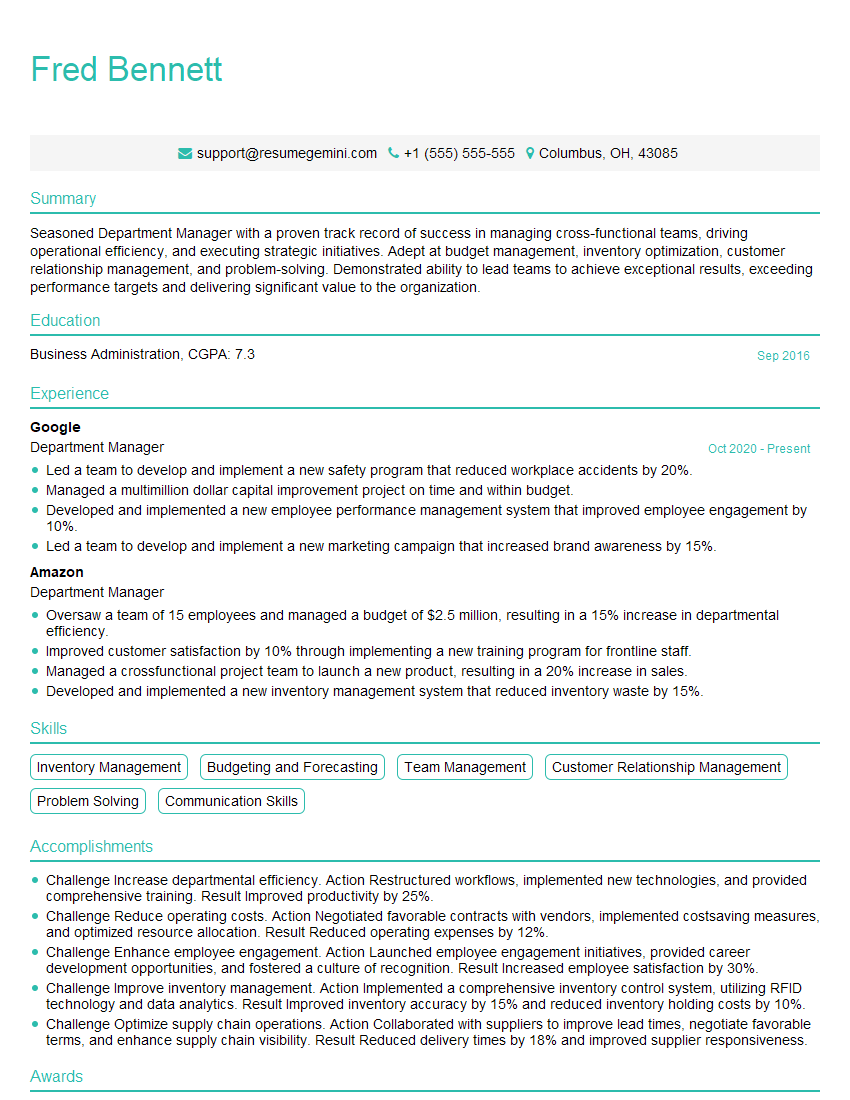
Department Manager Resume Sample
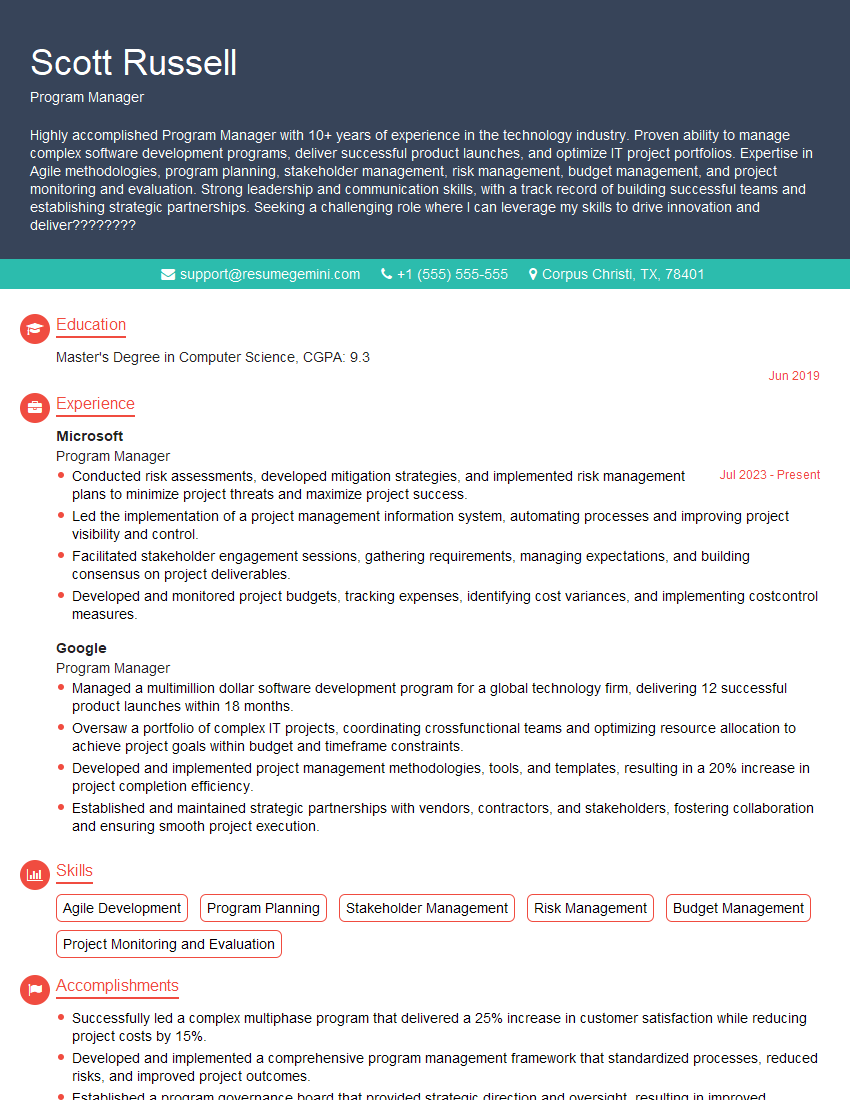
Program Manager Resume Sample
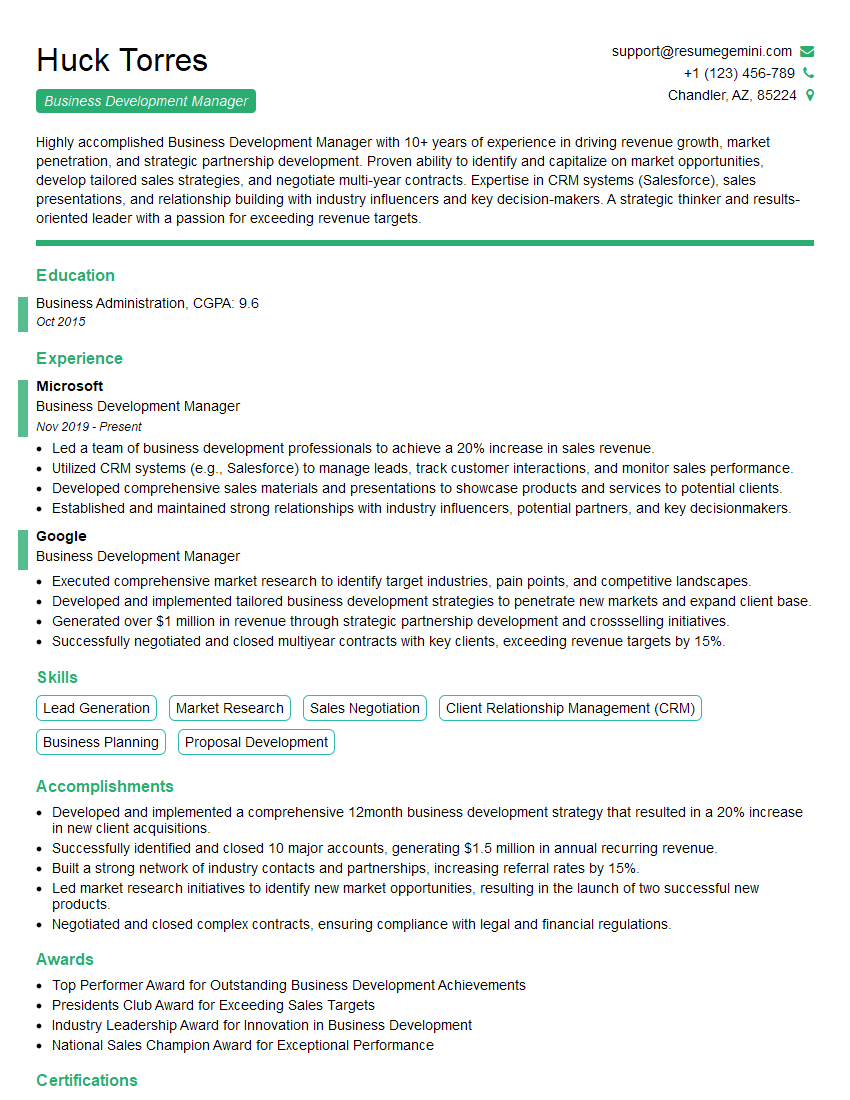
Business Development Manager Resume Sample
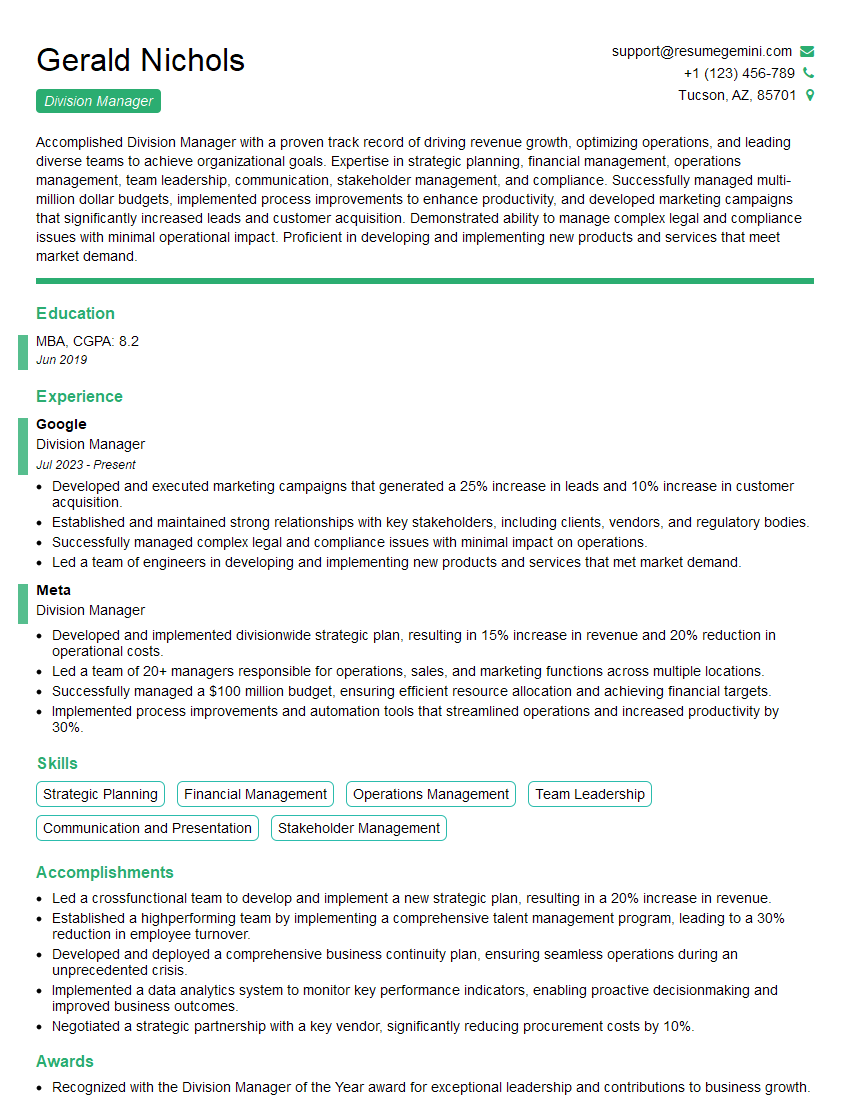
Division Manager Resume Sample
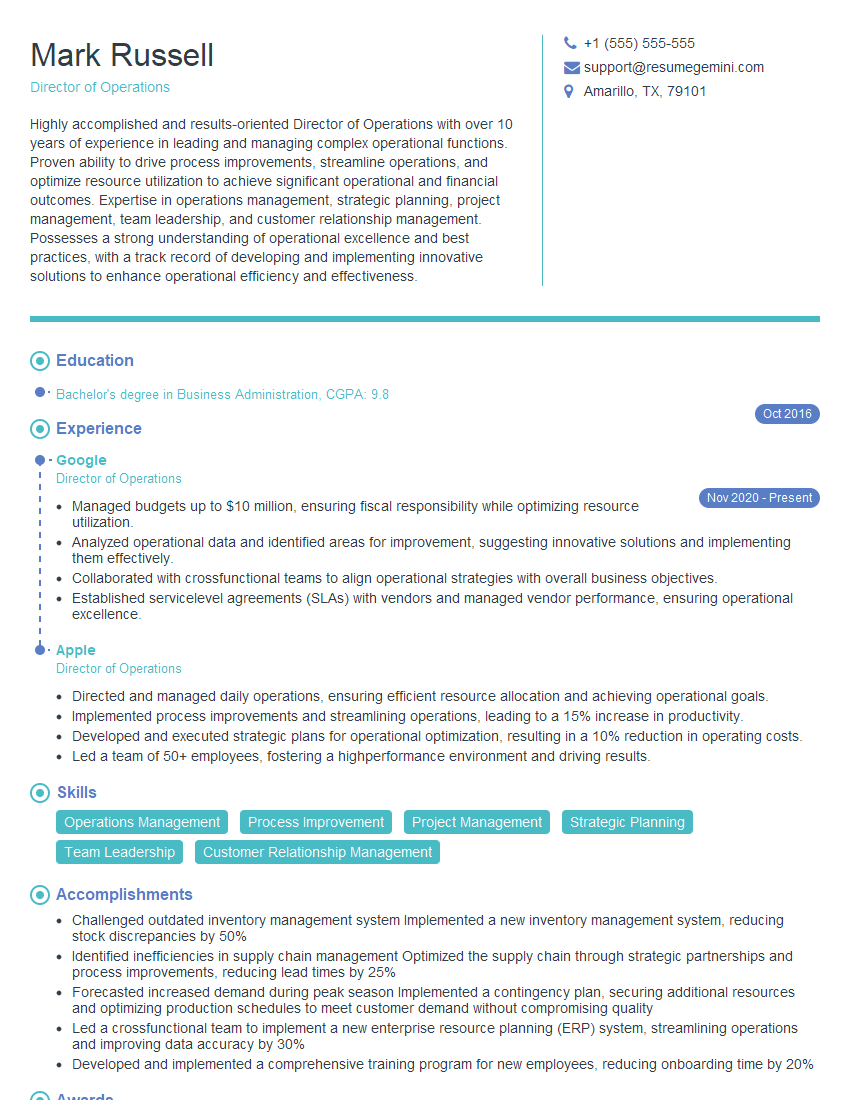
Director of Operations Resume Sample
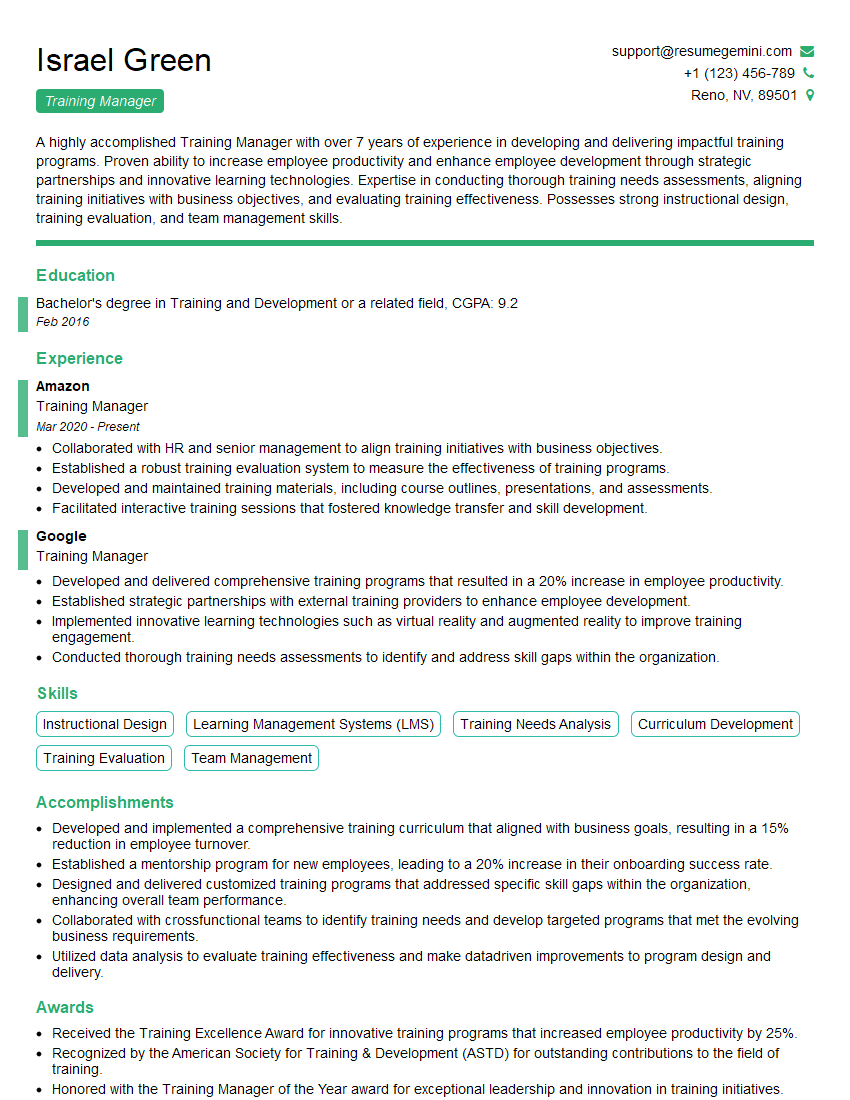
Training Manager Resume Sample
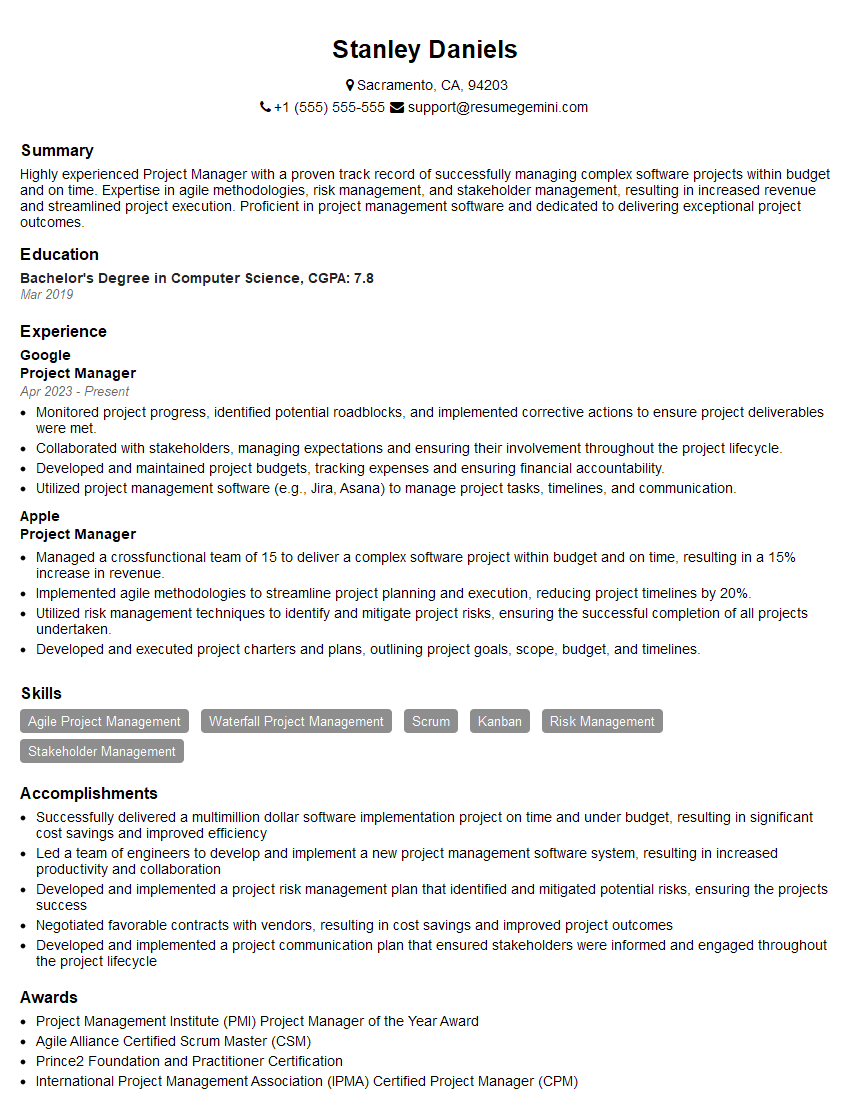
Project Manager Resume Sample
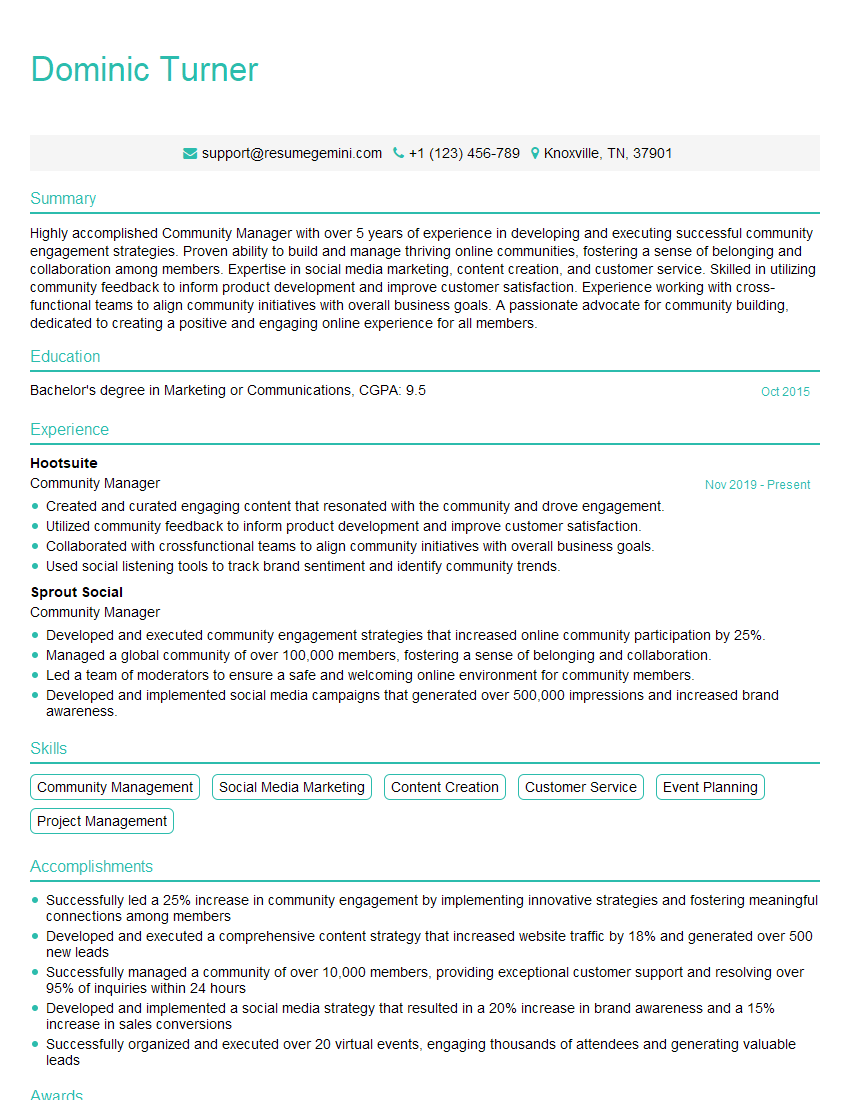
Community Manager Resume Sample
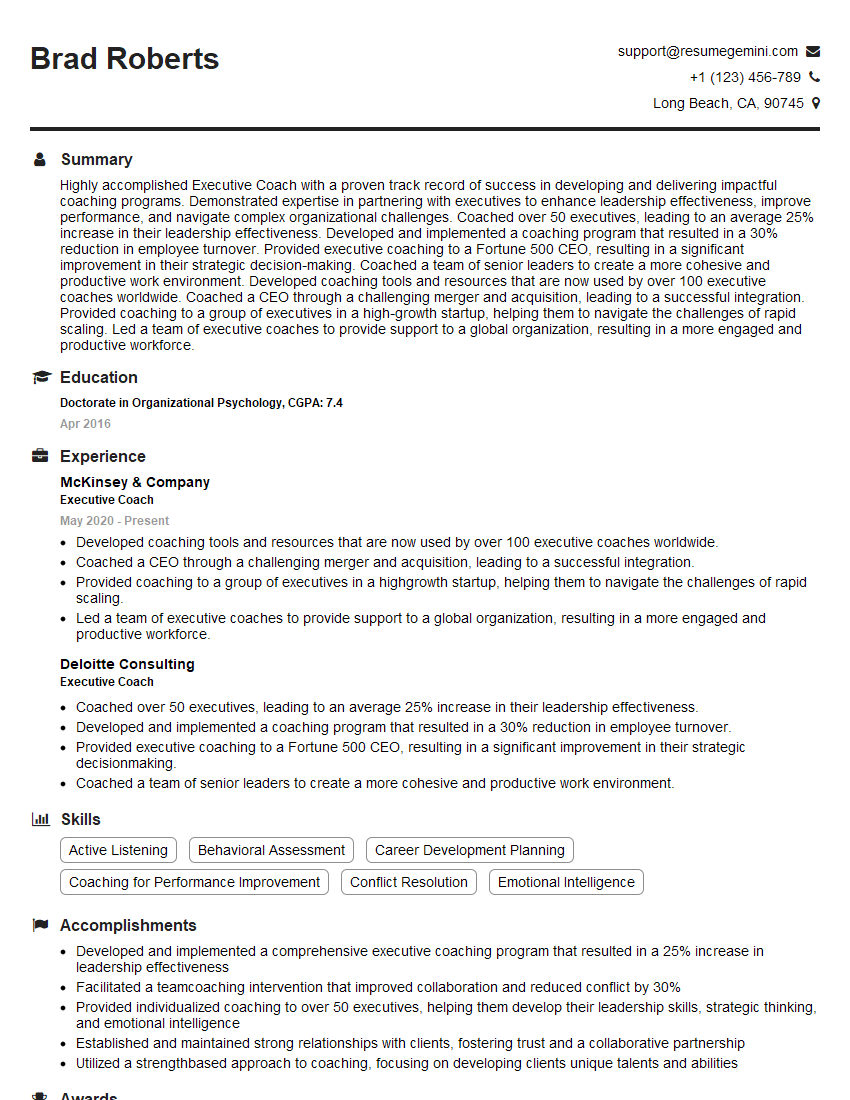
Executive Coach Resume Sample
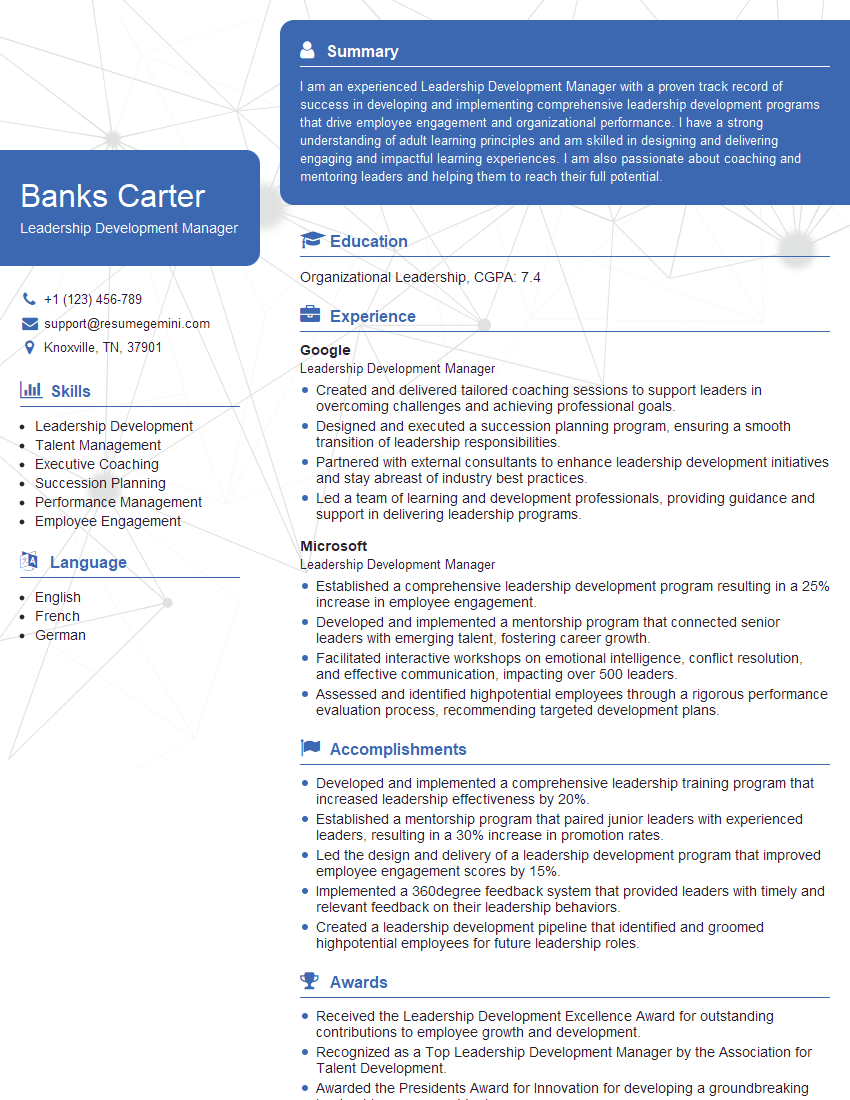
Leadership Development Manager Resume Sample
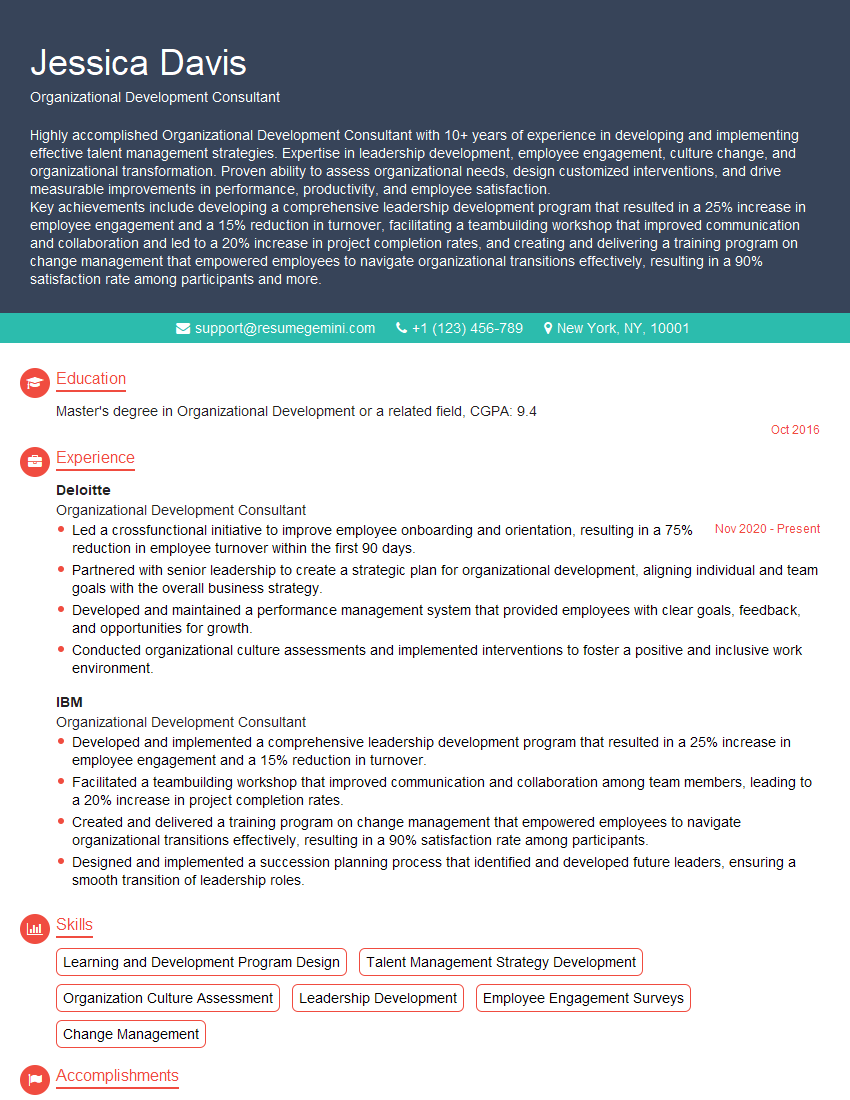
Organizational Development Consultant Resume Sample
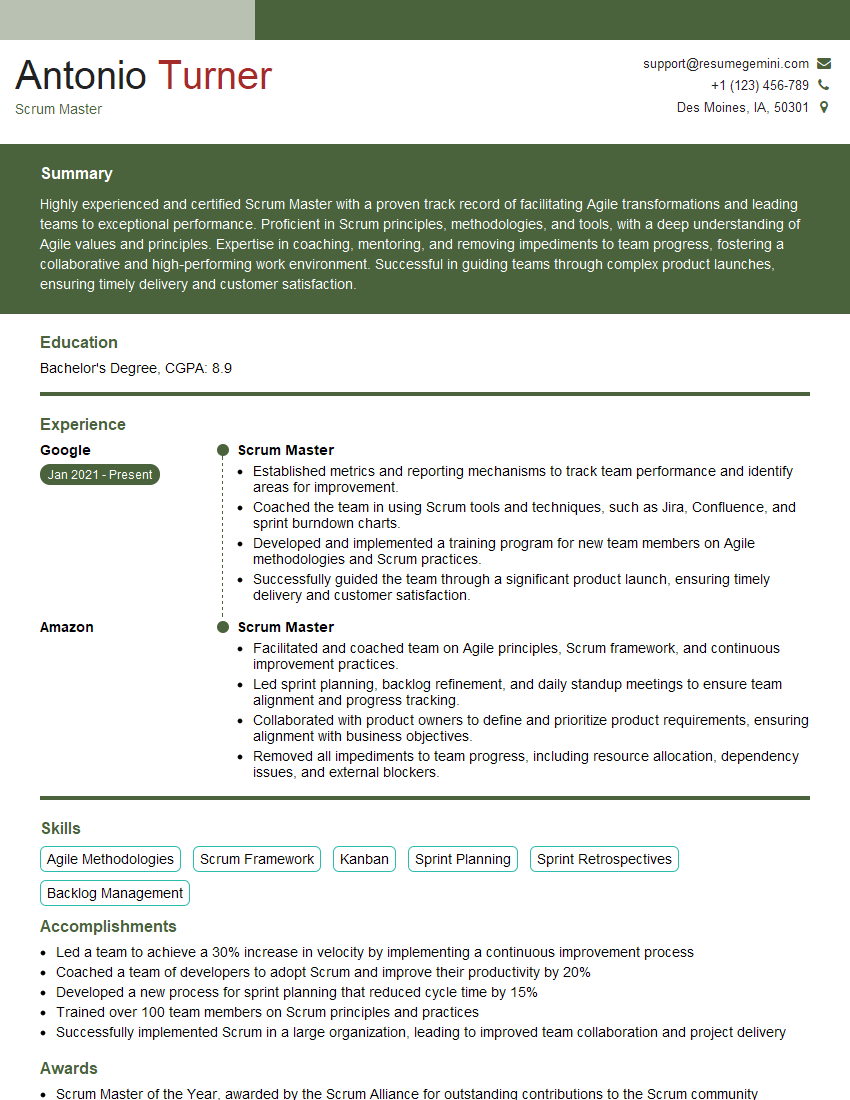
Scrum Master Resume Sample
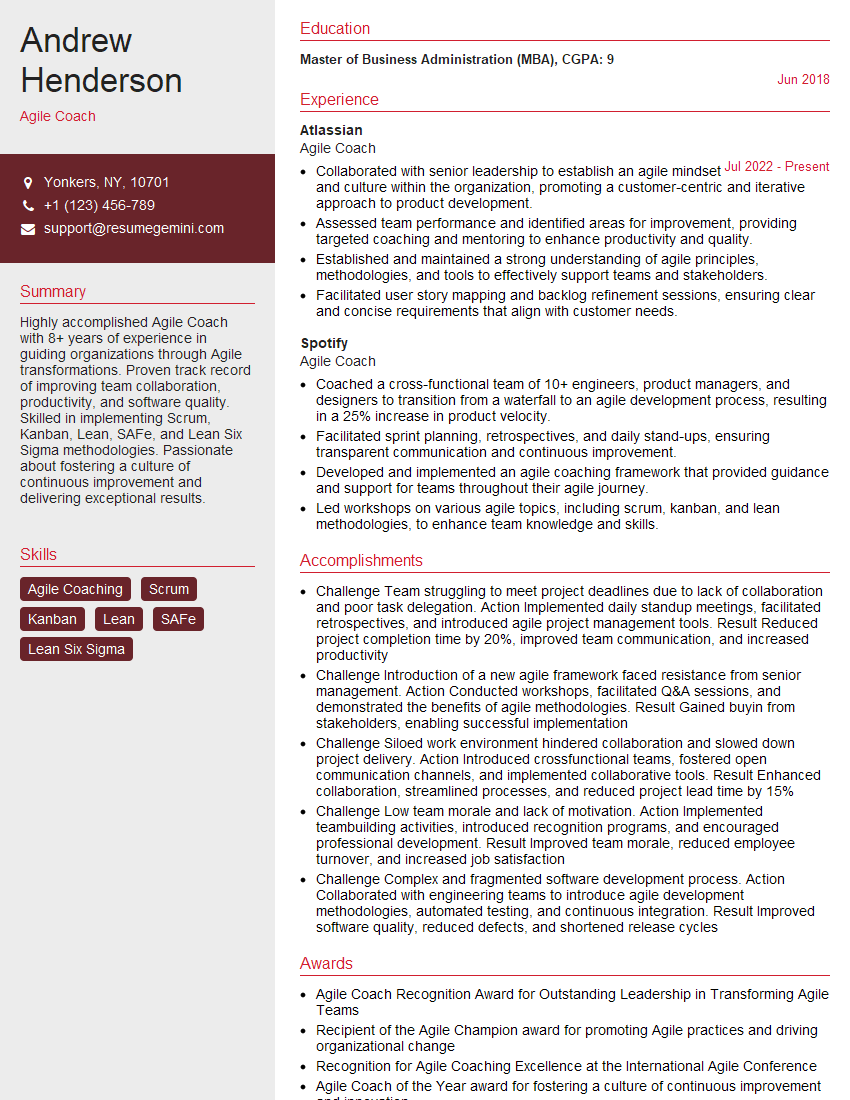
Agile Coach Resume Sample
Explore more articles
Users Rating of Our Blogs
Share Your Experience
We value your feedback! Please rate our content and share your thoughts (optional).
What Readers Say About Our Blog
To the interviewgemini.com Webmaster.
Very helpful and content specific questions to help prepare me for my interview!
Thank you
To the interviewgemini.com Webmaster.
This was kind of a unique content I found around the specialized skills. Very helpful questions and good detailed answers.
Very Helpful blog, thank you Interviewgemini team.