Feeling uncertain about what to expect in your upcoming interview? We’ve got you covered! This blog highlights the most important Ability to identify and mitigate threats to wildlife interview questions and provides actionable advice to help you stand out as the ideal candidate. Let’s pave the way for your success.
Questions Asked in Ability to identify and mitigate threats to wildlife Interview
Q 1. Describe your experience identifying threats to a specific endangered species.
My experience identifying threats to endangered species often involves a multi-faceted approach. For example, while working on the conservation of the Amur leopard in the Russian Far East, I focused on understanding the interplay of various factors impacting their survival. We started by analyzing historical population data and geographic range maps to pinpoint areas where the population had declined the most. This analysis revealed that habitat loss due to deforestation and human encroachment was the primary driver. Further investigation, including camera trapping and scat analysis, indicated a significant increase in human-wildlife conflict, resulting in poaching and habitat degradation. Finally, we modeled future scenarios based on projected land-use changes, helping predict areas most vulnerable to future population declines. This allowed us to prioritize conservation efforts towards areas with the highest potential for positive impact.
Q 2. Explain your understanding of habitat fragmentation and its impact on wildlife.
Habitat fragmentation is the breaking up of a continuous habitat into smaller, isolated patches. Imagine a forest divided by roads, agricultural fields, or urban development. This fragmentation severely impacts wildlife in several ways. First, it reduces the total amount of available habitat, leading to increased competition for resources. Second, it limits the ability of animals to move between patches, restricting gene flow and making populations more vulnerable to inbreeding and local extinctions. Third, it increases the edge-to-area ratio, exposing wildlife to greater predation risk from edge-dwelling species and environmental changes. For instance, the fragmentation of rainforest habitats leads to increased exposure to sunlight, altering temperature and humidity levels, which can be detrimental to rainforest species accustomed to a stable microclimate. The smaller the patches, and the greater the distance between them, the more significant the negative impacts become.
Q 3. What methods do you employ to assess wildlife populations and their health?
Assessing wildlife populations and health uses a range of methods tailored to the species and habitat. For population assessments, we might employ techniques like:
- Camera trapping: Provides photographic evidence of species presence and abundance.
- Mark-recapture studies: Involves capturing, marking, and releasing animals to estimate population size.
- Distance sampling: Estimates abundance based on sighting distances and detectability.
- Acoustic monitoring: Uses sound recordings to identify and count animals.
For assessing health, we look at indicators like:
- Body condition: Measured through weight, body mass index, and other physical characteristics.
- Disease prevalence: Detected through blood samples, fecal analysis, or post-mortem examinations.
- Genetic diversity: Assessed through DNA analysis to understand population health and resilience.
- Reproductive success: Measured by tracking breeding rates and offspring survival.
Combining these methods provides a comprehensive understanding of the population’s status and allows for targeted conservation interventions.
Q 4. How would you approach mitigating the impact of human development on a wildlife habitat?
Mitigating the impact of human development requires a proactive and collaborative approach. My strategy focuses on:
- Habitat preservation and restoration: Protecting existing habitats and restoring degraded ones. This may involve establishing protected areas, restoring riparian zones, or creating wildlife corridors.
- Sustainable land-use planning: Working with developers and policymakers to integrate wildlife conservation into development plans. This might involve setting aside buffer zones around sensitive habitats or incorporating green infrastructure into urban design.
- Mitigation measures: Implementing measures to reduce the negative impacts of development on wildlife. Examples include constructing wildlife crossings over roads, installing bird-friendly building designs, and reducing light pollution.
- Community engagement: Educating local communities about the importance of wildlife conservation and promoting sustainable practices. This ensures the long-term success of conservation efforts.
For instance, working with a highway construction project, we might advocate for building underpasses or overpasses to allow wildlife to safely cross the road, minimizing road mortality.
Q 5. What are the key indicators of a stressed or unhealthy wildlife population?
Several key indicators signal a stressed or unhealthy wildlife population. These include:
- Decreased population size and density: A sharp decline in the number of individuals or a reduction in the population’s geographic range.
- Reduced reproductive success: Fewer births, higher infant mortality, or lower breeding rates.
- Increased disease prevalence: A higher incidence of infectious or parasitic diseases within the population.
- Lower genetic diversity: Reduced genetic variation, increasing vulnerability to disease and environmental changes.
- Changes in behavior: Altered movement patterns, foraging habits, or social interactions.
- Poor body condition: Thin or malnourished individuals, indicating insufficient food resources or disease.
Observing a combination of these indicators provides strong evidence of a stressed wildlife population and informs targeted conservation actions.
Q 6. Describe your experience with wildlife disease surveillance and prevention.
My experience in wildlife disease surveillance and prevention involves a multi-pronged approach. It starts with active monitoring of wildlife populations for disease outbreaks. This is accomplished through regular health assessments, including blood sampling and fecal analysis, often in combination with remote sensing techniques like camera trapping. Early detection is key, and any unusual mortality events trigger rapid response protocols. Once a disease is detected, we collaborate with veterinary experts to implement control measures such as vaccination programs, habitat management to limit disease transmission, and quarantine procedures where applicable. We also conduct epidemiological studies to understand disease dynamics and susceptibility within the population. This might include analyzing genetic data to identify disease strains or factors influencing susceptibility. Disease prevention strategies are integrated into wider conservation planning to enhance overall wildlife health and population resilience. For instance, in a project involving a disease outbreak in a primate population, we implemented a vaccination program while simultaneously addressing habitat degradation factors that might have increased susceptibility.
Q 7. How do you utilize GIS technology in wildlife conservation and threat mitigation?
Geographic Information Systems (GIS) technology plays a crucial role in wildlife conservation and threat mitigation. GIS allows us to:
- Map wildlife habitats and distributions: This creates a spatial understanding of where species live and the habitats they use.
- Analyze habitat fragmentation: GIS helps to quantify fragmentation and identify critical habitat patches.
- Model species distributions under climate change: This allows us to predict changes in species range and habitat suitability.
- Track wildlife movements: Using GPS telemetry data, we can analyze animal movement patterns and identify areas of conflict with human activities.
- Plan conservation interventions: GIS supports the design and implementation of protected areas, corridors, and other conservation strategies.
- Monitor and evaluate conservation success: GIS provides a framework for measuring the effectiveness of conservation efforts over time.
For instance, we might use GIS to map areas of high human-wildlife conflict and identify potential locations for wildlife crossings or other mitigation measures. Example code: Using ArcGIS Pro, we can overlay wildlife distribution maps with land-use data to identify areas of overlap and prioritize conservation efforts.
Q 8. Explain your understanding of invasive species and their management.
Invasive species are non-native organisms that cause ecological or economic harm in their new environment. Their management is crucial for biodiversity conservation. Effective management strategies often involve a multi-pronged approach.
- Prevention: This is the most cost-effective strategy, focusing on preventing the introduction of invasive species in the first place through strict border controls, quarantine measures, and public awareness campaigns. For example, rigorous inspection of imported goods can prevent the introduction of insects or plant seeds.
- Early Detection and Rapid Response: Quick identification and eradication of newly established invasive populations are key. This often involves surveillance programs, citizen science initiatives (where members of the public report sightings), and targeted control measures.
- Control and Eradication: Once established, invasive species are difficult to eradicate completely. Control methods vary widely depending on the species and ecosystem. They include mechanical removal (e.g., hand-pulling weeds), biological control (introducing natural predators or pathogens), chemical control (using herbicides or pesticides – used cautiously to minimize harm to native species), and habitat manipulation (altering conditions to make the environment less favorable for the invader).
For example, the control of the brown tree snake in Guam involved a combination of trapping, hunting, and the use of specially trained dogs. Each invasive species management plan requires careful consideration of the specific biology of the invasive species, the ecosystem it is affecting, and available resources.
Q 9. What are the ethical considerations in wildlife translocation or relocation projects?
Ethical considerations in wildlife translocation are paramount. The primary ethical concern is ensuring the well-being of the animals.
- Scientific Justification: Translocation should only occur when there’s clear scientific evidence demonstrating it’s necessary for conservation and that the chances of success are high. The potential risks to the animals and the receiving environment must be carefully weighed against the benefits.
- Minimizing Stress and Trauma: The capture, handling, and transportation process must be carefully planned to minimize stress and ensure the animals’ safety. This includes using appropriate anesthesia, transport containers, and experienced personnel.
- Habitat Suitability: The receiving habitat must be carefully assessed to ensure it’s suitable for the species, with sufficient resources (food, water, shelter) and minimal risk of disease or competition.
- Genetic Considerations: Introducing individuals from different populations can have unpredictable consequences. Genetic diversity within the translocated group and in the receiving population must be considered to avoid negative impacts.
- Community Involvement and Consent: If the project involves local communities, their concerns and perspectives need to be addressed. Their participation and informed consent are essential, particularly when considering potential impacts on livelihoods and traditional practices.
For instance, a translocation project might fail if the released animals lack the necessary skills to survive in the new environment, which could be a major ethical concern.
Q 10. How do you assess the effectiveness of a wildlife conservation program?
Assessing the effectiveness of a wildlife conservation program requires a robust monitoring and evaluation plan. This includes both quantitative and qualitative data.
- Clear Objectives and Indicators: The program should have clearly defined objectives and measurable indicators. For example, an objective might be to increase the population size of a threatened species by 20% in five years. Indicators could include population counts, habitat area, and survival rates.
- Data Collection Methods: Appropriate data collection methods must be chosen, such as population surveys (e.g., camera trapping, mark-recapture studies), habitat assessments, and community feedback surveys. Data must be collected consistently over time.
- Data Analysis and Interpretation: Collected data needs to be analyzed to determine whether the program is achieving its objectives and to identify potential areas for improvement. Statistical methods may be necessary.
- Adaptive Management: Conservation programs should be adaptive, meaning they are regularly evaluated and adjusted based on the results of monitoring. This allows for flexibility and ensures the program remains effective over time.
For example, if a program aimed at protecting nesting sites for sea turtles doesn’t show an increase in nesting success, then alternative strategies, such as predator control, may need to be considered.
Q 11. Describe your experience with community engagement in wildlife conservation efforts.
Community engagement is fundamental to successful wildlife conservation. Without local support, even the best-designed programs can fail. My experience involves building trust and collaboration with local communities.
- Participatory Approaches: I have used participatory approaches such as workshops, interviews, and focus group discussions to understand local knowledge, concerns, and perspectives on wildlife.
- Capacity Building: I’ve worked on training programs to equip local communities with the skills to monitor wildlife, manage habitats, and participate in conservation activities. This can range from basic ecological monitoring techniques to conflict resolution skills.
- Benefit-Sharing: It’s crucial to ensure that local communities benefit directly from conservation efforts. This might involve creating employment opportunities, promoting eco-tourism, or sharing revenues from conservation initiatives.
- Co-Management: In some cases, I’ve facilitated the establishment of co-management arrangements, where local communities play a significant role in the management of protected areas or wildlife resources.
For instance, working with Maasai communities in Kenya on wildlife conservation often involves collaborative management of grazing lands to support both livestock and wildlife. Building relationships and trust takes time and commitment but is essential.
Q 12. What is your experience with wildlife conflict resolution?
Wildlife conflict resolution focuses on mitigating negative interactions between humans and wildlife. My experience includes addressing diverse situations.
- Understanding the Conflict: Thorough assessment of the conflict is crucial. This involves identifying the root causes, the species involved, the affected parties, and the impacts on both wildlife and people.
- Non-lethal Methods: Prioritizing non-lethal methods is vital. These include habitat modification (e.g., building fences, providing alternative food sources), livestock protection measures (e.g., guard dogs, improved corrals), and public awareness campaigns.
- Compensation Schemes: In cases where livestock are killed or crops destroyed, fair and timely compensation can reduce resentment and encourage cooperation.
- Community-based Approaches: Engaging local communities in finding solutions is essential. This involves joint problem-solving, sharing information, and promoting a sense of ownership over solutions.
For example, in areas with human-elephant conflict, building electric fences or establishing elephant corridors to guide elephants away from human settlements can reduce conflict. A successful resolution strategy always involves adapting to local context.
Q 13. How do you balance conservation efforts with economic development needs?
Balancing conservation and economic development requires finding sustainable solutions that integrate environmental protection with economic opportunities. This is a complex issue.
- Sustainable Development Strategies: Promoting sustainable development practices such as ecotourism, sustainable agriculture, and responsible resource management can provide economic benefits while minimizing environmental damage. This ensures that economic growth doesn’t come at the expense of wildlife.
- Impact Assessments: Environmental impact assessments are crucial for evaluating the potential effects of development projects on wildlife habitats and ecosystems. This allows for mitigation measures to be implemented to minimize harm.
- Payments for Ecosystem Services (PES): PES programs provide financial incentives to landowners and communities for conserving wildlife habitats and providing ecosystem services such as carbon sequestration or watershed protection. This approach incentivizes conservation action.
- Integrated Planning: Conservation and development should be integrated into planning processes. This means that wildlife considerations are incorporated into decisions on land use, infrastructure development, and resource management.
For example, a community-based ecotourism project near a national park can provide income for locals while also protecting wildlife and preserving the area’s natural beauty. Finding that balance takes careful planning and collaboration.
Q 14. What are the common threats to avian wildlife in urban environments?
Avian wildlife in urban environments face numerous threats due to human activities and habitat alterations.
- Habitat Loss and Fragmentation: Urban development leads to loss and fragmentation of natural habitats, reducing the availability of nesting sites, foraging areas, and shelter.
- Collisions with Buildings and Vehicles: Birds often collide with buildings (especially glass windows) and vehicles, resulting in injury or death. This is a significant mortality factor.
- Predation by Domestic and Feral Cats: Domestic and feral cats are significant predators of birds in urban areas, particularly for nestlings and fledglings.
- Pollution: Air, water, and noise pollution can negatively affect avian health and reproduction.
- Disease: Urban areas can facilitate the spread of avian diseases through increased contact between birds and humans.
- Food Scarcity: Limited access to natural food sources can lead to malnutrition and reduced reproductive success.
- Light Pollution: Disrupts bird migration patterns and navigation, affecting breeding success and population dynamics.
Implementing solutions like bird-friendly building designs, controlling feral cat populations, and establishing urban green spaces can help mitigate these threats, creating more resilient urban bird populations.
Q 15. Describe your experience with monitoring and managing wildlife populations using camera traps.
Camera traps are invaluable tools for monitoring wildlife populations, providing data on species presence, abundance, and behavior without the disturbance of direct observation. My experience spans several projects, from small-scale studies focusing on a single threatened species to large-scale landscape-level surveys involving hundreds of cameras.
In one project, we used camera traps to monitor the elusive clouded leopard population in a fragmented rainforest. By strategically placing cameras along known wildlife corridors and near water sources, we were able to collect thousands of images. We then used specialized software to identify individuals based on unique spot patterns, analyzing data on their distribution, activity patterns, and habitat use. This information was crucial for informing conservation strategies, like identifying critical habitat areas for protection.
Another project involved using camera trap data to assess the effectiveness of habitat restoration efforts. By comparing camera trap data from restored areas to control areas, we were able to quantify changes in species richness and abundance, providing quantitative evidence of the success (or need for adjustments) of our restoration work. Data analysis included occupancy modeling, distance sampling, and capture-recapture techniques to estimate population size and density.
Career Expert Tips:
- Ace those interviews! Prepare effectively by reviewing the Top 50 Most Common Interview Questions on ResumeGemini.
- Navigate your job search with confidence! Explore a wide range of Career Tips on ResumeGemini. Learn about common challenges and recommendations to overcome them.
- Craft the perfect resume! Master the Art of Resume Writing with ResumeGemini’s guide. Showcase your unique qualifications and achievements effectively.
- Don’t miss out on holiday savings! Build your dream resume with ResumeGemini’s ATS optimized templates.
Q 16. Explain your understanding of climate change’s impact on wildlife habitats and populations.
Climate change presents a significant and multifaceted threat to wildlife. Its impacts are felt through altered temperature regimes, changing precipitation patterns, more frequent and intense extreme weather events, and shifts in vegetation communities.
For example, rising temperatures can force species to migrate to higher altitudes or latitudes in search of suitable habitats. This can lead to range contractions and increased competition for resources in already crowded areas. Changes in precipitation patterns can lead to droughts or floods, disrupting breeding cycles, reducing food availability, and increasing vulnerability to disease. More frequent and intense wildfires can destroy crucial habitat, leading to mass mortality events. The altered timing of seasonal events (phenology) can disrupt the delicate synchrony between species, such as the timing of migration and food availability.
My work includes assessing the vulnerability of species to these climate change impacts using species distribution models and vulnerability assessments. These models help predict future range shifts based on climate projections, enabling proactive conservation measures, such as assisted migration or habitat restoration in areas projected to become more suitable.
Q 17. How do you prioritize conservation efforts when resources are limited?
Prioritizing conservation efforts with limited resources requires a strategic and data-driven approach. I typically utilize a framework that involves:
- Assessing threats and vulnerabilities: Identifying the species and habitats facing the most imminent and severe threats, using data on population size, habitat loss rates, and threats (poaching, habitat degradation, etc.).
- Evaluating cost-effectiveness: Analyzing the potential impact of different conservation actions relative to their cost, focusing on interventions with the highest return on investment.
- Focusing on umbrella species: Protecting a keystone species often indirectly protects other species that share its habitat, maximizing conservation impact with limited resources.
- Engaging stakeholders: Collaboration with local communities, landowners, and other stakeholders is essential for successful and sustainable conservation. It helps to ensure buy-in and long-term success.
- Adaptive management: Regularly monitoring the effectiveness of interventions and making adjustments as needed, based on the gathered data.
For example, I might prioritize funding for anti-poaching patrols in areas with the highest poaching rates and for the most endangered species, rather than spreading resources thinly across many less critical areas.
Q 18. What are the key elements of a successful wildlife rehabilitation program?
A successful wildlife rehabilitation program focuses on the ethical and effective care of injured, orphaned, or ill animals with the goal of their eventual release back into the wild. Key elements include:
- Specialized care: Providing appropriate veterinary care, nutrition, and housing tailored to the specific needs of each species.
- Minimizing human interaction: Reducing human imprinting to ensure the animal’s ability to survive independently in the wild.
- Habitat suitability assessment: Evaluating the availability of suitable habitat before release, ensuring sufficient resources for survival.
- Soft release techniques: Gradually introducing animals back into their natural environment, allowing for adaptation and acclimation.
- Post-release monitoring: Tracking animals after release to assess survival rates and reproductive success. This crucial step provides feedback for improving program effectiveness.
- Collaboration and training: Effective partnerships with veterinarians, wildlife biologists, and other relevant experts is vital, and consistent staff training is necessary.
A critical aspect is ensuring the rehabilitation program doesn’t inadvertently increase the risk of disease transmission or create dependence on human intervention.
Q 19. Explain your understanding of the legal frameworks related to wildlife protection.
Understanding the legal frameworks governing wildlife protection is essential for effective conservation. These frameworks vary by jurisdiction but generally include legislation related to:
- Species protection: Listing endangered or threatened species, prohibiting their hunting, capture, or trade.
- Habitat protection: Establishing protected areas such as national parks and wildlife reserves.
- Wildlife trade regulations: Controlling the international trade in endangered species through CITES (Convention on International Trade in Endangered Species of Wild Fauna and Flora).
- Enforcement: Providing mechanisms for enforcing wildlife laws, including penalties for violations.
My work often involves collaborating with legal professionals to ensure that conservation projects comply with all applicable laws and regulations. For example, we may need to obtain permits for research activities or develop management plans that are consistent with existing legislation.
Q 20. Describe your experience with data analysis and reporting in wildlife conservation.
Data analysis and reporting are integral to effective wildlife conservation. I have extensive experience using statistical software (e.g., R, SAS) and GIS (geographic information systems) to analyze data from various sources such as camera traps, GPS tracking collars, and population surveys.
For instance, in analyzing camera trap data, I use occupancy modeling to estimate species presence and abundance, incorporating factors such as habitat type and environmental variables. I also utilize spatial analysis techniques to identify critical habitat areas and corridors. For GPS tracking data, I perform movement analysis to study animal home ranges, migration patterns, and habitat use. This data feeds into reports used to inform conservation decisions, securing funding, and communicating our findings to relevant stakeholders.
My reports often include clear visualizations (maps, graphs, charts) to communicate complex data effectively to both technical and non-technical audiences. This enables better understanding of the project’s impact, aiding in resource allocation and informing policy development.
Q 21. How would you respond to a wildlife emergency, such as an oil spill?
Responding to a wildlife emergency, such as an oil spill, requires rapid and coordinated action. My approach would involve:
- Assessment: Quickly assessing the extent and severity of the spill, identifying the affected species and habitats.
- Emergency response team: Activating an emergency response team composed of wildlife biologists, veterinarians, cleanup crews, and relevant agencies.
- Wildlife rescue and rehabilitation: Rescuing affected animals, providing necessary medical care, and initiating rehabilitation efforts. This includes cleaning oiled animals, providing supplemental nutrition, and monitoring for health complications.
- Habitat restoration: Developing a plan for habitat restoration and remediation, focusing on removing contaminants and restoring impacted ecosystems.
- Monitoring and evaluation: Long-term monitoring of affected populations to assess the long-term impacts of the spill and the effectiveness of the response efforts. This would include population surveys and health assessments.
- Collaboration and communication: Maintaining close communication with all stakeholders, including government agencies, local communities, and the responsible party for the spill, for coordinated and efficient action.
Effective communication is paramount, as is understanding the legal and regulatory requirements regarding handling hazardous materials and protecting wildlife.
Q 22. What are the challenges in applying conservation science to policy decisions?
Bridging the gap between conservation science and policy is a significant challenge. The scientific process is rigorous, often involving years of research to establish statistically significant results. Policy decisions, however, frequently need to be made quickly, with limited data. This discrepancy creates tension.
- Uncertainty: Scientific findings often present ranges of probabilities rather than definitive answers. Policymakers often prefer clear-cut solutions, making it difficult to incorporate the inherent uncertainty of scientific knowledge.
- Data Gaps: Comprehensive data is crucial for informed decision-making. However, data collection in remote areas, for rare species, or over long time spans can be costly and logistically complex. This lack of complete information can hinder the policy process.
- Political Influence: Political agendas and lobbying efforts can significantly influence policy decisions, sometimes overriding the best available scientific evidence. This can lead to policies that are not truly conservation-focused.
- Communication Barriers: Scientists and policymakers often speak different languages. Translating complex scientific concepts into clear, concise policy-relevant terms is crucial for effective communication and implementation.
Successfully bridging this gap requires scientists to communicate their findings clearly and concisely, emphasizing implications for policy. Policymakers must actively seek out scientific expertise and be willing to integrate uncertainty into their decision-making processes. Transparency and collaborative partnerships between scientists and policymakers are vital for effective conservation policy.
Q 23. Explain your understanding of different wildlife capture and handling techniques.
Wildlife capture and handling techniques are diverse, chosen based on the species, the objective of capture (research, relocation, etc.), and the environment. The key is to minimize stress and injury to the animal.
- Trapping: This involves using various traps such as snare traps (for smaller animals), box traps (for larger mammals or birds), or pitfall traps (for reptiles and amphibians). Careful trap placement and regular checking are essential.
- Netting: Mist nets are frequently used to capture birds, while larger nets might be used for larger animals like bats or some primates. This method requires skill and careful handling to avoid injury.
- Darting: Chemical immobilization using darts loaded with tranquilizer drugs is commonly used for larger mammals. This technique requires expertise to choose the correct drug dosage and to monitor the animal’s physiological response throughout the process. Anticipation of potential complications is key.
- Restraining: Once captured, animals need to be safely restrained to conduct procedures. This might involve using specialized bags, crates, or physical restraint techniques, always prioritizing animal welfare and safety of handlers.
For example, capturing a mountain lion might involve using a large box trap baited with meat, while capturing a small bird might necessitate using a mist net strategically placed in its habitat. Each method requires extensive knowledge of the target species’ behaviour and ecology for effective and safe capture.
Q 24. Describe your experience using telemetry to track wildlife movements.
Telemetry has revolutionized wildlife tracking. I have extensive experience using GPS and VHF radio telemetry to monitor animal movements, habitat use, and responses to environmental changes.
GPS Collars: These provide highly accurate location data, often transmitted via satellite. We use this data to build home range maps, understand migration patterns, and assess habitat quality. For instance, I worked on a project tracking grey wolves, using GPS collars to monitor their movements across a vast landscape. This helped identify key corridors and areas of habitat overlap, informing conservation strategies.
VHF Radio Transmitters: These are smaller and lighter than GPS collars and suitable for smaller animals. They require manual tracking using a receiver and antenna, providing less frequent location updates. This approach is very useful for studying small mammals or birds that are not as suitable for GPS collars, and is particularly important in areas with limited satellite coverage. We used VHF transmitters to study the movement patterns of endangered spotted owls in a dense forest, allowing detailed analysis of their habitat use without disturbing them significantly.
Data analysis involves using GIS software to map animal locations, analyse movement patterns, and assess habitat use. The challenge is ensuring the longevity of the tracking device and considering battery life in the design and choice of the specific device.
Q 25. How do you ensure the long-term sustainability of your conservation projects?
Long-term sustainability of conservation projects hinges on several key factors.
- Community Involvement: Local communities must be active participants, not just passive recipients. We ensure projects are designed with their input, addressing their needs and concerns, creating ownership.
- Financial Sustainability: Relying solely on short-term grants is risky. We work towards diversifying funding sources, incorporating ecotourism opportunities, or seeking sustainable revenue streams from related activities.
- Adaptive Management: Conservation problems are complex and dynamic. Regularly monitoring the project’s impact and making adjustments based on new data and feedback are crucial. This iterative approach ensures we’re addressing the constantly evolving needs.
- Capacity Building: Training local personnel to manage conservation activities independently is essential for long-term success. Empowering local expertise creates self-sustaining programs beyond our direct involvement.
- Policy Integration: Our projects aim to influence policy changes that support long-term conservation goals. Working with government agencies and advocating for protective measures is vital.
For example, in a project aimed at restoring a degraded forest, we involved the local community in tree planting, provided them with training on sustainable forestry practices and helped them create a community-managed ecotourism initiative that generates income for the local residents and incentivises forest conservation.
Q 26. What are the most effective methods for public education on wildlife conservation?
Effective public education is paramount for wildlife conservation. Strategies must be tailored to the target audience and employ diverse methods.
- Targeted Outreach: Understanding the audience’s background and concerns is vital. We use different communication approaches for school children, adult nature enthusiasts, or local community members.
- Interactive Programs: Hands-on experiences are powerful. Field trips, workshops, nature walks, and citizen science projects engage audiences directly.
- Media Engagement: Utilizing documentaries, social media campaigns, and partnerships with journalists can reach a broader audience.
- Storytelling: Connecting with people emotionally is key. Sharing compelling stories of animals, their struggles, and the impact of conservation efforts can inspire action.
- Collaboration: Partnering with zoos, aquariums, museums, and NGOs expands reach and maximizes impact.
For instance, to raise awareness about the importance of protecting pollinators, we developed a children’s book, organized school visits to pollinator gardens, and created a social media campaign showcasing the beauty and importance of bees and butterflies. This multi-faceted approach effectively communicated the issue to various segments of the public.
Q 27. Describe a time you had to make a difficult decision regarding wildlife management.
During a project involving a rapidly declining primate population, we faced a difficult decision. We had limited resources and two potential intervention strategies: habitat restoration in one area or anti-poaching efforts in another. Data suggested habitat restoration offered a longer-term solution, but anti-poaching was more immediately effective in saving lives.
After careful consideration of factors like the species’ current population size, the severity of poaching pressure, and the feasibility and sustainability of each intervention, we opted for a phased approach. We initially focused on rapid anti-poaching measures to stabilize the immediate crisis, while simultaneously initiating a habitat restoration plan to ensure the long-term survival of the species. This required close monitoring, careful resource allocation, and ongoing collaboration with local communities. While we didn’t have a perfect solution, a measured approach proved to be more effective than either option alone.
Q 28. How do you stay up-to-date on the latest research and best practices in wildlife conservation?
Staying abreast of the latest advancements is crucial. I employ a multi-pronged approach:
- Scientific Journals: Regularly reviewing peer-reviewed publications in journals like Conservation Biology, Biological Conservation, and Journal of Applied Ecology keeps me updated on cutting-edge research.
- Conferences and Workshops: Attending international and national conferences provides opportunities to network with other experts, learn about new techniques, and hear about the latest research findings.
- Online Resources: Utilizing online databases like Web of Science and Scopus facilitates targeted literature searches and provides access to a wealth of scientific information.
- Professional Networks: Engaging with professional societies like the Society for Conservation Biology allows for continued learning and knowledge exchange with experts in the field. This includes staying active in online forums and discussions.
- Mentorship and Collaboration: Working collaboratively on projects and engaging with experienced researchers provides continuous learning opportunities.
This combination of methods ensures I’m constantly updating my knowledge and skills, allowing me to apply the most effective and current approaches in my conservation work.
Key Topics to Learn for Ability to Identify and Mitigate Threats to Wildlife Interview
- Habitat Loss and Fragmentation: Understanding the causes, consequences, and mitigation strategies for habitat destruction, including deforestation, urbanization, and agricultural expansion. Consider practical examples like habitat restoration projects and sustainable land management techniques.
- Poaching and Illegal Wildlife Trade: Analyzing the drivers of illegal wildlife trade, exploring enforcement strategies, and evaluating the effectiveness of community-based conservation initiatives. Think about the role of technology in combating poaching and the importance of international cooperation.
- Invasive Species: Identifying the impacts of invasive species on native wildlife, exploring control and eradication methods, and understanding the principles of biosecurity. Practical applications include designing and implementing invasive species management plans.
- Climate Change Impacts: Assessing the effects of climate change on wildlife populations and habitats, including shifts in distribution, altered phenology, and increased vulnerability to disease. Consider adaptation strategies and the role of conservation in mitigating climate change impacts.
- Disease and Parasitism: Understanding the role of disease and parasites in wildlife population declines, exploring surveillance and monitoring techniques, and evaluating disease management strategies. This includes practical knowledge of disease transmission and prevention methods.
- Human-Wildlife Conflict: Analyzing the causes and consequences of conflicts between humans and wildlife, exploring mitigation techniques, and evaluating the effectiveness of community engagement programs. Consider case studies of successful conflict resolution strategies.
- Conservation Planning and Management: Developing and implementing conservation strategies, including protected area management, species recovery plans, and community-based conservation initiatives. This involves understanding the principles of adaptive management and monitoring program design.
Next Steps
Mastering the ability to identify and mitigate threats to wildlife is crucial for advancing your career in conservation, wildlife management, or related fields. A strong understanding of these topics demonstrates your commitment to protecting biodiversity and positions you as a valuable asset to any organization. To significantly boost your job prospects, creating a well-structured, ATS-friendly resume is essential. ResumeGemini is a trusted resource that can help you craft a compelling and effective resume tailored to highlight your skills and experience in this competitive field. Examples of resumes specifically tailored to showcasing expertise in identifying and mitigating threats to wildlife are available within ResumeGemini, allowing you to create a document that truly showcases your potential.
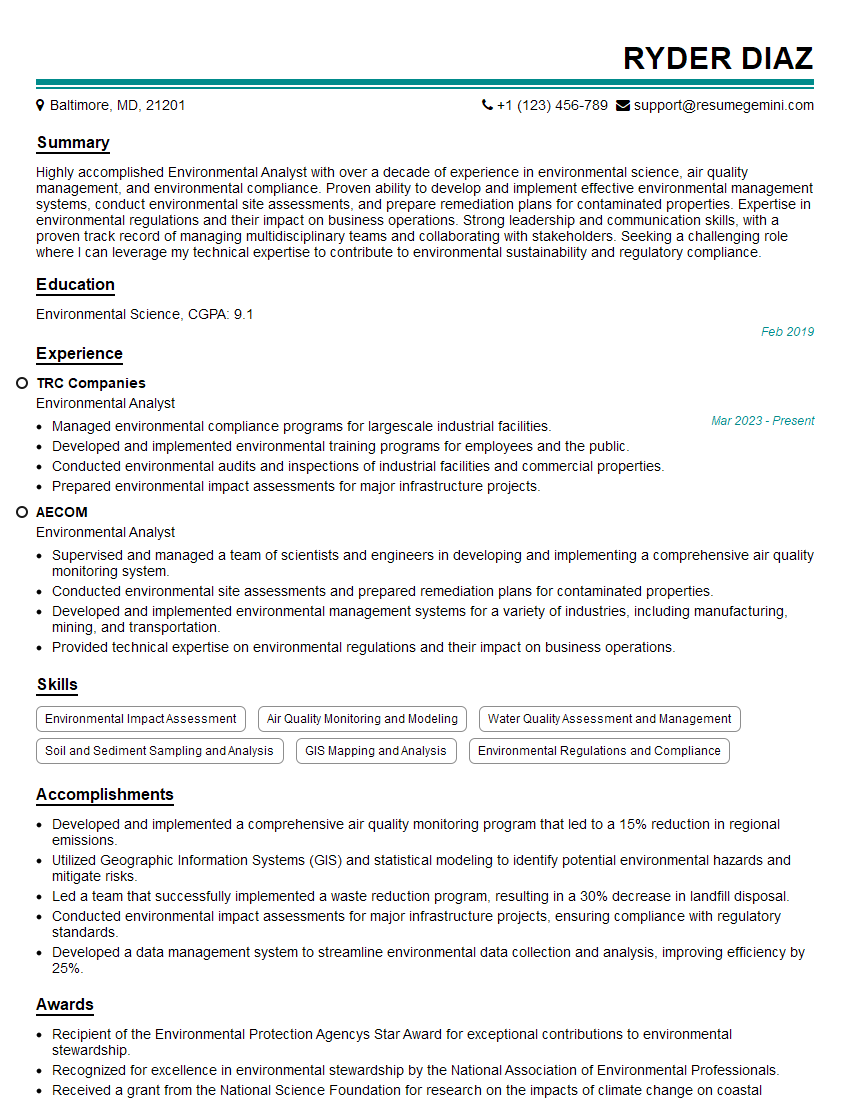
Environmental Analyst Resume Sample
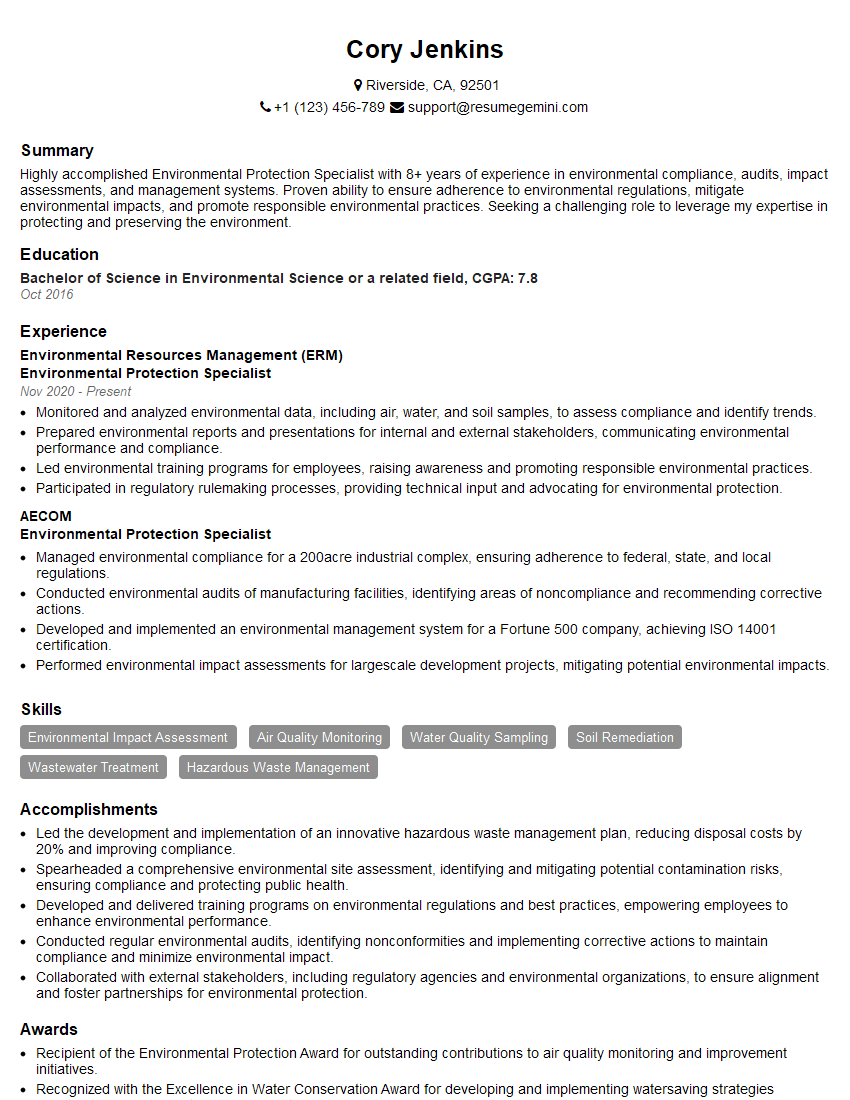
Environmental Protection Specialist Resume Sample
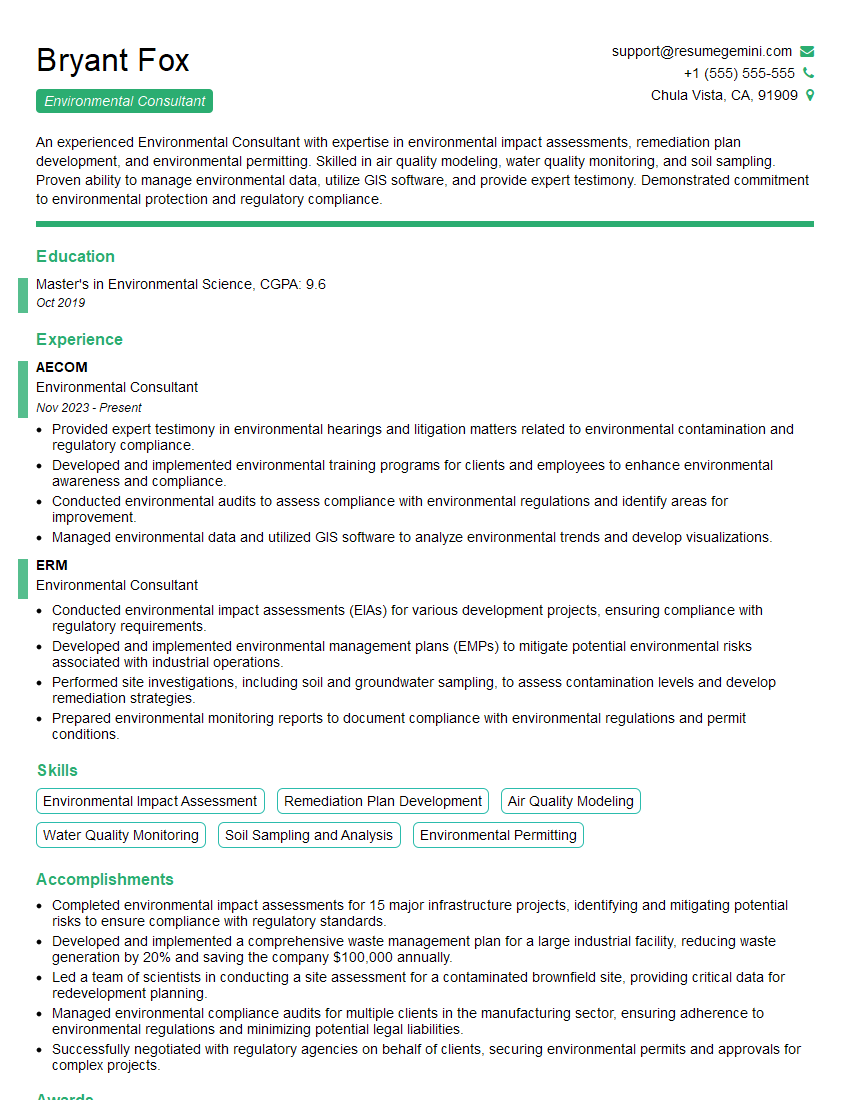
Environmental Consultant Resume Sample

Wildlife Biologist Resume Sample
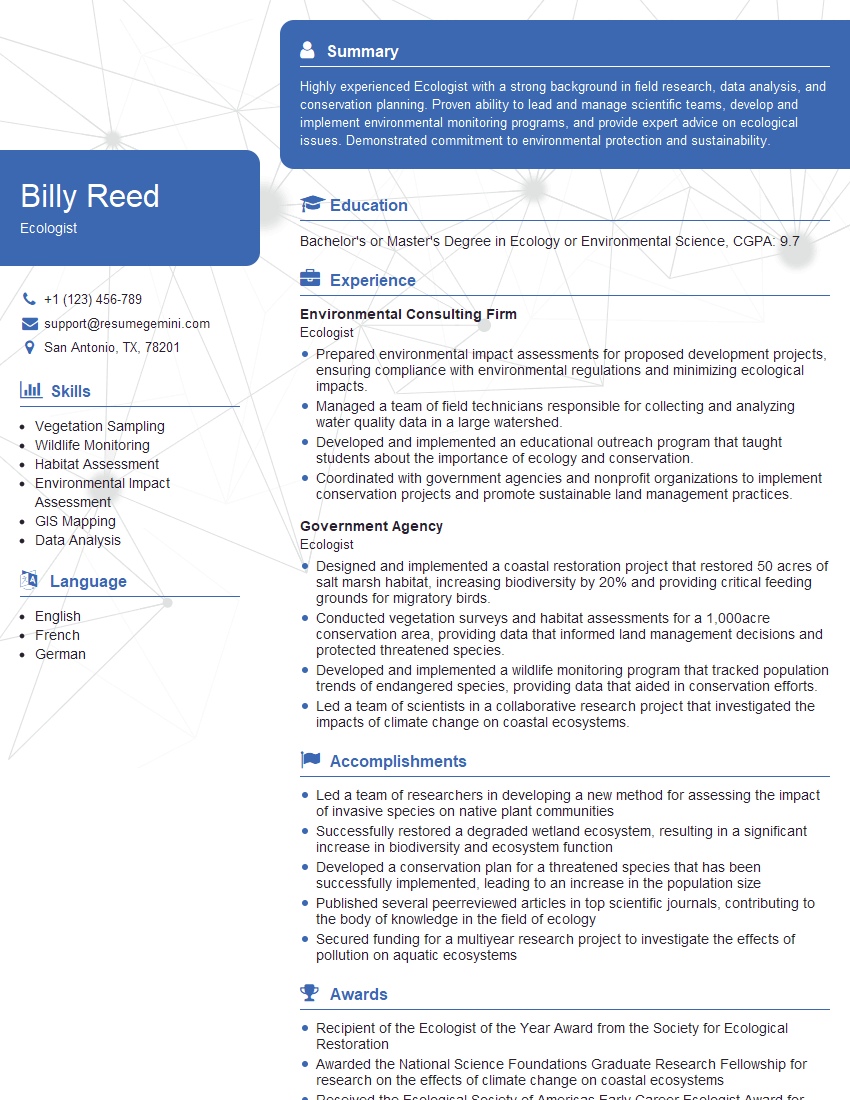
Ecologist Resume Sample
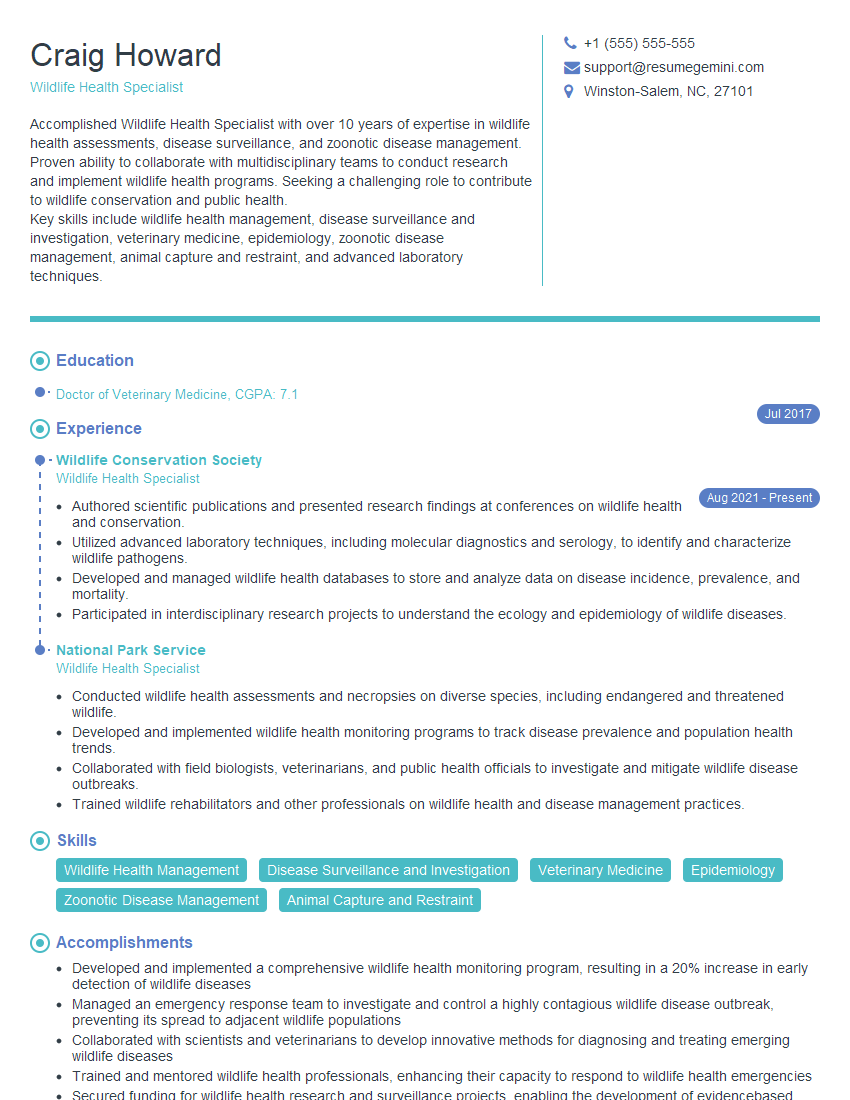
Wildlife Health Specialist Resume Sample
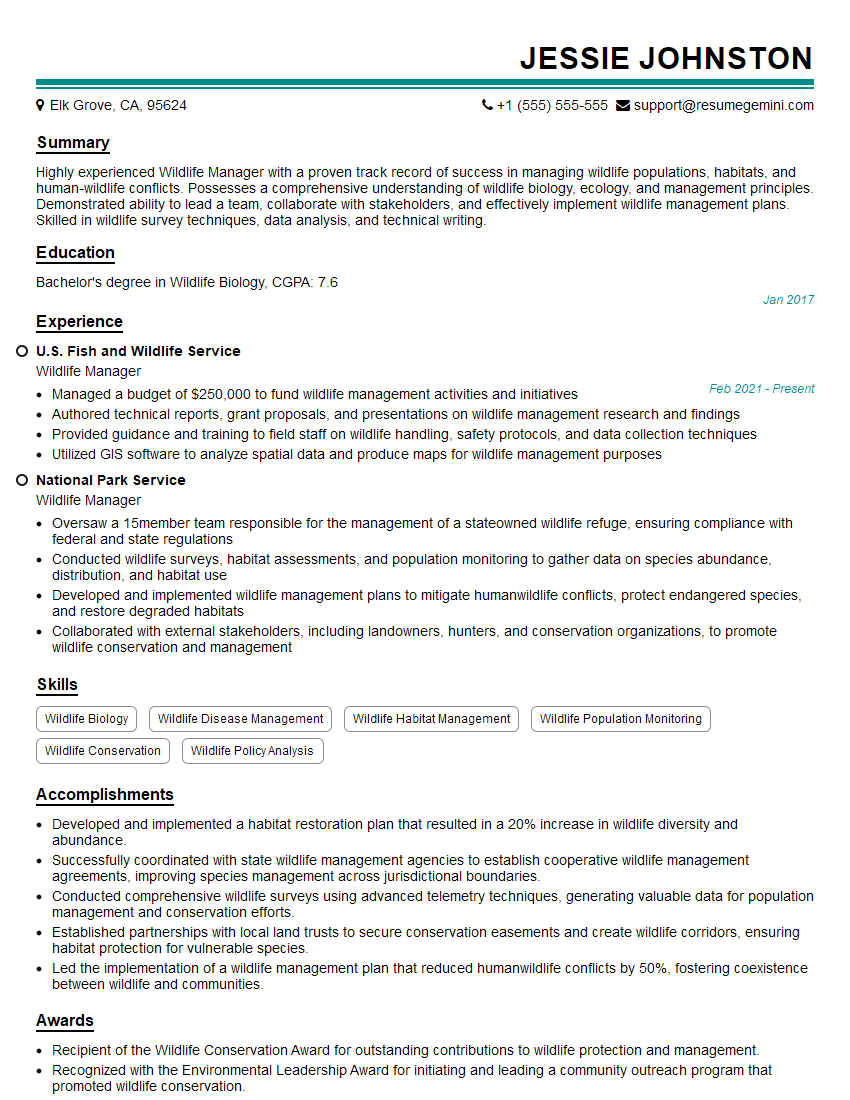
Wildlife Manager Resume Sample
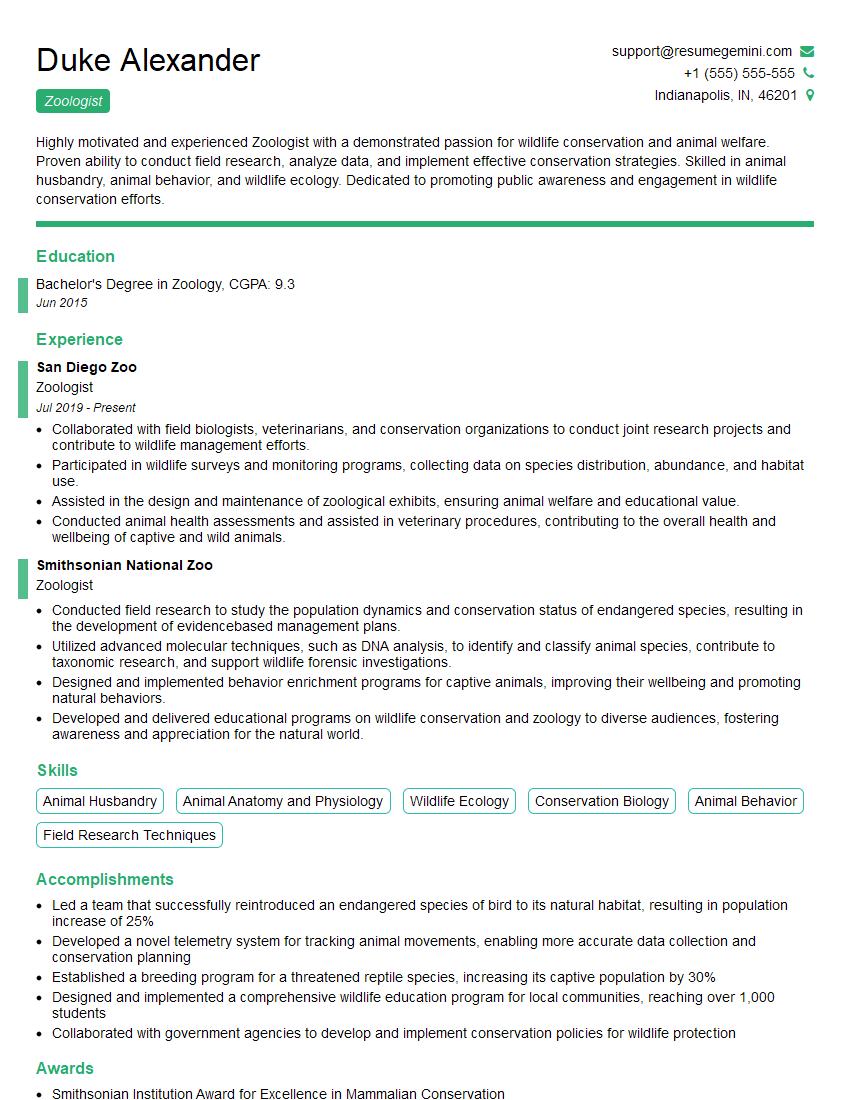
Zoologist Resume Sample
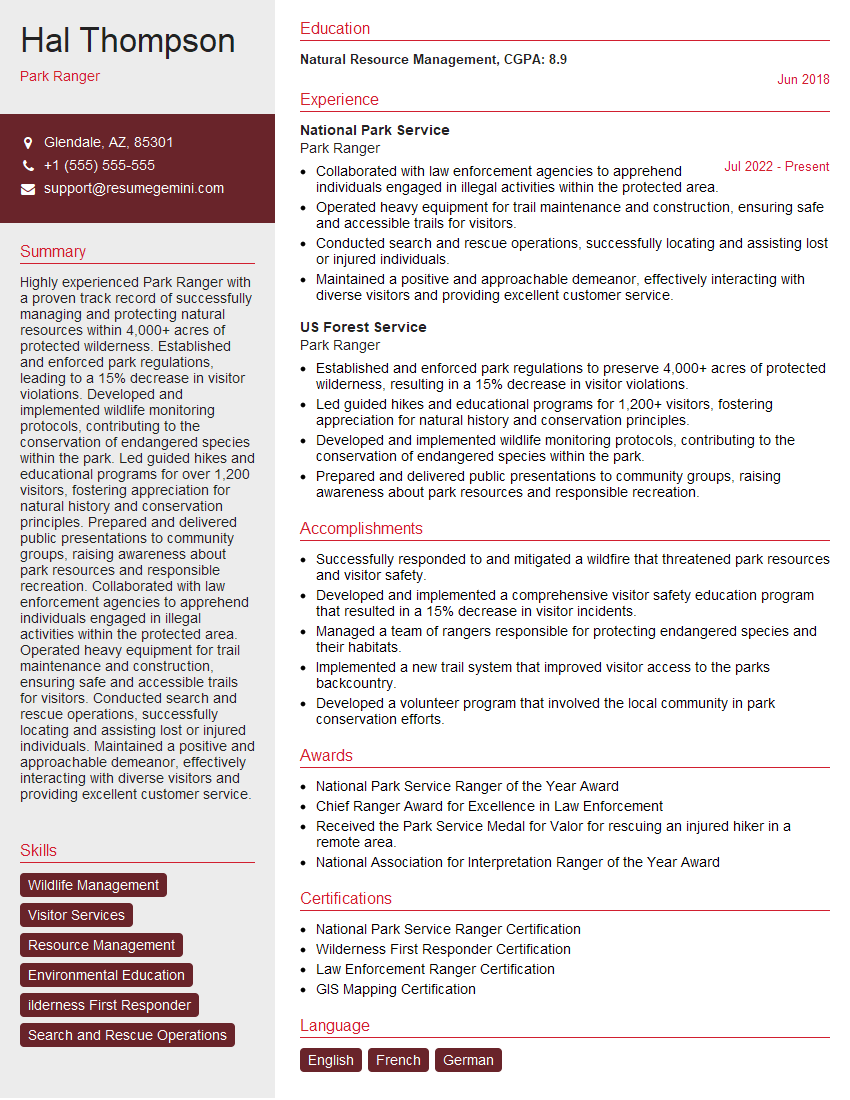
Park Ranger Resume Sample
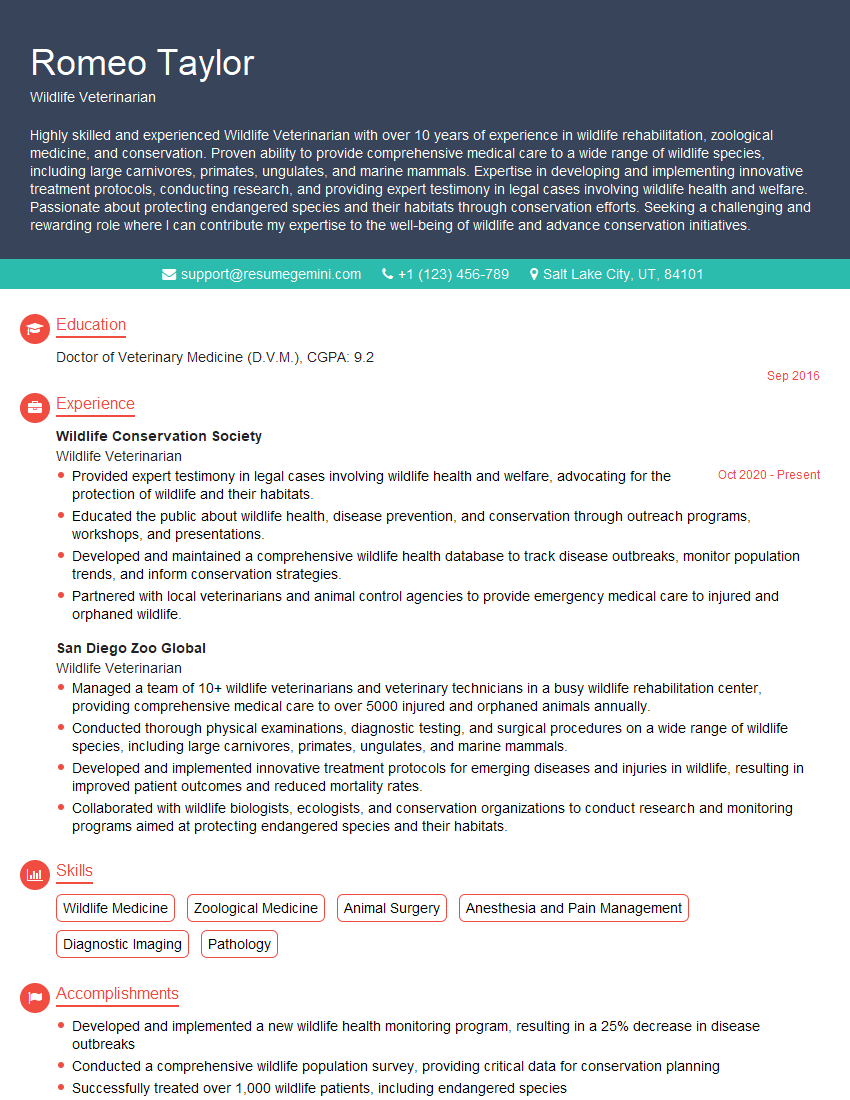
Wildlife Veterinarian Resume Sample
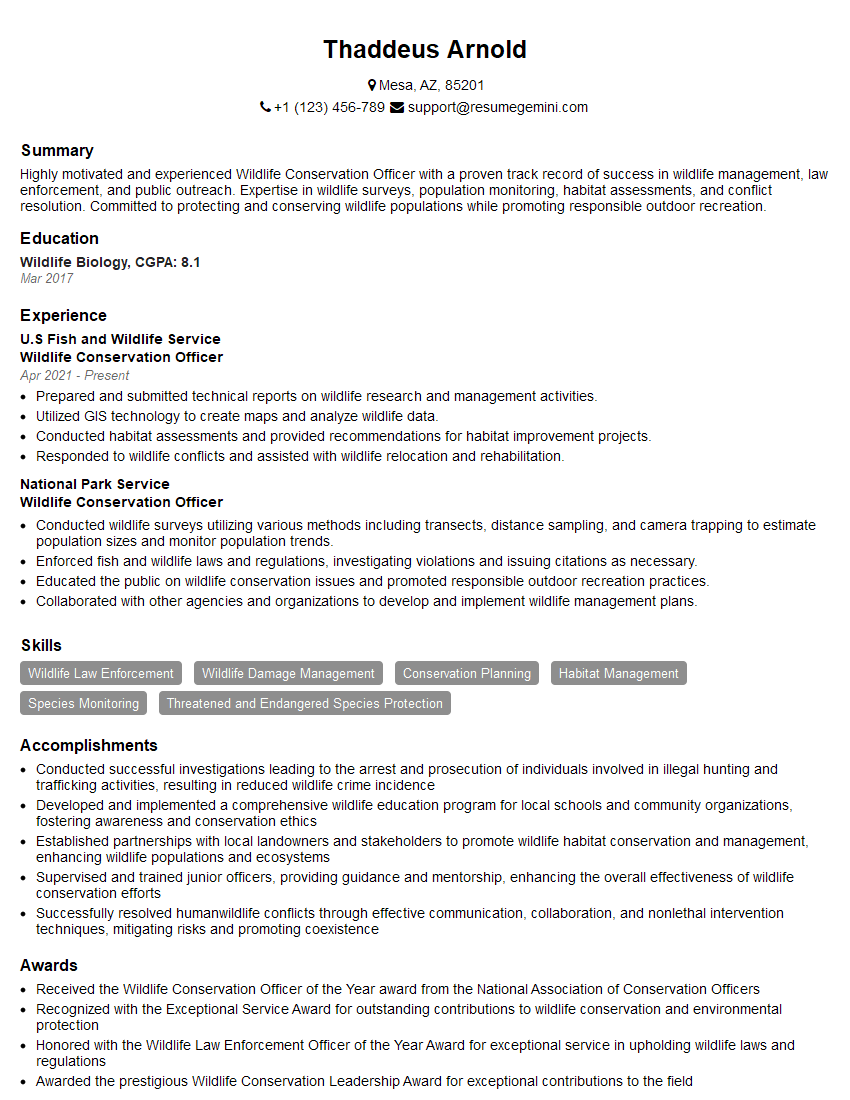
Wildlife Conservation Officer Resume Sample

Wildlife Rehabilitator Resume Sample
Explore more articles
Users Rating of Our Blogs
Share Your Experience
We value your feedback! Please rate our content and share your thoughts (optional).
What Readers Say About Our Blog
To the interviewgemini.com Webmaster.
Very helpful and content specific questions to help prepare me for my interview!
Thank you
To the interviewgemini.com Webmaster.
This was kind of a unique content I found around the specialized skills. Very helpful questions and good detailed answers.
Very Helpful blog, thank you Interviewgemini team.