Are you ready to stand out in your next interview? Understanding and preparing for Ability to provide culturally sensitive care interview questions is a game-changer. In this blog, we’ve compiled key questions and expert advice to help you showcase your skills with confidence and precision. Let’s get started on your journey to acing the interview.
Questions Asked in Ability to provide culturally sensitive care Interview
Q 1. Define cultural competence in healthcare.
Cultural competence in healthcare is the ability of healthcare providers to understand and respond effectively to the cultural and linguistic needs of diverse patient populations. It’s not just about awareness; it’s about actively incorporating cultural knowledge into clinical practice to improve patient care and health outcomes. This involves recognizing that individuals hold diverse beliefs, values, and practices that shape their health behaviors and experiences.
- Understanding Cultural Influences: Recognizing how culture impacts health beliefs (e.g., traditional healing practices), communication styles (e.g., direct vs. indirect communication), and health-seeking behaviors (e.g., reliance on family for decision-making).
- Respecting Patient Preferences: Adapting care to align with patients’ preferences and beliefs, while also ensuring safe and effective treatment. For example, acknowledging dietary restrictions related to religious beliefs or cultural norms.
- Addressing Health Disparities: Identifying and working to reduce disparities in healthcare access and outcomes among different cultural groups, addressing factors like socioeconomic status, language barriers, and systemic biases.
Q 2. Explain the concept of cultural humility.
Cultural humility is a lifelong commitment to self-reflection and critique regarding one’s own biases and prejudices towards other cultures. It’s not about achieving mastery of all cultures, but rather acknowledging the limitations of one’s own understanding and continuously seeking to learn and improve one’s interactions with people from different backgrounds. It emphasizes respectful partnerships with patients and a willingness to learn from them.
- Self-Awareness: Recognizing one’s own biases and assumptions about other cultures.
- Lifelong Learning: Continuously seeking knowledge and understanding about different cultures and perspectives.
- Respectful Partnership: Viewing patients as experts in their own lives and collaborating with them in decision-making.
- Addressing Power Imbalances: Actively working to mitigate the power imbalances inherent in the healthcare provider-patient relationship.
Q 3. Describe a time you encountered a cultural misunderstanding in a professional setting. How did you resolve it?
During a home visit with an elderly Somali woman experiencing post-operative pain, I learned she was hesitant to take the prescribed pain medication. I initially interpreted this as non-compliance. However, upon further investigation with the help of a Somali interpreter, I understood her hesitation stemmed from her cultural belief that pain was a necessary part of healing and taking medication was unnecessary. The misunderstanding was resolved by respectfully explaining the importance of managing her pain to ensure a proper recovery. I then collaborated with her and her family to find a pain management strategy that aligned with her cultural beliefs and medical needs, involving herbal remedies alongside the medication in a reduced dosage. This improved her compliance and overall recovery.
Q 4. How do you adapt your communication style to different cultural backgrounds?
Adapting my communication style involves considering various factors, including verbal and nonverbal communication. For example:
- Direct vs. Indirect Communication: Some cultures favor direct communication, while others prefer a more indirect approach. I adjust my communication style accordingly, being mindful of the cultural norms.
- Verbal vs. Nonverbal Cues: Nonverbal cues, such as eye contact and personal space, can vary significantly across cultures. I adjust my posture, eye contact, and personal distance to be culturally appropriate.
- Language: I leverage the use of interpreters whenever necessary to ensure clear and effective communication.
- Tone and Pace: Maintaining a calm, respectful, and empathetic tone, and adjusting the pace of my speech to ensure understanding.
- Active Listening: Focusing attentively on the patient’s verbal and nonverbal cues, asking clarifying questions, and demonstrating empathy.
Q 5. What strategies do you employ to build rapport with patients from diverse backgrounds?
Building rapport with patients from diverse backgrounds involves fostering trust and demonstrating respect for their cultural values and beliefs. My strategies include:
- Show Genuine Interest: Asking open-ended questions to understand their perspective, listening actively, and showing empathy for their experiences.
- Use an Interpreter: If a language barrier exists, using a qualified interpreter is crucial for effective communication.
- Respect Cultural Practices: Incorporating culturally appropriate aspects into the patient encounter, being aware of religious or cultural observances.
- Learn Basic Phrases: Learning basic greetings and phrases in commonly spoken languages in the community demonstrates a willingness to connect on a personal level.
- Cultural Sensitivity Training: Continuously engaging in cultural competency training to expand my knowledge and awareness.
Q 6. How would you address a conflict arising from differing cultural values?
Addressing conflicts arising from differing cultural values requires careful navigation and a commitment to finding solutions that respect all parties involved. My approach is based on:
- Active Listening and Empathy: Carefully listening to each perspective, seeking to understand the underlying reasons for the conflict, and demonstrating empathy for each person’s feelings.
- Facilitation, Not Imposition: Acting as a facilitator to help the parties involved find common ground, avoiding imposing my own views or solutions.
- Cultural Brokering: If needed, using a cultural broker (someone who understands both cultures involved) to help mediate the conflict.
- Collaboration: Working with the patient and their family to find a solution that respects their cultural values while ensuring safe and effective care.
- Compromise: Seeking win-win solutions that accommodate the needs and values of all parties involved.
Q 7. Describe your experience working with interpreters.
I have extensive experience working with interpreters. This includes:
- Selecting Appropriate Interpreters: Ensuring interpreters are qualified and experienced in medical interpreting, and familiar with the specific cultural context.
- Effective Communication with Interpreters: Providing clear instructions to the interpreter, using concise and simple language, and allowing the interpreter to manage the conversation.
- Addressing potential Challenges: Recognizing and handling potential challenges such as interpreter fatigue, language nuances, and cultural differences.
- Maintaining Confidentiality: Ensuring confidentiality of all conversations and patient information.
- Providing Feedback: Providing constructive feedback to the interpreter after the encounter.
I believe that effective communication with interpreters is essential for providing culturally sensitive and safe care.
Q 8. How do you ensure culturally appropriate health information is provided?
Ensuring culturally appropriate health information hinges on understanding that ‘one-size-fits-all’ approaches fail miserably. Effective communication requires adapting materials and delivery methods to resonate with diverse audiences. This involves several key steps:
Language Access: Providing materials and interpreters in the patient’s preferred language is crucial. This extends beyond simple translation to culturally appropriate phrasing and concepts.
Cultural Contextualization: Information must be presented in a way that considers the patient’s cultural beliefs and values. For example, explaining a treatment plan using metaphors or analogies relevant to their cultural background can improve understanding and acceptance.
Health Literacy: Simplifying complex medical information and using visuals can improve comprehension, particularly for individuals with low health literacy or limited formal education. Using plain language and avoiding medical jargon is essential.
Community Engagement: Collaborating with community leaders and trusted figures within the cultural group can help build trust and ensure the information is accurately conveyed and culturally relevant.
Feedback Mechanisms: Actively soliciting feedback from patients and community members to assess the effectiveness and appropriateness of the information is paramount for continuous improvement.
For example, when explaining diabetes management, instead of just listing dietary restrictions, I would incorporate culturally appropriate food options within their dietary habits and preferences. This shows respect and builds trust.
Q 9. How familiar are you with health disparities within various communities?
My familiarity with health disparities is extensive. I understand that various communities experience significant differences in health outcomes due to a complex interplay of social, economic, and environmental factors. For example:
Racial/Ethnic Minorities: Often face higher rates of chronic diseases like diabetes and heart disease, partly due to limited access to quality healthcare and socioeconomic disadvantages.
Socioeconomic Status: Lower income individuals tend to have poorer health outcomes due to factors like limited access to nutritious food, safe housing, and preventive care.
Geographic Location: Rural communities often experience disparities due to limited access to specialists and healthcare facilities. Transportation barriers further exacerbate this issue.
LGBTQ+ Communities: Can face discrimination within the healthcare system, leading to avoidance of care and poorer health outcomes.
Understanding these disparities allows me to advocate for equitable access to care and tailor my approach to the specific needs of individual patients and communities.
Q 10. What are some common cultural considerations in pain management?
Cultural considerations in pain management are vital, as pain expression and tolerance vary significantly across cultures. Some key considerations include:
Pain Expression: Some cultures encourage stoicism and may not openly express pain, while others express pain more openly and emotionally. Misinterpreting silence as a lack of pain can lead to inadequate treatment.
Pain Beliefs: Certain cultures may attribute pain to supernatural causes or spiritual imbalance, requiring a sensitive approach that integrates both biomedical and cultural perspectives.
Treatment Preferences: Some cultures may prefer alternative therapies like acupuncture, herbal remedies, or spiritual healing alongside or instead of conventional pain medication.
Family Involvement: In many cultures, family members play a crucial role in healthcare decisions, including pain management. Including them in discussions is essential for successful treatment.
For instance, a patient from a culture that emphasizes stoicism might downplay their pain. Recognizing this, I would carefully observe their nonverbal cues, involve family members in the assessment if appropriate, and offer a range of pain management options to accommodate cultural preferences.
Q 11. Describe your understanding of health beliefs and practices in diverse cultures.
Understanding health beliefs and practices across diverse cultures is foundational to culturally sensitive care. This involves recognizing that health is viewed differently, encompassing physical, mental, spiritual, and social well-being. For example:
Traditional Medicine: Many cultures utilize traditional healing practices alongside or instead of Western medicine. Understanding these practices—their effectiveness, potential interactions with pharmaceuticals, and cultural significance—is crucial.
Family Roles: The role of family in healthcare decisions varies significantly. In some cultures, family members are deeply involved, while in others, the individual makes decisions independently. Respecting these dynamics is essential.
Dietary Practices: Dietary restrictions or preferences based on religious, cultural, or personal beliefs should be respected and considered when developing treatment plans.
Communication Styles: Some cultures are more direct in communication while others are indirect or highly respectful of hierarchy. Awareness of these styles helps build rapport and trust.
For example, understanding that a patient’s refusal of a blood transfusion isn’t necessarily due to ignorance but a deeply held religious belief informs my approach to discussion and finding alternative solutions.
Q 12. How would you identify and address potential biases in your own practice?
Identifying and addressing personal biases requires constant self-reflection and awareness. Strategies include:
Self-Assessment: Regularly examining my own beliefs, assumptions, and attitudes towards different cultural groups is essential. This can involve reflective journaling or seeking feedback from colleagues and supervisors.
Cultural Humility: Embracing a lifelong commitment to learning about different cultures and recognizing that I will never fully understand another person’s experience is crucial. It’s about humility and lifelong learning, not achieving cultural competence.
Seeking Feedback: Actively soliciting feedback from patients about my interactions and seeking perspectives from colleagues from diverse backgrounds helps identify potential biases I may not be aware of.
Continuing Education: Participating in cultural competency training and workshops provides ongoing learning opportunities and keeps my knowledge current.
Supervision and Mentorship: Discussing challenging encounters with a supervisor or mentor can offer valuable insights and guidance.
If I notice myself making assumptions or judging a patient based on their cultural background, I would immediately pause, reflect on my reactions, and adjust my approach to be more mindful and respectful.
Q 13. Explain how you would navigate consent procedures with patients from different cultural backgrounds.
Navigating consent procedures with patients from diverse cultural backgrounds necessitates a nuanced approach. Key strategies include:
Language Access: Ensuring the patient fully understands the information in their preferred language through qualified interpreters is paramount.
Cultural Context: Explaining the procedure in a culturally sensitive manner, using appropriate terminology and avoiding jargon, is essential. This includes respecting family involvement where culturally appropriate.
Decision-Making Styles: Understanding whether the patient prefers to make decisions autonomously or with family involvement is crucial. In some cultures, family consent is essential; respecting this is paramount.
Informed Consent: Ensuring that the patient understands the risks, benefits, and alternatives to the procedure is critical. This requires clear, concise, and culturally sensitive communication.
Documentation: Thorough documentation of the consent process, including any interpreters used and the patient’s understanding, is essential for legal and ethical compliance.
For example, if a patient’s family is deeply involved in their medical decisions, I would ensure they are included in the consent process while always respecting the patient’s autonomy.
Q 14. How do you approach end-of-life care from a culturally sensitive perspective?
Culturally sensitive end-of-life care requires respecting the patient’s and family’s beliefs and practices. This involves:
Spiritual and Religious Beliefs: Understanding the patient’s spiritual beliefs and offering support that respects their faith is crucial. This may involve providing access to religious leaders or incorporating spiritual practices into care.
Cultural Rituals: Respecting cultural rituals surrounding death and dying, such as specific mourning practices or burial traditions, is vital. This might involve allowing family members to perform specific rituals or facilitating communication with relevant cultural leaders.
Family Involvement: Family members often play a significant role in end-of-life care. Providing emotional support and opportunities for family members to participate in care is important.
Pain and Symptom Management: Providing holistic pain and symptom management that respects the patient’s cultural preferences is important. This might involve integrating complementary therapies alongside conventional medical care.
Advance Care Planning: Facilitate open discussions about advance care planning, ensuring the patient’s wishes are respected and understood within their cultural context.
For instance, if a patient’s culture emphasizes family presence during death, I would facilitate this as much as possible, understanding the importance of this for both the patient and their family.
Q 15. What resources do you utilize to enhance your cultural competency?
Enhancing cultural competency is an ongoing process that requires a multifaceted approach. I utilize several resources to deepen my understanding of diverse cultures and perspectives. This includes:
- Professional Development Workshops and Conferences: Attending workshops focused on cultural competency, health disparities, and cross-cultural communication equips me with the latest research and best practices.
- Online Resources and Databases: I regularly consult reputable online databases like the National Institutes of Health (NIH) and the Centers for Disease Control and Prevention (CDC) for evidence-based information on cultural considerations in healthcare.
- Cultural Competency Training Programs: Participating in structured training programs, which often incorporate simulations and real-life case studies, significantly improves practical application of knowledge.
- Mentorship and Peer Learning: Collaborating with colleagues from diverse backgrounds allows for valuable knowledge sharing and peer learning, fostering a culture of mutual understanding.
- Community Engagement: Participating in community events and engaging with diverse populations firsthand helps me build relationships and gain a deeper understanding of their unique cultural norms.
For example, recently I completed a training program on providing culturally sensitive care to the LGBTQIA+ community, significantly improving my communication and understanding of their specific healthcare needs.
Career Expert Tips:
- Ace those interviews! Prepare effectively by reviewing the Top 50 Most Common Interview Questions on ResumeGemini.
- Navigate your job search with confidence! Explore a wide range of Career Tips on ResumeGemini. Learn about common challenges and recommendations to overcome them.
- Craft the perfect resume! Master the Art of Resume Writing with ResumeGemini’s guide. Showcase your unique qualifications and achievements effectively.
- Don’t miss out on holiday savings! Build your dream resume with ResumeGemini’s ATS optimized templates.
Q 16. How do you ensure confidentiality and respect privacy within diverse cultural contexts?
Confidentiality and privacy are paramount, especially within diverse cultural contexts where trust is often built gradually. I ensure this by:
- Clearly Explaining Confidentiality Practices: At the beginning of each interaction, I clearly and simply explain confidentiality guidelines, adapting my language to the patient’s level of understanding and cultural context. I emphasize what information will be shared and with whom.
- Obtaining Informed Consent: Before initiating any treatment or discussion, I obtain informed consent in a manner that respects cultural nuances. This includes ensuring the patient fully understands the procedure, risks, and benefits in their preferred language.
- Using Interpreters Appropriately: If a language barrier exists, I always utilize certified medical interpreters rather than relying on family members to maintain privacy and accuracy. This also respects the patient’s autonomy.
- Respecting Cultural Norms Around Disclosure: Some cultures have different norms regarding who can access information about an individual’s health. I am mindful of these variations and adapt my communication strategies accordingly. For example, I might obtain permission before including family members in a discussion.
- Adhering to HIPAA Regulations and Institutional Policies: I meticulously adhere to all HIPAA guidelines and institutional privacy protocols to ensure the protection of patient information.
For instance, I once worked with a patient who preferred not to disclose certain aspects of their health to their family due to cultural reasons. I respected their wishes by focusing on the patient’s preferred approach to managing their condition.
Q 17. What is your approach to working with families from different cultural backgrounds?
Working with families from different cultural backgrounds requires a collaborative and respectful approach. My strategy involves:
- Building Rapport and Trust: The foundation of successful collaboration lies in establishing trust. This involves active listening, showing genuine interest in their beliefs and values, and demonstrating respect for their cultural practices.
- Understanding Family Dynamics: Each culture has distinct family structures and decision-making processes. I take the time to learn about the family dynamics before involving them in discussions about their family member’s care.
- Utilizing Interpreters When Necessary: Effective communication is key. I ensure the use of qualified medical interpreters when language is a barrier.
- Respecting Decision-Making Styles: Some cultures favor collectivist decision-making, while others prioritize individual autonomy. I am sensitive to these differences and tailor my communication style accordingly.
- Involving Family Members Appropriately: I always involve family members in the care process, unless they explicitly wish not to be involved or if there are concerns about coercion or abuse.
For example, in one case, I learned that a family’s decision-making was primarily done by the eldest male. Knowing this, I addressed him directly to explain the treatment options, understanding that his approval was crucial to ensuring the patient’s adherence to the treatment plan.
Q 18. How do you deal with language barriers in providing care?
Language barriers can significantly impede effective healthcare delivery. To overcome this, I rely on several strategies:
- Utilizing Professional Medical Interpreters: This is the most reliable method. Certified interpreters ensure accurate and culturally sensitive communication, preserving confidentiality.
- Leveraging Translation Technology: While technology can be helpful, it’s crucial to use it as a supplement, not a replacement, for human interaction and should be used with caution.
- Using Visual Aids and Nonverbal Communication: Pictures, diagrams, and demonstrations can aid in conveying information even when language is a barrier.
- Learning Basic Phrases in Commonly Spoken Languages: Demonstrating a willingness to learn basic phrases in the patient’s language shows respect and can ease communication.
- Recognizing Nonverbal Cues: Paying close attention to body language and facial expressions can help in understanding patient concerns, even without verbal communication.
In one case, I used a combination of a medical interpreter, pictures depicting the medication regimen, and simple gestures to successfully explain a complex treatment plan to a non-English speaking patient.
Q 19. How would you handle a situation where a patient’s cultural beliefs conflict with medically recommended treatment?
Conflicts between a patient’s cultural beliefs and medically recommended treatment require a delicate and nuanced approach. My strategy is based on:
- Active Listening and Empathy: I begin by carefully listening to the patient’s concerns and validating their beliefs and fears. Showing empathy builds trust and opens the door for constructive dialogue.
- Exploring the Cultural Context: I delve into the cultural basis of the patient’s beliefs to understand the reasoning behind their reluctance. This necessitates careful questioning and respectful curiosity.
- Collaboratively Finding Solutions: The aim is to find common ground. This might involve exploring alternative treatments, modifying the treatment plan to accommodate their beliefs, or integrating culturally appropriate practices while still ensuring effective medical care. This requires a collaborative conversation and shared decision-making.
- Involving Family and Community Members: If appropriate and with the patient’s consent, I involve family members or community leaders who can help bridge the gap between cultural beliefs and medical recommendations.
- Documenting the Process: I meticulously document all discussions, decisions, and the rationale behind the chosen course of action to ensure transparency and accountability.
For instance, I worked with a patient whose religious beliefs prohibited blood transfusions. Through careful discussion and collaboration with their spiritual advisor, we developed a treatment plan that minimized the need for blood transfusions while still addressing their medical condition effectively.
Q 20. Explain the importance of utilizing culturally appropriate health education materials.
Utilizing culturally appropriate health education materials is critical for ensuring effective health outcomes. It ensures the patient understands and can comply with the healthcare plan. This is important because:
- Improved Comprehension and Adherence: Materials presented in the patient’s preferred language and using culturally relevant images and examples significantly improve comprehension and encourage adherence to treatment plans.
- Increased Patient Engagement: Culturally relevant materials make patients feel understood and respected, increasing their engagement in their healthcare.
- Reduced Health Disparities: Tailored materials can help to address health disparities stemming from cultural misunderstandings or lack of access to appropriate information.
- Enhanced Trust and Communication: Demonstrating an effort to communicate in a culturally sensitive manner builds trust and strengthens the patient-provider relationship.
- Better Health Outcomes: Ultimately, culturally appropriate education improves patient understanding, leading to better health outcomes and reduces the likelihood of complications.
For instance, providing diabetes education pamphlets written in simple Spanish, with images familiar to the Hispanic community, will lead to better understanding and blood sugar control compared to materials in English, or with culturally irrelevant images.
Q 21. Describe your understanding of the impact of cultural factors on mental health.
Cultural factors significantly impact mental health, influencing how mental illness is perceived, experienced, and treated. Understanding this influence is critical for providing effective care. Some key aspects include:
- Stigma and Help-Seeking Behavior: Certain cultures carry a strong stigma against mental illness, discouraging help-seeking. Understanding these cultural barriers is crucial to fostering trust and encouraging patients to seek help.
- Cultural Expressions of Distress: Mental illness may manifest differently across cultures. What might be perceived as depression in one culture could present as somatic symptoms (physical complaints) in another. Accurate diagnosis necessitates cultural sensitivity.
- Cultural Beliefs About Causes and Treatments: Cultural beliefs about the causes of mental illness (e.g., spiritual, environmental, or familial factors) influence treatment choices and acceptance of Western medical approaches.
- Family and Community Involvement: The role of family and community in mental health care varies significantly across cultures. Integrating family or community involvement (where appropriate and with patient consent) may enhance treatment efficacy.
- Access to Care and Cultural Barriers: Language barriers, lack of culturally competent providers, and limited access to culturally relevant mental health services contribute to health disparities.
For example, in some cultures, somatic complaints (like headaches or stomach aches) may be the primary way a person expresses emotional distress, and a culturally competent provider would recognize this as a potential indicator of an underlying mental health condition rather than dismissing it as purely physical.
Q 22. How do you assess cultural needs when conducting a patient assessment?
Assessing cultural needs during a patient assessment is crucial for providing effective and respectful care. It’s not just about ticking boxes; it’s about understanding the patient as a whole person within their cultural context. I begin by incorporating open-ended questions into my intake process. These aren’t generic questions, but rather ones designed to elicit information about the patient’s beliefs, values, and practices related to health and illness.
- Language: I always clarify the patient’s preferred language and ensure communication is clear and understandable, using interpreters when needed.
- Health Beliefs: I ask about their understanding of their condition, their preferred methods of treatment (e.g., traditional medicine alongside Western medicine), and any cultural beliefs that might influence their healthcare decisions.
- Family and Social Support: I inquire about the role family plays in their healthcare decisions and their preferred communication channels. This can vary significantly across cultures.
- Dietary Restrictions and Preferences: Understanding dietary needs is vital for managing their health effectively and respectfully, such as religious dietary laws or cultural food preferences.
- Spiritual and Religious Beliefs: This is incredibly important because religious practices and beliefs can greatly impact the patient’s healing process and acceptance of treatments.
For example, if I’m assessing a patient from a culture where direct eye contact is considered disrespectful, I would modify my approach accordingly, being mindful of my body language throughout the assessment. I also might utilize a cultural assessment tool, which would be used to guide the questioning process and ensure consistency in collecting important data.
Q 23. How would you respond to a patient expressing distrust in the healthcare system due to cultural experiences?
Addressing patient distrust requires empathy, patience, and a willingness to listen. It’s vital to acknowledge the validity of their feelings. Many patients of color, for example, have faced systemic injustices within the healthcare system, and their apprehension is often rooted in legitimate experiences. I would start by validating their concerns, showing genuine understanding, and actively listening to their story.
I would ask open-ended questions such as: “Can you tell me more about your experiences?” or “What specific aspects of the healthcare system make you feel distrustful?” This shows respect for their perspective. I would also proactively address any misconceptions they might have about the healthcare process and explain the plan of care in clear and simple terms.
Building trust requires transparency and demonstrating respect for their cultural values. For instance, if they prefer to involve family members in medical decisions, I would facilitate that, provided it doesn’t interfere with the patient’s autonomy. If an interpreter is needed to ensure cultural sensitivity, I would arrange for one immediately. In some cases, collaborating with community health workers or cultural brokers could help build bridges and improve communication.
Q 24. What role does family play in healthcare decisions across diverse cultures?
The role of family in healthcare decisions varies dramatically across cultures. In some cultures, family members are deeply involved in every aspect of healthcare, acting as primary decision-makers and advocates. In other cultures, the individual patient is the primary decision-maker, with family involvement being minimal or nonexistent. A key aspect is understanding that this is not about ‘right’ or ‘wrong,’ but respecting the patient’s cultural norms.
For example, in some Hispanic/Latino communities, family involvement is paramount, with family members often acting as translators, interpreters of medical information, and key stakeholders in treatment decisions. Conversely, in some individualistic cultures, patients may prefer to make decisions independently. My approach is always to ascertain the patient’s preferences, while remaining mindful of the importance of respecting the family’s cultural role in decision-making, even if that means facilitating discussions involving family members.
Understanding these dynamics ensures that I can effectively communicate, share information, and make decisions that align with the patient’s values and preferences while honoring their cultural norms.
Q 25. How familiar are you with the cultural implications of different forms of touch and physical interaction?
I’m highly aware of the cultural implications of touch and physical interaction in healthcare. Different cultures have diverse interpretations of personal space, touch, and eye contact. What might be considered appropriate or friendly in one culture could be perceived as invasive or disrespectful in another.
For instance, direct eye contact is highly valued in some cultures (e.g., many Western cultures), while it can be considered disrespectful or challenging in others (e.g., some Asian cultures). Similarly, physical touch, such as a hand on the shoulder, may be acceptable in some cultures as a gesture of comfort, while in others, it might be seen as inappropriate or intrusive. Before initiating any physical contact, I verbally explain my intention, ensuring the patient’s consent. I also observe their body language for any signs of discomfort. I always aim for a level of touch appropriate to the situation and respecting the individual’s cultural background.
I maintain a respectful distance during the interview, adjusting as appropriate per the patient’s non-verbal cues. This careful observation allows me to make necessary adjustments to ensure the patient feels respected and safe.
Q 26. What strategies do you use to ensure equitable access to healthcare services for all cultural groups?
Ensuring equitable access requires a multi-faceted approach. It’s not simply about providing services; it’s about removing barriers that prevent certain cultural groups from accessing those services.
- Language Access: Providing interpreters and translated materials is essential for effective communication and understanding.
- Culturally Competent Staff: Having a diverse staff that reflects the cultural makeup of the community ensures that patients feel understood and respected.
- Community Outreach: Actively engaging with community leaders and organizations to build trust and raise awareness about available healthcare services.
- Transportation and Scheduling: Addressing logistical barriers such as transportation issues and flexible appointment scheduling options.
- Affordable Care: Advocating for policies that ensure affordable and accessible healthcare for all, irrespective of cultural background.
- Bias Mitigation: Addressing implicit bias in healthcare through education and training to ensure that all patients receive the same standard of care.
For example, working with community organizations to establish mobile health clinics in underserved areas can overcome barriers to transportation and increase access. Another example is providing culturally-appropriate health education materials and offering flexible appointment times to accommodate cultural practices, such as religious observances.
Q 27. How do you continuously improve your cultural competency and sensitivity?
Continuously improving my cultural competency is an ongoing process. It requires self-reflection, ongoing learning, and a commitment to lifelong education.
- Continuing Education: I actively seek out continuing education opportunities focused on cultural competency, including workshops, conferences, and online courses.
- Mentorship and Collaboration: Learning from colleagues, particularly those from diverse cultural backgrounds, and sharing best practices.
- Self-Reflection: Regularly assessing my own biases and assumptions to identify areas for personal growth.
- Seeking Feedback: Actively soliciting feedback from patients and colleagues to identify areas where I can improve my approach.
- Community Engagement: Participating in community events and interacting with individuals from diverse backgrounds to gain a deeper understanding of different cultures.
- Cultural Immersion: When possible, actively seeking opportunities for cultural immersion, such as attending cultural events or engaging in cultural learning activities.
I believe this is a never-ending journey, and I am committed to consistently enhancing my cultural sensitivity and competence so I can provide the highest quality, most respectful care to every patient, regardless of their cultural background.
Key Topics to Learn for Ability to provide Culturally Sensitive Care Interview
- Cultural Competence: Understanding the importance of self-awareness regarding your own biases and cultural background, and actively seeking knowledge about diverse cultures.
- Effective Communication: Mastering techniques for clear and respectful communication across cultural differences, including active listening and adapting communication styles.
- Health Beliefs and Practices: Learning how cultural beliefs influence health decisions, including understanding traditional healing practices and potential conflicts with Western medicine.
- Cultural Humility: Developing a lifelong commitment to learning and self-reflection, acknowledging the limitations of your own cultural understanding, and engaging with patients as equals.
- Addressing Health Disparities: Understanding the systemic factors contributing to health inequities and developing strategies to provide equitable care to all patients, regardless of their background.
- Practical Application: Developing case studies demonstrating your ability to navigate challenging situations involving cultural differences, focusing on respectful and effective problem-solving. Consider examples illustrating how you’ve adapted your approach to meet the unique needs of diverse patients.
- Ethical Considerations: Exploring the ethical dilemmas that may arise when providing culturally sensitive care, such as navigating conflicting values or beliefs.
Next Steps
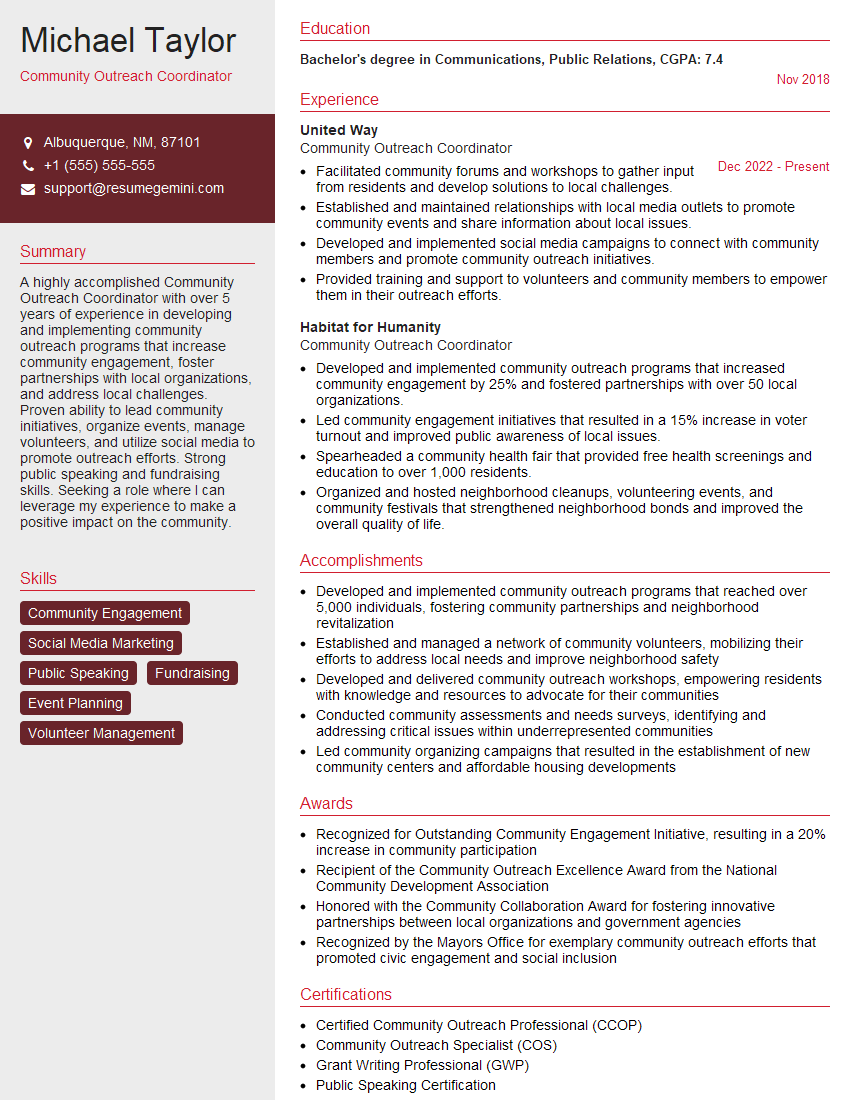
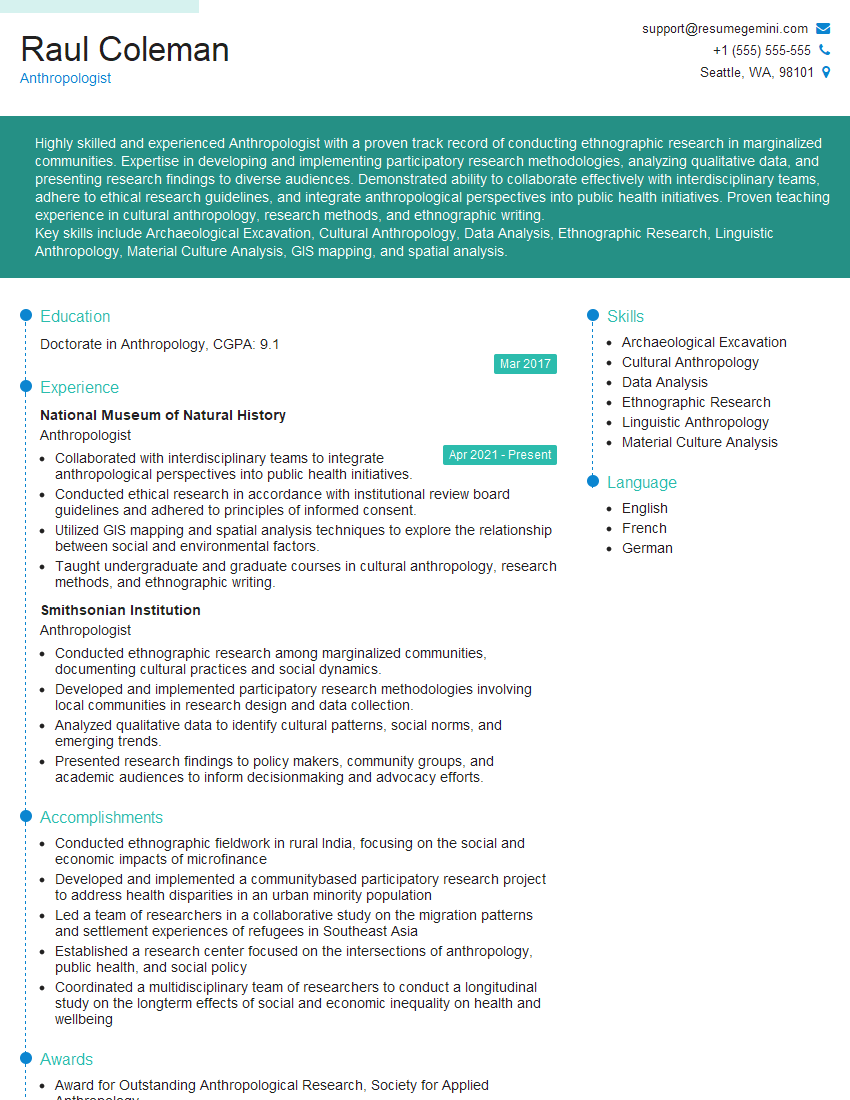
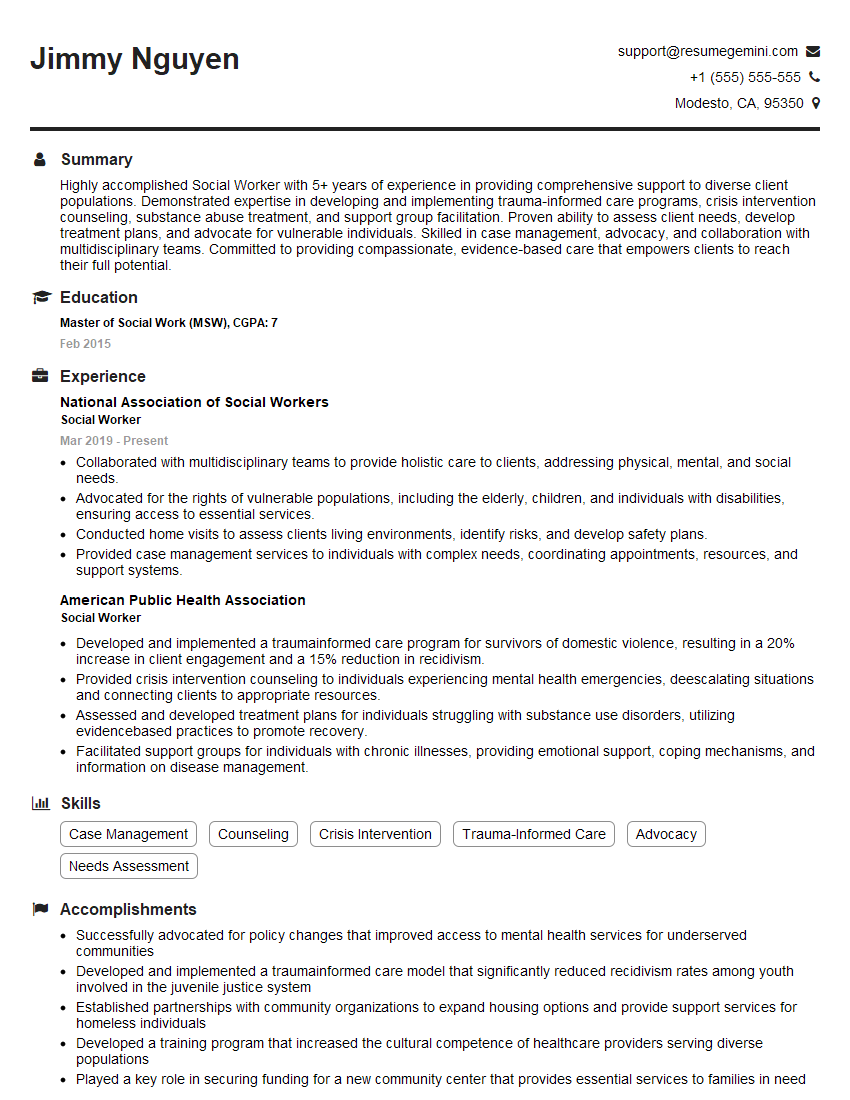
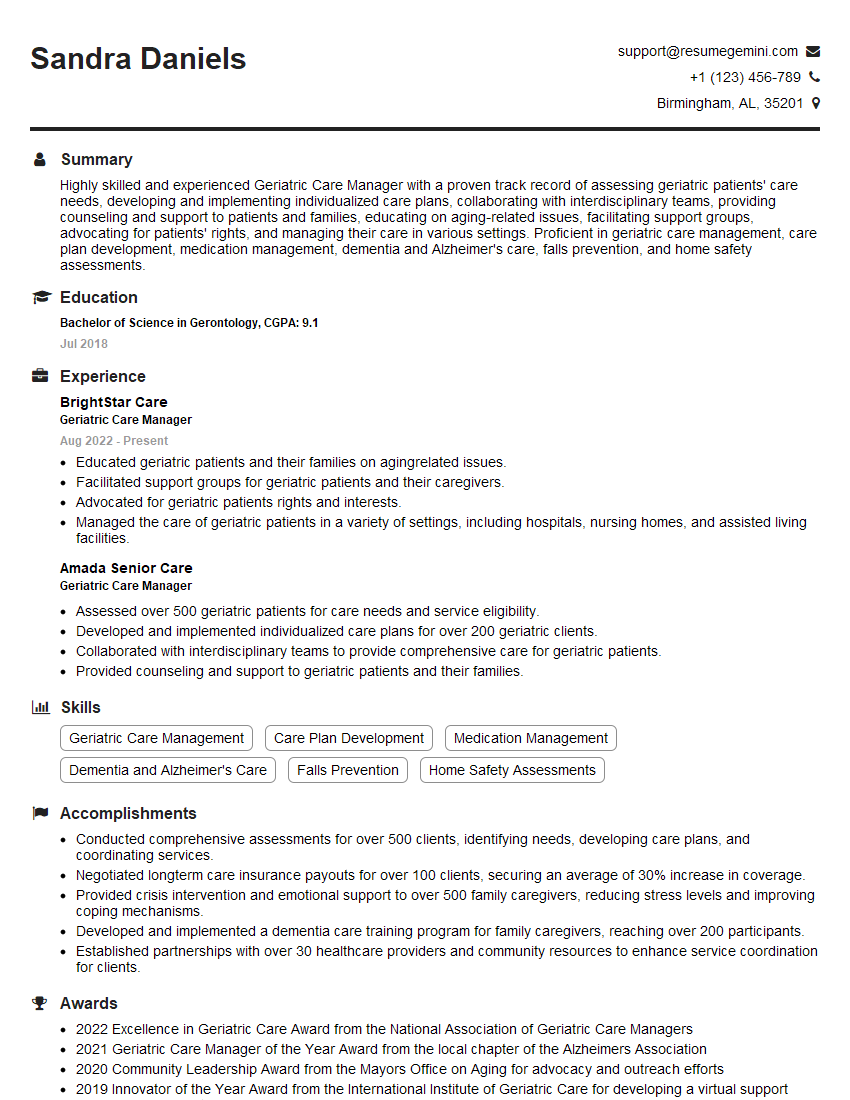
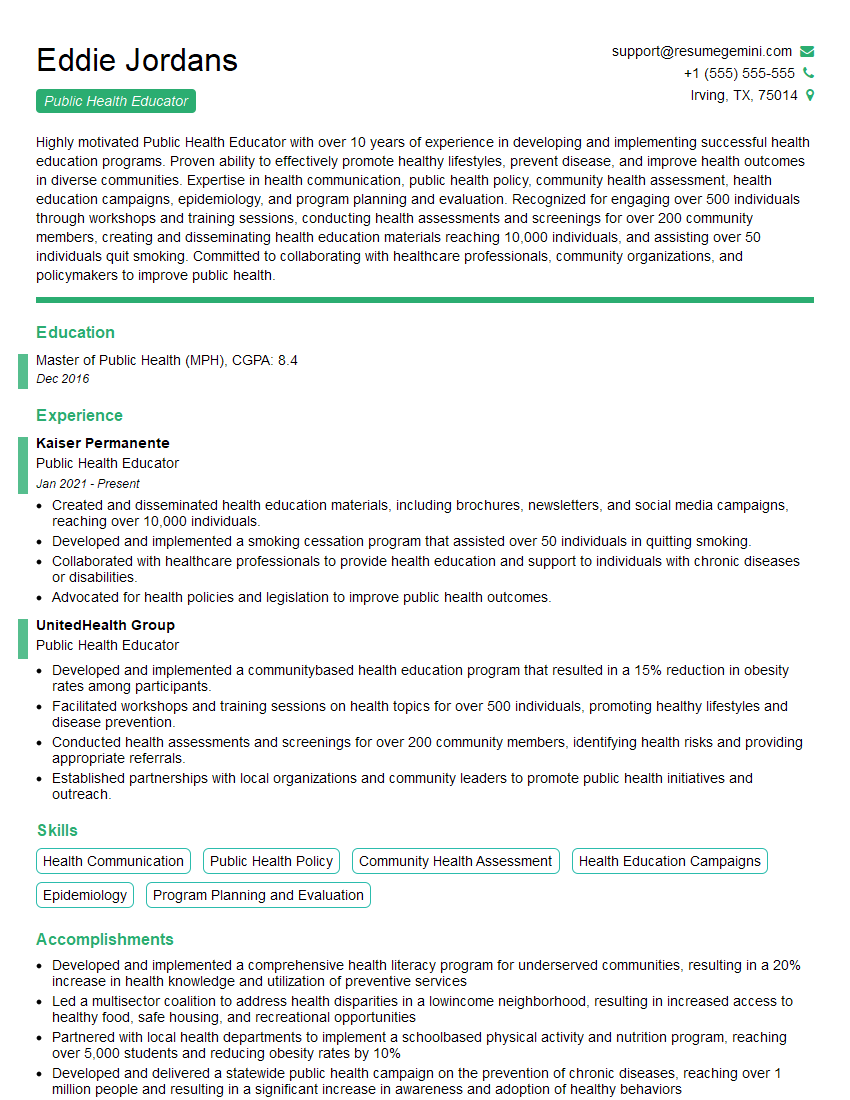
Mastering the ability to provide culturally sensitive care is crucial for career advancement in healthcare. It demonstrates empathy, respect, and a commitment to equitable patient care – qualities highly valued by employers. To significantly boost your job prospects, create an ATS-friendly resume that highlights your relevant skills and experiences. ResumeGemini is a trusted resource to help you build a professional and impactful resume that stands out to recruiters. We provide examples of resumes tailored to showcase expertise in providing culturally sensitive care, allowing you to create a compelling application that reflects your capabilities effectively.
Explore more articles
Users Rating of Our Blogs
Share Your Experience
We value your feedback! Please rate our content and share your thoughts (optional).
What Readers Say About Our Blog
To the interviewgemini.com Webmaster.
Very helpful and content specific questions to help prepare me for my interview!
Thank you
To the interviewgemini.com Webmaster.
This was kind of a unique content I found around the specialized skills. Very helpful questions and good detailed answers.
Very Helpful blog, thank you Interviewgemini team.