The thought of an interview can be nerve-wracking, but the right preparation can make all the difference. Explore this comprehensive guide to Acute and Chronic Disease Management interview questions and gain the confidence you need to showcase your abilities and secure the role.
Questions Asked in Acute and Chronic Disease Management Interview
Q 1. Explain the difference between acute and chronic disease.
The core difference between acute and chronic diseases lies in their duration and severity. Acute diseases have a sudden onset, are typically severe but short-lived, and often resolve completely with or without treatment. Think of a common cold or the flu – symptoms appear rapidly, peak, and then subside within a few weeks. In contrast, chronic diseases develop gradually, persist for a long time (often years or even a lifetime), and rarely cure completely. Conditions like diabetes, heart disease, and asthma are chronic; they require ongoing management to control symptoms and prevent complications. The key distinction is the time frame and the ongoing nature of chronic illness versus the relatively short-lived nature of acute illness.
Q 2. Describe the stages of disease progression in a chronic illness.
The progression of chronic illness can be visualized in stages, though the specifics vary depending on the disease. A common model involves:
- Stage 1: Latent Stage: This is the preclinical phase where the disease process begins but shows no noticeable symptoms. For example, someone might have early atherosclerosis (plaque buildup in arteries) without experiencing any related symptoms.
- Stage 2: Initiation Stage: Early signs and symptoms start to appear, often subtle and easily dismissed. In the case of type 2 diabetes, this might involve increased thirst or frequent urination.
- Stage 3: Symptomatic Stage: The disease is now clearly established, with noticeable symptoms impacting daily life. Diabetes at this stage could include high blood sugar levels causing fatigue, blurred vision, and frequent infections.
- Stage 4: Advanced Stage: Significant complications develop, seriously affecting organ function and overall health. For example, uncontrolled diabetes can lead to kidney failure, nerve damage, or heart disease.
- Stage 5: Terminal Stage: The disease becomes life-threatening, with organ failure and irreversible damage. This stage necessitates palliative care focused on comfort and quality of life.
It’s important to remember that not all chronic diseases follow this exact progression, and some may skip stages or progress more rapidly than others. Early detection and intervention are crucial in slowing disease progression and improving outcomes.
Q 3. What are the key elements of a comprehensive disease management plan?
A comprehensive disease management plan is a multidisciplinary approach focusing on improving patient outcomes and quality of life. Key elements include:
- Assessment: A thorough evaluation of the patient’s health status, including physical examination, diagnostic tests, and psychosocial factors.
- Goal Setting: Collaborative setting of realistic, achievable goals specific to the patient’s condition and preferences.
- Treatment Plan: A detailed plan outlining medications, lifestyle modifications (diet, exercise, stress management), and other interventions.
- Patient Education: Clear, tailored information on the disease, its management, potential complications, and self-care strategies.
- Monitoring and Evaluation: Regular follow-up appointments to track progress, adjust the treatment plan as needed, and address any problems.
- Support System: Connecting the patient with resources such as support groups, community programs, and family support.
- Self-Management Education: Empowering the patient to actively participate in their care through education and skill-building.
For instance, a plan for managing hypertension might involve medication, dietary changes, regular exercise, stress reduction techniques, and monitoring blood pressure at home. Regular check-ups allow for timely adjustments to the plan, ensuring optimal blood pressure control.
Q 4. How do you assess a patient’s adherence to their treatment plan?
Assessing patient adherence involves a multi-pronged approach. We use various methods to determine how well a patient is following their treatment plan:
- Medication Adherence: Pill counts, electronic medication monitors (e.g., smart pill dispensers), pharmacy refill records, and patient self-reporting.
- Lifestyle Adherence: Dietary records, fitness trackers, self-monitoring of blood glucose (for diabetes), and patient interviews about adherence to exercise and other lifestyle changes.
- Appointment Attendance: Consistent attendance at scheduled appointments demonstrates commitment to the treatment plan.
- Clinical Outcomes: Improvement or deterioration in clinical markers (e.g., blood pressure, cholesterol levels, blood sugar) can indirectly assess adherence.
- Patient Self-Reporting: Honest and open communication from the patient about their adherence challenges and successes.
For example, if a patient with hypertension consistently misses appointments and their blood pressure remains uncontrolled despite medication, it suggests poor adherence.
Q 5. What are some common barriers to patient adherence, and how do you address them?
Several barriers can hinder patient adherence:
- Complexity of Treatment: Multiple medications, complex regimens, or frequent monitoring can be overwhelming.
- Side Effects: Unpleasant or debilitating side effects can lead to medication non-adherence.
- Cost of Treatment: High medication costs or lack of insurance can create financial barriers.
- Lack of Understanding: Insufficient knowledge about the disease and its management can impede adherence.
- Lack of Social Support: Absence of family or social support can make it difficult to maintain treatment.
- Forgetfulness: Simply forgetting to take medication or follow other aspects of the plan is common.
Addressing these barriers requires a personalized approach. For example, we can simplify medication regimens, explore cost-effective alternatives, provide comprehensive education using multiple formats (written, verbal, visual), offer support groups, and utilize medication reminders or technology-based solutions. Open communication and empathy are key to building trust and understanding the patient’s unique challenges.
Q 6. Describe your experience with patient education strategies.
Patient education is central to successful disease management. My approach emphasizes tailoring information to individual needs and learning styles. I utilize various strategies:
- Shared Decision-Making: Involving patients actively in the decision-making process regarding their treatment.
- Multimodal Teaching: Combining different methods like written materials, videos, interactive sessions, and demonstrations.
- Health Literacy Considerations: Using clear, concise language, avoiding medical jargon, and assessing the patient’s understanding.
- Teach-Back Method: Asking patients to explain the information back in their own words to confirm understanding.
- Cultural Competence: Being aware of and sensitive to cultural factors that may influence health beliefs and practices.
- Return Demonstrations: Having patients demonstrate skills like medication administration or blood glucose monitoring.
For instance, when explaining diabetes management, I use visual aids to illustrate the impact of diet and exercise on blood sugar levels. I also provide written instructions and schedule follow-up sessions to reinforce learning and address questions.
Q 7. How do you utilize technology to improve disease management?
Technology plays an increasingly important role in improving disease management. I utilize several tools:
- Telemedicine: Remote consultations and monitoring using video conferencing and wearable devices.
- Patient Portals: Secure online platforms for accessing medical records, communicating with healthcare providers, and scheduling appointments.
- Mobile Health (mHealth) Apps: Apps for medication reminders, tracking health data (e.g., blood pressure, weight), and providing educational resources.
- Remote Patient Monitoring (RPM): Using wearable sensors and connected devices to continuously monitor vital signs and other health data, allowing for proactive intervention.
- Electronic Health Records (EHR): Centralized electronic record systems for efficient information sharing and care coordination.
For example, using a telehealth platform, I can monitor a patient’s blood pressure remotely, provide adjustments to their medication as needed, and offer ongoing support without requiring frequent in-person visits. This is particularly helpful for patients with limited mobility or those living in rural areas.
Q 8. Explain your understanding of evidence-based practices in disease management.
Evidence-based practices in disease management are the cornerstone of effective and ethical care. It means using the best available research evidence, clinical expertise, and patient values to make decisions about diagnosis, treatment, and overall management of a disease. This isn’t just about following the latest trend; it’s about a systematic approach to ensuring that our interventions are supported by rigorous studies and proven effective.
- Research Evidence: This includes randomized controlled trials, cohort studies, and meta-analyses that demonstrate the efficacy and safety of specific interventions.
- Clinical Expertise: This encompasses the knowledge and skills of healthcare professionals, their experience in applying evidence to individual patient situations, and considering factors like patient preferences and comorbidities.
- Patient Values and Preferences: Every patient is unique. We must integrate their preferences, beliefs, and cultural background into the treatment plan to achieve the best possible outcomes and ensure adherence.
For example, in managing type 2 diabetes, evidence-based practice would dictate using medication proven to lower HbA1c levels, alongside lifestyle modifications like diet and exercise, all while taking into account the patient’s ability to adhere to these recommendations and any potential side effects.
Q 9. How do you prioritize patients with competing needs?
Prioritizing patients with competing needs requires a systematic approach that balances urgency, severity, and potential impact. I use a framework that considers several factors:
- Urgency: Patients with life-threatening conditions or rapidly deteriorating health always take precedence. This might involve a patient experiencing a severe asthma attack needing immediate intervention over a patient with a chronic condition requiring routine follow-up.
- Severity: The overall impact of the condition on the patient’s quality of life. A patient with severe chronic pain impacting their daily functioning may require more immediate attention than a patient with a mild chronic condition.
- Potential for Improvement: Some interventions have a higher likelihood of making a significant difference. Focusing on these high-impact interventions can lead to better overall patient outcomes, though careful consideration of patient preference remains paramount.
- Resource Availability: We must consider the available resources – time, staff, equipment – and allocate them effectively to maximize positive impact across all patients.
In practice, this means using a combination of clinical judgment, triage tools, and collaborative decision-making within the healthcare team to ensure efficient and equitable allocation of resources.
Q 10. Describe your experience collaborating with interdisciplinary teams.
Interdisciplinary collaboration is essential in effective disease management. I have extensive experience working with teams including physicians, nurses, pharmacists, social workers, dieticians, physical therapists, and case managers. My approach emphasizes:
- Clear Communication: Regularly scheduled meetings, shared electronic health records, and transparent communication protocols are crucial for seamless information exchange.
- Shared Goals: Defining shared goals for the patient at the outset of care, and consistently revisiting these goals, creates a unified approach to patient care.
- Respectful Collaboration: Recognizing the expertise and unique contributions of each team member fosters a positive and productive working environment. I actively listen to and value the insights of all team members, as this is critical for holistic patient management.
- Case Conferencing: Utilizing case conferences to discuss complex cases and strategize effective interventions ensures a patient-centered approach with comprehensive care planning.
For example, in managing a patient with heart failure, I’ve collaborated with a cardiologist for medication management, a physical therapist for rehabilitation, and a social worker to address socioeconomic challenges that may affect adherence.
Q 11. How do you handle difficult conversations with patients and families?
Difficult conversations, such as delivering bad news or discussing complex treatment options, require empathy, careful planning, and skillful communication. My approach involves:
- Active Listening: I create a safe space for patients and families to express their concerns and emotions without interruption. This requires truly listening and acknowledging their feelings.
- Clear and Honest Communication: Using plain language, avoiding medical jargon, and providing information in manageable chunks to avoid overwhelming the patient.
- Empathy and Validation: Showing understanding and validating their emotions, even if I can’t immediately alleviate their concerns.
- Shared Decision-Making: Involving patients and families in the decision-making process, respecting their autonomy, and empowering them to actively participate in their care.
- Follow-Up: Providing resources, scheduling follow-up appointments, and ensuring ongoing support.
For instance, when delivering a diagnosis of a serious illness, I approach it with sensitivity, offering support, and explaining treatment options clearly, while acknowledging the emotional impact of the news.
Q 12. What is your approach to managing patient expectations?
Managing patient expectations involves realistic communication, transparency, and ongoing dialogue. I avoid making promises I can’t keep and focus on:
- Realistic Goal Setting: Collaborative goal setting ensures that the goals are achievable and aligned with the patient’s capabilities and preferences.
- Clear Explanation of Treatment: Explaining the potential benefits and limitations of treatment options helps patients understand what to expect realistically.
- Open Communication: Regular updates on progress and any unexpected challenges help to maintain trust and manage expectations effectively.
- Empowerment: Providing patients with the knowledge and skills to manage their condition actively promotes a sense of control and realistic expectations.
For example, when discussing weight loss with a patient, I would explain the realistic rate of weight loss achievable through lifestyle modifications and avoid promising unrealistic quick results.
Q 13. How do you stay updated on the latest advancements in disease management?
Staying updated on the latest advancements in disease management requires ongoing professional development and engagement with the medical community. My strategies include:
- Continuing Medical Education (CME): Regularly attending conferences, webinars, and online courses to stay informed about new research and best practices.
- Professional Journals and Publications: Subscribing to and reading relevant journals like the Journal of the American Medical Association and The Lancet to stay abreast of the latest research findings.
- Professional Organizations: Active membership in professional organizations, such as the American College of Physicians, allows access to resources, publications, and networking opportunities.
- Collaboration with Colleagues: Discussing cases and sharing knowledge with colleagues from different specialties enhances learning and keeps perspectives fresh.
For instance, I recently attended a CME course on the latest advancements in the management of heart failure, enhancing my knowledge and skill in providing optimal patient care.
Q 14. Describe a time you had to make a difficult decision related to patient care.
A particularly difficult decision involved a patient with advanced chronic obstructive pulmonary disease (COPD) who was repeatedly hospitalized for exacerbations. The patient had a strong desire to remain at home but faced frequent respiratory distress. Balancing the patient’s wish for home care with the need for potentially life-saving interventions in the hospital was challenging.
After extensive discussions with the patient, their family, and the interdisciplinary team, we developed a comprehensive plan that included:
- Home-based respiratory therapy: This allowed for more frequent monitoring and intervention in the comfort of their own home.
- Improved medication management: Educating the patient and family on the appropriate use of their medications and promptly addressing any changes in respiratory status.
- Early intervention strategy: Establishing clear guidelines for when to seek immediate medical attention to prevent further hospitalizations.
- Palliative care consultation: Addressing the patient’s quality of life concerns and providing support for both physical and emotional comfort.
While this approach didn’t prevent all hospitalizations, it significantly reduced their frequency and improved the patient’s overall quality of life. The decision highlighted the importance of patient autonomy, shared decision-making, and interdisciplinary collaboration in managing complex, chronic conditions.
Q 15. How do you evaluate the effectiveness of disease management interventions?
Evaluating the effectiveness of disease management interventions requires a multifaceted approach, combining quantitative and qualitative data. We need to assess whether the intervention improved patient outcomes, reduced healthcare utilization, and enhanced the patient experience. This involves a pre- and post-intervention comparison using various metrics.
For instance, let’s say we implemented a diabetes management program. We’d compare HbA1c levels (a key indicator of blood sugar control) before and after the program. A statistically significant reduction in average HbA1c would suggest effectiveness. We’d also track hospital readmissions due to diabetes-related complications and patient satisfaction scores through surveys. A decrease in readmissions and an increase in satisfaction would further support the program’s success.
It’s crucial to use a robust statistical analysis to account for confounding factors and ensure the observed improvements are genuinely attributable to the intervention, not other influences.
Career Expert Tips:
- Ace those interviews! Prepare effectively by reviewing the Top 50 Most Common Interview Questions on ResumeGemini.
- Navigate your job search with confidence! Explore a wide range of Career Tips on ResumeGemini. Learn about common challenges and recommendations to overcome them.
- Craft the perfect resume! Master the Art of Resume Writing with ResumeGemini’s guide. Showcase your unique qualifications and achievements effectively.
- Don’t miss out on holiday savings! Build your dream resume with ResumeGemini’s ATS optimized templates.
Q 16. What are the key performance indicators (KPIs) you use to measure success in disease management?
Key Performance Indicators (KPIs) in disease management are chosen to reflect the specific goals of the intervention. Common KPIs include:
- Clinical Outcomes: HbA1c levels (diabetes), blood pressure (hypertension), cholesterol levels (hyperlipidemia), lung function tests (COPD). These directly measure the impact on the disease process.
- Healthcare Utilization: Emergency room visits, hospital admissions, and length of stay. Reduced utilization indicates better disease control and management.
- Patient Satisfaction: Measured through surveys that gauge patient understanding of their condition, their engagement with the program, and their overall experience. High satisfaction suggests improved adherence and outcomes.
- Cost Savings: Tracking healthcare expenditures before and after intervention helps quantify the economic benefits. Reductions in costs demonstrate the program’s value.
- Adherence Rates: This measures the extent to which patients follow prescribed medications, lifestyle changes, and other recommendations. High adherence is a strong predictor of positive outcomes.
The selection of KPIs depends on the specific disease and the intervention’s aims. For example, in managing chronic heart failure, we might prioritize reducing hospital readmissions and improving ejection fraction (a measure of heart function).
Q 17. Describe your experience with data analysis and reporting in disease management.
My experience with data analysis and reporting in disease management encompasses various aspects, from data extraction and cleaning to statistical analysis and report generation. I’m proficient in using statistical software packages like R and SPSS to analyze large datasets, identify trends, and draw meaningful conclusions. I’ve worked extensively with electronic health records (EHRs) to extract relevant clinical and demographic data, ensuring data quality and integrity is maintained throughout the process.
I’ve developed and implemented dashboards to visualize key performance indicators (KPIs) and track the progress of disease management programs. These dashboards provide a clear and concise overview of program effectiveness, allowing for timely adjustments to improve outcomes. For instance, I created a dashboard displaying real-time data on patient adherence to medication, allowing for prompt interventions to address any non-adherence issues. My reports also include qualitative data from patient surveys to provide a holistic view of program success.
Q 18. How do you address social determinants of health that impact disease management?
Addressing social determinants of health (SDOH) is crucial for effective disease management. SDOH—factors like housing instability, food insecurity, lack of transportation, and limited access to healthcare—significantly impact health outcomes. Ignoring them undermines the effectiveness of any intervention.
My approach involves a holistic assessment of each patient’s situation, identifying potential SDOH barriers that might hinder their ability to manage their condition. This can involve working with social workers, community health workers, or referring patients to appropriate resources. For example, a patient struggling with diabetes might also be facing food insecurity. We would connect them with food banks or nutritional assistance programs to address this barrier and improve their ability to manage their blood sugar levels. Similarly, lack of transportation can limit access to appointments; we would explore options such as transportation assistance programs or telehealth options.
A successful strategy often involves collaboration with community organizations and social services to provide comprehensive support to patients beyond the clinical setting.
Q 19. What is your understanding of healthcare cost containment strategies?
Healthcare cost containment strategies focus on reducing unnecessary healthcare expenditures while maintaining or improving the quality of care. These strategies employ various approaches, including:
- Preventive Care: Investing in preventive services like vaccinations and screenings reduces the need for costly interventions later.
- Disease Management Programs: Effective management of chronic conditions reduces hospitalizations and emergency room visits.
- Care Coordination: Improving communication and coordination among healthcare providers prevents duplicated tests and treatments.
- Telehealth and Remote Patient Monitoring: These technologies can reduce the need for in-person visits, particularly for routine monitoring.
- Value-Based Care: Payment models that incentivize providers to focus on quality and outcomes rather than volume of services.
The goal is to achieve better health outcomes at a lower cost. For instance, a successful diabetes management program might result in fewer hospitalizations due to diabetes-related complications, leading to significant cost savings over time.
Q 20. How do you identify and address potential healthcare disparities among your patients?
Identifying and addressing healthcare disparities requires careful attention to equity and inclusion. It begins with a thorough understanding of the diverse patient populations we serve and the unique challenges they face. This involves analyzing demographic data, conducting patient surveys to understand their experiences, and actively seeking input from community leaders and representatives. We should be particularly attentive to biases in care delivery and the influence of sociocultural factors.
For instance, we need to ensure that language barriers don’t impede access to care. We would provide interpreters or translated materials as needed. Similarly, cultural sensitivity is critical in delivering culturally competent care. Addressing transportation issues and financial barriers is also vital. We might use community health workers who are culturally connected to underserved populations to bridge the gap and build trust.
Regularly auditing our data for disparities and implementing interventions to mitigate them is crucial for ensuring equitable healthcare access and outcomes. It involves constant evaluation and adjustments to our approach.
Q 21. Describe your experience with telehealth and remote patient monitoring.
My experience with telehealth and remote patient monitoring (RPM) is extensive. I’ve used various telehealth platforms to conduct virtual consultations, monitor patient progress, and provide remote support. RPM technologies, such as wearable devices and remote monitoring systems, have been instrumental in managing chronic conditions effectively. For example, I’ve used RPM to monitor blood pressure and glucose levels in patients with hypertension and diabetes, respectively. This allows for timely intervention if values deviate from the target range. It allows for proactive management rather than reactive intervention.
Telehealth has proven particularly beneficial for patients in remote areas or those with mobility limitations. It has expanded access to care and improved patient engagement. The data collected through RPM provides valuable insights into patient adherence and disease progression, helping to personalize care and improve outcomes. For instance, a patient’s activity levels can be monitored remotely, allowing us to adjust their exercise plan as needed. The ability to remotely track and interpret these data creates proactive intervention opportunities, potentially preventing serious complications. Data security and privacy are paramount, however, and I have experience with adhering to all relevant regulations and best practices.
Q 22. Explain your experience managing patients with comorbid conditions.
Managing patients with comorbid conditions—multiple chronic illnesses simultaneously—requires a holistic approach. It’s not simply treating each condition in isolation; it’s about understanding their interplay and potential for synergistic effects, both positive and negative. For instance, a patient with diabetes and hypertension might experience exacerbated kidney disease due to the combined effects of high blood sugar and high blood pressure.
My approach involves:
- Comprehensive Assessment: Thorough medical history, physical examination, and relevant diagnostic tests to fully understand the patient’s condition, identifying all comorbidities and their severity.
- Prioritization: Determining which conditions require immediate attention and which can be managed more conservatively. This involves considering the urgency of each condition and the potential for complications.
- Medication Management: Carefully selecting medications that effectively address each condition while minimizing drug interactions and adverse effects. This often involves close monitoring of medication efficacy and potential side effects.
- Lifestyle Modifications: Collaboratively developing a personalized plan incorporating dietary changes, exercise, stress management techniques, and smoking cessation to improve overall health and manage comorbidities effectively. For example, a patient with both diabetes and heart disease might benefit from a low-sodium, low-saturated-fat diet and a regular exercise program.
- Patient Education: Empowering patients with knowledge about their conditions, medications, and lifestyle changes needed for optimal management. This is crucial for adherence and long-term success.
- Regular Follow-up: Close monitoring of the patient’s progress, including regular check-ups, lab tests, and adjustments to treatment plans as needed. This ensures timely intervention for any worsening conditions or emerging complications.
For example, I once managed a patient with type 2 diabetes, hypertension, and chronic kidney disease. By carefully coordinating their medications, recommending a kidney-friendly diet, and emphasizing regular blood pressure and glucose monitoring, we were able to stabilize their condition and prevent further deterioration.
Q 23. How do you manage patients experiencing acute exacerbations of a chronic illness?
Managing acute exacerbations of chronic illnesses requires a rapid and focused approach. The goal is to stabilize the patient’s condition and prevent further deterioration, while also addressing the underlying chronic illness. This often involves a tiered response based on the severity of the exacerbation.
- Immediate Assessment: Rapidly evaluate the patient’s condition to determine the severity of the exacerbation and any immediate threats to life or function. This might involve vital signs monitoring, oxygen saturation, and lab tests.
- Stabilization: Implementing immediate interventions to stabilize the patient’s condition. This could include supplemental oxygen, intravenous fluids, medications to address the specific symptoms of the exacerbation (e.g., bronchodilators for an asthma exacerbation), or pain management.
- Treatment of the Underlying Cause: Address the underlying chronic illness that contributed to the exacerbation. This might involve adjustments to medication regimens, lifestyle changes, or referrals to specialists.
- Patient Education and Prevention: Educate the patient on early warning signs of future exacerbations, self-management strategies, and steps to take to prevent future events.
For example, a patient with chronic obstructive pulmonary disease (COPD) might experience an acute exacerbation with increased shortness of breath, cough, and sputum production. In such cases, I would initially focus on providing supplemental oxygen and bronchodilators to improve breathing. Then, I’d address the underlying COPD by adjusting their medications, recommending pulmonary rehabilitation, and educating them on avoiding triggers like smoke and respiratory infections.
Q 24. How do you communicate effectively with patients who have low health literacy?
Effective communication with patients who have low health literacy is paramount. It requires a shift from using complex medical terminology and assuming a high level of understanding to employing clear, concise, and patient-centered strategies.
- Plain Language: Avoid medical jargon and use simple, everyday language. Explain concepts in a way that is easy for the patient to understand, using analogies or examples whenever possible.
- Visual Aids: Utilize diagrams, charts, and other visual aids to enhance understanding. A picture is often worth a thousand words, especially when dealing with complex information.
- Teach-Back Method: After explaining information, ask the patient to summarize it in their own words to ensure comprehension. This helps identify any knowledge gaps and allows for clarification.
- Active Listening: Pay close attention to the patient’s verbal and nonverbal cues, demonstrating empathy and understanding.
- Involve Family or Caregivers: If appropriate, involve family members or caregivers in the conversation to facilitate understanding and support.
- Written Materials: Provide written materials in plain language, with large fonts and clear visuals. Ensure the materials are appropriate for the patient’s reading level.
For instance, when explaining medication dosages, instead of saying “Take 20mg of Lisinopril daily,” I might say, “Take one of these pills every day with a glass of water.” The teach-back method helps me ensure the patient understands how to take their medication correctly.
Q 25. Describe your approach to patient safety and risk management.
Patient safety and risk management are cornerstones of my practice. My approach is proactive, encompassing multiple layers of protection.
- Medication Reconciliation: A thorough review of the patient’s medication list at every encounter to prevent errors and identify potential interactions.
- Fall Prevention: Assessing patients’ risk factors for falls and implementing strategies to minimize the risk, such as providing assistive devices and modifying the home environment.
- Infection Control: Adhering to strict infection control protocols to prevent the spread of infections.
- Adverse Event Reporting: Promptly reporting any adverse events or near misses to ensure appropriate investigation and preventive measures.
- Regular Safety Audits: Participating in regular safety audits to identify potential hazards and implement improvements.
- Patient Education: Educating patients about potential risks and empowering them to participate in their own safety.
For example, I always review my patients’ medication lists for potential drug interactions, ensuring that the combinations prescribed are safe and effective. If I identify a potential risk, I promptly consult with the pharmacist or other specialists to mitigate it.
Q 26. How do you ensure cultural sensitivity and competence in your care?
Cultural sensitivity and competence are essential for providing equitable and effective care. It’s about understanding and respecting the diverse beliefs, values, and practices of my patients.
- Cultural Awareness: Continuously learning about different cultures and their impact on health beliefs, practices, and communication styles.
- Cultural Humility: Recognizing my own cultural biases and limitations, and approaching each patient with a willingness to learn and adapt.
- Language Access: Ensuring access to interpreters and translated materials for patients who don’t speak English.
- Respectful Communication: Using respectful and inclusive language, being mindful of nonverbal communication, and adapting my communication style to match the patient’s preferences.
- Culturally Appropriate Care: Tailoring care plans to reflect the patient’s cultural values and preferences, including their beliefs about health and illness.
For example, I once had a patient who, due to their cultural beliefs, hesitated to take certain medications. By engaging in open communication, understanding their concerns, and addressing them respectfully, I was able to develop a treatment plan that aligned with their values while still meeting their health needs. I made sure to consult resources that provided culturally-sensitive information about their condition and medication.
Q 27. What are some examples of effective self-management support programs?
Effective self-management support programs empower patients to actively participate in their own care. These programs typically incorporate various components:
- Education: Providing patients with information about their condition, medications, and self-care strategies.
- Skill-Building: Teaching patients practical skills such as medication management, blood glucose monitoring, or symptom recognition.
- Problem-Solving: Helping patients develop strategies to cope with challenges related to their condition.
- Goal Setting: Working collaboratively with patients to establish realistic and achievable goals.
- Support Groups: Connecting patients with others who have similar experiences, providing emotional support and a sense of community.
- Technology: Utilizing technology such as mobile apps, telehealth, and remote monitoring to facilitate self-management and improve communication with healthcare providers.
Examples include structured diabetes self-management education and support (DSMES) programs, cardiac rehabilitation programs, and chronic pain self-management programs. These programs often involve a combination of individual and group sessions, providing ongoing support and guidance.
Q 28. Describe your experience with motivational interviewing techniques.
Motivational interviewing (MI) is a patient-centered counseling technique that helps patients explore and resolve ambivalence about making behavior changes. It’s based on the principle of collaboration, evocation (drawing out the patient’s own ideas), and autonomy.
- Open-Ended Questions: Using open-ended questions to encourage the patient to express their thoughts and feelings about making changes.
- Affirmations: Acknowledging and reinforcing the patient’s strengths and efforts.
- Reflective Listening: Carefully listening to the patient and reflecting back their statements to ensure understanding and build rapport.
- Summarizing: Periodically summarizing the conversation to highlight key points and ensure mutual understanding.
- Eliciting Change Talk: Helping patients identify their own reasons for change and their capacity to make changes.
For example, when working with a patient struggling with adherence to their diabetes medication, I might use MI to help them explore their reasons for non-adherence, identify their personal barriers, and develop strategies to overcome these barriers. I might ask open-ended questions like, “What are your thoughts about managing your diabetes?” or “What are some things that make it difficult to take your medication regularly?” By collaboratively exploring these issues, I can help empower the patient to find solutions that work for them.
Key Topics to Learn for Acute and Chronic Disease Management Interview
- Understanding Disease Processes: Differentiate between acute and chronic disease pathways, including pathophysiology, etiology, and clinical presentation. Consider the interplay between genetics, environment, and lifestyle factors.
- Assessment and Diagnosis: Master the skills of patient history taking, physical examination, and interpreting diagnostic tests relevant to both acute and chronic conditions. Practice applying this knowledge to case scenarios.
- Treatment Strategies: Explore pharmacological and non-pharmacological interventions for managing acute and chronic diseases. Focus on evidence-based practices and understanding the rationale behind treatment choices.
- Patient Education and Counseling: Develop your skills in effectively communicating complex medical information to patients and their families. Consider strategies for promoting self-management and adherence to treatment plans.
- Disease Prevention and Health Promotion: Understand the principles of preventative care and strategies for reducing the incidence and prevalence of both acute and chronic diseases. Explore screening programs and risk factor modification techniques.
- Integrated Care Models: Familiarize yourself with different healthcare delivery models and how they apply to acute and chronic disease management, including team-based care and population health management strategies.
- Ethical and Legal Considerations: Understand the ethical and legal implications of patient care, particularly in the context of managing complex and challenging cases. This includes informed consent, confidentiality, and end-of-life care.
- Data Analysis and Interpretation: Practice interpreting data from patient charts, clinical trials, and epidemiological studies to inform clinical decision-making and evaluate the effectiveness of interventions.
Next Steps
Mastering Acute and Chronic Disease Management is crucial for career advancement in healthcare. A strong understanding of these principles opens doors to leadership roles, specialized practices, and increased earning potential. To maximize your job prospects, it’s vital to create a compelling, ATS-friendly resume that highlights your skills and experience effectively. ResumeGemini is a trusted resource that can help you build a professional and impactful resume. They provide examples of resumes tailored to Acute and Chronic Disease Management to guide you through the process. Invest the time to craft a resume that showcases your expertise—it’s your first impression to potential employers.
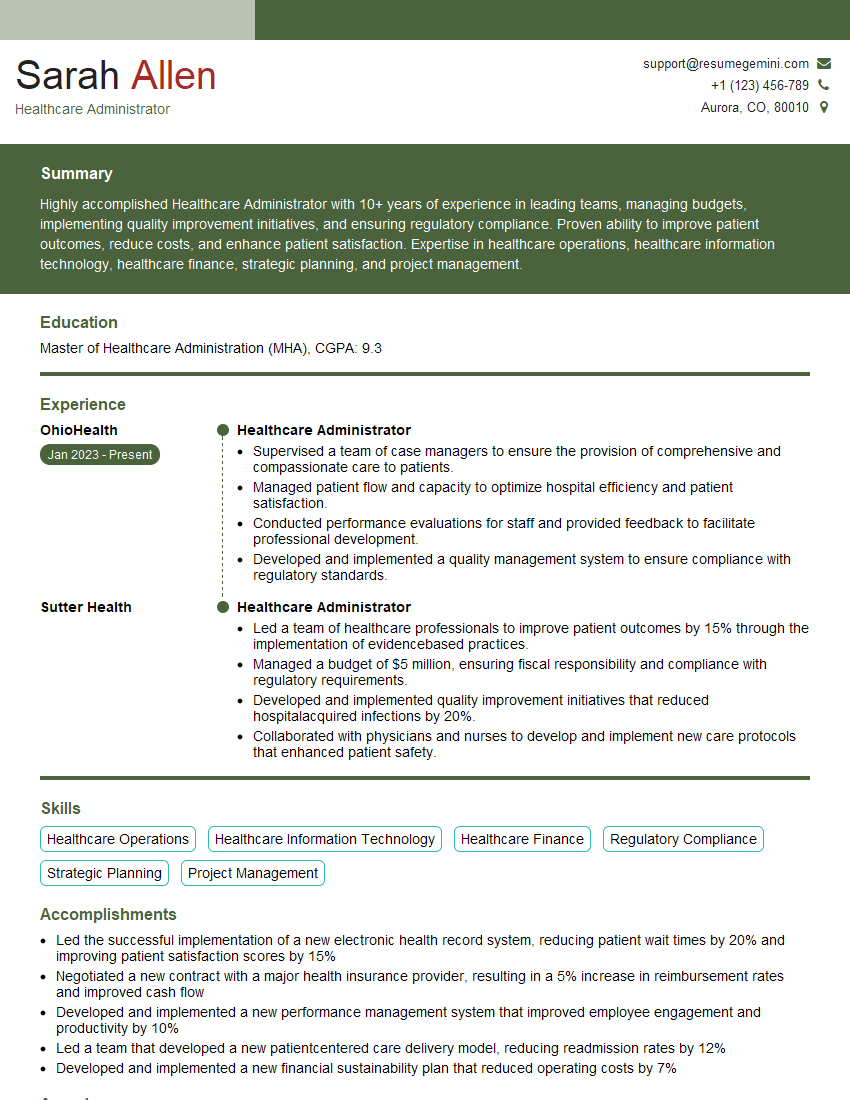
Healthcare Administrator Resume Sample
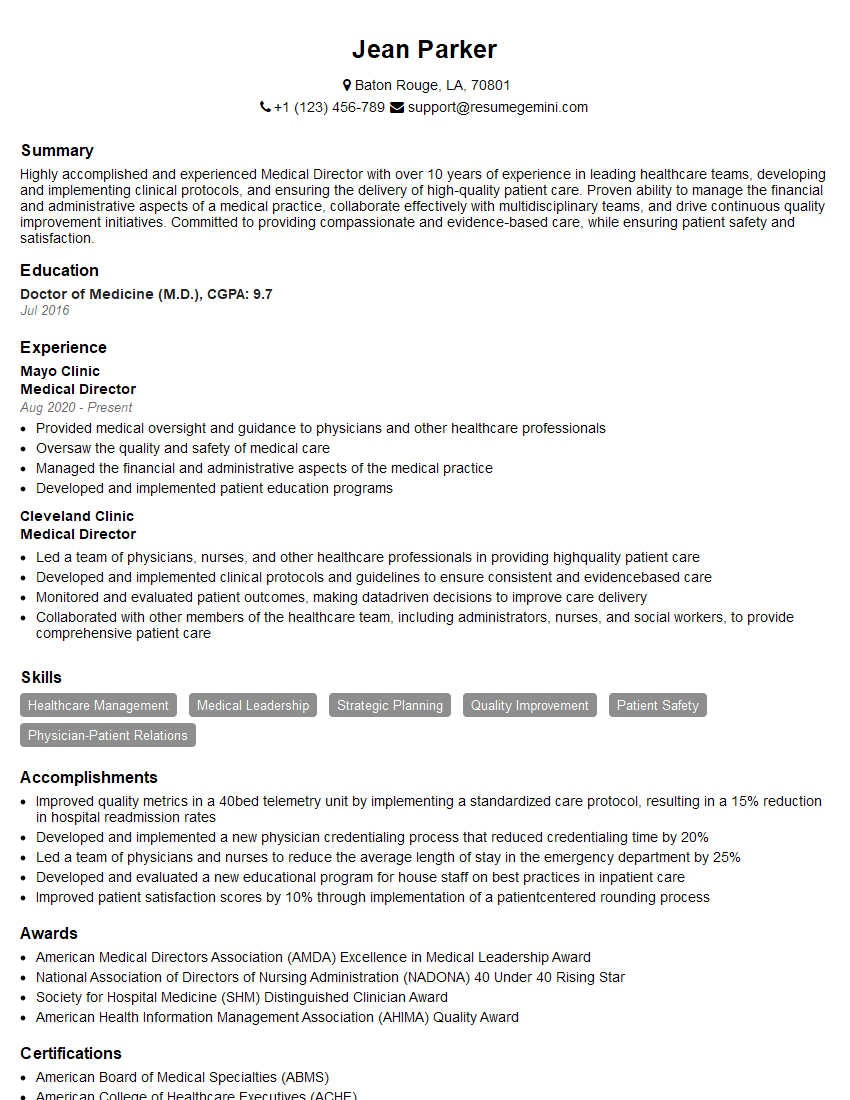
Medical Director Resume Sample
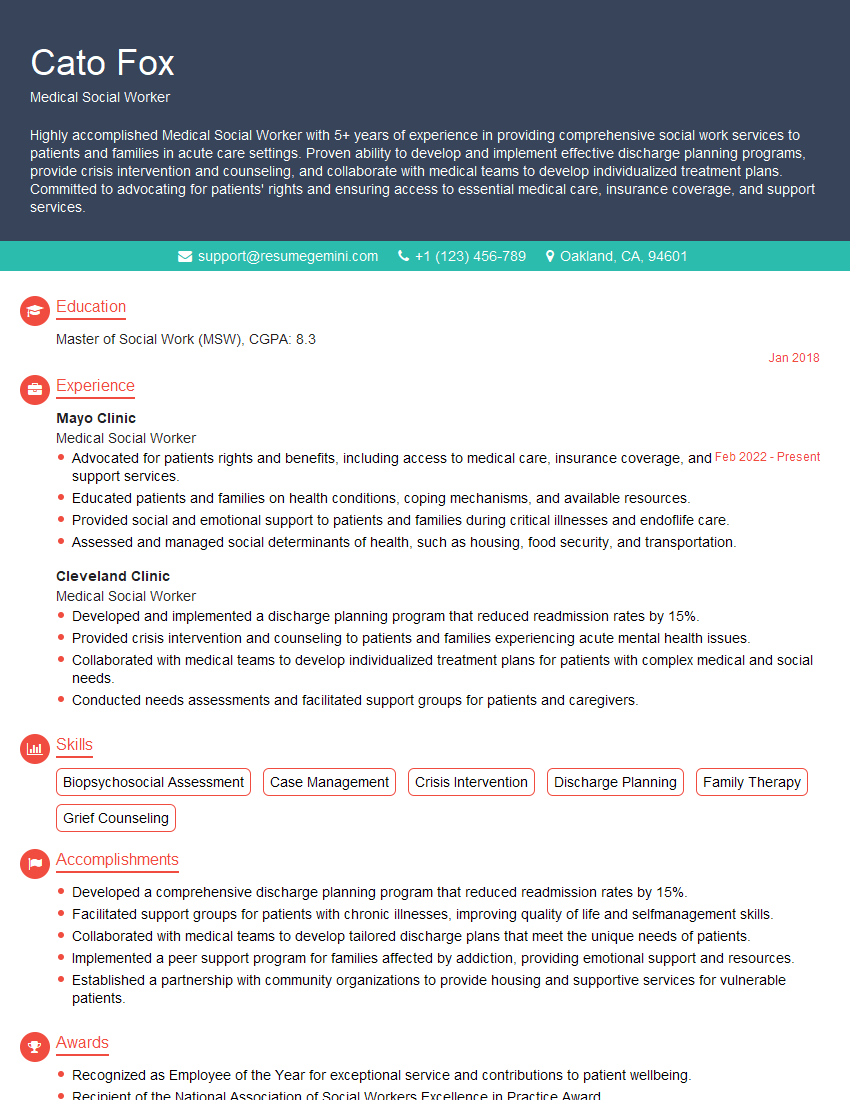
Medical Social Worker Resume Sample
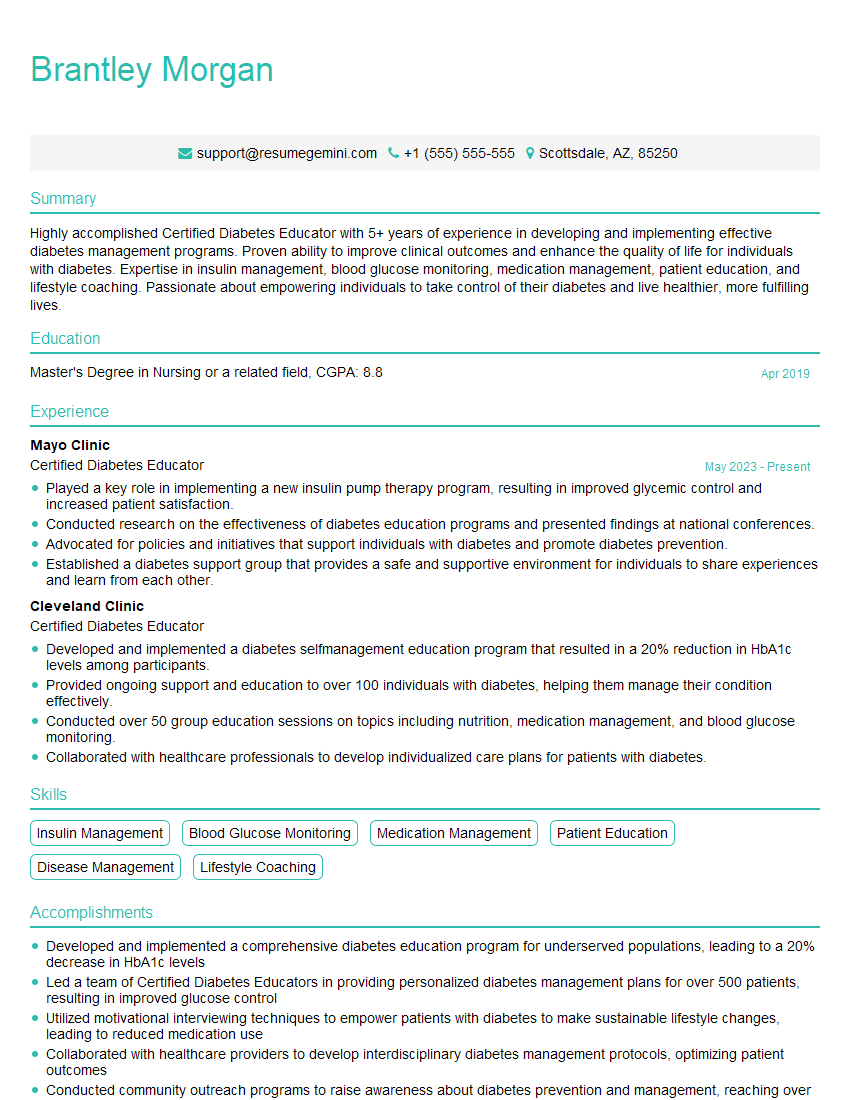
Certified Diabetes Educator Resume Sample
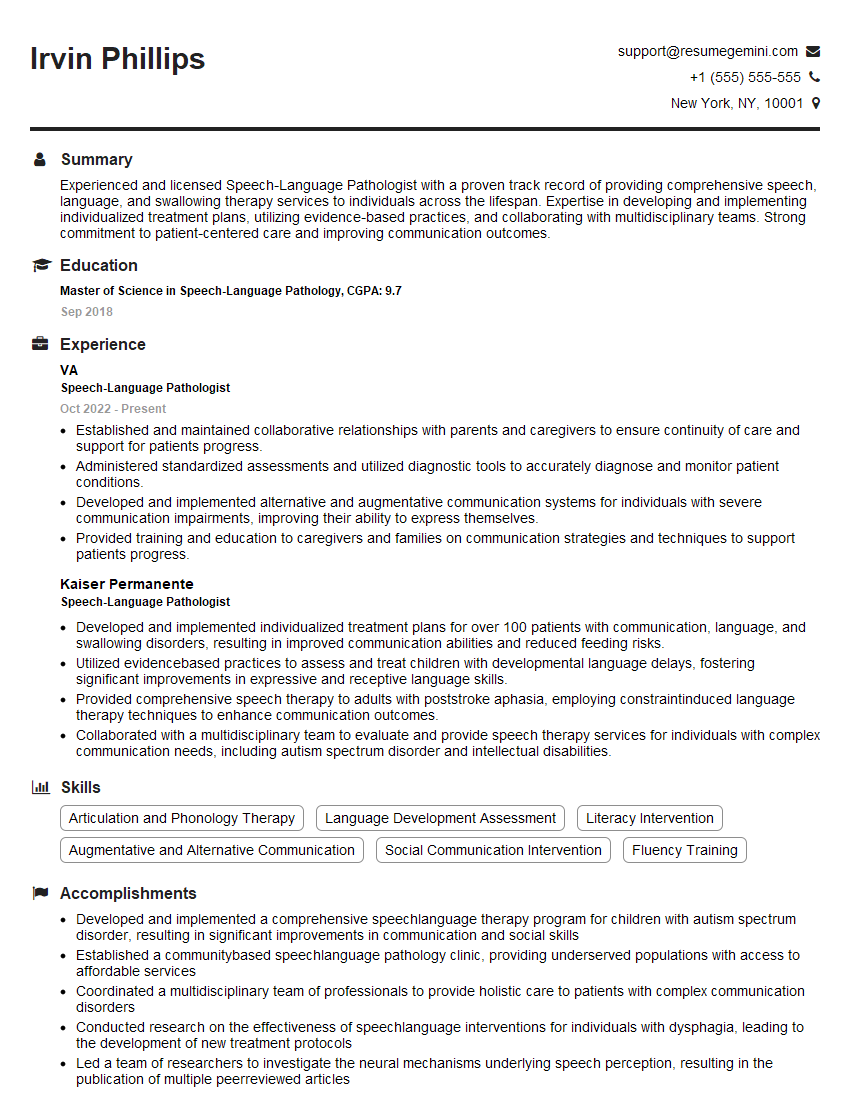
Speech-Language Pathologist Resume Sample
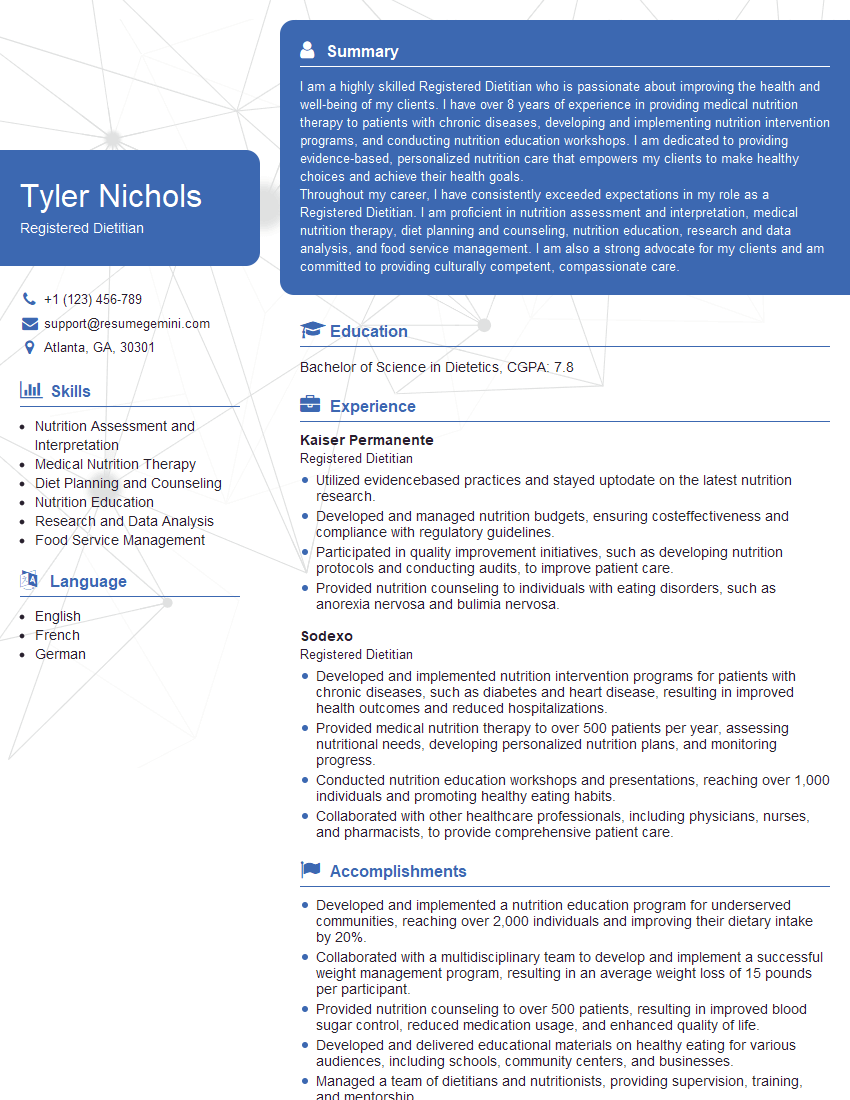
Registered Dietitian Resume Sample
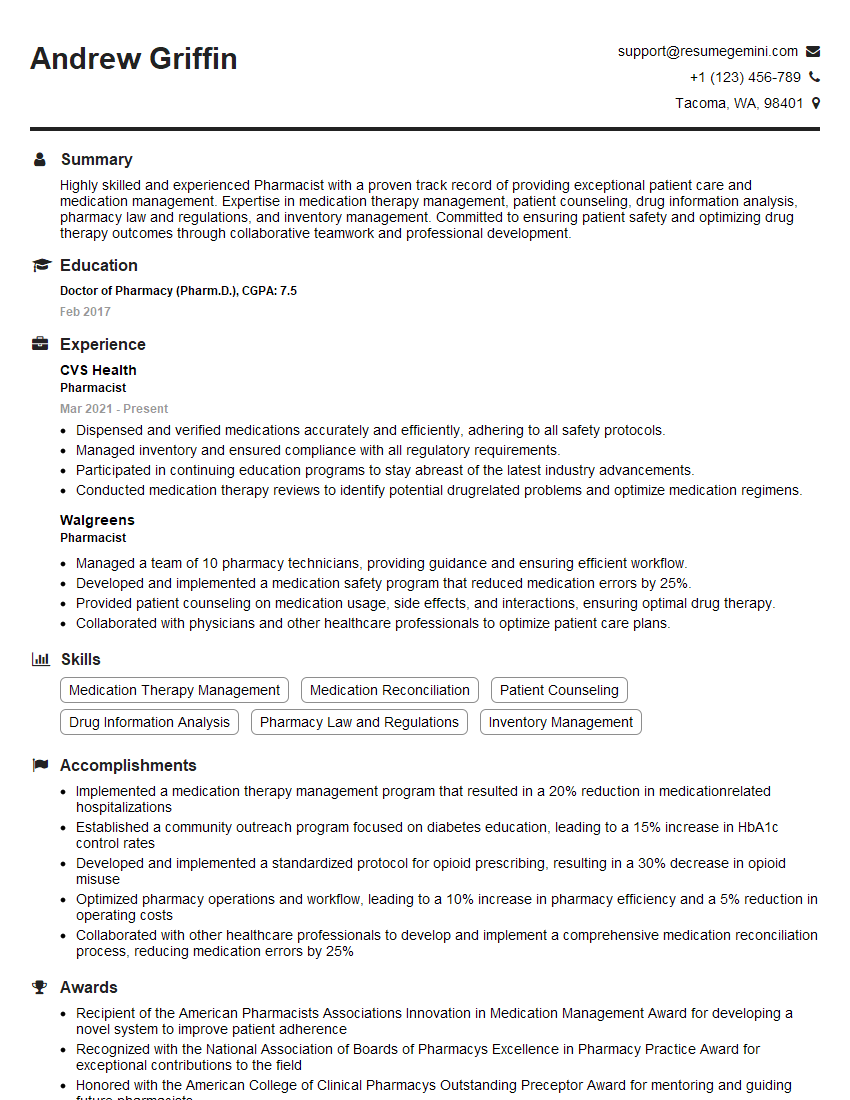
Pharmacist Resume Sample

Physician Assistant Resume Sample
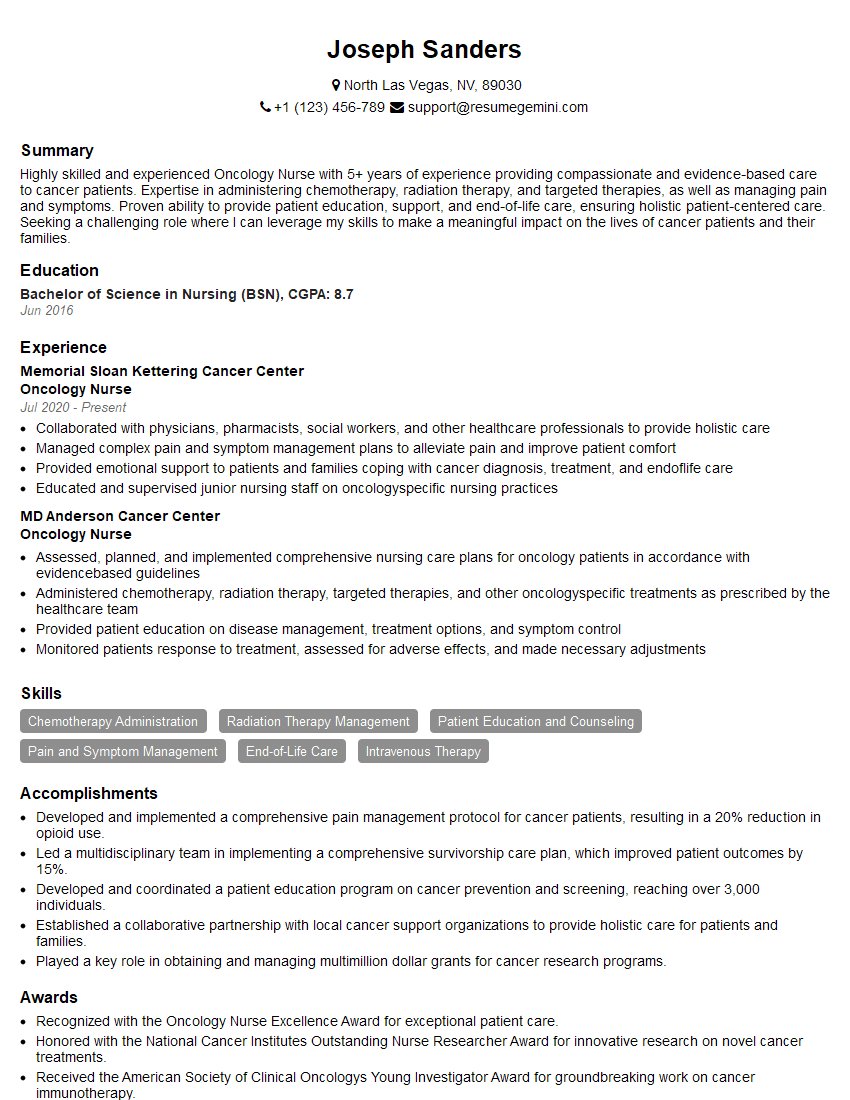
Oncology Nurse Resume Sample
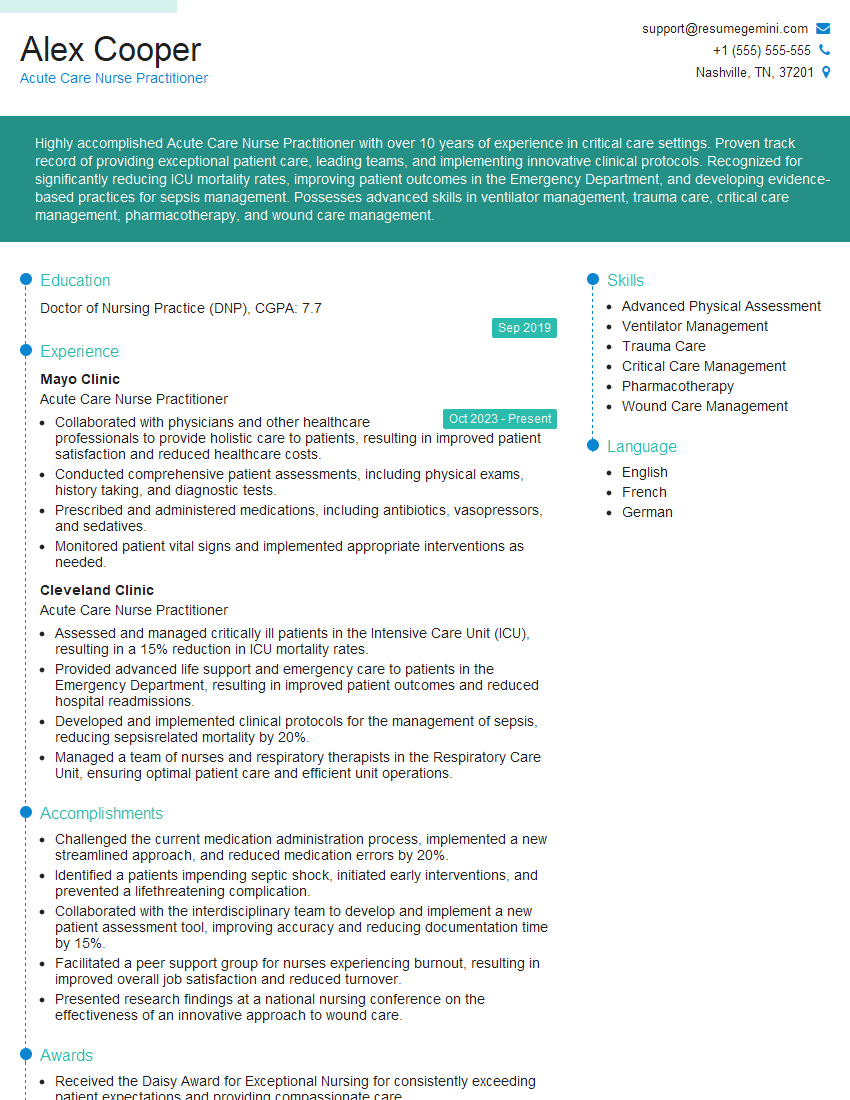
Acute Care Nurse Practitioner Resume Sample
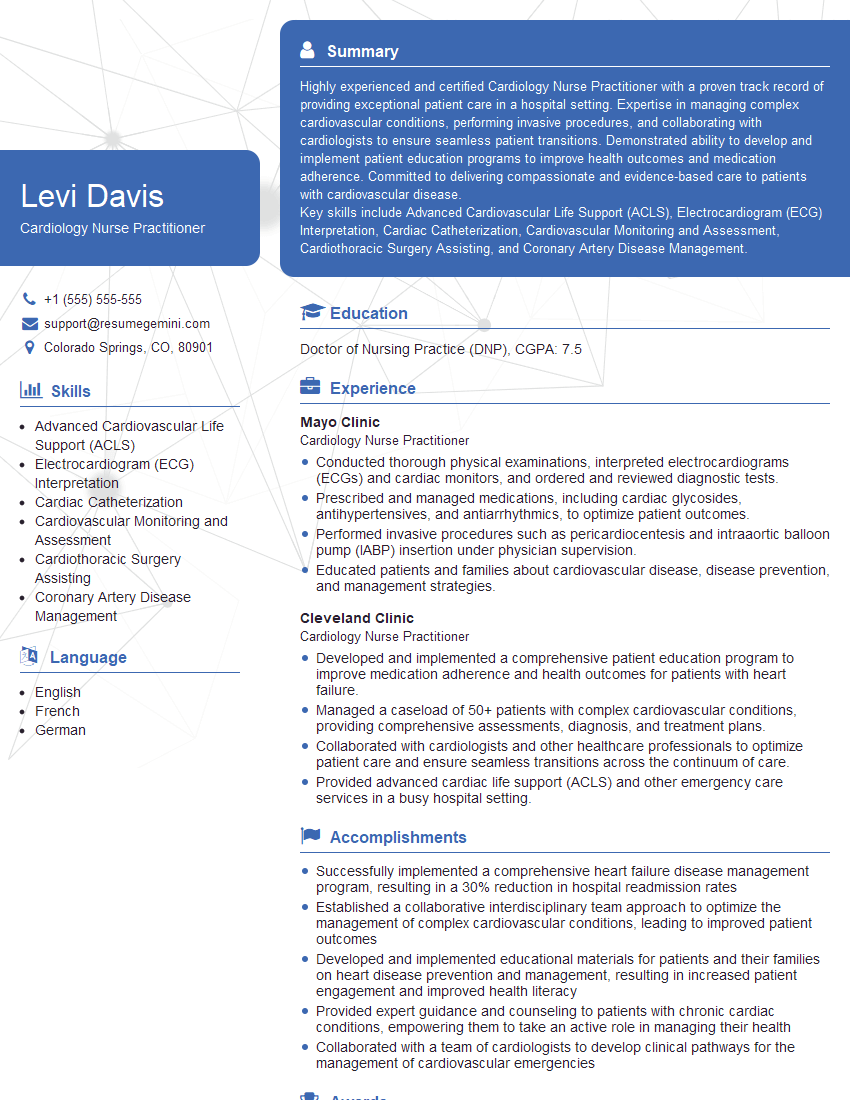
Cardiology Nurse Practitioner Resume Sample
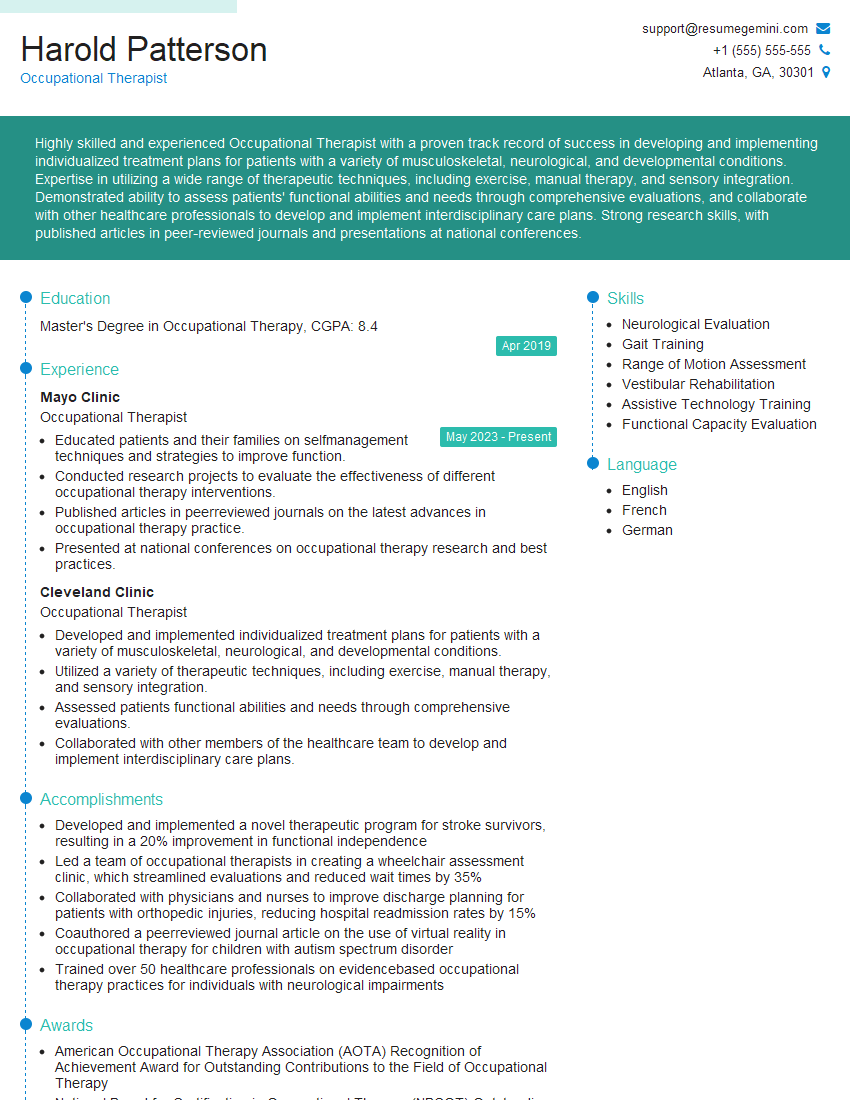
Occupational Therapist Resume Sample
Explore more articles
Users Rating of Our Blogs
Share Your Experience
We value your feedback! Please rate our content and share your thoughts (optional).
What Readers Say About Our Blog
To the interviewgemini.com Webmaster.
Very helpful and content specific questions to help prepare me for my interview!
Thank you
To the interviewgemini.com Webmaster.
This was kind of a unique content I found around the specialized skills. Very helpful questions and good detailed answers.
Very Helpful blog, thank you Interviewgemini team.