Unlock your full potential by mastering the most common Adaptability and Flexibility in Response to Changing Job Conditions interview questions. This blog offers a deep dive into the critical topics, ensuring you’re not only prepared to answer but to excel. With these insights, you’ll approach your interview with clarity and confidence.
Questions Asked in Adaptability and Flexibility in Response to Changing Job Conditions Interview
Q 1. Describe a situation where you had to adapt to a significant change in project scope.
Adapting to significant project scope changes requires a structured approach. It’s not just about reacting to the change, but proactively managing its impact. My strategy involves understanding the new scope, analyzing the implications, and then re-planning accordingly.
For instance, I was once involved in a software development project where, halfway through, the client decided to add a significant feature that was outside the original specification. This meant a major shift in the timeline and resource allocation. My initial response was to analyze the impact of this addition on the existing project plan. This involved breaking down the new feature into smaller, manageable tasks and then assessing its impact on the overall timeline. We then held a team meeting to discuss potential solutions. We prioritized the critical path, reallocated team members, and communicated clearly with the client about the revised timeline. By employing agile methodologies and transparent communication, we successfully integrated the new feature without significant delays or compromising the quality of the original project.
Q 2. How do you prioritize tasks when faced with competing deadlines and unexpected changes?
Prioritizing tasks with competing deadlines and unexpected changes requires a clear methodology. I employ a combination of techniques, including:
- Prioritization Matrix: Using a matrix like Eisenhower’s Urgent/Important matrix helps to categorize tasks based on urgency and importance. This ensures that critical tasks are addressed first, even if unexpected.
- Time Blocking: Allocating specific time slots for tasks improves focus and prevents multitasking. This becomes crucial when dealing with tight deadlines and shifting priorities. I often revise my time blocks throughout the day as unforeseen issues arise.
- Communication: Open and clear communication with stakeholders is critical. If changes threaten deadlines, proactively communicating and negotiating realistic expectations helps prevent cascading issues.
For example, during a marketing campaign, a crucial element failed. We needed to quickly create an alternative but still deliver other campaign elements on schedule. Using the Urgent/Important matrix, we prioritized the replacement element as ‘urgent and important’. Time blocking allowed us to allocate specific time slots for this, while maintaining scheduled tasks for other campaign materials. This approach minimized disruption to the campaign’s overall success.
Q 3. Explain your approach to managing stress and pressure in a rapidly changing environment.
Managing stress and pressure in a dynamic environment demands proactive strategies rather than reactive coping mechanisms. My approach combines several elements:
- Mindfulness and Breaks: Regular short breaks throughout the day to practice mindfulness techniques like deep breathing help maintain focus and reduce stress.
- Planning and Organization: Effective planning and organization reduce the likelihood of unexpected crises and provides a sense of control, mitigating stress.
- Physical Exercise and Healthy Habits: Regular exercise and healthy eating are crucial in managing stress levels. They provide physical and mental resilience.
- Delegation and Seeking Support: When overwhelmed, delegating tasks and seeking help from colleagues reduces the individual burden and promotes team collaboration.
I find that a balanced approach focusing on both mental and physical well-being is essential for navigating high-pressure situations. It’s not about eliminating stress entirely, but managing it effectively to maintain productivity and well-being.
Q 4. Give an example of a time you had to quickly learn a new skill or technology.
Rapid skill acquisition is a necessary ability in today’s ever-changing work environment. I’ve found online courses, mentorship, and hands-on practice to be effective learning methods.
In a recent project, we needed to implement a new data visualization tool. While I wasn’t familiar with the specific tool, I had experience with similar technologies. I utilized online tutorials and documentation to quickly grasp the basics. I then practiced by creating sample visualizations, progressively tackling more complex features. This allowed me to become proficient quickly enough to contribute significantly to the project’s success. Collaboration with a colleague who had prior experience also greatly accelerated the learning process.
Q 5. How do you handle conflicting priorities and competing demands on your time?
Handling conflicting priorities and competing demands involves a systematic approach. I prioritize tasks based on their importance and impact, considering both short-term and long-term goals. Open communication with stakeholders is essential to clarify expectations and negotiate realistic deadlines.
For example, if faced with two urgent projects with overlapping deadlines, I would analyze their relative importance. Then, I’d communicate the situation to the stakeholders, proposing potential solutions like re-prioritizing or adjusting deadlines, explaining the rationale. In some situations, I may need to seek additional resources or delegate certain aspects to ensure all deadlines are met to the best of my ability.
Q 6. Describe a situation where you had to adjust your work style to better collaborate with a team.
Adapting my work style to better collaborate involves active listening, empathy, and a willingness to compromise. Understanding different work styles and communication preferences is crucial.
In a past team project, I worked with a team member who preferred a more detailed, structured approach, while I tended to be more flexible and improvisational. I observed their preferred methods, actively listened to their feedback, and incorporated their suggestions into my workflow. This involved creating more detailed reports and documenting processes, ensuring clarity and reducing potential misunderstandings. This resulted in a more efficient and collaborative working relationship, leading to improved project outcomes.
Q 7. How do you stay informed about industry trends and adapt your skills accordingly?
Staying informed about industry trends is an ongoing commitment. My approach involves a multi-pronged strategy:
- Industry Publications and Websites: Regularly reading industry-specific publications and websites keeps me abreast of the latest developments and best practices.
- Conferences and Workshops: Attending industry conferences and workshops provides opportunities to network and learn from experts.
- Online Courses and Certifications: Taking online courses and pursuing relevant certifications ensures my skillset remains up-to-date and competitive.
- Networking: Building relationships with colleagues and industry leaders through networking expands my knowledge and exposes me to new ideas and approaches.
By actively engaging in these activities, I ensure that my skills and knowledge remain relevant and adaptable to the evolving demands of my profession. This proactive approach allows me to anticipate future trends and make necessary adjustments to my work style and skillset.
Q 8. How do you identify potential challenges or risks in a dynamic work environment?
Identifying potential challenges and risks in a dynamic work environment requires a proactive and systematic approach. It’s not just about reacting to problems; it’s about anticipating them. I begin by conducting a thorough environmental scan, analyzing both internal and external factors that could impact the project or organization. This includes reviewing market trends, technological advancements, competitor activities, and internal resource capabilities. I also utilize SWOT analysis (Strengths, Weaknesses, Opportunities, Threats) to systematically assess these factors. For instance, if a new competitor launches a similar product, that’s a significant threat requiring a reassessment of our marketing strategy. Similarly, internal weaknesses, such as a skills gap in a crucial area, need to be addressed proactively through training or recruitment.
Furthermore, I actively engage in stakeholder discussions to gather diverse perspectives and identify potential blind spots. Open communication channels and regular check-ins are crucial for early detection of emerging issues. Finally, I use risk management tools and techniques, like probability and impact matrices, to prioritize potential risks based on their likelihood and potential severity. This allows me to allocate resources effectively to mitigate the most critical threats.
Q 9. Describe a time you had to make a quick decision with incomplete information.
During a major software launch, we discovered a critical bug just hours before the scheduled release. We had incomplete information regarding the root cause and the extent of its impact. The decision before us was whether to delay the launch, potentially causing significant financial and reputational damage, or proceed with the risk of further complications.
My approach was to assemble a core team immediately, prioritize gathering the available data on the bug’s scope and potential fixes. We used a decision matrix to weigh the potential consequences of each option— delaying the launch versus pushing ahead. We prioritized gathering the most crucial missing data and proceeded with a partial release, focusing on aspects unaffected by the bug, while simultaneously working on a patch. We communicated transparently with stakeholders, preparing them for potential hiccups. While the situation was stressful, this rapid decision, made with limited information but informed by data analysis and risk assessment, prevented a catastrophic failure and allowed for a more controlled problem resolution.
Q 10. How do you handle feedback that challenges your approach or assumptions?
Receiving feedback that challenges my approach is invaluable for growth. I view it as an opportunity for learning and improvement. My response is always grounded in active listening and seeking clarification. I don’t take criticism personally; instead, I focus on understanding the feedback’s underlying concerns. I ask clarifying questions, such as “Can you elaborate on that point?” or “What specific examples led you to this conclusion?” This ensures I fully grasp the perspective being shared.
Once I fully understand the feedback, I objectively evaluate its merit. If the feedback is constructive and highlights areas for improvement, I incorporate it into my approach. If the feedback seems subjective or based on incomplete information, I respectfully explain my rationale and try to find common ground. The goal isn’t to win an argument but to reach a shared understanding and improve the outcome. Ultimately, I document the feedback, integrate appropriate changes, and track the results to measure the effectiveness of the implemented adjustments.
Q 11. Explain how you’ve used technology to improve your adaptability and efficiency.
Technology has significantly enhanced my adaptability and efficiency. For project management, I utilize tools like Asana and Trello to manage tasks, track progress, and collaborate seamlessly with team members, even remotely. This has improved my ability to adapt to changing priorities and deadlines. For data analysis, I leverage tools like Python with libraries such as Pandas and NumPy to process and interpret data quickly, leading to faster decision-making and more efficient problem-solving.
Furthermore, I utilize communication platforms like Slack and Microsoft Teams for instant communication and collaboration, ensuring quick responses to changing situations. This facilitates rapid information sharing and helps me adapt to unexpected changes in real-time. For example, during a recent project, the use of collaborative document editing tools allowed multiple team members to simultaneously update plans, ensuring we could react quickly to changing client demands without significant delays or communication breakdowns.
Q 12. Describe your approach to problem-solving in a situation with ambiguous requirements.
Addressing problems with ambiguous requirements involves a structured, iterative approach. I start by clarifying the overall goals and objectives. This often involves a series of open-ended questions with stakeholders to uncover their underlying needs and expectations. I focus on understanding the “why” behind the request, not just the “what.” This clarifies the context and provides a better basis for decision-making, even in the face of incomplete information.
Next, I create a prototype or a minimum viable product (MVP) to test assumptions and gather feedback early in the process. This allows for course correction before significant resources are committed. I use an agile methodology, emphasizing iterative development and continuous feedback loops. This allows for adaptability and flexibility as requirements become clearer over time. This iterative process, based on continuous feedback and experimentation, ensures the final product aligns with the user’s needs, even if the initial requirements were unclear.
Q 13. How do you maintain a positive attitude and motivation during periods of significant change?
Maintaining a positive attitude during significant change is crucial for both personal well-being and effective performance. I approach change as an opportunity for growth and learning, rather than a threat. This proactive mindset helps me focus on the positive aspects of change and remain motivated. I also actively seek out opportunities for continuous learning and development to improve my skills and knowledge. This not only equips me to better manage change but also boosts my confidence and sense of purpose.
Furthermore, I focus on self-care. This includes maintaining a healthy work-life balance, getting enough sleep, exercise, and engaging in activities that bring me joy and relaxation. It is also vital to build strong social connections with colleagues and friends— this provides a support system and helps maintain perspective during stressful periods. Open communication with my supervisor or mentor about challenges and concerns also helps manage stress and fosters a supportive environment.
Q 14. How do you balance long-term strategic goals with short-term operational demands?
Balancing long-term strategic goals with short-term operational demands requires a strategic framework. I use a method that prioritizes tasks based on their alignment with both short-term and long-term objectives. I employ techniques like the Eisenhower Matrix (urgent/important), prioritizing tasks based on their urgency and importance to both short-term and long-term objectives.
For example, while a short-term project might be urgent, ensuring it aligns with the overall strategic vision is essential to prevent short-sighted decisions. Regular review and adjustment of plans are crucial. I conduct periodic reviews to monitor progress against both short-term and long-term goals, ensuring that short-term actions contribute to the achievement of the long-term vision. This iterative approach, coupled with clear communication and collaboration, allows for effective resource allocation and avoids a focus on immediate needs at the expense of long-term success.
Q 15. Explain how you’ve used your adaptability to overcome a professional setback.
Adaptability is crucial for navigating the inevitable setbacks in any professional career. When faced with a challenge, I approach it systematically. For instance, I once spearheaded a new marketing campaign that, despite meticulous planning, underperformed significantly in its initial phase. Instead of panicking, I analyzed the campaign data thoroughly. I identified that our target demographic’s preferences had subtly shifted since our initial research, rendering some of our strategies obsolete. My response involved leveraging agile methodologies. We quickly adapted the campaign’s messaging and media channels based on the revised data. This required open communication with the team, adjusting our tactics, and accepting responsibility for the initial shortcomings. The revised campaign saw a marked improvement, demonstrating that adaptability, data-driven decision-making, and quick adjustments are key to recovering from setbacks.
Career Expert Tips:
- Ace those interviews! Prepare effectively by reviewing the Top 50 Most Common Interview Questions on ResumeGemini.
- Navigate your job search with confidence! Explore a wide range of Career Tips on ResumeGemini. Learn about common challenges and recommendations to overcome them.
- Craft the perfect resume! Master the Art of Resume Writing with ResumeGemini’s guide. Showcase your unique qualifications and achievements effectively.
- Don’t miss out on holiday savings! Build your dream resume with ResumeGemini’s ATS optimized templates.
Q 16. Describe a time you had to deal with a crisis or unexpected event at work.
During a major system outage, our client-facing platform went down unexpectedly. This was a critical crisis, impacting our reputation and the work of many teams. My role involved immediate damage control and communication. First, I followed our established crisis communication protocol, promptly notifying stakeholders—clients, our internal teams, and management. Simultaneously, I coordinated with the IT team to diagnose and resolve the issue. This required clear, concise communication to keep everyone informed about the progress of the repairs and the anticipated recovery time. We also put in place temporary workarounds to mitigate the immediate impact on our clients. Throughout the crisis, I maintained a calm and focused demeanor, helping to instill confidence and alleviate anxiety among the teams involved. Post-crisis, we conducted a thorough post-mortem analysis to understand the root cause of the outage and implement preventative measures to minimize similar future incidents. The experience highlighted the importance of having a well-defined crisis management plan and a strong, adaptable team.
Q 17. How do you ensure effective communication during periods of uncertainty or change?
Effective communication during uncertainty is paramount. I employ a multi-pronged approach. First, I ensure transparency: I communicate frequently and openly, providing updates, even when information is incomplete. This builds trust and reduces anxiety. Second, I tailor my communication to the audience; technical details for the technical team, concise summaries for upper management. Third, I actively solicit feedback and questions, creating a two-way communication flow. This allows me to address concerns, clarify misunderstandings, and adapt my communication strategy as needed. For example, during a company restructuring, I used a combination of team meetings, email updates, and one-on-one conversations to keep everyone informed about the changes, their roles, and the company’s overall direction. This helped navigate the emotional complexities of the restructuring, fostering understanding and minimizing disruptions.
Q 18. How do you facilitate change and build buy-in from your team members?
Facilitating change requires a collaborative approach. I start by clearly articulating the reasons for change, painting a compelling vision of the future. I emphasize the benefits of change for individuals and the organization as a whole. Next, I actively involve the team in the change process. This could involve brainstorming sessions, feedback mechanisms, or even pilot projects allowing them to shape the changes. Addressing concerns and building consensus is crucial. I actively listen to feedback, acknowledging anxieties and addressing resistance proactively. Throughout the process, I celebrate small wins and provide positive reinforcement to sustain momentum. For instance, when implementing a new project management system, I held workshops to train the team, gathered their feedback on the usability, and addressed their technical concerns. This participatory approach fostered buy-in and ensured a smoother transition.
Q 19. What strategies do you use to stay organized and focused in a chaotic environment?
In chaotic environments, maintaining organization and focus is a skill honed over time. I use a combination of techniques. First, prioritization is key; I leverage tools like Eisenhower Matrix (urgent/important) to focus on high-impact tasks. Second, I break down large projects into smaller, manageable steps. This makes progress more tangible and less overwhelming. Third, I utilize digital tools for task management, calendar scheduling, and note-taking. Fourth, I create buffer time in my schedule to handle unexpected interruptions. Finally, and importantly, I ensure I have regular breaks and prioritize self-care. Burnout is a major obstacle to productivity; preserving my own well-being is paramount to managing chaos effectively.
Q 20. Describe a time you had to work with limited resources or constraints.
Working with limited resources requires creative problem-solving. In one project, we faced severe budget constraints. Instead of compromising quality, we focused on optimizing our processes. We streamlined workflows, eliminating unnecessary steps, and explored cost-effective alternatives without sacrificing the project’s core objectives. We also leveraged free or open-source tools and collaborated with other teams to share resources. This required prioritizing tasks, making tough choices, and fostering a culture of resourcefulness within the team. We successfully completed the project within the constraints, proving that innovation and collaboration can compensate for limited resources.
Q 21. How do you measure your own success in adapting to changing conditions?
Measuring success in adapting to change is multifaceted. I assess my success by looking at several factors. First, the successful completion of projects or tasks within the modified circumstances. Second, the team’s morale and engagement; adapting shouldn’t compromise team spirit. Third, process improvements – did we learn and refine our approach? Fourth, acquiring new skills or knowledge. Adaptability is a journey, not a destination. Finally, feedback from colleagues and supervisors—their perspectives offer valuable insights into my performance and effectiveness.
Q 22. How do you identify and leverage opportunities presented by change?
Identifying and leveraging opportunities in the face of change requires a proactive and analytical approach. It’s not just about reacting to shifts, but actively seeking advantages. I begin by analyzing the change itself: What are the key components? What are the potential impacts – both positive and negative? Then, I brainstorm potential opportunities. This often involves thinking outside the box and considering unconventional solutions. For example, during a recent company restructuring, a change that initially seemed threatening, I saw an opportunity to streamline our workflow by automating certain tasks, resulting in increased efficiency and reduced costs. Finally, I prioritize and implement the most promising opportunities, ensuring they align with overall organizational goals and resources. This involves careful planning, resource allocation, and effective communication to stakeholders.
Q 23. Describe a situation where you had to negotiate or compromise to achieve a desired outcome.
In a previous project, we faced a significant delay due to unforeseen technical challenges. The deadline was immovable, and the initial budget wasn’t sufficient to address the problem. To achieve the desired outcome, I had to negotiate with the development team to re-prioritize tasks, focusing on the most critical features first. Simultaneously, I worked with the client to explain the situation and negotiate an extension on the less critical elements or a slight budget increase. This required compromise on both sides – the development team had to work extra hours, and the client had to accept a slightly altered delivery timeline. However, through open communication and a collaborative approach, we successfully delivered the project, maintaining a positive relationship with the client despite the unforeseen hurdle.
Q 24. How do you build resilience and maintain your composure under pressure?
Building resilience under pressure is a crucial skill. I use a multi-pronged approach. Firstly, I practice mindfulness and stress-management techniques like deep breathing exercises to center myself. Secondly, I maintain a positive mindset, focusing on solutions rather than dwelling on problems. Thirdly, I prioritize self-care, ensuring I get enough sleep, exercise, and downtime to avoid burnout. Finally, I focus on effective time management and task prioritization, ensuring I don’t get overwhelmed by a large volume of tasks. For instance, during a period of intense deadlines, I would divide my day into manageable blocks, focusing on one task at a time and taking short breaks to avoid feeling overwhelmed.
Q 25. How do you delegate tasks effectively in a rapidly changing environment?
Delegating effectively in a rapidly changing environment requires careful consideration. I start by clearly defining tasks and expectations, ensuring everyone understands their responsibilities. Then, I match tasks to individual skills and experience, empowering team members to leverage their strengths. I also prioritize open communication and regular check-ins to ensure tasks are progressing smoothly and address any roadblocks promptly. In a fast-paced setting, it’s crucial to provide enough autonomy while maintaining oversight. A practical approach is using project management software to track progress and facilitate communication, enhancing transparency and accountability.
Q 26. How do you encourage innovation and creativity within a team facing change?
Encouraging innovation and creativity during change starts with creating a safe space for experimentation and risk-taking. I facilitate brainstorming sessions, encouraging open dialogue and diverse perspectives. We also utilize design thinking methodologies, focusing on understanding the problem, generating solutions, prototyping, testing and iterating. I also celebrate successes, both big and small, to reinforce the value of innovative thinking. Providing opportunities for cross-functional collaboration can also spark new ideas, leading to fresh perspectives and creative solutions.
Q 27. What are your preferred methods for managing multiple projects simultaneously?
Managing multiple projects simultaneously necessitates a structured approach. I rely on prioritization matrices like Eisenhower’s Urgent/Important matrix to identify key tasks. I also utilize project management tools, such as Trello or Asana, to track progress, deadlines, and dependencies across projects. Regular review meetings with stakeholders are crucial for course correction and to ensure alignment. Time blocking and setting realistic expectations are vital. It’s essential to avoid multitasking, which is generally counterproductive, but rather focus on switching between tasks efficiently.
Q 28. How do you ensure that your team members understand and adapt to new procedures or policies?
Ensuring team members adapt to new procedures or policies requires a clear communication strategy. I begin by explaining the rationale behind the changes, making the purpose clear and addressing any concerns. I then provide comprehensive training, using a variety of methods including workshops, online resources, and one-on-one coaching. I also provide ongoing support and feedback, addressing questions and providing guidance. Finally, I foster a culture of open communication, encouraging questions and feedback throughout the transition. A feedback mechanism, either formally or informally, helps gauge understanding and identify any areas needing additional clarification.
Key Topics to Learn for Adaptability and Flexibility in Response to Changing Job Conditions Interview
- Understanding Change: Recognizing the inevitability of change in the workplace and developing a proactive mindset towards it. This includes anticipating potential changes and their impact.
- Problem-Solving in Dynamic Environments: Discussing your approach to tackling unforeseen challenges and setbacks. Highlight your ability to analyze situations, identify solutions, and implement them effectively under pressure.
- Learning Agility: Demonstrating your capacity to quickly acquire new skills and knowledge, adapting your approach based on feedback and evolving circumstances. Provide examples of times you’ve mastered new technologies or processes swiftly.
- Stress Management and Resilience: Explaining how you manage stress and maintain productivity during periods of significant change or uncertainty. Showcase your ability to bounce back from setbacks and remain positive.
- Collaboration and Communication: Emphasizing the importance of clear communication and teamwork during transitions. Illustrate how you effectively collaborate with colleagues to navigate change successfully.
- Prioritization and Time Management: Describing your strategies for prioritizing tasks and managing your time effectively when faced with competing demands and shifting priorities.
- Embracing Feedback: Showcasing your ability to receive and utilize constructive criticism to improve performance and adapt your approach in response to changing needs.
Next Steps
Mastering adaptability and flexibility is crucial for career advancement in today’s dynamic work environment. Employers highly value candidates who can thrive in ambiguous situations and contribute effectively during periods of transformation. To significantly improve your job prospects, building an ATS-friendly resume is paramount. ResumeGemini is a trusted resource to help you create a professional and impactful resume that highlights your adaptability and problem-solving skills. Examples of resumes tailored to showcase adaptability and flexibility in response to changing job conditions are available to guide you.
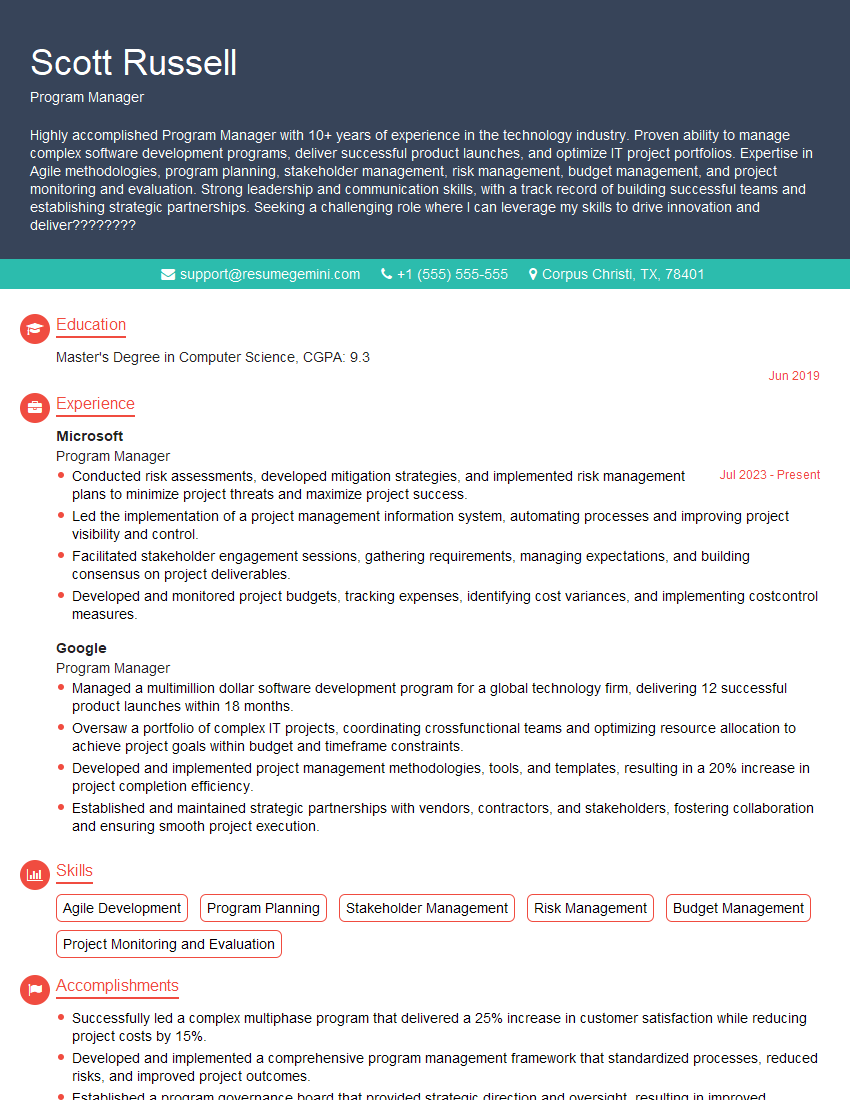
Program Manager Resume Sample

Operations Manager Resume Sample
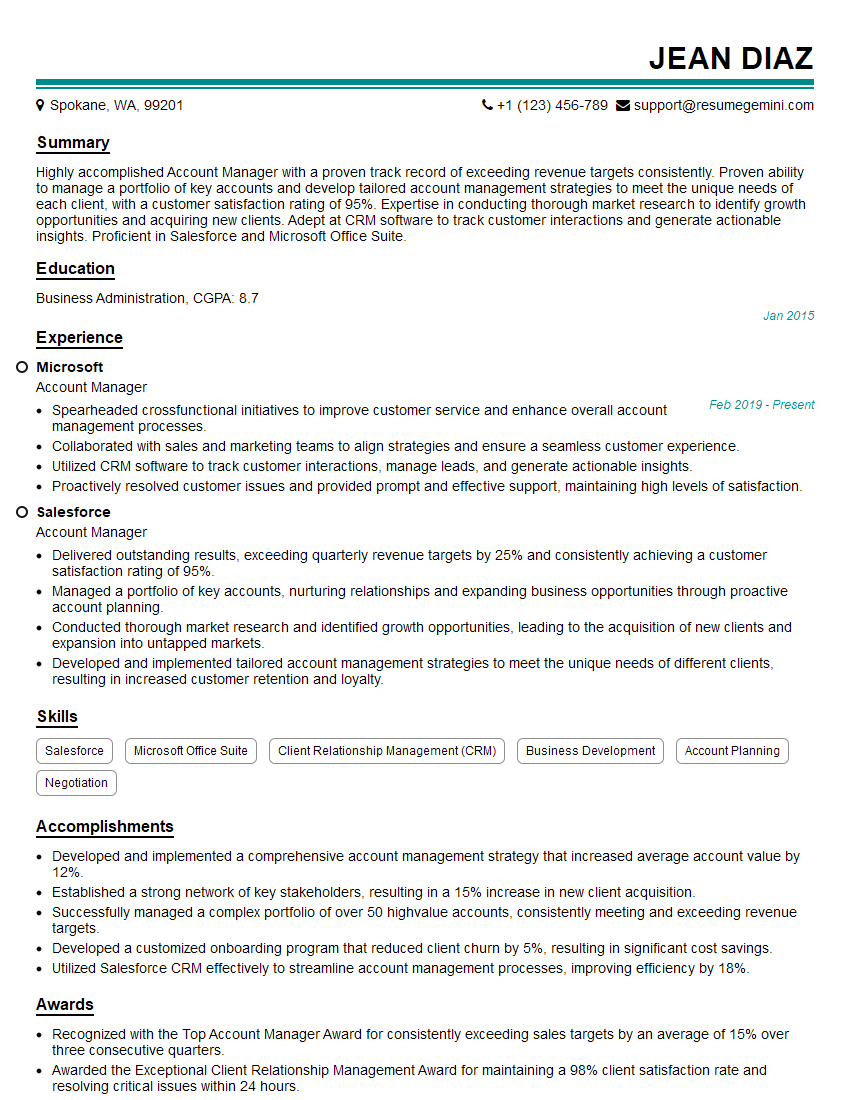
Account Manager Resume Sample
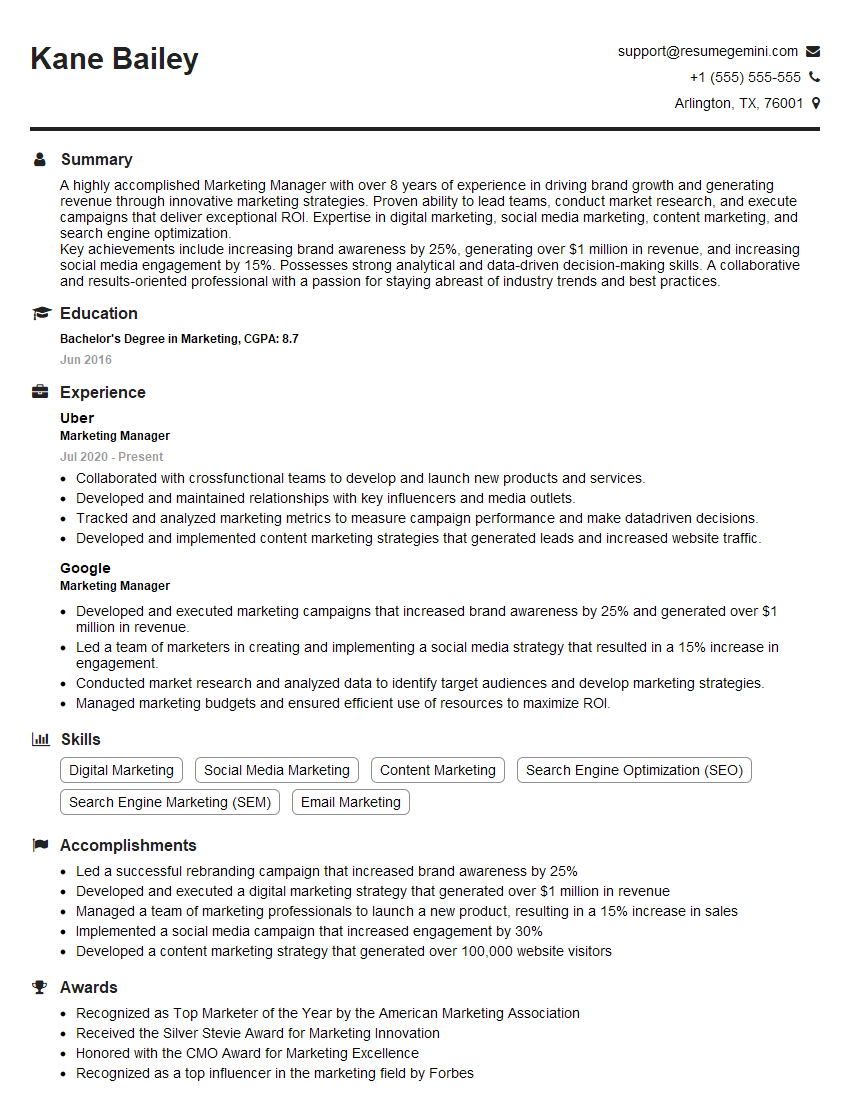
Marketing Manager Resume Sample
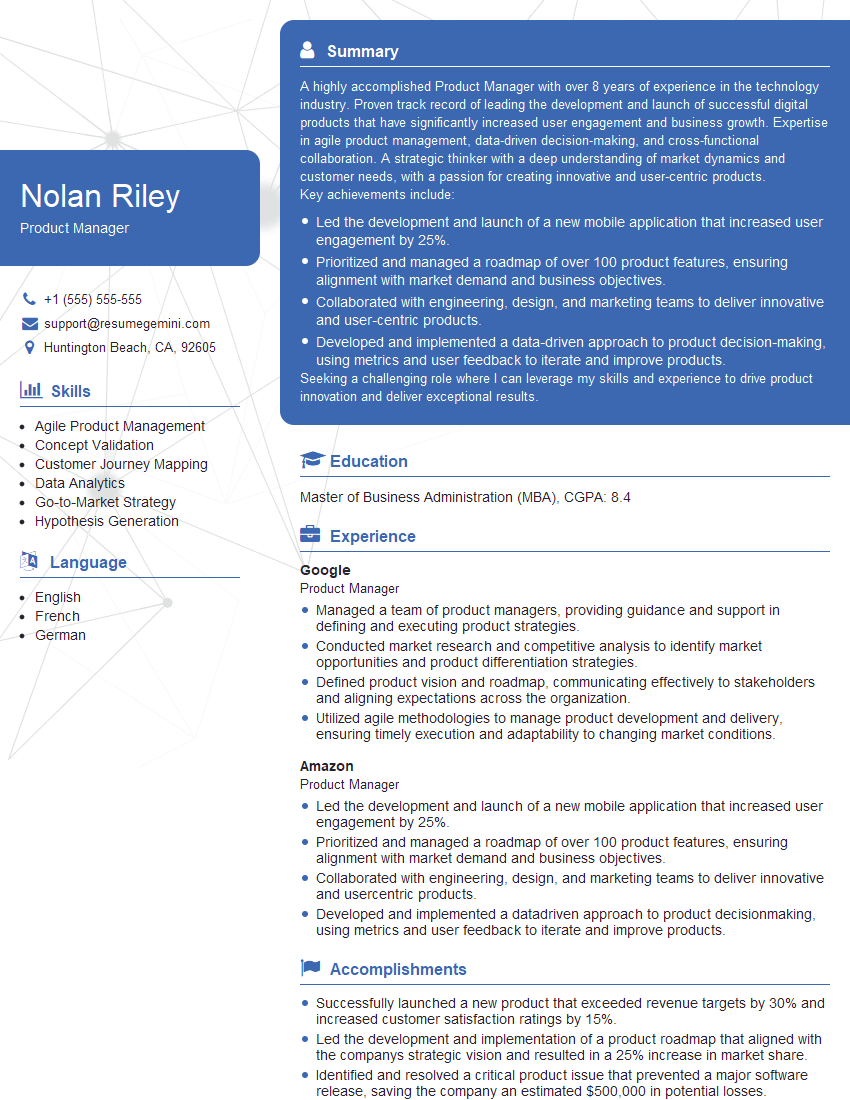
Product Manager Resume Sample
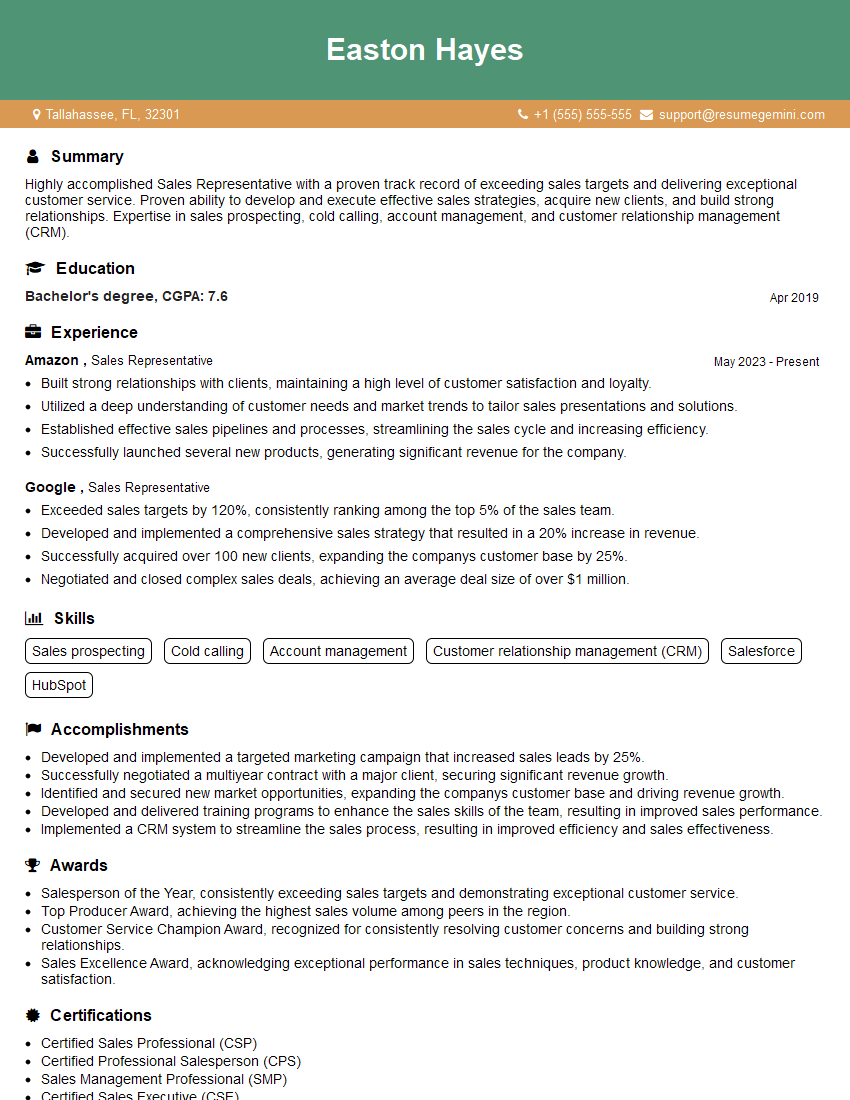
Sales Representative Resume Sample

Customer Service Manager Resume Sample

Supply Chain Manager Resume Sample
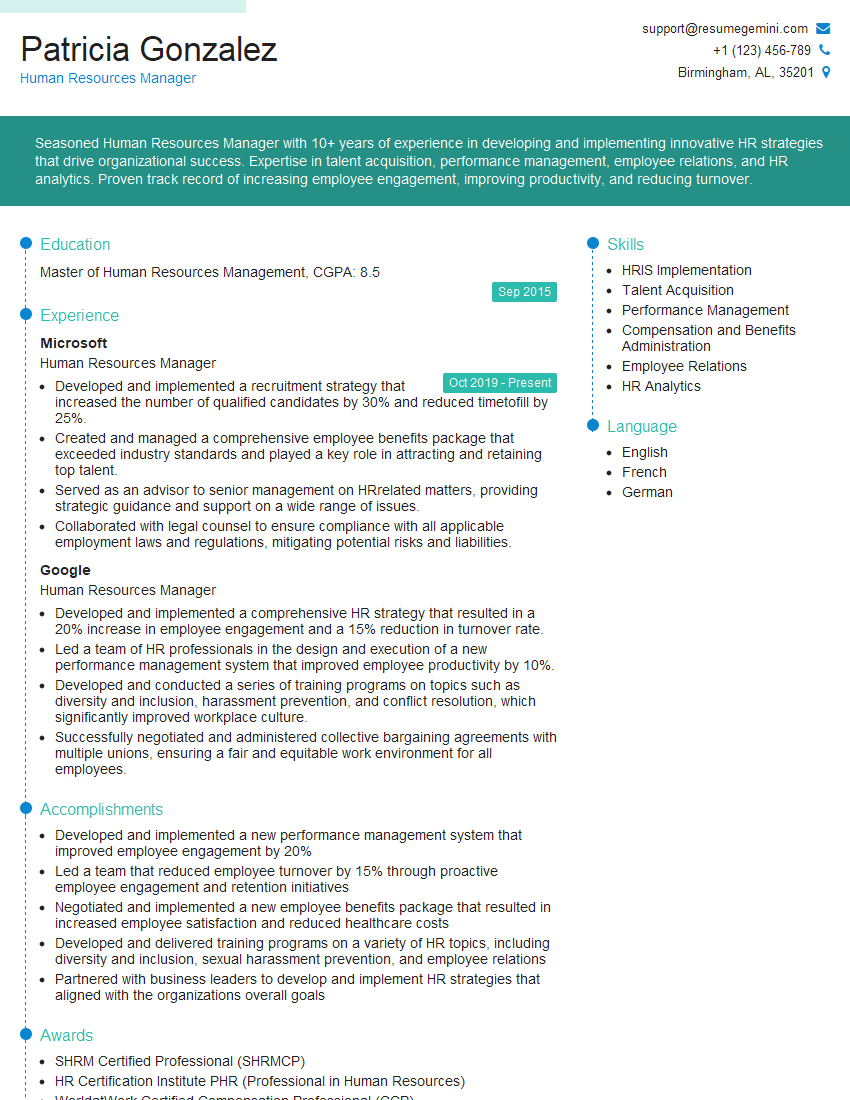
Human Resources Manager Resume Sample

Project Manager Resume Sample

Business Analyst Resume Sample
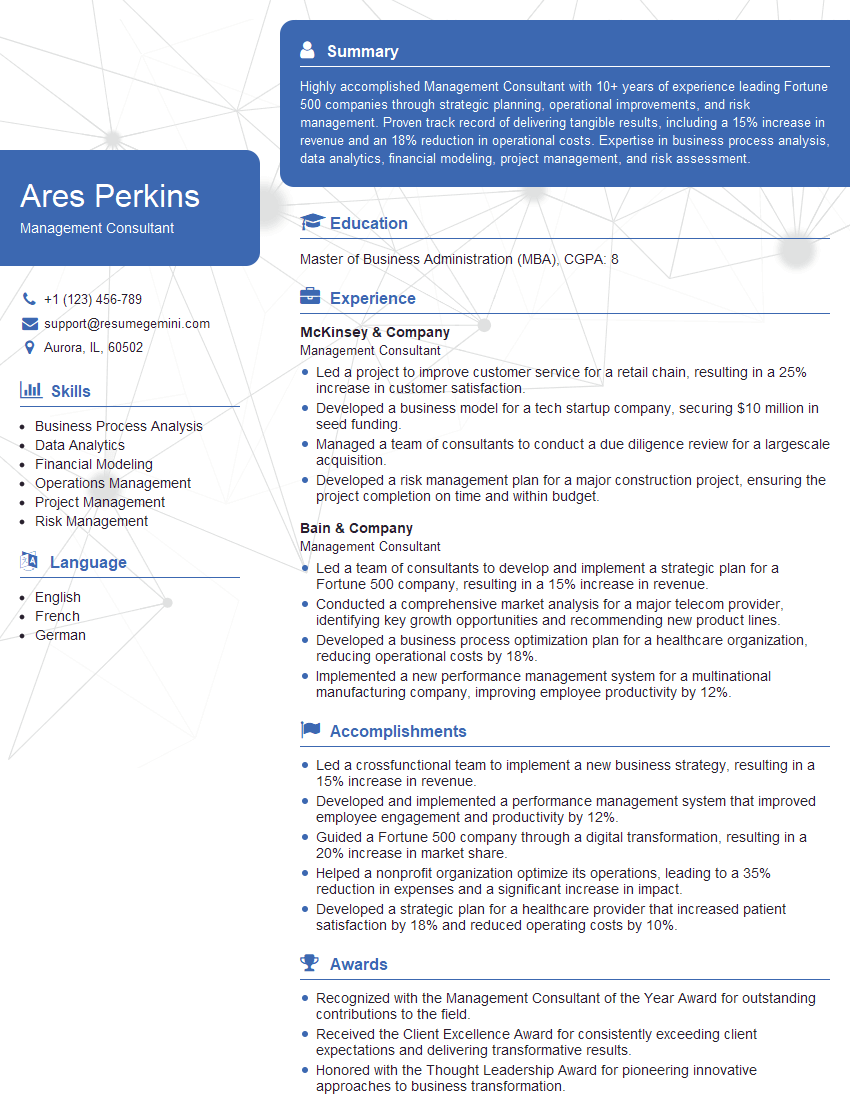
Management Consultant Resume Sample
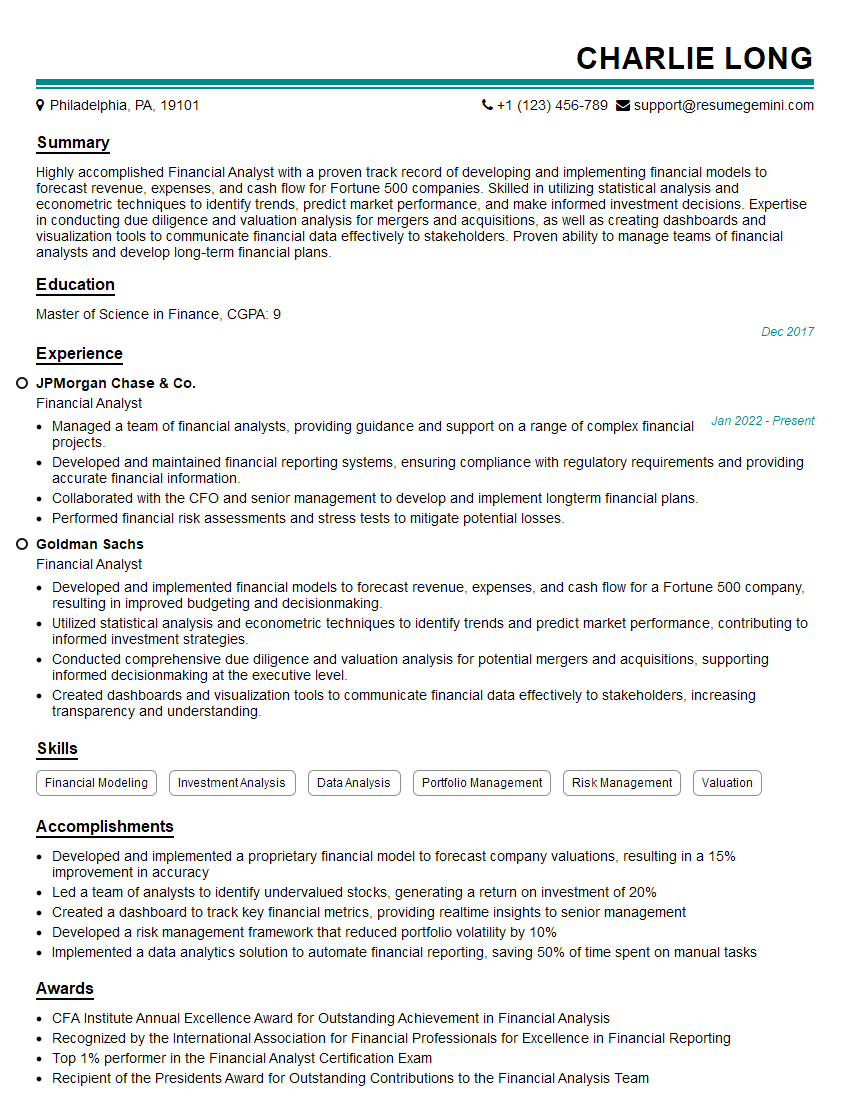
Financial Analyst Resume Sample
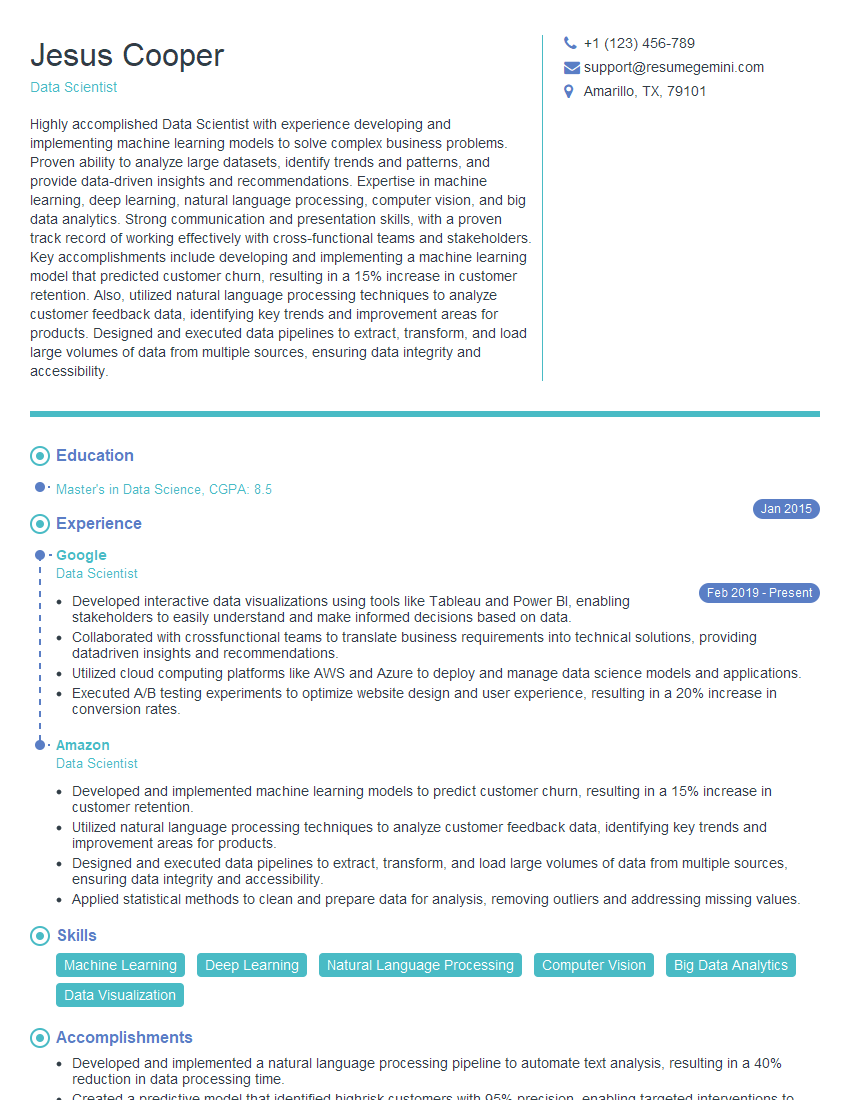
Data Scientist Resume Sample
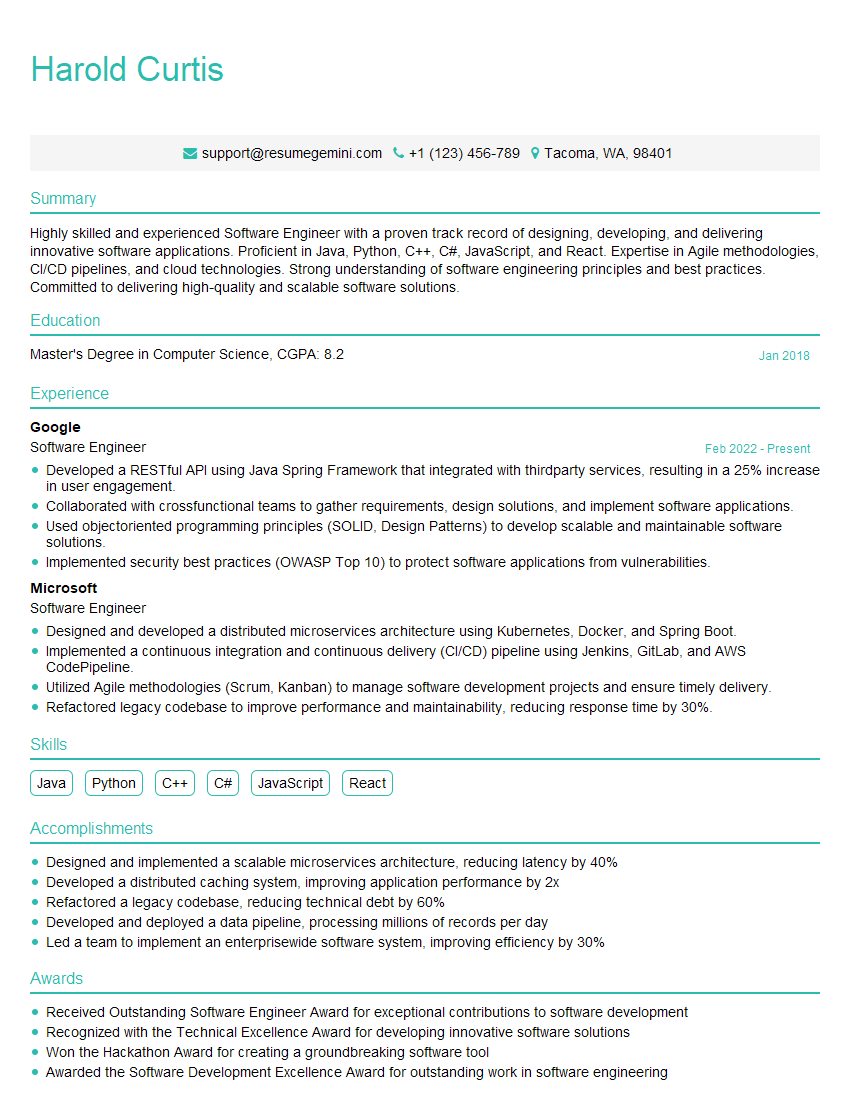
Software Engineer Resume Sample
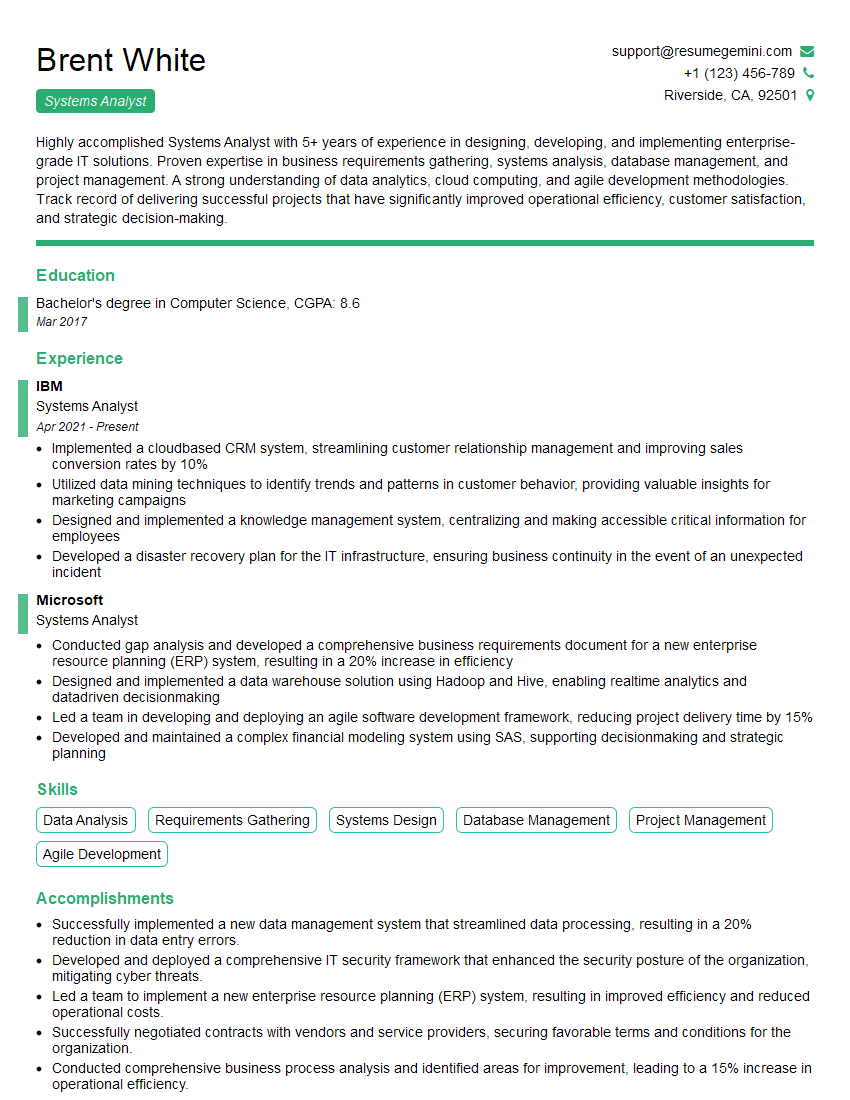
Systems Analyst Resume Sample
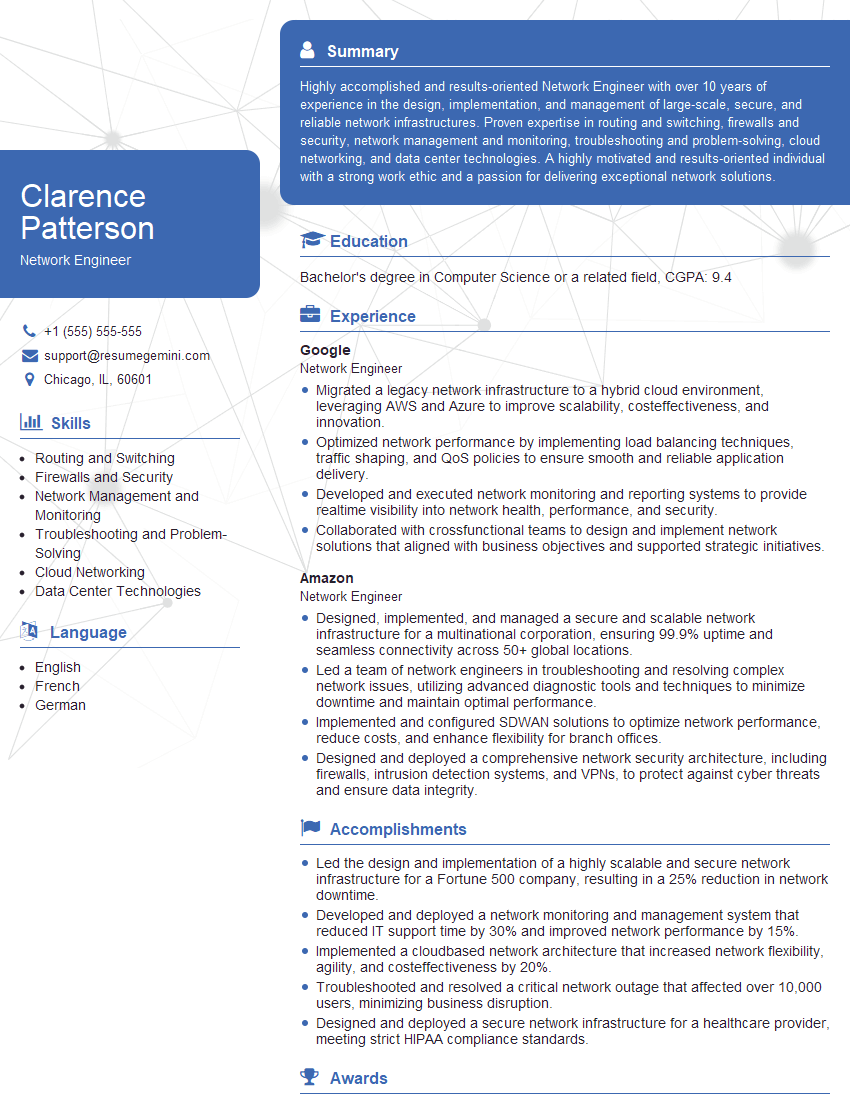
Network Engineer Resume Sample
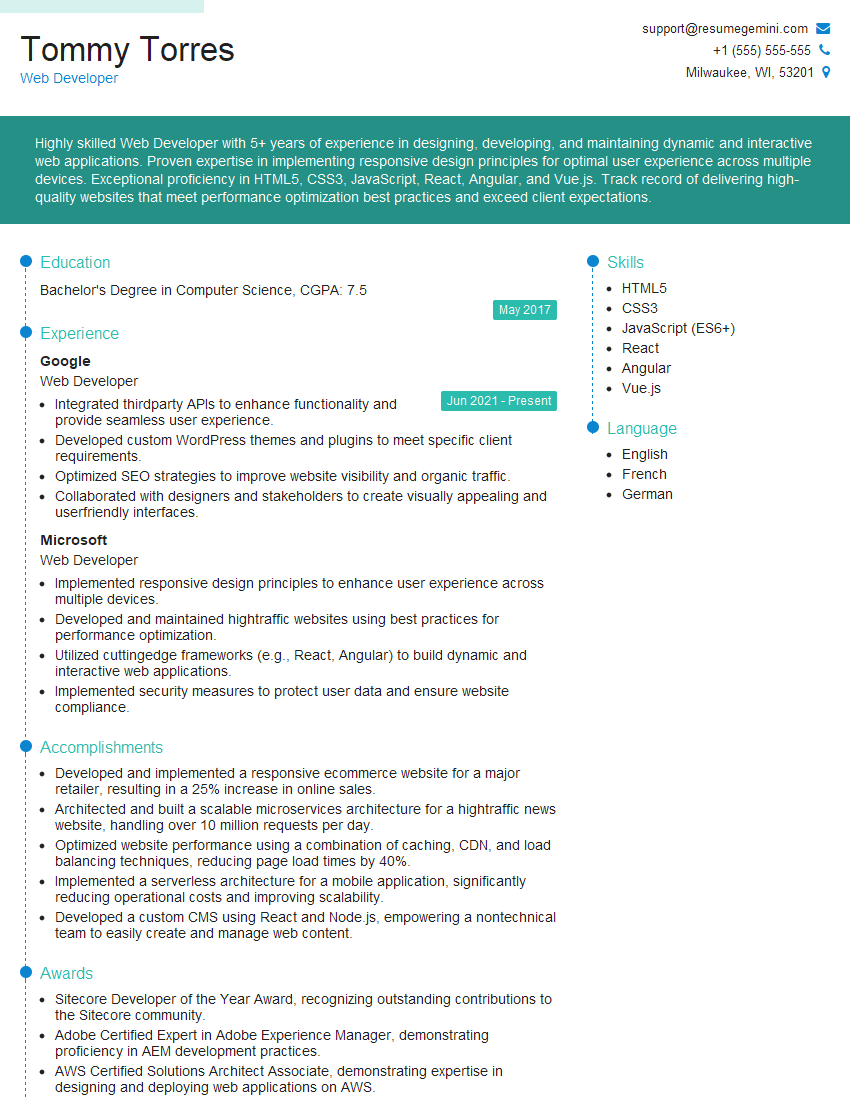
Web Developer Resume Sample
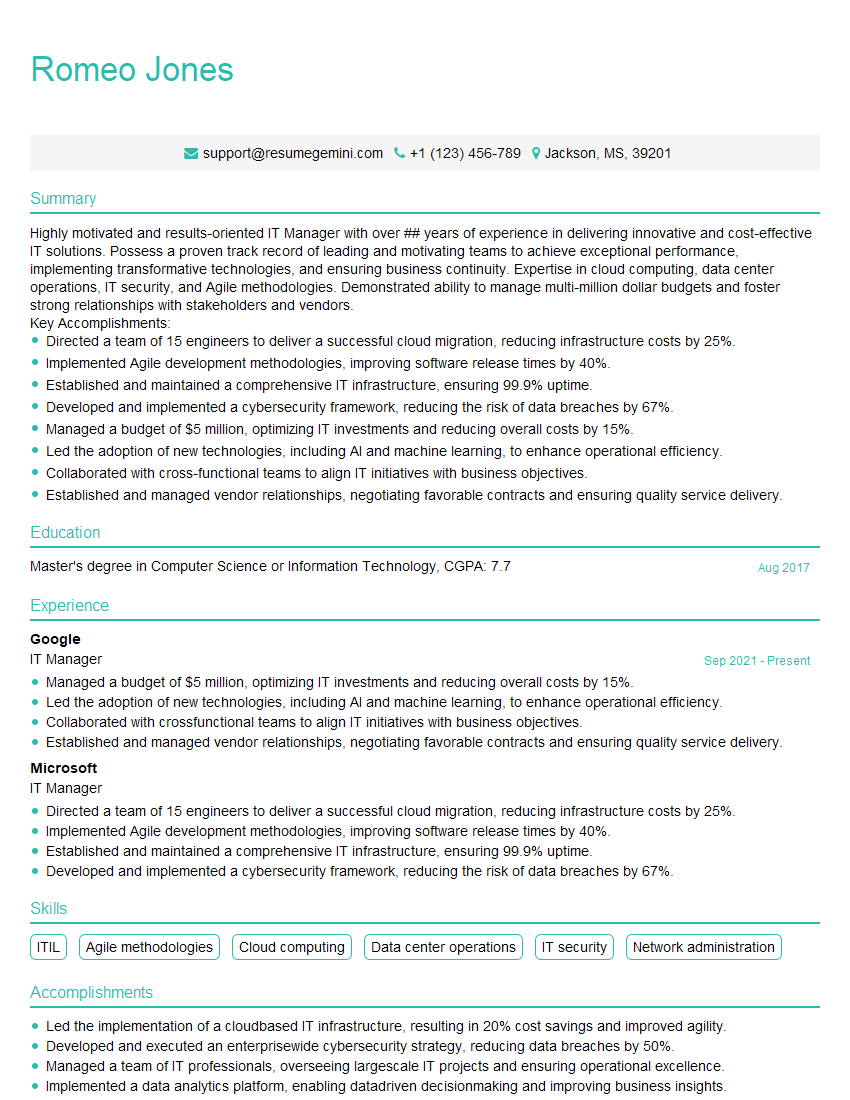
IT Manager Resume Sample
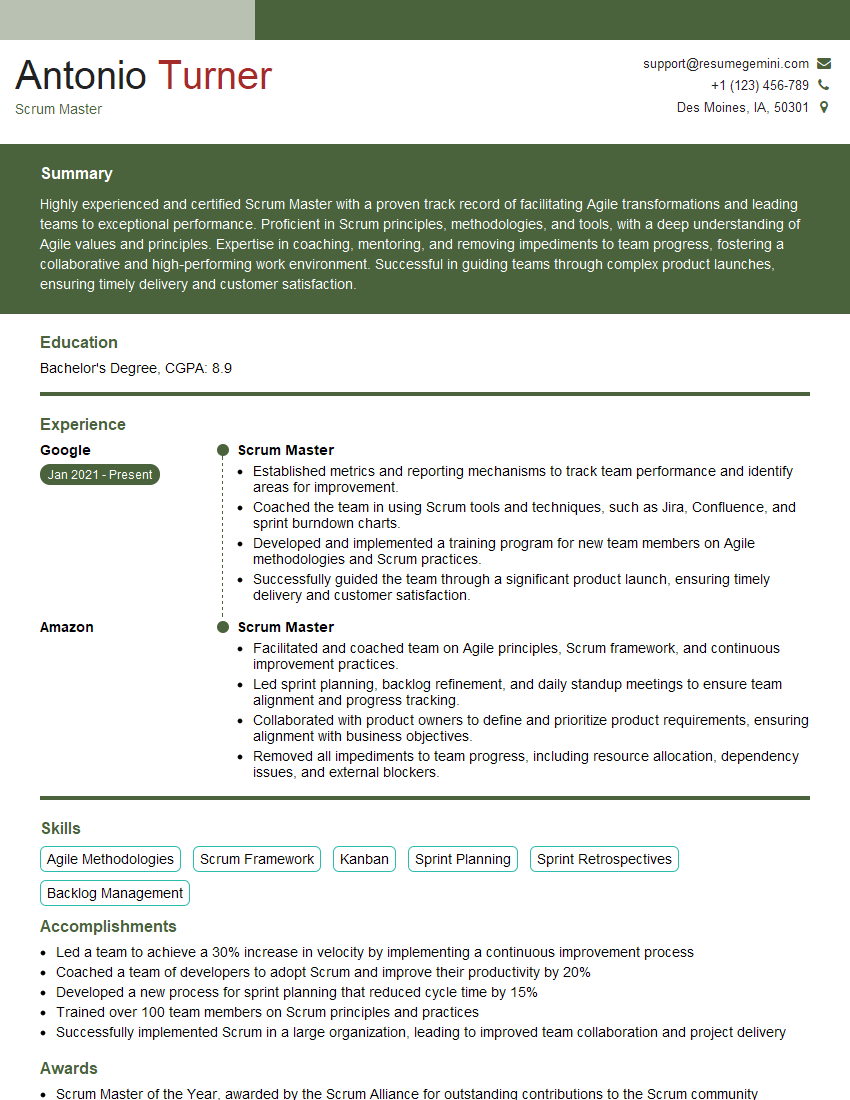
Scrum Master Resume Sample
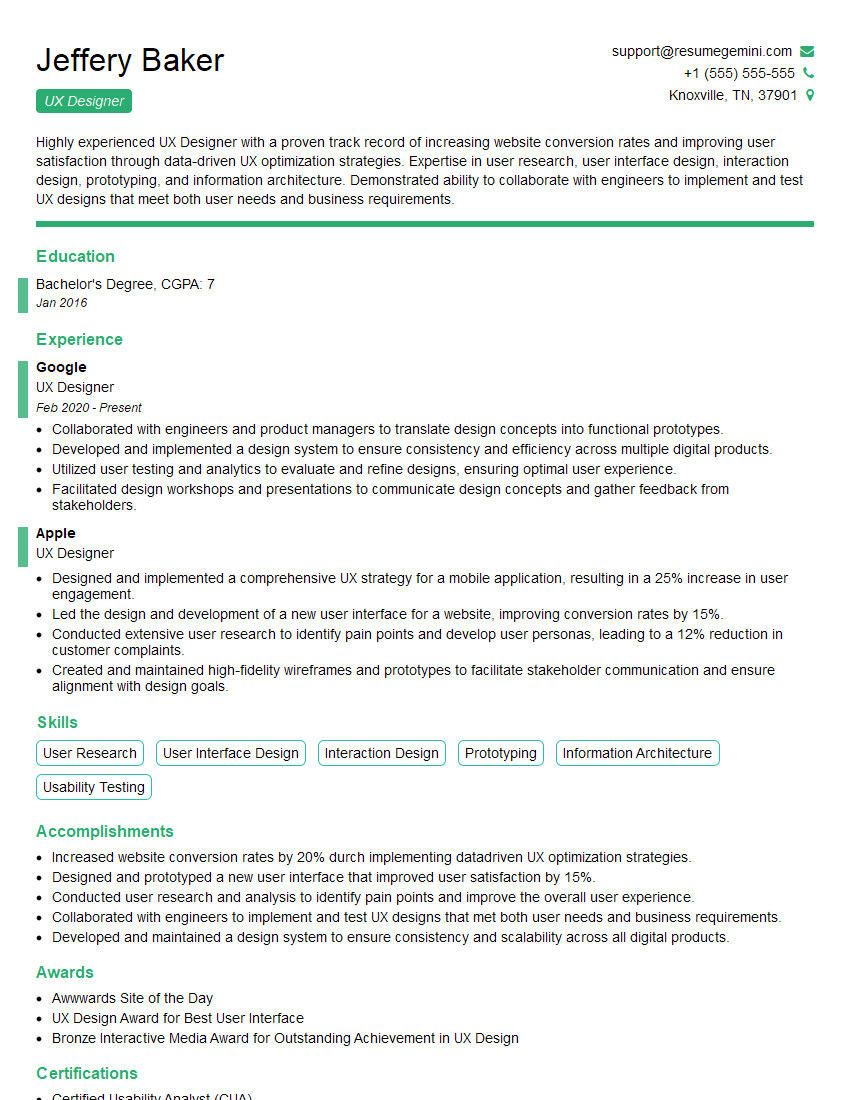
UX Designer Resume Sample
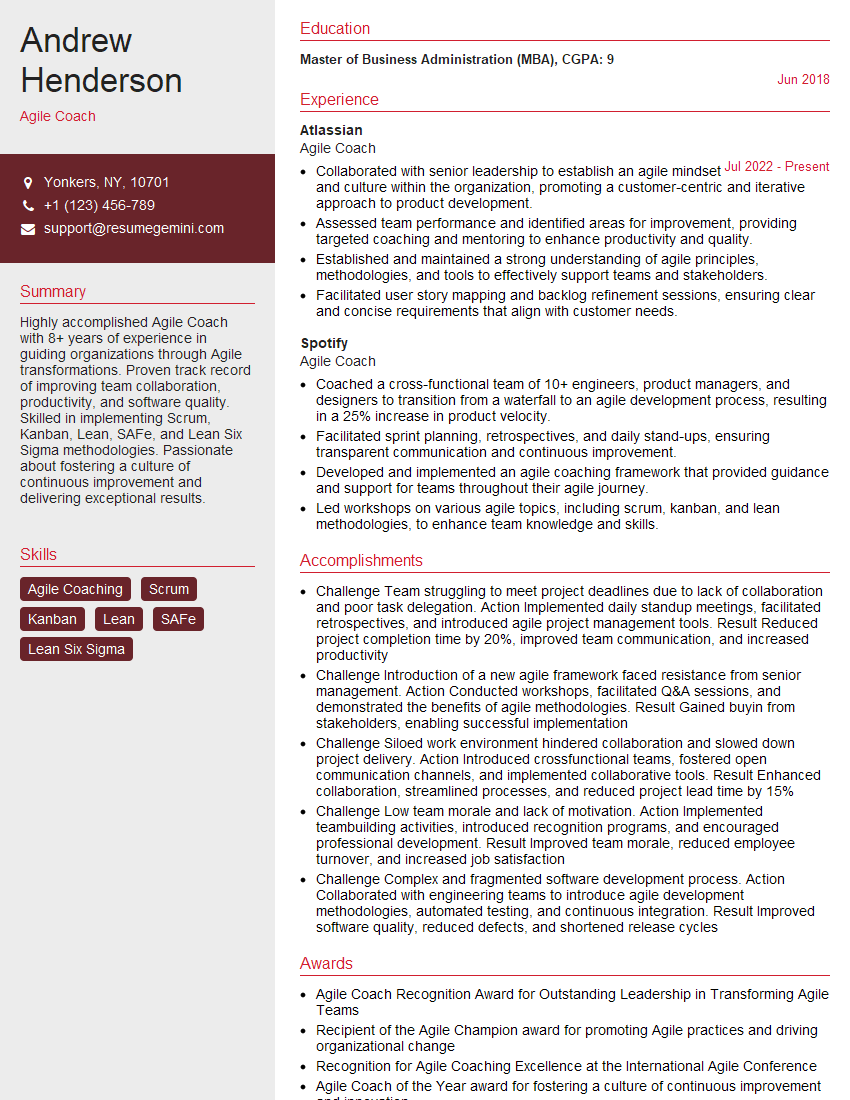
Agile Coach Resume Sample
- Program Manager
- Operations Manager
- Account Manager
- Marketing Manager
- Product Manager
- Sales Representative
- Customer Service Manager
- Supply Chain Manager
- Human Resources Manager
- Project Manager
- Business Analyst
- Management Consultant
- Financial Analyst
- Data Scientist
- Software Engineer
- Systems Analyst
- Network Engineer
- Web Developer
- IT Manager
- Scrum Master
- UX Designer
- Agile Coach
Explore more articles
Users Rating of Our Blogs
Share Your Experience
We value your feedback! Please rate our content and share your thoughts (optional).
What Readers Say About Our Blog
To the interviewgemini.com Webmaster.
Very helpful and content specific questions to help prepare me for my interview!
Thank you
To the interviewgemini.com Webmaster.
This was kind of a unique content I found around the specialized skills. Very helpful questions and good detailed answers.
Very Helpful blog, thank you Interviewgemini team.