Preparation is the key to success in any interview. In this post, we’ll explore crucial Addiction Prevention and Early Intervention interview questions and equip you with strategies to craft impactful answers. Whether you’re a beginner or a pro, these tips will elevate your preparation.
Questions Asked in Addiction Prevention and Early Intervention Interview
Q 1. Describe the stages of change model in addiction treatment.
The Stages of Change model, also known as the Transtheoretical Model, is a crucial framework in addiction treatment. It recognizes that change is a process, not a single event, and individuals progress through distinct stages at their own pace. Understanding these stages allows for tailored interventions.
- Precontemplation: The individual is unaware of or unwilling to acknowledge a problem with their substance use. They may deny or minimize the severity of their behavior.
- Contemplation: The individual is aware of the problem and starts considering change. However, they haven’t committed to action yet, often experiencing ambivalence (conflicting feelings about changing).
- Preparation: The individual is making concrete plans to change their behavior. They may start taking small steps towards achieving their goal, like seeking information or talking to a support person.
- Action: The individual actively modifies their behavior. This stage requires significant commitment and effort, and relapse is possible.
- Maintenance: The individual works to maintain their progress and prevent relapse. This stage can last indefinitely, requiring ongoing effort and self-management skills.
- Relapse: This isn’t a failure, but rather a common part of the process. It provides an opportunity for learning and readjustment, highlighting the need for relapse prevention strategies.
Example: Imagine a client who initially denies having a drinking problem (Precontemplation). As they start to recognize the negative consequences (Contemplation), they might seek counseling (Preparation). They then begin attending Alcoholics Anonymous meetings and reducing their alcohol intake (Action). Months later, they are still sober and practicing healthy coping mechanisms (Maintenance). If they experience a setback and have a drink, that’s a relapse (Relapse), but it doesn’t negate their progress. The goal is to learn from it and move forward.
Q 2. Explain the difference between harm reduction and abstinence-based approaches.
Harm reduction and abstinence-based approaches represent different philosophies in addiction treatment. While both aim to improve the client’s life, they differ significantly in their goals and strategies.
- Harm Reduction: This approach focuses on minimizing the negative consequences of substance use rather than achieving complete abstinence. It prioritizes practical strategies to reduce risks associated with drug use, such as needle exchange programs, supervised injection sites, and medication-assisted treatment (MAT). The emphasis is on meeting the client where they are and supporting their self-determination.
- Abstinence-based Approaches: These approaches strive for complete abstinence from substance use. They often involve traditional 12-step programs, intensive therapy, and sober living environments. The focus is on achieving total sobriety and maintaining it long-term.
Example: A client struggling with opioid addiction might benefit from MAT (harm reduction) by using medication to reduce cravings and withdrawal symptoms, even if they are not immediately ready for complete abstinence. Another client might find success in a residential treatment program (abstinence-based) with a goal of completely abstaining from substances. The best approach is tailored to the individual’s specific needs, preferences, and readiness for change.
Q 3. What are some evidence-based prevention programs for youth substance abuse?
Several evidence-based prevention programs effectively target youth substance abuse. These programs generally use a multi-faceted approach, combining educational components with skill-building and social influence strategies.
- Life Skills Training (LST): This program teaches adolescents effective communication, refusal skills, decision-making, and stress management techniques to resist peer pressure and make healthy choices.
- DARE (Drug Abuse Resistance Education): While its effectiveness has been debated, DARE programs aim to educate youth about the dangers of drugs and build resistance skills. Modern iterations often integrate more interactive and evidence-based components.
- Project ALERT: This program emphasizes enhancing social and emotional learning and reducing risky behaviors through interactive classroom activities and peer influence strategies.
Effective prevention programs often involve parents, schools, and community organizations to create a supportive and protective environment for youth. They address risk factors, such as peer influence, family dynamics, and access to substances, while promoting protective factors like strong family connections, academic success, and positive peer relationships.
Q 4. How would you assess a client’s risk for substance abuse?
Assessing a client’s risk for substance abuse involves a comprehensive approach that considers various biopsychosocial factors. This involves gathering information through interviews, questionnaires, and potentially collateral contacts (family members, etc.).
- Biological factors: Family history of substance abuse, genetic predisposition, and any existing mental health conditions are considered.
- Psychological factors: Assess the client’s coping mechanisms, stress management skills, history of trauma, personality traits, and any pre-existing mental health diagnoses.
- Social factors: Evaluate their peer group, family support system, social environment, access to substances, and any exposure to trauma or adversity.
- Behavioral factors: Examine their pattern of substance use, including frequency, amount, consequences, and any attempts to control their use. Also explore their history of risky behaviors.
Example: A client with a family history of alcoholism, who experiences high levels of stress, reports feeling isolated from their social support system and uses alcohol to cope with difficult emotions, exhibits multiple risk factors for substance abuse. This detailed assessment would inform the development of an individualized treatment plan.
Q 5. What screening tools are used to identify substance use disorders?
Several screening tools are widely used to identify substance use disorders (SUDs). These tools help clinicians quickly assess the severity of substance use and determine the need for further evaluation.
- AUDIT (Alcohol Use Disorders Identification Test): A widely used screening tool for alcohol problems, assessing alcohol consumption, dependence, and related problems.
- CAGE questionnaire: A short questionnaire used to screen for alcohol dependence, focusing on cutting down, annoyance by criticism, guilty feelings, and eye-openers.
- DAST (Drug Abuse Screening Test): This assesses drug use behaviors and their related consequences.
- SASSI (Substance Abuse Subtle Screening Inventory): A more sophisticated test that attempts to detect subtle indicators of substance abuse, including minimizing behaviors and denial.
These screenings are useful for initial assessment, but a comprehensive diagnostic evaluation is usually required to confirm a diagnosis of SUD. The choice of screening tool depends on the suspected substance and the client’s presenting issues.
Q 6. Describe your experience with motivational interviewing techniques.
Motivational Interviewing (MI) is a client-centered, directive counseling style that enhances intrinsic motivation to change by exploring and resolving ambivalence. My experience with MI is extensive, incorporating it into all phases of treatment. I find it particularly effective in engaging clients who are hesitant or resistant to change.
I employ the four core principles of MI: Express Empathy, Develop Discrepancy, Roll with Resistance, and Support Self-Efficacy. I use open-ended questions, affirmations, reflective listening, and summaries to understand the client’s perspective and guide them toward identifying their own reasons for change. I avoid direct confrontation and instead focus on collaboration and partnership.
Example: Instead of directly telling a client to quit smoking, I might ask open-ended questions like, “Tell me about your thoughts on quitting smoking?” By exploring their ambivalence, I help them recognize the discrepancies between their values and their current behavior. If they express resistance, I avoid arguing and instead try to understand their perspective, guiding them toward discovering their own solutions.
Q 7. How do you handle client resistance during treatment?
Client resistance is a common occurrence in addiction treatment and isn’t necessarily a sign of failure. It’s often an expression of ambivalence or fear of change. I approach resistance with empathy and understanding, using motivational interviewing techniques to address it constructively.
- Validate feelings: I acknowledge the client’s perspective and validate their emotions, creating a safe space for them to express their concerns.
- Collaborate, not confront: I avoid direct confrontation and instead focus on partnership and collaboration, working with the client to find solutions.
- Reframe resistance: I view resistance as an opportunity for deeper exploration and understanding of the client’s underlying ambivalence.
- Shift focus: If directly addressing resistance isn’t working, I may shift the focus to other aspects of the treatment plan or explore alternative approaches.
Example: If a client resists attending group therapy, I might explore their concerns instead of pushing them. Perhaps they fear judgment or feel uncomfortable sharing their experiences. By understanding their reluctance, we can collaboratively explore ways to make group therapy more comfortable or find alternative support systems.
Q 8. Explain the importance of family involvement in addiction treatment.
Family involvement is absolutely crucial in addiction treatment. It’s not just about supporting the individual struggling with addiction; it’s about addressing the systemic issues that often contribute to the problem and building a strong support network for long-term recovery. Families often bear the brunt of the consequences of addiction, experiencing emotional distress, financial strain, and disruptions to their daily lives. By actively involving the family, we can provide them with education, coping mechanisms, and strategies for healthy communication. This reduces the stigma surrounding addiction, promotes understanding, and facilitates a more effective recovery process.
For example, we might use Family Systems Therapy to help families identify unhealthy patterns of interaction and learn healthier ways to communicate and support each other. We also offer family education workshops, teaching them about addiction, the stages of recovery, and the role they play in supporting their loved one. Involving the family fosters a sense of shared responsibility and hope, significantly increasing the chances of successful recovery.
Q 9. What are some common barriers to accessing addiction treatment?
Access to addiction treatment faces numerous barriers. Financial constraints are a major obstacle; many individuals lack health insurance or cannot afford the high costs of treatment programs. Geographic location plays a significant role; access to specialized care might be limited in rural areas or underserved communities. Lack of awareness about available resources or how to access them also hinders treatment seeking. Stigma surrounding addiction remains a potent barrier, preventing individuals from seeking help due to shame or fear of judgment. In addition, transportation difficulties and inflexible treatment schedules can also create significant hurdles. Waitlists for treatment facilities are unfortunately common, leading to delays and potentially worsening the situation.
- Financial Barriers: High cost of treatment, lack of insurance coverage.
- Geographic Barriers: Limited access to specialized care in rural areas.
- Stigma and Shame: Fear of judgment prevents individuals from seeking help.
- Lack of Awareness: Unfamiliarity with available resources.
- Logistical Barriers: Transportation challenges, inflexible treatment schedules.
Q 10. How do you address cultural considerations in addiction treatment?
Cultural sensitivity is paramount in addiction treatment. Understanding a client’s cultural background, beliefs, values, and traditions is essential for creating a therapeutic alliance built on trust and respect. For example, some cultures may view addiction differently than others, with varying levels of stigma associated with seeking professional help. We need to be mindful of these differences and tailor our approach accordingly. This might involve using culturally sensitive language and materials, adapting treatment strategies to reflect cultural norms, and involving culturally competent staff or community leaders in the treatment process. We also need to be aware of how cultural factors, like historical trauma or systemic oppression, can contribute to addiction vulnerability and address these factors as part of the therapeutic process. For example, working with Indigenous populations requires a deep understanding of historical trauma and its impact on substance use.
Q 11. Describe your experience working with diverse populations.
Throughout my career, I’ve had the privilege of working with a diverse range of populations, including individuals from various racial, ethnic, socioeconomic, and LGBTQ+ backgrounds. This experience has significantly shaped my approach to addiction treatment. I’ve learned the importance of using a culturally-sensitive and person-centered approach that takes into account the unique experiences and challenges of each individual. For example, working with refugees might involve addressing trauma related to displacement and resettlement, while working with individuals from low-income backgrounds necessitates sensitivity to financial and social barriers. Each encounter has taught me the value of empathy, active listening, and adapting my therapeutic style to build trust and facilitate a productive therapeutic alliance. This adaptability ensures that all clients feel safe, respected, and understood.
Q 12. How do you maintain client confidentiality and adhere to HIPAA regulations?
Maintaining client confidentiality is a cornerstone of my professional practice. I strictly adhere to HIPAA regulations, ensuring that all client information is protected and disclosed only as permitted by law. This includes securing electronic health records, utilizing secure communication channels, and following strict protocols for information sharing. I always obtain informed consent before disclosing any information to third parties, and I make sure clients understand their rights to privacy. I regularly review and update my knowledge of HIPAA regulations to ensure compliance with evolving standards. Breaches of confidentiality can have serious consequences, and I am committed to upholding the highest ethical standards to protect the privacy and well-being of my clients.
Q 13. What is your understanding of trauma-informed care in addiction treatment?
Trauma-informed care recognizes the profound impact of trauma on an individual’s life, particularly its relationship to addiction. Many individuals struggling with addiction have experienced significant trauma, which can contribute to their substance use as a coping mechanism. A trauma-informed approach prioritizes safety, trustworthiness, choice, collaboration, and empowerment. We avoid triggering past traumas and create a therapeutic environment where clients feel safe and respected. Treatment strategies are tailored to address the underlying trauma, utilizing techniques such as EMDR (Eye Movement Desensitization and Reprocessing) or somatic experiencing to help individuals process and heal from their traumatic experiences. By integrating trauma-informed principles into addiction treatment, we can improve the effectiveness of interventions and promote long-term recovery.
Q 14. Explain your approach to crisis intervention in addiction situations.
My approach to crisis intervention in addiction situations is guided by a focus on safety and stabilization. The immediate priority is to ensure the individual’s safety and prevent harm to themselves or others. This might involve providing immediate support, contacting emergency services if necessary, and coordinating access to appropriate medical or psychiatric care. Once stabilized, the next step involves assessing the situation, identifying the triggers or underlying issues that led to the crisis, and developing a safety plan to prevent future crises. This plan might include connecting the individual with support groups, establishing coping mechanisms, and coordinating with family or other support systems. Collaboration with other professionals, such as psychiatrists or social workers, is often crucial to ensure comprehensive and effective crisis intervention.
Q 15. How would you develop a prevention program for a specific community?
Developing a community-specific addiction prevention program requires a thorough needs assessment. This involves understanding the unique risk factors and protective factors present within that community. We can’t just apply a generic program; it needs to be tailored. Think of it like fitting a custom suit – you wouldn’t use a pre-made one-size-fits-all option.
- Needs Assessment: This involves surveying community members, reviewing existing data on substance use rates, identifying high-risk groups (e.g., youth, specific ethnic groups), and analyzing the availability of existing resources.
- Collaboration: Building strong partnerships with local organizations, schools, healthcare providers, law enforcement, and community leaders is crucial. A multi-pronged approach ensures wide reach and sustainability.
- Program Design: The program should incorporate evidence-based strategies, such as universal prevention (reaching everyone), selective prevention (targeting at-risk groups), and indicated prevention (working with individuals showing early signs of problems). For example, we might offer educational workshops in schools, create peer support groups, or provide early intervention services for individuals identified as high-risk.
- Culturally Sensitive Approach: The program must respect and reflect the cultural norms and values of the community to ensure its acceptance and effectiveness. Ignoring cultural nuances can lead to program failure.
- Evaluation and Monitoring: Regular evaluation is critical to measure the program’s impact and make adjustments as needed. Data collection and analysis will help us understand what’s working and what needs improvement.
For example, in a rural community with limited resources, a program might focus on building community resilience through family support programs and accessible mental health services, rather than relying on expensive, resource-intensive interventions.
Career Expert Tips:
- Ace those interviews! Prepare effectively by reviewing the Top 50 Most Common Interview Questions on ResumeGemini.
- Navigate your job search with confidence! Explore a wide range of Career Tips on ResumeGemini. Learn about common challenges and recommendations to overcome them.
- Craft the perfect resume! Master the Art of Resume Writing with ResumeGemini’s guide. Showcase your unique qualifications and achievements effectively.
- Don’t miss out on holiday savings! Build your dream resume with ResumeGemini’s ATS optimized templates.
Q 16. What are some ethical considerations in addiction treatment?
Ethical considerations in addiction treatment are paramount. The core principles revolve around respecting client autonomy, confidentiality, and beneficence (acting in the client’s best interest). This requires a high level of sensitivity and awareness.
- Confidentiality: Protecting client information is crucial, especially given the sensitive nature of addiction. This includes adherence to HIPAA regulations and maintaining strict protocols for information sharing.
- Informed Consent: Clients must be fully informed about treatment options, risks, and benefits before agreeing to any intervention. They have the right to refuse treatment at any time.
- Dual Relationships: Avoiding dual relationships (e.g., being a client’s therapist and also their friend) is crucial to prevent conflicts of interest and maintain professional boundaries.
- Cultural Competency: Treatment should be culturally sensitive and appropriate, recognizing the diverse needs of different communities. This includes understanding cultural beliefs about addiction and mental health.
- Justice and Equity: Ensuring equitable access to treatment, regardless of socioeconomic status, race, ethnicity, or other factors, is vital. We must address systemic barriers that limit access to care.
For instance, a situation involving a minor and mandatory reporting could create an ethical dilemma. Balancing the client’s confidentiality with the legal obligation to report potential harm to the minor requires careful consideration and adherence to legal guidelines.
Q 17. Describe your experience with case management and referrals.
Case management involves coordinating services and resources for clients, acting as a central point of contact and advocate. Referrals involve connecting clients to appropriate services, such as therapy, medication-assisted treatment (MAT), or support groups.
In my experience, effective case management involves building strong rapport with clients, thoroughly assessing their needs, developing personalized care plans, and monitoring progress. I regularly utilize referral networks to connect clients with specialized services such as detox facilities, psychiatrists, or housing assistance. For instance, I might refer a client struggling with opioid addiction to a MAT clinic and simultaneously connect them with a supportive housing program. Tracking referrals and ensuring the client accesses these resources is key to the success of this process. I regularly follow-up with clients and providers to monitor progress and address any barriers they encounter. Documentation is extremely important, as this facilitates communication with other members of the treatment team and ensures continuity of care.
Q 18. How do you evaluate the effectiveness of an addiction prevention program?
Evaluating the effectiveness of an addiction prevention program requires a multi-faceted approach, utilizing both quantitative and qualitative data. This isn’t a simple process, but a robust one that demands dedication.
- Quantitative Data: This involves measuring changes in substance use rates, risk behaviors, knowledge and attitudes, and other relevant outcomes using surveys, pre- and post-tests, and administrative data. We might, for example, track the number of individuals who completed the program and the changes in their substance use patterns.
- Qualitative Data: This involves gathering feedback from participants, staff, and community members through interviews, focus groups, and observations. This provides a richer understanding of the program’s impact and helps identify areas for improvement. For example, we would conduct focus groups with program participants to assess their perceptions of program effectiveness.
- Process Evaluation: This focuses on assessing program implementation – ensuring the program is delivered as intended and reaches the target audience. This involves monitoring participation rates, examining program fidelity (adherence to the planned curriculum), and identifying any barriers to successful implementation.
- Outcome Evaluation: This assesses the program’s impact on the target outcomes, such as reductions in substance use or increases in protective factors. It’s vital to use a control group or compare outcomes to pre-program data to evaluate the program’s true effectiveness.
A comprehensive evaluation plan, developed before the program starts, is crucial. The plan should specify the evaluation methods, data collection instruments, and analysis plans.
Q 19. What are the key components of a relapse prevention plan?
A relapse prevention plan is a personalized strategy designed to help individuals maintain sobriety after treatment. It’s not just about avoiding relapse, but building resilience and coping skills to navigate life’s challenges without resorting to substance use.
- Trigger Identification: Identifying high-risk situations, emotions, or thoughts that trigger cravings is crucial. This could include stressful events, social situations, or negative emotions.
- Coping Mechanisms: Developing healthy coping strategies to manage cravings and stress is essential. This could involve relaxation techniques, mindfulness, exercise, or engaging in hobbies.
- Social Support: Building a strong support network, including family, friends, support groups (like AA or NA), or sponsors, provides crucial emotional and practical support.
- Lifestyle Changes: Making positive changes in lifestyle, such as improving diet, exercise, and sleep, can improve overall well-being and reduce vulnerability to relapse.
- Contingency Planning: Developing a plan for what to do when cravings or triggers arise is essential. This might involve calling a sponsor, attending a support group meeting, or engaging in a planned coping activity.
- Medication Management (if applicable): If medication is part of the treatment plan, adhering to the prescribed regimen is essential.
Relapse is a common part of recovery, and a well-structured relapse prevention plan helps individuals view setbacks as learning opportunities, rather than failures, leading to greater resilience in their ongoing recovery journey.
Q 20. Explain your understanding of co-occurring disorders (CODs).
Co-occurring disorders (CODs), also known as dual diagnosis, refer to the presence of a substance use disorder and another mental health disorder, such as depression, anxiety, or bipolar disorder. These disorders often interact and influence each other, making treatment more complex. It’s like two intertwined problems, each impacting the other.
Understanding the interplay between these disorders is crucial for effective treatment. For instance, someone with depression might self-medicate with drugs or alcohol, worsening both the depression and substance abuse. Conversely, substance use can trigger or worsen pre-existing mental health conditions. Effective treatment requires addressing both disorders simultaneously, using an integrated approach. This often involves a team of specialists, such as psychiatrists, therapists, and substance abuse counselors, working together to create a comprehensive treatment plan.
Integrated treatment approaches, such as incorporating medication management for both mental health and substance use disorders, along with therapy targeting both conditions, demonstrate better outcomes compared to treating only one disorder in isolation.
Q 21. How would you address a client experiencing withdrawal symptoms?
Addressing a client experiencing withdrawal symptoms requires a careful and medically supervised approach, as withdrawal can be dangerous and even life-threatening depending on the substance. It is absolutely critical to not attempt this without appropriate medical guidance.
Immediate Action: The first step is to assess the severity of the withdrawal symptoms. If the symptoms are severe or life-threatening, immediate medical intervention at a detox facility is necessary. This might involve stabilizing vital signs, managing symptoms, and providing medication to reduce the intensity of withdrawal.
Medical Supervision: Withdrawal management should always be supervised by medical professionals. They can accurately assess the severity of withdrawal, provide appropriate medical care, and monitor for complications. In certain cases, medication-assisted treatment (MAT) might be used to alleviate withdrawal symptoms and reduce cravings.
Individualized Approach: The approach will vary depending on the substance used, the person’s medical history, and the severity of their withdrawal symptoms. The goal is to ensure the client’s safety and comfort while supporting their transition through the withdrawal process.
Post-Withdrawal Care: Once the acute withdrawal symptoms have subsided, the focus shifts to long-term treatment, including therapy, support groups, and continuing care to address the underlying causes of addiction and to prevent relapse. This could include counseling, support groups, and continued medical monitoring.
Q 22. What are some common medication-assisted treatments (MATs) for opioid addiction?
Medication-assisted treatment (MAT) combines medications with counseling and behavioral therapies to provide a whole-person approach to treating opioid addiction. The goal is to reduce cravings, withdrawal symptoms, and the risk of relapse.
- Methadone: A synthetic opioid that reduces cravings and withdrawal symptoms. It’s administered daily under supervision at a clinic.
- Buprenorphine (Suboxone): A partial opioid agonist that reduces cravings and withdrawal, but with a lower risk of overdose than methadone. It can be prescribed by certified physicians for office-based treatment.
- Naltrexone (Vivitrol): A non-opioid medication that blocks the effects of opioids. It’s administered as a monthly injection and helps prevent relapse by reducing the rewarding effects of opioids. It’s particularly useful for individuals who have achieved abstinence.
The choice of MAT depends on individual factors such as the severity of addiction, medical history, and personal preferences. A comprehensive assessment is crucial to determine the most appropriate medication and treatment plan.
Q 23. Describe your experience with utilizing telehealth for addiction treatment.
Telehealth has revolutionized access to addiction treatment, especially in underserved areas. My experience has shown it to be highly effective for certain aspects of care, particularly medication management and counseling. For example, I’ve used telehealth platforms to conduct individual and group therapy sessions, monitor medication adherence using virtual check-ins, and provide ongoing support. This removes geographical barriers and allows for more flexible scheduling, improving patient engagement.
However, it’s important to acknowledge limitations. The lack of in-person interaction can sometimes make it more challenging to build rapport, and addressing certain situations, such as acute crises, may require in-person intervention. We must always prioritize patient safety and assess their technological literacy and access to reliable internet before utilizing telehealth extensively. A blended approach, combining telehealth with occasional in-person sessions, often proves most effective.
Q 24. How would you handle a situation where a client discloses a potential relapse?
A client disclosing a relapse is a critical moment requiring a non-judgmental, supportive, and collaborative approach. The first step is to create a safe space for the client to share their experience without fear of judgment. I would actively listen, validate their feelings, and avoid any blaming or shaming language.
Next, I would work with the client to understand the circumstances leading to the relapse. What triggers were present? Were there unmet needs or challenges in their recovery plan? This helps identify areas needing adjustment. We would then collaboratively revise the treatment plan, perhaps incorporating new coping strategies, adjusting medication, or involving additional support systems. Relapse is a part of recovery for many, and reframing it as a learning opportunity fosters a more positive outlook. I would emphasize that this is not a failure, but a chance to strengthen their recovery journey.
Q 25. What are your skills in collaborating with multidisciplinary teams?
Collaboration is fundamental in addiction treatment. My experience includes working closely with psychiatrists, nurses, social workers, case managers, and family members. I’m proficient in utilizing effective communication strategies to ensure seamless information sharing and coordinated care. For instance, I’ve participated in multidisciplinary team meetings to discuss treatment plans, monitor progress, and address emerging concerns. I actively contribute to creating comprehensive care plans that consider both the medical and psychosocial aspects of addiction. I believe in fostering a collaborative environment where everyone’s expertise is valued and contributes to the patient’s overall well-being.
Q 26. How do you stay up-to-date on the latest research and best practices in addiction treatment?
Staying current in the field requires a multifaceted approach. I regularly review peer-reviewed journals such as Addiction, Drug and Alcohol Dependence, and Journal of Substance Abuse Treatment. I also attend professional conferences and workshops, often presented by organizations like the Substance Abuse and Mental Health Services Administration (SAMHSA) and the National Institute on Drug Abuse (NIDA). Continuing education courses and webinars further enhance my knowledge. Networking with other professionals through professional organizations is also vital in staying informed about evolving best practices and new treatment approaches.
Q 27. Describe your experience with data collection and reporting related to addiction programs.
My experience encompasses data collection and reporting using both quantitative and qualitative methods. I’m proficient in utilizing electronic health records (EHRs) to track client progress, collect demographic data, and monitor treatment outcomes. I can generate reports that include key performance indicators (KPIs) such as treatment completion rates, relapse rates, and client satisfaction. This data is essential for program evaluation, identifying areas for improvement, and demonstrating the effectiveness of our interventions to funders and stakeholders. I also understand the importance of maintaining client confidentiality and adhering to HIPAA regulations when handling sensitive data.
Q 28. What are your strengths and weaknesses in providing addiction prevention and early intervention services?
Strengths: I excel at building rapport with clients, creating a safe and trusting environment for them to engage in treatment. My strong communication skills and empathy allow me to connect with individuals from diverse backgrounds and effectively tailor interventions to their unique needs. I’m also adept at utilizing evidence-based practices and adapting them based on the client’s response and progress. My experience with data collection and reporting ensures program effectiveness and accountability.
Weaknesses: Like all professionals, I am continuously striving for self-improvement. I am working on enhancing my skills in managing complex cases with co-occurring disorders. This requires further specialized training to better meet the specific needs of clients facing multiple challenges. I also recognize the need for ongoing professional development to remain at the cutting edge of this rapidly evolving field.
Key Topics to Learn for Addiction Prevention and Early Intervention Interview
- Understanding Addiction: Explore the biological, psychological, and social factors contributing to substance use disorders and addictive behaviors. Consider different models of addiction (e.g., disease model, biopsychosocial model).
- Prevention Strategies: Familiarize yourself with evidence-based prevention programs targeting various populations (youth, adults, specific communities). Understand the principles of universal, selective, and indicated prevention.
- Early Intervention Techniques: Learn about screening tools, brief interventions, and motivational interviewing techniques used in identifying and addressing early signs of substance use problems. Practice applying these techniques in hypothetical scenarios.
- Risk and Protective Factors: Master the identification and assessment of individual, family, and community risk and protective factors associated with substance abuse. Understand how to leverage protective factors in prevention and intervention efforts.
- Cultural Sensitivity and Ethical Considerations: Develop a strong understanding of cultural competency and ethical considerations in working with diverse populations affected by substance use disorders. Address issues of stigma and discrimination.
- Collaboration and Case Management: Understand the importance of interdisciplinary collaboration with healthcare professionals, social workers, and community organizations. Familiarize yourself with effective case management strategies.
- Data Analysis and Program Evaluation: Become comfortable with evaluating the effectiveness of prevention and intervention programs using relevant data and outcome measures. Understand different research methodologies used in this field.
- Trauma-Informed Care: Understand the significant role of trauma in addiction and the importance of incorporating trauma-informed approaches into prevention and intervention strategies.
Next Steps
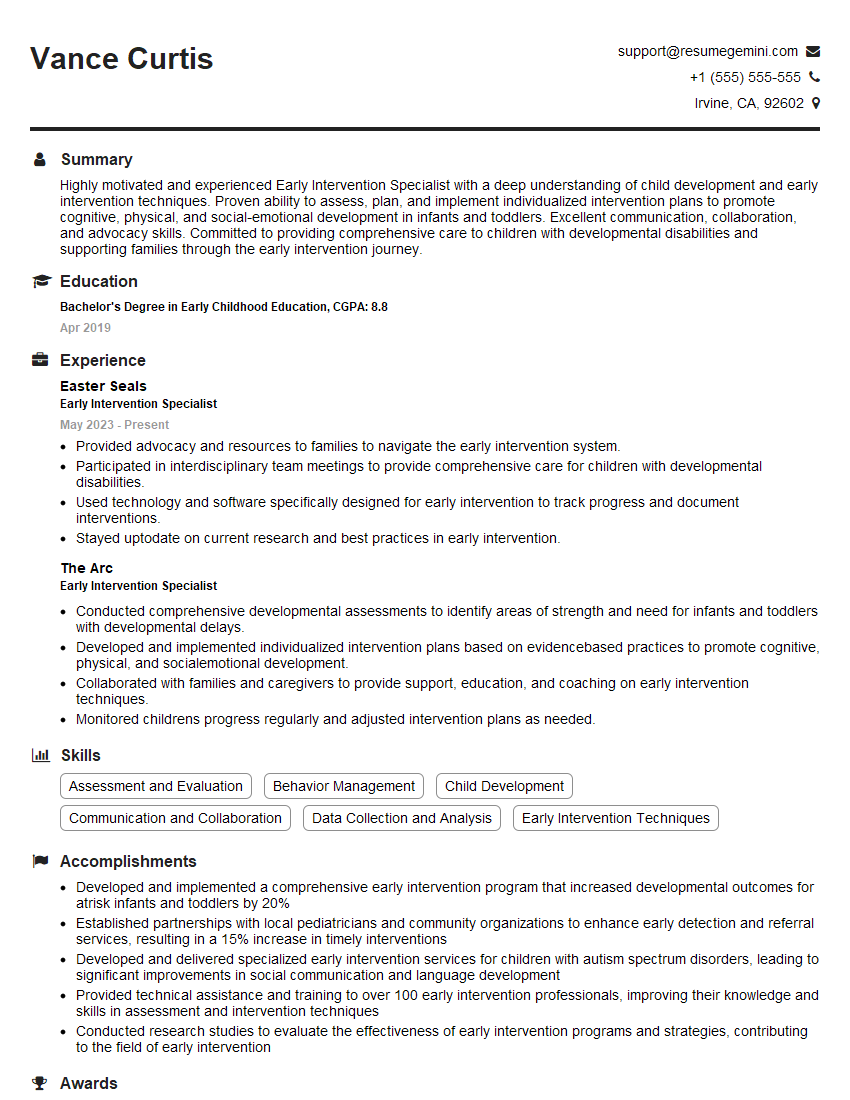
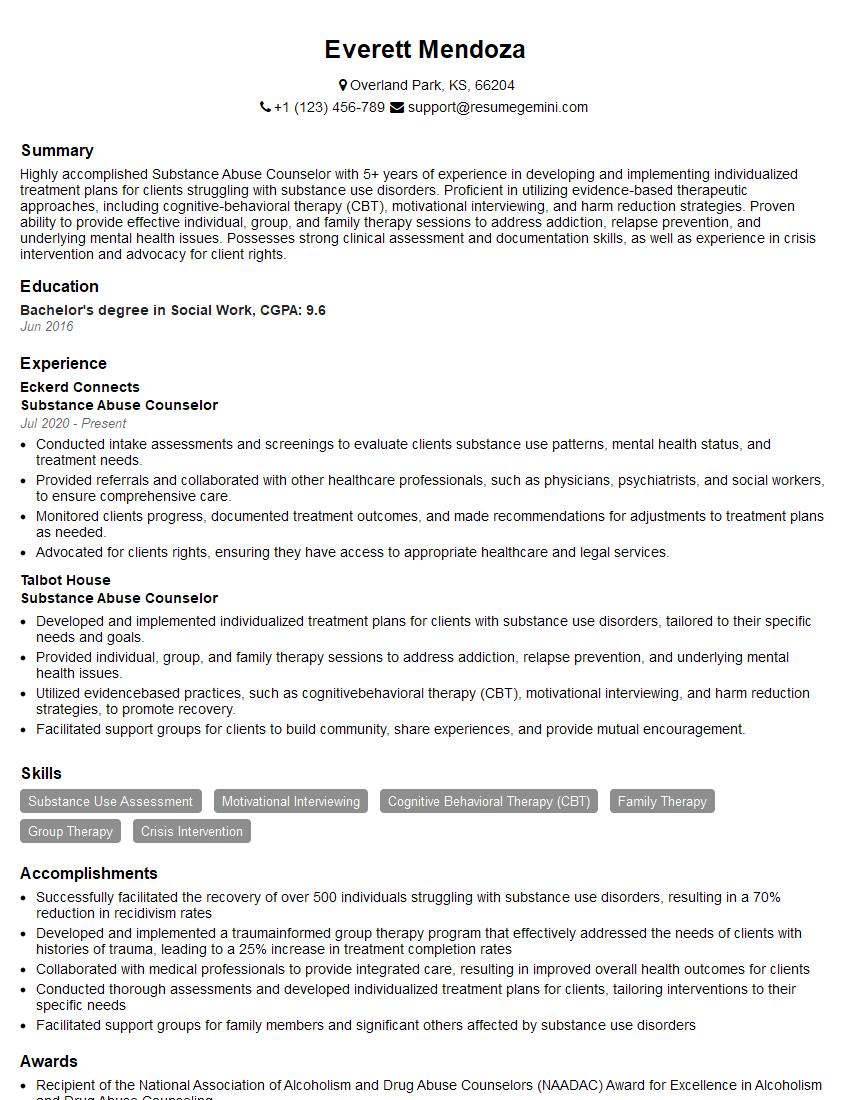
Mastering Addiction Prevention and Early Intervention is crucial for a rewarding and impactful career. This field offers significant opportunities for growth and the chance to make a real difference in people’s lives. To maximize your job prospects, creating a strong, ATS-friendly resume is essential. ResumeGemini is a trusted resource that can help you craft a professional and compelling resume tailored to highlight your skills and experience. Examples of resumes specifically designed for Addiction Prevention and Early Intervention professionals are available to guide you. Invest the time to create a resume that effectively showcases your qualifications – it’s an investment in your future success.
Explore more articles
Users Rating of Our Blogs
Share Your Experience
We value your feedback! Please rate our content and share your thoughts (optional).
What Readers Say About Our Blog
To the interviewgemini.com Webmaster.
Very helpful and content specific questions to help prepare me for my interview!
Thank you
To the interviewgemini.com Webmaster.
This was kind of a unique content I found around the specialized skills. Very helpful questions and good detailed answers.
Very Helpful blog, thank you Interviewgemini team.