Cracking a skill-specific interview, like one for Adhering to ethical and legal guidelines, requires understanding the nuances of the role. In this blog, we present the questions you’re most likely to encounter, along with insights into how to answer them effectively. Let’s ensure you’re ready to make a strong impression.
Questions Asked in Adhering to ethical and legal guidelines Interview
Q 1. Explain the importance of a code of ethics in a professional setting.
A code of ethics is a crucial framework guiding professional conduct. It sets clear expectations for behavior, promoting trust, accountability, and a positive work environment. Think of it as a moral compass, ensuring everyone operates with shared values.
- Builds Trust: A strong code of ethics fosters trust among colleagues, clients, and the public. Knowing everyone adheres to the same standards promotes confidence and reliability.
- Enhances Reputation: Organizations known for ethical practices attract and retain top talent and build a positive brand image. This can be a significant competitive advantage.
- Reduces Legal Risks: By outlining ethical expectations, a code of ethics helps prevent unethical behavior that could lead to legal issues and financial penalties.
- Improves Decision-Making: A well-defined code provides a clear guide for navigating difficult ethical dilemmas, leading to more consistent and responsible decision-making.
- Promotes Collaboration: Shared ethical values create a collaborative culture, where individuals feel comfortable raising concerns and working together to resolve ethical challenges.
Q 2. Describe a situation where you had to make a difficult ethical decision. What was the outcome?
In a previous role, I faced a situation where a colleague was subtly falsifying data to meet project deadlines. This was a difficult ethical decision because I valued my working relationship with this colleague, but I knew that falsifying data was unethical and potentially illegal. I chose to first speak privately with my colleague, explaining the ethical concerns and potential consequences. I emphasized the importance of data integrity and the reputational risks involved. Fortunately, my colleague understood the gravity of the situation and cooperated in rectifying the data. We collaborated to find a better way to manage project timelines without compromising data integrity. The outcome was positive, maintaining a professional relationship while upholding ethical standards.
Q 3. How would you handle a conflict of interest?
A conflict of interest arises when personal interests could potentially compromise professional obligations. The key is transparency and proactive avoidance. If a conflict arises, I would:
- Identify the conflict: Clearly define the potential conflict and its impact on my professional duties.
- Disclose the conflict: Immediately disclose the conflict to my supervisor or relevant authority, providing all necessary information. This demonstrates integrity and ensures appropriate action can be taken.
- Implement mitigation strategies: This could include recusal from relevant decisions, seeking advice from an ethics committee, or creating a firewall to separate personal and professional interests.
- Document everything: Maintain detailed records of the conflict, my actions, and the decisions made to ensure accountability and transparency.
Imagine a scenario where I am involved in selecting a vendor for a project, and a close relative owns a competing company. The solution is simple: I would recuse myself from the decision-making process to avoid even the appearance of impropriety.
Q 4. What are the key components of a strong compliance program?
A strong compliance program is essential for businesses to mitigate legal and ethical risks. Key components include:
- Written policies and procedures: Clear, concise, and accessible documents outlining ethical expectations and compliance requirements.
- Regular training and education: Providing ongoing training to employees to ensure they understand and comply with the program.
- Effective communication channels: Establishing clear reporting mechanisms to encourage employees to report potential violations without fear of retribution.
- Internal monitoring and auditing: Regular internal audits and monitoring activities to identify and address potential compliance issues proactively.
- Disciplinary action: A clearly defined process for addressing violations, including appropriate disciplinary actions to ensure accountability.
- Ongoing review and improvement: Regular review and update of policies and procedures to adapt to changing laws, regulations, and business practices.
Q 5. What are some common legal risks faced by businesses?
Businesses face numerous legal risks, including:
- Data breaches and privacy violations: Failure to protect sensitive customer data can lead to significant legal liabilities and reputational damage. The
GDPR(General Data Protection Regulation) andCCPA(California Consumer Privacy Act) are examples of legislation businesses must adhere to. - Employment law violations: Issues such as discrimination, harassment, wrongful termination, and wage and hour violations can result in costly lawsuits and fines.
- Contract disputes: Breach of contract claims can lead to significant financial losses and legal battles.
- Intellectual property infringement: Unauthorized use of patents, trademarks, or copyrights can result in legal action and financial penalties.
- Antitrust violations: Engaging in anti-competitive practices can result in substantial fines and regulatory scrutiny.
- Environmental regulations: Businesses must comply with environmental laws and regulations, failure to do so can result in significant fines and legal action.
Q 6. How do you stay current on changes in relevant laws and regulations?
Staying current with legal and regulatory changes requires a multi-faceted approach:
- Regularly monitor legal updates: Subscribe to legal newsletters, attend industry conferences, and utilize online legal resources to remain updated on relevant changes.
- Network with legal professionals: Maintain contact with legal professionals who specialize in relevant areas to receive insights and advice.
- Utilize legal databases: Access legal databases to research changes in laws and regulations relevant to your industry.
- Attend relevant training: Participate in compliance training programs to ensure knowledge of the latest requirements.
- Engage legal counsel: Consult with legal counsel regularly to receive guidance and ensure compliance with current laws and regulations.
Q 7. Explain the difference between ethical and legal obligations.
Ethical obligations are based on moral principles and values, while legal obligations are defined by laws and regulations. Ethics often set a higher standard than the law. For example, it might be perfectly legal to sell a product that is poorly made but may not be ethical.
Legal obligations are codified and enforceable; violating them results in legal penalties. Ethical obligations are generally unwritten but expected standards; violating them results in reputational damage or loss of trust. A business might legally be able to reduce employee benefits, but ethically it might be unacceptable if it significantly impacts employee well-being.
Q 8. Describe your experience with data privacy regulations (e.g., GDPR, CCPA).
Data privacy regulations like the GDPR (General Data Protection Regulation) and CCPA (California Consumer Privacy Act) are crucial for protecting individuals’ personal information. My experience encompasses understanding and implementing these regulations across various projects. This involves ensuring data minimization, obtaining explicit consent, implementing robust security measures, and providing transparent data processing notices. I’ve worked directly with legal counsel to ensure compliance, including conducting data mapping exercises to identify and classify personal data, developing data processing agreements with third-party vendors, and implementing data breach response plans. For example, in a recent project involving customer relationship management (CRM) data, I ensured all data processing activities were documented, consent mechanisms were appropriately implemented, and data security protocols met GDPR and CCPA standards. We even conducted regular audits to ensure continued compliance.
Specifically with GDPR, I have a deep understanding of its core principles: lawfulness, fairness, and transparency; purpose limitation; data minimization; accuracy; storage limitation; integrity and confidentiality; and accountability. With CCPA, I’m well-versed in its requirements around consumer rights, such as the right to access, delete, and opt-out of data sales. My experience extends to navigating the complexities of different jurisdictions and their varying interpretations of these regulations, ensuring we remain consistently compliant across all operational regions.
Q 9. How would you report a violation of ethical or legal standards within your organization?
Reporting a violation of ethical or legal standards is crucial for maintaining organizational integrity. My approach would follow a clear, documented process. First, I would carefully document all relevant facts, including dates, times, individuals involved, and any supporting evidence. I would then carefully consider the severity of the violation. If the violation is serious or poses an immediate risk, I would report it immediately to my supervisor or a designated ethics officer. If my supervisor is involved, I would escalate the report to a higher authority within the organization. I would maintain a detailed record of all communication and actions taken.
Furthermore, I understand the importance of utilizing internal reporting mechanisms, like a confidential hotline or ethics committee, to ensure the process is impartial and secure. My actions would be guided by the organization’s code of conduct and whistleblower protection policies, and I would prioritize protecting myself and the information provided to prevent any form of retaliation. This process is vital for fostering a culture of ethical behavior and compliance within the organization.
Q 10. Explain your understanding of whistleblower protection laws.
Whistleblower protection laws are designed to safeguard individuals who report illegal or unethical activities within their organizations. These laws vary by jurisdiction but generally protect whistleblowers from retaliation, such as demotion, termination, or harassment. They often mandate that employers establish internal mechanisms for reporting such concerns and investigate them fairly. Understanding the nuances of these laws, including the specific requirements for reporting and the types of protections offered, is critical.
For instance, in the US, the Sarbanes-Oxley Act (SOX) protects whistleblowers in publicly traded companies. The Dodd-Frank Wall Street Reform and Consumer Protection Act provides similar protections for those reporting financial fraud. These laws often require employers to maintain confidentiality, promptly investigate allegations, and take appropriate action against wrongdoers. Failure to comply can result in significant legal penalties. It’s essential to understand the specific protections offered by the relevant legislation in the applicable jurisdiction to ensure you report effectively and are safeguarded.
Q 11. What is your experience with internal investigations?
My experience with internal investigations includes participation in several investigations related to potential breaches of company policy or regulatory violations. This involved gathering evidence, conducting interviews, and analyzing documentation to determine the facts of the situation. I have collaborated closely with legal counsel, HR, and other relevant parties to ensure a thorough and impartial investigation. In one instance, an investigation into a suspected data breach involved reviewing security logs, interviewing employees, and assessing the extent of the potential impact. We collaborated to identify vulnerabilities, implement remedial actions, and notify relevant authorities as required.
A key aspect of my approach is maintaining objectivity, confidentiality, and fairness throughout the investigation. I understand the importance of following established protocols and procedures to ensure the integrity of the process and the protection of involved parties. My aim is always to identify the root cause of the issue and recommend effective solutions to prevent future occurrences, while always prioritizing the ethical and legal implications of the findings.
Q 12. How would you conduct a risk assessment for a new project?
Conducting a thorough risk assessment for a new project is paramount for preventing potential legal and ethical issues. I typically utilize a structured approach, starting with identifying potential risks. This may involve brainstorming sessions with cross-functional teams and analyzing potential impacts related to privacy, security, compliance, and reputation. Factors such as the type of data handled, the technology used, and the target audience are all considered.
Next, I assess the likelihood and potential impact of each identified risk. This often involves assigning scores to quantify these factors, enabling a prioritized approach. For example, a high-likelihood, high-impact risk (such as a data breach) would be prioritized over a low-likelihood, low-impact risk (such as a minor software bug). Finally, I develop mitigation strategies to reduce the likelihood or impact of each risk. These might involve implementing technical safeguards, developing new policies, or establishing additional training programs. The entire process is documented, and the risk assessment is regularly reviewed and updated throughout the project lifecycle.
Q 13. How do you prioritize competing ethical and legal considerations?
Prioritizing competing ethical and legal considerations requires a balanced approach that prioritizes upholding both. When faced with conflicting obligations, I would first carefully analyze each consideration, determining its potential impact and assessing the relevant laws and ethical guidelines. I would then seek guidance from legal counsel and relevant stakeholders to understand all potential consequences of each course of action.
In some cases, a solution that satisfies both legal and ethical requirements may exist. However, in situations where a direct conflict arises, I would generally prioritize the course of action that minimizes harm and upholds the highest ethical standards, while ensuring full compliance with the law. Transparency and documentation of this decision-making process are crucial. This meticulous approach ensures that any decisions made are justified and defensible, and that all stakeholders understand the rationale behind the chosen course of action.
Q 14. Describe a time you identified a potential legal or compliance issue. What actions did you take?
In a previous role, I identified a potential conflict of interest involving a vendor relationship. One of our key vendors was also providing services to a competitor. This raised concerns about potential breaches of confidentiality and potential bias in their services. After carefully documenting my concerns and evidence, I reported the issue to my supervisor and the legal department.
Subsequently, a thorough investigation was undertaken, involving reviewing contracts, communication logs, and interviewing relevant personnel. The investigation revealed that the vendor relationship did indeed pose a significant risk to our company’s interests. As a result, we terminated the contract with the vendor and implemented stricter guidelines for vetting future vendors to prevent similar situations from arising. The incident highlighted the importance of proactive monitoring and the need for robust conflict of interest policies within the organization.
Q 15. What is your understanding of corporate social responsibility?
Corporate Social Responsibility (CSR) is a self-regulating business model that helps a company be socially accountable—to itself, its stakeholders, and the public. By practicing corporate social responsibility, companies can be conscious of the kind of impact they are having on all aspects of society, including economic, social, and environmental.
It’s more than just philanthropy; it’s about integrating social and environmental concerns into a company’s core business strategy and operations. For example, a company might invest in renewable energy to reduce its carbon footprint (environmental responsibility), offer fair wages and benefits to its employees (social responsibility), and support local communities through charitable giving (social responsibility) and ethical sourcing of materials (economic and environmental responsibility).
A strong CSR program builds trust with consumers, attracts and retains talent, enhances brand reputation, and can even lead to improved financial performance. Think of companies like Patagonia, known for their commitment to sustainability, which has fostered strong customer loyalty and a positive brand image.
Career Expert Tips:
- Ace those interviews! Prepare effectively by reviewing the Top 50 Most Common Interview Questions on ResumeGemini.
- Navigate your job search with confidence! Explore a wide range of Career Tips on ResumeGemini. Learn about common challenges and recommendations to overcome them.
- Craft the perfect resume! Master the Art of Resume Writing with ResumeGemini’s guide. Showcase your unique qualifications and achievements effectively.
- Don’t miss out on holiday savings! Build your dream resume with ResumeGemini’s ATS optimized templates.
Q 16. How do you ensure compliance with anti-bribery and anti-corruption laws?
Ensuring compliance with anti-bribery and anti-corruption laws requires a multi-faceted approach. It begins with implementing a robust compliance program that includes a comprehensive code of conduct, clearly defining what constitutes a bribe or corrupt practice, and providing regular training to all employees.
- Risk Assessment: Identifying potential bribery and corruption risks within the organization and across our supply chain is critical. This involves reviewing business processes, geographic locations, and industry norms.
- Due Diligence: Thorough due diligence on business partners, suppliers, and agents helps to mitigate risks associated with corruption.
- Internal Controls: Strong internal controls, including segregation of duties, approval processes, and financial oversight, are essential to prevent and detect corruption. This often includes using automated transaction monitoring systems.
- Whistleblowing Hotline: Providing a confidential and secure channel for employees to report potential violations ensures early detection and swift remediation.
- Regular Audits: Internal and external audits are crucial to verify compliance with established policies and procedures.
Furthermore, we need to stay updated on evolving legal standards both domestically and internationally, as laws and regulations are constantly refined and strengthened. Non-compliance can lead to significant financial penalties, reputational damage, and even criminal charges.
Q 17. How would you explain complex legal or ethical concepts to non-legal staff?
Explaining complex legal or ethical concepts to non-legal staff requires clear, concise communication and the use of relatable examples. I avoid legal jargon and instead focus on the practical implications of the concepts.
For example, when discussing data privacy, instead of explaining the nuances of GDPR regulations, I might explain it using the analogy of a personal diary. Just as you wouldn’t want anyone reading your personal diary without permission, companies must protect the personal data of their customers and employees.
I also use visual aids like flowcharts or simple diagrams to illustrate complex processes or structures, making the information easier to understand and retain. Interactive workshops and role-playing exercises help reinforce understanding and ensure engagement.
Finally, I tailor my communication to the audience’s existing knowledge and level of understanding, ensuring the information is accessible and relevant to their roles and responsibilities.
Q 18. What is your understanding of intellectual property rights?
Intellectual property (IP) rights are the legal rights granted to the creators of original works, including inventions, literary and artistic works, designs, and symbols, names, and images used in commerce. These rights protect the creators’ economic interests and encourage innovation.
There are several key types of IP rights:
- Patents: Protect inventions, granting exclusive rights to make, use, and sell the invention.
- Copyrights: Protect original creative works, such as books, music, and software.
- Trademarks: Protect brand names, logos, and other identifying marks used in commerce.
- Trade Secrets: Protect confidential information that provides a business with a competitive edge.
Understanding IP rights is critical for businesses to protect their valuable assets and avoid infringement. For example, a company might obtain a patent for a new technology, register a trademark for its brand name, or copyright its software to prevent unauthorized use and protect its competitive advantage.
Q 19. Describe your experience with contract negotiation and review.
I have extensive experience in contract negotiation and review, having handled a wide range of contracts, from vendor agreements to non-disclosure agreements (NDAs) and complex licensing agreements.
My approach involves:
- Thorough Review: Carefully reviewing all clauses to identify potential risks and ensure the contract aligns with the company’s interests.
- Negotiation: Effectively negotiating terms and conditions to achieve mutually beneficial outcomes, while always safeguarding the company’s legal and commercial position.
- Risk Management: Identifying and mitigating potential risks and liabilities associated with the contract.
- Collaboration: Working collaboratively with internal stakeholders, such as legal, finance, and operations, to ensure a comprehensive understanding of the contract’s implications.
- Documentation: Maintaining detailed records of all negotiation and agreement processes.
For example, in negotiating a software licensing agreement, I would focus on securing favorable terms related to intellectual property rights, warranty provisions, and limitation of liability clauses. My goal is always to ensure a balanced contract that protects the company’s interests while fostering a productive relationship with the other party.
Q 20. How do you ensure data security and confidentiality?
Data security and confidentiality are paramount. My approach involves a multi-layered strategy that encompasses:
- Access Control: Implementing robust access control measures, such as role-based access and multi-factor authentication, to limit access to sensitive data only to authorized personnel.
- Data Encryption: Encrypting data both in transit and at rest to protect it from unauthorized access, even if a security breach occurs.
- Regular Security Audits: Conducting regular security audits and penetration testing to identify vulnerabilities and ensure the effectiveness of security measures.
- Employee Training: Educating employees about data security best practices, including password management, phishing awareness, and the importance of reporting suspicious activity.
- Incident Response Plan: Having a comprehensive incident response plan in place to handle data breaches and other security incidents effectively and minimize potential damage.
- Compliance with Regulations: Adhering to relevant data privacy regulations, such as GDPR, CCPA, etc., is crucial.
We utilize data loss prevention (DLP) tools and regularly review and update our security policies to adapt to evolving threats. It’s a continuous process of improvement and vigilance.
Q 21. What steps would you take to implement a new compliance policy?
Implementing a new compliance policy requires a systematic approach:
- Needs Assessment: First, we must assess the need for the new policy, identifying any gaps in existing policies or changes in regulations that necessitate a new policy.
- Policy Development: The policy should be drafted in clear and concise language, easily understandable by all employees, addressing specific risks and outlining clear expectations and responsibilities.
- Stakeholder Engagement: We involve key stakeholders throughout the process, gathering input and feedback from relevant departments to ensure buy-in and effective implementation.
- Training and Communication: Comprehensive training programs and effective communication strategies are vital to ensure all employees understand the new policy and their responsibilities.
- Monitoring and Enforcement: Implementing mechanisms for monitoring compliance, including regular audits and reporting, is crucial. The policy should also define consequences for non-compliance.
- Review and Update: Regular review and updates to the policy are necessary to adapt to evolving regulatory requirements and internal needs.
This phased implementation ensures that the new policy is well-understood, accepted, and effectively enforced throughout the organization, leading to a culture of compliance.
Q 22. How would you handle pressure to compromise ethical standards?
Maintaining ethical standards is paramount, even under pressure. My approach involves a multi-step process. First, I’d clearly articulate the ethical concerns, citing specific regulations or company policies being violated. I would document these concerns thoroughly. Second, I’d attempt to address the pressure through open and honest communication with the source. This might involve explaining the potential risks associated with compromising ethics, including legal repercussions, reputational damage, and personal moral conflicts. If the pressure persists despite my efforts, I would escalate the issue to my supervisor or a designated ethics officer, documenting each step of my communication and escalation process. Finally, if all internal channels fail to resolve the situation, I would consider reporting the issue to external authorities, depending on the severity and nature of the ethical compromise.
For example, imagine a scenario where I’m pressured to falsify data in a report to meet an unrealistic deadline. I would first refuse to participate and clearly explain the ethical and legal implications of data falsification. I would document the request and my refusal in writing. If the pressure continued, I’d escalate it to my manager and then potentially to the ethics committee or legal department.
Q 23. Explain your understanding of environmental regulations.
Environmental regulations are designed to protect human health and the environment by setting standards for pollution and waste disposal, resource management, and the protection of endangered species and habitats. My understanding encompasses a broad range of legislation, including the Clean Air Act, the Clean Water Act, the Endangered Species Act, and numerous state and local regulations. These regulations dictate permitted levels of pollutants in air and water, require proper disposal of hazardous waste, and mandate environmental impact assessments for significant projects. Understanding these regulations requires staying abreast of current legal updates and interpretations, because they often contain detailed technical requirements.
Compliance involves a combination of understanding the specifics of applicable regulations, implementing appropriate technologies and practices, and maintaining thorough record-keeping. For instance, a manufacturing company must understand the permitted emissions levels for its industry and install pollution control equipment to comply. Regular environmental audits are also essential to ensure ongoing compliance and identify potential areas of improvement.
Q 24. How would you respond to a regulatory audit?
Responding to a regulatory audit involves proactive collaboration and meticulous preparation. First, I’d ensure all required documentation is readily accessible and organized. This includes permits, licenses, reports, inspection records, and any other relevant files. Second, I would assemble a team comprising individuals familiar with the relevant regulations and the specifics of our operations. During the audit, I’d maintain open and transparent communication with the auditors, promptly addressing their questions and providing clear explanations. If any discrepancies are found, I’d work collaboratively with the auditors to identify the root cause, develop a corrective action plan, and implement necessary improvements. Finally, I’d follow up in writing with a summary of the audit findings and the actions taken to address them, maintaining detailed records for future reference.
For example, if an auditor requested details on waste disposal practices, I’d provide complete documentation, including waste manifests, disposal contracts, and employee training records. If a minor discrepancy was discovered, I’d promptly address it by retraining employees or updating our procedures, documenting this process for the auditors.
Q 25. Describe your experience with dispute resolution.
My experience with dispute resolution encompasses both informal and formal methods. In informal settings, I prioritize open communication and collaboration, seeking mutually agreeable solutions through negotiation and mediation. I believe in active listening and a focus on understanding the underlying interests of all involved parties, helping them find common ground. In more formal settings, my experience includes participation in arbitration and litigation, utilizing a methodical approach to gather evidence and present a clear and concise case. I am comfortable navigating legal processes and procedures while adhering to all applicable rules and regulations.
For instance, in a past role, I successfully mediated a dispute between two departments over resource allocation. By facilitating open communication and helping each side understand the other’s perspectives, I was able to negotiate a compromise that satisfied both parties, preventing the issue from escalating to a formal grievance.
Q 26. How do you maintain confidentiality in legal matters?
Maintaining confidentiality in legal matters is crucial. It requires adherence to both legal and ethical obligations, including attorney-client privilege, professional codes of conduct, and relevant data privacy regulations like GDPR and CCPA. I would strictly adhere to all applicable confidentiality agreements and policies. This involves limiting access to sensitive information only to those with a legitimate need to know, using secure methods for storing and transmitting confidential data, and avoiding casual discussions of confidential information in public spaces. I would also ensure that all electronic data is encrypted and protected by robust security measures.
For example, I would never discuss a client’s case with anyone outside the legal team unless explicitly authorized. All communication would be through secure channels, and I would always carefully review and shred any physical documents containing confidential information after they were no longer needed.
Q 27. How would you assess the effectiveness of a compliance program?
Assessing the effectiveness of a compliance program requires a multi-faceted approach. I would start by reviewing the program’s design to ensure it aligns with relevant laws, regulations, and industry best practices. This involves reviewing the program’s policies, procedures, training materials, and monitoring mechanisms. I would then analyze the program’s implementation, examining the effectiveness of training programs, the frequency and quality of internal audits, and the timeliness and accuracy of reporting. Finally, I’d assess the program’s outcomes, measuring metrics such as the number of compliance violations, the cost of compliance, and employee awareness of the program. A well-functioning compliance program shows a low incidence of violations, prompt detection and remediation of any issues discovered, and high employee understanding and engagement.
For example, a highly effective compliance program would include regular ethics training, comprehensive internal audits, and a clear system for reporting and addressing violations, all documented and tracked for review and improvement.
Key Topics to Learn for Adhering to Ethical and Legal Guidelines Interview
- Understanding Ethical Frameworks: Explore different ethical theories (e.g., deontology, utilitarianism) and how they apply to professional conduct. Consider the role of personal values in ethical decision-making.
- Legal Compliance in the Workplace: Familiarize yourself with relevant laws and regulations, such as data privacy (GDPR, CCPA), anti-discrimination laws, and intellectual property rights. Practice analyzing scenarios to identify potential legal risks.
- Conflict of Interest Management: Learn to identify, analyze, and mitigate potential conflicts of interest. Develop strategies for transparency and disclosure in situations involving competing interests.
- Data Privacy and Security: Understand best practices for handling sensitive data, including data encryption, access control, and incident response. Practice applying these principles in hypothetical scenarios.
- Whistleblowing and Reporting Mechanisms: Learn about ethical reporting procedures and the importance of raising concerns about unethical or illegal behavior within an organization. Understand the legal protections afforded to whistleblowers.
- Professional Codes of Conduct: Research and understand professional codes of conduct relevant to your field. Be prepared to discuss how these codes guide ethical decision-making in practical situations.
- Case Studies and Ethical Dilemmas: Practice analyzing real-world case studies involving ethical and legal challenges. Develop your ability to identify key issues, evaluate options, and justify your conclusions.
Next Steps
Mastering ethical and legal guidelines is crucial for career advancement. Employers highly value candidates who demonstrate integrity, responsibility, and a commitment to compliance. A strong understanding of these principles not only protects you from legal repercussions but also builds trust and credibility with colleagues and clients. To enhance your job prospects, creating an ATS-friendly resume is essential. ResumeGemini is a trusted resource to help you build a professional and impactful resume that highlights your skills and experience. Examples of resumes tailored to showcasing your understanding of ethical and legal guidelines are available within ResumeGemini to further guide your preparation.
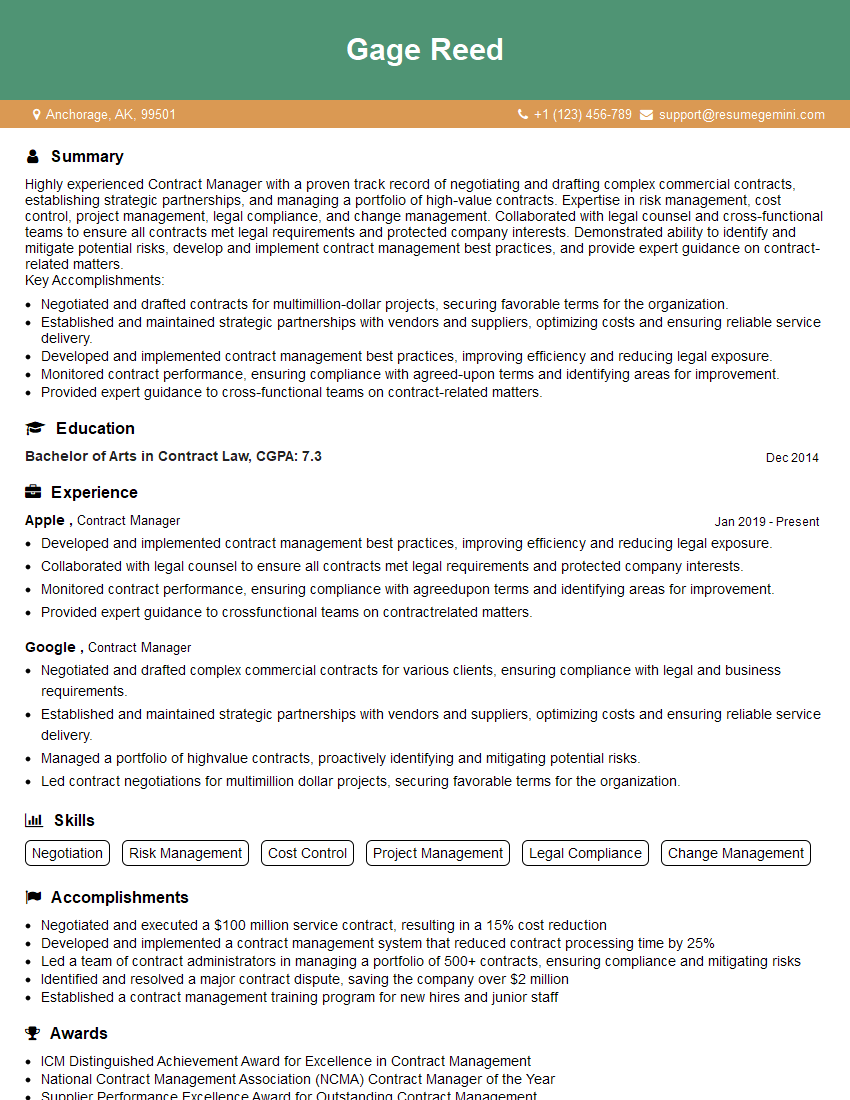
Contract Manager Resume Sample
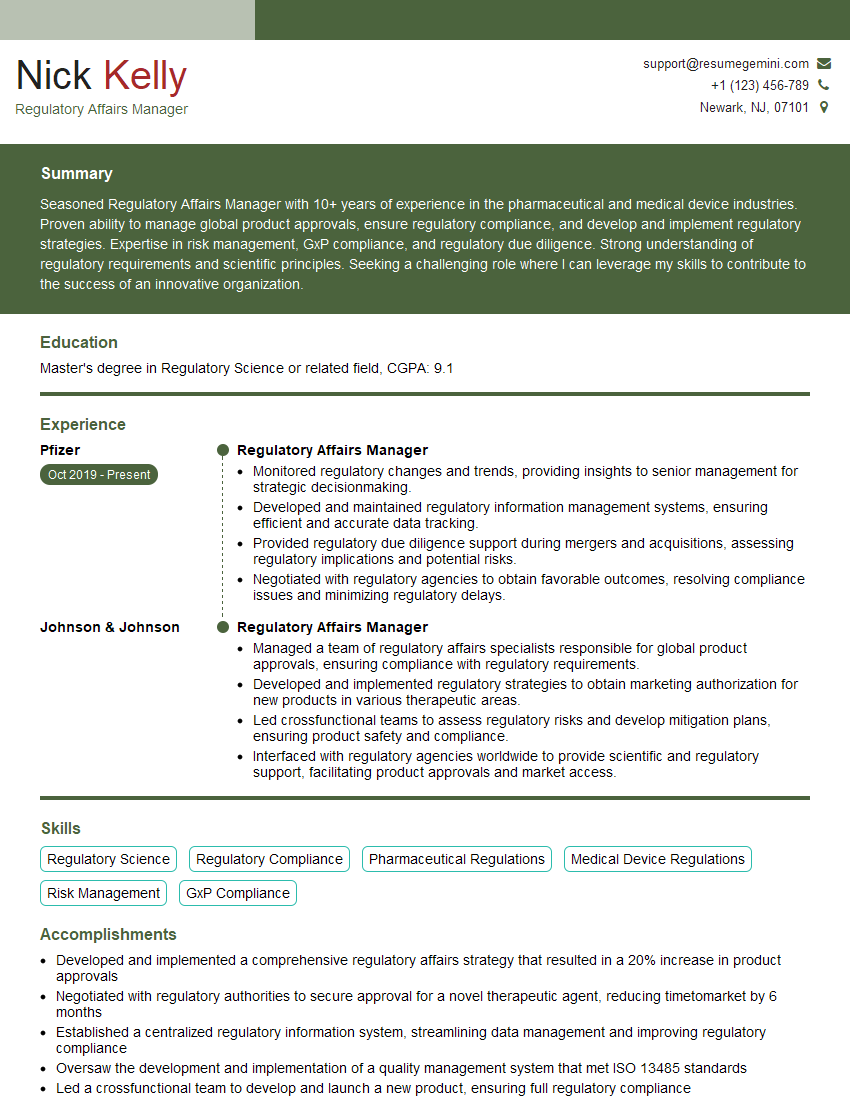
Regulatory Affairs Manager Resume Sample
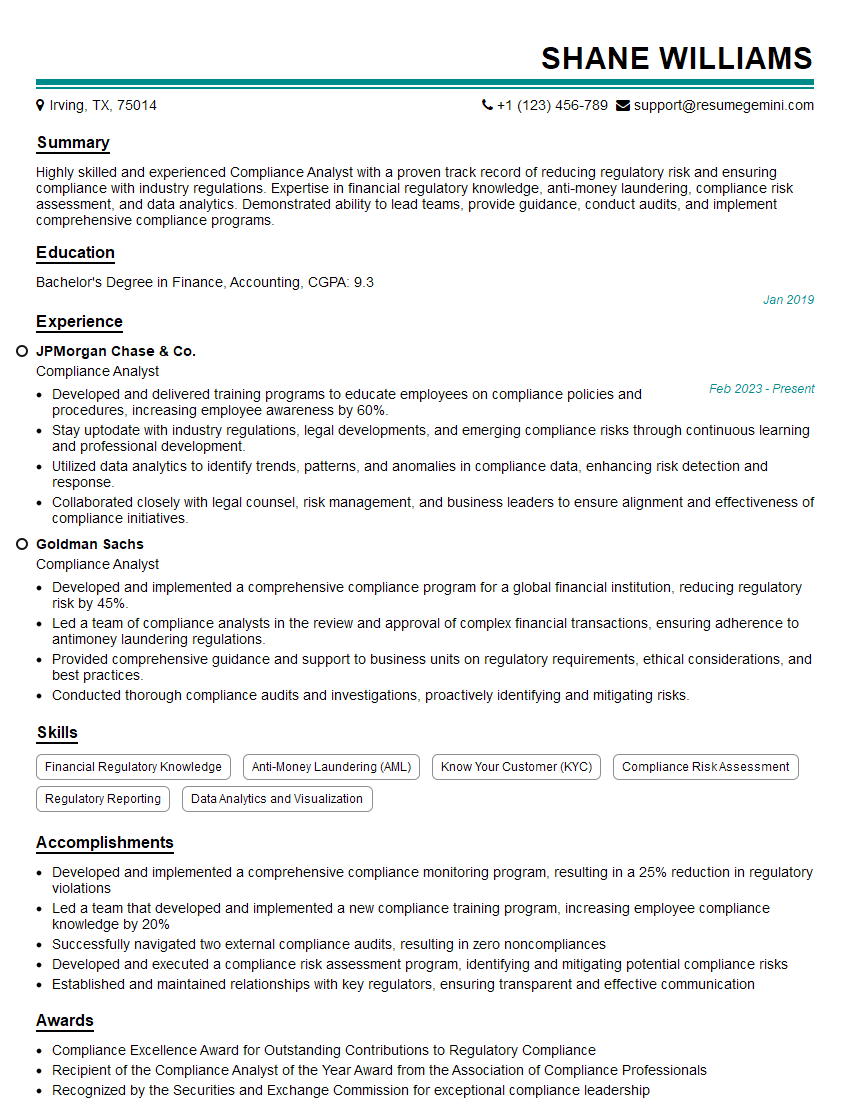
Compliance Analyst Resume Sample
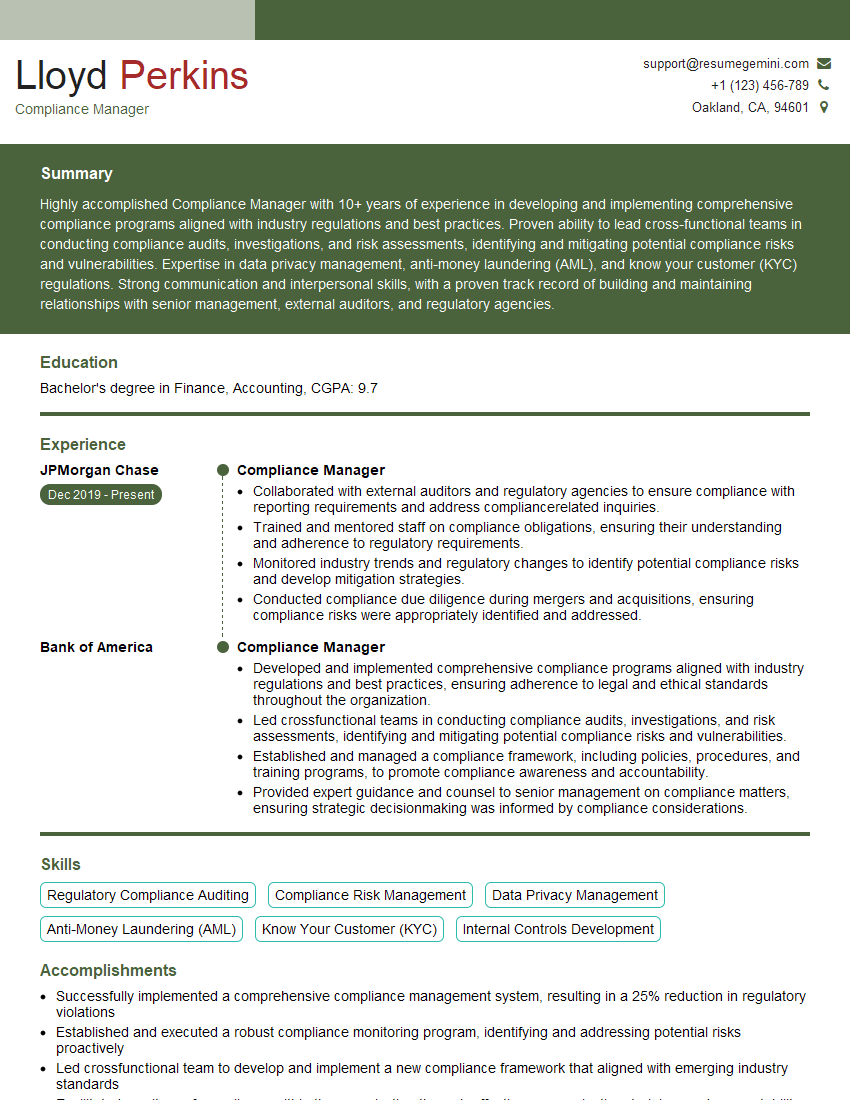
Compliance Manager Resume Sample

Compliance Officer Resume Sample
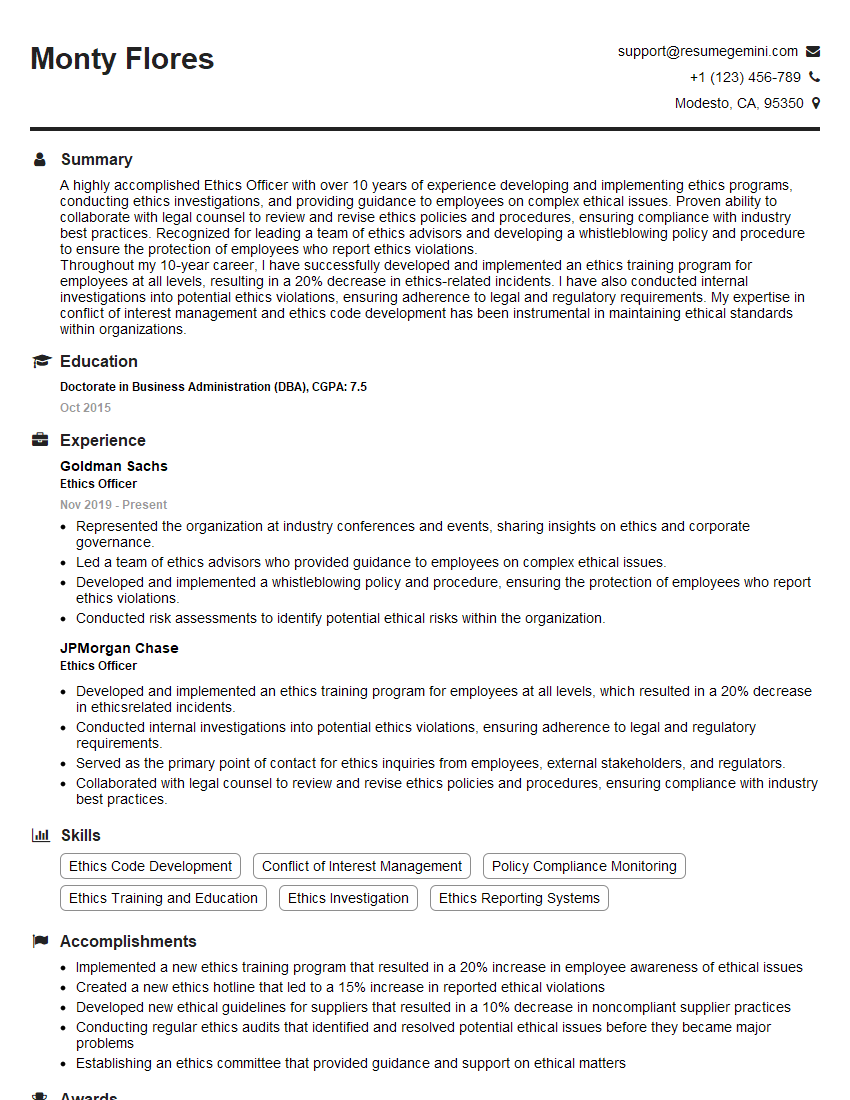
Ethics Officer Resume Sample
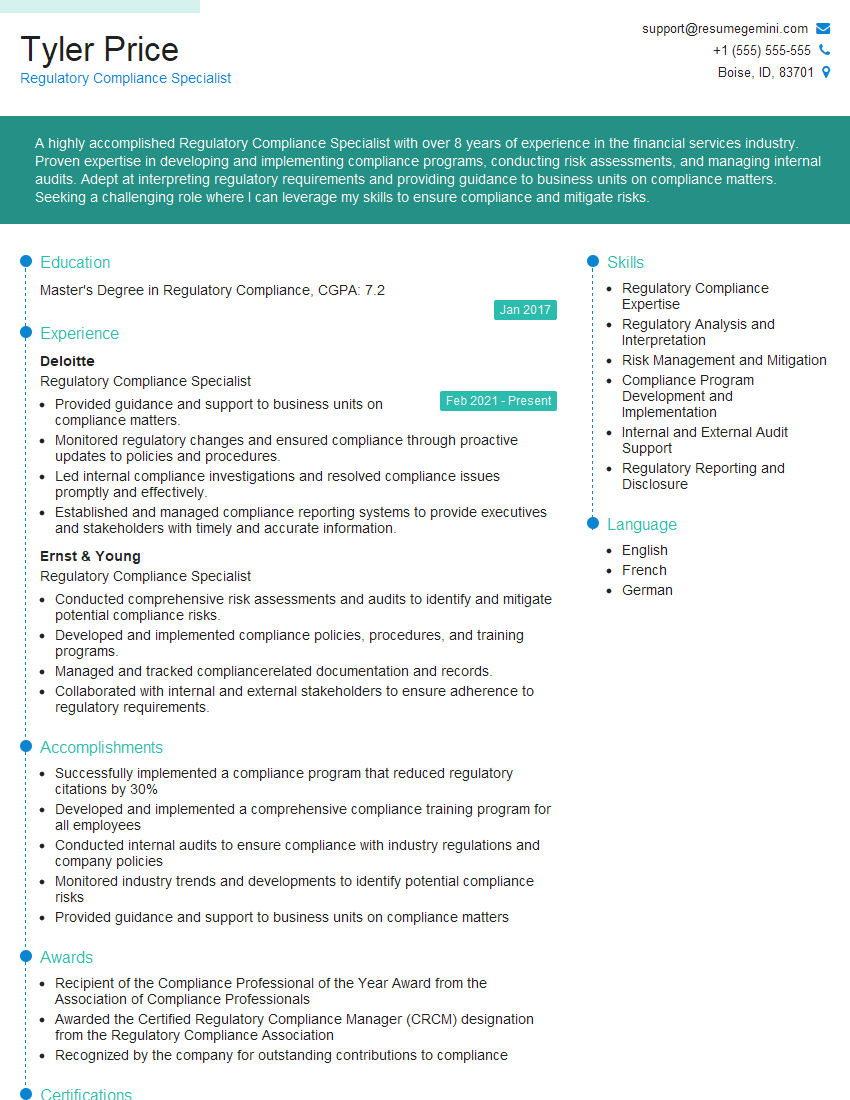
Regulatory Compliance Specialist Resume Sample
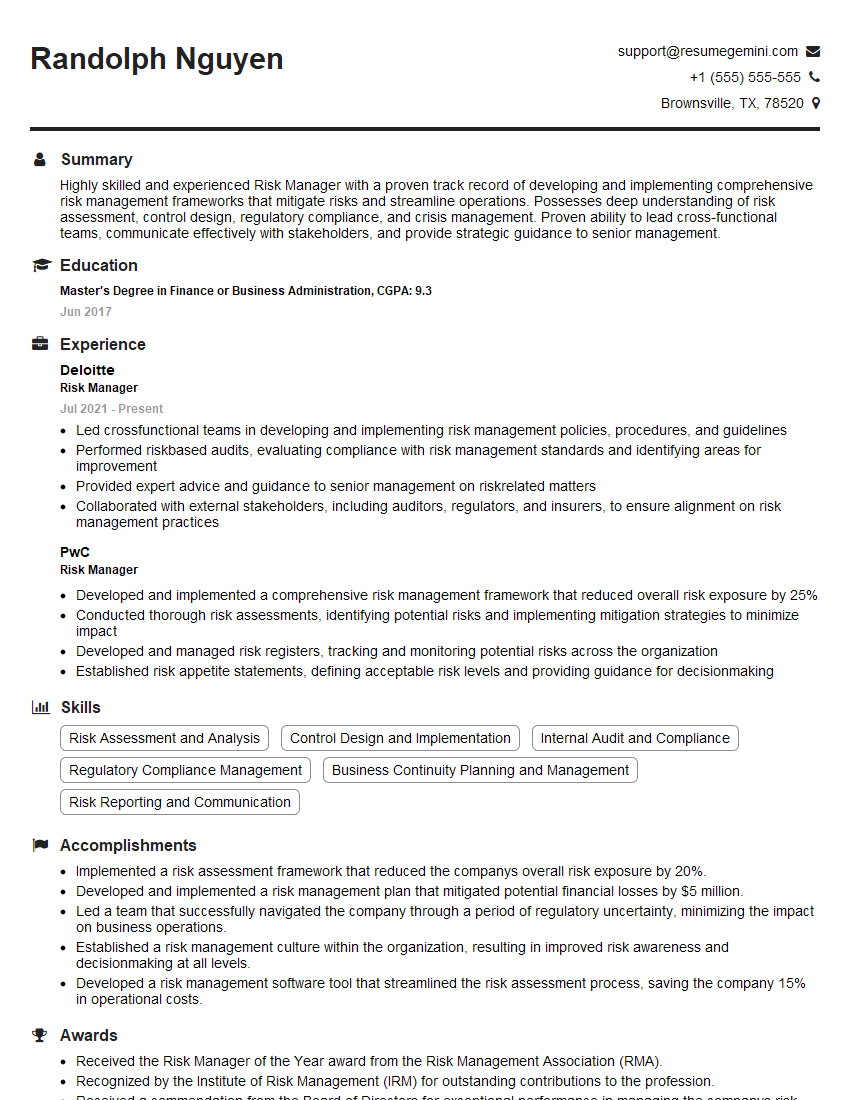
Risk Manager Resume Sample
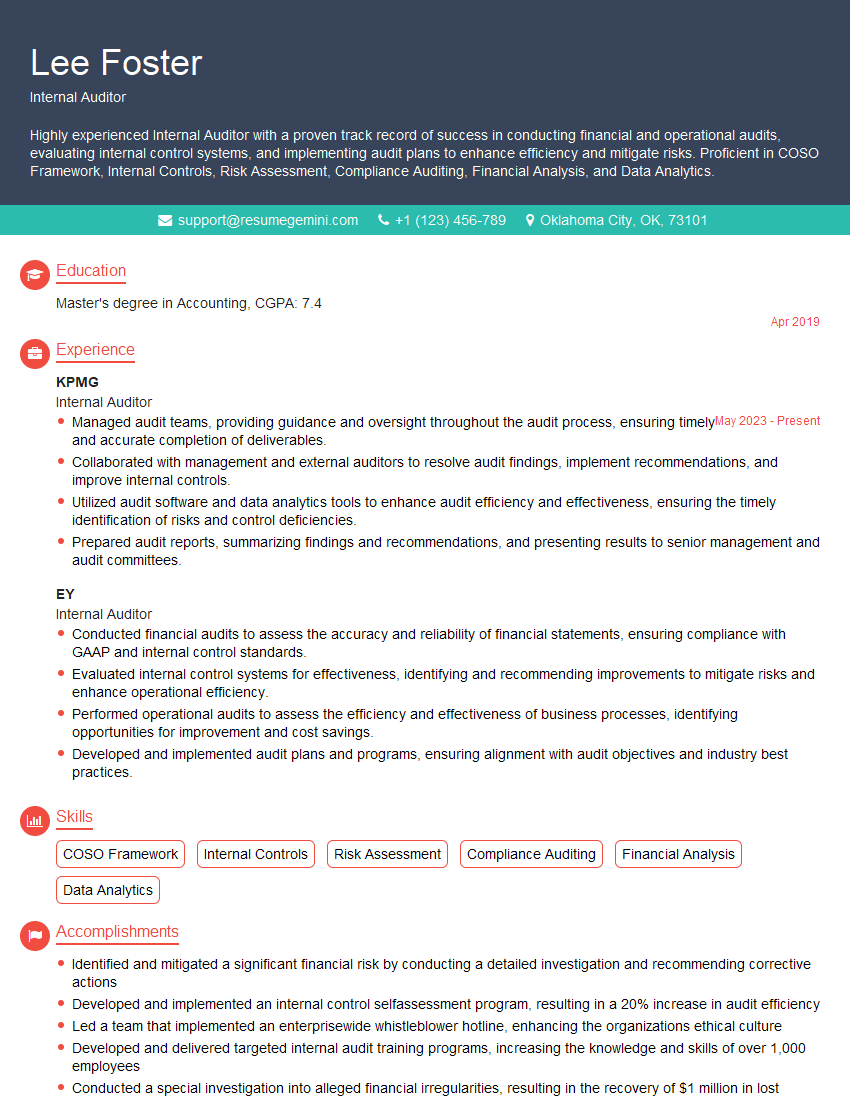
Internal Auditor Resume Sample
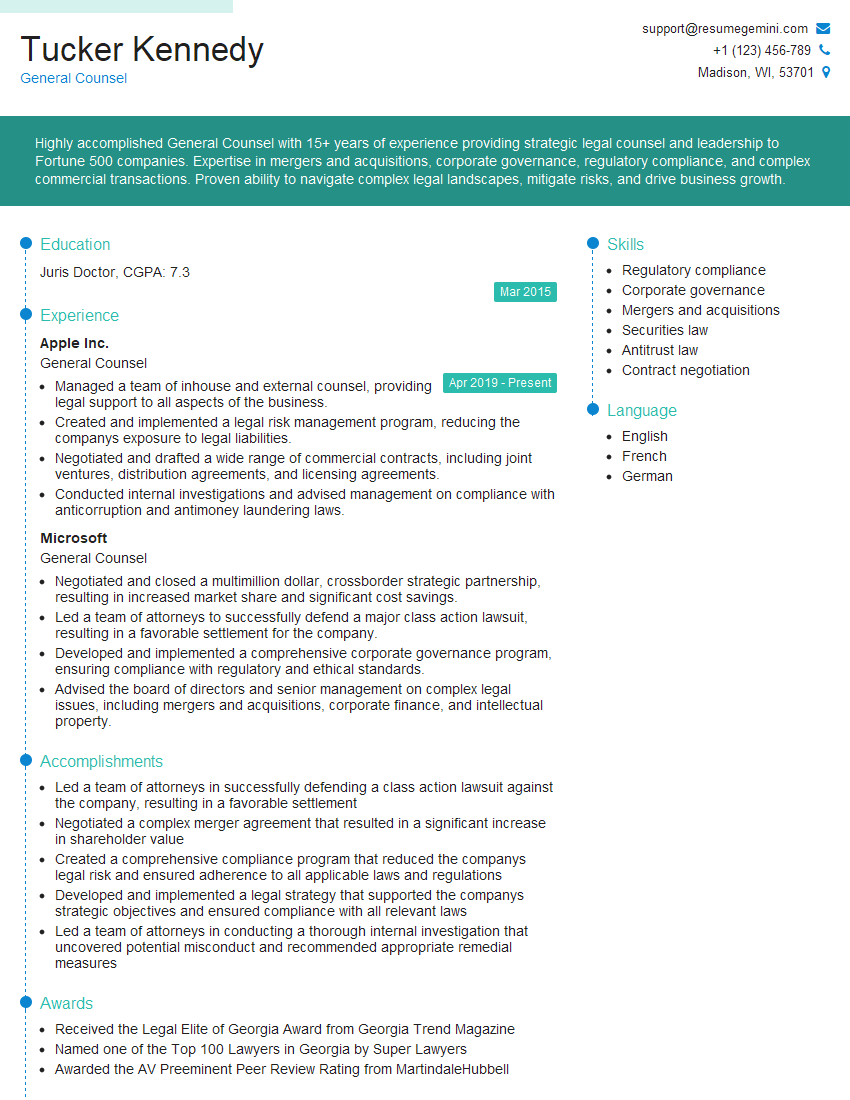
General Counsel Resume Sample
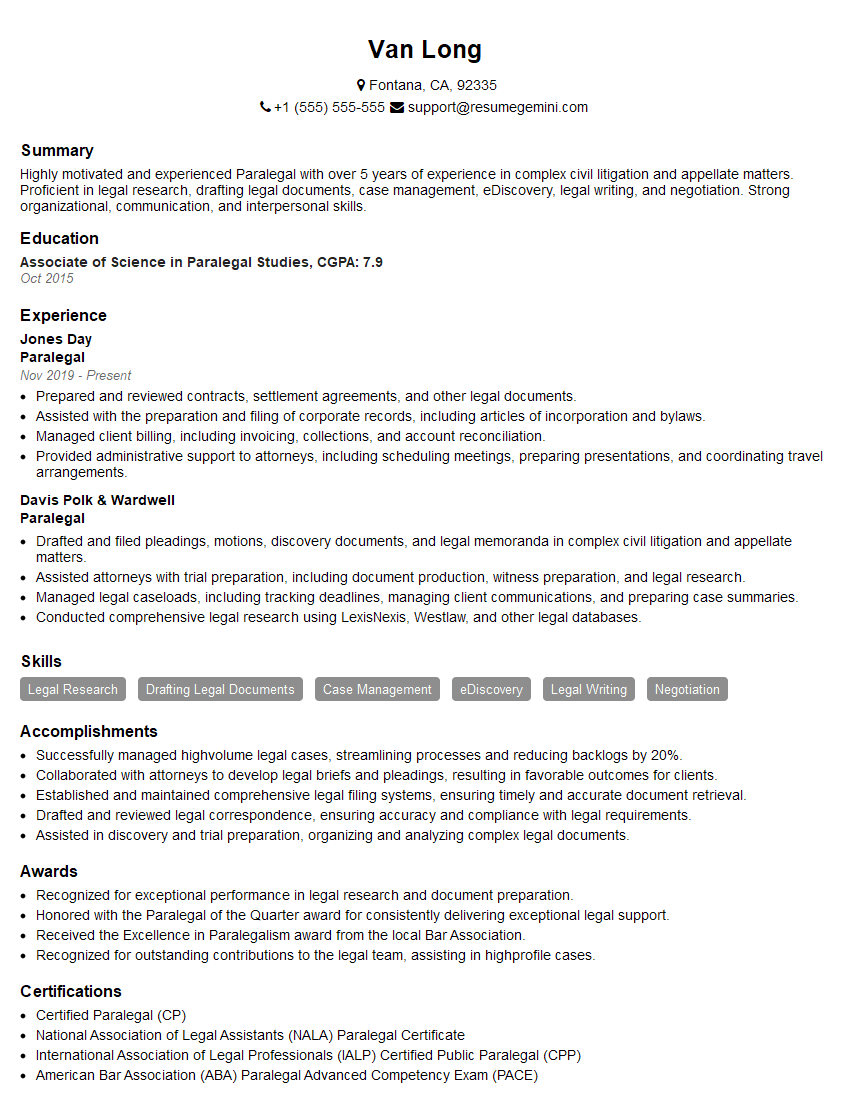
Paralegal Resume Sample
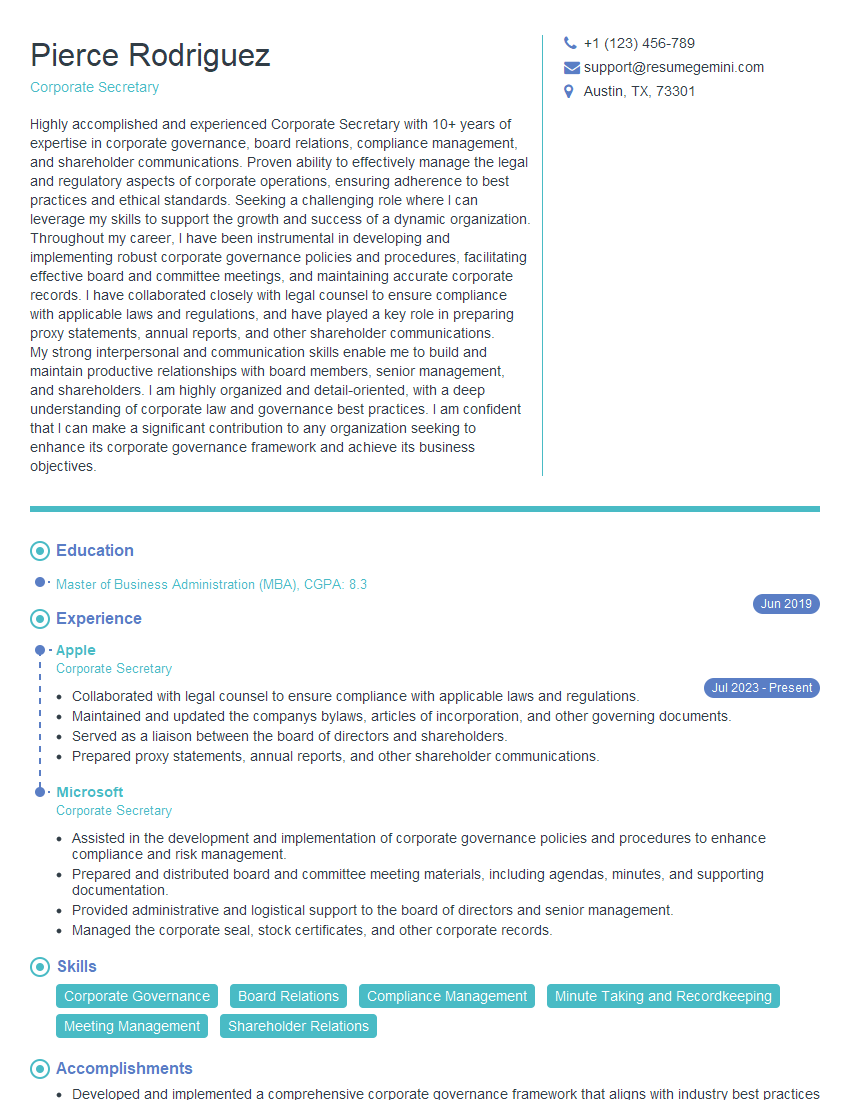
Corporate Secretary Resume Sample
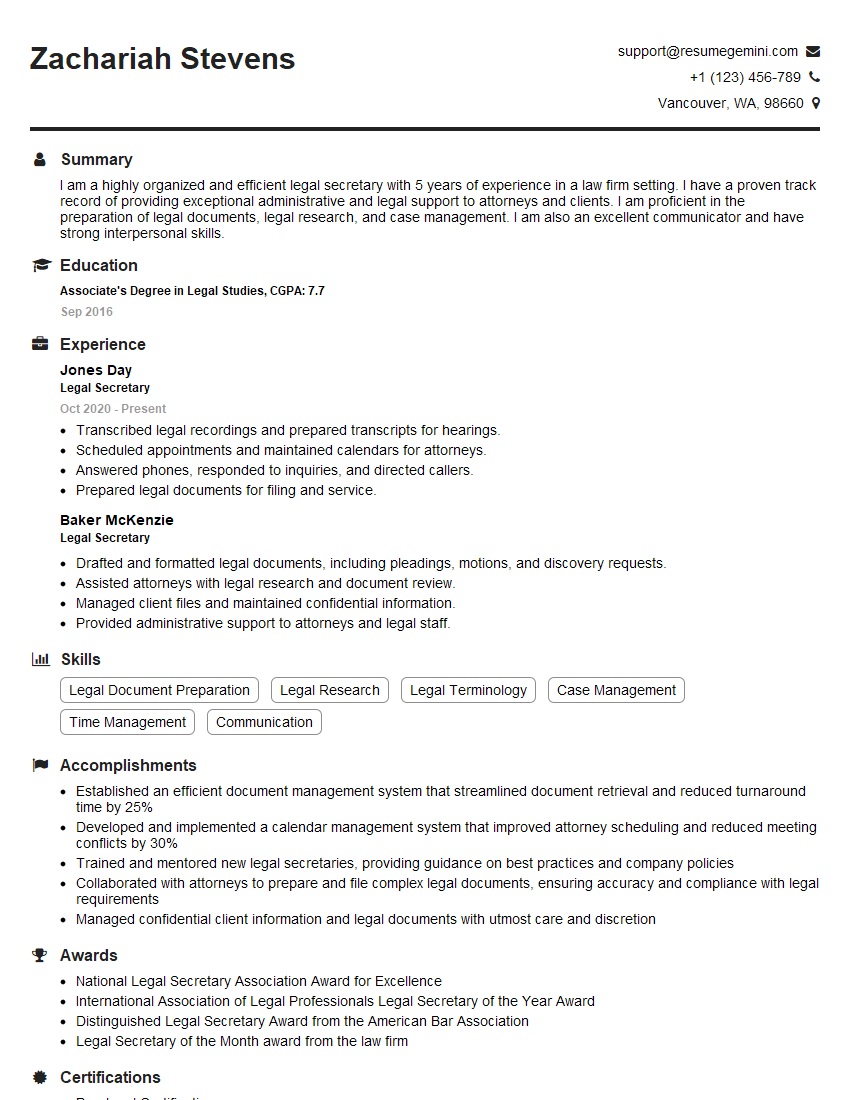
Legal Secretary Resume Sample
Explore more articles
Users Rating of Our Blogs
Share Your Experience
We value your feedback! Please rate our content and share your thoughts (optional).
What Readers Say About Our Blog
To the interviewgemini.com Webmaster.
Very helpful and content specific questions to help prepare me for my interview!
Thank you
To the interviewgemini.com Webmaster.
This was kind of a unique content I found around the specialized skills. Very helpful questions and good detailed answers.
Very Helpful blog, thank you Interviewgemini team.