Feeling uncertain about what to expect in your upcoming interview? We’ve got you covered! This blog highlights the most important Adult Psychiatric Assessment and Diagnosis interview questions and provides actionable advice to help you stand out as the ideal candidate. Let’s pave the way for your success.
Questions Asked in Adult Psychiatric Assessment and Diagnosis Interview
Q 1. Describe the DSM-5 criteria for Major Depressive Disorder.
Major Depressive Disorder (MDD), as defined by the DSM-5, requires the presence of at least five symptoms during the same two-week period, representing a change from previous functioning. At least one of the symptoms must be either (1) depressed mood most of the day, nearly every day, or (2) markedly diminished interest or pleasure in all, or almost all, activities most of the day, nearly every day. Other symptoms include significant weight loss or gain, insomnia or hypersomnia, psychomotor agitation or retardation, fatigue or loss of energy, feelings of worthlessness or excessive or inappropriate guilt, diminished ability to think or concentrate, or indecisiveness, and recurrent thoughts of death (with or without a suicide plan or attempt).
Important Considerations: The symptoms must cause clinically significant distress or impairment in social, occupational, or other important areas of functioning. The episode is not attributable to the physiological effects of a substance or another medical condition. The symptoms are not better explained by Schizoaffective Disorder, Schizophrenia, Delusional Disorder, or other Specified or Unspecified Schizophrenia Spectrum and Other Psychotic Disorders. A history of manic or hypomanic episodes would rule out MDD and suggest a diagnosis of Bipolar Disorder.
Example: Imagine a patient who reports persistent sadness, loss of interest in hobbies, significant weight loss, insomnia, and feelings of worthlessness for the past three weeks. These symptoms significantly impair their ability to work and maintain relationships, fitting the criteria for MDD.
Q 2. Differentiate between schizophrenia and schizoaffective disorder.
Both schizophrenia and schizoaffective disorder involve psychosis, characterized by hallucinations (false sensory perceptions) and delusions (fixed, false beliefs). However, they differ significantly in the presence and prominence of mood episodes.
- Schizophrenia: Predominantly characterized by positive symptoms (hallucinations, delusions, disorganized speech and behavior) and negative symptoms (flat affect, avolition, alogia). Mood symptoms, if present, are brief relative to the duration of the psychotic symptoms.
- Schizoaffective Disorder: A blend of schizophrenia and a mood disorder (major depressive or bipolar). This means that the individual experiences psychotic symptoms (meeting criteria for schizophrenia) along with prominent mood episodes (major depressive or manic/hypomanic) that are present for a substantial portion of the illness.
Differentiating Factor: The key difference lies in the timing and prominence of mood symptoms. In schizoaffective disorder, the mood episodes are significant and occur alongside the psychotic symptoms for a substantial duration. In schizophrenia, mood disturbances are less prominent and usually shorter lived compared to the pervasive psychotic symptoms.
Example: A patient with schizophrenia might have persistent auditory hallucinations and delusions, with brief periods of sadness. A patient with schizoaffective disorder might experience alternating periods of major depression with auditory hallucinations and delusions, with the mood episodes being a substantial part of the illness’s presentation.
Q 3. Explain the process of conducting a mental status examination.
A mental status examination (MSE) is a structured assessment of a patient’s current cognitive and psychological state. It’s a snapshot in time and should be conducted systematically.
The MSE typically includes the following components:
- Appearance: Observed physical characteristics (e.g., grooming, hygiene, dress).
- Behavior: Observed motor activity (e.g., restlessness, psychomotor retardation, unusual movements).
- Speech: Characteristics of speech (e.g., rate, rhythm, volume, fluency).
- Mood: Patient’s self-reported emotional state (e.g., sad, anxious, euphoric).
- Affect: Observer’s assessment of the patient’s emotional expression (e.g., flat, blunted, labile).
- Thought process: Organization and flow of thoughts (e.g., logical, tangential, circumstantial, flight of ideas).
- Thought content: The themes and topics of thoughts (e.g., delusions, obsessions, suicidal ideation).
- Perception: Presence of hallucinations (e.g., auditory, visual, tactile).
- Cognition: Assessment of orientation (time, place, person), memory (recent, remote), attention, concentration, and executive functions.
- Insight: Patient’s awareness of their illness and its impact.
- Judgment: Patient’s ability to make sound decisions.
Practical Application: The MSE is crucial for forming an initial impression, identifying potential diagnoses, and tracking changes in the patient’s condition over time. For example, a patient presenting with disorganized speech, delusions, and hallucinations might suggest a psychotic disorder, necessitating further investigation.
Q 4. What are the key components of a comprehensive psychiatric history?
A comprehensive psychiatric history is essential for understanding the patient’s current presentation within the context of their life experiences. Key components include:
- Identifying Information: Demographics, referral source, reason for seeking help.
- Chief Complaint: Patient’s statement of the primary problem.
- History of Present Illness (HPI): Detailed account of the current symptoms, including onset, duration, severity, and any precipitating factors.
- Past Psychiatric History: Previous diagnoses, treatments, hospitalizations, and responses to treatment.
- Past Medical History: Relevant medical conditions, surgeries, medications, and allergies.
- Family History: Psychiatric and medical history of family members, particularly first-degree relatives.
- Social History: Information about relationships, occupation, education, living situation, substance use, legal history, and social supports.
- Developmental History: Significant milestones in the patient’s development, including childhood experiences, trauma, and relationships.
- Mental Status Examination (MSE): A structured assessment of the patient’s current cognitive and psychological state, as discussed previously.
Example: Gathering a detailed social history might reveal a patient’s recent job loss and subsequent isolation, which could be contributing to their current depression.
Q 5. Discuss differential diagnoses for anxiety disorders.
Anxiety disorders encompass a broad range of conditions sharing excessive fear and anxiety. Differential diagnosis requires careful consideration of symptoms and their presentation.
- Generalized Anxiety Disorder (GAD): Excessive worry and anxiety for at least six months, across multiple domains.
- Panic Disorder: Recurrent, unexpected panic attacks, often with fear of future attacks (anticipatory anxiety).
- Specific Phobias: Marked fear of a specific object or situation.
- Social Anxiety Disorder (SAD): Fear of social or performance situations.
- Obsessive-Compulsive Disorder (OCD): Obsessions (intrusive thoughts) and compulsions (repetitive behaviors) aimed at reducing anxiety.
- Post-Traumatic Stress Disorder (PTSD): Persistent anxiety and avoidance following a traumatic event.
Differentiating Factors: The key lies in the specific triggers, the nature of the anxiety, the presence of obsessions and compulsions, and the impact on daily functioning. For example, GAD is characterized by diffuse worry, while panic disorder features discrete panic attacks. OCD involves specific rituals, while PTSD focuses on trauma-related avoidance.
Example: A patient constantly worrying about various things, but without discrete panic attacks, is more likely to have GAD. A patient experiencing intense fear of spiders would suggest a specific phobia.
Q 6. How do you assess suicide risk in a patient?
Assessing suicide risk involves a multifaceted approach. It’s crucial to avoid judgment and create a safe space for open communication.
Key assessment components include:
- Ideation: Explore thoughts of death, suicide, and self-harm. Ask directly about suicidal thoughts, plans, and intent.
- Plan: If suicidal ideation is present, assess the presence of a plan. Determine the lethality of the plan (e.g., access to firearms, medications).
- Intent: Explore the patient’s determination to carry out the plan. Assess the level of commitment to suicide.
- Means: Determine the availability of methods to commit suicide (e.g., firearms, medications, access to heights).
- Previous attempts: Past suicide attempts are significant risk factors.
- Risk factors: Identify contributing factors like depression, hopelessness, impulsivity, substance abuse, social isolation, and recent stressful life events.
- Protective factors: Assess factors that might reduce suicide risk, such as strong social support, religious beliefs, responsibilities to children, and treatment engagement.
Example: A patient expressing intense hopelessness, having a detailed suicide plan (e.g., stockpiling medication), and expressing a strong intent to end their life requires immediate intervention and likely hospitalization.
Q 7. What are the ethical considerations in treating patients with severe mental illness?
Ethical considerations in treating patients with severe mental illness are paramount. Key aspects include:
- Confidentiality: Maintaining patient confidentiality, with exceptions for mandated reporting (e.g., child abuse, threat to self or others).
- Informed Consent: Ensuring patients understand their treatment options and participate in decision-making.
- Competence: Assessing the patient’s capacity to make informed decisions. For those lacking capacity, legal guardians or advanced directives may be involved.
- Beneficence and Non-Maleficence: Acting in the patient’s best interest while minimizing harm. This includes balancing autonomy with the need for safety and protection.
- Justice: Ensuring equitable access to quality care, regardless of socioeconomic status or other factors.
- Duty to Warn: Obligation to warn identifiable potential victims if a patient poses a credible threat of harm.
- Boundary Setting: Maintaining professional boundaries to prevent exploitation or harm.
Example: Balancing the patient’s autonomy with the need for safety – a patient with severe psychosis threatening harm might require involuntary hospitalization to protect themselves and others, even if it restricts their freedom. It’s crucial to justify such actions legally and ethically, documenting the decision-making process thoroughly.
Q 8. Explain your approach to managing a patient with treatment-resistant depression.
Managing treatment-resistant depression (TRD) is a complex process requiring a multifaceted approach. It’s crucial to remember that ‘resistance’ doesn’t mean failure; it simply means the initial treatment plan needs adjustment. My approach begins with a thorough reassessment of the diagnosis, ensuring all other contributing factors, such as anxiety, thyroid issues, or substance use, are ruled out.
Step 1: Re-evaluation: This includes a comprehensive review of the patient’s history, current medications, lifestyle, and social support system. We’d look at the adequacy of initial treatment, considering both the dosage and duration of antidepressants used. A thorough mental status examination is essential.
Step 2: Optimize Current Treatment: Before changing medications, we’d first optimize the current regimen. This might involve increasing the dosage, switching to a different formulation of the same medication, or extending the trial period to allow for a full therapeutic response.
Step 3: Augmentation Strategies: If optimizing the current antidepressant fails, I’d explore augmentation strategies. This involves adding a second medication to enhance the primary antidepressant’s effect. Common augmentation strategies include adding a second antidepressant (e.g., bupropion or mirtazapine), a mood stabilizer (e.g., lithium or lamotrigine), or an atypical antipsychotic (e.g., quetiapine or aripiprazole) at a low dose.
Step 4: Switching Antidepressants: If augmentation fails, switching to a different class of antidepressants is the next step. This requires careful consideration of the patient’s history and response to previous medications. For example, if a patient hasn’t responded to an SSRI, we might try an SNRI, a tricyclic antidepressant (TCA), or a monoamine oxidase inhibitor (MAOI).
Step 5: Consider other treatments: Beyond medication, other treatment modalities are crucial. These can include psychotherapy (particularly Cognitive Behavioral Therapy or CBT), electroconvulsive therapy (ECT), transcranial magnetic stimulation (TMS), or vagus nerve stimulation (VNS), depending on the patient’s needs and preferences.
Step 6: Regular Monitoring: Throughout the process, consistent monitoring of the patient’s mood, side effects, and overall well-being is critical. Regular follow-up appointments are essential to adjust treatment accordingly.
For example, a patient who has failed two SSRIs might benefit from trying a different medication class, such as an SNRI or a TCA, and incorporating CBT to address negative thought patterns contributing to their depression. Regular monitoring allows for adjustments in medication and therapy as needed to achieve the best possible outcome.
Q 9. Describe different therapeutic approaches used in treating personality disorders.
Personality disorders represent deeply ingrained patterns of thinking, feeling, and behaving that significantly impair functioning. Treatment is often challenging and long-term. There’s no one-size-fits-all approach, but several therapeutic approaches have shown promise:
- Psychodynamic Therapy: This approach explores unconscious conflicts and early childhood experiences that may contribute to the development of the personality disorder. The therapist helps the patient gain insight into these patterns and develop more adaptive coping mechanisms.
- Cognitive Behavioral Therapy (CBT): CBT focuses on identifying and modifying maladaptive thoughts and behaviors. It teaches patients to challenge negative thoughts and develop more effective coping strategies for managing difficult situations and emotions. This is particularly helpful in addressing the impulsivity and interpersonal difficulties often seen in personality disorders.
- Dialectical Behavior Therapy (DBT): DBT is a specialized form of CBT designed specifically for individuals with borderline personality disorder. It emphasizes mindfulness, distress tolerance, emotion regulation, and interpersonal effectiveness skills.
- Schema Therapy: This approach focuses on identifying and resolving early maladaptive schemas – core beliefs and patterns of relating to others that developed in childhood and continue to influence the person’s current life.
- Mentalization-Based Treatment (MBT): MBT helps patients develop the ability to understand their own mental states and the mental states of others, which is often impaired in personality disorders.
The choice of therapeutic approach depends on the specific personality disorder, the patient’s individual needs, and the therapist’s expertise. Often, a combination of therapies proves most effective. For example, a patient with borderline personality disorder might benefit from a combination of DBT and medication management to address symptoms of emotional dysregulation and impulsivity.
Q 10. How would you manage a patient experiencing an acute psychotic episode?
Managing an acute psychotic episode requires a swift and coordinated response prioritizing the patient’s safety and well-being. My approach emphasizes a multi-pronged strategy focusing on immediate stabilization and longer-term recovery.
Step 1: Safety Assessment: The immediate priority is ensuring the patient’s safety and the safety of those around them. This involves assessing for risk of self-harm or harm to others. If there’s an immediate threat, hospitalization may be necessary.
Step 2: Medical Evaluation: A thorough medical evaluation is essential to rule out any underlying medical conditions that might be contributing to the psychosis, such as substance intoxication, infection, or neurological disorders. Blood tests, urine toxicology, and imaging studies may be needed.
Step 3: Medication: Antipsychotic medication is typically administered to reduce the severity of psychotic symptoms. The choice of medication depends on several factors, including the patient’s medical history and the specific symptoms. Usually, an injectable antipsychotic is given initially for rapid symptom control followed by oral medication.
Step 4: Supportive Measures: Providing a safe, calm, and structured environment is crucial. This includes clear communication, minimizing environmental stressors, and ensuring the patient’s basic needs are met. Close monitoring is essential to observe their response to treatment.
Step 5: Family Involvement: Involving the family in the treatment process is often beneficial, providing emotional support and assisting with medication adherence and monitoring.
Step 6: Long-term Treatment Planning: Once the acute episode is stabilized, a long-term treatment plan is developed focusing on medication management, psychotherapy (e.g., CBT), and psychosocial rehabilitation. This might include vocational training, social skills training, and ongoing support to prevent relapse.
For instance, a patient experiencing acute command hallucinations might require immediate hospitalization to ensure their safety. They would receive an antipsychotic injection, followed by oral medication, and close monitoring by the nursing staff. Once stabilized, they’d participate in CBT to help manage their delusions and hallucinations.
Q 11. What are the potential side effects of common antipsychotic medications?
Antipsychotic medications, while effective in treating psychotic symptoms, can carry various side effects. These can be categorized into extrapyramidal side effects (EPS), metabolic side effects, and other less common effects.
- Extrapyramidal Side Effects (EPS): These involve movement disorders and include:
- Acute Dystonia: Sudden, involuntary muscle contractions, often affecting the neck, face, or tongue.
- Akathisia: Restlessness and an inability to sit still.
- Parkinsonism: Symptoms resembling Parkinson’s disease, including tremor, rigidity, and bradykinesia (slow movement).
- Tardive Dyskinesia: A chronic, involuntary movement disorder, often affecting the face, mouth, and tongue. This is a serious side effect and can be irreversible.
- Metabolic Side Effects: These can include:
- Weight gain
- Increased blood sugar and risk of diabetes
- Increased cholesterol and triglycerides, increasing the risk of cardiovascular disease
- Metabolic syndrome
- Other Side Effects: These can vary depending on the specific medication but can include drowsiness, dizziness, constipation, dry mouth, blurred vision, and sexual dysfunction.
The risk and severity of these side effects vary depending on the specific antipsychotic medication, the dose, and the individual patient. Regular monitoring of patients on antipsychotic medications is essential to detect and manage any side effects that arise.
Q 12. Discuss the role of medication management in psychiatric treatment.
Medication management plays a crucial role in psychiatric treatment, providing a foundational element for symptom control and improving overall functioning. It’s rarely a standalone solution and works best in conjunction with psychotherapy and psychosocial interventions.
Stabilization of Symptoms: Medication is often the primary method for stabilizing acute psychiatric symptoms, such as psychosis, severe depression, or mania. It allows individuals to better engage in psychotherapy and other forms of treatment.
Symptom Reduction: Medication helps reduce the severity and frequency of psychiatric symptoms, improving the patient’s overall quality of life. This can lead to improved sleep, decreased anxiety, reduced irritability, and a greater ability to cope with daily stressors.
Prevent Relapse: For many psychiatric conditions, medication is vital in preventing relapse. Continued medication helps maintain stability and reduce the risk of future episodes.
Medication Choice: The selection of medication is personalized, considering factors such as the specific diagnosis, the patient’s medical history, potential drug interactions, and previous responses to medication.
Monitoring and Adjustment: Regular monitoring of the patient’s response to medication is crucial. This includes assessing for both symptom reduction and the presence of side effects. Dosage adjustments or medication changes may be needed based on these assessments.
Patient Education: A key aspect of effective medication management is educating the patient about their medication, its purpose, potential side effects, and how to manage them. This fosters adherence and empowers the patient to participate actively in their treatment.
For example, a patient with schizophrenia may require long-term antipsychotic medication to manage their psychotic symptoms and reduce the risk of relapse. Regular blood tests would monitor for metabolic side effects, and any side effects would be addressed to ensure treatment adherence.
Q 13. Explain the concept of therapeutic alliance and its importance.
The therapeutic alliance, also known as the working alliance, refers to the collaborative relationship between the patient and the therapist. It is the foundation upon which successful therapy is built. It’s essentially a bond of trust and mutual respect, characterized by agreement on the goals of therapy and the tasks involved in achieving those goals.
Key Components:
- Bond: This refers to the emotional connection between the patient and the therapist, characterized by feelings of warmth, empathy, and acceptance.
- Agreement on Goals: Both patient and therapist need to agree on the specific goals of therapy. These goals should be clearly defined, achievable, and relevant to the patient’s needs.
- Agreement on Tasks: This involves collaboration on the methods and strategies that will be used to achieve the therapeutic goals.
Importance: A strong therapeutic alliance is associated with better treatment outcomes across a range of mental health conditions. It enhances the patient’s motivation to engage in therapy, improves adherence to treatment recommendations, and facilitates a deeper exploration of the patient’s issues. When patients trust and feel understood by their therapist, they are more likely to be open and honest, which is essential for effective therapy.
Imagine a patient struggling with anxiety. If they develop a strong alliance with their therapist, characterized by trust and mutual understanding, they will feel more comfortable sharing their deepest fears and concerns, making it easier for the therapist to help them develop effective coping strategies. Without this bond, the patient may be hesitant to fully engage in the therapeutic process, hindering their progress.
Q 14. How do you assess for substance use disorders?
Assessing for substance use disorders requires a multi-faceted approach that combines screening tools, clinical interview, and potentially laboratory testing. It’s crucial to approach this sensitively and without judgment to build rapport and encourage honest disclosure.
Screening Tools: Several validated screening tools can provide a quick initial assessment of substance use. Examples include the AUDIT (Alcohol Use Disorders Identification Test) for alcohol use, the DAST (Drug Abuse Screening Test) for drug use, and the CRAFFT (Car, Relax, Alone, Forget, Friends, Trouble) for adolescent substance use.
Clinical Interview: A detailed clinical interview is essential to gather a comprehensive history of substance use. This includes:
- Patterns of Use: Frequency, amount, duration, and routes of administration.
- Consequences: Impact of substance use on the patient’s relationships, work/school, finances, and physical and mental health.
- Withdrawal Symptoms: Experience of withdrawal symptoms upon cessation of use, indicating dependence.
- Tolerance: Need for increasing amounts of substance to achieve the same effect.
- Cravings: Intense urges or desires to use the substance.
- Attempts to Control Use: Whether the patient has made unsuccessful attempts to cut down or control their substance use.
Laboratory Tests: Laboratory tests such as urine drug screening, blood alcohol content (BAC) tests, and breathalyzer tests can confirm substance use and assess its severity.
Collateral Information: When appropriate and with the patient’s consent, information from family members, friends, or other healthcare providers can provide valuable context.
Integrating this information allows for a comprehensive assessment of the individual’s substance use, leading to an accurate diagnosis and tailored treatment plan. For example, a positive urine toxicology screen combined with a patient’s admission of daily alcohol use and significant alcohol-related consequences will strongly suggest an alcohol use disorder.
Q 15. Describe your experience with crisis intervention.
Crisis intervention in adult psychiatry requires a rapid and effective response to acute mental health emergencies. My approach prioritizes immediate safety and stabilization, followed by a collaborative plan for ongoing care. This involves a thorough assessment of the individual’s immediate risk to themselves or others, identification of the precipitating factors of the crisis, and implementation of de-escalation techniques.
For example, I’ve worked with individuals experiencing acute suicidal ideation. My approach begins with validating their feelings, actively listening to their concerns without judgment, and collaborating on a safety plan to manage immediate risks. This might involve hospital admission, connection with family support, or a structured crisis plan to implement at home, involving regular check-ins from crisis workers or support services.
I utilize various de-escalation techniques, including verbal interventions focused on empathy and collaboration and non-verbal cues to build rapport and reduce anxiety. Physical restraints are only used as a last resort, and always within ethical and legal guidelines, involving documentation and reporting as required.
Career Expert Tips:
- Ace those interviews! Prepare effectively by reviewing the Top 50 Most Common Interview Questions on ResumeGemini.
- Navigate your job search with confidence! Explore a wide range of Career Tips on ResumeGemini. Learn about common challenges and recommendations to overcome them.
- Craft the perfect resume! Master the Art of Resume Writing with ResumeGemini’s guide. Showcase your unique qualifications and achievements effectively.
- Don’t miss out on holiday savings! Build your dream resume with ResumeGemini’s ATS optimized templates.
Q 16. How do you address cultural considerations in psychiatric assessment?
Cultural considerations are paramount in psychiatric assessment. Ignoring them can lead to misdiagnosis, ineffective treatment, and a breakdown in the therapeutic relationship. My approach involves understanding the individual’s cultural background, beliefs, values, and practices, recognizing that these significantly influence their expression of distress, help-seeking behaviors, and response to treatment.
For example, I am aware of the cultural stigma surrounding mental illness in some communities, which can lead to reluctance to seek help. I address this by creating a safe and non-judgmental space where the individual feels comfortable expressing their experiences. I utilize culturally sensitive assessment tools and modify my approach to be consistent with their beliefs and preferences. This might include involving family members in the assessment process, if culturally appropriate, or tailoring therapeutic interventions to be congruent with their cultural values. Furthermore, I ensure I am aware of potential language barriers and utilize interpreters when needed.
Q 17. What are the legal and ethical implications of involuntary commitment?
Involuntary commitment, or the forced hospitalization of an individual against their will, carries significant legal and ethical implications. Legally, it requires a clear demonstration of imminent danger to self or others, often involving a court order or certification by medical professionals. Ethical considerations center on respecting the patient’s autonomy and rights while ensuring public safety.
The process usually involves a thorough assessment of the patient’s mental state, an evaluation of their risk to themselves or others, and a determination that less restrictive measures are insufficient. Throughout the process, it is crucial to adhere strictly to legal procedures and ethical guidelines, carefully balancing the need for protection with the individual’s fundamental rights. Regular reviews of the commitment order are necessary, ensuring that the criteria for involuntary hospitalization are continuously met, and that alternative, less restrictive options are explored.
Incorrect application can lead to legal challenges and ethical breaches. Maintaining detailed and accurate records, providing clear and transparent explanations to the patient and their family, and ensuring continuous oversight are vital to navigate these complexities responsibly.
Q 18. Describe your approach to working with patients who have comorbid medical conditions.
Comorbid medical conditions are extremely common in adult psychiatry. My approach involves a holistic perspective, recognizing the interplay between physical and mental health. This includes a thorough medical history, collaboration with the patient’s primary care physician and other specialists (as needed), and a coordinated treatment plan that addresses both medical and psychiatric aspects.
For instance, a patient with depression and diabetes requires careful management of both conditions. I would work with their physician to ensure their diabetes is adequately controlled and monitor the impact of both medication regimens to avoid potential interactions. I would also address the patient’s mental health needs, considering the interplay between their mood and their ability to manage their diabetes effectively. This requires close communication and a shared understanding of treatment goals to ensure the best outcome.
Q 19. How do you ensure patient confidentiality and HIPAA compliance?
Patient confidentiality and HIPAA compliance are paramount in my practice. I adhere strictly to HIPAA regulations, ensuring that protected health information (PHI) is handled securely and only accessed by authorized individuals. This includes securing electronic records, using encrypted communication methods, and implementing strict protocols for sharing information with other healthcare professionals.
My practice implements several safeguards: only authorized individuals have access to patient charts; all electronic systems are password protected; and I consistently obtain informed consent before sharing any information. I provide patients with clear explanations of their rights regarding their health information. I carefully review requests for information from third parties and release information only in accordance with HIPAA regulations and legal requirements.
Q 20. Explain your understanding of evidence-based practices in adult psychiatry.
Evidence-based practices (EBPs) in adult psychiatry are essential for ensuring that treatment is effective and aligned with the best available research. My practice integrates EBPs by staying updated on the latest research findings, utilizing standardized assessment tools, and employing interventions that have demonstrated efficacy in clinical trials.
Examples of EBPs include Cognitive Behavioral Therapy (CBT) for depression and anxiety, Dialectical Behavior Therapy (DBT) for borderline personality disorder, and medication management guided by clinical guidelines. I regularly review relevant literature and participate in professional development activities to remain current with the evolving field of EBPs. I also tailor my approach to individual patient needs, recognizing that the most effective treatment plan may involve a combination of EBPs.
Q 21. How do you manage challenging patient behaviors?
Managing challenging patient behaviors requires a multifaceted approach rooted in empathy, understanding, and safety. My approach emphasizes de-escalation techniques, clear communication, and a focus on building rapport. I strive to understand the underlying causes of the behavior, which could stem from various factors including medication side effects, untreated symptoms, or external stressors.
For example, if a patient is exhibiting verbal aggression, I might use active listening to validate their feelings, attempt to understand their concerns, and collaboratively identify ways to address the situation. If de-escalation techniques fail and the behavior poses a risk to the patient or others, I may need to implement safety measures involving the help of other staff members, following established protocols and with attention to the patient’s dignity and rights. Documentation is crucial and provides a record of the behavior, the interventions used, and the outcome. Regular review of treatment plans is vital in addressing and preventing the recurrence of such behaviors.
Q 22. Describe your experience with different types of psychotherapy.
My experience encompasses a broad range of psychotherapy modalities, tailored to meet individual patient needs. I’m proficient in evidence-based approaches such as Cognitive Behavioral Therapy (CBT), Dialectical Behavior Therapy (DBT), psychodynamic therapy, and supportive therapy.
- CBT focuses on identifying and modifying maladaptive thoughts and behaviors. For example, with a patient experiencing anxiety, we might work together to challenge negative thought patterns and develop coping mechanisms for stressful situations.
- DBT, particularly helpful for individuals with borderline personality disorder, emphasizes distress tolerance, emotion regulation, and interpersonal effectiveness skills. I’ve used DBT to help patients manage intense emotions and improve their relationships.
- Psychodynamic therapy explores unconscious patterns and past experiences to understand current difficulties. This approach can be incredibly valuable in uncovering the root causes of long-standing emotional issues.
- Supportive therapy provides a safe and empathetic space for patients to process their experiences and develop coping strategies. This is often used in conjunction with other therapies or when a patient needs immediate support.
My approach is always individualized, and I regularly adapt my techniques to best suit the unique circumstances and preferences of each patient.
Q 23. How do you utilize diagnostic tests (e.g., neuropsychological testing) to inform your assessment?
Neuropsychological testing plays a crucial role in informing my psychiatric assessments, particularly when cognitive or neurological factors might be contributing to a patient’s symptoms. I utilize these tests judiciously, integrating the results with clinical interviews and other data to create a comprehensive picture.
For example, if a patient presents with significant memory problems and difficulties with executive functioning, I might order a neuropsychological battery. This might include tests evaluating memory, attention, processing speed, and executive functions. The results would help differentiate between a primary psychiatric disorder like depression causing cognitive slowing versus a neurological condition like dementia.
It’s important to note that diagnostic tests are only one piece of the puzzle. I always consider the patient’s history, current symptoms, and the broader clinical context when interpreting test results. I strive to avoid over-reliance on any single assessment tool and ensure the results align with the overall clinical presentation.
Q 24. How do you document psychiatric assessments and treatment plans?
I maintain meticulous documentation throughout the assessment and treatment process, adhering to all relevant ethical and legal guidelines. My documentation includes a comprehensive record of the initial psychiatric evaluation, subsequent sessions, progress notes, treatment plans, and any relevant correspondence.
The initial assessment typically details the patient’s history, presenting problems, mental status examination findings, diagnostic impressions, and a proposed treatment plan. Subsequent progress notes document session content, patient’s progress, changes in medication or therapy, and any significant events. Treatment plans are regularly reviewed and updated to ensure they remain relevant and effective.
I use a structured format for documentation, employing electronic health records (EHRs) which ensures that information is easily accessible, organized, and securely stored. This meticulous record-keeping is vital for continuity of care, communication with other professionals, and legal protection.
Q 25. Describe your experience with collaborating with other healthcare professionals.
Collaboration is fundamental to providing high-quality patient care. I regularly consult and collaborate with a wide range of healthcare professionals, including primary care physicians, neurologists, social workers, and other specialists.
For instance, I might work closely with a patient’s primary care physician to manage medication interactions or to ensure appropriate medical monitoring. Collaboration with social workers can provide valuable support for patients dealing with social or environmental challenges. When neurocognitive concerns arise, consultation with a neurologist is crucial to rule out organic causes. This collaborative approach ensures a holistic and coordinated care plan that addresses all aspects of the patient’s well-being. Effective communication, shared decision-making, and mutual respect are key to successful collaboration.
Q 26. Explain your approach to patient education and engagement.
Patient education and engagement are paramount in my approach. I believe that patients are active participants in their own care and that empowering them with knowledge and understanding is vital for successful outcomes.
My approach to patient education is tailored to individual needs and learning styles. I use clear, simple language, avoiding jargon whenever possible. I encourage questions and actively listen to the patient’s concerns and perspectives. I often utilize visual aids, handouts, and other educational materials to enhance understanding. For instance, I might use diagrams to explain the neurochemical basis of depression or provide written summaries of treatment plans and medication side effects.
Engaging patients also involves actively involving them in treatment decisions, setting realistic goals, and celebrating successes along the way. Building a strong therapeutic alliance founded on trust and respect is crucial to fostering patient engagement.
Q 27. How do you handle disagreements with colleagues regarding treatment plans?
Disagreements among colleagues regarding treatment plans are inevitable, and addressing them constructively is critical for patient care. My approach involves respectful dialogue, evidence-based reasoning, and a commitment to finding common ground.
I begin by carefully reviewing the rationale behind differing perspectives, considering the available evidence and the patient’s individual needs. I strive to understand the underlying concerns of my colleagues and seek clarification on any disagreements. Open and honest communication, focusing on the patient’s best interests, is essential. If the disagreement cannot be resolved through discussion, I believe in seeking consultation from a senior colleague or utilizing established conflict resolution mechanisms within the organization. The ultimate goal is always to develop a treatment plan that is both evidence-based and tailored to the specific needs of the individual patient.
Q 28. Describe a situation where you had to make a difficult clinical decision.
One challenging situation involved a patient exhibiting severe suicidal ideation, with a history of impulsive behavior and substance abuse. The patient was ambivalent about hospitalization, presenting a difficult clinical dilemma.
My initial steps involved thoroughly assessing the patient’s risk factors, including the severity and immediacy of suicidal thoughts, access to lethal means, and history of previous attempts. I also carefully considered the patient’s preferences and autonomy. After a careful risk assessment, I determined that the risk of immediate harm was significant despite the patient’s ambivalence about hospitalization. I engaged in a collaborative discussion with the patient, explaining the rationale for recommending hospitalization, emphasizing the need for a safe and structured environment to address the immediate crisis and create a long-term treatment plan.
Ultimately, the patient agreed to voluntary hospitalization. This case highlighted the importance of balancing patient autonomy with the ethical obligation to protect patients from self-harm. The collaborative approach, emphasizing shared decision-making and transparency, proved critical to achieving a positive outcome. Following the acute phase, outpatient therapy focused on addressing underlying issues and relapse prevention.
Key Topics to Learn for Adult Psychiatric Assessment and Diagnosis Interview
- Diagnostic Frameworks: Mastering the DSM-5 criteria for various adult psychiatric disorders, including understanding differential diagnoses and the complexities of comorbidity.
- Assessment Techniques: Developing proficiency in conducting comprehensive psychiatric assessments, utilizing methods like clinical interviews, mental status examinations, and psychological testing (e.g., interpreting results of standardized assessments).
- Ethical and Legal Considerations: Understanding confidentiality, informed consent, mandated reporting, and the ethical implications of diagnosis and treatment planning.
- Cultural Competence: Recognizing and addressing the impact of cultural factors on presentation, diagnosis, and treatment of mental illness.
- Risk Assessment and Management: Developing skills in identifying and managing risks associated with various psychiatric conditions, including suicide risk, violence risk, and self-harm.
- Treatment Planning and Collaboration: Understanding the principles of evidence-based treatment planning, including medication management, psychotherapy, and collaborative care models.
- Case Formulation: Developing the ability to synthesize information from various sources to create a comprehensive and individualized understanding of a patient’s presentation and develop a tailored treatment plan.
- Documentation and Communication: Practicing clear, concise, and accurate documentation of assessments, diagnoses, and treatment plans, ensuring effective communication with patients, colleagues, and other healthcare professionals.
Next Steps
Mastering Adult Psychiatric Assessment and Diagnosis is crucial for career advancement in mental health. A strong foundation in these areas opens doors to leadership roles, specialized training opportunities, and increased earning potential. To significantly enhance your job prospects, creating an ATS-friendly resume is essential. This ensures your application gets noticed by recruiters and hiring managers. We recommend using ResumeGemini, a trusted resource, to build a professional and impactful resume that highlights your skills and experience. ResumeGemini provides examples of resumes tailored to Adult Psychiatric Assessment and Diagnosis to help you create a compelling application.
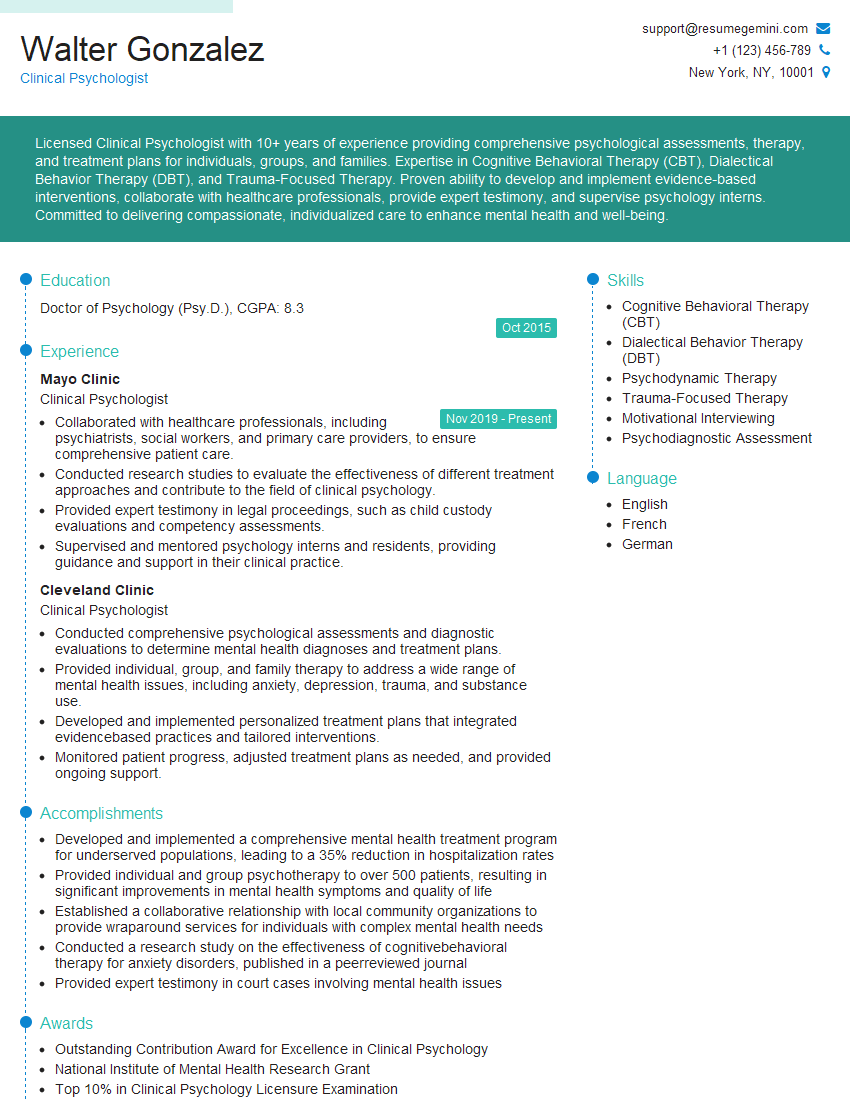
Clinical Psychologist Resume Sample
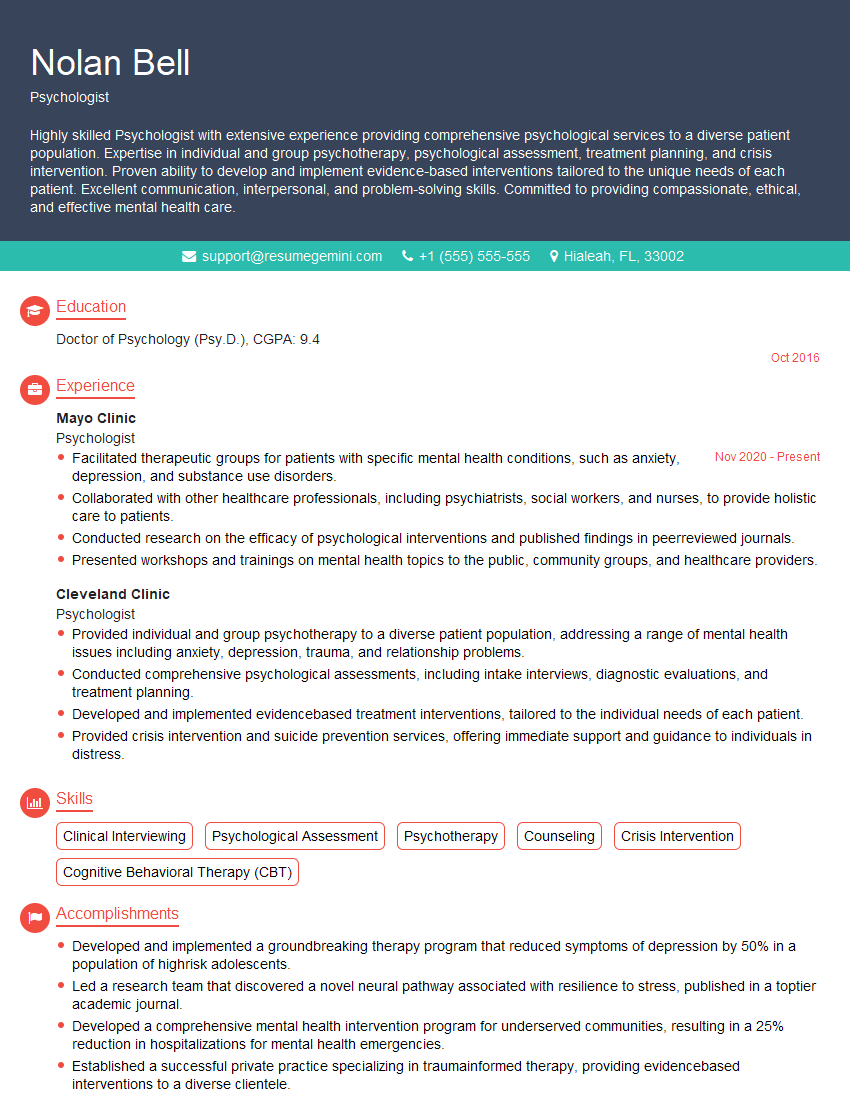
Psychologist Resume Sample
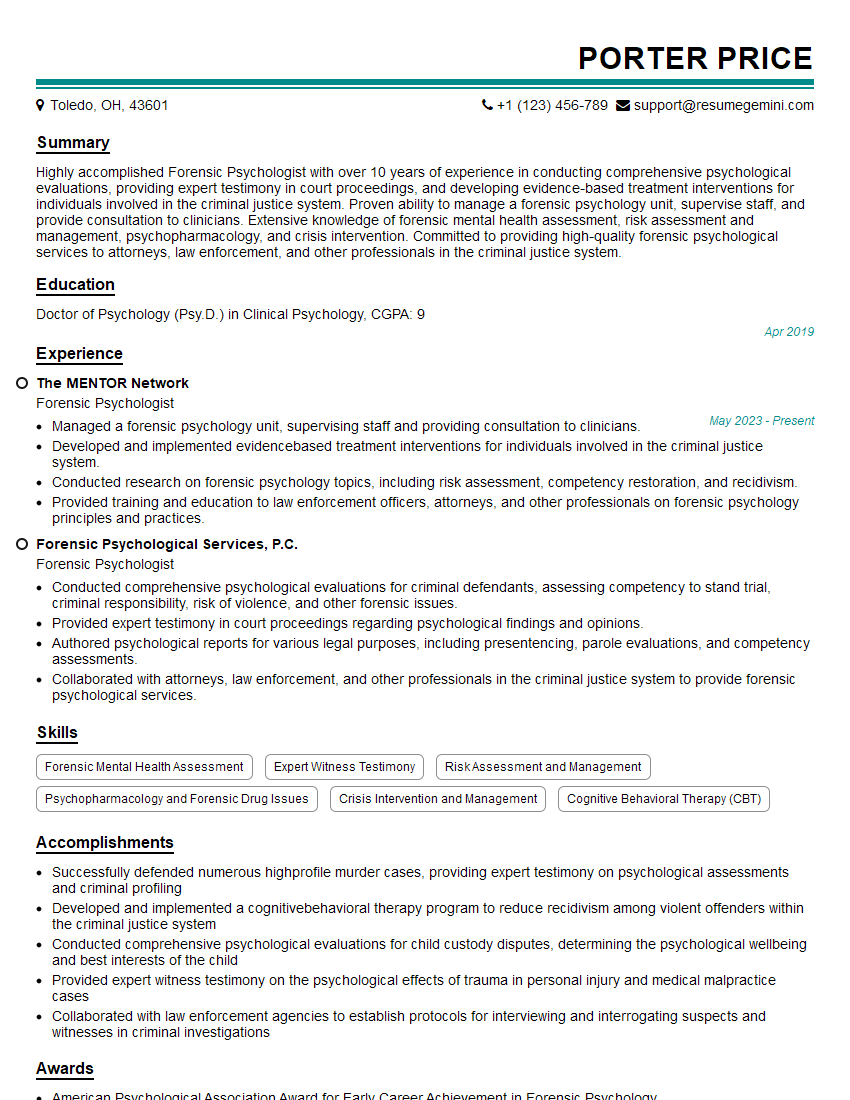
Forensic Psychologist Resume Sample
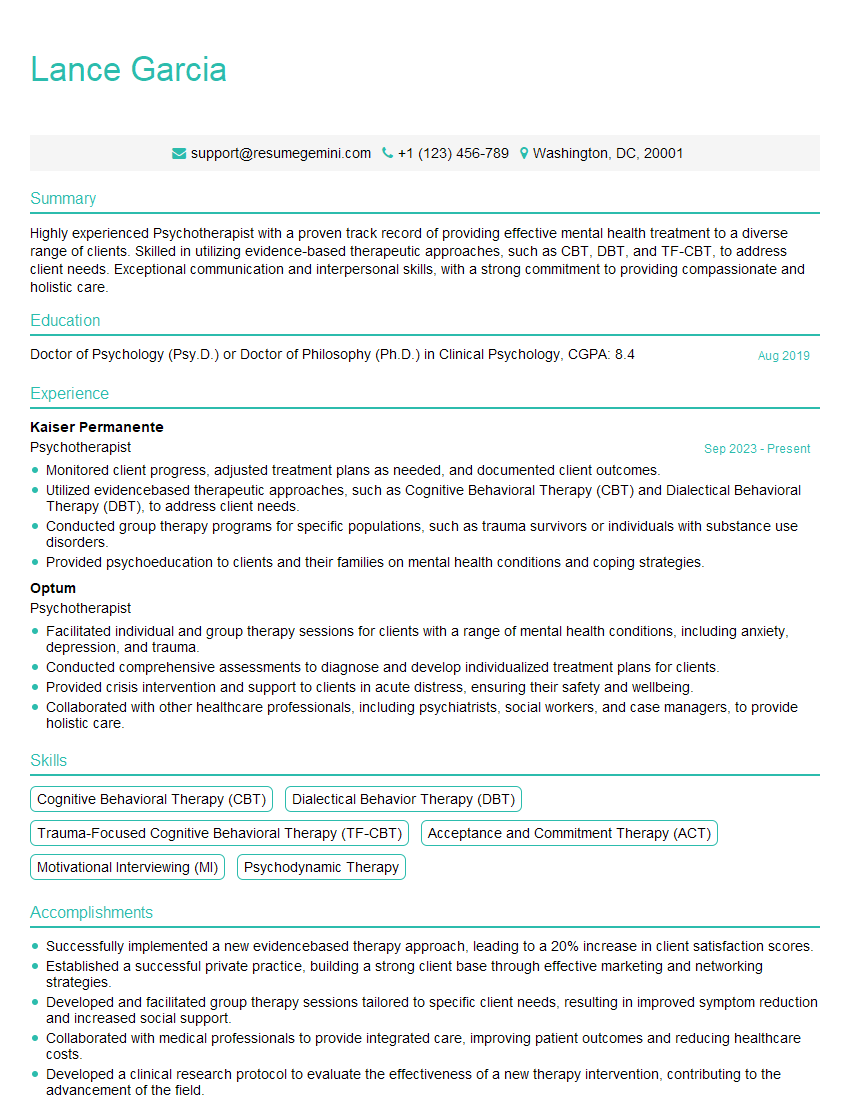
Psychotherapist Resume Sample

Mental Health Counselor Resume Sample
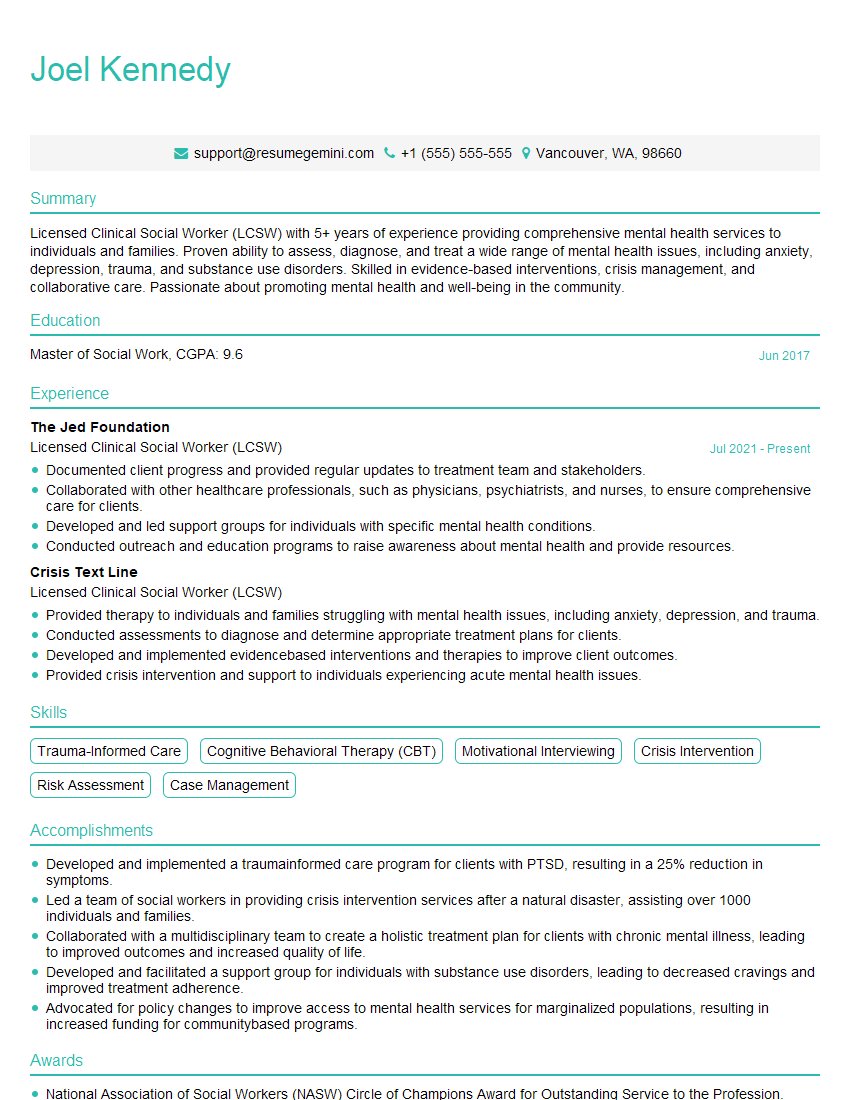
Licensed Clinical Social Worker (LCSW) Resume Sample
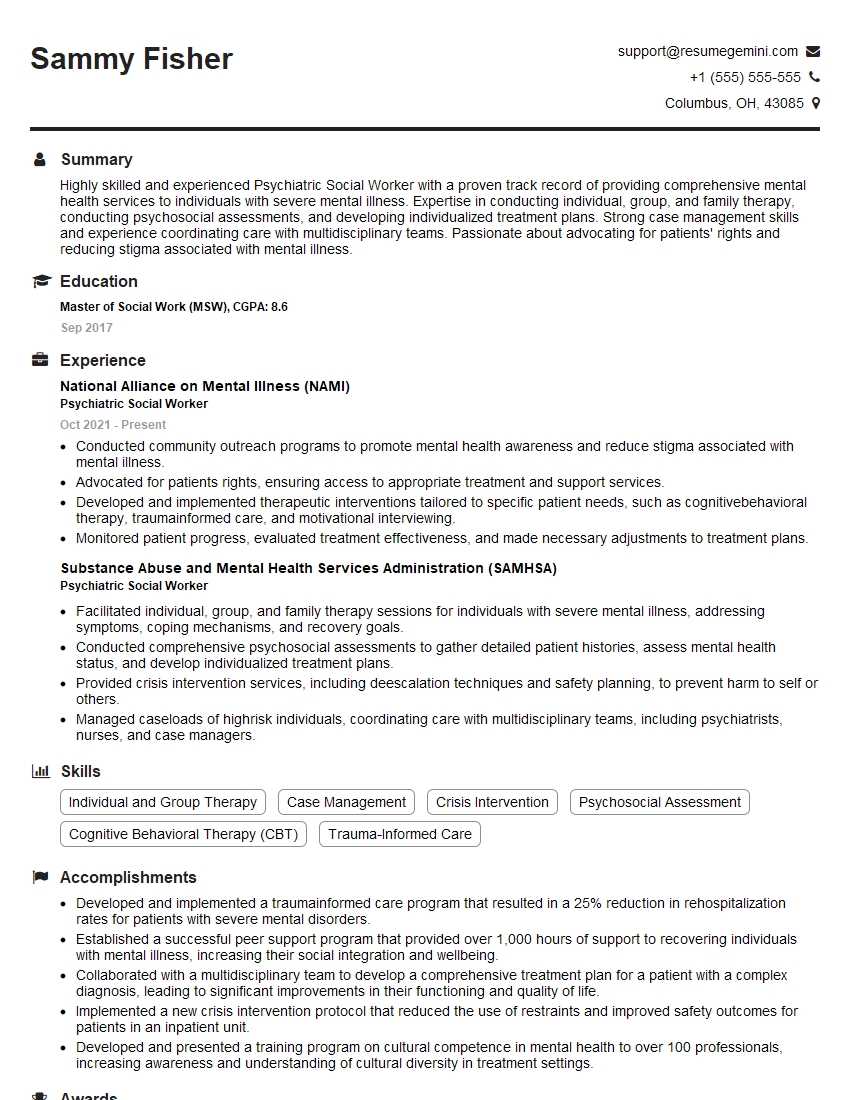
Psychiatric Social Worker Resume Sample
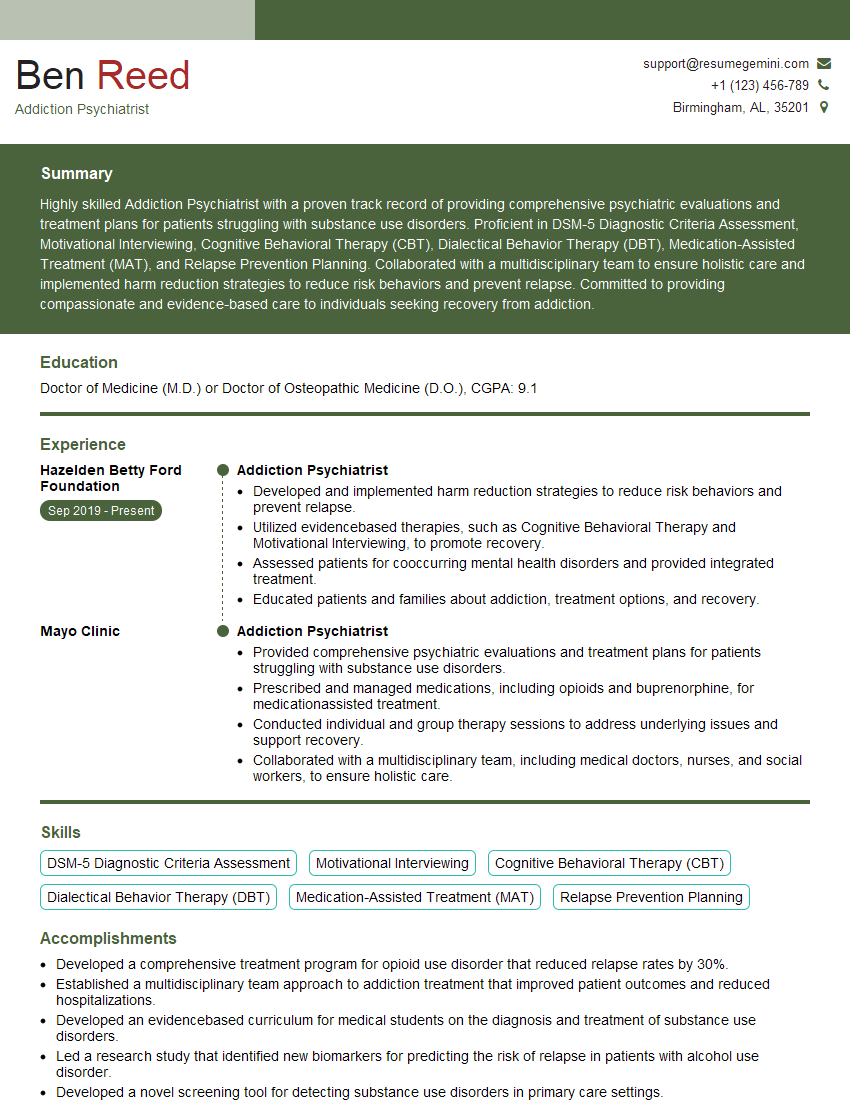
Addiction Psychiatrist Resume Sample
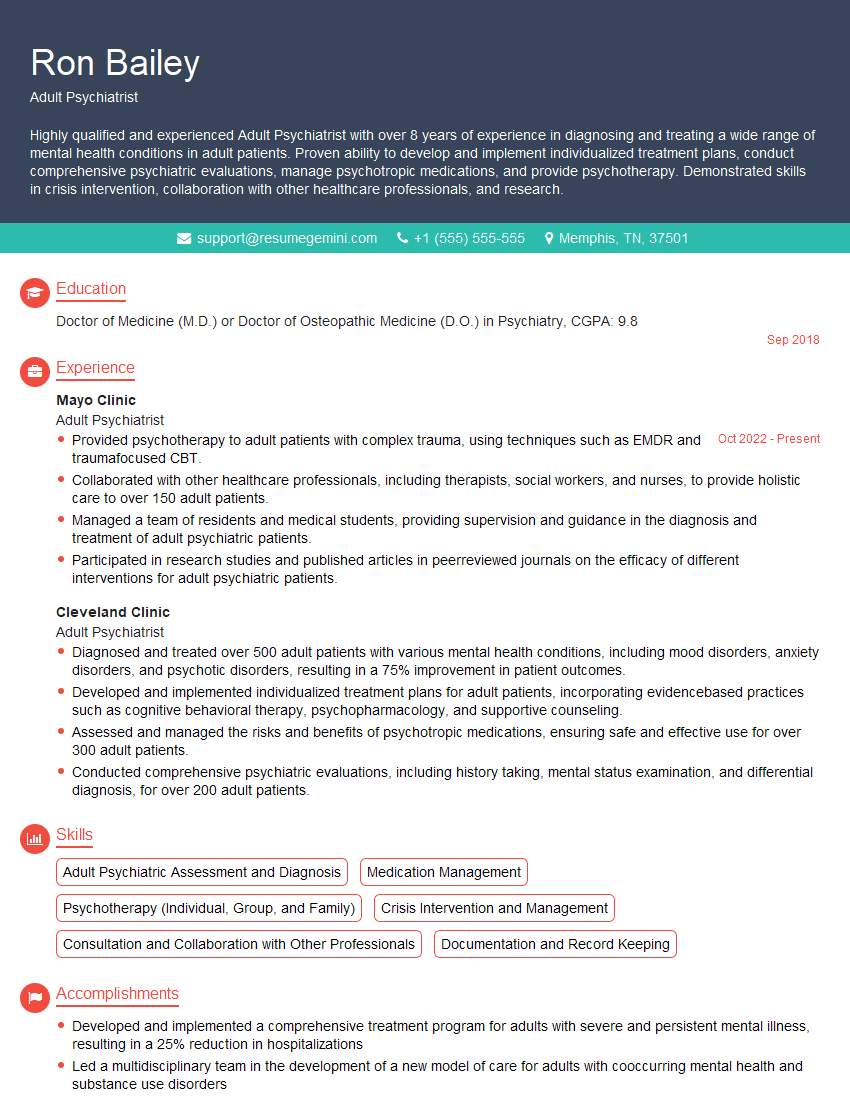
Adult Psychiatrist Resume Sample
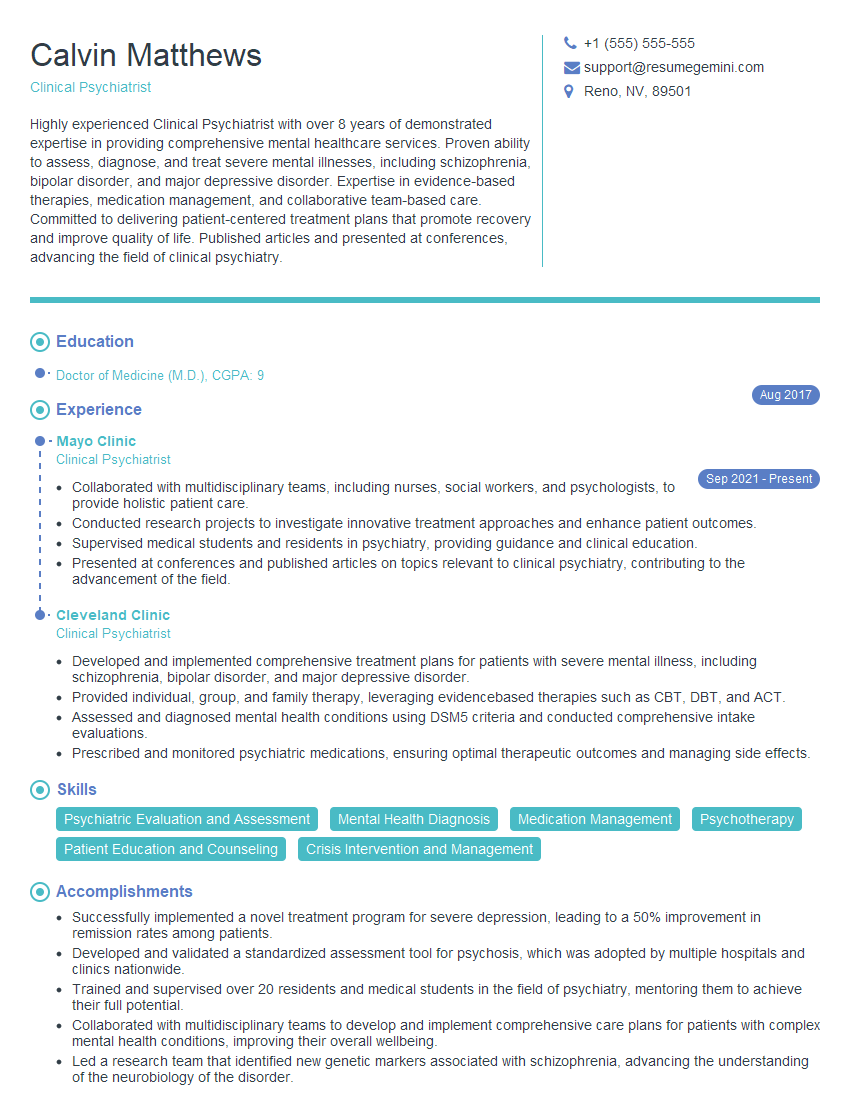
Clinical Psychiatrist Resume Sample
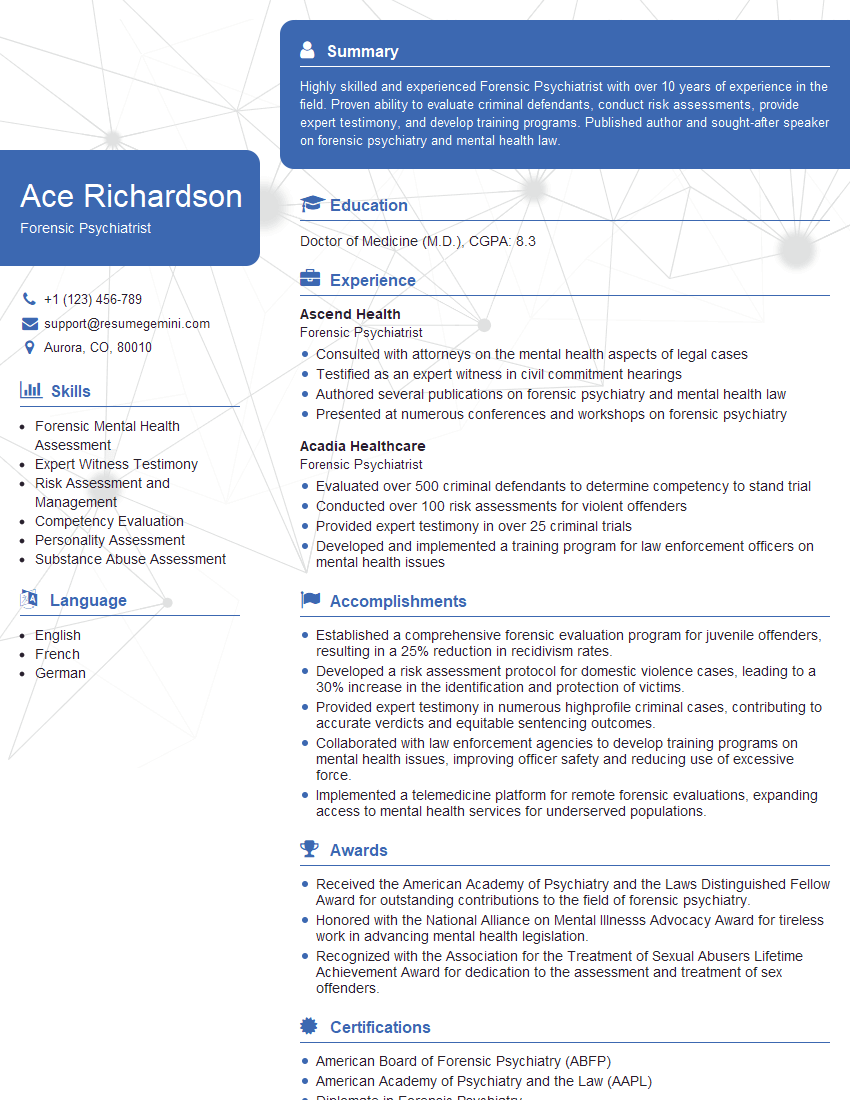
Forensic Psychiatrist Resume Sample
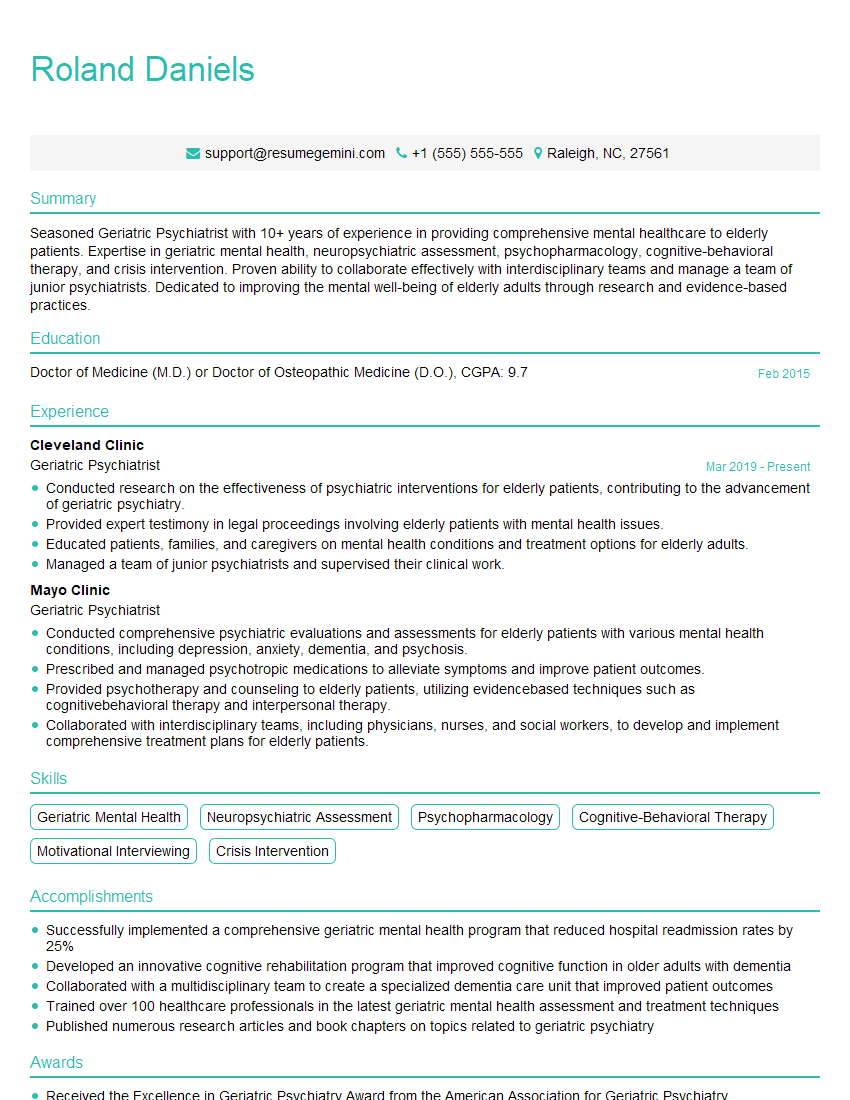
Geriatric Psychiatrist Resume Sample
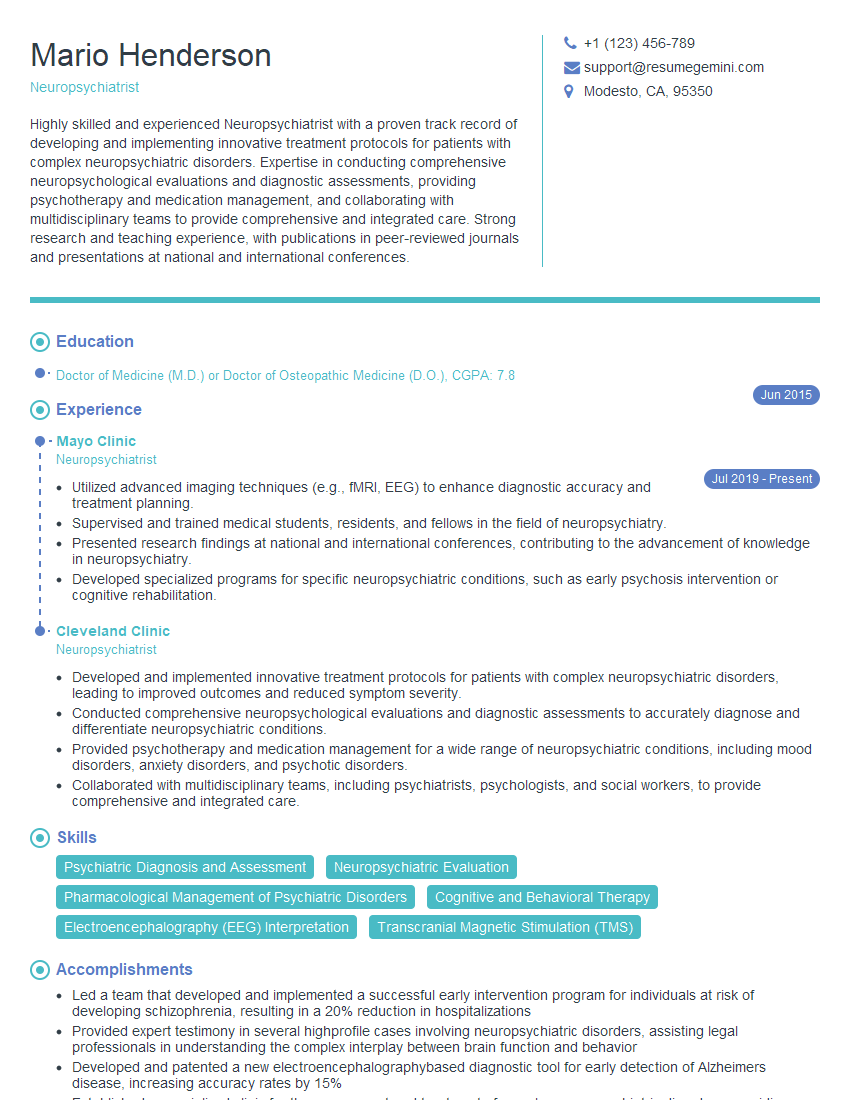
Neuropsychiatrist Resume Sample
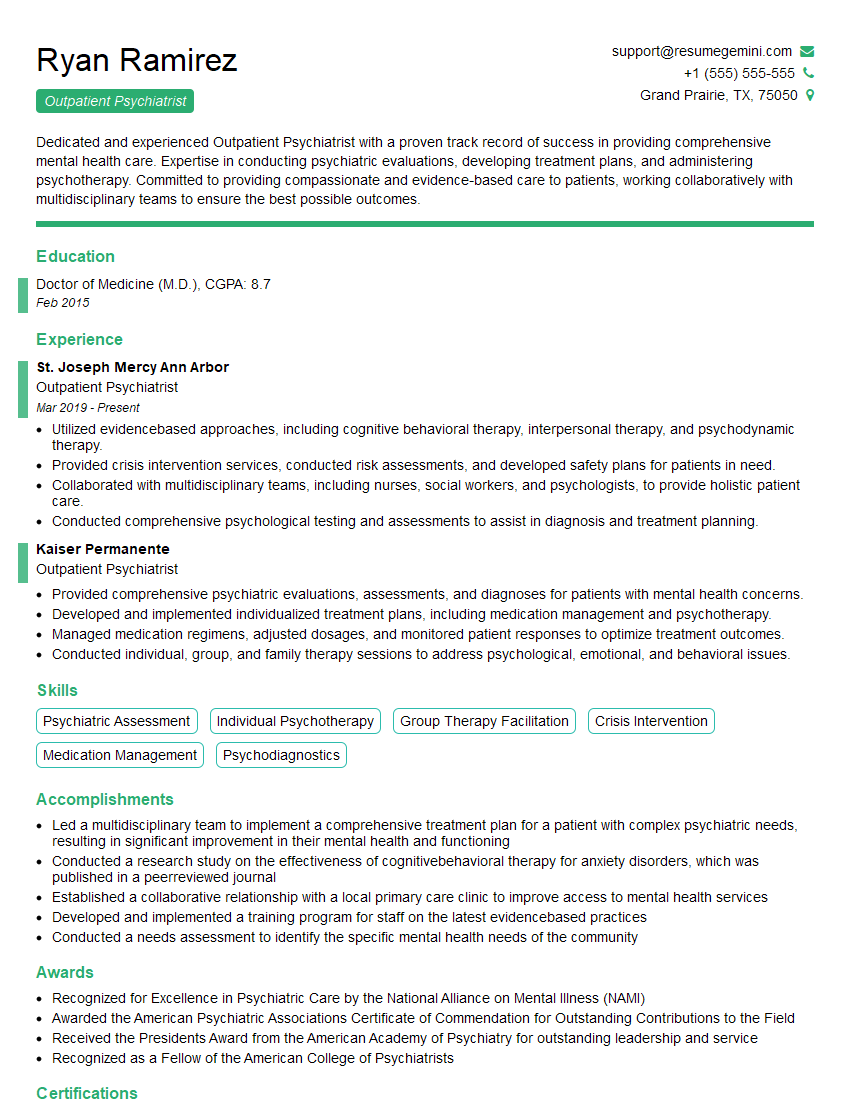
Outpatient Psychiatrist Resume Sample
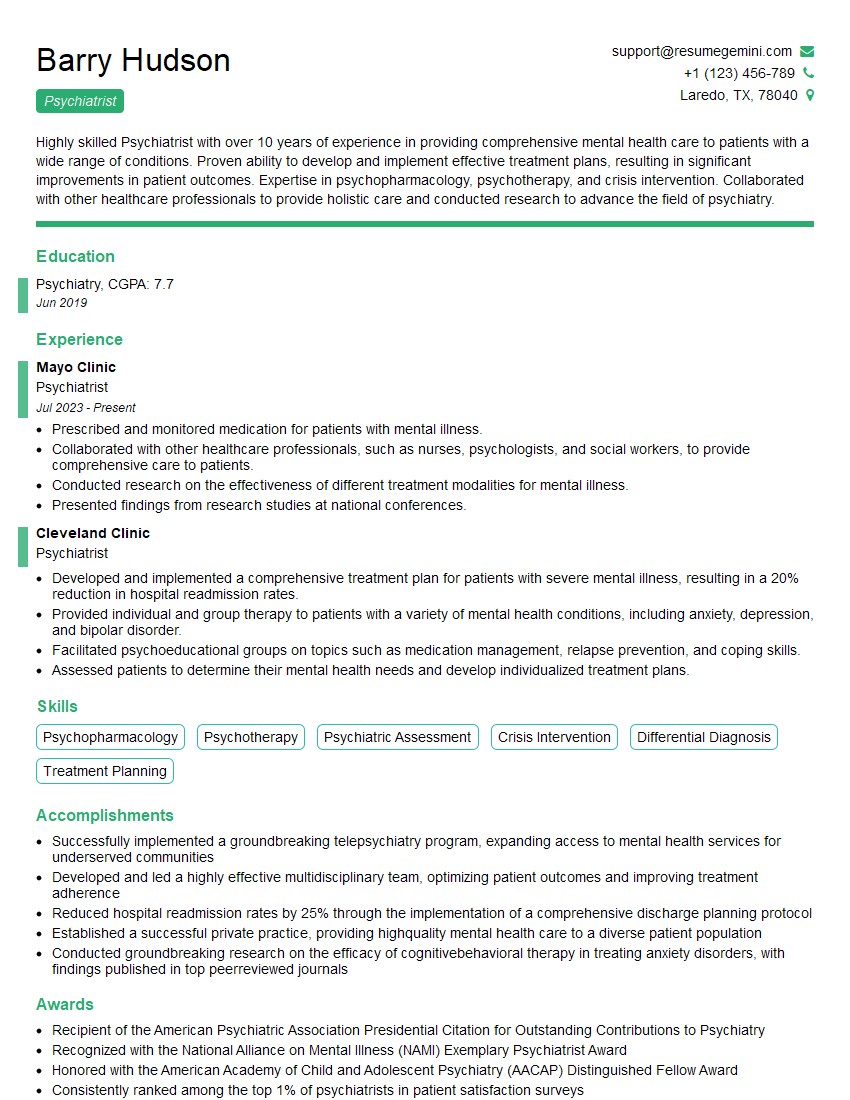
Psychiatrist Resume Sample
- Clinical Psychologist
- Psychologist
- Forensic Psychologist
- Psychotherapist
- Mental Health Counselor
- Licensed Clinical Social Worker (LCSW)
- Psychiatric Social Worker
- Addiction Psychiatrist
- Adult Psychiatrist
- Clinical Psychiatrist
- Forensic Psychiatrist
- Geriatric Psychiatrist
- Neuropsychiatrist
- Outpatient Psychiatrist
- Psychiatrist
Explore more articles
Users Rating of Our Blogs
Share Your Experience
We value your feedback! Please rate our content and share your thoughts (optional).
What Readers Say About Our Blog
To the interviewgemini.com Webmaster.
Very helpful and content specific questions to help prepare me for my interview!
Thank you
To the interviewgemini.com Webmaster.
This was kind of a unique content I found around the specialized skills. Very helpful questions and good detailed answers.
Very Helpful blog, thank you Interviewgemini team.