Every successful interview starts with knowing what to expect. In this blog, we’ll take you through the top Adult Services interview questions, breaking them down with expert tips to help you deliver impactful answers. Step into your next interview fully prepared and ready to succeed.
Questions Asked in Adult Services Interview
Q 1. Describe your experience developing and implementing care plans for adults with varying needs.
Developing and implementing care plans for adults with varying needs requires a holistic approach, considering individual strengths, challenges, and goals. It starts with a comprehensive assessment, involving interviews, observations, and reviewing relevant medical and social histories. This helps identify specific needs – physical, cognitive, emotional, and social.
For instance, a client with dementia might require a care plan focusing on memory aids, structured routines, and safety measures, while a client recovering from a stroke might need a plan centered on physiotherapy, speech therapy, and adaptive equipment. I use a person-centered planning approach, ensuring the client and their family are actively involved in every stage, from assessment to implementation and review. This collaborative process leads to a personalized plan, outlining specific goals, interventions, and timelines, regularly evaluated and adjusted based on progress and changing needs.
For example, I once worked with a client with severe anxiety who benefited greatly from incorporating mindfulness techniques and a daily relaxation routine into their plan. The plan included both short-term, easily attainable goals (e.g., practicing deep breathing exercises three times a day) and long-term goals (e.g., reducing the reliance on medication). The success hinged upon consistent monitoring, feedback, and collaboration with the client and their support system.
Q 2. Explain your understanding of the legal and ethical considerations in adult services.
Legal and ethical considerations in adult services are paramount, underpinning all aspects of care. These include adherence to relevant legislation, such as the Health Insurance Portability and Accountability Act (HIPAA) regarding confidentiality and the Americans with Disabilities Act (ADA) concerning equal access to services. Ethical practice necessitates upholding client autonomy, ensuring informed consent, maintaining professional boundaries, and avoiding conflicts of interest.
Confidentiality is absolute, with information only shared with authorized personnel and within legal and ethical guidelines. For example, mandatory reporting requirements exist for suspected abuse or neglect, which necessitates a careful balance between client confidentiality and legal obligations. Ethical dilemmas may arise, such as when a client’s wishes conflict with their best interests. In such cases, a careful and documented ethical decision-making process, often involving consultation with supervisors and colleagues, is crucial.
Q 3. How do you handle challenging behaviors in adult clients?
Challenging behaviors in adult clients often stem from underlying unmet needs or medical conditions. My approach focuses on understanding the root cause of the behavior, rather than simply suppressing it. This requires a thorough assessment, including observation, interviews, and possibly consultation with medical professionals.
For example, aggression might result from pain, frustration, or cognitive impairment. A tailored response might involve pain management, strategies to improve communication, or environmental modifications to reduce triggers. Positive behavior support (PBS) is a crucial strategy; it involves identifying reinforcing factors for the behavior and implementing interventions that replace maladaptive behaviors with more appropriate ones. This is often achieved through individualized strategies, such as reward systems or de-escalation techniques. Detailed record-keeping is essential to track the effectiveness of interventions and adjust them as needed.
Q 4. What are your strategies for effective communication with adult clients and their families?
Effective communication with adult clients and their families is built on active listening, empathy, and respect. I use clear and concise language, adapting my communication style to the individual’s needs and preferences. It’s crucial to involve family members actively in the care planning process, acknowledging their perspectives and concerns.
Regular updates are vital, utilizing a range of communication methods depending on the situation – face-to-face meetings, phone calls, emails, or even written reports. I ensure the information is shared in a timely and accessible manner, using plain language and avoiding jargon. In cases of conflict or disagreement, I employ mediation or conflict resolution skills to facilitate a positive outcome. Building rapport and trust is central, creating a safe and supportive environment where open communication can flourish. For example, I routinely utilize visual aids or simplified written materials for clients with cognitive impairments to ensure comprehension.
Q 5. Describe your experience with documentation and record-keeping in adult services.
Accurate and thorough documentation is crucial in adult services, serving as a legal record, a communication tool, and a means to track progress and evaluate outcomes. I maintain detailed client records, including assessments, care plans, incident reports, and progress notes, adhering strictly to agency and regulatory guidelines. All documentation is concise, objective, and factual, avoiding subjective opinions or personal biases.
Electronic health records (EHRs) are typically used, ensuring secure storage and easy access to information. Data security and confidentiality are maintained by adhering to HIPAA regulations and agency protocols. For instance, a detailed incident report, including date, time, involved individuals, description of the event, and interventions taken, is crucial if a client falls or experiences a behavioral incident. This information is essential for safety planning, risk management, and potentially legal proceedings. Regular audits ensure the accuracy and completeness of all records.
Q 6. How do you assess and address the physical and emotional needs of adult clients?
Assessing and addressing the physical and emotional needs of adult clients involves a multi-faceted approach, beginning with a thorough assessment of their overall health status. This might involve reviewing medical records, conducting physical examinations, and performing cognitive assessments.
Physical needs include managing medication, providing assistance with activities of daily living (ADLs), and ensuring access to necessary healthcare services. Emotional well-being is equally vital, identifying potential issues like anxiety, depression, or grief. Interventions might include counseling, support groups, or referrals to specialized mental health services. Pain management is another critical aspect; it necessitates careful assessment of the type and severity of pain, and implementation of appropriate pain-relief strategies. Regular monitoring of both physical and emotional well-being is crucial, adapting interventions as needed. For example, I may implement a program of gentle exercise and relaxation techniques for a client with chronic pain.
Q 7. What is your experience with crisis intervention in adult services?
Crisis intervention in adult services requires immediate action to ensure the safety and well-being of the client and others. This involves a calm and decisive response, using de-escalation techniques and prioritizing safety. My training includes crisis management strategies, including recognizing warning signs, responding effectively to aggressive behavior, and utilizing appropriate safety protocols.
For example, if a client becomes suicidal, the immediate response involves ensuring their safety, contacting emergency services if necessary, and initiating immediate intervention. This often involves working closely with mental health professionals to provide appropriate support and treatment. Following a crisis, thorough documentation of the event and interventions is crucial, including follow-up steps to prevent similar incidents. Post-crisis support for the client and any affected staff is also essential, offering debriefing and coping mechanisms to manage stress and trauma.
Q 8. Explain your familiarity with different models of adult care delivery.
Adult care delivery models vary widely, encompassing a spectrum of services and settings tailored to individual needs. My familiarity spans several key models:
- Home and Community-Based Services (HCBS): This model prioritizes supporting individuals in their own homes, utilizing services like personal care assistance, home health aides, and adult day care. I’ve extensive experience coordinating and supervising HCBS, ensuring seamless transitions and individualized care plans.
- Assisted Living Facilities (ALFs): ALFs offer a supportive residential environment with varying levels of assistance for daily living. My understanding includes working within ALF regulations, understanding resident assessments, and collaborating with facility staff to optimize resident well-being.
- Nursing Homes/Skilled Nursing Facilities (SNFs): These facilities provide 24-hour medical and nursing care for individuals with complex health needs. I’ve worked collaboratively with SNF teams, focusing on ensuring smooth transitions from hospital settings and advocating for residents’ rights and preferences.
- Hospice Care: This focuses on providing comfort and support for individuals in their final stages of life. My understanding includes navigating ethical considerations and ensuring end-of-life care aligns with patient and family wishes.
- Residential Care Facilities for the Elderly (RCFE): RCFEs provide housing, personal care, and supportive services to elderly individuals who don’t require the level of care provided in a nursing home. I am knowledgeable about RCFE regulations and best practices regarding resident safety and engagement.
My experience encompasses working directly with clients within these models and managing teams that deliver these services, ensuring quality care and adherence to regulations.
Q 9. How do you promote client independence and self-determination?
Promoting client independence and self-determination is paramount in adult services. This involves:
- Person-Centered Planning: I actively engage clients in developing individualized care plans, respecting their choices and preferences. This includes involving family members and support systems where appropriate.
- Skill Building and Training: I focus on empowering clients through training and skill development, fostering self-sufficiency in areas like personal hygiene, medication management, and financial planning. For example, I recently helped a client regain confidence in managing their finances through a structured budgeting program.
- Advocacy and Empowerment: I advocate for clients’ rights and ensure their voices are heard in decision-making processes. This includes navigating complex systems and ensuring access to resources.
- Creating a Supportive Environment: I cultivate a respectful and encouraging environment where clients feel comfortable expressing their needs and preferences. This includes providing choices and options, even in seemingly small decisions.
- Regular Assessment and Review: I regularly assess client progress and adjust care plans as needed, ensuring that they continue to meet evolving needs and remain aligned with the client’s goals for self-determination.
By focusing on these strategies, I’ve witnessed significant improvements in client confidence and overall quality of life.
Q 10. How do you collaborate with interdisciplinary teams in adult services?
Effective collaboration is crucial in adult services. I work closely with interdisciplinary teams, including:
- Physicians: I maintain open communication to ensure seamless coordination of medical care, promptly addressing any changes in a client’s health status. I act as a liaison between the physician and the client and their family.
- Nurses: Collaborating with nurses ensures proper medication management, wound care, and monitoring of vital signs. This is vital for prompt identification and management of any health complications.
- Therapists (Physical, Occupational, Speech): I facilitate referrals and coordinate care with therapists, ensuring that clients receive comprehensive rehabilitation and support to improve their functional abilities.
- Social Workers: Collaboration with social workers helps address social, emotional, and environmental factors impacting clients’ well-being, often aiding in accessing crucial community resources.
- Case Managers: Working with case managers ensures coordination of services, efficient resource allocation, and overall streamlined care for the client.
Effective communication, regular meetings, and shared documentation are key to successful interdisciplinary collaboration. I utilize electronic health records and regular case conferences to foster effective communication and care coordination.
Q 11. Describe your experience working with adults experiencing mental illness or cognitive impairment.
My experience with adults experiencing mental illness or cognitive impairment is extensive. I understand the importance of:
- Individualized Approaches: Recognizing that each individual’s experience is unique, I tailor my approach based on their specific needs and challenges. This includes adapting communication styles and employing strategies to enhance comprehension and engagement.
- Medication Management Support: I often assist clients with medication management, ensuring adherence to prescribed regimens and addressing any concerns or side effects. This may involve working with family members or caregivers.
- Behavioral Interventions: I’m trained in utilizing various behavioral interventions to address challenging behaviors, promoting safety and a positive environment. These methods are always implemented ethically and with the client’s best interests in mind.
- Building Trust and Rapport: Establishing trust is critical when working with vulnerable populations. I actively listen, demonstrate empathy, and create a safe space for clients to express themselves.
- Collaboration with Specialists: I work closely with psychiatrists, psychologists, and other mental health professionals to ensure clients receive appropriate diagnoses, treatment, and ongoing support.
For instance, I worked with a client experiencing schizophrenia who needed support with daily living tasks and medication adherence. Through a combination of consistent support, collaborative care, and engagement in social activities, he showed significant improvement in his overall well-being.
Q 12. How do you handle conflict resolution within a team or with clients?
Conflict resolution is a crucial skill in adult services. My approach is based on:
- Active Listening: I begin by carefully listening to all parties involved, ensuring everyone feels heard and understood. This involves seeking clarification and reflecting back what I hear.
- Identifying the Root Cause: I focus on identifying the underlying issues driving the conflict, rather than focusing solely on surface-level disagreements.
- Mediation and Facilitation: I act as a neutral mediator, facilitating a constructive dialogue between conflicting parties and helping them find common ground.
- Compromise and Collaboration: I encourage parties to consider compromise and work collaboratively towards mutually acceptable solutions. This may involve creative problem-solving and brainstorming sessions.
- Documentation and Follow-up: All conflicts are documented, and appropriate follow-up actions are taken to prevent recurrence and ensure ongoing progress.
For example, I successfully mediated a conflict between a client’s family members concerning care decisions. Through active listening and respectful communication, I helped them reach an agreement that respected both their concerns and the client’s wishes.
Q 13. Explain your knowledge of relevant regulations and compliance in adult services.
Knowledge of relevant regulations and compliance is critical in adult services. My understanding encompasses:
- HIPAA (Health Insurance Portability and Accountability Act): I am meticulous in maintaining client confidentiality and adhering to all HIPAA regulations regarding the handling of Protected Health Information (PHI).
- State and Federal Regulations: I am familiar with state and federal regulations governing adult care facilities, including licensing requirements, staffing ratios, and quality assurance standards. These vary by location and service type.
- Medicare and Medicaid Regulations: I have experience with the billing and documentation requirements for Medicare and Medicaid, understanding the regulations for reimbursement and compliance.
- Abuse and Neglect Reporting: I am trained to recognize and report suspected abuse or neglect, adhering to mandatory reporting laws and procedures.
- Client Rights and Advocacy: I am proficient in upholding client rights and advocating for their best interests, ensuring compliance with legal and ethical standards.
Staying current with evolving regulations is an ongoing process that includes participating in continuing education courses and attending relevant workshops.
Q 14. What is your experience with risk assessment and management in adult care settings?
Risk assessment and management are integral to ensuring client safety and well-being. My experience includes:
- Identifying Potential Risks: I routinely conduct thorough assessments to identify potential risks, including falls, medication errors, infection control issues, and behavioral challenges. This involves considering both the client’s individual needs and the environment.
- Developing Mitigation Strategies: Based on risk assessments, I develop and implement strategies to mitigate identified risks. These may include adapting the physical environment, modifying care plans, providing specialized training to staff, and implementing monitoring protocols.
- Documentation and Monitoring: All risk assessments, mitigation strategies, and incidents are meticulously documented. Regular monitoring ensures the effectiveness of implemented strategies and allows for prompt adjustments as needed.
- Emergency Preparedness: I am proficient in emergency preparedness procedures, including developing and practicing emergency response plans and ensuring access to emergency services.
- Incident Reporting and Investigation: I am experienced in managing incident reporting and investigating any adverse events, including falls, injuries, and medication errors, to identify root causes and prevent future occurrences. This often involves writing detailed reports and participating in internal investigations.
For instance, I implemented a fall prevention program in a facility which resulted in a significant reduction in the number of falls among residents by employing strategies such as gait training and environmental modifications.
Q 15. Describe your experience working with adults with substance abuse issues.
My experience working with adults struggling with substance abuse is extensive. I’ve worked in various settings, including residential treatment facilities, outpatient clinics, and community support programs. My approach centers on a holistic understanding of addiction, recognizing its complex interplay with mental health, social factors, and trauma. I utilize evidence-based practices like motivational interviewing, cognitive behavioral therapy (CBT), and relapse prevention planning. For instance, I worked with a client struggling with opioid addiction who was also experiencing homelessness. We collaboratively developed a plan focusing on immediate needs like securing shelter and accessing medication-assisted treatment (MAT) while simultaneously addressing underlying trauma through trauma-informed therapy. This involved regular check-ins, support group facilitation, and collaborating with other professionals like social workers and case managers. Seeing clients achieve sobriety and rebuild their lives is incredibly rewarding.
Career Expert Tips:
- Ace those interviews! Prepare effectively by reviewing the Top 50 Most Common Interview Questions on ResumeGemini.
- Navigate your job search with confidence! Explore a wide range of Career Tips on ResumeGemini. Learn about common challenges and recommendations to overcome them.
- Craft the perfect resume! Master the Art of Resume Writing with ResumeGemini’s guide. Showcase your unique qualifications and achievements effectively.
- Don’t miss out on holiday savings! Build your dream resume with ResumeGemini’s ATS optimized templates.
Q 16. How do you ensure client confidentiality and privacy?
Client confidentiality and privacy are paramount. I adhere strictly to HIPAA regulations and maintain all client information securely, both electronically and physically. This includes using password-protected electronic health records, secure data storage, and limiting access to sensitive information to authorized personnel only. Furthermore, I always obtain informed consent from clients before disclosing any information, even to family members or other healthcare professionals, unless legally mandated to do so. For example, I would never discuss a client’s situation in a public setting or leave client files unsecured. My commitment to confidentiality fosters trust and enables clients to feel safe openly sharing their experiences.
Q 17. Explain your knowledge of different types of adult care facilities.
My knowledge of adult care facilities encompasses a wide range of settings, each designed to address specific needs. These include:
- Assisted Living Facilities: Provide supportive living environments for individuals who need assistance with daily living activities but don’t require extensive medical care.
- Nursing Homes (Skilled Nursing Facilities): Offer 24-hour medical care for individuals with chronic illnesses or disabilities who require skilled nursing services.
- Residential Treatment Centers (RTCs): Provide intensive, structured treatment for individuals struggling with substance abuse, mental health disorders, or co-occurring conditions.
- Memory Care Units: Specialized units within assisted living facilities or nursing homes designed for individuals with dementia or Alzheimer’s disease.
- Independent Living Facilities: Provide housing and community amenities for older adults who can live independently but want access to supportive services.
Understanding the nuances of each type of facility allows me to effectively advocate for my clients and ensure they receive the most appropriate level of care.
Q 18. How do you manage workload and prioritize tasks effectively?
Effective workload management is crucial. I utilize several strategies, including prioritizing tasks based on urgency and importance, using a task management system (like a planner or digital calendar), and setting realistic deadlines. I also regularly review my schedule and adjust my priorities as needed. Time blocking helps me dedicate specific time slots for different tasks, enhancing focus and efficiency. Delegating tasks where appropriate also frees up time for more complex issues. For example, I might delegate some administrative tasks to a support staff member, allowing me to concentrate on direct client care. Regular reflection on my workflow helps me identify areas for improvement and refine my time management strategies.
Q 19. Describe your experience in case management for adults with disabilities.
My case management experience with adults with disabilities centers on collaboration and advocacy. I work closely with clients, their families, and other professionals to develop individualized support plans that address their unique needs and goals. This includes coordinating services such as healthcare, therapy, vocational training, and housing assistance. For example, I worked with a client with cerebral palsy who needed help navigating the process of obtaining accessible housing and assistive technology. I coordinated with housing agencies, disability services, and equipment providers to ensure the client received the necessary support to live independently. This requires strong communication, problem-solving skills, and an understanding of the various resources available.
Q 20. What is your understanding of trauma-informed care?
Trauma-informed care recognizes the profound impact of trauma on individuals’ lives and integrates this understanding into all aspects of care. It emphasizes safety, trustworthiness, choice, collaboration, and empowerment. A core principle is to avoid re-traumatizing clients by creating a safe and supportive environment. For instance, instead of demanding immediate disclosure of traumatic experiences, a trauma-informed approach focuses on building a trusting relationship and empowering the client to share at their own pace. This approach acknowledges that many behavioral issues might stem from past trauma, prompting a shift from blame to understanding and promoting healing.
Q 21. How do you promote a positive and supportive environment for adult clients?
Creating a positive and supportive environment involves building trust, fostering mutual respect, and providing a sense of belonging. This means actively listening to client concerns, validating their feelings, and empowering them to participate in their care planning. I use person-centered approaches to tailor interventions to individual needs and preferences. Simple acts of kindness and empathy, such as acknowledging client achievements, showing genuine interest in their lives, and celebrating milestones, can significantly impact their overall well-being. For example, I might facilitate a group activity where clients share their hobbies or organize social outings to foster connections and community.
Q 22. Describe your experience with developing and implementing individual support plans.
Developing and implementing individual support plans is crucial for providing person-centered care in adult services. It involves a thorough assessment of the individual’s needs, strengths, and preferences, followed by the creation of a tailored plan outlining goals, strategies, and interventions.
My process begins with a comprehensive assessment, utilizing various tools and techniques such as interviews, observations, and reviewing existing documentation. This helps me understand the individual’s physical, emotional, and social needs. For example, I worked with a client recovering from a stroke who needed assistance with daily living activities and speech therapy. The assessment revealed his love of gardening, so we incorporated this into his rehabilitation plan, motivating him to engage in physical therapy.
Once the assessment is complete, I collaborate with the client, their family (if appropriate), and other professionals involved in their care to co-create a plan. This plan is documented, detailing specific, measurable, achievable, relevant, and time-bound (SMART) goals. It also outlines the support services and interventions necessary to achieve those goals. For instance, in the stroke patient’s plan, we set SMART goals regarding his mobility, communication skills, and gardening activities, with specific timelines for progress.
The plan is reviewed and updated regularly, ensuring it remains relevant and responsive to the individual’s changing needs.
Q 23. How do you monitor the effectiveness of care plans and make adjustments as needed?
Monitoring the effectiveness of care plans and making necessary adjustments is an ongoing process. It requires regular review, data collection, and collaboration with the individual and their support network.
I utilize various methods for monitoring, including regular progress meetings with the client, documenting observed behaviors and progress towards goals, reviewing data from assessments, and consulting with other professionals involved in their care. For instance, I track the frequency and duration of the stroke patient’s physical therapy sessions, his progress in speech therapy, and his level of participation in gardening activities. I also use visual aids like charts to display progress over time, making it easier for the client to understand and for me to identify areas needing adjustments.
If the client isn’t progressing as expected, I analyze the plan, looking for areas where adjustments are needed. This might involve modifying goals, adjusting the frequency of interventions, or introducing new strategies. For example, if the stroke patient’s progress on mobility was slower than anticipated, we might introduce a different type of therapy or adjust the intensity of his current therapy. Regular feedback loops are crucial – incorporating the client’s feedback on the plan’s effectiveness is central to successful adjustments.
Q 24. What are your skills in utilizing technology to support adult client care?
Technology plays a significant role in enhancing adult client care. I am proficient in using various technological tools to support my work.
I utilize electronic health records (EHRs) for secure storage and access to client information, ensuring confidentiality and streamlined communication among professionals. I also use telehealth platforms for remote consultations and monitoring, particularly beneficial for clients with mobility limitations. This has proven particularly useful during the pandemic when in-person visits were restricted. Furthermore, I’m familiar with various communication and collaboration tools such as secure messaging systems and video conferencing. For scheduling and appointment reminders, I use appointment management software.
My technological skills also extend to utilizing assistive technology for clients with disabilities, which includes selecting and training clients on using adapted communication devices, mobility aids, and other assistive tools. For instance, I helped a visually impaired client learn how to use screen-reading software to access information and maintain independence.
Q 25. How do you manage challenging situations or unexpected events?
Managing challenging situations and unexpected events is a critical aspect of working in adult services. My approach focuses on maintaining a calm and professional demeanor while prioritizing the safety and well-being of the client.
I have a structured approach to managing crises. First, I assess the situation to identify the immediate needs and potential risks. Then, I intervene appropriately and if necessary, call on additional support, such as emergency services or colleagues, depending on the nature of the event. For example, if a client experiences a sudden medical emergency, I immediately call emergency services, providing clear and concise information while simultaneously addressing the client’s immediate needs (comfort, safety).
Following a challenging event, I document everything thoroughly and conduct a debrief with my team or supervisor to identify areas for improvement and strategies to prevent similar situations from happening again. Post-incident reviews allow for reflection and continuous professional development, leading to better risk management practices.
Q 26. Describe your experience with advocacy for adult clients.
Advocacy is central to my role. I champion the rights and needs of adult clients, ensuring they receive the services and support they deserve.
My advocacy efforts range from assisting clients in navigating complex healthcare systems and accessing necessary resources (e.g., financial aid, housing assistance), to representing them in meetings with healthcare providers and social workers. I act as a liaison between the client and various agencies. For example, I helped a client access legal aid to challenge a decision made about their social security benefits. I also assisted a client in finding appropriate housing by contacting housing agencies and assisting them with the application process.
I believe in empowering clients to advocate for themselves; I support them in developing the skills and confidence to express their needs effectively. This may involve teaching assertive communication techniques or role-playing scenarios.
Q 27. Explain your familiarity with different therapeutic interventions used in adult services.
I am familiar with a range of therapeutic interventions used in adult services, tailored to individual client needs and goals.
These include cognitive behavioral therapy (CBT) which helps individuals identify and modify negative thought patterns and behaviors. I’ve used CBT techniques with clients experiencing anxiety and depression, focusing on challenging their negative beliefs and developing coping mechanisms. Another approach is solution-focused brief therapy, which centers on identifying and building upon existing strengths to achieve desired outcomes. This is often effective with clients who have a clear goal in mind but require support in developing practical steps to reach it.
Furthermore, I am skilled in motivational interviewing, which supports clients in exploring and resolving ambivalence towards change. This is particularly helpful in motivating individuals towards greater independence and self-management of their conditions. My experience encompasses working with various therapeutic approaches, selecting and adapting techniques to suit the individual’s unique circumstances and preferences.
Q 28. How do you maintain professional boundaries with adult clients?
Maintaining professional boundaries is paramount in adult services to ensure the safety and well-being of clients and to protect my professional integrity.
I adhere to strict professional codes of conduct and ethical guidelines, ensuring all interactions remain within professional limits. This involves avoiding dual relationships (e.g., socializing outside of work hours) and maintaining appropriate physical and emotional distance. I am mindful of the power dynamic inherent in the professional relationship and prioritize the client’s autonomy and independence. If I sense a boundary might be crossed, I address the issue immediately and may consult with a supervisor for guidance. For example, I ensure clear professional communication, focusing solely on the client’s needs within the context of my professional role. I avoid informal language or excessive personal sharing. Clear professional boundaries protect both the client and the professional, fostering trust and ensuring the effectiveness of the therapeutic relationship.
Key Topics to Learn for Adult Services Interview
- Client-Centered Care: Understanding the principles of person-centered planning and how to apply them in diverse adult service settings. Practical application includes tailoring support plans to individual needs and preferences.
- Legal and Ethical Considerations: Knowledge of relevant laws, regulations, and ethical guidelines pertaining to adult services, including confidentiality, informed consent, and reporting obligations. Problem-solving might involve navigating complex ethical dilemmas in a professional and compliant manner.
- Assessment and Care Planning: Mastering skills in needs assessment, developing individualized care plans, and regularly evaluating their effectiveness. This includes understanding various assessment tools and methodologies.
- Communication and Collaboration: Effective communication with clients, families, colleagues, and other professionals. Practical application involves building strong working relationships and advocating for client needs.
- Crisis Intervention and De-escalation: Techniques for managing challenging behaviors and de-escalating crisis situations safely and effectively. This requires understanding underlying causes of challenging behaviors and applying appropriate intervention strategies.
- Documentation and Record Keeping: Maintaining accurate, comprehensive, and timely records in accordance with agency policies and legal requirements. This includes understanding the importance of accurate documentation for both legal and clinical purposes.
- Understanding Diverse Needs: Knowledge of the diverse needs of adults receiving services, including those with physical, cognitive, and mental health challenges. This includes cultural competency and sensitivity to individual differences.
Next Steps
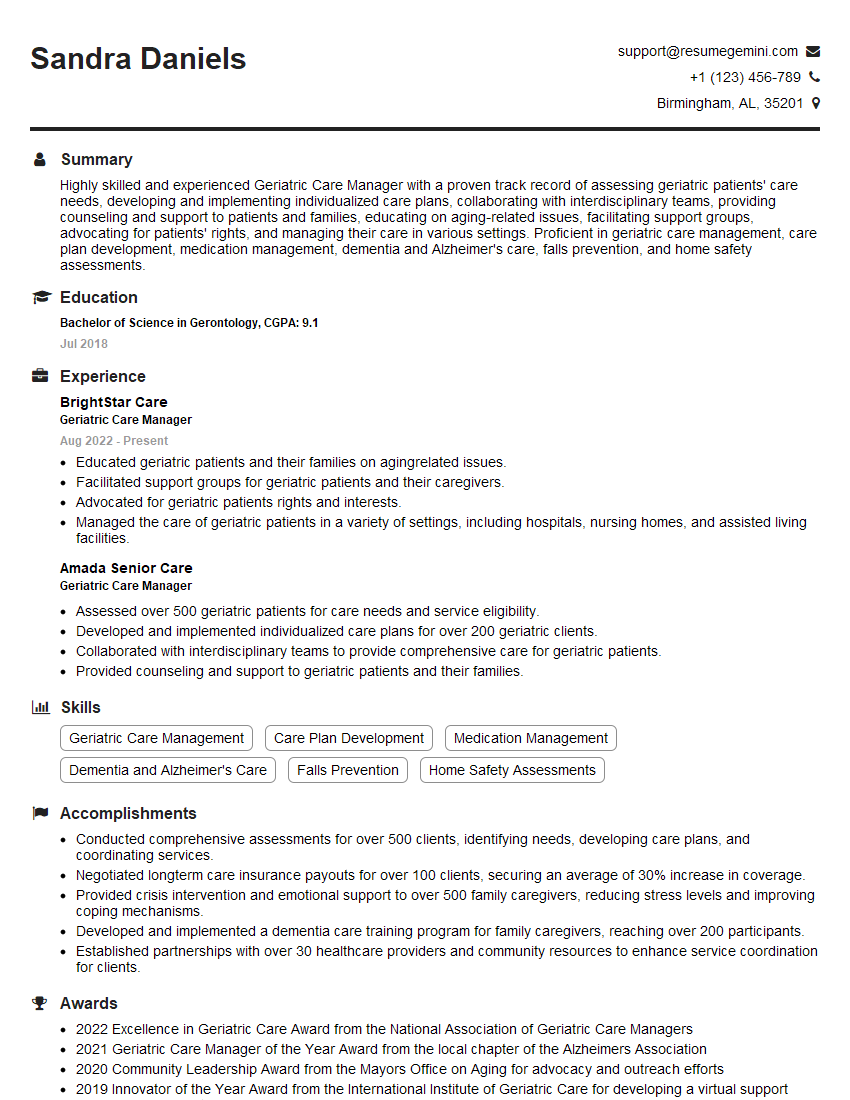
Mastering Adult Services opens doors to a rewarding career with significant opportunities for growth and advancement. To maximize your job prospects, creating a strong, ATS-friendly resume is crucial. ResumeGemini can help you build a professional resume that highlights your skills and experience effectively. We provide examples of resumes tailored to the Adult Services field to guide you. Invest time in crafting a compelling resume – it’s your first impression on potential employers.

Explore more articles
Users Rating of Our Blogs
Share Your Experience
We value your feedback! Please rate our content and share your thoughts (optional).
What Readers Say About Our Blog
To the interviewgemini.com Webmaster.
Very helpful and content specific questions to help prepare me for my interview!
Thank you
To the interviewgemini.com Webmaster.
This was kind of a unique content I found around the specialized skills. Very helpful questions and good detailed answers.
Very Helpful blog, thank you Interviewgemini team.