Cracking a skill-specific interview, like one for Advanced problem-solving and critical thinking skills, requires understanding the nuances of the role. In this blog, we present the questions you’re most likely to encounter, along with insights into how to answer them effectively. Let’s ensure you’re ready to make a strong impression.
Questions Asked in Advanced problem-solving and critical thinking skills Interview
Q 1. Describe your approach to solving a complex, multifaceted problem.
My approach to solving complex, multifaceted problems hinges on a structured, iterative process. I begin by clearly defining the problem, breaking it down into smaller, more manageable components. This decomposition helps avoid feeling overwhelmed and allows for focused attention on individual aspects. I then gather all relevant information, identifying data sources and stakeholders. This includes not just readily available data, but also understanding the context, constraints, and potential biases. Next, I prioritize these sub-problems based on their impact and urgency, using techniques like a decision matrix or MoSCoW analysis (Must have, Should have, Could have, Won’t have). I then develop potential solutions for each sub-problem, evaluating them against predefined criteria (e.g., feasibility, cost, effectiveness). This is often an iterative process, refining solutions and testing assumptions through simulations or prototyping where possible. Finally, I implement the chosen solution, monitor its effectiveness, and iterate based on feedback and results. Think of it like building with Lego: you start with the overall picture, break it into smaller sections, build those individually, and then assemble them to create the final product.
Q 2. Explain a time you had to analyze a large dataset to identify a trend or pattern.
In a previous role, I analyzed a large dataset of customer purchase history to identify trends in product adoption. The dataset contained millions of records encompassing various demographic and behavioral attributes. I began by employing exploratory data analysis (EDA) techniques using Python libraries like Pandas and NumPy. This involved visualizing the data through histograms, scatter plots, and box plots to gain initial insights into the distribution of variables and potential relationships. I then leveraged machine learning algorithms, specifically clustering techniques like K-means, to segment customers based on their purchase patterns. This revealed distinct groups with differing preferences and purchasing behavior. Further analysis involved time series decomposition to identify seasonal trends and cyclical patterns in product demand. The findings helped the company tailor marketing strategies to specific customer segments, leading to a significant increase in sales conversion.
#Example Python code snippet (Illustrative):
import pandas as pd
data = pd.read_csv('customer_data.csv')
data.groupby('product_category')['customer_id'].count().plot(kind='bar')
Q 3. How do you approach a problem when you lack complete information?
When confronted with incomplete information, my approach focuses on proactive information gathering and robust hypothesis testing. Firstly, I clearly define what information is missing and its potential impact on the problem’s solution. Then, I identify reliable sources that could potentially fill the gaps, this could include conducting surveys, interviewing experts, or reviewing relevant literature. I also build multiple working hypotheses based on the available information, acknowledging the uncertainty inherent in the situation. These hypotheses are tested using sensitivity analysis and scenario planning – exploring how the results change under different assumptions. The process involves prioritizing the most critical uncertainties and focusing on gathering information that would have the greatest impact on the decision. A key principle is to clearly communicate the level of uncertainty associated with any solution proposed under such conditions.
Q 4. Describe a situation where you had to make a critical decision under pressure.
During a system outage affecting a major client, I had to make a critical decision under intense pressure. The system was experiencing unpredictable errors, and the client’s business was severely impacted. Initial diagnostic efforts pointed to multiple potential causes, each requiring a different and potentially risky solution. Under pressure, I employed a decision-making framework that prioritized minimizing further damage and ensuring swift recovery. I used a risk matrix to analyze the potential consequences of each solution, weighting them based on the severity of impact and likelihood of success. This informed the selection of a solution that while not perfect, offered the highest likelihood of quick restoration with minimal risk of further system damage. Constant communication with the client and the technical team was crucial during the entire process to keep stakeholders informed and engaged.
Q 5. How do you identify and prioritize multiple competing priorities?
Prioritizing competing priorities requires a structured approach combining objective and subjective evaluation. I utilize frameworks like the Eisenhower Matrix (urgent/important) to categorize tasks. This allows me to focus on urgent and important tasks first, delegate less urgent but important tasks, schedule less important tasks for later, and eliminate tasks that are neither urgent nor important. Alongside this matrix, I consider the strategic alignment of each priority with overall goals. This involves considering the long-term implications of choosing one task over another. Quantifiable metrics (e.g., ROI, time saved) further inform prioritization by allowing for an objective comparison of different tasks. Regular review and adjustment of this prioritization is essential as new information becomes available or priorities shift. It’s like managing a portfolio; you need diversification and a clear strategy to maximize returns.
Q 6. Explain your process for evaluating the potential risks and benefits of different solutions.
My process for evaluating potential risks and benefits involves a structured cost-benefit analysis. I begin by identifying all potential solutions to the problem. For each solution, I create a comprehensive list of potential risks (e.g., financial losses, reputational damage, operational disruptions) and benefits (e.g., cost savings, increased efficiency, improved customer satisfaction). I then quantify these risks and benefits as much as possible, assigning numerical values or probabilities where feasible. This might involve using techniques like Failure Mode and Effects Analysis (FMEA) to assess risks systematically. Finally, I calculate the net benefit for each solution by subtracting the weighted risks from the weighted benefits. This numerical comparison provides a clear basis for choosing the solution with the highest net positive outcome. It’s crucial to remember that the weighting given to risks and benefits can reflect subjective judgments, especially when dealing with intangible factors.
Q 7. How do you ensure the accuracy and reliability of your analysis?
Ensuring the accuracy and reliability of my analysis involves rigorous attention to detail and multiple validation steps. This begins with data validation, verifying the completeness, accuracy, and consistency of the data used. This often involves checking for outliers, missing values, and inconsistencies using appropriate statistical methods and data visualization techniques. I use multiple independent methods whenever possible to verify results. If I’m using a statistical model, I would also check for model assumptions, assess the goodness-of-fit and perform sensitivity analysis to evaluate the robustness of the results. Clearly documenting all assumptions, data sources, and methods employed is crucial for transparency and reproducibility. Finally, peer review, where other experts scrutinize the analysis, helps identify potential errors and biases, significantly enhancing the overall quality and trustworthiness of the conclusions.
Q 8. Describe a time you had to defend your analysis or recommendation to a skeptical audience.
Defending an analysis to a skeptical audience requires a combination of strong evidence, clear communication, and the ability to anticipate objections. In one project, I recommended a significant shift in our marketing strategy, moving away from traditional print advertising towards a digital-first approach. The executive team, accustomed to the established print model, was initially hesitant. To counter their skepticism, I presented a comprehensive report detailing declining print ROI, the increasing reach of digital platforms, and specific case studies showcasing successful digital marketing campaigns for similar businesses. I also preemptively addressed their concerns about the learning curve and potential risks, proposing a phased rollout and a detailed risk mitigation plan.
My presentation utilized clear visuals – charts, graphs, and infographics – to illustrate the data. I also engaged in active listening, acknowledging their concerns and respectfully answering their questions with data-backed responses. This collaborative approach, combined with the strength of my analysis, ultimately convinced the executive team to approve the proposed change. The result was a significant increase in brand visibility and customer engagement within six months.
Q 9. How do you handle disagreements with colleagues regarding the best approach to a problem?
Disagreements are inevitable in collaborative problem-solving. My approach emphasizes respectful dialogue and a focus on finding the best solution for the organization, not simply winning an argument. I start by actively listening to my colleagues’ perspectives, ensuring I fully understand their reasoning. Then, I present my own analysis and rationale clearly and concisely, supporting my points with evidence. If the disagreement persists, I suggest a structured approach: perhaps a brainstorming session to explore all possible solutions, or a trial run of different methods to compare their effectiveness. The goal is to create a shared understanding and a collaborative decision-making process, ultimately fostering team cohesion and a stronger outcome.
For instance, during a software development project, I disagreed with a colleague about the best programming language to use. Instead of arguing, we organized a comparative analysis of different languages, considering factors like development speed, scalability, and maintainability. This collaborative process led us to choose a language that satisfied the majority of our requirements, resulting in a superior product.
Q 10. Explain your experience using different analytical tools and techniques.
My analytical toolkit encompasses a variety of quantitative and qualitative methods. On the quantitative side, I’m proficient in statistical software such as R and Python, using techniques like regression analysis, hypothesis testing, and time series forecasting. I’ve also utilized data mining tools to identify patterns and insights from large datasets. On the qualitative side, I employ techniques like SWOT analysis, stakeholder mapping, and root cause analysis to gain a holistic understanding of complex problems.
For example, I used R to analyze customer data to identify key drivers of customer churn, leading to targeted retention strategies. In another instance, I used SWOT analysis to evaluate the competitive landscape for a new product launch, leading to a more robust and successful product strategy. This varied skillset allows me to tackle problems from multiple angles, ensuring a comprehensive and nuanced understanding.
Q 11. Describe a time you had to innovate to solve a problem.
Innovation often stems from identifying the root cause of a problem and thinking outside the box. During a project with severely constrained resources, we faced significant delays due to a lack of skilled technicians. Instead of accepting the delay, I proposed leveraging augmented reality (AR) technology. We created AR tutorials that guided less-experienced technicians through complex procedures. This not only mitigated the skill gap but also reduced training time and project costs. It was an innovative solution that solved the problem effectively while demonstrating resourcefulness and adaptability.
The success of this solution hinged on identifying the core issue (lack of skilled labor) and then applying a creative solution (AR technology) that was not initially considered. This emphasizes the importance of thinking critically and exploring unconventional approaches to address challenges effectively.
Q 12. How do you stay current with advancements in your field that may impact problem-solving approaches?
Staying current is crucial in a rapidly evolving field. I utilize several strategies to keep abreast of advancements. This includes regularly reading industry publications, attending conferences and webinars, and participating in online communities and forums dedicated to problem-solving and critical thinking. I also actively seek out opportunities to learn new analytical tools and techniques through online courses and workshops. This continuous learning ensures that I am equipped with the most effective and up-to-date approaches to problem-solving.
For example, I recently completed a course on machine learning techniques, which has enabled me to incorporate predictive modeling into my analyses, leading to more effective decision-making.
Q 13. Describe your experience using data visualization techniques to communicate complex information.
Effective data visualization is key to communicating complex information clearly and concisely. I’m proficient in using various tools, including Tableau and Power BI, to create compelling visualizations such as charts, graphs, and dashboards. My approach focuses on tailoring the visualization to the audience and the specific message I want to convey. I prioritize clarity, accuracy, and aesthetic appeal to maximize understanding and impact. Simplicity and effective labeling are key components to avoid confusing the audience.
In a recent project, I used Tableau to create an interactive dashboard that displayed key performance indicators (KPIs) in real-time. This allowed stakeholders to monitor project progress and identify potential issues quickly and efficiently. The visualization greatly improved communication and fostered quicker decision-making.
Q 14. How do you measure the success of your problem-solving efforts?
Measuring the success of problem-solving efforts depends on the specific context and objectives. However, key metrics often include: achieving the desired outcome (e.g., improved efficiency, increased revenue, reduced costs), measurable improvements in key performance indicators (KPIs), positive feedback from stakeholders, and the sustainability of the solution over time. A crucial aspect is also to reflect on the process itself – identifying lessons learned and areas for improvement in future endeavors. I always strive to document the entire process, including challenges faced and solutions implemented, to facilitate learning and continuous improvement.
For example, in the AR training project mentioned earlier, success was measured by reduced training times, improved technician performance, and ultimately, the on-time completion of the project despite resource limitations. Post-project analysis included feedback from technicians and managers to refine the AR training modules for future projects.
Q 15. Describe a time you had to adapt your approach to a problem mid-stream.
Adaptability is crucial in problem-solving. Sometimes, the initial approach simply doesn’t work, requiring a mid-stream pivot. This happened during a project optimizing our client’s supply chain. We initially focused on streamlining individual processes – improving warehouse efficiency, optimizing delivery routes, etc. However, after several weeks, we realized that the bottleneck wasn’t in individual processes but in the overall communication and information flow between departments. Our initial data analysis hadn’t adequately captured this inter-departmental friction.
We adapted by shifting our focus to improving cross-departmental communication. This involved implementing a new project management system with better visibility across teams, organizing daily stand-up meetings, and implementing a new reporting structure. This change in approach, while initially delaying the project slightly, ultimately yielded far better results, reducing total lead time by 15% compared to the projected improvement of 5% based on our initial strategy. This experience highlighted the importance of constant evaluation and willingness to revise your approach based on new insights and evolving data.
Career Expert Tips:
- Ace those interviews! Prepare effectively by reviewing the Top 50 Most Common Interview Questions on ResumeGemini.
- Navigate your job search with confidence! Explore a wide range of Career Tips on ResumeGemini. Learn about common challenges and recommendations to overcome them.
- Craft the perfect resume! Master the Art of Resume Writing with ResumeGemini’s guide. Showcase your unique qualifications and achievements effectively.
- Don’t miss out on holiday savings! Build your dream resume with ResumeGemini’s ATS optimized templates.
Q 16. How do you approach problems that require collaboration with individuals from different departments or backgrounds?
Collaboration across departments requires a structured approach. Think of it like building a bridge: you need engineers, architects, construction workers, all with different expertise. To effectively collaborate, I employ a few key strategies. First, I ensure a clear, shared understanding of the problem’s scope and goals. This often involves holding initial meetings to define objectives, establish key performance indicators (KPIs), and allocate responsibilities. Next, I focus on active listening and clear communication. I strive to understand each individual’s perspective and concerns, acknowledging the unique challenges and constraints of their department. Finally, I champion transparent and regular communication, utilizing tools like project management software and regular progress meetings to keep everyone informed and on the same page. For example, when dealing with a cross-functional team to fix a software bug, I would schedule a kickoff meeting to understand what each team member’s role was (development, QA, customer support) and then schedule regular follow-up meetings to check on progress, troubleshoot any roadblocks, and ensure that communication was transparent.
Q 17. How do you manage your time effectively when faced with multiple deadlines?
Effective time management with multiple deadlines is all about prioritization and organization. I utilize several techniques. First, I create a detailed to-do list, breaking down large tasks into smaller, manageable ones. This allows me to track progress and allocate time effectively. I then prioritize tasks based on their urgency and importance, using methods like the Eisenhower Matrix (urgent/important). This helps me focus on the most critical tasks first. Additionally, I use time-blocking techniques, scheduling specific blocks of time for particular tasks. This helps maintain focus and avoids multitasking, which can often be less efficient. Finally, I actively communicate with stakeholders, setting clear expectations and managing their expectations for deliverables. Proactive communication prevents last-minute surprises and ensures everyone is aligned. For instance, if I’m facing three deadlines simultaneously, I’ll prioritize the most urgent based on potential impact. I then allocate time blocks for each, scheduling buffer time for unexpected delays.
Q 18. Explain your understanding of root cause analysis.
Root cause analysis (RCA) is a systematic approach to identifying the fundamental cause of a problem, rather than just addressing its symptoms. Think of it like a detective investigating a crime; you don’t just arrest the person who pulled the trigger; you find out why they did it. The ‘5 Whys’ is a simple, yet effective RCA technique. You repeatedly ask ‘Why?’ to drill down to the root cause. For example, if a product is failing, you might ask: Why is it failing? (Poor material). Why is the material poor? (Supplier issues). Why are there supplier issues? (Lack of quality control). Why is there a lack of quality control? (Inadequate training). Why is there inadequate training? (Insufficient budget for training). The final ‘why’ often reveals the root cause needing a permanent fix.
Beyond the ‘5 Whys’, more sophisticated techniques like Fishbone Diagrams (Ishikawa diagrams) are used to visually map out potential causes and their relationships, facilitating a more comprehensive analysis. The key is to not jump to conclusions and thoroughly investigate all potential causes to find the underlying systemic problem.
Q 19. Describe your experience with hypothesis testing and validation.
Hypothesis testing and validation are core to my problem-solving approach. A hypothesis is an educated guess about a problem’s cause or a solution’s effectiveness. For example, let’s say we believe a specific marketing campaign is underperforming. Our hypothesis might be: ‘Poor targeting is the reason for low conversion rates.’ To validate this, we’d design an A/B test. We’d create two versions of the campaign: one with the existing targeting and one with improved targeting based on our analysis of customer demographics. We then measure the conversion rates for each version. If the improved targeting version shows significantly higher conversion rates (statistically significant difference), our hypothesis is supported. Conversely, if there’s no significant difference, our hypothesis is rejected, prompting us to explore other potential causes.
This iterative process of hypothesis generation, testing, and validation is crucial. It allows us to systematically eliminate potential causes and refine our understanding of the problem, ultimately leading to more effective solutions. Statistical tools and software play a critical role in analyzing data and determining statistical significance, ensuring our conclusions are data-driven and reliable.
Q 20. How do you deal with ambiguity and uncertainty when solving problems?
Ambiguity and uncertainty are unavoidable in problem-solving. My approach involves structured thinking and risk assessment. First, I break down the problem into smaller, more manageable parts where possible. This helps make the overall problem less daunting. Then, I systematically gather information to reduce uncertainty. This might involve conducting research, consulting with experts, or analyzing data. I also utilize scenario planning, imagining various potential outcomes based on different assumptions. This helps me anticipate potential challenges and develop contingency plans. A sensitivity analysis can help quantify the risk associated with different uncertainties. For instance, if a project depends on an uncertain factor, like regulatory approval, scenario planning would help develop a plan if approval is delayed or denied.
Q 21. How do you identify biases in your own thinking and analysis?
Identifying biases is crucial for objective analysis. Cognitive biases, like confirmation bias (favoring information confirming existing beliefs) or anchoring bias (over-relying on the first piece of information received), can significantly distort our judgment. I employ several strategies to mitigate these biases. First, I actively seek diverse perspectives, consulting with colleagues from different backgrounds and disciplines. This helps challenge my assumptions and expose blind spots. Second, I use structured decision-making frameworks, such as checklists or scoring matrices. These frameworks help systematically evaluate options and minimize the influence of subjective biases. Third, I document my reasoning process explicitly, writing down my assumptions and the evidence supporting my conclusions. This increased transparency helps me identify potential flaws in my logic and ensures that the analysis remains rigorous and objective. Regularly reviewing my work with a critical eye is also vital. This can include asking a trusted colleague to review my work for potential biases.
Q 22. Explain how you use critical thinking to identify and address potential roadblocks.
Identifying and addressing potential roadblocks requires a proactive and systematic approach to critical thinking. It’s not just about reacting to problems; it’s about anticipating them.
My process involves:
- Forecasting potential issues: I begin by brainstorming potential challenges. This often involves considering various scenarios, including best-case, worst-case, and most-likely scenarios. Techniques like SWOT analysis (Strengths, Weaknesses, Opportunities, Threats) are invaluable here. For instance, if launching a new product, I’d consider potential supply chain disruptions, negative customer reviews, or unexpected competitor actions.
- Risk assessment: Once potential roadblocks are identified, I assess their likelihood and potential impact. This helps prioritize which issues require immediate attention and which can be addressed later. A simple risk matrix can be used to visually represent this, plotting likelihood against impact.
- Developing mitigation strategies: For each significant roadblock, I develop proactive mitigation strategies. These are not merely reactive solutions; they are planned actions to minimize the risk or completely avoid the problem. For example, if a supply chain disruption is anticipated, alternative suppliers might be identified and contracts secured in advance.
- Continuous monitoring and adjustment: Even with mitigation strategies in place, ongoing monitoring is crucial. Circumstances change, and the effectiveness of our strategies needs evaluation. Regular check-ins and adjustments ensure we remain adaptable and prepared for unforeseen events.
This systematic approach allows me to proactively address potential problems, minimizing disruptions and maximizing project success.
Q 23. Describe your understanding of different problem-solving methodologies (e.g., Six Sigma, Lean).
My understanding of problem-solving methodologies encompasses various frameworks, each with unique strengths and applications. Two prominent examples are Six Sigma and Lean.
- Six Sigma: This data-driven methodology focuses on minimizing variation and defects in processes. It uses statistical tools and methods to identify and eliminate the root causes of problems. The DMAIC (Define, Measure, Analyze, Improve, Control) cycle is a core component, providing a structured approach to process improvement. I’ve used Six Sigma in optimizing customer service workflows, leading to significant reductions in call handling times and improved customer satisfaction.
- Lean: Lean focuses on eliminating waste and maximizing value from the customer’s perspective. It emphasizes continuous improvement through identifying and eliminating non-value-added activities. The 5S methodology (Sort, Set in Order, Shine, Standardize, Sustain) is a practical tool often used within Lean, promoting a more organized and efficient workspace. I’ve applied Lean principles in streamlining project workflows, reducing lead times and improving team efficiency.
While distinct, these methodologies are not mutually exclusive. In fact, elements from both can be effectively combined to achieve optimal results. The choice of methodology depends heavily on the specific problem and context.
Q 24. How do you evaluate the credibility of different sources of information?
Evaluating the credibility of information sources is paramount. My approach involves a multi-faceted assessment:
- Source Authority: I examine the author’s expertise and credentials. Is the author a recognized expert in the field? Are they affiliated with a reputable institution?
- Bias Detection: I look for any potential biases that might influence the information presented. Does the source have a vested interest in promoting a particular viewpoint? Is the language used objective or emotionally charged?
- Evidence and Reasoning: I scrutinize the evidence presented. Is the evidence credible, verifiable, and sufficient to support the claims? Is the reasoning sound and logical?
- Cross-Referencing: I rarely rely on a single source. I corroborate the information by consulting multiple independent sources. This helps to identify inconsistencies or biases and build a more comprehensive understanding.
- Date of Publication: The timeliness of information is important, especially in rapidly evolving fields. Older information may be outdated and irrelevant.
By systematically applying these criteria, I can critically evaluate the credibility and reliability of different sources, ensuring I’m basing my decisions on accurate and trustworthy information.
Q 25. Describe a time you had to solve a problem with limited resources.
During a previous project, we faced a critical system failure with limited resources – both budgetary and personnel. The system was crucial to our client’s operations, and downtime was extremely costly.
Our initial solution required specialized hardware and software, which were beyond our immediate budget. Instead of panicking, I:
- Prioritized the problem: We identified the most critical functions of the system and focused our efforts on restoring those first.
- Explored alternative solutions: We explored less expensive, readily available alternatives. This involved researching open-source software and repurposing existing hardware.
- Collaborated effectively: We formed a small, dedicated team and worked collaboratively, leveraging each member’s unique skills. This minimized wasted time and maximized efficiency.
- Prioritized communication: Regular communication with the client was crucial to manage their expectations and gain their support for our interim solutions.
Through resourceful problem-solving and effective teamwork, we successfully restored the system’s critical functions within a reasonable timeframe, exceeding client expectations despite resource limitations. This experience highlighted the importance of creative thinking and resourcefulness in challenging situations.
Q 26. How do you effectively communicate complex technical information to a non-technical audience?
Communicating complex technical information to a non-technical audience requires a shift in perspective and approach. The key is to avoid jargon and technical terms that might confuse or alienate the audience.
My strategy involves:
- Use analogies and metaphors: Relating technical concepts to everyday experiences helps simplify the message. For example, instead of explaining complex algorithms, I might compare the process to a recipe or a map.
- Visual aids: Charts, graphs, and diagrams can convey information more effectively than words alone. Visual representations can make complex data easier to understand.
- Storytelling: Presenting technical information within a narrative can improve engagement and memory retention. Humanizing the information makes it more relatable.
- Active listening and feedback: Paying close attention to the audience’s response and adjusting communication accordingly is crucial. Asking for clarification and addressing their questions are key to ensuring understanding.
- Keep it simple and concise: Avoid overly technical terms. Use plain language and focus on the essential information.
Effective communication is about connecting with the audience and conveying the message clearly, regardless of their technical background.
Q 27. How do you leverage technology and tools to enhance your problem-solving capabilities?
Technology and tools are invaluable assets in enhancing my problem-solving capabilities. I leverage various tools depending on the specific problem and context.
- Data analysis software: Tools like Python with libraries such as Pandas and NumPy, R, or specialized statistical software help analyze large datasets, identify patterns, and draw data-driven conclusions. This is crucial for understanding complex problems and making informed decisions.
- Project management software: Tools like Jira, Asana, or Trello facilitate project organization, task management, and team collaboration. These help to ensure efficient workflow and effective problem-solving within a team environment.
- Cloud computing platforms: Cloud platforms like AWS or Azure provide scalable computing resources and various tools that can be utilized for complex simulations, data processing, and machine learning tasks. This facilitates experimentation and rapid prototyping.
- Collaboration and communication tools: Tools like Slack, Microsoft Teams, or Zoom enable seamless communication and collaboration among team members, fostering efficient brainstorming and problem-solving.
Selecting and effectively using the right tools is critical for maximizing efficiency and accelerating the problem-solving process. My proficiency in these tools allows me to address complex problems with speed and accuracy.
Key Topics to Learn for Advanced Problem-Solving and Critical Thinking Skills Interviews
- Systemic Thinking: Understanding complex problems as interconnected systems, not isolated issues. Practical application: Identifying root causes of problems instead of just treating symptoms.
- Analytical Reasoning: Deconstructing complex problems into smaller, manageable parts. Practical application: Using data analysis techniques to identify patterns and trends.
- Creative Problem Solving: Generating novel solutions by thinking outside the box and exploring unconventional approaches. Practical application: Brainstorming sessions and lateral thinking exercises.
- Critical Evaluation: Objectively assessing information, identifying biases, and forming well-supported conclusions. Practical application: Evaluating the strengths and weaknesses of different solutions.
- Decision-Making Frameworks: Applying structured approaches (e.g., cost-benefit analysis, decision trees) to complex choices. Practical application: Choosing the optimal solution among multiple options based on defined criteria.
- Problem Decomposition: Breaking down large, complex problems into smaller, more manageable sub-problems. Practical application: Using Agile methodologies to approach projects.
- Risk Assessment & Mitigation: Identifying potential risks and developing strategies to minimize their impact. Practical application: Developing contingency plans for projects.
- Effective Communication: Clearly articulating complex ideas and solutions to both technical and non-technical audiences. Practical application: Presenting your findings and recommendations concisely and persuasively.
Next Steps
Mastering advanced problem-solving and critical thinking skills is crucial for career advancement. These skills are highly valued across all industries, demonstrating your ability to tackle challenges effectively and contribute meaningfully to organizational success. To maximize your job prospects, it’s essential to present these capabilities clearly on your resume. Creating an ATS-friendly resume is key to getting your application noticed. ResumeGemini can help you build a professional and impactful resume highlighting your strengths in advanced problem-solving and critical thinking. We provide examples of resumes tailored to these skills to help you get started.
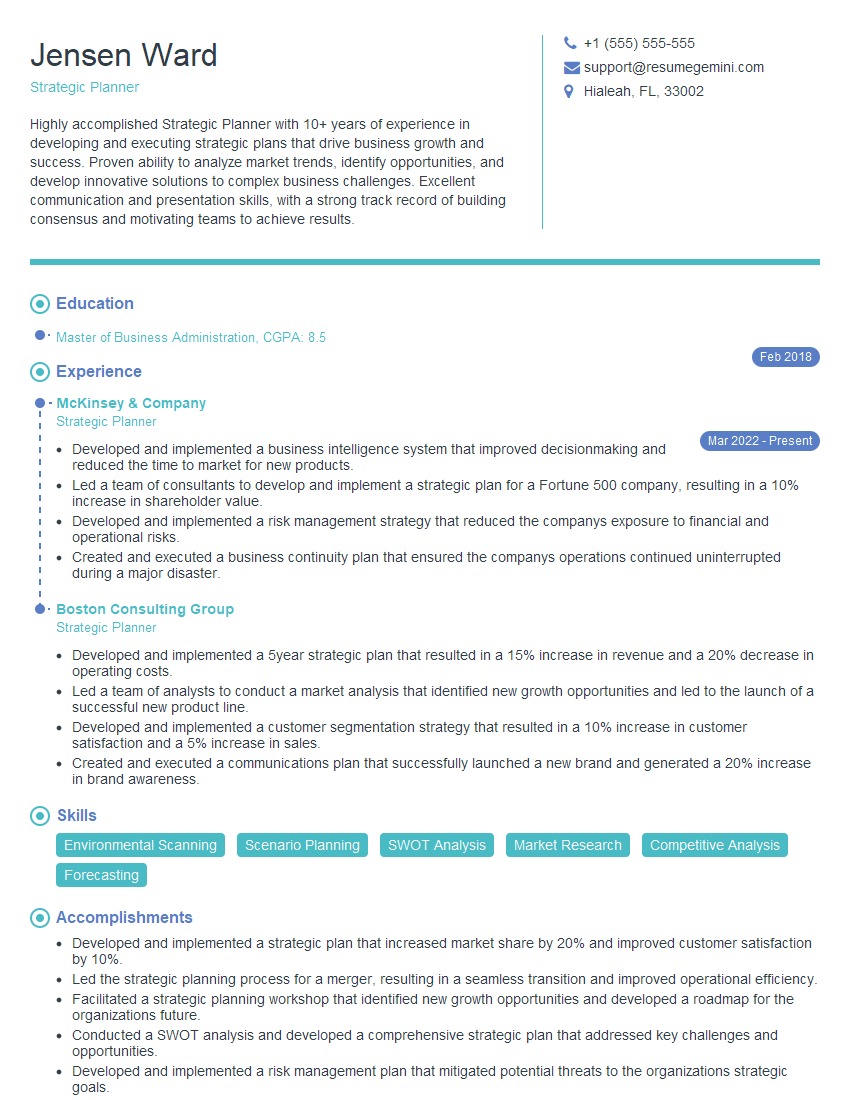
Strategic Planner Resume Sample

Operations Manager Resume Sample
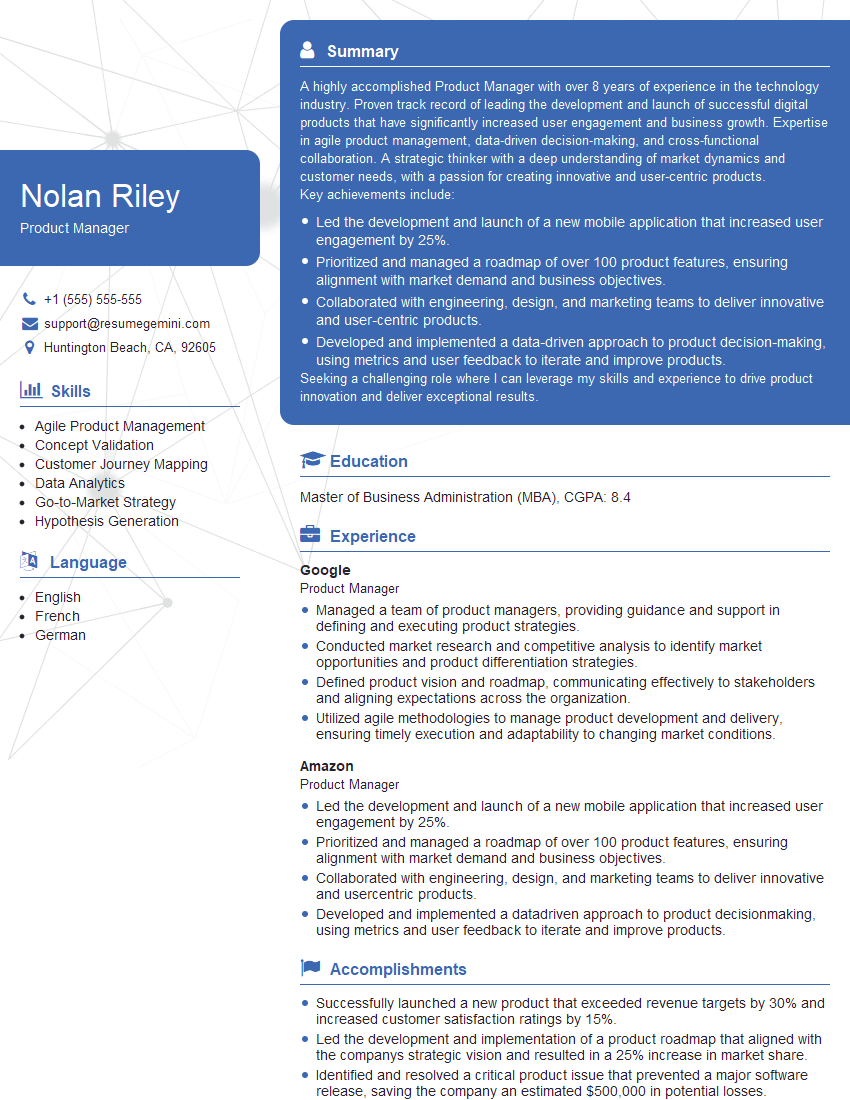
Product Manager Resume Sample

Project Manager Resume Sample
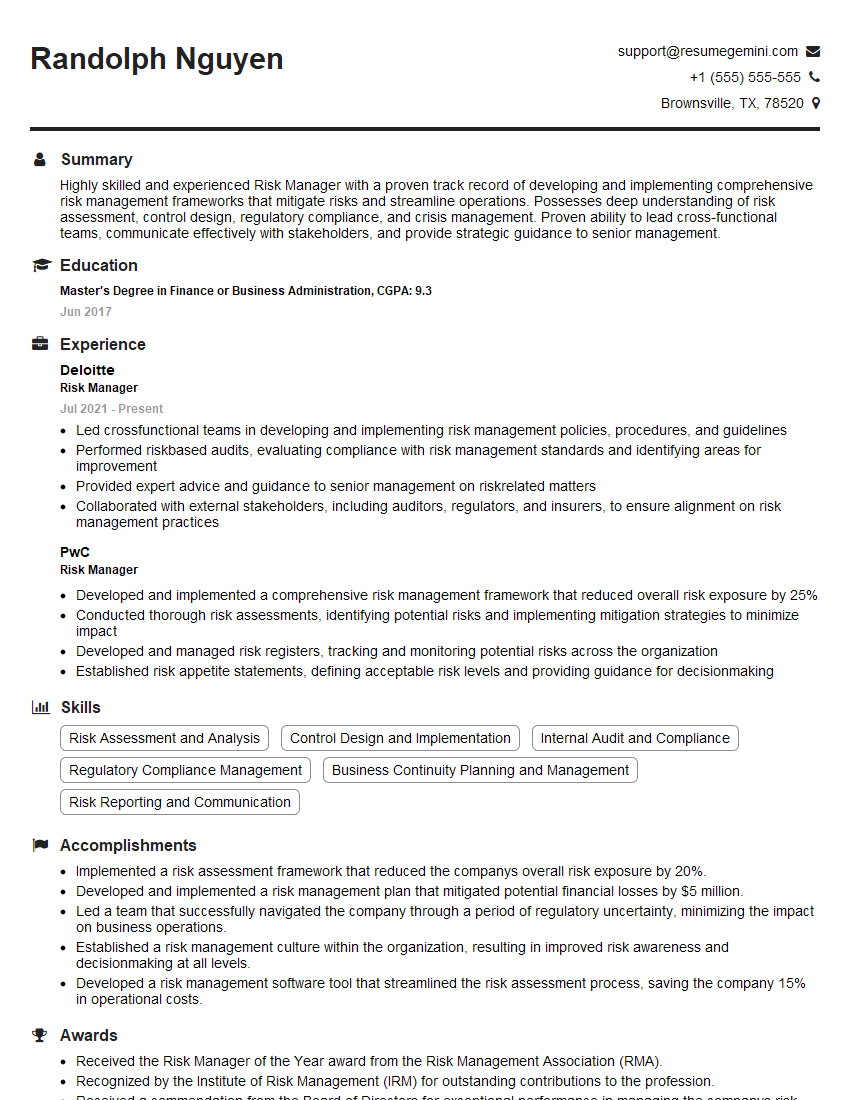
Risk Manager Resume Sample
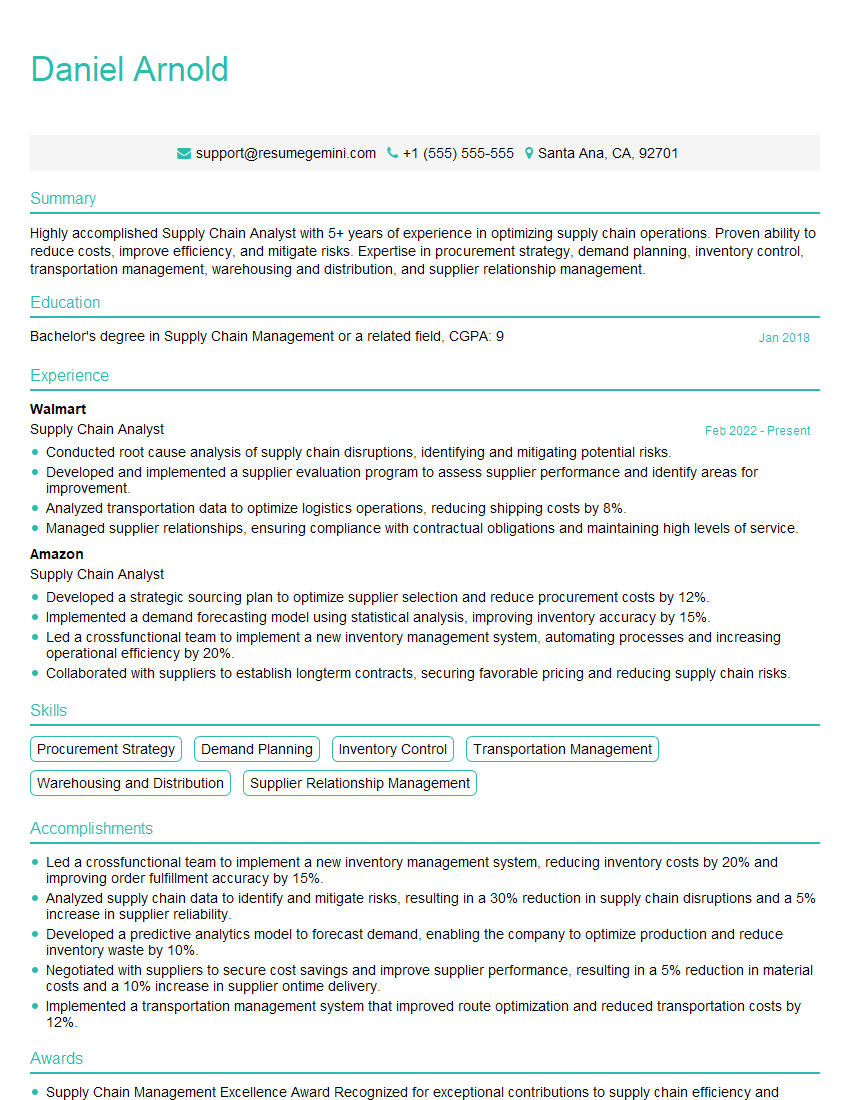
Supply Chain Analyst Resume Sample
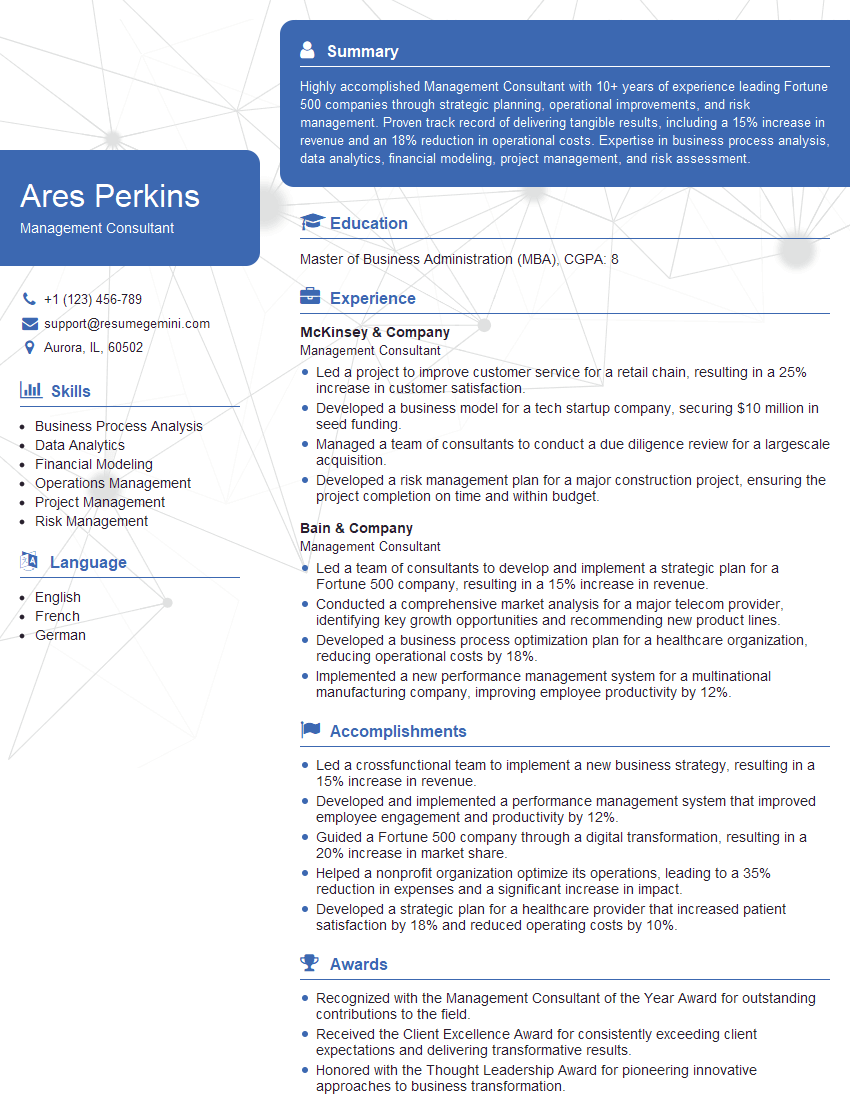
Management Consultant Resume Sample
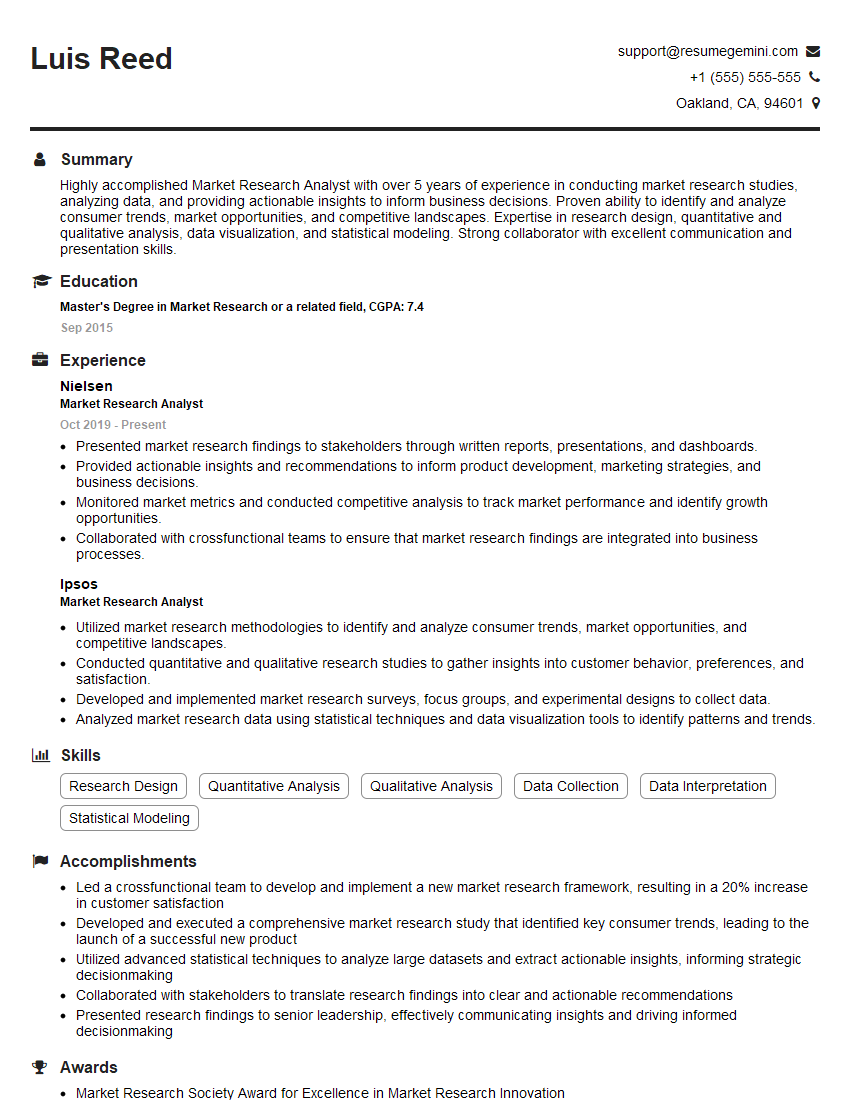
Market Research Analyst Resume Sample
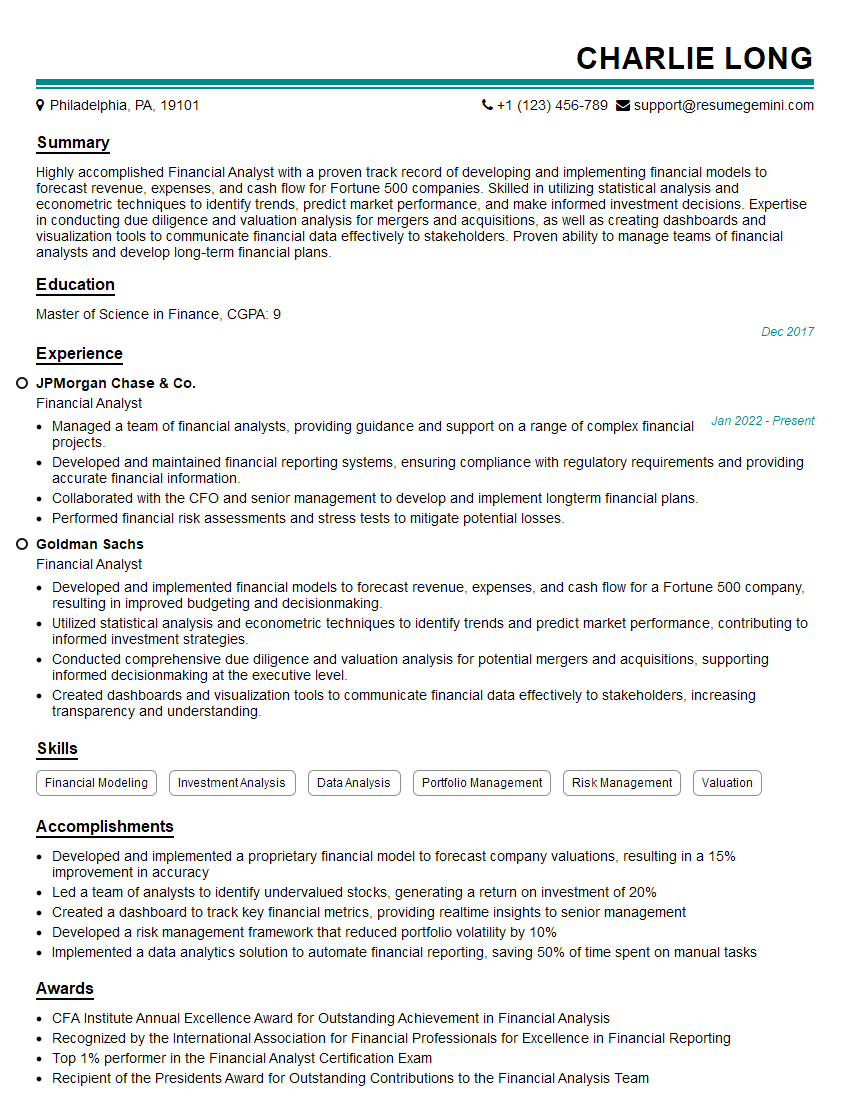
Financial Analyst Resume Sample
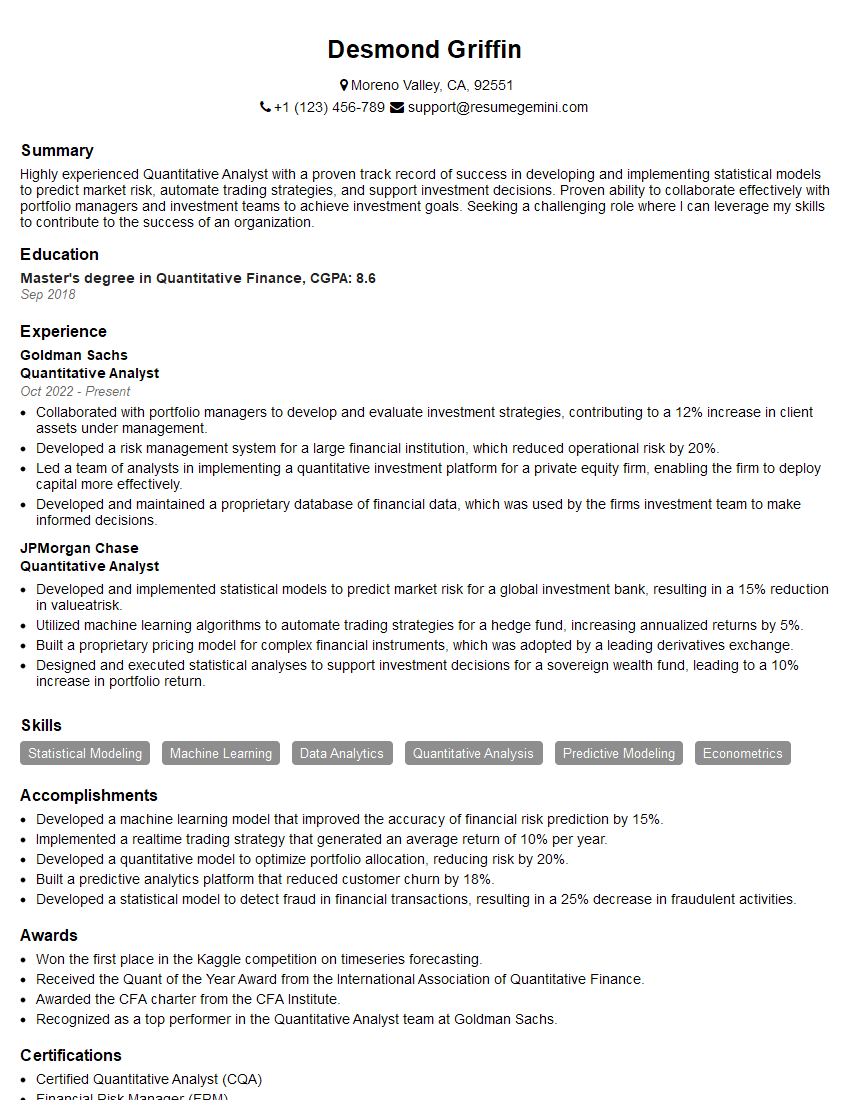
Quantitative Analyst Resume Sample
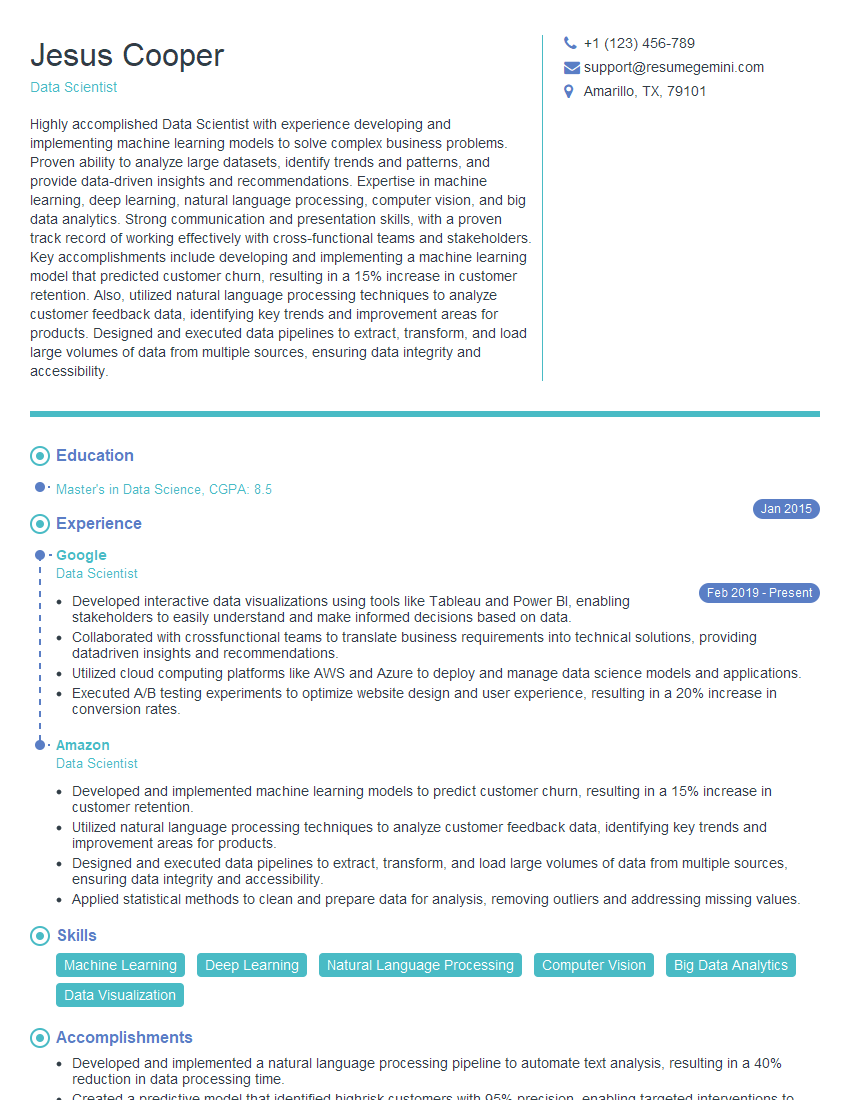
Data Scientist Resume Sample
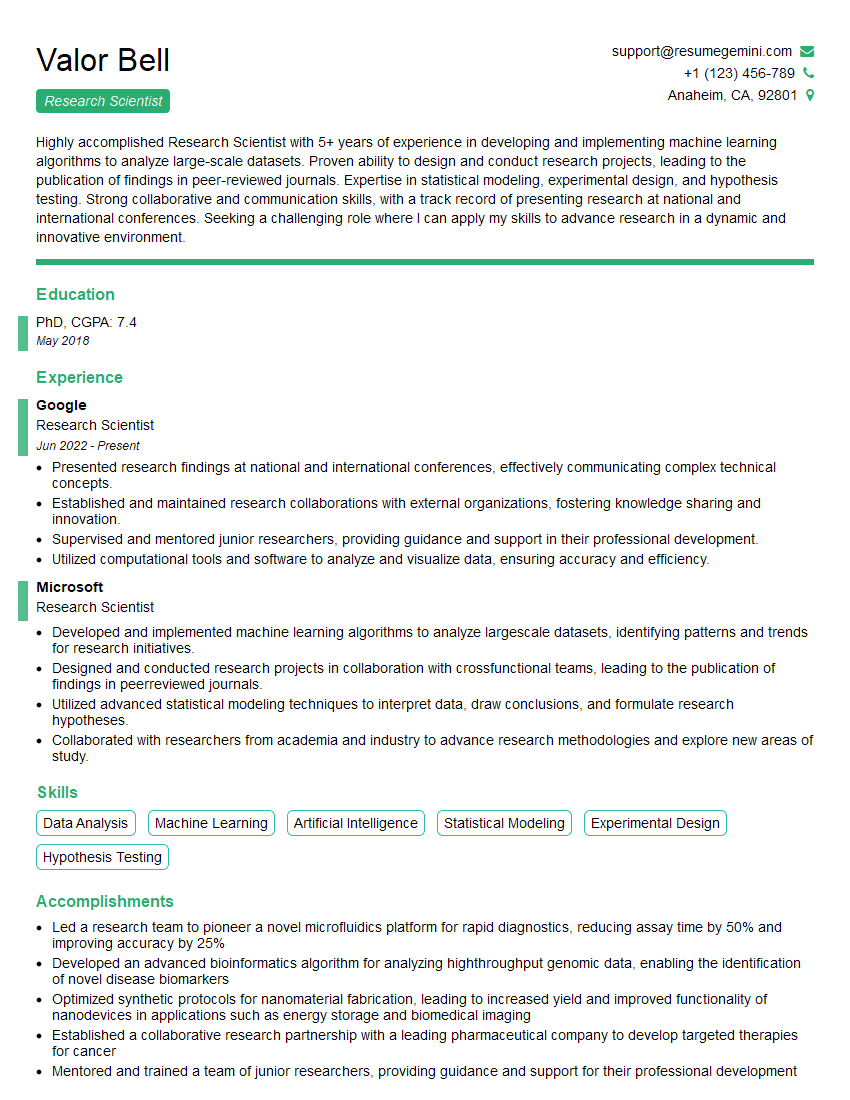
Research Scientist Resume Sample
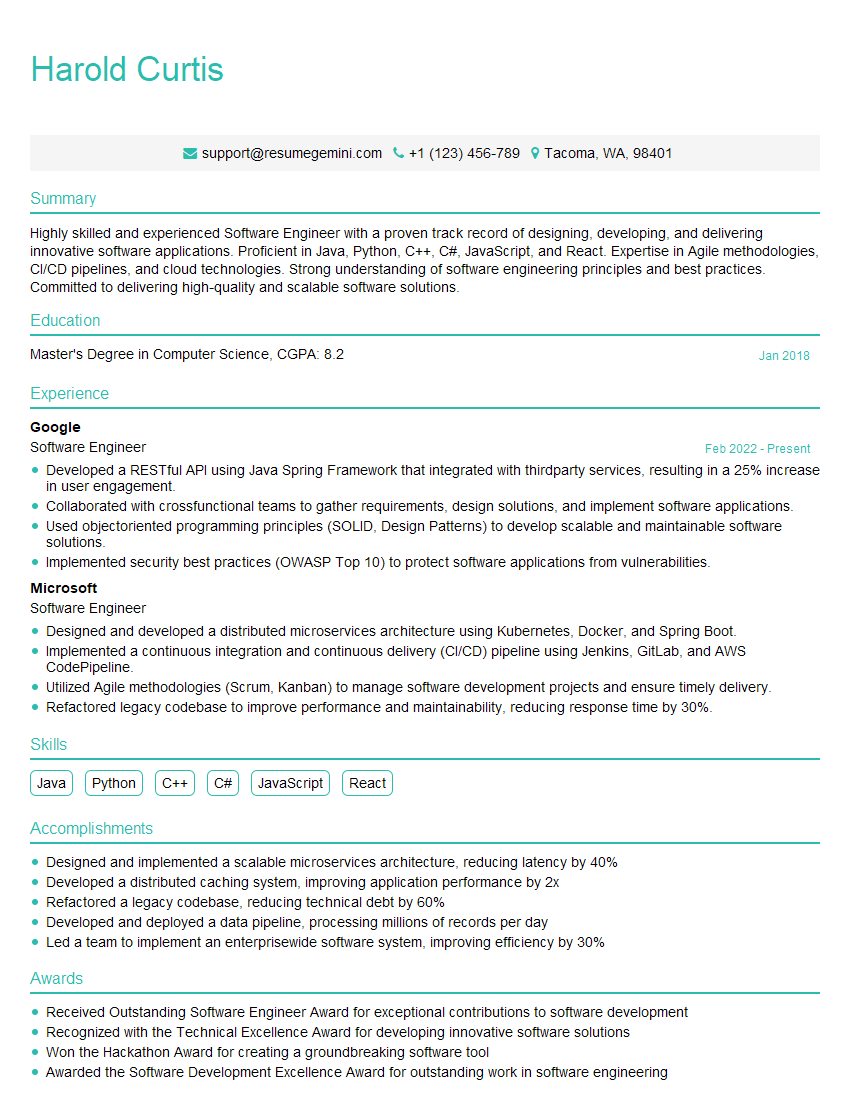
Software Engineer Resume Sample
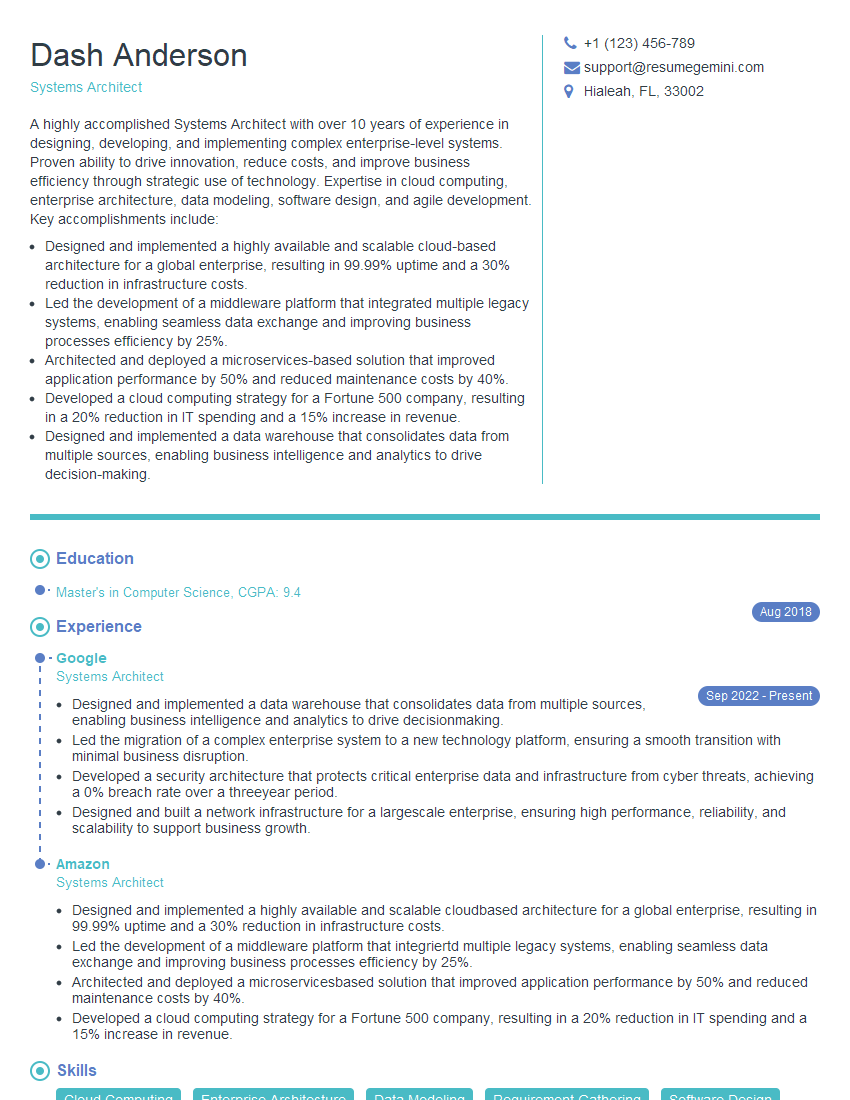
Systems Architect Resume Sample
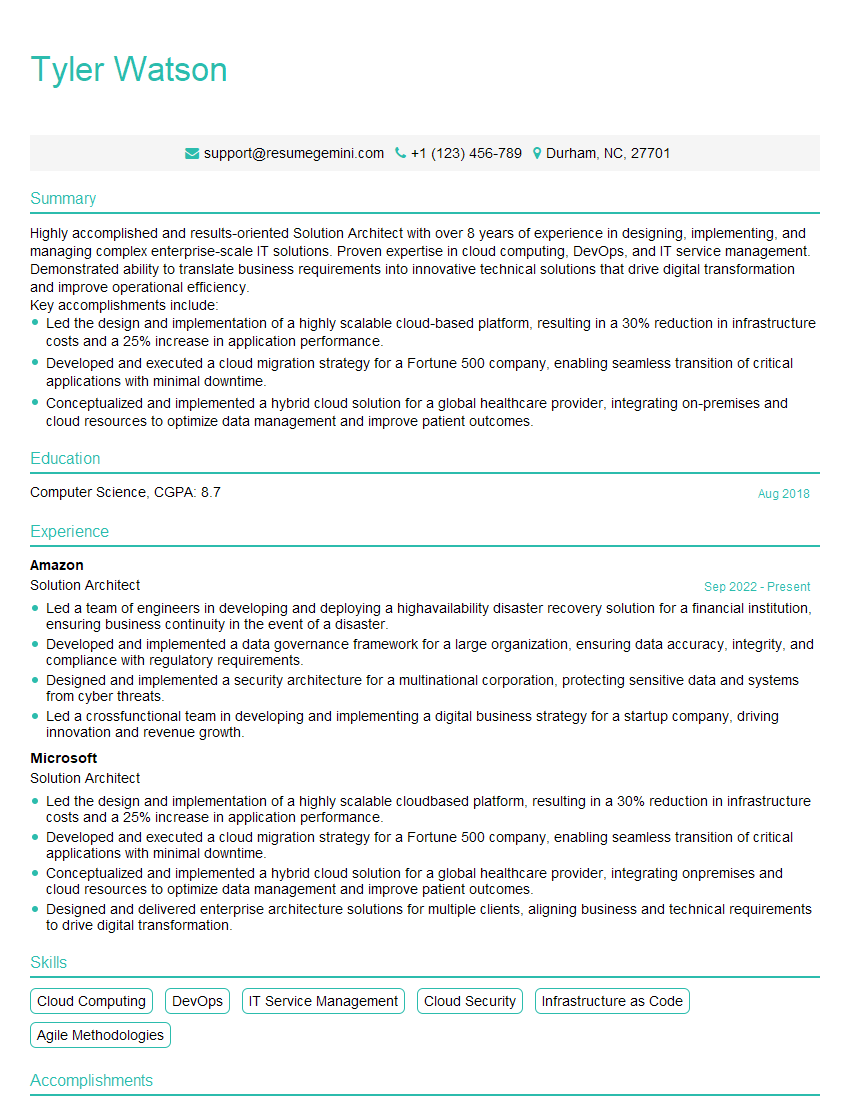
Solution Architect Resume Sample
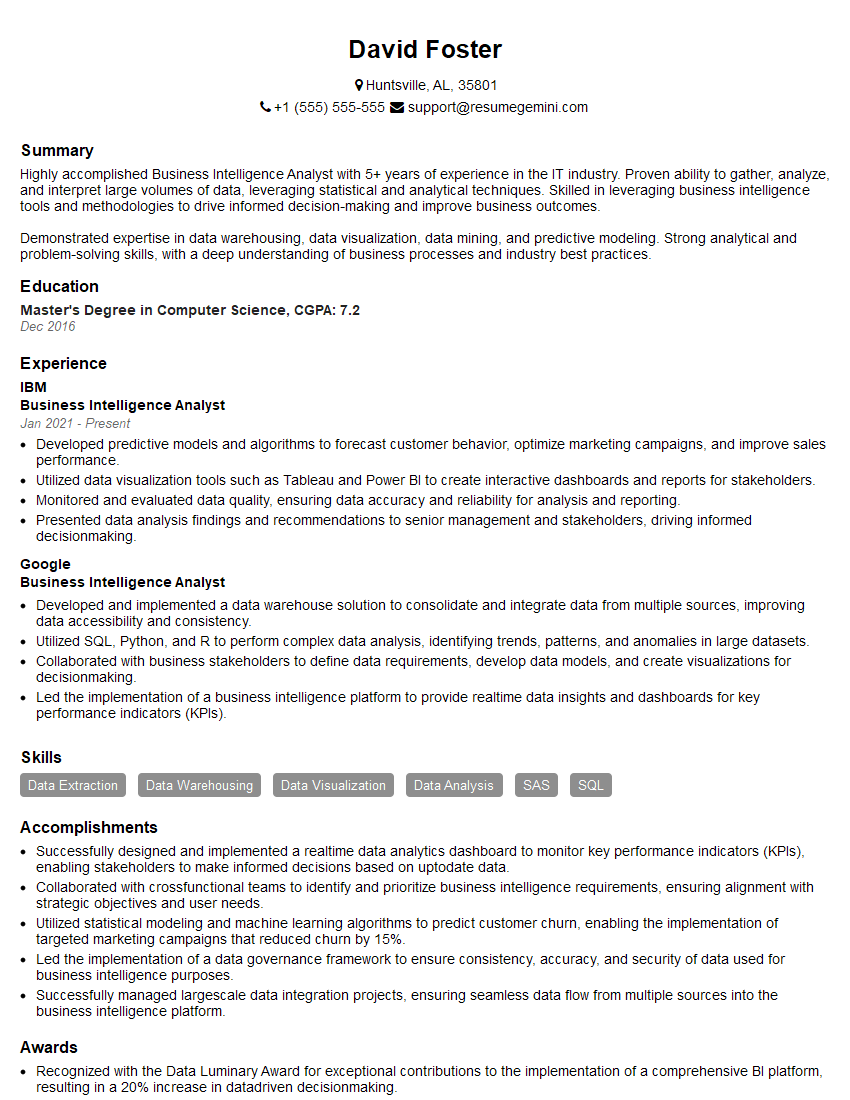
Business Intelligence Analyst Resume Sample
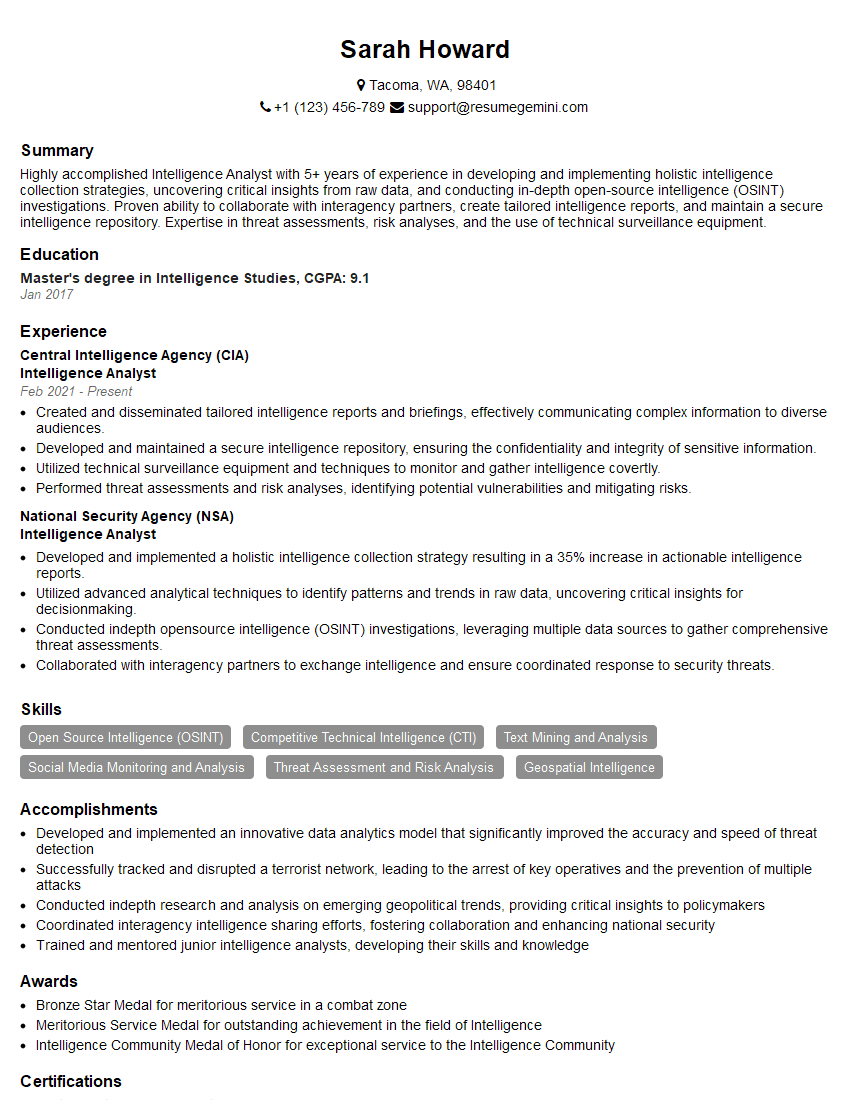
Intelligence Analyst Resume Sample
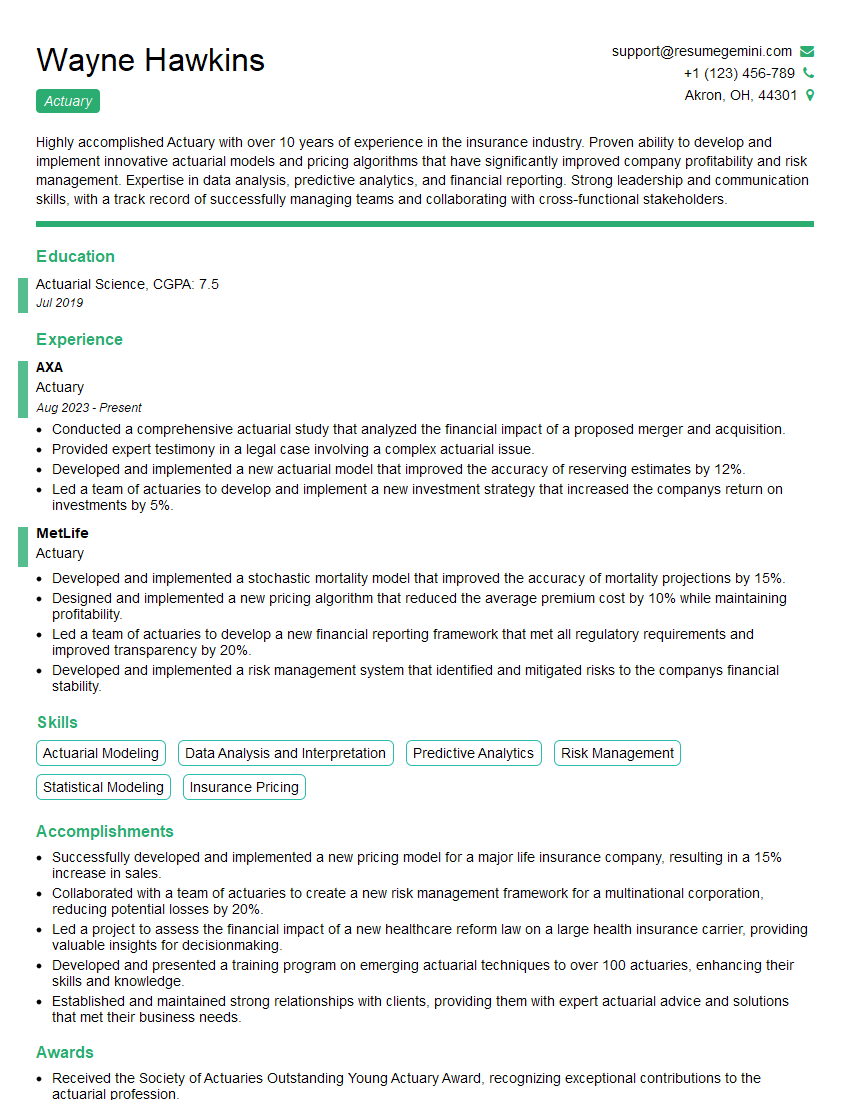
Actuary Resume Sample
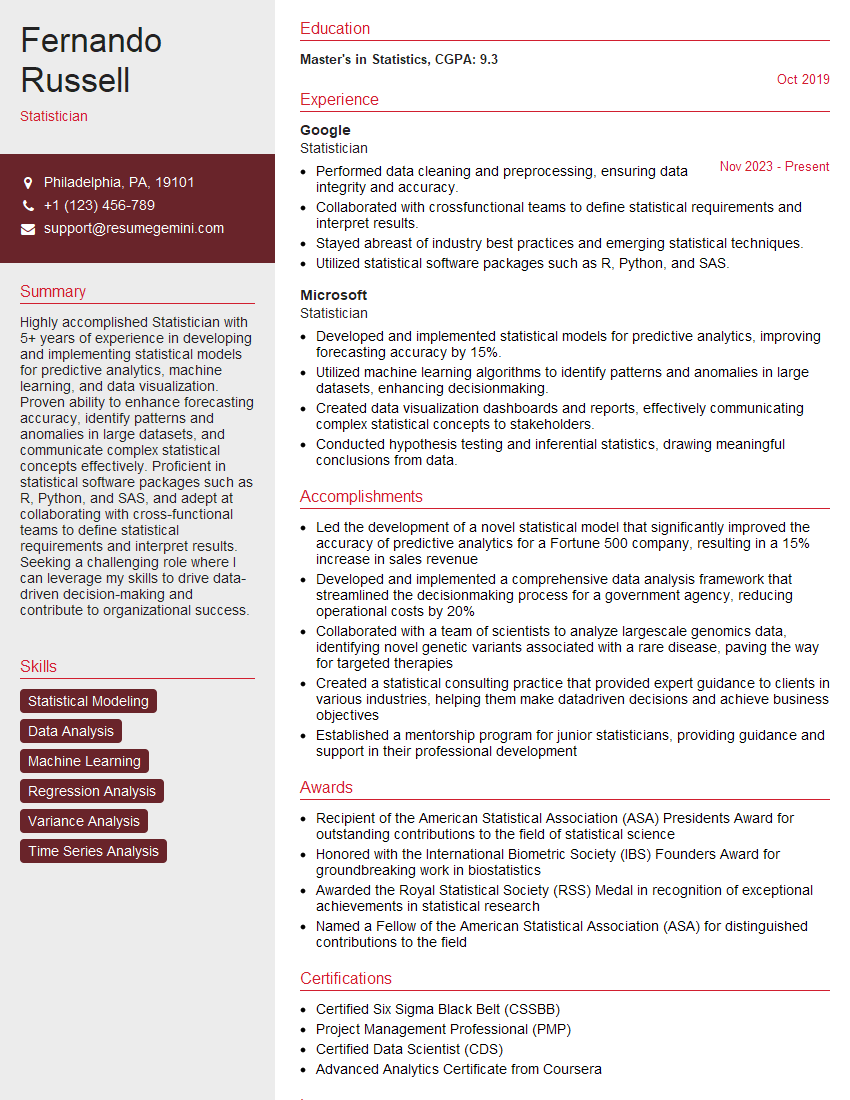
Statistician Resume Sample
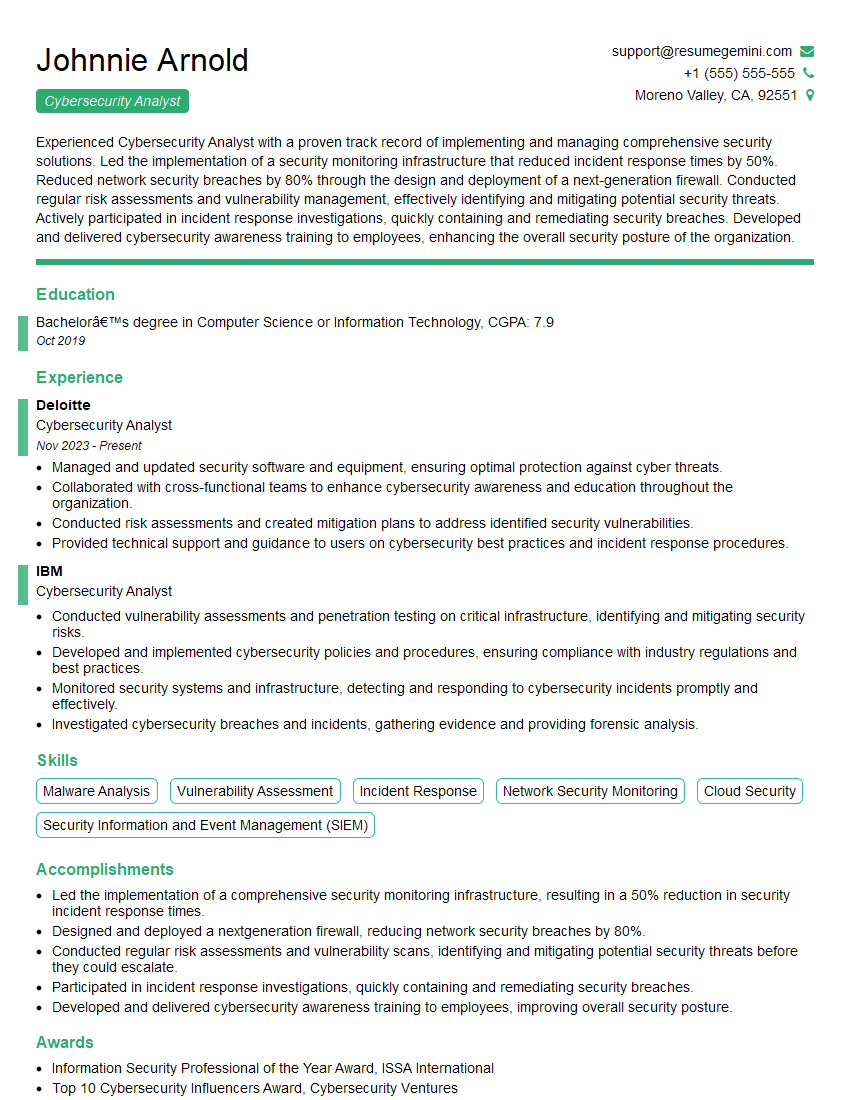
Cybersecurity Analyst Resume Sample
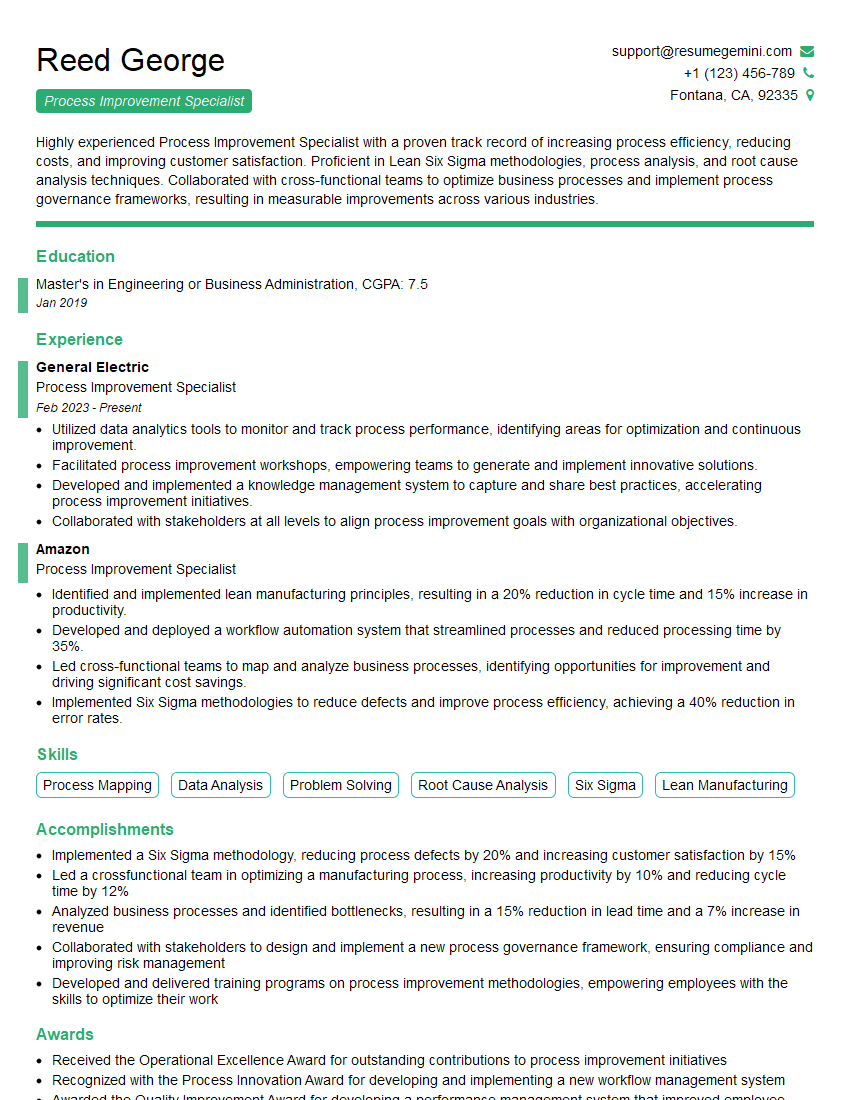
Process Improvement Specialist Resume Sample
- Strategic Planner
- Operations Manager
- Product Manager
- Project Manager
- Risk Manager
- Supply Chain Analyst
- Management Consultant
- Market Research Analyst
- Financial Analyst
- Quantitative Analyst
- Data Scientist
- Research Scientist
- Software Engineer
- Systems Architect
- Solution Architect
- Business Intelligence Analyst
- Intelligence Analyst
- Actuary
- Statistician
- Cybersecurity Analyst
- Process Improvement Specialist
Explore more articles
Users Rating of Our Blogs
Share Your Experience
We value your feedback! Please rate our content and share your thoughts (optional).
What Readers Say About Our Blog
To the interviewgemini.com Webmaster.
Very helpful and content specific questions to help prepare me for my interview!
Thank you
To the interviewgemini.com Webmaster.
This was kind of a unique content I found around the specialized skills. Very helpful questions and good detailed answers.
Very Helpful blog, thank you Interviewgemini team.