Feeling uncertain about what to expect in your upcoming interview? We’ve got you covered! This blog highlights the most important Advanced Surgical Techniques interview questions and provides actionable advice to help you stand out as the ideal candidate. Let’s pave the way for your success.
Questions Asked in Advanced Surgical Techniques Interview
Q 1. Describe your experience with robotic-assisted surgery.
My experience with robotic-assisted surgery spans over eight years, encompassing a wide range of procedures, including prostatectomies, hysterectomies, and complex colorectal resections. I’m proficient in using the da Vinci Surgical System, and I’ve actively participated in numerous robotic surgery programs, contributing to the training of junior surgeons. I find that robotic surgery offers superior precision and dexterity in confined spaces, leading to improved patient outcomes, especially in minimally invasive procedures. For example, in a recent robotic prostatectomy, the system’s enhanced visualization allowed for precise dissection around the neurovascular bundles, resulting in significantly improved continence for the patient. My expertise includes not only the technical aspects of the surgery but also the pre-operative planning and post-operative management essential for successful robotic procedures. I regularly analyze surgical data to identify areas for improvement and enhance the efficiency and safety of the robotic platform.
Q 2. Explain the advantages and disadvantages of laparoscopic surgery compared to open surgery.
Laparoscopic surgery, also known as minimally invasive surgery, offers several advantages over open surgery. These include smaller incisions resulting in less pain, reduced scarring, shorter hospital stays, and faster recovery times. For instance, a patient undergoing a laparoscopic cholecystectomy (gallbladder removal) will typically experience less post-operative discomfort and return to normal activities much sooner than a patient who undergoes the same procedure via open surgery. However, laparoscopic surgery also has disadvantages. The confined surgical field and reliance on a two-dimensional image can make the procedure more challenging, requiring specialized skills and training. The inability to directly palpate organs can also limit the surgeon’s ability to assess tissue characteristics. Additionally, some complex procedures may still require conversion to open surgery if unforeseen complications arise. The decision to pursue laparoscopic versus open surgery is carefully considered based on the individual patient’s condition, the complexity of the procedure, and the surgeon’s expertise.
Q 3. How do you manage complications during minimally invasive procedures?
Managing complications during minimally invasive procedures requires a methodical and proactive approach. A critical first step is meticulous pre-operative planning and patient selection. This includes ensuring the patient is fit for minimally invasive surgery and identifying potential risk factors. During the procedure, constant vigilance is paramount. I regularly employ advanced imaging techniques like ultrasound or fluoroscopy to identify and address bleeding or other complications promptly. A well-rehearsed team is essential; clear communication and a readily available plan B (conversion to open surgery if necessary) is crucial. For example, if unexpected bleeding occurs during a laparoscopic appendectomy, we are prepared to immediately switch to an open approach to control the hemorrhage and ensure patient safety. Post-operatively, I closely monitor the patient for signs of infection, bleeding, or other complications.
Q 4. What are the key safety protocols you follow in advanced surgical settings?
Safety protocols in advanced surgical settings are paramount. These encompass a comprehensive approach, starting with a thorough pre-operative assessment, including detailed patient history, physical examination, and appropriate investigations. A meticulous surgical checklist is followed diligently to ensure all instruments, equipment, and implants are verified before the incision. Strict sterile technique is maintained throughout the procedure to minimize the risk of infection. Time-outs are performed to confirm patient identity, surgical site, and procedure before commencing the operation. Our team participates in regular simulations and training exercises to hone our skills in managing emergencies effectively and safely. This ensures we are prepared for unexpected events and maintain the highest possible safety standards in the operating room. Post-operatively, our team meticulously monitors patient vitals and promptly addresses any arising issues. Continuous improvement through data analysis and feedback is key to our commitment to patient safety.
Q 5. Explain your understanding of different suturing techniques.
My understanding of suturing techniques encompasses a broad range, from simple interrupted sutures to complex running and layered closures. The choice of suture material and technique depends on the tissue type, tension, and the desired healing outcome. For instance, absorbable sutures are often preferred for internal tissues where removing them post-surgery is unnecessary, while non-absorbable sutures are better suited for skin closures. I am proficient in various suture patterns, including simple interrupted, continuous, running, and locking sutures, each appropriate for specific anatomical locations and tissue characteristics. For example, a simple interrupted suture is ideal for closing the skin, allowing for precise control and minimizing tension on individual stitches. I place strong emphasis on meticulous surgical technique and anatomical knowledge to ensure accurate and efficient wound closure, minimizing scar tissue formation and optimizing wound healing. I regularly practice these skills to maintain proficiency and keep abreast of advances in suture techniques.
Q 6. Describe your experience with advanced energy devices in surgery (e.g., LigaSure, Harmonic Scalpel).
I have extensive experience with advanced energy devices like LigaSure and Harmonic Scalpel, employing them to achieve precise tissue dissection and hemostasis. The LigaSure device uses bipolar radiofrequency energy to seal vessels and tissues, offering a faster and more efficient alternative to traditional methods. The Harmonic Scalpel utilizes ultrasonic energy for cutting and coagulation. Both devices minimize bleeding and reduce operative time, which translates to improved patient outcomes and recovery. I carefully select the appropriate energy device depending on the tissue type and surgical requirements. For example, I might use the LigaSure to seal larger vessels during a colectomy, whereas the Harmonic Scalpel may be more suitable for delicate dissection around nerves or other sensitive structures. Continuous professional development is crucial; I actively participate in workshops and training sessions to enhance my proficiency in utilizing these devices and stay updated on their latest applications.
Q 7. How do you ensure proper patient positioning and draping for complex procedures?
Proper patient positioning and draping are fundamental to ensuring a safe and successful surgical procedure, especially in complex cases. Patient positioning must optimize surgical access, minimize pressure points and nerve injuries, and facilitate ventilation and hemodynamic stability. For instance, during a spinal surgery, meticulous positioning is essential to minimize injury to the spinal cord. The specific position is determined by the nature of the procedure and patient-specific factors. Following positioning, sterile draping is performed to create a sterile surgical field and protect the patient from infection. The drapes are meticulously placed to expose the operative site and maintain sterility. Our team is highly trained in proper positioning techniques, with an emphasis on patient safety and comfort. We use specialized equipment, such as positioning aids and pressure-relieving pads, to prevent complications like nerve injuries or skin breakdown. A meticulous approach to patient positioning and draping significantly contributes to a successful surgical outcome and enhances patient safety.
Q 8. What is your approach to managing intraoperative bleeding?
Managing intraoperative bleeding requires a systematic approach prioritizing patient safety and minimizing blood loss. My strategy involves a tiered response, starting with preventative measures and escalating to more aggressive techniques if necessary.
- Prevention: Careful surgical technique, meticulous hemostasis (stopping bleeding) during dissection, using appropriate retractors to avoid tissue trauma, and maintaining optimal surgical field visualization are crucial. Proper patient preparation, including optimizing coagulation parameters pre-operatively, also plays a significant role.
- Initial Management: If bleeding occurs, I first attempt to achieve hemostasis through direct pressure, electrocautery (using heat to seal blood vessels), or the application of topical hemostatic agents like Surgicel or Celox. This often addresses minor bleeding effectively.
- Advanced Techniques: For more significant bleeding, I may utilize advanced techniques like argon plasma coagulation (APC) for precise vessel sealing, or surgical ligation (tying off) of bleeding vessels. In cases of diffuse bleeding or failure of other methods, I may consider the use of advanced surgical techniques such as hypotensive anesthesia to reduce blood flow, or cell salvage to recover and re-infuse lost blood.
- Blood Transfusion: If significant blood loss occurs despite other interventions, I will assess the patient’s hemoglobin levels and administer blood transfusions as clinically indicated. This decision is made in close collaboration with the anesthesiologist and based on the patient’s overall clinical status.
For instance, during a complex hepatectomy (liver resection), I might utilize APC to control bleeding from small hepatic vessels, while for larger vessel injury, I would employ surgical ligation. The choice of technique depends entirely on the location, size, and nature of the bleeding.
Q 9. Explain your understanding of surgical site infection prevention and control.
Surgical site infection (SSI) prevention and control is paramount. My approach follows established guidelines and best practices, focusing on a multi-pronged strategy encompassing pre-operative, intraoperative, and postoperative measures.
- Pre-operative Measures: This includes optimizing the patient’s overall health, managing any pre-existing infections, administering prophylactic antibiotics as per guidelines, and employing appropriate skin preparation techniques, including hair removal using clippers rather than razors to minimize skin trauma.
- Intraoperative Measures: Maintaining sterile technique throughout the procedure, using sterile instruments and drapes, minimizing operative time, employing appropriate fluid management, and maintaining normothermia (normal body temperature) are crucial. The surgical team’s adherence to strict aseptic practices, including proper gowning and gloving, is vital.
- Post-operative Measures: This includes maintaining meticulous wound care, providing appropriate postoperative antibiotics according to the surgical site and risk factors, educating the patient on wound care, and promptly addressing any signs or symptoms of infection. Regular monitoring of vital signs and wound assessment are essential.
For example, in a laparoscopic cholecystectomy (gallbladder removal), meticulous attention to sterile technique, appropriate irrigation and suctioning of the operative field, and the use of antimicrobial dressings postoperatively are critical to minimizing the risk of SSI.
Q 10. How do you handle unexpected complications during a procedure?
Handling unexpected complications requires a calm, decisive, and systematic approach. My response is guided by the principles of damage control surgery, prioritizing immediate life-threatening issues while formulating a plan for definitive management.
- Assessment: The first step is a rapid, focused assessment of the situation to identify the nature and severity of the complication. This often involves a reassessment of the patient’s vital signs, reviewing intraoperative imaging if available, and discussing the situation with the surgical team.
- Damage Control: If the complication poses an immediate threat to the patient’s life, like uncontrolled bleeding or a cardiac arrest, I immediately prioritize damage control measures such as controlling bleeding, stabilizing the patient’s hemodynamic status, and addressing airway issues. This may involve temporarily suspending the main procedure.
- Re-evaluation and Plan: Once the immediate threat is addressed, I re-evaluate the situation, consulting with colleagues if needed (e.g., vascular surgeon, cardiothoracic surgeon), and develop a revised surgical plan to address both the complication and the original surgical objective.
- Post-operative Management: Post-operative care is tailored to address the specific complication. This might involve intensive care unit admission, specialized monitoring, and targeted medical therapy.
For example, encountering unexpected massive bleeding during a colon resection might require immediate laparotomy (abdominal incision), ligation of the bleeding vessel, and temporary closure of the abdomen (damage control laparotomy) before returning for a second operation after the patient’s condition has stabilized.
Q 11. Describe your experience with image-guided surgery.
Image-guided surgery has revolutionized minimally invasive procedures, allowing for greater precision and reduced invasiveness. My experience encompasses a range of modalities, including fluoroscopy, ultrasound, and intraoperative CT.
- Fluoroscopy: I routinely utilize fluoroscopy in procedures involving the musculoskeletal system and placement of implants, providing real-time imaging during the procedure to guide instrument placement and ensure accurate positioning. For example, in spinal surgery, fluoroscopy allows real-time verification of screw placement.
- Ultrasound: Ultrasound is invaluable in many situations. In laparoscopic cholecystectomies, ultrasound can help identify and avoid injury to nearby structures. It’s also frequently used in biopsies and other minimally invasive procedures.
- Intraoperative CT/MRI: These advanced imaging techniques are particularly useful in complex cases, allowing detailed visualization of the anatomy and assisting in real-time surgical planning and decision-making.
My experience with image-guided surgery has significantly improved my ability to perform complex procedures with greater precision, leading to improved patient outcomes, reduced surgical time, and less tissue trauma.
Q 12. What is your proficiency in different surgical instruments and their applications?
Proficiency in surgical instruments is crucial for efficient and safe surgery. My expertise spans a broad range of instruments, tailored to specific surgical specialties and procedures.
- Basic Instruments: I have a thorough understanding of the use and application of scalpel blades, forceps, retractors, clamps, scissors, and sutures—the foundation of any surgical procedure.
- Specialized Instruments: Beyond the basics, I possess extensive experience with specialized instruments for specific procedures. This includes laparoscopic instruments, robotic surgical instruments, microsurgical instruments (for delicate procedures like nerve repair), and instruments for orthopedic, cardiovascular, or neurosurgical operations. I understand the nuances of each instrument, including its limitations and appropriate application.
- Instrument Selection: The ability to select the appropriate instruments for a given procedure is vital. I consider factors such as the nature of the tissue, the surgical approach, and the desired outcome when choosing instruments.
For example, delicate dissection of a nerve during microsurgery requires specialized micro-instruments that provide exceptional precision, while placing an orthopedic implant demands the use of specific drills, reamers, and implant-positioning tools. Proper instrument selection enhances surgical safety and efficacy significantly.
Q 13. Explain your understanding of surgical anatomy relevant to your specialization.
Surgical anatomy is the cornerstone of my surgical practice. My understanding of surgical anatomy is not only focused on textbook knowledge but also includes extensive experience in the operating room. This ensures I can navigate complex anatomical structures with precision and safety.
My specialization influences my detailed anatomical understanding. For example, a surgeon specializing in colorectal surgery requires an extremely detailed understanding of the mesentery, vascular supply to the colon, and the intricate relationships of the colon and its surrounding organs. Similarly, a cardiothoracic surgeon requires in-depth knowledge of the cardiac vasculature and its intricate relationships with the lungs, esophagus and other mediastinal structures.
I constantly update my anatomical knowledge through continuing medical education, reviewing cadaveric dissections, and participating in surgical simulations. A strong understanding of anatomical variations is equally crucial to adapt during operations and avoid complications. An understanding of embryology, anatomy, and relevant pathology allows a surgeon to have a better understanding of the diseased organ/tissue and the required surgical approach.
Q 14. How do you interpret intraoperative imaging (e.g., fluoroscopy, ultrasound)?
Interpreting intraoperative imaging, such as fluoroscopy and ultrasound, is an essential skill. It requires a good understanding of the imaging modality itself, combined with a deep knowledge of surgical anatomy and pathology.
- Fluoroscopy Interpretation: When interpreting fluoroscopy images, I look for proper positioning of instruments and implants, assessing their relationship with surrounding anatomical structures. I am proficient in recognizing subtle variations in bone density, recognizing foreign bodies, and interpreting the presence of contrast material to visualize vascular structures or the progression of fluids.
- Ultrasound Interpretation: Ultrasound image interpretation requires a different skillset. I evaluate the echogenicity (reflecting the ultrasound waves) of tissues, the size and shape of structures, and any changes indicative of pathology. This knowledge helps in assessing tumor margins, identifying fluid collections, and guiding biopsies in real-time.
- Correlation with Clinical Findings: Crucially, I correlate intraoperative imaging findings with the patient’s clinical presentation and the surgical findings to make informed decisions during the procedure. This integrated approach is vital in ensuring both procedural safety and optimizing the surgical outcome.
For example, during a laparoscopic procedure, real-time ultrasound can help identify small gallstones that might otherwise be missed, ensuring complete removal of the gallbladder.
Q 15. Describe your experience with advanced wound closure techniques.
Advanced wound closure techniques are crucial for minimizing scar formation, optimizing cosmetic outcomes, and preventing complications like infection and dehiscence (wound separation). My experience encompasses a wide range of techniques, from traditional suture methods to more advanced approaches.
Sutures: I’m proficient in various suture patterns, including simple interrupted, continuous, running, and specialized techniques like subcuticular sutures for minimizing visible scarring. The choice of suture material (absorbable vs. non-absorbable) and size depends on the tissue type and wound characteristics.
Staples: These are efficient for closing skin incisions, especially in areas where rapid closure is needed. However, staple removal is required and can be slightly more uncomfortable for the patient.
Surgical Adhesives/Sealants: These are tissue-friendly glues used for closing superficial wounds and reducing the need for sutures, leading to improved cosmesis. I carefully assess suitability based on wound characteristics and risk of infection.
Mesh Reinforcement: In cases of large wounds or those with a high risk of dehiscence (e.g., abdominal wounds after major surgery), I utilize mesh reinforcement to provide structural support and promote healing.
For instance, in a recent laparoscopic cholecystectomy (gallbladder removal), I utilized a subcuticular suture closure of the skin incision, resulting in a near-invisible scar. In another case, involving a complex abdominal wound, I incorporated mesh reinforcement to ensure proper wound healing and minimize the risk of complications.
Career Expert Tips:
- Ace those interviews! Prepare effectively by reviewing the Top 50 Most Common Interview Questions on ResumeGemini.
- Navigate your job search with confidence! Explore a wide range of Career Tips on ResumeGemini. Learn about common challenges and recommendations to overcome them.
- Craft the perfect resume! Master the Art of Resume Writing with ResumeGemini’s guide. Showcase your unique qualifications and achievements effectively.
- Don’t miss out on holiday savings! Build your dream resume with ResumeGemini’s ATS optimized templates.
Q 16. Explain your knowledge of different types of surgical drains and their indications.
Surgical drains are tubes placed into surgical sites to remove fluid buildup, reducing the risk of infection and promoting faster healing. The choice of drain depends on the surgical procedure and the anticipated amount and type of fluid.
Passive Drains (e.g., Penrose drain): These are simple, open-ended drains that rely on gravity to remove fluid. They’re often used for smaller volumes of fluid and are relatively inexpensive. However, they are not as effective in removing fluid as active drainage systems.
Active Drains (e.g., Jackson-Pratt, Hemovac): These drains have a collection chamber and utilize suction to remove fluid more effectively. They’re better suited for larger volumes of fluid and offer more reliable drainage. They are typically used in cases of significant bleeding risk or when a large volume of serous fluid is expected post-surgery.
Wound Vacuum-Assisted Closure (VAC): This advanced system uses negative pressure to improve wound healing, particularly in cases of complex or contaminated wounds. It facilitates debridement, reduces edema, and promotes granulation tissue formation. It is quite useful in managing large open wounds after trauma or complex surgeries.
For example, I would use a Jackson-Pratt drain in a major abdominal surgery to remove any potential blood clots or serous fluid, while a Penrose drain might be appropriate for a smaller, less complex procedure like a superficial skin graft.
Q 17. What is your experience with surgical navigation systems?
Surgical navigation systems employ imaging technologies (CT, MRI, fluoroscopy) to provide real-time visualization of surgical instruments and anatomical structures during procedures. This enhances precision, reduces invasiveness, and improves surgical outcomes. My experience includes using various navigation systems in different surgical specialties.
Image-guided surgery: I have utilized these systems in neurosurgery, orthopedics, and spine surgery to precisely place implants or guide instrument placement, minimizing the risk of damage to adjacent structures. Imagine trying to place a screw into a vertebra – the navigation system helps me precisely visualize the screw’s trajectory before and during placement.
Robotic-assisted surgery: Robotic systems often incorporate navigation capabilities, providing magnified, three-dimensional views and enhanced dexterity. This is particularly beneficial in minimally invasive procedures, reducing trauma and improving patient recovery.
For instance, during a spinal fusion surgery using image-guided navigation, I was able to precisely place pedicle screws within the vertebral bodies without compromising the spinal cord or adjacent neural structures. This minimized the risk of neurological deficits post-operatively.
Q 18. How do you use advanced surgical simulation tools for training and practice?
Advanced surgical simulation tools are invaluable for training and practice. They offer a safe and controlled environment to hone surgical skills before performing procedures on patients. My use of these tools includes:
Virtual reality (VR) simulators: These provide realistic, immersive simulations of surgical procedures, allowing surgeons to practice complex maneuvers and refine their technique. For example, I use VR for laparoscopic cholecystectomy training to improve my dexterity and instrument control in the confined laparoscopic space.
Haptic feedback simulators: These simulators add the sense of touch to the simulation, providing a more realistic feel for tissue interaction. This is critical for developing a nuanced sense of tissue tension and reducing the risk of accidental tissue damage.
Cadaveric dissection and animal models: While not strictly simulation, these techniques allow hands-on practice and familiarization with surgical anatomy and techniques.
Regular simulation training improves my surgical precision, reduces operating time, and contributes to better patient outcomes. I believe it’s a vital component of continuing professional development.
Q 19. Describe your understanding of surgical ergonomics and its importance.
Surgical ergonomics focuses on optimizing the surgeon’s posture, movement, and work environment to prevent musculoskeletal injuries and improve surgical performance. It’s crucial for maintaining both surgeon well-being and surgical precision.
Posture and positioning: Maintaining a neutral spine, using appropriate surgical stools and support, and preventing prolonged awkward postures are essential to prevent back pain, neck pain, and carpal tunnel syndrome.
Instrument design and placement: Ergonomically designed instruments and their optimal placement on the surgical field minimize strain and fatigue. It’s about positioning instruments efficiently to improve dexterity and reduce reaching.
Surgical team interaction: Proper teamwork and communication minimize unnecessary movement and strain on each member.
Ignoring ergonomics can lead to chronic pain, repetitive strain injuries, and decreased surgical precision. I personally prioritize ergonomic principles in my practice and actively participate in promoting it within our surgical team. For example, I ensure that instrument trays are placed within easy reach, regularly adjust my posture, and encourage team members to take breaks.
Q 20. How do you ensure effective communication within the surgical team?
Effective communication is paramount in the operating room. A structured and clear communication strategy minimizes errors and ensures a smooth surgical procedure.
Preoperative planning: Thorough discussion with the anesthesiologist and surgical team about the surgical plan, potential challenges, and contingency plans is essential.
Structured communication during the procedure: Using a clear, concise, and standardized communication protocol (e.g., SBAR – Situation, Background, Assessment, Recommendation) reduces misunderstandings. Clear verbal confirmation of actions or intentions is vital.
Non-verbal cues: Paying attention to body language and facial expressions is also important; a slight change in a surgical assistant’s posture or expression could indicate a critical issue.
Postoperative briefing: A thorough summary of the surgery, including any complications or unexpected findings, is critical for effective communication with the patient and the hospital staff.
In one instance, a clear and concise communication about a sudden change in patient vital signs during surgery (a drop in blood pressure) allowed us to quickly respond and prevent a serious complication.
Q 21. How do you manage difficult or challenging surgical cases?
Managing difficult surgical cases requires a systematic approach that incorporates careful planning, adaptability, and a willingness to seek assistance. My strategy includes:
Thorough preoperative assessment: In-depth evaluation of the patient’s medical history, imaging studies, and other relevant data is crucial for understanding the challenges of the case.
Contingency planning: Developing alternative surgical approaches and being prepared for potential complications is essential. This could involve selecting appropriate surgical equipment or mobilizing specialists.
Real-time adaptation: Being flexible and adjusting the surgical plan in response to intraoperative findings is important; sometimes the surgical anatomy will require improvisation.
Collaboration and seeking assistance: Don’t hesitate to consult with experienced colleagues or specialists when faced with a challenging situation. A second opinion can be invaluable.
Postoperative management: Careful postoperative monitoring and management of complications help improve patient outcomes.
For instance, during a complex vascular surgery, we encountered unexpected anatomical variations. By adapting our technique and utilizing intraoperative imaging (fluoroscopy), we successfully completed the procedure with a good outcome. The key was remaining calm, adjusting to new information, and collaborating closely with the surgical team.
Q 22. What is your approach to informed consent for complex surgical procedures?
Informed consent for complex surgical procedures is a cornerstone of ethical and legal surgical practice. It’s not simply a form to be signed; it’s a detailed, iterative process ensuring the patient fully understands the procedure, its risks, benefits, and alternatives. My approach involves a multi-step process:
Initial Consultation: I begin by explaining the diagnosis in clear, non-technical terms, ensuring the patient understands the problem. I then discuss the proposed surgical procedure, outlining its purpose, steps involved, and expected outcomes in simple language, avoiding medical jargon.
Exploring Alternatives: I thoroughly discuss alternative treatment options, including non-surgical approaches, their effectiveness, and potential risks. This empowers the patient to make an informed decision, recognizing surgery isn’t always the best choice.
Risk and Benefit Discussion: This is the most crucial part. I explain potential complications, both common and rare, using clear probabilities and examples. For instance, I might say, ‘While most patients recover well, there’s a 5% chance of infection requiring antibiotics.’ I also clearly articulate the potential benefits of the surgery.
Question and Answer Session: I encourage patients to ask questions at every stage, addressing their concerns with patience and empathy. I aim to create a safe space where they feel comfortable expressing their doubts or anxieties.
Documentation: Once the patient has a thorough understanding, I document the consent process meticulously, ensuring all discussed points are recorded. I confirm the patient understands everything before they sign the consent form.
Follow-up: Even after the consent is signed, I remain available to address any further questions or concerns the patient may have before the surgery.
This approach ensures the patient is truly informed and actively participates in the decision-making process, leading to improved patient satisfaction and better surgical outcomes. I always remember that the consent process is a conversation, not a transaction.
Q 23. Describe your experience with perioperative pain management.
Perioperative pain management is a crucial aspect of modern surgery, significantly impacting patient recovery and satisfaction. My approach is multimodal and patient-centered, aiming for proactive, rather than reactive, pain control. This involves:
Preoperative Assessment: Before surgery, I carefully assess the patient’s pain history, comorbidities (such as arthritis or previous injuries), and pain tolerance levels. This helps me tailor a pain management plan to their individual needs.
Regional Anesthesia Techniques: Where appropriate, I utilize regional anesthesia techniques like nerve blocks or epidurals, providing excellent pain relief with fewer systemic side effects compared to general anesthesia alone. For instance, in a lower limb surgery, a femoral nerve block can significantly reduce postoperative pain.
Multimodal Analgesia: I employ a combination of analgesic methods, including non-opioid analgesics (NSAIDs, acetaminophen), opioids (used judiciously), and adjuvant medications (such as gabapentinoids for neuropathic pain). This synergistic approach allows me to effectively manage pain with lower doses of each medication, minimizing side effects.
Patient Education: I educate patients about their pain management plan, including the types of medications they will receive, potential side effects, and how to manage pain effectively at home post-surgery. This empowerment increases patient compliance and satisfaction.
Postoperative Monitoring: Close monitoring of pain levels, vital signs, and any side effects is crucial. Regular assessments and adjustments to the pain management regimen ensure optimal comfort and facilitate a smooth recovery.
My experience shows that a proactive, individualized, and multimodal approach leads to significantly reduced postoperative pain, shorter hospital stays, and improved patient satisfaction. I always strive to anticipate potential pain and minimize it before it becomes a major problem.
Q 24. How do you stay current with the latest advancements in surgical techniques?
Staying current in the rapidly evolving field of advanced surgical techniques requires a multifaceted approach. I actively engage in several strategies:
Continuing Medical Education (CME): I regularly attend surgical conferences, workshops, and seminars to learn about the latest advancements in techniques, technologies, and research. These events provide opportunities to network with colleagues and share experiences.
Professional Societies: Membership in relevant professional surgical societies provides access to journals, webinars, and online resources offering continuous learning opportunities. Active participation in these societies keeps me abreast of the latest guidelines and best practices.
Peer Review and Journal Publications: I regularly review surgical literature, focusing on high-impact journals specializing in advanced surgical techniques. This allows me to critically evaluate new research and determine its applicability to my practice.
Mentorship and Collaboration: I actively seek mentorship from experienced surgeons and collaborate with colleagues, sharing knowledge and learning from each other’s experiences. This collaborative approach fosters innovation and continuous improvement.
Hands-on Training: Whenever possible, I participate in simulation-based training and workshops to hone my skills in newly developed techniques. This ensures that theoretical knowledge translates into practical expertise.
This continuous learning ensures I remain at the forefront of my field, providing my patients with the most innovative and effective surgical care available. The commitment to lifelong learning is not just a professional obligation; it’s a passion for delivering the highest quality care.
Q 25. What are your strengths and weaknesses as a surgeon?
As a surgeon, my strengths lie in my meticulous attention to detail, my ability to remain calm and focused under pressure, and my commitment to thorough patient communication. I pride myself on my technical skill and my ability to adapt to challenging situations. For example, my experience with complex laparoscopic procedures demonstrates my proficiency and adaptability in managing unexpected intraoperative complications.
However, I recognize that my weakness is occasionally spending excessive time reviewing literature and seeking perfection, potentially impacting efficiency. I am actively working on improving time management and delegating tasks appropriately to alleviate this.
Q 26. Describe a challenging surgical case you’ve managed and how you overcame the obstacles.
One challenging case involved a patient with a rare type of abdominal tumor that was extensively adhered to vital structures. The initial plan was a standard laparoscopic resection, but upon opening, we found significantly more adhesions than anticipated, making a laparoscopic approach unsafe and impractical. The tumor’s location also risked significant bleeding and damage to surrounding organs.
I had to quickly adapt the surgical plan. We transitioned to an open approach, allowing for better visualization and controlled dissection. This required a longer operation and involved a more extensive resection than initially planned. We utilized advanced techniques like intraoperative ultrasound and meticulous hemostasis to minimize bleeding and damage to surrounding tissues. The patient recovered well despite the complexity, proving that adaptability and sound judgment under pressure are critical. The experience highlighted the importance of intraoperative flexibility and the necessity to have contingency plans for unexpected findings during complex procedures.
Q 27. What are your career goals within the field of advanced surgical techniques?
My career goals center on refining my expertise in advanced minimally invasive techniques, particularly in robotic surgery, and contributing to the advancement of the field. I aspire to become a leader in surgical innovation, mentoring younger surgeons, and participating in groundbreaking research. I also want to pursue a leadership role in surgical education and training, helping to shape the future generation of skilled and compassionate surgeons.
Q 28. How do you prioritize patient safety in your surgical practice?
Prioritizing patient safety is paramount in my surgical practice. It’s not just a principle; it’s a constant, active process built on multiple layers of safeguards. This includes:
Preoperative Planning: Thorough preoperative assessment, including a comprehensive review of the patient’s medical history, medications, and allergies, is crucial. This minimizes potential risks and allows for tailored surgical planning.
Teamwork and Communication: Effective communication and collaboration with the entire surgical team—anesthesiologists, nurses, and technicians—ensures everyone is aware of the plan and any potential issues. A strong team dynamic is essential for minimizing errors.
Surgical Technique and Technology: Employing the latest surgical techniques and technologies, along with meticulous attention to sterile technique, minimizes the risk of infections and complications. Continuous improvement in skills is essential.
Quality Control and Risk Management: Regular reviews of surgical outcomes, complication rates, and adherence to protocols are essential for identifying areas for improvement and implementing corrective measures. Active participation in hospital-wide risk management programs is vital.
Postoperative Care: Careful postoperative monitoring and management of any potential complications are crucial for ensuring a safe and effective recovery. This includes regular communication with patients and their families.
Patient safety is not just a checklist but a mindset that permeates every aspect of my surgical practice. It’s a continuous effort to minimize risks and maximize positive outcomes for every patient.
Key Topics to Learn for Advanced Surgical Techniques Interview
- Minimally Invasive Surgery (MIS): Understanding the principles, techniques, and instrumentation used in laparoscopic, robotic, and endoscopic procedures. Consider the advantages and limitations of each approach.
- Advanced Wound Closure Techniques: Explore various methods including suture techniques, staples, adhesives, and skin grafts. Be prepared to discuss the selection criteria for each based on wound characteristics and patient factors.
- Surgical Robotics: Familiarize yourself with the functionality and applications of surgical robots, including Da Vinci systems. Practice explaining the benefits and challenges associated with robotic-assisted surgery.
- Image-Guided Surgery: Understand the principles of different imaging modalities (e.g., ultrasound, fluoroscopy, CT, MRI) and their integration into surgical procedures. Discuss how these technologies improve precision and safety.
- Surgical Hemostasis & Control of Bleeding: Master various techniques for controlling bleeding during surgery, including electrocautery, ligation, and the use of hemostatic agents. Be prepared to discuss the implications of different bleeding control methods.
- Advanced Tissue Repair & Regeneration: Understand the principles and applications of tissue engineering, regenerative medicine, and biomaterials in surgical procedures. Discuss future trends and implications.
- Surgical Planning & Simulation: Discuss the role of pre-operative planning, including 3D modeling and simulation, in improving surgical outcomes and reducing risks.
- Infection Prevention & Control in Advanced Surgical Procedures: Explore strategies for minimizing infection risk during complex surgical procedures, including sterile techniques, antibiotic prophylaxis, and post-operative wound care.
Next Steps
Mastering advanced surgical techniques is crucial for career advancement in this rapidly evolving field. It opens doors to specialized roles, leadership positions, and opportunities for research and innovation. To maximize your job prospects, creating a strong, ATS-friendly resume is essential. ResumeGemini is a trusted resource that can help you build a compelling resume that highlights your skills and experience effectively. Examples of resumes tailored to Advanced Surgical Techniques are available to guide you. Invest time in crafting a professional resume that accurately reflects your expertise and career aspirations; it’s your first impression with potential employers.
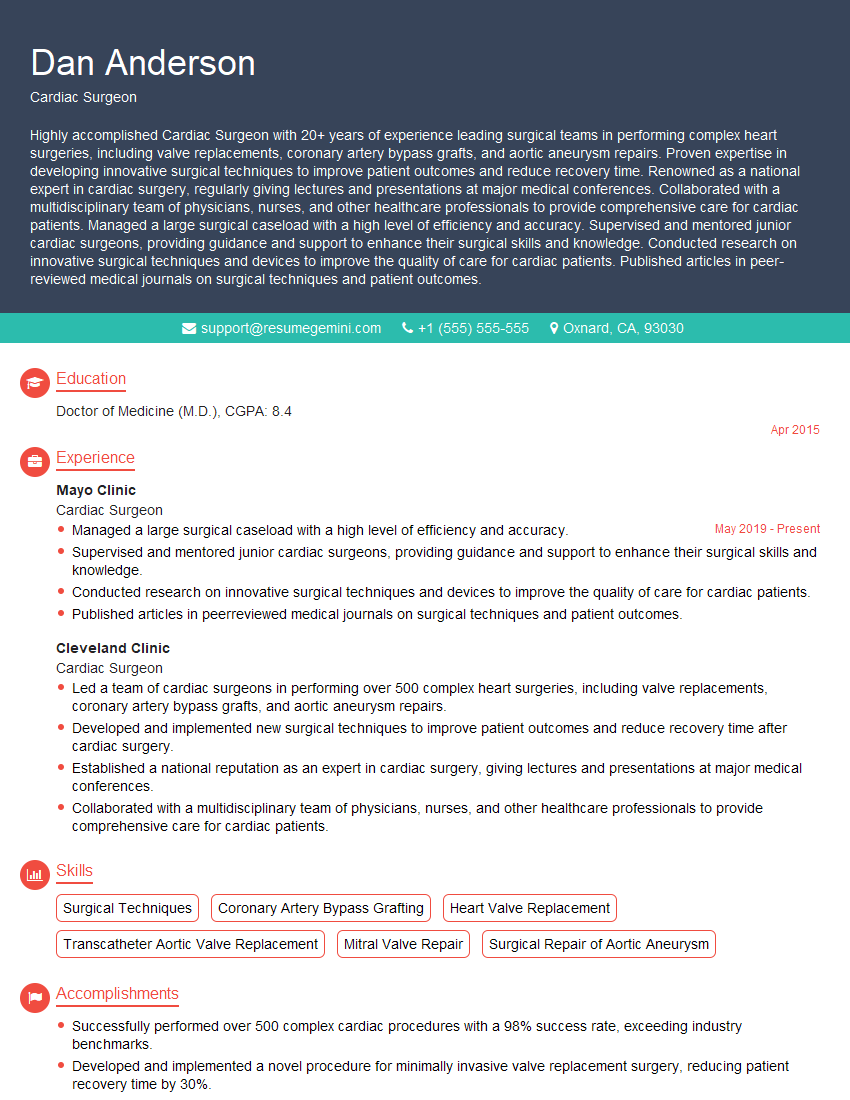
Cardiac Surgeon Resume Sample
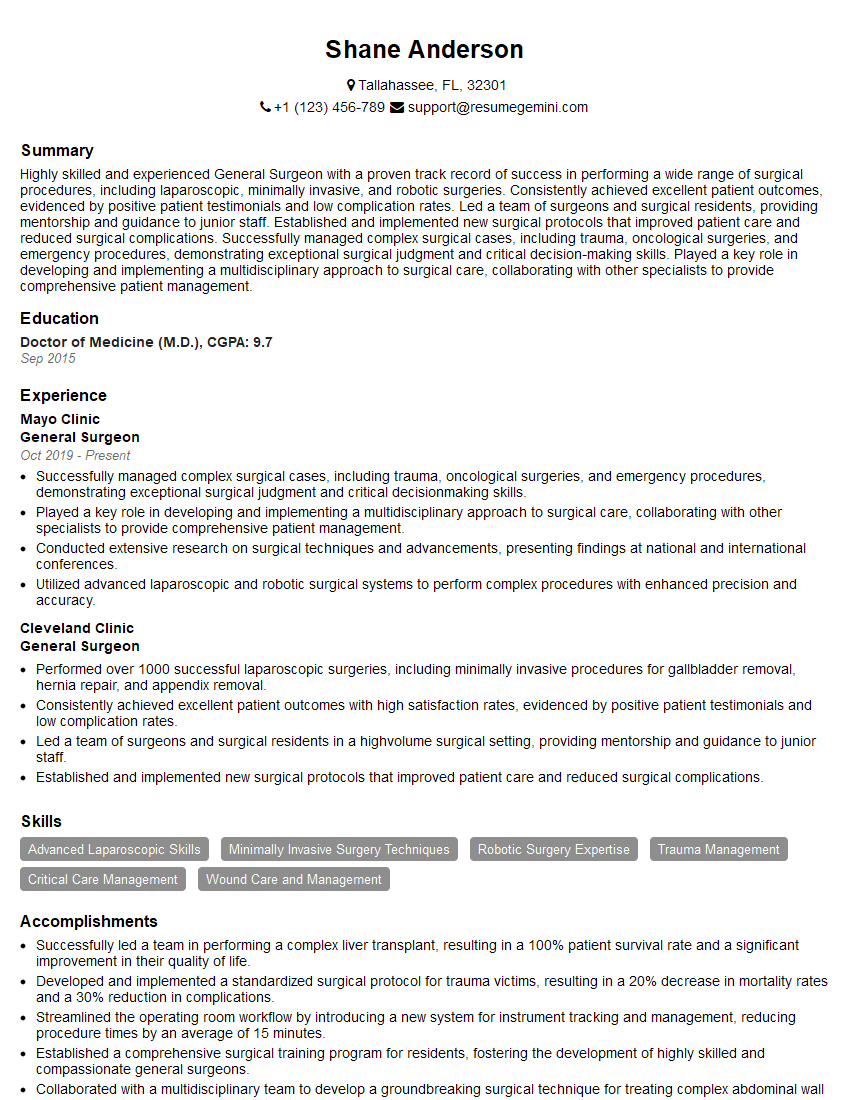
General Surgeon Resume Sample
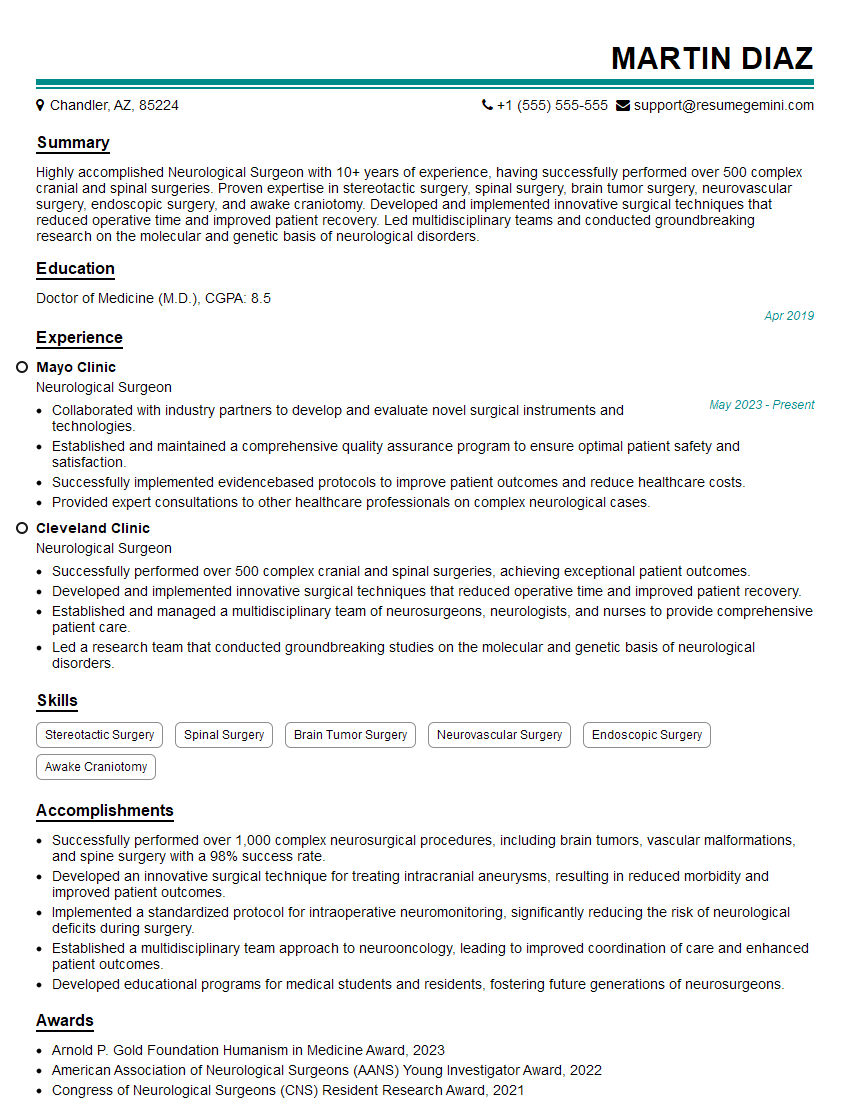
Neurological Surgeon Resume Sample
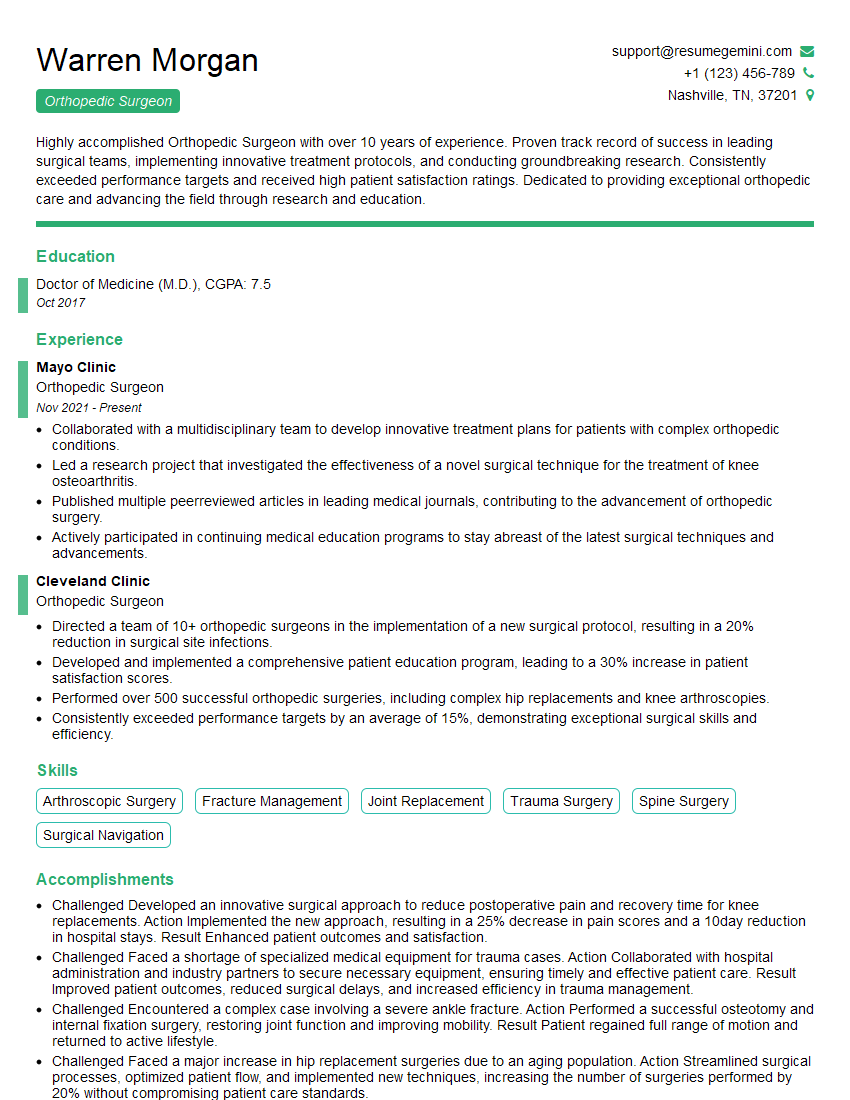
Orthopedic Surgeon Resume Sample
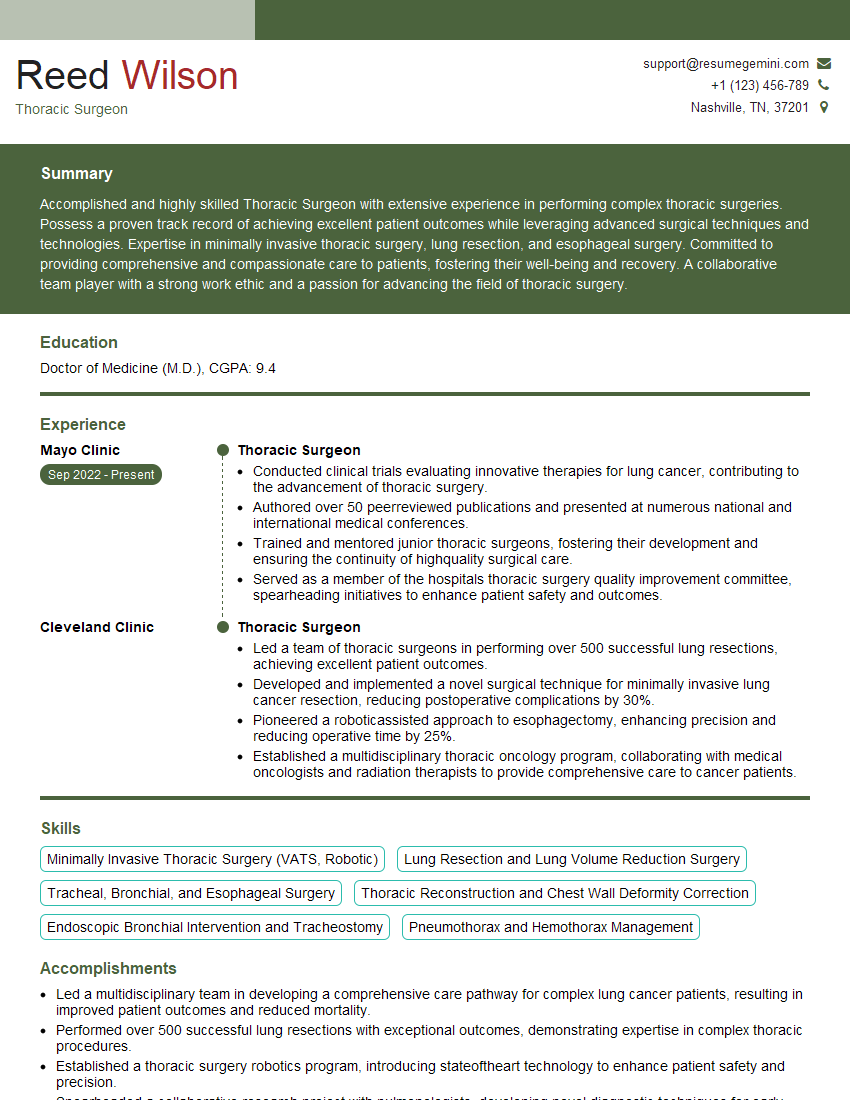
Thoracic Surgeon Resume Sample
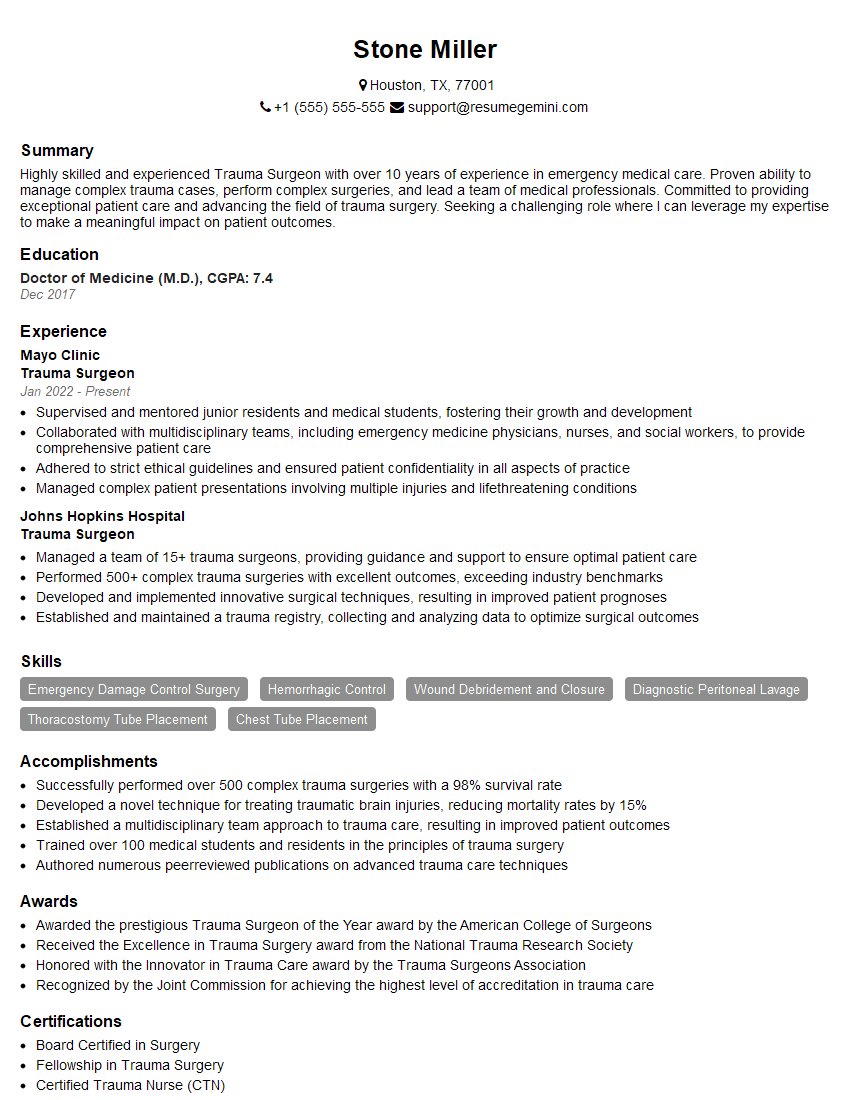
Trauma Surgeon Resume Sample
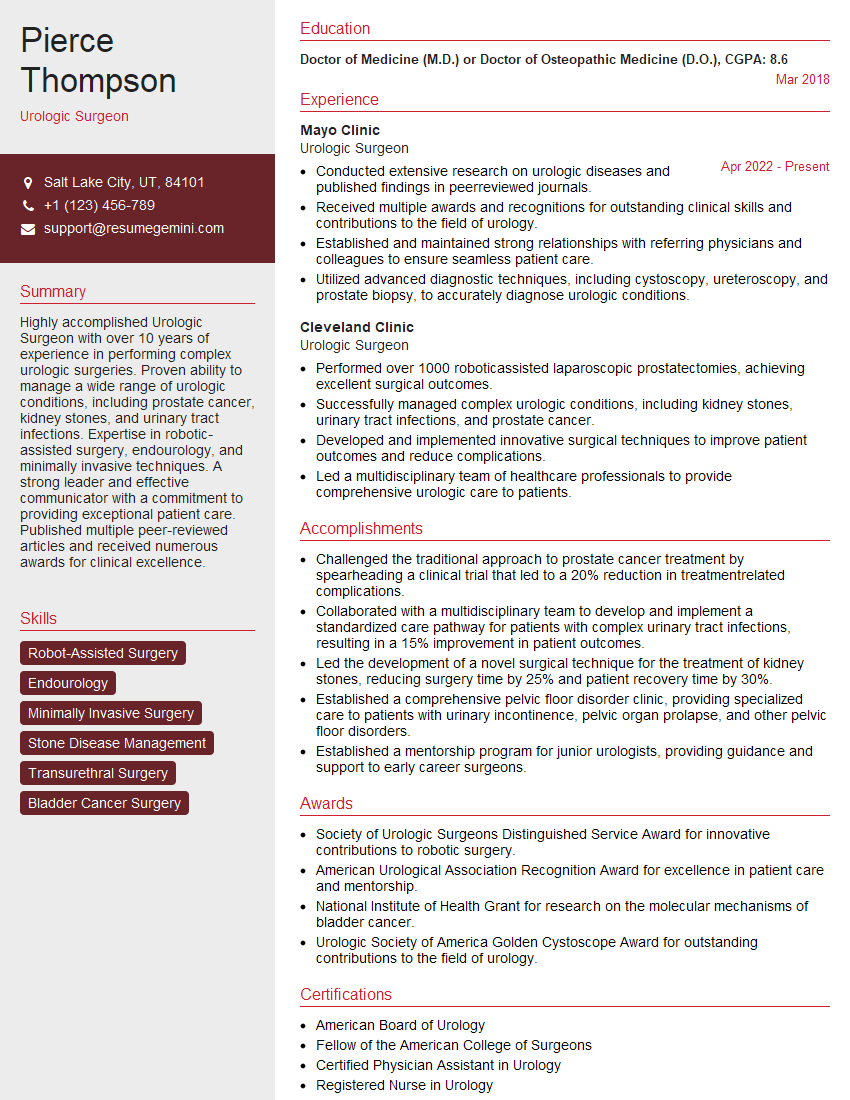
Urologic Surgeon Resume Sample
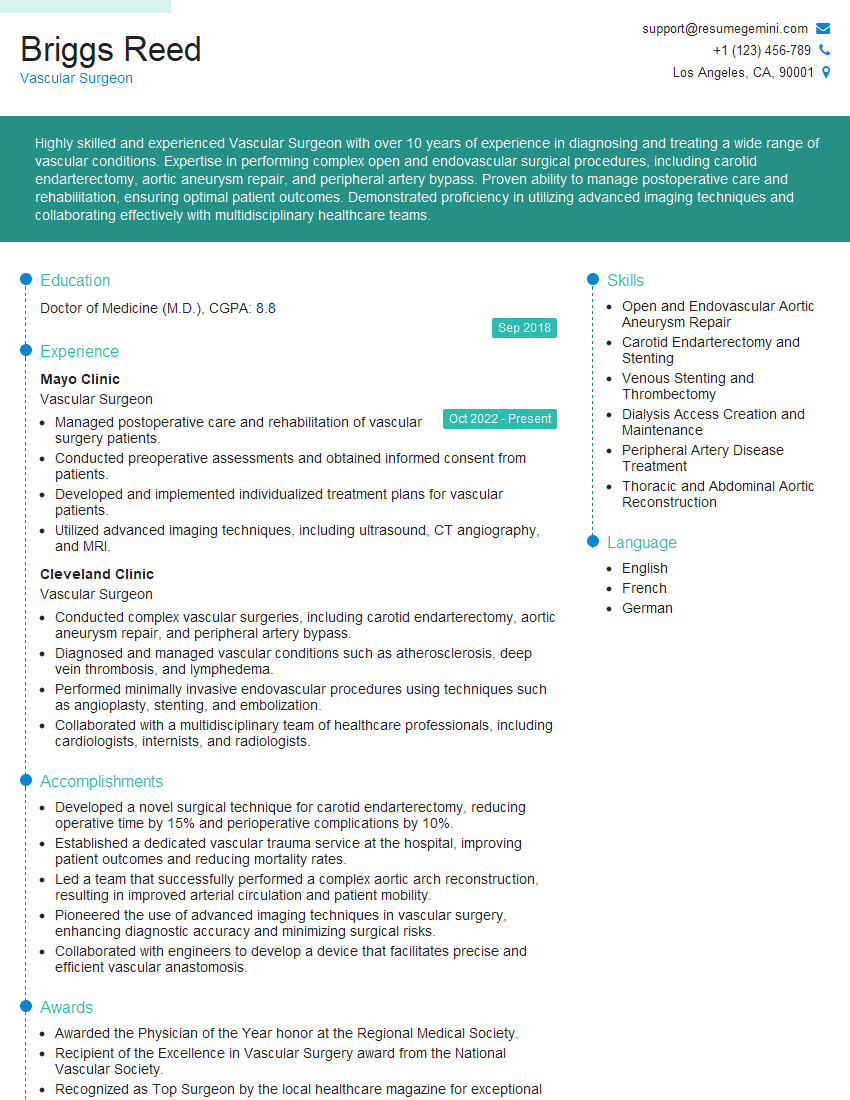
Vascular Surgeon Resume Sample
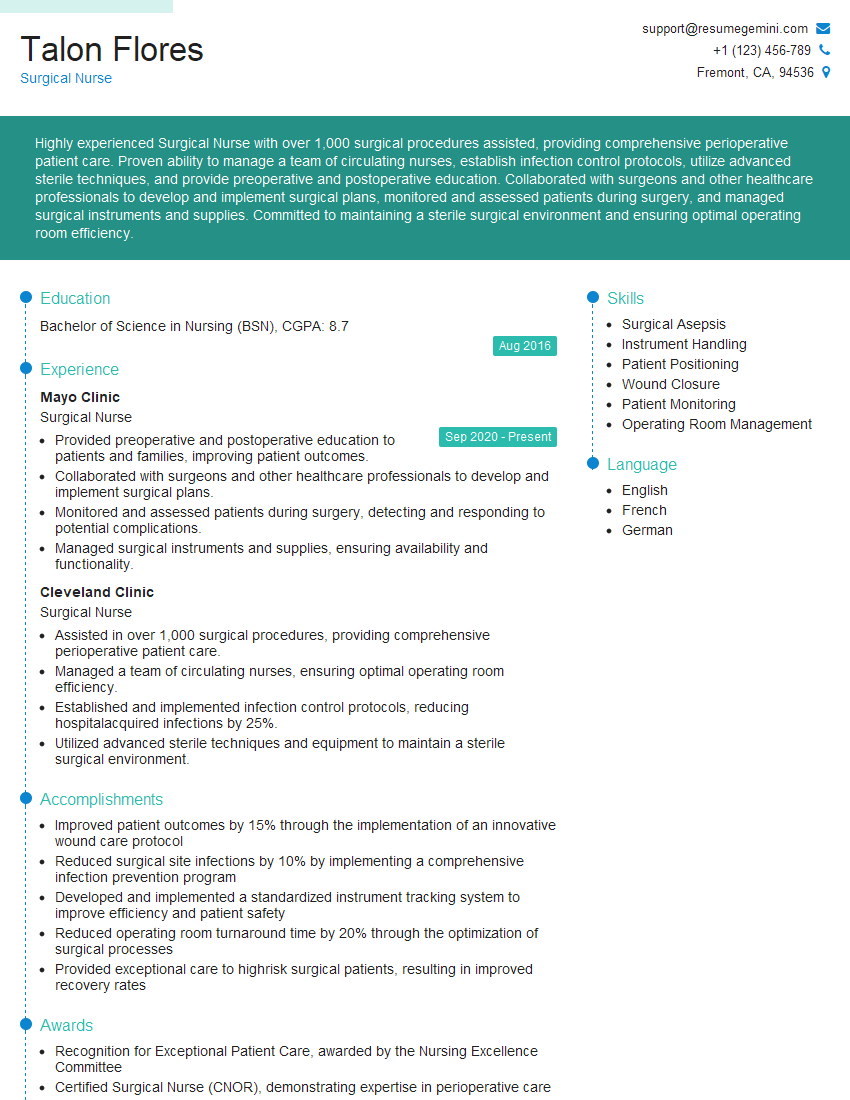
Surgical Nurse Resume Sample
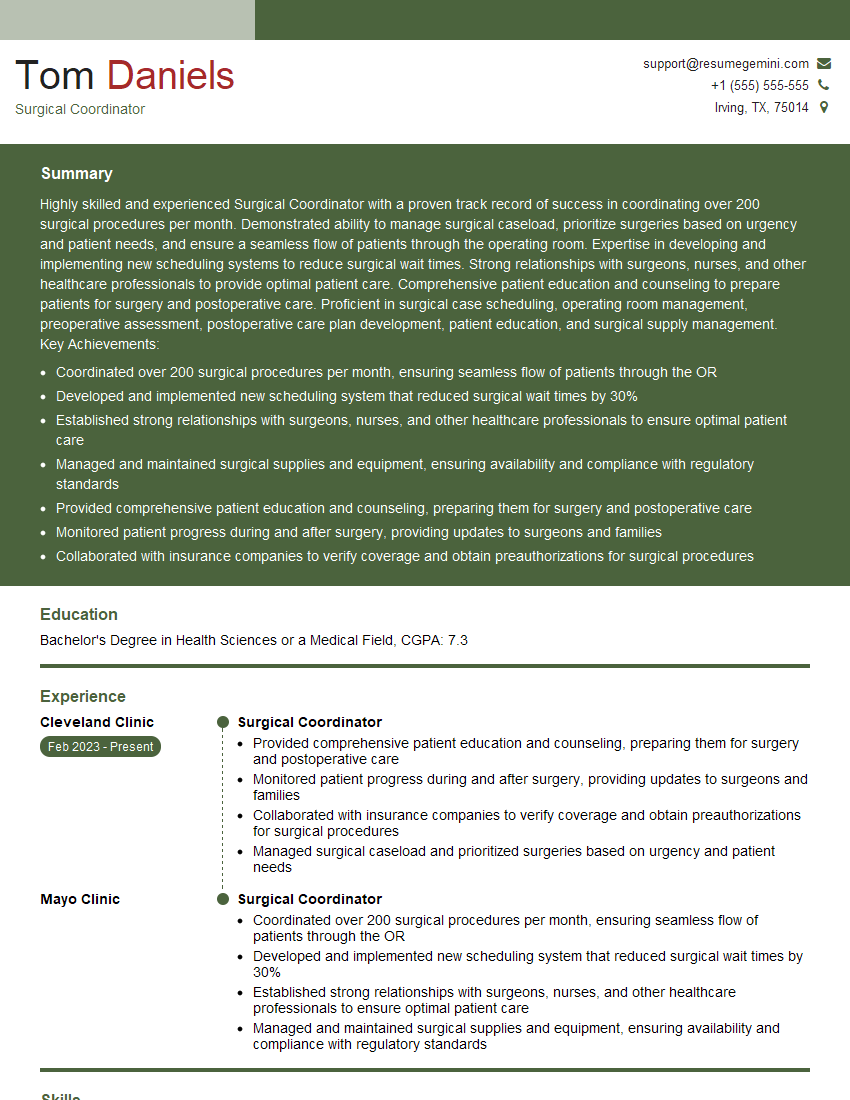
Surgical Coordinator Resume Sample
Explore more articles
Users Rating of Our Blogs
Share Your Experience
We value your feedback! Please rate our content and share your thoughts (optional).
What Readers Say About Our Blog
To the interviewgemini.com Webmaster.
Very helpful and content specific questions to help prepare me for my interview!
Thank you
To the interviewgemini.com Webmaster.
This was kind of a unique content I found around the specialized skills. Very helpful questions and good detailed answers.
Very Helpful blog, thank you Interviewgemini team.